
1 day ago
On September 10, Adobe (NASDAQ:ADBE) posted record third-quarter revenue of $6.76 billion, up 13% year over year, and raised its full-year revenue and profit targets. Non-GAAP EPS climbed 15% to $6.13, while GAAP EPS rose 11% to $4.62. Buried inside those headline numbers was a sharper story: AI-first ending ARR topped $650 million, growing more than 150% year over year. The same call brought a leadership change, with Anil S. Chakravarthy set to take over as CEO from Shantanu Narayen on December 1. Investors got a lot to digest in one afternoon.
Adobe's AI tools are no longer just a demo. Firefly ending ARR, which spans the Firefly app and its credit packs, grew 40% quarter over quarter, and the Acrobat AI ******* istant doubled its monthly active users over the same three months. Total monthly active users across Adobe's businesses surpassed 1 billion in the quarter, up more than 20% year over year, and creative premium MAU crossed 100 million, up more than 70%. Business professionals and consumers MAU passed 900 million, up more than 25%. That kind of user growth, concentrated in free and freemium tiers, is what feeds the paid AI upgrades now showing up in ARR.
The company backed that growth with cash. Operating cash flow hit a third-quarter record of $2.52 billion, and Adobe bought back roughly 9.5 million shares during the quarter, leaving $24.55 billion still authorized for repurchases. Management raised its full-year revenue target to a range of $26.58 billion to $26.63 billion and its non-GAAP EPS target to $24.45 to $24.50. On the product side, Adobe struck a deal to acquire Topaz Labs, whose AI enhancement models for image and video work would slot directly into Firefly and Creative Cloud. Enterprise demand held up too, with ending ARR growing more than 20% year over year at each of Adobe Experience Manager, Adobe Gen Studio, and Adobe Experience Platform.
Not every metric moved as fast. Remaining performance obligations, the backlog of contracted but unrecognized revenue, grew 8% year over year to $22.16 billion, trailing both the 13% revenue growth and the 11.2% growth in total ending ARR. Current RPO grew 9%, also behind the topline. Interim CFO Steven Day flagged a separate issue heading into the fourth quarter: a foreign-exchange headwind that partly offset the benefit of the third-quarter beat when management updated its full-year guidance.
AI-first ARR, for all its 150% growth rate, is still just over $650 million against a total ARR base of $27.50 billion, so it remains a small slice of the business even as it scales. The transition arrives at a pivotal moment too, with Chakravarthy set to take the CEO seat on Dec. 1 just as the company leans harder into an unproven agentic-software strategy, and the Topaz Labs deal still needs to clear regulatory approval before it adds anything to the numbers.
#adobe #billion #million
Adobe's AI tools are no longer just a demo. Firefly ending ARR, which spans the Firefly app and its credit packs, grew 40% quarter over quarter, and the Acrobat AI ******* istant doubled its monthly active users over the same three months. Total monthly active users across Adobe's businesses surpassed 1 billion in the quarter, up more than 20% year over year, and creative premium MAU crossed 100 million, up more than 70%. Business professionals and consumers MAU passed 900 million, up more than 25%. That kind of user growth, concentrated in free and freemium tiers, is what feeds the paid AI upgrades now showing up in ARR.
The company backed that growth with cash. Operating cash flow hit a third-quarter record of $2.52 billion, and Adobe bought back roughly 9.5 million shares during the quarter, leaving $24.55 billion still authorized for repurchases. Management raised its full-year revenue target to a range of $26.58 billion to $26.63 billion and its non-GAAP EPS target to $24.45 to $24.50. On the product side, Adobe struck a deal to acquire Topaz Labs, whose AI enhancement models for image and video work would slot directly into Firefly and Creative Cloud. Enterprise demand held up too, with ending ARR growing more than 20% year over year at each of Adobe Experience Manager, Adobe Gen Studio, and Adobe Experience Platform.
Not every metric moved as fast. Remaining performance obligations, the backlog of contracted but unrecognized revenue, grew 8% year over year to $22.16 billion, trailing both the 13% revenue growth and the 11.2% growth in total ending ARR. Current RPO grew 9%, also behind the topline. Interim CFO Steven Day flagged a separate issue heading into the fourth quarter: a foreign-exchange headwind that partly offset the benefit of the third-quarter beat when management updated its full-year guidance.
AI-first ARR, for all its 150% growth rate, is still just over $650 million against a total ARR base of $27.50 billion, so it remains a small slice of the business even as it scales. The transition arrives at a pivotal moment too, with Chakravarthy set to take the CEO seat on Dec. 1 just as the company leans harder into an unproven agentic-software strategy, and the Topaz Labs deal still needs to clear regulatory approval before it adds anything to the numbers.
#adobe #billion #million


1 day ago
On September 10, LightPath Technologies (NASDAQ:LPTH) reported fiscal fourth-quarter and full-year results that turned a multiyear strategic bet into a financial statement. Revenue nearly doubled for the year, margins expanded, and the company walked away from its last manufacturing ties to China. For a small-cap optics supplier that spent years explaining a strategy, this was the quarter the strategy started explaining itself.
Annual revenue climbed 92.7% to $71.7 million from $37.2 million, and the fourth quarter alone hit a record $21.2 million, up 73.8% year over year. That growth is not just volume. Full-year gross margin expanded to 36% from 27.2%, and the fourth quarter came in even higher at 39.4%, because ****** emblies, modules and cameras now make up 44% of annual sales instead of being sold as raw components.
CEO Sam Rubin said the shift reflects both a change in what LightPath sells and better execution on what it already made, noting every one of its four product groups improved margin for the year. Backlog finished at $110.9 million, up 197% from $37.4 million a year earlier, with $85.6 million of it scheduled for delivery within 12 months. Weeks after the fiscal year closed, the company booked another $24 million in counter-UAS orders, and some of those programs have already moved to monthly delivery cadences of tens of units.
LightPath also completed its exit from China, selling its subsidiary there for $4.5 million paid out over five years, leaving the company with no manufacturing footprint in a country that increasingly can't supply the defense primes it depends on. That matters because defense programs face a deadline this decade to source optics away from covered nations, and qualification cycles run two to three years, meaning the sourcing decisions being made now will determine who wins contracts in 2029 and 2030.
The company's fourth-quarter net loss narrowed to $4.1 million from $7.1 million a year earlier, but full-year operating expenses jumped to $45.5 million from $22 million, and $15.6 million of that was a noncash charge tied to G5 Infrared outperforming the earnout targets set at acquisition. Management called that charge mostly behind the business now that the final G5 payout has been accrued for January 2027, but it is a reminder that acquisition accounting can swing the income statement even when operations are healthy.
#year #quarter #China
Annual revenue climbed 92.7% to $71.7 million from $37.2 million, and the fourth quarter alone hit a record $21.2 million, up 73.8% year over year. That growth is not just volume. Full-year gross margin expanded to 36% from 27.2%, and the fourth quarter came in even higher at 39.4%, because ****** emblies, modules and cameras now make up 44% of annual sales instead of being sold as raw components.
CEO Sam Rubin said the shift reflects both a change in what LightPath sells and better execution on what it already made, noting every one of its four product groups improved margin for the year. Backlog finished at $110.9 million, up 197% from $37.4 million a year earlier, with $85.6 million of it scheduled for delivery within 12 months. Weeks after the fiscal year closed, the company booked another $24 million in counter-UAS orders, and some of those programs have already moved to monthly delivery cadences of tens of units.
LightPath also completed its exit from China, selling its subsidiary there for $4.5 million paid out over five years, leaving the company with no manufacturing footprint in a country that increasingly can't supply the defense primes it depends on. That matters because defense programs face a deadline this decade to source optics away from covered nations, and qualification cycles run two to three years, meaning the sourcing decisions being made now will determine who wins contracts in 2029 and 2030.
The company's fourth-quarter net loss narrowed to $4.1 million from $7.1 million a year earlier, but full-year operating expenses jumped to $45.5 million from $22 million, and $15.6 million of that was a noncash charge tied to G5 Infrared outperforming the earnout targets set at acquisition. Management called that charge mostly behind the business now that the final G5 payout has been accrued for January 2027, but it is a reminder that acquisition accounting can swing the income statement even when operations are healthy.
#year #quarter #China


1 day ago
We now know what time and how to watch the Homecoming clash between Penn State and Wisconsin on Saturday, September 26th. Earlier today, it was announced via the official PSU Football social media accounts that the Nittany Lions will face the Badgers at Beaver Stadium in a 5:00 PM EST kickoff that will be streaming on Peacock.
Understandably, this is frustrating news for those who don't already have a Peacock subscription and don't feel like plunking down additional money for another monthly streaming subscription just to watch one game. That being said, games that air on Peacock also air simultaneously on NBC Sports Network, a channel that is readily available on Comcast Xfinity, YouTubeTV, and Fubo. So, if you already are a subscriber to one of those aforementioned streaming services, you should be good to go.
The last time these two teams collided was on October 26th, 2024, when PSU went into Camp Randall Stadium for a nighttime showdown that saw Beau Pribula step in for an injured Drew Allar after halftime and along with a pick-six by Jaylen Reed and some strong running from Kaytron Allen, help guide the Nittany Lions to a 28-13 win to keep their College Football Playoff hopes intact.
#Football #already
Understandably, this is frustrating news for those who don't already have a Peacock subscription and don't feel like plunking down additional money for another monthly streaming subscription just to watch one game. That being said, games that air on Peacock also air simultaneously on NBC Sports Network, a channel that is readily available on Comcast Xfinity, YouTubeTV, and Fubo. So, if you already are a subscriber to one of those aforementioned streaming services, you should be good to go.
The last time these two teams collided was on October 26th, 2024, when PSU went into Camp Randall Stadium for a nighttime showdown that saw Beau Pribula step in for an injured Drew Allar after halftime and along with a pick-six by Jaylen Reed and some strong running from Kaytron Allen, help guide the Nittany Lions to a 28-13 win to keep their College Football Playoff hopes intact.
#Football #already


2 days ago
Sept 14 (Reuters) - Dominion Energy and NextEra Energy on Monday said they would establish a Virginia supplier program worth up to $1 billion annually for five years if their proposed merger is approved.
They announced merger plans in May, as rising power demand from data centers, electric vehicles and other industries drives a renewed wave of utility consolidation.
• NextEra and Dominion said the new program would direct spending toward contractors, suppliers and service providers in Virginia.
• They proposed extending monthly $10 bill credits to four years from two and increasing Dominion's low-income financial ***** istance by $100 million through 2038.
• The commitments include a $100 million workforce development fund, an annual energy summit in the state and maintaining the current employee headcount there for five years.
#energy #nextera #merger
They announced merger plans in May, as rising power demand from data centers, electric vehicles and other industries drives a renewed wave of utility consolidation.
• NextEra and Dominion said the new program would direct spending toward contractors, suppliers and service providers in Virginia.
• They proposed extending monthly $10 bill credits to four years from two and increasing Dominion's low-income financial ***** istance by $100 million through 2038.
• The commitments include a $100 million workforce development fund, an annual energy summit in the state and maintaining the current employee headcount there for five years.
#energy #nextera #merger


3 days ago
Some offers on this page are from advertisers who pay us, which may affect which products we write about, but not our recommendations. See our Advertiser Disclosure.
Bank accounts are important financial tools that help protect your money and even allow you to earn interest. But depending on where you bank — and how you use your account — certain fees can chip away at your balance. From monthly maintenance charges to overdraft penalties, these costs can add up quickly if you're not paying attention.
Understanding the most common bank fees, why financial institutions charge them, and how to avoid them can help you keep more of your money.
Fees serve as added revenue for banks. If a bank charges a fee for account maintenance or an optional service, the institution can put those funds toward operational expenses and even generate additional income — at the customer's expense. After all, a bank is a business, and a business's goal is to earn money.
Recent data shows that banks have become increasingly dependent on fees over the years, especially those charged for overdrafts and non-sufficient funds (NSF). In fact, according to the Consumer Finance Protection Bureau (CFPB), NSF and overdraft fees account for about two-thirds of a typical bank's fee-based revenue.
#financial #Help
Bank accounts are important financial tools that help protect your money and even allow you to earn interest. But depending on where you bank — and how you use your account — certain fees can chip away at your balance. From monthly maintenance charges to overdraft penalties, these costs can add up quickly if you're not paying attention.
Understanding the most common bank fees, why financial institutions charge them, and how to avoid them can help you keep more of your money.
Fees serve as added revenue for banks. If a bank charges a fee for account maintenance or an optional service, the institution can put those funds toward operational expenses and even generate additional income — at the customer's expense. After all, a bank is a business, and a business's goal is to earn money.
Recent data shows that banks have become increasingly dependent on fees over the years, especially those charged for overdrafts and non-sufficient funds (NSF). In fact, according to the Consumer Finance Protection Bureau (CFPB), NSF and overdraft fees account for about two-thirds of a typical bank's fee-based revenue.
#financial #Help




3 days ago
By Noel Randewich
Sept 11 (Reuters) - Wall Street ended higher on Friday as oil prices retreated and strong consumer price data reinforced expectations the Federal Reserve will raise interest rates next week to fight inflation.
AI server maker Dell soared 12% to a record high. Hewlett Packard Enterprise jumped 12% and HP gained 8.4% after Oracle's quarterly results topped estimates. Oracle dipped 1.8%.
U.S. consumer prices accelerated last month as the cost of gasoline rebounded after two straight monthly declines, adding pressure on the Fed to tighten monetary policy to fight inflation.
Interest rate futures now reflect a nearly 90% probability that the central bank will raise rates at its policy meeting on Wednesday, according to the CME FedWatch tool. That is up from a 72% likelihood on Thursday.
#raise #rates
Sept 11 (Reuters) - Wall Street ended higher on Friday as oil prices retreated and strong consumer price data reinforced expectations the Federal Reserve will raise interest rates next week to fight inflation.
AI server maker Dell soared 12% to a record high. Hewlett Packard Enterprise jumped 12% and HP gained 8.4% after Oracle's quarterly results topped estimates. Oracle dipped 1.8%.
U.S. consumer prices accelerated last month as the cost of gasoline rebounded after two straight monthly declines, adding pressure on the Fed to tighten monetary policy to fight inflation.
Interest rate futures now reflect a nearly 90% probability that the central bank will raise rates at its policy meeting on Wednesday, according to the CME FedWatch tool. That is up from a 72% likelihood on Thursday.
#raise #rates

3 days ago
A fresh reading on inflation showed monthly prices rose more than expected in August, increasing the likelihood the Federal Reserve will raise interest rates next week.
A rebound to oil at $100 per barrel also complicates the picture.
Stripping out volatile food and energy prices — the way the Fed likes to scrutinize underlying inflation — the Consumer Price Index rose 0.3% month over month, compared with expectations for 0.2%. The year-over-year rate was in line with expectations for 2.4% and down a tenth of a percentage point from July. On a headline basis, CPI rose 3.4% in August, in line with expectations, and 0.4% month over month.
"The upside surprise to core CPI in August means the Fed looks set to hike next week," said Stephen Brown, North America chief economist for Capital Economics.
Markets are now betting on a 90% chance of a rate hike at Wednesday's Fed policy meeting, according to CME FedWatch.
#august #expectations #inflation
A rebound to oil at $100 per barrel also complicates the picture.
Stripping out volatile food and energy prices — the way the Fed likes to scrutinize underlying inflation — the Consumer Price Index rose 0.3% month over month, compared with expectations for 0.2%. The year-over-year rate was in line with expectations for 2.4% and down a tenth of a percentage point from July. On a headline basis, CPI rose 3.4% in August, in line with expectations, and 0.4% month over month.
"The upside surprise to core CPI in August means the Fed looks set to hike next week," said Stephen Brown, North America chief economist for Capital Economics.
Markets are now betting on a 90% chance of a rate hike at Wednesday's Fed policy meeting, according to CME FedWatch.
#august #expectations #inflation


3 days ago
A ~$1.7M portfolio split evenly between SCHD and JEPI targets $7,700/month using each fund's forward payout rate.
JEPI's monthly distributions have dropped sharply since 2022 as volatility fell, and recent payouts still vary from $0.34 to $0.45 per share.
Hold JEPI in an IRA and SCHD in a taxable account to maximize after-tax income from this two-fund strategy.
Read More: Learn 7 ways to generate income with a $1,000,000+ portfolio (sponsor)
A portfolio of roughly $1.7 million, split evenly between SCHD and JEPI, targets $7,700 a month in distributions using each fund's current forward payout rate. Two tickers, one brokerage screen, nothing to rebalance beyond keeping the halves even. For a reader who finds a seven-holding portfolio intimidating, that simplicity is genuinely appealing, and it deserves to be said before the caveats begin.
#targets
JEPI's monthly distributions have dropped sharply since 2022 as volatility fell, and recent payouts still vary from $0.34 to $0.45 per share.
Hold JEPI in an IRA and SCHD in a taxable account to maximize after-tax income from this two-fund strategy.
Read More: Learn 7 ways to generate income with a $1,000,000+ portfolio (sponsor)
A portfolio of roughly $1.7 million, split evenly between SCHD and JEPI, targets $7,700 a month in distributions using each fund's current forward payout rate. Two tickers, one brokerage screen, nothing to rebalance beyond keeping the halves even. For a reader who finds a seven-holding portfolio intimidating, that simplicity is genuinely appealing, and it deserves to be said before the caveats begin.
#targets

3 days ago
US stocks rose on Friday as investors digested the Consumer Price Index data, which showed inflation remained sticky and cemented bets that the Federal Reserve will hike interest rates next week.
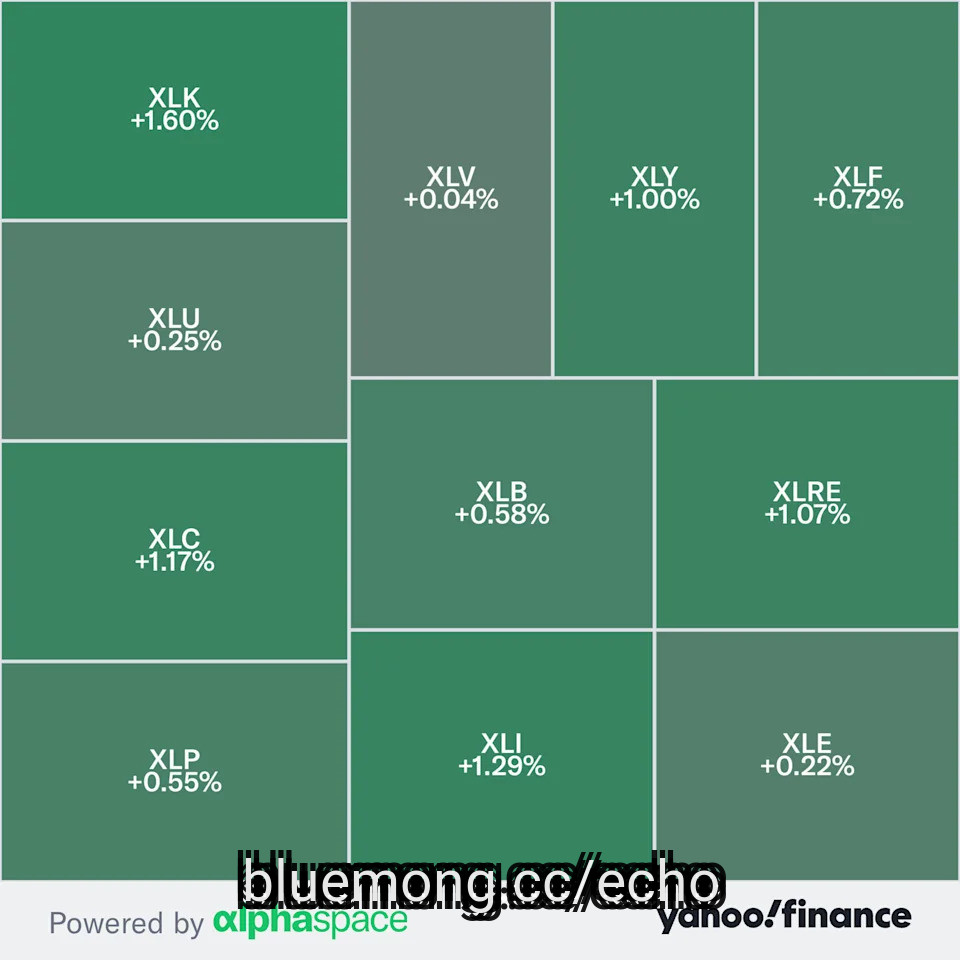
The Dow Industrial Average (^DJI) and tech-heavy Nasdaq Composite (^IXIC) rose 0.9% while the S&P 500 (^GSPC) rose 0.8%. The major indexes posted weekly declines, however, after a four-day losing streak.
Investors turned their attention to the Consumer Price Index, the last piece of inflation data before Federal Reserve policymakers convene next week. Overall prices rose 0.4% on a monthly basis and 3.4% on an annual basis, which were in line with economists' expectations and slightly hotter than July's reading.
But after stripping out volatile food and energy prices, the Fed's preferred reading, CPI rose 0.3%, compared to estimates for 0.2%.
Friday's CPI report prompted traders to ramp up their bets that the Fed will raise interest rates this month. Markets are now pricing in a roughly 87% chance the Fed raises interest rates by 25 basis points at the FOMC meeting next week, according to the CME's Fedwatch tool. That's up from 72% a day ago and 50% a week ago.
#week #next
The Dow Industrial Average (^DJI) and tech-heavy Nasdaq Composite (^IXIC) rose 0.9% while the S&P 500 (^GSPC) rose 0.8%. The major indexes posted weekly declines, however, after a four-day losing streak.
Investors turned their attention to the Consumer Price Index, the last piece of inflation data before Federal Reserve policymakers convene next week. Overall prices rose 0.4% on a monthly basis and 3.4% on an annual basis, which were in line with economists' expectations and slightly hotter than July's reading.
But after stripping out volatile food and energy prices, the Fed's preferred reading, CPI rose 0.3%, compared to estimates for 0.2%.
Friday's CPI report prompted traders to ramp up their bets that the Fed will raise interest rates this month. Markets are now pricing in a roughly 87% chance the Fed raises interest rates by 25 basis points at the FOMC meeting next week, according to the CME's Fedwatch tool. That's up from 72% a day ago and 50% a week ago.
#week #next


3 days ago
Dave Ramsey told caller Hazel her secret teen payments aren't a money problem but a marriage problem requiring full financial transparency and counseling.
Secret spending makes joint wealth-building impossible. Hiding $400 monthly from a spouse means losing its compounding potential in a Roth IRA or 529.
Transparency alone flips the outcome: a joint kid-support budget lets both spouses plan together, while secret contributions force decisions based on false information.
Read More: Learn 7 ways to generate income with a $1,000,000+ portfolio (sponsor)
On the September 9 episode of The Ramsey Show, a caller named Hazel admitted she has been slipping money to her three teenagers from a prior marriage, quietly, from her own account, because her husband of almost seven years refuses to help pay for their sports and school costs. Dave Ramsey did not reach for a spreadsheet. He told her: "You don't have a combining money problem and you don't have a who pays for what problem. You have a marriage problem."
#problem #secret
Secret spending makes joint wealth-building impossible. Hiding $400 monthly from a spouse means losing its compounding potential in a Roth IRA or 529.
Transparency alone flips the outcome: a joint kid-support budget lets both spouses plan together, while secret contributions force decisions based on false information.
Read More: Learn 7 ways to generate income with a $1,000,000+ portfolio (sponsor)
On the September 9 episode of The Ramsey Show, a caller named Hazel admitted she has been slipping money to her three teenagers from a prior marriage, quietly, from her own account, because her husband of almost seven years refuses to help pay for their sports and school costs. Dave Ramsey did not reach for a spreadsheet. He told her: "You don't have a combining money problem and you don't have a who pays for what problem. You have a marriage problem."
#problem #secret


3 days ago
The latest monthly list of new buys by the best mutual funds puts a dazzling spotlight on Lumentum (LITE). These savvy money managers scooped up an eye-catching $13.11 billion worth of Lumentum stock. The optical and photonics giant plays a key role in powering the infrastructure behind artificial intelligence, cloud computing, and next-generation communications. Demand from top funds continues to…
#funds #list
#funds #list


3 days ago
SCHD (Schwab U.S. Dividend Equity ETF) is a low-cost index fund that owns about 100 high-quality, dividend-growing companies that are built for rising income and long-term total return. JEPI (JPMorgan Equity Premium Income ETF) is an actively managed fund that owns low-volatility stocks and sells call options to generate a high monthly payout, meaning it's built for maximum current income at the cost of upside. In short: SCHD is for growing your income over time; JEPI is for maximizing your income right now.
Feature
JEPI
SCHD
Strategy
#fund #high
Feature
JEPI
SCHD
Strategy
#fund #high


3 days ago
Some offers on this page are from advertisers who pay us, which may affect which products we write about, but not our recommendations. See our Advertiser Disclosure.
Debt consolidation combines multiple debts into one loan, usually at a lower interest rate, and you repay the full balance. Debt settlement involves negotiating with creditors to pay less than you owe, but it damages your credit and isn't guaranteed to work.
Understanding how both options work can help you determine which would better fit your financial situation.
Debt consolidation involves replacing your current debts with a new loan or line of credit, ideally with a better interest rate. If you consolidate multiple debts, you can also simplify repayment into a single monthly payment.
There are multiple ways to consolidate debt, including:
#interest
Debt consolidation combines multiple debts into one loan, usually at a lower interest rate, and you repay the full balance. Debt settlement involves negotiating with creditors to pay less than you owe, but it damages your credit and isn't guaranteed to work.
Understanding how both options work can help you determine which would better fit your financial situation.
Debt consolidation involves replacing your current debts with a new loan or line of credit, ideally with a better interest rate. If you consolidate multiple debts, you can also simplify repayment into a single monthly payment.
There are multiple ways to consolidate debt, including:
#interest



3 days ago
The economy, inflation and how those forces could impact the lives of Americans were front and center over the past week. Trips to the grocery store and gas station are more painful than they were last year, and rising costs are impacting the decisions of both households and businesses.
Here's a snapshot of prominent economic data and news that occurred over the past week and what it potentially means for you.
U.S. inflation accelerated last month as gas prices spiked in the wake of renewed fighting in the Middle East, underscoring the affordability challenges that are top of mind for many voters as midterm elections near.
The Labor Department said Friday that the consumer price index rose 3.4% last month compared with a year ago, the same as in July. But on a monthly basis, inflation accelerated, as costs jumped 0.4% from July to August, up from an increase of just 0.1% the previous month.
The figures show that inflation remains stubbornly elevated, more than five years after prices first soared as the economy emerged from the COVID pandemic. Persistent inflation has presented a major challenge for the inflation-fighters at the Federal Reserve and has soured many voters on the Trump administration's economic management.
#year
Here's a snapshot of prominent economic data and news that occurred over the past week and what it potentially means for you.
U.S. inflation accelerated last month as gas prices spiked in the wake of renewed fighting in the Middle East, underscoring the affordability challenges that are top of mind for many voters as midterm elections near.
The Labor Department said Friday that the consumer price index rose 3.4% last month compared with a year ago, the same as in July. But on a monthly basis, inflation accelerated, as costs jumped 0.4% from July to August, up from an increase of just 0.1% the previous month.
The figures show that inflation remains stubbornly elevated, more than five years after prices first soared as the economy emerged from the COVID pandemic. Persistent inflation has presented a major challenge for the inflation-fighters at the Federal Reserve and has soured many voters on the Trump administration's economic management.
#year




4 days ago
A whole new generation is about to be introduced to one of the most beloved boy bands of the 1990s when Taylor Hanson begins his dance journey on Dancing With the Stars. The middle Hanson brother is partnered with Britt Stewart in Season 35 of the dance competition.
And he'll certainly have a strong support system as he takes on this challenge. In addition to his brothers, the 43-year-old singer will have his wife, Natalie Bryant, and their many kids cheering him on. Scroll down to learn more about his family.
Taylor and Natalie got married in June 2002, two years after they met. She mostly lives her life out of the public eye, homeschooling her and Taylor's kids.
Natalie started the baby-naming consultation company Modern Moniker with Zac Hanson's wife, Kate Hanson, in 2020, but their Instagram account stopped posting in 2021. Over the years, she has also written various pieces about parenting, including a monthly recurring column for TulsaKids. She previously had her own blog, as well, but the domain is no longer up and running.
Taylor and his two brothers/bandmates, Zac and Isaac Hanson, all met their wives at their own concerts. Zac and Taylor met their wives at the same show in Atlanta in 2000. Taylor was 17 at the time.
#taylor #wives
And he'll certainly have a strong support system as he takes on this challenge. In addition to his brothers, the 43-year-old singer will have his wife, Natalie Bryant, and their many kids cheering him on. Scroll down to learn more about his family.
Taylor and Natalie got married in June 2002, two years after they met. She mostly lives her life out of the public eye, homeschooling her and Taylor's kids.
Natalie started the baby-naming consultation company Modern Moniker with Zac Hanson's wife, Kate Hanson, in 2020, but their Instagram account stopped posting in 2021. Over the years, she has also written various pieces about parenting, including a monthly recurring column for TulsaKids. She previously had her own blog, as well, but the domain is no longer up and running.
Taylor and his two brothers/bandmates, Zac and Isaac Hanson, all met their wives at their own concerts. Zac and Taylor met their wives at the same show in Atlanta in 2000. Taylor was 17 at the time.
#taylor #wives




4 days ago
The Amgen Irish Open at Trump International Doonbeg has turned into a story of resilience and record-breaking golf. While the first round saw players battling wind and rain that made the course play brutally difficult, the second round brought a dramatic shift in fortune. Shane Lowry, the local favorite, didn't just survive the conditions; he absolutely dominated them. After airing his frustration with the slow pace caused by the weather in the opening round, Lowry produced a stunning performance to take the lead. Golf Monthly reports that Lowry shot a record-breaking 62 under much kinder conditions to take the lead at the midpoint. This score puts him two shots clear of the field and sets the stage for a thrilling weekend.
The contrast between the two rounds couldn't be starker. The first day was defined by struggle, with Golf Monthly noting that the brutal conditions contributed to slow play across the property. Players like Lowry had to wait for groups ahead, testing their patience. Yet, when the wind died down, Lowry found his rhythm. He isn't alone in the hunt, however. The chasing pack is packed with talent, including defending champion Rory McIlroy, two-time Major winner Jon Rahm, and Brooks Koepka, all of whom Golf Monthly confirmed will join Lowry in the third round. Joaquin Niemann, the first-round leader, also remains in contention to challenge the Irishman.
While Lowry's score grabs the headlines, the most compelling story of the week might be the rise of Niklas Nørgaard. The Danish golfer has moved into a tie for second place alongside Jacob Skov Olesen and Haotong Li after posting matching 64s, according to europeantour.com. This surge came from a fundamental change in how Nørgaard approached the game, not just better ball-striking. The pressure of competition often weighs heavy, but Nørgaard found a way to lighten the load. A shift in mindset this week earned praise for his caddie, as he disclosed that his coach is actually riding in the bag during this event.
Nørgaard explained his strategy directly to the media, and the result was immediate. Europeantour.com notes that Nørgaard received late applause from spectators after draining a vital putt on the 18th and finishing his round with a closing birdie to enter the chase. His back nine was a blur of birdies, specifically a burst from the 14th to 16th holes that propelled him up the leaderboard. You have to wonder if that mental shift is the only thing standing between him and a ***** le run, considering how tight the field really is.
Other players faced different challenges. Thomas Detry made an albatross at the par-5 10th in the opening round, a rare feat that should have boosted his day. However, he finished the first day with a 74 and ultimately missed the cut, according to Golf Monthly. On the other side of the field, David Puig struggled to find consistency. Following a 71 in the opening round that left him one over par, he posted the exact same score during the second rou
The contrast between the two rounds couldn't be starker. The first day was defined by struggle, with Golf Monthly noting that the brutal conditions contributed to slow play across the property. Players like Lowry had to wait for groups ahead, testing their patience. Yet, when the wind died down, Lowry found his rhythm. He isn't alone in the hunt, however. The chasing pack is packed with talent, including defending champion Rory McIlroy, two-time Major winner Jon Rahm, and Brooks Koepka, all of whom Golf Monthly confirmed will join Lowry in the third round. Joaquin Niemann, the first-round leader, also remains in contention to challenge the Irishman.
While Lowry's score grabs the headlines, the most compelling story of the week might be the rise of Niklas Nørgaard. The Danish golfer has moved into a tie for second place alongside Jacob Skov Olesen and Haotong Li after posting matching 64s, according to europeantour.com. This surge came from a fundamental change in how Nørgaard approached the game, not just better ball-striking. The pressure of competition often weighs heavy, but Nørgaard found a way to lighten the load. A shift in mindset this week earned praise for his caddie, as he disclosed that his coach is actually riding in the bag during this event.
Nørgaard explained his strategy directly to the media, and the result was immediate. Europeantour.com notes that Nørgaard received late applause from spectators after draining a vital putt on the 18th and finishing his round with a closing birdie to enter the chase. His back nine was a blur of birdies, specifically a burst from the 14th to 16th holes that propelled him up the leaderboard. You have to wonder if that mental shift is the only thing standing between him and a ***** le run, considering how tight the field really is.
Other players faced different challenges. Thomas Detry made an albatross at the par-5 10th in the opening round, a rare feat that should have boosted his day. However, he finished the first day with a 74 and ultimately missed the cut, according to Golf Monthly. On the other side of the field, David Puig struggled to find consistency. Following a 71 in the opening round that left him one over par, he posted the exact same score during the second rou


4 days ago
Patterson-UTI Energy, Inc. (NASDAQ:PTEN) reported on September 7 that it averaged 101 revenue-earning drilling rigs in the United States during August and 100 over the two months ended August 31.
The count measures rigs earning revenue under drilling contracts. The announcement provided no day rates, contract duration, utilization by rig class, or margins. Management explicitly cautioned that rig-count trends alone may not indicate financial performance.
For investors, the update supplies evidence that customers are putting equipment to work. Whether that activity produces better returns depends on the revenue earned and costs incurred for each contracted rig.
The two-month average is consistent with management's earlier outlook for approximately 100 U.S. rigs in the third quarter, compared with 92 in the second quarter. That supports an activity recovery from the prior quarter, although September will determine the final quarterly average.
There is also pricing evidence outside the monthly release. In its July 29 results, Patterson-UTI Energy, Inc. (NASDAQ:PTEN) said recently awarded term contracts carried approximately 10% to 15% higher pricing than levels at the start of the year. Management attributed that improvement to higher demand and customer interest in structural rig upgrades. Those increases applied to recently awarded contracts, rather than the entire fleet.
#rigs #energy #pten
The count measures rigs earning revenue under drilling contracts. The announcement provided no day rates, contract duration, utilization by rig class, or margins. Management explicitly cautioned that rig-count trends alone may not indicate financial performance.
For investors, the update supplies evidence that customers are putting equipment to work. Whether that activity produces better returns depends on the revenue earned and costs incurred for each contracted rig.
The two-month average is consistent with management's earlier outlook for approximately 100 U.S. rigs in the third quarter, compared with 92 in the second quarter. That supports an activity recovery from the prior quarter, although September will determine the final quarterly average.
There is also pricing evidence outside the monthly release. In its July 29 results, Patterson-UTI Energy, Inc. (NASDAQ:PTEN) said recently awarded term contracts carried approximately 10% to 15% higher pricing than levels at the start of the year. Management attributed that improvement to higher demand and customer interest in structural rig upgrades. Those increases applied to recently awarded contracts, rather than the entire fleet.
#rigs #energy #pten

4 days ago
FirstEnergy Corp. (NYSE:FE), through its Potomac Edison subsidiary, proposed a $52.8 million Maryland distribution-rate adjustment to support investment in aging infrastructure, grid modernization and electric-system reliability. If approved, the request would increase the average residential customer's monthly bill by approximately 5.3%.
Potomac Edison said its electric rates were 25% below the average of its in-state peers as of June 1. The utility expects its residential rates to remain the lowest among Maryland's investor-owned electric utilities even after the proposed adjustment.
The proposed reliability program includes Supervisory Control and Data Acquisition technology, replacement of substation reclosers, new circuit ties and automation, overhead-conductor upgrades, aging underground-cable replacement and removal of high-risk trees near power lines. The Maryland Public Service Commission must review and approve the request before any adjustment can take effect.
The proposal connects the requested revenue to specific reliability investments. SCADA technology can give operators greater visibility into system conditions, while reclosers, circuit ties, and automation can isolate problems and reroute electricity. These capabilities can reduce the number of customers affected by outages and shorten restoration times.
Reconductoring, underground-cable replacement and vegetation management address physical causes of service interruptions. The investments could also improve resilience during severe weather, potentially lowering emergency-response costs and reducing the disruption experienced by customers.
#proposed #maryland #aging
Potomac Edison said its electric rates were 25% below the average of its in-state peers as of June 1. The utility expects its residential rates to remain the lowest among Maryland's investor-owned electric utilities even after the proposed adjustment.
The proposed reliability program includes Supervisory Control and Data Acquisition technology, replacement of substation reclosers, new circuit ties and automation, overhead-conductor upgrades, aging underground-cable replacement and removal of high-risk trees near power lines. The Maryland Public Service Commission must review and approve the request before any adjustment can take effect.
The proposal connects the requested revenue to specific reliability investments. SCADA technology can give operators greater visibility into system conditions, while reclosers, circuit ties, and automation can isolate problems and reroute electricity. These capabilities can reduce the number of customers affected by outages and shorten restoration times.
Reconductoring, underground-cable replacement and vegetation management address physical causes of service interruptions. The investments could also improve resilience during severe weather, potentially lowering emergency-response costs and reducing the disruption experienced by customers.
#proposed #maryland #aging


4 days ago
Intellia Therapeutics, Inc. (NASDAQ:NTLA) entered a five-year senior secured credit facility with OrbiMed for up to $400 million and drew $75 million at closing. The remaining $325 million depends on milestones or further lender agreement.
The facility bears interest at an annual rate equal to the greater of 3% or the one-month Secured Overnight Financing Rate, plus 6.15%, payable monthly. The formula sets a 9.15% minimum. Applying that floor to the initial borrowing produces approximately $6.9 million of article-calculated annual interest before commitment, administrative, undrawn-amount, and facility fees.
The financing arrives as Intellia Therapeutics, Inc. (NASDAQ:NTLA) prepares for a potential U.S. launch of lonvoguran ziclumeran, or lonvo-z, for hereditary angioedema. Intellia Therapeutics, Inc. (NASDAQ:NTLA) held $628.4 million of cash, cash equivalents, and marketable securities as of June 30, but reported a $106.6 million second-quarter net loss.
The staged structure gives Intellia Therapeutics, Inc. (NASDAQ:NTLA) capital without issuing equity at closing and avoids drawing the full amount before milestones that could support additional debt.
A second $75 million tranche becomes available at the option of Intellia Therapeutics, Inc. (NASDAQ:NTLA) if the FDA approves the biologics license application for lonvo-z before a specified date. Three further $40 million tranches depend on lonvo-z revenue targets, while another $30 million requires an equity-fundraising milestone. This links most committed borrowing capacity to regulatory and commercial progress.
#million #therapeutics #ntla #lonvo
The facility bears interest at an annual rate equal to the greater of 3% or the one-month Secured Overnight Financing Rate, plus 6.15%, payable monthly. The formula sets a 9.15% minimum. Applying that floor to the initial borrowing produces approximately $6.9 million of article-calculated annual interest before commitment, administrative, undrawn-amount, and facility fees.
The financing arrives as Intellia Therapeutics, Inc. (NASDAQ:NTLA) prepares for a potential U.S. launch of lonvoguran ziclumeran, or lonvo-z, for hereditary angioedema. Intellia Therapeutics, Inc. (NASDAQ:NTLA) held $628.4 million of cash, cash equivalents, and marketable securities as of June 30, but reported a $106.6 million second-quarter net loss.
The staged structure gives Intellia Therapeutics, Inc. (NASDAQ:NTLA) capital without issuing equity at closing and avoids drawing the full amount before milestones that could support additional debt.
A second $75 million tranche becomes available at the option of Intellia Therapeutics, Inc. (NASDAQ:NTLA) if the FDA approves the biologics license application for lonvo-z before a specified date. Three further $40 million tranches depend on lonvo-z revenue targets, while another $30 million requires an equity-fundraising milestone. This links most committed borrowing capacity to regulatory and commercial progress.
#million #therapeutics #ntla #lonvo


4 days ago
Moneywise and Yahoo Finance LLC may earn commission or revenue through links in the content below.
For many Americans, paying off the mortgage is the ultimate financial finish line. After decades of monthly payments, the house is finally yours — free and clear.
But the FBI is warning that this hard-earned milestone could also attract the wrong kind of attention.
Jeff Bezos backs a platform that lets anyone invest in rental homes for as little as $100 — 6 ways to build wealth like a landlord without actually being one
A record 45% of central banks plan to grow gold reserves — and many investors are following suit. Get your free gold IRA guide from Priority Gold
#free #americans #earn
For many Americans, paying off the mortgage is the ultimate financial finish line. After decades of monthly payments, the house is finally yours — free and clear.
But the FBI is warning that this hard-earned milestone could also attract the wrong kind of attention.
Jeff Bezos backs a platform that lets anyone invest in rental homes for as little as $100 — 6 ways to build wealth like a landlord without actually being one
A record 45% of central banks plan to grow gold reserves — and many investors are following suit. Get your free gold IRA guide from Priority Gold
#free #americans #earn


4 days ago
Deciding whether to take a $400,000 lump sum or monthly pension benefit of $2,000 requires calculating the relative value of each option. Generally speaking, the sooner you can receive the lump sum, the more value it will have since you can invest it over a longer period. The monthly payment option may be more valuable if you expect to live a long time after you start receiving benefits. Other factors include inflation, your additional sources of income and how prudently you can manage a large sum of money. A major financial decision like choosing between a lump sum or monthly payout can benefit from the ******* istance of a financial advisor.
Sometimes companies with pension plans offer current and future retirees the option of receiving a large one-time payment instead of a series of smaller payments usually administered on a monthly basis. These buyouts represent a way for companies to manage their risk while also offering some potential advantages to retirees.
Deciding whether or not to accept a lump sum offer involves evaluating a number of factors. Some of these – such as the dollar amount of the lump sum or the monthly benefit – are clearly specified up front. For other key variables, such as the investment returns that can be expected or future inflation, the ******* sment has to rely on educated guesses about future developments.
Two of the most critical variables are when the lump sum will be paid and how long the employee expects to live. Generally speaking, the sooner the lump sum will be paid, the more value that choice ******* umes. Similarly, the longer the beneficiary expects to live, the more valuable the stream of payments is.
Some of the factors that need to be ******* sed include the beneficiary's current health, the age at which their parents died and the typical lifespan that can be expected by someone of their age and gender.
#lump #value #future
Sometimes companies with pension plans offer current and future retirees the option of receiving a large one-time payment instead of a series of smaller payments usually administered on a monthly basis. These buyouts represent a way for companies to manage their risk while also offering some potential advantages to retirees.
Deciding whether or not to accept a lump sum offer involves evaluating a number of factors. Some of these – such as the dollar amount of the lump sum or the monthly benefit – are clearly specified up front. For other key variables, such as the investment returns that can be expected or future inflation, the ******* sment has to rely on educated guesses about future developments.
Two of the most critical variables are when the lump sum will be paid and how long the employee expects to live. Generally speaking, the sooner the lump sum will be paid, the more value that choice ******* umes. Similarly, the longer the beneficiary expects to live, the more valuable the stream of payments is.
Some of the factors that need to be ******* sed include the beneficiary's current health, the age at which their parents died and the typical lifespan that can be expected by someone of their age and gender.
#lump #value #future



4 days ago
US stocks rose on Friday as investors digested the Consumer Price Index data, which showed inflation remained sticky and cemented bets that the Federal Reserve will hike interest rates next week.
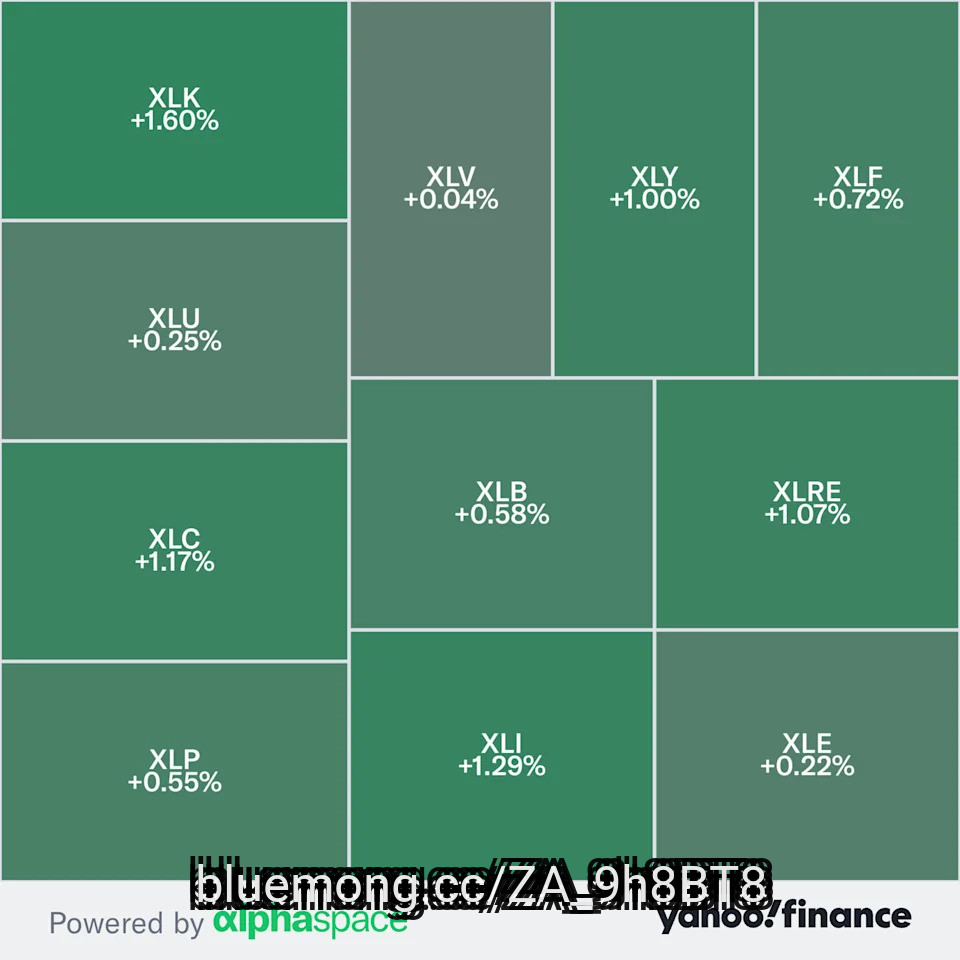
The Dow Industrial Average (^DJI) and S&P 500 (^GSPC) climbed by about 1.1%, while the tech-heavy Nasdaq Composite (^IXIC) rose by about 1.2%. The upbeat move comes after a four-day losing streak for the major indexes.
Investors turned their attention to the Consumer Price Index, the last piece of inflation data before Federal Reserve policymakers convene next week. Overall prices rose 0.4% on a monthly basis and 3.4% on an annual basis, which were in line with economists' expectations and slightly hotter than July's reading.
Friday's CPI report prompted traders to ramp up their bets that the Fed will raise interest rates this month. Markets are now pricing in a roughly 87% chance the Fed raises interest rates by 25 basis points at the FOMC meeting next week, according to the CME's Fedwatch tool. That's up from 72% a day ago and 50% a week ago.
Read more: What is inflation, and how does it affect you?
#week #rose
The Dow Industrial Average (^DJI) and S&P 500 (^GSPC) climbed by about 1.1%, while the tech-heavy Nasdaq Composite (^IXIC) rose by about 1.2%. The upbeat move comes after a four-day losing streak for the major indexes.
Investors turned their attention to the Consumer Price Index, the last piece of inflation data before Federal Reserve policymakers convene next week. Overall prices rose 0.4% on a monthly basis and 3.4% on an annual basis, which were in line with economists' expectations and slightly hotter than July's reading.
Friday's CPI report prompted traders to ramp up their bets that the Fed will raise interest rates this month. Markets are now pricing in a roughly 87% chance the Fed raises interest rates by 25 basis points at the FOMC meeting next week, according to the CME's Fedwatch tool. That's up from 72% a day ago and 50% a week ago.
Read more: What is inflation, and how does it affect you?
#week #rose


5 days ago
Some offers on this page are from advertisers who pay us, which may affect which products we write about, but not our recommendations. See our Advertiser Disclosure.
Adjustable-rate mortgages (ARMs) can allow you to land a lower interest rate in today's high-rate environment. However, ARMs aren't without risk, and they're only right for certain borrowers in certain situations. Find out how ARMs work and whether this type of home loan is right for you.
ARMs behave like two different mortgages rolled into one loan agreement. It begins with a fixed-rate term, usually between five and 10 years. During this period, your interest rate and payment will remain the same.
After that, it converts to a variable-rate loan with an interest rate that can change (up or down) every six months or annually. This means your monthly mortgage payment also changes.
To fully understand how ARMs work, you need to understand what their formulas mean. For example, let's examine the "5/1" ARM:
#rate
Adjustable-rate mortgages (ARMs) can allow you to land a lower interest rate in today's high-rate environment. However, ARMs aren't without risk, and they're only right for certain borrowers in certain situations. Find out how ARMs work and whether this type of home loan is right for you.
ARMs behave like two different mortgages rolled into one loan agreement. It begins with a fixed-rate term, usually between five and 10 years. During this period, your interest rate and payment will remain the same.
After that, it converts to a variable-rate loan with an interest rate that can change (up or down) every six months or annually. This means your monthly mortgage payment also changes.
To fully understand how ARMs work, you need to understand what their formulas mean. For example, let's examine the "5/1" ARM:
#rate


5 days ago
While the average personal loan interest rate is 12.21%, borrowers with excellent credit may have access to rates as low as 6.20%.
Credit unions tend to offer the lowest overall borrowing costs, with a national average of 10.72% and a legal rate cap of 18% at federal institutions.
Online fintech lenders advertise competitive rates starting at 6.20%, though maximum rates can climb up to 36% or higher.
Commercial banks remain competitive, with an average rate of 12.06%, but they demand a high credit score and solid work history for approval.
Tracking average personal loan rates can help you benchmark your borrowing costs for major goals like consolidating credit cards, financing home renovations or covering emergencies. Because personal loans offer fixed monthly payments, they are a solid tool for eliminating credit card debt, provided your credit profile qualifies you for the lowest market pricing.
#loan
Credit unions tend to offer the lowest overall borrowing costs, with a national average of 10.72% and a legal rate cap of 18% at federal institutions.
Online fintech lenders advertise competitive rates starting at 6.20%, though maximum rates can climb up to 36% or higher.
Commercial banks remain competitive, with an average rate of 12.06%, but they demand a high credit score and solid work history for approval.
Tracking average personal loan rates can help you benchmark your borrowing costs for major goals like consolidating credit cards, financing home renovations or covering emergencies. Because personal loans offer fixed monthly payments, they are a solid tool for eliminating credit card debt, provided your credit profile qualifies you for the lowest market pricing.
#loan

5 days ago
GE Aerospace (GE) is acquiring castings supplier Consolidated Precision Products for nearly $12 billion, with Cramer calling it a defense-driven win for the stock.
GE's Defense & Propulsion Technologies segment grew revenue 16% to $3.4 billion in Q2 2026, backed by a $210 billion backlog.
GE's 433% five-year run tempers urgency, but the recent 9.5% monthly pullback gives new investors a better entry point.
Just released. Our **** ysts combed the entire stock market and named the ten best stocks to buy right now, and GE Aerospace didn't make the cut. Enter your email to see the names that beat GE. The report is free. Enter your email and see if any of your stocks made the cut.
Jim Cramer used his Mad Dash on September 8, 2026, to press the case for GE Aerospace (NYSE:GE), calling its purchase of Consolidated Precision Products the kind of consolidation the market has been asking for.
#enter #defense #calling
GE's Defense & Propulsion Technologies segment grew revenue 16% to $3.4 billion in Q2 2026, backed by a $210 billion backlog.
GE's 433% five-year run tempers urgency, but the recent 9.5% monthly pullback gives new investors a better entry point.
Just released. Our **** ysts combed the entire stock market and named the ten best stocks to buy right now, and GE Aerospace didn't make the cut. Enter your email to see the names that beat GE. The report is free. Enter your email and see if any of your stocks made the cut.
Jim Cramer used his Mad Dash on September 8, 2026, to press the case for GE Aerospace (NYSE:GE), calling its purchase of Consolidated Precision Products the kind of consolidation the market has been asking for.
#enter #defense #calling


5 days ago
The $60 target depends on XRP closing a month above $3.66, a level it has never achieved on a monthly closing basis.
XRP came closest in July 2025, when it reached a cycle high and monthly high of $3.65 but closed the month at $3.02. Every month since has recorded a lower high.
XRP trades at $1.42, meaning it would need to gain more than 40 times to reach $60, while reclaiming $3.66 alone would require a 158% rally.
Just released. Our ******* ysts combed the entire stock market and named the ten best stocks to buy right now. The report is free. Enter your email and see if any of your stocks made the cut.
XRP (CRYPTO: XRP) trades around $1.42 today, up 39% over the past 30 days but still down 22% since January 1 and 52% over the past 12 months.
#month #since #past
XRP came closest in July 2025, when it reached a cycle high and monthly high of $3.65 but closed the month at $3.02. Every month since has recorded a lower high.
XRP trades at $1.42, meaning it would need to gain more than 40 times to reach $60, while reclaiming $3.66 alone would require a 158% rally.
Just released. Our ******* ysts combed the entire stock market and named the ten best stocks to buy right now. The report is free. Enter your email and see if any of your stocks made the cut.
XRP (CRYPTO: XRP) trades around $1.42 today, up 39% over the past 30 days but still down 22% since January 1 and 52% over the past 12 months.
#month #since #past



5 days ago
Gold has long served as a portfolio diversifier, often drawing renewed attention during periods of inflation, geopolitical uncertainty, and shifts in monetary policy. In recent years, gold has rallied sharply, reinforcing its reputation as both a store of value and a hedge against macroeconomic risk.
But gold's path has never been a straight line. While the metal has delivered strong returns in certain environments, it has also gone through extended stretches of sideways performance, contributing little to portfolio growth or income. That leaves investors with a familiar tradeoff: maintain gold exposure for its diversification benefits, or reallocate to ***** ets that can generate income along the way.
The NEOS Gold High Income ETF (IAUI) aims to combine gold's traditional store-of-value role with an income-generating options strategy, seeking to deliver high monthly income while preserving upside potential.
The fund's approach rests on two components:
Gold exposure: Up to 25% of the portfolio is allocated to low-cost physical gold ETPs, with the remaining 75% gained through synthetic exposure via GLD options, aiming to track gold's price movements directly. Limiting direct physical gold exposure to 25% also allows the fund to report taxes via Form 1099-DIV rather than a K-1, simplifying year-end tax reporting for investors.
#store
But gold's path has never been a straight line. While the metal has delivered strong returns in certain environments, it has also gone through extended stretches of sideways performance, contributing little to portfolio growth or income. That leaves investors with a familiar tradeoff: maintain gold exposure for its diversification benefits, or reallocate to ***** ets that can generate income along the way.
The NEOS Gold High Income ETF (IAUI) aims to combine gold's traditional store-of-value role with an income-generating options strategy, seeking to deliver high monthly income while preserving upside potential.
The fund's approach rests on two components:
Gold exposure: Up to 25% of the portfolio is allocated to low-cost physical gold ETPs, with the remaining 75% gained through synthetic exposure via GLD options, aiming to track gold's price movements directly. Limiting direct physical gold exposure to 25% also allows the fund to report taxes via Form 1099-DIV rather than a K-1, simplifying year-end tax reporting for investors.
#store

0.00$ raised of 0.00$ goal
0 donations
0.00$
to go
5 days ago
Some offers on this page are from advertisers who pay us, which may affect which products we write about, but not our recommendations. See our Advertiser Disclosure.
Adjustable-rate mortgages (ARMs) can allow you to land a lower interest rate in today's high-rate environment. However, ARMs aren't without risk, and they're only right for certain borrowers in certain situations. Find out how ARMs work and whether this type of home loan is right for you.
ARMs behave like two different mortgages rolled into one loan agreement. It begins with a fixed-rate term, usually between five and 10 years. During this period, your interest rate and payment will remain the same.
After that, it converts to a variable-rate loan with an interest rate that can change (up or down) every six months or annually. This means your monthly mortgage payment also changes.
To fully understand how ARMs work, you need to understand what their formulas mean. For example, let's examine the "5/1" ARM:
#interest #right #understand
Adjustable-rate mortgages (ARMs) can allow you to land a lower interest rate in today's high-rate environment. However, ARMs aren't without risk, and they're only right for certain borrowers in certain situations. Find out how ARMs work and whether this type of home loan is right for you.
ARMs behave like two different mortgages rolled into one loan agreement. It begins with a fixed-rate term, usually between five and 10 years. During this period, your interest rate and payment will remain the same.
After that, it converts to a variable-rate loan with an interest rate that can change (up or down) every six months or annually. This means your monthly mortgage payment also changes.
To fully understand how ARMs work, you need to understand what their formulas mean. For example, let's examine the "5/1" ARM:
#interest #right #understand


0.00$ raised of 0.00$ goal
0 donations
0.00$
to go

5 days ago
Block has applied to the Office of the Comptroller of the Currency for a national trust bank charter, the payments company behind Square and Cash App said on Tuesday.
Builders Bank & Trust would be uninsured and non-depository, taking no deposits and making no loans. Its business would be custody of Bitcoin and other digital ***** ets, executing customer buy and sell orders on a riskless principal basis, and stablecoin settlement.
Block has run digital ***** et services for about eight years under more than 50 state money transmitter and virtual currency licenses, the application says, handling around $10.7 billion in Bitcoin transaction volume in 2025 and serving about two million monthly crypto users through Cash App by the second quarter. A federal charter, Block says, would let it support those activities "through a consistent national framework as the business scales."
Builders Bank would be headquartered in Sioux Falls, South Dakota, with no branches. All five proposed directors live elsewhere, and Block has asked the OCC to waive the rule requiring one to live within 100 miles. Lee Woolley, Block's digital ***** et strategy lead and a former Northern Trust and BNY Mellon executive, would chair it and serve as chief executive.
Dorsey himself is not among the organizers, directors or senior executives, and appears in the filing only as Block's co-founder. The business plan and capital figures went in as confidential exhibits, and the bank cannot open unless the OCC approves.
#block #digital #national
Builders Bank & Trust would be uninsured and non-depository, taking no deposits and making no loans. Its business would be custody of Bitcoin and other digital ***** ets, executing customer buy and sell orders on a riskless principal basis, and stablecoin settlement.
Block has run digital ***** et services for about eight years under more than 50 state money transmitter and virtual currency licenses, the application says, handling around $10.7 billion in Bitcoin transaction volume in 2025 and serving about two million monthly crypto users through Cash App by the second quarter. A federal charter, Block says, would let it support those activities "through a consistent national framework as the business scales."
Builders Bank would be headquartered in Sioux Falls, South Dakota, with no branches. All five proposed directors live elsewhere, and Block has asked the OCC to waive the rule requiring one to live within 100 miles. Lee Woolley, Block's digital ***** et strategy lead and a former Northern Trust and BNY Mellon executive, would chair it and serve as chief executive.
Dorsey himself is not among the organizers, directors or senior executives, and appears in the filing only as Block's co-founder. The business plan and capital figures went in as confidential exhibits, and the bank cannot open unless the OCC approves.
#block #digital #national
0.00$ raised of 0.00$ goal
0 donations
0.00$
to go
5 days ago
SmartAsset and Yahoo Finance LLC may earn commission or revenue through links in the content below.
I'm turning 68 shortly and plan to wait to claim my Social Security at age 70 to maximize the monthly benefit. I also plan to retire at the end of the year, if not sooner (so in three months or less). Does withdrawing from my traditional IRAs (current balance is $215,000) to reduce the income tax on my RMDs outweigh the benefit of keeping those withdrawals invested and growing tax-deferred? My understanding is that if I withdraw amounts up to my standard deduction, then those amounts would be tax-free.
– Austen
Retirement withdrawals, Social Security benefits, required minimum distribution (RMDs), taxes … there are a lot of moving parts when it comes to making decisions about your retirement income. Reducing the amount of money that's subject to RMDs can help minimize your taxes once they kick in. This may also help avoid taxes on your Social Security benefits.
If you don't need the money now, but want to reduce RMDs later, one of the best moves might be converting a portion of your IRA to a Roth IRA each year. That can help reduce future required withdrawals and allow your money to grow tax-free, though there can be tax consequences for certain withdrawals. (A financial advisor can help guide you through the Roth conversion process and potentially avoid unwanted tax consequences.)
#Help #taxes #roth #Retirement
I'm turning 68 shortly and plan to wait to claim my Social Security at age 70 to maximize the monthly benefit. I also plan to retire at the end of the year, if not sooner (so in three months or less). Does withdrawing from my traditional IRAs (current balance is $215,000) to reduce the income tax on my RMDs outweigh the benefit of keeping those withdrawals invested and growing tax-deferred? My understanding is that if I withdraw amounts up to my standard deduction, then those amounts would be tax-free.
– Austen
Retirement withdrawals, Social Security benefits, required minimum distribution (RMDs), taxes … there are a lot of moving parts when it comes to making decisions about your retirement income. Reducing the amount of money that's subject to RMDs can help minimize your taxes once they kick in. This may also help avoid taxes on your Social Security benefits.
If you don't need the money now, but want to reduce RMDs later, one of the best moves might be converting a portion of your IRA to a Roth IRA each year. That can help reduce future required withdrawals and allow your money to grow tax-free, though there can be tax consequences for certain withdrawals. (A financial advisor can help guide you through the Roth conversion process and potentially avoid unwanted tax consequences.)
#Help #taxes #roth #Retirement



0.00$ raised of 0.00$ goal
0 donations
0.00$
to go