
17 hours ago
Amgen Inc. (NASDAQ:AMGN) shed roughly $12 billion in market value after hours on September 4, 2026. The stock declined by about 5% to $415. The reason, as strange as it sounds, is a drug it does not own. Novartis announced that pelacarsen, an Lp(a)-lowering therapy, missed its Phase 3 cardiovascular-outcomes trial, Lp(a)HORIZON. And since Amgen's late-stage ******* et olpasiran relies on the same biological premise, investors immediately marked down Amgen on the negative read-through.
The result strikes at a premise rather than at a product. Pelacarsenhad lowered Lp(a) by roughly 80% in earlier studies. In Lp(a)HORIZON, Novartis said pelacarsen substantially lowered Lp(a), but it still failed to reduce the composite of cardiovascular death, heart attack, stroke, and urgent revascularization. It still could not reduce the composite of cardiovascular death, heart attack, stroke, and urgent revascularization. And now the entire hypothesis that lowering Lp(a), a genetic cardiovascular risk factor, actually cuts events, is being directly challenged. Olpasiran is built on the same hypothesis, leading to the repricing of odds as soon as pelacarsen's data were out.
Amgen's olpasiran, an siRNA, lowered Lp(a) by more than 95% at certain doses in Phase 2, compared with reductions of roughly 80% for pelacarsen in earlier studies. The bull case is that this deeper reduction could help olpasiran deliver better cardiovascular outcomes.. The bull case is that this 15% will help Amgen to make a deeper cut and deliver results. While biologically possible, the Lp(a)HORIZON trial provided no evidence that a clinical threshold exists above an 80% reduction. The topline Phase 3 announcement did not establish that deeper Lp(a) lowering would have produced a cardiovascular benefit. It is therefore appropriate to say that the miss lowered olpasiran's probability of success rather than pretending it is irrelevant. Eli Lilly's lepodisiran is running the same deep-reduction experiment, so the hypothesis will be tested with or without Amgen.
Amgen is not an Lp(a) pure-play. MariTide in obesity, Repatha in cholesterol, and Tezspire in asthma drive more value for the company, and this diversification creates a cushion for the stock, although the selloff ultimately became much larger than the initial 5% after-hours reaction. Positioning has stayed calm since the beginning of 2026. Insider Monkey data shows 66 hedge funds held AMGN in the second quarter of 2026, up slightly from 65 in the first. Short interest, on the other hand, sits at just 2.4% of float, reflecting minimal bets against the stock in the market.
#horizon #pelacarsen
The result strikes at a premise rather than at a product. Pelacarsenhad lowered Lp(a) by roughly 80% in earlier studies. In Lp(a)HORIZON, Novartis said pelacarsen substantially lowered Lp(a), but it still failed to reduce the composite of cardiovascular death, heart attack, stroke, and urgent revascularization. It still could not reduce the composite of cardiovascular death, heart attack, stroke, and urgent revascularization. And now the entire hypothesis that lowering Lp(a), a genetic cardiovascular risk factor, actually cuts events, is being directly challenged. Olpasiran is built on the same hypothesis, leading to the repricing of odds as soon as pelacarsen's data were out.
Amgen's olpasiran, an siRNA, lowered Lp(a) by more than 95% at certain doses in Phase 2, compared with reductions of roughly 80% for pelacarsen in earlier studies. The bull case is that this deeper reduction could help olpasiran deliver better cardiovascular outcomes.. The bull case is that this 15% will help Amgen to make a deeper cut and deliver results. While biologically possible, the Lp(a)HORIZON trial provided no evidence that a clinical threshold exists above an 80% reduction. The topline Phase 3 announcement did not establish that deeper Lp(a) lowering would have produced a cardiovascular benefit. It is therefore appropriate to say that the miss lowered olpasiran's probability of success rather than pretending it is irrelevant. Eli Lilly's lepodisiran is running the same deep-reduction experiment, so the hypothesis will be tested with or without Amgen.
Amgen is not an Lp(a) pure-play. MariTide in obesity, Repatha in cholesterol, and Tezspire in asthma drive more value for the company, and this diversification creates a cushion for the stock, although the selloff ultimately became much larger than the initial 5% after-hours reaction. Positioning has stayed calm since the beginning of 2026. Insider Monkey data shows 66 hedge funds held AMGN in the second quarter of 2026, up slightly from 65 in the first. Short interest, on the other hand, sits at just 2.4% of float, reflecting minimal bets against the stock in the market.
#horizon #pelacarsen


1 day ago
The Cooper Companies, Inc. (NASDAQ:COO) cut its fiscal 2026 profit and revenue forecasts after weaker-than-expected demand for contact lenses weighed on its CooperVision business. The company now expects adjusted earnings of $4.51–$4.55 per share, down from its previous forecast of $4.58–$4.66, while revenue guidance was reduced to $4.23–$4.25 billion from $4.29–$4.32 billion. Third-quarter revenue came in at $1.07 billion, below Wall Street's $1.10 billion estimate, although adjusted EPS of $1.15 beat expectations.
The weakness was concentrated in CooperVision, where revenue fell to $717 million. Cooper said a reduction in U.S. channel inventory hurt results and is expected to continue affecting the fourth quarter. At the same time, the company completed its strategic review and decided to retain CooperSurgical rather than sell the business.
The biggest bullish argument is that some of the current weakness may be temporary rather than a fundamental deterioration in the contact lens market. The Cooper Companies, Inc. (NASDAQ:COO) specifically pointed to U.S. channel inventory reductions, meaning part of the sales pressure reflects distributors and customers working through existing stock rather than consumers permanently abandoning contact lenses. If inventories normalize, CooperVision could see a recovery in sales growth.
Cooper also continues to have a strong position in the global contact lens market. The company is investing in new products, expanding CooperVision's sales and marketing organization and improving inventory and logistics operations. Its strategic review also identified opportunities to reduce costs and improve operational efficiency.
There are encouraging signs beneath the weak headline numbers. Adjusted third-quarter EPS still increased 4% year over year to $1.15, while free cash flow jumped 66% to $273 million. The Cooper Companies, Inc. (NASDAQ:COO) also increased its share-repurchase authorization from $2 billion to $3 billion, giving the company another way to support per-share earnings if the stock remains depressed.
#Companies #revenue #contact #coopervision
The weakness was concentrated in CooperVision, where revenue fell to $717 million. Cooper said a reduction in U.S. channel inventory hurt results and is expected to continue affecting the fourth quarter. At the same time, the company completed its strategic review and decided to retain CooperSurgical rather than sell the business.
The biggest bullish argument is that some of the current weakness may be temporary rather than a fundamental deterioration in the contact lens market. The Cooper Companies, Inc. (NASDAQ:COO) specifically pointed to U.S. channel inventory reductions, meaning part of the sales pressure reflects distributors and customers working through existing stock rather than consumers permanently abandoning contact lenses. If inventories normalize, CooperVision could see a recovery in sales growth.
Cooper also continues to have a strong position in the global contact lens market. The company is investing in new products, expanding CooperVision's sales and marketing organization and improving inventory and logistics operations. Its strategic review also identified opportunities to reduce costs and improve operational efficiency.
There are encouraging signs beneath the weak headline numbers. Adjusted third-quarter EPS still increased 4% year over year to $1.15, while free cash flow jumped 66% to $273 million. The Cooper Companies, Inc. (NASDAQ:COO) also increased its share-repurchase authorization from $2 billion to $3 billion, giving the company another way to support per-share earnings if the stock remains depressed.
#Companies #revenue #contact #coopervision


1 day ago
Dow Inc. (NYSE:DOW) is reportedly considering selling its 35% stake in Sadara Chemical, its $20 billion chemicals joint venture with Saudi Aramco, as the company continues to reshape its portfolio amid a prolonged downturn in the global chemicals industry. No final decision has been made, and Aramco or another strategic or financial investor could potentially acquire Dow's stake.
The potential exit comes as Sadara has become a significant financial burden for Dow. As of June 30, Dow Inc. (NYSE:DOW) had a negative investment balance of $793 million in Sadara and had suspended recognition of its share of the venture's equity losses in the first quarter. Dow has also been exposed to Sadara's financing obligations and previously disclosed that the venture had drawn on a credit facility.
At the same time, Sadara remains a major industrial ****** et, operating a complex in Jubail with more than 3 million metric tons of annual chemicals and plastics capacity. Its operations were disrupted earlier this year by the Middle East conflict, adding transportation, supply-chain, and operating pressures to an industry already dealing with weak demand and global oversupply.
The strongest argument for Dow Inc. (NYSE:DOW) is that exiting Sadara could remove a persistent drag on cash flow and allow management to redirect capital toward businesses with better returns. Dow's exposure to Sadara is no longer simply an investment in a large Saudi chemicals complex; the company has accumulated a negative investment balance and financial obligations ****** ociated with the venture. A sale could therefore reduce Dow's exposure to future funding requirements and limit the amount of capital that could otherwise have to be committed to the partnership.
That would be particularly valuable because Dow is already trying to improve its cash generation. Management has said its objective is to reach free-cash-flow breakeven while pursuing significant cost reductions. In March, CEO Jim Fitterling said Dow's goal was to avoid putting additional cash into Sadara during 2026, while describing the venture as having low operating cash costs but more challenging fixed costs and financing obligations.
#chemicals
The potential exit comes as Sadara has become a significant financial burden for Dow. As of June 30, Dow Inc. (NYSE:DOW) had a negative investment balance of $793 million in Sadara and had suspended recognition of its share of the venture's equity losses in the first quarter. Dow has also been exposed to Sadara's financing obligations and previously disclosed that the venture had drawn on a credit facility.
At the same time, Sadara remains a major industrial ****** et, operating a complex in Jubail with more than 3 million metric tons of annual chemicals and plastics capacity. Its operations were disrupted earlier this year by the Middle East conflict, adding transportation, supply-chain, and operating pressures to an industry already dealing with weak demand and global oversupply.
The strongest argument for Dow Inc. (NYSE:DOW) is that exiting Sadara could remove a persistent drag on cash flow and allow management to redirect capital toward businesses with better returns. Dow's exposure to Sadara is no longer simply an investment in a large Saudi chemicals complex; the company has accumulated a negative investment balance and financial obligations ****** ociated with the venture. A sale could therefore reduce Dow's exposure to future funding requirements and limit the amount of capital that could otherwise have to be committed to the partnership.
That would be particularly valuable because Dow is already trying to improve its cash generation. Management has said its objective is to reach free-cash-flow breakeven while pursuing significant cost reductions. In March, CEO Jim Fitterling said Dow's goal was to avoid putting additional cash into Sadara during 2026, while describing the venture as having low operating cash costs but more challenging fixed costs and financing obligations.
#chemicals


1 day ago
Oracle disclosed in a regulatory filing that it is expanding its planned job cuts by approximately $700 million, bringing the total estimated cost of its 2026 Restructuring Plan to roughly $2.8 billion as the company presses forward with a costly AI data center buildout.
The additional costs reflect "additional actions that we expect to take," the company said. The plan, approved during fiscal 2026, encompasses severance payments, contract termination fees, and related exit costs, with a portion of the reduction linked to how Oracle is deploying AI across parts of its business.
Through August 31, Oracle had recorded roughly $2.1 billion in charges against the plan. The expansion was disclosed after the close of the company's fiscal first quarter, which ended August 31.
The restructuring push is unfolding as Oracle absorbs a steep rise in capital spending. Cash used for capital expenditures climbed to $28.5 billion in the quarter ended August 31, up from $8.5 billion in the same period a year earlier, the company said, driven by expansion of its data centers. Oracle reported negative free cash flow of $5.4 billion for the quarter.
To fund its buildout, the company said it raised $19.9 billion by selling approximately 141 million shares of common stock through an at-the-market offering program during the quarter. Oracle has said it plans to raise approximately $40 billion through a combination of debt and equity in its current fiscal year.
#plan #restructuring
The additional costs reflect "additional actions that we expect to take," the company said. The plan, approved during fiscal 2026, encompasses severance payments, contract termination fees, and related exit costs, with a portion of the reduction linked to how Oracle is deploying AI across parts of its business.
Through August 31, Oracle had recorded roughly $2.1 billion in charges against the plan. The expansion was disclosed after the close of the company's fiscal first quarter, which ended August 31.
The restructuring push is unfolding as Oracle absorbs a steep rise in capital spending. Cash used for capital expenditures climbed to $28.5 billion in the quarter ended August 31, up from $8.5 billion in the same period a year earlier, the company said, driven by expansion of its data centers. Oracle reported negative free cash flow of $5.4 billion for the quarter.
To fund its buildout, the company said it raised $19.9 billion by selling approximately 141 million shares of common stock through an at-the-market offering program during the quarter. Oracle has said it plans to raise approximately $40 billion through a combination of debt and equity in its current fiscal year.
#plan #restructuring

3 days ago
Lululemon Athletica Inc. (NASDAQ:LULU) recently issued its second guidance cut of the year, and investors responded immediately by sending shares down roughly 18%. That selloff came despite an EPS beat, but the headline result was heavily supported by a tariff refund rather than underlying business strength. Brand sentiment, traffic, and leggings sales are all weakening across the company's two largest markets. The key issue for investors is no longer whether the quarter was weak, but whether the stock's low valuation and new CEO can provide the catalyst for a meaningful recovery.
Lululemon shares dropped 18% after the company lowered its full-year guidance for the second time this year. Revenue is now projected to range from $10.35 billion to $10.5 billion, while EPS guidance was reduced to $9.48 to $9.73. Both represent sharp reductions from its earlier guidance ranges. Second-quarter revenue was particularly weak, falling 4% to $2.4 billion and coming in below consensus estimates, while comparable sales dropped 9%, or 10% on a constant-dollar basis. According to the company, negative commentary had affected traffic in both the U.S. and China, while leggings sales slowed more than expected. Although reported EPS beat estimates, nearly all of that upside came from an $0.86 per share tariff refund. For the third quarter, management expects revenue to decline another 10% to 11%.
Lululemon still has several financial advantages that could support the business through its current slowdown. The company has no outstanding borrowings and maintains $1.4 billion in cash. First-half operating cash flow climbed to $589 million, more than double the prior year. Inventory per unit also declined roughly 7% year over year, reducing the risk of a margin-damaging clearance event. Meanwhile, shares have fallen over 50% year-to-date and now trade at a historically depressed valuation, potentially creating an out-of-favor-setup for investors. At the same time, management continued its buyback program, repurchasing $330 million worth of shares during the quarter.
The weakness in traffic and leggings sales cannot be ignored, and both remain serious concerns. However, the company has a debt-free balance sheet, stronger cash generation, and a valuation that already reflects much of the recent bad news. That gives Lululemon room to prove that its current struggles are mainly execution-related rather than signs of a structural decline.
#year #shares #company
Lululemon shares dropped 18% after the company lowered its full-year guidance for the second time this year. Revenue is now projected to range from $10.35 billion to $10.5 billion, while EPS guidance was reduced to $9.48 to $9.73. Both represent sharp reductions from its earlier guidance ranges. Second-quarter revenue was particularly weak, falling 4% to $2.4 billion and coming in below consensus estimates, while comparable sales dropped 9%, or 10% on a constant-dollar basis. According to the company, negative commentary had affected traffic in both the U.S. and China, while leggings sales slowed more than expected. Although reported EPS beat estimates, nearly all of that upside came from an $0.86 per share tariff refund. For the third quarter, management expects revenue to decline another 10% to 11%.
Lululemon still has several financial advantages that could support the business through its current slowdown. The company has no outstanding borrowings and maintains $1.4 billion in cash. First-half operating cash flow climbed to $589 million, more than double the prior year. Inventory per unit also declined roughly 7% year over year, reducing the risk of a margin-damaging clearance event. Meanwhile, shares have fallen over 50% year-to-date and now trade at a historically depressed valuation, potentially creating an out-of-favor-setup for investors. At the same time, management continued its buyback program, repurchasing $330 million worth of shares during the quarter.
The weakness in traffic and leggings sales cannot be ignored, and both remain serious concerns. However, the company has a debt-free balance sheet, stronger cash generation, and a valuation that already reflects much of the recent bad news. That gives Lululemon room to prove that its current struggles are mainly execution-related rather than signs of a structural decline.
#year #shares #company

3 days ago
Updated Sept 11, 2026, 1:55 pm EDT / Original Sept 11, 2026, 7:30 am EDT
The grocery giant now expects same-store sales excluding fuel to rise between 0.2% and 0.8% for the fiscal year, down from a prior range of 1% to 2% growth. The new guidance includes a hit of roughly 140 basis points tied to the Inflation Reduction Act, which lowered prescription drug prices for Medicare beneficiaries and impacted pharmacy revenue. Management separately reaffirmed its earnings guidance of $5.10 to $5.30 a share for the fiscal year.
Copyright ©2026 Dow Jones & Company, Inc. All Rights Reserved. 87990cbe856818d5eddac44c7b1cdeb8
#inflation #medicare
The grocery giant now expects same-store sales excluding fuel to rise between 0.2% and 0.8% for the fiscal year, down from a prior range of 1% to 2% growth. The new guidance includes a hit of roughly 140 basis points tied to the Inflation Reduction Act, which lowered prescription drug prices for Medicare beneficiaries and impacted pharmacy revenue. Management separately reaffirmed its earnings guidance of $5.10 to $5.30 a share for the fiscal year.
Copyright ©2026 Dow Jones & Company, Inc. All Rights Reserved. 87990cbe856818d5eddac44c7b1cdeb8
#inflation #medicare


4 days ago
ExxonMobil Holdings Corporation (NYSE:XOM) agreed to increase its Papua LNG interest from 28.7% to 34.1% and ***** ume operatorship, as disclosed on September 7. The proposed ownership percentages reflect Papua New Guinea's state participation rights.
Papua LNG targets a fourth-quarter 2026 final investment decision, or FID. Santos Limited (ASX:STO) disclosed FID as a closing condition for its own stake acquisition; the operatorship announcement did not specify an equivalent condition.
TotalEnergies SE (NYSE:TTE) said redesign and contractor rebidding had reduced estimated development spending by nearly $4 billion since 2024 to approximately $14 billion. The project would produce 5.6 million tonnes of liquefied natural gas annually. The question is whether that smaller budget can support attractive returns through construction and an uncertain LNG market.
ExxonMobil Holdings Corporation (NYSE:XOM) already operates neighboring PNG LNG. Combining operatorship could improve coordination during construction and operations, including the redesigned handling of upstream condensate. That gives the proposed efficiency gains a practical basis in existing infrastructure and local experience.
The cost reduction is substantial. Mechanically, nearly $4 billion off an approximately $18 billion previous estimate represents about 22%. For ExxonMobil Holdings Corporation (NYSE:XOM), lower development spending would reduce the capital required to generate each future dollar of project cash flow, ***** uming production and operating economics hold.
#holdings #operatorship
Papua LNG targets a fourth-quarter 2026 final investment decision, or FID. Santos Limited (ASX:STO) disclosed FID as a closing condition for its own stake acquisition; the operatorship announcement did not specify an equivalent condition.
TotalEnergies SE (NYSE:TTE) said redesign and contractor rebidding had reduced estimated development spending by nearly $4 billion since 2024 to approximately $14 billion. The project would produce 5.6 million tonnes of liquefied natural gas annually. The question is whether that smaller budget can support attractive returns through construction and an uncertain LNG market.
ExxonMobil Holdings Corporation (NYSE:XOM) already operates neighboring PNG LNG. Combining operatorship could improve coordination during construction and operations, including the redesigned handling of upstream condensate. That gives the proposed efficiency gains a practical basis in existing infrastructure and local experience.
The cost reduction is substantial. Mechanically, nearly $4 billion off an approximately $18 billion previous estimate represents about 22%. For ExxonMobil Holdings Corporation (NYSE:XOM), lower development spending would reduce the capital required to generate each future dollar of project cash flow, ***** uming production and operating economics hold.
#holdings #operatorship


4 days ago
Oxford Industries, Inc. (NYSE:OXM) reported fiscal second-quarter net sales of $394.4 million, down 2.2%. Full-price direct-to-consumer sales declined 1%, while wholesale sales fell 14%, primarily reflecting lower off-price sales.
GAAP gross margin increased to 73.8% from 61.4% after Oxford Industries, Inc. (NYSE:OXM) recognized approximately $42 million of tariff refund claims as a reduction of cost of goods sold. Company-defined non-GAAP adjusted gross margin, excluding tariff refunds and LIFO effects, still improved to 63.1% from 61.7%. Updated **** ortment, sourcing, and pricing strategies increased initial markups, while lower off-price wholesale sales improved the sales mix.
Oxford Industries, Inc. (NYSE:OXM) lowered full-year sales guidance to $1.43 billion to $1.47 billion from $1.475 billion to $1.505 billion. Company-defined non-GAAP adjusted EPS guidance fell to $1.60 to $2.00 from $2.30 to $2.70, reducing the midpoint by 28%. Adjusted EPS excludes LIFO effects, tariff refunds and related interest, Johnny Was amortization, distribution-center relocation costs, merchandising initiatives, store-closure impairments and related taxes.
Underlying margin expansion suggests Oxford Industries, Inc. (NYSE:OXM) improved product economics beyond the one-time refund. Company-defined non-GAAP adjusted operating income, which excludes LIFO effects, tariff refunds and related interest, Johnny Was amortization, and specified distribution-center, merchandising, and store-closure costs, increased to $29.3 million from $28.3 million. Adjusted operating margin rose to 7.4% from 7.0%.
Tommy Bahama remained the strongest major brand for Oxford Industries, Inc. (NYSE:OXM), with sales increasing 0.8% and adjusted gross margin rising to 63.6% from 60.7%. FIFO inventory fell $9 million, or 4%, from one year earlier, reducing markdown exposure.
#gaap
GAAP gross margin increased to 73.8% from 61.4% after Oxford Industries, Inc. (NYSE:OXM) recognized approximately $42 million of tariff refund claims as a reduction of cost of goods sold. Company-defined non-GAAP adjusted gross margin, excluding tariff refunds and LIFO effects, still improved to 63.1% from 61.7%. Updated **** ortment, sourcing, and pricing strategies increased initial markups, while lower off-price wholesale sales improved the sales mix.
Oxford Industries, Inc. (NYSE:OXM) lowered full-year sales guidance to $1.43 billion to $1.47 billion from $1.475 billion to $1.505 billion. Company-defined non-GAAP adjusted EPS guidance fell to $1.60 to $2.00 from $2.30 to $2.70, reducing the midpoint by 28%. Adjusted EPS excludes LIFO effects, tariff refunds and related interest, Johnny Was amortization, distribution-center relocation costs, merchandising initiatives, store-closure impairments and related taxes.
Underlying margin expansion suggests Oxford Industries, Inc. (NYSE:OXM) improved product economics beyond the one-time refund. Company-defined non-GAAP adjusted operating income, which excludes LIFO effects, tariff refunds and related interest, Johnny Was amortization, and specified distribution-center, merchandising, and store-closure costs, increased to $29.3 million from $28.3 million. Adjusted operating margin rose to 7.4% from 7.0%.
Tommy Bahama remained the strongest major brand for Oxford Industries, Inc. (NYSE:OXM), with sales increasing 0.8% and adjusted gross margin rising to 63.6% from 60.7%. FIFO inventory fell $9 million, or 4%, from one year earlier, reducing markdown exposure.
#gaap


4 days ago
First Citizens BancShares, Inc. (NASDAQ:FCNCA), through its First-Citizens Bank & Trust Company subsidiary, completed the acquisition of 138 BMO Bank N.A. branches on September 4. The locations span 11 states across the Midwest, Great Plains and West.
The completion announcement did not disclose final transferred balances. At the announcement, First Citizens BancShares, Inc. (NASDAQ:FCNCA) expected to ****** ume approximately $5.7 billion of deposits and acquire $1.1 billion of loans. Its July 2026 update lowered those estimates to $5.3 billion and $700 million, respectively. Both estimates imply roughly $4.6 billion of net liquidity. That difference represents funding capacity, not transaction income, and remains subject to final balances and acquisition accounting.
The deposit franchise could be the transaction's most valuable ****** et. At announcement, the acquired deposits carried a weighted average rate of 1.43%, with 21% in noninterest-bearing demand accounts. First Citizens BancShares, Inc. (NASDAQ:FCNCA) reported a 2.07% average total deposit cost in the second quarter of 2026. Retaining the acquired accounts near their original pricing could lower the consolidated funding cost.
The 138 branches also establish or deepen a presence across 11 states. The original transaction presentation identified approximately $1.0 billion of wealth ****** ets under management, creating opportunities to cross-sell commercial lending, treasury services, and wealth products. Retaining branch personnel could help preserve local relationships.
First Citizens BancShares, Inc. (NASDAQ:FCNCA) can deploy the surplus funding in several ways. As of June 30, 2026, the company held $151.03 billion of loans and $32.19 billion of borrowings, including a $28.42 billion purchase money note owed to the Federal Deposit Insurance Corporation. The acquired liquidity could support loan growth, replace more expensive funding, or be invested in securities. The original presentation projected immediate earnings-per-share accretion and an approximately 27-basis-point reduction in the Common Equity Tier 1 capital ratio.
#billion #first #citizens
The completion announcement did not disclose final transferred balances. At the announcement, First Citizens BancShares, Inc. (NASDAQ:FCNCA) expected to ****** ume approximately $5.7 billion of deposits and acquire $1.1 billion of loans. Its July 2026 update lowered those estimates to $5.3 billion and $700 million, respectively. Both estimates imply roughly $4.6 billion of net liquidity. That difference represents funding capacity, not transaction income, and remains subject to final balances and acquisition accounting.
The deposit franchise could be the transaction's most valuable ****** et. At announcement, the acquired deposits carried a weighted average rate of 1.43%, with 21% in noninterest-bearing demand accounts. First Citizens BancShares, Inc. (NASDAQ:FCNCA) reported a 2.07% average total deposit cost in the second quarter of 2026. Retaining the acquired accounts near their original pricing could lower the consolidated funding cost.
The 138 branches also establish or deepen a presence across 11 states. The original transaction presentation identified approximately $1.0 billion of wealth ****** ets under management, creating opportunities to cross-sell commercial lending, treasury services, and wealth products. Retaining branch personnel could help preserve local relationships.
First Citizens BancShares, Inc. (NASDAQ:FCNCA) can deploy the surplus funding in several ways. As of June 30, 2026, the company held $151.03 billion of loans and $32.19 billion of borrowings, including a $28.42 billion purchase money note owed to the Federal Deposit Insurance Corporation. The acquired liquidity could support loan growth, replace more expensive funding, or be invested in securities. The original presentation projected immediate earnings-per-share accretion and an approximately 27-basis-point reduction in the Common Equity Tier 1 capital ratio.
#billion #first #citizens



4 days ago
Perez Hilton has cut $350,000 from the asking price of the Las Vegas home he put up for sale before moving his family to Miami.
The 48-year-old media personality is now asking $3.9 million for the six-bedroom, 6.5-bathroom property, down from the $4.25 million price he set when it hit the market in June. Realtor.com reported the reduction on September 10 after the home remained unsold through the summer.
The price change comes while Hilton continues receiving medical and mental health care following a serious crisis at his Miami home in August. His family said in its most recent authorized health update that he remained hospitalized in an inpatient setting, while Page Six reported on September 11 that he was still hospitalized.
Hilton's decision to sell the Las Vegas property predates that hospitalization. He announced his move to Miami in June after about three and a half years in Nevada, saying he wanted to be closer to relatives and believed the change was right for his three children and his mother.
Hilton's home spans about 7,000 square feet in Prado, a gated community with fewer than 20 residences. The property sits on a corner lot roughly between the Las Vegas Strip and Summerlin.
#hilton #asking #family
The 48-year-old media personality is now asking $3.9 million for the six-bedroom, 6.5-bathroom property, down from the $4.25 million price he set when it hit the market in June. Realtor.com reported the reduction on September 10 after the home remained unsold through the summer.
The price change comes while Hilton continues receiving medical and mental health care following a serious crisis at his Miami home in August. His family said in its most recent authorized health update that he remained hospitalized in an inpatient setting, while Page Six reported on September 11 that he was still hospitalized.
Hilton's decision to sell the Las Vegas property predates that hospitalization. He announced his move to Miami in June after about three and a half years in Nevada, saying he wanted to be closer to relatives and believed the change was right for his three children and his mother.
Hilton's home spans about 7,000 square feet in Prado, a gated community with fewer than 20 residences. The property sits on a corner lot roughly between the Las Vegas Strip and Summerlin.
#hilton #asking #family


4 days ago
For its Q3 FY26, ABM Industries Inc. (NYSE:ABM) posted a record topline figure of $2.3 billion. With year-over-year acquisitive growth and organic expansion of 2.1% each, the total jump in sales was 4.2%. The company's adjusted EBITDA for the quarter climbed 11% to $139.6 million, compared to Q3 FY25. Adjusted net income stood at $61.5 million, exhibiting a 19% growth and translating into an adjusted diluted EPS of $1.04. ABM generated operating cash flows for the third quarter totaling $146.8 million, while free cash flow stood at $128.4 million.
Dmitry Kalinovsky/Shutterstock.com
Third quarter print revealed that majority of the topline growth was concentrated across the company's Aviation, and Manufacturing & Distribution (M&D) segments, which expanded 12.5% and 17.6% respectively. Performance within the M&D segment was driven by strong technology market trends, with further support coming from ABM's acquisition of WGNstar. Aviation segment got a boost from robust demand for air travel and healthy progress around the company's newly secured London Heathrow contract.
Prudent cost management resulted in around $3 million reduction in ongoing corporate costs compared to the previous year. Overall growth in bottom line can be attributed to higher operating profits across most segments, a lower tax bill, and cut down in corporate overhead. Some of these were offset by rising interest burden due to the financing of the WGNstar transaction. The company's share buyback initiative was another factor that led to a 25% rise in diluted EPS for the quarter.
The Education segment's revenue held steady. Business & Industry (B&I) slipped 2.6%, largely in line with expectations, due to the previously disclosed loss of a major UK client and ongoing weakness along the US west coast. Technical Solutions (ATS) growth was hampered by certain deferred projects.
#Growth #adjusted #topline
Dmitry Kalinovsky/Shutterstock.com
Third quarter print revealed that majority of the topline growth was concentrated across the company's Aviation, and Manufacturing & Distribution (M&D) segments, which expanded 12.5% and 17.6% respectively. Performance within the M&D segment was driven by strong technology market trends, with further support coming from ABM's acquisition of WGNstar. Aviation segment got a boost from robust demand for air travel and healthy progress around the company's newly secured London Heathrow contract.
Prudent cost management resulted in around $3 million reduction in ongoing corporate costs compared to the previous year. Overall growth in bottom line can be attributed to higher operating profits across most segments, a lower tax bill, and cut down in corporate overhead. Some of these were offset by rising interest burden due to the financing of the WGNstar transaction. The company's share buyback initiative was another factor that led to a 25% rise in diluted EPS for the quarter.
The Education segment's revenue held steady. Business & Industry (B&I) slipped 2.6%, largely in line with expectations, due to the previously disclosed loss of a major UK client and ongoing weakness along the US west coast. Technical Solutions (ATS) growth was hampered by certain deferred projects.
#Growth #adjusted #topline


4 days ago
On August 27, AstraZeneca PLC (NYSE:AZN) and Amgen Inc. (NASDAQ:AMGN) scored a shared clinical victory. Positive high-level results from the Phase III CROSSING trial showed that their co-developed severe asthma drug, TEZSPIRE, achieved statistically significant and clinically meaningful improvements across both co-primary endpoints, histologic remission and the frequency/severity of dysphagia, and all key secondary endpoints at week 24 in patients with eosinophilic esophagitis. These benefits were sustained through week 52 across both tested doses, accompanied by a safety profile consistent with its approved indications. While CROSSING highlights their joint R&D success, a closer look at their standalone financial performance reveals distinct growth trajectories.
Both pharmaceutical giants delivered solid Q2 2026 results, but AstraZeneca is showing stronger overall financial momentum. AstraZeneca PLC (NYSE:AZN)'s Q2 revenue increased 6% year over year to $15.38 billion, supported by its Oncology franchise, which grew 18% in H1 to $14.12 billion, and its Rare Disease portfolio, which increased 13%. Core EPS rose 21% to $2.63, beating expectations, while management reaffirmed its full-year 2026 outlook for mid-to-high single-digit revenue growth and low double-digit Core EPS growth.
Amgen Inc. (NASDAQ:AMGN) reported Q2 revenue of $10.1 billion, up 10% year over year, while non-GAAP EPS increased 4% to $6.29. Although its key growth products advanced 26%, mature products faced significant biosimilar pressure, with Prolia revenue declining 32% and XGEVA falling 34%. Amgen nevertheless raised its 2026 revenue guidance midpoint to $39.4 billion.
Overall, AZN holds the financial edge due to stronger EPS growth, broader portfolio momentum, and less exposure to the biosimilar erosion affecting AMGN's mature products.
Amgen's bull case is supported by robust growth in key products, which increased 26%, and $3.5 billion in Q2 free cash flow, providing substantial capital flexibility. Wells Fargo raised its Amgen price target to $435 from $400 on September 4, citing potential upside from HORIZON and pipeline ****** ets such as olpasiran. New Phase III VESALIUS-CV data also showed Repatha reduced the risk of death by 20% in high-risk adults without a prior heart attack or stroke, with heart attack risk reductions emerging as early as six months. However, accelerating biosimilar competition affecting legacy franchises such as Prolia and XGEVA remains a key risk to sustained margin expansion.
#revenue #astrazeneca #increased #products
Both pharmaceutical giants delivered solid Q2 2026 results, but AstraZeneca is showing stronger overall financial momentum. AstraZeneca PLC (NYSE:AZN)'s Q2 revenue increased 6% year over year to $15.38 billion, supported by its Oncology franchise, which grew 18% in H1 to $14.12 billion, and its Rare Disease portfolio, which increased 13%. Core EPS rose 21% to $2.63, beating expectations, while management reaffirmed its full-year 2026 outlook for mid-to-high single-digit revenue growth and low double-digit Core EPS growth.
Amgen Inc. (NASDAQ:AMGN) reported Q2 revenue of $10.1 billion, up 10% year over year, while non-GAAP EPS increased 4% to $6.29. Although its key growth products advanced 26%, mature products faced significant biosimilar pressure, with Prolia revenue declining 32% and XGEVA falling 34%. Amgen nevertheless raised its 2026 revenue guidance midpoint to $39.4 billion.
Overall, AZN holds the financial edge due to stronger EPS growth, broader portfolio momentum, and less exposure to the biosimilar erosion affecting AMGN's mature products.
Amgen's bull case is supported by robust growth in key products, which increased 26%, and $3.5 billion in Q2 free cash flow, providing substantial capital flexibility. Wells Fargo raised its Amgen price target to $435 from $400 on September 4, citing potential upside from HORIZON and pipeline ****** ets such as olpasiran. New Phase III VESALIUS-CV data also showed Repatha reduced the risk of death by 20% in high-risk adults without a prior heart attack or stroke, with heart attack risk reductions emerging as early as six months. However, accelerating biosimilar competition affecting legacy franchises such as Prolia and XGEVA remains a key risk to sustained margin expansion.
#revenue #astrazeneca #increased #products


4 days ago
On September 2, Shell Offshore, a subsidiary of Shell plc (NYSE:SHEL), announced the acquisition of a 30% working interest in Conifer, an exploration prospect operated by BP p.l.c. (NYSE:BP) in the U.S. Gulf of Mexico. Located offshore within Keathley Canyon near BP's Kaskida host development, Conifer represents a significant deep-water play. BP retains operatorship, with the initial exploration well expected to spud in 2027. While the deal reflects shared risk and capital efficiency in high-cost offshore basins, comparing the two giants' Q2 2026 earnings shows that Shell is currently executing from a position of superior financial strength.
Shell plc (NYSE:SHEL) delivered an exceptionally clean Q2 2026 report. Adjusted earnings reached $9.8 billion, driven by record upstream production in Brazil and record refinery utilization, which offset Middle East operational outages. Cash flow from operations (CFFO) came in at $21.4 billion, supported by higher realized prices and a $3.4 billion working capital inflow. Shell maintained strict capital discipline, reiterating its full-year capex outlook of $24 billion–$26 billion while completing $5.8 billion in structural cost reductions since 2022. Balance sheet health remains robust, with gearing at 19% and net debt at $42 billion ($12 billion excluding leases).
BP p.l.c. (NYSE:BP) also turned in a solid Q2 recovery, but its headline metrics lag behind Shell's scale. BP reported underlying replacement cost profit (its proxy for net income) of $5.7 billion, a 78% quarter-over-quarter rebound fueled by strong refining margins and oil trading. Operating cash flow reached $10.9 billion after absorbing a $1.0 billion working capital build. BP used strong cash generation to trim net debt down to $22.25 billion, while guiding full-year capex to $13.5 billion–$14.0 billion.
Although BP raised its quarterly dividend by 4% to 8.66 cents, Shell's cash engine allowed it to announce its 19th consecutive quarter of at least $3 billion in share buybacks, distributing 44% of CFFO over the trailing 12 months.
Shell's bull case centers on superior capital allocation, aggressive portfolio high-grading, including the ARC Resources acquisition targeting a 4% production CAGR through 2030, and consistent share buybacks. The bear case focuses on execution risks in integrated gas and LNG amid volatile market conditions, as well as the challenges of integrating large-scale acquisitions.
#cost
Shell plc (NYSE:SHEL) delivered an exceptionally clean Q2 2026 report. Adjusted earnings reached $9.8 billion, driven by record upstream production in Brazil and record refinery utilization, which offset Middle East operational outages. Cash flow from operations (CFFO) came in at $21.4 billion, supported by higher realized prices and a $3.4 billion working capital inflow. Shell maintained strict capital discipline, reiterating its full-year capex outlook of $24 billion–$26 billion while completing $5.8 billion in structural cost reductions since 2022. Balance sheet health remains robust, with gearing at 19% and net debt at $42 billion ($12 billion excluding leases).
BP p.l.c. (NYSE:BP) also turned in a solid Q2 recovery, but its headline metrics lag behind Shell's scale. BP reported underlying replacement cost profit (its proxy for net income) of $5.7 billion, a 78% quarter-over-quarter rebound fueled by strong refining margins and oil trading. Operating cash flow reached $10.9 billion after absorbing a $1.0 billion working capital build. BP used strong cash generation to trim net debt down to $22.25 billion, while guiding full-year capex to $13.5 billion–$14.0 billion.
Although BP raised its quarterly dividend by 4% to 8.66 cents, Shell's cash engine allowed it to announce its 19th consecutive quarter of at least $3 billion in share buybacks, distributing 44% of CFFO over the trailing 12 months.
Shell's bull case centers on superior capital allocation, aggressive portfolio high-grading, including the ARC Resources acquisition targeting a 4% production CAGR through 2030, and consistent share buybacks. The bear case focuses on execution risks in integrated gas and LNG amid volatile market conditions, as well as the challenges of integrating large-scale acquisitions.
#cost


4 days ago
Ollie's Bargain Outlet Holdings Inc.'s (NASDAQ:OLLI) second quarter results were characterized by robust loyalty membership growth, store count expansion, and a notable boost in earnings despite weakness in comparable store sales. During the quarter, the retailer opened 15 new locations and shut down one store because of storm-related damages. This pushed its overall store count to 686 across 36 states, a year-over-year jump of 11.9%. The ongoing growth in its store network continues to be the core focus of Ollie's expansion roadmap, as the management recently confirmed its plans to open 75 new stores by the end of this fiscal year. Such a strategy strongly reflects on the extended growth potential of Ollie's existing business model.
Photo by Franki Chamaki on Unsplash
The company's loyalty program, Ollie's Army, continued to gain momentum during the recent quarter, raising its reach to 18.1 million members. This helped push net sales higher by 9.1% to $741.3 million, with the gain coming mainly from newly opened stores rather than sales at existing locations. Even with comparable sales trending downward, key profitability figures showed clear improvement.
With lower supply chain-related costs, gross margins expanded to 43.5%. A key factor behind this jump was the IEEPA tariff refunds, which contributed 380 basis points to gross margin on their own, in addition to broader reductions in tariff rates. This tariff-related benefit served as a meaningful cushion, helping to overcome the drop in comparable sales.
Together, these factors fueled substantial growth in the bottom line as the adjusted net income climbed 40.3% to $85.4 million, and adjusted net income per diluted share rose 43.4% to $1.42. This represented an outsized growth compared to overall sales growth, which highlights the impact of tariff refunds and margin improvements on the overall results.
#Growth #tariff
Photo by Franki Chamaki on Unsplash
The company's loyalty program, Ollie's Army, continued to gain momentum during the recent quarter, raising its reach to 18.1 million members. This helped push net sales higher by 9.1% to $741.3 million, with the gain coming mainly from newly opened stores rather than sales at existing locations. Even with comparable sales trending downward, key profitability figures showed clear improvement.
With lower supply chain-related costs, gross margins expanded to 43.5%. A key factor behind this jump was the IEEPA tariff refunds, which contributed 380 basis points to gross margin on their own, in addition to broader reductions in tariff rates. This tariff-related benefit served as a meaningful cushion, helping to overcome the drop in comparable sales.
Together, these factors fueled substantial growth in the bottom line as the adjusted net income climbed 40.3% to $85.4 million, and adjusted net income per diluted share rose 43.4% to $1.42. This represented an outsized growth compared to overall sales growth, which highlights the impact of tariff refunds and margin improvements on the overall results.
#Growth #tariff

4 days ago
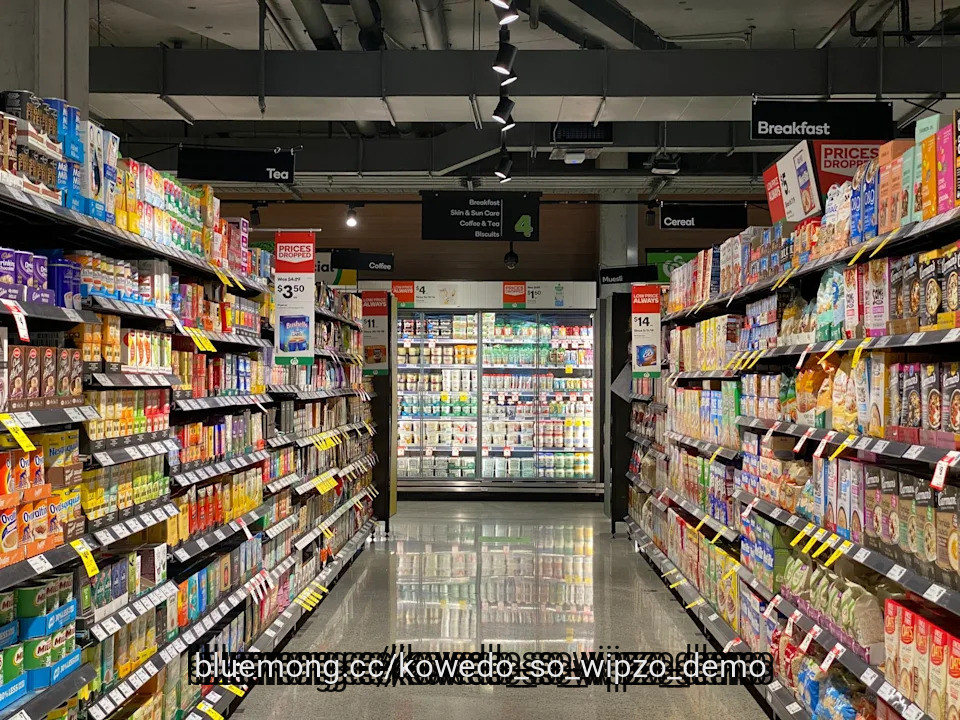
The Campbell's Company (NASDAQ:CPB) is taking aggressive steps to turn around its fortunes, but the food company faces a difficult test. It's whether the $500 million cost-savings plan can rebuild margins and earnings as weak demand continues to pressure sales.
The company has already cut more than 550 jobs and closed two snack plants as part of the cost-cutting efforts. Moreover, it has reduced its quarterly dividend by 36% to conserve cash. Yet management expects another year of declining sales. That means the turnaround hinges on Campbell's ability to improve efficiency while stabilizing sales.
The need for restructuring became clear in the latest quarter. Sales fell 8% to $2.1 billion, and the company swung to a $69 million loss from a $145 million profit a year ago.
The Campbell's Company (NASDAQ:CPB) now plans to cut $500 million in costs by fiscal 2030. The savings are expected to support margin and allow greater investment in the brands. The cost-cutting program includes the closure of two snack plants and a workforce reduction affecting around 13% of Campbell's salaried employees.
Campbell's strategy has a clear financial logic. Lower costs should improve cash flow, help the company absorb inflationary pressures, and provide greater flexibility to invest in strengthening its brands. But the desired turnaround would only be possible if Campbell's can stabilize its underlying business at the same time.
#sales
The company has already cut more than 550 jobs and closed two snack plants as part of the cost-cutting efforts. Moreover, it has reduced its quarterly dividend by 36% to conserve cash. Yet management expects another year of declining sales. That means the turnaround hinges on Campbell's ability to improve efficiency while stabilizing sales.
The need for restructuring became clear in the latest quarter. Sales fell 8% to $2.1 billion, and the company swung to a $69 million loss from a $145 million profit a year ago.
The Campbell's Company (NASDAQ:CPB) now plans to cut $500 million in costs by fiscal 2030. The savings are expected to support margin and allow greater investment in the brands. The cost-cutting program includes the closure of two snack plants and a workforce reduction affecting around 13% of Campbell's salaried employees.
Campbell's strategy has a clear financial logic. Lower costs should improve cash flow, help the company absorb inflationary pressures, and provide greater flexibility to invest in strengthening its brands. But the desired turnaround would only be possible if Campbell's can stabilize its underlying business at the same time.
#sales

4 days ago
Our ******* ysts just identified a stock with the potential to be the next Nvidia. Tell us how you invest and we'll show you why it's our #1 pick. Tap here.
Management attributed the 7.3% revenue growth to outperforming the broader pet category by 2x to 3x, despite a consumer backdrop that has stabilized but not yet recovered.
Performance was bolstered by triple-digit revenue growth in Chewy Vet Care and triple-digit unit growth in the fresh and frozen portfolio, demonstrating successful diversification beyond core consumables.
Autoship customer sales reached 84.6% of total net sales, which management views as a critical foundation for revenue predictability and durable market share gains.
Profitability expansion was driven by a shift toward high-margin health categories, the scaling of the sponsored ads portfolio, and structural variable cost reductions through automation.
#digit #sales
Management attributed the 7.3% revenue growth to outperforming the broader pet category by 2x to 3x, despite a consumer backdrop that has stabilized but not yet recovered.
Performance was bolstered by triple-digit revenue growth in Chewy Vet Care and triple-digit unit growth in the fresh and frozen portfolio, demonstrating successful diversification beyond core consumables.
Autoship customer sales reached 84.6% of total net sales, which management views as a critical foundation for revenue predictability and durable market share gains.
Profitability expansion was driven by a shift toward high-margin health categories, the scaling of the sponsored ads portfolio, and structural variable cost reductions through automation.
#digit #sales


5 days ago
Comstock Resources, Inc. (NYSE:CRK) signed a nonbinding letter of intent under which SOCAR would pay $1.65 billion in cash, subject to customary adjustments. SOCAR would acquire non-operated working interests representing 20% of the Legacy Haynesville and 15% of the Western Haynesville upstream interests held by Comstock Resources, Inc. (NYSE:CRK). SOCAR would also acquire 15% of the 73% ownership interest held by Comstock Resources, Inc. (NYSE:CRK) in Pinnacle Gas Services.
The letter of intent requires good-faith negotiations but does not obligate completion. The parties are targeting a definitive agreement by October 31, 2026, and closing by year-end, subject to negotiations, approvals, and customary conditions.
Separately, a Jerry Jones family partnership will fund 85% of the drilling and completion costs for 18 Western Haynesville wells and 80% for nine Legacy Haynesville wells. The total 27-well program is expected to cost approximately $450 million over 12 months. After a 15% return on investment, 50% of the interest covered by the venture will revert to Comstock Resources, Inc. (NYSE:CRK).
If the SOCAR transaction closes, Comstock Resources, Inc. (NYSE:CRK) estimates that the proceeds would reduce company-defined non-GAAP net debt from $3.1 billion to $1.5 billion as of June 30, 2026. Net debt is calculated as total debt less cash and cash equivalents. The approximately $1.6 billion reduction would nearly halve the measure and could improve financial flexibility.
The drilling venture allows development to continue without equivalent near-term cash funding. Following completion of the SOCAR transaction, Comstock Resources, Inc. (NYSE:CRK) would retain operatorship of the upstream ****** ets and control of Pinnacle Gas Services. Drilling should provide volumes to Pinnacle and help delineate the 545,000 net acres in the Western Haynesville.
#SOCAR
The letter of intent requires good-faith negotiations but does not obligate completion. The parties are targeting a definitive agreement by October 31, 2026, and closing by year-end, subject to negotiations, approvals, and customary conditions.
Separately, a Jerry Jones family partnership will fund 85% of the drilling and completion costs for 18 Western Haynesville wells and 80% for nine Legacy Haynesville wells. The total 27-well program is expected to cost approximately $450 million over 12 months. After a 15% return on investment, 50% of the interest covered by the venture will revert to Comstock Resources, Inc. (NYSE:CRK).
If the SOCAR transaction closes, Comstock Resources, Inc. (NYSE:CRK) estimates that the proceeds would reduce company-defined non-GAAP net debt from $3.1 billion to $1.5 billion as of June 30, 2026. Net debt is calculated as total debt less cash and cash equivalents. The approximately $1.6 billion reduction would nearly halve the measure and could improve financial flexibility.
The drilling venture allows development to continue without equivalent near-term cash funding. Following completion of the SOCAR transaction, Comstock Resources, Inc. (NYSE:CRK) would retain operatorship of the upstream ****** ets and control of Pinnacle Gas Services. Drilling should provide volumes to Pinnacle and help delineate the 545,000 net acres in the Western Haynesville.
#SOCAR

0.00$ raised of 0.00$ goal
0 donations
0.00$
to go

7 days ago
Synopsys (SNPS), a leading provider of software used to design, verify, and test semiconductor chips, remains one of the most dominant players in electronic design automation (EDA). Its EDA software and semiconductor intellectual property (IP) solutions play a critical role in the development of increasingly sophisticated chips.
Moreover, the company has expanded its capabilities with its approximately $35 billion acquisition of Ansys, bringing semiconductor design and engineering simulation under one roof. However, the integration has also brought restructuring and workforce reductions.
Micron Stock More Than Tripled in 2026. Now Taiwan Strike Threat Could Shake the AI Boom.
Dear Adobe Stock Fans, Mark Your Calendars for September 10
Apple Stock: September Surprise Could Be Bigger Than a New iPhone
#Stock #synopsys
Moreover, the company has expanded its capabilities with its approximately $35 billion acquisition of Ansys, bringing semiconductor design and engineering simulation under one roof. However, the integration has also brought restructuring and workforce reductions.
Micron Stock More Than Tripled in 2026. Now Taiwan Strike Threat Could Shake the AI Boom.
Dear Adobe Stock Fans, Mark Your Calendars for September 10
Apple Stock: September Surprise Could Be Bigger Than a New iPhone
#Stock #synopsys


7 days ago
CNBC reported that The Goodyear Tire & Rubber Company (NASDAQ:GT) has extended the timeline for its "Goodyear Forward" turnaround plan after key financial targets went unmet.
CEO Mark Stewart told CNBC the company is trying to reach a 10% operating margin and generate meaningful cash flow, but debt remained above $7 billion at the end of the second quarter. Goodyear posted a $453 million net loss through the first half of the year against operating income of just $131 million, a 1.6% margin. The business has been hit by tariffs, elevated raw material costs, and expanding competition from cheaper Chinese tire imports. Capital expenditures, which ran roughly $2 billion combined in 2024 and 2025, are expected to fall to $725 million this year as the company prioritizes debt paydown and refinancing.
Copyright: baranq / 123RF Stock Photo
The core business is still generating a positive operating margin even amid a large net loss. Operating income of $131 million over six months shows The Goodyear Tire & Rubber Company (NASDAQ:GT)'s core tire operations are not losing money at the operating level, suggesting the much larger net loss stems mainly from the cost of servicing its debt rather than the core business itself failing.
Management is showing real capital discipline and not just promises since cutting planned capital expenditures to $725 million this year from roughly $1 billion annually in 2024 and 2025 combined is a measurable step toward freeing up cash for debt reduction. Moreover, tangible customer-facing investments, like the new retail concept store Stewart showcased in Detroit.
#goodyear #tire
CEO Mark Stewart told CNBC the company is trying to reach a 10% operating margin and generate meaningful cash flow, but debt remained above $7 billion at the end of the second quarter. Goodyear posted a $453 million net loss through the first half of the year against operating income of just $131 million, a 1.6% margin. The business has been hit by tariffs, elevated raw material costs, and expanding competition from cheaper Chinese tire imports. Capital expenditures, which ran roughly $2 billion combined in 2024 and 2025, are expected to fall to $725 million this year as the company prioritizes debt paydown and refinancing.
Copyright: baranq / 123RF Stock Photo
The core business is still generating a positive operating margin even amid a large net loss. Operating income of $131 million over six months shows The Goodyear Tire & Rubber Company (NASDAQ:GT)'s core tire operations are not losing money at the operating level, suggesting the much larger net loss stems mainly from the cost of servicing its debt rather than the core business itself failing.
Management is showing real capital discipline and not just promises since cutting planned capital expenditures to $725 million this year from roughly $1 billion annually in 2024 and 2025 combined is a measurable step toward freeing up cash for debt reduction. Moreover, tangible customer-facing investments, like the new retail concept store Stewart showcased in Detroit.
#goodyear #tire

8 days ago
On August 5, OraSure Technologies (NASDAQ:OSUR) reported second-quarter 2026 results that included its first GAAP net income in years, a headline number of $6.2 million versus a $19.7 million loss a year earlier. Revenue of $30.6 million beat the company's own guidance range and climbed 9.7% from the prior quarter. But look past the top line and the story splits in two, one part driven by real operating progress, the other by an accounting adjustment tied to a regulatory setback.
Some of this quarter's improvement came from actual operations. Gross margin expanded to 43.5% on a GAAP basis, up from 42.1% a year earlier, and non-GAAP gross margin rose to 44.2% from 43.2%. Diagnostics revenue grew 1% year over year to $19.4 million, helped by higher syphilis test sales and the addition of BioMedomics' Sickle SCAN product line. OraSure also picked up two regulatory wins during the quarter. In June 2026, the FDA cleared its Colli-Pee Dx urine collection kit for use with Roche's **** ually transmitted infection tests, letting patients collect samples at home instead of in a clinic.
The following month, the FDA granted Emergency Use Authorization for the second-generation OraQuick Ebola 2.0 Rapid Antigen Test, which can detect all four Ebola virus strains known to cause disease in humans. Cash used in operating activities improved to $23.8 million over the first six months of 2026, down from $30 million a year earlier, a sign the cash burn is easing. The company also kept buying back stock, repurchasing $22 million of shares, or 7.7 million shares, against its $40 million authorization, retiring more than 10% of shares outstanding.
The GAAP profit that headlines this quarter didn't come from the business getting more profitable. It came almost entirely from a $22.6 million reduction in a contingent consideration liability, an accounting entry triggered when OraSure updated its regulatory submission plan for the CT/NG test on its Sherlock platform. Strip that adjustment out and the underlying trend looks different. Non-GAAP operating loss widened to $14.7 million from $13.2 million a year earlier, and non-GAAP net loss came in at $13.8 million, roughly in line with last year's $14.2 million loss. The regulatory event behind that accounting gain is itself a setback.
In July, OraSure withdrew its InteliQuick CT/NG molecular self-test submission after receiving FDA feedback, meaning the product's path to market is now delayed while the company prepares a future resubmission. Total revenue for the quarter was still down 2% year over year, and core revenue, which excludes COVID-19 and Risk **** sment Testing, was flat. Six-month revenue fell 4% to $58.6 million. Sample Management Solutions revenue stayed flat year over year at $9.9 million, showing no growth driver of its own. Cash and equivalents fell to $161 million at quarter-end from $199.3 million at the end of 2025, pulled down by continued buybacks and cash used in operations.
#year #gaap #reven
Some of this quarter's improvement came from actual operations. Gross margin expanded to 43.5% on a GAAP basis, up from 42.1% a year earlier, and non-GAAP gross margin rose to 44.2% from 43.2%. Diagnostics revenue grew 1% year over year to $19.4 million, helped by higher syphilis test sales and the addition of BioMedomics' Sickle SCAN product line. OraSure also picked up two regulatory wins during the quarter. In June 2026, the FDA cleared its Colli-Pee Dx urine collection kit for use with Roche's **** ually transmitted infection tests, letting patients collect samples at home instead of in a clinic.
The following month, the FDA granted Emergency Use Authorization for the second-generation OraQuick Ebola 2.0 Rapid Antigen Test, which can detect all four Ebola virus strains known to cause disease in humans. Cash used in operating activities improved to $23.8 million over the first six months of 2026, down from $30 million a year earlier, a sign the cash burn is easing. The company also kept buying back stock, repurchasing $22 million of shares, or 7.7 million shares, against its $40 million authorization, retiring more than 10% of shares outstanding.
The GAAP profit that headlines this quarter didn't come from the business getting more profitable. It came almost entirely from a $22.6 million reduction in a contingent consideration liability, an accounting entry triggered when OraSure updated its regulatory submission plan for the CT/NG test on its Sherlock platform. Strip that adjustment out and the underlying trend looks different. Non-GAAP operating loss widened to $14.7 million from $13.2 million a year earlier, and non-GAAP net loss came in at $13.8 million, roughly in line with last year's $14.2 million loss. The regulatory event behind that accounting gain is itself a setback.
In July, OraSure withdrew its InteliQuick CT/NG molecular self-test submission after receiving FDA feedback, meaning the product's path to market is now delayed while the company prepares a future resubmission. Total revenue for the quarter was still down 2% year over year, and core revenue, which excludes COVID-19 and Risk **** sment Testing, was flat. Six-month revenue fell 4% to $58.6 million. Sample Management Solutions revenue stayed flat year over year at $9.9 million, showing no growth driver of its own. Cash and equivalents fell to $161 million at quarter-end from $199.3 million at the end of 2025, pulled down by continued buybacks and cash used in operations.
#year #gaap #reven


8 days ago
On August 13, enCore Energy (NASDAQ:EU) reported financial and operating results for the six months ended June 30, and the numbers pull in two directions at once. The uranium miner delivered more pounds at higher prices than a year earlier, yet its net loss per share widened to $0.19 from $0.16. Underneath that headline sits a company racing to bring new wellfields online just as its current ones cost more to run than the uranium they produce is worth.
enCore delivered 485,000 pounds of U3O8 into contracts during the first half of 2026, up from 350,000 pounds a year earlier, at an average sales price of $70.10 per pound versus $62.58 in 2025. Both volume and price moved in the right direction, a sign that demand from utilities has not slowed even as the company's own production has. The bigger story sits in the ground. On June 22, enCore announced that its Dewey Burdock project in South Dakota received a 20-year renewal of its Source Materials License, extending the permit to June 2046, after the Bureau of Land Management cleared the company to begin infrastructure construction.
That milestone means Dewey Burdock now holds every federal permit it needs, leaving only a state review that began June 15. Closer to production, enCore expects final permits at its Alta Mesa Wellfield 3 Extension and at the Upper Spring Creek wellfield in the fourth quarter of 2026, both already built and waiting on paperwork rather than construction. Drilling at Alta Mesa East continued with three to five rigs through the quarter, and management says results have met or exceeded expectations. Add a July 2026 workforce reduction meant to lower costs starting in the third quarter, and the pieces for a stronger second half are at least on the table.
The production side tells a different story. enCore extracted just 131,274 pounds of U3O8 in the first half of 2026, down from 317,613 pounds a year earlier, a drop of more than half. Extraction costs rose to $57.36 per pound from $42.92, and once purchased pounds are folded in, the weighted average cost of delivered U3O8 climbed to $75.54 per pound, above the $70.10 per pound the company actually collected. That gap between what enCore pays to deliver uranium and what it earns selling it is at the center of the widened loss, which the company attributed to lower extraction and a fair value adjustment on its Verdera Energy Corp shares.
Alta Mesa's Wellfield 7 is also set to stop production in the third quarter of 2026 as it reaches natural depletion, removing supply before the newer wellfields are permitted to replace it. The near-term fixes aren't guaranteed on the timeline enCore has laid out either. Wellfield 8 permits are not expected until the end of the first quarter of 2027, and Dewey Burdock's state permitting process, still under review by South Dakota's Department of Agriculture & Natural Resources, has the company targeting development only in 2028.
#encore #pounds #quarter
enCore delivered 485,000 pounds of U3O8 into contracts during the first half of 2026, up from 350,000 pounds a year earlier, at an average sales price of $70.10 per pound versus $62.58 in 2025. Both volume and price moved in the right direction, a sign that demand from utilities has not slowed even as the company's own production has. The bigger story sits in the ground. On June 22, enCore announced that its Dewey Burdock project in South Dakota received a 20-year renewal of its Source Materials License, extending the permit to June 2046, after the Bureau of Land Management cleared the company to begin infrastructure construction.
That milestone means Dewey Burdock now holds every federal permit it needs, leaving only a state review that began June 15. Closer to production, enCore expects final permits at its Alta Mesa Wellfield 3 Extension and at the Upper Spring Creek wellfield in the fourth quarter of 2026, both already built and waiting on paperwork rather than construction. Drilling at Alta Mesa East continued with three to five rigs through the quarter, and management says results have met or exceeded expectations. Add a July 2026 workforce reduction meant to lower costs starting in the third quarter, and the pieces for a stronger second half are at least on the table.
The production side tells a different story. enCore extracted just 131,274 pounds of U3O8 in the first half of 2026, down from 317,613 pounds a year earlier, a drop of more than half. Extraction costs rose to $57.36 per pound from $42.92, and once purchased pounds are folded in, the weighted average cost of delivered U3O8 climbed to $75.54 per pound, above the $70.10 per pound the company actually collected. That gap between what enCore pays to deliver uranium and what it earns selling it is at the center of the widened loss, which the company attributed to lower extraction and a fair value adjustment on its Verdera Energy Corp shares.
Alta Mesa's Wellfield 7 is also set to stop production in the third quarter of 2026 as it reaches natural depletion, removing supply before the newer wellfields are permitted to replace it. The near-term fixes aren't guaranteed on the timeline enCore has laid out either. Wellfield 8 permits are not expected until the end of the first quarter of 2027, and Dewey Burdock's state permitting process, still under review by South Dakota's Department of Agriculture & Natural Resources, has the company targeting development only in 2028.
#encore #pounds #quarter

8 days ago
For the three months ended 1 August 2026, Nashville-based footwear retailer Genesco recorded a 3% decline in net sales to $530m.
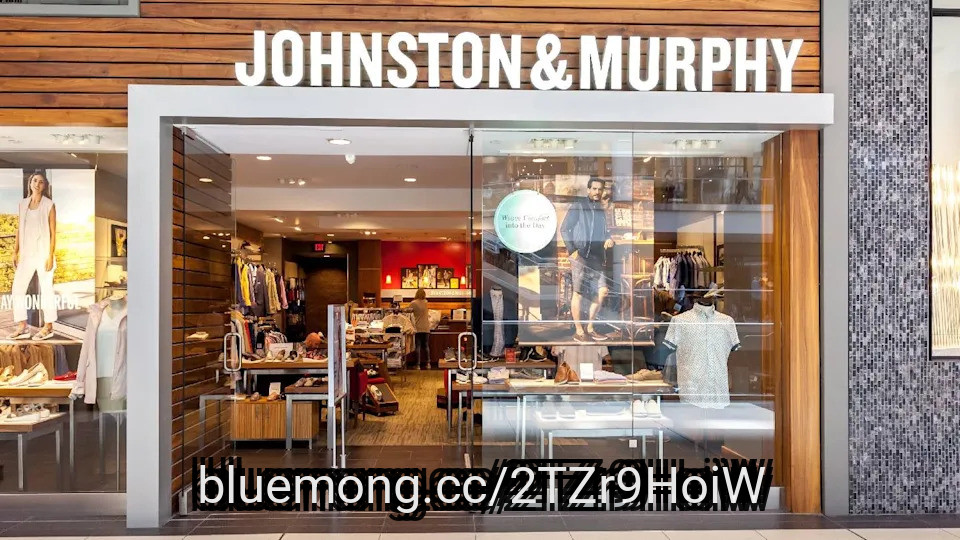
Genesco attributed this decline to store closures, reduced licensed sales, fewer online discounts at Schuh and negative currency effects. Among the company's brands, Johnston & Murphy posted a 5% sales increase, and sales at Journeys rose 2%.
Overall, same-store sales grew by 1%, with expanded locations partially offsetting the decline in other areas.
By the end of the quarter, Genesco's store count had fallen to 1,186 from 1,253 a year prior, representing a 5% reduction in total retail **** e.
Despite lower sales volumes, the company also reported that adjusted gross margin improved to 47.2% from 45.8% a year earlier, citing reduced promotional activity and a stronger focus on full-price sales at Schuh as contributing factors.
#reduced #johnston
Genesco attributed this decline to store closures, reduced licensed sales, fewer online discounts at Schuh and negative currency effects. Among the company's brands, Johnston & Murphy posted a 5% sales increase, and sales at Journeys rose 2%.
Overall, same-store sales grew by 1%, with expanded locations partially offsetting the decline in other areas.
By the end of the quarter, Genesco's store count had fallen to 1,186 from 1,253 a year prior, representing a 5% reduction in total retail **** e.
Despite lower sales volumes, the company also reported that adjusted gross margin improved to 47.2% from 45.8% a year earlier, citing reduced promotional activity and a stronger focus on full-price sales at Schuh as contributing factors.
#reduced #johnston

9 days ago
Conagra and Campbell's already cut dividends, and Kraft Heinz, General Mills, and Hormel now show frozen or token raises. These are the same warning signs.
General Mills touts 127 uninterrupted dividend years, but its $0.61 quarterly rate has flatlined for four straight declarations while free cash flow dropped 29%.
McCormick raised its quarterly dividend to $0.48 and covers its $483 million payout with nearly $1 billion in operating cash flow, despite a 25% stock decline.
Just released. Our ****** ysts combed the entire stock market and named the ten best stocks to buy right now, and Kraft Heinz didn't make the cut. Enter your email to see the names that beat KHC. The report is free. Enter your email and see if any of your stocks made the cut.
Two big packaged-food dividends have already been cut this cycle. Conagra Brands (NYSE:CAG) reduced its payout, and Campbell's (NYSE:CPB) followed with its own reduction shortly after. Those completed actions frame what income holders should look for in the aisle next. Below are four legacy food names where dividend behavior deserves a closer look.
#kraft #mills
General Mills touts 127 uninterrupted dividend years, but its $0.61 quarterly rate has flatlined for four straight declarations while free cash flow dropped 29%.
McCormick raised its quarterly dividend to $0.48 and covers its $483 million payout with nearly $1 billion in operating cash flow, despite a 25% stock decline.
Just released. Our ****** ysts combed the entire stock market and named the ten best stocks to buy right now, and Kraft Heinz didn't make the cut. Enter your email to see the names that beat KHC. The report is free. Enter your email and see if any of your stocks made the cut.
Two big packaged-food dividends have already been cut this cycle. Conagra Brands (NYSE:CAG) reduced its payout, and Campbell's (NYSE:CPB) followed with its own reduction shortly after. Those completed actions frame what income holders should look for in the aisle next. Below are four legacy food names where dividend behavior deserves a closer look.
#kraft #mills



10 days ago
VLADIVOSTOK, Sept 4 (Reuters) - Igor Sechin, chief of Russia's top oil producer Rosneft, said on Thursday that China, not OPEC, has stabilized global oil markets by reducing crude imports by 5.5 million barrels per day this year.
Sechin, the most influential Russian energy manager and a long-standing ally of President Vladimir Putin, was speaking at a Russian - Chinese business forum in the far eastern city of Vladivostok.
"This year, China has effectively taken the lead from OPEC and, without being a member of any cartel, has managed to stabilise the global oil market by cutting its oil imports by 5.5 million barrels per day," Sechin said.
Sechin, known for his skepticism towards OPEC, said China will get more influence on the energy markets as the number of OPEC members is declining.
"I believe that further growth in China's reserves will strengthen China's role in the energy market, against a backdrop of OPEC's waning influence and a reduction in the number of its members," Sechin said.
#sechin #energy #vladivostok
Sechin, the most influential Russian energy manager and a long-standing ally of President Vladimir Putin, was speaking at a Russian - Chinese business forum in the far eastern city of Vladivostok.
"This year, China has effectively taken the lead from OPEC and, without being a member of any cartel, has managed to stabilise the global oil market by cutting its oil imports by 5.5 million barrels per day," Sechin said.
Sechin, known for his skepticism towards OPEC, said China will get more influence on the energy markets as the number of OPEC members is declining.
"I believe that further growth in China's reserves will strengthen China's role in the energy market, against a backdrop of OPEC's waning influence and a reduction in the number of its members," Sechin said.
#sechin #energy #vladivostok


10 days ago
Conagra and Campbell's already cut dividends, and Kraft Heinz, General Mills, and Hormel now show frozen or token raises. These are the same warning signs.
General Mills touts 127 uninterrupted dividend years, but its $0.61 quarterly rate has flatlined for four straight declarations while free cash flow dropped 29%.
McCormick raised its quarterly dividend to $0.48 and covers its $483 million payout with nearly $1 billion in operating cash flow, despite a 25% stock decline.
Just released. Our ******* ysts combed the entire stock market and named the ten best stocks to buy right now, and Kraft Heinz didn't make the cut. Enter your email to see the names that beat KHC. The report is free. Enter your email and see if any of your stocks made the cut.
Two big packaged-food dividends have already been cut this cycle. Conagra Brands (NYSE:CAG) reduced its payout, and Campbell's (NYSE:CPB) followed with its own reduction shortly after. Those completed actions frame what income holders should look for in the aisle next. Below are four legacy food names where dividend behavior deserves a closer look.
#kraft
General Mills touts 127 uninterrupted dividend years, but its $0.61 quarterly rate has flatlined for four straight declarations while free cash flow dropped 29%.
McCormick raised its quarterly dividend to $0.48 and covers its $483 million payout with nearly $1 billion in operating cash flow, despite a 25% stock decline.
Just released. Our ******* ysts combed the entire stock market and named the ten best stocks to buy right now, and Kraft Heinz didn't make the cut. Enter your email to see the names that beat KHC. The report is free. Enter your email and see if any of your stocks made the cut.
Two big packaged-food dividends have already been cut this cycle. Conagra Brands (NYSE:CAG) reduced its payout, and Campbell's (NYSE:CPB) followed with its own reduction shortly after. Those completed actions frame what income holders should look for in the aisle next. Below are four legacy food names where dividend behavior deserves a closer look.
#kraft


11 days ago
The Campbell's Company (NASDAQ:CPB), a branded packaged foods provider, closed at $22.13, down 6.96%. Thursday's sell-off followed weaker fiscal fourth-quarter profitability, a sales miss, and a dividend reduction.
Trading volume reached 37.4 million shares, coming in about 343% above its three-month average of 8.4 million shares.
The S&P 500 (SNPINDEX:^GSPC) rose 1.07% to 7,748, and the Nasdaq Composite (NASDAQINDEX:^IXIC) gained 1.40% to 26,584. Among packaged-food rivals, Kraft Heinz (NASDAQ:KHC) closed at $25.42, down 3.20%, while General Mills (NYSE:GIS) ended at $39.26, down 3.25%, underscoring pressure across packaged foods and meats, as well as branded shelf-stable foods and beverages.
Income investors already owning the stock will be disappointed with what they heard from Campbell's today. A 36% dividend cut was announced as part of a plan for the food company to shore up its balance sheet amid inflationary pressures and dropping sales. The company is also implementing a new $500 million cost-savings plan through 2030.
The new $0.25 quarterly dividend still provides a relatively high annual yield of 4.5%, making shares a potential buy for those seeking income. That doesn't help existing shareholders, though, who now face a lower dividend payment on top of a 20% year-to-date decline in the shares.
If the company's turnaround plan is successful, though, new money in the stock with many popular brands could prove to beat the market over the long term.
#shares #million #plan #income
Trading volume reached 37.4 million shares, coming in about 343% above its three-month average of 8.4 million shares.
The S&P 500 (SNPINDEX:^GSPC) rose 1.07% to 7,748, and the Nasdaq Composite (NASDAQINDEX:^IXIC) gained 1.40% to 26,584. Among packaged-food rivals, Kraft Heinz (NASDAQ:KHC) closed at $25.42, down 3.20%, while General Mills (NYSE:GIS) ended at $39.26, down 3.25%, underscoring pressure across packaged foods and meats, as well as branded shelf-stable foods and beverages.
Income investors already owning the stock will be disappointed with what they heard from Campbell's today. A 36% dividend cut was announced as part of a plan for the food company to shore up its balance sheet amid inflationary pressures and dropping sales. The company is also implementing a new $500 million cost-savings plan through 2030.
The new $0.25 quarterly dividend still provides a relatively high annual yield of 4.5%, making shares a potential buy for those seeking income. That doesn't help existing shareholders, though, who now face a lower dividend payment on top of a 20% year-to-date decline in the shares.
If the company's turnaround plan is successful, though, new money in the stock with many popular brands could prove to beat the market over the long term.
#shares #million #plan #income

11 days ago
Sept 03, 2026, 4:50 pm EDT
IRS staff reductions in the 2025 fiscal year coincided with a decrease in the tax revenue the agency brought in via enforcement actions, according to a new
reportExternal link
from the Treasury Department’s inspector general for tax administration. The report warns that recent workforce cuts could undermine the agency’s ability to execute its mission.
Copyright ©2026 Dow Jones & Company, Inc. All Rights Reserved. 87990cbe856818d5eddac44c7b1cdeb8
Welcome to Barron's Advisor! Our articles are free to Barron's subscribers and wealth management professionals. To subscribe to Barron's, click here. If you're a wealth management professional and would like access to the Barron's Advisor experience, please provide the information below.
If you're not a wealth management professional, you can find other great financial content at barrons.com. If you have any questions, please contact us at advisor.editorsbarrons.com.
#management #you 're #sept
IRS staff reductions in the 2025 fiscal year coincided with a decrease in the tax revenue the agency brought in via enforcement actions, according to a new
reportExternal link
from the Treasury Department’s inspector general for tax administration. The report warns that recent workforce cuts could undermine the agency’s ability to execute its mission.
Copyright ©2026 Dow Jones & Company, Inc. All Rights Reserved. 87990cbe856818d5eddac44c7b1cdeb8
Welcome to Barron's Advisor! Our articles are free to Barron's subscribers and wealth management professionals. To subscribe to Barron's, click here. If you're a wealth management professional and would like access to the Barron's Advisor experience, please provide the information below.
If you're not a wealth management professional, you can find other great financial content at barrons.com. If you have any questions, please contact us at advisor.editorsbarrons.com.
#management #you 're #sept

11 days ago
On August 10, Joe Gomes from ***** le Capital reiterated his Outperform rating on CoreCivic Inc. (NYSE:CXW). In the process, the ***** yst increased his target price on the stock from $35 to $42, resulting in a revised upside potential in excess of 24% based on stock's closing price on August 27. This upward adjustment in price target came after an impressive second quarter print above management estimates. Let's explore the underlying drivers of this outperformance, and which additional factors are expected to shape up investor sentiment toward the stock.
Earlier in August, the company reported its second quarter results which exceeded management's expectations. Topline figures were recorded at $684.9 million, up by 27.3% compared to Q2 2025. Adjusted EBITDA of $109.4 million exhibited 5.9% year-on-year growth, while adjusted diluted EPS of $0.38 reflected a 5.6% growth compared to the same period last year. Such expansion in adjusted diluted EPS was supported by lower operating costs and slightly higher ICE populations, while strong federal revenue also contributed to growth. Following the quarter and subsequent facility sales, management raised its full-year 2026 guidance.
During 2026, CoreCivic has been focusing on strengthening its financial position while expanding its footprint as a federal detention operator. The company generated $734 million in gross proceeds from sales of Prairie Correctional Facility and Midwest Regional Reception Center, to the Department of Homeland Security. It expects to continue to operate both facilities under current arrangements, and was also awarded a new ICE contract to operate the 1,600 bed Prairie Correctional Facility till August 2031. The contract award offers potential for $75 million in revenue boost in the future once fully activated, with no material impact expected during 2026.
CoreCivic can benefit from this demand tailwind without the time and capital required to construct entirely new facilities, although activating idle sites still involves staffing and start-up costs. It also strengthens the company's position as a trusted partner for federal detention requirements, and might create potential opportunities for more contracts in the future.
The company has also taken an aggressive approach toward debt reduction and returning capital to shareholders. On August 10, it entered a $500 million accelerated share repurchase agreement, supported by the proceeds from recent facility sales. A portion of those sale proceeds was also utilized for $608.5 million debt repayment, which included early redemption of senior notes that were due in 2027.
#price
Earlier in August, the company reported its second quarter results which exceeded management's expectations. Topline figures were recorded at $684.9 million, up by 27.3% compared to Q2 2025. Adjusted EBITDA of $109.4 million exhibited 5.9% year-on-year growth, while adjusted diluted EPS of $0.38 reflected a 5.6% growth compared to the same period last year. Such expansion in adjusted diluted EPS was supported by lower operating costs and slightly higher ICE populations, while strong federal revenue also contributed to growth. Following the quarter and subsequent facility sales, management raised its full-year 2026 guidance.
During 2026, CoreCivic has been focusing on strengthening its financial position while expanding its footprint as a federal detention operator. The company generated $734 million in gross proceeds from sales of Prairie Correctional Facility and Midwest Regional Reception Center, to the Department of Homeland Security. It expects to continue to operate both facilities under current arrangements, and was also awarded a new ICE contract to operate the 1,600 bed Prairie Correctional Facility till August 2031. The contract award offers potential for $75 million in revenue boost in the future once fully activated, with no material impact expected during 2026.
CoreCivic can benefit from this demand tailwind without the time and capital required to construct entirely new facilities, although activating idle sites still involves staffing and start-up costs. It also strengthens the company's position as a trusted partner for federal detention requirements, and might create potential opportunities for more contracts in the future.
The company has also taken an aggressive approach toward debt reduction and returning capital to shareholders. On August 10, it entered a $500 million accelerated share repurchase agreement, supported by the proceeds from recent facility sales. A portion of those sale proceeds was also utilized for $608.5 million debt repayment, which included early redemption of senior notes that were due in 2027.
#price
11 days ago
Our ******* ysts just identified a stock with the potential to be the next Nvidia. Tell us how you invest and we'll show you why it's our #1 pick. Tap here.
Zegna brand performance is driven by 'high-quality growth,' capturing market share through a unique position in China and strength in core categories like knitwear and shoes.
The group is aggressively shifting toward a Direct-to-Consumer (DTC) model, with DTC now representing 86% of branded revenues, which supports higher gross margins despite currency headwinds.
Thom Browne is undergoing a structural transformation from a wholesale-driven model to a retail-oriented culture, involving a significant reduction and upgrade of the wholesale network.
TOM FORD Fashion is seeing improved fixed-cost absorption through revenue growth and disciplined cost management as it builds brand awareness.
#driven #model #NVIDIA #zegna
Zegna brand performance is driven by 'high-quality growth,' capturing market share through a unique position in China and strength in core categories like knitwear and shoes.
The group is aggressively shifting toward a Direct-to-Consumer (DTC) model, with DTC now representing 86% of branded revenues, which supports higher gross margins despite currency headwinds.
Thom Browne is undergoing a structural transformation from a wholesale-driven model to a retail-oriented culture, involving a significant reduction and upgrade of the wholesale network.
TOM FORD Fashion is seeing improved fixed-cost absorption through revenue growth and disciplined cost management as it builds brand awareness.
#driven #model #NVIDIA #zegna


11 days ago
Our ***** ysts just identified a stock with the potential to be the next Nvidia. Tell us how you invest and we'll show you why it's our #1 pick. Tap here.
Successfully completed the 'Seal the Foundation' phase, transitioning from fixing structural inefficiencies to framing a scalable growth structure.
Achieved nearly 500 basis points of operational gross margin improvement by reducing reliance on deep, site-wide discounts and clearance events.
Executed a fundamental merchandising shift toward a 'hero core' product strategy, resulting in a 43% reduction in clearance inventory.
Reported a contraction in the total customer base as a direct result of resetting promotions to restore brand equity and price integrity.
#tell
Successfully completed the 'Seal the Foundation' phase, transitioning from fixing structural inefficiencies to framing a scalable growth structure.
Achieved nearly 500 basis points of operational gross margin improvement by reducing reliance on deep, site-wide discounts and clearance events.
Executed a fundamental merchandising shift toward a 'hero core' product strategy, resulting in a 43% reduction in clearance inventory.
Reported a contraction in the total customer base as a direct result of resetting promotions to restore brand equity and price integrity.
#tell