

2 months ago
On August 4, Westlake Corporation (NYSE:WLK) reported second-quarter results that erased two consecutive quarterly losses in a single swing. Net income landed at $260 million, or $2.01 per share, compared with a $169 million loss just three months earlier and a $142 million loss a year ago. EBITDA nearly tripled from the second quarter of 2025. The numbers mark a sharp reversal for a company whose chemicals business had been bleeding red ink.
The turnaround centers on Performance and Essential Materials, the segment that makes chlorovinyls and other basic chemicals. PEM swung from a $318 million operating loss in the second quarter of 2025 to $185 million in income this quarter, while EBITDA excluding identified items jumped from a 3% margin to 21%. The driver was pricing: average sales prices across PEM rose 14% year over year, more than offsetting a 3% price decline in the Housing and Infrastructure Products segment. Combined with a 7% increase in companywide sales volume, excluding the effects of plant shutdowns and an acquisition, the pricing recovery pushed companywide EBITDA to $679 million from $210 million a year earlier.
Westlake is also working the balance sheet alongside the market recovery. The company reduced debt by $500 million during the quarter and returned $99 million to shareholders through dividends and share repurchases. Management says its three-pillar profitability improvement plan remains on track to deliver a $600 million operating income benefit, a target that, if it holds, would layer structural cost savings on top of whatever the market gives back in pricing.
Not every part of the story improved together. Housing and Infrastructure Products, the segment tied to home construction and building products, saw its EBITDA margin slip to 22% from 24% a year earlier, even as volume rose 6% excluding the ACI acquisition. Average sales prices in that segment fell 3% year over year, a sign that pricing power in housing products has softened even as the company sells more of it.
The improvement in the core chemicals business also leans heavily on price rather than volume. PEM's turnaround came from a 14% jump in average sales price, a figure that can move in either direction with commodity cycles. The first quarter of 2026 was a reminder of how quickly conditions shift: Westlake posted a $169 million net loss just three months before this result, weighed down by $85 million in identified items, including a $67 million charge to settle litigation over PVC pipe and fittings and $18 million tied to facility shutdowns. A year earlier, in the second quarter of 2025, the company absorbed another $130 million in shutdown-related charges. Restructuring and legal charges showed up in two of the last three reported quarters.
#million #year #quarter #loss
The turnaround centers on Performance and Essential Materials, the segment that makes chlorovinyls and other basic chemicals. PEM swung from a $318 million operating loss in the second quarter of 2025 to $185 million in income this quarter, while EBITDA excluding identified items jumped from a 3% margin to 21%. The driver was pricing: average sales prices across PEM rose 14% year over year, more than offsetting a 3% price decline in the Housing and Infrastructure Products segment. Combined with a 7% increase in companywide sales volume, excluding the effects of plant shutdowns and an acquisition, the pricing recovery pushed companywide EBITDA to $679 million from $210 million a year earlier.
Westlake is also working the balance sheet alongside the market recovery. The company reduced debt by $500 million during the quarter and returned $99 million to shareholders through dividends and share repurchases. Management says its three-pillar profitability improvement plan remains on track to deliver a $600 million operating income benefit, a target that, if it holds, would layer structural cost savings on top of whatever the market gives back in pricing.
Not every part of the story improved together. Housing and Infrastructure Products, the segment tied to home construction and building products, saw its EBITDA margin slip to 22% from 24% a year earlier, even as volume rose 6% excluding the ACI acquisition. Average sales prices in that segment fell 3% year over year, a sign that pricing power in housing products has softened even as the company sells more of it.
The improvement in the core chemicals business also leans heavily on price rather than volume. PEM's turnaround came from a 14% jump in average sales price, a figure that can move in either direction with commodity cycles. The first quarter of 2026 was a reminder of how quickly conditions shift: Westlake posted a $169 million net loss just three months before this result, weighed down by $85 million in identified items, including a $67 million charge to settle litigation over PVC pipe and fittings and $18 million tied to facility shutdowns. A year earlier, in the second quarter of 2025, the company absorbed another $130 million in shutdown-related charges. Restructuring and legal charges showed up in two of the last three reported quarters.
#million #year #quarter #loss


2 months ago
International Flavors & Fragrances Inc. (IFF), headquartered in New York, produces and markets cosmetic active and natural health ingredients for use in various consumer products. Valued at $21.3 billion by market cap, the company flavors and fragrances are individual ingredients and compounds of a large number of ingredients that are blended, mixed, and reacted together to produce proprietary formulas.
Companies worth $10 billion or more are generally described as "large-cap stocks," and IFF perfectly fits that description, with its market cap exceeding this mark, underscoring its size, influence, and dominance within the specialty chemicals industry. IFF is a preeminent player in global flavors and fragrances, with 35,000+ products spanning food, beverage, personal care, and health & wellness. Its scale, innovation focus, and alignment with natural, sustainable, and customized ingredient trends support a competitive edge, while operations in 60+ countries provide access to emerging markets and evolving consumer preferences.
Billionaire Charlie Munger, Who Died at 99, Skipped Insurance on His Mansion Since He Could Just Write a Check to Rebuild — 'All Intelligent People Do It My Way'
Nvidia CEO Jensen Huang Just Dropped Huge News for This Cybersecurity Stock
How to Play GME Stock as GameStop CEO Ryan Cohen Buys $20.3 Million in Shares
#ingredients #markets #Health #products
Companies worth $10 billion or more are generally described as "large-cap stocks," and IFF perfectly fits that description, with its market cap exceeding this mark, underscoring its size, influence, and dominance within the specialty chemicals industry. IFF is a preeminent player in global flavors and fragrances, with 35,000+ products spanning food, beverage, personal care, and health & wellness. Its scale, innovation focus, and alignment with natural, sustainable, and customized ingredient trends support a competitive edge, while operations in 60+ countries provide access to emerging markets and evolving consumer preferences.
Billionaire Charlie Munger, Who Died at 99, Skipped Insurance on His Mansion Since He Could Just Write a Check to Rebuild — 'All Intelligent People Do It My Way'
Nvidia CEO Jensen Huang Just Dropped Huge News for This Cybersecurity Stock
How to Play GME Stock as GameStop CEO Ryan Cohen Buys $20.3 Million in Shares
#ingredients #markets #Health #products




2 months ago
Chemical manufacturer OXEA has selected Uber Freight as its strategic logistics provider across the U.S., Canada, Mexico and Europe as the company moves to consolidate regional transportation operations into a more unified global network.
Houston-based OXEA said Uber Freight will manage day-to-day transportation execution across truckload, rail and ocean freight, using technology, data and logistics services to provide greater visibility across the chemical manufacturer's supply chain.
The agreement represents Uber Freight's (NYSE: UBER) first managed transportation engagement designed from the outset to span the U.S., Canada, Mexico and Europe, according to the companies.
OXEA manufactures oxo intermediates and oxo performance chemicals used in products including coatings, lubricants, cosmetics, pharmaceuticals, flavors and fragrances, printing inks and plastics. The company employs more than 1,200 people and sells chemicals in more than 60 countries.
The partnership is intended to replace a more regionally segmented approach to transportation management with an integrated operation connecting OXEA's plants, carriers and customers.
#Mexico #chemical #Logistics
Houston-based OXEA said Uber Freight will manage day-to-day transportation execution across truckload, rail and ocean freight, using technology, data and logistics services to provide greater visibility across the chemical manufacturer's supply chain.
The agreement represents Uber Freight's (NYSE: UBER) first managed transportation engagement designed from the outset to span the U.S., Canada, Mexico and Europe, according to the companies.
OXEA manufactures oxo intermediates and oxo performance chemicals used in products including coatings, lubricants, cosmetics, pharmaceuticals, flavors and fragrances, printing inks and plastics. The company employs more than 1,200 people and sells chemicals in more than 60 countries.
The partnership is intended to replace a more regionally segmented approach to transportation management with an integrated operation connecting OXEA's plants, carriers and customers.
#Mexico #chemical #Logistics


2 months ago
Chemical manufacturer OXEA has selected Uber Freight as its strategic logistics provider across the U.S., Canada, Mexico and Europe as the company moves to consolidate regional transportation operations into a more unified global network.
Houston-based OXEA said Uber Freight will manage day-to-day transportation execution across truckload, rail and ocean freight, using technology, data and logistics services to provide greater visibility across the chemical manufacturer's supply chain.
The agreement represents Uber Freight's (NYSE: UBER) first managed transportation engagement designed from the outset to span the U.S., Canada, Mexico and Europe, according to the companies.
OXEA manufactures oxo intermediates and oxo performance chemicals used in products including coatings, lubricants, cosmetics, pharmaceuticals, flavors and fragrances, printing inks and plastics. The company employs more than 1,200 people and sells chemicals in more than 60 countries.
The partnership is intended to replace a more regionally segmented approach to transportation management with an integrated operation connecting OXEA's plants, carriers and customers.
#Transportation #Logistics
Houston-based OXEA said Uber Freight will manage day-to-day transportation execution across truckload, rail and ocean freight, using technology, data and logistics services to provide greater visibility across the chemical manufacturer's supply chain.
The agreement represents Uber Freight's (NYSE: UBER) first managed transportation engagement designed from the outset to span the U.S., Canada, Mexico and Europe, according to the companies.
OXEA manufactures oxo intermediates and oxo performance chemicals used in products including coatings, lubricants, cosmetics, pharmaceuticals, flavors and fragrances, printing inks and plastics. The company employs more than 1,200 people and sells chemicals in more than 60 countries.
The partnership is intended to replace a more regionally segmented approach to transportation management with an integrated operation connecting OXEA's plants, carriers and customers.
#Transportation #Logistics


2 months ago
On August 4, Westlake Corporation (NYSE:WLK) reported second-quarter results that erased two consecutive quarterly losses in a single swing. Net income landed at $260 million, or $2.01 per share, compared with a $169 million loss just three months earlier and a $142 million loss a year ago. EBITDA nearly tripled from the second quarter of 2025. The numbers mark a sharp reversal for a company whose chemicals business had been bleeding red ink.
The turnaround centers on Performance and Essential Materials, the segment that makes chlorovinyls and other basic chemicals. PEM swung from a $318 million operating loss in the second quarter of 2025 to $185 million in income this quarter, while EBITDA excluding identified items jumped from a 3% margin to 21%. The driver was pricing: average sales prices across PEM rose 14% year over year, more than offsetting a 3% price decline in the Housing and Infrastructure Products segment. Combined with a 7% increase in companywide sales volume, excluding the effects of plant shutdowns and an acquisition, the pricing recovery pushed companywide EBITDA to $679 million from $210 million a year earlier.
Westlake is also working the balance sheet alongside the market recovery. The company reduced debt by $500 million during the quarter and returned $99 million to shareholders through dividends and share repurchases. Management says its three-pillar profitability improvement plan remains on track to deliver a $600 million operating income benefit, a target that, if it holds, would layer structural cost savings on top of whatever the market gives back in pricing.
Not every part of the story improved together. Housing and Infrastructure Products, the segment tied to home construction and building products, saw its EBITDA margin slip to 22% from 24% a year earlier, even as volume rose 6% excluding the ACI acquisition. Average sales prices in that segment fell 3% year over year, a sign that pricing power in housing products has softened even as the company sells more of it.
The improvement in the core chemicals business also leans heavily on price rather than volume. PEM's turnaround came from a 14% jump in average sales price, a figure that can move in either direction with commodity cycles. The first quarter of 2026 was a reminder of how quickly conditions shift: Westlake posted a $169 million net loss just three months before this result, weighed down by $85 million in identified items, including a $67 million charge to settle litigation over PVC pipe and fittings and $18 million tied to facility shutdowns. A year earlier, in the second quarter of 2025, the company absorbed another $130 million in shutdown-related charges. Restructuring and legal charges showed up in two of the last three reported quarters.
#million #quarter #westlake #earlier
The turnaround centers on Performance and Essential Materials, the segment that makes chlorovinyls and other basic chemicals. PEM swung from a $318 million operating loss in the second quarter of 2025 to $185 million in income this quarter, while EBITDA excluding identified items jumped from a 3% margin to 21%. The driver was pricing: average sales prices across PEM rose 14% year over year, more than offsetting a 3% price decline in the Housing and Infrastructure Products segment. Combined with a 7% increase in companywide sales volume, excluding the effects of plant shutdowns and an acquisition, the pricing recovery pushed companywide EBITDA to $679 million from $210 million a year earlier.
Westlake is also working the balance sheet alongside the market recovery. The company reduced debt by $500 million during the quarter and returned $99 million to shareholders through dividends and share repurchases. Management says its three-pillar profitability improvement plan remains on track to deliver a $600 million operating income benefit, a target that, if it holds, would layer structural cost savings on top of whatever the market gives back in pricing.
Not every part of the story improved together. Housing and Infrastructure Products, the segment tied to home construction and building products, saw its EBITDA margin slip to 22% from 24% a year earlier, even as volume rose 6% excluding the ACI acquisition. Average sales prices in that segment fell 3% year over year, a sign that pricing power in housing products has softened even as the company sells more of it.
The improvement in the core chemicals business also leans heavily on price rather than volume. PEM's turnaround came from a 14% jump in average sales price, a figure that can move in either direction with commodity cycles. The first quarter of 2026 was a reminder of how quickly conditions shift: Westlake posted a $169 million net loss just three months before this result, weighed down by $85 million in identified items, including a $67 million charge to settle litigation over PVC pipe and fittings and $18 million tied to facility shutdowns. A year earlier, in the second quarter of 2025, the company absorbed another $130 million in shutdown-related charges. Restructuring and legal charges showed up in two of the last three reported quarters.
#million #quarter #westlake #earlier


2 months ago
Dow Inc. (NYSE:DOW) is reportedly considering selling its 35% stake in Sadara Chemical, its $20 billion chemicals joint venture with Saudi Aramco, as the company continues to reshape its portfolio amid a prolonged downturn in the global chemicals industry. No final decision has been made, and Aramco or another strategic or financial investor could potentially acquire Dow's stake.
The potential exit comes as Sadara has become a significant financial burden for Dow. As of June 30, Dow Inc. (NYSE:DOW) had a negative investment balance of $793 million in Sadara and had suspended recognition of its share of the venture's equity losses in the first quarter. Dow has also been exposed to Sadara's financing obligations and previously disclosed that the venture had drawn on a credit facility.
At the same time, Sadara remains a major industrial ****** et, operating a complex in Jubail with more than 3 million metric tons of annual chemicals and plastics capacity. Its operations were disrupted earlier this year by the Middle East conflict, adding transportation, supply-chain, and operating pressures to an industry already dealing with weak demand and global oversupply.
The strongest argument for Dow Inc. (NYSE:DOW) is that exiting Sadara could remove a persistent drag on cash flow and allow management to redirect capital toward businesses with better returns. Dow's exposure to Sadara is no longer simply an investment in a large Saudi chemicals complex; the company has accumulated a negative investment balance and financial obligations ****** ociated with the venture. A sale could therefore reduce Dow's exposure to future funding requirements and limit the amount of capital that could otherwise have to be committed to the partnership.
That would be particularly valuable because Dow is already trying to improve its cash generation. Management has said its objective is to reach free-cash-flow breakeven while pursuing significant cost reductions. In March, CEO Jim Fitterling said Dow's goal was to avoid putting additional cash into Sadara during 2026, while describing the venture as having low operating cash costs but more challenging fixed costs and financing obligations.
#chemicals
The potential exit comes as Sadara has become a significant financial burden for Dow. As of June 30, Dow Inc. (NYSE:DOW) had a negative investment balance of $793 million in Sadara and had suspended recognition of its share of the venture's equity losses in the first quarter. Dow has also been exposed to Sadara's financing obligations and previously disclosed that the venture had drawn on a credit facility.
At the same time, Sadara remains a major industrial ****** et, operating a complex in Jubail with more than 3 million metric tons of annual chemicals and plastics capacity. Its operations were disrupted earlier this year by the Middle East conflict, adding transportation, supply-chain, and operating pressures to an industry already dealing with weak demand and global oversupply.
The strongest argument for Dow Inc. (NYSE:DOW) is that exiting Sadara could remove a persistent drag on cash flow and allow management to redirect capital toward businesses with better returns. Dow's exposure to Sadara is no longer simply an investment in a large Saudi chemicals complex; the company has accumulated a negative investment balance and financial obligations ****** ociated with the venture. A sale could therefore reduce Dow's exposure to future funding requirements and limit the amount of capital that could otherwise have to be committed to the partnership.
That would be particularly valuable because Dow is already trying to improve its cash generation. Management has said its objective is to reach free-cash-flow breakeven while pursuing significant cost reductions. In March, CEO Jim Fitterling said Dow's goal was to avoid putting additional cash into Sadara during 2026, while describing the venture as having low operating cash costs but more challenging fixed costs and financing obligations.
#chemicals


2 months ago
WASHINGTON, Sept 11 (Reuters) - The contractor responsible for renovating the Lincoln Memorial Reflecting Pool in Washington told U.S. President Donald Trump's administration that errors in its work and flaws in the repair plan caused the pool's liner to peel and break loose, the New York Times reported on Friday, citing documents it reviewed.
Trump has repeatedly blamed problems with the newly renovated pool, including its new blue paint peeling off, on vandalism.
According to the New York Times, citing the documents, Atlantic Industrial Coatings found problems in the design and execution of the renovation.
Workers did not spray enough primer in some areas, the contractor said in the cited documents, and layers of the liner included incompatible chemicals. The bottom layer blistered and loosened as the chemical on top reached a hotter temperature than the one underneath could withstand, the New York Times said.
The documents include the contractor's reports to the government and daily progress updates from the National Park Service over the past two months, the New York Times said.
#sept
Trump has repeatedly blamed problems with the newly renovated pool, including its new blue paint peeling off, on vandalism.
According to the New York Times, citing the documents, Atlantic Industrial Coatings found problems in the design and execution of the renovation.
Workers did not spray enough primer in some areas, the contractor said in the cited documents, and layers of the liner included incompatible chemicals. The bottom layer blistered and loosened as the chemical on top reached a hotter temperature than the one underneath could withstand, the New York Times said.
The documents include the contractor's reports to the government and daily progress updates from the National Park Service over the past two months, the New York Times said.
#sept

2 months ago
Based in Midland, Michigan, Dow Inc. (DOW) is a global materials science leader that develops and manufactures chemicals, plastics, coatings, silicones, and other advanced materials used across industries ranging from packaging and construction to automotive, electronics, and consumer products.
Companies valued between $10 billion and $200 billion are typically classified as "large-cap stocks," and DOW, with a market capitalization of $21.4 billion, fits the label perfectly. Its key competitive advantage is its global scale, deep materials-science expertise, and broad portfolio of essential chemicals and advanced materials.
'Not Tens Of Billions, But Tens Of Trillions': Nvidia CEO Jensen Huang Says AI Is Like the New Electricity and the Scale Is Unlike Any Tech in History
What It Means for MSFT Stock Investors as Microsoft Switches to 2 Business Segments
RKLB Stock Jumps as Rocket Lab Debuts New Solar Cell for ******* e
#billion #science
Companies valued between $10 billion and $200 billion are typically classified as "large-cap stocks," and DOW, with a market capitalization of $21.4 billion, fits the label perfectly. Its key competitive advantage is its global scale, deep materials-science expertise, and broad portfolio of essential chemicals and advanced materials.
'Not Tens Of Billions, But Tens Of Trillions': Nvidia CEO Jensen Huang Says AI Is Like the New Electricity and the Scale Is Unlike Any Tech in History
What It Means for MSFT Stock Investors as Microsoft Switches to 2 Business Segments
RKLB Stock Jumps as Rocket Lab Debuts New Solar Cell for ******* e
#billion #science


2 months ago
Dow is considering an exit from its stake in the $20-billion Sadara Chemical Company venture with Saudi Aramco as the U.S. chemicals giant battles a prolonged industry downturn compounded by the Iran war.
Dow could sell its reported 35% interest in the Saudi petrochemical complex, with Aramco potentially emerging as a buyer, Bloomberg reported on Wednesday, citing people familiar with the matter. Strategic and financial investors could also be interested, although no final decision has been made.
The potential exit comes as the global chemicals industry struggles with weak demand, persistent overcapacity and elevated costs. The Middle East conflict has added another layer of pressure by disrupting petrochemical flows and supply chains and increasing transportation and operating expenses.
Sadara itself was temporarily shut earlier this year due to conflict-related supply disruptions.
Located in Jubail Industrial City, Sadara was developed as a $20-billion mega-project and was the world's largest integrated chemicals complex built in a single phase when completed. Its 26 manufacturing plants have the capacity to produce more than 3 million metric tons of performance plastics and high-value chemicals annually.
#exit #reported
Dow could sell its reported 35% interest in the Saudi petrochemical complex, with Aramco potentially emerging as a buyer, Bloomberg reported on Wednesday, citing people familiar with the matter. Strategic and financial investors could also be interested, although no final decision has been made.
The potential exit comes as the global chemicals industry struggles with weak demand, persistent overcapacity and elevated costs. The Middle East conflict has added another layer of pressure by disrupting petrochemical flows and supply chains and increasing transportation and operating expenses.
Sadara itself was temporarily shut earlier this year due to conflict-related supply disruptions.
Located in Jubail Industrial City, Sadara was developed as a $20-billion mega-project and was the world's largest integrated chemicals complex built in a single phase when completed. Its 26 manufacturing plants have the capacity to produce more than 3 million metric tons of performance plastics and high-value chemicals annually.
#exit #reported


2 months ago
It looks like the American consumer has more to worry about than food recalls and cyclospora—a new study found that even the packaging the food comes in may pose some health concerns.
Out of over 15,000 food contact chemicals (FCCs), 1,222 or 8% can pose serious health risks, according to a recent study published in the peer-reviewed journal Environmental Science & Technology. Some of these FCCs, which in general are "substances that come into contact with food, such as through food packaging, processing, storage or other handling," per the FDA, were found to be hazardous to human health.
Researchers from the nonprofit Food Packaging Forum Foundation, which conducted the study, found at least 2,160 chemicals regularly contact food and "migrate into foodstuffs." Using guidelines from the UN's Globally Harmonized System of Classification and Labeling of Chemicals (GHS), researchers found some of the chemicals related to food packaging and other materials were "carcinogenic, mutagenic, toxic to reproduction, harmful to specific organs after repeated exposure, [and] endocrine disrupting."
That's not the only concerning part. The researchers found that 13,211 of the 15,159 known food-contact chemicals lacked harmonized hazard data. That means the scientists could not determine from the available data whether those chemicals met the study's criteria for being hazardous.
"There's a lot of ways of establishing whether something is hazardous or not, and some methods are based very much just on computer models, looking at the structure, predicting something. And others are based on in vitro tests," Dr. Helene Wiesinger, scientific communication officer at the nonprofit and one of the researchers on the study, told Fortune. "And in some sense, the data that we used?' So this is the data we used, and the problem we ran into at that point was that there were huge data lags."
#Food #study #contact
Out of over 15,000 food contact chemicals (FCCs), 1,222 or 8% can pose serious health risks, according to a recent study published in the peer-reviewed journal Environmental Science & Technology. Some of these FCCs, which in general are "substances that come into contact with food, such as through food packaging, processing, storage or other handling," per the FDA, were found to be hazardous to human health.
Researchers from the nonprofit Food Packaging Forum Foundation, which conducted the study, found at least 2,160 chemicals regularly contact food and "migrate into foodstuffs." Using guidelines from the UN's Globally Harmonized System of Classification and Labeling of Chemicals (GHS), researchers found some of the chemicals related to food packaging and other materials were "carcinogenic, mutagenic, toxic to reproduction, harmful to specific organs after repeated exposure, [and] endocrine disrupting."
That's not the only concerning part. The researchers found that 13,211 of the 15,159 known food-contact chemicals lacked harmonized hazard data. That means the scientists could not determine from the available data whether those chemicals met the study's criteria for being hazardous.
"There's a lot of ways of establishing whether something is hazardous or not, and some methods are based very much just on computer models, looking at the structure, predicting something. And others are based on in vitro tests," Dr. Helene Wiesinger, scientific communication officer at the nonprofit and one of the researchers on the study, told Fortune. "And in some sense, the data that we used?' So this is the data we used, and the problem we ran into at that point was that there were huge data lags."
#Food #study #contact

0.00$ raised of 0.00$ goal
0 donations
0.00$
to go

2 months ago
India's refineries have been running at 105% to 108% capacity utilization in the past six months as demand for diesel soars and international fuel markets tighten amid the ongoing Middle East crisis.
Refinery capacity utilization in the world's third-largest crude oil importer has been between 105% and 108% since the war began, a senior executive at Mangalore Refinery and Petrochemicals Limited (MRPL) said at the APPEC petroleum conference in Singapore on Wednesday.
"Most of our refiners are complex, can take a wide variety of crude from an API range of something like 16 to 45 or 48," Nandakumar Pillai, a company director at MRPL, said at the event, as carried by Reuters.
MRPL operates a refinery with the capacity to process 300,000 barrels per day (bpd) on the coast of India's southern state of Karnataka. The refinery has a versatile design with complex secondary processing units and high flexibility to process crudes of various API, delivering a variety of quality products, the refiner says.
MRPL will continue to run its refinery at above 100% until March 2027, Pillai told Reuters on the sidelines of the conference.
#mrpl #utilization #crude
Refinery capacity utilization in the world's third-largest crude oil importer has been between 105% and 108% since the war began, a senior executive at Mangalore Refinery and Petrochemicals Limited (MRPL) said at the APPEC petroleum conference in Singapore on Wednesday.
"Most of our refiners are complex, can take a wide variety of crude from an API range of something like 16 to 45 or 48," Nandakumar Pillai, a company director at MRPL, said at the event, as carried by Reuters.
MRPL operates a refinery with the capacity to process 300,000 barrels per day (bpd) on the coast of India's southern state of Karnataka. The refinery has a versatile design with complex secondary processing units and high flexibility to process crudes of various API, delivering a variety of quality products, the refiner says.
MRPL will continue to run its refinery at above 100% until March 2027, Pillai told Reuters on the sidelines of the conference.
#mrpl #utilization #crude

0.00$ raised of 0.00$ goal
0 donations
0.00$
to go

2 months ago
Reuters reported that Solstice Advanced Materials, Inc. (NASDAQ:SOLS) and Element Solutions Inc (NYSE:ESI) mutually agreed to terminate their $14.5 billion merger agreement, the companies said on August 27, citing feedback from shareholders on both sides who preferred each to stay independent. Neither side will pay a termination fee.
Solstice Chairman Rajeev Gautam said the company valued that feedback, including shareholders' "excitement about Solstice's strategy and growth trajectory as an independent company." Solstice's board also authorized its first-ever buyback, up to $500 million, and reaffirmed its recently raised guidance. Solstice shares jumped 15% in after-hours trading, while Element gained 4%. The deal, announced July 6 just 10 months after Solstice's Honeywell spin-off, would have combined Solstice's refrigerants and specialty materials businesses with Element's electronics chemicals operations, paying Element holders $10 cash plus 0.5 Solstice shares per share. The original announcement got a rough welcome: Solstice fell nearly 15% that day, which CEO David Sewell blamed on arbitrage trading, not doubts about the deal.
Both companies continue to perform strongly on their own. Solstice's second-quarter net sales rose 11% to $1.148 billion, and the company raised its full-year sales guidance to $4.125 billion-$4.185 billion. Element delivered an even stronger quarter, with record net sales up 56% to $978 million and full-year adjusted EBITDA guidance raised to $690 million-$710 million.
Solstice Advanced Materials, Inc. (NASDAQ:SOLS) sheds significant deal risk by walking away. The termination removes the financing and merger risks linked to the acquisition and eliminates the need to use the $4.685 billion bridge facility. It also lets Solstice maintain its 1.3x net leverage. Its new $500 million buyback, the company's first ever, also gives Solstice a direct way to return capital to shareholders while it focuses on organic growth.
Element Solutions Inc (NYSE:ESI) also maintains the strengths that its shareholders wanted to preserve. Chairman Ian Ashken said investors valued Element's management team, culture, and existing business portfolio. CEO Benjamin Gliklich said the company's growth remains compelling. Remaining independent allows Element to continue investing in its existing businesses and pursuing its own growth strategy without taking on the risks of a larger combination.
#billion #million #Growth
Solstice Chairman Rajeev Gautam said the company valued that feedback, including shareholders' "excitement about Solstice's strategy and growth trajectory as an independent company." Solstice's board also authorized its first-ever buyback, up to $500 million, and reaffirmed its recently raised guidance. Solstice shares jumped 15% in after-hours trading, while Element gained 4%. The deal, announced July 6 just 10 months after Solstice's Honeywell spin-off, would have combined Solstice's refrigerants and specialty materials businesses with Element's electronics chemicals operations, paying Element holders $10 cash plus 0.5 Solstice shares per share. The original announcement got a rough welcome: Solstice fell nearly 15% that day, which CEO David Sewell blamed on arbitrage trading, not doubts about the deal.
Both companies continue to perform strongly on their own. Solstice's second-quarter net sales rose 11% to $1.148 billion, and the company raised its full-year sales guidance to $4.125 billion-$4.185 billion. Element delivered an even stronger quarter, with record net sales up 56% to $978 million and full-year adjusted EBITDA guidance raised to $690 million-$710 million.
Solstice Advanced Materials, Inc. (NASDAQ:SOLS) sheds significant deal risk by walking away. The termination removes the financing and merger risks linked to the acquisition and eliminates the need to use the $4.685 billion bridge facility. It also lets Solstice maintain its 1.3x net leverage. Its new $500 million buyback, the company's first ever, also gives Solstice a direct way to return capital to shareholders while it focuses on organic growth.
Element Solutions Inc (NYSE:ESI) also maintains the strengths that its shareholders wanted to preserve. Chairman Ian Ashken said investors valued Element's management team, culture, and existing business portfolio. CEO Benjamin Gliklich said the company's growth remains compelling. Remaining independent allows Element to continue investing in its existing businesses and pursuing its own growth strategy without taking on the risks of a larger combination.
#billion #million #Growth

2 months ago
Kenya's government sought to reassure foreign traders that they have legal protection to operate in the country after President William Ruto raised doubts over their status in East Africa's biggest economy. Ruto reportedly ordered authorities to begin shutting down foreign-owned businesses from Sept. 7 as part of a move to restrict small-scale retail to Kenyans. However, the principal secretary for foreign affairs on Sunday said the president's comments related to a debate about proposed employment legislation.
Ruto reportedly made the remarks last week, days before ordering Tata Chemicals to leave the country, accusing it of failing to create jobs and process minerals locally.
The president, who will seek a second term in a poll next August, has increasingly focused on employment and wealth creation in his reelection pitch. He took office four years ago, after an election campaign in which he vowed to improve the lives of the poorest Kenyans. But his popularity plummeted amid tax hikes that prompted street protests.
— Alexis Akwagyiram
#ruto #kenyans #east
Ruto reportedly made the remarks last week, days before ordering Tata Chemicals to leave the country, accusing it of failing to create jobs and process minerals locally.
The president, who will seek a second term in a poll next August, has increasingly focused on employment and wealth creation in his reelection pitch. He took office four years ago, after an election campaign in which he vowed to improve the lives of the poorest Kenyans. But his popularity plummeted amid tax hikes that prompted street protests.
— Alexis Akwagyiram
#ruto #kenyans #east


2 months ago
On August 4, Innospec (NASDAQ:IOSP) reported second-quarter results that pushed revenue up 12% to $491.4 million, with every one of its three businesses posting higher operating income. Net income attributable to Innospec climbed to $30.8 million, or $1.25 per diluted share, up from $23.5 million and 94 cents a year earlier. That headline growth was real, but a look further down the cash flow statement shows a business generating far less cash than its earnings suggest, a gap investors weighing this specialty chemicals maker need to understand.
Every segment expanded in the quarter ended June 30. Performance Chemicals revenue rose 9% to $190.3 million, with operating income up 15% to $16.4 million as price and mix gains of 8% more than offset a 2% drop in volumes. Fuel Specialties, the company's largest and most profitable unit, grew revenue 12% to $185.7 million on a 7% volume increase, with margins staying inside management's target range even as the business absorbed input cost pressure.
Oilfield Services put up the sharpest turnaround. Revenue jumped 14% to $115.4 million, gross margin expanded 2.7 percentage points to 32.3%, and operating income surged 40% to $8.7 million, a swing the company tied to its recent DRA plant expansion. That kind of margin recovery in a smaller segment can move the needle disproportionately if it continues.
Underneath all of it sits a debt-free balance sheet with $250.2 million in net cash. Innospec used part of that cushion to pay its semi-annual dividend of 92 cents per share and repurchase 87,089 shares for $6.4 million in the quarter, continuing a pattern of returning cash to shareholders without adding leverage.
The cash flow statement tells a less flattering story. Operating cash flow for the first six months of 2026 fell to $24.8 million from $38.8 million a year earlier, as working capital changes consumed $60.9 million compared with $22.6 million in the prior-year period. Cash and equivalents dropped to $250.2 million at quarter-end from $292.5 million at the start of the year, even before the dividend and buybacks funded from that balance are counted.
#million #quarter #flow #every
Every segment expanded in the quarter ended June 30. Performance Chemicals revenue rose 9% to $190.3 million, with operating income up 15% to $16.4 million as price and mix gains of 8% more than offset a 2% drop in volumes. Fuel Specialties, the company's largest and most profitable unit, grew revenue 12% to $185.7 million on a 7% volume increase, with margins staying inside management's target range even as the business absorbed input cost pressure.
Oilfield Services put up the sharpest turnaround. Revenue jumped 14% to $115.4 million, gross margin expanded 2.7 percentage points to 32.3%, and operating income surged 40% to $8.7 million, a swing the company tied to its recent DRA plant expansion. That kind of margin recovery in a smaller segment can move the needle disproportionately if it continues.
Underneath all of it sits a debt-free balance sheet with $250.2 million in net cash. Innospec used part of that cushion to pay its semi-annual dividend of 92 cents per share and repurchase 87,089 shares for $6.4 million in the quarter, continuing a pattern of returning cash to shareholders without adding leverage.
The cash flow statement tells a less flattering story. Operating cash flow for the first six months of 2026 fell to $24.8 million from $38.8 million a year earlier, as working capital changes consumed $60.9 million compared with $22.6 million in the prior-year period. Cash and equivalents dropped to $250.2 million at quarter-end from $292.5 million at the start of the year, even before the dividend and buybacks funded from that balance are counted.
#million #quarter #flow #every


2 months ago
On September 1, Sasol Limited (NYSE:SSL) posted fiscal 2026 results that looked nothing like the shaky operator investors have grown used to. Net debt fell to its lowest level in ten years, Secunda output hit a five-year high, and adjusted EBITDA jumped 17% year over year to ZAR 61 billion. The numbers suggest a turnaround that finally has traction, even as chemical markets stay stuck in a rut.
The clearest thread running through the quarter is that Sasol's core Southern African operations are simply working better than they have in years. Secunda production reached 7.26 million tonnes, a five-year high, driven by improved coal quality and gas availability after the company installed a destoning plant that pushed sinks below 12%. That reliability helped cut the Southern African oil breakeven to $49 per barrel. Management is also weaning the business off external coal, planning to cut purchases from 8.8 million tonnes down to a range of 5 million to 7 million tonnes in fiscal 2027 as own production climbs toward 34 million tonnes by 2028.
The balance sheet tells a similar story. Net debt dropped 11% to $3.3 billion, and available liquidity rose 21% to roughly $5 billion after a bond swap that better matched debt currency to cash generation. Free cash flow of ZAR 11.9 billion was actually up 26% once you strip out a one-time legal settlement from the prior year. International Chemicals, long the drag on the portfolio, posted $604 million in adjusted EBITDA on a 7% cut in fixed costs and a stronger fourth quarter market. Retail fuel market share climbed to 13% from 9% five years ago, and renewable capacity reached 500 megawatts on the way to a 2 gigawatt target by 2030.
Not everything is fixed. Sasol lost two colleagues during the year, a reminder that operational improvement has not erased safety risk. Currency remains a persistent headwind, with CFO Walt Bruns noting that "the stronger rand remained a significant earnings headwind given the U.S. dollar-linked nature of much of our revenue." That same stronger rand outlook, combined with weaker long-term polyethylene pricing, drove impairments on the Secunda liquid fuels refinery and the South African polyethylene unit.
Management was explicit that global chemical markets have not turned a corner, warning that "excess capacity and weaker demand" continue pressuring prices with only a gradual recovery expected. Working capital also ran hot at 18.3% of trailing turnover, above the 15.5% to 16.5% target range, due to pricing volatility and elevated inventory. Fiscal 2027 capital spending guidance of ZAR 23 billion to ZAR 26 billion is also higher than the year just completed, and dividends stay off the table until net debt is sustainably below $3 billion, a threshold the company has approached but not yet crossed.
#debt #fiscal #years #five
The clearest thread running through the quarter is that Sasol's core Southern African operations are simply working better than they have in years. Secunda production reached 7.26 million tonnes, a five-year high, driven by improved coal quality and gas availability after the company installed a destoning plant that pushed sinks below 12%. That reliability helped cut the Southern African oil breakeven to $49 per barrel. Management is also weaning the business off external coal, planning to cut purchases from 8.8 million tonnes down to a range of 5 million to 7 million tonnes in fiscal 2027 as own production climbs toward 34 million tonnes by 2028.
The balance sheet tells a similar story. Net debt dropped 11% to $3.3 billion, and available liquidity rose 21% to roughly $5 billion after a bond swap that better matched debt currency to cash generation. Free cash flow of ZAR 11.9 billion was actually up 26% once you strip out a one-time legal settlement from the prior year. International Chemicals, long the drag on the portfolio, posted $604 million in adjusted EBITDA on a 7% cut in fixed costs and a stronger fourth quarter market. Retail fuel market share climbed to 13% from 9% five years ago, and renewable capacity reached 500 megawatts on the way to a 2 gigawatt target by 2030.
Not everything is fixed. Sasol lost two colleagues during the year, a reminder that operational improvement has not erased safety risk. Currency remains a persistent headwind, with CFO Walt Bruns noting that "the stronger rand remained a significant earnings headwind given the U.S. dollar-linked nature of much of our revenue." That same stronger rand outlook, combined with weaker long-term polyethylene pricing, drove impairments on the Secunda liquid fuels refinery and the South African polyethylene unit.
Management was explicit that global chemical markets have not turned a corner, warning that "excess capacity and weaker demand" continue pressuring prices with only a gradual recovery expected. Working capital also ran hot at 18.3% of trailing turnover, above the 15.5% to 16.5% target range, due to pricing volatility and elevated inventory. Fiscal 2027 capital spending guidance of ZAR 23 billion to ZAR 26 billion is also higher than the year just completed, and dividends stay off the table until net debt is sustainably below $3 billion, a threshold the company has approached but not yet crossed.
#debt #fiscal #years #five

2 months ago
MD Sass, a boutique ****** et management firm, published its second-quarter investor update for its flagship, the "MD Sass Concentrated Value Strategy." The letter can be downloaded here. In the first half of 2026, AI infrastructure stocks led the market, with the Russell 1000 Value increasing by 16.3%, outpacing the S&P 500 (10.2%) and Russell 1000 Growth (5.3%). This growth was fueled by semiconductor, memory, and hardware companies benefiting from AI development, even though they are considered cyclical. These sectors, representing only 7.7% of the Russell 1000 Value at the start of the year, contributed nearly 70% of its returns. The portfolio gained 10.0% in the second quarter, net of fees, compared to 13.9% for the Russell 1000 Value Index. Year-to-date, the strategy returned 6.6%, net of fees, versus 16.3% for the Index. The portfolio faced challenges due to limited exposure to companies with the greatest upside from AI infrastructure investments. It also lacked exposure to the Energy sector, which returned about 20% in the first half amid geopolitical tensions with Iran that increased commodity prices, affecting performance. The firm recognizes the importance of adapting its strategies while maintaining core investment principles as it explores future opportunities in emerging technological themes. Also, check the fund's top five holdings to see its best picks in 2026.
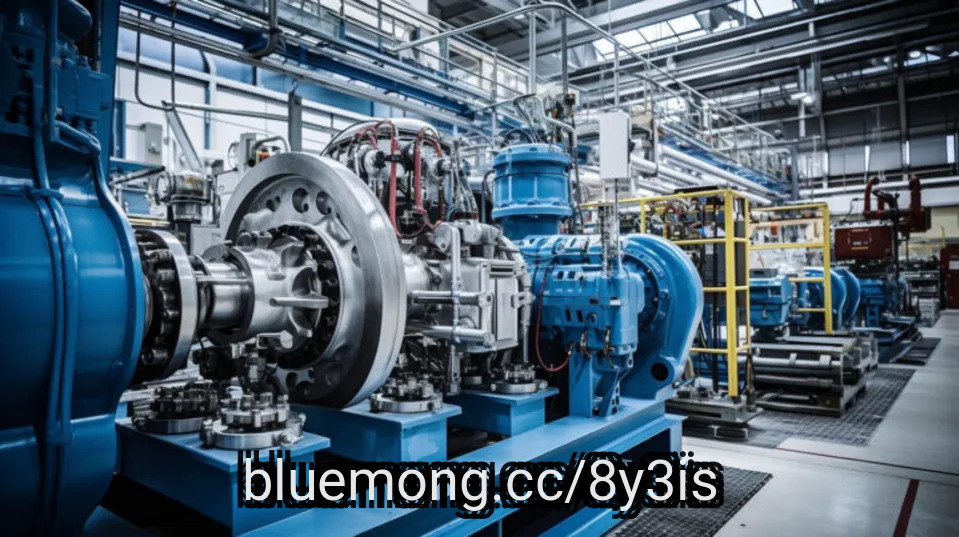
In its second-quarter 2026 investor letter, MD Sass Concentrated Value Strategy highlighted Flowserve Corporation (NYSE:FLS). Flowserve Corporation (NYSE:FLS) is an industrial company that focuses on industrial flow management equipment. On August 28, 2026, Flowserve Corporation (NYSE:FLS) closed at $80.33 per share. The one-month return of Flowserve Corporation (NYSE:FLS) was 4.95%, and its shares gained 49.70% over the past 52 weeks. Flowserve Corporation (NYSE:FLS) has a market capitalization of $10.21 billion.
MD Sass Concentrated Value Strategy stated the following regarding Flowserve Corporation (NYSE:FLS) in its Q2 2026 investor letter:
"We initiated a position in Flowserve Corporation (NYSE:FLS), a global leader in pumps, valves, seals, and other flow control equipment used across energy, power generation, chemicals, water, and general industrial markets. The company operates through its Pumps and Flow Control divisions and benefits from a large installed base that generates recurring, high-margin aftermarket revenue. Over the past several years, management has materially improved the quality of the business through more selective bidding, portfolio rationalization, and its 80/20 operating framework. Adjusted operating margins reached 14.8% in 2025, up 300 bps from the prior year, and management is targeting approximately 20% by 2030.
While continued margin expansion and aftermarket growth support the investment case, the crux of our thesis is nuclear power. FLS is one of the leading suppliers of highly engineered pumps and valves used in nuclear reactors. These
In its second-quarter 2026 investor letter, MD Sass Concentrated Value Strategy highlighted Flowserve Corporation (NYSE:FLS). Flowserve Corporation (NYSE:FLS) is an industrial company that focuses on industrial flow management equipment. On August 28, 2026, Flowserve Corporation (NYSE:FLS) closed at $80.33 per share. The one-month return of Flowserve Corporation (NYSE:FLS) was 4.95%, and its shares gained 49.70% over the past 52 weeks. Flowserve Corporation (NYSE:FLS) has a market capitalization of $10.21 billion.
MD Sass Concentrated Value Strategy stated the following regarding Flowserve Corporation (NYSE:FLS) in its Q2 2026 investor letter:
"We initiated a position in Flowserve Corporation (NYSE:FLS), a global leader in pumps, valves, seals, and other flow control equipment used across energy, power generation, chemicals, water, and general industrial markets. The company operates through its Pumps and Flow Control divisions and benefits from a large installed base that generates recurring, high-margin aftermarket revenue. Over the past several years, management has materially improved the quality of the business through more selective bidding, portfolio rationalization, and its 80/20 operating framework. Adjusted operating margins reached 14.8% in 2025, up 300 bps from the prior year, and management is targeting approximately 20% by 2030.
While continued margin expansion and aftermarket growth support the investment case, the crux of our thesis is nuclear power. FLS is one of the leading suppliers of highly engineered pumps and valves used in nuclear reactors. These

2 months ago
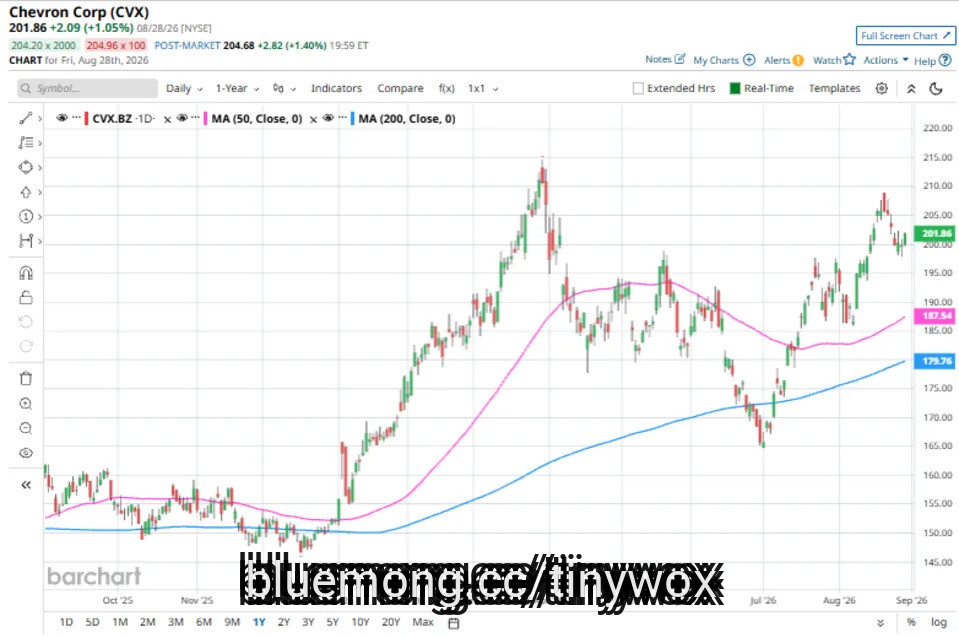
Houston, Texas-based Chevron Corporation (CVX) is one of the world's largest integrated energy companies, with operations spanning oil and natural gas exploration and production, refining, marketing, chemicals, and lower-carbon energy. Headquartered in Houston, Texas, Chevron operates across the U.S. and numerous international markets. The company has a market cap of $364.5 billion.
Companies with a market capitalization of $200 billion or more are typically referred to as "mega-cap stocks." CVX fits right into that category, with its market cap exceeding this threshold, reflecting its substantial size and influence in the integrated oil and gas industry. A major strength of Chevron is its vertically integrated and geographically diversified portfolio. The upstream business provides significant exposure to oil and gas prices, while refining, marketing and chemicals operations can provide earnings diversification when commodity prices or refining margins move in different directions.
Wu-Tang Clan Member Raekwon Is a Palantir 'OG,' Visiting Headquarters 16 Years After Receiving His Custom PLTR Jacket
Tesla Stock Could Benefit as Trump Locks Down the U.S. Power Grid
Tesla Just Killed Its Solar Roof After Years of Struggling to Scale. What It Means for TSLA Stock.
#market #texas #Stock
Companies with a market capitalization of $200 billion or more are typically referred to as "mega-cap stocks." CVX fits right into that category, with its market cap exceeding this threshold, reflecting its substantial size and influence in the integrated oil and gas industry. A major strength of Chevron is its vertically integrated and geographically diversified portfolio. The upstream business provides significant exposure to oil and gas prices, while refining, marketing and chemicals operations can provide earnings diversification when commodity prices or refining margins move in different directions.
Wu-Tang Clan Member Raekwon Is a Palantir 'OG,' Visiting Headquarters 16 Years After Receiving His Custom PLTR Jacket
Tesla Stock Could Benefit as Trump Locks Down the U.S. Power Grid
Tesla Just Killed Its Solar Roof After Years of Struggling to Scale. What It Means for TSLA Stock.
#market #texas #Stock

2 months ago
Oil prices have been all over the place in 2026. Brent crude fell nearly 40% from its year-to-date (YTD) high of $118.35 on March 31 to $71.44 by July 1 after a U.S.-Iran peace deal reopened the Strait of Hormuz. Prices then rebounded more than 16% from that July low after the ceasefire broke down on July 8, helping make energy the best-performing S&P 500 sector ($SPX) during that period.
Shell (SHEL) has used the volatility to reshape its business. The company has sold ****** ets that no longer fit its focus on oil, gas, and LNG, including India's Sprng Energy for $1.8 billion, Gulf of Mexico stakes for $1.7 billion, and Jiffy Lube International and Premium Velocity Auto for $1.3 billion. It also sold its European onshore renewables portfolio to TotalEnergies SE (TTE) and agreed to acquire Canada's ARC Resources Ltd. (ARX) in a deal valued at about $13.6 billion.
Seagate vs. Western Digital: Which One is The Best AI Storage Play for Dividend Investors?
Tired of missing midday reversals? The FREE Barchart Brief newsletter keeps you in the know. Sign up now!
Next could be Shell's U.S. chemicals business. The company has reportedly drawn interest from potential buyers, including ExxonMobil Corporation (XOM) and LyondellBasell Industries N.V. (LYB), in a deal that could fetch up to $8 billion.
#prices
Shell (SHEL) has used the volatility to reshape its business. The company has sold ****** ets that no longer fit its focus on oil, gas, and LNG, including India's Sprng Energy for $1.8 billion, Gulf of Mexico stakes for $1.7 billion, and Jiffy Lube International and Premium Velocity Auto for $1.3 billion. It also sold its European onshore renewables portfolio to TotalEnergies SE (TTE) and agreed to acquire Canada's ARC Resources Ltd. (ARX) in a deal valued at about $13.6 billion.
Seagate vs. Western Digital: Which One is The Best AI Storage Play for Dividend Investors?
Tired of missing midday reversals? The FREE Barchart Brief newsletter keeps you in the know. Sign up now!
Next could be Shell's U.S. chemicals business. The company has reportedly drawn interest from potential buyers, including ExxonMobil Corporation (XOM) and LyondellBasell Industries N.V. (LYB), in a deal that could fetch up to $8 billion.
#prices

2 months ago
Sustainable Growth Advisers (SGA), an investment management company, released its second-quarter 2026 investor letter for its "Global Growth Strategy." The letter can be downloaded here. The SGA Global Growth Portfolio returned 7.4% gross and 7.2% net, compared with 14.9% for the MSCI ACWI and 19.8% for the MSCI ACWI Growth Index. Momentum leadership and enthusiasm around AI infrastructure drove markets, with semiconductor, memory, and hardware stocks accounting for much of the gain. Although the portfolio owned AI beneficiaries, broader holdings lagged despite fundamentals, as median revenue and EPS growth reached 12% and 14% and more than 60% of the holdings beat expectations. SGA believes valuation compression reflects sentiment rather than weaker business quality, leaving the portfolio near its widest discount to the market since inception. The firm continues to favor durable compounders and expects 16% revenue growth and 20% earnings growth over three years. Also, please check the Fund's top five holdings to see its best picks for 2026.
In its second-quarter 2026 investor letter, SGA Global Growth Strategy highlighted Linde plc (NASDAQ:LIN) as a new holding. Linde plc (NASDAQ:LIN) operates as the world's leading industrial gas company. On August 21, 2026, Linde plc (NASDAQ:LIN) closed at $487.57 per share. The one-month return of Linde plc (NASDAQ:LIN) was -3.84%, and its shares gained 2.03% over the past 52 weeks. Linde plc (NASDAQ:LIN) has a market capitalization of $224.76 billion.
SGA Global Growth Strategy stated the following regarding Linde plc (NASDAQ:LIN) in its Q2 2026 investor letter:
"Linde plc (NASDAQ:LIN), the world's largest industrial gas company, was added to the portfolio in April. We had previously exited the position in 2024 due to valuation considerations and forced attrition; since then, the stock price has consolidated while fundamentals continued to progress. Linde remains an attractive long-term investment, supported by a highly durable business model and meaningful structural advantages. A large share of revenue is generated from long-term, recurring customer contracts in essential end markets, providing strong pricing power and cash flow visibility even in a slower growth environment. The company's strengths are rooted in its production efficiency and broad exposure across diverse end markets, including healthcare, manufacturing, electronics, chemicals, and energy.
Looking ahead, Linde is well-positioned to benefit from structural improvements and a potential acceleration in global growth across several of its core markets over the medium term. The U.S., which accounts for roughly 45% of revenue, is likely to see improved growth driven by an industrial recovery, increased semiconductor manufacturing, and higher refinery utilization. Europe (approximately 25% of revenue) has been a headwind in recent years due to negative volume growth, but is expected to stabilize over the medium term, with the potential for mo
In its second-quarter 2026 investor letter, SGA Global Growth Strategy highlighted Linde plc (NASDAQ:LIN) as a new holding. Linde plc (NASDAQ:LIN) operates as the world's leading industrial gas company. On August 21, 2026, Linde plc (NASDAQ:LIN) closed at $487.57 per share. The one-month return of Linde plc (NASDAQ:LIN) was -3.84%, and its shares gained 2.03% over the past 52 weeks. Linde plc (NASDAQ:LIN) has a market capitalization of $224.76 billion.
SGA Global Growth Strategy stated the following regarding Linde plc (NASDAQ:LIN) in its Q2 2026 investor letter:
"Linde plc (NASDAQ:LIN), the world's largest industrial gas company, was added to the portfolio in April. We had previously exited the position in 2024 due to valuation considerations and forced attrition; since then, the stock price has consolidated while fundamentals continued to progress. Linde remains an attractive long-term investment, supported by a highly durable business model and meaningful structural advantages. A large share of revenue is generated from long-term, recurring customer contracts in essential end markets, providing strong pricing power and cash flow visibility even in a slower growth environment. The company's strengths are rooted in its production efficiency and broad exposure across diverse end markets, including healthcare, manufacturing, electronics, chemicals, and energy.
Looking ahead, Linde is well-positioned to benefit from structural improvements and a potential acceleration in global growth across several of its core markets over the medium term. The U.S., which accounts for roughly 45% of revenue, is likely to see improved growth driven by an industrial recovery, increased semiconductor manufacturing, and higher refinery utilization. Europe (approximately 25% of revenue) has been a headwind in recent years due to negative volume growth, but is expected to stabilize over the medium term, with the potential for mo

2 months ago
Sustainable Growth Advisers (SGA), an investment management company, released its second-quarter 2026 investor letter for its "Global Growth Strategy." The letter can be downloaded here. The SGA Global Growth Portfolio returned 7.4% gross and 7.2% net, compared with 14.9% for the MSCI ACWI and 19.8% for the MSCI ACWI Growth Index. Momentum leadership and enthusiasm around AI infrastructure drove markets, with semiconductor, memory, and hardware stocks accounting for much of the gain. Although the portfolio owned AI beneficiaries, broader holdings lagged despite fundamentals, as median revenue and EPS growth reached 12% and 14% and more than 60% of the holdings beat expectations. SGA believes valuation compression reflects sentiment rather than weaker business quality, leaving the portfolio near its widest discount to the market since inception. The firm continues to favor durable compounders and expects 16% revenue growth and 20% earnings growth over three years. Also, please check the Fund's top five holdings to see its best picks for 2026.
In its second-quarter 2026 investor letter, SGA Global Growth Strategy highlighted Linde plc (NASDAQ:LIN) as a new holding. Linde plc (NASDAQ:LIN) operates as the world's leading industrial gas company. On August 21, 2026, Linde plc (NASDAQ:LIN) closed at $487.57 per share. The one-month return of Linde plc (NASDAQ:LIN) was -3.84%, and its shares gained 2.03% over the past 52 weeks. Linde plc (NASDAQ:LIN) has a market capitalization of $224.76 billion.
SGA Global Growth Strategy stated the following regarding Linde plc (NASDAQ:LIN) in its Q2 2026 investor letter:
"Linde plc (NASDAQ:LIN), the world's largest industrial gas company, was added to the portfolio in April. We had previously exited the position in 2024 due to valuation considerations and forced attrition; since then, the stock price has consolidated while fundamentals continued to progress. Linde remains an attractive long-term investment, supported by a highly durable business model and meaningful structural advantages. A large share of revenue is generated from long-term, recurring customer contracts in essential end markets, providing strong pricing power and cash flow visibility even in a slower growth environment. The company's strengths are rooted in its production efficiency and broad exposure across diverse end markets, including healthcare, manufacturing, electronics, chemicals, and energy.
Looking ahead, Linde is well-positioned to benefit from structural improvements and a potential acceleration in global growth across several of its core markets over the medium term. The U.S., which accounts for roughly 45% of revenue, is likely to see improved growth driven by an industrial recovery, increased semiconductor manufacturing, and higher refinery utilization. Europe (approximately 25% of revenue) has been a headwind in recent years due to negative volume growth, but is expected to stabilize over the medium term, with the potential for mo
In its second-quarter 2026 investor letter, SGA Global Growth Strategy highlighted Linde plc (NASDAQ:LIN) as a new holding. Linde plc (NASDAQ:LIN) operates as the world's leading industrial gas company. On August 21, 2026, Linde plc (NASDAQ:LIN) closed at $487.57 per share. The one-month return of Linde plc (NASDAQ:LIN) was -3.84%, and its shares gained 2.03% over the past 52 weeks. Linde plc (NASDAQ:LIN) has a market capitalization of $224.76 billion.
SGA Global Growth Strategy stated the following regarding Linde plc (NASDAQ:LIN) in its Q2 2026 investor letter:
"Linde plc (NASDAQ:LIN), the world's largest industrial gas company, was added to the portfolio in April. We had previously exited the position in 2024 due to valuation considerations and forced attrition; since then, the stock price has consolidated while fundamentals continued to progress. Linde remains an attractive long-term investment, supported by a highly durable business model and meaningful structural advantages. A large share of revenue is generated from long-term, recurring customer contracts in essential end markets, providing strong pricing power and cash flow visibility even in a slower growth environment. The company's strengths are rooted in its production efficiency and broad exposure across diverse end markets, including healthcare, manufacturing, electronics, chemicals, and energy.
Looking ahead, Linde is well-positioned to benefit from structural improvements and a potential acceleration in global growth across several of its core markets over the medium term. The U.S., which accounts for roughly 45% of revenue, is likely to see improved growth driven by an industrial recovery, increased semiconductor manufacturing, and higher refinery utilization. Europe (approximately 25% of revenue) has been a headwind in recent years due to negative volume growth, but is expected to stabilize over the medium term, with the potential for mo

2 months ago
Exxon is in the running for Shell's U.S. chemicals business that could fetch $8 billion, the Financial Times reported today, citing unnamed sources familiar with developments.
The U.S. supermajor is competing with LyondellBasell, Apollo Global Management, and the Kuwait Petroleum Corporation, the unnamed sources also told the publication. The potential buyers have submitted non-binding offers to Shell, with these ranging from offers to buy parts of the business to offers for the whole division.
Shell's chemicals business in the United States comprises four facilities in Louisiana, Texas, and Pennsylvania that make chemicals used in a range of industries, from plastics production to detergents.
Shell has made two **** et sales recently, one of its onshore wind and solar power business in Europe and the other of a stake in a gas project offshore Cyprus. The wind and solar power deal went to TotalEnergies and involved 500 megawatts of combined renewable generation capacity in operation and in development, as well as a pipeline of projects for future development across Italy, the Netherlands, Spain, and the UK.
The transaction is subject to regulatory approvals and is expected to complete by the end of 2026, Shell said earlier this month in the announcement of the deal with TotalEnergies.
#business #chemicals #unnamed #wind
The U.S. supermajor is competing with LyondellBasell, Apollo Global Management, and the Kuwait Petroleum Corporation, the unnamed sources also told the publication. The potential buyers have submitted non-binding offers to Shell, with these ranging from offers to buy parts of the business to offers for the whole division.
Shell's chemicals business in the United States comprises four facilities in Louisiana, Texas, and Pennsylvania that make chemicals used in a range of industries, from plastics production to detergents.
Shell has made two **** et sales recently, one of its onshore wind and solar power business in Europe and the other of a stake in a gas project offshore Cyprus. The wind and solar power deal went to TotalEnergies and involved 500 megawatts of combined renewable generation capacity in operation and in development, as well as a pipeline of projects for future development across Italy, the Netherlands, Spain, and the UK.
The transaction is subject to regulatory approvals and is expected to complete by the end of 2026, Shell said earlier this month in the announcement of the deal with TotalEnergies.
#business #chemicals #unnamed #wind


3 months ago
SAO PAULO (AP) — The world is increasingly turning to Brazil to explore for rare earth minerals that are crucial for technology and renewable energy. The country's large reserves are second only to China and have attracted investors, many of them with foreign support.
An ***** ysis by The ***** ociated Press and Reporter Brasil of all National Mining Agency records through June shows that rare earth exploration applications have surged, with more than 86% filed in the past three years, including 268 in the first half of 2026.
The interest is already raising environmental concerns for the Amazon and other areas.
Here are takeaways from the story:
Rare earth minerals are a group of chemicals essential in digital and defense technologies, used in electronics, magnets and batteries. They are also used in wind turbines and electric vehicle motors, critical to the transition away from fossil fuels like oil, gas and coal that cause global warming. The International Energy Agency estimated in 2022 that demand for rare earths could increase at least threefold by 2040.
#rare #associated
An ***** ysis by The ***** ociated Press and Reporter Brasil of all National Mining Agency records through June shows that rare earth exploration applications have surged, with more than 86% filed in the past three years, including 268 in the first half of 2026.
The interest is already raising environmental concerns for the Amazon and other areas.
Here are takeaways from the story:
Rare earth minerals are a group of chemicals essential in digital and defense technologies, used in electronics, magnets and batteries. They are also used in wind turbines and electric vehicle motors, critical to the transition away from fossil fuels like oil, gas and coal that cause global warming. The International Energy Agency estimated in 2022 that demand for rare earths could increase at least threefold by 2040.
#rare #associated

3 months ago
On August 13, Applied Industrial Technologies (NYSE:AIT) held its fiscal fourth-quarter earnings call, and the numbers surprised even the company's own leadership. Organic sales grew 9.7%, the fastest pace in more than three years and a sharp jump from the 6% growth reported just one quarter earlier. For a distributor whose fortunes track the health of American manufacturing, that kind of acceleration is not a small thing, and it set up a call that ended with management raising its long-term ambitions rather than just its short-term guidance.
The breadth of the improvement stood out as much as the headline number. Twenty of the company's top 30 end markets posted positive year-over-year sales growth in the quarter, up from 17 last quarter and just 15 a year earlier, with metals, technology, utilities and energy, machinery, rubber and plastics, and pulp and paper leading the way. Automation sales jumped more than 20% year-over-year, the strongest growth in over four years, as customers lean into robotics, machine vision, and what management called physical AI.
The technology vertical now makes up more than 15% of the Engineered Solutions segment, with semiconductor demand and data center buildouts both contributing. The Service Center segment grew organic sales 8%, up from 4% last quarter, with 27 of 30 verticals positive. That segment has averaged 8% organic sales growth and 13% EBITDA growth over the past five years, a track record management pointed to as evidence the business is more durable than investors might ***** ume. All of that flowed through to the bottom line. EBITDA margin expanded more than 60 basis points to above 13%, EBITDA grew 16%, and SG&A expense fell to 18.6% of sales. The company generated $461 million in free cash flow for the year, returned $317 million to shareholders through buybacks, raised its dividend 11%, and used the momentum to lift its five-year targets, pushing the sales objective to $7 billion from $5.5 billion and the EBITDA margin goal to 14% from 13%.
The guidance Applied issued for fiscal 2027 tells a more cautious story than the quarter it just posted. Full-year sales growth guidance sits at just 4% to 6.5%, well below the 9.7% just delivered, with management citing tougher comparisons in the back half of the year and limited visibility into how trade policy and geopolitical dynamics evolve. Inside Engineered Solutions, flow control sales growth was muted in the quarter, weighed down by a difficult prior-year comparison and softer MRO activity across process end markets like chemicals and refining, both of which also declined outright for the year alongside lumber and wood and transportation.
#ebitda #management #organic #years
The breadth of the improvement stood out as much as the headline number. Twenty of the company's top 30 end markets posted positive year-over-year sales growth in the quarter, up from 17 last quarter and just 15 a year earlier, with metals, technology, utilities and energy, machinery, rubber and plastics, and pulp and paper leading the way. Automation sales jumped more than 20% year-over-year, the strongest growth in over four years, as customers lean into robotics, machine vision, and what management called physical AI.
The technology vertical now makes up more than 15% of the Engineered Solutions segment, with semiconductor demand and data center buildouts both contributing. The Service Center segment grew organic sales 8%, up from 4% last quarter, with 27 of 30 verticals positive. That segment has averaged 8% organic sales growth and 13% EBITDA growth over the past five years, a track record management pointed to as evidence the business is more durable than investors might ***** ume. All of that flowed through to the bottom line. EBITDA margin expanded more than 60 basis points to above 13%, EBITDA grew 16%, and SG&A expense fell to 18.6% of sales. The company generated $461 million in free cash flow for the year, returned $317 million to shareholders through buybacks, raised its dividend 11%, and used the momentum to lift its five-year targets, pushing the sales objective to $7 billion from $5.5 billion and the EBITDA margin goal to 14% from 13%.
The guidance Applied issued for fiscal 2027 tells a more cautious story than the quarter it just posted. Full-year sales growth guidance sits at just 4% to 6.5%, well below the 9.7% just delivered, with management citing tougher comparisons in the back half of the year and limited visibility into how trade policy and geopolitical dynamics evolve. Inside Engineered Solutions, flow control sales growth was muted in the quarter, weighed down by a difficult prior-year comparison and softer MRO activity across process end markets like chemicals and refining, both of which also declined outright for the year alongside lumber and wood and transportation.
#ebitda #management #organic #years


3 months ago
High-yielding dividend stocks are riskier. Many of them have cut their payments in the past due to weaker financial profiles.
However, I fully trust Enterprise Products Partners' (NYSE: EPD) 5.8%-yielding payout right now. Here are three reasons why I think it's safe.
Missed Nvidia in 2009? This Rare Signal Is Flashing Again. In 2009, a "Double Down" signal flashed for a little-known chipmaker called Nvidia. For the first time in years, that same "Total Conviction" signal is flashing for a company 1/100th the size of Nvidia. Continue »
Enterprise Products Partners operates an integrated footprint of critical energy infrastructure. The master limited partnership (MLP), an entity that sends a Schedule K-1 Federal tax form, has broad diversification across ******* et types (e.g., pipelines, processing plants, and export terminals), products (e.g., oil, natural gas, natural gas liquids, and petrochemicals), customers, and geography. Long-term, fee-based contracts underpin about 80% of its earnings, providing a very stable cash flow base. This combination of diversification and stability has helped cushion the impact of market downturns over the years.
Enterprise Products Partners generated a record $2.3 billion of operational distributable cash flow during the second quarter. That was enough to cover its high-yielding distribution by a very comfortable 1.9 times. This allowed the MLP to retain $1.1 billion in distributable cash flow during the quarter, which it used to invest in expansion projects, repurchase units, and maintain its balance sheet strength.
#products #flow #high
However, I fully trust Enterprise Products Partners' (NYSE: EPD) 5.8%-yielding payout right now. Here are three reasons why I think it's safe.
Missed Nvidia in 2009? This Rare Signal Is Flashing Again. In 2009, a "Double Down" signal flashed for a little-known chipmaker called Nvidia. For the first time in years, that same "Total Conviction" signal is flashing for a company 1/100th the size of Nvidia. Continue »
Enterprise Products Partners operates an integrated footprint of critical energy infrastructure. The master limited partnership (MLP), an entity that sends a Schedule K-1 Federal tax form, has broad diversification across ******* et types (e.g., pipelines, processing plants, and export terminals), products (e.g., oil, natural gas, natural gas liquids, and petrochemicals), customers, and geography. Long-term, fee-based contracts underpin about 80% of its earnings, providing a very stable cash flow base. This combination of diversification and stability has helped cushion the impact of market downturns over the years.
Enterprise Products Partners generated a record $2.3 billion of operational distributable cash flow during the second quarter. That was enough to cover its high-yielding distribution by a very comfortable 1.9 times. This allowed the MLP to retain $1.1 billion in distributable cash flow during the quarter, which it used to invest in expansion projects, repurchase units, and maintain its balance sheet strength.
#products #flow #high


3 months ago
PPG Industries, Inc. (PPG), headquartered in Pittsburgh, Pennsylvania, manufactures and distributes paints, coatings, and specialty materials. Valued at $25.2 billion by market cap, the company makes protective and decorative coatings, flat glass, fabricated glass products, continuous-strand fiber glass products, and industrial and specialty chemicals.
Shares of this leading paints and coatings manufacturer have underperformed the broader market over the past year. PPG has gained 1.7% over this time frame, while the broader S&P 500 Index ($SPX) has rallied nearly 19.3%. In 2026, PPG stock is up 10.1%, compared to the SPX's 12.4% rise on a YTD basis.
Barron Trump, 20, Now Worth $150 Million — More Than Mom, Melania — From Crypto And $39 Energy Drink
Billionaire Michael Saylor Warns Against Buying a House Because 'Every 36 Years You Actually Pay the Cost of the House in Tax to the Government'
QQQ Just 'Gamma Flipped' as Market Makers Were Forced to Sell. Here's What Our Top Chart Expert is Tracking Next.
#coatings #House
Shares of this leading paints and coatings manufacturer have underperformed the broader market over the past year. PPG has gained 1.7% over this time frame, while the broader S&P 500 Index ($SPX) has rallied nearly 19.3%. In 2026, PPG stock is up 10.1%, compared to the SPX's 12.4% rise on a YTD basis.
Barron Trump, 20, Now Worth $150 Million — More Than Mom, Melania — From Crypto And $39 Energy Drink
Billionaire Michael Saylor Warns Against Buying a House Because 'Every 36 Years You Actually Pay the Cost of the House in Tax to the Government'
QQQ Just 'Gamma Flipped' as Market Makers Were Forced to Sell. Here's What Our Top Chart Expert is Tracking Next.
#coatings #House

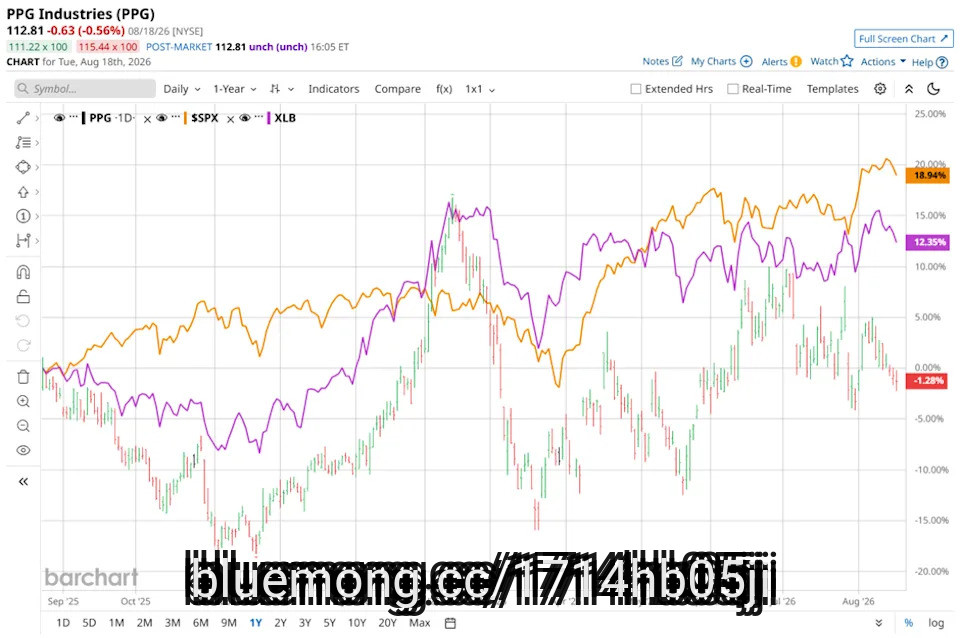
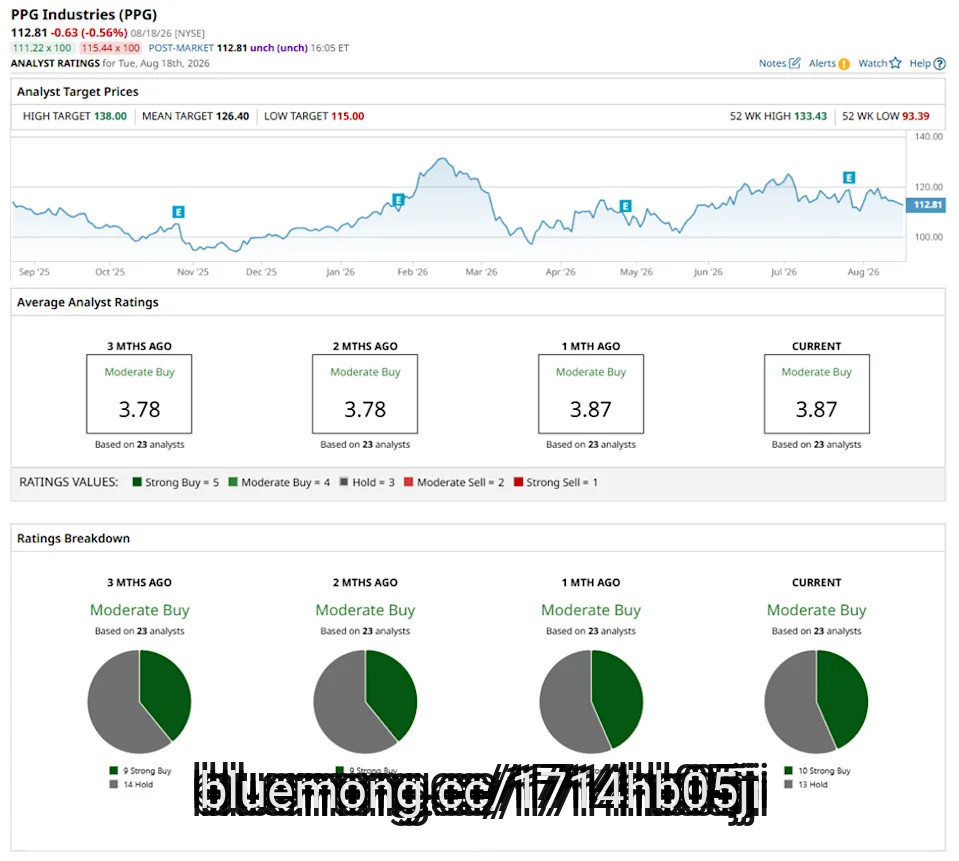
3 months ago
On August 7, Sylvamo (NYSE:SLVM) reported its second-quarter 2026 financial results. Sequential adjusted EBITDA jumped to $60 million, more than double the prior quarter's total, but margin stayed thin at 7%. Free cash flow stayed negative at $23 million, though that marked a real improvement from the quarter before. CEO John Sims called 2026 a transition year, shaped by the end of a supply agreement and an extended mill outage. The real question is whether the back half delivers the turnaround management is promising.
Price and mix gains added $32 million to EBITDA in the quarter, as Sylvamo pushed through uncoated freesheet price increases across every region it serves. Europe got a fresh increase in mid-June, with realization continuing through the third quarter, while Latin America should benefit from seasonally stronger second-half demand plus ongoing price hikes to export customers there and in the Middle East and Africa. North America's backdrop has shifted too: International Paper's Riverdale mill conversion pulled 7% of annual uncoated freesheet industry capacity offline, giving Sylvamo more room to raise prices at home.
Altogether, management expects $75 million to $85 million of price and mix benefit in the second half versus the first. The Eastover mill investments add another lever: a paper machine speed-up will add 60,000 tons of annual capacity once it wraps during the fourth-quarter outage, and a new sheeter has already cleared acceptance testing and arrived in the U.S. Those projects, plus a warehouse sale-leaseback deal, are projected to generate $55 million a year in benefits, with $30 million to $40 million landing as soon as 2027.
While sequential operating metrics moved higher, earnings remained constrained. Adjusted operating earnings came in at $0.03 per share, weighed down by $24 million in planned maintenance outage costs as scheduled downtime ran across all regions. Sylvamo expects roughly $5 million more of unfavorable maintenance impact in the second half while it takes extended downtime at Eastover to finish the paper machine work. Input and transportation costs were also a $2 million drag, with fiber costs climbing in Latin America and freight costs rising in North America, partly offset by the non-repeat of a one-time $10 million charge tied to International Paper's Riverdale mill.
Management also flagged the Middle East conflict as an ongoing drag on energy, chemicals and transportation costs in every region. Imports into North America ticked up in the quarter too, a response to a new 10% tariff threshold on global shipments, which could complicate the pricing gains tied to reduced domestic supply. Second-half volume will also be trimmed by lost Riverdale-related tons and the extended Eastover outage in the fourth quarter.
#million #sylvamo #costs
Price and mix gains added $32 million to EBITDA in the quarter, as Sylvamo pushed through uncoated freesheet price increases across every region it serves. Europe got a fresh increase in mid-June, with realization continuing through the third quarter, while Latin America should benefit from seasonally stronger second-half demand plus ongoing price hikes to export customers there and in the Middle East and Africa. North America's backdrop has shifted too: International Paper's Riverdale mill conversion pulled 7% of annual uncoated freesheet industry capacity offline, giving Sylvamo more room to raise prices at home.
Altogether, management expects $75 million to $85 million of price and mix benefit in the second half versus the first. The Eastover mill investments add another lever: a paper machine speed-up will add 60,000 tons of annual capacity once it wraps during the fourth-quarter outage, and a new sheeter has already cleared acceptance testing and arrived in the U.S. Those projects, plus a warehouse sale-leaseback deal, are projected to generate $55 million a year in benefits, with $30 million to $40 million landing as soon as 2027.
While sequential operating metrics moved higher, earnings remained constrained. Adjusted operating earnings came in at $0.03 per share, weighed down by $24 million in planned maintenance outage costs as scheduled downtime ran across all regions. Sylvamo expects roughly $5 million more of unfavorable maintenance impact in the second half while it takes extended downtime at Eastover to finish the paper machine work. Input and transportation costs were also a $2 million drag, with fiber costs climbing in Latin America and freight costs rising in North America, partly offset by the non-repeat of a one-time $10 million charge tied to International Paper's Riverdale mill.
Management also flagged the Middle East conflict as an ongoing drag on energy, chemicals and transportation costs in every region. Imports into North America ticked up in the quarter too, a response to a new 10% tariff threshold on global shipments, which could complicate the pricing gains tied to reduced domestic supply. Second-half volume will also be trimmed by lost Riverdale-related tons and the extended Eastover outage in the fourth quarter.
#million #sylvamo #costs

3 months ago
Hotchkis & Wiley, an investment management company, released its second-quarter 2026 investor letter for the "Hotchkis & Wiley Mid-Cap Value Fund." A copy of the letter can be downloaded here. Equity markets posted strong returns in the second quarter of 2026, with the Russell Midcap Index rising 13.8% and the Russell Midcap Value Index returning 13.4%, despite concerns about inflation, a hawkish Federal Reserve, and rising oil prices due to the Iran conflict. Narrow market leadership was evident, particularly semiconductor stocks and other stocks in the AI sector, which saw returns exceeding 100%. The Firm favors quality businesses with attractive valuations, believing that fears regarding AI's impact are overstated. The Hotchkis & Wiley Mid-Cap Value Fund lagged the Russell Midcap Value Index, achieving a 4.74% return in the second quarter, primarily due to underperformance in technology and energy sectors, while stock selection in healthcare contributed positively. In addition, please check the Fund's top five holdings to know its best picks in 2026.
In its Q2 2026 investor letter, Hotchkis & Wiley Mid-Cap Value Fund highlighted Olin Corporation (NYSE:OLN). Olin Corporation (NYSE:OLN), a leading manufacturer and distributor of chemical products that operates through Chlor Alkali Products and Vinyls, Epoxy, and Winchester segments, detracted from the fund's performance during the quarter. On August 3, 2026, Olin Corporation (NYSE:OLN) closed at $18.62 per share. The one-month return for Olin Corporation (NYSE:OLN) was -10.22%, and its shares lost 2.05% over the past 52 weeks. Olin Corporation (NYSE:OLN) has a market capitalization of $2.12 billion.
Hotchkis & Wiley Mid-Cap Value Fund stated the following regarding Olin Corporation (NYSE:OLN) in its Q2 2026 investor letter:
"Olin Corporation (NYSE:OLN) is one of the largest global producers of chlor alkali chemicals and chlorine derivatives, and also owns the Winchester ammunition brand. It is significantly underearning today due to below-normal commodity prices and demand, but a tightening five-plus year supply/demand outlook in North American chlor-alkali could drive a pricing and volume recovery— and as the swing producer in the region, Olin could capture more than its share of that improvement, with shareholder-friendly capital allocation and an investment-grade balance sheet commitment reinforcing the case. The stock's decline reflects an easing of tensions in the Middle East which will lead to a near term loosening of supply/demand dynamics in commodity chemicals. Olin also announced a merger of equals with Huntsman that we believe is strategically sound and will help reduce risk over the intermediate term due to synergy capture and deleveraging."
#value #russell
In its Q2 2026 investor letter, Hotchkis & Wiley Mid-Cap Value Fund highlighted Olin Corporation (NYSE:OLN). Olin Corporation (NYSE:OLN), a leading manufacturer and distributor of chemical products that operates through Chlor Alkali Products and Vinyls, Epoxy, and Winchester segments, detracted from the fund's performance during the quarter. On August 3, 2026, Olin Corporation (NYSE:OLN) closed at $18.62 per share. The one-month return for Olin Corporation (NYSE:OLN) was -10.22%, and its shares lost 2.05% over the past 52 weeks. Olin Corporation (NYSE:OLN) has a market capitalization of $2.12 billion.
Hotchkis & Wiley Mid-Cap Value Fund stated the following regarding Olin Corporation (NYSE:OLN) in its Q2 2026 investor letter:
"Olin Corporation (NYSE:OLN) is one of the largest global producers of chlor alkali chemicals and chlorine derivatives, and also owns the Winchester ammunition brand. It is significantly underearning today due to below-normal commodity prices and demand, but a tightening five-plus year supply/demand outlook in North American chlor-alkali could drive a pricing and volume recovery— and as the swing producer in the region, Olin could capture more than its share of that improvement, with shareholder-friendly capital allocation and an investment-grade balance sheet commitment reinforcing the case. The stock's decline reflects an easing of tensions in the Middle East which will lead to a near term loosening of supply/demand dynamics in commodity chemicals. Olin also announced a merger of equals with Huntsman that we believe is strategically sound and will help reduce risk over the intermediate term due to synergy capture and deleveraging."
#value #russell


3 months ago
Baron Capital, an investment management company, released its Q2 2026 investor letter for the "Baron Health Care Fund". A copy of the letter is available to download here. The Fund gained 11.99% during the quarter, compared with the 10.48% gain for the Russell 3000 Health Care Index and the 15.44% gain for the Russell 3000 Index. Since inception, the Fund appreciated 10.61% on an annualized basis, compared with 10.02% for the Benchmark and 14.83% for the Index. Strong stock selection in pharmaceuticals, biotechnology, health care equipment, and life sciences tools and services supported the Fund's outperformance, although limited exposure to managed care stocks reduced relative returns. The Fund remains positive on health care due to improving biotechnology funding, strong acquisition activity, recovering managed care margins, and growth from an aging population, chronic disease, medical innovation, and higher health care spending. In addition, please check the Fund's top five holdings to know the best picks in 2026.
In its second-quarter 2026 investor letter, Baron Health Care Fund highlighted Mettler-Toledo International Inc. (NYSE:MTD). Mettler-Toledo International Inc. (NYSE:MTD) manufactures and supplies precision instruments and services in the Americas, Europe, Asia, and internationally. On August 03, 2026, Mettler-Toledo International Inc. (NYSE:MTD) closed at $1,445.00 per share. The one-month return of Mettler-Toledo International Inc. (NYSE:MTD) was 10.84%, and its shares gained 15.44% over the past 52 weeks. Mettler-Toledo International Inc. (NYSE:MTD) has a market capitalization of $28.95 billion..
Baron Health Care Fund stated the following regarding Mettler-Toledo International Inc. (NYSE:MTD) in its Q2 2026 investor letter:
"We added to our position in Mettler-Toledo International Inc. (NYSE:MTD), a company we have owned in the Fund since inception. Mettler is a leading global provider of precision instruments and services. The company's products are used in key R&D, quality control, and manufacturing processes for customers in the life sciences, food, and chemicals industries, among others. We believe Mettler has multiple competitive advantages, including its strong brand, product offering and large installed base; large direct sales and service network; global supply chain; sophisticated sales and marketing programs; longstanding local presence in fast growing emerging markets; and culture of operational excellence and execution. The company has a long track record of generating consistent earnings growth. In the quarter, Mettler's organic revenue growth rate and guidance were slightly below expectations. We thought the negative stock reaction was way overblown, leading to a valuation the stock had not seen in many years. We are confident that over the long-term Mettler can generate mid-teens or better annual earnings growth."
#toledo
In its second-quarter 2026 investor letter, Baron Health Care Fund highlighted Mettler-Toledo International Inc. (NYSE:MTD). Mettler-Toledo International Inc. (NYSE:MTD) manufactures and supplies precision instruments and services in the Americas, Europe, Asia, and internationally. On August 03, 2026, Mettler-Toledo International Inc. (NYSE:MTD) closed at $1,445.00 per share. The one-month return of Mettler-Toledo International Inc. (NYSE:MTD) was 10.84%, and its shares gained 15.44% over the past 52 weeks. Mettler-Toledo International Inc. (NYSE:MTD) has a market capitalization of $28.95 billion..
Baron Health Care Fund stated the following regarding Mettler-Toledo International Inc. (NYSE:MTD) in its Q2 2026 investor letter:
"We added to our position in Mettler-Toledo International Inc. (NYSE:MTD), a company we have owned in the Fund since inception. Mettler is a leading global provider of precision instruments and services. The company's products are used in key R&D, quality control, and manufacturing processes for customers in the life sciences, food, and chemicals industries, among others. We believe Mettler has multiple competitive advantages, including its strong brand, product offering and large installed base; large direct sales and service network; global supply chain; sophisticated sales and marketing programs; longstanding local presence in fast growing emerging markets; and culture of operational excellence and execution. The company has a long track record of generating consistent earnings growth. In the quarter, Mettler's organic revenue growth rate and guidance were slightly below expectations. We thought the negative stock reaction was way overblown, leading to a valuation the stock had not seen in many years. We are confident that over the long-term Mettler can generate mid-teens or better annual earnings growth."
#toledo


3 months ago
The geopolitical conflict in the Middle East has the world on edge. The daily news flow from the region can lead to wide swings in oil and natural gas prices. But the truth is that the energy sector has long been volatile, and today's events aren't all that unusual. Which is why long-term investors should probably focus on reliable dividend-paying energy stocks.
ExxonMobil (NYSE: XOM) has one of the most impressive dividend histories in the energy industry. Close behind is Chevron (NYSE: CVX). For those looking to avoid direct commodity exposure, two of the most reliable high-yield stocks are Enbridge (NYSE: ENB) and Enterprise Products Partners (NYSE: EPD). With yields of up to 5.7%, this group of stocks could be your entry point into energy in August.
Missed Nvidia in 2009? This Rare Signal Is Flashing Again. In 2009, a "Double Down" signal flashed for a little-known chipmaker called Nvidia. For the first time in years, that same "Total Conviction" signal is flashing for a company 1/100th the size of Nvidia. Continue »
It actually gets easier to find energy stocks if you start with the premise that the energy sector is volatile. Income-focused investors can immediately look for the strongest companies with the best dividend histories. That very quickly leads to Exxon and Chevron.
From a business model perspective, they are both globally dominant integrated energy companies. They have exposure to the entire energy value chain, including the upstream (production), midstream (pipelines), and the downstream (chemicals and refining). Geographically, they can invest where management believes it can find the highest returns. And, the broad portfolio diversification helps to soften the energy market's normal swings.
#NYSE #stocks #signal #Dividend
ExxonMobil (NYSE: XOM) has one of the most impressive dividend histories in the energy industry. Close behind is Chevron (NYSE: CVX). For those looking to avoid direct commodity exposure, two of the most reliable high-yield stocks are Enbridge (NYSE: ENB) and Enterprise Products Partners (NYSE: EPD). With yields of up to 5.7%, this group of stocks could be your entry point into energy in August.
Missed Nvidia in 2009? This Rare Signal Is Flashing Again. In 2009, a "Double Down" signal flashed for a little-known chipmaker called Nvidia. For the first time in years, that same "Total Conviction" signal is flashing for a company 1/100th the size of Nvidia. Continue »
It actually gets easier to find energy stocks if you start with the premise that the energy sector is volatile. Income-focused investors can immediately look for the strongest companies with the best dividend histories. That very quickly leads to Exxon and Chevron.
From a business model perspective, they are both globally dominant integrated energy companies. They have exposure to the entire energy value chain, including the upstream (production), midstream (pipelines), and the downstream (chemicals and refining). Geographically, they can invest where management believes it can find the highest returns. And, the broad portfolio diversification helps to soften the energy market's normal swings.
#NYSE #stocks #signal #Dividend

3 months ago
CPKC set a second-quarter revenue record and saw its operating income rise on the strength of grain, automotive, and energy-related shipments.
"The performance, if you look at it, reflects the strength of the CPKC (NYSE: CP) franchise, the resilience of our business mix, and the continued benefits of uniquely connecting Canada, U.S., and Mexico," Chief Executive Keith Creel told ******* ysts and investors on the railway's earnings call Wednesday.
Operating income increased 10%, to US$1.06 billion, as revenue grew 13%, to $3 billion. Earnings per share, adjusted for the impact of one-time items, increased 13%, to $0.91.
The railway's operating ratio was 64.6%, a 0.9-point increase over a year ago as operating expenses increased 14%, with fuel costs up 53% for the quarter.
Volume was up 4% for the quarter when based on revenue ton-miles, CPKC's preferred metric, but flat when measured by carloads and containers. "During the quarter, we established volume records in grain; energy, chemicals, plastics; and automotive," Creel said.
#revenue #increased #cpkc
"The performance, if you look at it, reflects the strength of the CPKC (NYSE: CP) franchise, the resilience of our business mix, and the continued benefits of uniquely connecting Canada, U.S., and Mexico," Chief Executive Keith Creel told ******* ysts and investors on the railway's earnings call Wednesday.
Operating income increased 10%, to US$1.06 billion, as revenue grew 13%, to $3 billion. Earnings per share, adjusted for the impact of one-time items, increased 13%, to $0.91.
The railway's operating ratio was 64.6%, a 0.9-point increase over a year ago as operating expenses increased 14%, with fuel costs up 53% for the quarter.
Volume was up 4% for the quarter when based on revenue ton-miles, CPKC's preferred metric, but flat when measured by carloads and containers. "During the quarter, we established volume records in grain; energy, chemicals, plastics; and automotive," Creel said.
#revenue #increased #cpkc



