

60 mins. ago
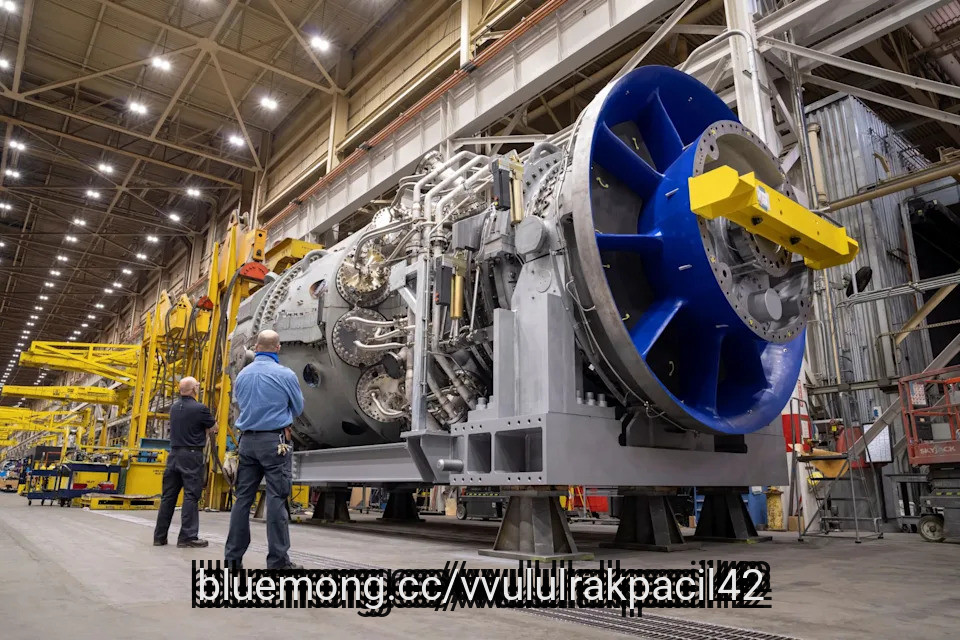
GE Vernova Inc. (NYSE:GEV) is trying to recover after an 8.5% decline, with Bernstein defending the stock as "wired to win" and highlighting that data centers account for only 38% of its electrification order book. This supports the argument that the company's utility exposure extends beyond AI power demand alone. That diversification is a real consideration, but it does not directly address the concern raised by GLJ Research. The firm's Sell rating is not based on doubts about AI-driven power demand. Instead, GLJ Research argues that GE Vernova is still a fundamentally cyclical gas-turbine manufacturer, while its current valuation reflects an **** umption that the ongoing boom can remain permanent.
GE Vernova shares stabilized after an 8.5% decline triggered by GLJ Research's new Sell rating and broader concerns that a slowdown in AI spending could weigh on the company's order book. Bernstein **** yst Sunaina Ocalan directly challenged the view that GE Vernova's outlook depends mainly on AI infrastructure spending:
While data center orders were $5 billion in H1 2026, or about 38% of electrification orders, the remaining 62% was utility-driven. Utility spend should continue to grow, supported by grid reliability and resilience investments. A slowdown in data center demand may alleviate generation bottlenecks but would do little to address existing grid constraints.
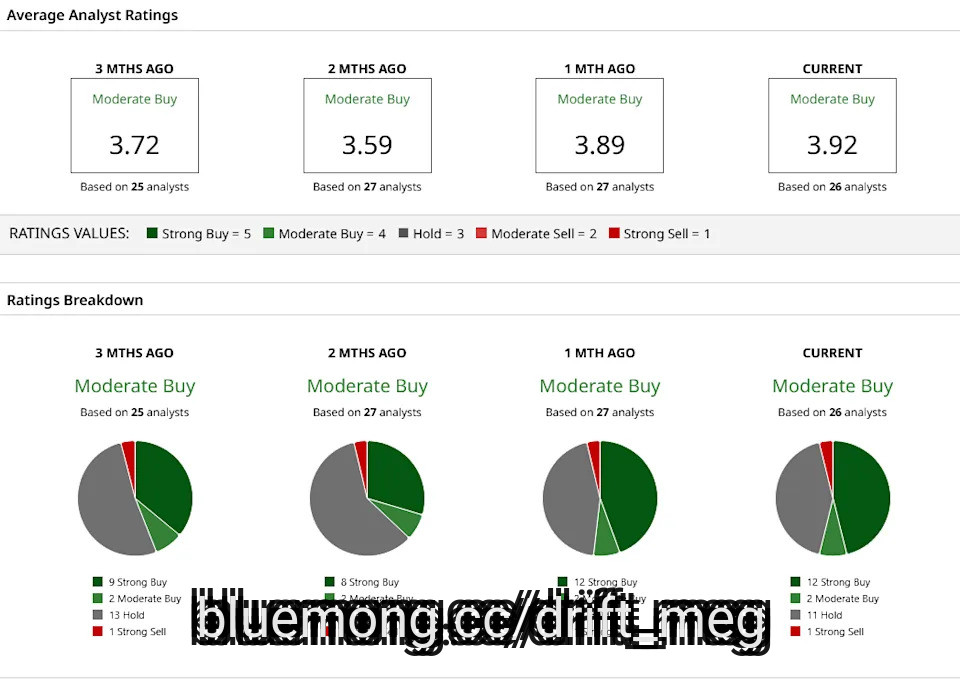
Bernstein continues to rate the stock a Buy with a $1,298 price target, while nearly 80% of **** ysts covering GE Vernova also have a Buy rating. In a separate development, the company announced a wind turbine supply agreement with Eurus Energy Holdings in **** an.
GLJ Research's Gordon Johnson argued that GE Vernova's turbines being sold out does not justify the stock trading at roughly 38.9x forward EV/EBITDA at the time the report was released. Johnson described the company as "a cyclical gas turbine manufacturer priced as a secular compounder," highlighting the premium valuation placed on a fundamentally cyclical business. His model estimates 2027 EBITDA at $7.42 billion, which is 22% below Wall Street consensus. The lower forecast is partly based on the timing of turbine orders, as equipment scheduled for 2027 delivery was ordered in 2024, before the company introduced its more recent price increase.
#bernstein #turbine #Stock #data
GE Vernova shares stabilized after an 8.5% decline triggered by GLJ Research's new Sell rating and broader concerns that a slowdown in AI spending could weigh on the company's order book. Bernstein **** yst Sunaina Ocalan directly challenged the view that GE Vernova's outlook depends mainly on AI infrastructure spending:
While data center orders were $5 billion in H1 2026, or about 38% of electrification orders, the remaining 62% was utility-driven. Utility spend should continue to grow, supported by grid reliability and resilience investments. A slowdown in data center demand may alleviate generation bottlenecks but would do little to address existing grid constraints.
Bernstein continues to rate the stock a Buy with a $1,298 price target, while nearly 80% of **** ysts covering GE Vernova also have a Buy rating. In a separate development, the company announced a wind turbine supply agreement with Eurus Energy Holdings in **** an.
GLJ Research's Gordon Johnson argued that GE Vernova's turbines being sold out does not justify the stock trading at roughly 38.9x forward EV/EBITDA at the time the report was released. Johnson described the company as "a cyclical gas turbine manufacturer priced as a secular compounder," highlighting the premium valuation placed on a fundamentally cyclical business. His model estimates 2027 EBITDA at $7.42 billion, which is 22% below Wall Street consensus. The lower forecast is partly based on the timing of turbine orders, as equipment scheduled for 2027 delivery was ordered in 2024, before the company introduced its more recent price increase.
#bernstein #turbine #Stock #data

8 hours ago
GE Aerospace's $11.75 billion purchase of Consolidated Precision Products, announced September 8, is billed as fixing the castings bottleneck behind the company's $170 billion services backlog and a spare-parts delinquency rate that grew 20% sequentially in the second quarter.
The deal will not close until the second half of 2027, covers roughly a quarter of GE's airfoil needs, and CFO Rahul Ghai has told investors twice this month that "broad vertical integration is not the solution," calling CPP a "unique situation."
Sell-side price targets jumped hard after the announcement, with the mean target rising from $350.95 on June 30 to $401.00 by September 16, pushing the target-to-price ratio to 128.2%, the widest gap in over a year.
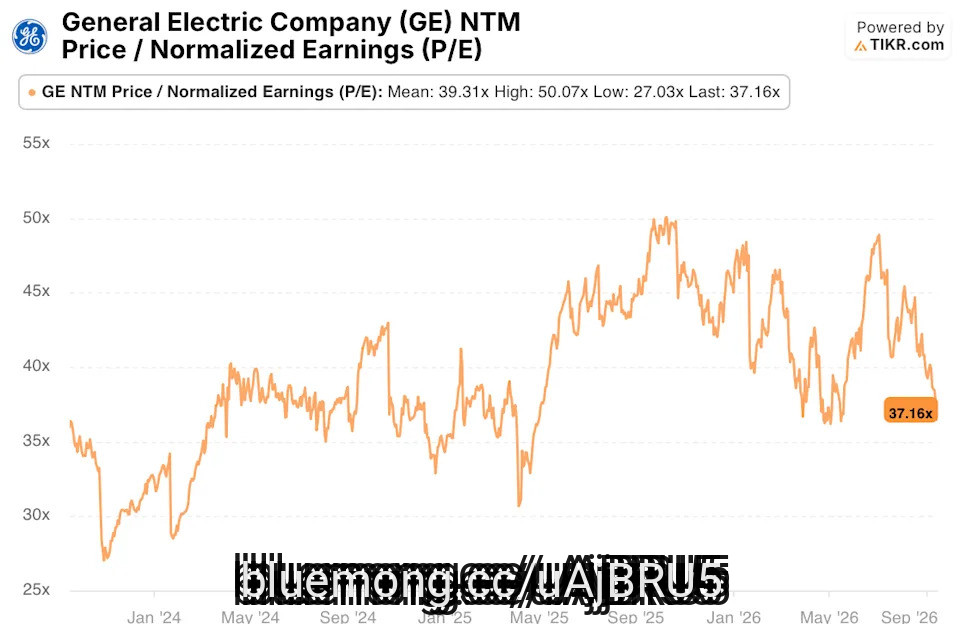
Over that same window, GE's share price fell from $373.73 to $312.90 and its NTM P/E multiple compressed to 37.16x, below its own two-year average of 39.31x and well off the roughly 50x peak reached a year earlier, even as consensus EPS estimates kept climbing smoothly through 2030 with no visible step-up.
GE Aerospace's (GE) own numbers make the case for urgency. Services backlog sits near $170 billion, internal shop visit capacity is running 40% oversubscribed, and spare-parts delinquency, shipments delayed by material shortages, grew 20% sequentially in the second quarter even as revenue rose. Management has said engines removed but not yet inducted into shops are up 60% year over year. That is the backdrop against which GE agreed to buy CPP, the world's third-largest maker of precision castings used in turbine blades and vanes.
#year #billion
The deal will not close until the second half of 2027, covers roughly a quarter of GE's airfoil needs, and CFO Rahul Ghai has told investors twice this month that "broad vertical integration is not the solution," calling CPP a "unique situation."
Sell-side price targets jumped hard after the announcement, with the mean target rising from $350.95 on June 30 to $401.00 by September 16, pushing the target-to-price ratio to 128.2%, the widest gap in over a year.
Over that same window, GE's share price fell from $373.73 to $312.90 and its NTM P/E multiple compressed to 37.16x, below its own two-year average of 39.31x and well off the roughly 50x peak reached a year earlier, even as consensus EPS estimates kept climbing smoothly through 2030 with no visible step-up.
GE Aerospace's (GE) own numbers make the case for urgency. Services backlog sits near $170 billion, internal shop visit capacity is running 40% oversubscribed, and spare-parts delinquency, shipments delayed by material shortages, grew 20% sequentially in the second quarter even as revenue rose. Management has said engines removed but not yet inducted into shops are up 60% year over year. That is the backdrop against which GE agreed to buy CPP, the world's third-largest maker of precision castings used in turbine blades and vanes.
#year #billion



10 hours ago
On September 9, 2026, Reuters reported that GE Aerospace (NYSE:GE) agreed to buy castings maker Consolidated Precision Products for $11.75 billion. It is its largest acquisition since becoming a standalone company in 2024, to secure the supply of the precision metal turbine-blade components that have been a persistent bottleneck across the jet engine industry. CPP is the world's third-largest maker of these parts. CEO Larry Culp called the capacity "mission-critical" as the company works through a backlog stretching into the next decade.
GE Aerospace (NYSE:GE) can use the acquisition to convert its massive backlog into revenue faster. The company's backlog exceeded $210 billion after its second-quarter results. It includes roughly $170 billion in commercial services and more than $30 billion in defense. The $11.75 billion acquisition of Consolidated Precision Products directly targets one of the supply-chain bottlenecks that has limited GE's ability to increase engine production. CPP supplies about one-quarter of GE's casting needs. It gives GE greater control over a critical manufacturing process and could help it meet deliveries tied to its long-term backlog.
Bringing CPP in-house could improve GE's production economics while reducing supplier dependence. Spare-parts delinquencies jumped 20% sequentially in the second quarter. It shows the ongoing operational impact of supply constraints. GE plans to apply its Flight Deck lean operating model at CPP to improve factory yields and machine utilization and reduce scrap and rework. The company expects the acquisition to generate about $200 million in net synergies and achieve double-digit return on invested capital by the fifth year. It gives investors a measurable path to stronger returns from the deal.
The acquisition makes GE's position solid in the next generation of engines. GE expects demand for airfoils to increase more than 30% by 2030 from 2026 levels. CPP's casting expertise could help GE bring new airfoil designs into production faster. The business also expects CPP to make roughly $2 billion in revenue in 2027. That combination gives investors a potential path to higher production capacity, faster technology development, and stronger long-term participation in commercial and defense aerospace demand.
GE Aerospace (NYSE:GE) must justify a nearly $12 billion investment, and investors already ******* ign a premium valuation to the stock. GE Aerospace trades at roughly 46 times forward earnings. It leaves investors with limited tolerance for execution problems or weaker-than-expected returns. The company will fund $7 billion of the acquisition with cash and finance the remainder with new debt. So GE needs CPP's earnings and operating improvements to make sufficient returns to support the purchase price and protect shareholder value.
#billion #backlog #supply
GE Aerospace (NYSE:GE) can use the acquisition to convert its massive backlog into revenue faster. The company's backlog exceeded $210 billion after its second-quarter results. It includes roughly $170 billion in commercial services and more than $30 billion in defense. The $11.75 billion acquisition of Consolidated Precision Products directly targets one of the supply-chain bottlenecks that has limited GE's ability to increase engine production. CPP supplies about one-quarter of GE's casting needs. It gives GE greater control over a critical manufacturing process and could help it meet deliveries tied to its long-term backlog.
Bringing CPP in-house could improve GE's production economics while reducing supplier dependence. Spare-parts delinquencies jumped 20% sequentially in the second quarter. It shows the ongoing operational impact of supply constraints. GE plans to apply its Flight Deck lean operating model at CPP to improve factory yields and machine utilization and reduce scrap and rework. The company expects the acquisition to generate about $200 million in net synergies and achieve double-digit return on invested capital by the fifth year. It gives investors a measurable path to stronger returns from the deal.
The acquisition makes GE's position solid in the next generation of engines. GE expects demand for airfoils to increase more than 30% by 2030 from 2026 levels. CPP's casting expertise could help GE bring new airfoil designs into production faster. The business also expects CPP to make roughly $2 billion in revenue in 2027. That combination gives investors a potential path to higher production capacity, faster technology development, and stronger long-term participation in commercial and defense aerospace demand.
GE Aerospace (NYSE:GE) must justify a nearly $12 billion investment, and investors already ******* ign a premium valuation to the stock. GE Aerospace trades at roughly 46 times forward earnings. It leaves investors with limited tolerance for execution problems or weaker-than-expected returns. The company will fund $7 billion of the acquisition with cash and finance the remainder with new debt. So GE needs CPP's earnings and operating improvements to make sufficient returns to support the purchase price and protect shareholder value.
#billion #backlog #supply


2 days ago
AI data centers are facing growing power constraints, and the issue is becoming increasingly urgent. New utility capacity can take years to develop and bring online, but hyperscalers cannot afford to wait that long to support their growing computing needs. That gap between supply and demand creates an opportunity for Bloom Energy (BE), which is focused on delivering power where and when hyperscalers like Microsoft (MSFT), Amazon (AMZN), and Alphabet (GOOG) (GOOGL) require it. The fundamentals are now starting to provide support for the growing optimism around its opportunity.
Bloom Energy's technology stands out because it can address the AI power challenge on a much shorter timeline. The company's solid-oxide fuel cells are manufactured in factories and can be moved where required. They can also be deployed much faster than traditional power infrastructure. Instead of waiting years for grid upgrades or additional turbine capacity, data center developers can install Bloom Energy's systems and bring power online in a much shorter timeframe. As AI infrastructure expands, that speed has helped the company establish itself as an increasingly important on-site power vendor. All major U.S. hyperscalers are also providing validation of its position.
Why UBS Just Turned Bearish on NuScale Power Stock
Crude Oil Prices Retreat as Supply Fears Ease
Crude Prices Soar as Global Oil Supplies Continue to Tighten
#bloom #crude
Bloom Energy's technology stands out because it can address the AI power challenge on a much shorter timeline. The company's solid-oxide fuel cells are manufactured in factories and can be moved where required. They can also be deployed much faster than traditional power infrastructure. Instead of waiting years for grid upgrades or additional turbine capacity, data center developers can install Bloom Energy's systems and bring power online in a much shorter timeframe. As AI infrastructure expands, that speed has helped the company establish itself as an increasingly important on-site power vendor. All major U.S. hyperscalers are also providing validation of its position.
Why UBS Just Turned Bearish on NuScale Power Stock
Crude Oil Prices Retreat as Supply Fears Ease
Crude Prices Soar as Global Oil Supplies Continue to Tighten
#bloom #crude



2 days ago
Auxier ******* et Management, an investment advisory firm, released its second-quarter 2026 investor letter. The letter can be downloaded here. Following a strong rebound from the first-quarter decline, the S&P 500 gained 15.2% as accelerating capital spending toward artificial intelligence infrastructure drove significant gains across technology hardware companies. Semiconductor and data-center-related businesses benefited from supply constraints and strong demand, while enterprise software remained under pressure as investors reassessed AI disruption risks and compressed valuations. In the quarter, Auxier Focus Fund's Investor Class gained 8.82% and 10.70% for the six months ended June 30, 2026. Despite strong earnings growth across the broader market, Auxier highlighted concerns around rising margin debt, increased leverage, and elevated capital flows into high-growth technology areas that could amplify future volatility. The firm continues to focus on identifying enduring businesses with strong competitive advantages, resilient cash flows, and sustainable long-term growth potential. Also, check the fund's top five holdings to see its best picks in 2026.
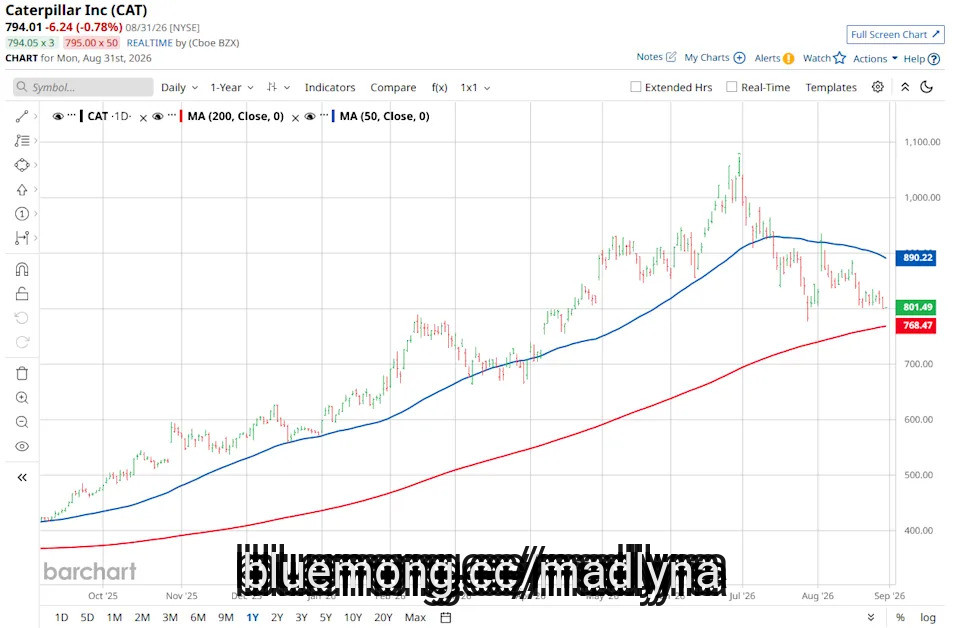
In its second-quarter 2026 investor letter, Auxier ******* et Management highlighted Caterpillar Inc. (NYSE:CAT). Caterpillar Inc. (NYSE:CAT) is a leading manufacturer of construction and mining equipment, off-highway diesel and natural gas engines, industrial gas turbines, and diesel-electric locomotives. On September 14, 2026, Caterpillar Inc. (NYSE:CAT) closed at $784.00 per share. Over the past month, Caterpillar Inc. (NYSE:CAT) declined 7.12%, but its shares are up 77.23% over the past year. Caterpillar Inc. (NYSE:CAT) has a market capitalization of $360.39 billion, and its stock has traded within a 52-week range of $423.32 to $1,073.46.
Auxier ******* et Management stated the following regarding Caterpillar Inc. (NYSE:CAT) in its Q2 2026 investor letter:
"Industrials were the strongest performing sector during the quarter. Tech-facing industrial players benefited from a shift in investor focus toward AI buildout rather than the development of AI models. Caterpillar Inc. (NYSE:CAT) and Gates also benefited indirectly from the expansion of AI infrastructure, particularly through increased demand for energy generation and cooling capacity in data centers."
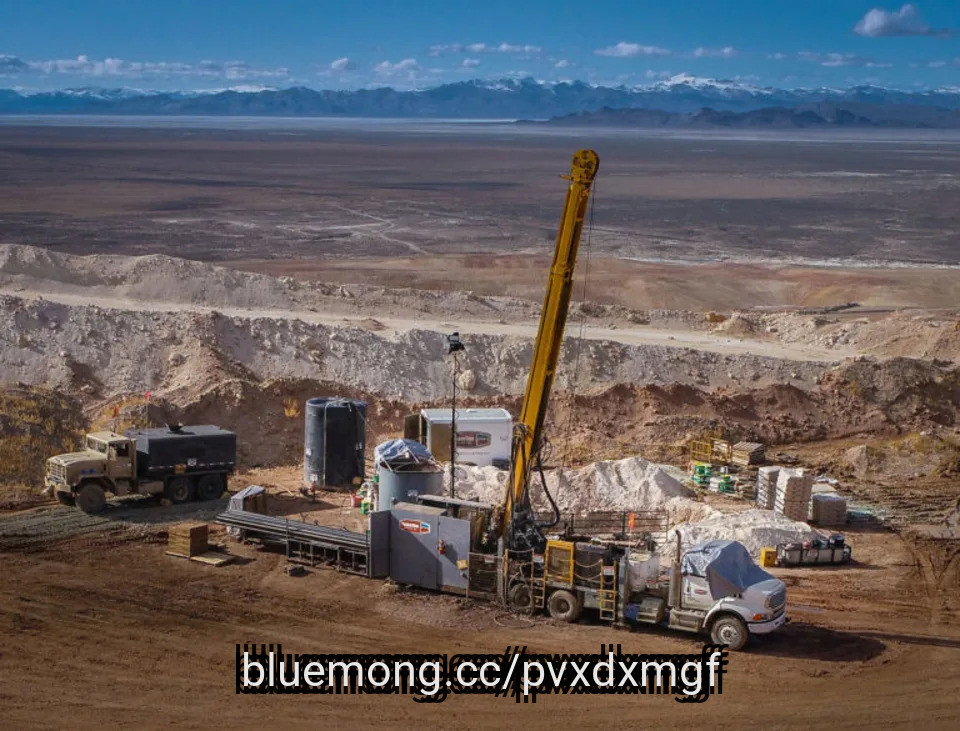
Photo from Hycroft Mining website
#letter
In its second-quarter 2026 investor letter, Auxier ******* et Management highlighted Caterpillar Inc. (NYSE:CAT). Caterpillar Inc. (NYSE:CAT) is a leading manufacturer of construction and mining equipment, off-highway diesel and natural gas engines, industrial gas turbines, and diesel-electric locomotives. On September 14, 2026, Caterpillar Inc. (NYSE:CAT) closed at $784.00 per share. Over the past month, Caterpillar Inc. (NYSE:CAT) declined 7.12%, but its shares are up 77.23% over the past year. Caterpillar Inc. (NYSE:CAT) has a market capitalization of $360.39 billion, and its stock has traded within a 52-week range of $423.32 to $1,073.46.
Auxier ******* et Management stated the following regarding Caterpillar Inc. (NYSE:CAT) in its Q2 2026 investor letter:
"Industrials were the strongest performing sector during the quarter. Tech-facing industrial players benefited from a shift in investor focus toward AI buildout rather than the development of AI models. Caterpillar Inc. (NYSE:CAT) and Gates also benefited indirectly from the expansion of AI infrastructure, particularly through increased demand for energy generation and cooling capacity in data centers."
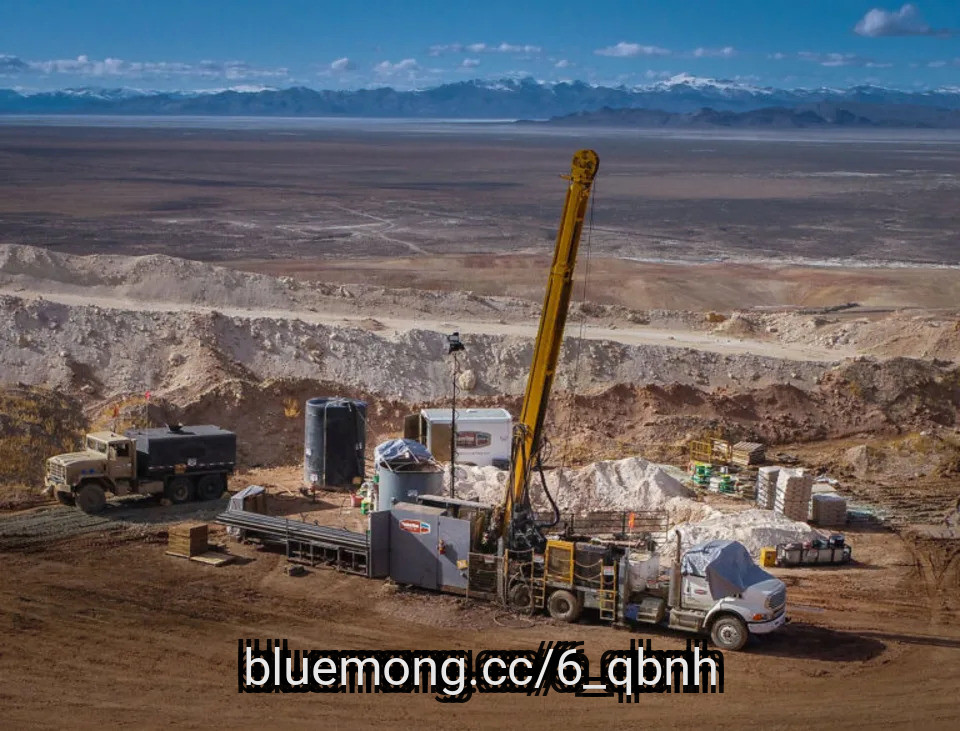
Photo from Hycroft Mining website
#letter

3 days ago
Auxier ****** et Management, an investment advisory firm, released its second-quarter 2026 investor letter. The letter can be downloaded here. Following a strong rebound from the first-quarter decline, the S&P 500 gained 15.2% as accelerating capital spending toward artificial intelligence infrastructure drove significant gains across technology hardware companies. Semiconductor and data-center-related businesses benefited from supply constraints and strong demand, while enterprise software remained under pressure as investors reassessed AI disruption risks and compressed valuations. In the quarter, Auxier Focus Fund's Investor Class gained 8.82% and 10.70% for the six months ended June 30, 2026. Despite strong earnings growth across the broader market, Auxier highlighted concerns around rising margin debt, increased leverage, and elevated capital flows into high-growth technology areas that could amplify future volatility. The firm continues to focus on identifying enduring businesses with strong competitive advantages, resilient cash flows, and sustainable long-term growth potential. Also, check the fund's top five holdings to see its best picks in 2026.
In its second-quarter 2026 investor letter, Auxier ****** et Management highlighted Caterpillar Inc. (NYSE:CAT). Caterpillar Inc. (NYSE:CAT) is a leading manufacturer of construction and mining equipment, off-highway diesel and natural gas engines, industrial gas turbines, and diesel-electric locomotives. On September 14, 2026, Caterpillar Inc. (NYSE:CAT) closed at $784.00 per share. Over the past month, Caterpillar Inc. (NYSE:CAT) declined 7.12%, but its shares are up 77.23% over the past year. Caterpillar Inc. (NYSE:CAT) has a market capitalization of $360.39 billion, and its stock has traded within a 52-week range of $423.32 to $1,073.46.
Auxier ****** et Management stated the following regarding Caterpillar Inc. (NYSE:CAT) in its Q2 2026 investor letter:
"Industrials were the strongest performing sector during the quarter. Tech-facing industrial players benefited from a shift in investor focus toward AI buildout rather than the development of AI models. Caterpillar Inc. (NYSE:CAT) and Gates also benefited indirectly from the expansion of AI infrastructure, particularly through increased demand for energy generation and cooling capacity in data centers."
Photo from Hycroft Mining website
#quarter #asset #management #focus
In its second-quarter 2026 investor letter, Auxier ****** et Management highlighted Caterpillar Inc. (NYSE:CAT). Caterpillar Inc. (NYSE:CAT) is a leading manufacturer of construction and mining equipment, off-highway diesel and natural gas engines, industrial gas turbines, and diesel-electric locomotives. On September 14, 2026, Caterpillar Inc. (NYSE:CAT) closed at $784.00 per share. Over the past month, Caterpillar Inc. (NYSE:CAT) declined 7.12%, but its shares are up 77.23% over the past year. Caterpillar Inc. (NYSE:CAT) has a market capitalization of $360.39 billion, and its stock has traded within a 52-week range of $423.32 to $1,073.46.
Auxier ****** et Management stated the following regarding Caterpillar Inc. (NYSE:CAT) in its Q2 2026 investor letter:
"Industrials were the strongest performing sector during the quarter. Tech-facing industrial players benefited from a shift in investor focus toward AI buildout rather than the development of AI models. Caterpillar Inc. (NYSE:CAT) and Gates also benefited indirectly from the expansion of AI infrastructure, particularly through increased demand for energy generation and cooling capacity in data centers."
Photo from Hycroft Mining website
#quarter #asset #management #focus

5 days ago
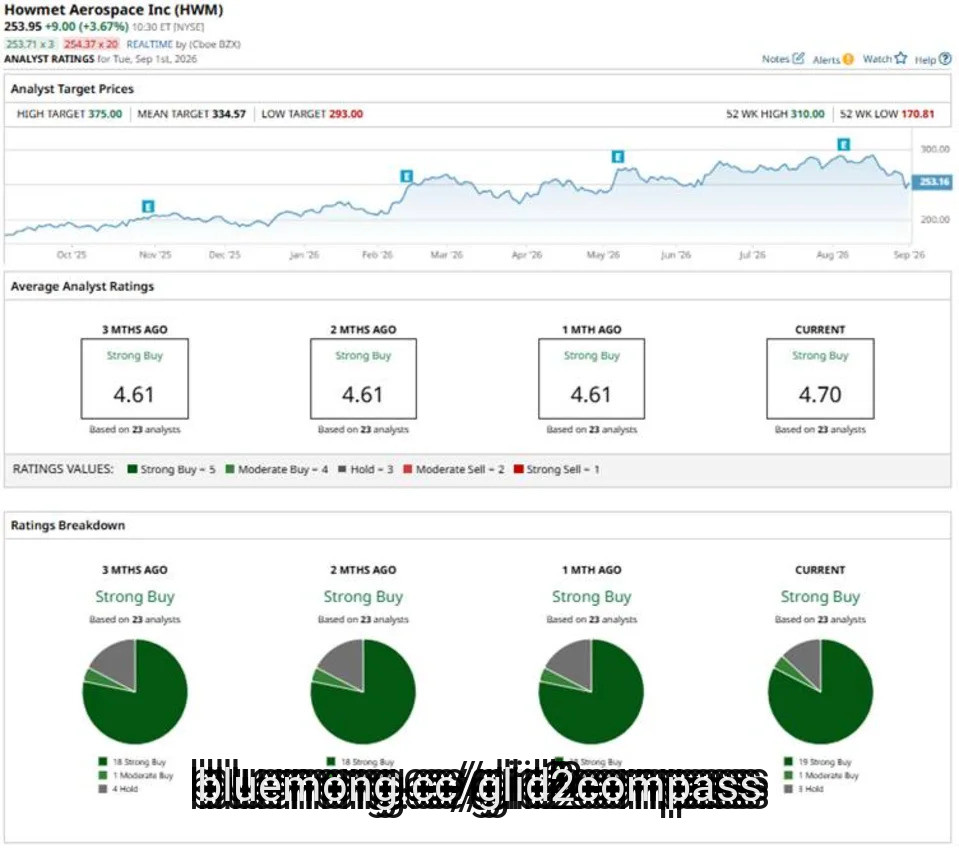
During the September 10 episode of Mad Money, a caller questioned whether recent vertical integration by industrial competitors and market selloffs warranted a lower valuation for Howmet Aerospace Inc.'s (NYSE:HWM) economic moat, or if demand remained strong enough to make the pullback an overreaction. Jim Cramer replied:
Now, look, I'll tell you, here's the problem… It's a fastener company, and it frankly is, most times, very commodity-oriented business, and it happens to sell at 44 times earnings, and we don't want to pay that for commodities even though the business is strong. I think people are saying, "Wait a second, that's too much to pay, and I'm going to wait till it goes lower." And if you look at the chart, it does seem like it is going lower.
Howmet Aerospace Inc. (NYSE:HWM) occupies a sole-source or primary-supplier position across critical narrowbody and widebody aircraft programs, providing single-crystal turbine blades, advanced structural castings, and **** anium fasteners. Approval and qualification requirements, manufacturing complexity, and a limited supplier base can make alternative sources difficult to establish quickly. That gives the company strong pricing power on both new plane parts and higher-margin replacement spares.
The structural advantages of Howmet Aerospace Inc.'s (NYSE:HWM) business model can be seen in its Q2 financial results. Revenue surged over 24% year-over-year (21% organically) to $2.55 billion, driven by a 28% jump in commercial aerospace revenue, a 38% expansion in industrial gas turbines, and an 11% gain in defense aerospace. The core Engine Products division recorded third-party sales of $1.37 billion, up 32% year-over-year, while segment adjusted EBITDA margins expanded by 470 basis points to 37.7%.
Despite its market positioning, Howmet Aerospace Inc. (NYSE:HWM) carries valuation risks that advise a cautious approach. Trading at elevated EV/EBITDA and forward P/E multiples relative to traditional industrial peers, the stock leaves little margin for operational missteps. Capital expenditures are projected to exceed $500 million in 2026 as the company builds out production capacity for next-generation engine components and gas turbines, reducing near-term free cash conversion flexibility.
#lower #ebitda
Now, look, I'll tell you, here's the problem… It's a fastener company, and it frankly is, most times, very commodity-oriented business, and it happens to sell at 44 times earnings, and we don't want to pay that for commodities even though the business is strong. I think people are saying, "Wait a second, that's too much to pay, and I'm going to wait till it goes lower." And if you look at the chart, it does seem like it is going lower.
Howmet Aerospace Inc. (NYSE:HWM) occupies a sole-source or primary-supplier position across critical narrowbody and widebody aircraft programs, providing single-crystal turbine blades, advanced structural castings, and **** anium fasteners. Approval and qualification requirements, manufacturing complexity, and a limited supplier base can make alternative sources difficult to establish quickly. That gives the company strong pricing power on both new plane parts and higher-margin replacement spares.
The structural advantages of Howmet Aerospace Inc.'s (NYSE:HWM) business model can be seen in its Q2 financial results. Revenue surged over 24% year-over-year (21% organically) to $2.55 billion, driven by a 28% jump in commercial aerospace revenue, a 38% expansion in industrial gas turbines, and an 11% gain in defense aerospace. The core Engine Products division recorded third-party sales of $1.37 billion, up 32% year-over-year, while segment adjusted EBITDA margins expanded by 470 basis points to 37.7%.
Despite its market positioning, Howmet Aerospace Inc. (NYSE:HWM) carries valuation risks that advise a cautious approach. Trading at elevated EV/EBITDA and forward P/E multiples relative to traditional industrial peers, the stock leaves little margin for operational missteps. Capital expenditures are projected to exceed $500 million in 2026 as the company builds out production capacity for next-generation engine components and gas turbines, reducing near-term free cash conversion flexibility.
#lower #ebitda


5 days ago
Howmet Aerospace Inc. (NYSE:HWM) is facing a mixed outlook after GE Aerospace agreed to acquire Consolidated Precision Products (CPP) for about $11.75 billion to secure more control over critical engine castings and expand production capacity. The announcement initially hit Howmet shares, which fell about 10%, as investors worried that GE could eventually rely less on outside suppliers such as Howmet.
However, Howmet CEO John Plant said he is comfortable with the deal and remains confident in Howmet's ability to grow. The bigger issue for Howmet right now appears to be how quickly it can expand capacity to keep up with soaring demand. Commercial aircraft production, defense activity and aftermarket demand are all increasing, while Howmet is also benefiting from demand for turbine components used in data centers. Plant said the scale of the required capital expansion is itself "testing" the company.
The strongest bullish argument for Howmet Aerospace Inc. (NYSE:HWM) is that GE's decision to spend nearly $12 billion on CPP validates how strategically valuable aerospace castings and engine components have become. The acquisition is aimed at addressing a supply bottleneck rather than signaling weak demand. GE expects airfoil demand to rise by more than 30% through 2030, while aircraft manufacturers and defense customers continue to push production higher. That creates a favorable industry backdrop for Howmet as well.
Howmet also has an opportunity to benefit from customers looking for additional capacity outside GE's newly integrated supply chain. If demand continues to exceed available casting capacity, Howmet's existing manufacturing footprint and expertise could give it significant pricing power and support further investment. Plant's comments that the company is being "tested" by the sheer scale of expansion suggest that Howmet is dealing with a capacity problem caused by strong demand, rather than a lack of orders.
Another positive is that Howmet Aerospace Inc. (NYSE:HWM)'s exposure extends beyond commercial aircraft. Its blades and vanes are also used in gas turbines serving the rapidly expanding data-center market, providing another avenue for growth alongside aerospace. Plant has also indicated that the company intends to revisit its longer-term revenue targets, after previously saying revenue could potentially double from 2025 levels within three to five years.
#commercial
However, Howmet CEO John Plant said he is comfortable with the deal and remains confident in Howmet's ability to grow. The bigger issue for Howmet right now appears to be how quickly it can expand capacity to keep up with soaring demand. Commercial aircraft production, defense activity and aftermarket demand are all increasing, while Howmet is also benefiting from demand for turbine components used in data centers. Plant said the scale of the required capital expansion is itself "testing" the company.
The strongest bullish argument for Howmet Aerospace Inc. (NYSE:HWM) is that GE's decision to spend nearly $12 billion on CPP validates how strategically valuable aerospace castings and engine components have become. The acquisition is aimed at addressing a supply bottleneck rather than signaling weak demand. GE expects airfoil demand to rise by more than 30% through 2030, while aircraft manufacturers and defense customers continue to push production higher. That creates a favorable industry backdrop for Howmet as well.
Howmet also has an opportunity to benefit from customers looking for additional capacity outside GE's newly integrated supply chain. If demand continues to exceed available casting capacity, Howmet's existing manufacturing footprint and expertise could give it significant pricing power and support further investment. Plant's comments that the company is being "tested" by the sheer scale of expansion suggest that Howmet is dealing with a capacity problem caused by strong demand, rather than a lack of orders.
Another positive is that Howmet Aerospace Inc. (NYSE:HWM)'s exposure extends beyond commercial aircraft. Its blades and vanes are also used in gas turbines serving the rapidly expanding data-center market, providing another avenue for growth alongside aerospace. Plant has also indicated that the company intends to revisit its longer-term revenue targets, after previously saying revenue could potentially double from 2025 levels within three to five years.
#commercial



8 days ago
SpaceX (NASDAQ:SPCX) has been building its AI business at warp speed. It turns out to be much more challenging to rapidly build reliable data centers than expected. Some of its facilities ran without backup power for months. That recently led the company to make some changes, including reshuffling its leadership team to ensure it can meet a looming deadline for a $920 million-a-month compute deal with Alphabet's (NASDAQ:GOOG)(NASDAQ:GOOGL) Google.
Here's a look at what went wrong and how **** eX is racing to fix the problem.
Missed Nvidia in 2009? This Rare Signal Is Flashing Again. In 2009, a "Double Down" signal flashed for a little-known chipmaker called Nvidia. For the first time in years, that same "Total Conviction" signal is flashing for a company 1/100th the size of Nvidia. Continue »
Image source: The Motley Fool.
Engineering and reliability issues have surfaced at **** eX data center sites in Tennessee and Mississippi. According to a recent report by The Information, several sites operated without backup cooling and power systems as the company pushed to expand capacity as fast as possible. That publication has previously reported issues at **** eX data center sites, including that its Macrohand facility in Tennessee had to rely on over 100 mobile chillers and recorded uptime well below the company's 99.9% internal target. Meanwhile, the company used temporary gas turbines at its Mississippi data center longer than expected due to supply chain issues in delaying 41 permanent units. Temporary outages of the power and cooling systems have interrupted AI model training.
#company #NVIDIA #signal #power
Here's a look at what went wrong and how **** eX is racing to fix the problem.
Missed Nvidia in 2009? This Rare Signal Is Flashing Again. In 2009, a "Double Down" signal flashed for a little-known chipmaker called Nvidia. For the first time in years, that same "Total Conviction" signal is flashing for a company 1/100th the size of Nvidia. Continue »
Image source: The Motley Fool.
Engineering and reliability issues have surfaced at **** eX data center sites in Tennessee and Mississippi. According to a recent report by The Information, several sites operated without backup cooling and power systems as the company pushed to expand capacity as fast as possible. That publication has previously reported issues at **** eX data center sites, including that its Macrohand facility in Tennessee had to rely on over 100 mobile chillers and recorded uptime well below the company's 99.9% internal target. Meanwhile, the company used temporary gas turbines at its Mississippi data center longer than expected due to supply chain issues in delaying 41 permanent units. Temporary outages of the power and cooling systems have interrupted AI model training.
#company #NVIDIA #signal #power


13 days ago
SpaceX (SPCX) has just delivered a fresh shock to Howmet Aerospace (HWM), putting one of the company's most closely watched growth opportunities under the spotlight. Shares of Howmet plunged 7.5% after CEO Elon Musk revealed that ******* eX plans to bring the casting of natural-gas turbine blades and vanes in-house, arguing that the move could accelerate the deployment of new turbines by as much as 18 months.
The announcement is particularly significant because Howmet has built a powerful position in the highly specialized turbine-blade market. The company reportedly holds more than 50% of the global market for industrial gas-turbine blades, while its gas-turbine revenue surged 38% in the latest quarter. The business has benefited from a surge in demand as artificial intelligence (AI) data centers require enormous amounts of electricity and utilities race to expand power-generation capacity.
Kevin O'Leary Says Tariff Chaos Has Created a 'Ridiculously Fantastic' Investment Opportunity in Canada — 'Never Been A Better Time' to Invest
Is AVGO Stock Poised for a Rebound After Broadcom's Strong Q3 Results?
Why It's Time to Load Up on SoFi Stock
#blades #spcx #shares
The announcement is particularly significant because Howmet has built a powerful position in the highly specialized turbine-blade market. The company reportedly holds more than 50% of the global market for industrial gas-turbine blades, while its gas-turbine revenue surged 38% in the latest quarter. The business has benefited from a surge in demand as artificial intelligence (AI) data centers require enormous amounts of electricity and utilities race to expand power-generation capacity.
Kevin O'Leary Says Tariff Chaos Has Created a 'Ridiculously Fantastic' Investment Opportunity in Canada — 'Never Been A Better Time' to Invest
Is AVGO Stock Poised for a Rebound After Broadcom's Strong Q3 Results?
Why It's Time to Load Up on SoFi Stock
#blades #spcx #shares


15 days ago
On Aug. 30, Elon Musk tweeted that ***** eX (SPCX) will start casting its own gas turbine blades and vanes at a foundry in Texas. And when the richest man in the world makes a statement, the world takes notice. The market worried about the impact this could have on Howmet Aerospace (HWM), and its stock fell roughly 8% in a single trading session. The blades Musk wrote about sit in the hottest part of a turbine, and they are one of the main bottlenecks slowing down new power plants. Musk said building them in-house could bring turbines online up to 18 months sooner, feeding the power needs of ***** eX's AI data centers. Investors heard "new competitor" and sold. In my opinion, that may have been an overreaction.
The only reason ***** eX has to build its own foundry is that Howmet and the firms like it are sold out. Just four companies in the world cast these blades at scale, and together they control around 70% to 80% of the market. So several ***** ysts read the news as a sign of strength. Bernstein, which had lifted its price target to $328 just days earlier, called the selloff a buying opportunity. Citi and Jefferies pushed back too.
Nvidia CEO Jensen Huang Says His $3.5 Billion MediaTek Deal Is 'Not Circular' Because 'They Do Their Own Business'
Strategy's Strategy Appears to Have Failed, and the Outlook of MSTR Stock Is Unfavorable
A Potential ***** eX Deal Could Meaningfully Accelerate Growth for Technip Stock
#deal
The only reason ***** eX has to build its own foundry is that Howmet and the firms like it are sold out. Just four companies in the world cast these blades at scale, and together they control around 70% to 80% of the market. So several ***** ysts read the news as a sign of strength. Bernstein, which had lifted its price target to $328 just days earlier, called the selloff a buying opportunity. Citi and Jefferies pushed back too.
Nvidia CEO Jensen Huang Says His $3.5 Billion MediaTek Deal Is 'Not Circular' Because 'They Do Their Own Business'
Strategy's Strategy Appears to Have Failed, and the Outlook of MSTR Stock Is Unfavorable
A Potential ***** eX Deal Could Meaningfully Accelerate Growth for Technip Stock
#deal


15 days ago
Baron Capital, an investment management company, released its second-quarter 2026 investor letter for its "Baron Global Opportunity Fund". The letter can be downloaded here. The fund achieved a strong quarter, gaining 26.7% (Institutional Shares), exceeding a 14.9% gain for the MSCI ACWI Index (the Index), and a 19.8% gain for the MSCI ACWI Growth Index. YTD, the Fund is up 20.6% compared to gains of 11.3% and 10.6% for the benchmarks, respectively. In mid-2026, market patterns show similarities to the previous year, following three years of over 25% gains driven by a healthy economy and AI investments. Elevated geopolitical risks persisted, with a pullback likely. A tariff-related market dip was followed by a recovery, reflecting a growing market indifference to geopolitical uncertainties. Similarly, airstrikes against Iran and subsequent tension led to an initial market sell-off, yet a lull in hostilities led to a strong market rally. The Fund noted significant outperformance, credited to stock selection and sector allocation, with 1,173bps of overall outperformance relative to the Index. It excelled in developed markets while underperforming in emerging markets, particularly due to a spectacular rise in Korea. The Fund remains optimistic about its investments and seeks attractive opportunities. Also, check the fund's top five holdings to see its best picks in 2026.
In its second-quarter 2026 investor letter, Baron Global Opportunity Fund highlighted DPC Holdings PLC (NYSE:DPC) as a new addition. DPC Holdings PLC (NYSE:DPC) manufacturers engine products, including complex precision cast components and nickel- and cobalt-based superalloys for aerospace, industrial gas turbine and transportation industries. On September 1, 2026, DPC Holdings PLC (NYSE:DPC) closed at $41.48 per share. Over the past month, DPC Holdings PLC (NYSE:DPC) declined 20.69%. DPC Holdings PLC (NYSE:DPC) has a market capitalization of $6.02 billion.
Baron Global Opportunity Fund stated the following regarding DPC Holdings PLC (NYSE:DPC) in its Q2 2026 investor letter:
We also initiated a new position in DPC Holdings PLC (NYSE:DPC), a leading manufacturer of precision-cast superalloy components – the turbine blades, vanes, and structural castings that must perform under very harsh operating conditions including very high temperatures (1000c) and high pressure. These parts go into both commercial aircraft engines and industrial gas turbines (IGT) that generate electricity. The company occupies a hard-to-replicate market positioning as a critical supplier of the inner parts of an engine that only a handful of qualified manufacturers in the world are capable of producing.
Since the company began its turnaround in 2020 after over a decade under poor ownership, with the leadership of CEO Mike Quinn, who spent over a decade at Precision Castparts, and Co Chairperson of the Board Dirkson Charles, who built and currently is CEO of aerospace and defense proprietary parts provider
In its second-quarter 2026 investor letter, Baron Global Opportunity Fund highlighted DPC Holdings PLC (NYSE:DPC) as a new addition. DPC Holdings PLC (NYSE:DPC) manufacturers engine products, including complex precision cast components and nickel- and cobalt-based superalloys for aerospace, industrial gas turbine and transportation industries. On September 1, 2026, DPC Holdings PLC (NYSE:DPC) closed at $41.48 per share. Over the past month, DPC Holdings PLC (NYSE:DPC) declined 20.69%. DPC Holdings PLC (NYSE:DPC) has a market capitalization of $6.02 billion.
Baron Global Opportunity Fund stated the following regarding DPC Holdings PLC (NYSE:DPC) in its Q2 2026 investor letter:
We also initiated a new position in DPC Holdings PLC (NYSE:DPC), a leading manufacturer of precision-cast superalloy components – the turbine blades, vanes, and structural castings that must perform under very harsh operating conditions including very high temperatures (1000c) and high pressure. These parts go into both commercial aircraft engines and industrial gas turbines (IGT) that generate electricity. The company occupies a hard-to-replicate market positioning as a critical supplier of the inner parts of an engine that only a handful of qualified manufacturers in the world are capable of producing.
Since the company began its turnaround in 2020 after over a decade under poor ownership, with the leadership of CEO Mike Quinn, who spent over a decade at Precision Castparts, and Co Chairperson of the Board Dirkson Charles, who built and currently is CEO of aerospace and defense proprietary parts provider


17 days ago
Microsoft's next major AI constraint may be measured in turbines rather than processors. On June 22, Microsoft Corporation (NASDAQ:MSFT) entered a 20-year power purchase agreement with Energy Forge One LLC, a wholly owned subsidiary of Chevron Corporation (NYSE:CVX), for a planned West Texas data-center project. The Kilby development targets 2.67 gigawatts of generation, with initial power expected in 2028. Its scale suggests that securing dependable electricity is becoming as strategic to hyperscalers as securing accelerators.
Tupungato / Shutterstock.com
Microsoft Corporation (NASDAQ:MSFT) gets a dedicated path to capacity in a grid-constrained market. Natural gas can provide round-the-clock generation that complements intermittent renewables and supports the reliability AI clusters require. A two-decade contract can also give developers confidence to finance construction. The bull case is simple: Microsoft protects its cloud growth by solving power locally instead of waiting years for transmission expansion.
Chevron Corporation (NYSE:CVX) gains a new outlet for its gas and an opportunity to move downstream into integrated power. If Kilby works, Chevron can replicate a model that converts energy resources and project expertise into long-duration data-center cash flows. Yet the project has not reached a final investment decision. Construction, permitting, fuel costs, emissions rules, and customer requirements can all change the economics before power begins flowing.
Those uncertainties create bear cases for both companies. Microsoft is committing to an energy pathway as AI hardware and efficiency evolve rapidly, and a long contract can become less attractive if power markets change. Chevron and its partners must commit capital years before the **** et is operational while managing construction, fuel-cost and carbon-policy risks. Gas solves the reliability problem, but it may intensify political and regulatory scrutiny around AI's environmental footprint. The critical milestones are final investment approval, permitting, construction costs, and data showing that the first power date remains achievable. Until those arrive, the agreement secures intent rather than operating supply.
#power #data
Tupungato / Shutterstock.com
Microsoft Corporation (NASDAQ:MSFT) gets a dedicated path to capacity in a grid-constrained market. Natural gas can provide round-the-clock generation that complements intermittent renewables and supports the reliability AI clusters require. A two-decade contract can also give developers confidence to finance construction. The bull case is simple: Microsoft protects its cloud growth by solving power locally instead of waiting years for transmission expansion.
Chevron Corporation (NYSE:CVX) gains a new outlet for its gas and an opportunity to move downstream into integrated power. If Kilby works, Chevron can replicate a model that converts energy resources and project expertise into long-duration data-center cash flows. Yet the project has not reached a final investment decision. Construction, permitting, fuel costs, emissions rules, and customer requirements can all change the economics before power begins flowing.
Those uncertainties create bear cases for both companies. Microsoft is committing to an energy pathway as AI hardware and efficiency evolve rapidly, and a long contract can become less attractive if power markets change. Chevron and its partners must commit capital years before the **** et is operational while managing construction, fuel-cost and carbon-policy risks. Gas solves the reliability problem, but it may intensify political and regulatory scrutiny around AI's environmental footprint. The critical milestones are final investment approval, permitting, construction costs, and data showing that the first power date remains achievable. Until those arrive, the agreement secures intent rather than operating supply.
#power #data


17 days ago
Shares of Tesla (NASDAQ: TSLA) stepped on the gas Monday morning, gaining as much as 4.9% in early trading. As of 11:22 a.m. ET, the stock was still up 4.5%.
The catalyst that sent the electric vehicle (EV) specialist higher was a weekend missive from CEO Elon Musk.
Missed Nvidia in 2009? This Rare Signal Is Flashing Again. In 2009, a "Double Down" signal flashed for a little-known chipmaker called Nvidia. For the first time in years, that same "Total Conviction" signal is flashing for a company 1/100th the size of Nvidia. Continue »
In a post on X this weekend, Musk replied to a post about plans by **** e Exploration Technologies (NASDAQ: SPCX), aka **** eX, to manufacture its own gas turbine blades to remove one bottleneck in data center construction. He noted that both **** eX and Tesla were "each building 100 gigawatts per year of solar production capacity as fast as possible," but that the process would take several years.
Natural gas would be needed to fill the gap in the interim, but the "limiting factor" on current production is the time-intensive process of casting gas turbine blades. "By doing in-house casting at **** eX, we can accelerate [natural] gas turbines coming online by up to 18 months, which is a profound game-changer."
#NVIDIA #SpaceX #musk #natural
The catalyst that sent the electric vehicle (EV) specialist higher was a weekend missive from CEO Elon Musk.
Missed Nvidia in 2009? This Rare Signal Is Flashing Again. In 2009, a "Double Down" signal flashed for a little-known chipmaker called Nvidia. For the first time in years, that same "Total Conviction" signal is flashing for a company 1/100th the size of Nvidia. Continue »
In a post on X this weekend, Musk replied to a post about plans by **** e Exploration Technologies (NASDAQ: SPCX), aka **** eX, to manufacture its own gas turbine blades to remove one bottleneck in data center construction. He noted that both **** eX and Tesla were "each building 100 gigawatts per year of solar production capacity as fast as possible," but that the process would take several years.
Natural gas would be needed to fill the gap in the interim, but the "limiting factor" on current production is the time-intensive process of casting gas turbine blades. "By doing in-house casting at **** eX, we can accelerate [natural] gas turbines coming online by up to 18 months, which is a profound game-changer."
#NVIDIA #SpaceX #musk #natural

18 days ago
Irving, Texas-based Caterpillar Inc. (CAT) manufactures and sells construction and mining equipment, off-highway diesel and natural gas engines, industrial gas turbines, and diesel-electric locomotives in the United States and internationally. The company has a market capitalization of $367.9 billion and is one of the world's largest manufacturers of the said equipment.
Companies with a market cap of $200 billion or more are typically referred to as "mega-cap stocks." CAT fits perfectly into that category, with its market cap exceeding this threshold and reflecting its substantial size and influence in the farm and heavy construction machinery industry.
Dear Sandisk Stock Fans, Mark Your Calendars for August 31
Wu-Tang Clan Member Raekwon Is a Palantir 'OG,' Visiting Headquarters 16 Years After Receiving His Custom PLTR Jacket
Tesla Stock Could Benefit as Trump Locks Down the U.S. Power Grid
#Stock #construction #Diesel #billion
Companies with a market cap of $200 billion or more are typically referred to as "mega-cap stocks." CAT fits perfectly into that category, with its market cap exceeding this threshold and reflecting its substantial size and influence in the farm and heavy construction machinery industry.
Dear Sandisk Stock Fans, Mark Your Calendars for August 31
Wu-Tang Clan Member Raekwon Is a Palantir 'OG,' Visiting Headquarters 16 Years After Receiving His Custom PLTR Jacket
Tesla Stock Could Benefit as Trump Locks Down the U.S. Power Grid
#Stock #construction #Diesel #billion

18 days ago
The wait for a large gas turbine now runs longer than the time it takes to design, permit, and build the plant it will sit in. Order one today from any of the three largest manufacturers, and the delivery slot lands four or more years out—if a slot is available at all. The queue to connect a new plant to the grid runs about as long. For developers racing to power the data centers hyperscalers are building, the timeline no longer works, and it is pushing the U.S. generation build toward whatever can be constructed without waiting in either line.That dislocation is the backdrop to a quieter story about where capital is moving, and it surfaced in July when a familiar U.S. plant operator changed hands. IHI Power Services Corp., a company with roughly four decades of experience running American power plants, became Kyuden Energy Partners Corp. on completion of its acquisition by Kyuden International Corp., the overseas arm of a company fully owned by **** an's Kyushu Electric Power Co. The rebrand is the news of the day. The more instructive part is what a foreign utility chose to buy: not power plants, but the capability to run them.
Tony Dabbene, who led IHI Power Services through the transition and stays on as CEO, was blunt about the market. "We are seeing the most dynamic environment in decades," he told POWER, pointing to demand tied to the hyperscalers' data center buildout. Major gas turbine manufacturers, he said, are quoting lead times of four-plus years, with interconnection queues running about the same. The manufacturers' own disclosures bear that out: GE Vernova's gas turbine backlog and slot reservations reached 116 GW by mid-2026, and Siemens Energy has described itself as booked into the back half of the decade, treating 2029 delivery slots as near-term availability.What Dabbene described next was the market's response. Rather than wait for an interconnection that may not clear before mid-decade, developers are building behind the meter and on private grids that sidestep the queue entirely. To power them, they're reaching for whatever can be deployed the fastest: reciprocating engines, fuel cells, and battery storage paired with microgrids, engineered to achieve the high-availability targets that around-the-clock computing demands while managing the power-quality swings that come when those loads shift in an instant. "It is a brand-new world in the energy **** e," he said.This is where a multi-fuel operator has the edge. A company that already runs natural gas, hydro, biomass, wind, solar, and storage has done the work developers are now rushing toward—operating mixed generation and meeting high availability targets. The turbine shortage may be a headache for those building facilities, but it's an opportunity for reliable operators.
#corp #runs #plant #four
Tony Dabbene, who led IHI Power Services through the transition and stays on as CEO, was blunt about the market. "We are seeing the most dynamic environment in decades," he told POWER, pointing to demand tied to the hyperscalers' data center buildout. Major gas turbine manufacturers, he said, are quoting lead times of four-plus years, with interconnection queues running about the same. The manufacturers' own disclosures bear that out: GE Vernova's gas turbine backlog and slot reservations reached 116 GW by mid-2026, and Siemens Energy has described itself as booked into the back half of the decade, treating 2029 delivery slots as near-term availability.What Dabbene described next was the market's response. Rather than wait for an interconnection that may not clear before mid-decade, developers are building behind the meter and on private grids that sidestep the queue entirely. To power them, they're reaching for whatever can be deployed the fastest: reciprocating engines, fuel cells, and battery storage paired with microgrids, engineered to achieve the high-availability targets that around-the-clock computing demands while managing the power-quality swings that come when those loads shift in an instant. "It is a brand-new world in the energy **** e," he said.This is where a multi-fuel operator has the edge. A company that already runs natural gas, hydro, biomass, wind, solar, and storage has done the work developers are now rushing toward—operating mixed generation and meeting high availability targets. The turbine shortage may be a headache for those building facilities, but it's an opportunity for reliable operators.
#corp #runs #plant #four

21 days ago
Investors mostly know Caterpillar (NYSE: CAT) as a maker of bulldozers and backhoes, and construction equipment is still a huge part of its business, to be sure.
What was only an ancillary part of its business mix, however, is quickly becoming an important profit center for the company. This new center is Caterpillar's power generation unit, which offers conventional combustion-power generators, gas turbines, and even some solar power solutions.
Missed Nvidia in 2009? This Rare Signal Is Flashing Again. In 2009, a "Double Down" signal flashed for a little-known chipmaker called Nvidia. For the first time in years, that same "Total Conviction" signal is flashing for a company 1/100th the size of Nvidia. Continue »
This shift -- or perhaps more precisely, the reason for this shift -- is affecting the stock's valuation in a way the market is likely to support for the foreseeable future.
It's never been a bad company. With only a handful of predictable exceptions, however, the slow-moving, single-digit-growth nature of the construction business has kept Caterpillar shares priced below the S&P 500's modern-era average price/earnings ratio of around 20.
#NVIDIA
What was only an ancillary part of its business mix, however, is quickly becoming an important profit center for the company. This new center is Caterpillar's power generation unit, which offers conventional combustion-power generators, gas turbines, and even some solar power solutions.
Missed Nvidia in 2009? This Rare Signal Is Flashing Again. In 2009, a "Double Down" signal flashed for a little-known chipmaker called Nvidia. For the first time in years, that same "Total Conviction" signal is flashing for a company 1/100th the size of Nvidia. Continue »
This shift -- or perhaps more precisely, the reason for this shift -- is affecting the stock's valuation in a way the market is likely to support for the foreseeable future.
It's never been a bad company. With only a handful of predictable exceptions, however, the slow-moving, single-digit-growth nature of the construction business has kept Caterpillar shares priced below the S&P 500's modern-era average price/earnings ratio of around 20.
#NVIDIA


22 days ago
Private equity firm Hull Street Energy (HSE) has completed the acquisition of two US peaking power generation facilities with a combined capacity of 1.26GW from Rockland Capital.
The transaction brings the 677MW Lee County Generating Station in Illinois and the 586MW Tait Electric Generating Station in Ohio into HSE's thermal power generation platform, Milepost Power.
Funding for the deal included equity from HSE-managed funds along with senior secured debt financing.
The acquired sites make up the GridFlex Portfolio. The Lee County Generating Station is a natural gas turbine facility.
The Tait Electric Generating Station operates as a dual-fuel power plant.
#power #tait #generation
The transaction brings the 677MW Lee County Generating Station in Illinois and the 586MW Tait Electric Generating Station in Ohio into HSE's thermal power generation platform, Milepost Power.
Funding for the deal included equity from HSE-managed funds along with senior secured debt financing.
The acquired sites make up the GridFlex Portfolio. The Lee County Generating Station is a natural gas turbine facility.
The Tait Electric Generating Station operates as a dual-fuel power plant.
#power #tait #generation


22 days ago
Updated Aug. 27, 2026 4:14 am ET
Listen
(3 min)
0811 GMT – Shares of European semiconductor companies edge higher after Nvidia reported a blowout quarter and issued strong revenue guidance for fiscal 2028. Finance chief Colette Kress said the group expects 70% revenue growth in fiscal 2028, significantly better than the 45% growth that ***** ysts polled by FactSet had predicted. Chip stocks benefit from the announcement. Dutch semiconductor-equipment maker ASML Holding and smaller rival ASM International are up 1.7% and 2.6%, respectively. BE Semiconductor Industries, the Dutch supplier of semiconductor ***** embly equipment, is up 1.6%. German chip maker Infineon Technologies is up 2.3%. STMicroelectronics shares are up 3.9%. Meanwhile, the E-mini Nasdaq 100 futures contract is up 0.8%, pointing to a positive opening for tech stocks in the U.S. (mauro.orruwsj.com)
0718 GMT – European indexes are mixed at market open, though AI-related stocks jump following Nvidia earnings. The Europe-wide Stoxx 600 trades flat. In the Netherlands, the semiconductor-heavy AEX rises 0.55%. ASML Holding adds 2.5%, while ASM International gains 2.2%. Germany’s DAX is up 0.2%. Siemens Energy, which makes turbines used in data centers, gains 3.2%, while software group SAP adds 1.1%. London’s tech-light FTSE 100 falls 0.5%, with oil majors extending losses while miners also drop. In Paris, the CAC 40 slips 0.2%. Chip maker STMicroelectronics rises 3.5%, but luxury stocks that dominate the index slide, with bellwether LVMH down 1.05%. Italy’s FTSE MIB and the Spanish IBEX 35 both add 0.1%. (josephmichael.stonorwsj.com)
#maker #european #NVIDIA #international
Listen
(3 min)
0811 GMT – Shares of European semiconductor companies edge higher after Nvidia reported a blowout quarter and issued strong revenue guidance for fiscal 2028. Finance chief Colette Kress said the group expects 70% revenue growth in fiscal 2028, significantly better than the 45% growth that ***** ysts polled by FactSet had predicted. Chip stocks benefit from the announcement. Dutch semiconductor-equipment maker ASML Holding and smaller rival ASM International are up 1.7% and 2.6%, respectively. BE Semiconductor Industries, the Dutch supplier of semiconductor ***** embly equipment, is up 1.6%. German chip maker Infineon Technologies is up 2.3%. STMicroelectronics shares are up 3.9%. Meanwhile, the E-mini Nasdaq 100 futures contract is up 0.8%, pointing to a positive opening for tech stocks in the U.S. (mauro.orruwsj.com)
0718 GMT – European indexes are mixed at market open, though AI-related stocks jump following Nvidia earnings. The Europe-wide Stoxx 600 trades flat. In the Netherlands, the semiconductor-heavy AEX rises 0.55%. ASML Holding adds 2.5%, while ASM International gains 2.2%. Germany’s DAX is up 0.2%. Siemens Energy, which makes turbines used in data centers, gains 3.2%, while software group SAP adds 1.1%. London’s tech-light FTSE 100 falls 0.5%, with oil majors extending losses while miners also drop. In Paris, the CAC 40 slips 0.2%. Chip maker STMicroelectronics rises 3.5%, but luxury stocks that dominate the index slide, with bellwether LVMH down 1.05%. Italy’s FTSE MIB and the Spanish IBEX 35 both add 0.1%. (josephmichael.stonorwsj.com)
#maker #european #NVIDIA #international



22 days ago
Jim Cramer warned on August 24 that mounting political and community backlash against data center power consumption could directly impact equipment suppliers like GE Vernova Inc. (NYSE:GEV). He noted:
What happens if the hyperscalers get their act together and offer a code of conduct instead of being out there all by themselves cutting deals that are now regretted? Stranger things have happened than a code of conduct. It must happen if this issue is going to be tempered… I can't believe they haven't figured that out. That's why you have to look at certain companies that were thriving because of data centers, companies like the biggest turbine company that turns natural gas into power. That's GE Vernova. Now, we own it for the Charitable Trust and I now feel that the market won't pay up for its order book because maybe it's gotten soft. I don't want to get rid of it but I don't want to take a beating either.
GE Vernova Inc. (NYSE:GEV) is fundamentally reshaping the grid for the AI era, and its second-quarter 2026 results validate that dominance. Revenue climbed 22% year-over-year to $11.1 billion, but the real story was the order book. Total Q2 orders surged 88% organically to a record $24.2 billion, as data centers scramble for heavy-duty and aeroderivative gas turbines. The runaway demand pushed the company's total backlog to a staggering $176 billion. Management is highly confident in this trajectory, aggressively raising full-year free cash flow guidance to a massive range of $11.5 billion to $12.5 billion and cementing GE Vernova Inc. (NYSE:GEV) as a solid cash-generating AI infrastructure play.
Despite the top-line explosion, GE Vernova Inc.'s (NYSE:GEV) Q2 diluted EPS of $2.47 missed consensus estimates, while margin pressure persisted in parts of its business, particularly Wind, where organic orders fell 40%. More importantly, as Cramer admitted about his own stake in the Charitable Trust, he now feels the market might refuse to pay up for the company's massive order book if it starts to soften. With local governments imposing stricter regulations and higher compensation requirements on data centers, the pace of hyperscaler expansion is facing real bottlenecks. If developers are delayed by political pushback and grid limitations, the company's delivery timelines and following revenue recognition could stretch further out, which could test investor patience.
#billion
What happens if the hyperscalers get their act together and offer a code of conduct instead of being out there all by themselves cutting deals that are now regretted? Stranger things have happened than a code of conduct. It must happen if this issue is going to be tempered… I can't believe they haven't figured that out. That's why you have to look at certain companies that were thriving because of data centers, companies like the biggest turbine company that turns natural gas into power. That's GE Vernova. Now, we own it for the Charitable Trust and I now feel that the market won't pay up for its order book because maybe it's gotten soft. I don't want to get rid of it but I don't want to take a beating either.
GE Vernova Inc. (NYSE:GEV) is fundamentally reshaping the grid for the AI era, and its second-quarter 2026 results validate that dominance. Revenue climbed 22% year-over-year to $11.1 billion, but the real story was the order book. Total Q2 orders surged 88% organically to a record $24.2 billion, as data centers scramble for heavy-duty and aeroderivative gas turbines. The runaway demand pushed the company's total backlog to a staggering $176 billion. Management is highly confident in this trajectory, aggressively raising full-year free cash flow guidance to a massive range of $11.5 billion to $12.5 billion and cementing GE Vernova Inc. (NYSE:GEV) as a solid cash-generating AI infrastructure play.
Despite the top-line explosion, GE Vernova Inc.'s (NYSE:GEV) Q2 diluted EPS of $2.47 missed consensus estimates, while margin pressure persisted in parts of its business, particularly Wind, where organic orders fell 40%. More importantly, as Cramer admitted about his own stake in the Charitable Trust, he now feels the market might refuse to pay up for the company's massive order book if it starts to soften. With local governments imposing stricter regulations and higher compensation requirements on data centers, the pace of hyperscaler expansion is facing real bottlenecks. If developers are delayed by political pushback and grid limitations, the company's delivery timelines and following revenue recognition could stretch further out, which could test investor patience.
#billion


25 days ago
Just a few years ago, most people may not have even known what a natural gas power turbine was, or what they're used for. Today, investors keeping tabs on the artificial intelligence (AI) revolution are almost certainly familiar with them, and the AI industry's lack of them.
See, gas turbines generate onsite electricity that AI data centers need, but utility companies aren't in a position to deliver. Anywhere from the size of a delivery truck to a train car, these massive machines can put out watts to power a small city, or -- obviously -- an AI data center. They just need a supply of natural gas, which is now proving easier to get than an institutional-scale hookup to a power grid.
Missed Nvidia in 2009? This Rare Signal Is Flashing Again. In 2009, a "Double Down" signal flashed for a little-known chipmaker called Nvidia. For the first time in years, that same "Total Conviction" signal is flashing for a company 1/100th the size of Nvidia. Continue »
And the AI industry is most definitely embracing the solution. Although the majority of them aren't yet operational, BloombergNEF reports that there are nearly 100 data centers with, or building, on-site natural gas turbine power infrastructure. Although they come with a higher upfront cost, owners/operators like their long-term cost-effectiveness and the self-sufficiency they enable. To this end, PwC expect the AI industry's consumption of natural gas to more than quintuple by 2035, with power turbines accounting for much of this growth.
There's just one not-so-small problem with the idea. That is, with demand greatly exceeding supply, prices of natural gas power turbines are soaring. As energy industry consulting and research firm Wood Mackenzie noted earlier this year, by the end of next year, the per-kilowatt cost of gas-powered turbines could be 195% higher than where it was in 2019.
#power #cost
See, gas turbines generate onsite electricity that AI data centers need, but utility companies aren't in a position to deliver. Anywhere from the size of a delivery truck to a train car, these massive machines can put out watts to power a small city, or -- obviously -- an AI data center. They just need a supply of natural gas, which is now proving easier to get than an institutional-scale hookup to a power grid.
Missed Nvidia in 2009? This Rare Signal Is Flashing Again. In 2009, a "Double Down" signal flashed for a little-known chipmaker called Nvidia. For the first time in years, that same "Total Conviction" signal is flashing for a company 1/100th the size of Nvidia. Continue »
And the AI industry is most definitely embracing the solution. Although the majority of them aren't yet operational, BloombergNEF reports that there are nearly 100 data centers with, or building, on-site natural gas turbine power infrastructure. Although they come with a higher upfront cost, owners/operators like their long-term cost-effectiveness and the self-sufficiency they enable. To this end, PwC expect the AI industry's consumption of natural gas to more than quintuple by 2035, with power turbines accounting for much of this growth.
There's just one not-so-small problem with the idea. That is, with demand greatly exceeding supply, prices of natural gas power turbines are soaring. As energy industry consulting and research firm Wood Mackenzie noted earlier this year, by the end of next year, the per-kilowatt cost of gas-powered turbines could be 195% higher than where it was in 2019.
#power #cost

26 days ago
Order a heavy-duty gas turbine from GE Vernova today and it won't arrive until 2031. That's the company's actual production schedule, confirmed on its July 22 earnings call, and it's the fact sitting underneath every AI data center power plan announced in the last two years. It comes up far less often than the announcements do.
Goldman Sachs put hard numbers on the demand side in May. U.S. data center power demand climbs from 31 gigawatts in 2025 to 41 GW this year and 66 GW in 2027. Year-over-year capacity additions accelerate from 8.5 GW actually realized last year to 13.6 GW scheduled for 2026 and 36.3 GW scheduled for 2027. By then data centers would take 8.5% of total U.S. peak summer demand, up from 4.1% today.
The equipment meant to generate that power is on a completely different clock.
The Big Three Are Booked Solid Into the 2030s
GE Vernova closed the second quarter with 116 GW of gas power equipment backlog and slot reservation agreements, up from 100 GW three months earlier and 83 GW at the end of 2025. It expects at least 125 GW under contract by December. CEO Scott Strazik told **** ysts the company is taking reservations for 2031 delivery and should be more than halfway contracted for that year by the end of 2026. Its production plan: roughly 20 GW annualized this quarter, 24 GW by 2028, and a push toward 30 GW by 2030.
#demand #three #production #plan
Goldman Sachs put hard numbers on the demand side in May. U.S. data center power demand climbs from 31 gigawatts in 2025 to 41 GW this year and 66 GW in 2027. Year-over-year capacity additions accelerate from 8.5 GW actually realized last year to 13.6 GW scheduled for 2026 and 36.3 GW scheduled for 2027. By then data centers would take 8.5% of total U.S. peak summer demand, up from 4.1% today.
The equipment meant to generate that power is on a completely different clock.
The Big Three Are Booked Solid Into the 2030s
GE Vernova closed the second quarter with 116 GW of gas power equipment backlog and slot reservation agreements, up from 100 GW three months earlier and 83 GW at the end of 2025. It expects at least 125 GW under contract by December. CEO Scott Strazik told **** ysts the company is taking reservations for 2031 delivery and should be more than halfway contracted for that year by the end of 2026. Its production plan: roughly 20 GW annualized this quarter, 24 GW by 2028, and a push toward 30 GW by 2030.
#demand #three #production #plan

29 days ago
SAO PAULO (AP) — The world is increasingly turning to Brazil to explore for rare earth minerals that are crucial for technology and renewable energy. The country's large reserves are second only to China and have attracted investors, many of them with foreign support.
An ***** ysis by The ***** ociated Press and Reporter Brasil of all National Mining Agency records through June shows that rare earth exploration applications have surged, with more than 86% filed in the past three years, including 268 in the first half of 2026.
The interest is already raising environmental concerns for the Amazon and other areas.
Here are takeaways from the story:
Rare earth minerals are a group of chemicals essential in digital and defense technologies, used in electronics, magnets and batteries. They are also used in wind turbines and electric vehicle motors, critical to the transition away from fossil fuels like oil, gas and coal that cause global warming. The International Energy Agency estimated in 2022 that demand for rare earths could increase at least threefold by 2040.
#rare #associated
An ***** ysis by The ***** ociated Press and Reporter Brasil of all National Mining Agency records through June shows that rare earth exploration applications have surged, with more than 86% filed in the past three years, including 268 in the first half of 2026.
The interest is already raising environmental concerns for the Amazon and other areas.
Here are takeaways from the story:
Rare earth minerals are a group of chemicals essential in digital and defense technologies, used in electronics, magnets and batteries. They are also used in wind turbines and electric vehicle motors, critical to the transition away from fossil fuels like oil, gas and coal that cause global warming. The International Energy Agency estimated in 2022 that demand for rare earths could increase at least threefold by 2040.
#rare #associated

29 days ago
On August 13, Fermi Inc. (NASDAQ:FRMI) held its second-quarter earnings call and delivered exactly the kind of update a young power developer needs: proof that its plans are turning into contracts. Chairman Marius Haas told investors the company had hit all five commitments from a 90-day plan he laid out three months earlier, topped by a binding customer agreement with AI infrastructure company TensorWave. For a business that still has no meaningful revenue and years of construction ahead of it, a signed customer paired with visible progress on the ground is exactly what shareholders wanted to see.
The headline item is the TensorWave agreement itself: up to 650 megawatts of power if every expansion option is exercised, split across three phases. The initial phase is a 15-year commitment for 222 megawatts of gross power delivered through a turnkey data center solution, worth about $6.5 billion in revenue over that term. Chief Commercial Officer Anna Bofa described the deal as more than one customer's order, noting that the $6.5 billion figure is tied strictly to this Phase 1 commitment, while the campus holds a total expansion potential of up to 650 megawatts. This positions TensorWave as a gateway to hyperscalers and chipmakers that could add more workloads to the campus later on.
Fermi backed the contract with hardware. Three Siemens Energy F-class units, each rated above 242 megawatts, reached the Port of Houston in July and cleared customs to advance the company's 2028 and 2029 power delivery objectives, while a separate configuration of simple cycle turbines and utility power feeds the plan to deliver 640 megawatts of nameplate capacity by the fourth quarter of 2027, with the first 210 megawatts online by July 1, 2027. A new alliance with Hillcore Energy Partners adds another 2.6 gigawatts within three years, with Hillcore financing and building that facility while Fermi simply collects rent, doubling the campus's planned output to 4.8 gigawatts at no extra capital cost to Fermi. The quarter also brought a stronger balance sheet, via an upsized offering of more than $430 million in convertible senior notes, yielding approximately $382 million in net proceeds after a capped call, and a new chief executive in Lee McIntire, whose résumé includes running major projects at Bechtel, McDermott, and TerraPower.
Some of the biggest figures on the call still come with asterisks. The backstop agreement sitting behind the TensorWave lease wasn't finished as of the call, and Fermi hasn't named the counterparty standing behind it, only that a deal was expected within days. Management also said the broader campus can't break ground until project financing beyond this round is lined up, a reminder that the recent convertible note raise alone doesn't cover building out a multi-billion dollar site. The $6.5 billion figure is tied strictly to the initial Phase 1 commitment (222 megawatts), whereas the full 650-megawatt potential depends on future expansion o
The headline item is the TensorWave agreement itself: up to 650 megawatts of power if every expansion option is exercised, split across three phases. The initial phase is a 15-year commitment for 222 megawatts of gross power delivered through a turnkey data center solution, worth about $6.5 billion in revenue over that term. Chief Commercial Officer Anna Bofa described the deal as more than one customer's order, noting that the $6.5 billion figure is tied strictly to this Phase 1 commitment, while the campus holds a total expansion potential of up to 650 megawatts. This positions TensorWave as a gateway to hyperscalers and chipmakers that could add more workloads to the campus later on.
Fermi backed the contract with hardware. Three Siemens Energy F-class units, each rated above 242 megawatts, reached the Port of Houston in July and cleared customs to advance the company's 2028 and 2029 power delivery objectives, while a separate configuration of simple cycle turbines and utility power feeds the plan to deliver 640 megawatts of nameplate capacity by the fourth quarter of 2027, with the first 210 megawatts online by July 1, 2027. A new alliance with Hillcore Energy Partners adds another 2.6 gigawatts within three years, with Hillcore financing and building that facility while Fermi simply collects rent, doubling the campus's planned output to 4.8 gigawatts at no extra capital cost to Fermi. The quarter also brought a stronger balance sheet, via an upsized offering of more than $430 million in convertible senior notes, yielding approximately $382 million in net proceeds after a capped call, and a new chief executive in Lee McIntire, whose résumé includes running major projects at Bechtel, McDermott, and TerraPower.
Some of the biggest figures on the call still come with asterisks. The backstop agreement sitting behind the TensorWave lease wasn't finished as of the call, and Fermi hasn't named the counterparty standing behind it, only that a deal was expected within days. Management also said the broader campus can't break ground until project financing beyond this round is lined up, a reminder that the recent convertible note raise alone doesn't cover building out a multi-billion dollar site. The $6.5 billion figure is tied strictly to the initial Phase 1 commitment (222 megawatts), whereas the full 650-megawatt potential depends on future expansion o


29 days ago
On August 13, Golar LNG (NASDAQ:GLNG) used its second-quarter earnings call to announce a fourth floating LNG unit, an order signed just hours before the call began. The Mark II vessel will be built at CIMC Raffles Shipyard in China and delivered within 2029, making it the earliest available liquefaction capacity anywhere in the world. Combined with an EBITDA backlog of $17 billion already locked in through Hilli, Gimi, and the FLNG Esperanza, the announcement reframes Golar as a company still adding capacity rather than one just running out its existing fleet.
The new order lifts Golar's controlled liquefaction capacity by 41%, from 8.6 million tonnes to more than 12 million tonnes once fully delivered. Management said that if the unit is chartered on terms similar to last year's Esperanza deal, annual earnings capacity could rise 50%, pushing run-rate EBITDA past $1.2 billion by 2030. That confidence rests on a shipyard bottleneck.
Samsung, the industry's biggest builder, isn't expected to have open capacity until 2031, and Wison in China is on track to book its next two large units, leaving it committed well into the next decade. Seatrium and CIMC, the only two yards actively converting FLNG units right now, have built exclusively for Golar. The operating record backs up the growth pitch. Hilli finished its eight-year Cameroon contract with 100% economic uptime and 156 cargoes delivered, Gimi produced 15% above its contracted volume in the quarter, and the Esperanza conversion is 74% complete and still on budget. Commodity-linked income is already showing up in the numbers: Hilli's contribution jumped to $37 million in the quarter from $10 million in the first quarter, helping push EBITDA up 20% sequentially to $127 million.
Growth at this pace isn't free. The CapEx budget for the fourth FLNG unit came in around $2.45 billion, roughly 10% above the $2.2 billion spent on Esperanza, a jump management tied to inflation in long-lead equipment like turbines and dual-fuel engines, parts now being bid up by AI data center and aircraft manufacturers too. That new unit also has no charter yet, so the 50% earnings boost management is pointing to is a target, not a locked-in number.
Meanwhile, Golar is still equity funding Esperanza, having put in $1.3 billion of its $2.2 billion budget, while carrying net interest-bearing debt of about $1.8 billion. Executives are counting on refinancing Hilli and locking in long-term financing for Esperanza to free up roughly $2.3 billion in liquidity, transactions that are still in progress rather than done. The commodity exposure that flatters earnings when LNG prices are high works the same way in reverse. Management's own sensitivity table shows EBITDA falling back toward $1.2 billion if prices settle near $8 per million BTU, well below the $1.9 billion implied by today's $15 forward price. And the disruption at Qatar's Ras Laffan facility, which knocked out an estimated 17 million tonnes of capacity for three
The new order lifts Golar's controlled liquefaction capacity by 41%, from 8.6 million tonnes to more than 12 million tonnes once fully delivered. Management said that if the unit is chartered on terms similar to last year's Esperanza deal, annual earnings capacity could rise 50%, pushing run-rate EBITDA past $1.2 billion by 2030. That confidence rests on a shipyard bottleneck.
Samsung, the industry's biggest builder, isn't expected to have open capacity until 2031, and Wison in China is on track to book its next two large units, leaving it committed well into the next decade. Seatrium and CIMC, the only two yards actively converting FLNG units right now, have built exclusively for Golar. The operating record backs up the growth pitch. Hilli finished its eight-year Cameroon contract with 100% economic uptime and 156 cargoes delivered, Gimi produced 15% above its contracted volume in the quarter, and the Esperanza conversion is 74% complete and still on budget. Commodity-linked income is already showing up in the numbers: Hilli's contribution jumped to $37 million in the quarter from $10 million in the first quarter, helping push EBITDA up 20% sequentially to $127 million.
Growth at this pace isn't free. The CapEx budget for the fourth FLNG unit came in around $2.45 billion, roughly 10% above the $2.2 billion spent on Esperanza, a jump management tied to inflation in long-lead equipment like turbines and dual-fuel engines, parts now being bid up by AI data center and aircraft manufacturers too. That new unit also has no charter yet, so the 50% earnings boost management is pointing to is a target, not a locked-in number.
Meanwhile, Golar is still equity funding Esperanza, having put in $1.3 billion of its $2.2 billion budget, while carrying net interest-bearing debt of about $1.8 billion. Executives are counting on refinancing Hilli and locking in long-term financing for Esperanza to free up roughly $2.3 billion in liquidity, transactions that are still in progress rather than done. The commodity exposure that flatters earnings when LNG prices are high works the same way in reverse. Management's own sensitivity table shows EBITDA falling back toward $1.2 billion if prices settle near $8 per million BTU, well below the $1.9 billion implied by today's $15 forward price. And the disruption at Qatar's Ras Laffan facility, which knocked out an estimated 17 million tonnes of capacity for three


29 days ago
On the hottest of summer days, a natural gas "peaker" usually kicks in to support the wave of air conditioning units turning on at once. It's the electrical grid's lifesaver, a turbine built only for the highest-demand hours of the year, and also one of the most expensive to run. It's what made 7 p.m. electricity so expensive in different parts of the U.S in the first place.
But a shift is taking place. California and Texas are now turning to batteries to power their grids. Power units that were typically used simply to store energy are now being deployed as power sources themselves. California's grid operator has at least 13,000 megawatts of battery capacity, enough to serve several million homes through evening peak hours, and Texas' batteries already power up to 10% of the state's grid at peak.
Electricity customers see the benefits. When batteries set the marginal price instead of gas turbines that cost two to three times as much to run, wholesale power gets cheaper during the hours it used to be most expensive. Gas peakers that already sat idle for more than 86% of the year will eventually lose the few remaining hours that kept them viable, and utilities will likely choose batteries over new gas plants long term.
Unlike gas turbines, batteries don't generate electricity on their own. They move it from the hours when it's cheapest to the hours when it's most valuable. Solar panels flood the grid with power in the middle of the day, pushing wholesale prices close to zero and sometimes below it. Batteries absorb that cheap surplus. When the sun sets and demand surges past what the remaining generation can deliver, they discharge into the gap that gas peakers once filled, offering to do it at a lower price.
In California, the cycle has run at a scale large enough to reshape the wholesale market. In 2024, across the California Independent System Operator's territory, batteries provided an average of 8.6% of all electricity consumed during the highest-demand evening hours, keeping the lights on in roughly three million homes. By 2025, they were regularly delivering more than 6,000 megawatts at peak, six times the roughly 1,000 megawatts they managed three years earlier.
#hours #electricity
But a shift is taking place. California and Texas are now turning to batteries to power their grids. Power units that were typically used simply to store energy are now being deployed as power sources themselves. California's grid operator has at least 13,000 megawatts of battery capacity, enough to serve several million homes through evening peak hours, and Texas' batteries already power up to 10% of the state's grid at peak.
Electricity customers see the benefits. When batteries set the marginal price instead of gas turbines that cost two to three times as much to run, wholesale power gets cheaper during the hours it used to be most expensive. Gas peakers that already sat idle for more than 86% of the year will eventually lose the few remaining hours that kept them viable, and utilities will likely choose batteries over new gas plants long term.
Unlike gas turbines, batteries don't generate electricity on their own. They move it from the hours when it's cheapest to the hours when it's most valuable. Solar panels flood the grid with power in the middle of the day, pushing wholesale prices close to zero and sometimes below it. Batteries absorb that cheap surplus. When the sun sets and demand surges past what the remaining generation can deliver, they discharge into the gap that gas peakers once filled, offering to do it at a lower price.
In California, the cycle has run at a scale large enough to reshape the wholesale market. In 2024, across the California Independent System Operator's territory, batteries provided an average of 8.6% of all electricity consumed during the highest-demand evening hours, keeping the lights on in roughly three million homes. By 2025, they were regularly delivering more than 6,000 megawatts at peak, six times the roughly 1,000 megawatts they managed three years earlier.
#hours #electricity

1 month ago
On August 7, Kodiak Gas Services (NYSE:KGS) held its second-quarter 2026 earnings call, and the numbers backed up the excitement. Revenue climbed 21% year-over-year to $391 million, while adjusted EBITDA hit a company record of $217 million, up 22% from a year earlier. Adjusted net income landed at $54 million, or $0.55 per diluted share. Management used the call to lay out how Kodiak plans to turn a compression business already running near full capacity into a much bigger power infrastructure company by 2030.
Kodiak's core contract compression business kept climbing. The company ended the quarter with 4.4 million revenue-generating horsepower and fleet utilization of 98.2%, and it priced that equipment at $23.80 per horsepower, a 4.5% increase from a year ago. Compression infrastructure adjusted gross margin reached 70% for a second straight quarter, up 170 basis points year-over-year, even as the company absorbed higher lube oil costs tied to the war in Iran. Kodiak has already locked in large horsepower compressor packages for 2027 through 2029 and is roughly 50% contracted for next year's deliveries, giving it unusual visibility into future revenue.
The bigger story is power. Kodiak signed a multiyear turbine supply deal with Baker Hughes for 1 gigawatt of capacity by 2030, with an option to grow that to 1.8 gigawatts, and it has secured about 1.8 gigawatts of power generation overall toward its 2-gigawatt target. The current power fleet is about 90% utilized, and the company executed a limited notice to proceed on a West Texas data center project tied to a hyperscaler, invoicing an initial deposit while it negotiates a long-term contract to begin supplying power in early 2027. Total capital spending among the top four hyperscalers rose roughly 80% year over year in the quarter, a demand backdrop Kodiak is positioning to serve.
Power infrastructure remains far less profitable than compression for now. The segment generated $33 million in revenue with an adjusted gross margin of 65%, well below compression's 70%, and building it out is expensive: Kodiak estimates roughly $1.2 million per megawatt before balance of plant costs. Power infrastructure growth capital spending alone was $134 million in the quarter. Net debt stood at about $2.6 billion at quarter-end, and while an $836 million equity raise in May pushed leverage down to 3.1 times, a company-record low, that debt load will grow as gigawatt-scale turbine and power projects come online through 2030. The West Texas data center deal, still under negotiation, also underscores how much of Kodiak's power growth depends on locking in long-term contracts with a small number of hyperscale counterparties.
#million #company #compression
Kodiak's core contract compression business kept climbing. The company ended the quarter with 4.4 million revenue-generating horsepower and fleet utilization of 98.2%, and it priced that equipment at $23.80 per horsepower, a 4.5% increase from a year ago. Compression infrastructure adjusted gross margin reached 70% for a second straight quarter, up 170 basis points year-over-year, even as the company absorbed higher lube oil costs tied to the war in Iran. Kodiak has already locked in large horsepower compressor packages for 2027 through 2029 and is roughly 50% contracted for next year's deliveries, giving it unusual visibility into future revenue.
The bigger story is power. Kodiak signed a multiyear turbine supply deal with Baker Hughes for 1 gigawatt of capacity by 2030, with an option to grow that to 1.8 gigawatts, and it has secured about 1.8 gigawatts of power generation overall toward its 2-gigawatt target. The current power fleet is about 90% utilized, and the company executed a limited notice to proceed on a West Texas data center project tied to a hyperscaler, invoicing an initial deposit while it negotiates a long-term contract to begin supplying power in early 2027. Total capital spending among the top four hyperscalers rose roughly 80% year over year in the quarter, a demand backdrop Kodiak is positioning to serve.
Power infrastructure remains far less profitable than compression for now. The segment generated $33 million in revenue with an adjusted gross margin of 65%, well below compression's 70%, and building it out is expensive: Kodiak estimates roughly $1.2 million per megawatt before balance of plant costs. Power infrastructure growth capital spending alone was $134 million in the quarter. Net debt stood at about $2.6 billion at quarter-end, and while an $836 million equity raise in May pushed leverage down to 3.1 times, a company-record low, that debt load will grow as gigawatt-scale turbine and power projects come online through 2030. The West Texas data center deal, still under negotiation, also underscores how much of Kodiak's power growth depends on locking in long-term contracts with a small number of hyperscale counterparties.
#million #company #compression

1 month ago
The finale in the battle for the **** le! On the last matchday of the 2022/23 FLYERALARM Women's Bundesliga season, FC Bayern Women have the club's fifth German championship in their hands ahead of the meeting with 1. FFC Turbine Potsdam at the FC Bayern Campus on Sunday 28 May. The **** le showdown kicks off at 14:00 CEST. The state of play, pre-match quotes, team news – it's all in the preview.
After the 0-0 draw at Leverkusen last Saturday, Alexander Straus' side go into the final day with a two-point lead over VfL Wolfsburg. Their rivals claimed a last-minute win at SV Meppen on Sunday to prevent FCB from clinching the **** le early, but now the Munich girls can wrap up the fifth Bundesliga **** le in the club's history with a home win over Potsdam. In the event of a draw or defeat, their inferior goal difference means they'll have to hope for a slip-up by the She-Wolves in their game against SC Freiburg.
Dieser Inhalt kann hier leider nicht dargestellt werden. Zum Anschauen kannst du die Website des FC Bayern München besuchen: Artikel auf fcbayern.com
Potsdam's relegation from the Women's Bundesliga has been confirmed since Matchday 20. The Brandenburg outfit lost 3-0 to Eintracht Frankfurt last time out, their fourth straight defeat. That said, after collecting just one point in the first half of the season, there has been an improvement in the second half of the campaign from the team who are second in the all-time Women's Bundesliga standings. Sunday's match at the Campus will be Turbine's last in the German top flight for now after 29 successful years.
Bayern won 3-0 in the reverse fixture in Potsdam thanks to goals from Georgia Stanway, Lina Magull and Linda Dallmann. FCB have been by far the better team in the recent history of the fixture and are unbeaten in 12 games against Turbine (W9 D3). However, the all-time record is virtually even, with 21 wins for Munich, 22 for Potsdam and seven draws in their 50 meetings.
#bundesliga #last #title #team
After the 0-0 draw at Leverkusen last Saturday, Alexander Straus' side go into the final day with a two-point lead over VfL Wolfsburg. Their rivals claimed a last-minute win at SV Meppen on Sunday to prevent FCB from clinching the **** le early, but now the Munich girls can wrap up the fifth Bundesliga **** le in the club's history with a home win over Potsdam. In the event of a draw or defeat, their inferior goal difference means they'll have to hope for a slip-up by the She-Wolves in their game against SC Freiburg.
Dieser Inhalt kann hier leider nicht dargestellt werden. Zum Anschauen kannst du die Website des FC Bayern München besuchen: Artikel auf fcbayern.com
Potsdam's relegation from the Women's Bundesliga has been confirmed since Matchday 20. The Brandenburg outfit lost 3-0 to Eintracht Frankfurt last time out, their fourth straight defeat. That said, after collecting just one point in the first half of the season, there has been an improvement in the second half of the campaign from the team who are second in the all-time Women's Bundesliga standings. Sunday's match at the Campus will be Turbine's last in the German top flight for now after 29 successful years.
Bayern won 3-0 in the reverse fixture in Potsdam thanks to goals from Georgia Stanway, Lina Magull and Linda Dallmann. FCB have been by far the better team in the recent history of the fixture and are unbeaten in 12 games against Turbine (W9 D3). However, the all-time record is virtually even, with 21 wins for Munich, 22 for Potsdam and seven draws in their 50 meetings.
#bundesliga #last #title #team


1 month ago
Back to league business! Following the international break, FC Bayern Women are back in FLYERALARM Women's Bundesliga action this weekend with the rearranged fixture away to bottom-of-the-table 1. FFC Turbine Potsdam on Saturday 25 February. Kick-off at the Karl-Liebknecht Stadion is at 13:00 CET. From the state of play to the team news, our preview has all the info.
The match against Postdam was supposed to take place at the start of February, but a frozen pitch led to the game being postponed at short notice. After an international break of almost two and a half weeks, head coach Alexander Straus has had just two days to prepare his side for the meeting with the cellar dwellers. Nevertheless, Straus' charges travel to Brandenburg with momentum after the 2-1 victory over fellow **** le challengers Eintracht Frankfurt in the opening match of the second half of the season, their sixth straight win in the league.
Turbine Potsdam's record currently reads nine defeats and one draw. Having finished fourth last term and narrowly missed out on qualification for the Champions League, they face the threat of relegation to the second tier this year for the first time since 1994. Just before the original date for the meeting with Bayern, interim coach Sven Weigang stepped down, with previous **** istant coach Dirk Heinrichs taking charge of the team for the coming weeks. Their first two fixtures of the year have both been called off, meaning this is Potsdam's first competitive game since early December.
These two sides have come up against each other 44 times in the Women's Bundesliga, making it one of the most-played fixtures in the league. The stats are very close, with 19 wins for FCB, 18 for Potsdam and seven draws. The Brandenburg outfit haven't beaten Bayern since 2016, though, and last managed a draw in December 2021.
Along with long-term absentees Giulia Gwinn (cruciate ligament tear) and Jovana **** janović (muscle strain), Strauss is without the services of Sydney Lohmann, who returned home from international duty early due to a muscular problem. Goalkeeper Laura Benkarth will also not travel to Potsdam because of illness.
#first
The match against Postdam was supposed to take place at the start of February, but a frozen pitch led to the game being postponed at short notice. After an international break of almost two and a half weeks, head coach Alexander Straus has had just two days to prepare his side for the meeting with the cellar dwellers. Nevertheless, Straus' charges travel to Brandenburg with momentum after the 2-1 victory over fellow **** le challengers Eintracht Frankfurt in the opening match of the second half of the season, their sixth straight win in the league.
Turbine Potsdam's record currently reads nine defeats and one draw. Having finished fourth last term and narrowly missed out on qualification for the Champions League, they face the threat of relegation to the second tier this year for the first time since 1994. Just before the original date for the meeting with Bayern, interim coach Sven Weigang stepped down, with previous **** istant coach Dirk Heinrichs taking charge of the team for the coming weeks. Their first two fixtures of the year have both been called off, meaning this is Potsdam's first competitive game since early December.
These two sides have come up against each other 44 times in the Women's Bundesliga, making it one of the most-played fixtures in the league. The stats are very close, with 19 wins for FCB, 18 for Potsdam and seven draws. The Brandenburg outfit haven't beaten Bayern since 2016, though, and last managed a draw in December 2021.
Along with long-term absentees Giulia Gwinn (cruciate ligament tear) and Jovana **** janović (muscle strain), Strauss is without the services of Sydney Lohmann, who returned home from international duty early due to a muscular problem. Goalkeeper Laura Benkarth will also not travel to Potsdam because of illness.
#first


1 month ago
In the final Bundesliga match of the 2022/23 season at home to 1. FFC Turbine Potsdam (Sunday 28 May, 14:00 CEST), FC Bayern Women can secure the championship with a win. Before kick-off, four players who are leaving the club at the end of the season will say their goodbyes: Laura Benkarth, Ivana Rudelić, Saki ***** agai and Emelyne Laurent. FC Bayern says thanks and Servus!
72 appearances, 55 wins and 43 clean sheets! Laura Benkarth kept the ball out of the FC Bayern net for a long time. As the number one during the 2020/21 season, the Freiburg native played a key role in the ***** le win, conceding just one goal - a penalty - in the entire first half of the season. After five years in the FCB shirt, the cheerful 30-year-old is leaving the club at the end of this season. On the pitch, Laura had command of her defence and passed on her many years of experience to the young goalkeepers at Bayern in training and on matchdays.
Many thanks for your service and your infection happiness over the last five years, Laura! We wish you only the best for the future!
After returning to the Bavarian capital at the start of 2021, Ivana Rudelić is now leaving Bayern. The striker first plied her trade for the Reds from 2008 to 2014, before rejoining seven years later. During her first stint with the club, the Croatian international lifted the DFB Cup in 2012, when she scored the goal to make it 2-0 in the final. She also celebrated the championship with the team in 2021.
Dear Ivana, many thanks for your commitment in the Bayern shirt. FCB wishes you all the very best!
#club #first
72 appearances, 55 wins and 43 clean sheets! Laura Benkarth kept the ball out of the FC Bayern net for a long time. As the number one during the 2020/21 season, the Freiburg native played a key role in the ***** le win, conceding just one goal - a penalty - in the entire first half of the season. After five years in the FCB shirt, the cheerful 30-year-old is leaving the club at the end of this season. On the pitch, Laura had command of her defence and passed on her many years of experience to the young goalkeepers at Bayern in training and on matchdays.
Many thanks for your service and your infection happiness over the last five years, Laura! We wish you only the best for the future!
After returning to the Bavarian capital at the start of 2021, Ivana Rudelić is now leaving Bayern. The striker first plied her trade for the Reds from 2008 to 2014, before rejoining seven years later. During her first stint with the club, the Croatian international lifted the DFB Cup in 2012, when she scored the goal to make it 2-0 in the final. She also celebrated the championship with the team in 2021.
Dear Ivana, many thanks for your commitment in the Bayern shirt. FCB wishes you all the very best!
#club #first