
1 day ago
On August 13, a federal appeals court ruled in favor of Gilead Sciences, Inc. (NASDAQ:GILD), upholding a preliminary injunction that bars the defendants from importing or facilitating the sale of foreign-market Gilead-branded medications in the US. The US Court of Appeals for the Fourth Circuit found that the differences between Gilead's HIV medication for the US market and the foreign versions being imported were "material, not theoretical." The controversy began in December 2024 when Gilead Sciences, Inc. (NASDAQ:GILD) filed suit against a number of companies, including third-party administrator Meritain Health, pharmacy benefit manager ProAct, and pharmacies Rx Valet and Advanced Pharmacy, alleging illegal imports of its best-selling HIV drug Biktarvy.
The dispute dates back to December 2024, when Gilead Sciences, Inc. (NASDAQ:GILD) sued a group of companies, including third-party administrator Meritain Health, pharmacy benefit manager ProAct, and pharmacies Rx Valet and Advanced Pharmacy, alleging illegal imports of its top-selling HIV drug Biktarvy. The lawsuit arose from a specific instance in which a patient in Maryland received the medicine in the mail from Turkey, with label instructions written in Turkish.
A federal district court in Baltimore ruled in Gilead's favor and ordered a preliminary injunction, determining that the company was likely to succeed on its Lanham Act trademark violation and unfair competition arguments. As the case continued, the injunction was increased to include new sellers like CanaRx, ElectRx, and ScriptSourcing. The defendants filed an appeal with the Fourth Circuit, and the district judge declined to suspend the injunction while the appeal was pending, thus the import restriction has been in effect the entire time. The recent ruling maintains the order rather than overturning it.
In court documents, Rx Valet stated that the Turkish-sourced Biktarvy was chemically identical to the US version, which was offered at a significantly higher price. Meritain, for its part, said that it has never supported getting non-FDA-approved pharmaceuticals from outside the US and denies the claims, despite being named as a defendant.
The Fourth Circuit rejected the defendants' main argument that the imported and domestic versions of Biktarvy are interchangeable. The court's judgment that the two versions differ materially, not just in packaging or labeling, but also in the quality-control protocols that each version goes through before reaching a patient, challenges the basic argument that these alternative funding programs have used to support their business model.
#gild
The dispute dates back to December 2024, when Gilead Sciences, Inc. (NASDAQ:GILD) sued a group of companies, including third-party administrator Meritain Health, pharmacy benefit manager ProAct, and pharmacies Rx Valet and Advanced Pharmacy, alleging illegal imports of its top-selling HIV drug Biktarvy. The lawsuit arose from a specific instance in which a patient in Maryland received the medicine in the mail from Turkey, with label instructions written in Turkish.
A federal district court in Baltimore ruled in Gilead's favor and ordered a preliminary injunction, determining that the company was likely to succeed on its Lanham Act trademark violation and unfair competition arguments. As the case continued, the injunction was increased to include new sellers like CanaRx, ElectRx, and ScriptSourcing. The defendants filed an appeal with the Fourth Circuit, and the district judge declined to suspend the injunction while the appeal was pending, thus the import restriction has been in effect the entire time. The recent ruling maintains the order rather than overturning it.
In court documents, Rx Valet stated that the Turkish-sourced Biktarvy was chemically identical to the US version, which was offered at a significantly higher price. Meritain, for its part, said that it has never supported getting non-FDA-approved pharmaceuticals from outside the US and denies the claims, despite being named as a defendant.
The Fourth Circuit rejected the defendants' main argument that the imported and domestic versions of Biktarvy are interchangeable. The court's judgment that the two versions differ materially, not just in packaging or labeling, but also in the quality-control protocols that each version goes through before reaching a patient, challenges the basic argument that these alternative funding programs have used to support their business model.
#gild


1 day ago
The deafening roar of Kroger Field that fueled a 17-13 halftime lead eventually gave way to a much heavier, quieter reality. When the final whistle blew on a 45-17 loss to Alabama, the scoreboard reflected a fractured dream of an upset, leaving players and fans alike processing the sting of what could have been yet again.
For Will Stein, the immediate aftermath wasn't about pointing fingers; it was about raw accountability and a profound gratitude for a fanbase that delivered a championship-level atmosphere.
The fans showed up in full force, selling out Kroger Field for Will Stein's SEC debut, creating an environment that Stein described as "unbelievable," "loud," and "energetic." Recognizing the massive emotional investment of the crowd, he didn't mince words. "I apologize to our fans for the way that we finished," he admitted, fully aware of the collective heartbreak echoing through the stands and the locker room. "I know our guys are hurting."
That hurt can't carry on too long; the SEC is an unforgiving league, and the 2nd-half performance against Alabama can't bleed over to next week.
The first half offered a vivid glimpse into the program's potential that Will Stein spoke on before the season started. The defense hunted the ball, securing three takeaways, while the offense capitalized to carry a lead into the locker room. But the second half brought stalled drives and exhausted defenders. Pinned back by short fields, the defense was asked to hold back the Tide a few too many times. "When you're defending a short field virtually the entire half, and we weren't converting on third downs, that was tough on our defense," Stein noted, acknowledging the brutal physical toll.
#field #defense #room
For Will Stein, the immediate aftermath wasn't about pointing fingers; it was about raw accountability and a profound gratitude for a fanbase that delivered a championship-level atmosphere.
The fans showed up in full force, selling out Kroger Field for Will Stein's SEC debut, creating an environment that Stein described as "unbelievable," "loud," and "energetic." Recognizing the massive emotional investment of the crowd, he didn't mince words. "I apologize to our fans for the way that we finished," he admitted, fully aware of the collective heartbreak echoing through the stands and the locker room. "I know our guys are hurting."
That hurt can't carry on too long; the SEC is an unforgiving league, and the 2nd-half performance against Alabama can't bleed over to next week.
The first half offered a vivid glimpse into the program's potential that Will Stein spoke on before the season started. The defense hunted the ball, securing three takeaways, while the offense capitalized to carry a lead into the locker room. But the second half brought stalled drives and exhausted defenders. Pinned back by short fields, the defense was asked to hold back the Tide a few too many times. "When you're defending a short field virtually the entire half, and we weren't converting on third downs, that was tough on our defense," Stein noted, acknowledging the brutal physical toll.
#field #defense #room


1 day ago
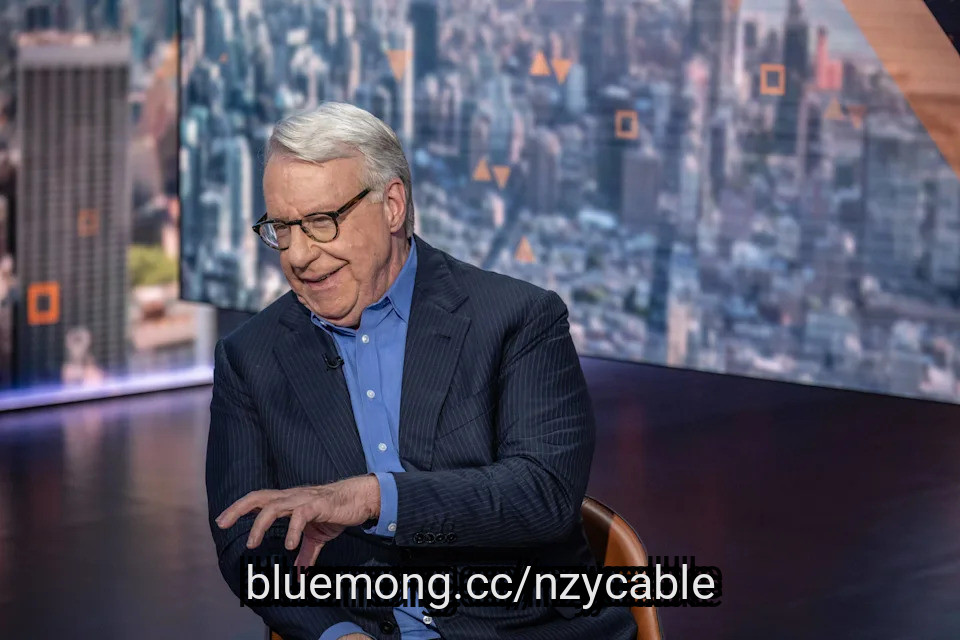
Investment manager Jim Chanos is the founder of Kynikos ***** ociates, a New York City-registered investment advisor focused on short selling.
He is best known for predicting the fall of the major energy company Enron before its bankruptcy in 2001, with Kynikos profiting from its massive short position.
The trade turned Chanos into a legendary figure at Wall Street. The investor just now sent a harsh warning on artificial intelligence (AI) trends.
Related: HIVE chair dismisses Anthropic researcher's AI extinction warning
IREN Limited (Nasdaq: IREN) is a data infrastructure company that began as a Bitcoin miner. But it began focusing on building AI capacities, though mining is still a major business area.
#iren #company #began #associates
He is best known for predicting the fall of the major energy company Enron before its bankruptcy in 2001, with Kynikos profiting from its massive short position.
The trade turned Chanos into a legendary figure at Wall Street. The investor just now sent a harsh warning on artificial intelligence (AI) trends.
Related: HIVE chair dismisses Anthropic researcher's AI extinction warning
IREN Limited (Nasdaq: IREN) is a data infrastructure company that began as a Bitcoin miner. But it began focusing on building AI capacities, though mining is still a major business area.
#iren #company #began #associates


1 day ago
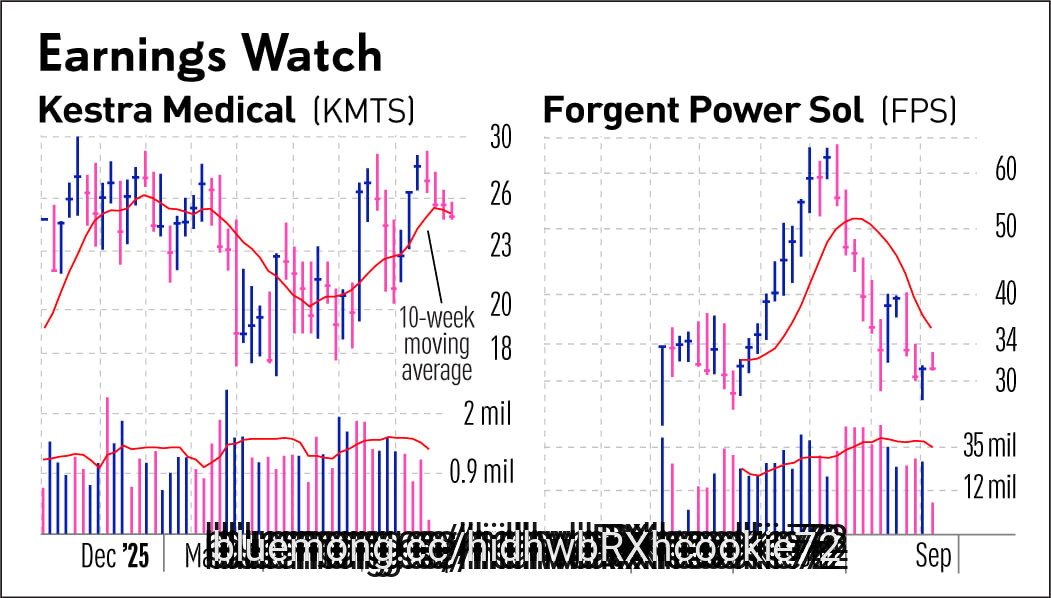
Restaurant stock Dave & Buster's Entertainment (PLAY) and healthcare name Kestra Medical Technologies (KMTS) will kick off earnings reports during a week when investors will be squarely focused on the Federal Reserve and a possible interest-rate hike Wednesday. Forgent Power Solutions (FPS) is also on the docket, with its stock trying to recover after a lengthy sell-off.
Friday's stock market rally notwithstanding, the Dow Jones Industrial Average and the Russell 2000 small-cap index have come under the most pressure amid surging oil prices and spiking bond yields, as investors worry about pesky inflation and escalating tension between the U.S. and Iran.
While the Dow is testing major support near 52,000, the Russell fell below its 50-day moving average in late August and has been below the support level ever since. The Nasdaq composite, meanwhile, bounced off its 50-day line with conviction Friday, helped by a tame report on consumer prices. The S&P 500 also moved off its 50-day line Friday.
Results from Lennar (LEN) are due Wednesday after the close. Lennar stock tried to break out in late June, but was turned away at its 200-day line and went into a downtrend. It tried to clear the 200-day line several times again in August but to no avail. With interest rates on the rise, heavy-volume selling has picked up the pace in recent weeks.
Forgent, which sells electrical distribution equipment to data centers, reports early Tuesday. The company priced its IPO at 27 on Feb. 4, at the midpoint of a proposed range of 25-29.
#line #forgent #august #lennar
Friday's stock market rally notwithstanding, the Dow Jones Industrial Average and the Russell 2000 small-cap index have come under the most pressure amid surging oil prices and spiking bond yields, as investors worry about pesky inflation and escalating tension between the U.S. and Iran.
While the Dow is testing major support near 52,000, the Russell fell below its 50-day moving average in late August and has been below the support level ever since. The Nasdaq composite, meanwhile, bounced off its 50-day line with conviction Friday, helped by a tame report on consumer prices. The S&P 500 also moved off its 50-day line Friday.
Results from Lennar (LEN) are due Wednesday after the close. Lennar stock tried to break out in late June, but was turned away at its 200-day line and went into a downtrend. It tried to clear the 200-day line several times again in August but to no avail. With interest rates on the rise, heavy-volume selling has picked up the pace in recent weeks.
Forgent, which sells electrical distribution equipment to data centers, reports early Tuesday. The company priced its IPO at 27 on Feb. 4, at the midpoint of a proposed range of 25-29.
#line #forgent #august #lennar


1 day ago
Apple (AAPL) is selling iPhones and Macs faster than it can build them, but the number a holder should fear most is the gross margin underneath those sales. Leaving out tariff refunds, that margin fell in the June quarter and is guided lower again for the September quarter. Management puts both steps down to rising memory prices, while the stock's price-to-earnings multiple sits near the top of its 10-year range.
Excluding Tariff Refunds, Apple's Margin Slips As iPhone And Mac Set June-Quarter Records
Demand is not the worry. iPhone revenue rose 22% from a year earlier in the June quarter and Mac revenue rose 29%, both June-quarter records. Management says the brake on sales is supply of the advanced nodes its chips are made on.
Reported gross margin was 50.1% in the June quarter, but tariff refunds supplied about two points of it. Without them, the margin fell 120 basis points from 49.3% in the March quarter, and the September-quarter guide takes off another 160 basis points at its midpoint. On $466.8 billion of revenue over the past year, each point of gross margin is worth about $4.7 billion of gross profit.
And Management Says Memory Prices Explain All Of That Slide
#gross #tariff #year
Excluding Tariff Refunds, Apple's Margin Slips As iPhone And Mac Set June-Quarter Records
Demand is not the worry. iPhone revenue rose 22% from a year earlier in the June quarter and Mac revenue rose 29%, both June-quarter records. Management says the brake on sales is supply of the advanced nodes its chips are made on.
Reported gross margin was 50.1% in the June quarter, but tariff refunds supplied about two points of it. Without them, the margin fell 120 basis points from 49.3% in the March quarter, and the September-quarter guide takes off another 160 basis points at its midpoint. On $466.8 billion of revenue over the past year, each point of gross margin is worth about $4.7 billion of gross profit.
And Management Says Memory Prices Explain All Of That Slide
#gross #tariff #year


2 days ago
On September 3, Genesco (NYSE:GCO) reported a second quarter that should not have worked on paper. Revenue fell 3% to $530 million, yet the company nearly halved its adjusted operating loss and raised full-year earnings guidance to the top end of its range. That combination, shrinking sales alongside expanding profit, is the footwear-first strategy showing up in real numbers. Every one of the company's three brands beat internal expectations, and management says the toughest sales pressure ahead is coming from a deliberate choice rather than a weakening business.
Journeys, the company's teen-focused chain, delivered its eighth consecutive quarter of positive comparable sales, up 2%, even while lapping strong growth from a year earlier. The more interesting story sits underneath that number. The Journeys 4.0 store format, a redesigned concept built around a more elevated ***** ortment, is generating a sales lift of 25% or more wherever it opens, and the company expects roughly 180 locations, about a fifth of its fleet, running that format by year-end. That rollout, combined with fleet optimization and more efficient use of selling staff, handed Journeys 180 basis points of expense leverage in the quarter. Comparable sales kept accelerating into August, marking Journeys' ninth straight month of positive comps and a mid-single-digit gain during the back-to-school peak.
Johnston & Murphy is running its own streak, with comparable sales up 4% in its third consecutive positive quarter, helped by a newly extended, multiyear partnership with Peyton Manning and a broader shift in menswear toward more refined, put-together dressing. Companywide, adjusted gross margin expanded 140 basis points to 47.2%, and the adjusted operating loss narrowed to $8 million from $14 million a year ago. Genesco also collected $22.5 million in tariff refunds during the quarter and cut total debt to $15.8 million from $71 million a year earlier, giving a new CFO and a new Schuh president a far healthier balance sheet to work with as they settle into their roles.
The drag comes almost entirely from Schuh, Genesco's UK chain, where comparable sales fell 9% as management deliberately pulled back on discounting to protect margin. Executives were blunt about the cost of that choice. CEO Mimi Vaughn said "the UK consumer market remains challenged and price sensitive," and the Schuh turnaround is expected to take longer than the one already underway at Journeys. That pressure is now baked into guidance. Full-year total sales are expected to fall about 2%, worse than the prior forecast of down 1% to flat, with management incorporating more back-half sales pressure than it originally planned for given how promotional the UK footwear market has become.
#comparable #schuh #management #pressure
Journeys, the company's teen-focused chain, delivered its eighth consecutive quarter of positive comparable sales, up 2%, even while lapping strong growth from a year earlier. The more interesting story sits underneath that number. The Journeys 4.0 store format, a redesigned concept built around a more elevated ***** ortment, is generating a sales lift of 25% or more wherever it opens, and the company expects roughly 180 locations, about a fifth of its fleet, running that format by year-end. That rollout, combined with fleet optimization and more efficient use of selling staff, handed Journeys 180 basis points of expense leverage in the quarter. Comparable sales kept accelerating into August, marking Journeys' ninth straight month of positive comps and a mid-single-digit gain during the back-to-school peak.
Johnston & Murphy is running its own streak, with comparable sales up 4% in its third consecutive positive quarter, helped by a newly extended, multiyear partnership with Peyton Manning and a broader shift in menswear toward more refined, put-together dressing. Companywide, adjusted gross margin expanded 140 basis points to 47.2%, and the adjusted operating loss narrowed to $8 million from $14 million a year ago. Genesco also collected $22.5 million in tariff refunds during the quarter and cut total debt to $15.8 million from $71 million a year earlier, giving a new CFO and a new Schuh president a far healthier balance sheet to work with as they settle into their roles.
The drag comes almost entirely from Schuh, Genesco's UK chain, where comparable sales fell 9% as management deliberately pulled back on discounting to protect margin. Executives were blunt about the cost of that choice. CEO Mimi Vaughn said "the UK consumer market remains challenged and price sensitive," and the Schuh turnaround is expected to take longer than the one already underway at Journeys. That pressure is now baked into guidance. Full-year total sales are expected to fall about 2%, worse than the prior forecast of down 1% to flat, with management incorporating more back-half sales pressure than it originally planned for given how promotional the UK footwear market has become.
#comparable #schuh #management #pressure


2 days ago
Investors hammered Cooper Companies (COO) on Thursday after the medtech's fiscal third-quarter sales lagged Wall Street's expectations, leading to a guidance cut.
Specifically, the CooperVision segment — which sells contact lenses — missed expectations by 4.5%, William Blair **** yst Steven Lichtman said in a report. The miss was due to destocking. Further, the company opted against selling its CooperSurgical business following a strategic review.
"The 'no sale' is a surprise after management highlighted prospective buyers on the last earnings call," he said. "With CVI (CooperVision) results also disappointing, the stock moves back into the penalty box."
On today's stock market, Cooper Companies shares toppled 14.7%, closing at 54.17. Shares are already trading well below their key moving averages, IBD MarketSurge charts show.
Cooper said it couldn't sell the surgical division due to competition for its implantable contraceptive, Paragard, an intrauterine device. In June, Organon (OGN) licensed Miudella, a rival to Cooper's non-hormonal IUD. Cooper is also facing fertility litigation, BofA Securities **** yst Travis Steed said in a note to clients.
#Companies #expectations #investors #wall
Specifically, the CooperVision segment — which sells contact lenses — missed expectations by 4.5%, William Blair **** yst Steven Lichtman said in a report. The miss was due to destocking. Further, the company opted against selling its CooperSurgical business following a strategic review.
"The 'no sale' is a surprise after management highlighted prospective buyers on the last earnings call," he said. "With CVI (CooperVision) results also disappointing, the stock moves back into the penalty box."
On today's stock market, Cooper Companies shares toppled 14.7%, closing at 54.17. Shares are already trading well below their key moving averages, IBD MarketSurge charts show.
Cooper said it couldn't sell the surgical division due to competition for its implantable contraceptive, Paragard, an intrauterine device. In June, Organon (OGN) licensed Miudella, a rival to Cooper's non-hormonal IUD. Cooper is also facing fertility litigation, BofA Securities **** yst Travis Steed said in a note to clients.
#Companies #expectations #investors #wall


2 days ago
25-year-old Guardians LHP Parker Messick made his MLB debut last August, and so far the results have been pretty spectacular. Even if they're helped a little by a lucky batting average on **** in play (he's at .264 for the season, the MLB average is .289). That's not a crazy outlier though, I don't think. Messick relies heavily on a 94-ish fastball and slightly slower sinker; that combo has been dynamite for him this season. He'll frequently mix in a change, less frequently some breaking stuff.
75 years ago, Bill Veeck pulled one of his signature wacky baseball stunts. He signed 3'7" Eddie Gaedel to the Browns' roster and had him pinch-hit in a game. Gaedel drew a walk — obviously his strike zone was small — and Veeck replaced him with a pinch-runner. The pinch-runner didn't score
Now, Veeck owned the St. Louis Browns at that time, not the team in Cleveland. (So this is kinda the wrong week for this post. I thought this happened in Cleveland, until I started writing it.)
But Veeck had owned the Indians for four years, selling them in 1950 when he needed money for a divorce settlement. And had done some notable things with the team, like signing the first Negro League player to join the American League, Larry Doby. (When manager Lou Boudreau introduced Doby to the team, three players refused to shake his hand — and Veeck got rid of all three.) In 1949, Veeck signed Satchel Paige, the oldest rookie to ever play in MLB at the age of 41; he'd pitch 155.2 innings over two seasons for the team (and then became a two-time All-Star with the Browns).
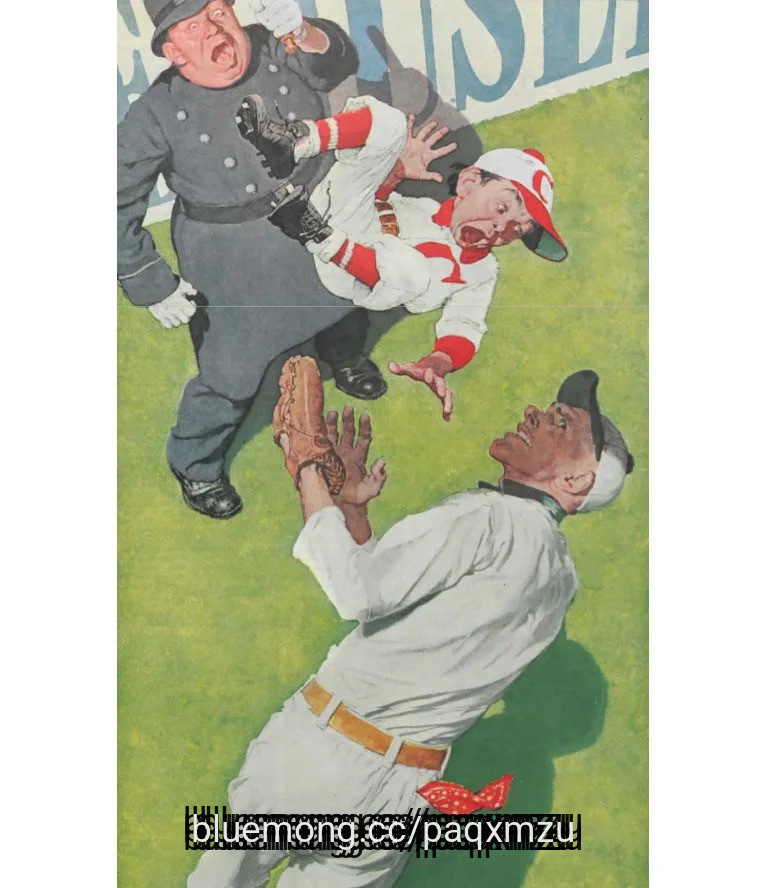
Veeck claimed the idea of using a small person as a pinch-hitter was his own notion… however, there'd been a 1941 story in The Saturday Evening Post called "You Could Look it Up" by James Thurber, author of "The Secret Life of Walter Mitty." You can read the Thurber story here, if you like. It has paintings by Norman Rockwell which are very detailed and striking, as usual:
#pinch #cleveland
75 years ago, Bill Veeck pulled one of his signature wacky baseball stunts. He signed 3'7" Eddie Gaedel to the Browns' roster and had him pinch-hit in a game. Gaedel drew a walk — obviously his strike zone was small — and Veeck replaced him with a pinch-runner. The pinch-runner didn't score
Now, Veeck owned the St. Louis Browns at that time, not the team in Cleveland. (So this is kinda the wrong week for this post. I thought this happened in Cleveland, until I started writing it.)
But Veeck had owned the Indians for four years, selling them in 1950 when he needed money for a divorce settlement. And had done some notable things with the team, like signing the first Negro League player to join the American League, Larry Doby. (When manager Lou Boudreau introduced Doby to the team, three players refused to shake his hand — and Veeck got rid of all three.) In 1949, Veeck signed Satchel Paige, the oldest rookie to ever play in MLB at the age of 41; he'd pitch 155.2 innings over two seasons for the team (and then became a two-time All-Star with the Browns).
Veeck claimed the idea of using a small person as a pinch-hitter was his own notion… however, there'd been a 1941 story in The Saturday Evening Post called "You Could Look it Up" by James Thurber, author of "The Secret Life of Walter Mitty." You can read the Thurber story here, if you like. It has paintings by Norman Rockwell which are very detailed and striking, as usual:
#pinch #cleveland

3 days ago
Prosper Stars & Stripes, a long/short equity fund, recently released its second-quarter 2026 investor letter. The letter can be downloaded here. In Q2 2026, the portfolio delivered a strong net return of +30.1% compared to the Russell 2000 Index's +21.5% return and the HFRX Equity Hedge Index's +10.3% return. The long book drove performance, generating a 43.2% gross contribution, while average net exposure remained relatively modest at 47%. U.S. economic growth remained resilient despite inflation concerns, elevated energy prices, and geopolitical uncertainty. Markets rallied sharply after easing U.S.-Iran tensions pushed oil prices lower, supporting renewed risk appetite. Small-cap equities benefited significantly, with Information Technology, Industrials, and Health Care leading gains, while Energy declined as crude prices fell. Year to date, the Composite returned +23.7%, slightly ahead of the Russell 2000's +22.6% and well above the HFRI Equity Hedge Index's +9.7%. Additionally, you can review the Portfolio's top 5 holdings to see its best picks for 2026.
In its second-quarter 2026 investor letter, Prosper Stars & Stripes highlighted TechTarget, Inc. (NASDAQ:TTGT) as the largest contributor to the portfolio's short book. TechTarget, Inc. (NASDAQ:TTGT) provides sales and support of purchase intent-driven advertising campaigns. On September 9, 2026, TechTarget, Inc. (NASDAQ:TTGT) closed at $3.89 per share. Over the past month, TechTarget, Inc. (NASDAQ:TTGT) returned 1.57% and its shares lost 35.17% over the past 52 weeks. TechTarget, Inc. (NASDAQ:TTGT) has a market capitalization of $281.37 million, and its stock has traded within a 52-week range of $3.37 to $7.15.
Prosper Stars & Stripes stated the following regarding TechTarget, Inc. (NASDAQ:TTGT) in its Q2 2026 investor letter:
"TechTarget, Inc. (NASDAQ:TTGT) was the largest contributor to our short book during the quarter. The company monetizes the purchase research behavior of enterprise IT buyers by operating a network of websites where buyers register to consume technical content, then selling those intent signals as leads to IT vendors. We first shorted the company after it completed a value-destroying acquisition in December 2024 that led to significant impairment charges in Q1 2025 and again in Q1 2026. We believe AI is likely to dismantle search-based discovery and commoditize content, the two pillars of TechTarget's value propositions. Results have validated our concerns, with management describing its market as mature, with 2% to 3% top-line growth, and EBITDA margins that peaked in 2022 falling to 7% in Q1 2026. Notably, revenue growth began deteriorating before ChatGPT launched in November 2022, suggesting that problems run deeper than AI alone. We continue to believe generative AI will weigh on TechTarget's prospects and remain short the company."
#techtarget #NASDAQ
In its second-quarter 2026 investor letter, Prosper Stars & Stripes highlighted TechTarget, Inc. (NASDAQ:TTGT) as the largest contributor to the portfolio's short book. TechTarget, Inc. (NASDAQ:TTGT) provides sales and support of purchase intent-driven advertising campaigns. On September 9, 2026, TechTarget, Inc. (NASDAQ:TTGT) closed at $3.89 per share. Over the past month, TechTarget, Inc. (NASDAQ:TTGT) returned 1.57% and its shares lost 35.17% over the past 52 weeks. TechTarget, Inc. (NASDAQ:TTGT) has a market capitalization of $281.37 million, and its stock has traded within a 52-week range of $3.37 to $7.15.
Prosper Stars & Stripes stated the following regarding TechTarget, Inc. (NASDAQ:TTGT) in its Q2 2026 investor letter:
"TechTarget, Inc. (NASDAQ:TTGT) was the largest contributor to our short book during the quarter. The company monetizes the purchase research behavior of enterprise IT buyers by operating a network of websites where buyers register to consume technical content, then selling those intent signals as leads to IT vendors. We first shorted the company after it completed a value-destroying acquisition in December 2024 that led to significant impairment charges in Q1 2025 and again in Q1 2026. We believe AI is likely to dismantle search-based discovery and commoditize content, the two pillars of TechTarget's value propositions. Results have validated our concerns, with management describing its market as mature, with 2% to 3% top-line growth, and EBITDA margins that peaked in 2022 falling to 7% in Q1 2026. Notably, revenue growth began deteriorating before ChatGPT launched in November 2022, suggesting that problems run deeper than AI alone. We continue to believe generative AI will weigh on TechTarget's prospects and remain short the company."
#techtarget #NASDAQ


3 days ago
Titan Casket created a pumpkin spice-themed casket to highlight its customizable options and poke fun at the PSL trend
The brand says it uses bold marketing to normalize funeral planning and educate consumers about their rights and options
Actor David Dastmalchian joined as the brand's first ambassador in 2023 to promote open conversations about death and funeral planning
A unique brand is getting in on pumpkin spice season — a casket company.
Titan Casket is selling a Pumpkin Spice Casket, accompanied by related marketing that a brand representative tells PEOPLE is meant to poke fun at the decades-old flavor.
#poke #Marketing #Planning
The brand says it uses bold marketing to normalize funeral planning and educate consumers about their rights and options
Actor David Dastmalchian joined as the brand's first ambassador in 2023 to promote open conversations about death and funeral planning
A unique brand is getting in on pumpkin spice season — a casket company.
Titan Casket is selling a Pumpkin Spice Casket, accompanied by related marketing that a brand representative tells PEOPLE is meant to poke fun at the decades-old flavor.
#poke #Marketing #Planning


3 days ago
By Aditya Kalra
NEW DELHI, Sept 9 (Reuters) - India's Serious Fraud Office has recommended Xiaomi be investigated for alleged irregularities in its business model and compliance with foreign investment law, potentially intensifying scrutiny of the smartphone maker, a government document shows.
China's Xiaomi was once India's top-selling smartphone brand but has seen its market share dwindle amid intense competition from Apple and Samsung. It is also battling several tax demands and royalty payment disputes.
The recommendation from India's Serious Fraud Investigation Office (SFIO) said the investigation should examine movement of funds and whether Xiaomi sought mandatory investment approvals as required after India tightened scrutiny of Chinese investments following deadly border clashes between the two nations in 2020.
A person familiar with the matter said the government is examining the memorandum, which was drafted in May and reviewed by Reuters.
#serious #fraud #investigation #investment
NEW DELHI, Sept 9 (Reuters) - India's Serious Fraud Office has recommended Xiaomi be investigated for alleged irregularities in its business model and compliance with foreign investment law, potentially intensifying scrutiny of the smartphone maker, a government document shows.
China's Xiaomi was once India's top-selling smartphone brand but has seen its market share dwindle amid intense competition from Apple and Samsung. It is also battling several tax demands and royalty payment disputes.
The recommendation from India's Serious Fraud Investigation Office (SFIO) said the investigation should examine movement of funds and whether Xiaomi sought mandatory investment approvals as required after India tightened scrutiny of Chinese investments following deadly border clashes between the two nations in 2020.
A person familiar with the matter said the government is examining the memorandum, which was drafted in May and reviewed by Reuters.
#serious #fraud #investigation #investment


3 days ago
Malcolm-Jamal Warner's widow has accused the late actor's mother of selling his $1.6 million Los Angeles home despite allegedly intending for the property to go to his wife and daughter.
More than a year after the "Cosby Show" star's sudden death at age 54, his widow, Tenisha Warner, and his mother, Pamela Warner, remain embroiled in an increasingly contentious dispute over his estate.
Now, a piece of the actor's real estate portfolio has emerged at the center of their battle.
According to new legal documents obtained by TMZ, Tenisha claims that her late husband had wanted his California residence to be left to her and their 9-year-old daughter, MacKenzie.
Instead, Tenisha alleges, Pamela sold the property and placed the proceeds into the Warner Family Trust.
#tenisha #pamela
More than a year after the "Cosby Show" star's sudden death at age 54, his widow, Tenisha Warner, and his mother, Pamela Warner, remain embroiled in an increasingly contentious dispute over his estate.
Now, a piece of the actor's real estate portfolio has emerged at the center of their battle.
According to new legal documents obtained by TMZ, Tenisha claims that her late husband had wanted his California residence to be left to her and their 9-year-old daughter, MacKenzie.
Instead, Tenisha alleges, Pamela sold the property and placed the proceeds into the Warner Family Trust.
#tenisha #pamela



3 days ago
Carole Radziwill is opening up about a famous family heirloom that came with an unexpected story.
The What Remains author, 63, shared the story during an appearance on Haley Sacks' Financial Tea podcast, on Thursday, September 10. "I did inherit Jackie Kennedy's Cartier watch. I ended up selling it at auction," Carole said
After Sacks suggested the watch was "cursed," Carole explained, "There was something about that watch that linked all of us — Jackie Kennedy in the '60s, me in the '90s, and then my best friend in the 2010s — and all three were widowed in their 30s."
Carole was married to Anthony Radziwill, Kennedy Onassis' nephew and John F. Kennedy Jr.'s first cousin, from 1994 until his death from cancer in August 1999. JFK Jr. and his wife, Carolyn Bessette, died in a plane crash the previous month.
During her appearance on Financial Tea, the Real Housewives of New York City star admitted she eventually decided to auction the watch at Christie's because she hoped Cartier would buy it back.
#jackie
The What Remains author, 63, shared the story during an appearance on Haley Sacks' Financial Tea podcast, on Thursday, September 10. "I did inherit Jackie Kennedy's Cartier watch. I ended up selling it at auction," Carole said
After Sacks suggested the watch was "cursed," Carole explained, "There was something about that watch that linked all of us — Jackie Kennedy in the '60s, me in the '90s, and then my best friend in the 2010s — and all three were widowed in their 30s."
Carole was married to Anthony Radziwill, Kennedy Onassis' nephew and John F. Kennedy Jr.'s first cousin, from 1994 until his death from cancer in August 1999. JFK Jr. and his wife, Carolyn Bessette, died in a plane crash the previous month.
During her appearance on Financial Tea, the Real Housewives of New York City star admitted she eventually decided to auction the watch at Christie's because she hoped Cartier would buy it back.
#jackie



3 days ago
On September 8, 2026, GE Aerospace (NYSE:GE) agreed to buy Consolidated Precision Products (CPP) for $11.75 billion. The acquisition marks the company's largest bet yet on precision engine castings, a constraint that has been capping GE's growth. Trading already at roughly 40x earnings, the company has now attacked one of its genuine bottlenecks through the deal. But has it paid too much to do it?
Castings, including the superalloy and ******* anium hot-section parts inside the jet engines, have constrained GE's engine production, including programs such as LEAP and GEnx, as well as its high-margin aftermarket. Without these castings, the company can neither build nor service its engines. If the acquisition closes, the company will gain access to CPP's 20-plus plants and about 6,600 workers, which are essential for making those components. The deal would therefore enable GE to control the constraint as well as defend its margins. CEO Larry Culp characterized the move as securing manufacturing capacity to meet simultaneous demand across commercial engines, aftermarket services, and defense contracts.
The valuation is where bulls should slow down. GE is paying roughly 18x 2027 EBITDA including synergies (26x without synergies). The sellers are private equity firms Warburg Pincus and Berkshire Partners. They have basically offloaded a cyclical business near the peak of the aerospace cycle. This is smart money selling to GE instead of the other way around. The real tell is that GE felt compelled to buy its way past this capacity bottleneck instead of scaling organically, which reveals how tight its prized aftermarket really was. Also, CPP also supplies other major aerospace and defense companies such as Pratt & Whitney, Honeywell, and Lockheed Martin, and through the vertical tie-up, the company invites antitrust scrutiny before it closes in late 2027.
GE's 40x multiple rests on its high-margin razor-and-blade business model that services a huge installed base. And the casting supply shortages quietly constrain this aftermarket. Hence, more than merely fixing a supply chain issue, the CPP acquisition defends the company's high margin and multiple. Financially, the transaction is accretive to adjusted EPS and free cash flow in the first year, funded through $7 billion in cash alongside newly issued debt. Insider Monkey data shows 113 hedge funds held GE in Q2 2026, down modestly from 119 in Q1, reflecting firm institutional positioning. Short interest is just 1.3% of float, below peers like Honeywell International (1.6%). Almost no one bets against it.
#aftermarket #acquisition #including
Castings, including the superalloy and ******* anium hot-section parts inside the jet engines, have constrained GE's engine production, including programs such as LEAP and GEnx, as well as its high-margin aftermarket. Without these castings, the company can neither build nor service its engines. If the acquisition closes, the company will gain access to CPP's 20-plus plants and about 6,600 workers, which are essential for making those components. The deal would therefore enable GE to control the constraint as well as defend its margins. CEO Larry Culp characterized the move as securing manufacturing capacity to meet simultaneous demand across commercial engines, aftermarket services, and defense contracts.
The valuation is where bulls should slow down. GE is paying roughly 18x 2027 EBITDA including synergies (26x without synergies). The sellers are private equity firms Warburg Pincus and Berkshire Partners. They have basically offloaded a cyclical business near the peak of the aerospace cycle. This is smart money selling to GE instead of the other way around. The real tell is that GE felt compelled to buy its way past this capacity bottleneck instead of scaling organically, which reveals how tight its prized aftermarket really was. Also, CPP also supplies other major aerospace and defense companies such as Pratt & Whitney, Honeywell, and Lockheed Martin, and through the vertical tie-up, the company invites antitrust scrutiny before it closes in late 2027.
GE's 40x multiple rests on its high-margin razor-and-blade business model that services a huge installed base. And the casting supply shortages quietly constrain this aftermarket. Hence, more than merely fixing a supply chain issue, the CPP acquisition defends the company's high margin and multiple. Financially, the transaction is accretive to adjusted EPS and free cash flow in the first year, funded through $7 billion in cash alongside newly issued debt. Insider Monkey data shows 113 hedge funds held GE in Q2 2026, down modestly from 119 in Q1, reflecting firm institutional positioning. Short interest is just 1.3% of float, below peers like Honeywell International (1.6%). Almost no one bets against it.
#aftermarket #acquisition #including


3 days ago
Braze Inc. (NASDAQ:BRZE) turned in a strong second quarter. The reputed customer engagement platform showcased continued momentum across both its product strategy and financial performance. The company generated topline figure of $227.2 million, an impressive 26.2% increase compared to the same period last year. This revenue growth was fueled by upselling gains, customer additions and renewals. The company posted $24.2 million in cash flow from operating activities, a monumental growth relative to $7 million in the same period a year ago. This was paired with $21.7 million in free cash flow, against $3.5 million during Q2 FY26.
Jirsak/Shutterstock.com
The quarter brought several meaningful strategic moves. Braze broadened its BrazeAI Operator tool, which allows users to build new Canvas steps straight from conversational prompts. The company also signed a three-year Strategic Collaboration Agreement with AWS to support collaborative co-selling and go-to-market initiatives. The arrangement will incentivize AWS sellers for integrating Braze within their accounts.
For the latest quarter, subscription revenue jumped to $207.7 million from $171.8 million a year prior, while professional services and other revenue more than doubled, reaching $19.6 million. Dollar-based net retention among larger accounts, defined as those with annual recurring revenue of $500,000 or more, edged up to 112% in comparison to 111% a year earlier. Profitability metrics improved considerably as well, with adjusted operating income jumping to $22 million from $6 million, and adjusted diluted EPS increasing from $0.15 to $0.19.
Management cited growing demand for measurable return on investment as the primary force behind faster uptake of Braze's AI product lineup, which includes BrazeAI Operator, BrazeAI Agent Console, and BrazeAI Decisioning Studio.
#revenue
Jirsak/Shutterstock.com
The quarter brought several meaningful strategic moves. Braze broadened its BrazeAI Operator tool, which allows users to build new Canvas steps straight from conversational prompts. The company also signed a three-year Strategic Collaboration Agreement with AWS to support collaborative co-selling and go-to-market initiatives. The arrangement will incentivize AWS sellers for integrating Braze within their accounts.
For the latest quarter, subscription revenue jumped to $207.7 million from $171.8 million a year prior, while professional services and other revenue more than doubled, reaching $19.6 million. Dollar-based net retention among larger accounts, defined as those with annual recurring revenue of $500,000 or more, edged up to 112% in comparison to 111% a year earlier. Profitability metrics improved considerably as well, with adjusted operating income jumping to $22 million from $6 million, and adjusted diluted EPS increasing from $0.15 to $0.19.
Management cited growing demand for measurable return on investment as the primary force behind faster uptake of Braze's AI product lineup, which includes BrazeAI Operator, BrazeAI Agent Console, and BrazeAI Decisioning Studio.
#revenue


3 days ago
Eli Lilly (LLY) stock has gained about 56% over the past year, moving from $722.65 to $1,123.91. Before that run the company was doing something strange. It was deliberately selling less medicine than people wanted to buy, and it kept saying so out loud.
In early February 2025 the CEO said the capacity Lilly had already built was not enough to meet global demand, and that the company was still gating promotion and gating launches around the world. That is a company telling you its reported revenue understates what its products could sell.
The build was landing. Lilly produced more than 1.6 times as many salable incretin doses in the first half of 2025 as it had made in the first half of 2024. The rationed business was already lucrative: trailing-twelve-month operating margin as of fiscal Q2 2025 ran at 42.1%, against its own three-year average of 32.7%. A business earning that much with the tap half closed has an obvious next chapter.
Four weeks before the run began, the CFO was specific about where. Commercial activity behind the recent launches in Brazil, China, India, and Mexico was being kept deliberately measured, so that demand would not outrun supply.
Then look at where the growth landed a year later. In the second quarter of 2026, China revenue grew 93% in constant currency, and rest-of-world revenue grew 136% in constant currency, driven by Mounjaro, primarily in Latin America and Asia. China is on both lists; Latin America and Asia cover the rest. The volume was waiting.
#year #half
In early February 2025 the CEO said the capacity Lilly had already built was not enough to meet global demand, and that the company was still gating promotion and gating launches around the world. That is a company telling you its reported revenue understates what its products could sell.
The build was landing. Lilly produced more than 1.6 times as many salable incretin doses in the first half of 2025 as it had made in the first half of 2024. The rationed business was already lucrative: trailing-twelve-month operating margin as of fiscal Q2 2025 ran at 42.1%, against its own three-year average of 32.7%. A business earning that much with the tap half closed has an obvious next chapter.
Four weeks before the run began, the CFO was specific about where. Commercial activity behind the recent launches in Brazil, China, India, and Mexico was being kept deliberately measured, so that demand would not outrun supply.
Then look at where the growth landed a year later. In the second quarter of 2026, China revenue grew 93% in constant currency, and rest-of-world revenue grew 136% in constant currency, driven by Mounjaro, primarily in Latin America and Asia. China is on both lists; Latin America and Asia cover the rest. The volume was waiting.
#year #half

3 days ago
Listen
(3 min)
1444 ET – Gold futures make small gains despite a rise in Treasury yields after the Treasury Department said it would buy back $6 billion in bonds this week, less than some in the market expected. The dollar weakened, however, which tends to support gold. An easing in ******* anese yields and continued central bank buying—with China’s central bank adding 20 tons in August—also helped support prices, while the market remains focused on U.S. inflation data later this week, Konstantinos Chrysikos of Kudo.com says in a note. Front month gold settles up 0.5% in New York at $4,416 a troy ounce. Silver gains 2.5% to $67.942 a troy ounce. (anthony.harrupwsj.com)
1150 ET – Gold futures are steady as bond yields rise after the Treasury says it will buy up to $6 billion of longer-term debt at its Thursday buyback operation. The precious metals market is also focusing on this week’s inflation data—producer prices due Thursday and consumer prices on Friday. Gold’s recent slippage came as high Treasury yields, firmer Fed rate-hike expectations and rising oil prices “collectively outweighed dollar softness,” Kaynat Chainwala of Kotak Neo says in a note. Softer inflation readings would reduce the probability of a rate increase “and open the path toward the $4,500 resistance zone,” while an above-estimate result along with high energy prices “would likely reinstate selling pressure and bring the $4,300 support zone into focus.” Front month gold is up 0.2% at $4,401.20 a troy ounce. (anthony.harrupwsj.com)
#treasury #week #support #ounce
(3 min)
1444 ET – Gold futures make small gains despite a rise in Treasury yields after the Treasury Department said it would buy back $6 billion in bonds this week, less than some in the market expected. The dollar weakened, however, which tends to support gold. An easing in ******* anese yields and continued central bank buying—with China’s central bank adding 20 tons in August—also helped support prices, while the market remains focused on U.S. inflation data later this week, Konstantinos Chrysikos of Kudo.com says in a note. Front month gold settles up 0.5% in New York at $4,416 a troy ounce. Silver gains 2.5% to $67.942 a troy ounce. (anthony.harrupwsj.com)
1150 ET – Gold futures are steady as bond yields rise after the Treasury says it will buy up to $6 billion of longer-term debt at its Thursday buyback operation. The precious metals market is also focusing on this week’s inflation data—producer prices due Thursday and consumer prices on Friday. Gold’s recent slippage came as high Treasury yields, firmer Fed rate-hike expectations and rising oil prices “collectively outweighed dollar softness,” Kaynat Chainwala of Kotak Neo says in a note. Softer inflation readings would reduce the probability of a rate increase “and open the path toward the $4,500 resistance zone,” while an above-estimate result along with high energy prices “would likely reinstate selling pressure and bring the $4,300 support zone into focus.” Front month gold is up 0.2% at $4,401.20 a troy ounce. (anthony.harrupwsj.com)
#treasury #week #support #ounce



3 days ago
Trading near $45 a share, Boston Scientific (BSX) sits roughly 58% below its 52-week peak. Instead of buying the dip outright, selling cash-secured put options allows investors to generate immediate income while locking in an even deeper entry point. However, this trade only works if you are comfortable holding the stock through a turnaround, particularly as both of the company's core growth drivers—WATCHMAN and electrophysiology—face sudden operational headwinds.
Sell a put option on BSX expiring 9/17/2027, with a strike price of $30.
Collect roughly $135 in premium per contract (each contract covers 100 shares).
That works out to about 4.4% annualized on the $3,000 of cash you set aside to secure the trade.
Park that collateral in Treasury bills or a Treasury money-market fund yielding roughly 3.9%, boosting your total cash-secured return to about 8.3%.
#secured #works #trading #scientific
Sell a put option on BSX expiring 9/17/2027, with a strike price of $30.
Collect roughly $135 in premium per contract (each contract covers 100 shares).
That works out to about 4.4% annualized on the $3,000 of cash you set aside to secure the trade.
Park that collateral in Treasury bills or a Treasury money-market fund yielding roughly 3.9%, boosting your total cash-secured return to about 8.3%.
#secured #works #trading #scientific


3 days ago
Heavy out-of-the-money put option volume in Shoe Station Group (SHOE) today, ahead of tomorrow's earnings, suggests investors expect a dip in SHOE stock. However, SHOE stock is cheap, and shorting puts yields over 7.7% over the next month.
SHOE is at $13.29 in midday trading, well off its recent peak of $16.11 a month ago on Aug. 10. This may be selling ahead of earnings.
Micron Price Targets Are Rising - Bull Put Credit Spreads in MU Are Attractive for Investors with Limited Funds
Options Flow Alert: Institutional Money Piles Into AMD Stock
Unusual Call Options Activity in Takeover Target GFL Environmental Stock
#Stock
SHOE is at $13.29 in midday trading, well off its recent peak of $16.11 a month ago on Aug. 10. This may be selling ahead of earnings.
Micron Price Targets Are Rising - Bull Put Credit Spreads in MU Are Attractive for Investors with Limited Funds
Options Flow Alert: Institutional Money Piles Into AMD Stock
Unusual Call Options Activity in Takeover Target GFL Environmental Stock
#Stock




3 days ago
Former NFL running back LeShon Johnson has been sentenced to five years in federal prison after being convicted of six dogfighting-related charges, according to a Department of Justice release on Thursday.
Additionally, Johnson — who was in the NFL from 1994-99 and spent time with the Green Bay Packers, Arizona Cardinals and New York Giants — will have three years of supervised release. Plus, he'll have to pay a $30,000 fine.
Johnson was indicted in March 2025 and convicted in an Oklahoma federal court in August of last year. He had been running a large-scale dogfighting ring based in the state since at least 2007, according to the DOJ, which cited trial testimony.
Johnson, 55, previously pleaded guilty in 2004 to Oklahoma dogfighting offenses. Back then, he received a five-year deferred sentence in state court, according to ESPN's Thursday report, which cited Oklahoma court records.
His most recent operation, known as "Mal Kant Kennels," consisted of breeding and selling pit bulls who would fight around the country, with Johnson profiting from the trafficking. The 190 dogs the authorities seized from Johnson's property are the most ever rescued from a single individual in a federal dogfighting case, per the DOJ.
#dogfighting #according #court #thursday
Additionally, Johnson — who was in the NFL from 1994-99 and spent time with the Green Bay Packers, Arizona Cardinals and New York Giants — will have three years of supervised release. Plus, he'll have to pay a $30,000 fine.
Johnson was indicted in March 2025 and convicted in an Oklahoma federal court in August of last year. He had been running a large-scale dogfighting ring based in the state since at least 2007, according to the DOJ, which cited trial testimony.
Johnson, 55, previously pleaded guilty in 2004 to Oklahoma dogfighting offenses. Back then, he received a five-year deferred sentence in state court, according to ESPN's Thursday report, which cited Oklahoma court records.
His most recent operation, known as "Mal Kant Kennels," consisted of breeding and selling pit bulls who would fight around the country, with Johnson profiting from the trafficking. The 190 dogs the authorities seized from Johnson's property are the most ever rescued from a single individual in a federal dogfighting case, per the DOJ.
#dogfighting #according #court #thursday

0.00$ raised of 0.00$ goal
0 donations
0.00$
to go

3 days ago
Former NFL running back LeShon Johnson has been sentenced to 60 months in federal prison after he was convicted of six felonies related to dog fighting.
Authorities seized 190 dogs from Johnson's property, the most dogs ever seized from any individual in a federal dog fighting investigation. This is Johnson's second dog fighting conviction; he was also convicted of state dog fighting charges in Oklahoma in 2004.
"LeShon Johnson continued to traffic dogs for illegal fighting despite a 2004 state conviction for similar conduct," said Deputy **** istant Attorney General Adam Gustafson. "We are grateful to our colleagues at the U.S. Attorney's Office for the Eastern District of Oklahoma and the FBI for partnering with ENRD to bring this repeat offender to justice and to the U.S. Marshals Service for executing the biggest rescue operation of its kind."
The Department of Justice says Johnson made hundreds of thousands of dollars through his dog fighting operation, selling dogs he described as fighting champions, selling puppies he said were bred to be fighting champions, and charging stud fees to other dog fighters so that his champion males could breed with their females.
The 55-year-old Johnson was a third-round pick of the Packers in 1994 and also played for the Cardinals and Giants before finishing his pro football career with the XFL's Chicago Enforcers.
#leshon #oklahoma #federal #seized
Authorities seized 190 dogs from Johnson's property, the most dogs ever seized from any individual in a federal dog fighting investigation. This is Johnson's second dog fighting conviction; he was also convicted of state dog fighting charges in Oklahoma in 2004.
"LeShon Johnson continued to traffic dogs for illegal fighting despite a 2004 state conviction for similar conduct," said Deputy **** istant Attorney General Adam Gustafson. "We are grateful to our colleagues at the U.S. Attorney's Office for the Eastern District of Oklahoma and the FBI for partnering with ENRD to bring this repeat offender to justice and to the U.S. Marshals Service for executing the biggest rescue operation of its kind."
The Department of Justice says Johnson made hundreds of thousands of dollars through his dog fighting operation, selling dogs he described as fighting champions, selling puppies he said were bred to be fighting champions, and charging stud fees to other dog fighters so that his champion males could breed with their females.
The 55-year-old Johnson was a third-round pick of the Packers in 1994 and also played for the Cardinals and Giants before finishing his pro football career with the XFL's Chicago Enforcers.
#leshon #oklahoma #federal #seized


0.00$ raised of 0.00$ goal
0 donations
0.00$
to go
4 days ago
"Selling Sunset" star Christine Quinn's husband, Christian Dumontet, has listed the sprawling Los Angeles home the former couple once shared as their contentious divorce battle continues.
Dumontet filed for divorce from the real estate agent—who is set to make her return to the Netflix reality series—in April 2024, after he was arrested following an alleged domestic violence incident. He was later detained for allegedly violating a temporary restraining order requiring him to stay away from the property.
The tech entrepreneur purchased the home for $5 million in 2019, the same year he and Quinn tied the knot in an extravagant Gothic-themed wedding.
However, their relationship ultimately unraveled, with the pair calling it quits in 2024.
Amid their ongoing divorce proceedings, Dumontet asked a judge to grant him exclusive control of the Los Angeles property so he could put it on the market. He argued that he purchased the residence before the couple married and had continued covering its mortgage, taxes, and insurance.
#divorce #angeles #home #couple
Dumontet filed for divorce from the real estate agent—who is set to make her return to the Netflix reality series—in April 2024, after he was arrested following an alleged domestic violence incident. He was later detained for allegedly violating a temporary restraining order requiring him to stay away from the property.
The tech entrepreneur purchased the home for $5 million in 2019, the same year he and Quinn tied the knot in an extravagant Gothic-themed wedding.
However, their relationship ultimately unraveled, with the pair calling it quits in 2024.
Amid their ongoing divorce proceedings, Dumontet asked a judge to grant him exclusive control of the Los Angeles property so he could put it on the market. He argued that he purchased the residence before the couple married and had continued covering its mortgage, taxes, and insurance.
#divorce #angeles #home #couple
0.00$ raised of 0.00$ goal
0 donations
0.00$
to go

4 days ago
By
Sept. 9, 2026 5:54 am ET
Listen
(2 min)
The “SaaSpocalypse” of earlier this year—based on the notion that powerful AI models will soon make companies selling software-as-a-service obsolete—turned out to be a phantom. A quick look at Salesforce’s stock price, for instance, shows it is now back to where it started the year, after a 40% swoon.
#year
Sept. 9, 2026 5:54 am ET
Listen
(2 min)
The “SaaSpocalypse” of earlier this year—based on the notion that powerful AI models will soon make companies selling software-as-a-service obsolete—turned out to be a phantom. A quick look at Salesforce’s stock price, for instance, shows it is now back to where it started the year, after a 40% swoon.
#year

0.00$ raised of 0.00$ goal
0 donations
0.00$
to go

4 days ago
Newark, New Jersey-based Prudential Financial, Inc. (PRU) is a diversified global financial services company that helps individuals and institutions protect wealth, prepare for retirement and pursue long-term financial goals. Valued at a market cap of $41.2 billion, its businesses span life insurance, annuities, retirement solutions, group insurance and investment management through PGIM, its global ****** et-management arm.
Companies with a market cap of $10 billion or more are typically referred to as "big-cap stocks." PRU fits right into that category. Prudential dominates the market due to its diversified insurance, retirement and investment-management businesses, which provide multiple sources of earnings and reduce reliance on any single market or product. Its established brand, extensive distribution network, large institutional and individual customer base and PGIM ****** et-management platform support scale, recurring fee income and cross-selling opportunities.
Dear Nvidia Stock Fans, Mark Your Calendars for September 10
Rocket Lab Keeps Landing Defense Deals. Here's Why ****** ysts Aren't Getting More Bullish.
Why Stifel Just Revamped Its Price Target for Microsoft Stock
#management #financial #prudential #Stock
Companies with a market cap of $10 billion or more are typically referred to as "big-cap stocks." PRU fits right into that category. Prudential dominates the market due to its diversified insurance, retirement and investment-management businesses, which provide multiple sources of earnings and reduce reliance on any single market or product. Its established brand, extensive distribution network, large institutional and individual customer base and PGIM ****** et-management platform support scale, recurring fee income and cross-selling opportunities.
Dear Nvidia Stock Fans, Mark Your Calendars for September 10
Rocket Lab Keeps Landing Defense Deals. Here's Why ****** ysts Aren't Getting More Bullish.
Why Stifel Just Revamped Its Price Target for Microsoft Stock
#management #financial #prudential #Stock


0.00$ raised of 0.00$ goal
0 donations
0.00$
to go

4 days ago
U.S. stock futures were little changed to moderately higher on Wednesday as investors ***** sed further military developments involving the United States and Iran, movements in oil and bond markets, developments in artificial intelligence and renewed trade tensions between the U.S. and Canada.
At 02:48 ET (06:48 GMT), S&P 500 futures were up 6 points, or 0.1%, while Nasdaq 100 futures gained 57 points, or 0.2%. Dow futures were broadly unchanged.
Wall Street equities declined on Tuesday following exchanges of attacks between the U.S. and Iran and strikes against Saudi Arabia by Houthi forces in Yemen.
Technology stocks were also affected by market reaction to OpenAI's GPT-6 Astra model, with software and services companies declining while some AI infrastructure-related companies, including chipmakers and data centre-linked industrial groups, received investor interest.
U.S. government bonds have also come under selling pressure. The benchmark 10-year Treasury yield was trading just below 5%, close to its highest level in almost two decades.
#points #wednesday #united
At 02:48 ET (06:48 GMT), S&P 500 futures were up 6 points, or 0.1%, while Nasdaq 100 futures gained 57 points, or 0.2%. Dow futures were broadly unchanged.
Wall Street equities declined on Tuesday following exchanges of attacks between the U.S. and Iran and strikes against Saudi Arabia by Houthi forces in Yemen.
Technology stocks were also affected by market reaction to OpenAI's GPT-6 Astra model, with software and services companies declining while some AI infrastructure-related companies, including chipmakers and data centre-linked industrial groups, received investor interest.
U.S. government bonds have also come under selling pressure. The benchmark 10-year Treasury yield was trading just below 5%, close to its highest level in almost two decades.
#points #wednesday #united

0.00$ raised of 0.00$ goal
0 donations
0.00$
to go

4 days ago
On June 12, Elon Musk's ****** e Exploration Technologies (SpaceX) (NASDAQ:SPCX) burst onto the scene with the largest initial public offering (IPO) in Wall Street's storied history. ****** eX priced its shares at $135, giving the company an initial valuation of $1.77 trillion, and raised a record $85.7 billion from its IPO, including the underwriters' overallotment.
Nearly three months later, ****** eX is set to make history yet again -- albeit the dubious kind.
Missed Nvidia in 2009? This Rare Signal Is Flashing Again. In 2009, a "Double Down" signal flashed for a little-known chipmaker called Nvidia. For the first time in years, that same "Total Conviction" signal is flashing for a company 1/100th the size of Nvidia. Continue »
Image source: Getty Images.
When private companies go public, they announce a lockup period that prevents their insiders, consisting of high-ranking executives, board members, and early investors, from selling shares shortly after the IPO and capitalizing on IPO/retail investor buzz. Commonly, insiders are prohibited from selling their shares for the first 180 calendar days after the IPO.
#SpaceX #flashing #first
Nearly three months later, ****** eX is set to make history yet again -- albeit the dubious kind.
Missed Nvidia in 2009? This Rare Signal Is Flashing Again. In 2009, a "Double Down" signal flashed for a little-known chipmaker called Nvidia. For the first time in years, that same "Total Conviction" signal is flashing for a company 1/100th the size of Nvidia. Continue »
Image source: Getty Images.
When private companies go public, they announce a lockup period that prevents their insiders, consisting of high-ranking executives, board members, and early investors, from selling shares shortly after the IPO and capitalizing on IPO/retail investor buzz. Commonly, insiders are prohibited from selling their shares for the first 180 calendar days after the IPO.
#SpaceX #flashing #first

0.00$ raised of 0.00$ goal
0 donations
0.00$
to go

4 days ago
On August 5, Cytek Biosciences (NASDAQ:CTKB) reported financial results for the second quarter ended June 30, and the report reads like two different companies at once. Revenue climbed, margins widened, and the installed base of instruments kept expanding. At the same time, the net loss more than doubled from a year earlier and adjusted EBITDA swung negative. For a company selling hardware into cell ***** ysis labs, that split between growing revenue and growing losses is the story investors need to untangle.
Total revenue reached $48.1 million in the second quarter of 2026, up 6% from the second quarter of 2025, and the growth came from more than one source. Cytek expanded its installed base to 3,933 instruments as of June 30, 2026, adding 142 units in the quarter, and each new machine tends to pull in service and reagent sales over time. That dynamic already shows up in the numbers: recurring revenue from service and reagents hit $18.5 million in the quarter, and on a trailing 12-month basis it now makes up 35% of total revenue, up from 32% a year earlier.
Gross profit told a similar story, climbing 19% to $28.3 million, with GAAP gross margin rising to 59% from 52% and adjusted gross margin reaching 61% from 56%. Some of that lift came from a one-time tariff refund, but even stripped of it, adjusted gross margin still improved to 56%. Cytek also launched the Borealis, a 7-laser flow cytometer built for 60-color panels, and rolled out more automated configurations of its Aurora Evo line, giving the sales team new hardware to sell into the rest of 2026. Full-year revenue guidance moved up to a range of $207 million to $212 million, raising the midpoint by $1 million.
The same quarter that grew revenue also widened the losses. Operating expenses rose 15% year over year to $39.7 million, with general and administrative costs jumping 24% to $16.8 million because of litigation-related expenses, severance, and other personnel costs. R&D spending grew 10% to $9.7 million, and sales and marketing rose 9% to $13.2 million, so the increase was not confined to one line item. The loss from operations widened to $11.4 million from $10.6 million a year earlier, and net loss more than doubled to $12.2 million from $5.6 million.
Adjusted EBITDA, which strips out stock-based compensation and currency swings, swung to a $1.5 million loss from a positive $1.3 million a year earlier, after also adjusting for a write-off tied to an early-stage technology investment. The tariff refund that boosted this quarter's headline gross margin also means the underlying figures, 53% GAAP and 56% adjusted, are the more honest baseline going forward. Cash and marketable securities held roughly flat at $262.0 million as of June 30, 2026, down only slightly from $262.2 million three months earlier, so the balance sheet has not yet felt the strain.
#quarter #adjusted
Total revenue reached $48.1 million in the second quarter of 2026, up 6% from the second quarter of 2025, and the growth came from more than one source. Cytek expanded its installed base to 3,933 instruments as of June 30, 2026, adding 142 units in the quarter, and each new machine tends to pull in service and reagent sales over time. That dynamic already shows up in the numbers: recurring revenue from service and reagents hit $18.5 million in the quarter, and on a trailing 12-month basis it now makes up 35% of total revenue, up from 32% a year earlier.
Gross profit told a similar story, climbing 19% to $28.3 million, with GAAP gross margin rising to 59% from 52% and adjusted gross margin reaching 61% from 56%. Some of that lift came from a one-time tariff refund, but even stripped of it, adjusted gross margin still improved to 56%. Cytek also launched the Borealis, a 7-laser flow cytometer built for 60-color panels, and rolled out more automated configurations of its Aurora Evo line, giving the sales team new hardware to sell into the rest of 2026. Full-year revenue guidance moved up to a range of $207 million to $212 million, raising the midpoint by $1 million.
The same quarter that grew revenue also widened the losses. Operating expenses rose 15% year over year to $39.7 million, with general and administrative costs jumping 24% to $16.8 million because of litigation-related expenses, severance, and other personnel costs. R&D spending grew 10% to $9.7 million, and sales and marketing rose 9% to $13.2 million, so the increase was not confined to one line item. The loss from operations widened to $11.4 million from $10.6 million a year earlier, and net loss more than doubled to $12.2 million from $5.6 million.
Adjusted EBITDA, which strips out stock-based compensation and currency swings, swung to a $1.5 million loss from a positive $1.3 million a year earlier, after also adjusting for a write-off tied to an early-stage technology investment. The tariff refund that boosted this quarter's headline gross margin also means the underlying figures, 53% GAAP and 56% adjusted, are the more honest baseline going forward. Cash and marketable securities held roughly flat at $262.0 million as of June 30, 2026, down only slightly from $262.2 million three months earlier, so the balance sheet has not yet felt the strain.
#quarter #adjusted

0.00$ raised of 0.00$ goal
0 donations
0.00$
to go
4 days ago
Is it better to own a company already selling drugs or one with a potential blockbuster in testing? Investors are weighing Axsome Therapeutics (NASDAQ:AXSM) against Viking Therapeutics (NASDAQ:VKTX) to decide.
Axsome focuses on commercializing treatments for depression and sleep disorders, showing significant revenue growth. Viking is a clinical-stage developer targeting the massive obesity market but has no products on the market yet. Both represent different stages of growth within the biotech world, making them popular choices for healthcare-minded portfolios.
Axsome develops and sells treatments for central nervous system conditions such as depression, migraines, and narcolepsy. It is a prominent name among biotech stocks, with a portfolio that includes Auvelity, Sunosi, and Symbravo. The company recently entered a settlement that grants license rights to five generic manufacturers for Sunosi starting in 2040, providing long-term clarity on its patent life and market position. In its latest annual report, filed in early 2026, the company noted it had over 900 full-time employees to support its commercial reach.
In FY 2025, revenue reached nearly $638.5 million, marking growth of close to 65.5% compared to the prior year. This increase was driven by the continued expansion of its key central nervous system treatments into new geographic markets. The company reported a net loss of approximately $183.2 million, resulting in a negative net margin, which is the percentage of revenue left after all expenses are paid, of roughly 28.7%. Some investors focus on the P/S ratio to value the business relative to this growing revenue.
As of December 2025, the debt-to-equity ratio was nearly 2.7x, meaning the company uses significant debt relative to its equity. The current ratio of approximately 1.6x indicates it has $1.60 in ****** ets for every $1.00 in liabilities due within a year. Free cash flow, or cash from operations minus capital spending, was nearly negative $93.9 million as the company continues to invest in its commercial pipeline. This spending is intended to support the long-term growth of its approved products and the development of new candidates.
#ratio #therapeutics
Axsome focuses on commercializing treatments for depression and sleep disorders, showing significant revenue growth. Viking is a clinical-stage developer targeting the massive obesity market but has no products on the market yet. Both represent different stages of growth within the biotech world, making them popular choices for healthcare-minded portfolios.
Axsome develops and sells treatments for central nervous system conditions such as depression, migraines, and narcolepsy. It is a prominent name among biotech stocks, with a portfolio that includes Auvelity, Sunosi, and Symbravo. The company recently entered a settlement that grants license rights to five generic manufacturers for Sunosi starting in 2040, providing long-term clarity on its patent life and market position. In its latest annual report, filed in early 2026, the company noted it had over 900 full-time employees to support its commercial reach.
In FY 2025, revenue reached nearly $638.5 million, marking growth of close to 65.5% compared to the prior year. This increase was driven by the continued expansion of its key central nervous system treatments into new geographic markets. The company reported a net loss of approximately $183.2 million, resulting in a negative net margin, which is the percentage of revenue left after all expenses are paid, of roughly 28.7%. Some investors focus on the P/S ratio to value the business relative to this growing revenue.
As of December 2025, the debt-to-equity ratio was nearly 2.7x, meaning the company uses significant debt relative to its equity. The current ratio of approximately 1.6x indicates it has $1.60 in ****** ets for every $1.00 in liabilities due within a year. Free cash flow, or cash from operations minus capital spending, was nearly negative $93.9 million as the company continues to invest in its commercial pipeline. This spending is intended to support the long-term growth of its approved products and the development of new candidates.
#ratio #therapeutics

0.00$ raised of 0.00$ goal
0 donations
0.00$
to go
6 days ago
Timely enough off the heels of the Labor Day holiday yesterday, the NHL's new collective bargaining agreement, the labor rules agreed to by the NHL and the NHLPA, kicks in next week. The new agreement is in place through September 2030, marking the second time in a row the two sides have put a deal in place without missing any time. That's no small matter, prior to the recent labor peace the NHL owners have locked out the players in 2004 and 2012 for significant periods that cost a total of 116 games.
These days, fortunately for all, there is more cooperation and perhaps about the best working relationship between the owners and players that we have seen in hockey. Those good feelings are no doubt influenced by business as a whole booming – revenue is way up so their is more money to be made by both sides. Further, ownership is absolutely swimming in vastly increased valuation and sale prices lately – look no further than the Penguins selling for $1.75 billion in 2026 after selling for $900 million just five years earlier.
The new CBA had some rules come on board early for last season – like LTIR tweaks and the playoff salary cap. Here are a few more interesting tweaks in place.
Training camps open Sept. 16 to coincide with the start of that new labor deal, and they'll look much different than they did in the past. Experienced players will be put through only a 13-day camp, down from 20 days, and those with at least 100 NHL games on their resumes are now limited to two exhibition games. Each team will play only four exhibition games.
The preseason shrinks again, at least formally. Most players across the league are already skating informally with their teammates and have been for a week or more by this point. That amount of time in the pre-practice stage will now be longer than the formal, official 13-day training camp. Long gone are the days of multiple on-ice sessions per day. In fact, teams can also no longer implement fitness testing for unpopular tests on the exercise bike or the so-called dreaded bag skate or repetitive timed sprints.
#players #place #rules
These days, fortunately for all, there is more cooperation and perhaps about the best working relationship between the owners and players that we have seen in hockey. Those good feelings are no doubt influenced by business as a whole booming – revenue is way up so their is more money to be made by both sides. Further, ownership is absolutely swimming in vastly increased valuation and sale prices lately – look no further than the Penguins selling for $1.75 billion in 2026 after selling for $900 million just five years earlier.
The new CBA had some rules come on board early for last season – like LTIR tweaks and the playoff salary cap. Here are a few more interesting tweaks in place.
Training camps open Sept. 16 to coincide with the start of that new labor deal, and they'll look much different than they did in the past. Experienced players will be put through only a 13-day camp, down from 20 days, and those with at least 100 NHL games on their resumes are now limited to two exhibition games. Each team will play only four exhibition games.
The preseason shrinks again, at least formally. Most players across the league are already skating informally with their teammates and have been for a week or more by this point. That amount of time in the pre-practice stage will now be longer than the formal, official 13-day training camp. Long gone are the days of multiple on-ice sessions per day. In fact, teams can also no longer implement fitness testing for unpopular tests on the exercise bike or the so-called dreaded bag skate or repetitive timed sprints.
#players #place #rules
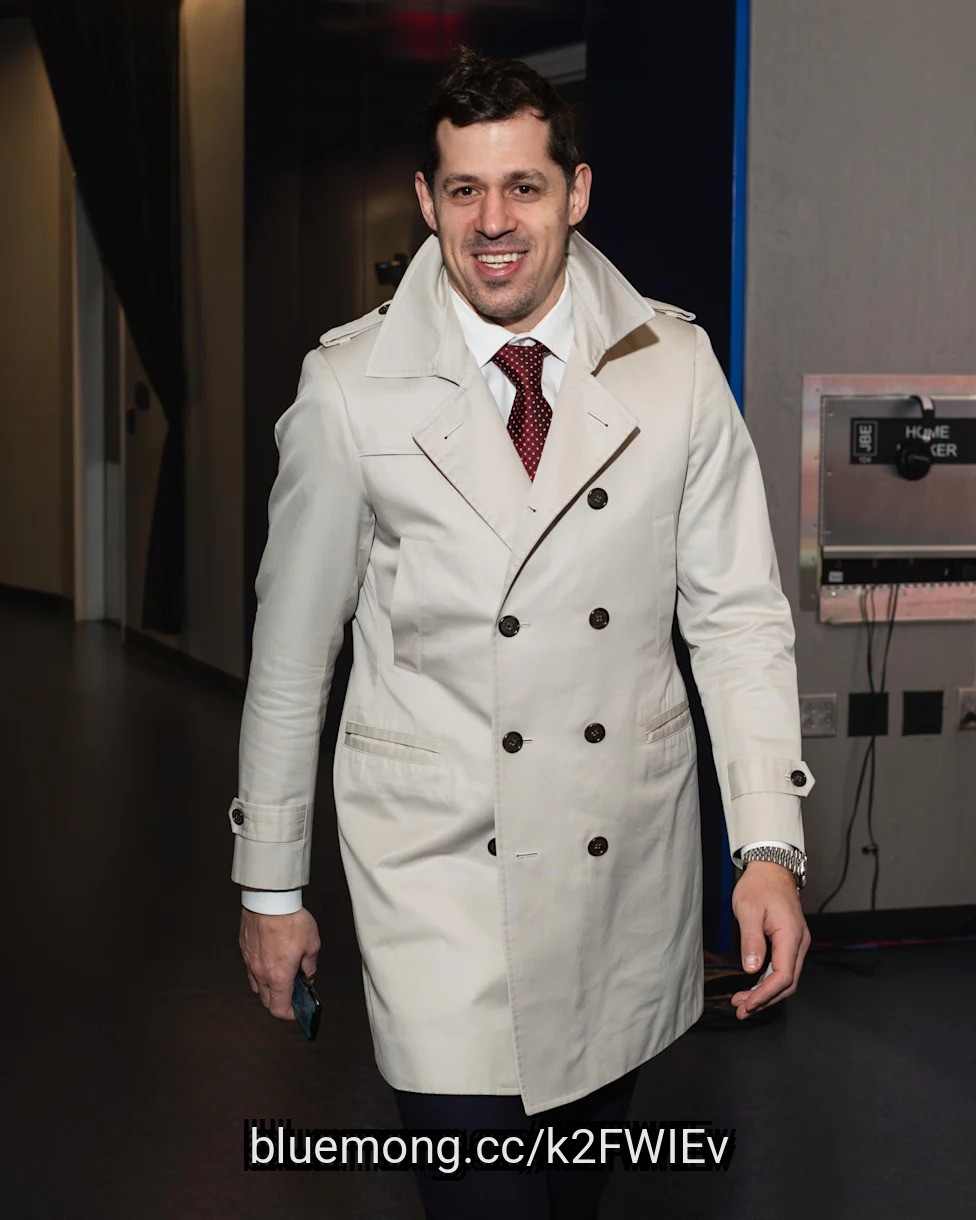

6 days ago
Lucid Group, Inc. (NASDAQ:LCID) is recalling 27,185 of its Air luxury sedans in the U.S. because an exterior lighting circuit could overheat and raise the risk of fire, the National Highway Traffic Safety Administration said on August 28.
NHTSA told owners to park outside and away from structures until a fix is deployed and warned the overheating circuit could also knock out exterior lighting, raising crash risk too. Lucid already released a free over-the-air software update, and NHTSA said 20,719 of the affected vehicles had received it before the announcement.
The recall is Lucid's largest ever, covering more cars than it delivered in all of 2025, when it handed over 15,841 vehicles. It follows a May recall of 2,039 vehicles over lost drive power and a January recall of more than 10,000 vehicles over rearview camera problems.
Lucid Group, Inc. (NASDAQ:LCID)'s top line continues to grow despite its operational challenges, as second-quarter revenue jumped 56% year over year to about $405 million and 44% sequentially. The growth was helped by higher deliveries, a better product mix, a 3.7% increase in average selling price, and $25 million in additional regulatory credit sales. This growth gives Lucid a stronger revenue base as management works to improve the firm's basic economics.
New CEO Silvio Napoli has also introduced a specific turnaround plan with measurable targets. His operational reset plans to generate $1.4 billion in cash-flow improvements this year. It directly addresses problems such as premature product launches, inadequate service investment, and slow responses to quality issues. A more disciplined approach could help Lucid reduce execution problems and rebuild investor confidence.
#lucid #recall #problems #group
NHTSA told owners to park outside and away from structures until a fix is deployed and warned the overheating circuit could also knock out exterior lighting, raising crash risk too. Lucid already released a free over-the-air software update, and NHTSA said 20,719 of the affected vehicles had received it before the announcement.
The recall is Lucid's largest ever, covering more cars than it delivered in all of 2025, when it handed over 15,841 vehicles. It follows a May recall of 2,039 vehicles over lost drive power and a January recall of more than 10,000 vehicles over rearview camera problems.
Lucid Group, Inc. (NASDAQ:LCID)'s top line continues to grow despite its operational challenges, as second-quarter revenue jumped 56% year over year to about $405 million and 44% sequentially. The growth was helped by higher deliveries, a better product mix, a 3.7% increase in average selling price, and $25 million in additional regulatory credit sales. This growth gives Lucid a stronger revenue base as management works to improve the firm's basic economics.
New CEO Silvio Napoli has also introduced a specific turnaround plan with measurable targets. His operational reset plans to generate $1.4 billion in cash-flow improvements this year. It directly addresses problems such as premature product launches, inadequate service investment, and slow responses to quality issues. A more disciplined approach could help Lucid reduce execution problems and rebuild investor confidence.
#lucid #recall #problems #group