2 months ago
Morgan Stanley has cut Novo Nordisk A/S (NYSE:NVO) to Underweight on September 11, 2026. Semaglutide, the underlying molecule for Wegovy and Ozempic, generates roughly 75% of 2026 revenue. Morgan Stanley models that it will still represent 59% of total sales when its patent protection expires in 2031. And according to the firm, the valuation does not price in the impact it has on Novo's terminal value. The stock, currently trading at 10.6x earnings and down 33% from its 52-week high, slipped another 2% following the call. At this point, the question isn't about whether the patent cliff is real or not, but whether the 10x multiple reflects an actual bargain.
Semaglutide loses exclusivity in Europe in 2031 and the US in 2032. And Morgan Stanley believes Novo's oral-obesity business, projected to reach $10 billion by 2031, could not offset the pricing collapse after the arrival of generics. Growth decelerates to a 4% compound rate between 2027 and 2030. If the deceleration continues, it will justify 10x earnings as a fair price instead of a cheap one.
The 10.6x multiple already prices aggressive pessimism into a market leader of one of the fastest-growing drug classes in history. Morgan Stanley fueled the pessimism by discounting a 2031 cliff five years earlier. However, pharmaceutical patent expirations frequently face extensions and prove difficult to time. Second, the ***** umption that oral obesity treatments cannot offset patent losses relies on oral semaglutide being the bridge. But Novo's next-generation portfolio, including CagriSema and amycretin, offers a significant defense against the patent cliff. This remains unproven, however, specifically after CagriSema's earlier weight-loss data failed to impress, yet Morgan Stanley's terminal-value model discounts this pipeline almost entirely. The company is also expanding its franchise. On September 7, the STEP Young trial hit its endpoint in children aged six to twelve, strengthening the base its successors inherit.
The smart money is leaning in. As per the Insider Monkey database, 59 hedge funds held NVO in the second quarter of 2026, up from 55 in the first, indicating a slight increase in the modest institutional interest in the stock. Short interest on the ADR is negligible at about 0.7%. The positioning reflects a beaten-down value stock quietly seeing institutional accumulation while Wall Street turns increasingly bearish.
#semaglutide #oral


2 months ago
On September 7, 2026, Reuters reported that Novo Nordisk A/S (NYSE:NVO) halted two additional trials of its experimental cardiovascular drug ziltivekimab, further denting the Danish drugmaker's efforts to diversify beyond its blockbuster obesity and diabetes franchise.
The move follows a July disclosure that ziltivekimab failed to reduce major adverse cardiovascular events in a late-stage trial. An independent data monitoring committee found a "low likelihood" that the two additional heart-failure studies would produce a different result from that earlier failure, prompting Novo to end them ahead of schedule.
Novo Nordisk A/S (NYSE:NVO) still has one opportunity to create value from its cardiovascular program. The company will continue testing ziltivekimab in patients recovering from a heart attack, with results expected in the first half of 2027. A successful outcome could give Novo another growth opportunity outside its obesity and diabetes franchise.
Novo's core obesity and diabetes business remains the much larger driver of its financial performance. The oral Wegovy pill has already generated more than 2 million prescriptions shortly after its January 2026 launch. It gives Novo an important growth opportunity as the company competes with Eli Lilly in the oral GLP-1 market.
The company can also preserve capital by ending trials that show limited prospects for success. An independent data monitoring committee found a low likelihood that the two heart-failure studies would produce different results from the earlier failed trial. Novo can redirect the resources it would have spent on those studies toward higher-potential programs.
#obesity #diabetes


2 months ago
Investors looking for cheap stocks to buy before the end of 2026 don't have to look too far to find some great investments. There are many top stocks that can make for solid long-term growth investments that are trading at absurdly cheap valuations right now.
Three stocks that are trading at low earnings multiples and that have lots of growth still ahead are Novo Nordisk (NYSE:NVO), Intuit (NASDAQ:INTU), and Reddit (NYSE:RDDT). Here's why these can make for great growth stocks to buy right now.
Missed Nvidia in 2009? This Rare Signal Is Flashing Again. In 2009, a "Double Down" signal flashed for a little-known chipmaker called Nvidia. For the first time in years, that same "Total Conviction" signal is flashing for a company 1/100th the size of Nvidia. Continue »
Image source: Getty Images.
It's been a rough stretch for healthcare company Novo Nordisk, as it has declined about 23% in value over the past 12 months. Investors are questioning its ability to grow and compete alongside its rival, Eli Lilly. Novo was an early leader in the GLP-1 race with Ozempic and Wegovy, but now has lost more than a couple of steps.
#NVIDIA #investors #cheap


2 months ago
Eli Lilly and Company (NYSE:LLY) says its newly launched oral obesity drug Foundayo has captured more than 30% of new U.S. patients starting oral weight-loss medicines, a notable early gain against Novo Nordisk's Wegovy pill. Reuters reports that Wegovy initially held roughly 90% of the oral market, making Lilly's rapid share capture an important sign that the oral GLP-1 market is becoming a two-player competition rather than a Novo-dominated segment. The broader U.S. obesity-drug market is expected to exceed $100 billion annually by 2030, with oral treatments potentially accounting for more than one-third of GLP-1 use.
The timing is strategically important for Lilly because Foundayo was only launched in the U.S. in April 2026. The drug starts at $149 per month for self-pay patients and can cost as little as $25 for eligible commercially insured patients, while Medicare beneficiaries can access it through the GLP-1 Bridge program at $50 per month. Lilly's SEC filing says Mounjaro and Zepbound already represented 65% of its revenue in the first six months of 2026, highlighting both the importance of the incretin franchise and the opportunity for Foundayo to broaden Lilly's cardiometabolic revenue base.
The strongest bullish implication is that Foundayo appears to be overcoming the biggest behavioral barrier in obesity treatment: patients' preference for an oral medicine over an injection. Capturing more than 30% of new oral patients only months after launch suggests Eli Lilly and Company (NYSE:LLY) is establishing meaningful competitive positioning before the oral GLP-1 market fully scales. Foundayo's formulation also has a practical advantage because it can be taken at any time of day without food or water restrictions, while Lilly's clinical data showed an average 27.3-pound, or 12.4%, weight reduction at the highest dose among patients who remained on treatment in ATTAIN-1.
The commercial opportunity could become considerably larger if Foundayo gains indications beyond obesity. Lilly reported that in the ACHIEVE-3 trial, Foundayo produced a 57.1% greater relative reduction in A1C and a 73.6% greater relative reduction in body weight compared with oral semaglutide 14 mg. Lilly submitted Foundayo for type 2 diabetes in the U.S., EU, and **** an, potentially expanding the addressable market beyond weight management.
The early oral-market traction also complements Eli Lilly and Company (NYSE:LLY)'s existing injectable franchise rather than simply cannibalizing it. A Lilly trial found that patients switching from maximum-tolerated Wegovy to Foundayo maintained all but 0.9 kg of their previous weight loss after one year, while patients switching from maximum-dose Zepbound to Foundayo maintained all but 5.0 kg. That suggests Foundayo could serve as a maintenance or lower-burden treatment within Lilly's broader obesity portfolio, increasing lifetime value per patient rather than limiting the opportunity to new prescriptions.
#patients #weight #c


2 months ago
Novo Nordisk A/S (NYSE:NVO)'s decision to rebrand its day-to-day identity as "Novo" and launch a cultural reset is primarily a strategic response to the company's loss of momentum in the obesity-drug market, rather than a financial restructuring in itself. Reuters reports that the company is trying to regain competitiveness as pressure from Eli Lilly intensifies. The move comes as Novo prepares to unveil new strategic ambitions at its September 21 Capital Markets Day, making the cultural reset potentially important if it leads to faster decision-making, stronger commercial execution and a more aggressive R&D approach.
The underlying business still has substantial scale to protect. Novo generated DKK 309.1 billion of 2025 sales and DKK 127.7 billion of operating profit, while obesity-care sales rose 31% at constant exchange rates to DKK 82.3 billion. However, the company also spent around DKK 8 billion on its transformation in 2025, and its diabetes value-market share fell 3.6 percentage points to 30.1%. The reset therefore comes at a critical point: Novo remains the global obesity-market leader, with a 59.6% branded-volume share in 2025, but Lilly is rapidly narrowing the competitive gap.
A successful cultural reset could improve Novo Nordisk A/S (NYSE:NVO)'s execution at a time when the company needs to convert its scientific and commercial ******* ets into faster growth. Reuters reported that CEO Mike Doustdar is already seeking to accelerate R&D and streamline decision-making following investor concerns about the pipeline and competition from Lilly. If the reorganization reduces internal bureaucracy and improves the speed of clinical, regulatory and commercial decisions, it could help Novo extract more value from its existing obesity portfolio while advancing next-generation treatments before the semaglutide patent cliff expected early next decade.
The company also has ******* ets that give a cultural and operational reset something concrete to build around. Wegovy was available in 52 countries by the end of 2025, while the company's higher-dose Wegovy achieved 20.7% weight loss in Phase 3 studies and its oral Wegovy achieved 16.6% weight loss. More recently, Wegovy received approval in China for MASH, expanding its potential beyond weight management and cardiovascular benefits into another large metabolic-disease market. If Novo Nordisk A/S (NYSE:NVO) can combine these products with better execution, the reset could support higher patient volumes and extend the commercial life of its GLP-1 franchise, helping defend revenue and cash flow despite pricing pressure.
#nordisk #lilly


2 months ago
Eli Lilly and Company (NYSE:LLY) says its newly launched oral obesity drug Foundayo has captured more than 30% of new U.S. patients starting oral weight-loss medicines, a notable early gain against Novo Nordisk's Wegovy pill. Reuters reports that Wegovy initially held roughly 90% of the oral market, making Lilly's rapid share capture an important sign that the oral GLP-1 market is becoming a two-player competition rather than a Novo-dominated segment. The broader U.S. obesity-drug market is expected to exceed $100 billion annually by 2030, with oral treatments potentially accounting for more than one-third of GLP-1 use.
The timing is strategically important for Lilly because Foundayo was only launched in the U.S. in April 2026. The drug starts at $149 per month for self-pay patients and can cost as little as $25 for eligible commercially insured patients, while Medicare beneficiaries can access it through the GLP-1 Bridge program at $50 per month. Lilly's SEC filing says Mounjaro and Zepbound already represented 65% of its revenue in the first six months of 2026, highlighting both the importance of the incretin franchise and the opportunity for Foundayo to broaden Lilly's cardiometabolic revenue base.
The strongest bullish implication is that Foundayo appears to be overcoming the biggest behavioral barrier in obesity treatment: patients' preference for an oral medicine over an injection. Capturing more than 30% of new oral patients only months after launch suggests Eli Lilly and Company (NYSE:LLY) is establishing meaningful competitive positioning before the oral GLP-1 market fully scales. Foundayo's formulation also has a practical advantage because it can be taken at any time of day without food or water restrictions, while Lilly's clinical data showed an average 27.3-pound, or 12.4%, weight reduction at the highest dose among patients who remained on treatment in ATTAIN-1.
The commercial opportunity could become considerably larger if Foundayo gains indications beyond obesity. Lilly reported that in the ACHIEVE-3 trial, Foundayo produced a 57.1% greater relative reduction in A1C and a 73.6% greater relative reduction in body weight compared with oral semaglutide 14 mg. Lilly submitted Foundayo for type 2 diabetes in the U.S., EU, and ***** an, potentially expanding the addressable market beyond weight management.
The early oral-market traction also complements Eli Lilly and Company (NYSE:LLY)'s existing injectable franchise rather than simply cannibalizing it. A Lilly trial found that patients switching from maximum-tolerated Wegovy to Foundayo maintained all but 0.9 kg of their previous weight loss after one year, while patients switching from maximum-dose Zepbound to Foundayo maintained all but 5.0 kg. That suggests Foundayo could serve as a maintenance or lower-burden treatment within Lilly's broader obesity portfolio, increasing lifetime value per patient rather than limiting the opportunity to new prescriptions.
#weight

2 months ago
Novo Nordisk A/S (NYSE:NVO)'s decision to rebrand its day-to-day identity as "Novo" and launch a cultural reset is primarily a strategic response to the company's loss of momentum in the obesity-drug market, rather than a financial restructuring in itself. Reuters reports that the company is trying to regain competitiveness as pressure from Eli Lilly intensifies. The move comes as Novo prepares to unveil new strategic ambitions at its September 21 Capital Markets Day, making the cultural reset potentially important if it leads to faster decision-making, stronger commercial execution and a more aggressive R&D approach.
The underlying business still has substantial scale to protect. Novo generated DKK 309.1 billion of 2025 sales and DKK 127.7 billion of operating profit, while obesity-care sales rose 31% at constant exchange rates to DKK 82.3 billion. However, the company also spent around DKK 8 billion on its transformation in 2025, and its diabetes value-market share fell 3.6 percentage points to 30.1%. The reset therefore comes at a critical point: Novo remains the global obesity-market leader, with a 59.6% branded-volume share in 2025, but Lilly is rapidly narrowing the competitive gap.
A successful cultural reset could improve Novo Nordisk A/S (NYSE:NVO)'s execution at a time when the company needs to convert its scientific and commercial ***** ets into faster growth. Reuters reported that CEO Mike Doustdar is already seeking to accelerate R&D and streamline decision-making following investor concerns about the pipeline and competition from Lilly. If the reorganization reduces internal bureaucracy and improves the speed of clinical, regulatory and commercial decisions, it could help Novo extract more value from its existing obesity portfolio while advancing next-generation treatments before the semaglutide patent cliff expected early next decade.
The company also has ***** ets that give a cultural and operational reset something concrete to build around. Wegovy was available in 52 countries by the end of 2025, while the company's higher-dose Wegovy achieved 20.7% weight loss in Phase 3 studies and its oral Wegovy achieved 16.6% weight loss. More recently, Wegovy received approval in China for MASH, expanding its potential beyond weight management and cardiovascular benefits into another large metabolic-disease market. If Novo Nordisk A/S (NYSE:NVO) can combine these products with better execution, the reset could support higher patient volumes and extend the commercial life of its GLP-1 franchise, helping defend revenue and cash flow despite pricing pressure.
#cultural #company #lilly


2 months ago
(NewsNation) — A new study found that a rare but serious brain condition has been identified in a small number of people taking popular weight-loss drugs such as Ozempic, Wegovy, Mounjaro and Zepbound.
Wernicke encephalopathy is a rare neurological disorder caused by a severe deficiency of vitamin B1, also known as thiamine.
GLP-1 prescriptions for kids up more than 30,000% since 2019
Researchers identified 15 cases reported in 2023 and 2024 among people taking GLP-1 medications containing semaglutide, found in Ozempic and Wegovy, or tirzepatide, found in Mounjaro and Zepbound.
Vitamin B1 is essential for proper nerve function. Without enough of it, patients can develop confusion, problems with balance and coordination, and abnormal eye movements.
#zepbound #vitamin #identified

2 months ago
By Amina Niasse
NEW YORK, Aug 25 (Reuters) - About 14% of employers in the United States have already or plan to drop GLP-1 drugs in 2027, as companies see rising healthcare costs, according to a survey released on Tuesday by the Business Group on Health.
Healthcare costs are set to increase 9.2% if employers do not make changes to manage costs in 2027, up from 8.5% in 2026, the group said. Two-thirds of employers surveyed said they saw rising utilization of the drugs.
GLP-1 weight-loss drugs, such as Novo Nordisk's Wegovy and Eli Lilly's Zepbound and Foundayo, help people lose weight by mimicking a hormone that keeps the stomach feeling full. Zepbound and Wegovy cost $499 and $1,349.02, respectively, per month according to list prices on manufacturer websites.
"This represents an unfortunate new reality for employers, who now face growing difficulty in budgeting and forecasting," said Ellen Kelsay, president of the Business Group on Health. "It's a call to take a more disruptive approach and rethink how to deliver value and improved health outcomes."
#group #drugs


2 months ago
(NEXSTAR) – From unexpected babies to "Ozempic teeth," the ultra-popular class of GLP-1 medications is turning out to have a few unanticipated side effects. Emerging research shows the drugs, which have proven effective in treating obesity and diabetes, may also be useful in treating addiction.
The medications' full potential is coming to light as more people are prescribed a GLP-1, which includes the brand names Ozempic, Mounjaro, Wegovy and Zepbound. As 15% of Americans say they've tried a GLP-1, researchers are learning more about how it impacts all aspects of life, not just diet.
"This drug has been available in the medical community since 2005," said Dr. Eugene Lucas, professor and coordinator of the Psychiatric Mental Health Nurse Practitioner Program at Wilkes University. "And over time, when physicians are ordering these medications for people with obesity, diabetes, they're finding that if they have a concurrent addictive disorder, and specifically alcohol, that they're either cutting back or stopping their alcohol use."
A large study of more than 200,000 people in Sweden found using a GLP-1 drug was ***** ociated with a decreased risk of hospitalization from alcohol use disorder.
Another study by researchers at the Washington University School of Medicine, which looked at 600,000 veterans with type 2 diabetes, found the medications were tied to a lower risk of developing any kind of substance use disorder.
#medications #diabetes #disorder #university




2 months ago
Drugmaker Bristol-Myers Squibb Company (NYSE:BMY) is putting real money behind its confidence in American manufacturing. On August 10, the company said it will spend about $2.3 billion on a new plant in Houston, part of a larger $40 billion U.S. investment pledge.
On the very same day, British regulators cleared Eli Lilly and Company (NYSE:LLY)'s weight-loss pill Foundayo for both weight management and type 2 diabetes, making the UK the first country in Europe to approve the drug.
Bristol-Myers Squibb Company (NYSE:BMY)'s new Houston campus, roughly 600,000 square feet, will churn out everything from small-molecule medicines to more complex biologics and antibody-drug conjugates. It is expected to create close to 500 skilled jobs and about 2,000 construction jobs between 2027 and 2030. CEO Christopher Boerner framed it as a vote of confidence in America's biopharma future. The timing lines up with a broader industry trend: drugmakers from Lilly to Johnson & Johnson to Pfizer are all racing to build more in the U.S. as tariff pressure from the Trump administration ramps up.
Eli Lilly took the opposite direction this week, expanding outward instead of inward. Foundayo's UK approval opens a major new market, even though the pill isn't covered by the National Health Service yet and still trails Novo Nordisk's Wegovy pill there.
So which strategy actually serves shareholders better, building strength at home or chasing growth abroad?
#NYSE #myers #squibb #confidence


3 months ago
On August 10, Eli Lilly and Company (NYSE:LLY)'s weight-loss pill Foundayo won approval in the UK, becoming the first country in Europe to clear the drug for both weight management and type 2 diabetes. It's only the second GLP-1 pill approved in Europe, arriving two months after Novo Nordisk A/S (NYSE:NVO)'s Wegovy pill got its own UK approval in June.
Novo already has a head start in the European pill market and in patient numbers worldwide. Lilly is betting that a pill with no food restrictions can close that gap.
That raises the real question: can Lilly's convenience edge actually win over doctors and patients fast enough to catch up, or does Novo Nordisk A/S (NYSE:NVO)'s lead already look too big to close?
Foundayo can be taken at any time of day without food or water restrictions, unlike the Wegovy pill, which must be taken on an empty stomach with a 30-minute wait before eating. Lilly said the drug will launch in the UK later this month through private prescription, priced below Mounjaro's roughly £330 monthly list price. Foundayo already brought in $98 million in US sales last quarter. Eli Lilly and Company (NYSE:LLY)'s overall 2026 revenue guidance now sits at $85 billion to $87 billion, up from its earlier forecast, due to strong demand for its weight-loss and diabetes drugs.
Foundayo's uptake has been much slower than that of the Wegovy pills in the US, something Eli Lilly and Company (NYSE:LLY) CEO David Ricks has said reflects the time it takes for a brand-new medicine to build trust with doctors and patients. NHS access in the UK isn't automatic either, since it depends on a coming cost-effectiveness review. That means most early UK patients will have to pay privately. Foundayo is also still under review in the European Union, while the Wegovy pill has already secured a positive recommendation there.
#pill #wegovy

3 months ago
Originally appeared on E! Online
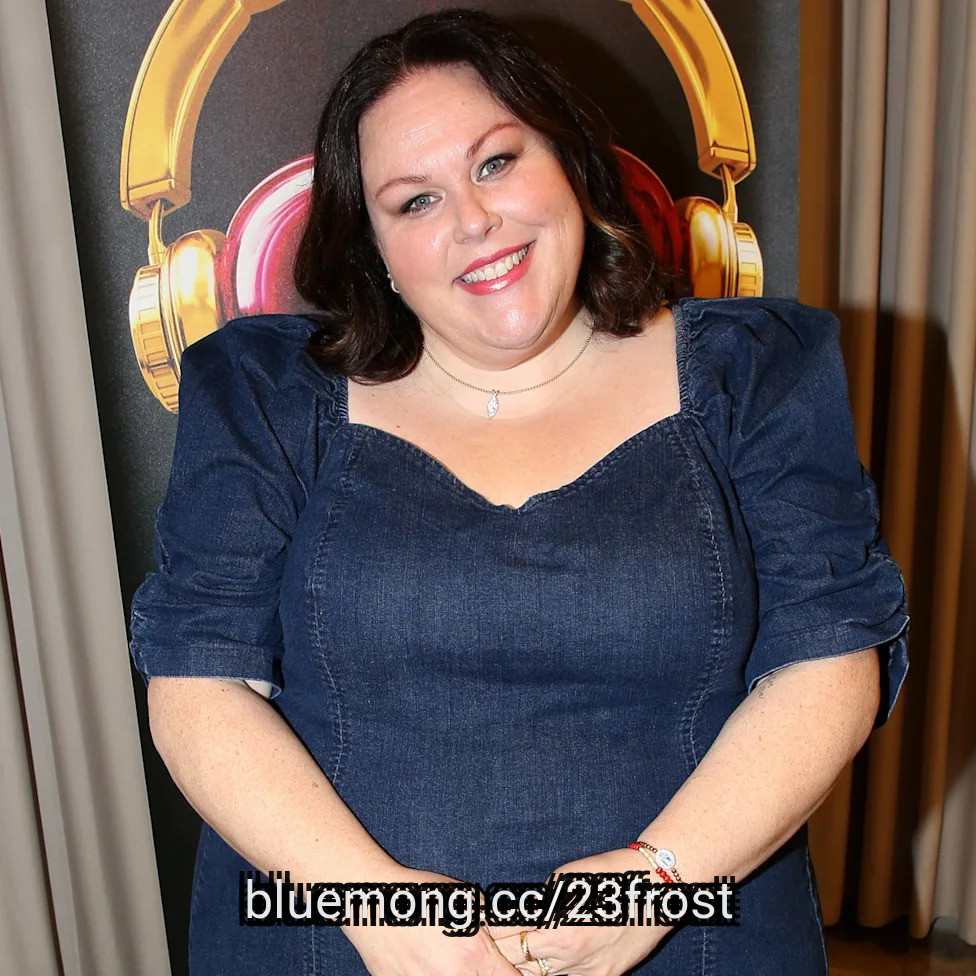
For more than half a decade, Chrissy Metz was determined to avoid the big three.
As in Ozempic, Mounjaro, Wegovy...
Of course, the list of GLP-1 weight loss injectables and the public's ability to rattle them off has vastly expanded since news of oh-oh-oh Ozempic shot to the top of public consciousness in 2023.
By then, the This Is Us star was already pretty well-versed in the type 2 diabetes medications that can be prescribed for weight loss. And also quite averse.
#weight


3 months ago
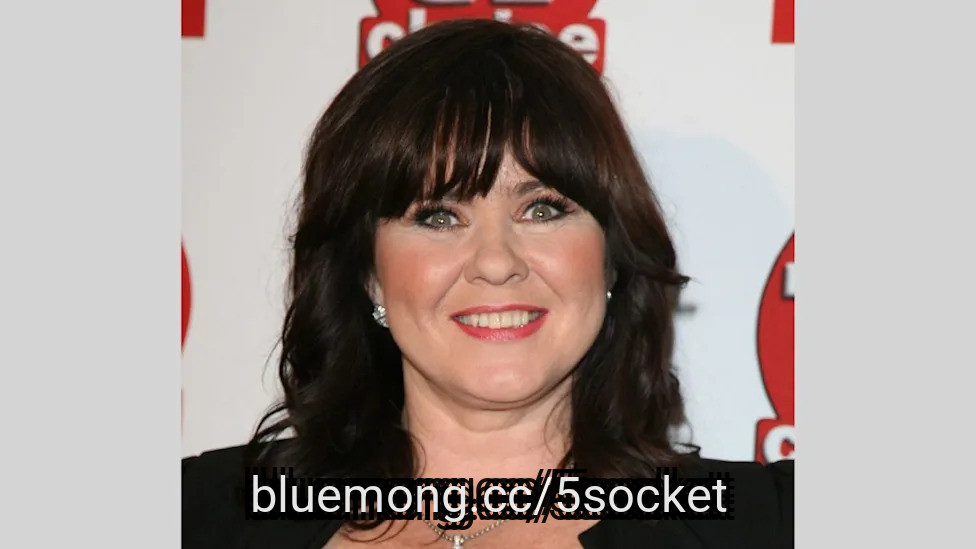
Coleen Nolan has shown off the results of her 3.5-stone weight loss after dropping from a size 20 to a size 14 and reaching the point where she says she no longer wants the number on the scale to fall.
The 61-year-old Loose Women star has documented her transformation throughout 2026 after partnering with clinical weight-loss company Voy. She has said she now has more energy, an improved back and greater confidence in the clothes she wears.
The partnership has also generated speculation because Voy offers prescription weight-loss treatments, including injectable medications. Nolan had previously expressed reservations about weight-loss jabs, but she has never publicly said that she personally used Mounjaro, Wegovy or another injection to achieve her 3.5-stone loss.
What Nolan has said is that a pre-diabetes diagnosis changed how seriously she viewed her health after years of yo-yo dieting. She joined Voy looking for a longer-term approach and has since said she has reached a weight she is happy to maintain.
"I feel so much better health-wise," she told The Sun. "My back's improved, I've got more energy. And confidence-wise, of course it helps." Nolan also made clear that she was no longer trying to continue losing weight.
#stone

3 months ago
After a year at the helm, Novo Nordisk's CEO Maziar Mike Doustdar's task of closing the gap to pacesetter Eli Lilly doesn't look to be getting any easier.
Doustdar joined Novo at the height of spiralling erosion to rivals in the obesity and type 2 diabetes market segments. While the Danish drugmaker has since gained approval for oral Wegovy, a drug that set a record-breaking pace for a glucagon-like peptide-1 receptor agonist (GLP-1RA) at launch, other pipeline products have had mixed clinical results. Earlier this week, cardiovascular disease drug ziltivekimab failed a Phase III trial, while CagriSema fell short in a non-inferiority trial comparing it to Lilly's tirzepatide.
Coupled with ongoing sales decline, dealmaking presents an obvious avenue in which to boost pipeline offerings. Novo has already said it is actively targeting bolt-on acquisitions, with Doustdar reiterating during the Q2 earnings call that large-scale, transformative deals are still a way off.
"I'm very proud of our internal R&D and pipeline, but no company has a monopoly on good ideas. I've also said we are in every data room to try and see who else has a better idea, who else can give us ******* ets that we can bolt on, and complement what [our internal R&D teams] are doing," Doustdar said.
"I'm a person who never starts with a no to one day [being able to conduct transformative M&A], but you have to be in a very different situation than Novo Nordisk is in today," he added.
#pipeline
3 months ago
By Mrinalika Roy and Mariam Sunny
Aug 5 (Reuters) - Sales of Eli Lilly's Zepbound and Mounjaro injectable weight-loss and diabetes drugs soared during the second quarter, easily beating Wall Street estimates and widening the gap with Danish rival Novo Nordisk.
The trillion-dollar company also posted better-than-expected quarterly results and raised its full-year revenue forecast, and its shares jumped over 5% in early trading.
The strong results are likely to reassure investors that demand for Lilly's GLP-1 treatments remains resilient despite pricing pressure and intensifying competition from Novo, which launched an oral version of its Wegovy weight-loss drug in the U.S. earlier this year.
Sales of diabetes drug Mounjaro rose 91% to $9.94 billion, beating ****** ysts' estimates, while obesity drug Zepbound brought in $4.93 billion, compared with expectations of $4.73 billion. The two drugs accounted for 64.7% of Lilly's revenue in the latest reported quarter.
#sales #novo #drugs


3 months ago
Baron Capital, an investment management company, released its Q2 2026 investor letter for the "Baron Health Care Fund". A copy of the letter is available to download here. The Fund gained 11.99% during the quarter, compared with the 10.48% gain for the Russell 3000 Health Care Index and the 15.44% gain for the Russell 3000 Index. Since inception, the Fund appreciated 10.61% on an annualized basis, compared with 10.02% for the Benchmark and 14.83% for the Index. Strong stock selection in pharmaceuticals, biotechnology, health care equipment, and life sciences tools and services supported the Fund's outperformance, although limited exposure to managed care stocks reduced relative returns. The Fund remains positive on health care due to improving biotechnology funding, strong acquisition activity, recovering managed care margins, and growth from an aging population, chronic disease, medical innovation, and higher health care spending. In addition, please check the Fund's top five holdings to know the best picks in 2026.
In its second-quarter 2026 investor letter, Baron Health Care Fund highlighted Eli Lilly and Company (NYSE:LLY) as a notable performance contributor. Eli Lilly and Company (NYSE:LLY) discovers, develops, manufactures, and markets human pharmaceutical products in the United States and internationally. On August 03, 2026, Eli Lilly and Company (NYSE:LLY) closed at $1,121.36 per share. The one-month return of Eli Lilly and Company (NYSE:LLY) was -9.24%, and its shares gained 46.40% over the past 52 weeks. Eli Lilly and Company (NYSE:LLY) has a market capitalization of $1.06 trillion.
Baron Health Care Fund stated the following regarding Eli Lilly and Company (NYSE:LLY) in its Q2 2026 investor letter:
"Pharmaceutical company Eli Lilly and Company (NYSE:LLY), currently best known for its diabetes and obesity GLP-1 therapies, contributed to performance as commercial execution and pipeline data reinforced investor confidence in the company's long-term leadership. All three major pharmacy benefit managers now cover Lilly's obesity portfolio, including its new daily oral GLP-1, Foundayo. This marks a reversal from last summer, when CVS Caremark provided preferred coverage for Novo Nordisk's Wegovy and raised concerns about a potential price war. The shift suggests that patients and physicians prefer Zepbound and are driving demand. Clinical trial data further reinforces our view that Lilly has one of the strongest next-generation metabolic pipelines in the industry. Phase 3 data showed retatrutide delivered weight loss in the high-20% range at higher doses and nearly 20% at lower doses, while maintaining excellent tolerability. We are also excited about eloralintide, where Phase 2 data showed Zepbound-like efficacy and tolerability, with combination data expected soon. Long term, we continue to view Lilly's portfolio as the gold standard in a category that we believe can exceed $150 billion."
#Health #investor #letter

3 months ago
Not every cheap stock is necessarily one worth owning. If you can find the right high-quality, high-yield tickers that are only temporarily beaten down, however, cheap stocks are actually bargains just waiting to be bought.
Here's a rundown of three dirt cheap dividend payers most investors are simply overlooking. That spells opportunity for you.
Missed Nvidia in 2009? This Rare Signal Is Flashing Again. In 2009, a "Double Down" signal flashed for a little-known chipmaker called Nvidia. For the first time in years, that same "Total Conviction" signal is flashing for a company 1/100th the size of Nvidia. Continue »
It's not too difficult to figure out why Novo Nordisk (NYSE: NVO) shares are down so much from their 2024 peak. The GLP-1 weight-loss drug race that it helped start has since turned incredibly competitive, so much so that Novo's now losing market share to rival Eli Lilly (NYSE: LLY) (and others) within a business it largely built, forcing price cuts. Investors are also concerned about the limited expansion of Wegovy's label in this environment.
More recently, Novo's decision to file a lawsuit against Lilly (claiming that its top competitor's GLP-1 drug's advertising is misleading) may be valid, but it also suggests a certain degree of concerning desperation. Never even mind the fact that 2026 is now being seen as a "reset" year far sooner than a reset should have been necessary for the company.
#cheap #flashing #high

4 months ago
Novo Nordisk (NYSE:NVO) has filed a federal lawsuit against Eli Lilly, alleging that its rival's advertising campaigns for blockbuster GLP-1 obesity and diabetes drugs mislead consumers about the effectiveness of competing treatments.
The complaint, filed on July 21, 2026, in the US District Court for the District of New Jersey, challenges nationwide advertisements for Lilly's Zepbound and Mounjaro that Novo claims rely on outdated clinical trial data and create an inaccurate comparison between the companies' medicines.
Novo alleges that Lilly's campaigns compare the highest approved doses of its drugs with lower doses of Novo's treatments, while excluding newer data from higher-dose versions of Wegovy. The company argues that the advertisements give consumers the impression that Lilly's medicines deliver superior weight-loss results, despite newer evidence showing more comparable outcomes at higher doses.
The lawsuit specifically targets advertisements comparing Zepbound's 10 mg and 15 mg doses with Wegovy's earlier 1.7 mg and 2.4 mg doses, while not including data from Wegovy's newer 7.2 mg dose. Novo also argues that comparisons between Mounjaro and Ozempic do not account for Ozempic's higher 2 mg maintenance dose.
According to separate late-stage trial data cited by Reuters, patients receiving Lilly's highest Zepbound dose lost around 48 pounds on average, while those receiving Novo's higher-dose Wegovy formulation lost around 47 pounds.
#data #advertisements


4 months ago
For the first time in the program's history, Medicare is covering weight-loss drugs, and the price tag looks almost too good to pass up.
Beginning July 1, eligible Part D enrollees can access medications including Wegovy, Foundayo, and the Zepbound KwikPen for a flat $50 monthly copay through a temporary federal demonstration called the Medicare GLP-1 (glucagon-like peptide-1) Bridge.
That is a massive discount compared to the retail price of these drugs, which can exceed $1,000 per month without insurance coverage.
It arrives at a moment when roughly 56% of GLP-1 users say affordability is a significant challenge, a poll from KFF, the health policy research organization, found.
But this is not traditional Part D coverage, and the distinction creates financial consequences that could blindside enrollees who ******* ume the program works like every other Medicare prescription benefit they have used.
#part #drugs


4 months ago
Novo Nordisk Inc. (NYSE:NVO) has filed a lawsuit against Eli Lilly and Company (NYSE:LLY) and Lilly USA, LLC, accusing its rival of false advertising and unfair competition in a dispute over marketing claims for their leading GLP-1 medicines.
The complaint, filed in the U.S. District Court for the District of New Jersey, alleges that Lilly's direct-to-consumer advertising campaigns for Zepbound and Mounjaro misrepresent comparative clinical data by excluding information about higher-dose versions of Novo Nordisk's competing treatments, Wegovy and Ozempic.
According to the lawsuit, Lilly's advertising compares the highest approved doses of Zepbound and Mounjaro with lower-dose versions of Novo Nordisk's therapies, while omitting more recently approved or higher-dose alternatives.
Novo Nordisk argues that Zepbound advertisements compare Lilly's 10 mg and 15 mg doses against Wegovy doses of 1.7 mg and 2.4 mg but exclude the FDA-approved 7.2 mg injectable dose of Wegovy, which received approval in March 2026 and demonstrated an average body weight reduction of 19%, or approximately 47 pounds, during clinical studies.
The complaint also alleges that Lilly's Mounjaro advertising compares the maximum 15 mg dose with only the 1 mg version of Ozempic, without referencing the FDA-approved 2 mg maintenance dose that has been available for several years.
#mounjaro #wegovy #doses #nordisk

4 months ago
By Chris Prentice and Mariam Sunny
NEW YORK, July 22 (Reuters) - Many patients have opted for injectable forms of the wildly popular GLP-1 obesity medications through a pilot program of the U.S. government's Medicare health insurance program for Americans aged 65 and older, according to early indications from doctors and analysts.
The U.S. Centers for Medicare & Medicaid Services this month launched an 18-month trial program that for the first time opens access to Novo Nordisk's Wegovy and Eli Lilly's Foundayo and Zepbound as weight-loss treatment alone for a monthly cost of $50.
Millions of people are expected to qualify, and doctors are already being flooded with interest from patients aged 65 and older. For the most part, they say the process is going well — with some hiccups.
Many pharmaceutical industry experts had expected that patients would prefer pills over injections, for convenience. Novo's U.S. chief Jamey Millar in June said the firm's research indicated that Medicare beneficiaries prefer the oral pill to the injectable on a two-to-one basis.
#medicare #patients #program #older

4 months ago
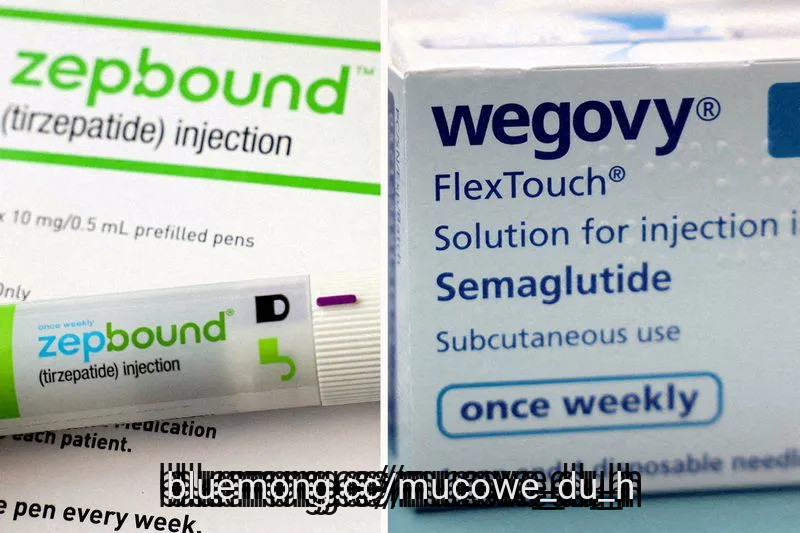
Weight-loss medications have surged in popularity over the last few years, with more than two million people in the UK now using them.
But while drugs like Wegovy and Mounjaro have helped people reduce their weight, they also seem to be reshaping some users' spending habits.
Mounjaro and Wegovy - the UK's most popular weight-loss medications - work by mimicking a natural hormone, GLP-1, which regulates hunger, and those who use them say they find their appetite is reduced.
In June, market research company Worldpanel by Numerator published a study looking at how this affects grocery spending among UK users. The research was based on survey responses and observed purchase data from more than 11,000 households in February.
A key finding was that households with at least one GLP-1 user spent on average £418 less on groceries in the year after they began their medication, compared with non-users.



4 months ago
By Chris Prentice and Amina Niasse
NEW YORK, July 1 (Reuters) - Millions more Americans will qualify for obesity medications at just $50 a month under a new Medicare program starting on Wednesday, bringing the highly effective drugs to people aged 65 and older at an affordable price.
The U.S. Centers for Medicare & Medicaid Services' 18-month trial program will offer for the first time Novo Nordisk's Wegovy and Eli Lilly's Foundayo and Zepbound as a weight-loss treatment alone.
Medicare, which also covers people with disabilities, has been barred from weight-loss coverage and had paid for the drugs only when prescribed for co-conditions like cardiovascular issues and severe fatty liver disease. Now the program offers three pathways for some Medicare subscribers to qualify for coverage.
Eligible patients are estimated in the single-digit millions, a U.S. official said recently. Wall Street **** ysts estimate that will amount to billions of dollars in revenue for the drugmakers.


4 months ago
(NewsNation) — Millions of women are using GLP-1 drugs like Ozempic and Wegovy to lose weight during menopause, but a bone health expert says the combination could set women up for fractures down the road.
Wendy Kohrt, a bone health researcher at the University of Colorado Anschutz School of Medicine, says menopause and GLP-1 weight loss trends are colliding to create "a perfect storm" for women's skeletons.
"Postmenopausal women are already at a time of life when they're losing bone at an accelerated rate," she told UCHealth Today. "They are seeking a treatment with GLP-1 drugs that will likely accelerate bone loss even more."
GLP-1 drugs linked to boosting testosterone, sperm count in men
Postmenopausal women already lose bone faster than usual, and now many are adding a drug that speeds up weight loss, which can cause bone loss.



4 months ago
Novo Nordisk A/S (NYSE:NVO) is one of the best low volatility stocks to buy under $50. Novo Nordisk A/S (NYSE:NVO) announced on June 11 that the Wegovy® pill has been approved in the UK as an adjunct to a reduced-calorie diet and increased physical activity, offering a first-of-its-kind alternative to injectable treatments for adults. The United Kingdom's Medicines and Healthcare products Regulatory Agency (MHRA) approved the Wegovy® pill. Wegovy is an oral glucagon-like peptide-1 receptor agonist licensed for weight management in adults living with obesity (initial Body Mass Index (BMI) ≥30 kg/m2), or overweight (BMI ≥27 kg/m2 to


4 months ago
We recently compiled a list of the 10 Best Weight Loss Drug Stocks to Buy in 2026. Novo Nordisk A/S (NYSE:NVO) is one of the best weight loss drugs on this list.
TheFly reported on June 16 that Berenberg increased its price target for NVO shares to DKK 325 from DKK 300 while maintaining its Buy rating on the stock.
Separately, on June 11, Novo Nordisk A/S (NYSE:NVO) announced that the Medicines and Healthcare products Regulatory Agency (MHRA) approved the oral version of Wegovy for weight management in adults living with obesity or overweight individuals with at least one related health condition. The approval allows the Wegovy pill to be used alongside a reduced-calorie diet and increased physical activity, providing a new non-injectable option for patients seeking weight-loss treatment.
Khosro/Shutterstock.com
The daily oral glucagon-like peptide-1 (GLP-1) receptor agonist represents an alternative to injectable therapies currently used for obesity management. The MHRA decision was supported by results from the OASIS 4 Phase 3 clinical trial, which evaluated the effectiveness of the treatment. The approval expands NVO's obesity treatment portfolio and introduces a more convenient delivery method for eligible patients.

5 months ago
(NewsNation) — Researchers said they have developed a minimally invasive procedure that may help people keep weight off after stopping popular medications like Ozempic and semaglutide, addressing one of the biggest challenges facing the multibillion-dollar weight-loss drug industry.
The procedure, called duodenal mucosal resurfacing, uses controlled heat to renew the lining of the upper small intestine, potentially "resetting" a person's metabolism to prevent the common weight regain that occurs when patients discontinue GLP-1 medications.
"Finding a treatment that allows patients to stop these medications without weight regain or loss of metabolic benefit is a huge unmet need," said Dr. Shelby Sullivan, director of the Endoscopic Bariatric and Metabolic Program at Dartmouth Health Weight Center and lead author of the research said.
Is an AI doctor prescribing medication without a human physician?
Nearly 70% of people who stop GLP-1 medications like Ozempic and Wegovy regain much of the weight they lost, often within 18 months. The cost of ongoing medication, side effects and a reluctance to take drugs indefinitely drive many patients to discontinue use.


5 months ago
Among those taking GLP-1 medications for weight loss, exercise rates are decreasing, according to new research.
The study, set to be presented at ENDO 2026 (the Endocrine Society's annual meeting) in Chicago this week, found that adults with obesity who lost weight with a GLP-1, such as Ozempic or Wegovy, "significantly reduced" their physical activity.
In an Endocrine Society press release, study lead Sajana Maharjan, MD, of HSHS St. John's Hospital in Springfield, Illinois, noted that GLP-1 drugs like semaglutide, liraglutide, dulaglutide and tirzepatide reduce both fat and lean muscle mass.
'Wild West' Peptide Craze Surges Beyond Glp-1s As Fda Faces Pressure To Ease Access
This means physical activity is "essential for preserving strength and long-term health," she said.


11 months ago
New WHO guidance signals major shift in obesity treatment
The World Health Organization on Monday released new guidance on GLP-1 medications for adults with obesity, recommending their long-term, continuous use when clinically appropriate. The medications covered include semaglutide (Wegovy), liraglutide (Saxenda) and tirzepatide (Zepbound).
The recommendations, published in the medical journal JAMA, emphasize that these medications alone are not a solution to treating the global obesity epidemic. Obesity is a chronic disease that needs lifelong care and is best treated with long-term GLP-