
3 hours ago
Pharming Group N.V. (NASDAQ:PHAR) announced on September 11 that the U.S. Food and Drug Administration approved Joenja for children aged 4–11 with activated PI3K delta syndrome, or APDS, who weigh at least 27 kilograms. APDS disrupts immune function.
The new 40 mg and 50 mg tablet strengths expand dosing options for Joenja, or leniolisib. The pediatric regimen also includes 70 mg twice daily for children weighing at least 45 kilograms. Pharming Group N.V. (NASDAQ:PHAR) expects the new strengths in October through its existing distribution and patient-support network.
The expansion arrives as the revenue mix shifts. Second-quarter Joenja revenue increased 40% year over year to $17.9 million, while RUCONEST revenue declined 10% to $72.3 million. Total revenue fell 3% to $90.2 million. Joenja's growth is substantial, but the larger franchise still determines much of the overall result.
Pharming Group N.V. (NASDAQ:PHAR) can bring the pediatric doses to market through an established commercial platform. Distribution relationships and patient support are already in place, which could allow additional sales without duplicating the infrastructure required for an entirely new product.
The opportunity is to spread those capabilities across more eligible patients while maintaining support for existing users. Incremental revenue could improve commercial efficiency, although pediatric servicing costs will still matter.
#revenue #NASDAQ #joenja #pediatric
The new 40 mg and 50 mg tablet strengths expand dosing options for Joenja, or leniolisib. The pediatric regimen also includes 70 mg twice daily for children weighing at least 45 kilograms. Pharming Group N.V. (NASDAQ:PHAR) expects the new strengths in October through its existing distribution and patient-support network.
The expansion arrives as the revenue mix shifts. Second-quarter Joenja revenue increased 40% year over year to $17.9 million, while RUCONEST revenue declined 10% to $72.3 million. Total revenue fell 3% to $90.2 million. Joenja's growth is substantial, but the larger franchise still determines much of the overall result.
Pharming Group N.V. (NASDAQ:PHAR) can bring the pediatric doses to market through an established commercial platform. Distribution relationships and patient support are already in place, which could allow additional sales without duplicating the infrastructure required for an entirely new product.
The opportunity is to spread those capabilities across more eligible patients while maintaining support for existing users. Incremental revenue could improve commercial efficiency, although pediatric servicing costs will still matter.
#revenue #NASDAQ #joenja #pediatric


6 hours ago
Evommune, Inc. (NYSE:EVMN) announced on September 8 that EVO756 missed its primary endpoint in a randomized, double-blind, placebo-controlled Phase 2b trial involving 121 adults with moderate-to-severe atopic dermatitis. The primary measure was the percentage change from baseline in Eczema Area and Severity Index, or EASI, at week 12. No tested dose met the primary or secondary endpoints, and development in that indication will stop.
Evommune, Inc. (NYSE:EVMN) had already discontinued EVO756 for chronic spontaneous urticaria following a June trial failure. Development continues in migraine prevention. The setbacks place greater weight on EVO301, which has positive Phase 2a eczema data and a Phase 2b study planned for mid-2027.
Evommune, Inc. (NYSE:EVMN) has clinical evidence supporting its next eczema program. In February, the company reported that EVO301 met the primary endpoint in a randomized, double-blind, placebo-controlled Phase 2a trial involving 70 adults. Participants received two intravenous doses or placebo over a 12-week study.
Evommune, Inc. (NYSE:EVMN) reported a 55% EASI reduction with EVO301 versus 22% with placebo at week 12, a difference of 33 percentage points. The study met its prespecified Bayesian success criterion, and a separate conventional ****** ysis showed statistical significance at p
Evommune, Inc. (NYSE:EVMN) had already discontinued EVO756 for chronic spontaneous urticaria following a June trial failure. Development continues in migraine prevention. The setbacks place greater weight on EVO301, which has positive Phase 2a eczema data and a Phase 2b study planned for mid-2027.
Evommune, Inc. (NYSE:EVMN) has clinical evidence supporting its next eczema program. In February, the company reported that EVO301 met the primary endpoint in a randomized, double-blind, placebo-controlled Phase 2a trial involving 70 adults. Participants received two intravenous doses or placebo over a 12-week study.
Evommune, Inc. (NYSE:EVMN) reported a 55% EASI reduction with EVO301 versus 22% with placebo at week 12, a difference of 33 percentage points. The study met its prespecified Bayesian success criterion, and a separate conventional ****** ysis showed statistical significance at p


1 day ago
Pfizer Inc. (NYSE:PFE) and Valneva SE (NASDAQ:VALN) reported on August 14 that the European Medicines Agency has validated the Marketing Authorization Application for PF-07307405, the companies' experimental Lyme disease vaccine candidate, and will now begin the official review.
For a vaccine candidate first proposed in a 2020 collaboration deal between Pfizer Inc. (NYSE:PFE) and French biotech Valneva SE (NASDAQ:VALN), this represents the formal transition from years of clinical development into European regulatory review.
The application is based on the Phase 3 VALOR trial, a placebo-controlled, randomized study of 9,437 participants aged five and older from high-incidence Lyme disease locations in US, Canada, and Europe. Participants got four doses on a phased schedule: one at months 0, 2, and 5-9, followed by a fourth dosage around a year later, shortly before the start of the next Lyme season. Topline data released in March 2026 demonstrated efficacy of over 70% in reducing confirmed Lyme disease cases, with the vaccine generally tolerated and no safety issues detected. However, the statistical picture was less clean than the headline efficacy suggests. The first prespecified **** ysis, which served as the primary endpoint, showed 73.2% efficacy but failed the trial's predefined statistical criterion because the lower bound of the 95% confidence interval was 15.8%, below the required 20%. A second prespecified **** ysis showed 74.8% efficacy and did meet that threshold.
Valneva SE (NASDAQ:VALN), the smallest of the two partners, views the vaccine as a clean competitive setup. According to the company, PF-07307405 is the most advanced Lyme disease vaccine candidate currently in clinical development, a rare spot in the vaccine industry where new entrants often face competition from existing treatments. Under the terms of the 2020 partnership and license agreement, Pfizer Inc. (NYSE:PFE) will have exclusive rights to produce and commercialize the vaccine if it is approved, while Valneva SE (NASDAQ:VALN) will benefit as a development partner.
The institutional stance is very different between the two companies, reflecting their very different sizes. Pfizer Inc. (NYSE:PFE) is still a strong name in the institutional **** e, with hedge fund ownership stable at 83 funds in the second quarter of 2026, the same as the first quarter, reflecting its position as a large, diversified pharmaceutical holding, rather than a name driven by a specific pipeline event. Valneva SE (NASDAQ:VALN), however, has little hedge fund exposure, with only 4 funds holding a position in the second quarter, up from 1 in the first quarter, reflecting the continued lack of visibility of the smaller partner among institutional investors.
#vaccine #pfizer #NYSE
For a vaccine candidate first proposed in a 2020 collaboration deal between Pfizer Inc. (NYSE:PFE) and French biotech Valneva SE (NASDAQ:VALN), this represents the formal transition from years of clinical development into European regulatory review.
The application is based on the Phase 3 VALOR trial, a placebo-controlled, randomized study of 9,437 participants aged five and older from high-incidence Lyme disease locations in US, Canada, and Europe. Participants got four doses on a phased schedule: one at months 0, 2, and 5-9, followed by a fourth dosage around a year later, shortly before the start of the next Lyme season. Topline data released in March 2026 demonstrated efficacy of over 70% in reducing confirmed Lyme disease cases, with the vaccine generally tolerated and no safety issues detected. However, the statistical picture was less clean than the headline efficacy suggests. The first prespecified **** ysis, which served as the primary endpoint, showed 73.2% efficacy but failed the trial's predefined statistical criterion because the lower bound of the 95% confidence interval was 15.8%, below the required 20%. A second prespecified **** ysis showed 74.8% efficacy and did meet that threshold.
Valneva SE (NASDAQ:VALN), the smallest of the two partners, views the vaccine as a clean competitive setup. According to the company, PF-07307405 is the most advanced Lyme disease vaccine candidate currently in clinical development, a rare spot in the vaccine industry where new entrants often face competition from existing treatments. Under the terms of the 2020 partnership and license agreement, Pfizer Inc. (NYSE:PFE) will have exclusive rights to produce and commercialize the vaccine if it is approved, while Valneva SE (NASDAQ:VALN) will benefit as a development partner.
The institutional stance is very different between the two companies, reflecting their very different sizes. Pfizer Inc. (NYSE:PFE) is still a strong name in the institutional **** e, with hedge fund ownership stable at 83 funds in the second quarter of 2026, the same as the first quarter, reflecting its position as a large, diversified pharmaceutical holding, rather than a name driven by a specific pipeline event. Valneva SE (NASDAQ:VALN), however, has little hedge fund exposure, with only 4 funds holding a position in the second quarter, up from 1 in the first quarter, reflecting the continued lack of visibility of the smaller partner among institutional investors.
#vaccine #pfizer #NYSE


2 days ago
Pfizer Inc. (NYSE:PFE) and Valneva SE (NASDAQ:VALN) reported on August 14 that the European Medicines Agency has validated the Marketing Authorization Application for PF-07307405, the companies' experimental Lyme disease vaccine candidate, and will now begin the official review.
For a vaccine candidate first proposed in a 2020 collaboration deal between Pfizer Inc. (NYSE:PFE) and French biotech Valneva SE (NASDAQ:VALN), this represents the formal transition from years of clinical development into European regulatory review.
The application is based on the Phase 3 VALOR trial, a placebo-controlled, randomized study of 9,437 participants aged five and older from high-incidence Lyme disease locations in US, Canada, and Europe. Participants got four doses on a phased schedule: one at months 0, 2, and 5-9, followed by a fourth dosage around a year later, shortly before the start of the next Lyme season. Topline data released in March 2026 demonstrated efficacy of over 70% in reducing confirmed Lyme disease cases, with the vaccine generally tolerated and no safety issues detected. However, the statistical picture was less clean than the headline efficacy suggests. The first prespecified **** ysis, which served as the primary endpoint, showed 73.2% efficacy but failed the trial's predefined statistical criterion because the lower bound of the 95% confidence interval was 15.8%, below the required 20%. A second prespecified **** ysis showed 74.8% efficacy and did meet that threshold.
Valneva SE (NASDAQ:VALN), the smallest of the two partners, views the vaccine as a clean competitive setup. According to the company, PF-07307405 is the most advanced Lyme disease vaccine candidate currently in clinical development, a rare spot in the vaccine industry where new entrants often face competition from existing treatments. Under the terms of the 2020 partnership and license agreement, Pfizer Inc. (NYSE:PFE) will have exclusive rights to produce and commercialize the vaccine if it is approved, while Valneva SE (NASDAQ:VALN) will benefit as a development partner.
The institutional stance is very different between the two companies, reflecting their very different sizes. Pfizer Inc. (NYSE:PFE) is still a strong name in the institutional **** e, with hedge fund ownership stable at 83 funds in the second quarter of 2026, the same as the first quarter, reflecting its position as a large, diversified pharmaceutical holding, rather than a name driven by a specific pipeline event. Valneva SE (NASDAQ:VALN), however, has little hedge fund exposure, with only 4 funds holding a position in the second quarter, up from 1 in the first quarter, reflecting the continued lack of visibility of the smaller partner among institutional investors.
#disease
For a vaccine candidate first proposed in a 2020 collaboration deal between Pfizer Inc. (NYSE:PFE) and French biotech Valneva SE (NASDAQ:VALN), this represents the formal transition from years of clinical development into European regulatory review.
The application is based on the Phase 3 VALOR trial, a placebo-controlled, randomized study of 9,437 participants aged five and older from high-incidence Lyme disease locations in US, Canada, and Europe. Participants got four doses on a phased schedule: one at months 0, 2, and 5-9, followed by a fourth dosage around a year later, shortly before the start of the next Lyme season. Topline data released in March 2026 demonstrated efficacy of over 70% in reducing confirmed Lyme disease cases, with the vaccine generally tolerated and no safety issues detected. However, the statistical picture was less clean than the headline efficacy suggests. The first prespecified **** ysis, which served as the primary endpoint, showed 73.2% efficacy but failed the trial's predefined statistical criterion because the lower bound of the 95% confidence interval was 15.8%, below the required 20%. A second prespecified **** ysis showed 74.8% efficacy and did meet that threshold.
Valneva SE (NASDAQ:VALN), the smallest of the two partners, views the vaccine as a clean competitive setup. According to the company, PF-07307405 is the most advanced Lyme disease vaccine candidate currently in clinical development, a rare spot in the vaccine industry where new entrants often face competition from existing treatments. Under the terms of the 2020 partnership and license agreement, Pfizer Inc. (NYSE:PFE) will have exclusive rights to produce and commercialize the vaccine if it is approved, while Valneva SE (NASDAQ:VALN) will benefit as a development partner.
The institutional stance is very different between the two companies, reflecting their very different sizes. Pfizer Inc. (NYSE:PFE) is still a strong name in the institutional **** e, with hedge fund ownership stable at 83 funds in the second quarter of 2026, the same as the first quarter, reflecting its position as a large, diversified pharmaceutical holding, rather than a name driven by a specific pipeline event. Valneva SE (NASDAQ:VALN), however, has little hedge fund exposure, with only 4 funds holding a position in the second quarter, up from 1 in the first quarter, reflecting the continued lack of visibility of the smaller partner among institutional investors.
#disease


4 days ago
Amgen Inc. (NASDAQ:AMGN) shed roughly $12 billion in market value after hours on September 4, 2026. The stock declined by about 5% to $415. The reason, as strange as it sounds, is a drug it does not own. Novartis announced that pelacarsen, an Lp(a)-lowering therapy, missed its Phase 3 cardiovascular-outcomes trial, Lp(a)HORIZON. And since Amgen's late-stage ******* et olpasiran relies on the same biological premise, investors immediately marked down Amgen on the negative read-through.
The result strikes at a premise rather than at a product. Pelacarsenhad lowered Lp(a) by roughly 80% in earlier studies. In Lp(a)HORIZON, Novartis said pelacarsen substantially lowered Lp(a), but it still failed to reduce the composite of cardiovascular death, heart attack, stroke, and urgent revascularization. It still could not reduce the composite of cardiovascular death, heart attack, stroke, and urgent revascularization. And now the entire hypothesis that lowering Lp(a), a genetic cardiovascular risk factor, actually cuts events, is being directly challenged. Olpasiran is built on the same hypothesis, leading to the repricing of odds as soon as pelacarsen's data were out.
Amgen's olpasiran, an siRNA, lowered Lp(a) by more than 95% at certain doses in Phase 2, compared with reductions of roughly 80% for pelacarsen in earlier studies. The bull case is that this deeper reduction could help olpasiran deliver better cardiovascular outcomes.. The bull case is that this 15% will help Amgen to make a deeper cut and deliver results. While biologically possible, the Lp(a)HORIZON trial provided no evidence that a clinical threshold exists above an 80% reduction. The topline Phase 3 announcement did not establish that deeper Lp(a) lowering would have produced a cardiovascular benefit. It is therefore appropriate to say that the miss lowered olpasiran's probability of success rather than pretending it is irrelevant. Eli Lilly's lepodisiran is running the same deep-reduction experiment, so the hypothesis will be tested with or without Amgen.
Amgen is not an Lp(a) pure-play. MariTide in obesity, Repatha in cholesterol, and Tezspire in asthma drive more value for the company, and this diversification creates a cushion for the stock, although the selloff ultimately became much larger than the initial 5% after-hours reaction. Positioning has stayed calm since the beginning of 2026. Insider Monkey data shows 66 hedge funds held AMGN in the second quarter of 2026, up slightly from 65 in the first. Short interest, on the other hand, sits at just 2.4% of float, reflecting minimal bets against the stock in the market.
#horizon #pelacarsen
The result strikes at a premise rather than at a product. Pelacarsenhad lowered Lp(a) by roughly 80% in earlier studies. In Lp(a)HORIZON, Novartis said pelacarsen substantially lowered Lp(a), but it still failed to reduce the composite of cardiovascular death, heart attack, stroke, and urgent revascularization. It still could not reduce the composite of cardiovascular death, heart attack, stroke, and urgent revascularization. And now the entire hypothesis that lowering Lp(a), a genetic cardiovascular risk factor, actually cuts events, is being directly challenged. Olpasiran is built on the same hypothesis, leading to the repricing of odds as soon as pelacarsen's data were out.
Amgen's olpasiran, an siRNA, lowered Lp(a) by more than 95% at certain doses in Phase 2, compared with reductions of roughly 80% for pelacarsen in earlier studies. The bull case is that this deeper reduction could help olpasiran deliver better cardiovascular outcomes.. The bull case is that this 15% will help Amgen to make a deeper cut and deliver results. While biologically possible, the Lp(a)HORIZON trial provided no evidence that a clinical threshold exists above an 80% reduction. The topline Phase 3 announcement did not establish that deeper Lp(a) lowering would have produced a cardiovascular benefit. It is therefore appropriate to say that the miss lowered olpasiran's probability of success rather than pretending it is irrelevant. Eli Lilly's lepodisiran is running the same deep-reduction experiment, so the hypothesis will be tested with or without Amgen.
Amgen is not an Lp(a) pure-play. MariTide in obesity, Repatha in cholesterol, and Tezspire in asthma drive more value for the company, and this diversification creates a cushion for the stock, although the selloff ultimately became much larger than the initial 5% after-hours reaction. Positioning has stayed calm since the beginning of 2026. Insider Monkey data shows 66 hedge funds held AMGN in the second quarter of 2026, up slightly from 65 in the first. Short interest, on the other hand, sits at just 2.4% of float, reflecting minimal bets against the stock in the market.
#horizon #pelacarsen


7 days ago
On August 27, AstraZeneca PLC (NYSE:AZN) and Amgen Inc. (NASDAQ:AMGN) scored a shared clinical victory. Positive high-level results from the Phase III CROSSING trial showed that their co-developed severe asthma drug, TEZSPIRE, achieved statistically significant and clinically meaningful improvements across both co-primary endpoints, histologic remission and the frequency/severity of dysphagia, and all key secondary endpoints at week 24 in patients with eosinophilic esophagitis. These benefits were sustained through week 52 across both tested doses, accompanied by a safety profile consistent with its approved indications. While CROSSING highlights their joint R&D success, a closer look at their standalone financial performance reveals distinct growth trajectories.
Both pharmaceutical giants delivered solid Q2 2026 results, but AstraZeneca is showing stronger overall financial momentum. AstraZeneca PLC (NYSE:AZN)'s Q2 revenue increased 6% year over year to $15.38 billion, supported by its Oncology franchise, which grew 18% in H1 to $14.12 billion, and its Rare Disease portfolio, which increased 13%. Core EPS rose 21% to $2.63, beating expectations, while management reaffirmed its full-year 2026 outlook for mid-to-high single-digit revenue growth and low double-digit Core EPS growth.
Amgen Inc. (NASDAQ:AMGN) reported Q2 revenue of $10.1 billion, up 10% year over year, while non-GAAP EPS increased 4% to $6.29. Although its key growth products advanced 26%, mature products faced significant biosimilar pressure, with Prolia revenue declining 32% and XGEVA falling 34%. Amgen nevertheless raised its 2026 revenue guidance midpoint to $39.4 billion.
Overall, AZN holds the financial edge due to stronger EPS growth, broader portfolio momentum, and less exposure to the biosimilar erosion affecting AMGN's mature products.
Amgen's bull case is supported by robust growth in key products, which increased 26%, and $3.5 billion in Q2 free cash flow, providing substantial capital flexibility. Wells Fargo raised its Amgen price target to $435 from $400 on September 4, citing potential upside from HORIZON and pipeline ****** ets such as olpasiran. New Phase III VESALIUS-CV data also showed Repatha reduced the risk of death by 20% in high-risk adults without a prior heart attack or stroke, with heart attack risk reductions emerging as early as six months. However, accelerating biosimilar competition affecting legacy franchises such as Prolia and XGEVA remains a key risk to sustained margin expansion.
#revenue #astrazeneca #increased #products
Both pharmaceutical giants delivered solid Q2 2026 results, but AstraZeneca is showing stronger overall financial momentum. AstraZeneca PLC (NYSE:AZN)'s Q2 revenue increased 6% year over year to $15.38 billion, supported by its Oncology franchise, which grew 18% in H1 to $14.12 billion, and its Rare Disease portfolio, which increased 13%. Core EPS rose 21% to $2.63, beating expectations, while management reaffirmed its full-year 2026 outlook for mid-to-high single-digit revenue growth and low double-digit Core EPS growth.
Amgen Inc. (NASDAQ:AMGN) reported Q2 revenue of $10.1 billion, up 10% year over year, while non-GAAP EPS increased 4% to $6.29. Although its key growth products advanced 26%, mature products faced significant biosimilar pressure, with Prolia revenue declining 32% and XGEVA falling 34%. Amgen nevertheless raised its 2026 revenue guidance midpoint to $39.4 billion.
Overall, AZN holds the financial edge due to stronger EPS growth, broader portfolio momentum, and less exposure to the biosimilar erosion affecting AMGN's mature products.
Amgen's bull case is supported by robust growth in key products, which increased 26%, and $3.5 billion in Q2 free cash flow, providing substantial capital flexibility. Wells Fargo raised its Amgen price target to $435 from $400 on September 4, citing potential upside from HORIZON and pipeline ****** ets such as olpasiran. New Phase III VESALIUS-CV data also showed Repatha reduced the risk of death by 20% in high-risk adults without a prior heart attack or stroke, with heart attack risk reductions emerging as early as six months. However, accelerating biosimilar competition affecting legacy franchises such as Prolia and XGEVA remains a key risk to sustained margin expansion.
#revenue #astrazeneca #increased #products


7 days ago
Eli Lilly (LLY) stock has gained about 56% over the past year, moving from $722.65 to $1,123.91. Before that run the company was doing something strange. It was deliberately selling less medicine than people wanted to buy, and it kept saying so out loud.
In early February 2025 the CEO said the capacity Lilly had already built was not enough to meet global demand, and that the company was still gating promotion and gating launches around the world. That is a company telling you its reported revenue understates what its products could sell.
The build was landing. Lilly produced more than 1.6 times as many salable incretin doses in the first half of 2025 as it had made in the first half of 2024. The rationed business was already lucrative: trailing-twelve-month operating margin as of fiscal Q2 2025 ran at 42.1%, against its own three-year average of 32.7%. A business earning that much with the tap half closed has an obvious next chapter.
Four weeks before the run began, the CFO was specific about where. Commercial activity behind the recent launches in Brazil, China, India, and Mexico was being kept deliberately measured, so that demand would not outrun supply.
Then look at where the growth landed a year later. In the second quarter of 2026, China revenue grew 93% in constant currency, and rest-of-world revenue grew 136% in constant currency, driven by Mounjaro, primarily in Latin America and Asia. China is on both lists; Latin America and Asia cover the rest. The volume was waiting.
#year #half
In early February 2025 the CEO said the capacity Lilly had already built was not enough to meet global demand, and that the company was still gating promotion and gating launches around the world. That is a company telling you its reported revenue understates what its products could sell.
The build was landing. Lilly produced more than 1.6 times as many salable incretin doses in the first half of 2025 as it had made in the first half of 2024. The rationed business was already lucrative: trailing-twelve-month operating margin as of fiscal Q2 2025 ran at 42.1%, against its own three-year average of 32.7%. A business earning that much with the tap half closed has an obvious next chapter.
Four weeks before the run began, the CFO was specific about where. Commercial activity behind the recent launches in Brazil, China, India, and Mexico was being kept deliberately measured, so that demand would not outrun supply.
Then look at where the growth landed a year later. In the second quarter of 2026, China revenue grew 93% in constant currency, and rest-of-world revenue grew 136% in constant currency, driven by Mounjaro, primarily in Latin America and Asia. China is on both lists; Latin America and Asia cover the rest. The volume was waiting.
#year #half


14 days ago
On August 3, Ocular Therapeutix (NASDAQ:OCUL) reported second-quarter 2026 financial results that read as much like a regulatory update as an earnings report. Management confirmed that AXPAXLI, its lead retinal disease candidate, remains on track for a new drug application submission for wet age-related macular degeneration in the fourth quarter of 2026, a plan the FDA effectively signed off on during a Type C meeting held in May. That timeline, paired with new data suggesting patients could need far fewer injections, is the headline. The rest of the report shows what it costs to get there.
AXPAXLI's case rests on the SOL-1 trial, which Ocular describes as the first successful superiority study of a new agent against an approved anti-VEGF therapy since that drug class arrived two decades ago. The FDA's May 2026 meeting minutes confirmed that SOL-1's efficacy and safety data, along with an interim safety look at the SOL-R trial and supporting evidence on axitinib, will be enough to support the NDA filing, and Ocular plans to file under the 505(b)(2) pathway, which could shave up to 60 days off a standard review.
A post hoc ***** ysis of SOL-1 adds a practical argument for the drug: applying SOL-R's stricter rescue criteria, Ocular estimates patients could need up to 72% fewer injections through 60 weeks, or 56% once the two loading doses are counted, than a patient on a typical every-eight-week aflibercept regimen, a gap that matters given that up to 40% of wet AMD patients quit treatment within their first year.
Early market research backs that pitch: about 80% of surveyed retina specialists said they would likely prescribe a drug with AXPAXLI's profile, and more than 90% expect to adopt it within a year of approval. The company says every Tier 1 payer it has engaged, across Medicare Advantage and commercial plans, has floated premium pricing for a more durable option. Underpinning all of it is a cash balance of $598.6 million as of June 30, which management expects to last into 2028.
Getting AXPAXLI to market is expensive, and the quarter showed it. Research and development spending rose to $54.1 million from $51.1 million a year earlier, selling and marketing costs climbed to $17.3 million from $13.7 million, and general and administrative expenses jumped to $22.2 million from $14.3 million, all tied to trial costs and a growing commercial team ahead of a launch that still is not approved. Net loss widened to $78.8 million from $67.8 million in the same quarter of 2025.
#quarter #costs
AXPAXLI's case rests on the SOL-1 trial, which Ocular describes as the first successful superiority study of a new agent against an approved anti-VEGF therapy since that drug class arrived two decades ago. The FDA's May 2026 meeting minutes confirmed that SOL-1's efficacy and safety data, along with an interim safety look at the SOL-R trial and supporting evidence on axitinib, will be enough to support the NDA filing, and Ocular plans to file under the 505(b)(2) pathway, which could shave up to 60 days off a standard review.
A post hoc ***** ysis of SOL-1 adds a practical argument for the drug: applying SOL-R's stricter rescue criteria, Ocular estimates patients could need up to 72% fewer injections through 60 weeks, or 56% once the two loading doses are counted, than a patient on a typical every-eight-week aflibercept regimen, a gap that matters given that up to 40% of wet AMD patients quit treatment within their first year.
Early market research backs that pitch: about 80% of surveyed retina specialists said they would likely prescribe a drug with AXPAXLI's profile, and more than 90% expect to adopt it within a year of approval. The company says every Tier 1 payer it has engaged, across Medicare Advantage and commercial plans, has floated premium pricing for a more durable option. Underpinning all of it is a cash balance of $598.6 million as of June 30, which management expects to last into 2028.
Getting AXPAXLI to market is expensive, and the quarter showed it. Research and development spending rose to $54.1 million from $51.1 million a year earlier, selling and marketing costs climbed to $17.3 million from $13.7 million, and general and administrative expenses jumped to $22.2 million from $14.3 million, all tied to trial costs and a growing commercial team ahead of a launch that still is not approved. Net loss widened to $78.8 million from $67.8 million in the same quarter of 2025.
#quarter #costs


23 days ago
Ultragenyx Pharmaceutical Inc. (NASDAQ:RARE) was up 7.5% in after-hours trading as of approximately 5:33 p.m. ET Wednesday after the FDA approved Genglycos for glycogen storage disease type Ia, or GSDIa. The one-time gene therapy is the first approved treatment designed to address the disorder's underlying cause. It will carry a U.S. list price of approximately $2.7 million per patient and is expected to become available through qualified treatment centers within 30 to 60 days.
The approval gives Ultragenyx Pharmaceutical Inc. (NASDAQ:RARE) first-mover status in a disease the company estimates affects only 1,500 to 2,500 Americans. The commercial question is whether a high-priced treatment for an ultra-rare population can produce meaningful revenue after diagnosis, reimbursement, and treatment-center constraints.
GSDIa prevents the liver from releasing glucose properly, leaving patients dependent on frequent raw-cornstarch doses to avoid potentially life-threatening hypoglycemia. In the Phase 3 GlucoGene trial, Genglycos reduced mean daily cornstarch intake by 41% at Week 48, compared with 10% for placebo, while maintaining glucose control. For Ultragenyx Pharmaceutical Inc. (NASDAQ:RARE), reducing that daily burden creates a clear argument for premium pricing.
Longer-term data also support the treatment's potential durability. At Week 96, the original-treatment group reported a 61% mean reduction from baseline, while the crossover group reported a 61% reduction from Week 48, when it began treatment. Ultragenyx Pharmaceutical Inc. (NASDAQ:RARE) will manufacture the therapy at its Bedford, Massachusetts, facility, giving the company direct control over an important part of the supply chain.
The launch will also test infrastructure that could support future gene therapies. Ultragenyx Pharmaceutical Inc. (NASDAQ:RARE) already sells rare-disease products including Crysvita, Dojolvi, Evkeeza and Mepsevii. Second-quarter revenue reached $214 million, while cash, cash equivalents, and marketable securities totaled $436 million as of June 30. Genglycos therefore enters a functioning commercial organization rather than a first-time launch platform.
#rare #pharmaceutical
The approval gives Ultragenyx Pharmaceutical Inc. (NASDAQ:RARE) first-mover status in a disease the company estimates affects only 1,500 to 2,500 Americans. The commercial question is whether a high-priced treatment for an ultra-rare population can produce meaningful revenue after diagnosis, reimbursement, and treatment-center constraints.
GSDIa prevents the liver from releasing glucose properly, leaving patients dependent on frequent raw-cornstarch doses to avoid potentially life-threatening hypoglycemia. In the Phase 3 GlucoGene trial, Genglycos reduced mean daily cornstarch intake by 41% at Week 48, compared with 10% for placebo, while maintaining glucose control. For Ultragenyx Pharmaceutical Inc. (NASDAQ:RARE), reducing that daily burden creates a clear argument for premium pricing.
Longer-term data also support the treatment's potential durability. At Week 96, the original-treatment group reported a 61% mean reduction from baseline, while the crossover group reported a 61% reduction from Week 48, when it began treatment. Ultragenyx Pharmaceutical Inc. (NASDAQ:RARE) will manufacture the therapy at its Bedford, Massachusetts, facility, giving the company direct control over an important part of the supply chain.
The launch will also test infrastructure that could support future gene therapies. Ultragenyx Pharmaceutical Inc. (NASDAQ:RARE) already sells rare-disease products including Crysvita, Dojolvi, Evkeeza and Mepsevii. Second-quarter revenue reached $214 million, while cash, cash equivalents, and marketable securities totaled $436 million as of June 30. Genglycos therefore enters a functioning commercial organization rather than a first-time launch platform.
#rare #pharmaceutical


24 days ago
Ultragenyx Pharmaceutical Inc. (NASDAQ:RARE) was up 7.5% in after-hours trading as of approximately 5:33 p.m. ET Wednesday after the FDA approved Genglycos for glycogen storage disease type Ia, or GSDIa. The one-time gene therapy is the first approved treatment designed to address the disorder's underlying cause. It will carry a U.S. list price of approximately $2.7 million per patient and is expected to become available through qualified treatment centers within 30 to 60 days.
The approval gives Ultragenyx Pharmaceutical Inc. (NASDAQ:RARE) first-mover status in a disease the company estimates affects only 1,500 to 2,500 Americans. The commercial question is whether a high-priced treatment for an ultra-rare population can produce meaningful revenue after diagnosis, reimbursement, and treatment-center constraints.
GSDIa prevents the liver from releasing glucose properly, leaving patients dependent on frequent raw-cornstarch doses to avoid potentially life-threatening hypoglycemia. In the Phase 3 GlucoGene trial, Genglycos reduced mean daily cornstarch intake by 41% at Week 48, compared with 10% for placebo, while maintaining glucose control. For Ultragenyx Pharmaceutical Inc. (NASDAQ:RARE), reducing that daily burden creates a clear argument for premium pricing.
Longer-term data also support the treatment's potential durability. At Week 96, the original-treatment group reported a 61% mean reduction from baseline, while the crossover group reported a 61% reduction from Week 48, when it began treatment. Ultragenyx Pharmaceutical Inc. (NASDAQ:RARE) will manufacture the therapy at its Bedford, Massachusetts, facility, giving the company direct control over an important part of the supply chain.
The launch will also test infrastructure that could support future gene therapies. Ultragenyx Pharmaceutical Inc. (NASDAQ:RARE) already sells rare-disease products including Crysvita, Dojolvi, Evkeeza and Mepsevii. Second-quarter revenue reached $214 million, while cash, cash equivalents, and marketable securities totaled $436 million as of June 30. Genglycos therefore enters a functioning commercial organization rather than a first-time launch platform.
#treatment
The approval gives Ultragenyx Pharmaceutical Inc. (NASDAQ:RARE) first-mover status in a disease the company estimates affects only 1,500 to 2,500 Americans. The commercial question is whether a high-priced treatment for an ultra-rare population can produce meaningful revenue after diagnosis, reimbursement, and treatment-center constraints.
GSDIa prevents the liver from releasing glucose properly, leaving patients dependent on frequent raw-cornstarch doses to avoid potentially life-threatening hypoglycemia. In the Phase 3 GlucoGene trial, Genglycos reduced mean daily cornstarch intake by 41% at Week 48, compared with 10% for placebo, while maintaining glucose control. For Ultragenyx Pharmaceutical Inc. (NASDAQ:RARE), reducing that daily burden creates a clear argument for premium pricing.
Longer-term data also support the treatment's potential durability. At Week 96, the original-treatment group reported a 61% mean reduction from baseline, while the crossover group reported a 61% reduction from Week 48, when it began treatment. Ultragenyx Pharmaceutical Inc. (NASDAQ:RARE) will manufacture the therapy at its Bedford, Massachusetts, facility, giving the company direct control over an important part of the supply chain.
The launch will also test infrastructure that could support future gene therapies. Ultragenyx Pharmaceutical Inc. (NASDAQ:RARE) already sells rare-disease products including Crysvita, Dojolvi, Evkeeza and Mepsevii. Second-quarter revenue reached $214 million, while cash, cash equivalents, and marketable securities totaled $436 million as of June 30. Genglycos therefore enters a functioning commercial organization rather than a first-time launch platform.
#treatment


1 month ago
Céline Dion says she took high doses of Valium to cope during one period of her battle against stiff-person syndrome.
Dion was diagnosed with the rare autoimmune neurological disorder in August 2022 and went public with the news in December.
"I don't like to say 'disease,'' Dion said of her condition, noting that she has progressed to a point where she can now do Pilates.
Céline Dion is a fighter. But even the "My Heart Will Go On" icon needs a little help sometimes.
In 2022, Dion was diagnosed with the autoimmune neurological disorder stiff-person syndrome, a rare condition that does not have a cure and is progressive, which means symptoms intensify over time.
#line #neurological #disorder
Dion was diagnosed with the rare autoimmune neurological disorder in August 2022 and went public with the news in December.
"I don't like to say 'disease,'' Dion said of her condition, noting that she has progressed to a point where she can now do Pilates.
Céline Dion is a fighter. But even the "My Heart Will Go On" icon needs a little help sometimes.
In 2022, Dion was diagnosed with the autoimmune neurological disorder stiff-person syndrome, a rare condition that does not have a cure and is progressive, which means symptoms intensify over time.
#line #neurological #disorder


1 month ago
WASHINGTON (AP) — Public health experts have been quick to condemn an executive order from President Donald Trump aimed at upending childhood vaccinations in the U.S., but the biggest obstacles may be the unprecedented financial and logistical challenges it would impose on parents, health providers and drugmakers.
Monday's announcement by the Republican president calls for separating combination shots — including the measles, mumps and rubella, or MMR, vaccine — into separate injections. Appointments for that and other vaccinations should be ****** ed out whenever possible, the order states.
To accomplish that, drugmakers would need to revive a slate of individual vaccines that have not been widely used in the U.S. for decades. They would also have to build new manufacturing plants capable of producing millions more vaccine doses than the nation currently uses.
For parents, unbundling the MMR vaccine and ****** ing out the shots would mean returning to the doctor's office many more times than is currently needed. Those appointments could also strain pediatricians who typically administer the shots, while driving up costs tied to syringes and other medical supplies.
Studies in the U.S. and other countries have shown that combination vaccines increase the likelihood that children will be fully protected from infectious diseases before starting school.
#shots #Health #order #vaccinations
Monday's announcement by the Republican president calls for separating combination shots — including the measles, mumps and rubella, or MMR, vaccine — into separate injections. Appointments for that and other vaccinations should be ****** ed out whenever possible, the order states.
To accomplish that, drugmakers would need to revive a slate of individual vaccines that have not been widely used in the U.S. for decades. They would also have to build new manufacturing plants capable of producing millions more vaccine doses than the nation currently uses.
For parents, unbundling the MMR vaccine and ****** ing out the shots would mean returning to the doctor's office many more times than is currently needed. Those appointments could also strain pediatricians who typically administer the shots, while driving up costs tied to syringes and other medical supplies.
Studies in the U.S. and other countries have shown that combination vaccines increase the likelihood that children will be fully protected from infectious diseases before starting school.
#shots #Health #order #vaccinations



1 month ago
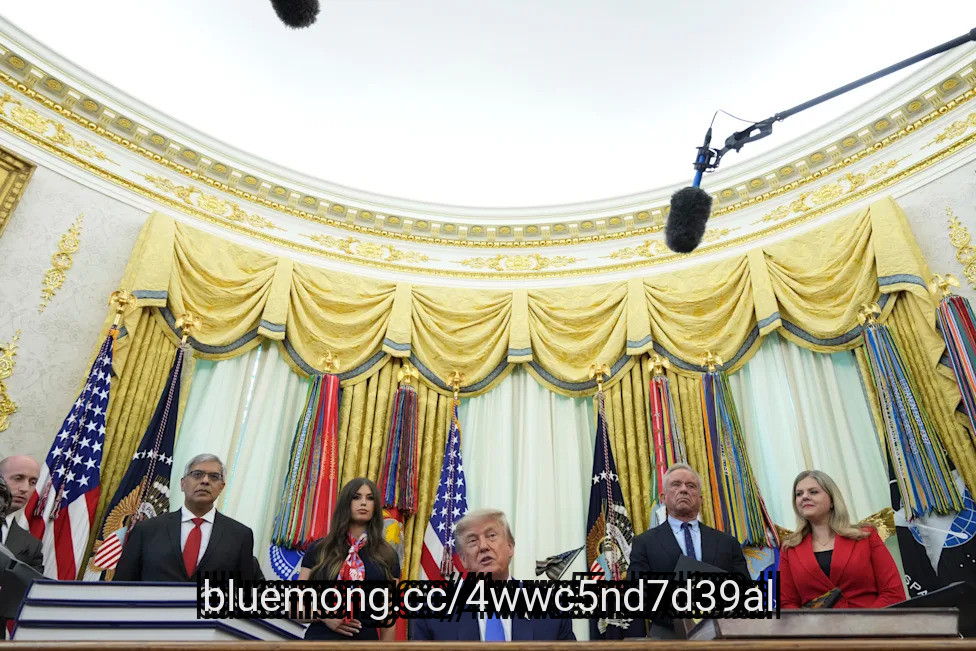
Baron Capital, an investment management company, released its Q2 2026 investor letter for the "Baron Health Care Fund". A copy of the letter is available to download here. The Fund gained 11.99% during the quarter, compared with the 10.48% gain for the Russell 3000 Health Care Index and the 15.44% gain for the Russell 3000 Index. Since inception, the Fund appreciated 10.61% on an annualized basis, compared with 10.02% for the Benchmark and 14.83% for the Index. Strong stock selection in pharmaceuticals, biotechnology, health care equipment, and life sciences tools and services supported the Fund's outperformance, although limited exposure to managed care stocks reduced relative returns. The Fund remains positive on health care due to improving biotechnology funding, strong acquisition activity, recovering managed care margins, and growth from an aging population, chronic disease, medical innovation, and higher health care spending. In addition, please check the Fund's top five holdings to know the best picks in 2026.
In its second-quarter 2026 investor letter, Baron Health Care Fund highlighted Eli Lilly and Company (NYSE:LLY) as a notable performance contributor. Eli Lilly and Company (NYSE:LLY) discovers, develops, manufactures, and markets human pharmaceutical products in the United States and internationally. On August 03, 2026, Eli Lilly and Company (NYSE:LLY) closed at $1,121.36 per share. The one-month return of Eli Lilly and Company (NYSE:LLY) was -9.24%, and its shares gained 46.40% over the past 52 weeks. Eli Lilly and Company (NYSE:LLY) has a market capitalization of $1.06 trillion.
Baron Health Care Fund stated the following regarding Eli Lilly and Company (NYSE:LLY) in its Q2 2026 investor letter:
"Pharmaceutical company Eli Lilly and Company (NYSE:LLY), currently best known for its diabetes and obesity GLP-1 therapies, contributed to performance as commercial execution and pipeline data reinforced investor confidence in the company's long-term leadership. All three major pharmacy benefit managers now cover Lilly's obesity portfolio, including its new daily oral GLP-1, Foundayo. This marks a reversal from last summer, when CVS Caremark provided preferred coverage for Novo Nordisk's Wegovy and raised concerns about a potential price war. The shift suggests that patients and physicians prefer Zepbound and are driving demand. Clinical trial data further reinforces our view that Lilly has one of the strongest next-generation metabolic pipelines in the industry. Phase 3 data showed retatrutide delivered weight loss in the high-20% range at higher doses and nearly 20% at lower doses, while maintaining excellent tolerability. We are also excited about eloralintide, where Phase 2 data showed Zepbound-like efficacy and tolerability, with combination data expected soon. Long term, we continue to view Lilly's portfolio as the gold standard in a category that we believe can exceed $150 billion."
#Health #investor #letter
In its second-quarter 2026 investor letter, Baron Health Care Fund highlighted Eli Lilly and Company (NYSE:LLY) as a notable performance contributor. Eli Lilly and Company (NYSE:LLY) discovers, develops, manufactures, and markets human pharmaceutical products in the United States and internationally. On August 03, 2026, Eli Lilly and Company (NYSE:LLY) closed at $1,121.36 per share. The one-month return of Eli Lilly and Company (NYSE:LLY) was -9.24%, and its shares gained 46.40% over the past 52 weeks. Eli Lilly and Company (NYSE:LLY) has a market capitalization of $1.06 trillion.
Baron Health Care Fund stated the following regarding Eli Lilly and Company (NYSE:LLY) in its Q2 2026 investor letter:
"Pharmaceutical company Eli Lilly and Company (NYSE:LLY), currently best known for its diabetes and obesity GLP-1 therapies, contributed to performance as commercial execution and pipeline data reinforced investor confidence in the company's long-term leadership. All three major pharmacy benefit managers now cover Lilly's obesity portfolio, including its new daily oral GLP-1, Foundayo. This marks a reversal from last summer, when CVS Caremark provided preferred coverage for Novo Nordisk's Wegovy and raised concerns about a potential price war. The shift suggests that patients and physicians prefer Zepbound and are driving demand. Clinical trial data further reinforces our view that Lilly has one of the strongest next-generation metabolic pipelines in the industry. Phase 3 data showed retatrutide delivered weight loss in the high-20% range at higher doses and nearly 20% at lower doses, while maintaining excellent tolerability. We are also excited about eloralintide, where Phase 2 data showed Zepbound-like efficacy and tolerability, with combination data expected soon. Long term, we continue to view Lilly's portfolio as the gold standard in a category that we believe can exceed $150 billion."
#Health #investor #letter


1 month ago
Every year, various media outlets provide their version of specific rankings. Defensive, offensive, positional rankings, power rankings, etc. The Athletic's Mike Sando ranks veteran quarterbacks into tiers every year with help from various NFL executives and coaches. Rookies are excluded as they haven't played a snap in the NFL.
This year's panel consisted of eight general managers, five ******* istant GMs, five former GMs and three other executives, plus nine head coaches, 10 defensive coordinators, five offensive coordinators, two offensive ******* istants, one defensive ******* istant, and two coaches that specialize in ******* ytics and game management for a grand total of 21 executives and 29 coaches.
Last year, Washington Commanders' quarterback Jayden Daniels was ranked as a Tier 2 quarterback, and despite playing in only seven games in 2025, he remains a second-tier quarterback. The panel voted, and Sando ranked the quarterbacks by average vote.
Tier 1 criteria: Carries his team each week, the team wins because of him, expertly handles pure-passing situations, and has no real holes in his game. This category included Josh Allen, Patrick Mahomes, Matt Stafford, and Joe Burrow.
Tier 2 criteria: Carries his team sometimes, handles pure-passing situations in doses, or has other dimensions that elevate him above Tier 3, and has a hole or two in his game. This is where Daniels lands.
#tier #year
This year's panel consisted of eight general managers, five ******* istant GMs, five former GMs and three other executives, plus nine head coaches, 10 defensive coordinators, five offensive coordinators, two offensive ******* istants, one defensive ******* istant, and two coaches that specialize in ******* ytics and game management for a grand total of 21 executives and 29 coaches.
Last year, Washington Commanders' quarterback Jayden Daniels was ranked as a Tier 2 quarterback, and despite playing in only seven games in 2025, he remains a second-tier quarterback. The panel voted, and Sando ranked the quarterbacks by average vote.
Tier 1 criteria: Carries his team each week, the team wins because of him, expertly handles pure-passing situations, and has no real holes in his game. This category included Josh Allen, Patrick Mahomes, Matt Stafford, and Joe Burrow.
Tier 2 criteria: Carries his team sometimes, handles pure-passing situations in doses, or has other dimensions that elevate him above Tier 3, and has a hole or two in his game. This is where Daniels lands.
#tier #year


2 months ago
Romelu Lukaku is about to return from his post-World Cup vacations, and the conversations to sort out his Napoli future, involving also Massimiliano Allegri, will ramp up. The parties are distant from finding a solution, Gazzetta dello Sport informs.
The striker has no plans to spend a campaign backing up Rasmus Hojlund, who was recently bought out for over €40M. The new Partenopei gaffer has exclusively rehearsed schemes featuring just one striker so far. The gaffer has frequently utilized 3-5-2 in his career, but they have a few wingers to employ.
Napoli can't give Lukaku the prominent role he aspires to. At the same time, they have no interest in keeping a reserve with a €11M gross salary. The center-forward seemed surely destined to leave after last season's events, but he had changed his tune earlier in the summer.
The Azzurri suggested extending his contract to dilute his wages to make them more manageable, but they were rebuffed. His exit isn't easy to orchestrate, considering his age, demands, injury history, and €10/12M valuation. The side aims to avoid a loss on its balance sheet. The team is hoping his performances across the pond will help in that regard. He wasn't a full-time starter for Belgium, but still made his presence felt with three goals and one ******* ist.
He's proven he can be dangerous in small doses, but the club also has to weigh other stuff, especially the economic side. Everything points toward an exit, with perhaps Saudi Arabia or the MLS coming to the rescue, if the Azzurri aren't too rigid on his price tag. But, as often happens with him, it'll get messy first.
#striker #time #exit #side
The striker has no plans to spend a campaign backing up Rasmus Hojlund, who was recently bought out for over €40M. The new Partenopei gaffer has exclusively rehearsed schemes featuring just one striker so far. The gaffer has frequently utilized 3-5-2 in his career, but they have a few wingers to employ.
Napoli can't give Lukaku the prominent role he aspires to. At the same time, they have no interest in keeping a reserve with a €11M gross salary. The center-forward seemed surely destined to leave after last season's events, but he had changed his tune earlier in the summer.
The Azzurri suggested extending his contract to dilute his wages to make them more manageable, but they were rebuffed. His exit isn't easy to orchestrate, considering his age, demands, injury history, and €10/12M valuation. The side aims to avoid a loss on its balance sheet. The team is hoping his performances across the pond will help in that regard. He wasn't a full-time starter for Belgium, but still made his presence felt with three goals and one ******* ist.
He's proven he can be dangerous in small doses, but the club also has to weigh other stuff, especially the economic side. Everything points toward an exit, with perhaps Saudi Arabia or the MLS coming to the rescue, if the Azzurri aren't too rigid on his price tag. But, as often happens with him, it'll get messy first.
#striker #time #exit #side

2 months ago
Novo Nordisk (NYSE:NVO) has filed a federal lawsuit against Eli Lilly, alleging that its rival's advertising campaigns for blockbuster GLP-1 obesity and diabetes drugs mislead consumers about the effectiveness of competing treatments.
The complaint, filed on July 21, 2026, in the US District Court for the District of New Jersey, challenges nationwide advertisements for Lilly's Zepbound and Mounjaro that Novo claims rely on outdated clinical trial data and create an inaccurate comparison between the companies' medicines.
Novo alleges that Lilly's campaigns compare the highest approved doses of its drugs with lower doses of Novo's treatments, while excluding newer data from higher-dose versions of Wegovy. The company argues that the advertisements give consumers the impression that Lilly's medicines deliver superior weight-loss results, despite newer evidence showing more comparable outcomes at higher doses.
The lawsuit specifically targets advertisements comparing Zepbound's 10 mg and 15 mg doses with Wegovy's earlier 1.7 mg and 2.4 mg doses, while not including data from Wegovy's newer 7.2 mg dose. Novo also argues that comparisons between Mounjaro and Ozempic do not account for Ozempic's higher 2 mg maintenance dose.
According to separate late-stage trial data cited by Reuters, patients receiving Lilly's highest Zepbound dose lost around 48 pounds on average, while those receiving Novo's higher-dose Wegovy formulation lost around 47 pounds.
#data #advertisements
The complaint, filed on July 21, 2026, in the US District Court for the District of New Jersey, challenges nationwide advertisements for Lilly's Zepbound and Mounjaro that Novo claims rely on outdated clinical trial data and create an inaccurate comparison between the companies' medicines.
Novo alleges that Lilly's campaigns compare the highest approved doses of its drugs with lower doses of Novo's treatments, while excluding newer data from higher-dose versions of Wegovy. The company argues that the advertisements give consumers the impression that Lilly's medicines deliver superior weight-loss results, despite newer evidence showing more comparable outcomes at higher doses.
The lawsuit specifically targets advertisements comparing Zepbound's 10 mg and 15 mg doses with Wegovy's earlier 1.7 mg and 2.4 mg doses, while not including data from Wegovy's newer 7.2 mg dose. Novo also argues that comparisons between Mounjaro and Ozempic do not account for Ozempic's higher 2 mg maintenance dose.
According to separate late-stage trial data cited by Reuters, patients receiving Lilly's highest Zepbound dose lost around 48 pounds on average, while those receiving Novo's higher-dose Wegovy formulation lost around 47 pounds.
#data #advertisements

2 months ago
Novo Nordisk Inc. (NYSE:NVO) has filed a lawsuit against Eli Lilly and Company (NYSE:LLY) and Lilly USA, LLC, accusing its rival of false advertising and unfair competition in a dispute over marketing claims for their leading GLP-1 medicines.
The complaint, filed in the U.S. District Court for the District of New Jersey, alleges that Lilly's direct-to-consumer advertising campaigns for Zepbound and Mounjaro misrepresent comparative clinical data by excluding information about higher-dose versions of Novo Nordisk's competing treatments, Wegovy and Ozempic.
According to the lawsuit, Lilly's advertising compares the highest approved doses of Zepbound and Mounjaro with lower-dose versions of Novo Nordisk's therapies, while omitting more recently approved or higher-dose alternatives.
Novo Nordisk argues that Zepbound advertisements compare Lilly's 10 mg and 15 mg doses against Wegovy doses of 1.7 mg and 2.4 mg but exclude the FDA-approved 7.2 mg injectable dose of Wegovy, which received approval in March 2026 and demonstrated an average body weight reduction of 19%, or approximately 47 pounds, during clinical studies.
The complaint also alleges that Lilly's Mounjaro advertising compares the maximum 15 mg dose with only the 1 mg version of Ozempic, without referencing the FDA-approved 2 mg maintenance dose that has been available for several years.
#mounjaro #wegovy #doses #nordisk
The complaint, filed in the U.S. District Court for the District of New Jersey, alleges that Lilly's direct-to-consumer advertising campaigns for Zepbound and Mounjaro misrepresent comparative clinical data by excluding information about higher-dose versions of Novo Nordisk's competing treatments, Wegovy and Ozempic.
According to the lawsuit, Lilly's advertising compares the highest approved doses of Zepbound and Mounjaro with lower-dose versions of Novo Nordisk's therapies, while omitting more recently approved or higher-dose alternatives.
Novo Nordisk argues that Zepbound advertisements compare Lilly's 10 mg and 15 mg doses against Wegovy doses of 1.7 mg and 2.4 mg but exclude the FDA-approved 7.2 mg injectable dose of Wegovy, which received approval in March 2026 and demonstrated an average body weight reduction of 19%, or approximately 47 pounds, during clinical studies.
The complaint also alleges that Lilly's Mounjaro advertising compares the maximum 15 mg dose with only the 1 mg version of Ozempic, without referencing the FDA-approved 2 mg maintenance dose that has been available for several years.
#mounjaro #wegovy #doses #nordisk


2 months ago
The Buffalo Bills under general manager/team president Brandon Beane have found quite a few late-round gems in the NFL Draft. It's been a point of joking—with some doses of seriousness—that Beane's late-round draft picks have almost been more effective than his premium picks.
At cornerback, for example, the Bills drafted Christian Benford in the sixth round after already having selected Kaiir Elam in round one back in the 2022 NFL Draft. It's fortunate that they did, too, because Elam has been a complete bust in his professional career, while Benford has risen to near-stardom in his.
So, when the Bills took a corner in the first round of the 2025 NFL Draft and then backed it up with another corner in the sixth round of the same draft, there were some feelings of deja vu among the fanbase. Especially when the sixth-round pick earned a starting gig in Week One, albeit under much different circumstances, many fans thought that Beane had once again found a late-round steal at corner.
In today's installment of "91 players in 91 days," we discuss that sixth-round steal, a player whose brief time on the field in 2025 stands as a stark reminder of how quickly things can change in the NFL.
_____________________________________________________________________________
Name:Dorian Strong
At cornerback, for example, the Bills drafted Christian Benford in the sixth round after already having selected Kaiir Elam in round one back in the 2022 NFL Draft. It's fortunate that they did, too, because Elam has been a complete bust in his professional career, while Benford has risen to near-stardom in his.
So, when the Bills took a corner in the first round of the 2025 NFL Draft and then backed it up with another corner in the sixth round of the same draft, there were some feelings of deja vu among the fanbase. Especially when the sixth-round pick earned a starting gig in Week One, albeit under much different circumstances, many fans thought that Beane had once again found a late-round steal at corner.
In today's installment of "91 players in 91 days," we discuss that sixth-round steal, a player whose brief time on the field in 2025 stands as a stark reminder of how quickly things can change in the NFL.
_____________________________________________________________________________
Name:Dorian Strong

3 months ago
ALBUQUERQUE, N.M. (AP) — New Mexico's governor said Monday that state officials could pursue billions of dollars in civil damages after revelations that U.S. Drug Enforcement Administration agents repeatedly allowed shipments of fentanyl to flow into drug-plagued communities as investigators sought to build bigger cases.
Democratic Gov. Michelle Lujan Grisham vowed to take her outrage "right to the White House and Congress" to seek ****** urances the DEA is no longer using the risky law enforcement strategy in New Mexico — and that it is not being replicated elsewhere. Overdoses have surged in New Mexico, even as fentanyl deaths declined in other states.
"This is a stunning failure by the federal government," the governor told reporters at a news conference in the state medical examiner's office in Albuquerque, joining a host of state and local law enforcers and officials demanding answers. "It's disgusting and despicable."
The DEA did not immediately respond to a request for comment.
White House spokesperson Abigail Jackson noted that President Donald Trump has classified fentanyl a "weapon of mass destruction" and signed into law legislation cracking down on the synthetic opioid.
Democratic Gov. Michelle Lujan Grisham vowed to take her outrage "right to the White House and Congress" to seek ****** urances the DEA is no longer using the risky law enforcement strategy in New Mexico — and that it is not being replicated elsewhere. Overdoses have surged in New Mexico, even as fentanyl deaths declined in other states.
"This is a stunning failure by the federal government," the governor told reporters at a news conference in the state medical examiner's office in Albuquerque, joining a host of state and local law enforcers and officials demanding answers. "It's disgusting and despicable."
The DEA did not immediately respond to a request for comment.
White House spokesperson Abigail Jackson noted that President Donald Trump has classified fentanyl a "weapon of mass destruction" and signed into law legislation cracking down on the synthetic opioid.



3 months ago
So ex-college quarterback Brendan Sorsby suddenly finds himself with a year off, an unexpected interlude between the rigors of college and the pressures of a real job. Many recent college students, given this kind of gap year opportunity, will go backpacking across Europe or work a ski lift or sit in a lifeguard chair. Anything to stave off the real world a few months longer.
Sorsby probably won’t be staying in any Italian youth hostels or carving up ski slopes. But then, he’s got a much larger opportunity awaiting him than most gap-year ex-students … as long as he takes advantage of it.
Sorsby, of course, isn’t taking this career siesta by choice. Thanks to his incredibly foolish gambling habits, he went from leader of a College Football Playoff-level program to pariah faster than you can say three-team parlay. He’s got no one to blame but himself, even though he and his team have tried to rope in the University of Cincinnati, Texas Tech, the NCAA, the gambling-industrial complex, the NFL, and probably even the Vatican too, just to muddy the waters.
But that’s the past, and we’re not here to re-litigate the past. (Not even with a Texas judge.) No, let’s discuss Brendan Sorsby’s future, specifically the next 10 months of that future. Between now and the 2027 NFL Draft, Sorsby has a unique opportunity, a chance to completely rewrite the narrative that’s grown up around him, a narrative he and his lawyers have fed with heaping doses of fertilizer.
Sorsby gambled his way out of a starting job for one of the elite college programs in the country, and with it a potential gateway to the first round of the NFL draft. And for what? A few taps on an app, a few winners, a lot more losers. That’s how quickly you can gamble away what could have been a Heisman-level year, and that’s the kind of story Sorsby ought to be telling right now to every college student, every rookie in every league, everyone who’s used a promo code to get free bets and believed they were on the way to riches.
Sorsby probably won’t be staying in any Italian youth hostels or carving up ski slopes. But then, he’s got a much larger opportunity awaiting him than most gap-year ex-students … as long as he takes advantage of it.
Sorsby, of course, isn’t taking this career siesta by choice. Thanks to his incredibly foolish gambling habits, he went from leader of a College Football Playoff-level program to pariah faster than you can say three-team parlay. He’s got no one to blame but himself, even though he and his team have tried to rope in the University of Cincinnati, Texas Tech, the NCAA, the gambling-industrial complex, the NFL, and probably even the Vatican too, just to muddy the waters.
But that’s the past, and we’re not here to re-litigate the past. (Not even with a Texas judge.) No, let’s discuss Brendan Sorsby’s future, specifically the next 10 months of that future. Between now and the 2027 NFL Draft, Sorsby has a unique opportunity, a chance to completely rewrite the narrative that’s grown up around him, a narrative he and his lawyers have fed with heaping doses of fertilizer.
Sorsby gambled his way out of a starting job for one of the elite college programs in the country, and with it a potential gateway to the first round of the NFL draft. And for what? A few taps on an app, a few winners, a lot more losers. That’s how quickly you can gamble away what could have been a Heisman-level year, and that’s the kind of story Sorsby ought to be telling right now to every college student, every rookie in every league, everyone who’s used a promo code to get free bets and believed they were on the way to riches.

3 months ago
Vaxcyte, Inc. (NASDAQ:PCVX) is one of the most promising healthcare stocks according to Wall Street ****** ysts. On June 2, Vaxcyte, Inc. (NASDAQ:PCVX) dosed the first participant in its Phase 1 first-in-human clinical trial of VAX-A1. VAX-A1 is the company's experimental vaccine against Group A Streptococcus, or Group A Strep.
Pressmaster/Shutterstock.com
The dosing marks Vaxcyte's entry of what would be the first-in-human vaccine candidate for Group A Strep, a disease for which no approved vaccine currently exists. For context, Vaxcyte estimates that Group A Strep is responsible for 800 million illnesses globally every year, and the illnesses range from common strep throat to severe, life-threatening infections and long-term complications like rheumatic heart disease. Despite this burden, no approved vaccine exists anywhere in the world, noted Vaxcyte.
For the trial, Vaxcyte will enroll 80 healthy adults aged 18 to 40 in Australia. The company said the choice of Australia is because the country has high rates of Group A Strep disease. It also has established research networks with deep expertise in studying it. Vaxcyte will structure the study in two stages, where Stage 1 will include 12 participants who will serve as a safety checkpoint before an independent safety board reviews results and approves the expansion to Stage 2.
All participants will receive two doses of VAX-A1 or a placebo, which will be ****** ed about two months apart. They will then be monitored for six months after the final dose. The trial will test low, mid, and high dose levels to find the right balance between immune response and tolerability.
Pressmaster/Shutterstock.com
The dosing marks Vaxcyte's entry of what would be the first-in-human vaccine candidate for Group A Strep, a disease for which no approved vaccine currently exists. For context, Vaxcyte estimates that Group A Strep is responsible for 800 million illnesses globally every year, and the illnesses range from common strep throat to severe, life-threatening infections and long-term complications like rheumatic heart disease. Despite this burden, no approved vaccine exists anywhere in the world, noted Vaxcyte.
For the trial, Vaxcyte will enroll 80 healthy adults aged 18 to 40 in Australia. The company said the choice of Australia is because the country has high rates of Group A Strep disease. It also has established research networks with deep expertise in studying it. Vaxcyte will structure the study in two stages, where Stage 1 will include 12 participants who will serve as a safety checkpoint before an independent safety board reviews results and approves the expansion to Stage 2.
All participants will receive two doses of VAX-A1 or a placebo, which will be ****** ed about two months apart. They will then be monitored for six months after the final dose. The trial will test low, mid, and high dose levels to find the right balance between immune response and tolerability.

4 months ago
Our ******* ysts just identified a stock with the potential to be the next Nvidia. Tell us how you invest and we'll show you why it's our #1 pick. Tap here.
Abivax SA shares suffered a spectacular collapse on Tuesday, cratering as much as 40% in Paris and New York.
The clinical-stage drugmaker dropped highly anticipated Phase 3 maintenance data for its lead ulcerative colitis pill, obefazimod. The headline numbers revealed unmatched long-term efficacy, putting the company on a direct flight path to challenge big-pharma incumbents. However, the victory was instantly derailed by the appearance of scattered cancer cases concentrated exclusively in the high-dose cohort, spooking institutional investors and prompting an immediate, high-profile ******* yst downgrade.
The results from the global 44-week ABTECT maintenance study originally looked like a best-case scenario. Evaluating patients with moderately to severely active ulcerative colitis — many of whom were completely refractory, having failed multiple advanced biologic therapies — obefazimod proved to be an absolute clinical powerhouse. Patients on either the 25 mg or 50 mg once-daily oral doses achieved clinical remission rates of 50.8% and 51.3%, respectively. This stands in contrast to a meager 10.4% baseline for the placebo group, securing a placebo-adjusted remission rate of roughly 40%.
The financial wheels fell off, however, when investors opened the safety appendix. In the higher 50 mg treatment arm, investigators recorded individual diagnoses of prostate cancer, breast cancer, and colonic dysplasia — an abnormal cell progression that often acts as a precursor to malignant tumors. The high-dose cluster also flagged four separate non-melanoma skin cancer cases.
Abivax SA shares suffered a spectacular collapse on Tuesday, cratering as much as 40% in Paris and New York.
The clinical-stage drugmaker dropped highly anticipated Phase 3 maintenance data for its lead ulcerative colitis pill, obefazimod. The headline numbers revealed unmatched long-term efficacy, putting the company on a direct flight path to challenge big-pharma incumbents. However, the victory was instantly derailed by the appearance of scattered cancer cases concentrated exclusively in the high-dose cohort, spooking institutional investors and prompting an immediate, high-profile ******* yst downgrade.
The results from the global 44-week ABTECT maintenance study originally looked like a best-case scenario. Evaluating patients with moderately to severely active ulcerative colitis — many of whom were completely refractory, having failed multiple advanced biologic therapies — obefazimod proved to be an absolute clinical powerhouse. Patients on either the 25 mg or 50 mg once-daily oral doses achieved clinical remission rates of 50.8% and 51.3%, respectively. This stands in contrast to a meager 10.4% baseline for the placebo group, securing a placebo-adjusted remission rate of roughly 40%.
The financial wheels fell off, however, when investors opened the safety appendix. In the higher 50 mg treatment arm, investigators recorded individual diagnoses of prostate cancer, breast cancer, and colonic dysplasia — an abnormal cell progression that often acts as a precursor to malignant tumors. The high-dose cluster also flagged four separate non-melanoma skin cancer cases.


9 months ago
A plant used in Brazilian medicine has scientific potential to help people with arthritis and other inflammatory conditions. Researchers tested Joseph’s Coat (Alternanthera littoralis) in lab studies and found it reduced swelling, protected joint tissue, and appeared safe at the doses used.
Joseph’s Coat grows naturally along Brazil’s coast. Local communities have traditionally used it to ease inflammation, infections and parasites. Until now, however, there has not been solid scientific evidence showing it works or is safe.
The new study was carried out by teams from universities across Bra
Joseph’s Coat grows naturally along Brazil’s coast. Local communities have traditionally used it to ease inflammation, infections and parasites. Until now, however, there has not been solid scientific evidence showing it works or is safe.
The new study was carried out by teams from universities across Bra



10 months ago
Instead of stopping to smell the flowers, scientists suggest stopping to smell your farts.
While the thought may be enough to make your stomach turn, scientists at Johns Hopkins Medicine say the gas behind the foul, rotten-egg-smelling stench, known as hydrogen sulfide, can help protect aging brain cells from Alzheimer’s disease.
While the smelly gas is highly toxic in large quantities, smaller doses may provide some serious health benefits, Johns Hopkins researchers noted in a study published in an issue of the Proceedings of the National Academies of Science.
“Our new data firmly link agi
While the thought may be enough to make your stomach turn, scientists at Johns Hopkins Medicine say the gas behind the foul, rotten-egg-smelling stench, known as hydrogen sulfide, can help protect aging brain cells from Alzheimer’s disease.
While the smelly gas is highly toxic in large quantities, smaller doses may provide some serious health benefits, Johns Hopkins researchers noted in a study published in an issue of the Proceedings of the National Academies of Science.
“Our new data firmly link agi



10 months ago
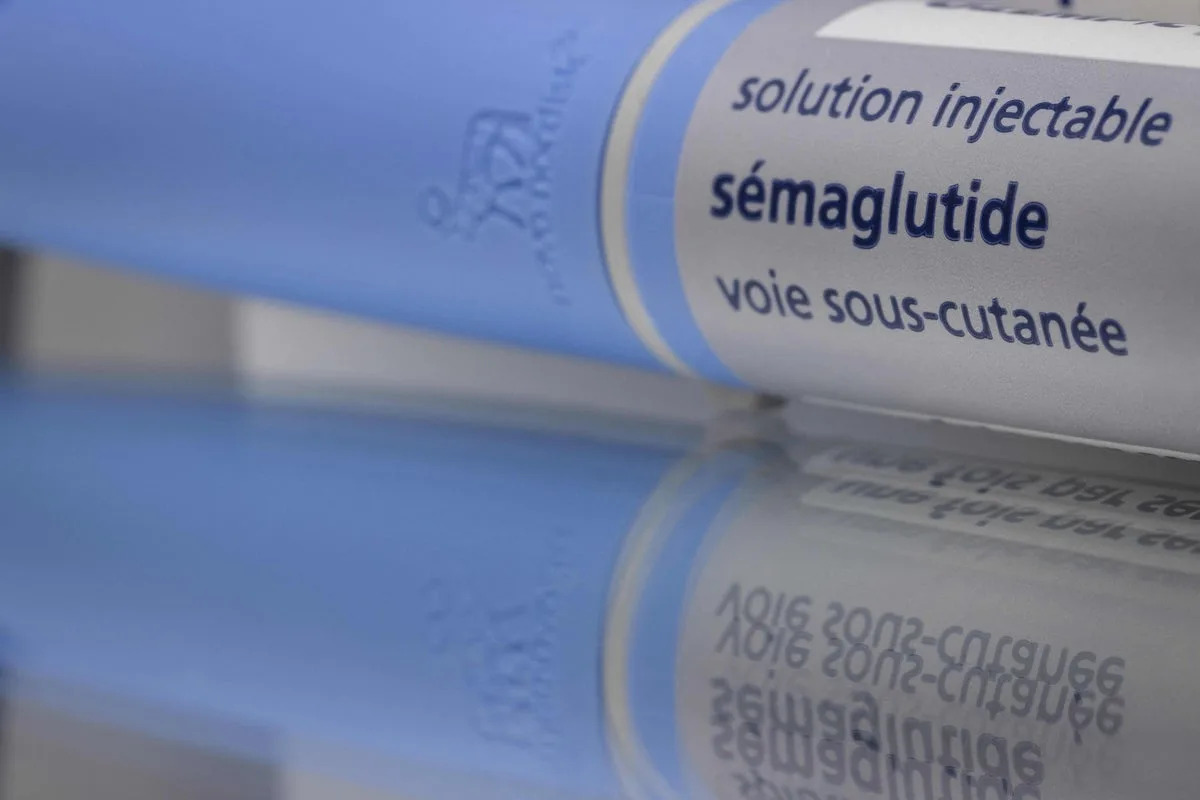
Microdoses of weight loss drugs like Ozempic may slow down ageing and help increase longevity, a new study suggests.
Originally developed for treating diabetes, the drug semaglutide is now also used for weight loss, causing it to surge in popularity worldwide.
The drug, sold under brand names like Ozempic and Wegovy, mimics the action of the naturally occurring GLP-1 hormone in the gut and the brain to regulate appetite, making people feel fuller for longer.
A new trend is sweeping the internet, with reports of some people taking the drug in very small doses for longevity even though health
Originally developed for treating diabetes, the drug semaglutide is now also used for weight loss, causing it to surge in popularity worldwide.
The drug, sold under brand names like Ozempic and Wegovy, mimics the action of the naturally occurring GLP-1 hormone in the gut and the brain to regulate appetite, making people feel fuller for longer.
A new trend is sweeping the internet, with reports of some people taking the drug in very small doses for longevity even though health



1 yr. ago
Estrella Immunopharma Initiates Second Cohort and Doses First Patient in STARLIGHT-1 Trial of EB103 in Advanced B-Cell Non-Hodgkin’s Lymphomas http://dlvr.it/TL37C5
http://dlvr.it/TL37C5
http://dlvr.it/TL37C5