
5 days ago
Royalty Pharma plc (NASDAQ:RPRX) disclosed that pelacarsen failed the Phase 3 Lp(a)HORIZON cardiovascular-outcomes trial conducted by Novartis AG (NYSE:NVS). The randomized, double-blind study enrolled 8,323 patients with elevated lipoprotein(a), or Lp(a), and established cardiovascular disease.
Pelacarsen lowered Lp(a), but the study did not meet its primary endpoint of reducing cardiovascular events compared with placebo in the overall population. The endpoint combined cardiovascular death, nonfatal heart attack, nonfatal stroke, and urgent coronary revascularization requiring hospitalization. Complete results have not yet been presented.
Royalty Pharma plc (NASDAQ:RPRX) provided Ionis Pharmaceuticals, Inc. (NASDAQ:IONS) with $500 million in January 2023. The transaction allocated $150 million to pelacarsen royalties and $350 million to Spinraza royalties. The clinical failure shifts the financial focus from uncertain pelacarsen upside to recovery through Spinraza.
Royalty Pharma plc (NASDAQ:RPRX) acquired 25% of the Spinraza royalties received by Ionis Pharmaceuticals, Inc. (NASDAQ:IONS) through 2027. That share increases to 45% in 2028 on Spinraza annual sales of up to $1.5 billion.
Following the HORIZON result, the Spinraza interest will revert after aggregate payments to Royalty Pharma plc (NASDAQ:RPRX) reach $550 million, equal to 1.1 times the original funding. Management expects the structure to recover the entire investment and generate a modest positive return despite the clinical failure.
#royalty #pharma #cardiovascular #horizon
Pelacarsen lowered Lp(a), but the study did not meet its primary endpoint of reducing cardiovascular events compared with placebo in the overall population. The endpoint combined cardiovascular death, nonfatal heart attack, nonfatal stroke, and urgent coronary revascularization requiring hospitalization. Complete results have not yet been presented.
Royalty Pharma plc (NASDAQ:RPRX) provided Ionis Pharmaceuticals, Inc. (NASDAQ:IONS) with $500 million in January 2023. The transaction allocated $150 million to pelacarsen royalties and $350 million to Spinraza royalties. The clinical failure shifts the financial focus from uncertain pelacarsen upside to recovery through Spinraza.
Royalty Pharma plc (NASDAQ:RPRX) acquired 25% of the Spinraza royalties received by Ionis Pharmaceuticals, Inc. (NASDAQ:IONS) through 2027. That share increases to 45% in 2028 on Spinraza annual sales of up to $1.5 billion.
Following the HORIZON result, the Spinraza interest will revert after aggregate payments to Royalty Pharma plc (NASDAQ:RPRX) reach $550 million, equal to 1.1 times the original funding. Management expects the structure to recover the entire investment and generate a modest positive return despite the clinical failure.
#royalty #pharma #cardiovascular #horizon


6 days ago
Google has found an interesting way to combat the sky-high
energy costs
involved in data centers—build them in an extremely cold country.
Copyright ©2026 Dow Jones & Company, Inc. All Rights Reserved. 87990cbe856818d5eddac44c7b1cdeb8
The U.S. trade war with Canada could create an opening for American-made why protein, whisky, beer, and motorcycles.
#jones #american #combat
energy costs
involved in data centers—build them in an extremely cold country.
Copyright ©2026 Dow Jones & Company, Inc. All Rights Reserved. 87990cbe856818d5eddac44c7b1cdeb8
The U.S. trade war with Canada could create an opening for American-made why protein, whisky, beer, and motorcycles.
#jones #american #combat


14 days ago
On August 26, Biohaven (NYSE:BHVN) and SK Biopharmaceuticals announced a global licensing agreement covering opakalim, Biohaven's lead epilepsy candidate, in a deal worth up to $795 million plus royalties. SK Biopharmaceuticals picks up exclusive worldwide rights to Biohaven's Kv7 ion channel platform, while Biohaven walks away with $400 million in near-term cash. The timing lines up with an August 10, 2026 earnings report that showed Biohaven still losing well over $100 million a quarter, and the gap between those two dates explains a lot about why this deal happened now.
SK Biopharmaceuticals will pay up to $795 million in upfront and milestone payments connected to the Kv7 platform, on top of tiered royalties on US net sales of opakalim that range from the mid-teens to low twenties. Biohaven collects $350 million at closing and another $50 million in 2027, with as much as $150 million more available through development and regulatory milestones plus royalties on global sales. SK Biopharmaceuticals is also taking over Kv7 program costs going forward, including certain Knopp Biosciences obligations. CEO Vlad Coric described the structure as proof Biohaven can monetize its pipeline through partnerships rather than leaning on public markets for cash.
The deal only makes sense because opakalim looks like it works. In a proof-of-concept study in idiopathic generalized epilepsy, the median time to a second generalized tonic-clonic seizure stretched to 141 days on opakalim versus 47 days on placebo, and a third of patients made it through the full 24 weeks without a second seizure. In focal epilepsy, 54% of patients in an open-label extension study saw at least a 50% drop in seizure frequency over any six months, in a group of more than 100 patients.
Opakalim is also designed as a once-daily pill with no ******* ration required, a real edge over older antiseizure drugs. Pairing that data with SK Biopharmaceuticals, the company behind XCOPRI and the only firm to bring a new focal-seizure drug to the US market since 2016, gives Opakalim a commercial path Biohaven would have struggled to build alone. The cash also buys runway for the rest of the pipeline, including protein degraders BHV-1300 and BHV-1400, which have shown rapid, selective reductions in disease-driving antibodies in Graves' disease and IgA nephropathy with clean safety data across nearly 200 patients dosed.
Biohaven is giving up full ownership of an ******* et it now believes could be a major seller. Royalties in the mid-teens to low twenties are real money, but they are a fraction of what outright ownership of an approved epilepsy drug would be worth, and $50 million of the $400 million upfront does not arrive until 2027. The Knopp Biosciences obligations SK Biopharmaceuticals is absorbing, worth up to $245 million plus mid-single-digit royalties, are a reminder that other parties already have claims on opakalim's future revenue before Biohaven sees a dollar of profit from it.
#ro
SK Biopharmaceuticals will pay up to $795 million in upfront and milestone payments connected to the Kv7 platform, on top of tiered royalties on US net sales of opakalim that range from the mid-teens to low twenties. Biohaven collects $350 million at closing and another $50 million in 2027, with as much as $150 million more available through development and regulatory milestones plus royalties on global sales. SK Biopharmaceuticals is also taking over Kv7 program costs going forward, including certain Knopp Biosciences obligations. CEO Vlad Coric described the structure as proof Biohaven can monetize its pipeline through partnerships rather than leaning on public markets for cash.
The deal only makes sense because opakalim looks like it works. In a proof-of-concept study in idiopathic generalized epilepsy, the median time to a second generalized tonic-clonic seizure stretched to 141 days on opakalim versus 47 days on placebo, and a third of patients made it through the full 24 weeks without a second seizure. In focal epilepsy, 54% of patients in an open-label extension study saw at least a 50% drop in seizure frequency over any six months, in a group of more than 100 patients.
Opakalim is also designed as a once-daily pill with no ******* ration required, a real edge over older antiseizure drugs. Pairing that data with SK Biopharmaceuticals, the company behind XCOPRI and the only firm to bring a new focal-seizure drug to the US market since 2016, gives Opakalim a commercial path Biohaven would have struggled to build alone. The cash also buys runway for the rest of the pipeline, including protein degraders BHV-1300 and BHV-1400, which have shown rapid, selective reductions in disease-driving antibodies in Graves' disease and IgA nephropathy with clean safety data across nearly 200 patients dosed.
Biohaven is giving up full ownership of an ******* et it now believes could be a major seller. Royalties in the mid-teens to low twenties are real money, but they are a fraction of what outright ownership of an approved epilepsy drug would be worth, and $50 million of the $400 million upfront does not arrive until 2027. The Knopp Biosciences obligations SK Biopharmaceuticals is absorbing, worth up to $245 million plus mid-single-digit royalties, are a reminder that other parties already have claims on opakalim's future revenue before Biohaven sees a dollar of profit from it.
#ro


16 days ago
Joey King's Practical Magic 2 LA premiere look wasn't just about the dramatic Ilya Mingmoon gown. Her softly textured waves were created by celebrity hairstylist Rena Calhoun, who took inspiration from Victorian and Pre-Raphaelite hair to complement the romantic, slightly eerie mood of the look.
Calhoun used HONEYQUE throughout the process, with maintaining Joey's hair health a priority midway through a press tour that has required near-daily heat styling.
"I first prepped her hair with the HONEYQUE Deep Repair Moisturizing Shampoo + Hair Treatment. Joey is about midway through press, and with her hair being heat-styled almost every day, maintaining its health and integrity is key. The combination of Manuka honey and proteins helps moisturise, repair and strengthen while keeping the hair soft, airy and lightweight," Calhoun explained.
After towel-drying, she applied the HONEYQUE Deep Repair Honey + Protein Hair Mist to damp hair for hydration and heat protection.
Rather than creating perfectly uniform waves, Calhoun wanted to retain Joey's natural texture. Flat-setting clips were placed around the front to sculpt the hair around her face, while the rest was diffused with an Ion Luxe Turbosonic Hair Dryer.
#look
Calhoun used HONEYQUE throughout the process, with maintaining Joey's hair health a priority midway through a press tour that has required near-daily heat styling.
"I first prepped her hair with the HONEYQUE Deep Repair Moisturizing Shampoo + Hair Treatment. Joey is about midway through press, and with her hair being heat-styled almost every day, maintaining its health and integrity is key. The combination of Manuka honey and proteins helps moisturise, repair and strengthen while keeping the hair soft, airy and lightweight," Calhoun explained.
After towel-drying, she applied the HONEYQUE Deep Repair Honey + Protein Hair Mist to damp hair for hydration and heat protection.
Rather than creating perfectly uniform waves, Calhoun wanted to retain Joey's natural texture. Flat-setting clips were placed around the front to sculpt the hair around her face, while the rest was diffused with an Ion Luxe Turbosonic Hair Dryer.
#look




18 days ago
On August 21, Flowers Foods (NYSE:FLO) held its second-quarter earnings call, and management didn't try to spin the results. Net sales fell 4% to $1.193 billion, as a 5.8% drop in volume overwhelmed the modest gains the company squeezed out on price. Branded retail volume fell even harder, down 7.6%, and net income sank 30.3% to $40.7 million. Underneath the weak quarter, though, is a company trying to reposition itself around where bread shoppers are actually headed, even as the next few months look no easier.
Even with volume sliding, Flowers Foods still pushed price and mix up 1.8% company wide, a sign its earlier pricing moves found at least some traction in a brutal bread aisle. Management also said its comprehensive organizational review is finished and the company has moved into executing the resulting cost initiatives, aimed at a structure that's been squeezed by labor and freight. CFO Anthony Scaglione pointed to $20 million in savings he expects those restructuring actions to deliver once fiscal 2027 arrives.
The bigger swing factor is where the company is putting its innovation dollars. Chairman and CEO Ryals McMullian pointed to sourdough, a $1.3 billion category where the company admits it's still underrepresented on shelves nationally, along with protein-enriched loaves, as the two ***** es where consumer tastes are actually moving. The relaunched Nature's Own line, now carrying Non-GMO Project Verified labeling, is getting encouraging early signals from retailers and shoppers alike. Executives also expect fresh customer wins already in the pipeline to help lift results later this year, and the company still generated $241.5 million in operating cash flow year to date, giving it room to fund the turnaround while it plays out.
The near-term numbers tell a rougher story. Volume fell 5.8% across the business as the fresh packaged bread category ran into an environment where household budgets are tighter, tastes are shifting and competitors are fighting hard on price. Branded retail net sales dropped 3.8% to $794.6 million, and the company's other segment, largely store-brand products, fell 4.4% as inflation pushed more shoppers toward cheaper private label. Profitability took the harder hit. Adjusted EBITDA dropped 19.2% to $111.3 million, just 9.3% of net sales, while adjusted diluted EPS fell nine cents to $0.21.
Management pointed to weaker output levels and rising labor costs behind a 40 basis point jump in production costs to 51.6% of sales, and higher spending on its workforce, freight and marketing pushed adjusted SD&A costs up 140 basis points to 39.1% of sales. McMullian also noted that rival bakers didn't follow Flowers Foods' price increases, leaving the company facing more aggressive promotions than it had planned for. Scaglione flagged oil, diesel and packaging resin costs as ongoing risks heading into next year. All of that led management to cut its full-year outlook, with net sales guidance now set at $5.070 billion
Even with volume sliding, Flowers Foods still pushed price and mix up 1.8% company wide, a sign its earlier pricing moves found at least some traction in a brutal bread aisle. Management also said its comprehensive organizational review is finished and the company has moved into executing the resulting cost initiatives, aimed at a structure that's been squeezed by labor and freight. CFO Anthony Scaglione pointed to $20 million in savings he expects those restructuring actions to deliver once fiscal 2027 arrives.
The bigger swing factor is where the company is putting its innovation dollars. Chairman and CEO Ryals McMullian pointed to sourdough, a $1.3 billion category where the company admits it's still underrepresented on shelves nationally, along with protein-enriched loaves, as the two ***** es where consumer tastes are actually moving. The relaunched Nature's Own line, now carrying Non-GMO Project Verified labeling, is getting encouraging early signals from retailers and shoppers alike. Executives also expect fresh customer wins already in the pipeline to help lift results later this year, and the company still generated $241.5 million in operating cash flow year to date, giving it room to fund the turnaround while it plays out.
The near-term numbers tell a rougher story. Volume fell 5.8% across the business as the fresh packaged bread category ran into an environment where household budgets are tighter, tastes are shifting and competitors are fighting hard on price. Branded retail net sales dropped 3.8% to $794.6 million, and the company's other segment, largely store-brand products, fell 4.4% as inflation pushed more shoppers toward cheaper private label. Profitability took the harder hit. Adjusted EBITDA dropped 19.2% to $111.3 million, just 9.3% of net sales, while adjusted diluted EPS fell nine cents to $0.21.
Management pointed to weaker output levels and rising labor costs behind a 40 basis point jump in production costs to 51.6% of sales, and higher spending on its workforce, freight and marketing pushed adjusted SD&A costs up 140 basis points to 39.1% of sales. McMullian also noted that rival bakers didn't follow Flowers Foods' price increases, leaving the company facing more aggressive promotions than it had planned for. Scaglione flagged oil, diesel and packaging resin costs as ongoing risks heading into next year. All of that led management to cut its full-year outlook, with net sales guidance now set at $5.070 billion


19 days ago
BioNTech SE (NASDAQ:BNTX) rallied following the first positive interim Phase 3 topline result for a personalized mRNA cancer therapy. Moderna and Merck said intismeran, combined with Keytruda, significantly improved recurrence-free and distant metastasis-free survival in patients with surgically removed high-risk melanoma. The result lifted other mRNA developers because it provided the strongest evidence yet that the technology can work against cancer in a large late-stage trial. For BioNTech SE (NASDAQ:BNTX), however, the rally raises a harder question: does validation of the therapeutic class meaningfully improve the odds for its own candidates, or has the market moved ahead of company-specific evidence?
The distinction matters. Moderna's intismeran is individually designed around mutations found in each patient's tumor. BioNTech SE (NASDAQ:BNTX) is awaiting an interim ******* ysis from the Phase 3 portion of AHEAD-MERIT, which tests BNT113 with pembrolizumab in first-line unresectable recurrent or metastatic HPV16-positive, PD-L1-positive head-and-neck squamous cell carcinoma. BNT113 is an off-the-shelf FixVac therapy encoding the HPV16 E6 and E7 oncoproteins. Different antigens, manufacturing approaches, cancer types and treatment settings prevent Moderna's result from functioning as a direct clinical read-through.
Still, BioNTech SE (NASDAQ:BNTX) has more than one attempt at building an oncology franchise. The company has 14 ongoing pivotal trials across mRNA immunotherapies, immunomodulators and antibody-drug conjugates. It expects three late-stage readouts during 2026, including the BNT113 interim ******* ysis, and ended June with €16.6 billion in cash, cash equivalents and security investments.
The bull case for BioNTech SE (NASDAQ:BNTX) is that Moderna and Merck have reduced skepticism around the broader platform. Their trial enrolled 1,137 patients and met its primary endpoint of recurrence-free survival and a secondary endpoint of distant metastasis-free survival, with no new safety concerns reported. The result shows that an mRNA therapy can add meaningful benefit to a checkpoint inhibitor in Phase 3.
BioNTech also has a personalized program that more closely resembles intismeran. Autogene cevumeran, partnered with Genentech, is being studied in randomized Phase 2 trials in pancreatic and colorectal cancer. Meanwhile, BNT113 has FDA Fast Track designation and could provide BioNTech's own pivotal mRNA evidence. The company's cash position gives it room to fund these programs and absorb failures elsewhere in the portfolio.
#biontech
The distinction matters. Moderna's intismeran is individually designed around mutations found in each patient's tumor. BioNTech SE (NASDAQ:BNTX) is awaiting an interim ******* ysis from the Phase 3 portion of AHEAD-MERIT, which tests BNT113 with pembrolizumab in first-line unresectable recurrent or metastatic HPV16-positive, PD-L1-positive head-and-neck squamous cell carcinoma. BNT113 is an off-the-shelf FixVac therapy encoding the HPV16 E6 and E7 oncoproteins. Different antigens, manufacturing approaches, cancer types and treatment settings prevent Moderna's result from functioning as a direct clinical read-through.
Still, BioNTech SE (NASDAQ:BNTX) has more than one attempt at building an oncology franchise. The company has 14 ongoing pivotal trials across mRNA immunotherapies, immunomodulators and antibody-drug conjugates. It expects three late-stage readouts during 2026, including the BNT113 interim ******* ysis, and ended June with €16.6 billion in cash, cash equivalents and security investments.
The bull case for BioNTech SE (NASDAQ:BNTX) is that Moderna and Merck have reduced skepticism around the broader platform. Their trial enrolled 1,137 patients and met its primary endpoint of recurrence-free survival and a secondary endpoint of distant metastasis-free survival, with no new safety concerns reported. The result shows that an mRNA therapy can add meaningful benefit to a checkpoint inhibitor in Phase 3.
BioNTech also has a personalized program that more closely resembles intismeran. Autogene cevumeran, partnered with Genentech, is being studied in randomized Phase 2 trials in pancreatic and colorectal cancer. Meanwhile, BNT113 has FDA Fast Track designation and could provide BioNTech's own pivotal mRNA evidence. The company's cash position gives it room to fund these programs and absorb failures elsewhere in the portfolio.
#biontech


19 days ago
Our **** ysts just identified a stock with the potential to be the next Nvidia. Tell us how you invest and we'll show you why it's our #1 pick. Tap here.
Management characterized Q3 as a solid quarter of earnings growth despite mixed top-line results driven by deliberate portfolio shaping and a pressured consumer environment.
Foodservice delivered its 12th consecutive quarter of organic growth, outperforming industry traffic trends through a focus on premium prepared proteins and branded pepperoni.
Retail performance was impacted by the divestiture of the whole-bird turkey business and exits from private label snack nuts, alongside pricing elasticities from recent price increases.
Strategic momentum remains strong in priority brands like Jennie-O ground turkey, Applegate, and Planters, which benefited from targeted digital marketing and in-store activations.
#tell #retail
Management characterized Q3 as a solid quarter of earnings growth despite mixed top-line results driven by deliberate portfolio shaping and a pressured consumer environment.
Foodservice delivered its 12th consecutive quarter of organic growth, outperforming industry traffic trends through a focus on premium prepared proteins and branded pepperoni.
Retail performance was impacted by the divestiture of the whole-bird turkey business and exits from private label snack nuts, alongside pricing elasticities from recent price increases.
Strategic momentum remains strong in priority brands like Jennie-O ground turkey, Applegate, and Planters, which benefited from targeted digital marketing and in-store activations.
#tell #retail


20 days ago
Tyson Foods, Inc. (NYSE:TSN) updated its fiscal 2026 outlook alongside its Q3 2026 financial report, raising its full-year revenue growth view to 2.5%–3.5% from its previous range of 2%–4%. The revised sales guidance reflects price increases across protein categories and operational execution, even as structural livestock constraints weigh on total volumes.
For Q3 2026, Tyson reported sales of $13.87 billion, flat year-over-year (or up 0.6% excluding a $98 million legal contingency accrual). GAAP operating income reached $362 million (up 39%), while adjusted operating income grew 8% to $547 million. GAAP EPS surged to $0.52 (up from $0.17), and adjusted EPS rose 9% to $0.99. Through nine months, sales reached $41.83 billion (up 3.1%), with GAAP operating income rising 17% to $1.10 billion and cash provided by operating activities reaching $1.47 billion. Segment performance diverged sharply: Chicken and Prepared Foods drove operating growth, offsetting an adjusted operating loss in the Beef segment.
This contrast brings up a critical question: Is Tyson Foods, Inc. (NYSE:TSN)'s diversified multi-protein model and core strength in chicken and branded prepared foods enough to protect corporate profits from deep, multi-year structural losses in its beef segment?
Bulls emphasize that Tyson Foods, Inc. (NYSE:TSN)'s non-beef operational tailwinds are proving resilient against wider agricultural cycles. Sustained volume growth in Chicken, combined with genetics-driven live performance and yield improvements, supported strong results, keeping management's full-year Chicken adjusted operating income guidance on track at $1.9 billion to $2.05 billion. In Prepared Foods, momentum across retail brands like Jimmy Dean and Hillshire Farm continues to drive market share gains. These factors are anchored by a solid financial base, including $913 million in nine-month free cash flow, debt reduction of $824 million, and $4.0 billion in total available liquidity.
Bears point out that persistent cattle herd shortages and high input costs are inflicting severe structural damage on Tyson's Beef segment, with management projecting a full-year segment operating loss of $(650) million to $(500) million. To shrink its struggling footprint, Tyson announced on August 13 that it is closing its Joslin, Illinois beef plant (which employs over 2,000 workers), selling its Pasco, Washington facility, and shutting a Utah packaging operation. ******* ysts have responded cautiously: on August 4, BofA lowered its price target on Tyson Foods to $65 from $68, maintaining a Neutral rating while trimming FY26–28 adjusted operating income estimates.
#beef #segment #income #adjusted
For Q3 2026, Tyson reported sales of $13.87 billion, flat year-over-year (or up 0.6% excluding a $98 million legal contingency accrual). GAAP operating income reached $362 million (up 39%), while adjusted operating income grew 8% to $547 million. GAAP EPS surged to $0.52 (up from $0.17), and adjusted EPS rose 9% to $0.99. Through nine months, sales reached $41.83 billion (up 3.1%), with GAAP operating income rising 17% to $1.10 billion and cash provided by operating activities reaching $1.47 billion. Segment performance diverged sharply: Chicken and Prepared Foods drove operating growth, offsetting an adjusted operating loss in the Beef segment.
This contrast brings up a critical question: Is Tyson Foods, Inc. (NYSE:TSN)'s diversified multi-protein model and core strength in chicken and branded prepared foods enough to protect corporate profits from deep, multi-year structural losses in its beef segment?
Bulls emphasize that Tyson Foods, Inc. (NYSE:TSN)'s non-beef operational tailwinds are proving resilient against wider agricultural cycles. Sustained volume growth in Chicken, combined with genetics-driven live performance and yield improvements, supported strong results, keeping management's full-year Chicken adjusted operating income guidance on track at $1.9 billion to $2.05 billion. In Prepared Foods, momentum across retail brands like Jimmy Dean and Hillshire Farm continues to drive market share gains. These factors are anchored by a solid financial base, including $913 million in nine-month free cash flow, debt reduction of $824 million, and $4.0 billion in total available liquidity.
Bears point out that persistent cattle herd shortages and high input costs are inflicting severe structural damage on Tyson's Beef segment, with management projecting a full-year segment operating loss of $(650) million to $(500) million. To shrink its struggling footprint, Tyson announced on August 13 that it is closing its Joslin, Illinois beef plant (which employs over 2,000 workers), selling its Pasco, Washington facility, and shutting a Utah packaging operation. ******* ysts have responded cautiously: on August 4, BofA lowered its price target on Tyson Foods to $65 from $68, maintaining a Neutral rating while trimming FY26–28 adjusted operating income estimates.
#beef #segment #income #adjusted


20 days ago
Some offers on this page are from advertisers who pay us, which may affect which products we write about, but not our recommendations. See our Advertiser Disclosure.
If you've spent any time on social media lately, you've probably come across trends such as "looksmaxxing," "sleepmaxxing," and even "proteinmaxxing."
The "-maxxing" trend is basically internet shorthand for taking something in your life and trying to optimize it as much as possible. And users are now adapting the concept for their financial lives.
If you've ever switched savings accounts for a better APY or hunted down a promo code before hitting "buy," you're already "moneymaxxing" to some degree. But is this just another fleeting internet trend, or is there real value in moneymaxxing?
Moneymaxxing is a social media-driven trend centered on optimizing as many aspects of your finances as possible. This can include moves such as moving cash to a high-yield savings account, stacking discounts and cash-back offers, negotiating bills, or taking advantage of bank account bonuses.
#internet
If you've spent any time on social media lately, you've probably come across trends such as "looksmaxxing," "sleepmaxxing," and even "proteinmaxxing."
The "-maxxing" trend is basically internet shorthand for taking something in your life and trying to optimize it as much as possible. And users are now adapting the concept for their financial lives.
If you've ever switched savings accounts for a better APY or hunted down a promo code before hitting "buy," you're already "moneymaxxing" to some degree. But is this just another fleeting internet trend, or is there real value in moneymaxxing?
Moneymaxxing is a social media-driven trend centered on optimizing as many aspects of your finances as possible. This can include moves such as moving cash to a high-yield savings account, stacking discounts and cash-back offers, negotiating bills, or taking advantage of bank account bonuses.
#internet



21 days ago
Khloe Kardashian and Tristan Thompson's daughter, True Thompson, just got her own superstar moment in a new brand campaign for her mother's brand, Khloud. For her protein-focused snack brand's new campaign, the 42-year-old shared a clip of herself with her daughter and her niece.
Khloe Kardashian launched Khloud Plus, a new line of collagen protein chips, earlier this month. The new variants are available at Walmart. In a new Instagram video promoting the chips, Kardashian recreated the iconic robbery scene from ******* and the City Season 3, where Carrie Bradshaw says, "This isn't a bag, it's a Baguette."
The Khloud founder stood in the aisle holding a bag, while her daughter, True Thompson, and niece Dream Kardashian talked to each other a few feet behind her. Then, they came over to Khloe and asked for her packet of chips. The caption said, "gimme your Khloud. your Khloud."
True managed to get the Nacho variant from her mother, and Dream struggled to get the Jalapeño flavor. Khloe protested, "it's Khloud plus." In the end, both kids got the packets from her, prompting her to put on a playful crying face. While Khloe is no stranger to acting for such campaigns, her 8-year-old daughter proved that she might also be ready to follow in her mother's footsteps.
For the video, Khloe wore a black midi dress from Helsa. The sleeveless piece featured a boat neckline that dipped low at the back. The dress fitted through the torso and cinched at the waist before falling into a voluminous skirt. She paired it with Gianvito Rossi Sofia Leather Thong Sandals. A Cartier Baignoire Watch sat on her right wrist.
#khloud #daughter
Khloe Kardashian launched Khloud Plus, a new line of collagen protein chips, earlier this month. The new variants are available at Walmart. In a new Instagram video promoting the chips, Kardashian recreated the iconic robbery scene from ******* and the City Season 3, where Carrie Bradshaw says, "This isn't a bag, it's a Baguette."
The Khloud founder stood in the aisle holding a bag, while her daughter, True Thompson, and niece Dream Kardashian talked to each other a few feet behind her. Then, they came over to Khloe and asked for her packet of chips. The caption said, "gimme your Khloud. your Khloud."
True managed to get the Nacho variant from her mother, and Dream struggled to get the Jalapeño flavor. Khloe protested, "it's Khloud plus." In the end, both kids got the packets from her, prompting her to put on a playful crying face. While Khloe is no stranger to acting for such campaigns, her 8-year-old daughter proved that she might also be ready to follow in her mother's footsteps.
For the video, Khloe wore a black midi dress from Helsa. The sleeveless piece featured a boat neckline that dipped low at the back. The dress fitted through the torso and cinched at the waist before falling into a voluminous skirt. She paired it with Gianvito Rossi Sofia Leather Thong Sandals. A Cartier Baignoire Watch sat on her right wrist.
#khloud #daughter


28 days ago
Brown Brothers Harriman, an investment management company, released its Q2 2026 investor letter for the "BBH Select Mid Cap ETF". A copy of the letter can be downloaded here. In the quarter, the fund increased 9.7% on a total return basis compared to the Russell Midcap Index's 13.8% return. Artificial intelligence is a key factor influencing market performance, with high-valuation and high-beta companies consistently outperforming others. The portfolio saw gains from being overweight in technology and industrials but missed opportunities due to underweighting more cyclical stocks. At the end of Q2 2026, the Fund held positions in 27 companies, with 48% of ***** ets concentrated in the top 10 holdings. The Fund's strategy focuses on companies priced below intrinsic value to ensure a margin of safety, rather than on whether valuations are high or low. Additionally, reviewing the Fund's top five holdings could help identify its best picks for 2026.
In its Q2 2026 investor letter, BBH Select Mid Cap ETF highlighted Darling Ingredients Inc. (NYSE:DAR). Darling Ingredients Inc. (NYSE:DAR) is a leader in converting edible and inedible bio-nutrients to sustainable natural ingredients. On August 19, 2026, Darling Ingredients Inc. (NYSE:DAR) closed at $66.94 per share, reflecting a market capitalization of $10.56 billion. Darling Ingredients Inc. (NYSE:DAR) posted a one-month return of 5.58%, while its shares gained 110.37% over the past 52 weeks.
BBH Select Mid Cap ETF stated the following regarding Darling Ingredients Inc. (NYSE:DAR) in its Q2 2026 investor letter:
"The Fund's largest detractors to performance in the quarter were Guidewire Software Inc. (Guidewire) and Darling Ingredients Inc. (NYSE:DAR). Darling returned -11.7% during the quarter, ending with a weight of 4.0% after trimming the position early in the quarter on strength. Darling is the global leader in rendering animal byproducts and used cooking oil into fats and proteins for a variety of end uses, including animal feed, specialty health products, and renewable diesel through a joint venture with Valero called Diamond Green Diesel (DGD). Darling reported stronger than expected first quarter 2026 results, driven by better performance in the core Feed and Food segments, as well as stronger margins at DGD. Notwithstanding lower oil prices at quarter- end, Darling is extremely well-positioned for significantly improved profitability, with long-awaited certainty on government mandates finalized at the end of first quarter 2026, which will support both margins at DGD and higher Feed prices. These end markets are further benefiting from higher prices as a result of the recent conflict in the Middle East. The full benefit of recent development will start to be apparent in second quarter 2026."
#darling #select #investor #return
In its Q2 2026 investor letter, BBH Select Mid Cap ETF highlighted Darling Ingredients Inc. (NYSE:DAR). Darling Ingredients Inc. (NYSE:DAR) is a leader in converting edible and inedible bio-nutrients to sustainable natural ingredients. On August 19, 2026, Darling Ingredients Inc. (NYSE:DAR) closed at $66.94 per share, reflecting a market capitalization of $10.56 billion. Darling Ingredients Inc. (NYSE:DAR) posted a one-month return of 5.58%, while its shares gained 110.37% over the past 52 weeks.
BBH Select Mid Cap ETF stated the following regarding Darling Ingredients Inc. (NYSE:DAR) in its Q2 2026 investor letter:
"The Fund's largest detractors to performance in the quarter were Guidewire Software Inc. (Guidewire) and Darling Ingredients Inc. (NYSE:DAR). Darling returned -11.7% during the quarter, ending with a weight of 4.0% after trimming the position early in the quarter on strength. Darling is the global leader in rendering animal byproducts and used cooking oil into fats and proteins for a variety of end uses, including animal feed, specialty health products, and renewable diesel through a joint venture with Valero called Diamond Green Diesel (DGD). Darling reported stronger than expected first quarter 2026 results, driven by better performance in the core Feed and Food segments, as well as stronger margins at DGD. Notwithstanding lower oil prices at quarter- end, Darling is extremely well-positioned for significantly improved profitability, with long-awaited certainty on government mandates finalized at the end of first quarter 2026, which will support both margins at DGD and higher Feed prices. These end markets are further benefiting from higher prices as a result of the recent conflict in the Middle East. The full benefit of recent development will start to be apparent in second quarter 2026."
#darling #select #investor #return


29 days ago
Our **** ysts just identified a stock with the potential to be the next Nvidia. Tell us how you invest and we'll show you why it's our #1 pick. Tap here.
Revenue growth of 27.3% was primarily driven by a structural shift in customer demand toward AI-driven drug discovery (AIDD) and high-throughput protein expression.
Management attributes the record adjusted net profit growth of over 200% to improved business quality and operating leverage from long-term investments in automation and digital capacity.
The Life Science Group (LSG) achieved a 29.5% adjusted operating margin, marking a transition from an investment phase to a scale-and-profitability phase.
AI-driven demand is transforming the business model from one-off transactional projects to recurring, high-volume data generation partnerships with tech companies and AI-native biotechs.
#Growth #NVIDIA
Revenue growth of 27.3% was primarily driven by a structural shift in customer demand toward AI-driven drug discovery (AIDD) and high-throughput protein expression.
Management attributes the record adjusted net profit growth of over 200% to improved business quality and operating leverage from long-term investments in automation and digital capacity.
The Life Science Group (LSG) achieved a 29.5% adjusted operating margin, marking a transition from an investment phase to a scale-and-profitability phase.
AI-driven demand is transforming the business model from one-off transactional projects to recurring, high-volume data generation partnerships with tech companies and AI-native biotechs.
#Growth #NVIDIA


29 days ago
Greenhaven Road Capital, an investment management company, released its second-quarter 2026 investor letter. A copy of the letter can be downloaded here. The fund achieved an approximate 11% net return in the second quarter, indicating progress from the first quarter. Key changes to the portfolio will include lower concentration and increased investments with near-term catalysts, alongside a proactive stance on profit-taking. The focus will remain on owning strong businesses and conducting research that challenges consensus views, as several major investments are poised for significant events within the year. Despite declines in market multiples, underlying businesses continue to grow, suggesting a favorable positioning for returns. Additionally, reviewing the Fund's top five holdings could help identify its best picks for 2026.
In its Q2 2026 investor letter, Greenhaven Road Capital highlighted Burford Capital Limited (NYSE:BUR). Burford Capital Limited (NYSE:BUR) is a leading legal finance company that offers litigation finance, ****** et recovery and ****** et management services. On August 14, 2026, Burford Capital Limited (NYSE:BUR) closed at $4.37 per share, reflecting a market capitalization of $959.58 million. Burford Capital Limited (NYSE:BUR) posted a one‑month return of 8.71%, while its shares lost 67.89% over the past 52 weeks."
Greenhaven Road Capital stated the following regarding Burford Capital Limited (NYSE:BUR) in its Q2 2026 investor letter:
"Burford Capital Limited (NYSE:BUR) is the 800-pound gorilla of litigation finance. It sees the most cases and has the best settlement data, giving it an advantage in selecting and funding cases profitably. More than 285 funded cases have concluded; 90% ended in a win or profitable settlement. Those investments produced an 82% return on invested capital over a weighted average life of 2.6 years, resulting in a 25% IRR.
As outlined in previous letters and the presentation sent last quarter, Burford has invested more than $150M in price-fixing cases involving proteins—chicken, beef, turkey, and pork. For much of that capital, Burford retains all of the upside rather than sharing it with a client, and it controls when the cases settle.
#capital #limited #road
In its Q2 2026 investor letter, Greenhaven Road Capital highlighted Burford Capital Limited (NYSE:BUR). Burford Capital Limited (NYSE:BUR) is a leading legal finance company that offers litigation finance, ****** et recovery and ****** et management services. On August 14, 2026, Burford Capital Limited (NYSE:BUR) closed at $4.37 per share, reflecting a market capitalization of $959.58 million. Burford Capital Limited (NYSE:BUR) posted a one‑month return of 8.71%, while its shares lost 67.89% over the past 52 weeks."
Greenhaven Road Capital stated the following regarding Burford Capital Limited (NYSE:BUR) in its Q2 2026 investor letter:
"Burford Capital Limited (NYSE:BUR) is the 800-pound gorilla of litigation finance. It sees the most cases and has the best settlement data, giving it an advantage in selecting and funding cases profitably. More than 285 funded cases have concluded; 90% ended in a win or profitable settlement. Those investments produced an 82% return on invested capital over a weighted average life of 2.6 years, resulting in a 25% IRR.
As outlined in previous letters and the presentation sent last quarter, Burford has invested more than $150M in price-fixing cases involving proteins—chicken, beef, turkey, and pork. For much of that capital, Burford retains all of the upside rather than sharing it with a client, and it controls when the cases settle.
#capital #limited #road


30 days ago
On August 6, 10x Genomics (NASDAQ:TXG) reported second-quarter revenue of $151 million, boosted by a $1.6 million settlement payment from Takara. Strip that out and revenue grew just 3% year-over-year to $149.4 million, a modest number next to the real headline of the quarter: a brand-new instrument platform called Atera, where booked orders have exceeded full-year planned shipments.
By the end of the second quarter, booked orders for Atera already exceeded the roughly 40 units 10x had planned to ship for all of 2026. Demand also showed up in Catalyst Research Services, the program that lets customers run samples on Atera in 10x's own lab before committing to buy a unit. Away from Atera, the existing consumables business kept growing, up 7% overall, with spatial consumables climbing 16% on continued strength in the Xenium platform. During the quarter, 10x acquired Proteintech Genomics, adding single-cell protein panels that management says will let Atera measure proteins alongside gene expression from the same cell.
The balance sheet backed up the story. Cash and marketable securities rose to $552 million, up $105 million from a year earlier, and gross margin expanded to 74% from 72%. Management raised full-year revenue guidance to a range of $610 million to $630 million. New research partnerships with Cleveland Clinic and Lausanne University Hospital, aimed at finding biomarkers of treatment response in oncology, point to where 10x hopes this technology eventually leads: clinical diagnostics.
The flip side of Atera's launch showed up in the instrument line. Total instrument revenue fell 47% year over year, with Chromium instruments down 46% and spatial instruments down 48%, as customers held off on buying older spatial systems while waiting for the new platform. Management expects that pause to continue, guiding for a sequential revenue step down in the third quarter before a bigger jump in the fourth. Even though booked Atera orders already exceed the year's full production plan, 10x kept its shipment target at about 40 units, weighted mostly toward the fourth quarter, a sign the company is still constrained on how fast it can build the machine.
Regionally, APAC revenue fell 19%, partly because customers in China had pulled purchases forward a year earlier ahead of anticipated tariffs. Operating expenses rose to $132.1 million from $95 million, though the comparison is skewed by a $40.7 million patent settlement gain booked in the prior year versus $3.4 million this year.
#year #quarter
By the end of the second quarter, booked orders for Atera already exceeded the roughly 40 units 10x had planned to ship for all of 2026. Demand also showed up in Catalyst Research Services, the program that lets customers run samples on Atera in 10x's own lab before committing to buy a unit. Away from Atera, the existing consumables business kept growing, up 7% overall, with spatial consumables climbing 16% on continued strength in the Xenium platform. During the quarter, 10x acquired Proteintech Genomics, adding single-cell protein panels that management says will let Atera measure proteins alongside gene expression from the same cell.
The balance sheet backed up the story. Cash and marketable securities rose to $552 million, up $105 million from a year earlier, and gross margin expanded to 74% from 72%. Management raised full-year revenue guidance to a range of $610 million to $630 million. New research partnerships with Cleveland Clinic and Lausanne University Hospital, aimed at finding biomarkers of treatment response in oncology, point to where 10x hopes this technology eventually leads: clinical diagnostics.
The flip side of Atera's launch showed up in the instrument line. Total instrument revenue fell 47% year over year, with Chromium instruments down 46% and spatial instruments down 48%, as customers held off on buying older spatial systems while waiting for the new platform. Management expects that pause to continue, guiding for a sequential revenue step down in the third quarter before a bigger jump in the fourth. Even though booked Atera orders already exceed the year's full production plan, 10x kept its shipment target at about 40 units, weighted mostly toward the fourth quarter, a sign the company is still constrained on how fast it can build the machine.
Regionally, APAC revenue fell 19%, partly because customers in China had pulled purchases forward a year earlier ahead of anticipated tariffs. Operating expenses rose to $132.1 million from $95 million, though the comparison is skewed by a $40.7 million patent settlement gain booked in the prior year versus $3.4 million this year.
#year #quarter

1 month ago
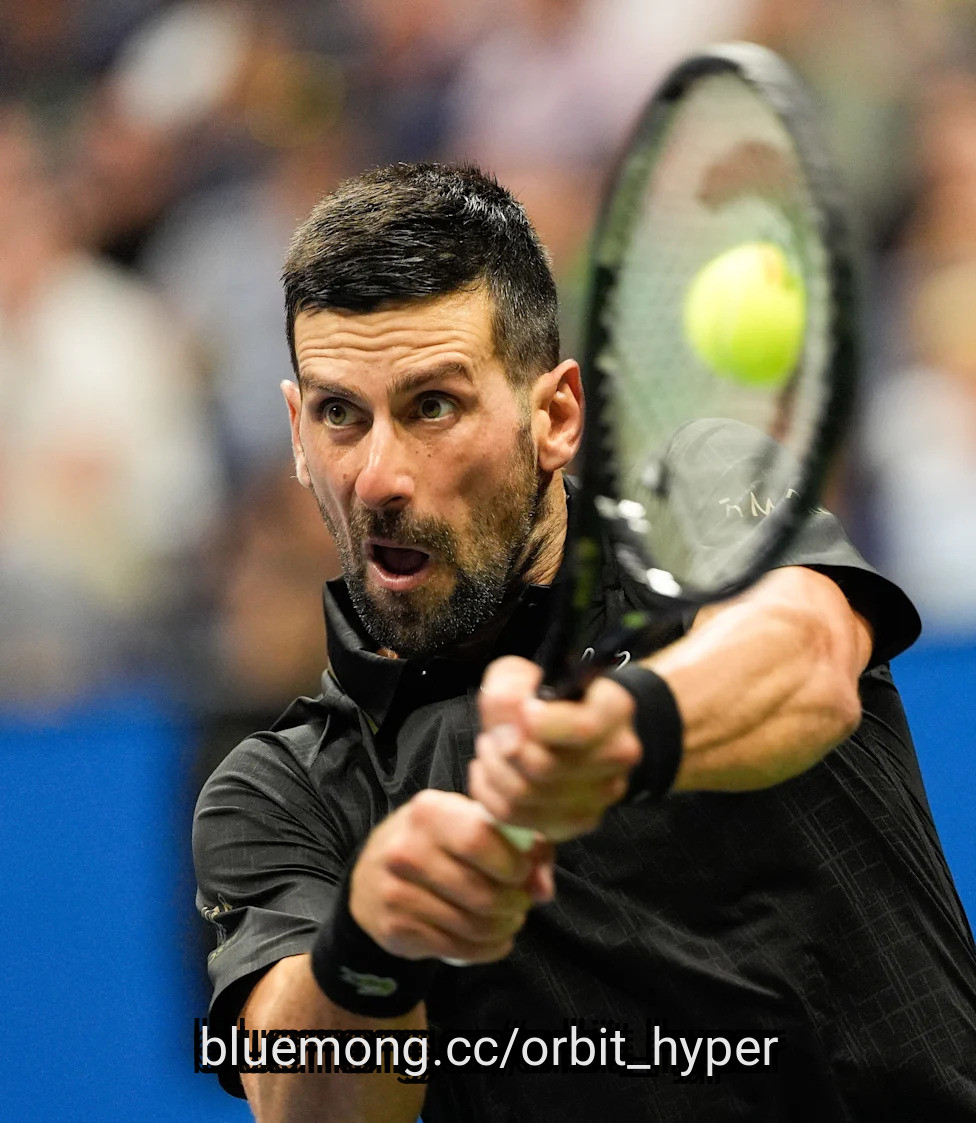
American tennis star Jessica Pegula has dreamed about what it would be like to win the first Grand Slam of her career. She said achieving that milestone at the U.S. Open, her favorite of the four slams, would be even sweeter.
"My goal is to win the tournament," Pegula told USA TODAY Sports ahead of the 2026 U.S. Open. "It is my favorite place to play just purely because I am an American and I'm from New York State, and I do think people get behind me and encourage me a lot more than maybe even some other Americans."
Pegula has experienced both triumph and heartbreak at the USTA Billie Jean King National Tennis Center in Queens, New York. She advanced to the first and only Grand Slam final of her career at the 2024 U.S. Open, but ultimately lost to Aryna Sabalenka in straight sets. "I do feel like it adds a little bit more pressure," Pegula added.
Pegula spoke to USA TODAY Sports ahead of the fourth and final major of the year through her partnership with Vital Proteins, the official collagen partner of the U.S. Open.
Pegula, 32, is considered a late-bloomer in the tennis world. She made her professional debut in 2009, but a string of serious injuries delayed her ascension. Pegula broke through and won her first WTA ***** le at age 25 in 2019. She cracked the Top 50 for the first time in 2021, made it into the Top 20 by January 2022 and reached the Top 10 five months later at age 28.
#tennis #american #sports
"My goal is to win the tournament," Pegula told USA TODAY Sports ahead of the 2026 U.S. Open. "It is my favorite place to play just purely because I am an American and I'm from New York State, and I do think people get behind me and encourage me a lot more than maybe even some other Americans."
Pegula has experienced both triumph and heartbreak at the USTA Billie Jean King National Tennis Center in Queens, New York. She advanced to the first and only Grand Slam final of her career at the 2024 U.S. Open, but ultimately lost to Aryna Sabalenka in straight sets. "I do feel like it adds a little bit more pressure," Pegula added.
Pegula spoke to USA TODAY Sports ahead of the fourth and final major of the year through her partnership with Vital Proteins, the official collagen partner of the U.S. Open.
Pegula, 32, is considered a late-bloomer in the tennis world. She made her professional debut in 2009, but a string of serious injuries delayed her ascension. Pegula broke through and won her first WTA ***** le at age 25 in 2019. She cracked the Top 50 for the first time in 2021, made it into the Top 20 by January 2022 and reached the Top 10 five months later at age 28.
#tennis #american #sports



1 month ago
PepsiCo (NASDAQ:PEP) has spent close to a year going nowhere while the broader market climbed steadily, and shares recently traded near a 52-week low even after the company posted higher revenue and earnings. That gap between decent headline numbers and a beaten-down stock price is the whole story right now. Investors are trying to figure out whether a business that looks strong overseas and stuck at home is worth paying up for, all while collecting one of the most dependable dividends around.
ja-san-miguel-xYSp0kkIUio-unsplash
Outside the United States, PepsiCo's business is humming. International beverage volume climbed 5% last quarter and revenue jumped 11%, or 9% once currency swings are stripped out, and none of that came from acquisitions since those deals were concentrated on U.S. brands. Snacks told a similar story abroad, with Asia Pacific revenue up 15% and Latin America up 12%. That geographic spread matters because it's cushioning a domestic business that isn't pulling its weight. On top of that, volume is finally moving in the right direction everywhere: PepsiCo posted its fastest volume sales growth since 2022, and global organic sales volume through the first half of fiscal 2026 was the highest in four years, a sign that recent price cuts aimed at cost-conscious shoppers are working rather than just squeezing margins.
The stock's price tag adds to the case. Shares trade around 16 times forward earnings, a discount to its five-year median near 22. Layer on a dividend that's been raised for 54 straight years, with the payout still covered by adjusted earnings. Management is "restaging" four core brands, Lay's, Tostitos, Gatorade, and Quaker, with new packaging, marketing, and ingredients, while rolling out products like protein chips and probiotic drinks. Activist investor Elliott Investment Management has also been in the mix, pushing the company to move faster on growth and cost cuts.
The trouble is that PepsiCo's biggest market is still shrinking in the ways that matter. North American food sales fell 2% last quarter, and beverage volume in that region dropped 4% even as reported beverage revenue ticked up. Management pointed to higher gas prices as one culprit, arguing that pricier fill-ups are cutting into convenience store traffic, a channel where impulse buys of chips and soda matter a lot. Strip out acquisitions, and organic growth in North American beverages was just 1%.
#beverage #Growth
ja-san-miguel-xYSp0kkIUio-unsplash
Outside the United States, PepsiCo's business is humming. International beverage volume climbed 5% last quarter and revenue jumped 11%, or 9% once currency swings are stripped out, and none of that came from acquisitions since those deals were concentrated on U.S. brands. Snacks told a similar story abroad, with Asia Pacific revenue up 15% and Latin America up 12%. That geographic spread matters because it's cushioning a domestic business that isn't pulling its weight. On top of that, volume is finally moving in the right direction everywhere: PepsiCo posted its fastest volume sales growth since 2022, and global organic sales volume through the first half of fiscal 2026 was the highest in four years, a sign that recent price cuts aimed at cost-conscious shoppers are working rather than just squeezing margins.
The stock's price tag adds to the case. Shares trade around 16 times forward earnings, a discount to its five-year median near 22. Layer on a dividend that's been raised for 54 straight years, with the payout still covered by adjusted earnings. Management is "restaging" four core brands, Lay's, Tostitos, Gatorade, and Quaker, with new packaging, marketing, and ingredients, while rolling out products like protein chips and probiotic drinks. Activist investor Elliott Investment Management has also been in the mix, pushing the company to move faster on growth and cost cuts.
The trouble is that PepsiCo's biggest market is still shrinking in the ways that matter. North American food sales fell 2% last quarter, and beverage volume in that region dropped 4% even as reported beverage revenue ticked up. Management pointed to higher gas prices as one culprit, arguing that pricier fill-ups are cutting into convenience store traffic, a channel where impulse buys of chips and soda matter a lot. Strip out acquisitions, and organic growth in North American beverages was just 1%.
#beverage #Growth


2 months ago
(NewsNation) — ALS, or amyotrophic lateral sclerosis, is a fatal neurological disease with no cure. For people who carry genetic mutations linked to the disease, one of the biggest challenges is not knowing when symptoms might begin.
New research funded by the National Institutes of Health could help change that.
Researchers have developed a blood test that may predict when an at-risk person is likely to develop ALS symptoms, providing a potential window for preventive treatment before irreversible nerve damage occurs.
The study identified protein markers in the blood that can help predict the onset of symptoms, a transition known as phenoconversion.
Dr. Anthony Youn says popular peptides 'aren't studied enough' in humans
#Help #blood #national #researchers
New research funded by the National Institutes of Health could help change that.
Researchers have developed a blood test that may predict when an at-risk person is likely to develop ALS symptoms, providing a potential window for preventive treatment before irreversible nerve damage occurs.
The study identified protein markers in the blood that can help predict the onset of symptoms, a transition known as phenoconversion.
Dr. Anthony Youn says popular peptides 'aren't studied enough' in humans
#Help #blood #national #researchers



2 months ago
Our ****** ysts just identified a stock with the potential to be the next Nvidia. Tell us how you invest and we'll show you why it's our #1 pick. Tap here.
Management attributes the significant Q2 outperformance to a rally in finished product markets, specifically fat and protein prices, alongside favorable trade-related developments.
The Feed Ingredients segment benefited from robust biofuel demand and tightening global fish meal supplies, which strengthened protein values and supported improved gross margins.
Operational excellence programs, including contract management and price risk optimization, are delivering on the Investor Day promise to generate $150 million to $300 million in additional EBITDA over three years.
The Food segment is undergoing a structural shift from gelatin to higher-margin collagen, with collagen currently generating 2.5x to 3x the margin of traditional gelatin products.
#protein #segment #million
Management attributes the significant Q2 outperformance to a rally in finished product markets, specifically fat and protein prices, alongside favorable trade-related developments.
The Feed Ingredients segment benefited from robust biofuel demand and tightening global fish meal supplies, which strengthened protein values and supported improved gross margins.
Operational excellence programs, including contract management and price risk optimization, are delivering on the Investor Day promise to generate $150 million to $300 million in additional EBITDA over three years.
The Food segment is undergoing a structural shift from gelatin to higher-margin collagen, with collagen currently generating 2.5x to 3x the margin of traditional gelatin products.
#protein #segment #million

2 months ago
Few foods were as well-positioned as jerky to take advantage of the recent wave of interest in protein-rich foods. And few companies in that industry have seen a spike in sales like Jack Link's jerky.
But despite the company's current market leadership position (brick-and-mortar retail sales reportedly topped $1.6 billion in 2025), it once was struggling to find direction after filing for bankruptcy.
Jeff Bezos backs a platform that lets anyone invest in rental homes for as little as $100 — 6 ways to build wealth like a landlord without actually being one
Dave Ramsey warns nearly 50% of Americans are making 1 big Social Security mistake — here's what it is and 3 simple steps to fix it ASAP
The tax breaks in Trump's 'big beautiful bill' expire after 2028 — and experts say most people won't act in time. What to do before the window closes
#jerky #like
But despite the company's current market leadership position (brick-and-mortar retail sales reportedly topped $1.6 billion in 2025), it once was struggling to find direction after filing for bankruptcy.
Jeff Bezos backs a platform that lets anyone invest in rental homes for as little as $100 — 6 ways to build wealth like a landlord without actually being one
Dave Ramsey warns nearly 50% of Americans are making 1 big Social Security mistake — here's what it is and 3 simple steps to fix it ASAP
The tax breaks in Trump's 'big beautiful bill' expire after 2028 — and experts say most people won't act in time. What to do before the window closes
#jerky #like

2 months ago
A major scientific review is challenging the idea that more protein is always better.
The review, led by pathologist and biomedical researcher Dudley Lamming and published in the journal Cell Press Blue, examined more than 350 studies involving humans, mice, insects, yeast, and other organisms.
The review found that eating less protein, or less of certain amino acids that make up protein, may turn on body processes linked to healthier aging, as well as metabolism, the process by which the body turns food and drinks into energy.
Filadendron/STOCK PHOTO/Getty Images - PHOTO: Stock photo of a person eating a chicken salad.
Protein is now added to lattes, cereal, chips, ramen, and many other foods that were never traditionally marketed as protein-rich. The message seems clear: More protein must be better.
#body
The review, led by pathologist and biomedical researcher Dudley Lamming and published in the journal Cell Press Blue, examined more than 350 studies involving humans, mice, insects, yeast, and other organisms.
The review found that eating less protein, or less of certain amino acids that make up protein, may turn on body processes linked to healthier aging, as well as metabolism, the process by which the body turns food and drinks into energy.
Filadendron/STOCK PHOTO/Getty Images - PHOTO: Stock photo of a person eating a chicken salad.
Protein is now added to lattes, cereal, chips, ramen, and many other foods that were never traditionally marketed as protein-rich. The message seems clear: More protein must be better.
#body




2 months ago
Felicia, the flagship brand of Andriani Societa Benefit, announces a multi-year partnership with Juventus Football Club, becoming the Club's Official Healthy Food Partner. The agreement brings together two organisations that share values, including innovation, the pursuit of excellence and a strong focus on quality of life.
Felicia and Juventus aim to promote increasingly conscious consumption habits, highlighting the role of a balanced diet as an integral part of an active lifestyle.
Felicia will be present throughout the Juventus ecosystem through a structured program that includes brand visibility, digital content and dedicated experiences for supporters and the Bianconeri community. The agreement includes a presence at Allianz Stadium during Serie A and Italian Cup matches, activities at the Juventus Training Center and the production of exclusive content developed in collaboration with Juventus Creator Lab, providing direct access to Juventus' extensive global social media audience of more than 190 million followers.
The project will also directly involve the Club's sporting operations. Felicia products will become part of the Men's First Team's nutritional plan, confirming the shared focus on quality, innovation and wellbeing. The decision is consistent with the brand's commitment to promoting a healthy lifestyle inspired by the Mediterranean diet and biodiversity at the table, through products that are naturally gluten-free, rich in plant-based protein and whole grains and also suitable for athletes.
"This partnership marks an important milestone in Felicia's journey to strengthen its presence in the world of sport through the promotion of a positive and responsible approach to nutrition," said Marco Lentini, Marketing Director of Andriani Societa Benefit. "Working with an organisation such as Juventus means helping to raise awareness of issues related to wellbeing, taste, and the value of food biodiversity. It is the meeting of shared values and a common ability to create authentic connections between people, generations and communities.
#societa
Felicia and Juventus aim to promote increasingly conscious consumption habits, highlighting the role of a balanced diet as an integral part of an active lifestyle.
Felicia will be present throughout the Juventus ecosystem through a structured program that includes brand visibility, digital content and dedicated experiences for supporters and the Bianconeri community. The agreement includes a presence at Allianz Stadium during Serie A and Italian Cup matches, activities at the Juventus Training Center and the production of exclusive content developed in collaboration with Juventus Creator Lab, providing direct access to Juventus' extensive global social media audience of more than 190 million followers.
The project will also directly involve the Club's sporting operations. Felicia products will become part of the Men's First Team's nutritional plan, confirming the shared focus on quality, innovation and wellbeing. The decision is consistent with the brand's commitment to promoting a healthy lifestyle inspired by the Mediterranean diet and biodiversity at the table, through products that are naturally gluten-free, rich in plant-based protein and whole grains and also suitable for athletes.
"This partnership marks an important milestone in Felicia's journey to strengthen its presence in the world of sport through the promotion of a positive and responsible approach to nutrition," said Marco Lentini, Marketing Director of Andriani Societa Benefit. "Working with an organisation such as Juventus means helping to raise awareness of issues related to wellbeing, taste, and the value of food biodiversity. It is the meeting of shared values and a common ability to create authentic connections between people, generations and communities.
#societa

2 months ago
When menopause comes knocking, it brings a metabolic nosedive and weakened muscles along with it. Those two go hand in hand (we'll explain in a minute) but the upshot is a host of joint and muscle injuries you might not realize are hormonal. Back in 2019, Shania Twain was in the same boat.
At the time, Twain was doing a residency in Las Vegas and experiencing what she now realizes was a "raging period of menopause," the singer revealed to People. In the new cover story, Shania shares that she was dehydrated and undernourished from not eating enough protein and lacking key nutrients.
More from Flow ***** e
Michelle Monaghan's Secret to Staying Game for Anything at 50
"I wasn't eating enough salt, I wasn't retaining any water, and I wasn't drinking enough water," Twain recalled, citing the dry Nevada climate. "It was just this perfect storm for disaster."
#wasn 't #shania
At the time, Twain was doing a residency in Las Vegas and experiencing what she now realizes was a "raging period of menopause," the singer revealed to People. In the new cover story, Shania shares that she was dehydrated and undernourished from not eating enough protein and lacking key nutrients.
More from Flow ***** e
Michelle Monaghan's Secret to Staying Game for Anything at 50
"I wasn't eating enough salt, I wasn't retaining any water, and I wasn't drinking enough water," Twain recalled, citing the dry Nevada climate. "It was just this perfect storm for disaster."
#wasn 't #shania


2 months ago
Hot dogs, peanuts, popcorn, and pretzels have long been staples of the ballpark experience. Yet in Seattle, baseball fans have embraced a snack that surprises many first-time visitors: toasted grasshoppers. What began as a specialty dish at a local restaurant quickly evolved into one of the most talked-about concessions at Seattle Mariners games. The unusual offering not only challenged expectations about stadium food but also introduced thousands of people to a traditional ingredient that has been enjoyed in parts of the world for centuries.
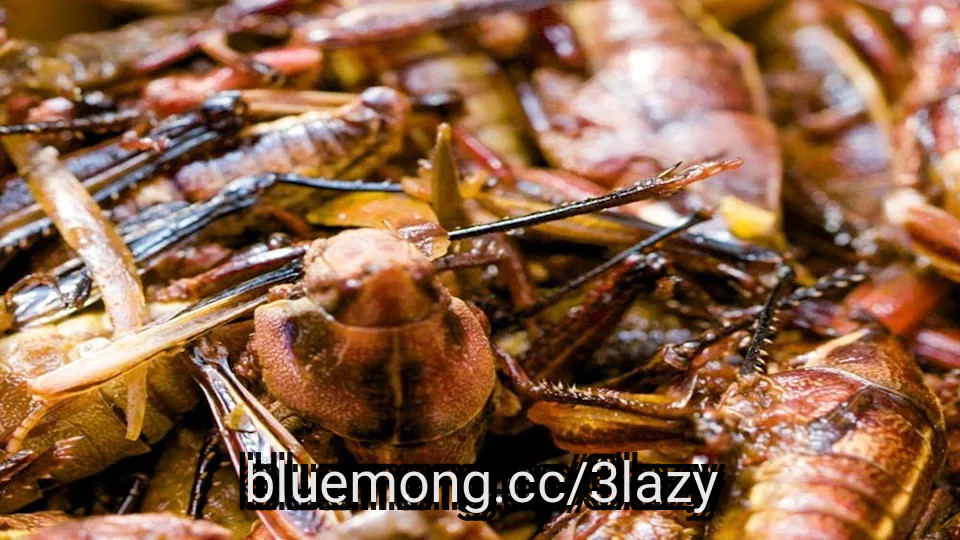
The story begins at Poquitos, a Mexican-inspired restaurant in Seattle led by executive chef Manny Arce. When the restaurant first opened, Arce added toasted grasshoppers, known in Mexican cuisine as chapulines, to the menu as a novelty. Chapulines have been eaten for generations, particularly in the Mexican state of Oaxaca, where they are considered a popular street food and a rich source of protein. Seasoned simply with salt, lime, and chili, they offer a crunchy texture and a savory flavor that many diners compare to roasted sunflower seeds with a hint of spice.
Although the snack attracted curious customers at the restaurant, its popularity reached an entirely new level when the Seattle Mariners expressed interest in featuring it at what is now known as T-Mobile Park, formerly Safeco Field. After sampling the product, the organization decided it would make a unique addition to the stadium's food lineup. The response exceeded every expectation. Fans eager to try something different lined up to buy the toasted grasshoppers, and supplies disappeared almost immediately during games.
What initially seemed like a niche offering quickly became a stadium sensation. Chef Arce expected that his first shipment of approximately 50 pounds would last several weeks. Instead, it sold out in a single day. As demand continued to grow, the numbers became astonishing. More than 300,000 individual servings were eventually sold, requiring well over 1,000 pounds of grasshoppers to keep up with fan interest. On many game days, vendors ran out before the first inning had even ended.
The success of the snack reflects changing attitudes toward food and the growing willingness of consumers to explore unfamiliar culinary traditions. Around the world, edible insects are recognized as nutritious, environmentally sustainable sources of protein that require fewer natural resources than conventional livestock. While many people still view the idea with hesitation, others appreciate the opportunity to experience flavors that are common in different cultures.
#many #first #mexican
The story begins at Poquitos, a Mexican-inspired restaurant in Seattle led by executive chef Manny Arce. When the restaurant first opened, Arce added toasted grasshoppers, known in Mexican cuisine as chapulines, to the menu as a novelty. Chapulines have been eaten for generations, particularly in the Mexican state of Oaxaca, where they are considered a popular street food and a rich source of protein. Seasoned simply with salt, lime, and chili, they offer a crunchy texture and a savory flavor that many diners compare to roasted sunflower seeds with a hint of spice.
Although the snack attracted curious customers at the restaurant, its popularity reached an entirely new level when the Seattle Mariners expressed interest in featuring it at what is now known as T-Mobile Park, formerly Safeco Field. After sampling the product, the organization decided it would make a unique addition to the stadium's food lineup. The response exceeded every expectation. Fans eager to try something different lined up to buy the toasted grasshoppers, and supplies disappeared almost immediately during games.
What initially seemed like a niche offering quickly became a stadium sensation. Chef Arce expected that his first shipment of approximately 50 pounds would last several weeks. Instead, it sold out in a single day. As demand continued to grow, the numbers became astonishing. More than 300,000 individual servings were eventually sold, requiring well over 1,000 pounds of grasshoppers to keep up with fan interest. On many game days, vendors ran out before the first inning had even ended.
The success of the snack reflects changing attitudes toward food and the growing willingness of consumers to explore unfamiliar culinary traditions. Around the world, edible insects are recognized as nutritious, environmentally sustainable sources of protein that require fewer natural resources than conventional livestock. While many people still view the idea with hesitation, others appreciate the opportunity to experience flavors that are common in different cultures.
#many #first #mexican
2 months ago
Coca-Cola (KO) disclosed a ransomware attack suspended Fairlife's U.S. production with no restoration timeline, threatening grocery shelf availability nationwide.
Past food and beverage ransomware attacks on Arizona Beverages and UNFI caused weeks of empty shelves, and Fairlife has few protein dairy substitutes.
Act now: the ***** yst who called NVIDIA in 2010 just named his top 10 AI stocks — and Coca-Cola didn't make the cut. Grab the names FREE today.
One of the fastest-growing brands in the American dairy aisle just went dark, and a cyberattack is the reason.
In a securities filing on July 16, 2026, Coca-Cola (NYSE:KO) disclosed that its Fairlife dairy subsidiary was hit by a ransomware attack that breached its IT systems, including production-related systems. Fairlife's U.S. production operations are "temporarily suspended," though Canadian operations are unaffected. The Fairlife hack is now rippling toward grocery shelves, and the Coca-Cola ransomware disclosure leaves the key question unanswered: when production comes back.
#suspended
Past food and beverage ransomware attacks on Arizona Beverages and UNFI caused weeks of empty shelves, and Fairlife has few protein dairy substitutes.
Act now: the ***** yst who called NVIDIA in 2010 just named his top 10 AI stocks — and Coca-Cola didn't make the cut. Grab the names FREE today.
One of the fastest-growing brands in the American dairy aisle just went dark, and a cyberattack is the reason.
In a securities filing on July 16, 2026, Coca-Cola (NYSE:KO) disclosed that its Fairlife dairy subsidiary was hit by a ransomware attack that breached its IT systems, including production-related systems. Fairlife's U.S. production operations are "temporarily suspended," though Canadian operations are unaffected. The Fairlife hack is now rippling toward grocery shelves, and the Coca-Cola ransomware disclosure leaves the key question unanswered: when production comes back.
#suspended

2 months ago
Madison Small Cap Fund, managed by Madison Funds, released its Q2 2026 investor letter. A copy of the letter can be downloaded here. The small-cap market showed exceptional strength in Q2, largely due to anticipated peace in the Middle East. The Russell 2000 Index began to rally, propelled by Information Technology, Health Care, and Industrials. The Madison Small Cap Fund (Class I) returned 12.7% in the quarter, underperforming the Russell 2000's 21.5% and Russell 2500's 20.2%. While strong gains were seen in Info Tech investments, recent investments in underperforming software companies negatively impacted overall performance. Nevertheless, confidence in the long-term potential of these software investments remains high. The firm is optimistic about small caps, noting their recent outperformance over large caps, recovery in certain software sectors, and improvements in some housing stocks toward the end of the second quarter. Please review the Fund's top five holdings to gain insights into their key selections for 2026.
In its Q2 2026 investor letter, Madison Small Cap Fund highlighted The Simply Good Foods Company (NASDAQ:SMPL). The Simply Good Foods Company (NASDAQ:SMPL) is a Denver based consumer-packaged food and beverage company. On July 16, 2026, The Simply Good Foods Company (NASDAQ:SMPL) closed at $12.07 per share, reflecting a market capitalization of $1.07 billion. The Simply Good Foods Company (NASDAQ:SMPL) posted a one-month return of -4.43%, while its shares lost 63.12% over the past 52 weeks.
Madison Small Cap Fund stated the following regarding The Simply Good Foods Company (NASDAQ:SMPL) in its Q2 2026 investor update:
"The Simply Good Foods Company (NASDAQ:SMPL) is a consumer staples company that owns the Atkins and Quest protein and snack food brands. Over the past few years, the company has faced multiple headwinds, including cost inflation, the rationalization of the Atkins brand, and the integration of the recently acquired OWYN brand. While the rationalization of Atkins led to severe top-line headwinds, we remained patient as the more important Quest brand maintained its growth. The recent slowdown in the core Quest protein bar business led to a loss of confidence in management and a leadership change. We decided to move on to better opportunities."
The Simply Good Foods Company (NASDAQ:SMPL) is not on our list of 40 Most Popular Stocks Among Hedge Funds Heading Into 2026. According to our database, 33 hedge fund portfolios held The Simply Good Foods Company (NASDAQ:SMPL) at the end of the first quarter, compared to 35 in the previous quarter. While we acknowledge the potential of The Simply Good Foods Company (NASDAQ:SMPL) as an investment, we believe certain AI stocks offer greater upside potential and carry less downside risk. If you're looking for an extremely undervalued AI stock that also stands to benefit significantly from Trump-era tariffs and the onshoring trend, see our free report on the best short-term AI st
In its Q2 2026 investor letter, Madison Small Cap Fund highlighted The Simply Good Foods Company (NASDAQ:SMPL). The Simply Good Foods Company (NASDAQ:SMPL) is a Denver based consumer-packaged food and beverage company. On July 16, 2026, The Simply Good Foods Company (NASDAQ:SMPL) closed at $12.07 per share, reflecting a market capitalization of $1.07 billion. The Simply Good Foods Company (NASDAQ:SMPL) posted a one-month return of -4.43%, while its shares lost 63.12% over the past 52 weeks.
Madison Small Cap Fund stated the following regarding The Simply Good Foods Company (NASDAQ:SMPL) in its Q2 2026 investor update:
"The Simply Good Foods Company (NASDAQ:SMPL) is a consumer staples company that owns the Atkins and Quest protein and snack food brands. Over the past few years, the company has faced multiple headwinds, including cost inflation, the rationalization of the Atkins brand, and the integration of the recently acquired OWYN brand. While the rationalization of Atkins led to severe top-line headwinds, we remained patient as the more important Quest brand maintained its growth. The recent slowdown in the core Quest protein bar business led to a loss of confidence in management and a leadership change. We decided to move on to better opportunities."
The Simply Good Foods Company (NASDAQ:SMPL) is not on our list of 40 Most Popular Stocks Among Hedge Funds Heading Into 2026. According to our database, 33 hedge fund portfolios held The Simply Good Foods Company (NASDAQ:SMPL) at the end of the first quarter, compared to 35 in the previous quarter. While we acknowledge the potential of The Simply Good Foods Company (NASDAQ:SMPL) as an investment, we believe certain AI stocks offer greater upside potential and carry less downside risk. If you're looking for an extremely undervalued AI stock that also stands to benefit significantly from Trump-era tariffs and the onshoring trend, see our free report on the best short-term AI st

2 months ago
A rival drug failure can sometimes move a biotech stock almost as much as a company's own clinical data.
That is what happened to BridgeBio on July 9.
BridgeBio (BBIO) shares jumped after AstraZeneca and Ionis said Wainua failed to meet the main goal in a late-stage trial for transthyretin-mediated amyloid cardiomyopathy, or ATTR-CM, a heart disease caused by protein buildup that can make it harder for the heart to pump blood.
BridgeBio stock was recently trading at $89.86, up 14.7% from the previous close. The stock opened at $84 and traded as high as $93.31 during July 9's session.
The rally added roughly $2.2 billion to BridgeBio's market value based on its intraday market capitalization. The move shows investors were not just reacting to a failed trial. They were reassessing the competitive field around a drug BridgeBio already sells.
That is what happened to BridgeBio on July 9.
BridgeBio (BBIO) shares jumped after AstraZeneca and Ionis said Wainua failed to meet the main goal in a late-stage trial for transthyretin-mediated amyloid cardiomyopathy, or ATTR-CM, a heart disease caused by protein buildup that can make it harder for the heart to pump blood.
BridgeBio stock was recently trading at $89.86, up 14.7% from the previous close. The stock opened at $84 and traded as high as $93.31 during July 9's session.
The rally added roughly $2.2 billion to BridgeBio's market value based on its intraday market capitalization. The move shows investors were not just reacting to a failed trial. They were reassessing the competitive field around a drug BridgeBio already sells.
2 months ago
Erling Haaland has helped lead the Norwegian national team to the quarterfinals of the 2026 World Cup and in the process has become a global soccer sensation on and off the pitch.
Ahead of the highly-anticipated Norway vs. England match in Miami on Saturday, get to know more below about the Gen Z striker who has transcended the tournament with his unique personality.
Whether it's leading his team in a celebratory viking row chant after a win, surging to the top of Spotify charts or an sharing a glimpse into his high-protein diet with his 60 million Instagram followers -- which is more than 10 times the population of the country he represents -- the 25-year-old has amassed serious star power throughout this World Cup.
Erling, who was born in Leeds, England, before moving to Norway where he was raised and started his soccer career, made his international debut with Norway in September 2019.
"I lived in England for three and a half or four years," Haaland said in an interview last season, according to ESPN. "I lived in Norway for such a long time so it was natural for me to choose Norway.
Ahead of the highly-anticipated Norway vs. England match in Miami on Saturday, get to know more below about the Gen Z striker who has transcended the tournament with his unique personality.
Whether it's leading his team in a celebratory viking row chant after a win, surging to the top of Spotify charts or an sharing a glimpse into his high-protein diet with his 60 million Instagram followers -- which is more than 10 times the population of the country he represents -- the 25-year-old has amassed serious star power throughout this World Cup.
Erling, who was born in Leeds, England, before moving to Norway where he was raised and started his soccer career, made his international debut with Norway in September 2019.
"I lived in England for three and a half or four years," Haaland said in an interview last season, according to ESPN. "I lived in Norway for such a long time so it was natural for me to choose Norway.



2 months ago
Biohaven Ltd. (NYSE:BHVN) is one of the 10 Best Performing American Stocks in June 2026.
On June 30, 2026, Biohaven Ltd. (NYSE:BHVN) announced the completion of enrollment in RISE3, a pivotal Phase 2/3 randomized, double-blind, placebo-controlled study evaluating opakalim for refractory focal epilepsy. Opakalim is Biohaven's selective Kv7.2/7.3 channel activator, and top-line results from the study are expected in 2H 2026.
On June 29, Biohaven announced enrollment of the first patient in the pivotal Phase 3 trial of BHV-1300 for Graves' disease. BHV-1300 is the first MoDE extracellular protein degrader, described by the company as a novel small molecule IgG1, 2, and 4 degrader that uses the body's clearance machinery to eliminate the IgG1 TSHR autoantibody driving Graves' disease.
On June 26, Deutsche Bank raised the firm's price target on Biohaven to $20 from $15 and kept a Buy rating on the shares. Deutsche Bank said the company's troriluzole in spinocerebellar ataxia could be the next beneficiary of recent FDA reversals.
Miriam Doerr Martin Frommherz/Shutterstock.com
On June 30, 2026, Biohaven Ltd. (NYSE:BHVN) announced the completion of enrollment in RISE3, a pivotal Phase 2/3 randomized, double-blind, placebo-controlled study evaluating opakalim for refractory focal epilepsy. Opakalim is Biohaven's selective Kv7.2/7.3 channel activator, and top-line results from the study are expected in 2H 2026.
On June 29, Biohaven announced enrollment of the first patient in the pivotal Phase 3 trial of BHV-1300 for Graves' disease. BHV-1300 is the first MoDE extracellular protein degrader, described by the company as a novel small molecule IgG1, 2, and 4 degrader that uses the body's clearance machinery to eliminate the IgG1 TSHR autoantibody driving Graves' disease.
On June 26, Deutsche Bank raised the firm's price target on Biohaven to $20 from $15 and kept a Buy rating on the shares. Deutsche Bank said the company's troriluzole in spinocerebellar ataxia could be the next beneficiary of recent FDA reversals.
Miriam Doerr Martin Frommherz/Shutterstock.com


2 months ago
We recently compiled a list of the 10 Best Innovative Healthcare Stocks to Buy Now. Crinetics Pharmaceuticals, Inc. (NASDAQ:CRNX) is one of the best healthcare stocks on our list.
TheFly reported on July 2 that UBS ******* yst Ashwani Verma initiated coverage of CRNX with a Buy rating and a $55 price target. The ******* yst noted that the stock's 44% decline since mid-January presents an appealing opportunity for investors. UBS highlighted CRNX's pipeline as having multiple potential catalysts, supported by programs with strong chances of clinical success. The firm expressed the highest confidence in the Phase 3 atumelnant program for congenital adrenal hyperplasia and projects peak sales potential of approximately $2.0 billion.
In other news, on July 6, Vertex Pharmaceuticals and Crinetics Pharmaceuticals, Inc. (NASDAQ:CRNX) announced a definitive agreement under which Vertex will acquire Crinetics for $85.00 per share in cash, representing an equity value of approximately $10 billion, or about $8.8 billion after accounting for estimated acquired cash. The transaction received unanimous approval from both companies' boards and is expected to close in the third quarter of 2026. Vertex stated that CRNX's endocrine-focused portfolio, including PALSONIFY and atumelnant, aligns with its strategy of developing transformative medicines for diseases with significant unmet needs. The acquisition is expected to support Vertex's revenue growth, with the combined ******* ets projected to provide more than $5 billion in potential peak annual revenue.
Crinteics Pharmaceuticals, Inc. (NASDAQ:CRNX) is a clinical-stage biopharmaceutical company focused on developing oral, non-peptide therapies for endocrine diseases and tumors by targeting G-protein-coupled receptors (GPCRs). Its key programs include PALSONIFY (paltusotine), an FDA- and EMA-approved oral treatment for acromegaly; atremelnant, a Phase 3 therapy for congenital adrenal hyperplasia and Cushing's syndrome; and a pipeline targeting conditions such as Graves' disease, obesity, and other endocrine disorders, and this is what makes the company innovative.
While we acknowledge the potential of CRNX as an investment, we believe certain AI stocks offer greater upside potential and carry less downside risk. If you're looking for an extremely undervalued AI stock that also stands to benefit significantly from Trump-era tariffs and the onshoring trend, see our free report on the best short-term AI stock.
TheFly reported on July 2 that UBS ******* yst Ashwani Verma initiated coverage of CRNX with a Buy rating and a $55 price target. The ******* yst noted that the stock's 44% decline since mid-January presents an appealing opportunity for investors. UBS highlighted CRNX's pipeline as having multiple potential catalysts, supported by programs with strong chances of clinical success. The firm expressed the highest confidence in the Phase 3 atumelnant program for congenital adrenal hyperplasia and projects peak sales potential of approximately $2.0 billion.
In other news, on July 6, Vertex Pharmaceuticals and Crinetics Pharmaceuticals, Inc. (NASDAQ:CRNX) announced a definitive agreement under which Vertex will acquire Crinetics for $85.00 per share in cash, representing an equity value of approximately $10 billion, or about $8.8 billion after accounting for estimated acquired cash. The transaction received unanimous approval from both companies' boards and is expected to close in the third quarter of 2026. Vertex stated that CRNX's endocrine-focused portfolio, including PALSONIFY and atumelnant, aligns with its strategy of developing transformative medicines for diseases with significant unmet needs. The acquisition is expected to support Vertex's revenue growth, with the combined ******* ets projected to provide more than $5 billion in potential peak annual revenue.
Crinteics Pharmaceuticals, Inc. (NASDAQ:CRNX) is a clinical-stage biopharmaceutical company focused on developing oral, non-peptide therapies for endocrine diseases and tumors by targeting G-protein-coupled receptors (GPCRs). Its key programs include PALSONIFY (paltusotine), an FDA- and EMA-approved oral treatment for acromegaly; atremelnant, a Phase 3 therapy for congenital adrenal hyperplasia and Cushing's syndrome; and a pipeline targeting conditions such as Graves' disease, obesity, and other endocrine disorders, and this is what makes the company innovative.
While we acknowledge the potential of CRNX as an investment, we believe certain AI stocks offer greater upside potential and carry less downside risk. If you're looking for an extremely undervalued AI stock that also stands to benefit significantly from Trump-era tariffs and the onshoring trend, see our free report on the best short-term AI stock.

2 months ago
(NewsNation) — Your gut bacteria may influence hormone-related cancer risk, researchers say.
The bacteria living in your gut may play a much larger role in hormone-related cancers than scientists previously believed, according to a new review published in the journal npj Biofilms and Microbiomes.
Researchers ***** yzed existing studies examining how the gut microbiome — the trillions of bacteria and other microbes that live in the digestive tract — interacts with the body's hormone system.
While scientists have long known gut bacteria help regulate estrogen, the review suggests the microbiome acts as an active partner in hormone signaling, influencing inflammation, metabolism and immune responses that may affect cancer development.
New protein controls how the body stores, burns fat: study
The bacteria living in your gut may play a much larger role in hormone-related cancers than scientists previously believed, according to a new review published in the journal npj Biofilms and Microbiomes.
Researchers ***** yzed existing studies examining how the gut microbiome — the trillions of bacteria and other microbes that live in the digestive tract — interacts with the body's hormone system.
While scientists have long known gut bacteria help regulate estrogen, the review suggests the microbiome acts as an active partner in hormone signaling, influencing inflammation, metabolism and immune responses that may affect cancer development.
New protein controls how the body stores, burns fat: study