2 days ago
On September 9, 2026, Reuters reported that Alphabet Inc. (NASDAQ:GOOGL)'s Google will invest at least €13 billion, or about $15.1 billion, in AI infrastructure in Finland over the next two years, its biggest European investment, including three new data centers and a 22-year deal for up to 50% of the output of one of Finland's two nuclear power plants. The agreement with Finnish utility Fortum is Google's first nuclear energy deal outside the United States, and Fortum's stock jumped as much as 15.5% on the news, its biggest gain in Europe that day.
Finland gives Alphabet Inc. (NASDAQ:GOOGL) a potentially more cost-efficient location for its expanding AI infrastructure. Google plans to invest at least €13 billion ($15.1 billion) in three new data centers and related infrastructure in Finland during 2027 and 2028. The country's cold climate can reduce the need for energy-intensive cooling. The investment will also help grid improvements, clean-energy projects and battery storage.
The 22-year nuclear power agreement gives Google greater control over a critical input for AI infrastructure. Google will purchase up to 50% of the electricity generated by Finland's Loviisa nuclear plant, providing a long-term source of low-carbon power for its data-center operations. The agreement also gives Fortum greater economic certainty to extend and upgrade the plant through 2050. Google and Fortum plan to explore more nuclear and renewable projects.
Alphabet has strong demand drivers that can justify investment in AI capacity. The firm has increased its 2026 global capital investment target to $195 billion-$205 billion as it seeks to capture growing AI computing demand. Google is using the additional infrastructure to support Gemini, Search, Maps, and YouTube. It gives Alphabet multiple major products through which it can monetize greater AI capacity over time.
The Finland project adds another major commitment to Alphabet Inc. (NASDAQ:GOOGL)'s already enormous AI spending program. Alphabet expects to spend $195 billion-$205 billion on capital investment globally in 2026. The Finnish project will require at least another €13 billion during 2027 and 2028. Investors need Alphabet to make enough incremental revenue and cash flow from AI services to justify an infrastructure buildout that is rapidly increasing the company's capital requirements.
#billion #Google #investment #googl
Finland gives Alphabet Inc. (NASDAQ:GOOGL) a potentially more cost-efficient location for its expanding AI infrastructure. Google plans to invest at least €13 billion ($15.1 billion) in three new data centers and related infrastructure in Finland during 2027 and 2028. The country's cold climate can reduce the need for energy-intensive cooling. The investment will also help grid improvements, clean-energy projects and battery storage.
The 22-year nuclear power agreement gives Google greater control over a critical input for AI infrastructure. Google will purchase up to 50% of the electricity generated by Finland's Loviisa nuclear plant, providing a long-term source of low-carbon power for its data-center operations. The agreement also gives Fortum greater economic certainty to extend and upgrade the plant through 2050. Google and Fortum plan to explore more nuclear and renewable projects.
Alphabet has strong demand drivers that can justify investment in AI capacity. The firm has increased its 2026 global capital investment target to $195 billion-$205 billion as it seeks to capture growing AI computing demand. Google is using the additional infrastructure to support Gemini, Search, Maps, and YouTube. It gives Alphabet multiple major products through which it can monetize greater AI capacity over time.
The Finland project adds another major commitment to Alphabet Inc. (NASDAQ:GOOGL)'s already enormous AI spending program. Alphabet expects to spend $195 billion-$205 billion on capital investment globally in 2026. The Finnish project will require at least another €13 billion during 2027 and 2028. Investors need Alphabet to make enough incremental revenue and cash flow from AI services to justify an infrastructure buildout that is rapidly increasing the company's capital requirements.
#billion #Google #investment #googl


2 days ago
Forgent Power Solutions, Inc. (NYSE:FPS) reported fiscal fourth-quarter revenue of approximately $462 million on September 15, up 94% year over year. Bookings reached $1.503 billion, increasing 375%, while backlog stood at $3.0 billion as of June 30, 2026.
The reported 3.3 times book-to-bill ratio compares quarterly bookings with quarterly revenue. Bookings and backlog are operating measures of order activity and outstanding contractual work, respectively. Neither represents cash collected, and backlog does not guarantee the timing of future revenue.
Forgent Power Solutions, Inc. (NYSE:FPS) expects fiscal 2027 revenue of $2.4 billion to $2.6 billion, implying 76% growth at the midpoint. The question is whether factories, employees, and working capital can support that expansion while preserving cash generation.
Forgent Power Solutions, Inc. (NYSE:FPS) already has evidence of stronger production economics. Fourth-quarter operating income reached $91.9 million, compared with $8.3 million a year earlier. Operating cash flow was $74 million, exceeding the quarter's $31 million of capital expenditures.
Those results suggest that rising output is beginning to cover the costs of expansion. Management attributed stronger profitability partly to revenue growing faster than operating costs as new campuses approached target production levels.
#operating #power #solutions #NYSE
The reported 3.3 times book-to-bill ratio compares quarterly bookings with quarterly revenue. Bookings and backlog are operating measures of order activity and outstanding contractual work, respectively. Neither represents cash collected, and backlog does not guarantee the timing of future revenue.
Forgent Power Solutions, Inc. (NYSE:FPS) expects fiscal 2027 revenue of $2.4 billion to $2.6 billion, implying 76% growth at the midpoint. The question is whether factories, employees, and working capital can support that expansion while preserving cash generation.
Forgent Power Solutions, Inc. (NYSE:FPS) already has evidence of stronger production economics. Fourth-quarter operating income reached $91.9 million, compared with $8.3 million a year earlier. Operating cash flow was $74 million, exceeding the quarter's $31 million of capital expenditures.
Those results suggest that rising output is beginning to cover the costs of expansion. Management attributed stronger profitability partly to revenue growing faster than operating costs as new campuses approached target production levels.
#operating #power #solutions #NYSE


2 days ago
Chevron Corporation (NYSE:CVX) is about to significantly expand its operations in Venezuela. The company's CFO, Eimear Bonner, revealed at a Barclays conference on September 8 that the American oil giant plans to more than double the number of oil rigs it operates in the country as part of its five-year plan to increase output.
The statement follows the company's recent announcement that its joint venture partnerships in Venezuela would invest more than $7 billion to more than double oil output to 600,000 barrels per day by 2031. The current production from Chevron's three Venezuelan JVs totals around 290,000, which is all exported to the United States.
The move builds on Chevron's longstanding presence in Venezuela, as it was the only American oil major that continued operating in the country under a special US license, allowing it to produce and export oil despite the sanctions.
The expansion comes alongside a much larger agreement between Washington and Caracas announced this month, which gave the US majority control over around 20% of Venezuela's proven crude reserves. The White House has now invited American oil companies to revive and modernize the South American country's oil infrastructure and more than double its crude production in the next few years.
Chevron has maintained operations in Venezuela since 1923 and even stayed through the nationalizations that forced ExxonMobil and ConocoPhillips to exit in 2007. This gives it a significant competitive advantage, since it already has a longstanding relationship with the state-owned PDVSA and extensive experience operating in the country's complex regulatory environment.
#around
The statement follows the company's recent announcement that its joint venture partnerships in Venezuela would invest more than $7 billion to more than double oil output to 600,000 barrels per day by 2031. The current production from Chevron's three Venezuelan JVs totals around 290,000, which is all exported to the United States.
The move builds on Chevron's longstanding presence in Venezuela, as it was the only American oil major that continued operating in the country under a special US license, allowing it to produce and export oil despite the sanctions.
The expansion comes alongside a much larger agreement between Washington and Caracas announced this month, which gave the US majority control over around 20% of Venezuela's proven crude reserves. The White House has now invited American oil companies to revive and modernize the South American country's oil infrastructure and more than double its crude production in the next few years.
Chevron has maintained operations in Venezuela since 1923 and even stayed through the nationalizations that forced ExxonMobil and ConocoPhillips to exit in 2007. This gives it a significant competitive advantage, since it already has a longstanding relationship with the state-owned PDVSA and extensive experience operating in the country's complex regulatory environment.
#around

2 days ago
Shell plc (NYSE:SHEL) is a global group of energy and petrochemical companies with a presence in over 70 countries. The stock has delivered gains of over 23% since the beginning of 2026 and even hit its all-time high earlier in March, driven primarily by soaring oil prices and solid earnings amid supply disruptions in the Middle East.
Following a slight pullback over the last few months, Shell has started to regain momentum, and Morgan Stanley expects the rally to continue. On September 3, the investment bank upgraded SHEL from 'Equal Weight' to 'Overweight', while also raising its price target from $81.60 to $101.30. The target boost implies an upside of 9% from the current levels and even exceeds Shell's previous record high of almost $95 per share achieved earlier this year.
Morgan Stanley noted that the concerns surrounding Shell's long-term resource longevity have now eased, with the company now positioned to sustain production growth through 2030 and stabilize output thereafter. The ******* yst firm believes that while the stock has been weighed down due to its dividend policy, there is now "potential for a significant acceleration. As a result, Morgan Stanley promoted SHEL to top-pick status.
Shell completed the acquisition of ARC Resources earlier this month, addressing the resource-depletion concerns that have weighed down its valuation. The $16.4 billion deal has significantly expanded the energy giant's gas reserves and will boost its production by 370,000 boed. Additionally, the strategic move expands Shell's exposure to the North American gas market and bolsters its position in a region that is emerging as a key player in the global LNG supply.
Shell's recent upstream investments provide further support to Morgan Stanley's bullish thesis. The company announced earlier this month that it had agreed to acquire a 30% interest in BP's Conifer exploration prospect in the US Gulf, and a 50% stake in the Tupinamba exploration block in Brazil's Santos Basin. Additionally, it also recently signed a preliminary agreement for the acquisition of production rights over Ghana's South Deepwater Tano Cape Three Points oil and gas block.
#shel #production #energy #Stock
Following a slight pullback over the last few months, Shell has started to regain momentum, and Morgan Stanley expects the rally to continue. On September 3, the investment bank upgraded SHEL from 'Equal Weight' to 'Overweight', while also raising its price target from $81.60 to $101.30. The target boost implies an upside of 9% from the current levels and even exceeds Shell's previous record high of almost $95 per share achieved earlier this year.
Morgan Stanley noted that the concerns surrounding Shell's long-term resource longevity have now eased, with the company now positioned to sustain production growth through 2030 and stabilize output thereafter. The ******* yst firm believes that while the stock has been weighed down due to its dividend policy, there is now "potential for a significant acceleration. As a result, Morgan Stanley promoted SHEL to top-pick status.
Shell completed the acquisition of ARC Resources earlier this month, addressing the resource-depletion concerns that have weighed down its valuation. The $16.4 billion deal has significantly expanded the energy giant's gas reserves and will boost its production by 370,000 boed. Additionally, the strategic move expands Shell's exposure to the North American gas market and bolsters its position in a region that is emerging as a key player in the global LNG supply.
Shell's recent upstream investments provide further support to Morgan Stanley's bullish thesis. The company announced earlier this month that it had agreed to acquire a 30% interest in BP's Conifer exploration prospect in the US Gulf, and a 50% stake in the Tupinamba exploration block in Brazil's Santos Basin. Additionally, it also recently signed a preliminary agreement for the acquisition of production rights over Ghana's South Deepwater Tano Cape Three Points oil and gas block.
#shel #production #energy #Stock


2 days ago
Marathon Petroleum Corporation (NYSE:MPC) has substantially outperformed the wider market this year, supported by an unusually sharp surge in global refining margins as the prolonged Iran crisis has significantly tightened global refining capacity and reduced supplies of gasoline, diesel, and jet fuel.
With Marathon up by over 150% since the beginning of 2026, there are now concerns that the stock may have topped out. However, the ****** ysts over at Morgan Stanley are convinced that the rally still has further room to run. On September 14, Morgan Stanley ****** yst Joe Laetsch significantly raised the firm's price target on MPC from $265 to $453, while reaffirming an 'Overweight' rating on the shares.
The target boost reflects an upside of over 9% from the current price level and even exceeds the stock's record high of just under $411 per share achieved earlier this month. The Morgan Stanley update comes amid broader Wall Street optimism surrounding the American refining giant, with ****** ysts from Raymon James, UBS, and several others also improving their respective outlooks on MPC.
Morgan Stanley's vote of confidence suggests that Wall Street expects the ongoing refining upcycle to last longer than previously expected, especially given the fresh wave of attacks between Washington and Tehran. Even if the conflict in the Middle East subsides, the region's refined fuel output is expected to remain relatively tight, since the damaged or idled refineries in the Middle East are likely to take some time to return to full operations.
As the largest refiner by volume in the United States, Marathon has significant operating leverage to capitalize on the current high-margin environment. The company already demonstrated its ability to translate the high crack spreads into material earnings when it delivered an almost fourfold increase in profits in the second quarter.
#morgan #marathon #stanley #middle
With Marathon up by over 150% since the beginning of 2026, there are now concerns that the stock may have topped out. However, the ****** ysts over at Morgan Stanley are convinced that the rally still has further room to run. On September 14, Morgan Stanley ****** yst Joe Laetsch significantly raised the firm's price target on MPC from $265 to $453, while reaffirming an 'Overweight' rating on the shares.
The target boost reflects an upside of over 9% from the current price level and even exceeds the stock's record high of just under $411 per share achieved earlier this month. The Morgan Stanley update comes amid broader Wall Street optimism surrounding the American refining giant, with ****** ysts from Raymon James, UBS, and several others also improving their respective outlooks on MPC.
Morgan Stanley's vote of confidence suggests that Wall Street expects the ongoing refining upcycle to last longer than previously expected, especially given the fresh wave of attacks between Washington and Tehran. Even if the conflict in the Middle East subsides, the region's refined fuel output is expected to remain relatively tight, since the damaged or idled refineries in the Middle East are likely to take some time to return to full operations.
As the largest refiner by volume in the United States, Marathon has significant operating leverage to capitalize on the current high-margin environment. The company already demonstrated its ability to translate the high crack spreads into material earnings when it delivered an almost fourfold increase in profits in the second quarter.
#morgan #marathon #stanley #middle


2 days ago
On August 6, Targa Resources Corp. (NYSE:TRGP) reported a record second quarter. Adjusted EBITDA reached $1.60 billion, a 38% jump from the same period a year earlier, and management now expects full-year results near the top of its guidance range. Targa moves and processes natural gas and natural gas liquids out of the Permian Basin, and these numbers suggest that system is running fuller than ever.
The strength came from volume, not just price. Adjusted EBITDA also climbed 14% from the first quarter, helped by Permian gas volumes that added over 450 million cubic feet of daily throughput. Some producers held back output because Waha gas prices went negative, and Targa still set a volume record. Volumes for NGL pipelines, fractionation, and LPG exports also hit records, helped by Train 11, a new fractionator in Mont Belvieu, Texas, that started up early in the quarter.
Construction is also landing on time. East Driver, a new processing plant serving the Midland side of the Permian, started up late in the quarter and ahead of schedule, and the other gathering and logistics projects are tracking their plans. Shareholders get a cut too. On July 16, Targa declared a $1.25 per share quarterly dividend, 25% above the payout for the second quarter of 2025, payable August 14 to holders of record on July 31. It also spent $80 million buying back shares during the quarter.
Growth at this pace costs real money. Targa plans about $4.5 billion in net growth spending this year, and its consolidated debt stood at $19,578 million on June 30. About $3.2 billion of liquidity gives it a cushion. In July, it also extended its receivables securitization facility to July 30, 2027 and raised the size to as much as $800 million. More borrowing capacity helps, but it is still borrowing.
Not every dollar of the profit surge is as steady as a pipeline volume. Management tied the higher outlook partly to strong marketing margin and optimization work in the first two quarters, and the quarter's jump in marketing margin came from greater optimization opportunities. That kind of income can be lumpy. Meanwhile, lower natural gas prices trimmed margins in the gathering business, and the Waha curtailments showed that producers can pull back when local prices turn ugly.
#record
The strength came from volume, not just price. Adjusted EBITDA also climbed 14% from the first quarter, helped by Permian gas volumes that added over 450 million cubic feet of daily throughput. Some producers held back output because Waha gas prices went negative, and Targa still set a volume record. Volumes for NGL pipelines, fractionation, and LPG exports also hit records, helped by Train 11, a new fractionator in Mont Belvieu, Texas, that started up early in the quarter.
Construction is also landing on time. East Driver, a new processing plant serving the Midland side of the Permian, started up late in the quarter and ahead of schedule, and the other gathering and logistics projects are tracking their plans. Shareholders get a cut too. On July 16, Targa declared a $1.25 per share quarterly dividend, 25% above the payout for the second quarter of 2025, payable August 14 to holders of record on July 31. It also spent $80 million buying back shares during the quarter.
Growth at this pace costs real money. Targa plans about $4.5 billion in net growth spending this year, and its consolidated debt stood at $19,578 million on June 30. About $3.2 billion of liquidity gives it a cushion. In July, it also extended its receivables securitization facility to July 30, 2027 and raised the size to as much as $800 million. More borrowing capacity helps, but it is still borrowing.
Not every dollar of the profit surge is as steady as a pipeline volume. Management tied the higher outlook partly to strong marketing margin and optimization work in the first two quarters, and the quarter's jump in marketing margin came from greater optimization opportunities. That kind of income can be lumpy. Meanwhile, lower natural gas prices trimmed margins in the gathering business, and the Waha curtailments showed that producers can pull back when local prices turn ugly.
#record


2 days ago
On August 6, Wheaton Precious Metals (NYSE:WPM) reported second-quarter net earnings of $543 million on $929 million of revenue, both records. Through the first half, net earnings rose 106% to $1.1 billion. During the quarter, the company also made net upfront cash payments of $4.5 billion relative to mineral stream interests, and it now carries $2.0 billion of total debt against $100 million of cash on hand. Here is what that trade looks like up close.
Start with what the streaming model does when prices climb. Wheaton sold 14% more gold equivalent ounces than a year ago, but the average realized gold equivalent price jumped 61% in Q2, and that higher price explains most of the revenue surge. Costs per ounce rose from $406 to $568, yet the cash operating margin per ounce still grew 65% to $3,875, faster than gold itself appreciated. Operating cash flow hit $650 million in the quarter and $1.4 billion for the half.
The second argument is that plenty of growth hasn't arrived yet. Only about 3% of this year's production comes from **** ets still in construction or ramp-up, and the company forecasts a rise of roughly 50% to 1,200,000 gold equivalent ounces by 2030. Some of that ramp has dates attached. Ivanhoe now expects commercial production at Platreef in the fourth quarter of 2026, and Montage Gold is targeting first gold at Koné in late Q4. Effective April 1, Wheaton expanded its share of silver production from Antamina from 33.75% to 67.5% through the newly acquired BHP Antamina PMPA.
Growth on this scale wasn't free. Wheaton had no bank debt at the end of 2025. On April 1, it drew $1.5 billion on a new two-year term loan to help pay for Antamina, and finance costs that were negligible a year ago now take a real bite. Net debt stands at $1.9 billion. Taxes are heavier too. Wheaton paid $109 million of global minimum tax on June 24, and another Cdn$346 million is due around March 31, 2027.
Operations also gave investors a few reasons for caution. Gold ounces produced slipped 2.6% year over year, so the 6% rise in gold equivalent production leaned heavily on the Antamina purchase. Gold output at Salobo fell 11% on lower grades. At Constancia, it fell 35% after mining at the higher-grade Pampacancha pit finished in the fourth quarter of 2025. Hemlo Mining said on July 20 that its second-quarter output fell below the first quarter's, and Rio2 said on May 15 that Fenix missed planned tonnes and grade in Q1. And because the revenue jump came mainly from price, the same leverage works in reverse if metals slip.
#wheaton
Start with what the streaming model does when prices climb. Wheaton sold 14% more gold equivalent ounces than a year ago, but the average realized gold equivalent price jumped 61% in Q2, and that higher price explains most of the revenue surge. Costs per ounce rose from $406 to $568, yet the cash operating margin per ounce still grew 65% to $3,875, faster than gold itself appreciated. Operating cash flow hit $650 million in the quarter and $1.4 billion for the half.
The second argument is that plenty of growth hasn't arrived yet. Only about 3% of this year's production comes from **** ets still in construction or ramp-up, and the company forecasts a rise of roughly 50% to 1,200,000 gold equivalent ounces by 2030. Some of that ramp has dates attached. Ivanhoe now expects commercial production at Platreef in the fourth quarter of 2026, and Montage Gold is targeting first gold at Koné in late Q4. Effective April 1, Wheaton expanded its share of silver production from Antamina from 33.75% to 67.5% through the newly acquired BHP Antamina PMPA.
Growth on this scale wasn't free. Wheaton had no bank debt at the end of 2025. On April 1, it drew $1.5 billion on a new two-year term loan to help pay for Antamina, and finance costs that were negligible a year ago now take a real bite. Net debt stands at $1.9 billion. Taxes are heavier too. Wheaton paid $109 million of global minimum tax on June 24, and another Cdn$346 million is due around March 31, 2027.
Operations also gave investors a few reasons for caution. Gold ounces produced slipped 2.6% year over year, so the 6% rise in gold equivalent production leaned heavily on the Antamina purchase. Gold output at Salobo fell 11% on lower grades. At Constancia, it fell 35% after mining at the higher-grade Pampacancha pit finished in the fourth quarter of 2025. Hemlo Mining said on July 20 that its second-quarter output fell below the first quarter's, and Rio2 said on May 15 that Fenix missed planned tonnes and grade in Q1. And because the revenue jump came mainly from price, the same leverage works in reverse if metals slip.
#wheaton

3 days ago
Empress Royalty has signed a stream purchase agreement (SPA) for an interest in production from the Tongon Gold Mine in Côte d'Ivoire for an upfront cash payment of $62m (C$86.78m).
The agreement, made through its wholly owned subsidiary Empress Holdings, was reached with Appian Tongon Streamco.
In connection with the acquisition, Empress Holdings has also entered into a $75m senior secured credit facility with Appian Empire Loanco, providing an initial $55m draw at closing to partially fund the purchase, with a further $20m committed for future royalty and stream transactions.
According to the terms of the stream agreement, Empress Holdings will receive 3.58% of Tongon's payable gold output until 400,000 ****** ulative ounces have been delivered from 31 January 2026.
This percentage will then decrease to 2.93% until 600,000oz are delivered, and subsequently to 0.81% of gold production for the remainder of the stream's term, which is approximately 29 years from the acquisition date.
#Gold #production
The agreement, made through its wholly owned subsidiary Empress Holdings, was reached with Appian Tongon Streamco.
In connection with the acquisition, Empress Holdings has also entered into a $75m senior secured credit facility with Appian Empire Loanco, providing an initial $55m draw at closing to partially fund the purchase, with a further $20m committed for future royalty and stream transactions.
According to the terms of the stream agreement, Empress Holdings will receive 3.58% of Tongon's payable gold output until 400,000 ****** ulative ounces have been delivered from 31 January 2026.
This percentage will then decrease to 2.93% until 600,000oz are delivered, and subsequently to 0.81% of gold production for the remainder of the stream's term, which is approximately 29 years from the acquisition date.
#Gold #production


3 days ago
On September 14, L3Harris Technologies, Inc. (NYSE:LHX) said it had secured a $60 million contract from the U.S. Air Force to continue producing sensors that let aircrews choose the precise detonation altitude.
SpaceKris/Shutterstock.com
The DSU-43/B ******* pit Selectable Height of Burst Sensors (C-HOBS) allow crews to adjust the munition's effect to different targets and mission environments. The system will provide enhanced radar-guided performance, advanced sensing features, and manual and ******* pit-selectable burst heights, the company said in a press release.
The production will take place at L3Harris' Cincinnati facility. The order comes at a time when the defense contractor is expanding the output capacity of proximity fuzes and sensors for the U.S. military to support a wartime footing.
Investors should view the C-HOBS contract as evidence of the company's recurring business with the Air Force on precision-guidance electronics. Despite being small in magnitude, such low-risk and steady order flow underpins the bull thesis for the stock.
#cockpit
SpaceKris/Shutterstock.com
The DSU-43/B ******* pit Selectable Height of Burst Sensors (C-HOBS) allow crews to adjust the munition's effect to different targets and mission environments. The system will provide enhanced radar-guided performance, advanced sensing features, and manual and ******* pit-selectable burst heights, the company said in a press release.
The production will take place at L3Harris' Cincinnati facility. The order comes at a time when the defense contractor is expanding the output capacity of proximity fuzes and sensors for the U.S. military to support a wartime footing.
Investors should view the C-HOBS contract as evidence of the company's recurring business with the Air Force on precision-guidance electronics. Despite being small in magnitude, such low-risk and steady order flow underpins the bull thesis for the stock.
#cockpit


4 days ago
October WTI crude oil (CLV26) closed down -0.52 (-0.51%) on Thursday, and October RBOB gasoline (RBV26) closed up +0.0223 (+0.64%).
Crude oil and gasoline prices settled mixed on Thursday, with gasoline climbing to a 1.75-month nearest-futures high. Crude prices fell on Thursday amid signs that supply disruptions in the Middle East are set to ease, potentially boosting global oil supplies. However, gasoline prices rose on Thursday after Goldman Sachs said that gasoline supplies are set to tighten as refiners switch output from gasoline to diesel due to record-high diesel prices.
Crude Oil Prices Sharply Lower as Middle East Disruptions Ease
Crude Oil Prices Retreat as Supply Fears Ease
If You Missed the Nancy Pelosi Rally, Here's the Case for Buying Bloom Energy Stock Now
#october
Crude oil and gasoline prices settled mixed on Thursday, with gasoline climbing to a 1.75-month nearest-futures high. Crude prices fell on Thursday amid signs that supply disruptions in the Middle East are set to ease, potentially boosting global oil supplies. However, gasoline prices rose on Thursday after Goldman Sachs said that gasoline supplies are set to tighten as refiners switch output from gasoline to diesel due to record-high diesel prices.
Crude Oil Prices Sharply Lower as Middle East Disruptions Ease
Crude Oil Prices Retreat as Supply Fears Ease
If You Missed the Nancy Pelosi Rally, Here's the Case for Buying Bloom Energy Stock Now
#october


4 days ago
Argentina's controversial right-wing president, Javier Milei, slashed inflation with a brutal dose of economic austerity, but this came at a steep social cost. The cost of living is spiraling higher, fueling household debt, loan delinquencies, and economic hardship. Industrial output, since Milei took office, has declined sharply, with local companies closing at an alarming rate. While parts of the economy are falling into chaos, Argentina's oil and gas sector is experiencing a generational boom driven by the Vaca Muerta shale.
Argentina's vital hydrocarbon sector continues to surge, with oil production hitting yet another record in July 2026. Output reached 902,920 barrels per day, almost 1% above June and 12% higher than a year earlier, marking the country's highest oil production on record. Natural gas production has also expanded strongly, although output slipped 0.5% month over month and 1.6% year over year in July to average 5.6 billion cubic feet per day. That modest setback barely dents the bigger picture: economically crucial gas production has surged 21% over the past five years.
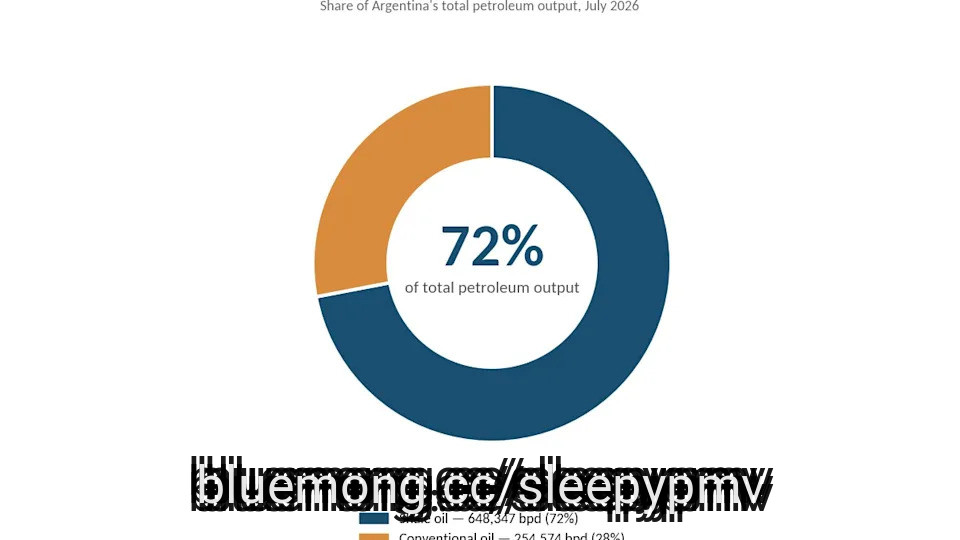
It is the ongoing and growing exploitation of the Vaca Muerta shale, situated in northern Patagonia in Neuquén Province which is responsible for Argentina's booming oil and natural gas complex. For July 2026, shale oil production rose by 1.2% month over month and a whopping 26% year over year to an all-time high of 648,347 barrels per day. As a result, shale oil now comprises a record 72% of Argentina's total petroleum output. This is also responsible for bolstering energy security in the Americas.
Shale gas production is also expanding at a healthy clip. For July 2026, Argentina lifted an average of 3.9 billion cubic feet per day of the fossil, which, despite being nearly 1% less than a month prior, was almost 4% higher year over year. That is the second-highest monthly shale gas production ever recorded. It was only eclipsed by June 2026 output, which hit 3.94 billion cubic feet per day. Shale gas now makes up 70% of Argentina's natural gas output, which is the highest level ever recorded.
Shale oil and gas production will keep growing at a solid pace, with Argentina on track to become a pure unconventional producer. You see, conventional oil output is in decline and has been for over a decade. Argentina's conventional fields are well past their prime, in many cases having hit peak production a decade ago with output now truly in decline. Government data shows July 2026 conventional oil production of 254,574 barrels per day, which is 2% lower than a month prior and 13% less year over year, indicating conventional oil output is 50% lower than a decade ago.
#shale #july #higher #record
Argentina's vital hydrocarbon sector continues to surge, with oil production hitting yet another record in July 2026. Output reached 902,920 barrels per day, almost 1% above June and 12% higher than a year earlier, marking the country's highest oil production on record. Natural gas production has also expanded strongly, although output slipped 0.5% month over month and 1.6% year over year in July to average 5.6 billion cubic feet per day. That modest setback barely dents the bigger picture: economically crucial gas production has surged 21% over the past five years.
It is the ongoing and growing exploitation of the Vaca Muerta shale, situated in northern Patagonia in Neuquén Province which is responsible for Argentina's booming oil and natural gas complex. For July 2026, shale oil production rose by 1.2% month over month and a whopping 26% year over year to an all-time high of 648,347 barrels per day. As a result, shale oil now comprises a record 72% of Argentina's total petroleum output. This is also responsible for bolstering energy security in the Americas.
Shale gas production is also expanding at a healthy clip. For July 2026, Argentina lifted an average of 3.9 billion cubic feet per day of the fossil, which, despite being nearly 1% less than a month prior, was almost 4% higher year over year. That is the second-highest monthly shale gas production ever recorded. It was only eclipsed by June 2026 output, which hit 3.94 billion cubic feet per day. Shale gas now makes up 70% of Argentina's natural gas output, which is the highest level ever recorded.
Shale oil and gas production will keep growing at a solid pace, with Argentina on track to become a pure unconventional producer. You see, conventional oil output is in decline and has been for over a decade. Argentina's conventional fields are well past their prime, in many cases having hit peak production a decade ago with output now truly in decline. Government data shows July 2026 conventional oil production of 254,574 barrels per day, which is 2% lower than a month prior and 13% less year over year, indicating conventional oil output is 50% lower than a decade ago.
#shale #july #higher #record

5 days ago
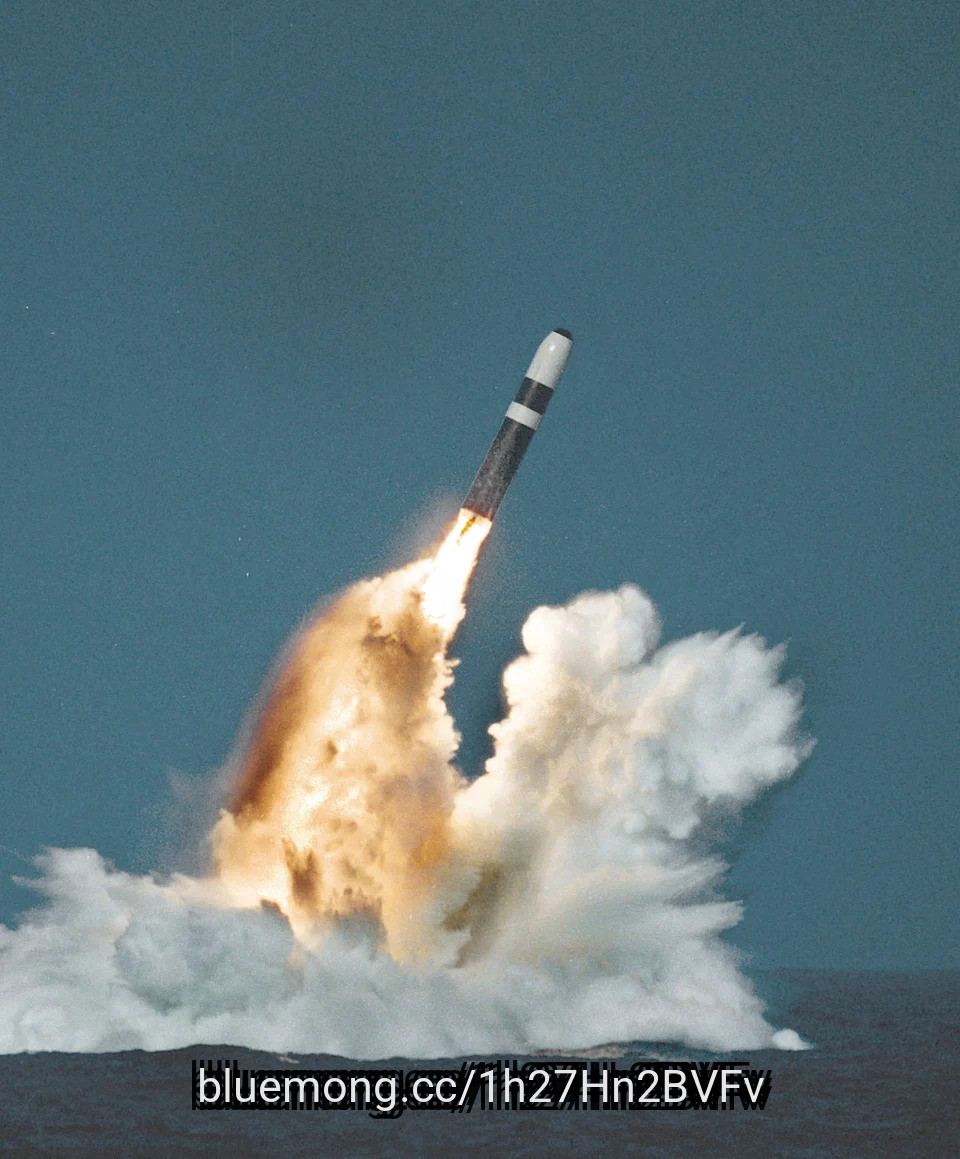
On August 14, the Pentagon announced framework agreements with The Boeing Company (NYSE:BA) and RTX Corporation (NYSE:RTX) to increase component production for the SM-3 Block IIA and SM-3 Block IB interceptors. Both agreements are intended to increase the output of a group of ship-fired, surface-to-air interceptors that serve as the foundation for the Aegis Ballistic Missile Defense System, the sea-based shield used by the US Navy to intercept ballistic missiles.
The announcement had little impact on the shares of both companies, with The Boeing Company (NYSE:BA) down around 0.4% and RTX Corporation (NYSE:RTX) down about 1% during the day.
RTX Corporation (NYSE:RTX) alone inked five separate Pentagon deals earlier this year to greatly boost output of Tomahawk cruise missiles, AMRAAM air-to-air missiles, and the Standard Missile family, with Tomahawk production expected to increase sixteenfold, from approximately 60 to 1,000 units per year.
Congress has provided financial support for the effort. The 2026 defense spending bill provided multiyear procurement authority for eight critical munitions and more than $6.3 billion for 13 critical munitions, while the Pentagon's fiscal 2027 budget request calls for roughly $95 billion in missile procurement.
Rising tensions with Iran have added urgency to rebuild US missile inventories. During the June 2025 12-day Israel-Iran war, US forces reportedly used more than 150 THAAD interceptors. This highlights the pressure that sustained conflict can place on American missile-defense stockpiles.
#missile #corporation #missiles #pentagon
The announcement had little impact on the shares of both companies, with The Boeing Company (NYSE:BA) down around 0.4% and RTX Corporation (NYSE:RTX) down about 1% during the day.
RTX Corporation (NYSE:RTX) alone inked five separate Pentagon deals earlier this year to greatly boost output of Tomahawk cruise missiles, AMRAAM air-to-air missiles, and the Standard Missile family, with Tomahawk production expected to increase sixteenfold, from approximately 60 to 1,000 units per year.
Congress has provided financial support for the effort. The 2026 defense spending bill provided multiyear procurement authority for eight critical munitions and more than $6.3 billion for 13 critical munitions, while the Pentagon's fiscal 2027 budget request calls for roughly $95 billion in missile procurement.
Rising tensions with Iran have added urgency to rebuild US missile inventories. During the June 2025 12-day Israel-Iran war, US forces reportedly used more than 150 THAAD interceptors. This highlights the pressure that sustained conflict can place on American missile-defense stockpiles.
#missile #corporation #missiles #pentagon

5 days ago
On September 10, a caller outlined a detailed financial thesis showing Micron Technology, Inc. (NASDAQ:MU) reaching $1,400 and asked whether the **** ysis held water. In response, Mad Money host Jim Cramer said:
I mean, that's a remarkable **** ysis. It's spot on in every single number. Every single thing you said is true, which is why my Charitable Trust owns it, and why we are buying it aggressively. And by the way, can I just say if you listen to what… [the caller] said, he put some money away. He was fortunate enough to have money, which I know not everybody can have, but he had money. He put it in an individual stock. Now, if he put it in an index fund, he'd make some money, but he got really rich. And part of my job is not just to get you rich, but to hopefully get you really rich.
Micron Technology, Inc. (NASDAQ:MU) stands as one of three primary global manufacturers of dynamic random-access memory (DRAM) and NAND flash memory, positioning it at the center of the ongoing expansion in artificial intelligence infrastructure. Because advanced AI workloads require significantly higher memory bandwidth, demand has surged for Micron's High-Bandwidth Memory (HBM3E) architecture, which is integrated directly into top-tier AI graphics processors and data center accelerators. With memory production capacity for advanced AI chips remaining constrained industry-wide, Micron has secured long-term purchase agreements that cover its HBM output through 2026 and into 2027, providing visibility into top-line revenue growth.
Driven by accelerated AI server adoption and broader pricing recovery across traditional DRAM and NAND markets, it reported extraordinary growth in fiscal Q3. Revenue surged to $41.46 billion, more than quadrupling the $9.30 billion generated in the same period last year and stepping up sharply from $23.86 billion in the prior quarter. The company demonstrated exceptional operating leverage during the period, posting GAAP net income of $28.24 billion ($24.67 per diluted share) and non-GAAP net income of $28.86 billion ($25.11 per diluted share). Operating cash flow also scaled quickly, reaching $25.39 billion compared to $11.90 billion in the prior quarter and $4.61 billion in the prior-year period.
Despite its strong position in the AI supply chain, Micron Technology, Inc. (NASDAQ:MU) operates in a historically cyclical memory industry with some operational and market risks. Memory chip pricing remains sensitive to industry-wide supply-and-demand imbalances, where oversupply can rapidly compress profit margins during broader downturns in consumer electronics demand or corporate IT spending.
#billion #memory #NASDAQ #industry
I mean, that's a remarkable **** ysis. It's spot on in every single number. Every single thing you said is true, which is why my Charitable Trust owns it, and why we are buying it aggressively. And by the way, can I just say if you listen to what… [the caller] said, he put some money away. He was fortunate enough to have money, which I know not everybody can have, but he had money. He put it in an individual stock. Now, if he put it in an index fund, he'd make some money, but he got really rich. And part of my job is not just to get you rich, but to hopefully get you really rich.
Micron Technology, Inc. (NASDAQ:MU) stands as one of three primary global manufacturers of dynamic random-access memory (DRAM) and NAND flash memory, positioning it at the center of the ongoing expansion in artificial intelligence infrastructure. Because advanced AI workloads require significantly higher memory bandwidth, demand has surged for Micron's High-Bandwidth Memory (HBM3E) architecture, which is integrated directly into top-tier AI graphics processors and data center accelerators. With memory production capacity for advanced AI chips remaining constrained industry-wide, Micron has secured long-term purchase agreements that cover its HBM output through 2026 and into 2027, providing visibility into top-line revenue growth.
Driven by accelerated AI server adoption and broader pricing recovery across traditional DRAM and NAND markets, it reported extraordinary growth in fiscal Q3. Revenue surged to $41.46 billion, more than quadrupling the $9.30 billion generated in the same period last year and stepping up sharply from $23.86 billion in the prior quarter. The company demonstrated exceptional operating leverage during the period, posting GAAP net income of $28.24 billion ($24.67 per diluted share) and non-GAAP net income of $28.86 billion ($25.11 per diluted share). Operating cash flow also scaled quickly, reaching $25.39 billion compared to $11.90 billion in the prior quarter and $4.61 billion in the prior-year period.
Despite its strong position in the AI supply chain, Micron Technology, Inc. (NASDAQ:MU) operates in a historically cyclical memory industry with some operational and market risks. Memory chip pricing remains sensitive to industry-wide supply-and-demand imbalances, where oversupply can rapidly compress profit margins during broader downturns in consumer electronics demand or corporate IT spending.
#billion #memory #NASDAQ #industry


6 days ago
ASML Holding N.V. (NASDAQ:ASML) is examining ways to produce more than 110 EUV lithography systems in 2028, according to JPMorgan ***** ysts following a meeting with CFO Roger Dassen. The company is already nearly sold out for 2027 and expects to produce at least 80 EUV systems that year, meaning output above 110 in 2028 would represent at least a 37.5% increase from the 2027 level. JPMorgan said the main constraint has shifted toward ***** embly speed rather than the availability of critical components, suggesting ASML believes additional capacity can be unlocked through manufacturing and ***** embly improvements.
The potential increase is being driven primarily by AI-related demand. ASML's existing EUV machines, which cost roughly $200 million each, are essential for manufacturing leading-edge AI processors, while customers including TSMC, Samsung, SK Hynix and Intel are expanding advanced-chip capacity. Reuters reported separately that virtually all of ASML's EUV production capacity is booked through 2027, while the company has begun construction of a new Eindhoven facility designed to accelerate tool ***** embly and eventually accommodate up to 20,000 workers.
The strongest bullish implication is that ASML Holding N.V. (NASDAQ:ASML) may be able to convert exceptionally strong demand into higher unit volumes rather than simply relying on price increases. Moving from at least 80 EUV systems in 2027 to more than 110 in 2028 would materially expand the number of high-value systems ASML can monetize. This comes after the company already raised its 2026 revenue outlook to €43 billion–€45 billion, compared with its previous €36 billion–€40 billion range, while targeting a 54%–56% gross margin. Reuters also reported that second-quarter revenue reached €9.3 billion with a 54% gross margin, demonstrating that stronger AI-driven demand is already translating into financial performance.
The longer-term competitive position is particularly favorable because ASML Holding N.V. (NASDAQ:ASML) effectively has no commercial competitor in EUV. JPMorgan estimates that ASML held 94% of the overall lithography market in 2025, while Reuters describes the company as having maintained a monopoly in EUV since the late 2010s. At the same time, customers are committing to ASML's next-generation High-NA technology: the machines cost approximately $400 million, can print features about 40% smaller than existing EUV systems, and TSMC, Samsung, and SK Hynix have all established plans for production adoption. If AI chip demand remains strong enough to support both higher low-NA volumes and eventual High-NA adoption, ASML could see a multi-year increase in system shipments, revenue, and potentially cash generation while strengthening its already exceptional competitive moat.
#company
The potential increase is being driven primarily by AI-related demand. ASML's existing EUV machines, which cost roughly $200 million each, are essential for manufacturing leading-edge AI processors, while customers including TSMC, Samsung, SK Hynix and Intel are expanding advanced-chip capacity. Reuters reported separately that virtually all of ASML's EUV production capacity is booked through 2027, while the company has begun construction of a new Eindhoven facility designed to accelerate tool ***** embly and eventually accommodate up to 20,000 workers.
The strongest bullish implication is that ASML Holding N.V. (NASDAQ:ASML) may be able to convert exceptionally strong demand into higher unit volumes rather than simply relying on price increases. Moving from at least 80 EUV systems in 2027 to more than 110 in 2028 would materially expand the number of high-value systems ASML can monetize. This comes after the company already raised its 2026 revenue outlook to €43 billion–€45 billion, compared with its previous €36 billion–€40 billion range, while targeting a 54%–56% gross margin. Reuters also reported that second-quarter revenue reached €9.3 billion with a 54% gross margin, demonstrating that stronger AI-driven demand is already translating into financial performance.
The longer-term competitive position is particularly favorable because ASML Holding N.V. (NASDAQ:ASML) effectively has no commercial competitor in EUV. JPMorgan estimates that ASML held 94% of the overall lithography market in 2025, while Reuters describes the company as having maintained a monopoly in EUV since the late 2010s. At the same time, customers are committing to ASML's next-generation High-NA technology: the machines cost approximately $400 million, can print features about 40% smaller than existing EUV systems, and TSMC, Samsung, and SK Hynix have all established plans for production adoption. If AI chip demand remains strong enough to support both higher low-NA volumes and eventual High-NA adoption, ASML could see a multi-year increase in system shipments, revenue, and potentially cash generation while strengthening its already exceptional competitive moat.
#company


6 days ago
McLaren Automotive has announced a £500m investment programme to expand its UK manufacturing, engineering and operations, enabling it to accelerate the development of its next generation of models.
The investment forms part of a larger commitment from McLaren Automotive shareholder L'IMAD, a sovereign investor of the Government of Abu Dhabi, and reinforces McLaren's commitment to Britain, where Bruce McLaren founded the company in 1963.
Expanding McLaren Automotive in the UK
The company said the investment will enable McLaren Automotive to expand its production capability, increasing vehicle output to ensure the next generation of McLaren Automotive cars are built in Britain 'including a newly confirmed performance SUV'. This will be made possible by a new vehicle ****** embly facility planned in the UK.
For the first time in its history, McLaren Automotive's future powertrains will be designed and built in-house, starting with two new engines and transmissions. This will support the company's hybrid engine strategy, building on McLaren Automotive's use of hybrid technology, which started with the McLaren P1.
#next
The investment forms part of a larger commitment from McLaren Automotive shareholder L'IMAD, a sovereign investor of the Government of Abu Dhabi, and reinforces McLaren's commitment to Britain, where Bruce McLaren founded the company in 1963.
Expanding McLaren Automotive in the UK
The company said the investment will enable McLaren Automotive to expand its production capability, increasing vehicle output to ensure the next generation of McLaren Automotive cars are built in Britain 'including a newly confirmed performance SUV'. This will be made possible by a new vehicle ****** embly facility planned in the UK.
For the first time in its history, McLaren Automotive's future powertrains will be designed and built in-house, starting with two new engines and transmissions. This will support the company's hybrid engine strategy, building on McLaren Automotive's use of hybrid technology, which started with the McLaren P1.
#next

8 days ago
The 2026 home campaign for the Salt Lake Bees (24-44/63-79) came to a close this week as they welcomed the Round Rock Express (Triple-A, Texas Rangers). Known as the "E-Train," the Lone Star side steamrolled their way to a dominant series victory, winning five of six. Outside of a 11-1 thrashing on Thursday, the Bees never held a lead in the other five contests. The Express (38-31/69-75) collected their first road series win in Salt Lake since 2021, when they swept the Bees in a six-game set.
Despite a quality start from Bees starter Ryan Costeiu, Round Rock earned a 5-1 series opening victory on Tuesday. The visitors scored in four different frames, while Niko Kavadas helped Salt Lake avoid a shutout with a fifth-inning solo blast. Wednesday was more of the same, as the Express tallied a 6-1 victory. MLB rehabber Josh Jung punctuated the win with a solo blast in the eighth, as the Bees were held to just a trio of hits for the second straight game.
As mentioned above, the Salt Lake bats came alive on Thursday with an 11-1 rout. The team tied their season-high with four homers, spotlighted by Kavadas' second multi-homer night of the campaign. The infielder's surge was part of a four-hit night, his first at any level since 2022. On the mound, Joel Hurtado turned in 6.2 innings of one-run ball, finally collecting his first Triple-A win in his eighth try. After falling behind 5-0 on Friday, the Bees nearly completed a comeback, coming up just short in a 5-4 defeat. Salt Lake got the winning run on base in the ninth, but ultimately fell short.
The final Saturday and Sunday at home in 2026 were near carbon copies of each other. Big first innings for Round Rock put them in the driver's seat, leading 6-0 and 4-0, respectively. Saturday's output was more than enough for the visitors as they added seven more runs over the course of the game to shutout the Bees 13-0. On Sunday's home finale, Salt Lake battled and answered every time the Express scored. They closed the gap to 6-4 before Round Rock gained some length with Aaron Zavala's two-run blast in the sixth, the only longball of the evening. The Bees did not go down without a fight, bringing the tying run to the plate in the ninth. A flyball was tracked down for the 27th and final out of the finale, completing the Express' 9-6 victory.
The 74th and final home game saw 7,853 fans come through the turnstiles of The Ballpark at America First Square — the largest crowd in ballpark history. Salt Lake finished 35-39 at home this season, winning or splitting nine of their 13 total home series. The Bees were victorious in at least one game against every opponent who came to South Jordan, avoiding a sweep for the second straight season as the hosts.
#lake #express
Despite a quality start from Bees starter Ryan Costeiu, Round Rock earned a 5-1 series opening victory on Tuesday. The visitors scored in four different frames, while Niko Kavadas helped Salt Lake avoid a shutout with a fifth-inning solo blast. Wednesday was more of the same, as the Express tallied a 6-1 victory. MLB rehabber Josh Jung punctuated the win with a solo blast in the eighth, as the Bees were held to just a trio of hits for the second straight game.
As mentioned above, the Salt Lake bats came alive on Thursday with an 11-1 rout. The team tied their season-high with four homers, spotlighted by Kavadas' second multi-homer night of the campaign. The infielder's surge was part of a four-hit night, his first at any level since 2022. On the mound, Joel Hurtado turned in 6.2 innings of one-run ball, finally collecting his first Triple-A win in his eighth try. After falling behind 5-0 on Friday, the Bees nearly completed a comeback, coming up just short in a 5-4 defeat. Salt Lake got the winning run on base in the ninth, but ultimately fell short.
The final Saturday and Sunday at home in 2026 were near carbon copies of each other. Big first innings for Round Rock put them in the driver's seat, leading 6-0 and 4-0, respectively. Saturday's output was more than enough for the visitors as they added seven more runs over the course of the game to shutout the Bees 13-0. On Sunday's home finale, Salt Lake battled and answered every time the Express scored. They closed the gap to 6-4 before Round Rock gained some length with Aaron Zavala's two-run blast in the sixth, the only longball of the evening. The Bees did not go down without a fight, bringing the tying run to the plate in the ninth. A flyball was tracked down for the 27th and final out of the finale, completing the Express' 9-6 victory.
The 74th and final home game saw 7,853 fans come through the turnstiles of The Ballpark at America First Square — the largest crowd in ballpark history. Salt Lake finished 35-39 at home this season, winning or splitting nine of their 13 total home series. The Bees were victorious in at least one game against every opponent who came to South Jordan, avoiding a sweep for the second straight season as the hosts.
#lake #express



8 days ago
On August 6, PureCycle Technologies (NASDAQ:PCT) reported second-quarter results for the period ended June 30, and buried in the numbers was something the plastics recycler has chased for years: an actual branded product on store shelves. Select Downy detergent caps made with PureCycle's PureFive resin entered commercial production for Procter & Gamble during the quarter, the first tangible sign the company's purification technology can clear a major consumer brand's supply chain. Revenue came in at $4.5 million, up roughly 173% from a year earlier and the sixth straight quarter of sequential growth.
The Downy win was not an isolated event. PureCycle said select Tide caps are scheduled for retail production in the third quarter, with Vicks ZzzQuil PURE Zzzs child-resistant lids targeted for the fourth quarter of 2026. Seven customer conversions took place during the quarter, alongside six new commercial partnerships spanning closures, automotive, film, and food packaging, including Amcor, Motherson, and Innovia Films. Regulation is doing real work here too. New Jersey's Department of Environmental Protection approved PureFive as post-consumer recycled content, a decision that arrives as the state's food contact exemption expires in January 2027 and its recycled content requirement climbs to 20%, while California's SB54 is already in effect.
Operationally, the Ironton facility's planned turnaround finished ahead of schedule and under budget, with more than 170 reliability and rate projects completed and inspections showing no corrosion on major equipment. On-site compounding, commissioned in April, is now running 24 hours a day, five days a week, with plans to expand to seven by the fourth quarter. PureCycle also picked up ISO 9001:2015 certification in May and closed the quarter with $236.9 million in total liquidity after a June capital raise.
The other side of the ledger is harder to ignore. PureCycle posted a net loss of $142.2 million for the quarter, and adjusted EBITDA actually widened to a loss of $31.7 million from a loss of $27.8 million a year earlier, a shift the company attributes to smaller non-cash addbacks rather than weaker operations. PureFive production fell to 4.5 million pounds for the quarter, a direct result of the planned turnaround, even though output was still up about 32% from a year ago. Growth is not coming cheap either. Full-year 2026 project spending guidance was raised to a range of $45 million to $50 million, up from the prior $39 million to $45 million.
#year #loss
The Downy win was not an isolated event. PureCycle said select Tide caps are scheduled for retail production in the third quarter, with Vicks ZzzQuil PURE Zzzs child-resistant lids targeted for the fourth quarter of 2026. Seven customer conversions took place during the quarter, alongside six new commercial partnerships spanning closures, automotive, film, and food packaging, including Amcor, Motherson, and Innovia Films. Regulation is doing real work here too. New Jersey's Department of Environmental Protection approved PureFive as post-consumer recycled content, a decision that arrives as the state's food contact exemption expires in January 2027 and its recycled content requirement climbs to 20%, while California's SB54 is already in effect.
Operationally, the Ironton facility's planned turnaround finished ahead of schedule and under budget, with more than 170 reliability and rate projects completed and inspections showing no corrosion on major equipment. On-site compounding, commissioned in April, is now running 24 hours a day, five days a week, with plans to expand to seven by the fourth quarter. PureCycle also picked up ISO 9001:2015 certification in May and closed the quarter with $236.9 million in total liquidity after a June capital raise.
The other side of the ledger is harder to ignore. PureCycle posted a net loss of $142.2 million for the quarter, and adjusted EBITDA actually widened to a loss of $31.7 million from a loss of $27.8 million a year earlier, a shift the company attributes to smaller non-cash addbacks rather than weaker operations. PureFive production fell to 4.5 million pounds for the quarter, a direct result of the planned turnaround, even though output was still up about 32% from a year ago. Growth is not coming cheap either. Full-year 2026 project spending guidance was raised to a range of $45 million to $50 million, up from the prior $39 million to $45 million.
#year #loss



8 days ago
TotalEnergies SE (NYSE:TTE) plans to invest $10 billion alongside its partners in Angola over the next five years, with the goal of maintaining and potentially increasing its oil production in the country. TotalEnergies currently produces around 450,000 barrels per day in Angola, making it the country's largest oil operator and accounting for more than 40% of its total output.
The investment will go toward existing operations, new exploration, and projects aimed at replacing production from Angola's aging offshore fields. One of the biggest projects in the pipeline is the $6 billion Kaminho development, which is expected to start producing oil in 2028. TotalEnergies SE (NYSE:TTE) is also expanding its exploration efforts after signing agreements for two additional offshore blocks. On top of that, the company recently announced a new discovery in Block 17 that could add roughly 6,000 barrels per day to production.
The investment strengthens TotalEnergies SE (NYSE:TTE)'s position in one of Africa's key oil-producing markets and, perhaps more importantly, helps protect a major source of existing production. With around 450,000 barrels per day already coming from Angola, simply keeping output at current levels could continue to provide a meaningful contribution to the company's upstream cash flow. Any additional production from new discoveries and projects would offer further upside.
The current oil-price environment also works in TotalEnergies' favor. Brent crude recently climbed above $100 a barrel amid supply concerns and geopolitical tensions and is currently trading near this range. If prices remain elevated, projects designed to maintain or increase Angolan production could generate strong returns and make the company's investment more attractive.
There are also signs that TotalEnergies SE (NYSE:TTE) is doing more than just trying to slow production declines. Its recent Acacia-5 discovery in Block 17 could add around 6,000 barrels per day, while the company is expanding its exploration presence through new offshore blocks in the Lower Congo Basin. Angola's efforts to reform its oil sector and attract more exploration investment could also create a more favorable environment for TotalEnergies over the longer term.
#investment #offshore
The investment will go toward existing operations, new exploration, and projects aimed at replacing production from Angola's aging offshore fields. One of the biggest projects in the pipeline is the $6 billion Kaminho development, which is expected to start producing oil in 2028. TotalEnergies SE (NYSE:TTE) is also expanding its exploration efforts after signing agreements for two additional offshore blocks. On top of that, the company recently announced a new discovery in Block 17 that could add roughly 6,000 barrels per day to production.
The investment strengthens TotalEnergies SE (NYSE:TTE)'s position in one of Africa's key oil-producing markets and, perhaps more importantly, helps protect a major source of existing production. With around 450,000 barrels per day already coming from Angola, simply keeping output at current levels could continue to provide a meaningful contribution to the company's upstream cash flow. Any additional production from new discoveries and projects would offer further upside.
The current oil-price environment also works in TotalEnergies' favor. Brent crude recently climbed above $100 a barrel amid supply concerns and geopolitical tensions and is currently trading near this range. If prices remain elevated, projects designed to maintain or increase Angolan production could generate strong returns and make the company's investment more attractive.
There are also signs that TotalEnergies SE (NYSE:TTE) is doing more than just trying to slow production declines. Its recent Acacia-5 discovery in Block 17 could add around 6,000 barrels per day, while the company is expanding its exploration presence through new offshore blocks in the Lower Congo Basin. Angola's efforts to reform its oil sector and attract more exploration investment could also create a more favorable environment for TotalEnergies over the longer term.
#investment #offshore


9 days ago
FORT COLLINS, Colo. (AP) — Hauss Hejny accounted for five touchdowns to lead Colorado State to a 58-24 victory over Southern Utah on Saturday night.
Hejny finished 18 of 30 for 325 yards and threw four touchdown passes. He added 85 yards on the ground on five carries that included a 75-yard touchdown run with 12:31 left in the game to cap the scoring.
Colorado State, which is 2-0 for the first time since 2011, led 48-21 at halftime and finished with 678 yards of offense. It was their highest scoring output since posting 52 points against Boise State on Nov. 11, 2017.
Mel Brown had a 73-yard touchdown run and finished with nine carries for 171 yards and two touchdowns. Jackson Harper made six catches for 102 yards receiving with a touchdown. Terrence Smith Jr. caught two touchdown passes and finished with four receptions for 90 yards. Cedric Ross had a pair of catches for 87 yards and a score.
Will Burns was 12-of-23 passing for 233 yards and threw a touchdown pass and two interceptions for Southern Utah (1-2). Floyd Chalk had 17 catches for 144 yards with two scores for the Thunderbirds.
#state #catches #Colorado #southern
Hejny finished 18 of 30 for 325 yards and threw four touchdown passes. He added 85 yards on the ground on five carries that included a 75-yard touchdown run with 12:31 left in the game to cap the scoring.
Colorado State, which is 2-0 for the first time since 2011, led 48-21 at halftime and finished with 678 yards of offense. It was their highest scoring output since posting 52 points against Boise State on Nov. 11, 2017.
Mel Brown had a 73-yard touchdown run and finished with nine carries for 171 yards and two touchdowns. Jackson Harper made six catches for 102 yards receiving with a touchdown. Terrence Smith Jr. caught two touchdown passes and finished with four receptions for 90 yards. Cedric Ross had a pair of catches for 87 yards and a score.
Will Burns was 12-of-23 passing for 233 yards and threw a touchdown pass and two interceptions for Southern Utah (1-2). Floyd Chalk had 17 catches for 144 yards with two scores for the Thunderbirds.
#state #catches #Colorado #southern



10 days ago
Real Madrid beat Rayo Vallecano 4–1 at the Bernabéu, with Kylian Mbappé delivering two goals and an ****** ist, Álvaro Carreras making an electric start, and Arda Güler producing a spectacular cameo off the bench. The scoreline was convincing, though Rayo's second-half improvement ensured Thibaut Courtois still had plenty of work to do.
Thibaut Courtois — 8
Made six important saves as Rayo grew into the game in the second half. Madrid's attacking output will get most of the attention, but Courtois was still required to intervene regularly and delivered when called upon.
Denzel Dumfries — 7
Defended well on the wing and finished with three tackles. Nearly added a goal with a towering header from an Arda Güler set piece. A solid contribution at both ends.
#half #real #vallecano
Thibaut Courtois — 8
Made six important saves as Rayo grew into the game in the second half. Madrid's attacking output will get most of the attention, but Courtois was still required to intervene regularly and delivered when called upon.
Denzel Dumfries — 7
Defended well on the wing and finished with three tackles. Nearly added a goal with a towering header from an Arda Güler set piece. A solid contribution at both ends.
#half #real #vallecano


10 days ago
GE Aerospace (NYSE:GE) is making its largest acquisition since becoming a standalone publicly traded company. It agreed to acquire Consolidated Precision Products (CPP) for around $12 billion.
CPP is one of the world's largest precision castings providers. It's a major GE supplier. Precision castings is a major pressure point for the aerospace engines industry. Acquiring CPP would give GE Aerospace greater control over a critical part of its engine supply chain.
And the deal could strengthen GE's ability to meet demand already sitting in its backlog. But the investment case depends on whether additional production capacity generates enough free cash flow to justify the deal's premium price.
rommma/Shutterstock.com
Engine manufacturers like GE Aerospace (NYSE:GE) are struggling to keep pace with surging demand due to supply chain constraints. CPP is a major supplier of precision castings for GE's LEAP and GEnx engines. GE plans to raise CPP's output. It would do that by improving factory yields and machine use. With the CPP deal, GE also sees a path to accelerate production of new engine technologies.
#NYSE #largest #engines #supply
CPP is one of the world's largest precision castings providers. It's a major GE supplier. Precision castings is a major pressure point for the aerospace engines industry. Acquiring CPP would give GE Aerospace greater control over a critical part of its engine supply chain.
And the deal could strengthen GE's ability to meet demand already sitting in its backlog. But the investment case depends on whether additional production capacity generates enough free cash flow to justify the deal's premium price.
rommma/Shutterstock.com
Engine manufacturers like GE Aerospace (NYSE:GE) are struggling to keep pace with surging demand due to supply chain constraints. CPP is a major supplier of precision castings for GE's LEAP and GEnx engines. GE plans to raise CPP's output. It would do that by improving factory yields and machine use. With the CPP deal, GE also sees a path to accelerate production of new engine technologies.
#NYSE #largest #engines #supply


10 days ago
Mexico's government is slashing financial ******* istance for the state energy major by as much as 70% despite Pemex's continued struggle to pay down debt and boost production. The decision rests on expectations that the company will benefit from the oil and gas price rally spurred by the U.S. and Israeli war against Iran.
Per a Bloomberg report from this week, the government of Mexico sees Pemex posting a rare cash surplus of some 95 billion pesos, or around $5.63 billion, as a result of the oil price rally. Based on those expectations, the Scheinbaum government stipulated financial help of just 81 billion pesos for the company in next year's budget, equivalent to some $4.8 billion. This was down by 70% from this year.
"We said that by 2027, support for Pemex would be very limited, and that's indeed the case," President Sheinbaum told media this week. "Pemex now receives very little support from the Mexican government, and its own finances will sustain its development."
Mexico's energy major is the most indebted company in the world, with a load of some $105 billion as of mid-2025, of which some $20 billion is in unpaid bills to suppliers. Since then, the company has managed to reduce the debt pile to some $79 billion as of the end of the first quarter of this year. The company said in a news release at the time that this was the lowest its debt has been since 2014.
Meanwhile, however, boosting refining output has turned out to be a challenge, and issues with crude quality—including high water content—have alienated key buyers over the past couple of years. The previous administration of Mexico focused on supporting the company by turning it back into a monopoly on the Mexican energy market. The Scheinbaum government, on the other hand, moved to open up the Mexican oil industry to other players as well, launching a new contract framework for joint ventures, the so-called mixed contracts. In mixed development allocations, Pemex can enter into an agreement with one or more private firms.
#PEMEX #government #scheinbaum #since
Per a Bloomberg report from this week, the government of Mexico sees Pemex posting a rare cash surplus of some 95 billion pesos, or around $5.63 billion, as a result of the oil price rally. Based on those expectations, the Scheinbaum government stipulated financial help of just 81 billion pesos for the company in next year's budget, equivalent to some $4.8 billion. This was down by 70% from this year.
"We said that by 2027, support for Pemex would be very limited, and that's indeed the case," President Sheinbaum told media this week. "Pemex now receives very little support from the Mexican government, and its own finances will sustain its development."
Mexico's energy major is the most indebted company in the world, with a load of some $105 billion as of mid-2025, of which some $20 billion is in unpaid bills to suppliers. Since then, the company has managed to reduce the debt pile to some $79 billion as of the end of the first quarter of this year. The company said in a news release at the time that this was the lowest its debt has been since 2014.
Meanwhile, however, boosting refining output has turned out to be a challenge, and issues with crude quality—including high water content—have alienated key buyers over the past couple of years. The previous administration of Mexico focused on supporting the company by turning it back into a monopoly on the Mexican energy market. The Scheinbaum government, on the other hand, moved to open up the Mexican oil industry to other players as well, launching a new contract framework for joint ventures, the so-called mixed contracts. In mixed development allocations, Pemex can enter into an agreement with one or more private firms.
#PEMEX #government #scheinbaum #since


11 days ago
The European Central Bank is likely to deliver a 25 basis-point rate hike at its meeting concluding today. But while the direction of travel may be clear for now, the path beyond September is anything but.
The ECB is likely to keep its powder dry beyond today, with the path thereafter determined by how the economy and, above all, inflation respond to the renewed energy shock. The key message from the Governing Council is therefore likely to be hawkish: further hike(s) may be warranted if inflation risks intensify, but policymakers will want to retain flexibility rather than pre-commit to any specific policy path.
There is only modest evidence so far that inflation expectations are becoming less firmly anchored, although there may be growing concern that second-round effects may eventually turn a temporary energy shock into a more persistent inflation problem. The challenge for the ECB is that the economy has so far proven more resilient than expected, making an upside revision to its growth projections probable. Output rose more than anticipated during the second quarter, and business surveys are suggesting solid momentum ahead.
That resilience matters. A weaker economy would give policymakers more room to look through an energy-driven inflation spike. A more robust economy, by contrast, makes it harder to ***** ume that higher energy prices may simply wash through absent affecting wages, services prices and broader inflation behaviour.
Euro area headline inflation rose to 3.3% year on year last month (Figure 1), although the easing in core inflation to 2.4% does offer some reassurance. Underlying inflation measures have stayed comparatively moderate, wage pressures are still contained and there is, as yet, only sparse evidence that the energy shock is generating widespread second-round effects.
#economy #path #shock #today
The ECB is likely to keep its powder dry beyond today, with the path thereafter determined by how the economy and, above all, inflation respond to the renewed energy shock. The key message from the Governing Council is therefore likely to be hawkish: further hike(s) may be warranted if inflation risks intensify, but policymakers will want to retain flexibility rather than pre-commit to any specific policy path.
There is only modest evidence so far that inflation expectations are becoming less firmly anchored, although there may be growing concern that second-round effects may eventually turn a temporary energy shock into a more persistent inflation problem. The challenge for the ECB is that the economy has so far proven more resilient than expected, making an upside revision to its growth projections probable. Output rose more than anticipated during the second quarter, and business surveys are suggesting solid momentum ahead.
That resilience matters. A weaker economy would give policymakers more room to look through an energy-driven inflation spike. A more robust economy, by contrast, makes it harder to ***** ume that higher energy prices may simply wash through absent affecting wages, services prices and broader inflation behaviour.
Euro area headline inflation rose to 3.3% year on year last month (Figure 1), although the easing in core inflation to 2.4% does offer some reassurance. Underlying inflation measures have stayed comparatively moderate, wage pressures are still contained and there is, as yet, only sparse evidence that the energy shock is generating widespread second-round effects.
#economy #path #shock #today



11 days ago
By Sai Ishwarbharath B and Abhirami G
BENGALURU, Sept 10 (Reuters) - Wipro's AI initiatives have increased productivity equivalent to the output of 20,000 employees, who have since been redeployed within the Indian IT firm, its chief technology officer said.
The comments come as India's $315 billion software services industry grapples with adoption of AI, which is reshaping hiring, software development and contracts.
Wipro, with about 243,000 employees in June, is shifting to a "human-AI operating model," with more than 100,000 employees receiving advanced AI-related training and certifications, Sandhya Arun said in an interview.
"It could be the same engineer managing a bunch of agents, deployed on other projects or being trained for some other role. It doesn't necessarily mean person-to-person replacement by an agent."
#employees #ishwarbharath
BENGALURU, Sept 10 (Reuters) - Wipro's AI initiatives have increased productivity equivalent to the output of 20,000 employees, who have since been redeployed within the Indian IT firm, its chief technology officer said.
The comments come as India's $315 billion software services industry grapples with adoption of AI, which is reshaping hiring, software development and contracts.
Wipro, with about 243,000 employees in June, is shifting to a "human-AI operating model," with more than 100,000 employees receiving advanced AI-related training and certifications, Sandhya Arun said in an interview.
"It could be the same engineer managing a bunch of agents, deployed on other projects or being trained for some other role. It doesn't necessarily mean person-to-person replacement by an agent."
#employees #ishwarbharath


11 days ago
On September 2, F5, Inc. (NASDAQ:FFIV) announced a key integration with MuleSoft, a Salesforce, Inc. (NYSE:CRM) company, federating F5 AI Guardrails directly into MuleSoft's Agent Fabric Omni Gateway. As enterprises rapidly scale agentic AI capabilities, security teams face growing governance gaps and risks from prompt injection, data leakage, and toxic outputs. This native integration gives security and platform engineering teams centralized policy enforcement, proactive threat mitigation, and low-touch policy tuning without forcing organizations to re-architect existing infrastructure.
While the partnership strengthens both ecosystems, examining their latest financials reveals two enterprise software giants moving at distinctly different scales and growth trajectories.
F5, Inc. (NASDAQ:FFIV) reported strong Q3 FY26 results, generating $865 million in revenue (up 11% year-over-year). Revenue growth was anchored by a 19% jump in product revenue, led by a 32% surge in systems revenue ($240 million). F5's bottom line remained exceptionally robust, expanding non-GAAP operating margin to 35.0% and delivering non-GAAP net income of $272 million ($4.73 per diluted share, up from $4.16).
Salesforce operated at a much larger scale in its record Q2 FY27, generating $11.3 billion in quarterly revenue (up 11% year-over-year). Growth was fueled by subscription and support revenue of $10.8 billion and expanding adoption of its Agentforce platform, whose annual recurring revenue (ARR) neared $3.9 billion. Salesforce posted a non-GAAP operating margin of 34.1%, and non-GAAP diluted EPS of $5.90, while raising its full-year FY27 revenue guidance to $46.1B–$46.4B.
While both companies run near-identical, highly profitable non-GAAP operating margins (~34%–35%), Salesforce leads overall financial health due to its massive free cash flow generation, cRPO backlog of $33.5 billion, and broader ecosystem dominance.
#Growth
While the partnership strengthens both ecosystems, examining their latest financials reveals two enterprise software giants moving at distinctly different scales and growth trajectories.
F5, Inc. (NASDAQ:FFIV) reported strong Q3 FY26 results, generating $865 million in revenue (up 11% year-over-year). Revenue growth was anchored by a 19% jump in product revenue, led by a 32% surge in systems revenue ($240 million). F5's bottom line remained exceptionally robust, expanding non-GAAP operating margin to 35.0% and delivering non-GAAP net income of $272 million ($4.73 per diluted share, up from $4.16).
Salesforce operated at a much larger scale in its record Q2 FY27, generating $11.3 billion in quarterly revenue (up 11% year-over-year). Growth was fueled by subscription and support revenue of $10.8 billion and expanding adoption of its Agentforce platform, whose annual recurring revenue (ARR) neared $3.9 billion. Salesforce posted a non-GAAP operating margin of 34.1%, and non-GAAP diluted EPS of $5.90, while raising its full-year FY27 revenue guidance to $46.1B–$46.4B.
While both companies run near-identical, highly profitable non-GAAP operating margins (~34%–35%), Salesforce leads overall financial health due to its massive free cash flow generation, cRPO backlog of $33.5 billion, and broader ecosystem dominance.
#Growth

11 days ago
During a September 8 episode of Mad Money, Jim Cramer examined the broader aerospace ecosystem following GE Aerospace's (NYSE:GE) nearly $12 billion agreement to acquire castings specialist Consolidated Precision Products (CPP). Commenting on the strategic importance of supply chain control and the enduring strength of commercial and defense aviation despite rising oil prices, Cramer stated:
I still believe in the data center, but I also want to open your eyes to other opportunities. This morning, for example, GE Aerospace spent nearly $12 billion to buy a castings company called Consolidated Precision Products to integrate this key segment into its supply chain. It's vital for both commercial aircraft and particularly defense, both of which are booming. Now, on a day where oil's up, you might not want to focus on anything airline related, but travel's been booming the whole time, the whole time the Iranian war's been going on. This acquisition will pay off quickly for GE, making it more likely that they can accelerate production. This is also good news, therefore, for Boeing, a huge customer of GE that needs to boost its production speed.
GE is relatively close to its highs, deservedly so. Boeing? Nowhere near its high. Yet the order book is full. Last week, there was this negative article about how Boeing is being hurt by the problem-filled Spirit AeroSystems acquisition. It made that one two years ago. But that actually had to be done because Boeing, like GE Aerospace, needs to get better control of its supply chain. Aha, you say, who needs that kind of problem? Boeing just reported its slowest deliveries in 4 months. I come back and say, wait a second. First, the problems from the Spirit deal are now behind them. You know what? The story is actually old news.
Plus, CEO Kelly Ortberg has made it clear that orders would be lumpy. I knew that. And look, I know the high price of oil, particularly jet fuel, is bad news for the airlines. But the higher price of fuel also makes these new engines and airplanes far more valuable than before. Why? They're way more energy efficient. It's a good situation that has nothing to do with the data center. It does require more, better tech that AI can help with.
GE Aerospace (NYSE:GE) and The Boeing Company (NYSE:BA) represent two distinct pillars of the aerospace manufacturing ecosystem, operating at massive commercial scale. GE Aerospace reported second-quarter revenue of $13.3 billion, up 21% year-over-year, driven by strong commercial engine services and record internal shop visit output. Its total order backlog extends past $210 billion, supported by sustained airline demand for propulsion systems and aftermarket maintenance.
#boeing #chain #consolidated
I still believe in the data center, but I also want to open your eyes to other opportunities. This morning, for example, GE Aerospace spent nearly $12 billion to buy a castings company called Consolidated Precision Products to integrate this key segment into its supply chain. It's vital for both commercial aircraft and particularly defense, both of which are booming. Now, on a day where oil's up, you might not want to focus on anything airline related, but travel's been booming the whole time, the whole time the Iranian war's been going on. This acquisition will pay off quickly for GE, making it more likely that they can accelerate production. This is also good news, therefore, for Boeing, a huge customer of GE that needs to boost its production speed.
GE is relatively close to its highs, deservedly so. Boeing? Nowhere near its high. Yet the order book is full. Last week, there was this negative article about how Boeing is being hurt by the problem-filled Spirit AeroSystems acquisition. It made that one two years ago. But that actually had to be done because Boeing, like GE Aerospace, needs to get better control of its supply chain. Aha, you say, who needs that kind of problem? Boeing just reported its slowest deliveries in 4 months. I come back and say, wait a second. First, the problems from the Spirit deal are now behind them. You know what? The story is actually old news.
Plus, CEO Kelly Ortberg has made it clear that orders would be lumpy. I knew that. And look, I know the high price of oil, particularly jet fuel, is bad news for the airlines. But the higher price of fuel also makes these new engines and airplanes far more valuable than before. Why? They're way more energy efficient. It's a good situation that has nothing to do with the data center. It does require more, better tech that AI can help with.
GE Aerospace (NYSE:GE) and The Boeing Company (NYSE:BA) represent two distinct pillars of the aerospace manufacturing ecosystem, operating at massive commercial scale. GE Aerospace reported second-quarter revenue of $13.3 billion, up 21% year-over-year, driven by strong commercial engine services and record internal shop visit output. Its total order backlog extends past $210 billion, supported by sustained airline demand for propulsion systems and aftermarket maintenance.
#boeing #chain #consolidated

12 days ago
Chinese independent refiners may be about to start reducing their processing rates as international oil prices rise and supply from major exporters such as Venezuela and Iran dries up as a result of U.S. foreign policy decisions.
"Teapots are unlikely to be able to afford a full shift to mainstream grades," an Energy Aspects ***** yst said this week, as quoted by Bloomberg. The so-called teapots are more sensitive to adverse oil market changes due to their refining margins being slimmer than those of state-owned majors. These margins have already fallen to breakeven, from around $10 per barrel in early July, Jianan Sun also said.
China imported 37.93 million tons, or 8.93 million barrels per day of crude oil in August, up by 6.2% compared to July, and further recovering from the decade-low seen in June, official Chinese customs data showed on Tuesday. The August import level was still 23.4% lower compared to the same month last year, but it's a marked improvement from the June lows of just 7.1 million bpd.
China slashed its total crude oil imports to a decade low in June, culminating three months of very low import levels amid high prices and constrained supply from the Middle East. This affected refinery output, which in turn contributed to the global fuel squeeze that is now set to deepen and extend in time as fighting in the Middle East continues and intensifies, pushing oil prices higher and sapping some refiners' appetite for the commodity.
With Venezuelan and Iranian crude all but gone, Chinese refiners will probably lean more heavily on Russian crude in the coming weeks. However, Russian crude prices are also on the rise on the futures market, in tune with all the other blends that trade internationally, which will likely put a lid on demand.
#june #july #China #middle
"Teapots are unlikely to be able to afford a full shift to mainstream grades," an Energy Aspects ***** yst said this week, as quoted by Bloomberg. The so-called teapots are more sensitive to adverse oil market changes due to their refining margins being slimmer than those of state-owned majors. These margins have already fallen to breakeven, from around $10 per barrel in early July, Jianan Sun also said.
China imported 37.93 million tons, or 8.93 million barrels per day of crude oil in August, up by 6.2% compared to July, and further recovering from the decade-low seen in June, official Chinese customs data showed on Tuesday. The August import level was still 23.4% lower compared to the same month last year, but it's a marked improvement from the June lows of just 7.1 million bpd.
China slashed its total crude oil imports to a decade low in June, culminating three months of very low import levels amid high prices and constrained supply from the Middle East. This affected refinery output, which in turn contributed to the global fuel squeeze that is now set to deepen and extend in time as fighting in the Middle East continues and intensifies, pushing oil prices higher and sapping some refiners' appetite for the commodity.
With Venezuelan and Iranian crude all but gone, Chinese refiners will probably lean more heavily on Russian crude in the coming weeks. However, Russian crude prices are also on the rise on the futures market, in tune with all the other blends that trade internationally, which will likely put a lid on demand.
#june #july #China #middle

0.00$ raised of 0.00$ goal
0 donations
0.00$
to go
14 days ago
CNBC reported that OpenAI said it will end model access through Cursor on November 12, following **** e Exploration Technologies Corp. (NASDAQ:SPCX) $60 billion all-stock acquisition of Cursor's parent company, Anysphere, which closed on August 14.
OpenAI said it "cannot be confident that **** eX will use our technology within our terms of service, based on our experience with Elon Musk's companies violating contracts," pointing to disputes involving X and xAI, including Musk's own courtroom admission that xAI had trained on OpenAI's output. Cursor CEO Michael Truell said on X that OpenAI models handle about 5% of Cursor's user traffic and that the two companies are discussing the decision.
Musk responded on X, calling OpenAI's leadership "utterly untrustworthy." Anthropic co-founder Tom Brown said his company will instead increase compute to support Claude in Cursor.
The actual business disruption looks limited based on the numbers involved. Cursor's own CEO said OpenAI models account for only about 5% of user traffic. It means the vast majority of Cursor's usage already runs on other model providers, limiting how much this cutoff changes the product most users experience.
Cursor can reduce its dependence on OpenAI as **** e Exploration Technologies Corp. (NASDAQ:SPCX) expands its AI ecosystem. Losing access to OpenAI models could push Cursor to deepen its relationships with Anthropic and other providers, while **** eX can use its growing AI infrastructure to support the coding platform. That diversification could give Cursor more control over its model supply and reduce its exposure to decisions made by a direct competitor.
#space
OpenAI said it "cannot be confident that **** eX will use our technology within our terms of service, based on our experience with Elon Musk's companies violating contracts," pointing to disputes involving X and xAI, including Musk's own courtroom admission that xAI had trained on OpenAI's output. Cursor CEO Michael Truell said on X that OpenAI models handle about 5% of Cursor's user traffic and that the two companies are discussing the decision.
Musk responded on X, calling OpenAI's leadership "utterly untrustworthy." Anthropic co-founder Tom Brown said his company will instead increase compute to support Claude in Cursor.
The actual business disruption looks limited based on the numbers involved. Cursor's own CEO said OpenAI models account for only about 5% of user traffic. It means the vast majority of Cursor's usage already runs on other model providers, limiting how much this cutoff changes the product most users experience.
Cursor can reduce its dependence on OpenAI as **** e Exploration Technologies Corp. (NASDAQ:SPCX) expands its AI ecosystem. Losing access to OpenAI models could push Cursor to deepen its relationships with Anthropic and other providers, while **** eX can use its growing AI infrastructure to support the coding platform. That diversification could give Cursor more control over its model supply and reduce its exposure to decisions made by a direct competitor.
#space


15 days ago
On August 5, Primerica (NYSE:PRI) reported second-quarter results that read as two different companies bolted together. Net income climbed 13% to $202 million, and earnings per diluted share jumped 19% to $6.45, pushing return on stockholders' equity to 32.1%. Total revenue reached $865 million, up 9% from a year earlier. But those headline figures obscure a split story. The investment arm is sprinting to record highs while the life insurance sales force is quietly getting smaller. Here is what is actually moving the numbers.
Investment and savings product sales hit a record $4.4 billion in the quarter, up 23% from a year ago, while client ***** et values ended the period at an all-time high of $140 billion, up 16%. Net inflows added another $397 million. That growth translated directly into profit. ISP segment revenue rose 21% to $361 million, and pretax income jumped 31% to $104 million, meaning the segment's margin expanded even as it grew. The reason: ***** et-based commission revenue climbed 28%, outpacing the 19% rise in average client ***** ets, thanks to a shift toward higher-margin US managed accounts and Canadian mutual funds.
Primerica also returned $172 million to shareholders in the quarter through $135 million in buybacks and roughly $37 million in dividends, bringing year-to-date capital returns to $352 million. Its effective tax rate improved to 21.7% from 23.9% a year earlier, and its life insurer's statutory risk-based capital ratio stood at approximately 440%, a cushion most insurers would envy.
The company's distribution engine tells a rougher story. The life-licensed sales force fell 3% year over year to 148,612 representatives. Recruiting rose 2% to 82,346 recruits, but far fewer of them actually got licensed: new life-licensed representatives dropped 15% to 11,020. That gap between recruiting and licensing shows up directly in output. The company issued 78,904 life insurance policies, down 12%, with total face amount issued falling 8% to $27.7 billion.
Term Life revenue was roughly flat at $444 million even as adjusted direct premiums rose 3%, and segment pretax income fell 4% to $148 million. Part of that came from cost creep rather than claims: the benefits and claims ratio held steady at 57.9%, but the insurance expense ratio rose to 8.4% from 7.6% a year earlier, eating into a segment that is supposed to be Primerica's stable, predictable cash generator.
#million #year #rose #sales
Investment and savings product sales hit a record $4.4 billion in the quarter, up 23% from a year ago, while client ***** et values ended the period at an all-time high of $140 billion, up 16%. Net inflows added another $397 million. That growth translated directly into profit. ISP segment revenue rose 21% to $361 million, and pretax income jumped 31% to $104 million, meaning the segment's margin expanded even as it grew. The reason: ***** et-based commission revenue climbed 28%, outpacing the 19% rise in average client ***** ets, thanks to a shift toward higher-margin US managed accounts and Canadian mutual funds.
Primerica also returned $172 million to shareholders in the quarter through $135 million in buybacks and roughly $37 million in dividends, bringing year-to-date capital returns to $352 million. Its effective tax rate improved to 21.7% from 23.9% a year earlier, and its life insurer's statutory risk-based capital ratio stood at approximately 440%, a cushion most insurers would envy.
The company's distribution engine tells a rougher story. The life-licensed sales force fell 3% year over year to 148,612 representatives. Recruiting rose 2% to 82,346 recruits, but far fewer of them actually got licensed: new life-licensed representatives dropped 15% to 11,020. That gap between recruiting and licensing shows up directly in output. The company issued 78,904 life insurance policies, down 12%, with total face amount issued falling 8% to $27.7 billion.
Term Life revenue was roughly flat at $444 million even as adjusted direct premiums rose 3%, and segment pretax income fell 4% to $148 million. Part of that came from cost creep rather than claims: the benefits and claims ratio held steady at 57.9%, but the insurance expense ratio rose to 8.4% from 7.6% a year earlier, eating into a segment that is supposed to be Primerica's stable, predictable cash generator.
#million #year #rose #sales

15 days ago
By Ayose Naranjo
HAVANA, Sept 7 (Reuters) - Cuba's top diplomat said on Monday there are no talks underway with the United States, nor were there any plans for future negotiations, amid a "genocidal" blockade that Cuba says has cost the island nation over $8 billion in economic damages in the last year.
"There are no negotiations or agendas, although a willingness to stay in contact remains despite the lack of progress," Cuba's foreign minister, Bruno Rodriguez, told reporters at a press conference in Havana.
Rodriguez said that damages caused by the decades-old U.S. trade embargo against Cuba had jumped 7 percent in 2025 versus the previous year, to $8.1 billion.
Cuba's foreign minister said the financial hit to Cuba`s economy would balloon in the first months of 2026, after the Trump administration imposed an oil blockade on the island that has all but decimated output and led to nationwide blackouts that now span days.
#havana #billion
HAVANA, Sept 7 (Reuters) - Cuba's top diplomat said on Monday there are no talks underway with the United States, nor were there any plans for future negotiations, amid a "genocidal" blockade that Cuba says has cost the island nation over $8 billion in economic damages in the last year.
"There are no negotiations or agendas, although a willingness to stay in contact remains despite the lack of progress," Cuba's foreign minister, Bruno Rodriguez, told reporters at a press conference in Havana.
Rodriguez said that damages caused by the decades-old U.S. trade embargo against Cuba had jumped 7 percent in 2025 versus the previous year, to $8.1 billion.
Cuba's foreign minister said the financial hit to Cuba`s economy would balloon in the first months of 2026, after the Trump administration imposed an oil blockade on the island that has all but decimated output and led to nationwide blackouts that now span days.
#havana #billion