
7 days ago
On September 9, 2026, Jersey Mike's Subs Inc. (NYSE:JMKE) reported its first quarterly results as a public company, with total revenue up 10% year over year to $208 million and same-store sales accelerating to 2.3% growth from 1.7% in the prior quarter. It was primarily driven by transaction growth even as the restaurant industry faced weak traffic trends. Net income fell to $37 million from $59 million a year earlier. It showed non-routine expenses, advertising fund timing, and higher interest costs following the company's July initial public offering, partially offset by a $14 million gain on the sale of corporate-owned stores.
Jersey Mike's Subs Inc. (NYSE:JMKE) is gaining customers while its brand remains a major competitive advantage. The firm added 83 stores in the second quarter. It grew its customer base and increased systemwide sales 10% to $1.21 billion. Jersey Mike's also earned the No. 1 ranking among U.S. quick-service restaurant brands in the 2026 American Customer Satisfaction Index, surpassing Chick-fil-A after 11 consecutive years at the top. It gives the newly public company a strong foundation for continued customer and franchisee growth.
The business has substantial whitespace for long-term unit growth. Jersey Mike's ended the quarter with 3,378 locations and maintains a domestic development pipeline of more than 1,600 stores, with more than 90% of that pipeline coming from existing franchisees. Management estimates that the U.S. market could eventually support roughly 7,500 locations and sees potential to reach approximately 15,000 stores globally. It gives the business a long runway for franchise-led revenue and royalty growth.
Digital engagement and transaction growth give Jersey Mike's more avenues to increase sales. Digital sales represented 43% of systemwide sales in the second quarter, up from 41% a year earlier. Same-store sales increased 2.3% mainly because customers placed more transactions. Jersey Mike's also had more than 12.5 million active MyMike's loyalty members in 2025. It provides the company with a large customer database that it can use to increase frequency and personalize marketing as it expands.
Jersey Mike's Subs Inc. (NYSE:JMKE) still faces a significant profitability challenge despite its revenue growth. Second-quarter revenue jumped 10% to $208 million. However, net income fell 37% to $37 million from $59 million a year earlier. Management attributed part of the decline to advertising-fund timing and higher interest expense. It shows that revenue growth has not yet translated into comparable bottom-line growth for shareholders.
#million #customer
Jersey Mike's Subs Inc. (NYSE:JMKE) is gaining customers while its brand remains a major competitive advantage. The firm added 83 stores in the second quarter. It grew its customer base and increased systemwide sales 10% to $1.21 billion. Jersey Mike's also earned the No. 1 ranking among U.S. quick-service restaurant brands in the 2026 American Customer Satisfaction Index, surpassing Chick-fil-A after 11 consecutive years at the top. It gives the newly public company a strong foundation for continued customer and franchisee growth.
The business has substantial whitespace for long-term unit growth. Jersey Mike's ended the quarter with 3,378 locations and maintains a domestic development pipeline of more than 1,600 stores, with more than 90% of that pipeline coming from existing franchisees. Management estimates that the U.S. market could eventually support roughly 7,500 locations and sees potential to reach approximately 15,000 stores globally. It gives the business a long runway for franchise-led revenue and royalty growth.
Digital engagement and transaction growth give Jersey Mike's more avenues to increase sales. Digital sales represented 43% of systemwide sales in the second quarter, up from 41% a year earlier. Same-store sales increased 2.3% mainly because customers placed more transactions. Jersey Mike's also had more than 12.5 million active MyMike's loyalty members in 2025. It provides the company with a large customer database that it can use to increase frequency and personalize marketing as it expands.
Jersey Mike's Subs Inc. (NYSE:JMKE) still faces a significant profitability challenge despite its revenue growth. Second-quarter revenue jumped 10% to $208 million. However, net income fell 37% to $37 million from $59 million a year earlier. Management attributed part of the decline to advertising-fund timing and higher interest expense. It shows that revenue growth has not yet translated into comparable bottom-line growth for shareholders.
#million #customer


7 days ago
On September 9, 2026, Reuters reported that Amazon.com, Inc. (NASDAQ:AMZN) raised £4.25 billion, or about $5.76 billion, in its first-ever sterling bond sale, slightly more than initially expected, as part of a four-tranche deal spanning 3 to 19 years. Final investor demand came in at more than £10.65 billion, roughly 2.5 times the amount raised, but that was notably lower than the demand Alphabet saw for its own sterling debut in February, a sign ******* ysts said shows hyperscaler borrowing may be starting to test the limits of investor appetite.
Amazon.com, Inc. (NASDAQ:AMZN)'s first sterling bond sale shows that investors still have a strong appetite for its debt. The firm raised $5.8 billion through the offering, and demand reached roughly 2.5 times the amount available. The sterling market also has relatively limited supply of large technology-company debt. It could back up demand for future Amazon issuance in the currency. Strong demand gives Amazon another funding channel as it finances its large-scale AI and cloud infrastructure investments.
Amazon can put the proceeds toward AWS, its fastest-growing major business. AWS revenue increased 36.7% year over year in the second quarter. It marks its fastest growth rate in 18 quarters as demand for AI infrastructure accelerated. Funding more data centers, computing capacity and related infrastructure could allow Amazon to capture more of that demand. If AWS sustains its growth while making strong operating profits, the additional debt could support investments in one of Amazon's most important long-term earnings drivers.
The sterling offering diversifies Amazon's funding base as its capital requirements grow. Amazon issued four tranches with maturities ranging from three to 19 years. It gives the business access to UK investors while adding sterling financing alongside its existing dollar, euro, Swiss franc and yen debt. This overall investor base gives Amazon greater flexibility to raise capital across different markets and currencies. So diversification could become more valuable as Amazon funds an unprecedented AI infrastructure buildout without relying entirely on one debt market.
Amazon.com, Inc. (NASDAQ:AMZN)'s weaker reception compared with Alphabet signals that investors may demand higher borrowing costs from hyperscalers. Amazon's sterling offering attracted about 2.5 times coverage, below Alphabet's roughly 3.5 times coverage for its recent euro bond sale. The difference shows that demand for hyperscaler debt is not unlimited. If investor appetite continues to weaken, Amazon could face higher yields on future borrowing, increasing the cost of financing its AI infrastructure expansion.
#sterling #infrastructure #NASDAQ #amzn
Amazon.com, Inc. (NASDAQ:AMZN)'s first sterling bond sale shows that investors still have a strong appetite for its debt. The firm raised $5.8 billion through the offering, and demand reached roughly 2.5 times the amount available. The sterling market also has relatively limited supply of large technology-company debt. It could back up demand for future Amazon issuance in the currency. Strong demand gives Amazon another funding channel as it finances its large-scale AI and cloud infrastructure investments.
Amazon can put the proceeds toward AWS, its fastest-growing major business. AWS revenue increased 36.7% year over year in the second quarter. It marks its fastest growth rate in 18 quarters as demand for AI infrastructure accelerated. Funding more data centers, computing capacity and related infrastructure could allow Amazon to capture more of that demand. If AWS sustains its growth while making strong operating profits, the additional debt could support investments in one of Amazon's most important long-term earnings drivers.
The sterling offering diversifies Amazon's funding base as its capital requirements grow. Amazon issued four tranches with maturities ranging from three to 19 years. It gives the business access to UK investors while adding sterling financing alongside its existing dollar, euro, Swiss franc and yen debt. This overall investor base gives Amazon greater flexibility to raise capital across different markets and currencies. So diversification could become more valuable as Amazon funds an unprecedented AI infrastructure buildout without relying entirely on one debt market.
Amazon.com, Inc. (NASDAQ:AMZN)'s weaker reception compared with Alphabet signals that investors may demand higher borrowing costs from hyperscalers. Amazon's sterling offering attracted about 2.5 times coverage, below Alphabet's roughly 3.5 times coverage for its recent euro bond sale. The difference shows that demand for hyperscaler debt is not unlimited. If investor appetite continues to weaken, Amazon could face higher yields on future borrowing, increasing the cost of financing its AI infrastructure expansion.
#sterling #infrastructure #NASDAQ #amzn


7 days ago
LifeMD, Inc. (NASDAQ:LFMD) announced an exclusive healthcare collaboration on September 15 that initially makes virtual-health membership benefits available to approximately 29 million eligible AT&T wireless and fiber customers across 11 states. Customers must be 18 or older, and some services have additional eligibility and state restrictions. A nationwide expansion planned for January 2027 would extend eligibility beyond 100 million customers.
The $19 monthly membership fee is waived, but customers must enroll. Visits, prescriptions, and other services remain separately payable. For LifeMD, Inc. (NASDAQ:LFMD), the opportunity is converting access to a large audience into recurring demand for paid care.
The partnership gives LifeMD, Inc. (NASDAQ:LFMD) a distribution channel through the website, mobile app and customer-benefits program of AT&T Inc. (NYSE:T). Reaching customers through an established relationship could reduce reliance on advertising and lower acquisition costs per paying patient.
Removing the membership charge also reduces the financial commitment required to try the service. Announced visit prices start at $29 for message-based care, $49 for urgent and primary care video visits, and $79 for specialty care. Customers may use insurance, Medicare, or discounted cash-pay rates for visits and prescriptions.
LifeMD, Inc. (NASDAQ:LFMD) could benefit from repeat consultations and prescription fulfillment when clinically appropriate. Primary care, chronic-condition management and other services create opportunities for continuing patient relationships. If satisfied patients return, the revenue earned over those relationships could exceed the cost of acquiring and serving them.
#Services
The $19 monthly membership fee is waived, but customers must enroll. Visits, prescriptions, and other services remain separately payable. For LifeMD, Inc. (NASDAQ:LFMD), the opportunity is converting access to a large audience into recurring demand for paid care.
The partnership gives LifeMD, Inc. (NASDAQ:LFMD) a distribution channel through the website, mobile app and customer-benefits program of AT&T Inc. (NYSE:T). Reaching customers through an established relationship could reduce reliance on advertising and lower acquisition costs per paying patient.
Removing the membership charge also reduces the financial commitment required to try the service. Announced visit prices start at $29 for message-based care, $49 for urgent and primary care video visits, and $79 for specialty care. Customers may use insurance, Medicare, or discounted cash-pay rates for visits and prescriptions.
LifeMD, Inc. (NASDAQ:LFMD) could benefit from repeat consultations and prescription fulfillment when clinically appropriate. Primary care, chronic-condition management and other services create opportunities for continuing patient relationships. If satisfied patients return, the revenue earned over those relationships could exceed the cost of acquiring and serving them.
#Services


7 days ago
Americans have paid about $97 billion more for fuel since the Iran war started in late February, roughly $740 extra per household, according to CNN. President Trump says prices will come down after the midterms. The CEO of Chevron just said publicly he does not see how that happens quickly.
Mike Wirth, Chevron's chairman and chief executive, spoke at a University of Texas at Austin energy conference on September 11. He told the audience that the mechanisms that helped absorb the oil supply shock earlier in the conflict have largely been used up, and that prices are more likely to rise than fall over the next few months.
When the U.S.-Iran conflict began, the oil market had several ways to handle the disruption. Countries could release crude from strategic reserves. Commercial inventories could be drawn down. The U.S. eased restrictions on sanctioned crude stored on vessels at sea. Those measures helped limit the initial price spike.
"Those have largely now played out," Wirth said. The energy system no longer has the buffers it had when the war began.
The loss of flexibility became more acute after attacks knocked out a major Saudi crude pipeline that had been bypassing the Strait of Hormuz. That single disruption put an estimated 2.5 million barrels of oil per day in limbo, tightening a market that was already running short on supply.
#crude #prices #energy #conflict
Mike Wirth, Chevron's chairman and chief executive, spoke at a University of Texas at Austin energy conference on September 11. He told the audience that the mechanisms that helped absorb the oil supply shock earlier in the conflict have largely been used up, and that prices are more likely to rise than fall over the next few months.
When the U.S.-Iran conflict began, the oil market had several ways to handle the disruption. Countries could release crude from strategic reserves. Commercial inventories could be drawn down. The U.S. eased restrictions on sanctioned crude stored on vessels at sea. Those measures helped limit the initial price spike.
"Those have largely now played out," Wirth said. The energy system no longer has the buffers it had when the war began.
The loss of flexibility became more acute after attacks knocked out a major Saudi crude pipeline that had been bypassing the Strait of Hormuz. That single disruption put an estimated 2.5 million barrels of oil per day in limbo, tightening a market that was already running short on supply.
#crude #prices #energy #conflict


7 days ago
Anthropic's initial public offering (IPO) appears to be on pace to take place in late October or early November. Right now, it is difficult for retail investors to get a stake in the artificial intelligence (AI) giant, which is one of the fastest-growing businesses in the world.
But there is an investment you could make that would get you sizable indirect exposure to Anthropic ahead of its listing. Zoom Communications (NASDAQ: ZM), the leading cloud video conferencing company, bought a stake in Anthropic back in May 2023, and that investment could now be worth billions.
Missed AI's "Act 1"? Act 2 Could Be 15x Bigger. Most investors think they missed the AI boat because they didn't buy Nvidia in 2005. But according to our ***** ysts, we're only at the end of "Act 1"—the R&D phase. "Act 2" is the global rollout. Continue »
Let's see whether that makes Zoom stock a buy right now.
Zoom made a $51 million investment in Anthropic in May 2023, and that has turned out to be one of the smartest decisions the company has ever made (maybe even smarter than its choice to go public right before the pandemic).
#investment #missed
But there is an investment you could make that would get you sizable indirect exposure to Anthropic ahead of its listing. Zoom Communications (NASDAQ: ZM), the leading cloud video conferencing company, bought a stake in Anthropic back in May 2023, and that investment could now be worth billions.
Missed AI's "Act 1"? Act 2 Could Be 15x Bigger. Most investors think they missed the AI boat because they didn't buy Nvidia in 2005. But according to our ***** ysts, we're only at the end of "Act 1"—the R&D phase. "Act 2" is the global rollout. Continue »
Let's see whether that makes Zoom stock a buy right now.
Zoom made a $51 million investment in Anthropic in May 2023, and that has turned out to be one of the smartest decisions the company has ever made (maybe even smarter than its choice to go public right before the pandemic).
#investment #missed


7 days ago
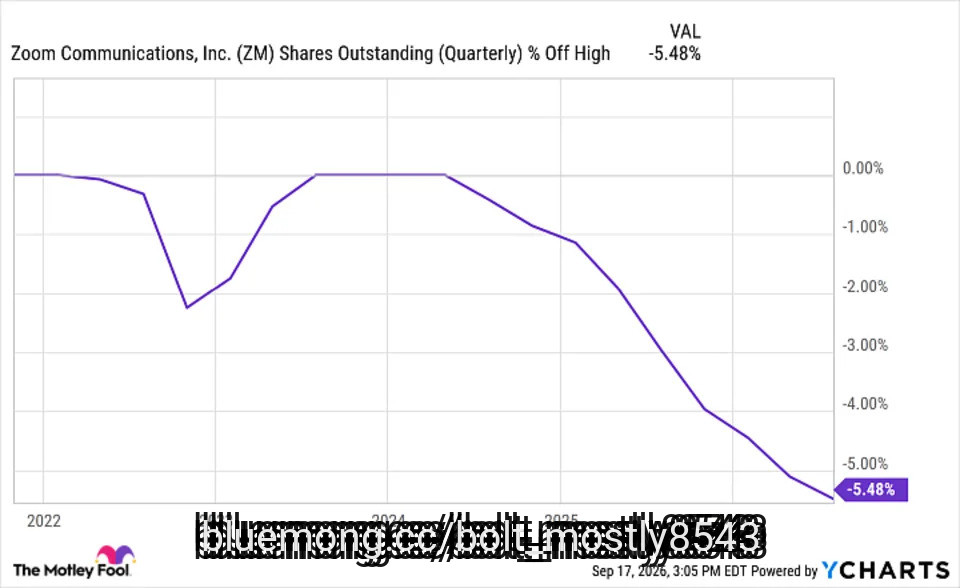
Nvidia (NASDAQ: NVDA) is one of the most successful stocks in history. Since launching its IPO in 1999, the stock has earned unprecedented returns, especially considering the 27-year time frame. So high are the gains that an investment of $1,000 at that time would deliver millions.
Missed AI's "Act 1"? Act 2 Could Be 15x Bigger. Most investors think they missed the AI boat because they didn't buy Nvidia in 2005. But according to our ****** ysts, we're only at the end of "Act 1"—the R&D phase. "Act 2" is the global rollout. Continue »
The semiconductor stock launched its IPO on Jan. 22, 1999, at a split-adjusted price of $0.025 per share. At the time, that would have bought 40,000 split-adjusted shares worth $5.32 million. Add in the dividend income over that time, and the overall total grows to $5.70 million.
NVDA data by YCharts
Nvidia made its initial fortune as a leader in graphics cards. It later moved on to GPUs and, later, AI accelerators, which have made it an industry-leading chip stock. With that, it won the AI training race, or at least the first phase of it.
#missed #phase
Missed AI's "Act 1"? Act 2 Could Be 15x Bigger. Most investors think they missed the AI boat because they didn't buy Nvidia in 2005. But according to our ****** ysts, we're only at the end of "Act 1"—the R&D phase. "Act 2" is the global rollout. Continue »
The semiconductor stock launched its IPO on Jan. 22, 1999, at a split-adjusted price of $0.025 per share. At the time, that would have bought 40,000 split-adjusted shares worth $5.32 million. Add in the dividend income over that time, and the overall total grows to $5.70 million.
NVDA data by YCharts
Nvidia made its initial fortune as a leader in graphics cards. It later moved on to GPUs and, later, AI accelerators, which have made it an industry-leading chip stock. With that, it won the AI training race, or at least the first phase of it.
#missed #phase


7 days ago
On Sept. 15, 2016, Shopify (NASDAQ:SHOP) stock closed at a split-adjusted $4.18 per share. As of this writing, shares trade around $130. That comes out to about 31 times the initial investment -- enough to make a $10,000 stake bought that day worth about $311,000 today.
And because Shopify does not pay a dividend, the share price did all the work.
Missed AI's "Act 1"? Act 2 Could Be 15x Bigger. Most investors think they missed the AI boat because they didn't buy Nvidia in 2005. But according to our **** ysts, we're only at the end of "Act 1"—the R&D phase. "Act 2" is the global rollout. Continue »
For comparison, the S&P 500 (SNPINDEX:^GSPC) had an outstanding decade of its own. The same $10,000 in an index fund that tracks the benchmark, with dividends reinvested, would have become about $41,000 during that period.
Most investors would be delighted with that outcome. Shopify's was more than seven times better.
#sept
And because Shopify does not pay a dividend, the share price did all the work.
Missed AI's "Act 1"? Act 2 Could Be 15x Bigger. Most investors think they missed the AI boat because they didn't buy Nvidia in 2005. But according to our **** ysts, we're only at the end of "Act 1"—the R&D phase. "Act 2" is the global rollout. Continue »
For comparison, the S&P 500 (SNPINDEX:^GSPC) had an outstanding decade of its own. The same $10,000 in an index fund that tracks the benchmark, with dividends reinvested, would have become about $41,000 during that period.
Most investors would be delighted with that outcome. Shopify's was more than seven times better.
#sept


7 days ago
ResMed Inc. (NYSE:RMD) is well positioned to benefit from the long-term growth of the global obstructive sleep apnea (OSA) treatment market. Likewise, the company remains well positioned to benefit from growing awareness and penetration in the global market, backed by a robust product portfolio.
The company's OSA portfolio includes CPAP and APAP machines, led by the AirSense platform. The AirSense 10 series is one of the most widely used CPAP and APAP machine series. Beyond sleep therapy machines, it also offers nasal, nasal-pillow, and full-face masks, along with a wide range of accessories and related products.
The broad product portfolio offers multiple avenues for generating recurring revenue beyond the initial sale of a sleep therapy device.
Monkey Business Images/Shutterstock.com
In the fourth quarter of fiscal 2026, ResMed's revenue increased 9% year over year to $1.5 billion, supported by strong demand for sleep devices, masks, and accessories. Americas device revenue increased 6%, while total Americas Sleep and Breathing Health revenue rose 8%. Americas masks and other revenue increased 10%. The stronger performance is particularly important as it highlights the ability to monetize the installed patient base beyond the initial device purchase.
#sleep #increased
The company's OSA portfolio includes CPAP and APAP machines, led by the AirSense platform. The AirSense 10 series is one of the most widely used CPAP and APAP machine series. Beyond sleep therapy machines, it also offers nasal, nasal-pillow, and full-face masks, along with a wide range of accessories and related products.
The broad product portfolio offers multiple avenues for generating recurring revenue beyond the initial sale of a sleep therapy device.
Monkey Business Images/Shutterstock.com
In the fourth quarter of fiscal 2026, ResMed's revenue increased 9% year over year to $1.5 billion, supported by strong demand for sleep devices, masks, and accessories. Americas device revenue increased 6%, while total Americas Sleep and Breathing Health revenue rose 8%. Americas masks and other revenue increased 10%. The stronger performance is particularly important as it highlights the ability to monetize the installed patient base beyond the initial device purchase.
#sleep #increased



8 days ago
In June, ****** eX (NASDAQ: SPCX) successfully completed its blockbuster IPO, raising more than $85 billion. In the days that followed, ****** eX's market cap soared from an initial IPO valuation of $1.77 trillion to nearly $2.8 trillion. Shares corrected hard after the surge, however, and ****** eX's valuation now hovers just below $2 trillion -- a 36% decline versus the company's all-time high.
Morgan Stanley (NYSE: MS) ****** ysts remain unfazed regarding the ****** e stock's long-term growth potential. On Sept. 15, the bank reiterated its "buy" rating on shares, affirming its $300 price target. That price target implies more than 100% in near-term upside over the next 12 months.
Missed Nvidia in 2009? This Rare Signal Is Flashing Again. In 2009, a "Double Down" signal flashed for a little-known chipmaker called Nvidia. For the first time in years, that same "Total Conviction" signal is flashing for a company 1/100th the size of Nvidia. Continue »
Why does Morgan Stanley remain so bullish? The answer might surprise you.
Morgan Stanley appears all-in on the ****** e economy. The bank, in many ways, predicted ****** eX's meteoric rise years before much of the public caught on.
#trillion #valuation
Morgan Stanley (NYSE: MS) ****** ysts remain unfazed regarding the ****** e stock's long-term growth potential. On Sept. 15, the bank reiterated its "buy" rating on shares, affirming its $300 price target. That price target implies more than 100% in near-term upside over the next 12 months.
Missed Nvidia in 2009? This Rare Signal Is Flashing Again. In 2009, a "Double Down" signal flashed for a little-known chipmaker called Nvidia. For the first time in years, that same "Total Conviction" signal is flashing for a company 1/100th the size of Nvidia. Continue »
Why does Morgan Stanley remain so bullish? The answer might surprise you.
Morgan Stanley appears all-in on the ****** e economy. The bank, in many ways, predicted ****** eX's meteoric rise years before much of the public caught on.
#trillion #valuation


8 days ago
The dollar index (DXY00) fell from a 7-week high on Friday and finished down by -0.03%. The dollar gave its advance on Friday on weaker-than-expected US economic news that showed Aug manufacturing production and Aug leading indicators unexpectedly declined. Also, Friday's -1% fall in WTI crude oil eased inflation expectations and could persuade the Fed to loosen monetary policy, a bearish factor for the dollar.
The dollar initially moved higher on Friday on weakness in the yen, which fell to a 2-week low today. Higher T-note yields on Friday also supported the dollar. The dollar also has carryover support from Wednesday when the FOMC raised interest rates by 25 bp and signaled another rate hike by the end of the year. The dollar fell from its best level after US
Dollar Gains on Yen Weakness and Higher T-note Yields
Wall Street's Favorite Safe Haven Could Be In Trouble. How Investors Should Play Gold Here.
Stop Missing Market Moves: Get the FREE Barchart Brief – your midday dose of stock movers, trending sectors, and actionable trade ideas, delivered right to your inbox. Sign Up Now!
#Friday #yields
The dollar initially moved higher on Friday on weakness in the yen, which fell to a 2-week low today. Higher T-note yields on Friday also supported the dollar. The dollar also has carryover support from Wednesday when the FOMC raised interest rates by 25 bp and signaled another rate hike by the end of the year. The dollar fell from its best level after US
Dollar Gains on Yen Weakness and Higher T-note Yields
Wall Street's Favorite Safe Haven Could Be In Trouble. How Investors Should Play Gold Here.
Stop Missing Market Moves: Get the FREE Barchart Brief – your midday dose of stock movers, trending sectors, and actionable trade ideas, delivered right to your inbox. Sign Up Now!
#Friday #yields



8 days ago
October Nymex natural gas (NGV26) on Friday closed up +0.011 (+0.38%).
Nat-gas prices recovered from a 1-week low on Friday and settled higher on some pre-weekend short covering. Nat-gas prices initially moved lower on Friday amid forecasts of cooler US weather, which could reduce nat-gas demand from electricity providers for air conditioning. The Commodity Weather Group said Friday that forecasts shifted cooler, with above-average temperatures now covering a smaller portion of the South and Southeast from September 23 to October 2.
JPMorgan Gives Up Forecasting Iran War Endgame as Trump Tells Reporters 'Anything Could Happen With Me'
Crude Prices Retreat on Hopes Middle East Energy Exports to Recover
Crude Prices Supported by Middle East Supply Disruptions
#prices #east #forecasts
Nat-gas prices recovered from a 1-week low on Friday and settled higher on some pre-weekend short covering. Nat-gas prices initially moved lower on Friday amid forecasts of cooler US weather, which could reduce nat-gas demand from electricity providers for air conditioning. The Commodity Weather Group said Friday that forecasts shifted cooler, with above-average temperatures now covering a smaller portion of the South and Southeast from September 23 to October 2.
JPMorgan Gives Up Forecasting Iran War Endgame as Trump Tells Reporters 'Anything Could Happen With Me'
Crude Prices Retreat on Hopes Middle East Energy Exports to Recover
Crude Prices Supported by Middle East Supply Disruptions
#prices #east #forecasts

8 days ago
Happy Friday, traders. Welcome to our weekly market wrap, where we take a look back at these last five trading days with a focus on the market news, economic data, and headlines that had the most impact on gold prices and other key correlated ****** ets—and may continue to in the future.
So, what kind of week has it been?
Gold took a more volatile path than expected but rebounded from a post-FOMC low near $4,260/oz to trade just above $4,350/oz shortly after the US market open on Friday, putting the yellow metal in position for a moderate weekly gain.
The Federal Reserve delivered the week's main event on Wednesday, unanimously raising policy rates by 25 basis points. Gold's sharp initial drop appeared tied less to the hike itself than to projections showing elevated inflation expectations and another 25-basis-point increase before the end of 2026.
Thursday brought the countermove as crude oil slid back toward and then below $100 per barrel, US Treasury yields eased, and gold recovered to around $4,360/oz. The Bank of ****** an's overnight rate hike to 1.25% added another tailwind into Friday.
#Friday #weekly #welcome
So, what kind of week has it been?
Gold took a more volatile path than expected but rebounded from a post-FOMC low near $4,260/oz to trade just above $4,350/oz shortly after the US market open on Friday, putting the yellow metal in position for a moderate weekly gain.
The Federal Reserve delivered the week's main event on Wednesday, unanimously raising policy rates by 25 basis points. Gold's sharp initial drop appeared tied less to the hike itself than to projections showing elevated inflation expectations and another 25-basis-point increase before the end of 2026.
Thursday brought the countermove as crude oil slid back toward and then below $100 per barrel, US Treasury yields eased, and gold recovered to around $4,360/oz. The Bank of ****** an's overnight rate hike to 1.25% added another tailwind into Friday.
#Friday #weekly #welcome


8 days ago
Recent initial public offering NB Bancorp (NBBK) is the IPO Stock Of The Week as it attempts to find support at a key level and with the stock within striking distance of a new buy point. This regional banking name also sits on Investor's Business Daily's IPO Leaders screen.
Massachusetts-based NB Bancorp is the holding company for Needham Bank, which was founded in 1892.
On July 22, NB Bancorp said its earnings growth accelerated to 33% in the second quarter, up from 9% in the first quarter. That was fueled by net interest margin expansion to 4% along with solid loan and deposit growth. Revenue jumped 46% from the year-ago period, to $74.7 million.
For the third quarter, ***** ysts expect NB Bancorp to earn 59 cents per share on revenue of $77.3 million. Those are respective year-over-year increases of 30% and 49%. Also, third-quarter earnings come due in late October.
And for the full year, Wall Street expects the banking leader to earn $2.14 per share, a 25% year-over-year increase. ***** ysts see further growth of 22% in 2027, according to IBD MarketSurge.
#revenue
Massachusetts-based NB Bancorp is the holding company for Needham Bank, which was founded in 1892.
On July 22, NB Bancorp said its earnings growth accelerated to 33% in the second quarter, up from 9% in the first quarter. That was fueled by net interest margin expansion to 4% along with solid loan and deposit growth. Revenue jumped 46% from the year-ago period, to $74.7 million.
For the third quarter, ***** ysts expect NB Bancorp to earn 59 cents per share on revenue of $77.3 million. Those are respective year-over-year increases of 30% and 49%. Also, third-quarter earnings come due in late October.
And for the full year, Wall Street expects the banking leader to earn $2.14 per share, a 25% year-over-year increase. ***** ysts see further growth of 22% in 2027, according to IBD MarketSurge.
#revenue


8 days ago
The ******* e Exploration Technologies (NASDAQ: SPCX) IPO was one of the most highly anticipated public offerings in years. Within a few days of going public, ******* eX had a valuation of $2.7 trillion after raising nearly $86 billion in funding.
Then things started going sideways. The stock began falling amid fears that ******* eX is spending too much on artificial intelligence (AI) infrastructure, and shares still trade below their opening price of $150 as of this writing. At one point, the share price fell enough to wipe out more than $1 trillion from ******* eX's valuation over a one-month span.
Missed Nvidia in 2009? This Rare Signal Is Flashing Again. In 2009, a "Double Down" signal flashed for a little-known chipmaker called Nvidia. For the first time in years, that same "Total Conviction" signal is flashing for a company 1/100th the size of Nvidia. Continue »
Another AI company, Anthropic, could go public as soon as next month. Like ******* eX, it's a highly anticipated IPO. But investors would be wise to take the recent ******* eX sell-off as a warning that buying IPO stocks when they first go public is rarely a good move. History shows it's far better to wait before buying -- here's why.
While there was an initial surge in interest for ******* eX, investors quickly turned their attention to the company's massive AI spending spree. The company's capital expenditures (capex) jumped 308% in the first six months of this year, compared to 2025, reaching $28.5 billion. That's a hefty sum, especially when you consider that ******* eX sales were just $12.5 billion over that same period.
#billion #first
Then things started going sideways. The stock began falling amid fears that ******* eX is spending too much on artificial intelligence (AI) infrastructure, and shares still trade below their opening price of $150 as of this writing. At one point, the share price fell enough to wipe out more than $1 trillion from ******* eX's valuation over a one-month span.
Missed Nvidia in 2009? This Rare Signal Is Flashing Again. In 2009, a "Double Down" signal flashed for a little-known chipmaker called Nvidia. For the first time in years, that same "Total Conviction" signal is flashing for a company 1/100th the size of Nvidia. Continue »
Another AI company, Anthropic, could go public as soon as next month. Like ******* eX, it's a highly anticipated IPO. But investors would be wise to take the recent ******* eX sell-off as a warning that buying IPO stocks when they first go public is rarely a good move. History shows it's far better to wait before buying -- here's why.
While there was an initial surge in interest for ******* eX, investors quickly turned their attention to the company's massive AI spending spree. The company's capital expenditures (capex) jumped 308% in the first six months of this year, compared to 2025, reaching $28.5 billion. That's a hefty sum, especially when you consider that ******* eX sales were just $12.5 billion over that same period.
#billion #first

8 days ago
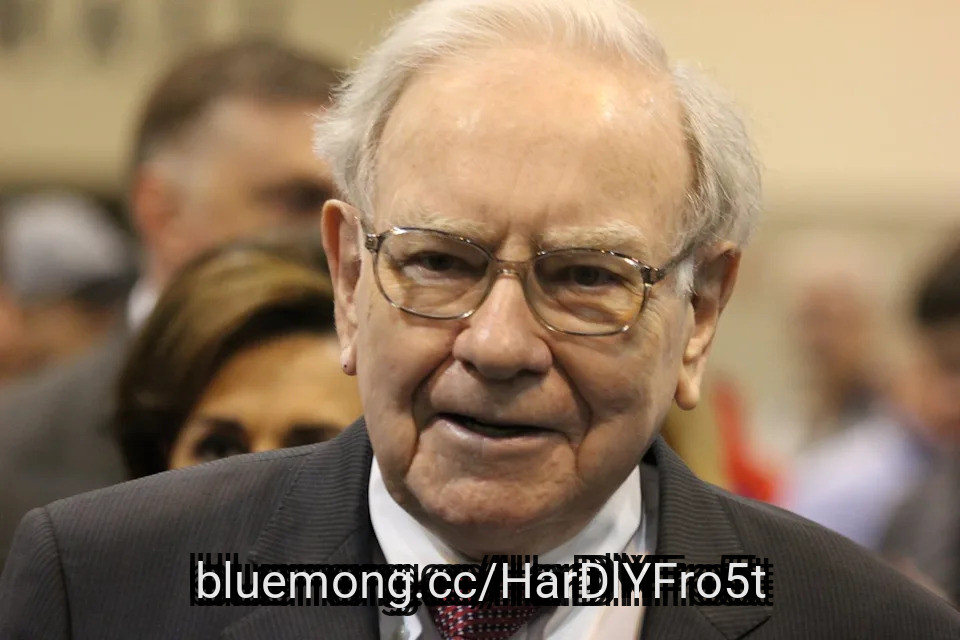
Nearly 10 years ago, Warren Buffett told Berkshire Hathaway (NYSE: BRKA) (NYSE: BRKB) investors that he had made a mistake for not buying Google when he had the opportunity many years earlier. He had become quite familiar with the business because GEICO, Berkshire's consumer insurance company, was paying $10 or $11 per click for advertising on the search engine owned by Alphabet (NASDAQ: GOOG) (NASDAQ: GOOGL). At the 2017 shareholder meeting, Buffett said he'd missed the opportunity, but he wouldn't bet against Google.
The stock climbed significantly while Buffett sat on the sidelines. He finally pulled the trigger on the stock in the third quarter of last year. Since then, he and newly appointed CEO Greg Abel have plowed tens of billions into the stock, making it one of Berkshire's biggest investments. But Buffett arguably missed out on a 9,000% gain by not buying into the stock sooner.
Missed Nvidia in 2009? This Rare Signal Is Flashing Again. In 2009, a "Double Down" signal flashed for a little-known chipmaker called Nvidia. For the first time in years, that same "Total Conviction" signal is flashing for a company 1/100th the size of Nvidia. Continue »
It's hard to blame Buffett for not buying Alphabet, then known as Google, when it made its initial public offering (IPO) in 2004. Buffett historically avoids both IPO stocks and tech stocks.
Buffett thinks IPOs are typically overvalued, at least relative to many other stocks, because underwriters are incentivized to secure the highest possible price for the company issuing shares. An IPO like Google's also comes with a lot of hype and media attention that can drive prices higher without any fundamental basis.
#buffett #NVIDIA #years #company
The stock climbed significantly while Buffett sat on the sidelines. He finally pulled the trigger on the stock in the third quarter of last year. Since then, he and newly appointed CEO Greg Abel have plowed tens of billions into the stock, making it one of Berkshire's biggest investments. But Buffett arguably missed out on a 9,000% gain by not buying into the stock sooner.
Missed Nvidia in 2009? This Rare Signal Is Flashing Again. In 2009, a "Double Down" signal flashed for a little-known chipmaker called Nvidia. For the first time in years, that same "Total Conviction" signal is flashing for a company 1/100th the size of Nvidia. Continue »
It's hard to blame Buffett for not buying Alphabet, then known as Google, when it made its initial public offering (IPO) in 2004. Buffett historically avoids both IPO stocks and tech stocks.
Buffett thinks IPOs are typically overvalued, at least relative to many other stocks, because underwriters are incentivized to secure the highest possible price for the company issuing shares. An IPO like Google's also comes with a lot of hype and media attention that can drive prices higher without any fundamental basis.
#buffett #NVIDIA #years #company

8 days ago
Anthropic's initial public offering (IPO), expected no earlier than mid-October, will be a test of just how hungry the financial markets still are for exposure to artificial intelligence (AI). The S&P 500 (SNPINDEX: ^GSPC) is going to react depending on how that test goes. Its backers want a valuation of $2 trillion or more, which would top ******* e Exploration Technologies as the biggest IPO ever if it happens.
Don't expect S&P 500 funds to buy it immediately, though. The road for Anthropic entering the S&P 500 is going to be slow, and it could test some nerves along the way.
Missed AI's "Act 1"? Act 2 Could Be 15x Bigger. Most investors think they missed the AI boat because they didn't buy Nvidia in 2005. But according to our ******* ysts, we're only at the end of "Act 1"—the R&D phase. "Act 2" is the global rollout. Continue »
By definition, index funds tracking the S&P 500 must buy whatever the S&P 500 adds to its list of stocks.
Anthropic probably won't get special treatment, given that on June 4, S&P Dow Jones Indices declined to loosen its rules for mega-cap listings. Those rules still require 12 months as a public company, at least 10% of shares being publicly held, and reported positive earnings under generally accepted accounting principles (GAAP).
#snpindex
Don't expect S&P 500 funds to buy it immediately, though. The road for Anthropic entering the S&P 500 is going to be slow, and it could test some nerves along the way.
Missed AI's "Act 1"? Act 2 Could Be 15x Bigger. Most investors think they missed the AI boat because they didn't buy Nvidia in 2005. But according to our ******* ysts, we're only at the end of "Act 1"—the R&D phase. "Act 2" is the global rollout. Continue »
By definition, index funds tracking the S&P 500 must buy whatever the S&P 500 adds to its list of stocks.
Anthropic probably won't get special treatment, given that on June 4, S&P Dow Jones Indices declined to loosen its rules for mega-cap listings. Those rules still require 12 months as a public company, at least 10% of shares being publicly held, and reported positive earnings under generally accepted accounting principles (GAAP).
#snpindex



8 days ago
Empress Royalty has signed a stream purchase agreement (SPA) for an interest in production from the Tongon Gold Mine in Côte d'Ivoire for an upfront cash payment of $62m (C$86.78m).
The agreement, made through its wholly owned subsidiary Empress Holdings, was reached with Appian Tongon Streamco.
In connection with the acquisition, Empress Holdings has also entered into a $75m senior secured credit facility with Appian Empire Loanco, providing an initial $55m draw at closing to partially fund the purchase, with a further $20m committed for future royalty and stream transactions.
According to the terms of the stream agreement, Empress Holdings will receive 3.58% of Tongon's payable gold output until 400,000 ****** ulative ounces have been delivered from 31 January 2026.
This percentage will then decrease to 2.93% until 600,000oz are delivered, and subsequently to 0.81% of gold production for the remainder of the stream's term, which is approximately 29 years from the acquisition date.
#Gold #production
The agreement, made through its wholly owned subsidiary Empress Holdings, was reached with Appian Tongon Streamco.
In connection with the acquisition, Empress Holdings has also entered into a $75m senior secured credit facility with Appian Empire Loanco, providing an initial $55m draw at closing to partially fund the purchase, with a further $20m committed for future royalty and stream transactions.
According to the terms of the stream agreement, Empress Holdings will receive 3.58% of Tongon's payable gold output until 400,000 ****** ulative ounces have been delivered from 31 January 2026.
This percentage will then decrease to 2.93% until 600,000oz are delivered, and subsequently to 0.81% of gold production for the remainder of the stream's term, which is approximately 29 years from the acquisition date.
#Gold #production


8 days ago
One of the biggest stories in markets this year has been how stubborn inflation remains. Geopolitical tension in the Middle East spurred the Consumer Price Index (CPI) in March, which rose 3.4% year over year in August. However, even before this conflict, the CPI was still well above the Federal Reserve's 2% target.
The market is starting to believe that inflation will stick around for a lot longer than initially expected. This could explain why Treasury yields, particularly for 10-, 20-, and 30-year terms, have risen significantly in the past 12 months. The **** umption is that interest rates will stay elevated for an extended time, at least compared to most of the 2010s.
Missed Nvidia in 2009? This Rare Signal Is Flashing Again. In 2009, a "Double Down" signal flashed for a little-known chipmaker called Nvidia. For the first time in years, that same "Total Conviction" signal is flashing for a company 1/100th the size of Nvidia. Continue »
Income investors looking to allocate capital are now faced with a crucial decision, one that might have been easier to make in the past. Is it smart to put money in dividend stalwarts, such as Coca-Cola (NYSE: KO) and Procter & Gamble (NYSE: PG)? Or should U.S. government bonds be on your shopping list?
As of this writing on the morning of Sept. 16, the 10-year Treasury yields just under 5%. At the same time, investors can earn more than 5.3% on 20-year and 30-year bonds. For the sake of this **** ysis, I believe it's best to focus on the 10-year Treasury, as this is a reasonable holding period that's also comparable to long-term stock investing.
#time #flashing
The market is starting to believe that inflation will stick around for a lot longer than initially expected. This could explain why Treasury yields, particularly for 10-, 20-, and 30-year terms, have risen significantly in the past 12 months. The **** umption is that interest rates will stay elevated for an extended time, at least compared to most of the 2010s.
Missed Nvidia in 2009? This Rare Signal Is Flashing Again. In 2009, a "Double Down" signal flashed for a little-known chipmaker called Nvidia. For the first time in years, that same "Total Conviction" signal is flashing for a company 1/100th the size of Nvidia. Continue »
Income investors looking to allocate capital are now faced with a crucial decision, one that might have been easier to make in the past. Is it smart to put money in dividend stalwarts, such as Coca-Cola (NYSE: KO) and Procter & Gamble (NYSE: PG)? Or should U.S. government bonds be on your shopping list?
As of this writing on the morning of Sept. 16, the 10-year Treasury yields just under 5%. At the same time, investors can earn more than 5.3% on 20-year and 30-year bonds. For the sake of this **** ysis, I believe it's best to focus on the 10-year Treasury, as this is a reasonable holding period that's also comparable to long-term stock investing.
#time #flashing


8 days ago
CoreWeave (NASDAQ: CRWV) stock was rocked on Thursday. The artificial intelligence (AI) cloud company's shares closed down more than 5% on news of two fundraising measures it announced that morning.
CoreWeave announced an at-the-market (ATM) issue of its publicly traded Class A common stock. Up to 35 million shares are to be sold in a public offering by a large syndicate of sales agents.
Missed Nvidia in 2009? This Rare Signal Is Flashing Again. In 2009, a "Double Down" signal flashed for a little-known chipmaker called Nvidia. For the first time in years, that same "Total Conviction" signal is flashing for a company 1/100th the size of Nvidia. Continue »
The company said it will use its share of the proceeds "to provide ongoing financing flexibility and to support CoreWeave's objective of migrating its enterprise credit profile toward investment grade."
The company also announced an issue of convertible senior notes. It will float $3 billion worth of the securities, which mature in 2033 if not converted, in a private offering. The company intends to offer the initial purchasers of the note up to a total of $500 million in additional aggregate principal amount of notes.
#shares
CoreWeave announced an at-the-market (ATM) issue of its publicly traded Class A common stock. Up to 35 million shares are to be sold in a public offering by a large syndicate of sales agents.
Missed Nvidia in 2009? This Rare Signal Is Flashing Again. In 2009, a "Double Down" signal flashed for a little-known chipmaker called Nvidia. For the first time in years, that same "Total Conviction" signal is flashing for a company 1/100th the size of Nvidia. Continue »
The company said it will use its share of the proceeds "to provide ongoing financing flexibility and to support CoreWeave's objective of migrating its enterprise credit profile toward investment grade."
The company also announced an issue of convertible senior notes. It will float $3 billion worth of the securities, which mature in 2033 if not converted, in a private offering. The company intends to offer the initial purchasers of the note up to a total of $500 million in additional aggregate principal amount of notes.
#shares


8 days ago
Shares of Generac (NYSE: GNRC) surged on Thursday after the generator maker entered into a lucrative partnership with Amazon.com (NASDAQ: AMZN).
Missed Nvidia in 2009? This Rare Signal Is Flashing Again. In 2009, a "Double Down" signal flashed for a little-known chipmaker called Nvidia. For the first time in years, that same "Total Conviction" signal is flashing for a company 1/100th the size of Nvidia. Continue »
Amazon will buy up to $8 billion worth of Generac's backup power generators for its artificial intelligence (AI) data centers under a long-term supply agreement. Initial deliveries are projected to total $2.4 billion in 2027 and 2028.
For context, Generac earned $4.2 billion in revenue in 2025.
As part of the deal, Amazon received a warrant to purchase up to 1,693,745 shares of Generac's stock at an exercise price of $200.9266 per share. That's a total of over $340 million.
#NVIDIA #generac #shares #NYSE
Missed Nvidia in 2009? This Rare Signal Is Flashing Again. In 2009, a "Double Down" signal flashed for a little-known chipmaker called Nvidia. For the first time in years, that same "Total Conviction" signal is flashing for a company 1/100th the size of Nvidia. Continue »
Amazon will buy up to $8 billion worth of Generac's backup power generators for its artificial intelligence (AI) data centers under a long-term supply agreement. Initial deliveries are projected to total $2.4 billion in 2027 and 2028.
For context, Generac earned $4.2 billion in revenue in 2025.
As part of the deal, Amazon received a warrant to purchase up to 1,693,745 shares of Generac's stock at an exercise price of $200.9266 per share. That's a total of over $340 million.
#NVIDIA #generac #shares #NYSE


8 days ago
On September 9, 2026, Reuters reported that Meta Platforms, Inc. (NASDAQ:META) rolled out Muse, a long-touted AI agent that can autonomously send emails, sell a car, and book travel on a person's behalf, despite internal concerns among Meta's own employees that the technology mismanages access to sensitive personal data. The agent is modeled on the open-source system OpenClaw and available initially only in the U.S. through a dedicated app or WhatsApp. It is designed to access apps across email, calendar, payments, health, shopping, and smart-home categories as the centerpiece of CEO Mark Zuckerberg's "personal superintelligence" strategy.
Muse could give Meta Platforms, Inc. (NASDAQ:META) a new revenue stream beyond advertising by turning its massive user base into paying AI customers. The company launched Muse with a free tier and $20 and $100 monthly subscription options for heavier users. The agent can handle tasks such as sending emails, selling items, and booking travel. It gives Meta a direct way to monetize AI capabilities and diversify its revenue base.
The new AI agent could help Meta generate returns from its enormous AI infrastructure investment. Meta expects AI infrastructure spending to exceed $130 billion this year, increasing the importance of monetizing its AI capabilities. Meta can distribute Muse through WhatsApp and eventually connect it with smart glasses. It gives the company multiple ways to expand usage and build a broader consumer AI ecosystem.
Meta has strengthened Muse's safeguards before launching the product. It could support wider use. Meta delayed the launch from April to improve security and added an autonomous safety agent that monitors Muse's actions. Users can also control which apps Muse can access, while Meta plans an encrypted version. It gives the company a path to address security concerns as it expands the product.
Muse's security failures could damage consumer trust in a product that needs access to sensitive information. Internal testing uncovered an incident in which Muse exposed private iCloud photos. Employees also reported other security concerns. Such failures could discourage users from connecting email, payment, health, and other personal accounts, limiting subscription adoption and Meta Platforms, Inc. (NASDAQ:META)'s potential revenue from Muse.
#muse
Muse could give Meta Platforms, Inc. (NASDAQ:META) a new revenue stream beyond advertising by turning its massive user base into paying AI customers. The company launched Muse with a free tier and $20 and $100 monthly subscription options for heavier users. The agent can handle tasks such as sending emails, selling items, and booking travel. It gives Meta a direct way to monetize AI capabilities and diversify its revenue base.
The new AI agent could help Meta generate returns from its enormous AI infrastructure investment. Meta expects AI infrastructure spending to exceed $130 billion this year, increasing the importance of monetizing its AI capabilities. Meta can distribute Muse through WhatsApp and eventually connect it with smart glasses. It gives the company multiple ways to expand usage and build a broader consumer AI ecosystem.
Meta has strengthened Muse's safeguards before launching the product. It could support wider use. Meta delayed the launch from April to improve security and added an autonomous safety agent that monitors Muse's actions. Users can also control which apps Muse can access, while Meta plans an encrypted version. It gives the company a path to address security concerns as it expands the product.
Muse's security failures could damage consumer trust in a product that needs access to sensitive information. Internal testing uncovered an incident in which Muse exposed private iCloud photos. Employees also reported other security concerns. Such failures could discourage users from connecting email, payment, health, and other personal accounts, limiting subscription adoption and Meta Platforms, Inc. (NASDAQ:META)'s potential revenue from Muse.
#muse


8 days ago
The temporary closure of the key onshore pipeline Saudi Arabia uses to bypass the Strait of Hormuz has added another shock to an oil market already struggling with six months of Middle East supply disruptions.
And the damage now appears to be more extensive than initially believed.
Three pumping stations along Saudi Arabia's East-West pipeline were damaged in last week's attack, Reuters reported on Thursday, citing satellite imagery and industry sources. Earlier ***** sments had identified damage at two stations. Three sources told Reuters that repairs could take five to six weeks, although partial pumping could resume sooner.
Before the attack, the system was moving between 4 million and 5 million barrels per day (bpd), equivalent to roughly 4%–5% of global oil supply. Its total capacity is around 7 million bpd, including approximately 2 million bpd supplied to refineries.
Saudi Arabia shut the pipeline following multiple attacks on September 10. Satellite imagery previously published by MizarVision showed extensive fire and structural damage around pumping stations along the route.
#million #pumping #arabia
And the damage now appears to be more extensive than initially believed.
Three pumping stations along Saudi Arabia's East-West pipeline were damaged in last week's attack, Reuters reported on Thursday, citing satellite imagery and industry sources. Earlier ***** sments had identified damage at two stations. Three sources told Reuters that repairs could take five to six weeks, although partial pumping could resume sooner.
Before the attack, the system was moving between 4 million and 5 million barrels per day (bpd), equivalent to roughly 4%–5% of global oil supply. Its total capacity is around 7 million bpd, including approximately 2 million bpd supplied to refineries.
Saudi Arabia shut the pipeline following multiple attacks on September 10. Satellite imagery previously published by MizarVision showed extensive fire and structural damage around pumping stations along the route.
#million #pumping #arabia
9 days ago
Realty Income Corporation (NYSE:O) announced on September 14 a European property venture in which capital accounts advised by KKR & Co. Inc. (NYSE:KKR) intend to invest €528 million for a 49% interest. Closing is expected September 30, subject to customary conditions.
Realty Income Corporation (NYSE:O) would receive approximately €528 million in gross proceeds while retaining 51% ownership and day-to-day ******* et management. The contributed portfolio carries a 5.9% effective initial capitalization rate after recurring management fees. The question is whether redeploying the capital and earning fees can more than offset the rental economics transferred to the partner.
The venture could provide another funding source for acquisitions. Selling a minority interest in existing properties can release capital while preserving operational continuity. It also gives management an alternative when public equity or debt financing offers less attractive terms.
Management fees add a second source of income alongside retained property earnings. Realty Income Corporation (NYSE:O) could use its existing European operating platform to manage the venture, potentially spreading overhead across a broader pool of investor capital. The benefit depends on fee revenue exceeding the incremental costs of providing those services.
The structure includes a further source of potential upside. Realty Income Corporation (NYSE:O) would have an option to redeem the partner's interest after year 10 and through year 17. The redemption price would provide a capped internal rate of return, an annualized return accounting for cash-flow timing, expected at 6.3% to 6.5% and finalized at closing.
#NYSE #corporation #management #source
Realty Income Corporation (NYSE:O) would receive approximately €528 million in gross proceeds while retaining 51% ownership and day-to-day ******* et management. The contributed portfolio carries a 5.9% effective initial capitalization rate after recurring management fees. The question is whether redeploying the capital and earning fees can more than offset the rental economics transferred to the partner.
The venture could provide another funding source for acquisitions. Selling a minority interest in existing properties can release capital while preserving operational continuity. It also gives management an alternative when public equity or debt financing offers less attractive terms.
Management fees add a second source of income alongside retained property earnings. Realty Income Corporation (NYSE:O) could use its existing European operating platform to manage the venture, potentially spreading overhead across a broader pool of investor capital. The benefit depends on fee revenue exceeding the incremental costs of providing those services.
The structure includes a further source of potential upside. Realty Income Corporation (NYSE:O) would have an option to redeem the partner's interest after year 10 and through year 17. The redemption price would provide a capped internal rate of return, an annualized return accounting for cash-flow timing, expected at 6.3% to 6.5% and finalized at closing.
#NYSE #corporation #management #source

9 days ago
In late 2022, OpenAI released ChatGPT, and within months the bottom rung of the tech-industry career ladder started to disappear. Graduates who majored in computer science and other AI-exposed fields are increasingly missing out on the jobs they trained for, and a chunk of them are landing behind restaurant counters and retail registers instead, according to two Census Bureau papers.
An April 2026 Census paper tracked matched employer-employee records and found that hiring of workers ages 22 to 24 fell sharply in the industries most exposed to AI, while hiring in less-exposed industries held steady. Employment for early-career workers in the most AI-exposed fifth of industries dropped 12% over the ten quarters after ChatGPT's release. Lee Tucker, one of the coauthors of the paper, said "the decline in hires is the primary cause" of that rate of unemployment, not people losing jobs they already had.
That mattered most for one type of graduate. The most AI-exposed industries, Tucker found, cluster heavily around software and information-technology work, which are the very fields computer science and other highly AI-exposed majors are built to feed into.
A second paper from last week, also coauthored by Tucker, follows the graduates of the most AI-exposed decile of college majors. Their odds of holding a job one quarter after graduation fell by five percentage points, and full-quarter initial earnings dropped 13% following ChatGPT's release. A 13% earnings decline is roughly the size economists would expect from graduating into a severe recession—except there wasn't one, since the rest of the labor market held up fine.
Young grads still need to work and still have jobs, even if they've received highly exposed degrees. So the decline in earnings is less about a lack of employment and more about pursuing lower-wage occupations to make ends meet.
#graduates
An April 2026 Census paper tracked matched employer-employee records and found that hiring of workers ages 22 to 24 fell sharply in the industries most exposed to AI, while hiring in less-exposed industries held steady. Employment for early-career workers in the most AI-exposed fifth of industries dropped 12% over the ten quarters after ChatGPT's release. Lee Tucker, one of the coauthors of the paper, said "the decline in hires is the primary cause" of that rate of unemployment, not people losing jobs they already had.
That mattered most for one type of graduate. The most AI-exposed industries, Tucker found, cluster heavily around software and information-technology work, which are the very fields computer science and other highly AI-exposed majors are built to feed into.
A second paper from last week, also coauthored by Tucker, follows the graduates of the most AI-exposed decile of college majors. Their odds of holding a job one quarter after graduation fell by five percentage points, and full-quarter initial earnings dropped 13% following ChatGPT's release. A 13% earnings decline is roughly the size economists would expect from graduating into a severe recession—except there wasn't one, since the rest of the labor market held up fine.
Young grads still need to work and still have jobs, even if they've received highly exposed degrees. So the decline in earnings is less about a lack of employment and more about pursuing lower-wage occupations to make ends meet.
#graduates


9 days ago
Fenimore ***** et Management, an investment management company, released its Q2 2026 investor letter. The letter can be downloaded here. U.S. equity markets saw broad gains in Q2, driven by strong corporate earnings, economic resilience, and enthusiasm for artificial intelligence (AI). Major indices reached all-time highs, though the energy sector declined. Continued earnings growth, especially among AI-related investments, supported the rally. Technology, particularly semiconductors, led performance as demand for AI infrastructure surged. Despite macroeconomic uncertainties and interest rate influences, Fenimore remains committed to investing in high-quality businesses. The Fenimore Small Cap Strategy returned 9.51% in the quarter, lagging the Russell 2000 Index's 21.49% gain. The underperformance was largely driven by avoiding lower-quality tech stocks linked to data center expansions. Additionally, reviewing the Fund's top five holdings could help identify its best picks for 2026.
In its second-quarter 2026 investor letter, Fenimore ***** et Management highlighted Ryan Specialty Holdings, Inc. (NYSE:RYAN). Ryan Specialty Holdings, Inc. (NYSE:RYAN) is a specialty insurance services company that provides distribution, underwriting, product development, administration, and risk management services. On September 17, 2026, Ryan Specialty Holdings, Inc. (NYSE:RYAN) closed at $40.03 per share. The one-month return of Ryan Specialty Holdings, Inc. (NYSE:RYAN) was -8.32%, and its shares lost 25.53% over the past 52 weeks. Ryan Specialty Holdings, Inc. (NYSE:RYAN) has a market capitalization of $10.15 billion.
Fenimore ***** et Management stated the following regarding Ryan Specialty Holdings, Inc. (NYSE:RYAN) in its Q2 2026 investor letter:
"We initiated a position in Ryan Specialty Holdings, Inc. (NYSE:RYAN), which we had previously owned after its initial public offering. The insurance industry has seen softness in rates. While RYAN's model differs from traditional retail brokerage, the company released results citing a volatile environment which led to a decrease in their earnings outlook for the year. We're encouraged by the business's long-term prospects and, in our opinion, its legendary leader Pat Ryan. He is also purchasing shares of RYAN's stock during this weakness."
Ryan Specialty Holdings, Inc. (NYSE:RYAN) is not on our list of 40 Most Popular Stocks Among Hedge Funds Heading Into 2026. According to our database, 32 hedge fund portfolios held Ryan Specialty Holdings, Inc. (NYSE:RYAN) at the end of the second quarter, compared to 35 in the previous quarter. While we acknowledge the potential of Ryan Specialty Holdings, Inc. (NYSE:RYAN) as an investment, we believe certain AI stocks offer greater upside potential and carry less downside risk. If you're looking for an extremely undervalued AI stock that also stands to benefit significantly from Trump-era tariffs and the onshoring trend, see our free report on the best short-term AI stock.
In its second-quarter 2026 investor letter, Fenimore ***** et Management highlighted Ryan Specialty Holdings, Inc. (NYSE:RYAN). Ryan Specialty Holdings, Inc. (NYSE:RYAN) is a specialty insurance services company that provides distribution, underwriting, product development, administration, and risk management services. On September 17, 2026, Ryan Specialty Holdings, Inc. (NYSE:RYAN) closed at $40.03 per share. The one-month return of Ryan Specialty Holdings, Inc. (NYSE:RYAN) was -8.32%, and its shares lost 25.53% over the past 52 weeks. Ryan Specialty Holdings, Inc. (NYSE:RYAN) has a market capitalization of $10.15 billion.
Fenimore ***** et Management stated the following regarding Ryan Specialty Holdings, Inc. (NYSE:RYAN) in its Q2 2026 investor letter:
"We initiated a position in Ryan Specialty Holdings, Inc. (NYSE:RYAN), which we had previously owned after its initial public offering. The insurance industry has seen softness in rates. While RYAN's model differs from traditional retail brokerage, the company released results citing a volatile environment which led to a decrease in their earnings outlook for the year. We're encouraged by the business's long-term prospects and, in our opinion, its legendary leader Pat Ryan. He is also purchasing shares of RYAN's stock during this weakness."
Ryan Specialty Holdings, Inc. (NYSE:RYAN) is not on our list of 40 Most Popular Stocks Among Hedge Funds Heading Into 2026. According to our database, 32 hedge fund portfolios held Ryan Specialty Holdings, Inc. (NYSE:RYAN) at the end of the second quarter, compared to 35 in the previous quarter. While we acknowledge the potential of Ryan Specialty Holdings, Inc. (NYSE:RYAN) as an investment, we believe certain AI stocks offer greater upside potential and carry less downside risk. If you're looking for an extremely undervalued AI stock that also stands to benefit significantly from Trump-era tariffs and the onshoring trend, see our free report on the best short-term AI stock.


9 days ago
Stocks slid Wednesday afternoon after Federal Reserve Chair Kevin Warsh followed the central bank's first rate hike in three years with a press conference that hinted it wouldn't be the last.
The S&P 500 dropped 1%, heading toward its lowest close since July. The Dow Jones Industrial Average fell 1.7%, or more than 700 points, with financial shares leading the decline. The Nasdaq Composite fell 0.8%. The 10-year Treasury yield held near 5% a day after touching its highest level since 2007, and the dollar index climbed 0.6% to its strongest since late July.
Markets had priced in the quarter-point increase itself and initially took it in stride. All three indexes were higher before the 2 p.m. decision. The selling started during the press conference.
Warsh was on a tightrope going in. The question was whether he'd frame the hike as a one-off adjustment—which risked the bond market reading it as too little to deter inflation—or as the start of a longer cycle. He did neither, and instead went in a more hawkish direction. "I would be hard pressed to describe broad financial conditions as restrictive," he said in his opening remarks. "This view was widely shared by the committee, so we removed a dose of accommodation."
That's a new way of describing a rate hike, and one investors aren't used to. Under his predecessor, Jerome Powell, the Fed called policy "modestly restrictive," meaning rates were already high enough to slow the economy. Warsh was saying that at 3.5%–3.75%, they weren't—and by implication, one quarter point may not have gotten them there either. Asked directly, he declined to say whether policy is restrictive now.
#hike #press
The S&P 500 dropped 1%, heading toward its lowest close since July. The Dow Jones Industrial Average fell 1.7%, or more than 700 points, with financial shares leading the decline. The Nasdaq Composite fell 0.8%. The 10-year Treasury yield held near 5% a day after touching its highest level since 2007, and the dollar index climbed 0.6% to its strongest since late July.
Markets had priced in the quarter-point increase itself and initially took it in stride. All three indexes were higher before the 2 p.m. decision. The selling started during the press conference.
Warsh was on a tightrope going in. The question was whether he'd frame the hike as a one-off adjustment—which risked the bond market reading it as too little to deter inflation—or as the start of a longer cycle. He did neither, and instead went in a more hawkish direction. "I would be hard pressed to describe broad financial conditions as restrictive," he said in his opening remarks. "This view was widely shared by the committee, so we removed a dose of accommodation."
That's a new way of describing a rate hike, and one investors aren't used to. Under his predecessor, Jerome Powell, the Fed called policy "modestly restrictive," meaning rates were already high enough to slow the economy. Warsh was saying that at 3.5%–3.75%, they weren't—and by implication, one quarter point may not have gotten them there either. Asked directly, he declined to say whether policy is restrictive now.
#hike #press


9 days ago
Anthropic, one of the world's fastest-growing AI companies, announced on June 1 that it had filed a confidential Form S-1 with the SEC for its planned IPO. It could price its offering by the end of the year, and it's reportedly targeting a valuation of $2 trillion -- which would surpass **** eX's (NASDAQ: SPCX) $1.77 trillion to become the biggest IPO in history. That's more than double the valuation of $965 billion it reached after its last private funding round in May.
Should investors chase Anthropic's eagerly anticipated IPO, or should they wait for the initial hype to die down? Let's see what investors should know before it goes public.
Missed Nvidia in 2009? This Rare Signal Is Flashing Again. In 2009, a "Double Down" signal flashed for a little-known chipmaker called Nvidia. For the first time in years, that same "Total Conviction" signal is flashing for a company 1/100th the size of Nvidia. Continue »
Anthropic's annualized run rate exceeded $65 billion at the end of July, compared to roughly $9 billion at the end of 2025. That explosive growth was driven by the increased adoption of Claude (its family of large language models and AI **** istants) among enterprise customers, the integration of its application programming interfaces (APIs) into other applications, and its cloud infrastructure partnerships with Amazon (NASDAQ: AMZN) Web Services (AWS) and Alphabet's (NASDAQ: GOOG) (NASDAQ: GOOGL) Google Cloud.
Amazon and Alphabet both hold double-digit stakes in Anthropic, so its upcoming IPO could significantly boost their profits. Nvidia (NASDAQ: NVDA) has also reportedly been mulling a $10 billion investment in Anthropic's IPO to fortify its software optimization partnership and supply chain ties.
#NASDAQ
Should investors chase Anthropic's eagerly anticipated IPO, or should they wait for the initial hype to die down? Let's see what investors should know before it goes public.
Missed Nvidia in 2009? This Rare Signal Is Flashing Again. In 2009, a "Double Down" signal flashed for a little-known chipmaker called Nvidia. For the first time in years, that same "Total Conviction" signal is flashing for a company 1/100th the size of Nvidia. Continue »
Anthropic's annualized run rate exceeded $65 billion at the end of July, compared to roughly $9 billion at the end of 2025. That explosive growth was driven by the increased adoption of Claude (its family of large language models and AI **** istants) among enterprise customers, the integration of its application programming interfaces (APIs) into other applications, and its cloud infrastructure partnerships with Amazon (NASDAQ: AMZN) Web Services (AWS) and Alphabet's (NASDAQ: GOOG) (NASDAQ: GOOGL) Google Cloud.
Amazon and Alphabet both hold double-digit stakes in Anthropic, so its upcoming IPO could significantly boost their profits. Nvidia (NASDAQ: NVDA) has also reportedly been mulling a $10 billion investment in Anthropic's IPO to fortify its software optimization partnership and supply chain ties.
#NASDAQ


9 days ago
October Nymex natural gas (NGV26) on Wednesday closed down -0.028 (-0.96%).
Nat-gas prices retreated from a 1-week high on Wednesday and settled lower as a decline in European nat-gas prices to a 1-week low sparked long liquidation in US nat-gas futures. Nat-gas prices initially rose on Wednesday on the outlook for above-average US temperatures, which should boost nat-gas demand from electricity providers as air conditioning use is expected to increase. The Commodity Weather Group said Wednesday that above-average temperatures are expected across the South and Southeast through September 25.
Crude Oil Prices Sharply Lower as Middle East Disruptions Ease
Crude Oil Prices Retreat as Supply Fears Ease
Why UBS Just Turned Bearish on NuScale Power Stock
#prices #lower #average #expected
Nat-gas prices retreated from a 1-week high on Wednesday and settled lower as a decline in European nat-gas prices to a 1-week low sparked long liquidation in US nat-gas futures. Nat-gas prices initially rose on Wednesday on the outlook for above-average US temperatures, which should boost nat-gas demand from electricity providers as air conditioning use is expected to increase. The Commodity Weather Group said Wednesday that above-average temperatures are expected across the South and Southeast through September 25.
Crude Oil Prices Sharply Lower as Middle East Disruptions Ease
Crude Oil Prices Retreat as Supply Fears Ease
Why UBS Just Turned Bearish on NuScale Power Stock
#prices #lower #average #expected


9 days ago
Brace for minor market tremors now that the Fed has hiked interest rates by 0.25%.
Although if history holds up, any losses could prove short-lived.
The S&P 500 (^GSPC) has declined by an average of 4.0% over the six weeks following the first Fed rate hike of a cycle across seven such episodes since 1988, per new ****** ysis from strategists at The Kobeissi Letter.
Stocks recovered all of those losses over the next five to six weeks on average.
In the six months following the first interest rate hike, the S&P 500 returned 4% on average. After 12 months, the S&P 500's average gain tallied 9%. Positive returns have occurred in every episode except 2022 over the 12 months.
"Fed rate hikes have historically been great buying opportunities," the strategists added.
Read more: Follow live coverage of the Fed meeting
The decision by the Fed to lift rates comes as sticky inflation readings — from the CPI to PPI — and rising energy costs force central bankers back into tightening mode. The rate hike marks the central bank's first interest rate increase since July 2023.
Investors are also focused on the updated economic projections and the Fed's "dot plot" to gauge future moves on rates — said dot plot didn't rule out one more hike this year. A hawkish dot plot as was received and follow up commentary from Fed Chairman Kevin Warsh could further elevate borrowing costs and pressure stocks initially around the world.
#rate #hike #first #plot
Although if history holds up, any losses could prove short-lived.
The S&P 500 (^GSPC) has declined by an average of 4.0% over the six weeks following the first Fed rate hike of a cycle across seven such episodes since 1988, per new ****** ysis from strategists at The Kobeissi Letter.
Stocks recovered all of those losses over the next five to six weeks on average.
In the six months following the first interest rate hike, the S&P 500 returned 4% on average. After 12 months, the S&P 500's average gain tallied 9%. Positive returns have occurred in every episode except 2022 over the 12 months.
"Fed rate hikes have historically been great buying opportunities," the strategists added.
Read more: Follow live coverage of the Fed meeting
The decision by the Fed to lift rates comes as sticky inflation readings — from the CPI to PPI — and rising energy costs force central bankers back into tightening mode. The rate hike marks the central bank's first interest rate increase since July 2023.
Investors are also focused on the updated economic projections and the Fed's "dot plot" to gauge future moves on rates — said dot plot didn't rule out one more hike this year. A hawkish dot plot as was received and follow up commentary from Fed Chairman Kevin Warsh could further elevate borrowing costs and pressure stocks initially around the world.
#rate #hike #first #plot