
7 days ago
James Attwood: I don't really see how. Sure, the Brewers are a smaller market than the Dodgers. They have a much smaller payroll. But, if anything, the Brewers advancing is only going to fuel the MLBPA to get even stickier about trying to control salaries in any way, shape, or form. Also, even though plenty of fans and pundits like to give MLB front offices a hard time about making stupid decisions, those offices are by and large, stacked with incredibly intelligent people. Those people are going to be able to take a step back and recognize that one season's playoff picture is hardly a sample size large enough to be called indicative of the sport moving forward. There were questions after Arizona went to the World Series in 2023 about whether or not MLB had done enough to create obstacles for Wild Card teams in the playoffs, all because Arizona steamrolled the Brewers and Dodgers. This year, pundits are calling for the entire seeding system to be blown up because there was a team with a .500 record that not only made the playoffs, but won their division outright. Single seasons may bring some oddities, but they are usually not indicative of the reality of the game's overall health.
I suspect, both the ownership side of things and the MLBPA have already drawn their battle lines and have already started crafting their arguments. This outcome in the playoffs will do more to feed the online debates between fans and pundits than it will do for or against the CBA negotiations.
C. Wesley Baier: I think it will impact the CBA negotiations, but how much is the real question. I would be shocked if the MLBPA didn't use this as evidence against a salary cal, but I cant say if it wil be all that successful of a tactic.
Spencer: Nope. Anything can happen in a small sample size. Owners are greedy and want to abuse their employees/customers for profit still. Players are greedy and only care about the uppermost tiers of earning power. Fans will quiet down a little, but fan opinion and outrage has never been a driving force for either side.
Justin27: FTD
#brewers #only #Dodgers


17 days ago
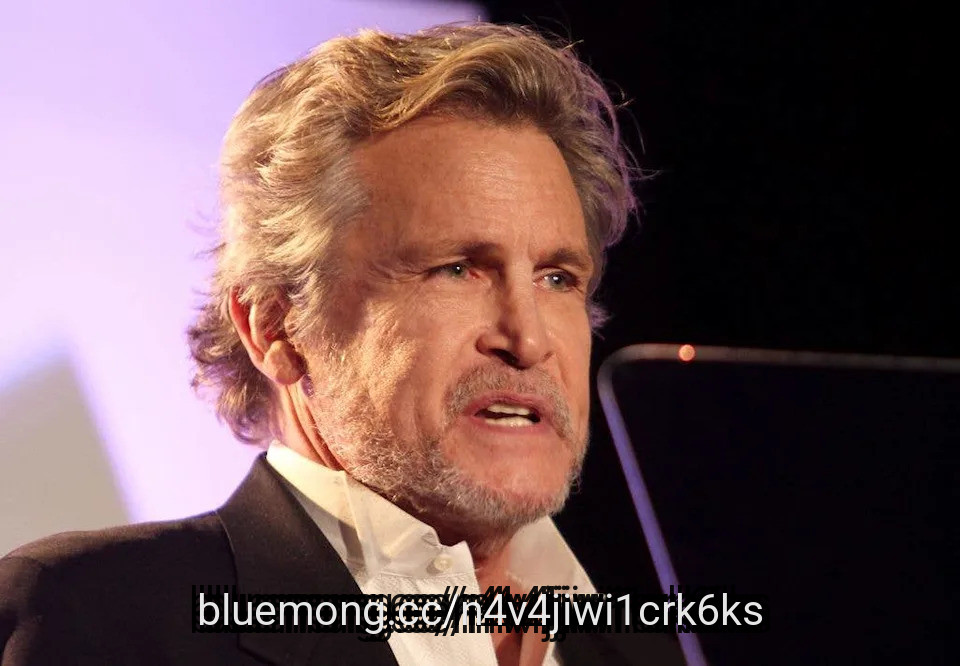
Beverly Hills, 90210actor Michael Kearns passed away on Monday, October 5, leaving the LGBTQIA+ community devastated by his loss.
The 76-year-old, who portrayed Hal in several 1996 episodes of the hit show, is survived by his adopted daughter, Katherine. No cause of death has been revealed.
Michael was an LGBTQIA+ activist and trailblazer (@ Getty Images)
Several of Michael's friends confirmed the sad news, with performance artist Tim Miller taking to Facebook to write: "I am mourning my beloved Michael Kearns. AIDS performer-warrior. Big brother. Friend since 1984. Truly one of a kind. The world is a smaller place… I love you, Michael."
Filmmaker Roland Palencia also paid tribute to the late star on social media, writing: "Michael Kearns was a friend, mentor, neighbor, and my movie buddy…Some of his last words continue to reverberate in my mind: 'I don't know if I want to do this anymore,' as he had been in and out of emergency rooms over five times within a three-month period."
#beverly



17 days ago
Lizzo feels "Good as ******* " at any size.
The singer, 38, opened up about her weight loss journey — which she refers to as "releasing weight" — during a new interview with Jason Lee for BET, revealing that while she believes she was always healthy, she wasn't always comfortable.
When Lee, 49, noted that some fans felt she had "abandoned" them after she started getting "healthier," the "Truth Hurts" artist corrected him.
"I just got smaller," she shared. "I think that I was extremely healthy at my highest weight. My blood was extremely healthy. I think what happened was, it was physically uncomfortable in some areas."
Explaining that she would experience joint pain that made it difficult to do her job as a performer, she added, "my back was hurtin' and things like that."
#weight #lizzo #jason



19 days ago
A 62-year-old retiree can withdraw up to $66,500 annually from a 401(k) at just 12% federal tax, moving roughly $532,000 before RMDs begin.
RMDs force a $1.2 million account holder to withdraw $45,283 in year one, potentially pushing effective tax rates to 41% when Social Security is included.
Leaving $900,000 untouched grows it to roughly $1.7 million by 73, creating a first RMD larger than the current 73-year-old's and repeating the same tax trap.
Building a portfolio and living off one are two completely different skills, and almost ******* ody teaches the second. This problem is what The Definitive Guide to Retirement Income helps, and it is free today. Read more here. (Sponsor)
Picture two retirees. One is 62 with $900,000 in a traditional 401(k). The other is 73 with $1.2 million. Most people would take the bigger account. The smaller one is worth more because the 62-year-old still determines when that money gets taxed and at what rate. The 73-year-old has already gave that decision to the IRS.
#rmds


19 days ago
Social Security is the only income that automatically beats inflation, making it the anchor of any retirement plan built on $540,000 in savings.
Delaying Social Security past 64 and bridging expenses with Treasury bills yielding above 4% produces a larger lifetime benefit and a smaller tax bill.
The 4% withdrawal rule applied to $540,000 yields about $21,600 annually, and claiming Social Security early permanently cuts that check by roughly 20%.
Building a portfolio and living off one are two completely different skills, and almost ***** ody teaches the second. This problem is what The Definitive Guide to Retirement Income helps, and it is free today. Read more here. (Sponsor)
A 64-year-old with $540,000 saved and a $2,600 monthly Social Security estimate has two very different kinds of money. One is a government check that rises with prices for life, while the other is a portfolio that has to survive market drops, inflation and possibly 30 years of withdrawals. The income you can count on depends almost entirely on how you connect those two pieces over the next three years.
#security #income #almost #years


19 days ago
Republicans are swamping House and Senate races with an unprecedented flood of late ad spending as the party tests whether hundreds of millions of dollars can buy it some reprieve from the eroding political environment that’s threatening longtime Republican states and districts.
Since the start of September, Republicans have made more than $700 million worth of new advertising bookings in congressional races alone, according to an NBC News ******* ysis of data from AdImpact, a political ad-tracking firm. That’s new money on top of what had already been committed to those races in ad reservations made over the summer.
By comparison, Democrats booked more than $430 million in new ad reservations across those races last month.
The disparity is greatest in the battle for the Senate majority, where almost 7 of every 10 newly booked advertising dollars are coming from Republicans. That’s led by a massive, late investment in the Senate race in Texas, where Democrat James Talarico is threatening a longtime Republican seat and the GOP has poured in almost $150 million in new ad dollars to back up its nominee, Ken Paxton.
The gap is smaller in the House, where a bit less than 6 in 10 of those new ad dollars are coming from the GOP.
#senate #dollars #House #republican


19 days ago
In late September 2026, Huntington Ingalls Industries' Newport News Shipbuilding division secured a US$5.10 billion contract to conduct the refueling and complex overhaul of USS Harry S. Truman (CVN 75), while also advancing carrier programs and expanding unmanned production capacity across its U.S. facilities.
Together with the Navy order for 10 ROMULUS unmanned surface vessels and the Pocasset unmanned systems campus expansion, these developments highlight how HII is tying long-duration carrier work to growing autonomous maritime capabilities within its Mission Technologies division.
We'll now examine how the Truman overhaul award, alongside new ROMULUS unmanned vessel production, could influence Huntington Ingalls Industries' investment narrative.
Rare earth metals are an input to most high-tech devices, military and defence systems and electric vehicles. The global race is on to secure supply of these critical minerals. Beat the pack to uncover the 33 best rare earth metal stocks of the very few that mine this essential strategic resource.
To own Huntington Ingalls Industries, you need to believe that its multi decade carrier, submarine and unmanned systems backlog can be converted into steadier margins and free cash flow despite current back end loaded cash expectations. The Truman refueling and complex overhaul award reinforces that backlog, but does not remove the near term risk that 2026 free cash flow could miss if contract advances or tax benefits arrive later or smaller than management hopes.
#unmanned #truman #romulus


20 days ago
A 62-year-old retiree can withdraw up to $66,500 annually from a 401(k) at just 12% federal tax, moving roughly $532,000 before RMDs begin.
RMDs force a $1.2 million account holder to withdraw $45,283 in year one, potentially pushing effective tax rates to 41% when Social Security is included.
Leaving $900,000 untouched grows it to roughly $1.7 million by 73, creating a first RMD larger than the current 73-year-old's and repeating the same tax trap.
Building a portfolio and living off one are two completely different skills, and almost ******* ody teaches the second. This problem is what The Definitive Guide to Retirement Income helps, and it is free today. Read more here. (Sponsor)
Picture two retirees. One is 62 with $900,000 in a traditional 401(k). The other is 73 with $1.2 million. Most people would take the bigger account. The smaller one is worth more because the 62-year-old still determines when that money gets taxed and at what rate. The 73-year-old has already gave that decision to the IRS.
#year #rmds


20 days ago
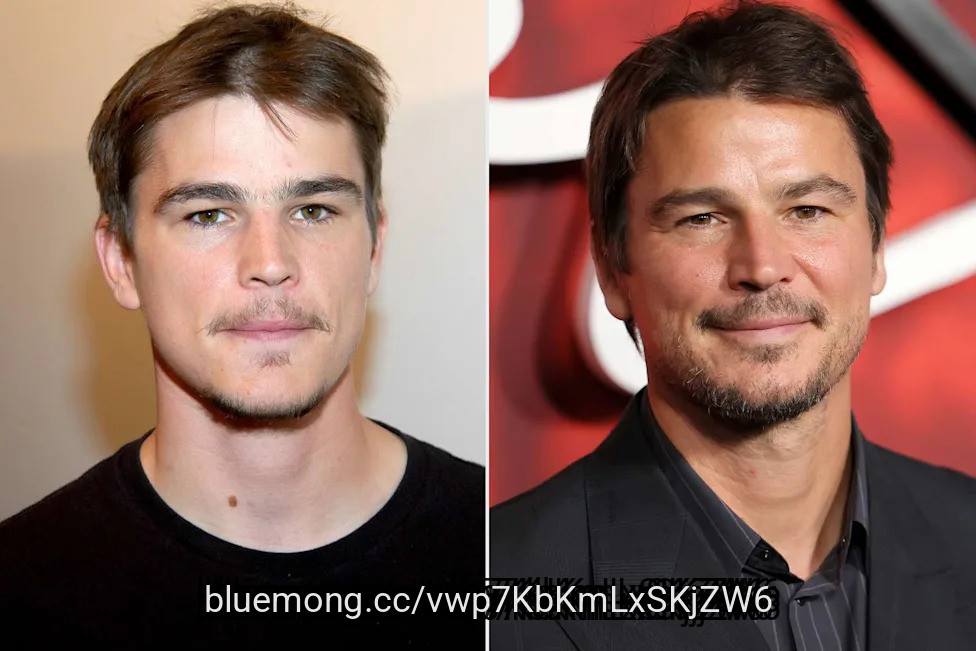
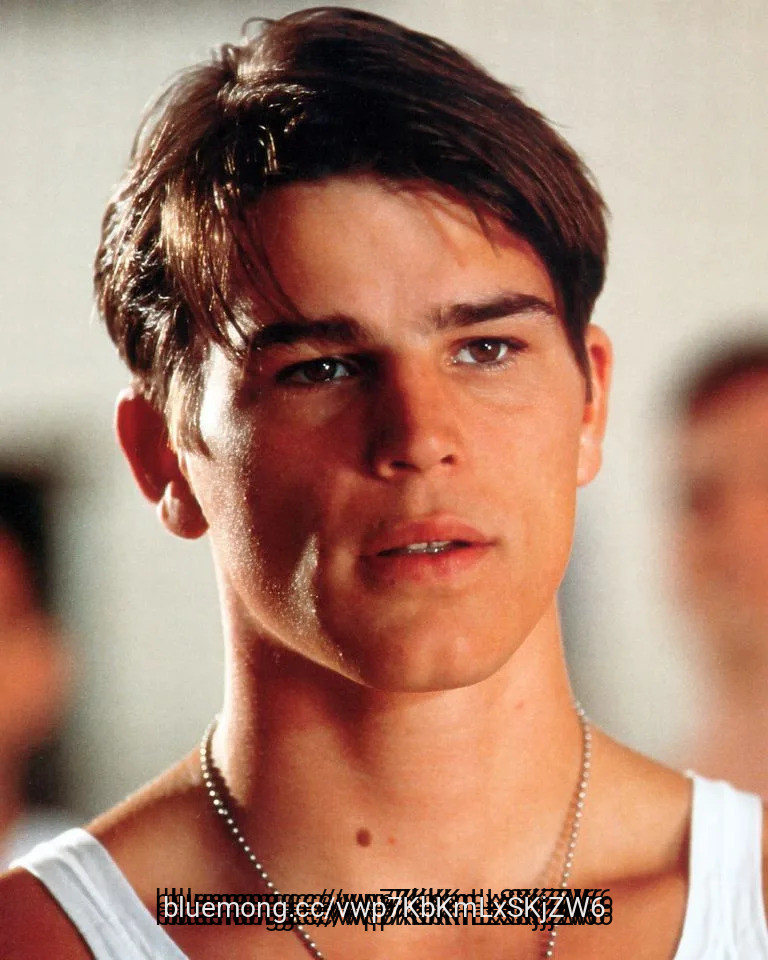
Hartnett says he continued acting but pursued smaller projects outside Hollywood's biggest productions
After finishing Black Hawk Down at 22, he took a year off and wrote a screenplay
He previously said he declined roles like Superman and Batman to maintain control over his career
Josh Hartnett is opening up about what some view as a step back from acting — arguing he was still working, just not in the big Hollywood projects for which he had become known.
The actor, 48, was interviewed by Out Of Order, when he was asked if he takes "offense" to the idea that he was "on hiatus" from the film industry for two decades.
#superman
22 days ago
A Lewisville, Texas, barber returned $128,514 in cash he found sitting on top of a Bank of America
$BAC
ATM, with not a dollar missing, Lewisville police said.
The 37-year-old man, who asked not to be identified, came across the bag at roughly 10 a.m. on Aug. 3, outside a Bank of America branch on West Main Street. He was accompanied by a 42-year-old woman. Nearby, officers also recovered a second, smaller bag that held 19 checks, CBS News Texas reported.
Information on one of the bags suggested the money might belong to a nearby Chick-fil-A, so the man drove there to return it. A manager said the restaurant had no claim to the funds. The man then called 911, and officers arrived to secure the bags.
A bank receipt found inside the cash bag specified the precise dollar amount expected. According to CBS News Texas, officers ran two separate hand counts and put the total through a digital currency counter before the sealed bag went into the Lewisville Police Department property room.
Police determined the money belonged to Bank of America and was being handled by its cash vendor, Brinks. Investigators determined that a Brinks technician had completed work on the ATM and inadvertently failed to take the bag with him when he left. Police found no connection to criminal activity. Bank of America has since recovered the funds.
#America #lewisville

23 days ago
Sandra Bullock's journey to becoming one of Hollywood's most recognizable stars began far from the blockbuster action movies that eventually made her famous. Growing up with an opera singer mother, she was introduced to performance at an early age and studied music, ballet and other forms of movement. Acting eventually became her focus, but major success did not arrive immediately. Bullock spent years building experience before finding the role that transformed her career. That gradual rise helped shape a performer known for moving comfortably between action, comedy, romance and drama.
Bullock began appearing professionally during the late 1980s, taking smaller roles as she worked toward greater opportunities. Her breakthrough finally arrived with Speed in 1994. Starring alongside Keanu Reeves, she played Annie Porter, a passenger forced to take control of a Los Angeles bus rigged to explode if its speed dropped below a dangerous threshold. The movie combined large scale action with humor and chemistry between its leads, turning Bullock into an international star.
The production also demanded considerable physical commitment. Bullock later described the genuine fear she experienced while filming scenes aboard the speeding bus. Although she was not actually controlling the vehicle during the most dangerous sequences, being positioned at the front made the action feel very real. That sense of physical vulnerability contributed to the urgency of her performance. She returned to the franchise for Speed 2: Cruise Control in 1997, this time facing danger aboard a runaway cruise ship.
Bullock was already looking beyond acting alone. In the 1990s, she established Fortis Films, giving her greater involvement in developing and producing projects. That experience became especially important with Miss Congeniality, the 2000 action comedy in which she played FBI agent Gracie Hart. Bullock also served as a producer, helping shape a movie that combined physical comedy, crime and an unconventional transformation story.
Her career continued to expand across genres. Films such as While You Were Sleeping, The Proposal and Gravity demonstrated her ability to move between romantic comedy and intense drama. One of her most significant dramatic successes came with The Blind Side in 2009. Her performance as Leigh Anne Tuohy earned Bullock the Academy Award for Best Actress, adding another dimension to a career already **** ociated with major commercial films.
#speed #films

24 days ago
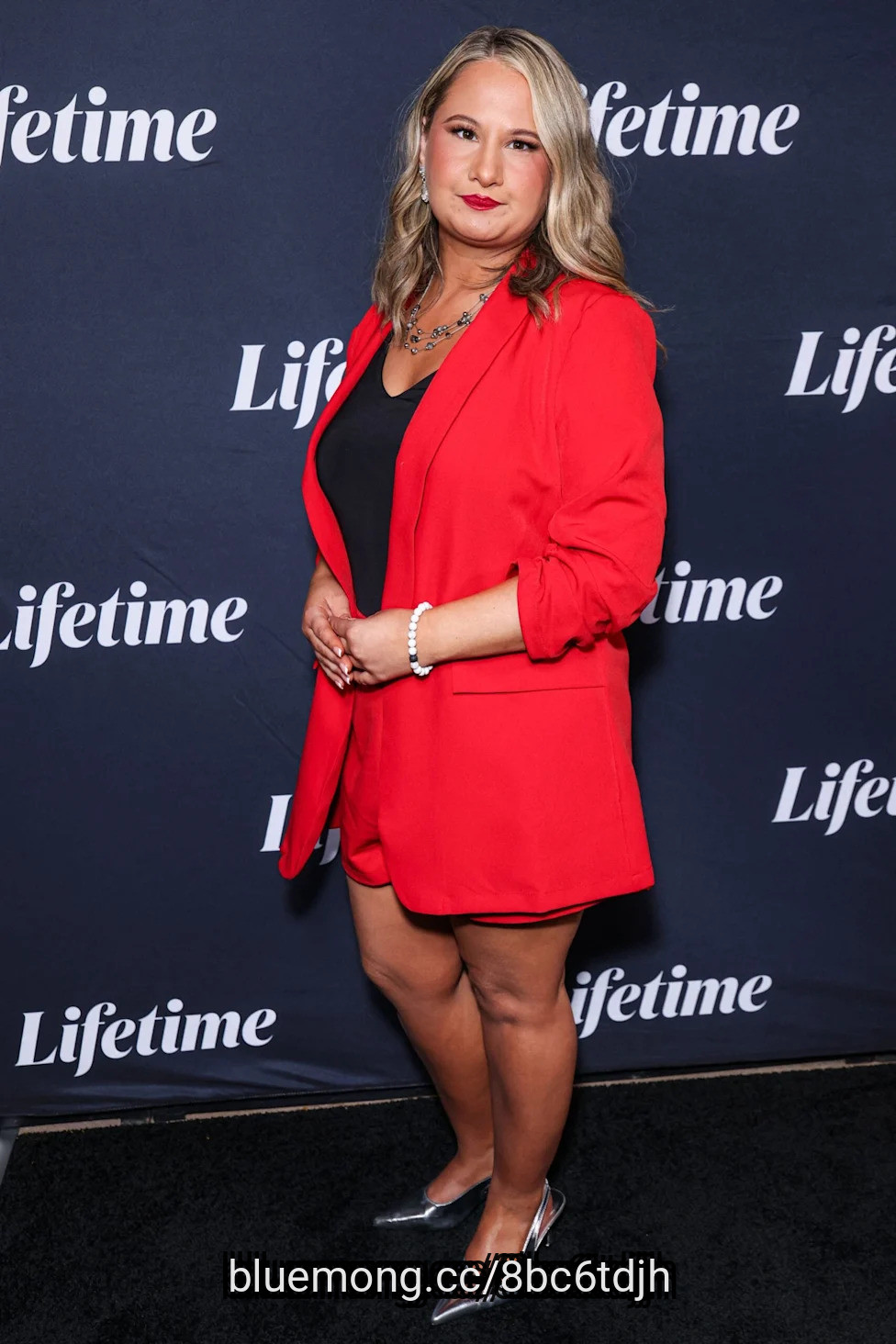
Sophia Bush is married to Ashlyn Harris.
The One Tree Hill actress reveals in her memoir And I Will Tell You Mine: Notes from a Life in Progress that she secretly wed the former professional soccer player last summer in upstate New York.
The couple, who have been together for three years, opened up to Vogue about why they decided in favor of a private, intimate ceremony.
"When you get to this stage in your life, you begin to unpack what's yours and what's always sort of been for everyone else," Bush tells Vogue.
Harris says a smaller wedding was also perfect for her children, Sloane and Ocean, to whom Bush is a stepmom.
#bush #vogue #tree #tell



28 days ago
Vista Gold Corp. (NYSEAMERICAN:VGZ) announced on September 21 that it had agreed to be acquired by Artemis Gold Inc. (TSXV:ARTG). Under the agreement signed September 20, shareholders would receive 0.0966 buyer common shares for each existing common share and own approximately 5% of the combined company. That ownership calculation excludes the buyer's existing 4.95% stake in Vista Gold Corp. (NYSEAMERICAN:VGZ), which it intends to cancel at completion.
For shareholders, the trade-off is a smaller interest in a larger mining business with an operating ***** et and development expertise. The central question is whether that combination can supply the capital and execution needed to bring Australia's Mt Todd gold project into production.
Artemis Gold Inc. (TSXV:ARTG) operates the Blackwater mine in British Columbia and expects its future cash generation to support Mt Todd. That offers Vista Gold a potential funding source alongside a team experienced in building and operating mines.
The financial starting point explains the appeal. Vista Gold Corp. (NYSEAMERICAN:VGZ) ended June 2026 with $49.5 million in cash and no debt. Management described that cash as sufficient for interim development objectives. Joining an operating producer could broaden the resources available for the much larger task of construction.
The acquisition requires no cash consideration or new acquisition debt. Preserving the buyer's financial capacity could leave more room for investment, although the share exchange itself does not raise construction funding.
#cash


1 month ago
On August 6, Aflac (NYSE:AFL) reported second-quarter numbers that point in opposite directions. Net earnings climbed to $825 million, helped along by investment losses that shrank to $153 million from $421 million a year ago. Adjusted earnings, though, fell 7.7% to $883 million. Both numbers are real, but they answer different questions. Which measure you trust changes the story, so here is what sits underneath.
Start with the yen, because it is muddying the picture. The average rate was 159.45 to the dollar, 9.3% weaker than a year earlier, and that cost adjusted earnings $0.05 a share. Take the currency out of the first half and adjusted earnings per share rose 4.1% to $3.57. ******* an is also running more profitably. Its pretax adjusted margin widened to 34.3% from 32.0% as claims took a smaller bite out of premiums, and yen-based pretax adjusted earnings rose 3.4%. So part of the decline in ******* an's dollar-reported profit is currency, not operations.
The US business is still growing at the top line. Net earned premiums rose 2.3% to $1.5 billion, and sales climbed 2.6% to $349 million, led by group voluntary benefits along with dental and vision plans. In ******* an, the refreshed Tsumitasu life policy and the new Anshin Palette medical product grew strongly in the quarter, and first-half sales rose 7.0% to ¥37.3 billion. Then there is the cash. Aflac returned $1.3 billion to shareholders in the quarter, $983 million of it through buybacks, and declared a $0.61 third-quarter dividend, payable September 1 to holders of record on August 19, 2026. Management notes 43 straight years of dividend increases through 2025 and says the board is on a path to extend that in 2026.
The catch is that ******* an's profit gains came from lower claims, not a bigger business. Net earned premiums in yen fell 3.7%, mainly because of a new external reinsurance deal and older limited-pay policies reaching paid-up status. Premium persistency, the share of policies customers keep, slipped to 92.7% from 93.7%. ******* an's pretax adjusted earnings still fell 2.1% once currency is stripped out, and new sales dipped 5.6% in the quarter against a tough comparison for the Miraito cancer product, which launched in March 2025.
The US segment has its own soft spot. Pretax adjusted earnings fell 4.6% to $370 million, and the margin narrowed to 20.9% from 22.5% as claims and benefits took a bigger share of premiums. Corporate and Other swung to a $10 million pretax adjusted loss from a $20 million gain a year earlier, with interest expense up 21.6% to $62 million. And adjusted book value per share, excluding foreign currency remeasurement, slid to $41.22 at June 30 from $42.97 a year earlier.
#earnings #fell


1 month ago
On September 8, 2026, Reuters reported that ASML Holding N.V. (NASDAQ:ASML) plans to work with major customers. It includes Taiwan Semiconductor Manufacturing Company Limited (NYSE:TSM), Nvidia, Intel, Samsung, and SK Hynix to adapt its next-generation "High NA" extreme ultraviolet lithography tools so they can print larger data-center chips. It addresses a current limitation where the newer machines use a smaller mask than ASML's widely deployed standard EUV tools.
ASML targets a pilot production line using the larger masks by 2031 and high-volume manufacturing readiness by 2033. Chief technology officer Marco Pieters said these changes could lift the productivity of these systems by roughly 40%.
The larger-mask project could create a new growth opportunity for ASML Holding N.V. (NASDAQ:ASML) while helping TSMC manufacture larger AI chips more efficiently. ASML plans to use its High NA EUV tools to handle chips as large as today's biggest data-center processors. The business expects the larger masks to increase system productivity by 40%. It could scale up demand for its next-generation equipment and help TSMC improve the economics of producing increasingly large and complex chips.
Taiwan Semiconductor Manufacturing Company Limited (NYSE:TSM)'s planned use gives ASML a clear path toward commercializing the technology. TSMC plans to introduce High NA EUV into advanced-node high-volume production from 2030. ASML aims to show its larger-mask technology through a pilot line in 2031. TSMC's commitment could give ASML greater visibility into future equipment demand. Early use could help TSMC maintain its advanced-chip manufacturing advantage.
The collaboration could solidify both companies' positions as chipmakers develop larger and more powerful processors. ASML can extend its High NA roadmap beyond its current chip-size limitation. TSMC can prepare its manufacturing processes for the next generation of AI chips. The partnership gives ASML an opportunity to deepen its relationship with one of its largest customers and gives TSMC access to a technology that could support future advanced-chip production.
#asml #technology #plans #next


1 month ago
JPMorgan Chase (NYSE: JPM) is the largest bank in the U.S., by far. It's a financial giant with robust consumer and commercial segments, and it's reliable in driving growth under pressure. It also pays a growing dividend that yields 1.7% at the current price, and it's a fantastic value addition to any investor's diversified portfolio.
While it's likely to become the first bank stock with a $1 trillion valuation in the near future (it currently sports a $927.5 billion market capitalization), there are smaller digital banks that are likely to grow much faster in the next two years, and probably a lot longer. SoFi Technologies (NASDAQ: SOFI) and Nu Holdings (NYSE: NU) are two of them.
Missed Nvidia in 2009? This Rare Signal Is Flashing Again. In 2009, a "Double Down" signal flashed for a little-known chipmaker called Nvidia. For the first time in years, that same "Total Conviction" signal is flashing for a company 1/100th the size of Nvidia. Continue »
SoFi is a young digital bank that's growing at the rate of a tech start-up, which makes sense, since it's a combination of both -- a classic fintech company.
What started as a loan cooperative for college students has expanded into a comprehensive financial app for anyone seeking an easy-to-use digital platform. It's attracting new members at a fast pace, and its strategy of bringing customers into the ecosystem and getting them to adopt more products is working.
#sofi #bank

1 month ago
On September 16, Air Products (NYSE:APD) said it had signed a long-term deal to supply high-purity gases to a leading chipmaker, backed by roughly $250 million of its own money in Arizona. It is the company's second semiconductor supply win, and the two projects together carry more than $900 million of investment. That is a notable turn for a company that has been pulling back from big clean-energy projects.
The Arizona project plays to what Air Products already does. It will build, own, and operate the equipment, from hydrogen generation units and carbon dioxide purification to bulk supply for three gases: helium, hydrogen, and carbon dioxide. That means the customer's gas supply runs through equipment Air Products owns. Supply is targeted to start in phases, so the buildout can move alongside the customer's expansion plans. And this is familiar ground. Air Products has supplied electronics makers for more than 40 years, and its Chandler facility has served the Phoenix chip cluster since 1981, with a pipeline system carrying ultra-high purity nitrogen around the area.
The core business gives the deal a solid floor. In the fiscal third quarter, reported on July 30, adjusted earnings per share rose 12% to $3.47, and management lifted its full-year outlook to an adjusted $13.39 to $13.49 per share. Margins widened as well, so growth is showing up as profit. Chips appear elsewhere in the results too, since the company announced a deal to build four large air separation units to serve a chipmaker's growth in Taiwan.
The cost of the pivot is hard to ignore. On June 30, Air Products announced it would not go ahead with its Louisiana Clean Energy Complex and would discontinue a zero-carbon liquid hydrogen facility in Casa Grande, Arizona, plus other smaller clean energy distribution projects. The exits triggered roughly $2.9 billion in pre-tax charges, which is why the company posted a GAAP loss of $6.47 per share in the third quarter even as its underlying earnings grew. Adjusted results leave that hit out, but the GAAP numbers show what the retreat cost.
Owning the ****** ets also means funding them. Air Products expects about $3.5 billion of capital spending in fiscal 2026, and the Arizona plant alone is a commitment of approximately $250 million, with supply arriving in phases. The release also leaves gaps: it does not name the customer or say how long the contract runs, so the length of the revenue stream is unclear. Elsewhere, Europe's operating income rose only 2% as costs climbed, and management says it is still cautious about the economic backdrop.
#clean #adjusted


1 month ago
On August 6, Republic Services (NYSE:RSG) reported earnings of $1.84 per diluted share for the quarter that closed on June 30, up from $1.75 a year earlier, and lifted most of its full-year targets. Here is the odd part. The company moved less volume than it did a year ago and still grew profit. Understanding how that works, and how long it can last, is the whole story.
Start with pricing, because that is the engine. Core price on total revenue added 5.3% to growth, which helped lift total revenue by 4.6%. Inside the related business, price contributed 4.1% in the restricted portion and 7.8% in the open market. Management says price beat cost inflation, and the margin backs that up. Adjusted EBITDA reached $1.42 billion at a 32.1% margin, matching the prior year even after Republic absorbed a 50 basis point drag from event-driven landfill volumes it received in 2025.
Cash generation is just as sturdy. Through the first half of 2026, operations produced $2.38 billion, and adjusted free cash flow came to $1.58 billion. That paid for $860 million of acquisitions and $1.04 billion returned to shareholders, so Republic is buying growth and rewarding owners from the same pool. The board added 4.5 cents to the quarterly dividend, setting it at $0.670 per share with an October 2 record date and payment on October 15. Management also raised full-year revenue, adjusted EBITDA, and free cash flow guidance, and set adjusted earnings at $7.23 to $7.28 per share.
The catch is that volume is moving the wrong way. Average yield added 3.4% to total revenue, while volume took away 1.6%, and the related business gave up 1.9% to volume. That makes this a price-led story, and price can only carry so much weight if volumes keep shrinking. Acquisitions also supplied 1.1% of the 4.6% total growth, so organic growth is smaller than the headline suggests.
Other lines were softer too. The environmental solutions business slipped 0.2%, so it added no lift. Recycled commodities sold for an average of $136 per ton at Republic's recycling centers, which is $13 lower than a year earlier. Margin only matched last year's level, and adjusted earnings per share rose 4.5%, just under revenue growth, so profit grew in step with sales rather than faster.
#year

1 month ago
Interested in Apollo Global Management Inc.? Here are five stocks we like better.
Apollo expects interest rates to remain higher for longer, while estimating only a 10%–20% chance of a recession over the next year. Consumer spending, inflation and AI infrastructure investment are supporting economic activity, though geopolitical and energy risks remain.
The firm views AI primarily as a large-scale financing opportunity, providing structured capital to investment-grade companies involved in digital infrastructure, energy, logistics and defense rather than betting on individual technology winners.
Apollo reported strong institutional fundraising, including a $12 billion first close for its Fund XI, and expects private-equity industry consolidation as smaller or overexpanded managers struggle to return capital. Its high-grade capital-solutions business has completed more than 200 transactions totaling roughly $150 billion.
Baggage Claim: Apollo's $7.7 Billion Bid to Acquire easyJet
#apollo #infrastructure #energy #grade


1 month ago
HDV has outpaced VYM by nearly 9 points year-to-date in 2026 while paying a 3.34% yield versus VYM's 2.20%.
HDV's 75-stock tilt toward energy, healthcare, and staples drives its 2026 edge but can lag equally in growth-led markets.
Taxable investors switching from VYM should redirect new contributions into HDV rather than selling lots with large embedded capital gains.
Two retirees, same $1 million, same 4% rule, buy one finished with $1.4 million, the other hit $0 in 12 years. Our free reader guide explains the flaw that separated them, and the income-first method built to avoid it.
If you own the Vanguard High Dividend Yield ETF (NYSEARCA:VYM), you own it for a good reason. VYM tracks the FTSE High Dividend Yield Index, holds roughly 500 above-average payers, and delivers a broad, cheap slice of dividend-paying American stocks. It is one of the most widely held income ETFs on the market, and for buy-and-hold investors who want a diversified basket of yielders without thinking too hard about it, VYM has done its job. But in 2026, VYM is losing ground to a much smaller, more concentrated peer from BlackRock that pays a higher yield and follows a very different rulebook.
#same

1 month ago
Claiming Social Security at 62 gives you three extra years of payments, but each monthly check is permanently smaller than it would be if you had waited until 65. Delaying benefits means giving up that early income in exchange for a larger monthly payment later. The break-even point shows when those larger checks catch up to the benefits collected by claiming early. Comparing that crossover age with your income needs, life expectancy and other retirement resources can help put the tradeoff in context.
A financial advisor can review a range of retirement strategies with you, including your optimum retirement age.
Social Security benefits can generally begin at age 62. However, starting before full retirement age (FRA) permanently reduces the monthly amount you receive. FRA depends on your birth year and ranges from 66 to 67 for workers approaching retirement today. For anyone born in 1960 or later, FRA is 67.
The Social Security Administration calculates early-claiming reductions based on how many months before FRA you begin collecting benefits. For the first 36 months before FRA, the benefit is generally reduced by 5/9 of 1% for each month. If you claim more than 36 months early, the reduction for those additional months is generally 5/12 of 1% per month.1
For a worker with an FRA of 67, claiming at 62 generally results in a 30% reduction. This means the worker receives about 70% of the benefit they would have received at FRA. Someone entitled to $2,500 per month at 67, for example, would receive approximately $1,750 per month by claiming at 62.
#Retirement



1 month ago
October Nymex natural gas (NGV26) on Friday closed up +0.011 (+0.38%).
Nat-gas prices recovered from a 1-week low on Friday and settled higher on some pre-weekend short covering. Nat-gas prices initially moved lower on Friday amid forecasts of cooler US weather, which could reduce nat-gas demand from electricity providers for air conditioning. The Commodity Weather Group said Friday that forecasts shifted cooler, with above-average temperatures now covering a smaller portion of the South and Southeast from September 23 to October 2.
JPMorgan Gives Up Forecasting Iran War Endgame as Trump Tells Reporters 'Anything Could Happen With Me'
Crude Prices Retreat on Hopes Middle East Energy Exports to Recover
Crude Prices Supported by Middle East Supply Disruptions
#prices #east #forecasts


1 month ago
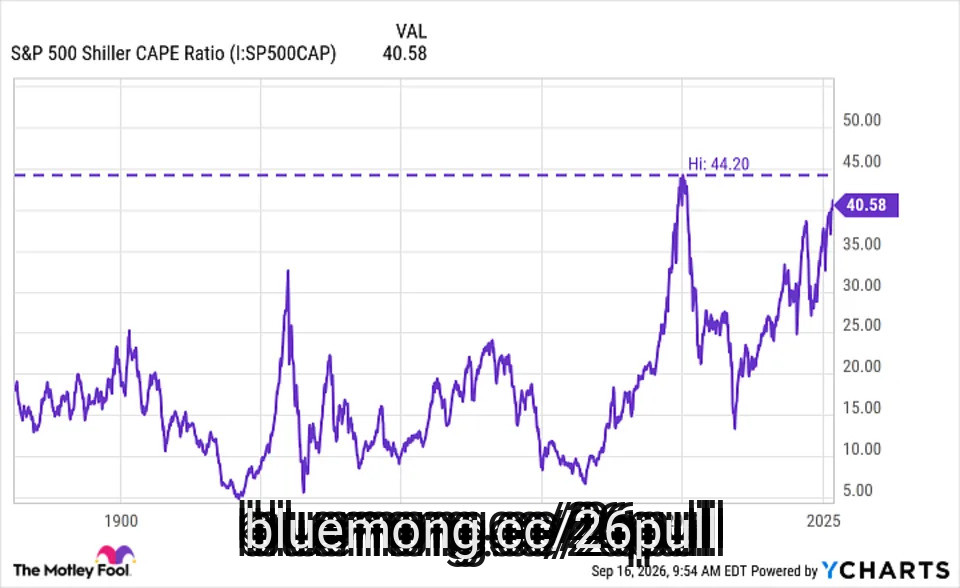
With just over three months left in the year, the S&P 500 (SNPINDEX: ^GSPC) is up 11% year to date. If it manages to stay there, it will end 2026 with four consecutive years of double-digit gains, a feat not accomplished since 1999 -- incidentally, right before it crashed and lost nearly 50% of its value. It lost that over three years, and it didn't reach a new high until mid-2007. Many companies went out of business then as the dot-com bubble burst.
If history is any indication of what's about to happen, every investor should be doing this one thing right now.
Missed AI's "Act 1"? Act 2 Could Be 15x Bigger. Most investors think they missed the AI boat because they didn't buy Nvidia in 2005. But according to our ***** ysts, we're only at the end of "Act 1"—the R&D phase. "Act 2" is the global rollout. Continue »
The artificial intelligence (AI) revolution is real, but the hype might not exactly align with reality. Some well-established AI powerhouses, like Nvidia and Alphabet, don't look expensive at today's prices. They trade at 14 and 23 times forward, one-year earnings, respectively. However, other, smaller stocks look riskier as their valuations soar.
Bloom Energy, for example, trades at 53 times forward, one-year earnings, and only recently became profitable, while Marvell Technology trades at 33 times earnings. CoreWeave isn't yet profitable. It appears that investors are willing to take a chance on these stocks for the massive expected payoff as they grow.
#years #right #lost


1 month ago
My husband, 59, and I, 55, are planning to retire over the next few years, and this is one of the biggest unknowns I'm struggling with. My mom had Alzheimer's disease and spent seven years in a really nice memory-care facility in a smaller town. It cost about $7,000 a month. Thankfully, my parents had purchased long-term-care insurance and had paid premiums for about 12 years.
My dad died shortly after being diagnosed with cancer, so his policy was never used. But my mom's policy ended up being worth its weight in gold. It essentially covered all of her care. By the time my mother died, the insurance company had paid out almost $600,000. We only paid about $100 a month for some extras. Needless to say, that experience has made me think.
The 10-year Treasury is having its worst run in over 100 years. Why investors are buying bonds anyway.
'I'm burned out': I'm constantly helping my cousin who is running out of money. Is it too much to expect his sister to help?
I've looked into long-term-care insurance, but the premiums are so incredibly expensive, and I worry about what they'll cost by the time it makes sense for me to seriously consider a policy. We're fortunate financially. After 35 years in the corporate grind, we'll have substantial retirement savings; we've always saved carefully; and we have no debt or mortgage.
#insurance #paid #term



1 month ago
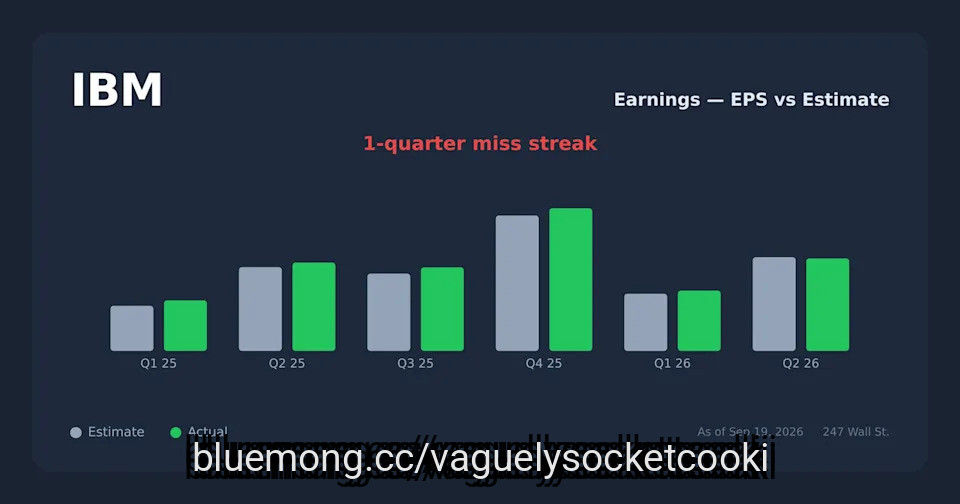
IBM raised its quarterly dividend a single penny, from $1.68 to $1.69, marking its 31st consecutive increase but delivering just $0.04 more annually to shareholders.
Microsoft grew its quarterly dividend from $0.13 to $0.98 since 2010, making it the stronger pick for investors seeking real income growth over IBM's 2.83% yield.
IBM's dividend appears safe, with $14.7B in free cash flow comfortably covering its $6.3B payout, though capital is flowing toward acquisitions, $62B in debt, and quantum computing bets.
Just released. Our ******* ysts combed the entire stock market and named the ten best stocks to buy right now, and IBM didn't make the cut. Enter your email to see the names that beat IBM. The report is free. Enter your email and see if any of your stocks made the cut.
The headline is easy to sell. IBM (NYSE:IBM) has paid consecutive quarterly dividends every year since 1916 and, with the April declaration, notched its 31st consecutive year of dividend increases. The reality a retiree actually banks is smaller. Much smaller.
#Dividend #year

1 month ago
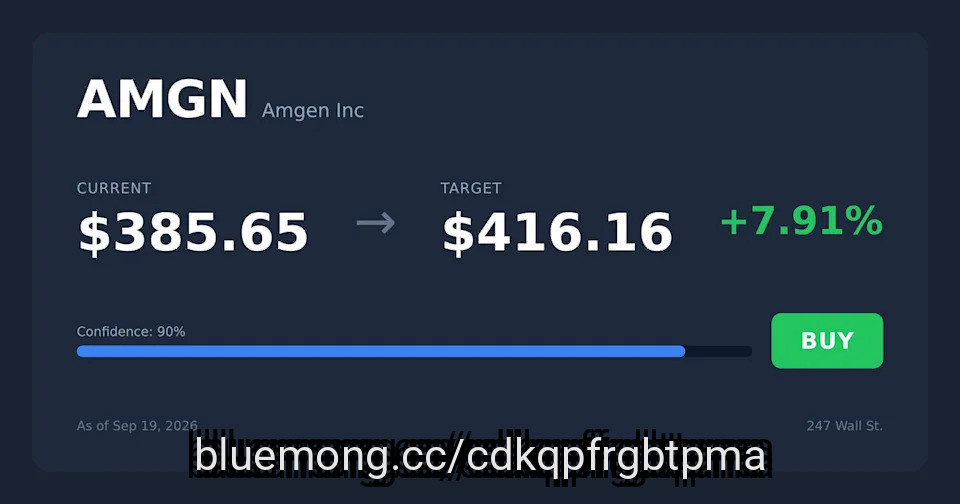
Amgen (AMGN) yields 2.6% with a $10.08 annualized payout, topping Merck (MRK) at 2.29%, and has raised its dividend 6% annually versus Merck's smaller step-ups.
Amgen's 17 billion-dollar products and $3.5B quarterly free cash flow dwarf Merck's reliance on a single Keytruda franchise facing peak penetration.
Merck absorbed a $5.7B acquisition charge that pushed Q2 earnings to a loss, while Amgen raised 2026 EPS guidance to as high as $23.50.
Just released. Our ***** ysts combed the entire stock market and named the ten best stocks to buy right now, and Merck didn't make the cut. Enter your email to see the names that beat MRK. The report is free. Enter your email and see if any of your stocks made the cut.
For a retirement portfolio that leans on pharma dividends, the choice between Amgen (NASDAQ:AMGN) and Merck (NYSE:MRK) comes down to one question: which check is more likely to keep getting bigger through the next wave of patent expirations? Both companies deliver quarterly income today. Only one has the coverage, the growth cadence, and the portfolio breadth to keep raising through the cliff.
#merck #amgen



1 month ago
On August 6, Aflac (NYSE:AFL) reported second-quarter numbers that point in opposite directions. Net earnings climbed to $825 million, helped along by investment losses that shrank to $153 million from $421 million a year ago. Adjusted earnings, though, fell 7.7% to $883 million. Both numbers are real, but they answer different questions. Which measure you trust changes the story, so here is what sits underneath.
Start with the yen, because it is muddying the picture. The average rate was 159.45 to the dollar, 9.3% weaker than a year earlier, and that cost adjusted earnings $0.05 a share. Take the currency out of the first half and adjusted earnings per share rose 4.1% to $3.57. **** an is also running more profitably. Its pretax adjusted margin widened to 34.3% from 32.0% as claims took a smaller bite out of premiums, and yen-based pretax adjusted earnings rose 3.4%. So part of the decline in **** an's dollar-reported profit is currency, not operations.
The US business is still growing at the top line. Net earned premiums rose 2.3% to $1.5 billion, and sales climbed 2.6% to $349 million, led by group voluntary benefits along with dental and vision plans. In **** an, the refreshed Tsumitasu life policy and the new Anshin Palette medical product grew strongly in the quarter, and first-half sales rose 7.0% to ¥37.3 billion. Then there is the cash. Aflac returned $1.3 billion to shareholders in the quarter, $983 million of it through buybacks, and declared a $0.61 third-quarter dividend, payable September 1 to holders of record on August 19, 2026. Management notes 43 straight years of dividend increases through 2025 and says the board is on a path to extend that in 2026.
The catch is that **** an's profit gains came from lower claims, not a bigger business. Net earned premiums in yen fell 3.7%, mainly because of a new external reinsurance deal and older limited-pay policies reaching paid-up status. Premium persistency, the share of policies customers keep, slipped to 92.7% from 93.7%. **** an's pretax adjusted earnings still fell 2.1% once currency is stripped out, and new sales dipped 5.6% in the quarter against a tough comparison for the Miraito cancer product, which launched in March 2025.
The US segment has its own soft spot. Pretax adjusted earnings fell 4.6% to $370 million, and the margin narrowed to 20.9% from 22.5% as claims and benefits took a bigger share of premiums. Corporate and Other swung to a $10 million pretax adjusted loss from a $20 million gain a year earlier, with interest expense up 21.6% to $62 million. And adjusted book value per share, excluding foreign currency remeasurement, slid to $41.22 at June 30 from $42.97 a year earlier.
#adjusted #pretax


1 month ago
The State Department's approval of two potential arms sales to Saudi Arabia totaling $5.75 billion, including JDAM-ER munitions and AGT-1500 tank engines, offers a modest but meaningful data point for two very different defense players. For The Boeing Company (NYSE:BA), the potential sale represents an additional international defense opportunity as the company continues working through margin pressure elsewhere. For Honeywell Aerospace Inc. (NASDAQ:HONA), the package reinforces a stable business line while the firm tackles its first quarter as a standalone public company.
The State Department approved a potential $5 billion sale of JDAM-ER guidance kits and bombs to Saudi Arabia, along with a separate potential $750 million deal for AGT-1500 tank engines. The JDAM package consists of 5,004 KMU-572 and 5,000 KMU-556 JDAM guidance kits and 5,004 BLU-111 and 5,000 BLU-117 bombs. Boeing has been identified as the principal contractor for the JDAM-ERs, with Honeywell handling the engines. The State Department said the sales would strengthen Saudi Arabia's airborne defense capabilities and improve interoperability with U.S. and Gulf partner forces.
Boeing stands to gain only modestly from the deal, given its roughly $85 billion Defense, ******* e and Security backlog. International orders already account for 27% of that total. The segment reported a second-quarter operating loss, largely due to charges tied to the VC-25B (Air Force One) program. That makes mature, lower-risk munitions programs such as JDAM-ER a more dependable part of the portfolio, though the deal is unlikely to have a meaningful impact on margins. For Honeywell Aerospace, the contract is smaller, but the AGT-1500 fits within its established defense propulsion business. It also adds to the company's international defence business, which makes up about 30% of its total Defense and ******* e revenue.
Honeywell Aerospace is owned by 74 hedge funds as of Q2 2026, which is consistent with Honeywell (NASDAQ:HON) hedge fund ownership prior to the spinoff. Unlike Honeywell, the number of hedge funds holding Boeing stock dropped from 99 at the end of the first quarter of fiscal 2026 to 90 at the end of Q2 2026.
Neither potential sale is large enough to have a meaningful impact on either company's short-term results by itself. Still, each supports a different investment story. For Boeing, the potential sales add to international defense exposure if finalized, as its defense unit continues dealing with fixed-price losses. For Honeywell, they support the steady flow of high-margin legacy revenue across its broader defense franchise.
#international #saudi


1 month ago
On August 18, Amer Sports (NYSE:AS) reported second-quarter results that beat its own guidance and then raised the bar for the rest of the year. Revenue climbed 32% to $1.63 billion, adjusted operating profit nearly tripled, and every region and segment posted double-digit growth. Diluted earnings per share reached $0.18, up from a much smaller figure a year earlier. What stands out about August 18 is not just the size of the beat but how broad it was.
Technical Apparel grew 32% to $674 million, led by Arc'teryx and backed by a 17% omni-comp gain across owned stores and e-commerce. Outdoor Performance grew even faster, up 37% to $569 million, driven by Salomon Softgoods. Ball & Racquet Sports rose 24% to $390 million on the strength of Wilson Tennis 360. CEO James Zheng pointed to strong double-digit growth across every segment, geography, and channel as the reason for confidence in the outlook.
That confidence showed up in the numbers: Amer Sports raised full-year 2026 guidance to roughly 24% reported revenue growth, a gross margin of 60.5% to 61.0%, an operating margin of 14.2% to 14.5%, and diluted EPS of $1.27 to $1.30. The balance sheet backs up the reinvestment CFO Andrew Page described, with $573 million in net cash and $720 million in cash and equivalents at quarter-end.
Some of the second quarter's biggest numbers lean on a one-time tailwind. Gross margin expanded 710 basis points to 65.6%, but 390 of those points came from net tariff refunds. Operating margin's 820 basis point jump included the same 390-point benefit. The effect is largest in Ball & Racquet Sports, where adjusted segment operating margin rose 1,300 basis points to 17.2%, yet 970 of those points came from tariff refunds alone. Selling, general and administrative expenses rose 30% to $909 million, and on an adjusted basis SG&A grew 33%, faster than revenue itself.
Inventories climbed 19% year over year to $1,897 million. The guidance for the next quarter also points to a slower pace: third quarter revenue growth is guided at 18% to 20%, well below the 32% just reported, with gross margin guided down to about 59.0% and net finance cost alone guided to $15 million to $20 million, against roughly $85 million for the entire year.
#revenue #basis

1 month ago
On September 15, Jazz Pharmaceuticals plc (NASDAQ:JAZZ) completed its acquisition of privately held Actio Biosciences for $820 million upfront, adding a clinical-stage epilepsy drug called ABS-1230 to its rare disease pipeline. The deal lands weeks after Jazz posted its highest quarterly revenue ever on August 3, and raised its full-year guidance, so a fresh acquisition now sits on top of a business that was already accelerating. The question for investors is whether that combination adds up to durable growth or just a bigger bill.
ABS-1230 targets KCNT1-related epilepsy, a rare and hard-to-treat form of the disease. In an early clinical proof-of-concept trial, children who received the drug experienced meaningful seizure reductions, and preclinical testing showed it inhibited KCNT1 across every pathogenic mutation researchers evaluated, hinting it could work across the whole patient population rather than a narrow subset. The FDA has already granted ABS-1230 Orphan Drug, Rare Pediatric Disease and Fast Track designations, and accepted it into the agency's Rare Disease Evidence Principles process, a set of regulatory advantages that can speed a drug toward approval.
The acquisition also arrives while Jazz's existing business is firing on multiple cylinders. Second-quarter revenue climbed 16% year over year to $1.2 billion, the company's highest quarterly total on record, and management raised full-year 2026 revenue guidance to a range of $4.6 billion to $4.75 billion. Growth was not confined to one product. Xywav sales rose 13% to $471 million on 525 net new patients, Epidiolex grew 16% to $292 million, and Zepzelca jumped 42% to $106 million. Zanidatamab, sold as Ziihera in biliary tract cancer, also received Breakthrough Therapy designation from the FDA for a form of colorectal cancer, adding another avenue for the oncology franchise Jazz has been building beyond its epilepsy and sleep businesses.
None of that came free. The $820 million upfront payment for Actio lands on top of $4.4 billion in long-term debt that Jazz already carried as of June 30, even after the company used part of its cash to repay $1.0 billion of exchangeable notes that matured this year. Cash, equivalents and investments stood at $2.2 billion at that point, meaning the Actio payment alone accounts for a meaningful share of the company's liquid resources.
Jazz's recent history also shows how acquisitions can distort the bottom line before they pay off. A $905.4 million in-process research and development charge tied to the 2025 Chimerix acquisition pushed second-quarter 2025 GAAP earnings to a loss of $11.74 per share, and a smaller $77 million IPR&D charge from the AbCellera and Werewolf deals still dented second-quarter 2026 results. ABS-1230 itself remains early, with only proof-of-concept data in hand and no late-stage trial results yet. The portfolio is not without setbacks, either. Jazz is moving to voluntarily drop the second-line indication for Zepzelca in meta