26 days ago
SCHD yields 3.82% with principal at risk daily, while VIG targets dividend growers built to outpace inflation over a long horizon.
Qualified dividends face tax rates between 0% and 20%, compared to up to 37% for savings interest, a gap that can exceed the difference in yields.
High-yield savings protect dollars with FDIC coverage up to $250,000, but rates float and can drop the moment the Fed cuts.
Just released. Our ****** ysts combed the entire stock market and named the ten best stocks to buy right now. The report is free. Enter your email and see if any of your stocks made the cut.
High-yield savings rates were holding steady on Oct. 8, 2026, according to Forbes. They are holding at a higher level than a month ago because the Federal Reserve raised its target range in September. Online banks use the federal funds rate's upper bound to price their accounts, and it moved from 3.75% to 4.00% on Sept. 16, 2026 and was unchanged as of Oct. 7. On that date the 4-week Treasury bill, the closest market benchmark for overnight cash, yielded 3.95%. Typical banks pay much less. The FDIC national average 12-month CD rate was 1.73% as of Sept. 1, 2026, and top online banks routinely pay a multiple of that average. Rates differ from bank to bank, so the posted APY at your own bank is the number that applies to you.
#savings #sept
Qualified dividends face tax rates between 0% and 20%, compared to up to 37% for savings interest, a gap that can exceed the difference in yields.
High-yield savings protect dollars with FDIC coverage up to $250,000, but rates float and can drop the moment the Fed cuts.
Just released. Our ****** ysts combed the entire stock market and named the ten best stocks to buy right now. The report is free. Enter your email and see if any of your stocks made the cut.
High-yield savings rates were holding steady on Oct. 8, 2026, according to Forbes. They are holding at a higher level than a month ago because the Federal Reserve raised its target range in September. Online banks use the federal funds rate's upper bound to price their accounts, and it moved from 3.75% to 4.00% on Sept. 16, 2026 and was unchanged as of Oct. 7. On that date the 4-week Treasury bill, the closest market benchmark for overnight cash, yielded 3.95%. Typical banks pay much less. The FDIC national average 12-month CD rate was 1.73% as of Sept. 1, 2026, and top online banks routinely pay a multiple of that average. Rates differ from bank to bank, so the posted APY at your own bank is the number that applies to you.
#savings #sept

27 days ago
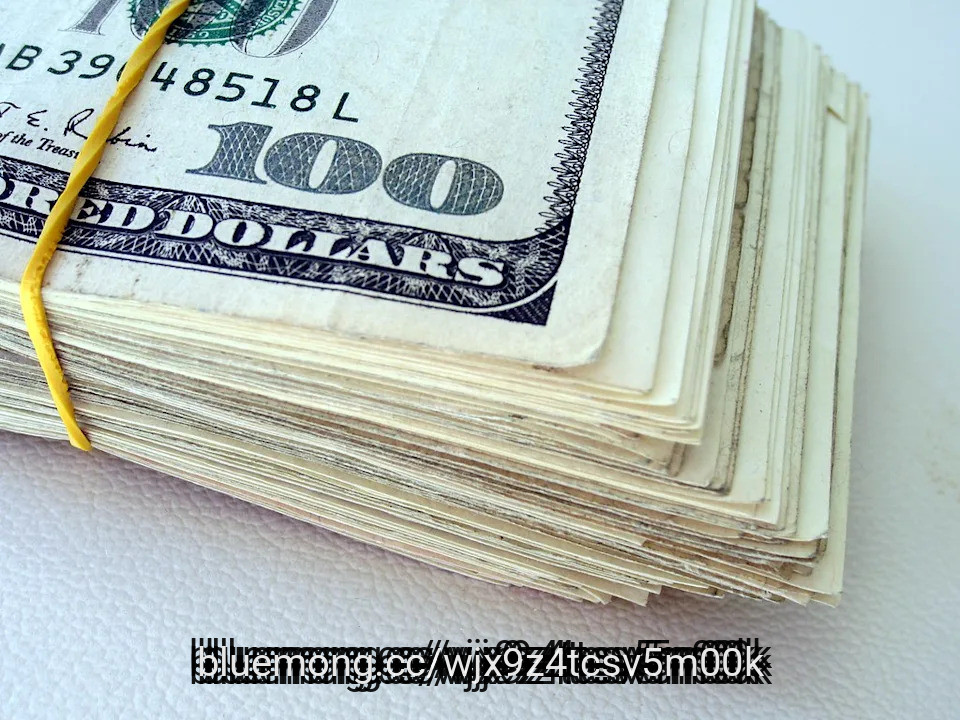
Where should you put your extra cash -- into a savings account, or invest it in the stock market? It depends on how much money you have and how long you can leave that money alone. It depends on when you need that money, if you want to keep your money safe, or make your money grow.
The stock market is not the same as a savings account. Savings accounts are mostly risk-free: Your money in the bank is typically protected by FDIC insurance. You're guaranteed to get paid a certain rate of interest on your savings.
Missed Nvidia in 2009? This Rare Signal Is Flashing Again. In 2009, a "Double Down" signal flashed for a little-known chipmaker called Nvidia. For the first time in years, that same "Total Conviction" signal is flashing for a company 1/100th the size of Nvidia. Continue »
So what is the stock market? It might be the best wealth-builder the world has ever seen. And it's easier than ever before to invest in stocks. You can participate in the stock market with just a few dollars at a time.
Let's look at why the stock market could be a better place for your money than a savings account, and which low-cost index fund I recommend to most investors who want to build wealth in 2026 and beyond.
#savings
The stock market is not the same as a savings account. Savings accounts are mostly risk-free: Your money in the bank is typically protected by FDIC insurance. You're guaranteed to get paid a certain rate of interest on your savings.
Missed Nvidia in 2009? This Rare Signal Is Flashing Again. In 2009, a "Double Down" signal flashed for a little-known chipmaker called Nvidia. For the first time in years, that same "Total Conviction" signal is flashing for a company 1/100th the size of Nvidia. Continue »
So what is the stock market? It might be the best wealth-builder the world has ever seen. And it's easier than ever before to invest in stocks. You can participate in the stock market with just a few dollars at a time.
Let's look at why the stock market could be a better place for your money than a savings account, and which low-cost index fund I recommend to most investors who want to build wealth in 2026 and beyond.
#savings

2 months ago
Financial services company Enova International (NYSE: ENVA) seemed headed for the investor doghouse late Thursday. The company, which focuses on lending to underserved individuals and small businesses, withdrew its applications for banking licenses.
As investors considered this a defeat for the company, they promptly and vigorously sold the stock. As of Thursday evening, according to data compiled by S&P Global Market Intelligence, its price had fallen by nearly 20% week to date.
Missed Nvidia in 2009? This Rare Signal Is Flashing Again. In 2009, a "Double Down" signal flashed for a little-known chipmaker called Nvidia. For the first time in years, that same "Total Conviction" signal is flashing for a company 1/100th the size of Nvidia. Continue »
In December 2025, Enova announced it had signed a definitive agreement to acquire Grasshopper Bancorp, the holding company for a Federal Deposit Insurance Corporation (FDIC)-insured online lender Grasshopper Bank. Around that time, Enova submitted a clutch of applications to federal and state authorities for it to provide banking services as Grasshopper's would-be owner.
Enova said the decision was in the best interests of the company and its investors. It cited a lack of clarity in the authorization process as a roadblock for its ambition.
#signal
As investors considered this a defeat for the company, they promptly and vigorously sold the stock. As of Thursday evening, according to data compiled by S&P Global Market Intelligence, its price had fallen by nearly 20% week to date.
Missed Nvidia in 2009? This Rare Signal Is Flashing Again. In 2009, a "Double Down" signal flashed for a little-known chipmaker called Nvidia. For the first time in years, that same "Total Conviction" signal is flashing for a company 1/100th the size of Nvidia. Continue »
In December 2025, Enova announced it had signed a definitive agreement to acquire Grasshopper Bancorp, the holding company for a Federal Deposit Insurance Corporation (FDIC)-insured online lender Grasshopper Bank. Around that time, Enova submitted a clutch of applications to federal and state authorities for it to provide banking services as Grasshopper's would-be owner.
Enova said the decision was in the best interests of the company and its investors. It cited a lack of clarity in the authorization process as a roadblock for its ambition.
#signal


2 months ago
Some offers on this page are from advertisers who pay us, which may affect which products we write about, but not our recommendations. See our Advertiser Disclosure.
If you're looking for safe ways to grow your money and protect your savings, a high-yield savings account (HYSA) can be a great option. However, it's important to be aware that there are certain instances when you could lose money. So if you plan on opening a high-yield savings account, be sure you understand how to protect your principal and earned interest.
High-yield savings accounts are like traditional savings accounts except that they offer above-average interest rates. These accounts are available from banks and credit unions, particularly online financial institutions. The higher interest rate means you earn more on your deposited funds over time, allowing your savings to grow faster.
If you open an account with a federally insured financial institution, your savings account deposits are protected in case the institution fails. With banks, deposits are protected by the Federal Deposit Insurance Corporation (FDIC) up to $250,000 per institution, per depositor, per ownership category. With credit unions, deposits are similarly insured by the National Credit Union Administration.
Read more: High-yield savings account vs. traditional savings account: Which one is better?
#high #credit #interest
If you're looking for safe ways to grow your money and protect your savings, a high-yield savings account (HYSA) can be a great option. However, it's important to be aware that there are certain instances when you could lose money. So if you plan on opening a high-yield savings account, be sure you understand how to protect your principal and earned interest.
High-yield savings accounts are like traditional savings accounts except that they offer above-average interest rates. These accounts are available from banks and credit unions, particularly online financial institutions. The higher interest rate means you earn more on your deposited funds over time, allowing your savings to grow faster.
If you open an account with a federally insured financial institution, your savings account deposits are protected in case the institution fails. With banks, deposits are protected by the Federal Deposit Insurance Corporation (FDIC) up to $250,000 per institution, per depositor, per ownership category. With credit unions, deposits are similarly insured by the National Credit Union Administration.
Read more: High-yield savings account vs. traditional savings account: Which one is better?
#high #credit #interest




2 months ago
Some offers on this page are from advertisers who pay us, which may affect which products we write about, but not our recommendations. See our Advertiser Disclosure.
If you're looking to supercharge your savings, a high-yield savings account can provide a competitive interest rate to help your balance grow faster.
However, not all banks offer high savings account rates, which is why it's important to shop around and find the most competitive savings interest rates available.
Read on to learn more about where to find the best savings interest rates today.
The average interest rate on a traditional savings account is only 0.38%, according to the FDIC. However, today's best high-yield savings accounts pay around 3%-4%.
#savings #rates #yield
If you're looking to supercharge your savings, a high-yield savings account can provide a competitive interest rate to help your balance grow faster.
However, not all banks offer high savings account rates, which is why it's important to shop around and find the most competitive savings interest rates available.
Read on to learn more about where to find the best savings interest rates today.
The average interest rate on a traditional savings account is only 0.38%, according to the FDIC. However, today's best high-yield savings accounts pay around 3%-4%.
#savings #rates #yield




2 months ago
Some offers on this page are from advertisers who pay us, which may affect which products we write about, but not our recommendations. See our Advertiser Disclosure.
If you're looking to supercharge your savings, a high-yield savings account can provide a competitive interest rate to help your balance grow faster.
However, not all banks offer high savings account rates, which is why it's important to shop around and find the most competitive savings interest rates available.
Read on to learn more about where to find the best savings interest rates today.
The average interest rate on a traditional savings account is only 0.38%, according to the FDIC. However, today's best high-yield savings accounts pay around 3%-4%.
#account #rate
If you're looking to supercharge your savings, a high-yield savings account can provide a competitive interest rate to help your balance grow faster.
However, not all banks offer high savings account rates, which is why it's important to shop around and find the most competitive savings interest rates available.
Read on to learn more about where to find the best savings interest rates today.
The average interest rate on a traditional savings account is only 0.38%, according to the FDIC. However, today's best high-yield savings accounts pay around 3%-4%.
#account #rate



2 months ago
Some offers on this page are from advertisers who pay us, which may affect which products we write about, but not our recommendations. See our Advertiser Disclosure.
If you think it doesn't matter where you keep your savings, think again. There are several options for depositing your cash, each with different perks and limitations.
If you choose a money market account (MMA), you'll have easy access to your money, but the interest rate on the account could drop at any time. With Treasury bills (AKA T-bills), the opposite is true: You can't access your money as easily, but your rate of return is guaranteed as long as you leave your money on deposit until the maturity date.
As you can see, those two features alone make these accounts useful for very different savings purposes. Here's everything else you need to know before you decide if an MMA or T-bill is the best destination for your savings.
A money market account is a bank account that combines the features of a checking and savings account, but with higher interest rates on average. For example, MMAs often come with checks and/or debit cards for easier access to your funds. They're also typically insured by the FDIC (or the NCUA if your account is held at a credit union).
#access #interest
If you think it doesn't matter where you keep your savings, think again. There are several options for depositing your cash, each with different perks and limitations.
If you choose a money market account (MMA), you'll have easy access to your money, but the interest rate on the account could drop at any time. With Treasury bills (AKA T-bills), the opposite is true: You can't access your money as easily, but your rate of return is guaranteed as long as you leave your money on deposit until the maturity date.
As you can see, those two features alone make these accounts useful for very different savings purposes. Here's everything else you need to know before you decide if an MMA or T-bill is the best destination for your savings.
A money market account is a bank account that combines the features of a checking and savings account, but with higher interest rates on average. For example, MMAs often come with checks and/or debit cards for easier access to your funds. They're also typically insured by the FDIC (or the NCUA if your account is held at a credit union).
#access #interest




2 months ago
Some offers on this page are from advertisers who pay us, which may affect which products we write about, but not our recommendations. See our Advertiser Disclosure.
No doubt you've seen an "FDIC-insured" or "Member FDIC" sign on the wall of a bank or at the bottom of a bank website homepage. Almost all banks, including online banks, are insured by the Federal Deposit Insurance Corporation (FDIC).
The FDIC is an independent government agency that insures money people deposit at a bank. If the bank fails, the FDIC repays up to $250,000 per person, per ownership category at each FDIC-insured bank.
The FDIC was created in 1933 in response to the turmoil of the 1929 stock market crash. Following the crash, people rushed to withdraw their money from banks. As a result of these bank runs, as many as 9,000 banks failed and $7 billion dollars in deposits were lost, wiping out the life savings of millions of Americans.
President Franklin D. Roosevelt signed the Banking Act of 1933, establishing the FDIC to restore trust in the US banking system. The FDIC reports that since then, no one has lost any FDIC-insured money due to a bank failure.
#fdic #bank #money #crash
No doubt you've seen an "FDIC-insured" or "Member FDIC" sign on the wall of a bank or at the bottom of a bank website homepage. Almost all banks, including online banks, are insured by the Federal Deposit Insurance Corporation (FDIC).
The FDIC is an independent government agency that insures money people deposit at a bank. If the bank fails, the FDIC repays up to $250,000 per person, per ownership category at each FDIC-insured bank.
The FDIC was created in 1933 in response to the turmoil of the 1929 stock market crash. Following the crash, people rushed to withdraw their money from banks. As a result of these bank runs, as many as 9,000 banks failed and $7 billion dollars in deposits were lost, wiping out the life savings of millions of Americans.
President Franklin D. Roosevelt signed the Banking Act of 1933, establishing the FDIC to restore trust in the US banking system. The FDIC reports that since then, no one has lost any FDIC-insured money due to a bank failure.
#fdic #bank #money #crash


2 months ago
Some offers on this page are from advertisers who pay us, which may affect which products we write about, but not our recommendations. See our Advertiser Disclosure.
If you think it doesn't matter where you keep your savings, think again. There are several options for depositing your cash, each with different perks and limitations.
If you choose a money market account (MMA), you'll have easy access to your money, but the interest rate on the account could drop at any time. With Treasury bills (AKA T-bills), the opposite is true: You can't access your money as easily, but your rate of return is guaranteed as long as you leave your money on deposit until the maturity date.
As you can see, those two features alone make these accounts useful for very different savings purposes. Here's everything else you need to know before you decide if an MMA or T-bill is the best destination for your savings.
A money market account is a bank account that combines the features of a checking and savings account, but with higher interest rates on average. For example, MMAs often come with checks and/or debit cards for easier access to your funds. They're also typically insured by the FDIC (or the NCUA if your account is held at a credit union).
#money
If you think it doesn't matter where you keep your savings, think again. There are several options for depositing your cash, each with different perks and limitations.
If you choose a money market account (MMA), you'll have easy access to your money, but the interest rate on the account could drop at any time. With Treasury bills (AKA T-bills), the opposite is true: You can't access your money as easily, but your rate of return is guaranteed as long as you leave your money on deposit until the maturity date.
As you can see, those two features alone make these accounts useful for very different savings purposes. Here's everything else you need to know before you decide if an MMA or T-bill is the best destination for your savings.
A money market account is a bank account that combines the features of a checking and savings account, but with higher interest rates on average. For example, MMAs often come with checks and/or debit cards for easier access to your funds. They're also typically insured by the FDIC (or the NCUA if your account is held at a credit union).
#money



2 months ago
Some offers on this page are from advertisers who pay us, which may affect which products we write about, but not our recommendations. See our Advertiser Disclosure.
Checking accounts offer a safe place to store your money and provide easy access to funds for daily transactions. However, not all checking accounts offer the same benefits. In fact, choosing the wrong checking account could result in excessive fees that eat into your balance.
The good news: There are plenty of free checking account options that you can take advantage of without sacrificing any of your "must-haves" when it comes to banking.
Our team evaluated today's checking accounts belonging to member-FDIC or NCUA-insured financial institutions that don't charge monthly fees or require a minimum opening deposit. We examined key metrics, including monthly checking account fees, overdraft fees, ATM reimbursements, rewards, bonuses, and more, to identify the 10 best accounts available today. (See the full methodology here.)
ACCOUNT NAME
#account #monthly
Checking accounts offer a safe place to store your money and provide easy access to funds for daily transactions. However, not all checking accounts offer the same benefits. In fact, choosing the wrong checking account could result in excessive fees that eat into your balance.
The good news: There are plenty of free checking account options that you can take advantage of without sacrificing any of your "must-haves" when it comes to banking.
Our team evaluated today's checking accounts belonging to member-FDIC or NCUA-insured financial institutions that don't charge monthly fees or require a minimum opening deposit. We examined key metrics, including monthly checking account fees, overdraft fees, ATM reimbursements, rewards, bonuses, and more, to identify the 10 best accounts available today. (See the full methodology here.)
ACCOUNT NAME
#account #monthly



2 months ago
Some offers on this page are from advertisers who pay us, which may affect which products we write about, but not our recommendations. See our Advertiser Disclosure.
If you have money sitting in a traditional savings account, you may not be getting a competitive return on your balance.
Today, the national average savings account rate is just 0.38%, according to the FDIC. However, a good savings account rate is much higher; today's best high-yield savings accounts pay closer to 4% APY — more than 10 times the average.
Here's a closer look at what a good savings account rate looks like in 2026, and where to find the best rates available.
A good savings account rate is one that not only beats the national average (which is currently 0.38%), but also helps your savings outpace inflation. Considering that the current inflation rate is 3.4%, a good savings account rate should be above this threshold — otherwise, your money will lose purchasing power over time.
#rate #good #national #best
If you have money sitting in a traditional savings account, you may not be getting a competitive return on your balance.
Today, the national average savings account rate is just 0.38%, according to the FDIC. However, a good savings account rate is much higher; today's best high-yield savings accounts pay closer to 4% APY — more than 10 times the average.
Here's a closer look at what a good savings account rate looks like in 2026, and where to find the best rates available.
A good savings account rate is one that not only beats the national average (which is currently 0.38%), but also helps your savings outpace inflation. Considering that the current inflation rate is 3.4%, a good savings account rate should be above this threshold — otherwise, your money will lose purchasing power over time.
#rate #good #national #best


2 months ago
Some offers on this page are from advertisers who pay us, which may affect which products we write about, but not our recommendations. See our Advertiser Disclosure.
Checking accounts offer a safe place to store your money and provide easy access to funds for daily transactions. However, not all checking accounts offer the same benefits. In fact, choosing the wrong checking account could result in excessive fees that eat into your balance.
The good news: There are plenty of free checking account options that you can take advantage of without sacrificing any of your "must-haves" when it comes to banking.
Our team evaluated today's checking accounts belonging to member-FDIC or NCUA-insured financial institutions that don't charge monthly fees or require a minimum opening deposit. We examined key metrics, including monthly checking account fees, overdraft fees, ATM reimbursements, rewards, bonuses, and more, to identify the 10 best accounts available today. (See the full methodology here.)
ACCOUNT NAME
#account #advertiser #disclosure
Checking accounts offer a safe place to store your money and provide easy access to funds for daily transactions. However, not all checking accounts offer the same benefits. In fact, choosing the wrong checking account could result in excessive fees that eat into your balance.
The good news: There are plenty of free checking account options that you can take advantage of without sacrificing any of your "must-haves" when it comes to banking.
Our team evaluated today's checking accounts belonging to member-FDIC or NCUA-insured financial institutions that don't charge monthly fees or require a minimum opening deposit. We examined key metrics, including monthly checking account fees, overdraft fees, ATM reimbursements, rewards, bonuses, and more, to identify the 10 best accounts available today. (See the full methodology here.)
ACCOUNT NAME
#account #advertiser #disclosure



2 months ago
Some offers on this page are from advertisers who pay us, which may affect which products we write about, but not our recommendations. See our Advertiser Disclosure.
If you have money sitting in a traditional savings account, you may not be getting a competitive return on your balance.
Today, the national average savings account rate is just 0.38%, according to the FDIC. However, a good savings account rate is much higher; today's best high-yield savings accounts pay closer to 4% APY — more than 10 times the average.
Here's a closer look at what a good savings account rate looks like in 2026, and where to find the best rates available.
A good savings account rate is one that not only beats the national average (which is currently 0.38%), but also helps your savings outpace inflation. Considering that the current inflation rate is 3.4%, a good savings account rate should be above this threshold — otherwise, your money will lose purchasing power over time.
#rate #good
If you have money sitting in a traditional savings account, you may not be getting a competitive return on your balance.
Today, the national average savings account rate is just 0.38%, according to the FDIC. However, a good savings account rate is much higher; today's best high-yield savings accounts pay closer to 4% APY — more than 10 times the average.
Here's a closer look at what a good savings account rate looks like in 2026, and where to find the best rates available.
A good savings account rate is one that not only beats the national average (which is currently 0.38%), but also helps your savings outpace inflation. Considering that the current inflation rate is 3.4%, a good savings account rate should be above this threshold — otherwise, your money will lose purchasing power over time.
#rate #good


2 months ago
Some offers on this page are from advertisers who pay us, which may affect which products we write about, but not our recommendations. See our Advertiser Disclosure.
If you're looking to supercharge your savings, a high-yield savings account can provide a competitive interest rate to help your balance grow faster.
However, not all banks offer high savings account rates, which is why it's important to shop around and find the most competitive savings interest rates available.
Read on to learn more about where to find the best savings interest rates today.
The average interest rate on a traditional savings account is only 0.38%, according to the FDIC. However, today's best high-yield savings accounts pay around 3%-4%.
#savings #high #rates
If you're looking to supercharge your savings, a high-yield savings account can provide a competitive interest rate to help your balance grow faster.
However, not all banks offer high savings account rates, which is why it's important to shop around and find the most competitive savings interest rates available.
Read on to learn more about where to find the best savings interest rates today.
The average interest rate on a traditional savings account is only 0.38%, according to the FDIC. However, today's best high-yield savings accounts pay around 3%-4%.
#savings #high #rates



2 months ago
By Jonathan Stempel
Aug 31 (Reuters) - A U.S. judge said the former parent of Silicon Valley Bank cannot pursue a $1.71 billion claim against the FDIC stemming from the bank's March 2023 collapse, one of the largest U.S. bank failures.
In a 206-page decision on Friday, U.S. District Judge Beth Labson Freeman in San Jose, California, held that a trust that took over the parent's claims was responsible for former executives' ill-fated decisions to try boosting profit by investing heavily in long-term government bonds and mortgage-backed securities.
Silicon Valley Bank collapsed after rising interest rates caused at least $4.52 billion of losses in the bank's investment portfolio, sparking a bank run that disrupted many technology startups whose deposits it held.
Most of the bank's deposits were uninsured. The bank's demise presaged the collapses of two other large lenders in 2023, Signature Bank and First Republic Bank.
#former #deposits
Aug 31 (Reuters) - A U.S. judge said the former parent of Silicon Valley Bank cannot pursue a $1.71 billion claim against the FDIC stemming from the bank's March 2023 collapse, one of the largest U.S. bank failures.
In a 206-page decision on Friday, U.S. District Judge Beth Labson Freeman in San Jose, California, held that a trust that took over the parent's claims was responsible for former executives' ill-fated decisions to try boosting profit by investing heavily in long-term government bonds and mortgage-backed securities.
Silicon Valley Bank collapsed after rising interest rates caused at least $4.52 billion of losses in the bank's investment portfolio, sparking a bank run that disrupted many technology startups whose deposits it held.
Most of the bank's deposits were uninsured. The bank's demise presaged the collapses of two other large lenders in 2023, Signature Bank and First Republic Bank.
#former #deposits


2 months ago
Some offers on this page are from advertisers who pay us, which may affect which products we write about, but not our recommendations. See our Advertiser Disclosure.
If you're looking to supercharge your savings, a high-yield savings account can provide a competitive interest rate to help your balance grow faster.
However, not all banks offer high savings account rates, which is why it's important to shop around and find the most competitive savings interest rates available.
Read on to learn more about where to find the best savings interest rates today.
The average interest rate on a traditional savings account is only 0.38%, according to the FDIC. However, today's best high-yield savings accounts pay around 3%-4%.
#savings #competitive
If you're looking to supercharge your savings, a high-yield savings account can provide a competitive interest rate to help your balance grow faster.
However, not all banks offer high savings account rates, which is why it's important to shop around and find the most competitive savings interest rates available.
Read on to learn more about where to find the best savings interest rates today.
The average interest rate on a traditional savings account is only 0.38%, according to the FDIC. However, today's best high-yield savings accounts pay around 3%-4%.
#savings #competitive




2 months ago
Some offers on this page are from advertisers who pay us, which may affect which products we write about, but not our recommendations. See our Advertiser Disclosure.
If you're looking to supercharge your savings, a high-yield savings account can provide a competitive interest rate to help your balance grow faster.
However, not all banks offer high savings account rates, which is why it's important to shop around and find the most competitive savings interest rates available.
Read on to learn more about where to find the best savings interest rates today.
The average interest rate on a traditional savings account is only 0.38%, according to the FDIC. However, today's best high-yield savings accounts pay around 3%-4%.
#account
If you're looking to supercharge your savings, a high-yield savings account can provide a competitive interest rate to help your balance grow faster.
However, not all banks offer high savings account rates, which is why it's important to shop around and find the most competitive savings interest rates available.
Read on to learn more about where to find the best savings interest rates today.
The average interest rate on a traditional savings account is only 0.38%, according to the FDIC. However, today's best high-yield savings accounts pay around 3%-4%.
#account




2 months ago
Some offers on this page are from advertisers who pay us, which may affect which products we write about, but not our recommendations. See our Advertiser Disclosure.
If you're looking to supercharge your savings, a high-yield savings account can provide a competitive interest rate to help your balance grow faster.
However, not all banks offer high savings account rates, which is why it's important to shop around and find the most competitive savings interest rates available.
Read on to learn more about where to find the best savings interest rates today.
The average interest rate on a traditional savings account is only 0.38%, according to the FDIC. However, today's best high-yield savings accounts pay around 3%-4%.
#interest #account #yield #rate
If you're looking to supercharge your savings, a high-yield savings account can provide a competitive interest rate to help your balance grow faster.
However, not all banks offer high savings account rates, which is why it's important to shop around and find the most competitive savings interest rates available.
Read on to learn more about where to find the best savings interest rates today.
The average interest rate on a traditional savings account is only 0.38%, according to the FDIC. However, today's best high-yield savings accounts pay around 3%-4%.
#interest #account #yield #rate



2 months ago
Some offers on this page are from advertisers who pay us, which may affect which products we write about, but not our recommendations. See our Advertiser Disclosure.
If you have money sitting in a traditional savings account, you may not be getting a competitive return on your balance.
Today, the national average savings account rate is just 0.38%, according to the FDIC. However, a good savings account rate is much higher; today's best high-yield savings accounts pay closer to 4% APY — more than 10 times the average.
Here's a closer look at what a good savings account rate looks like in 2026, and where to find the best rates available.
A good savings account rate is one that not only beats the national average (which is currently 0.38%), but also helps your savings outpace inflation. Considering that the current inflation rate is 3.4%, a good savings account rate should be above this threshold — otherwise, your money will lose purchasing power over time.
#account #rate #national #inflation
If you have money sitting in a traditional savings account, you may not be getting a competitive return on your balance.
Today, the national average savings account rate is just 0.38%, according to the FDIC. However, a good savings account rate is much higher; today's best high-yield savings accounts pay closer to 4% APY — more than 10 times the average.
Here's a closer look at what a good savings account rate looks like in 2026, and where to find the best rates available.
A good savings account rate is one that not only beats the national average (which is currently 0.38%), but also helps your savings outpace inflation. Considering that the current inflation rate is 3.4%, a good savings account rate should be above this threshold — otherwise, your money will lose purchasing power over time.
#account #rate #national #inflation


2 months ago
NEW YORK, Aug 19 (Reuters) - A U.S. appeals court on Wednesday revived an investor lawsuit over the 2023 collapse of Signature Bank, saying the Federal Deposit Insurance Corp (FDIC) seizure of the lender did not take away shareholders' right to sue.
In a 3-0 vote, the 2nd U.S. Circuit Court of Appeals in Manhattan rejected the FDIC's argument that a 1989 law adopted in the wake of that decade's savings-and-loan crisis gave the regulator sole power to pursue securities fraud claims after becoming the receiver of a failed bank.
The decision is a victory for shareholders led by the Swedish pension fund Sjunde AP-Fonden, which accused seven former Signature executives and directors and Signature's former auditor, KPMG, of misrepresenting the bank's liquidity risks and risk management, inflating its share price. Their proposed class action sought compensation for their losses.
The FDIC declined to comment. Lawyers for the shareholders did not immediately respond to requests for comment.
Regulators closed Signature on March 12, 2023, after worried customers withdrew several billion dollars, or about 20% of its deposits following the collapse of the larger Silicon Valley Bank two days earlier.
#signature #bank #york
In a 3-0 vote, the 2nd U.S. Circuit Court of Appeals in Manhattan rejected the FDIC's argument that a 1989 law adopted in the wake of that decade's savings-and-loan crisis gave the regulator sole power to pursue securities fraud claims after becoming the receiver of a failed bank.
The decision is a victory for shareholders led by the Swedish pension fund Sjunde AP-Fonden, which accused seven former Signature executives and directors and Signature's former auditor, KPMG, of misrepresenting the bank's liquidity risks and risk management, inflating its share price. Their proposed class action sought compensation for their losses.
The FDIC declined to comment. Lawyers for the shareholders did not immediately respond to requests for comment.
Regulators closed Signature on March 12, 2023, after worried customers withdrew several billion dollars, or about 20% of its deposits following the collapse of the larger Silicon Valley Bank two days earlier.
#signature #bank #york


2 months ago
NEW YORK, Aug 19 (Reuters) - A U.S. appeals court on Wednesday revived an investor lawsuit over the 2023 collapse of Signature Bank, saying the Federal Deposit Insurance Corp (FDIC) seizure of the lender did not take away shareholders' right to sue.
In a 3-0 vote, the 2nd U.S. Circuit Court of Appeals in Manhattan rejected the FDIC's argument that a 1989 law adopted in the wake of that decade's savings-and-loan crisis gave the regulator sole power to pursue securities fraud claims after becoming the receiver of a failed bank.
The decision is a victory for shareholders led by the Swedish pension fund Sjunde AP-Fonden, which accused seven former Signature executives and directors and Signature's former auditor, KPMG, of misrepresenting the bank's liquidity risks and risk management, inflating its share price. Their proposed class action sought compensation for their losses.
The FDIC declined to comment. Lawyers for the shareholders did not immediately respond to requests for comment.
Regulators closed Signature on March 12, 2023, after worried customers withdrew several billion dollars, or about 20% of its deposits following the collapse of the larger Silicon Valley Bank two days earlier.
#shareholders #fdic #appeals #comment
In a 3-0 vote, the 2nd U.S. Circuit Court of Appeals in Manhattan rejected the FDIC's argument that a 1989 law adopted in the wake of that decade's savings-and-loan crisis gave the regulator sole power to pursue securities fraud claims after becoming the receiver of a failed bank.
The decision is a victory for shareholders led by the Swedish pension fund Sjunde AP-Fonden, which accused seven former Signature executives and directors and Signature's former auditor, KPMG, of misrepresenting the bank's liquidity risks and risk management, inflating its share price. Their proposed class action sought compensation for their losses.
The FDIC declined to comment. Lawyers for the shareholders did not immediately respond to requests for comment.
Regulators closed Signature on March 12, 2023, after worried customers withdrew several billion dollars, or about 20% of its deposits following the collapse of the larger Silicon Valley Bank two days earlier.
#shareholders #fdic #appeals #comment

2 months ago
Tired of bonds falling or tying your cash up in "high yield" savings accounts paying just 3.4%? The bank of Elon Musk's X is pitching an alternative — with a catch.
X Money, the financial section launched in July of Musk's "super-app" tied to the social media platform, is offering to pay 6% annual yields on some cash deposits. That's considerably higher than you'll find at most savings accounts and even certificates of deposit. X Money also includes FDIC insurance up to $250,000.
The difference is vast, especially for investors who hold large amounts of cash. A $100,000 deposit in X Money would pay roughly $6,000 in the first year. That's nearly $2,000 more than you'd earn in Year One in the highest-yielding high-yield bank in the U.S., says Bankrate.com.
Tapping his roots as cofounder of PayPal, Musk is working to turn his X into a super-app. Rather than simply being a way to access the X social media platform, he's working to make it into a go-to source for AI and banking, too.
X Bank isn't a bank, per se. But it has a partnership with a real bank: Cross River Bank in New Jersey. Interestingly, X Bank is paying even more on deposits than Cross River is. Cross River is paying just 3.3% on savings balances of $1 million or more.
#bank #money #paying #yield
X Money, the financial section launched in July of Musk's "super-app" tied to the social media platform, is offering to pay 6% annual yields on some cash deposits. That's considerably higher than you'll find at most savings accounts and even certificates of deposit. X Money also includes FDIC insurance up to $250,000.
The difference is vast, especially for investors who hold large amounts of cash. A $100,000 deposit in X Money would pay roughly $6,000 in the first year. That's nearly $2,000 more than you'd earn in Year One in the highest-yielding high-yield bank in the U.S., says Bankrate.com.
Tapping his roots as cofounder of PayPal, Musk is working to turn his X into a super-app. Rather than simply being a way to access the X social media platform, he's working to make it into a go-to source for AI and banking, too.
X Bank isn't a bank, per se. But it has a partnership with a real bank: Cross River Bank in New Jersey. Interestingly, X Bank is paying even more on deposits than Cross River is. Cross River is paying just 3.3% on savings balances of $1 million or more.
#bank #money #paying #yield


3 months ago
Some offers on this page are from advertisers who pay us, which may affect which products we write about, but not our recommendations. See our Advertiser Disclosure.
If you're looking to supercharge your savings, a high-yield savings account can provide a competitive interest rate to help your balance grow faster.
However, not all banks offer high savings account rates, which is why it's important to shop around and find the most competitive savings interest rates available.
Read on to learn more about where to find the best savings interest rates today.
The average interest rate on a traditional savings account is only 0.38%, according to the FDIC. However, today's best high-yield savings accounts pay around 3%-4%.
#account #however
If you're looking to supercharge your savings, a high-yield savings account can provide a competitive interest rate to help your balance grow faster.
However, not all banks offer high savings account rates, which is why it's important to shop around and find the most competitive savings interest rates available.
Read on to learn more about where to find the best savings interest rates today.
The average interest rate on a traditional savings account is only 0.38%, according to the FDIC. However, today's best high-yield savings accounts pay around 3%-4%.
#account #however




3 months ago
Some offers on this page are from advertisers who pay us, which may affect which products we write about, but not our recommendations. See our Advertiser Disclosure.
If you're looking to supercharge your savings, a high-yield savings account can provide a competitive interest rate to help your balance grow faster.
However, not all banks offer high savings account rates, which is why it's important to shop around and find the most competitive savings interest rates available.
Read on to learn more about where to find the best savings interest rates today.
The average interest rate on a traditional savings account is only 0.38%, according to the FDIC. However, today's best high-yield savings accounts pay around 3%-4%.
#high #however
If you're looking to supercharge your savings, a high-yield savings account can provide a competitive interest rate to help your balance grow faster.
However, not all banks offer high savings account rates, which is why it's important to shop around and find the most competitive savings interest rates available.
Read on to learn more about where to find the best savings interest rates today.
The average interest rate on a traditional savings account is only 0.38%, according to the FDIC. However, today's best high-yield savings accounts pay around 3%-4%.
#high #however



3 months ago
Coinbase (NASDAQ: COIN) CEO Brian Armstrong recently claimed crypto "doesn't get enough credit for the financial access it's already unlocked for the world" in a post on X. Armstrong noted that stablecoins allowed "anyone, anywhere" to access a low-inflation currency and send it "24/7 for a fraction of a cent", that decentralized finance (DeFi) applications gave "anyone access to credit" and unbanked individuals access to financial services, and that tokenized stocks would expose four billion "unbrokered people" to the U.S. stock market.
Armstrong's bullish take isn't surprising, since Coinbase is one of the world's largest cryptocurrency exchanges. If you agree with Armstrong's perspective, then it might be a good time to review how those catalysts could boost your crypto portfolio's long-term returns.
Missed Nvidia in 2009? This Rare Signal Is Flashing Again. In 2009, a "Double Down" signal flashed for a little-known chipmaker called Nvidia. For the first time in years, that same "Total Conviction" signal is flashing for a company 1/100th the size of Nvidia. Continue »
The market's largest stablecoins, Tether (CRYPTO: USDT) and USD Coin (CRYPTO: USDC), are pegged to the U.S. dollar. Tether is more widely used overseas, while USD Coin -- which is only minted by Circle (NYSE: CRCL) -- is the leading stablecoin in the U.S. market.
Stablecoins can be deposited into third-party lending markets, automated market makers, and liquidity pools to earn higher yields than traditional dollar-based savings accounts. However, some of those platforms are much riskier than FDIC-backed banking accounts.
#stablecoins
Armstrong's bullish take isn't surprising, since Coinbase is one of the world's largest cryptocurrency exchanges. If you agree with Armstrong's perspective, then it might be a good time to review how those catalysts could boost your crypto portfolio's long-term returns.
Missed Nvidia in 2009? This Rare Signal Is Flashing Again. In 2009, a "Double Down" signal flashed for a little-known chipmaker called Nvidia. For the first time in years, that same "Total Conviction" signal is flashing for a company 1/100th the size of Nvidia. Continue »
The market's largest stablecoins, Tether (CRYPTO: USDT) and USD Coin (CRYPTO: USDC), are pegged to the U.S. dollar. Tether is more widely used overseas, while USD Coin -- which is only minted by Circle (NYSE: CRCL) -- is the leading stablecoin in the U.S. market.
Stablecoins can be deposited into third-party lending markets, automated market makers, and liquidity pools to earn higher yields than traditional dollar-based savings accounts. However, some of those platforms are much riskier than FDIC-backed banking accounts.
#stablecoins

3 months ago
VMFXX earns roughly 4% on short-term Treasuries while charging just 0.11% in fees, versus the FDIC national CD average of under 2%.
High-tax state investors may net more after taxes in VUSXX, which holds more direct Treasuries and generates cleaner state-tax exemptions than VMFXX.
Don't wait: the **** yst who called NVIDIA in 2010 just revealed his top 10 AI stocks. See the full list FREE now.
If you opened a Vanguard brokerage account and never picked a "cash" option, your uninvested dollars almost certainly landed in the Vanguard Federal Money Market Fund (NASDAQ:VMFXX). That default status means it holds more idle cash than any investor consciously chose to put there, and in the current rate environment, that corner of your account generates real yield on Treasury bills instead of the near-zero return a checking account pays.
VMFXX is Vanguard's flagship government money market fund and the automatic settlement vehicle for most Vanguard retail brokerage accounts. It invests in short-dated U.S. government securities, primarily Treasury bills and repurchase agreements collateralized by government paper, with an expense ratio of 0.11%. Because it is the fund your cash gets swept into by default, most holders own it without comparing it to alternatives.
#vmfxx #account #government #treasuries
High-tax state investors may net more after taxes in VUSXX, which holds more direct Treasuries and generates cleaner state-tax exemptions than VMFXX.
Don't wait: the **** yst who called NVIDIA in 2010 just revealed his top 10 AI stocks. See the full list FREE now.
If you opened a Vanguard brokerage account and never picked a "cash" option, your uninvested dollars almost certainly landed in the Vanguard Federal Money Market Fund (NASDAQ:VMFXX). That default status means it holds more idle cash than any investor consciously chose to put there, and in the current rate environment, that corner of your account generates real yield on Treasury bills instead of the near-zero return a checking account pays.
VMFXX is Vanguard's flagship government money market fund and the automatic settlement vehicle for most Vanguard retail brokerage accounts. It invests in short-dated U.S. government securities, primarily Treasury bills and repurchase agreements collateralized by government paper, with an expense ratio of 0.11%. Because it is the fund your cash gets swept into by default, most holders own it without comparing it to alternatives.
#vmfxx #account #government #treasuries


3 months ago
Some offers on this page are from advertisers who pay us, which may affect which products we write about, but not our recommendations. See our Advertiser Disclosure.
If you're looking to supercharge your savings, a high-yield savings account can provide a competitive interest rate to help your balance grow faster.
However, not all banks offer high savings account rates, which is why it's important to shop around and find the most competitive savings interest rates available.
Read on to learn more about where to find the best savings interest rates today.
The average interest rate on a traditional savings account is only 0.38%, according to the FDIC. However, today's best high-yield savings accounts pay around 3%-4%.
#rates
If you're looking to supercharge your savings, a high-yield savings account can provide a competitive interest rate to help your balance grow faster.
However, not all banks offer high savings account rates, which is why it's important to shop around and find the most competitive savings interest rates available.
Read on to learn more about where to find the best savings interest rates today.
The average interest rate on a traditional savings account is only 0.38%, according to the FDIC. However, today's best high-yield savings accounts pay around 3%-4%.
#rates


3 months ago
Some offers on this page are from advertisers who pay us, which may affect which products we write about, but not our recommendations. See our Advertiser Disclosure.
If you're looking to supercharge your savings, a high-yield savings account can provide a competitive interest rate to help your balance grow faster.
However, not all banks offer high savings account rates, which is why it's important to shop around and find the most competitive savings interest rates available.
Read on to learn more about where to find the best savings interest rates today.
The average interest rate on a traditional savings account is only 0.38%, according to the FDIC. However, today's best high-yield savings accounts pay around 3%-4%.
#rates
If you're looking to supercharge your savings, a high-yield savings account can provide a competitive interest rate to help your balance grow faster.
However, not all banks offer high savings account rates, which is why it's important to shop around and find the most competitive savings interest rates available.
Read on to learn more about where to find the best savings interest rates today.
The average interest rate on a traditional savings account is only 0.38%, according to the FDIC. However, today's best high-yield savings accounts pay around 3%-4%.
#rates



3 months ago
Some offers on this page are from advertisers who pay us, which may affect which products we write about, but not our recommendations. See our Advertiser Disclosure.
If you're looking to supercharge your savings, a high-yield savings account can provide a competitive interest rate to help your balance grow faster.
However, not all banks offer high savings account rates, which is why it's important to shop around and find the most competitive savings interest rates available.
Read on to learn more about where to find the best savings interest rates today.
The average interest rate on a traditional savings account is only 0.38%, according to the FDIC. However, today's best high-yield savings accounts pay around 3%-4%.
#account #rate #around
If you're looking to supercharge your savings, a high-yield savings account can provide a competitive interest rate to help your balance grow faster.
However, not all banks offer high savings account rates, which is why it's important to shop around and find the most competitive savings interest rates available.
Read on to learn more about where to find the best savings interest rates today.
The average interest rate on a traditional savings account is only 0.38%, according to the FDIC. However, today's best high-yield savings accounts pay around 3%-4%.
#account #rate #around



3 months ago
Some offers on this page are from advertisers who pay us, which may affect which products we write about, but not our recommendations. See our Advertiser Disclosure.
Checking accounts offer a safe place to store your money and provide easy access to funds for daily transactions. However, not all checking accounts offer the same benefits. In fact, choosing the wrong checking account could result in excessive fees that eat into your balance.
The good news: There are plenty of free checking account options that you can take advantage of without sacrificing any of your "must-haves" when it comes to banking.
Our team evaluated today's checking accounts belonging to member-FDIC or NCUA-insured financial institutions that don't charge monthly fees or require a minimum opening deposit. We examined key metrics, including monthly checking account fees, overdraft fees, ATM reimbursements, rewards, bonuses, and more, to identify the 10 best accounts available today. (See the full methodology here.)
Account details:
#checking #fees
Checking accounts offer a safe place to store your money and provide easy access to funds for daily transactions. However, not all checking accounts offer the same benefits. In fact, choosing the wrong checking account could result in excessive fees that eat into your balance.
The good news: There are plenty of free checking account options that you can take advantage of without sacrificing any of your "must-haves" when it comes to banking.
Our team evaluated today's checking accounts belonging to member-FDIC or NCUA-insured financial institutions that don't charge monthly fees or require a minimum opening deposit. We examined key metrics, including monthly checking account fees, overdraft fees, ATM reimbursements, rewards, bonuses, and more, to identify the 10 best accounts available today. (See the full methodology here.)
Account details:
#checking #fees