
20 hours ago
The yield on the 10-year U.S. Treasury note rose more than 3 basis points Tuesday to 4.79%. Driven higher by concerns over the latest flare-up in the war against Iran and its effects on fuel costs and inflation, the yield touched its highest level since January 2025 in trading during the day.
The continuing bond selloff has driven up government borrowing costs around the world. Eshe Nelson of The New York Times noted today that ******* an is seeing 10-year yields above 3% for the first time in 30 years and Germany now has the highest 10-year rates since 2011 (see the Times's chart below).
"A combination of factors are prompting investors to demand higher returns to hold government debt: a flood of borrowing by the world's richest nations, expanding budget deficits, persistent inflation and few signs that countries are able or willing to take steps to improve these conditions," Nelson wrote.
Ulrike Hoffmann-Burchardi, chief investment officer of the Americas at UBS, said she expects to continue to see heightened volatility in the bond market. "With no clear path to reopening the Strait after six months of war, inflation worries remain elevated," she said in a note, per CNBC. "Uncertainty over the Federal Reserve's policy outlook, fiscal concerns, and rising AI-related debt issuance have all kept bonds under pressure."
Ed Al-Hussainy, a portfolio manager at Columbia Threadneedle, told the Times that it's difficult to "disentangle" the causes of the rate surge. "The only thing we can say right now is that they're all pointing in the same direction," he said, "and that's in the direction of higher rates, and they're doing it globally."
#nelson #driven
The continuing bond selloff has driven up government borrowing costs around the world. Eshe Nelson of The New York Times noted today that ******* an is seeing 10-year yields above 3% for the first time in 30 years and Germany now has the highest 10-year rates since 2011 (see the Times's chart below).
"A combination of factors are prompting investors to demand higher returns to hold government debt: a flood of borrowing by the world's richest nations, expanding budget deficits, persistent inflation and few signs that countries are able or willing to take steps to improve these conditions," Nelson wrote.
Ulrike Hoffmann-Burchardi, chief investment officer of the Americas at UBS, said she expects to continue to see heightened volatility in the bond market. "With no clear path to reopening the Strait after six months of war, inflation worries remain elevated," she said in a note, per CNBC. "Uncertainty over the Federal Reserve's policy outlook, fiscal concerns, and rising AI-related debt issuance have all kept bonds under pressure."
Ed Al-Hussainy, a portfolio manager at Columbia Threadneedle, told the Times that it's difficult to "disentangle" the causes of the rate surge. "The only thing we can say right now is that they're all pointing in the same direction," he said, "and that's in the direction of higher rates, and they're doing it globally."
#nelson #driven


22 hours ago
Listen
(3 min)
1608 ET – Treasury yields spike amid rising inflation expectations. U.S. and Iran exchange fire and crude rallies 5%, surpassing $90. Massive government deficit spending and large-scale AI corporate debt issuances help fuel the bonds selloff, Touchstone’s Erik Aarts says. July job openings edge up to 7.3 million from June’s downwardly revised 7.2 million. ADP is expected to report August job creation rising to 47,000 from 44,000, according to a WSJ consensus. The 10-year yield adds 0.038 percentage point to 4.795%, while the two-year rises 0.044 p.p. to 4.392%, both at their highest since January 2025 and up for five consecutive sessions. (paulo.trevisaniwsj.com; ptrevisani)
0901 ET – A global bonds selloff continues, pushing Treasury yields higher, as the war in Iran muddles the economic outlook. Investors worry about ballooning government debt and sticky inflation. Oil keeps rising, with WTI up 2.5% to $87.92. July JOLTS report, at 10 a.m. ET, kicks off a string of U.S. labor data likely to move markets this week. Odds of a Fed hike in September tick higher to 66% from 65% yesterday. The two-year Treasury yield, which is more sensitive to Fed policy, touches 4.369%, which would be its highest settle since January 2025. The 10-year goes as high as 4.797%, also the highest in 19 months. (paulo.trevisaniwsj.com; ptrevisani)
#january
(3 min)
1608 ET – Treasury yields spike amid rising inflation expectations. U.S. and Iran exchange fire and crude rallies 5%, surpassing $90. Massive government deficit spending and large-scale AI corporate debt issuances help fuel the bonds selloff, Touchstone’s Erik Aarts says. July job openings edge up to 7.3 million from June’s downwardly revised 7.2 million. ADP is expected to report August job creation rising to 47,000 from 44,000, according to a WSJ consensus. The 10-year yield adds 0.038 percentage point to 4.795%, while the two-year rises 0.044 p.p. to 4.392%, both at their highest since January 2025 and up for five consecutive sessions. (paulo.trevisaniwsj.com; ptrevisani)
0901 ET – A global bonds selloff continues, pushing Treasury yields higher, as the war in Iran muddles the economic outlook. Investors worry about ballooning government debt and sticky inflation. Oil keeps rising, with WTI up 2.5% to $87.92. July JOLTS report, at 10 a.m. ET, kicks off a string of U.S. labor data likely to move markets this week. Odds of a Fed hike in September tick higher to 66% from 65% yesterday. The two-year Treasury yield, which is more sensitive to Fed policy, touches 4.369%, which would be its highest settle since January 2025. The 10-year goes as high as 4.797%, also the highest in 19 months. (paulo.trevisaniwsj.com; ptrevisani)
#january




1 day ago
On August 25, The Bank of Nova Scotia (NYSE:BNS) reported third-quarter results that hit a target management had been promising for the medium term, not the near term. Return on equity reached 14.2%, adjusted net income climbed to $2.97 billion, and adjusted earnings per share rose to $2.28 from $1.88 a year earlier, a 21% jump. CEO Scott Thomson signaled that 14% won't be the high-water mark for the bank's returns going forward. With every division growing at once, the quarter reads like a strategy finally clicking into place.
Canadian Banking earned $1.1 billion, up 12% year over year, with return on equity jumping 160 basis points sequentially to 19.4%. That came from a fifth straight quarter of margin expansion, plus commercial loan growth that accelerated to 3% sequentially after 2% the quarter before, with small business lending up 10% year over year. Credit card premium mix rose to 45% of new acquisitions, up from 35% a year ago.
Global Banking and Markets posted its best quarterly net income ever, $647 million, up 37% year over year, helped by a net interest margin that expanded more than 30 basis points and a run of marquee deals, including the two largest debt capital markets issuances ever done in Canada and the country's biggest IPO since 2021. Loans in that segment grew 7% sequentially as the bank reinvests after a period of deliberate optimization.
Global Wealth Management earnings rose 23% to $515 million as the segment posted net sales of $3 billion for the quarter, a Q3 record, while **** ets under management reached $474 billion. Referrals between Canadian Banking and Wealth Management hit $14 billion year to date, with commercial-to-wealth referrals up 33%. International Banking added $725 million, up 6% on a constant dollar basis, with retail loans growing 5% as management leans into primary banking relationships. The bank also logged its tenth straight quarter of positive operating leverage.
The quarter wasn't friction-free. Expenses grew 14% year over year, driven largely by performance-based pay and a 16% increase in technology spending to $1.5 billion. Chief Risk Officer Shannon McGinnis flagged, "We continue to monitor some pockets of weakness, including elevated mortgage delinquencies," even with the retail book carrying an average FICO score of 798. International Banking's provision for credit losses ran at 138 basis points, well above the 42 basis points booked in Canadian Banking, and the segment absorbed an incremental $57 million provision tied to a corporate account in Brazil that management said it continues to work through.
#quarter #billion #points #wealth
Canadian Banking earned $1.1 billion, up 12% year over year, with return on equity jumping 160 basis points sequentially to 19.4%. That came from a fifth straight quarter of margin expansion, plus commercial loan growth that accelerated to 3% sequentially after 2% the quarter before, with small business lending up 10% year over year. Credit card premium mix rose to 45% of new acquisitions, up from 35% a year ago.
Global Banking and Markets posted its best quarterly net income ever, $647 million, up 37% year over year, helped by a net interest margin that expanded more than 30 basis points and a run of marquee deals, including the two largest debt capital markets issuances ever done in Canada and the country's biggest IPO since 2021. Loans in that segment grew 7% sequentially as the bank reinvests after a period of deliberate optimization.
Global Wealth Management earnings rose 23% to $515 million as the segment posted net sales of $3 billion for the quarter, a Q3 record, while **** ets under management reached $474 billion. Referrals between Canadian Banking and Wealth Management hit $14 billion year to date, with commercial-to-wealth referrals up 33%. International Banking added $725 million, up 6% on a constant dollar basis, with retail loans growing 5% as management leans into primary banking relationships. The bank also logged its tenth straight quarter of positive operating leverage.
The quarter wasn't friction-free. Expenses grew 14% year over year, driven largely by performance-based pay and a 16% increase in technology spending to $1.5 billion. Chief Risk Officer Shannon McGinnis flagged, "We continue to monitor some pockets of weakness, including elevated mortgage delinquencies," even with the retail book carrying an average FICO score of 798. International Banking's provision for credit losses ran at 138 basis points, well above the 42 basis points booked in Canadian Banking, and the segment absorbed an incremental $57 million provision tied to a corporate account in Brazil that management said it continues to work through.
#quarter #billion #points #wealth


2 days ago
The 10-year Treasury yield hit a 19-month high Monday morning in a challenge to Treasury Secretary Scott Bessent's effort to ****** ert control over long-term government bond yields. Higher long-term bond yields are generally a negative for stock prices and mortgage rates, and place upward pressure on the surging cost of servicing the federal debt.
Treasury announced on Aug. 19 that it would at least double the size of buybacks of government bonds with durations of 10 years up to 30 years. The announcement stirred a brief easing of yields, with the 10-year yield slipping to 5 basis point to 4.65%. But the 10-year yield touched 4.76% on Monday, the highest since January 2025.
The 30-year Treasury yield, at 5.27%, hasn't yet eclipsed the 5.29% level ahead of Bessent's buyback news. That was the highest 30-year yield level since 2007.
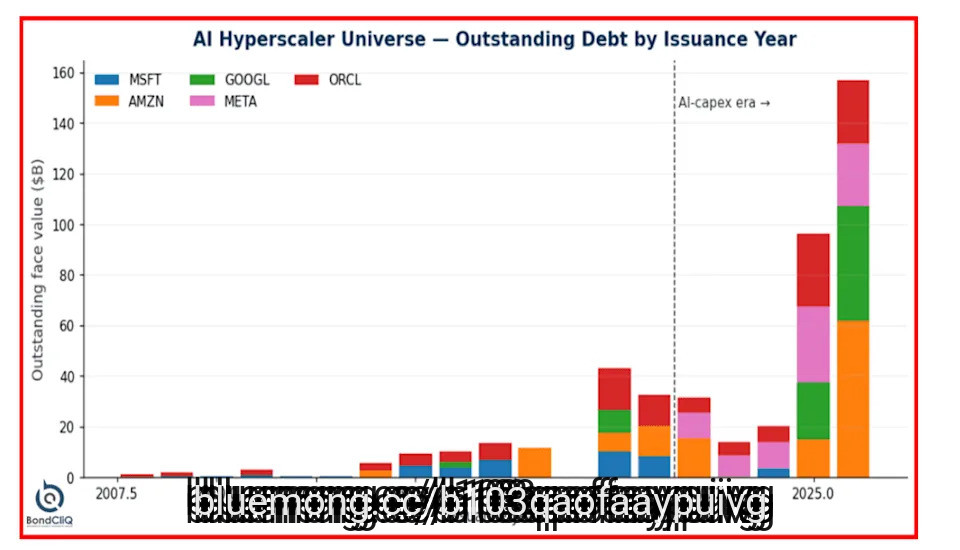
The upward pressure on the 10-year Treasury yield has a number of contributors. A big one seems to be a surge in corporate debt issuance by AI hyperscalers like Google, Amazon and Microsoft. Those technology ****** ans are offering higher rates than Treasury, directing some buying power away from government debt and forcing yields higher. Persistent inflation is another factor and the resumption in U.S.-Iran strikes over the weekend won't help.
Then there's the federal budget deficit, which will come in around 6% of GDP this year, extraordinarily high for a period of solid economic growth. The rising burden of interest costs and the expense of Social Security and Medicare for baby boomers suggests that big deficits may be here to stay.
#yield
Treasury announced on Aug. 19 that it would at least double the size of buybacks of government bonds with durations of 10 years up to 30 years. The announcement stirred a brief easing of yields, with the 10-year yield slipping to 5 basis point to 4.65%. But the 10-year yield touched 4.76% on Monday, the highest since January 2025.
The 30-year Treasury yield, at 5.27%, hasn't yet eclipsed the 5.29% level ahead of Bessent's buyback news. That was the highest 30-year yield level since 2007.
The upward pressure on the 10-year Treasury yield has a number of contributors. A big one seems to be a surge in corporate debt issuance by AI hyperscalers like Google, Amazon and Microsoft. Those technology ****** ans are offering higher rates than Treasury, directing some buying power away from government debt and forcing yields higher. Persistent inflation is another factor and the resumption in U.S.-Iran strikes over the weekend won't help.
Then there's the federal budget deficit, which will come in around 6% of GDP this year, extraordinarily high for a period of solid economic growth. The rising burden of interest costs and the expense of Social Security and Medicare for baby boomers suggests that big deficits may be here to stay.
#yield




3 days ago
On August 25, The Bank of Nova Scotia (NYSE:BNS) reported third-quarter results that hit a target management had been promising for the medium term, not the near term. Return on equity reached 14.2%, adjusted net income climbed to $2.97 billion, and adjusted earnings per share rose to $2.28 from $1.88 a year earlier, a 21% jump. CEO Scott Thomson signaled that 14% won't be the high-water mark for the bank's returns going forward. With every division growing at once, the quarter reads like a strategy finally clicking into place.
Canadian Banking earned $1.1 billion, up 12% year over year, with return on equity jumping 160 basis points sequentially to 19.4%. That came from a fifth straight quarter of margin expansion, plus commercial loan growth that accelerated to 3% sequentially after 2% the quarter before, with small business lending up 10% year over year. Credit card premium mix rose to 45% of new acquisitions, up from 35% a year ago.
Global Banking and Markets posted its best quarterly net income ever, $647 million, up 37% year over year, helped by a net interest margin that expanded more than 30 basis points and a run of marquee deals, including the two largest debt capital markets issuances ever done in Canada and the country's biggest IPO since 2021. Loans in that segment grew 7% sequentially as the bank reinvests after a period of deliberate optimization.
Global Wealth Management earnings rose 23% to $515 million as the segment posted net sales of $3 billion for the quarter, a Q3 record, while ******* ets under management reached $474 billion. Referrals between Canadian Banking and Wealth Management hit $14 billion year to date, with commercial-to-wealth referrals up 33%. International Banking added $725 million, up 6% on a constant dollar basis, with retail loans growing 5% as management leans into primary banking relationships. The bank also logged its tenth straight quarter of positive operating leverage.
The quarter wasn't friction-free. Expenses grew 14% year over year, driven largely by performance-based pay and a 16% increase in technology spending to $1.5 billion. Chief Risk Officer Shannon McGinnis flagged, "We continue to monitor some pockets of weakness, including elevated mortgage delinquencies," even with the retail book carrying an average FICO score of 798. International Banking's provision for credit losses ran at 138 basis points, well above the 42 basis points booked in Canadian Banking, and the segment absorbed an incremental $57 million provision tied to a corporate account in Brazil that management said it continues to work through.
#year #canadian
Canadian Banking earned $1.1 billion, up 12% year over year, with return on equity jumping 160 basis points sequentially to 19.4%. That came from a fifth straight quarter of margin expansion, plus commercial loan growth that accelerated to 3% sequentially after 2% the quarter before, with small business lending up 10% year over year. Credit card premium mix rose to 45% of new acquisitions, up from 35% a year ago.
Global Banking and Markets posted its best quarterly net income ever, $647 million, up 37% year over year, helped by a net interest margin that expanded more than 30 basis points and a run of marquee deals, including the two largest debt capital markets issuances ever done in Canada and the country's biggest IPO since 2021. Loans in that segment grew 7% sequentially as the bank reinvests after a period of deliberate optimization.
Global Wealth Management earnings rose 23% to $515 million as the segment posted net sales of $3 billion for the quarter, a Q3 record, while ******* ets under management reached $474 billion. Referrals between Canadian Banking and Wealth Management hit $14 billion year to date, with commercial-to-wealth referrals up 33%. International Banking added $725 million, up 6% on a constant dollar basis, with retail loans growing 5% as management leans into primary banking relationships. The bank also logged its tenth straight quarter of positive operating leverage.
The quarter wasn't friction-free. Expenses grew 14% year over year, driven largely by performance-based pay and a 16% increase in technology spending to $1.5 billion. Chief Risk Officer Shannon McGinnis flagged, "We continue to monitor some pockets of weakness, including elevated mortgage delinquencies," even with the retail book carrying an average FICO score of 798. International Banking's provision for credit losses ran at 138 basis points, well above the 42 basis points booked in Canadian Banking, and the segment absorbed an incremental $57 million provision tied to a corporate account in Brazil that management said it continues to work through.
#year #canadian


6 days ago
Strategy Inc (NASDAQ:MSTR) rallied along with Bitcoin. The cryptocurrency rally followed a White House meeting with industry executives, while the Treasury Department's expanded bond-buyback plans lowered long-term yields and weakened the dollar.
However, Strategy Inc (NASDAQ:MSTR) is not a simple leveraged Bitcoin fund. The company held 843,775 Bitcoin on July 26, sold 1,638 Bitcoin during July 27-August 2, and another 1,690 during August 3-9, leaving 840,447 Bitcoin. That position was worth approximately $57.5 billion at Wednesday's Bitcoin price, but the figure represents gross **** et value rather than value attributable to common shareholders.
Common issuance increases gross Bitcoin per share only when the Bitcoin acquired per incremental **** umed diluted share exceeds the existing ratio. Issuing above net **** et value alone is insufficient because the share denominator and use of proceeds determine the result. Strategy Inc (NASDAQ:MSTR) reported that its company-defined Bitcoin-per-share metric increased 5% during the second quarter to 210,824 satoshis.
Strategy Inc (NASDAQ:MSTR) also had a $4.80 billion reserve as of August 16, including unsettled at-the-market offering proceeds. The reserve provides a buffer for contractual debt interest and preferred dividends when declared, although the preferred series have different terms, including **** ulative provisions for certain securities. This liquidity reduces near-term dependence on favorable Bitcoin or capital-market conditions.
Strategy Inc (NASDAQ:MSTR) reported $6.7 billion of aggregate convertible principal and a $15.5 billion aggregate preferred notional amount in May. At June 30, preferred equity had a $14.44 billion carrying amount and a $15.46 billion liquidation preference; repurchases began after quarter-end. These claims sit ahead of common equity under a basic-share valuation framework.
#NASDAQ
However, Strategy Inc (NASDAQ:MSTR) is not a simple leveraged Bitcoin fund. The company held 843,775 Bitcoin on July 26, sold 1,638 Bitcoin during July 27-August 2, and another 1,690 during August 3-9, leaving 840,447 Bitcoin. That position was worth approximately $57.5 billion at Wednesday's Bitcoin price, but the figure represents gross **** et value rather than value attributable to common shareholders.
Common issuance increases gross Bitcoin per share only when the Bitcoin acquired per incremental **** umed diluted share exceeds the existing ratio. Issuing above net **** et value alone is insufficient because the share denominator and use of proceeds determine the result. Strategy Inc (NASDAQ:MSTR) reported that its company-defined Bitcoin-per-share metric increased 5% during the second quarter to 210,824 satoshis.
Strategy Inc (NASDAQ:MSTR) also had a $4.80 billion reserve as of August 16, including unsettled at-the-market offering proceeds. The reserve provides a buffer for contractual debt interest and preferred dividends when declared, although the preferred series have different terms, including **** ulative provisions for certain securities. This liquidity reduces near-term dependence on favorable Bitcoin or capital-market conditions.
Strategy Inc (NASDAQ:MSTR) reported $6.7 billion of aggregate convertible principal and a $15.5 billion aggregate preferred notional amount in May. At June 30, preferred equity had a $14.44 billion carrying amount and a $15.46 billion liquidation preference; repurchases began after quarter-end. These claims sit ahead of common equity under a basic-share valuation framework.
#NASDAQ


7 days ago
(This Aug 27 story has been republished, with no changes to text.)
By Kanishka Singh
WASHINGTON, Aug 27 (Reuters) - President Donald Trump's administration has issued a memo for universities that seeks to restrict issuance of certain internship work authorizations for international students as the federal government warned that colleges not complying with the regulations may lose certification to enroll foreign students.
The federal memo dated August 24 said the Student and Exchange Visitor Program, which is part of the U.S. Immigration and Customs Enforcement agency, has "observed a rise in Curricular Practical Training (CPT) authorizations that appear to violate regulatory requirements which permit CPT only where the training is an integral part of an established curriculum."
"Failure to comply with SEVP regulations may result in an institution losing certification to enroll foreign students," the memo said.
#federal #certification #part
By Kanishka Singh
WASHINGTON, Aug 27 (Reuters) - President Donald Trump's administration has issued a memo for universities that seeks to restrict issuance of certain internship work authorizations for international students as the federal government warned that colleges not complying with the regulations may lose certification to enroll foreign students.
The federal memo dated August 24 said the Student and Exchange Visitor Program, which is part of the U.S. Immigration and Customs Enforcement agency, has "observed a rise in Curricular Practical Training (CPT) authorizations that appear to violate regulatory requirements which permit CPT only where the training is an integral part of an established curriculum."
"Failure to comply with SEVP regulations may result in an institution losing certification to enroll foreign students," the memo said.
#federal #certification #part



8 days ago
Treasury Secretary Scott Bessent moved fast to calm the bond market this month. Two of the biggest names on Wall Street just moved just as fast to say it probably will not be enough. A rebuttal that landed within days of his own announcement.
The pushback lands at an awkward moment for Bessent. The national debt just hit a fresh milestone and a closely watched Federal Reserve speech is only days away. Both developments raise the stakes for whatever the Treasury decides to do next.
Interest rate strategists at Goldman Sachs and Wells Fargo both said the Treasury Department's expanded bond buybacks will do little to reverse the recent jump in long-term yields. Rates on 10- and 30-year Treasuries briefly dropped after the announcement, then rose again, erasing much of the initial relief, Bloomberg reported.
Goldman Sachs strategists George Cole and William Marshall wrote in an August 21 research note that the buyback expansion "does not address what we see as the main sources of recent long-end volatility." They added that the buybacks are "unlikely to meaningfully reset rate levels even if scaled up."
Wells Fargo strategists led by Erik Nelson made a similar case in their own August 21 note, arguing that lowering long-end yields would require macroeconomic shifts rather than Treasury market operations. They pointed to a slowdown in growth and inflation, less uncertainty around Federal Reserve policy, fiscal consolidation, or a decline in investment-grade corporate bond issuance as the kinds of catalysts actually needed to move yields lower.
#strategists
The pushback lands at an awkward moment for Bessent. The national debt just hit a fresh milestone and a closely watched Federal Reserve speech is only days away. Both developments raise the stakes for whatever the Treasury decides to do next.
Interest rate strategists at Goldman Sachs and Wells Fargo both said the Treasury Department's expanded bond buybacks will do little to reverse the recent jump in long-term yields. Rates on 10- and 30-year Treasuries briefly dropped after the announcement, then rose again, erasing much of the initial relief, Bloomberg reported.
Goldman Sachs strategists George Cole and William Marshall wrote in an August 21 research note that the buyback expansion "does not address what we see as the main sources of recent long-end volatility." They added that the buybacks are "unlikely to meaningfully reset rate levels even if scaled up."
Wells Fargo strategists led by Erik Nelson made a similar case in their own August 21 note, arguing that lowering long-end yields would require macroeconomic shifts rather than Treasury market operations. They pointed to a slowdown in growth and inflation, less uncertainty around Federal Reserve policy, fiscal consolidation, or a decline in investment-grade corporate bond issuance as the kinds of catalysts actually needed to move yields lower.
#strategists


9 days ago
By Khushi Malhotra
MUMBAI, Aug 24 (Reuters) - India will launch tokenised corporate bonds next month, as it tests the use of blockchain technology to enable instant settlement of bond transactions, three sources with direct knowledge of the matter said on Monday.
The notes, to be issued for the first time by state-owned power financier REC, would place India alongside markets such as Europe and Hong Kong in using the technology for issuance and settlement.
Tokenised bonds are securities whose ownership, issuance, trading and settlement are recorded digitally on a blockchain or distributed ledger, allowing transactions to be completed almost instantly.
India's markets regulator and central bank are working together on pushing the technology, according to the sources, who spoke on the condition of anonymity as the discussions are ongoing and confidential.
#Blockchain #transactions #sources #issuance
MUMBAI, Aug 24 (Reuters) - India will launch tokenised corporate bonds next month, as it tests the use of blockchain technology to enable instant settlement of bond transactions, three sources with direct knowledge of the matter said on Monday.
The notes, to be issued for the first time by state-owned power financier REC, would place India alongside markets such as Europe and Hong Kong in using the technology for issuance and settlement.
Tokenised bonds are securities whose ownership, issuance, trading and settlement are recorded digitally on a blockchain or distributed ledger, allowing transactions to be completed almost instantly.
India's markets regulator and central bank are working together on pushing the technology, according to the sources, who spoke on the condition of anonymity as the discussions are ongoing and confidential.
#Blockchain #transactions #sources #issuance


10 days ago
Markets converge on Jackson Hole Symposium where Fed Chair Kevin Warsh will deliver his first major economic policy address as new Fed Chair. Wednesday delivers an extraordinary data convergence with Q2 GDP revision, July Core PCE, durable goods orders, and crude oil inventories all at 8:30am-10:30am. The week features marquee earnings from Nvidia (NVDA), CrowdStrike (CRWD), Salesforce (CRM) Wednesday, and Marvell (MRVL) Thursday testing AI infrastructure and semiconductor demand. Long-end Treasury yields and debt issuance pressures continue constraining equity valuations amid economic uncertainty. The convergence of Jackson Hole guidance, economic data deluge, and mega-cap earnings establishes market direction heading into September volatility.
Here are 5 things to watch this week in the Market.
Soros Fund Management Opened a New Position in Nebius During Q2. What This Means for NBIS Stock.
Ahead of Nvidia Earnings, Here's What Barchart Data Says Comes Next for NVDA Stock
How to Play MRVL Stock Now as Marvell Technology Expands Its Relationship With Google
#Stock #jackson #wednesday #NVIDIA
Here are 5 things to watch this week in the Market.
Soros Fund Management Opened a New Position in Nebius During Q2. What This Means for NBIS Stock.
Ahead of Nvidia Earnings, Here's What Barchart Data Says Comes Next for NVDA Stock
How to Play MRVL Stock Now as Marvell Technology Expands Its Relationship With Google
#Stock #jackson #wednesday #NVIDIA


11 days ago
By Khushi Malhotra
MUMBAI, Aug 24 (Reuters) - India will launch tokenised corporate bonds next month, as it tests the use of blockchain technology to enable instant settlement of bond transactions, three sources with direct knowledge of the matter said on Monday.
The notes, to be issued for the first time by state-owned power financier REC, would place India alongside markets such as Europe and Hong Kong in using the technology for issuance and settlement.
Tokenised bonds are securities whose ownership, issuance, trading and settlement are recorded digitally on a blockchain or distributed ledger, allowing transactions to be completed almost instantly.
India's markets regulator and central bank are working together on pushing the technology, according to the sources, who spoke on the condition of anonymity as the discussions are ongoing and confidential.
#tokenised
MUMBAI, Aug 24 (Reuters) - India will launch tokenised corporate bonds next month, as it tests the use of blockchain technology to enable instant settlement of bond transactions, three sources with direct knowledge of the matter said on Monday.
The notes, to be issued for the first time by state-owned power financier REC, would place India alongside markets such as Europe and Hong Kong in using the technology for issuance and settlement.
Tokenised bonds are securities whose ownership, issuance, trading and settlement are recorded digitally on a blockchain or distributed ledger, allowing transactions to be completed almost instantly.
India's markets regulator and central bank are working together on pushing the technology, according to the sources, who spoke on the condition of anonymity as the discussions are ongoing and confidential.
#tokenised


12 days ago
Stocks shrugged it off, but bond yields moved higher for a second straight day on Friday, the latest sign that the US Treasury's intervention efforts have been a bust.
The 30-year Treasury yield was up more than 2 basis points to nearly 5.28% in the afternoon, inching back toward the 5.3% level that spooked markets earlier this week, while the 10-year yield was more than 3 basis points higher, over 4.73%.
On Wednesday, the Treasury said it would "at least double" the amount of 10-year, 20-year, and 30-year Treasury bonds it buys back. A day later, Treasury Secretary Scott Bessent signaled he could expand the purchases further. The operation is set to begin on Sept. 9 and remain effective through Nov. 4.
Read more: How soaring Treasury yields could impact your finances
Bond market watchers have been skeptical that the Treasury's plan to lower yields by boosting long-dated bond buying would work. Multiple factors outside of the Treasury's control, including inflation fears, Federal Reserve communication changes, and a boom in corporate debt issuance, have contributed to higher yields.
#year #bond #back #stocks
The 30-year Treasury yield was up more than 2 basis points to nearly 5.28% in the afternoon, inching back toward the 5.3% level that spooked markets earlier this week, while the 10-year yield was more than 3 basis points higher, over 4.73%.
On Wednesday, the Treasury said it would "at least double" the amount of 10-year, 20-year, and 30-year Treasury bonds it buys back. A day later, Treasury Secretary Scott Bessent signaled he could expand the purchases further. The operation is set to begin on Sept. 9 and remain effective through Nov. 4.
Read more: How soaring Treasury yields could impact your finances
Bond market watchers have been skeptical that the Treasury's plan to lower yields by boosting long-dated bond buying would work. Multiple factors outside of the Treasury's control, including inflation fears, Federal Reserve communication changes, and a boom in corporate debt issuance, have contributed to higher yields.
#year #bond #back #stocks



14 days ago
By Karen Brettell and Niket Nishant
Aug 21 (Reuters) - The dollar slipped on Friday, trading near a three-month low against the euro, as concerns mounted that the U.S. Treasury's plan to expand buybacks of longer-dated government debt could weigh further on the U.S. currency.
Treasury Secretary Scott Bessent said Thursday he may increase the government's repurchases of Treasuries even further, a day after the department surprised markets by pledging to at least double the size of its buybacks of longer-dated debt in an effort to rein in bond yields.
Long-dated yields jumped this week, with the 30-year yield reaching its highest level since 2007. Traders cited concerns over the deteriorating fiscal outlook, heavy issuance, geopolitical risk stemming from the war with Iran, and uncertainty over the Federal Reserve's policy path.
Analysts say that holding yields down will simply shift the burden of fiscal concerns onto the currency. And so far the strategy hasn't achieved its primary goal, as yields have crept back higher.
#longer #debt #karen
Aug 21 (Reuters) - The dollar slipped on Friday, trading near a three-month low against the euro, as concerns mounted that the U.S. Treasury's plan to expand buybacks of longer-dated government debt could weigh further on the U.S. currency.
Treasury Secretary Scott Bessent said Thursday he may increase the government's repurchases of Treasuries even further, a day after the department surprised markets by pledging to at least double the size of its buybacks of longer-dated debt in an effort to rein in bond yields.
Long-dated yields jumped this week, with the 30-year yield reaching its highest level since 2007. Traders cited concerns over the deteriorating fiscal outlook, heavy issuance, geopolitical risk stemming from the war with Iran, and uncertainty over the Federal Reserve's policy path.
Analysts say that holding yields down will simply shift the burden of fiscal concerns onto the currency. And so far the strategy hasn't achieved its primary goal, as yields have crept back higher.
#longer #debt #karen


14 days ago
A brutal summer stretch for the U.S. Treasury market risks getting worse come September, right as many of the world's largest companies plan to unleash a new wave of bond issuance.
Yields this week on the long 30-year Treasury bond BX:TMUBMUSD30Y reached their highest level since 2007 amid a global selloff.
Anxious bond market sends troubling message to investors: There's no easy fix for U.S. debt
Treasury's buyback blitz may end up driving bond yields higher, warns JPMorgan. Here's its advice for investors.
The bond market is going to burst the stock-market bubble
#yields #tmubmusd30y #jpmorgan
Yields this week on the long 30-year Treasury bond BX:TMUBMUSD30Y reached their highest level since 2007 amid a global selloff.
Anxious bond market sends troubling message to investors: There's no easy fix for U.S. debt
Treasury's buyback blitz may end up driving bond yields higher, warns JPMorgan. Here's its advice for investors.
The bond market is going to burst the stock-market bubble
#yields #tmubmusd30y #jpmorgan


14 days ago
The numbers have reached a scale that markets can no longer ignore. The U.S. fiscal deficit jumped to $432 billion in July alone, the biggest monthly shortfall since early 2021, pushing the year-to-date gap to nearly $1.8 trillion, with the full-year deficit expected to approach $2 trillion. The national debt is nearing the $40 trillion milestone, and the cost of financing it has ballooned to roughly $1.2 trillion so far this year, on pace for about $1.37 trillion for the full fiscal year.
The result has been a sharp move higher in long-term Treasury yields. The 30-year bond hit 5.33% in mid-August — its highest level in 19 years — while the 10-year note pushed toward 4.75%, a 20-month high before the Treasury stepped in this week to announce increased buying of longer dated bonds. Bond strategists point to a combination of forces for the recent high: mounting deficit concerns, inflation still stuck above the Fed's 2% target, and a wave of corporate debt issuance competing with Treasurys for investor cash. Some are calling it the return of the "bond vigilantes" — investors demanding higher yields to keep funding a government that keeps borrowing more.
Because bond prices move opposite to yields, when yields rise, existing bonds — which pay lower fixed rates — become less valuable, so their prices fall. And the longer a bond's maturity (its duration), the more its price drops for a given rise in yields. A 25 basis point rise in long-term yields can translate to roughly a 4% price loss in a long-duration bond fund.
That's why the debt story is fundamentally an ETF story. The funds holding long-dated Treasurys were absorbing the full force of the yield spike, while short-duration and alternative funds are becoming the market's refuge. While yields have since retreated post-Treasury announcement and there is a potential for a surge in buying 20+ year bond ETFs, the longer term impact to long-dated bonds remains to seen.
TLT is ground zero for the debt-and-yields story. As the most popular long-duration Treasury ETF, it holds bonds with 20+ years to maturity — exactly the part of the curve recently hammered as the 30-year yield hit multi-decade highs. TLT has slumped into a correction and touched a 22-year low in August, and investors have pulled more than $4.4 billion out of the fund this year. Strikingly, even a near-5% yield wasn't enough to stem the slide: the price losses from rising rates have overwhelmed the income the fund pays. TLT is the clearest example of how duration risk works against investors when the government's borrowing costs climb.
#year
The result has been a sharp move higher in long-term Treasury yields. The 30-year bond hit 5.33% in mid-August — its highest level in 19 years — while the 10-year note pushed toward 4.75%, a 20-month high before the Treasury stepped in this week to announce increased buying of longer dated bonds. Bond strategists point to a combination of forces for the recent high: mounting deficit concerns, inflation still stuck above the Fed's 2% target, and a wave of corporate debt issuance competing with Treasurys for investor cash. Some are calling it the return of the "bond vigilantes" — investors demanding higher yields to keep funding a government that keeps borrowing more.
Because bond prices move opposite to yields, when yields rise, existing bonds — which pay lower fixed rates — become less valuable, so their prices fall. And the longer a bond's maturity (its duration), the more its price drops for a given rise in yields. A 25 basis point rise in long-term yields can translate to roughly a 4% price loss in a long-duration bond fund.
That's why the debt story is fundamentally an ETF story. The funds holding long-dated Treasurys were absorbing the full force of the yield spike, while short-duration and alternative funds are becoming the market's refuge. While yields have since retreated post-Treasury announcement and there is a potential for a surge in buying 20+ year bond ETFs, the longer term impact to long-dated bonds remains to seen.
TLT is ground zero for the debt-and-yields story. As the most popular long-duration Treasury ETF, it holds bonds with 20+ years to maturity — exactly the part of the curve recently hammered as the 30-year yield hit multi-decade highs. TLT has slumped into a correction and touched a 22-year low in August, and investors have pulled more than $4.4 billion out of the fund this year. Strikingly, even a near-5% yield wasn't enough to stem the slide: the price losses from rising rates have overwhelmed the income the fund pays. TLT is the clearest example of how duration risk works against investors when the government's borrowing costs climb.
#year


14 days ago
On August 11, eToro Group Ltd. (NASDAQ:ETOR) reported second-quarter results that read like a company trying to become more than a trading app. Net contribution rose 9% year over year to $229 million, and on the same day the company said it would buy US broker-dealer TradeZero for up to $230 million in cash and stock. Together, the earnings and the deal point to the same question hanging over ETOR: is the platform's growing list of businesses reinforcing each other, or is the company buying growth it might have found on its own?
eToro's core pitch is that users never have to leave the platform no matter where the market's attention goes, and the second quarter backed that up. As investor activity rotated from crypto into commodities and then into equities, net trading contribution from capital markets jumped 25% year over year to $142 million, and the number of trades rose 64% year over year. Funded accounts grew 18% year over year to 4.28 million, climbing further to 4.32 million in July, while ***** ets under administration reached more than $19 billion for the quarter. Adjusted diluted earnings per share came in at $0.68, up from $0.56 a year earlier, and the company closed the quarter with $1.2 billion in cash and short-term investments after generating $39 million from operations. eToro also used some of that cash to repurchase roughly 2.3 million shares for about $87 million during the quarter.
The TradeZero deal adds to that momentum. The broker generated approximately $80 million in revenue over the trailing twelve months with gross margins above 80% in the second quarter of 2026, and eToro expects the acquisition to be accretive to adjusted earnings per share in its first full year once it closes, a step targeted for the first half of 2027. Other parts of the business are scaling just as fast: etoro Money's contribution grew 44% year over year to $26 million as total money transfers rose 92% year over year, card issuance across Europe climbed more than 30% quarter over quarter, and ***** ets in the company's savings product grew fifteen-fold year over year.
Not every part of the business moved in the same direction. Net trading contribution from crypto fell to just $11 million, a decline that included a $2 million negative valuation hit on eToro's own corporate crypto holdings, leaving that balance at $30 million by quarter's end. The pullback carried into the next quarter: July ***** ets under administration slipped to $18.5 billion, down 5% year over year as crypto prices fell, and the number of trades in July came in flat compared to a year earlier.
#Crypto #july #second
eToro's core pitch is that users never have to leave the platform no matter where the market's attention goes, and the second quarter backed that up. As investor activity rotated from crypto into commodities and then into equities, net trading contribution from capital markets jumped 25% year over year to $142 million, and the number of trades rose 64% year over year. Funded accounts grew 18% year over year to 4.28 million, climbing further to 4.32 million in July, while ***** ets under administration reached more than $19 billion for the quarter. Adjusted diluted earnings per share came in at $0.68, up from $0.56 a year earlier, and the company closed the quarter with $1.2 billion in cash and short-term investments after generating $39 million from operations. eToro also used some of that cash to repurchase roughly 2.3 million shares for about $87 million during the quarter.
The TradeZero deal adds to that momentum. The broker generated approximately $80 million in revenue over the trailing twelve months with gross margins above 80% in the second quarter of 2026, and eToro expects the acquisition to be accretive to adjusted earnings per share in its first full year once it closes, a step targeted for the first half of 2027. Other parts of the business are scaling just as fast: etoro Money's contribution grew 44% year over year to $26 million as total money transfers rose 92% year over year, card issuance across Europe climbed more than 30% quarter over quarter, and ***** ets in the company's savings product grew fifteen-fold year over year.
Not every part of the business moved in the same direction. Net trading contribution from crypto fell to just $11 million, a decline that included a $2 million negative valuation hit on eToro's own corporate crypto holdings, leaving that balance at $30 million by quarter's end. The pullback carried into the next quarter: July ***** ets under administration slipped to $18.5 billion, down 5% year over year as crypto prices fell, and the number of trades in July came in flat compared to a year earlier.
#Crypto #july #second

15 days ago
A US Air Force flight bound for Antarctica returned to New Zealand after a warning about "potentially hazardous" ***** e activity, according to New Zealand authorities.
A spokesperson for New Zealand's Civil Aviation Authority (CAA) said the agency was aware the US Air Force flight from Christchurch turned around following a warning it issued, known as a NOTAM (Notice to Airmen).
The ***** e activity was notified to the agency by Russia's State Air Traffic Management Corporation, "resulting in the issuance of a NOTAM advising pilots of the hazard," CAA said in a statement Tuesday.
In a follow-up statement Wednesday, CAA said it was made aware by the Russian air traffic agency of a planned missile launch and "associated potential hazard to international airspace, within New Zealand's Oceanic Flight Information Region (FIR)," a 30-million-square-kilometer area which is one of the largest airspaces in the world.
CNN has reached out to the US Air Force, the US Antarctic Program and the Russian State Air Traffic Management Corporation.
#TRAFFIC #russian
A spokesperson for New Zealand's Civil Aviation Authority (CAA) said the agency was aware the US Air Force flight from Christchurch turned around following a warning it issued, known as a NOTAM (Notice to Airmen).
The ***** e activity was notified to the agency by Russia's State Air Traffic Management Corporation, "resulting in the issuance of a NOTAM advising pilots of the hazard," CAA said in a statement Tuesday.
In a follow-up statement Wednesday, CAA said it was made aware by the Russian air traffic agency of a planned missile launch and "associated potential hazard to international airspace, within New Zealand's Oceanic Flight Information Region (FIR)," a 30-million-square-kilometer area which is one of the largest airspaces in the world.
CNN has reached out to the US Air Force, the US Antarctic Program and the Russian State Air Traffic Management Corporation.
#TRAFFIC #russian

15 days ago
By Jamie McGeever
ORLANDO, Florida, Aug 19 (Reuters) - Long-dated U.S. bond yields and the dollar tumbled on Wednesday after the U.S. Treasury said it would double the amount of planned bond buybacks in the coming months. As a result of the fall in market-based rates and the dollar, U.S. stocks climbed while gold and bitcoin rose sharply.
In my column today, I ******* yze whether the massive increase in AI-driven debt issuance from the U.S. hyperscalers is responsible for the recent surge in U.S. bond yields and risk premium. Is the corporate bond market "crowding out" investor demand for Treasuries?
If you have more time to read, here are a few articles I recommend to help you make sense of what happened in markets today.
1. U.S. Treasury Secretary Bessent doubles U.S. long-bond buybacks in the face of surging yields
#treasury #dollar #market #jamie
ORLANDO, Florida, Aug 19 (Reuters) - Long-dated U.S. bond yields and the dollar tumbled on Wednesday after the U.S. Treasury said it would double the amount of planned bond buybacks in the coming months. As a result of the fall in market-based rates and the dollar, U.S. stocks climbed while gold and bitcoin rose sharply.
In my column today, I ******* yze whether the massive increase in AI-driven debt issuance from the U.S. hyperscalers is responsible for the recent surge in U.S. bond yields and risk premium. Is the corporate bond market "crowding out" investor demand for Treasuries?
If you have more time to read, here are a few articles I recommend to help you make sense of what happened in markets today.
1. U.S. Treasury Secretary Bessent doubles U.S. long-bond buybacks in the face of surging yields
#treasury #dollar #market #jamie

16 days ago
On August 7, Hawaiian Electric (NYSE:HE) reported second-quarter net income of $123.2 million, or $0.71 per share, numbers that look strong at first glance. Much of that gain traces back to a non-cash Maui wildfire settlement adjustment, not the underlying business, and core net income actually dropped once it's stripped out. The quarter tells the story of a utility making real regulatory progress on wildfire recovery and grid investment while its day-to-day operating costs keep climbing.
Hawaiian Electric has cleared several regulatory hurdles this year. In June, the Public Utilities Commission approved recovery of roughly $350 million in Wildfire Mitigation Plan spending, and the company now plans to finance that spending through securitization under Act 258 rather than the more limited Exceptional Project Recovery Mechanism, a move it says lowers the cost to customers.
The commission also accepted the company's rate rebasing methodology in June, and Hawaiian Electric resubmitted its request last month seeking a total base rate increase of $170 million phased in over two years, with $125 million taking effect in 2027 if the commission issues an interim decision by December 18. On the generation side, the company submitted a request for proposals on July 17 ahead of the August 7 issuance date, seeking nearly 1,650 gigawatt-hours of renewable energy, one of the largest competitive procurements in state history. Credit agencies have taken notice, with S&P upgrading Hawaiian Electric one notch in July, following Moody's upgrade in April.
The cost side of the ledger tells a rougher story. Core net income and earnings per share fell to $22.5 million and $0.13 in the quarter, down from $35.4 million and $0.20 a year earlier, and utility core net income slipped to $32.6 million from $42.5 million. Higher interest expense from last September's high-yield debt issuance is part of the drag, along with increased spending on vegetation management, generation overhauls, and inspection and maintenance. The company also lost a deferral it used last year for roughly $28 million in wildfire-related expenses, including insurance premiums, and it is now absorbing storm response costs from the severe flooding that hit Hawaii in February and March.
Management expects to hit the maximum penalty under its Fuel Cost Risk Sharing Mechanism this year and to book a loss under its performance incentive mechanisms. Regulators are also pushing back in places. On August 5, the commission told Hawaiian Electric it needs to demonstrate a clear need before it can proceed with a proposed request for up to 500 megawatts of additional firm generation capacity on Oahu.
#million #wildfire #august #core
Hawaiian Electric has cleared several regulatory hurdles this year. In June, the Public Utilities Commission approved recovery of roughly $350 million in Wildfire Mitigation Plan spending, and the company now plans to finance that spending through securitization under Act 258 rather than the more limited Exceptional Project Recovery Mechanism, a move it says lowers the cost to customers.
The commission also accepted the company's rate rebasing methodology in June, and Hawaiian Electric resubmitted its request last month seeking a total base rate increase of $170 million phased in over two years, with $125 million taking effect in 2027 if the commission issues an interim decision by December 18. On the generation side, the company submitted a request for proposals on July 17 ahead of the August 7 issuance date, seeking nearly 1,650 gigawatt-hours of renewable energy, one of the largest competitive procurements in state history. Credit agencies have taken notice, with S&P upgrading Hawaiian Electric one notch in July, following Moody's upgrade in April.
The cost side of the ledger tells a rougher story. Core net income and earnings per share fell to $22.5 million and $0.13 in the quarter, down from $35.4 million and $0.20 a year earlier, and utility core net income slipped to $32.6 million from $42.5 million. Higher interest expense from last September's high-yield debt issuance is part of the drag, along with increased spending on vegetation management, generation overhauls, and inspection and maintenance. The company also lost a deferral it used last year for roughly $28 million in wildfire-related expenses, including insurance premiums, and it is now absorbing storm response costs from the severe flooding that hit Hawaii in February and March.
Management expects to hit the maximum penalty under its Fuel Cost Risk Sharing Mechanism this year and to book a loss under its performance incentive mechanisms. Regulators are also pushing back in places. On August 5, the commission told Hawaiian Electric it needs to demonstrate a clear need before it can proceed with a proposed request for up to 500 megawatts of additional firm generation capacity on Oahu.
#million #wildfire #august #core

16 days ago
Voya Investment Management, an investment management company, released its second-quarter 2026 investor letter for its "Voya MI Dynamic Small Cap Fund." A copy of the letter can be downloaded here. US Equity markets rebounded strongly in the second quarter of 2026, recovering from geopolitical tensions that nearly pushed the S&P 500 Index into correction territory. Technology dominated the landscape, powered by increasing AI adoption, while industrials benefited from strong capital expenditure. Small-cap and growth stocks outperformed; investors grew selective amid concerns about returns, competition, and regulation. The Fund outperformed the Index, benefitting from stock selection in energy, consumer discretionary, and health care sectors. Overall market performance could become more volatile due to rising costs and increased supply from IPOs and secondary issuances. Additionally, reviewing the Fund's top five holdings could help identify its best picks for 2026.
In its Q2 2026 investor letter, Voya MI Dynamic Small Cap Fund highlighted Tronox Holdings plc (NYSE:TROX), which accounted for 0.40% of the portfolio, detracted from performance during the quarter. Incorporated in 2018, Tronox Holdings plc (NYSE:TROX) is a vertically integrated mining company and leading manufacturer of TiO2 pigment. On August 14, 2026, Tronox Holdings plc (NYSE:TROX) closed at $5.96 per share. The one-month return of Tronox Holdings plc (NYSE:TROX) was 0.17%, and its shares gained 46.08% over the past 52 weeks. Tronox Holdings plc (NYSE:TROX) has a market capitalization of $951.8 million.
Voya MI Dynamic Small Cap Fund stated the following regarding Tronox Holdings plc (NYSE:TROX) in its Q2 2026 investor letter:
"The overweight position in Tronox Holdings plc (NYSE:TROX), a **** anium dioxide pigment producer, was primarily driven by risk management reasons and had a negative impact on performance. The stock was pressured by softer earnings guidance, high leverage concerns, and competitive headwinds including elevated Chinese export volumes."
Tronox Holdings plc (NYSE:TROX) is not on our list of 40 Most Popular Stocks Among Hedge Funds Heading Into 2026. According to our database, 31 hedge fund portfolios held Tronox Holdings plc (NYSE:TROX) at the end of the first quarter, compared to 32 in the previous quarter. While we acknowledge the potential of Tronox Holdings plc (NYSE:TROX) as an investment, we believe certain AI stocks offer greater upside potential and carry less downside risk. If you're looking for an extremely undervalued AI stock that also stands to benefit significantly from Trump-era tariffs and the onshoring trend, see our free report on the best short-term AI stock.
#voya #small #letter
In its Q2 2026 investor letter, Voya MI Dynamic Small Cap Fund highlighted Tronox Holdings plc (NYSE:TROX), which accounted for 0.40% of the portfolio, detracted from performance during the quarter. Incorporated in 2018, Tronox Holdings plc (NYSE:TROX) is a vertically integrated mining company and leading manufacturer of TiO2 pigment. On August 14, 2026, Tronox Holdings plc (NYSE:TROX) closed at $5.96 per share. The one-month return of Tronox Holdings plc (NYSE:TROX) was 0.17%, and its shares gained 46.08% over the past 52 weeks. Tronox Holdings plc (NYSE:TROX) has a market capitalization of $951.8 million.
Voya MI Dynamic Small Cap Fund stated the following regarding Tronox Holdings plc (NYSE:TROX) in its Q2 2026 investor letter:
"The overweight position in Tronox Holdings plc (NYSE:TROX), a **** anium dioxide pigment producer, was primarily driven by risk management reasons and had a negative impact on performance. The stock was pressured by softer earnings guidance, high leverage concerns, and competitive headwinds including elevated Chinese export volumes."
Tronox Holdings plc (NYSE:TROX) is not on our list of 40 Most Popular Stocks Among Hedge Funds Heading Into 2026. According to our database, 31 hedge fund portfolios held Tronox Holdings plc (NYSE:TROX) at the end of the first quarter, compared to 32 in the previous quarter. While we acknowledge the potential of Tronox Holdings plc (NYSE:TROX) as an investment, we believe certain AI stocks offer greater upside potential and carry less downside risk. If you're looking for an extremely undervalued AI stock that also stands to benefit significantly from Trump-era tariffs and the onshoring trend, see our free report on the best short-term AI stock.
#voya #small #letter

16 days ago
Voya Investment Management, an investment management company, released its second-quarter 2026 investor letter for its "Voya MI Dynamic Small Cap Fund." A copy of the letter can be downloaded here. US Equity markets rebounded strongly in the second quarter of 2026, recovering from geopolitical tensions that nearly pushed the S&P 500 Index into correction territory. Technology dominated the landscape, powered by increasing AI adoption, while industrials benefited from strong capital expenditure. Small-cap and growth stocks outperformed; investors grew selective amid concerns about returns, competition, and regulation. The Fund outperformed the Index, benefitting from stock selection in energy, consumer discretionary, and health care sectors. Overall market performance could become more volatile due to rising costs and increased supply from IPOs and secondary issuances. Additionally, reviewing the Fund's top five holdings could help identify its best picks for 2026.
In its Q2 2026 investor letter, Voya MI Dynamic Small Cap Fund highlighted Flowserve Corporation (NYSE:FLS), which accounted for 1.38% of the portfolio, detracted from performance during the quarter. Flowserve Corporation (NYSE:FLS) is an industrial company that focuses on industrial flow management equipment. On August 14, 2026, Flowserve Corporation (NYSE:FLS) closed at $80.87 per share. The one-month return of Flowserve Corporation (NYSE:FLS) was 21.17%, and its shares gained 51.95% over the past 52 weeks. Flowserve Corporation (NYSE:FLS) has a market capitalization of $10.28 billion.
Voya MI Dynamic Small Cap Fund stated the following regarding Flowserve Corporation (NYSE:FLS) in its Q2 2026 investor letter:
"Our position in non-benchmark stock Flowserve Corporation (NYSE:FLS). was driven by the machine learning models' positive view of its valuation (earnings before interest, taxes, depreciation, and amortization (EBITDA)) and short interest features. Flowserve, a supplier of industrial pumps and valves, had a negative impact on performance. Shares weakened after declining organic sales, reduced growth outlook, and activist investor pressure questioning management execution."
Flowserve Corporation (NYSE:FLS) is not on our list of 40 Most Popular Stocks Among Hedge Funds Heading Into 2026. According to our database, 48 hedge fund portfolios held Flowserve Corporation (NYSE:FLS) at the end of the first quarter, compared to 51 in the previous quarter. While we acknowledge the potential of Flowserve Corporation (NYSE:FLS) as an investment, we believe certain AI stocks offer greater upside potential and carry less downside risk. If you're looking for an extremely undervalued AI stock that also stands to benefit significantly from Trump-era tariffs and the onshoring trend, see our free report on the best short-term AI stock.
#quarter
In its Q2 2026 investor letter, Voya MI Dynamic Small Cap Fund highlighted Flowserve Corporation (NYSE:FLS), which accounted for 1.38% of the portfolio, detracted from performance during the quarter. Flowserve Corporation (NYSE:FLS) is an industrial company that focuses on industrial flow management equipment. On August 14, 2026, Flowserve Corporation (NYSE:FLS) closed at $80.87 per share. The one-month return of Flowserve Corporation (NYSE:FLS) was 21.17%, and its shares gained 51.95% over the past 52 weeks. Flowserve Corporation (NYSE:FLS) has a market capitalization of $10.28 billion.
Voya MI Dynamic Small Cap Fund stated the following regarding Flowserve Corporation (NYSE:FLS) in its Q2 2026 investor letter:
"Our position in non-benchmark stock Flowserve Corporation (NYSE:FLS). was driven by the machine learning models' positive view of its valuation (earnings before interest, taxes, depreciation, and amortization (EBITDA)) and short interest features. Flowserve, a supplier of industrial pumps and valves, had a negative impact on performance. Shares weakened after declining organic sales, reduced growth outlook, and activist investor pressure questioning management execution."
Flowserve Corporation (NYSE:FLS) is not on our list of 40 Most Popular Stocks Among Hedge Funds Heading Into 2026. According to our database, 48 hedge fund portfolios held Flowserve Corporation (NYSE:FLS) at the end of the first quarter, compared to 51 in the previous quarter. While we acknowledge the potential of Flowserve Corporation (NYSE:FLS) as an investment, we believe certain AI stocks offer greater upside potential and carry less downside risk. If you're looking for an extremely undervalued AI stock that also stands to benefit significantly from Trump-era tariffs and the onshoring trend, see our free report on the best short-term AI stock.
#quarter

16 days ago
Voya Investment Management, an investment management company, released its second-quarter 2026 investor letter for its "Voya MI Dynamic Small Cap Fund." A copy of the letter can be downloaded here. US Equity markets rebounded strongly in the second quarter of 2026, recovering from geopolitical tensions that nearly pushed the S&P 500 Index into correction territory. Technology dominated the landscape, powered by increasing AI adoption, while industrials benefited from strong capital expenditure. Small-cap and growth stocks outperformed; investors grew selective amid concerns about returns, competition, and regulation. The Fund outperformed the Index, benefitting from stock selection in energy, consumer discretionary, and health care sectors. Overall market performance could become more volatile due to rising costs and increased supply from IPOs and secondary issuances. Additionally, reviewing the Fund's top five holdings could help identify its best picks for 2026.
In its Q2 2026 investor letter, Voya MI Dynamic Small Cap Fund highlighted Mueller Water Products, Inc. (NYSE:MWA). Headquartered in Atlanta, Georgia, Mueller Water Products, Inc. (NYSE:MWA) is an infrastructure company that produces and markets products and services for the transmission, distribution, and measurement of water. On August 14, 2026, Mueller Water Products, Inc. (NYSE:MWA) closed at $25.54 per share. One-month return of Mueller Water Products, Inc. (NYSE:MWA) was -5.95%, and its shares gained 3.78% over the past 52 weeks. Mueller Water Products, Inc. (NYSE:MWA) has a market capitalization of $3.98 billion.
Voya MI Dynamic Small Cap Fund stated the following regarding Mueller Water Products, Inc. (NYSE:MWA) in its Q2 2026 investor letter:
"The overweight position in Mueller Water Products, Inc. (NYSE:MWA), a water infrastructure equipment manufacturer, was driven by was driven by the machine learning models' positive view of its volatility and short interest features and had a negative impact on performance. Despite strong operational results, shares lagged due to broader investor concerns over water infrastructure spending and regulatory scrutiny affecting the sector."
Mueller Water Products, Inc. (NYSE:MWA) is not on our list of 40 Most Popular Stocks Among Hedge Funds Heading Into 2026. According to our database, 35 hedge fund portfolios held Mueller Water Products, Inc. (NYSE:MWA) at the end of the first quarter, the same as in the previous quarter. While we acknowledge the potential of Mueller Water Products, Inc. (NYSE:MWA) as an investment, we believe certain AI stocks offer greater upside potential and carry less downside risk. If you're looking for an extremely undervalued AI stock that also stands to benefit significantly from Trump-era tariffs and the onshoring trend, see our free report on the best short-term AI stock.
#NYSE #small #quarter
In its Q2 2026 investor letter, Voya MI Dynamic Small Cap Fund highlighted Mueller Water Products, Inc. (NYSE:MWA). Headquartered in Atlanta, Georgia, Mueller Water Products, Inc. (NYSE:MWA) is an infrastructure company that produces and markets products and services for the transmission, distribution, and measurement of water. On August 14, 2026, Mueller Water Products, Inc. (NYSE:MWA) closed at $25.54 per share. One-month return of Mueller Water Products, Inc. (NYSE:MWA) was -5.95%, and its shares gained 3.78% over the past 52 weeks. Mueller Water Products, Inc. (NYSE:MWA) has a market capitalization of $3.98 billion.
Voya MI Dynamic Small Cap Fund stated the following regarding Mueller Water Products, Inc. (NYSE:MWA) in its Q2 2026 investor letter:
"The overweight position in Mueller Water Products, Inc. (NYSE:MWA), a water infrastructure equipment manufacturer, was driven by was driven by the machine learning models' positive view of its volatility and short interest features and had a negative impact on performance. Despite strong operational results, shares lagged due to broader investor concerns over water infrastructure spending and regulatory scrutiny affecting the sector."
Mueller Water Products, Inc. (NYSE:MWA) is not on our list of 40 Most Popular Stocks Among Hedge Funds Heading Into 2026. According to our database, 35 hedge fund portfolios held Mueller Water Products, Inc. (NYSE:MWA) at the end of the first quarter, the same as in the previous quarter. While we acknowledge the potential of Mueller Water Products, Inc. (NYSE:MWA) as an investment, we believe certain AI stocks offer greater upside potential and carry less downside risk. If you're looking for an extremely undervalued AI stock that also stands to benefit significantly from Trump-era tariffs and the onshoring trend, see our free report on the best short-term AI stock.
#NYSE #small #quarter

16 days ago
Voya Investment Management, an investment management company, released its second-quarter 2026 investor letter for its "Voya MI Dynamic Small Cap Fund." A copy of the letter can be downloaded here. US Equity markets rebounded strongly in the second quarter of 2026, recovering from geopolitical tensions that nearly pushed the S&P 500 Index into correction territory. Technology dominated the landscape, powered by increasing AI adoption, while industrials benefited from strong capital expenditure. Small-cap and growth stocks outperformed; investors grew selective amid concerns about returns, competition, and regulation. The Fund outperformed the Index, benefitting from stock selection in energy, consumer discretionary, and health care sectors. Overall market performance could become more volatile due to rising costs and increased supply from IPOs and secondary issuances. Additionally, reviewing the Fund's top five holdings could help identify its best picks for 2026.
In its Q2 2026 investor letter, Voya MI Dynamic Small Cap Fund highlighted Extreme Networks, Inc. (NASDAQ:EXTR), a cloud‑driven enterprise networking company that develops and markets network infrastructure equipment and related software. Representing 1.10% of the portfolio, Extreme Networks, Inc. (NASDAQ:EXTR) contributed positively to the Fund's performance during the quarter. On August 14, 2026, Extreme Networks, Inc. (NASDAQ:EXTR) closed at $24.41 per share, reflecting a market capitalization of $3.20 billion. Extreme Networks, Inc. (NASDAQ:EXTR) posted a one-month return of -19.39%, while its shares gained 22.85% over the past 52 weeks.
Voya MI Dynamic Small Cap Fund stated the following regarding Extreme Networks, Inc. (NASDAQ:EXTR) in its Q2 2026 investor letter:
"The overweight position in Extreme Networks, Inc. (NASDAQ:EXTR), a provider of enterprise networking solutions, had a positive impact on performance. The stock gained after delivering solid earnings with double-digit revenue growth and expanding margins driven by momentum in AI-enabled networking platforms. The overweight was driven by the machine learning models' positive view of its quality (research and development (R&D), capital efficiency), and short interest features."
Extreme Networks, Inc. (NASDAQ:EXTR) is not on our list of 40 Most Popular Stocks Among Hedge Funds Heading Into 2026. According to our database, 41 hedge fund portfolios held Extreme Networks, Inc. (NASDAQ:EXTR) at the end of the first quarter, up from 37 in the previous quarter. While we acknowledge the potential of Extreme Networks, Inc. (NASDAQ:EXTR) as an investment, we believe certain AI stocks offer greater upside potential and carry less downside risk. If you're looking for an extremely undervalued AI stock that also stands to benefit significantly from Trump-era tariffs and the onshoring trend, see our free report on the best short-term AI stock.
#voya
In its Q2 2026 investor letter, Voya MI Dynamic Small Cap Fund highlighted Extreme Networks, Inc. (NASDAQ:EXTR), a cloud‑driven enterprise networking company that develops and markets network infrastructure equipment and related software. Representing 1.10% of the portfolio, Extreme Networks, Inc. (NASDAQ:EXTR) contributed positively to the Fund's performance during the quarter. On August 14, 2026, Extreme Networks, Inc. (NASDAQ:EXTR) closed at $24.41 per share, reflecting a market capitalization of $3.20 billion. Extreme Networks, Inc. (NASDAQ:EXTR) posted a one-month return of -19.39%, while its shares gained 22.85% over the past 52 weeks.
Voya MI Dynamic Small Cap Fund stated the following regarding Extreme Networks, Inc. (NASDAQ:EXTR) in its Q2 2026 investor letter:
"The overweight position in Extreme Networks, Inc. (NASDAQ:EXTR), a provider of enterprise networking solutions, had a positive impact on performance. The stock gained after delivering solid earnings with double-digit revenue growth and expanding margins driven by momentum in AI-enabled networking platforms. The overweight was driven by the machine learning models' positive view of its quality (research and development (R&D), capital efficiency), and short interest features."
Extreme Networks, Inc. (NASDAQ:EXTR) is not on our list of 40 Most Popular Stocks Among Hedge Funds Heading Into 2026. According to our database, 41 hedge fund portfolios held Extreme Networks, Inc. (NASDAQ:EXTR) at the end of the first quarter, up from 37 in the previous quarter. While we acknowledge the potential of Extreme Networks, Inc. (NASDAQ:EXTR) as an investment, we believe certain AI stocks offer greater upside potential and carry less downside risk. If you're looking for an extremely undervalued AI stock that also stands to benefit significantly from Trump-era tariffs and the onshoring trend, see our free report on the best short-term AI stock.
#voya


16 days ago
Voya Investment Management, an investment management company, released its second-quarter 2026 investor letter for its "Voya MI Dynamic Small Cap Fund." A copy of the letter can be downloaded here. US Equity markets rebounded strongly in the second quarter of 2026, recovering from geopolitical tensions that nearly pushed the S&P 500 Index into correction territory. Technology dominated the landscape, powered by increasing AI adoption, while industrials benefited from strong capital expenditure. Small-cap and growth stocks outperformed; investors grew selective amid concerns about returns, competition, and regulation. The Fund outperformed the Index, benefitting from stock selection in energy, consumer discretionary, and health care sectors. Overall market performance could become more volatile due to rising costs and increased supply from IPOs and secondary issuances. Additionally, reviewing the Fund's top five holdings could help identify its best picks for 2026.
In its Q2 2026 investor letter, Voya MI Dynamic Small Cap Fund highlighted TTM Technologies, Inc. (NASDAQ:TTMI), a US-based global manufacturer of mission systems, radio frequency (RF) components, RF microwave/microelectronic ******* emblies, and printed circuit boards (PCBs). Accounting for 1.39% of the portfolio, TTM Technologies, Inc. (NASDAQ:TTMI) contributed to the Fund's performance during the quarter. On August 14, 2026, TTM Technologies, Inc. (NASDAQ:TTMI) closed at $140.00 per share, reflecting a market capitalization of $14.75 billion. TTM Technologies, Inc. (NASDAQ:TTMI) posted a one‑month return of 5.13%, while its shares gained 234.77% over the past 52 weeks."
Voya MI Dynamic Small Cap Fund stated the following regarding TTM Technologies, Inc. (NASDAQ:TTMI) in its Q2 2026 investor letter:
"The overweight position in TTM Technologies, Inc. (NASDAQ:TTMI), a manufacturer of advanced printed circuit boards, had a positive impact on performance and was primarily driven by risk management reasons. Shares advanced on strong quarterly results and guidance as the company benefited from accelerating AI data-center and defense demand for high-performance computing hardware."
TTM Technologies, Inc. (NASDAQ:TTMI) is not on our list of the 40 Most Popular Stocks Among Hedge Funds. As per our database, 64 hedge fund portfolios held TTM Technologies, Inc. (NASDAQ:TTMI) at the end of the first quarter which was 54 in the previous quarter. While we acknowledge the potential of TTM Technologies, Inc. (NASDAQ:TTMI) as an investment, we believe certain AI stocks offer greater upside potential and carry less downside risk. If you're looking for an extremely undervalued AI stock that also stands to benefit significantly from Trump-era tariffs and the onshoring trend, see our free report on the best short-term AI stock.
#ttmi #voya #quarter #performance
In its Q2 2026 investor letter, Voya MI Dynamic Small Cap Fund highlighted TTM Technologies, Inc. (NASDAQ:TTMI), a US-based global manufacturer of mission systems, radio frequency (RF) components, RF microwave/microelectronic ******* emblies, and printed circuit boards (PCBs). Accounting for 1.39% of the portfolio, TTM Technologies, Inc. (NASDAQ:TTMI) contributed to the Fund's performance during the quarter. On August 14, 2026, TTM Technologies, Inc. (NASDAQ:TTMI) closed at $140.00 per share, reflecting a market capitalization of $14.75 billion. TTM Technologies, Inc. (NASDAQ:TTMI) posted a one‑month return of 5.13%, while its shares gained 234.77% over the past 52 weeks."
Voya MI Dynamic Small Cap Fund stated the following regarding TTM Technologies, Inc. (NASDAQ:TTMI) in its Q2 2026 investor letter:
"The overweight position in TTM Technologies, Inc. (NASDAQ:TTMI), a manufacturer of advanced printed circuit boards, had a positive impact on performance and was primarily driven by risk management reasons. Shares advanced on strong quarterly results and guidance as the company benefited from accelerating AI data-center and defense demand for high-performance computing hardware."
TTM Technologies, Inc. (NASDAQ:TTMI) is not on our list of the 40 Most Popular Stocks Among Hedge Funds. As per our database, 64 hedge fund portfolios held TTM Technologies, Inc. (NASDAQ:TTMI) at the end of the first quarter which was 54 in the previous quarter. While we acknowledge the potential of TTM Technologies, Inc. (NASDAQ:TTMI) as an investment, we believe certain AI stocks offer greater upside potential and carry less downside risk. If you're looking for an extremely undervalued AI stock that also stands to benefit significantly from Trump-era tariffs and the onshoring trend, see our free report on the best short-term AI stock.
#ttmi #voya #quarter #performance


16 days ago
Voya Investment Management, an investment management company, released its second-quarter 2026 investor letter for its "Voya MI Dynamic Small Cap Fund." A copy of the letter can be downloaded here. US Equity markets rebounded strongly in the second quarter of 2026, recovering from geopolitical tensions that nearly pushed the S&P 500 Index into correction territory. Technology dominated the landscape, powered by increasing AI adoption, while industrials benefited from strong capital expenditure. Small-cap and growth stocks outperformed; investors grew selective amid concerns about returns, competition, and regulation. The Fund outperformed the Index, benefitting from stock selection in energy, consumer discretionary, and health care sectors. Overall market performance could become more volatile due to rising costs and increased supply from IPOs and secondary issuances. Additionally, reviewing the Fund's top five holdings could help identify its best picks for 2026.
In its Q2 2026 investor letter, Voya MI Dynamic Small Cap Fund highlighted Bloom Energy Corporation (NYSE:BE), an energy company that focuses on designing and manufacturing solid-oxide fuel cell systems for clean, reliable, on-site power generation. Representing 2.34% of the portfolio, Bloom Energy Corporation (NYSE:BE) contributed to the Fund's performance during the quarter. On August 14, 2026, Bloom Energy Corporation (NYSE:BE) closed at $229.94 per share, reflecting a market capitalization of $67.72 billion. Bloom Energy Corporation (NYSE:BE) posted a one‑month return of 16.69%, while its shares gained 394.49% over the past 52 weeks.
Voya MI Dynamic Small Cap Fund stated the following regarding Bloom Energy Corporation (NYSE:BE) in its Q2 2026 investor letter:
"The overweight position in Bloom Energy Corporation (NYSE:BE), a provider of fuel-cell power systems for data centers, had a positive impact on performance and was primarily driven by risk management reasons as the stock served to balance factor exposures. The stock rose as investors focused on the company's strategic role in AI data-center power solutions, supported by strong earnings and expanded partnerships with Oracle and Brookfield."
Bloom Energy Corporation (NYSE:BE) is not on our list of the 40 Most Popular Stocks Among Hedge Funds. As per our database, 91 hedge fund portfolios held Bloom Energy Corporation (NYSE:BE) at the end of the first quarter which was 88 in the previous quarter. While we acknowledge the potential of Bloom Energy Corporation (NYSE:BE) as an investment, we believe certain AI stocks offer greater upside potential and carry less downside risk. If you're looking for an extremely undervalued AI stock that also stands to benefit significantly from Trump-era tariffs and the onshoring trend, see our free report on the best short-term AI stock.
#voya
In its Q2 2026 investor letter, Voya MI Dynamic Small Cap Fund highlighted Bloom Energy Corporation (NYSE:BE), an energy company that focuses on designing and manufacturing solid-oxide fuel cell systems for clean, reliable, on-site power generation. Representing 2.34% of the portfolio, Bloom Energy Corporation (NYSE:BE) contributed to the Fund's performance during the quarter. On August 14, 2026, Bloom Energy Corporation (NYSE:BE) closed at $229.94 per share, reflecting a market capitalization of $67.72 billion. Bloom Energy Corporation (NYSE:BE) posted a one‑month return of 16.69%, while its shares gained 394.49% over the past 52 weeks.
Voya MI Dynamic Small Cap Fund stated the following regarding Bloom Energy Corporation (NYSE:BE) in its Q2 2026 investor letter:
"The overweight position in Bloom Energy Corporation (NYSE:BE), a provider of fuel-cell power systems for data centers, had a positive impact on performance and was primarily driven by risk management reasons as the stock served to balance factor exposures. The stock rose as investors focused on the company's strategic role in AI data-center power solutions, supported by strong earnings and expanded partnerships with Oracle and Brookfield."
Bloom Energy Corporation (NYSE:BE) is not on our list of the 40 Most Popular Stocks Among Hedge Funds. As per our database, 91 hedge fund portfolios held Bloom Energy Corporation (NYSE:BE) at the end of the first quarter which was 88 in the previous quarter. While we acknowledge the potential of Bloom Energy Corporation (NYSE:BE) as an investment, we believe certain AI stocks offer greater upside potential and carry less downside risk. If you're looking for an extremely undervalued AI stock that also stands to benefit significantly from Trump-era tariffs and the onshoring trend, see our free report on the best short-term AI stock.
#voya


19 days ago
Payment giants Fiserv, Inc. (NASDAQ:FISV) and Mastercard Incorporated (NYSE:MA) announced a major strategic global partnership on August 4. The deal integrates Mastercard Merchant Cloud into Fiserv Commerce Hub, creating a unified connection for enterprise merchants across online, mobile, and in-store channels. Building on this momentum, Fiserv separately partnered with Stuut Technologies on August 5 to bring agentic AI-enabled automation to B2B enterprise receivables via SnapPay and Commerce Hub. While both agreements showcase how payment rails and software are converging, the underlying financial trajectories of these two companies present a stark contrast.
Bornfree / Shutterstock.com
Mastercard Incorporated is operating at peak efficiency. In Q2 2026, net revenue rose 14% year-over-year (12% currency-neutral) to $9.3 billion, driven by an 8% increase in gross dollar volume to $2.9 trillion, a 12% jump in cross-border volume, and 20% growth in value-added services. Adjusted net income reached $4.5 billion, yielding an adjusted diluted EPS of $5.04, up 21% from Q2 2025. Operating margins expanded to an exceptional 61.1%, proving Mastercard's elite pricing power and operating leverage even as card issuance hit $3.7 billion.
Fiserv, Inc. (NASDAQ:FISV), on the other hand, faces execution hurdles in its corporate turnaround. In Q2 2026, GAAP revenue dropped 4% year-over-year to $5.29 billion, while adjusted revenue fell 4% to $4.96 billion. Adjusted EPS fell 26% to $1.84, missing Wall Street expectations. Top-line contraction was seen across both key segments: Merchant Solutions declined 1% organically, and Financial Solutions dropped 8%. Compounding the pressure, management slashed full-year 2026 organic revenue guidance to between (1%) and 0% (down from 1%–3%) and trimmed adjusted EPS guidance to $7.20–$7.40 (down from $8.00–$8.30), citing transformation costs and elevated technology spending.
Mastercard's bull case is supported by its dominant duopoly position, high operating margins of 61.1%, and strong secular tailwinds from the ongoing shift from cash to digital payments. The company's value-added services, including cybersecurity, fraud prevention, and ***** ytics, are expanding rapidly at around 20%, while resilient cross-border travel provides additional growth and downside protection. Truist ***** yst Matthew Coad highlighted these strengths when raising his price target for Mastercard to $633 from $554 while maintaining a Buy rating on August 5. On the downside, Mastercard's elevated valuation leaves limited room for execution missteps. Capital One's portfolio migration presents a near-term headwind, while increased regulatory scrutiny of swipe fees and a 22% rise in customer rebates in Q2 could pressure long-term yields.
#mastercard #august #revenue #fisv
Bornfree / Shutterstock.com
Mastercard Incorporated is operating at peak efficiency. In Q2 2026, net revenue rose 14% year-over-year (12% currency-neutral) to $9.3 billion, driven by an 8% increase in gross dollar volume to $2.9 trillion, a 12% jump in cross-border volume, and 20% growth in value-added services. Adjusted net income reached $4.5 billion, yielding an adjusted diluted EPS of $5.04, up 21% from Q2 2025. Operating margins expanded to an exceptional 61.1%, proving Mastercard's elite pricing power and operating leverage even as card issuance hit $3.7 billion.
Fiserv, Inc. (NASDAQ:FISV), on the other hand, faces execution hurdles in its corporate turnaround. In Q2 2026, GAAP revenue dropped 4% year-over-year to $5.29 billion, while adjusted revenue fell 4% to $4.96 billion. Adjusted EPS fell 26% to $1.84, missing Wall Street expectations. Top-line contraction was seen across both key segments: Merchant Solutions declined 1% organically, and Financial Solutions dropped 8%. Compounding the pressure, management slashed full-year 2026 organic revenue guidance to between (1%) and 0% (down from 1%–3%) and trimmed adjusted EPS guidance to $7.20–$7.40 (down from $8.00–$8.30), citing transformation costs and elevated technology spending.
Mastercard's bull case is supported by its dominant duopoly position, high operating margins of 61.1%, and strong secular tailwinds from the ongoing shift from cash to digital payments. The company's value-added services, including cybersecurity, fraud prevention, and ***** ytics, are expanding rapidly at around 20%, while resilient cross-border travel provides additional growth and downside protection. Truist ***** yst Matthew Coad highlighted these strengths when raising his price target for Mastercard to $633 from $554 while maintaining a Buy rating on August 5. On the downside, Mastercard's elevated valuation leaves limited room for execution missteps. Capital One's portfolio migration presents a near-term headwind, while increased regulatory scrutiny of swipe fees and a 22% rise in customer rebates in Q2 could pressure long-term yields.
#mastercard #august #revenue #fisv

20 days ago
Intel (NASDAQ: INTC) just increased its share offering. The company, which had recently announced a plan to issue $15 billion in additional shares, has upped this offering to $20 billion.
Not surprisingly, the chip stock's price pulled back following the initial announcement. However, the shareholder dilution that comes with this move could benefit long-term shareholders. Here's why.
Missed Nvidia in 2009? This Rare Signal Is Flashing Again. In 2009, a "Double Down" signal flashed for a little-known chipmaker called Nvidia. For the first time in years, that same "Total Conviction" signal is flashing for a company 1/100th the size of Nvidia. Continue »
Intel's stock dropped by just over 4% in Monday trading as it announced the original $15 billion share issuance. Hence, it was a quick change when it decided to raise that offering to $20 billion within 24 hours. The company has issued additional shares at $95 per share, and it expects to net around $19.7 billion from the sale. That dilutes the stock by slightly more than 4%.
Intel plans to use the proceeds for "general corporate purposes." The company explained that that would mean spending on capital expenditures (capex) and working capital.
#billion #NVIDIA #offering #flashing
Not surprisingly, the chip stock's price pulled back following the initial announcement. However, the shareholder dilution that comes with this move could benefit long-term shareholders. Here's why.
Missed Nvidia in 2009? This Rare Signal Is Flashing Again. In 2009, a "Double Down" signal flashed for a little-known chipmaker called Nvidia. For the first time in years, that same "Total Conviction" signal is flashing for a company 1/100th the size of Nvidia. Continue »
Intel's stock dropped by just over 4% in Monday trading as it announced the original $15 billion share issuance. Hence, it was a quick change when it decided to raise that offering to $20 billion within 24 hours. The company has issued additional shares at $95 per share, and it expects to net around $19.7 billion from the sale. That dilutes the stock by slightly more than 4%.
Intel plans to use the proceeds for "general corporate purposes." The company explained that that would mean spending on capital expenditures (capex) and working capital.
#billion #NVIDIA #offering #flashing

20 days ago
On August 12, Marex Group (NASDAQ:MRX) turned in a quarter so far ahead of expectations that its stock jumped nearly 19% in a single session. Second quarter revenue climbed 39% year-over-year to $696 million, blowing past the roughly $589 million Wall Street had penciled in. Every one of Marex's four business segments posted double-digit or even triple-digit revenue growth. That kind of across-the-board strength raises an obvious question: is this real, durable momentum, or a peak quarter that investors are chasing after the fact?
Marex's growth in the second quarter of 2026 wasn't confined to one hot desk. Agency and Execution revenue rose 35% to $351 million, Prime revenue hit a record $120 million, and Market Making revenue more than doubled to over $118 million, led by metals and securities. Solutions revenue jumped 74%. Management noted that market volumes on key exchanges actually fell 17% compared to the first quarter, yet adjusted profit before tax still grew 9% quarter-over-quarter anyway. That decoupling from raw exchange activity is the thesis Marex has been building since its IPO in April 2024, and the track record backs it up: adjusted profit before tax has grown year over year in 19 of the last 20 quarters.
The company is also deepening existing relationships rather than simply chasing new logos. Clients generating more than $5 million in annual revenue grew to 77 in 2026, up from just 36 in 2024, and average revenue per client climbed 34%. Acquisitions are compounding that growth further. The roughly $60 million premium Marex paid for its 2025 deals, including Winterflood, now produces about $60 million in annualized profit after tax, a return on that premium in barely a year, with the pending BrightPoint deal set to add more.
Not every figure in the release was pure upside. Reported earnings per share benefited from a $35 million nonoperating gain on the sale of the Winterflood custody business, a one-time boost that adjusted EPS of $1.72 strips back out. Net interest income actually fell to $30 million in the quarter from $35 million a year earlier, as higher interest expense from Marex's $500 million debt issuances in May 2025 and April 2026 ate into the benefit of larger client balances.
The company leaned further into debt during the quarter too, raising another $500 million in hybrid capital and $500 million in senior unsecured notes. And while diversification cushioned the blow, exchange volumes still fell 17% quarter over quarter, a reminder that the business is more resilient to cyclicality now, not immune to it.
#business #profit
Marex's growth in the second quarter of 2026 wasn't confined to one hot desk. Agency and Execution revenue rose 35% to $351 million, Prime revenue hit a record $120 million, and Market Making revenue more than doubled to over $118 million, led by metals and securities. Solutions revenue jumped 74%. Management noted that market volumes on key exchanges actually fell 17% compared to the first quarter, yet adjusted profit before tax still grew 9% quarter-over-quarter anyway. That decoupling from raw exchange activity is the thesis Marex has been building since its IPO in April 2024, and the track record backs it up: adjusted profit before tax has grown year over year in 19 of the last 20 quarters.
The company is also deepening existing relationships rather than simply chasing new logos. Clients generating more than $5 million in annual revenue grew to 77 in 2026, up from just 36 in 2024, and average revenue per client climbed 34%. Acquisitions are compounding that growth further. The roughly $60 million premium Marex paid for its 2025 deals, including Winterflood, now produces about $60 million in annualized profit after tax, a return on that premium in barely a year, with the pending BrightPoint deal set to add more.
Not every figure in the release was pure upside. Reported earnings per share benefited from a $35 million nonoperating gain on the sale of the Winterflood custody business, a one-time boost that adjusted EPS of $1.72 strips back out. Net interest income actually fell to $30 million in the quarter from $35 million a year earlier, as higher interest expense from Marex's $500 million debt issuances in May 2025 and April 2026 ate into the benefit of larger client balances.
The company leaned further into debt during the quarter too, raising another $500 million in hybrid capital and $500 million in senior unsecured notes. And while diversification cushioned the blow, exchange volumes still fell 17% quarter over quarter, a reminder that the business is more resilient to cyclicality now, not immune to it.
#business #profit


29 days ago
In the latest Bitcoin news, Strategy (MSTR) sold 1,638 BTC for approximately $105 million last week, disclosed via an SEC filing dated August 3, 2026, marking the firm's third discrete Bitcoin disposal of 2026 and its sixth consecutive week without a purchase.
The proceeds, combined with $290.6 million raised through common stock issuance, funded $81.2 million in STRC preferred stock repurchases and added $250 million to Strategy's USD reserve, pushing that figure to $4 billion.
The average sale price for the latest tranche was roughly $64,000 per BTC, meaningfully below Strategy's overall average acquisition cost of $75,419.
With 842,138 BTC on the books at a total cost of $63.51 billion, the company is sitting on a paper loss of approximately $10.9 billion at current prices, according to Arkham Research.
MSTR slipped 1.9% in pre-market trading following the disclosure, with Bitcoin near $63,500.
#mstr
The proceeds, combined with $290.6 million raised through common stock issuance, funded $81.2 million in STRC preferred stock repurchases and added $250 million to Strategy's USD reserve, pushing that figure to $4 billion.
The average sale price for the latest tranche was roughly $64,000 per BTC, meaningfully below Strategy's overall average acquisition cost of $75,419.
With 842,138 BTC on the books at a total cost of $63.51 billion, the company is sitting on a paper loss of approximately $10.9 billion at current prices, according to Arkham Research.
MSTR slipped 1.9% in pre-market trading following the disclosure, with Bitcoin near $63,500.
#mstr

30 days ago
NEW DELHI: Several former Pakistan cricketers could face disciplinary action from the Pakistan Cricket Board (PCB) after taking part in the Asian Legends League in Zambia without the required approval, according to ESPNcricinfo. More than a dozen retired Pakistan players signed up for the tournament. The controversy began after the Zambia Cricket Union (ZCU), the country's official governing body, said the event was not sanctioned, approved or endorsed by it.
The PCB said it has taken "serious notice" of the participation of former Pakistan cricketers in the tournament.
Players found to have violated the rules could be banned for two years from receiving a PCB No Objection Certificate (NOC) to participate in approved overseas leagues or cricket events.
They could also be declared ineligible for any cricketing, coaching, consultancy, mentoring or other roles with the PCB and the Pakistan Super League (PSL) for two years.
"In light of the above, the following disciplinary measures will be taken on individuals found to have participated in the said unsanctioned event without obtaining the requisite approvals from the PCB," the PCB statement said. "A ban of two years from the issuance of any PCB No Objection Certificate (NOC) for participation in approved overseas cricket leagues or events. [And] Ineligibility for any cricketing, coaching, consultancy, mentoring and/or other ******* ignments with the PCB and the PSL for a period of two years."
According to ESPNcricinfo, Mohammad Hafeez, Sohail Tanvir and Umar Akmal travelled to Lusaka after signing up for the league. However, they chose not to play after learning that the required ICC approvals had not been received.
Several other former Pakistan cricketers are believed to have participated in the tournament.
The PCB said all current and former Pakistan cricketers must obtain the required approvals before taking part in overseas cricket events.
"The PCB remains fully committed to upholding the ICC regulations and safeguarding the integrity and governance of the game," the PCB statement said.
"The board reiterates that all current and former cricketers seeking to participate in overseas cricket events requiring PCB clearance must obtain the necessary approvals and NOCs prior to participation," it said.
#years #Events #league
The PCB said it has taken "serious notice" of the participation of former Pakistan cricketers in the tournament.
Players found to have violated the rules could be banned for two years from receiving a PCB No Objection Certificate (NOC) to participate in approved overseas leagues or cricket events.
They could also be declared ineligible for any cricketing, coaching, consultancy, mentoring or other roles with the PCB and the Pakistan Super League (PSL) for two years.
"In light of the above, the following disciplinary measures will be taken on individuals found to have participated in the said unsanctioned event without obtaining the requisite approvals from the PCB," the PCB statement said. "A ban of two years from the issuance of any PCB No Objection Certificate (NOC) for participation in approved overseas cricket leagues or events. [And] Ineligibility for any cricketing, coaching, consultancy, mentoring and/or other ******* ignments with the PCB and the PSL for a period of two years."
According to ESPNcricinfo, Mohammad Hafeez, Sohail Tanvir and Umar Akmal travelled to Lusaka after signing up for the league. However, they chose not to play after learning that the required ICC approvals had not been received.
Several other former Pakistan cricketers are believed to have participated in the tournament.
The PCB said all current and former Pakistan cricketers must obtain the required approvals before taking part in overseas cricket events.
"The PCB remains fully committed to upholding the ICC regulations and safeguarding the integrity and governance of the game," the PCB statement said.
"The board reiterates that all current and former cricketers seeking to participate in overseas cricket events requiring PCB clearance must obtain the necessary approvals and NOCs prior to participation," it said.
#years #Events #league