
10 hours ago
Grayscale Research says Hyperliquid's HYPE (CRYPTO: $HYPE) token remains inexpensive beside fintech and crypto stocks, even as shares of its largest public-market treasury vehicle trade lower.
The ***** et manager valued Hyperliquid using "earnings per token," applying an equity-style framework to the protocol's fee generation and token supply. Grayscale expects Hyperliquid to produce roughly $1 billion in earnings in 2027, about 20% above 2025 levels, supported by recovering crypto trading volumes and a new stablecoin revenue stream.
With approximately 270 million HYPE circulating, Grayscale expects supply to reach between 270 million and 310 million tokens by the end of 2027. That would place projected earnings per token between $3.25 and $3.75.
More From Cryptoprowl:
TokenInsight Q2 2026 Report: TradFi Momentum Lifts MEXC to No. 2 in Commodity Perpetuals
#grayscale #expects
The ***** et manager valued Hyperliquid using "earnings per token," applying an equity-style framework to the protocol's fee generation and token supply. Grayscale expects Hyperliquid to produce roughly $1 billion in earnings in 2027, about 20% above 2025 levels, supported by recovering crypto trading volumes and a new stablecoin revenue stream.
With approximately 270 million HYPE circulating, Grayscale expects supply to reach between 270 million and 310 million tokens by the end of 2027. That would place projected earnings per token between $3.25 and $3.75.
More From Cryptoprowl:
TokenInsight Q2 2026 Report: TradFi Momentum Lifts MEXC to No. 2 in Commodity Perpetuals
#grayscale #expects


23 hours ago
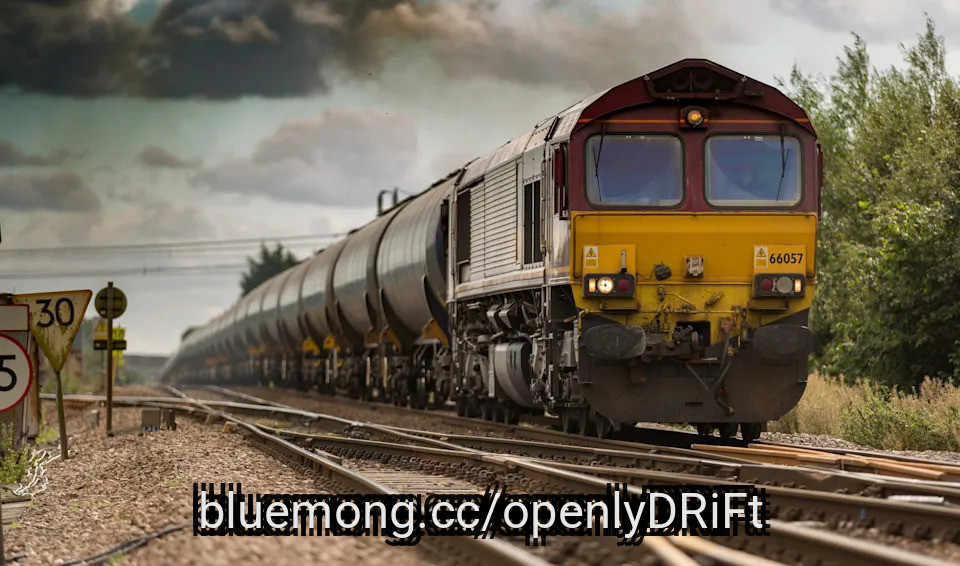
On July 23, both Union Pacific Corporation (NYSE:UNP) and Norfolk Southern Corporation (NYSE:NSC) delivered their Q2 results, giving investors better insight into which railroad stock is the better play. While both companies reported strong results, NSC's investment case is now tied to the possible acquisition. Investors must weigh UNP's standalone growth potential against NSC's risks and upside arising from the merger.
Union Pacific Corporation (NYSE:UNP) delivered an operating revenue of $6.9 billion and an adjusted EPS of $3.41, marking a surprise of 3% and 5%, respectively. Meanwhile, the company reported 6% EPS growth, with operating revenue up 12% YoY. Management sees full-year reported EPS growth in the high single-digit range, raising its 2026 outlook.
The strong results were mainly driven by freight revenue, which grew 12%, due to volume growth, fuel surcharge revenue, solid core pricing, and operational efficiency. The company reports being 10 basis points better on the operating ratio, standing at 59.2%.
ankush-minda-7KKQG0eB_TI-unsplash
A key highlight of the results was the company's intermodal strength, as it delivered its fourth consecutive record quarter in volume and revenue. Thanks to truck capacity and share gains, private ******* et, rail ******* et, and parcel volumes were all up double-digits.
#revenue #corporation #delivered
Union Pacific Corporation (NYSE:UNP) delivered an operating revenue of $6.9 billion and an adjusted EPS of $3.41, marking a surprise of 3% and 5%, respectively. Meanwhile, the company reported 6% EPS growth, with operating revenue up 12% YoY. Management sees full-year reported EPS growth in the high single-digit range, raising its 2026 outlook.
The strong results were mainly driven by freight revenue, which grew 12%, due to volume growth, fuel surcharge revenue, solid core pricing, and operational efficiency. The company reports being 10 basis points better on the operating ratio, standing at 59.2%.
ankush-minda-7KKQG0eB_TI-unsplash
A key highlight of the results was the company's intermodal strength, as it delivered its fourth consecutive record quarter in volume and revenue. Thanks to truck capacity and share gains, private ******* et, rail ******* et, and parcel volumes were all up double-digits.
#revenue #corporation #delivered

1 day ago
Our **** ysts just identified a stock with the potential to be the next Nvidia. Tell us how you invest and we'll show you why it's our #1 pick. Tap here.
Delivered 10% organic constant currency revenue growth, marking the tenth consecutive quarter of high single-digit growth or better.
U.S. Financial Services outperformance was driven by share gains and innovation rather than underlying market volumes, growing at a 9% CAGR excluding mortgage.
Strategic diversification has resulted in over one-third of Financial Services revenue coming from alternative data and non-credit solutions like Trusted Call.
Platform modernization reached a milestone with 60% of U.S. match activity and 30% of online customers now migrated to the OneTru platform.
#cagr
Delivered 10% organic constant currency revenue growth, marking the tenth consecutive quarter of high single-digit growth or better.
U.S. Financial Services outperformance was driven by share gains and innovation rather than underlying market volumes, growing at a 9% CAGR excluding mortgage.
Strategic diversification has resulted in over one-third of Financial Services revenue coming from alternative data and non-credit solutions like Trusted Call.
Platform modernization reached a milestone with 60% of U.S. match activity and 30% of online customers now migrated to the OneTru platform.
#cagr


1 day ago
CMA CGM posted impressive Q2 earnings as it navigated volatile supply chain conditions to substantial increases in container volumes and profit.
The closely-held provider of diversified logistics services based in Marseille today said maritime volumes rose 6% to 6.3 million container units from 5.97 million in 2025. Revenue spiked 22% to $9.96 billion from $8.17 billion, while earnings before interest, taxes, depreciation and amortization (EBITDA) were up 42.4%, to $2.26 billion from $1.59 billion. EBITDA margin improved from 19.4% to 22.7%
"Against a backdrop of continued geopolitical instability, the Group delivered solid results in the second quarter of 2026, driven by the performance of our shipping activities, the growth of our terminals and air cargo businesses, and the complementary strengths of our logistics operations," said Rodolphe Saade, chairman and chief executive, whose family controls CMA CGM. "This performance reflects our strategy of expanding in key markets and investing in strategic **** ets. They once again demonstrate the strength of our model, our agility and our resilience, all in support of delivering reliable, high-quality service to our customers."
The company said that the second quarter of 2026 was "a particularly volatile market environment for the shipping and logistics industry, marked by the multiplication of geopolitical conflicts, particularly in the Middle East, and a high level of macroeconomic uncertainty."
Overall revenue grew 19.2% to $15.69 billion from $13.17 billion as EBITDA improved 31% to $2.99 billion from $2.28 billion and EBITDA margin was up 1.7 points to 19% from 17.3%. Net income was better at $770 million from $520 million.
#ebitda #volumes #Margin
The closely-held provider of diversified logistics services based in Marseille today said maritime volumes rose 6% to 6.3 million container units from 5.97 million in 2025. Revenue spiked 22% to $9.96 billion from $8.17 billion, while earnings before interest, taxes, depreciation and amortization (EBITDA) were up 42.4%, to $2.26 billion from $1.59 billion. EBITDA margin improved from 19.4% to 22.7%
"Against a backdrop of continued geopolitical instability, the Group delivered solid results in the second quarter of 2026, driven by the performance of our shipping activities, the growth of our terminals and air cargo businesses, and the complementary strengths of our logistics operations," said Rodolphe Saade, chairman and chief executive, whose family controls CMA CGM. "This performance reflects our strategy of expanding in key markets and investing in strategic **** ets. They once again demonstrate the strength of our model, our agility and our resilience, all in support of delivering reliable, high-quality service to our customers."
The company said that the second quarter of 2026 was "a particularly volatile market environment for the shipping and logistics industry, marked by the multiplication of geopolitical conflicts, particularly in the Middle East, and a high level of macroeconomic uncertainty."
Overall revenue grew 19.2% to $15.69 billion from $13.17 billion as EBITDA improved 31% to $2.99 billion from $2.28 billion and EBITDA margin was up 1.7 points to 19% from 17.3%. Net income was better at $770 million from $520 million.
#ebitda #volumes #Margin

2 days ago
Less than a month ago, **** ysts were warning of a looming glut of crude oil as tanker traffic via the Strait of Hormuz began to recover amid a U.S.-Iran ceasefire. Within days of these warnings, the ceasefire was a painful memory, missiles were flying again, and now Yemen's Houthis are striking tankers in the Red Sea, which makes two blocked oil chokepoints and a very real danger of a global recession.
Brent crude this week topped $100 per barrel on reports that the Houthis had struck two Saudi tankers in the Bab el-Mandeb Strait, which Saudi Arabia is currently using as the primary outlet for its crude amid the Iranian blockade of the Strait of Hormuz. Soon enough it emerged that tankers that were heading to the Red Sea waterway were making U-turns and heading to alternative routes—which take longer and cost more.
Meanwhile, Ukrainian drone strikes on the Caspian Pipeline System's terminus on the Black Sea have forced Kazakhstan to suspend most of its oil exports. The target of the drone attacks was the Novorossiysk port on Russia's Black Sea coast, which also happens to be the point of departure of the bulk of Kazakh oil exports to world markets. Bloomberg reported this week that tanker operators were getting nervous about sending their vessels to the port of Novorossiysk because Ukrainian drones were also striking ships at the port.
The Strait of Hormuz used to see average daily oil volumes of some 20 million barrels daily. This has now slowed to a trickle. The Red Sea chokepoint of Bab el-Mandeb has been handling between 4 and 5 million barrels daily of Saudi oil in recent weeks, according to different estimates. Now, this too appears to be almost completely blocked. Add to this the loss of 1.7 million barrels daily in Kazakh flows to Novorossiysk, and the global oil supply picture takes on a rather grim tint. Additionally, the Ukrainian forces continue to target Russian refineries, which has already led to a temporary ban on diesel exports at a time when global fuel inventories are getting strained by the first-wave effects of the Middle East war.
In fact, the situation with refined petroleum products is a major crisis in its own right. "Unlike crude oil, refined products face far fewer mitigation options. Several Middle Eastern refineries remain affected by the ongoing conflict while Russia's diesel export restrictions continue to constrain global availability," Ole Hansen, Saxo Bank's head of commodity strategy, said in an **** ysis earlier this month. "Refining capacity globally also remains relatively limited, preventing crude supply increases from quickly translating into additional diesel and gasoline production," he added.
#daily #exports
Brent crude this week topped $100 per barrel on reports that the Houthis had struck two Saudi tankers in the Bab el-Mandeb Strait, which Saudi Arabia is currently using as the primary outlet for its crude amid the Iranian blockade of the Strait of Hormuz. Soon enough it emerged that tankers that were heading to the Red Sea waterway were making U-turns and heading to alternative routes—which take longer and cost more.
Meanwhile, Ukrainian drone strikes on the Caspian Pipeline System's terminus on the Black Sea have forced Kazakhstan to suspend most of its oil exports. The target of the drone attacks was the Novorossiysk port on Russia's Black Sea coast, which also happens to be the point of departure of the bulk of Kazakh oil exports to world markets. Bloomberg reported this week that tanker operators were getting nervous about sending their vessels to the port of Novorossiysk because Ukrainian drones were also striking ships at the port.
The Strait of Hormuz used to see average daily oil volumes of some 20 million barrels daily. This has now slowed to a trickle. The Red Sea chokepoint of Bab el-Mandeb has been handling between 4 and 5 million barrels daily of Saudi oil in recent weeks, according to different estimates. Now, this too appears to be almost completely blocked. Add to this the loss of 1.7 million barrels daily in Kazakh flows to Novorossiysk, and the global oil supply picture takes on a rather grim tint. Additionally, the Ukrainian forces continue to target Russian refineries, which has already led to a temporary ban on diesel exports at a time when global fuel inventories are getting strained by the first-wave effects of the Middle East war.
In fact, the situation with refined petroleum products is a major crisis in its own right. "Unlike crude oil, refined products face far fewer mitigation options. Several Middle Eastern refineries remain affected by the ongoing conflict while Russia's diesel export restrictions continue to constrain global availability," Ole Hansen, Saxo Bank's head of commodity strategy, said in an **** ysis earlier this month. "Refining capacity globally also remains relatively limited, preventing crude supply increases from quickly translating into additional diesel and gasoline production," he added.
#daily #exports


5 days ago
Interested in Norfolk Southern Corporation? Here are five stocks we like better.
Norfolk Southern posted a stronger-than-expected Q2, with adjusted EPS of $3.52, a 65.5% adjusted operating ratio, and 7% growth in both net income and earnings per share. Revenue set records as volumes improved across merchandise, intermodal, and coal.
Executives said volume growth is creating near-term service pressure, but the railroad is already seeing improvement in July. The company is focusing on better originations, lower terminal dwell, faster train velocity, and tactical operating changes to restore network fluidity.
Cost and fuel inflation are pushing up full-year expense guidance, with 2026 operating expenses now expected at $8.8 billion to $8.9 billion, up from the prior range. Norfolk Southern kept capital spending at about $1.9 billion and reiterated at least $150 million in 2026 cost reductions.
This Railroad Stock Is Chugging Along to a New All-Time High
#expected
Norfolk Southern posted a stronger-than-expected Q2, with adjusted EPS of $3.52, a 65.5% adjusted operating ratio, and 7% growth in both net income and earnings per share. Revenue set records as volumes improved across merchandise, intermodal, and coal.
Executives said volume growth is creating near-term service pressure, but the railroad is already seeing improvement in July. The company is focusing on better originations, lower terminal dwell, faster train velocity, and tactical operating changes to restore network fluidity.
Cost and fuel inflation are pushing up full-year expense guidance, with 2026 operating expenses now expected at $8.8 billion to $8.9 billion, up from the prior range. Norfolk Southern kept capital spending at about $1.9 billion and reiterated at least $150 million in 2026 cost reductions.
This Railroad Stock Is Chugging Along to a New All-Time High
#expected

5 days ago
Our ***** ysts just identified a stock with the potential to be the next Nvidia. Tell us how you invest and we'll show you why it's our #1 pick. Tap here.
Achieved record adjusted EBITDA margins of 61%, driven by a 25% increase in copper production and favorable commodity pricing environments.
Maintained three consecutive quarters of stable operations at QB, demonstrating progress in reducing historical operational constraints and improving ***** et utilization.
Successfully managed net cash unit costs despite energy inflation headwinds, supported by higher production volumes and significant byproduct credits from molybdenum, silver, and zinc.
Advanced the Highland Valley Copper mine life extension to 95% engineering completion, securing its role as a cornerstone ***** et through 2046.
#asset #NVIDIA #achieved #successfully
Achieved record adjusted EBITDA margins of 61%, driven by a 25% increase in copper production and favorable commodity pricing environments.
Maintained three consecutive quarters of stable operations at QB, demonstrating progress in reducing historical operational constraints and improving ***** et utilization.
Successfully managed net cash unit costs despite energy inflation headwinds, supported by higher production volumes and significant byproduct credits from molybdenum, silver, and zinc.
Advanced the Highland Valley Copper mine life extension to 95% engineering completion, securing its role as a cornerstone ***** et through 2046.
#asset #NVIDIA #achieved #successfully


5 days ago
Our ******* ysts just identified a stock with the potential to be the next Nvidia. Tell us how you invest and we'll show you why it's our #1 pick. Tap here.
Gross margin expanded 530 basis points to 35.7%, driven by a shift toward high-margin, less cyclical revenue streams including brokerage, finance, insurance, and marina operations.
Management attributed the 7% decline in same-store sales to broader industry softness and lower unit volumes, though the company claims to be outperforming general industry trends.
Boat margins improved for the second consecutive quarter as industry inventory levels began to normalize, reducing the need for aggressive promotional activity.
The premium end of the marine market remains more resilient than value segments, aligning with the company's core product portfolio and customer base.
#NVIDIA #identified
Gross margin expanded 530 basis points to 35.7%, driven by a shift toward high-margin, less cyclical revenue streams including brokerage, finance, insurance, and marina operations.
Management attributed the 7% decline in same-store sales to broader industry softness and lower unit volumes, though the company claims to be outperforming general industry trends.
Boat margins improved for the second consecutive quarter as industry inventory levels began to normalize, reducing the need for aggressive promotional activity.
The premium end of the marine market remains more resilient than value segments, aligning with the company's core product portfolio and customer base.
#NVIDIA #identified


6 days ago
Commodity traders are having the rug pulled out from under one of their biggest paydays yet as refiners start bypassing oil and traders and buying Venezuelan crude directly, according to Reuters. Refiners and major oil-producing firms are rapidly gaining market share in Venezuelan crude by locking in direct supply contracts with state-run Petróleos de Venezuela, S.A. (PDVSA), bypassing the global middlemen and commodity trading houses such as Trafigura and Vitol that previously dominated the ***** e.
Six months after traders reopened Venezuela's oil market, Phillips 66 (NYSE:PSX) and India's Reliance Industries have already signed direct supply agreements, with Valero (NYSE:VLO) and Thailand's Tipco expected to follow.
Previously, Vitol and Trafigura enjoyed first-mover advantage, managing to become dominant in Venezuelan crude marketing because of their exclusive U.S. government licenses, pre-existing logistical infrastructure and historical ties to PDVSA. Following major political shifts in Venezuela in January, the U.S. administration brokered a deal to manage and sell the country's oil. The U.S. Department of the Treasury issued special, long-term licenses specifically to Vitol and Trafigura until June 2027, effectively giving the traders a temporary monopoly. The pair collectively moved more than 100 million barrels of crude over a six-month period while other global firms remained legally locked out.
Their unmatched logistics also gave them a clear upper hand. After all, global trading houses have the fleet capacity and global reach to quickly deploy tankers and reroute large volumes of crude. They could absorb massive storage and shipping costs in a difficult market, using floating storage facilities in places like Malaysia to break up bulk shipments. When the ongoing war in Iran disrupted Middle Eastern supply chains, Vitol and Trafigura quickly diverted heavy Venezuelan grades like Merey 16 to major Asian refining hubs in India, South Korea, and Malaysia at narrower discounts.
Related: Equinor CEO: Europe May Miss Winter Gas Storage Goal
#venezuelan #crude #storage
Six months after traders reopened Venezuela's oil market, Phillips 66 (NYSE:PSX) and India's Reliance Industries have already signed direct supply agreements, with Valero (NYSE:VLO) and Thailand's Tipco expected to follow.
Previously, Vitol and Trafigura enjoyed first-mover advantage, managing to become dominant in Venezuelan crude marketing because of their exclusive U.S. government licenses, pre-existing logistical infrastructure and historical ties to PDVSA. Following major political shifts in Venezuela in January, the U.S. administration brokered a deal to manage and sell the country's oil. The U.S. Department of the Treasury issued special, long-term licenses specifically to Vitol and Trafigura until June 2027, effectively giving the traders a temporary monopoly. The pair collectively moved more than 100 million barrels of crude over a six-month period while other global firms remained legally locked out.
Their unmatched logistics also gave them a clear upper hand. After all, global trading houses have the fleet capacity and global reach to quickly deploy tankers and reroute large volumes of crude. They could absorb massive storage and shipping costs in a difficult market, using floating storage facilities in places like Malaysia to break up bulk shipments. When the ongoing war in Iran disrupted Middle Eastern supply chains, Vitol and Trafigura quickly diverted heavy Venezuelan grades like Merey 16 to major Asian refining hubs in India, South Korea, and Malaysia at narrower discounts.
Related: Equinor CEO: Europe May Miss Winter Gas Storage Goal
#venezuelan #crude #storage

6 days ago
Giverny Capital ******* et Management, LLC, an investment management company, recently published its second-quarter 2026 investor letter. A copy of the letter can be downloaded here. The model portfolio returned 13.70% this quarter, compared to the S&P 500's 15.20% return. YTD, the portfolio gained 5.89%, while the index increased by 10.21%. The long-term link between stock appreciation and earnings growth is strong; Benjamin Graham described the market as a "voting machine" in the short term and a "weighing machine" in the long term. Despite the S&P 500's 10.2% rise in the first half of the year, 210 stocks lost value, indicating market anomalies. High-quality earnings compounders that benefit from AI capabilities are likely to maintain their competitive edge. Recently, the market has increasingly chased momentum. Tech giants are taking advantage of the optimism of investors amid fears of an AI bubble. Despite strong profit margins, reliance on "moonshot" investments raises sustainability concerns. The author recommends investing in both emerging tech leaders and established firms. In addition, please check the Strategy's top five holdings to know its best picks in 2026.
In its Q2 2026 investor letter, Giverny Capital ******* et Management highlighted Installed Building Products, Inc. (NYSE:IBP). Installed Building Products, Inc. (NYSE:IBP) is a construction company that engages in the installation of insulation for residential and commercial builders. On July 21, 2026, Installed Building Products, Inc. (NYSE:IBP) closed at $222.09 per share. One-month return of Installed Building Products, Inc. (NYSE:IBP) was -0.54%, and its shares gained 6.77% over the past 52 weeks. Installed Building Products, Inc. (NYSE:IBP) has a market capitalization of $5.98 billion.
Giverny Capital ******* et Management stated the following regarding Installed Building Products, Inc. (NYSE:IBP) in its Q2 2026 investor update:
"This push and pull between greed and fear creates itchy trigger fingers. Installed Building Products, Inc. (NYSE:IBP), reported mildly disappointing earnings and lost 28% of its value. IBP's primary business is installing fiberglass insulation into new home construction, and it has a large presence in the Northeast. Home construction overall is sluggish, and the Northeast had its harshest winter in years, making construction delays common. IBP's weaker volumes were not surprising, but the stock cratered. We expect IBP's shrewd management will respond to the lower valuation by buying back stock."
#building #management #construction
In its Q2 2026 investor letter, Giverny Capital ******* et Management highlighted Installed Building Products, Inc. (NYSE:IBP). Installed Building Products, Inc. (NYSE:IBP) is a construction company that engages in the installation of insulation for residential and commercial builders. On July 21, 2026, Installed Building Products, Inc. (NYSE:IBP) closed at $222.09 per share. One-month return of Installed Building Products, Inc. (NYSE:IBP) was -0.54%, and its shares gained 6.77% over the past 52 weeks. Installed Building Products, Inc. (NYSE:IBP) has a market capitalization of $5.98 billion.
Giverny Capital ******* et Management stated the following regarding Installed Building Products, Inc. (NYSE:IBP) in its Q2 2026 investor update:
"This push and pull between greed and fear creates itchy trigger fingers. Installed Building Products, Inc. (NYSE:IBP), reported mildly disappointing earnings and lost 28% of its value. IBP's primary business is installing fiberglass insulation into new home construction, and it has a large presence in the Northeast. Home construction overall is sluggish, and the Northeast had its harshest winter in years, making construction delays common. IBP's weaker volumes were not surprising, but the stock cratered. We expect IBP's shrewd management will respond to the lower valuation by buying back stock."
#building #management #construction


6 days ago
Italy's wine producers continue to struggle in export markets, with sales down again in the first four months of the year.
Citing data from government agency ISTAT, trade **** ociation Unione Italiana Vini (UIV) said sales fell 6.8% year on year to €2.34bn ($2.66bn) up to the end of April. Volumes slid 3.7% to 641 million litres.
"These results confirm the difficulties of the wine market and its trade, which is contracting across all producing countries," UIV president Lamberto Frescobaldi said. "An increased presence in emerging and export markets, along with reduced production, are the two directions that Italian wine must pursue."
The latest data underlines how the start of 2026 has offered Italy's wine exporters little respite after a year of declining sales. In 2025, export sales fell 3.7% to €7.78bn on the back of a 1.9% decrease in volumes, hit in the main by US tariffs.
According to the UIV's latest **** ysis of the export data, sales to the US did rise in April, growing 1.6%, although sales over the first four months as a whole were down more than 15%.
#export #april #volumes #first
Citing data from government agency ISTAT, trade **** ociation Unione Italiana Vini (UIV) said sales fell 6.8% year on year to €2.34bn ($2.66bn) up to the end of April. Volumes slid 3.7% to 641 million litres.
"These results confirm the difficulties of the wine market and its trade, which is contracting across all producing countries," UIV president Lamberto Frescobaldi said. "An increased presence in emerging and export markets, along with reduced production, are the two directions that Italian wine must pursue."
The latest data underlines how the start of 2026 has offered Italy's wine exporters little respite after a year of declining sales. In 2025, export sales fell 3.7% to €7.78bn on the back of a 1.9% decrease in volumes, hit in the main by US tariffs.
According to the UIV's latest **** ysis of the export data, sales to the US did rise in April, growing 1.6%, although sales over the first four months as a whole were down more than 15%.
#export #april #volumes #first


6 days ago
MNST develops, markets, distributes, and sells 11 different brands of drinks and concentrates, including its namesake Monster Energy brand. MNST's first-quarter fiscal 2026 report showed quarterly net sales of $2.35 billion (a 26.9% rise), double-digit growth in all regions, net income per diluted share of $0.58 (a 27.6% rise), as well as returning $100 million to shareholders through repurchases. The company reports again on July 30.
It's no wonder MNST shares are up 23% so far this year – and they could rise more. MoneyFlows data shows how Big Money investors are again betting heavily on the stock
Institutional volumes reveal plenty. Over the last year, MNST has enjoyed strong investor demand, which we believe to be institutional support.
Each green bar signals unusually large volumes in MNST shares. They reflect our proprietary inflow signal, pushing the stock higher:
Plenty of staples names are under accumulation right now. But there's a powerful fundamental story happening with Monster Beverage.
#rise #monster
It's no wonder MNST shares are up 23% so far this year – and they could rise more. MoneyFlows data shows how Big Money investors are again betting heavily on the stock
Institutional volumes reveal plenty. Over the last year, MNST has enjoyed strong investor demand, which we believe to be institutional support.
Each green bar signals unusually large volumes in MNST shares. They reflect our proprietary inflow signal, pushing the stock higher:
Plenty of staples names are under accumulation right now. But there's a powerful fundamental story happening with Monster Beverage.
#rise #monster


6 days ago
China produced a record amount of crude oil last year, at 216 million tons, with natural gas production also rising substantially, the National Energy Administration reported today.
Together, the oil and gas output of China in terms of oil equivalent rose to 420 million tons—a record high. Natural gas alone rose by 10 billion cubic meters last year. The annual growth rate was unchanged for the ninth year in a row, the NEA said.
Chinese oil and gas companies also boosted their reserves, with new recoverable oil and gas volumes at 1.32 billion tons of oil equivalent, the report also revealed. This was a 5.6% increase on the year. Of that total, newly discovered conventional oil and gas accounted for 1.29 billion tons, while unconventional oil and gas accounted for 30 million tons.
China has been putting a lot of effort into reducing its dependence on imported energy, and the war between the United States and Iran has helped—as has the government's strategy of filling up storage with discount Russian and Iranian crude over the last two years. This gave China a supply cushion of an estimated 1 billion barrels that it tapped into when the war prompted a surge in international oil prices.
Higher domestic production has also helped but to a lesser extent—China is still nowhere near any meaningful self-reliance in energy commodities as demand rises much faster than local production of oil and gas.
#production #natural #record
Together, the oil and gas output of China in terms of oil equivalent rose to 420 million tons—a record high. Natural gas alone rose by 10 billion cubic meters last year. The annual growth rate was unchanged for the ninth year in a row, the NEA said.
Chinese oil and gas companies also boosted their reserves, with new recoverable oil and gas volumes at 1.32 billion tons of oil equivalent, the report also revealed. This was a 5.6% increase on the year. Of that total, newly discovered conventional oil and gas accounted for 1.29 billion tons, while unconventional oil and gas accounted for 30 million tons.
China has been putting a lot of effort into reducing its dependence on imported energy, and the war between the United States and Iran has helped—as has the government's strategy of filling up storage with discount Russian and Iranian crude over the last two years. This gave China a supply cushion of an estimated 1 billion barrels that it tapped into when the war prompted a surge in international oil prices.
Higher domestic production has also helped but to a lesser extent—China is still nowhere near any meaningful self-reliance in energy commodities as demand rises much faster than local production of oil and gas.
#production #natural #record


7 days ago
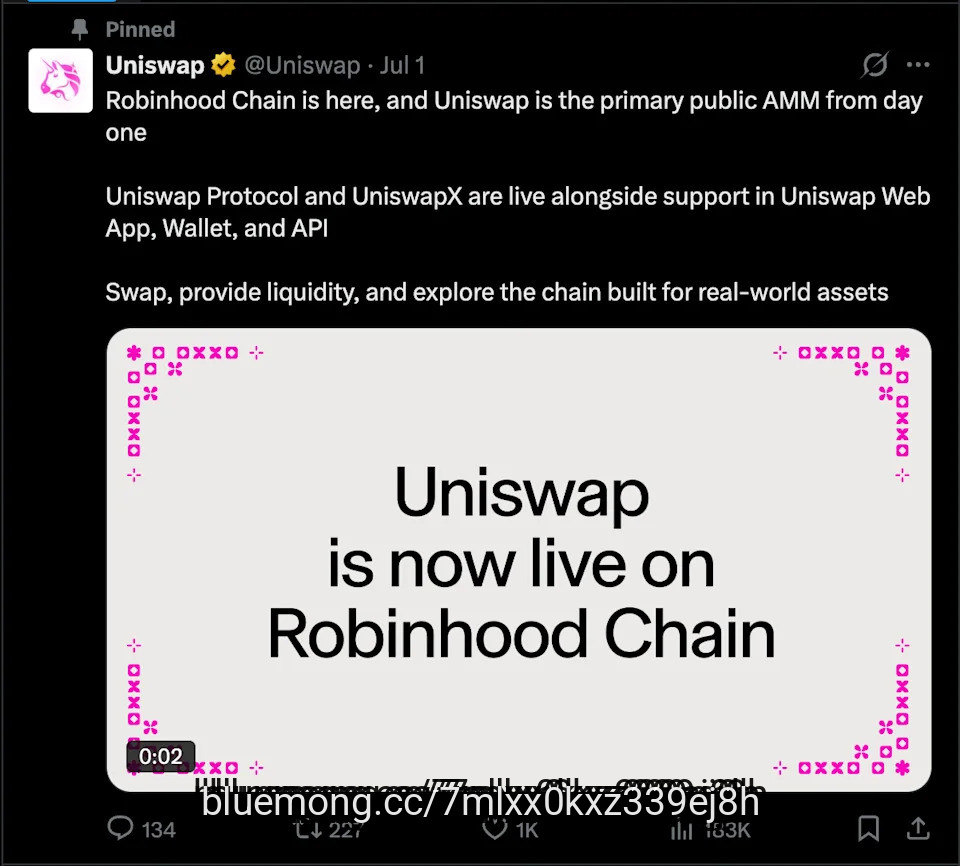
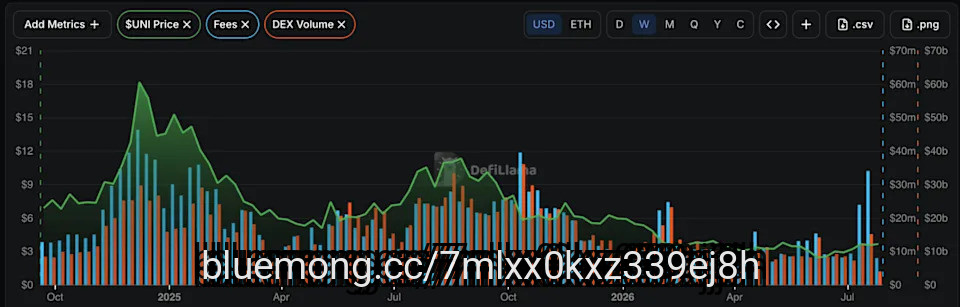
Uniswap (UNI) has gone up by nearly 23% in the past 30 days, outpacing all of the tokens with a higher market cap during this period following the launch of the Robinhood Chain.
Meanwhile, in the past 24 hours alone, the token has jumped by 7% to $3.68, as trading volumes experienced a strong 66% boost.
At $190 million, daily volumes currently account for over 8% of the **** et's circulating market cap, indicating that buying pressure continues to be strong as the token approaches a key resistance area.
On July 1, Robinhood, the popular U.S.-based zero-commission trading platform, launched its very own blockchain to support its tokenized stocks.
Uniswap is the decentralized alternative that users can rely on to buy these stocks on the Robinhood Chain. These **** ets are available 24/7 and can be bought as any other cryptocurrency by using this popular DEX.
#robinhood #market #strong
Meanwhile, in the past 24 hours alone, the token has jumped by 7% to $3.68, as trading volumes experienced a strong 66% boost.
At $190 million, daily volumes currently account for over 8% of the **** et's circulating market cap, indicating that buying pressure continues to be strong as the token approaches a key resistance area.
On July 1, Robinhood, the popular U.S.-based zero-commission trading platform, launched its very own blockchain to support its tokenized stocks.
Uniswap is the decentralized alternative that users can rely on to buy these stocks on the Robinhood Chain. These **** ets are available 24/7 and can be bought as any other cryptocurrency by using this popular DEX.
#robinhood #market #strong


7 days ago
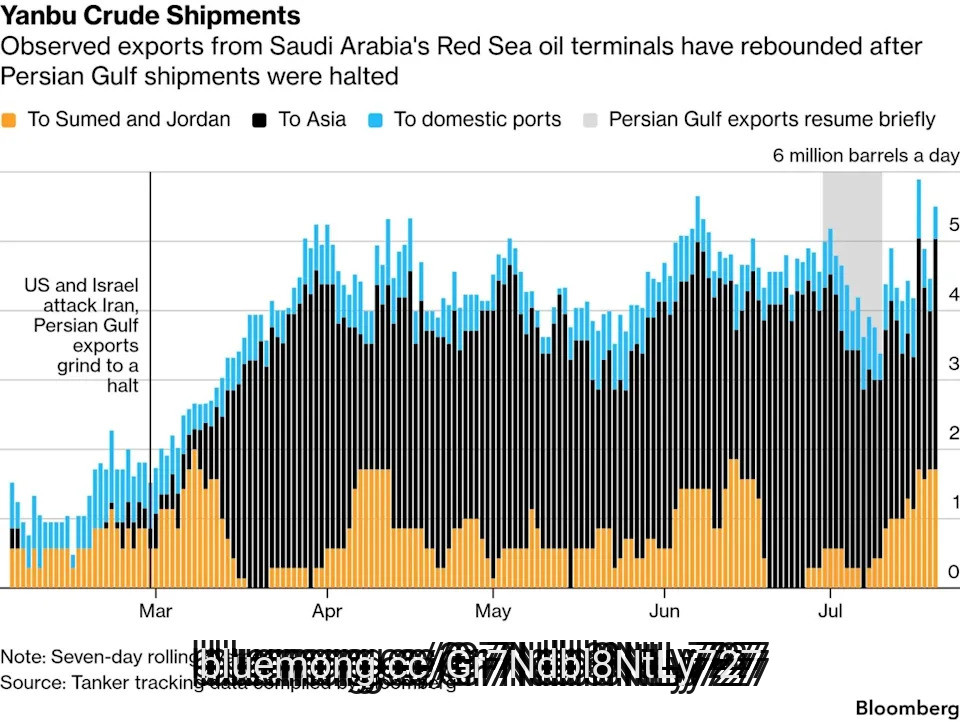
Houthi attacks are expanding the Middle East conflict into the Red Sea, forcing tankers to reroute and pushing Brent above $91 amid growing fears of prolonged supply disruptions.
Aramco Floods the Red Sea With Crude Ahead of Houthi Escalation
- Perhaps foreshadowing an escalation in the Persian Gulf, Saudi Arabia's national oil company Saudi Aramco shipped record volumes of crude from its Red Sea port of Yanbu over the past four weeks.
- Yemen's Houthi rebels have sent an email to most global shipping companies, warning against loading any cargo in Saudi ports and threatening with strikes in case they come within operational reach.
- Following the closure of the Strait of Hormuz, Saudi Arabia has been relying on the 7 million b/d East-West pipeline to evacuate its production from its eastern regions towards oil markets.
- Of this, only 4-4.5 million b/d due to port limitations in Yanbu, the endpoint of the East-West pipeline and a key infrastructure chokepoint, with an additional 1.5-2 million b/d shipped to Aramco refineries along the Red Sea coast.
#west #escalation
Aramco Floods the Red Sea With Crude Ahead of Houthi Escalation
- Perhaps foreshadowing an escalation in the Persian Gulf, Saudi Arabia's national oil company Saudi Aramco shipped record volumes of crude from its Red Sea port of Yanbu over the past four weeks.
- Yemen's Houthi rebels have sent an email to most global shipping companies, warning against loading any cargo in Saudi ports and threatening with strikes in case they come within operational reach.
- Following the closure of the Strait of Hormuz, Saudi Arabia has been relying on the 7 million b/d East-West pipeline to evacuate its production from its eastern regions towards oil markets.
- Of this, only 4-4.5 million b/d due to port limitations in Yanbu, the endpoint of the East-West pipeline and a key infrastructure chokepoint, with an additional 1.5-2 million b/d shipped to Aramco refineries along the Red Sea coast.
#west #escalation

7 days ago
The new recurring crude oil marketing agreements increase marketed volumes and expand Vivakor's commercial footprint across key U.S. trading hubs.
Vivakor (NASDAQ:VIVK) signed four recurring crude oil purchase and sale agreements with two commercial counterparties.
The Vivakor crude oil marketing expansion adds approximately 3.6 million barrels of annual marketed volume.
Annualized commercial activity from the new transactions is estimated at approximately $289.2 million, bringing Vivakor's recurring commercial programs to roughly $709 million.
The agreements expand the company's presence in the Cushing and Midland crude oil markets while strengthening commercial relationships.
#crude
Vivakor (NASDAQ:VIVK) signed four recurring crude oil purchase and sale agreements with two commercial counterparties.
The Vivakor crude oil marketing expansion adds approximately 3.6 million barrels of annual marketed volume.
Annualized commercial activity from the new transactions is estimated at approximately $289.2 million, bringing Vivakor's recurring commercial programs to roughly $709 million.
The agreements expand the company's presence in the Cushing and Midland crude oil markets while strengthening commercial relationships.
#crude


7 days ago
Fred Alger Management, an investment management company, released its "Alger Small Cap Focus Fund" second-quarter 2026 investor letter. A copy of the letter can be downloaded here. U.S. equities experienced a strong recovery in Q2 2026, with the S&P 500 Index gaining 15.2%, marking its best quarter since 2020. A ceasefire between the United States and Iran and accelerated investment in artificial intelligence (AI) fueled market optimism in the quarter, driving the Information Technology and Industrials sectors forward while Energy and Utilities lagged due to falling oil and gas prices. In June, the Federal Reserve maintained steady interest rates, but the meeting had a hawkish tone. As AI transitions into its agentic phase, opportunities are identified within sectors adopting the technology. The Alger Small Cap Focus Fund's Class A shares outperformed the Russell 2000 Growth Index in the quarter, driven by strong performances in the Industrials and Health Care sectors, while Financials and Consumer Discretionary detracted from the performance. In addition, please check the Fund's top five holdings to know its best picks in 2026.
In its Q2 2026 investor letter, Alger Small Cap Focus Fund highlighted GeneDx Holdings Corp. (NASDAQ:WGS). GeneDx Holdings Corp. (NASDAQ:WGS) is a genomics company that offers advanced exome and genome sequencing for pediatric and rare disease diagnostics. On July 20, 2026, GeneDx Holdings Corp. (NASDAQ:WGS) closed at $60.65 per share, reflecting a market capitalization of $1.80 billion. GeneDx Holdings Corp. (NASDAQ:WGS) posted a one-month return of 4.42%, while its shares lost 25.03% over the past 52 weeks.
Alger Small Cap Focus Fund stated the following regarding GeneDx Holdings Corp. (NASDAQ:WGS) in its Q2 2026 investor update:
"GeneDx Holdings Corp. (NASDAQ:WGS) is a specialty genomics laboratory focused on delivering complex genetic tests, including whole exome and genome sequencing, to diagnose pediatric rare diseases. The company possesses a comprehensive and proprietary database of genetic data that enables it to deliver superior diagnostic yields relative to competitors and alternative testing modalities, creating a meaningful competitive advantage in a highly specialized market. Shares detracted from performance after first-quarter results missed revenue expectations on softer average reimbursement rates and weakness in non-core segments. While underlying exome and genome test volumes grew 33% year over year, management lowered full-year guidance, weighing on investor sentiment."
#NASDAQ #small #focus #fund
In its Q2 2026 investor letter, Alger Small Cap Focus Fund highlighted GeneDx Holdings Corp. (NASDAQ:WGS). GeneDx Holdings Corp. (NASDAQ:WGS) is a genomics company that offers advanced exome and genome sequencing for pediatric and rare disease diagnostics. On July 20, 2026, GeneDx Holdings Corp. (NASDAQ:WGS) closed at $60.65 per share, reflecting a market capitalization of $1.80 billion. GeneDx Holdings Corp. (NASDAQ:WGS) posted a one-month return of 4.42%, while its shares lost 25.03% over the past 52 weeks.
Alger Small Cap Focus Fund stated the following regarding GeneDx Holdings Corp. (NASDAQ:WGS) in its Q2 2026 investor update:
"GeneDx Holdings Corp. (NASDAQ:WGS) is a specialty genomics laboratory focused on delivering complex genetic tests, including whole exome and genome sequencing, to diagnose pediatric rare diseases. The company possesses a comprehensive and proprietary database of genetic data that enables it to deliver superior diagnostic yields relative to competitors and alternative testing modalities, creating a meaningful competitive advantage in a highly specialized market. Shares detracted from performance after first-quarter results missed revenue expectations on softer average reimbursement rates and weakness in non-core segments. While underlying exome and genome test volumes grew 33% year over year, management lowered full-year guidance, weighing on investor sentiment."
#NASDAQ #small #focus #fund


7 days ago
Valmont Industries (NYSE:VMI) reported better-than-expected second-quarter results on Tuesday, beating Wall Street forecasts for both earnings and revenue as strong demand across its infrastructure operations supported growth.
Shares edged 0.76% higher in pre-market trading following the announcement.
Adjusted earnings came in at $6.14 per share, exceeding the **** yst consensus estimate of $5.80. Revenue increased 6.5% year over year to $1.12 billion, ahead of expectations of $1.09 billion.
The Infrastructure segment remained the company's largest growth driver, with revenue climbing 14.8% to $878.9 million, accounting for nearly four-fifths of total sales.
Within the segment, North America Utility revenue jumped 33.9%, while North America Coatings posted growth of 16.6%, supported by higher volumes and favourable pricing.
#higher
Shares edged 0.76% higher in pre-market trading following the announcement.
Adjusted earnings came in at $6.14 per share, exceeding the **** yst consensus estimate of $5.80. Revenue increased 6.5% year over year to $1.12 billion, ahead of expectations of $1.09 billion.
The Infrastructure segment remained the company's largest growth driver, with revenue climbing 14.8% to $878.9 million, accounting for nearly four-fifths of total sales.
Within the segment, North America Utility revenue jumped 33.9%, while North America Coatings posted growth of 16.6%, supported by higher volumes and favourable pricing.
#higher

8 days ago
Giverny Capital ****** et Management, LLC, an investment management company, recently published its second-quarter 2026 investor letter. A copy of the letter can be downloaded here. The model portfolio returned 13.70% this quarter, compared to the S&P 500's 15.20% return. YTD, the portfolio gained 5.89%, while the index increased by 10.21%. The long-term link between stock appreciation and earnings growth is strong; Benjamin Graham described the market as a "voting machine" in the short term and a "weighing machine" in the long term. Despite the S&P 500's 10.2% rise in the first half of the year, 210 stocks lost value, indicating market anomalies. High-quality earnings compounders that benefit from AI capabilities are likely to maintain their competitive edge. Recently, the market has increasingly chased momentum. Tech giants are taking advantage of the optimism of investors amid fears of an AI bubble. Despite strong profit margins, reliance on "moonshot" investments raises sustainability concerns. The author recommends investing in both emerging tech leaders and established firms. In addition, please check the Strategy's top five holdings to know its best picks in 2026.
In its Q2 2026 investor letter, Giverny Capital ****** et Management highlighted Installed Building Products, Inc. (NYSE:IBP). Installed Building Products, Inc. (NYSE:IBP) is a construction company that engages in the installation of insulation for residential and commercial builders. On July 21, 2026, Installed Building Products, Inc. (NYSE:IBP) closed at $222.09 per share. One-month return of Installed Building Products, Inc. (NYSE:IBP) was -0.54%, and its shares gained 6.77% over the past 52 weeks. Installed Building Products, Inc. (NYSE:IBP) has a market capitalization of $5.98 billion.
Giverny Capital ****** et Management stated the following regarding Installed Building Products, Inc. (NYSE:IBP) in its Q2 2026 investor update:
"This push and pull between greed and fear creates itchy trigger fingers. Installed Building Products, Inc. (NYSE:IBP), reported mildly disappointing earnings and lost 28% of its value. IBP's primary business is installing fiberglass insulation into new home construction, and it has a large presence in the Northeast. Home construction overall is sluggish, and the Northeast had its harshest winter in years, making construction delays common. IBP's weaker volumes were not surprising, but the stock cratered. We expect IBP's shrewd management will respond to the lower valuation by buying back stock."
#building #NYSE #management #asset
In its Q2 2026 investor letter, Giverny Capital ****** et Management highlighted Installed Building Products, Inc. (NYSE:IBP). Installed Building Products, Inc. (NYSE:IBP) is a construction company that engages in the installation of insulation for residential and commercial builders. On July 21, 2026, Installed Building Products, Inc. (NYSE:IBP) closed at $222.09 per share. One-month return of Installed Building Products, Inc. (NYSE:IBP) was -0.54%, and its shares gained 6.77% over the past 52 weeks. Installed Building Products, Inc. (NYSE:IBP) has a market capitalization of $5.98 billion.
Giverny Capital ****** et Management stated the following regarding Installed Building Products, Inc. (NYSE:IBP) in its Q2 2026 investor update:
"This push and pull between greed and fear creates itchy trigger fingers. Installed Building Products, Inc. (NYSE:IBP), reported mildly disappointing earnings and lost 28% of its value. IBP's primary business is installing fiberglass insulation into new home construction, and it has a large presence in the Northeast. Home construction overall is sluggish, and the Northeast had its harshest winter in years, making construction delays common. IBP's weaker volumes were not surprising, but the stock cratered. We expect IBP's shrewd management will respond to the lower valuation by buying back stock."
#building #NYSE #management #asset


12 days ago
Interested in Wise plc? Here are five stocks we like better.
Wise delivered strong Q1 growth with active customers up 21% to nearly 12 million, cross-border volume up 26% to $69 billion, and customer balances up 31% to $31 billion. Net revenue rose 25% year over year to GBP 714 million.
Revenue diversification is increasing as card and other revenue jumped 38% and interest income rose 15%, with 51% of net revenue now coming from non-cross-border activities. Wise also noted strong business customer and Platform business momentum.
The company reiterated full-year guidance and plans to keep lowering prices, expecting constant-currency net revenue growth in the middle of a 15% to 20% range and margins near the high end of 20% to 25%. Management said pricing investments will weigh on results later in the year but are central to Wise's long-term strategy.
Wise (LON:WISE) reported continued growth in customers, cross-border volumes and customer balances in the first quarter of fiscal 2027, while reiterating its full-year guidance and plans to keep reducing prices for customers.
Wise delivered strong Q1 growth with active customers up 21% to nearly 12 million, cross-border volume up 26% to $69 billion, and customer balances up 31% to $31 billion. Net revenue rose 25% year over year to GBP 714 million.
Revenue diversification is increasing as card and other revenue jumped 38% and interest income rose 15%, with 51% of net revenue now coming from non-cross-border activities. Wise also noted strong business customer and Platform business momentum.
The company reiterated full-year guidance and plans to keep lowering prices, expecting constant-currency net revenue growth in the middle of a 15% to 20% range and margins near the high end of 20% to 25%. Management said pricing investments will weigh on results later in the year but are central to Wise's long-term strategy.
Wise (LON:WISE) reported continued growth in customers, cross-border volumes and customer balances in the first quarter of fiscal 2027, while reiterating its full-year guidance and plans to keep reducing prices for customers.

12 days ago
The oil market may soon run out of the supply and demand cushions that have kept prices from soaring to record highs during the huge loss of flows through the Strait of Hormuz.
The window provided by the U.S.-Iran memorandum of understanding, during which Middle Eastern producers rushed the crude amassed in the Gulf in the previous four months out of the region, abruptly shut down with the renewed hostilities and all-but-dead ceasefire.
Inventories of crude and fuels in key markets, including the United States, are running dangerously low with no buffers left, while most of the oil from the world's biggest-ever coordinated stocks release has already reached refiners.
Last but not least, China may soon end its absence from crude purchases and the decade-low crude oil import volumes from the past weeks, removing the single biggest demand buffer that capped oil price gains in March-June.
The Return of China?
The window provided by the U.S.-Iran memorandum of understanding, during which Middle Eastern producers rushed the crude amassed in the Gulf in the previous four months out of the region, abruptly shut down with the renewed hostilities and all-but-dead ceasefire.
Inventories of crude and fuels in key markets, including the United States, are running dangerously low with no buffers left, while most of the oil from the world's biggest-ever coordinated stocks release has already reached refiners.
Last but not least, China may soon end its absence from crude purchases and the decade-low crude oil import volumes from the past weeks, removing the single biggest demand buffer that capped oil price gains in March-June.
The Return of China?


13 days ago
Sagimet Biosciences Inc. (NASDAQ:SGMT) is one of the 10 best stocks under $10 that could triple.
On June 29, Sagimet Biosciences Inc. (NASDAQ:SGMT) announced that it had been included in the broader Russell 3000 Index and the small-cap focused Russell 2000 Index, as part of the Russell Indexes reconstitution for 2026. The June index reconstitution incorporates about 4,000 of the largest U.S. companies, based on their market capitalization as of the April 30 close.
M. A. Arkhipov/Shutterstock.com
Inclusion in the Russell 3000 Index results in automatic addition to either the Russell 1000 Index or the Russell 2000 Index. It also leads to inclusions across indexes that cover value or growth tilts.
CEO David Happel said this development speaks volumes about what Sagimet has achieved over the years, with people now expecting the company to start its Phase 3 clinical study on denifanstat. He further stated:
On June 29, Sagimet Biosciences Inc. (NASDAQ:SGMT) announced that it had been included in the broader Russell 3000 Index and the small-cap focused Russell 2000 Index, as part of the Russell Indexes reconstitution for 2026. The June index reconstitution incorporates about 4,000 of the largest U.S. companies, based on their market capitalization as of the April 30 close.
M. A. Arkhipov/Shutterstock.com
Inclusion in the Russell 3000 Index results in automatic addition to either the Russell 1000 Index or the Russell 2000 Index. It also leads to inclusions across indexes that cover value or growth tilts.
CEO David Happel said this development speaks volumes about what Sagimet has achieved over the years, with people now expecting the company to start its Phase 3 clinical study on denifanstat. He further stated:

13 days ago
Jensen Huang dismissed delay reports, confirming Vera Rubin is already in production with "giant" volumes as NVDA's Q2 guidance reaches $91 billion.
TSMC June revenue surged 68% year over year and is adding three advanced packaging facilities to relieve the CoWoS bottlenecks constraining Rubin production.
Morgan Stanley raised Vera Rubin rack pricing above Blackwell levels, while 58 ****** ysts back NVDA with a $302 consensus target against a $212 current price.
Don't wait: the ****** yst who called NVIDIA in 2010 just revealed his top 10 AI stocks. See the full list FREE now.
Speaking on the sidelines of a developer event in Tokyo, NVIDIA (NASDAQ:NVDA) CEO Jensen Huang pushed back hard on a research report claiming his next flagship product line was slipping. "Vera Rubin is already in production. Giant amounts of production incoming," Huang told reporters, rejecting delay concerns and dismissing a SemiAnalysis post that suggested a specialized circuit board issue could push the next-generation AI server rack into 2028.
TSMC June revenue surged 68% year over year and is adding three advanced packaging facilities to relieve the CoWoS bottlenecks constraining Rubin production.
Morgan Stanley raised Vera Rubin rack pricing above Blackwell levels, while 58 ****** ysts back NVDA with a $302 consensus target against a $212 current price.
Don't wait: the ****** yst who called NVIDIA in 2010 just revealed his top 10 AI stocks. See the full list FREE now.
Speaking on the sidelines of a developer event in Tokyo, NVIDIA (NASDAQ:NVDA) CEO Jensen Huang pushed back hard on a research report claiming his next flagship product line was slipping. "Vera Rubin is already in production. Giant amounts of production incoming," Huang told reporters, rejecting delay concerns and dismissing a SemiAnalysis post that suggested a specialized circuit board issue could push the next-generation AI server rack into 2028.



13 days ago
Heartland Advisors, an investment management company, released its second-quarter 2026 investor letter for "Heartland Mid Cap Value Fund". A copy can be downloaded here. Mid-cap stocks sharply rose in the second quarter, driven by perceived AI beneficiaries, particularly in Technology. The Fund returned 9.90% in the quarter, compared to the Russell Midcap® Value Index's 13.40% return. The underperformance was driven by negative stock selection despite Tech being one of the top absolute return contributors. In the challenging environment, the Fund remains focused on its disciplined approach to security selection. In addition, you can check the Fund's top 5 holdings to determine its best picks for 2026.
In its Q2 2026 investor letter, Heartland Mid Cap Value Fund highlighted MarketAxess Holdings Inc. (NASDAQ:MKTX). MarketAxess Holdings Inc. (NASDAQ:MKTX) is a leading financial technology company that operates an electronic trading platform. On July 14, 2026, MarketAxess Holdings Inc. (NASDAQ:MKTX) stock closed at $114.87 per share. One-month return of MarketAxess Holdings Inc. (NASDAQ:MKTX) was -4.20%, and its shares lost 46.70% of their value over the last 52 weeks. MarketAxess Holdings Inc. (NASDAQ:MKTX) has a market capitalization of $4.08 billion.
Heartland Mid Cap Value Fund stated the following regarding MarketAxess Holdings Inc. (NASDAQ:MKTX) in its Q2 2026 investor update:
"Financials. While ON was one of the Fund's top contributor last quarter, the biggest detractor to our Strategy's performance was MarketAxess Holdings Inc. (NASDAQ:MKTX), a position we initiated in the first quarter and built in the second quarter. MKTX operates the largest U.S. corporate bond e-trading platform. It sits in a market blind spot —neither championed as an AI winner nor penalized by the AI disruption narrative—offering a high-quality, attractively valued profile with self-help-driven margin expansion potential. However, current macro conditions are a headwind. Heavy primary bond issuance volume, much of it financing the AI boom, alongside tighter credit spreads, has temporarily diverted trading volume away from MKTX's core secondary market.
Why do we remain confident in MKTX? First, the company is exiting a heavy investment cycle that historically pressured margins, setting up strong operating leverage as the pace of spending plateaus and volumes improve. Second, industry trading data indicates market share gains across a key U.S. credit trading protocol where the company investments have been focused. Third, MKTX holds distinct scale advantages in developed international and emerging markets, where electronic trading penetration is still low by comparison to the U.S. Valuation is also highly compelling: the stock trades at 8.8X consensus 2026 Enterprise Value/EBITDA versus a domestic peer median of 14.0X. Despite its superior profit margins and balance sheet, MarketAxess yields over 8% on a FCF/EV basis and is well-positioned for a multi-year profit grow
In its Q2 2026 investor letter, Heartland Mid Cap Value Fund highlighted MarketAxess Holdings Inc. (NASDAQ:MKTX). MarketAxess Holdings Inc. (NASDAQ:MKTX) is a leading financial technology company that operates an electronic trading platform. On July 14, 2026, MarketAxess Holdings Inc. (NASDAQ:MKTX) stock closed at $114.87 per share. One-month return of MarketAxess Holdings Inc. (NASDAQ:MKTX) was -4.20%, and its shares lost 46.70% of their value over the last 52 weeks. MarketAxess Holdings Inc. (NASDAQ:MKTX) has a market capitalization of $4.08 billion.
Heartland Mid Cap Value Fund stated the following regarding MarketAxess Holdings Inc. (NASDAQ:MKTX) in its Q2 2026 investor update:
"Financials. While ON was one of the Fund's top contributor last quarter, the biggest detractor to our Strategy's performance was MarketAxess Holdings Inc. (NASDAQ:MKTX), a position we initiated in the first quarter and built in the second quarter. MKTX operates the largest U.S. corporate bond e-trading platform. It sits in a market blind spot —neither championed as an AI winner nor penalized by the AI disruption narrative—offering a high-quality, attractively valued profile with self-help-driven margin expansion potential. However, current macro conditions are a headwind. Heavy primary bond issuance volume, much of it financing the AI boom, alongside tighter credit spreads, has temporarily diverted trading volume away from MKTX's core secondary market.
Why do we remain confident in MKTX? First, the company is exiting a heavy investment cycle that historically pressured margins, setting up strong operating leverage as the pace of spending plateaus and volumes improve. Second, industry trading data indicates market share gains across a key U.S. credit trading protocol where the company investments have been focused. Third, MKTX holds distinct scale advantages in developed international and emerging markets, where electronic trading penetration is still low by comparison to the U.S. Valuation is also highly compelling: the stock trades at 8.8X consensus 2026 Enterprise Value/EBITDA versus a domestic peer median of 14.0X. Despite its superior profit margins and balance sheet, MarketAxess yields over 8% on a FCF/EV basis and is well-positioned for a multi-year profit grow


13 days ago
Intuitive Surgical, Inc. (NASDAQ:ISRG) is one of the 8 Worst Blue Chip Stocks to Buy Now.
On July 9, 2026, BMO Capital ****** yst Vik Chopra initiated coverage of Intuitive Surgical, Inc. (NASDAQ:ISRG) with an Outperform rating and $518 price target. Chopra said the da Vinci 5 upgrade cycle remains in the early innings, procedure growth is broadening into new specialties and geographies, and the earnings stream is "durable and visible."
On July 6, Evercore ISI lowered the firm's price target on Intuitive Surgical to $430 from $480 and kept an In Line rating on the shares. Evercore ISI said its Q2 preview for MedTech, Life Sciences Tools, and Diagnostics highlights generally healthy procedure volumes and capital expenditure trends across the sector.
Last month, BofA ****** yst Travis Steed lowered the firm's price target on Intuitive Surgical to $515 from $520 and kept a Buy rating on the shares. Steed noted that BofA's services team continues to highlight a lower utilization environment and took a more conservative view on 2027 medtech company estimates, given that valuations already reflect utilization risk. Steed also ****** umed inflation will be more of a headwind in 2027, with less margin expansion for medtech, and lowered 2027 estimates across the firm's larger-cap coverage with exposure to utilization and inflation.
Intuitive Surgical, Inc. (NASDAQ:ISRG) develops, manufactures, and markets products that enable physicians and healthcare providers to enhance the quality of and access to minimally invasive care in the United States and internationally.
On July 9, 2026, BMO Capital ****** yst Vik Chopra initiated coverage of Intuitive Surgical, Inc. (NASDAQ:ISRG) with an Outperform rating and $518 price target. Chopra said the da Vinci 5 upgrade cycle remains in the early innings, procedure growth is broadening into new specialties and geographies, and the earnings stream is "durable and visible."
On July 6, Evercore ISI lowered the firm's price target on Intuitive Surgical to $430 from $480 and kept an In Line rating on the shares. Evercore ISI said its Q2 preview for MedTech, Life Sciences Tools, and Diagnostics highlights generally healthy procedure volumes and capital expenditure trends across the sector.
Last month, BofA ****** yst Travis Steed lowered the firm's price target on Intuitive Surgical to $515 from $520 and kept a Buy rating on the shares. Steed noted that BofA's services team continues to highlight a lower utilization environment and took a more conservative view on 2027 medtech company estimates, given that valuations already reflect utilization risk. Steed also ****** umed inflation will be more of a headwind in 2027, with less margin expansion for medtech, and lowered 2027 estimates across the firm's larger-cap coverage with exposure to utilization and inflation.
Intuitive Surgical, Inc. (NASDAQ:ISRG) develops, manufactures, and markets products that enable physicians and healthcare providers to enhance the quality of and access to minimally invasive care in the United States and internationally.


13 days ago
Conagra Brands (NYSE:CAG) shares fell 3.2% in premarket trading after the packaged food company issued a weaker-than-expected earnings outlook for fiscal 2027, overshadowing fourth-quarter results that narrowly exceeded Wall Street forecasts.
For the quarter ended 31 May 2026, Conagra reported adjusted earnings per share of 0.47 dollars, slightly above ****** ysts' consensus estimate of 0.46 dollars.
Revenue increased 3.6% year on year to 2.9 billion dollars, marginally ahead of the expected 2.89 billion dollars.
Organic net sales were broadly unchanged, as a 1.6% improvement from pricing and product mix was offset by a 1.6% decline in sales volumes.
Investor sentiment weakened after Conagra forecast adjusted earnings per share of between 1.40 and 1.50 dollars for fiscal 2027.
For the quarter ended 31 May 2026, Conagra reported adjusted earnings per share of 0.47 dollars, slightly above ****** ysts' consensus estimate of 0.46 dollars.
Revenue increased 3.6% year on year to 2.9 billion dollars, marginally ahead of the expected 2.89 billion dollars.
Organic net sales were broadly unchanged, as a 1.6% improvement from pricing and product mix was offset by a 1.6% decline in sales volumes.
Investor sentiment weakened after Conagra forecast adjusted earnings per share of between 1.40 and 1.50 dollars for fiscal 2027.

14 days ago
Orient Overseas Container Line experienced a significant turnaround during the second quarter of 2026, marking a shift from the softer market conditions observed in the first quarter to a much healthier operating environment by the end of June.
The Hong Kong-based liner reported revenue for the quarter rose 19.8% year over year to $2.537 billion, up from $2.118 billion in the same period of 2025.
Growth was driven by improvements across volumes, utilization, and pricing. Total liftings increased by 8.8% to 2.135 million twenty foot equivalent units (TEUs), supported by a 6.3% rise in loadable capacity and a 1.9 percentage point improvement in the overall load factor.
Average liner revenue per TEU grew by 10.1%, on firmer market conditions on major east-west trades rather than just increased volume.
The performance varied across trade lanes, with the trans-Pacific route serving as a primary driver of upside. Volume jumped by 21.5% to 608,979 TEUs, while revenue climbed 29.3% to $973.7 million.
The Hong Kong-based liner reported revenue for the quarter rose 19.8% year over year to $2.537 billion, up from $2.118 billion in the same period of 2025.
Growth was driven by improvements across volumes, utilization, and pricing. Total liftings increased by 8.8% to 2.135 million twenty foot equivalent units (TEUs), supported by a 6.3% rise in loadable capacity and a 1.9 percentage point improvement in the overall load factor.
Average liner revenue per TEU grew by 10.1%, on firmer market conditions on major east-west trades rather than just increased volume.
The performance varied across trade lanes, with the trans-Pacific route serving as a primary driver of upside. Volume jumped by 21.5% to 608,979 TEUs, while revenue climbed 29.3% to $973.7 million.
14 days ago
J.B. Hunt Transport Services is seeing heightened interest for its intermodal and dedicated services, given a steady exodus of non-compliant drivers and following the Supreme Court's ruling widening liability exposure for brokers. The changing landscape is forcing shippers to seek "safe, secure and reliable capacity," the company said Wednesday in conjunction with its second-quarter report, which was significantly better than ***** ysts expected.
The Lowell, Arkansas-based company's second quarter marked a record for intermodal volumes. It reported a 10% year-over-year increase in loads, outpacing 8% y/y growth in total intermodal carloads on the U.S. Class I railroads. (North American containers were up 5% y/y).
"[Intermodal] conversion activity is at levels we have not seen in more than a decade," said Darren Field, president of intermodal, on a Wednesday evening conference call with ***** ysts.
The company's dedicated truckload pipeline ended the period at an all-time high.
J.B. Hunt's (NASDAQ: JBHT) operating leverage was again evident in the period. It grew operating income 32% y/y to $259 million on a 19% increase in revenue. The company has removed $135 million in structural costs over the past year through AI-led and other automation initiatives.
The Lowell, Arkansas-based company's second quarter marked a record for intermodal volumes. It reported a 10% year-over-year increase in loads, outpacing 8% y/y growth in total intermodal carloads on the U.S. Class I railroads. (North American containers were up 5% y/y).
"[Intermodal] conversion activity is at levels we have not seen in more than a decade," said Darren Field, president of intermodal, on a Wednesday evening conference call with ***** ysts.
The company's dedicated truckload pipeline ended the period at an all-time high.
J.B. Hunt's (NASDAQ: JBHT) operating leverage was again evident in the period. It grew operating income 32% y/y to $259 million on a 19% increase in revenue. The company has removed $135 million in structural costs over the past year through AI-led and other automation initiatives.


14 days ago
Bitmine Immersion climbed by 11.50 percent on Tuesday to finish at $16.29 apiece after expanding its Ethereum treasury to $10.5 billion, solidifying its stance as the largest holder of the said token in the world.
In a statement on the same day, Bitmine Immersion Technologies Inc. (NYSE:BMNR) said that it boosted its Ethereum holdings to 5.77 million units following the acquisition of 27,801 Ethereum tokens last week.
Ultimately, the acquisition further advances its strategy of positioning itself as a publicly traded vehicle for investors seeking exposure to Ethereum.
Bitmine Immersion Technologies Inc. (NYSE:BMNR) also pointed to the growing adoption of ETH as having boosted its confidence and ownership of the latter following the launch of Robinhood Chain—a Layer 2 network built on Arbitrum that focuses on tokenized real-world ******* ets.
"One of the biggest crypto success stories in 2026 is the breakaway success of the Robinhood Chain L2 mainnet on July 1, built on Arbitrum. Already, dollar volumes have exceeded $1 billion, and Robinhood Chain now has more trading volume than any other decentralized exchange (DEX), demonstrating the outstanding utility and product market fit for Ethereum, which is the underlying chain," said Bitmine Immersion Technologies Inc. (NYSE:BMNR) Chairman Thomas Lee.
In a statement on the same day, Bitmine Immersion Technologies Inc. (NYSE:BMNR) said that it boosted its Ethereum holdings to 5.77 million units following the acquisition of 27,801 Ethereum tokens last week.
Ultimately, the acquisition further advances its strategy of positioning itself as a publicly traded vehicle for investors seeking exposure to Ethereum.
Bitmine Immersion Technologies Inc. (NYSE:BMNR) also pointed to the growing adoption of ETH as having boosted its confidence and ownership of the latter following the launch of Robinhood Chain—a Layer 2 network built on Arbitrum that focuses on tokenized real-world ******* ets.
"One of the biggest crypto success stories in 2026 is the breakaway success of the Robinhood Chain L2 mainnet on July 1, built on Arbitrum. Already, dollar volumes have exceeded $1 billion, and Robinhood Chain now has more trading volume than any other decentralized exchange (DEX), demonstrating the outstanding utility and product market fit for Ethereum, which is the underlying chain," said Bitmine Immersion Technologies Inc. (NYSE:BMNR) Chairman Thomas Lee.


15 days ago
The clock that was ticking down to economic disaster for Iraq on 27 July has been paused, with Turkey agreeing to a one-year temporary arrangement that ensures the continuation of critical oil exports running via pipelines from northern Iraq into the Turkish port of Ceyhan. The new one-year protocol covers the entire Iraq-Turkey Pipeline (ITP) corridor – comprising two separate oil pipelines – treating it as a single, unified mechanism, in line with the original 1973 'Crude Oil Pipeline Agreement'. These routes were made even more vital to Iraq's ability to monetise its oil flows following the effective closure of the Strait of Hormuz on 28 February and ongoing disruptions since then. Before that, around 95% of Iraq's crude was shipped through that route to key export destinations in Asia, including China, with over 90% of Baghdad's annual budget historically coming from those oil exports. As a result of the Strait's blockade, Iraq's oil storage tanks filled quickly to capacity, and with highly limited options for transporting its crude elsewhere, it was forced to shut down production wells. That, in turn, dramatically increased the risk of permanent damage to Iraq's oil production through a loss of reservoir pressure, water infiltration, and corrosion, among other factors. But how secure is this new arrangement with Turkey and what are the chances that a permanent solution will be agreed?
Related: Iran Strikes 5 Gulf Countries as Regional Escalation Continues
As it stands, according to a statement by Khazal Hostani, director general of contracts at the Kurdistan Region of Iraq's (KRI) Ministry of Natural Resources, the temporary protocol will keep more than 200,000 barrels per day (bpd) flowing through the Ceyhan pipeline corridor, in line with the volumes going through it immediately prior to the onset of the Strait of Hormuz crisis. That said, these flows through northern Iraq into Turkey had been significantly reduced – and for two and a half years, from March 2023, halted completely – following an international arbitration ruling by the International Chamber of Commerce's (ICC) on 13 February that year. The ICC had judged that Turkey pay Baghdad US$1.5 billion in damages for breaching the 1973 'Crude Oil Pipeline Agreement' by allowing the Erbil-based semi-autonomous KRI northern Iraqi region's government (the KRG) to circumvent the Baghdad-based Federal Government of Iraq (FGI) and export oil independently. Turkey then halted the flow of oil through the northern Iraq pipeline route, which at the time regularly exported approximately 450,000 bpd of crude from the Kirkuk region to Ceyhan. The prohibition on the KRG selling oil independently from the FGI had been a core condition of the 2014 agreement between Baghdad and Erbil, as laid out in a simple trade?off: the KRG would funnel the crude produced in its territory – roughly 550,000 barrels a day at the time – to the federal authorities for marketing through the state-owned State Organiza
Related: Iran Strikes 5 Gulf Countries as Regional Escalation Continues
As it stands, according to a statement by Khazal Hostani, director general of contracts at the Kurdistan Region of Iraq's (KRI) Ministry of Natural Resources, the temporary protocol will keep more than 200,000 barrels per day (bpd) flowing through the Ceyhan pipeline corridor, in line with the volumes going through it immediately prior to the onset of the Strait of Hormuz crisis. That said, these flows through northern Iraq into Turkey had been significantly reduced – and for two and a half years, from March 2023, halted completely – following an international arbitration ruling by the International Chamber of Commerce's (ICC) on 13 February that year. The ICC had judged that Turkey pay Baghdad US$1.5 billion in damages for breaching the 1973 'Crude Oil Pipeline Agreement' by allowing the Erbil-based semi-autonomous KRI northern Iraqi region's government (the KRG) to circumvent the Baghdad-based Federal Government of Iraq (FGI) and export oil independently. Turkey then halted the flow of oil through the northern Iraq pipeline route, which at the time regularly exported approximately 450,000 bpd of crude from the Kirkuk region to Ceyhan. The prohibition on the KRG selling oil independently from the FGI had been a core condition of the 2014 agreement between Baghdad and Erbil, as laid out in a simple trade?off: the KRG would funnel the crude produced in its territory – roughly 550,000 barrels a day at the time – to the federal authorities for marketing through the state-owned State Organiza