
1 hr. ago
Bitcoin (CRYPTO: $BTC) is up 6% and trading at $68,400 U.S. on Aug. 19 after Treasury Secretary Scott Bessent announced plans to intervene in the bond market.
Bessent said that the U.S. Treasury Department will more than double its debt repurchases, sending yields on government bonds sharply lower.
The yields on both the 10-year and 30-year Treasury bonds declined on news of the government repurchases, giving a boost to risk ******* ets such as stocks and crypto.
More From Cryptoprowl:
MEXC July TradFi Trading Shifts Toward AI Storage as SNDK Futures Volume Surges More Than 15x Times
#treasury #repurchases #yields #government
Bessent said that the U.S. Treasury Department will more than double its debt repurchases, sending yields on government bonds sharply lower.
The yields on both the 10-year and 30-year Treasury bonds declined on news of the government repurchases, giving a boost to risk ******* ets such as stocks and crypto.
More From Cryptoprowl:
MEXC July TradFi Trading Shifts Toward AI Storage as SNDK Futures Volume Surges More Than 15x Times
#treasury #repurchases #yields #government


2 hours ago
By
Listen
(1 min)
U.S. government bond yields are sliding after the Treasury Department said it would ramp up bond repurchases.
#bond #treasury #government
Listen
(1 min)
U.S. government bond yields are sliding after the Treasury Department said it would ramp up bond repurchases.
#bond #treasury #government
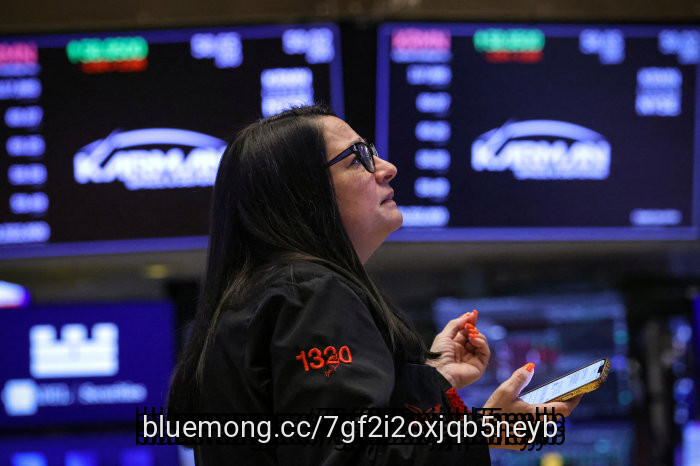

3 hours ago
Berkshire Hathaway (BRK.A) (BRK.B) repurchased no stock at all in 2025. In the first quarter of 2026, it spent $235 million. In the second quarter, it spent about $4.5 billion, roughly 19 times as much in three months.
At most companies, a repurchase is a routine capital return. At Berkshire Hathaway, it is a published opinion about price. The standing program, as described in the Q2 10-Q, permits repurchases "any time that Berkshire's Chief Executive Officer, after consultation with the Chairman of the Board, believes that the repurchase price is below Berkshire's intrinsic value, conservatively determined." Note the construction. Warren Buffett stepped down as chief executive on Jan. 1 and remains chairman; the filing now vests the decision in the CEO and gives the chairman a consultation. This is Greg Abel's call, and it is the first loud one he has made.
Barron Trump, 20, Now Worth $150 Million — More Than Mom, Melania — From Crypto And $39 Energy Drink
Billionaire Michael Saylor Warns Against Buying a House Because 'Every 36 Years You Actually Pay the Cost of the House in Tax to the Government'
QQQ Just 'Gamma Flipped' as Market Makers Were Forced to Sell. Here's What Our Top Chart Expert is Tracking Next.
#first
At most companies, a repurchase is a routine capital return. At Berkshire Hathaway, it is a published opinion about price. The standing program, as described in the Q2 10-Q, permits repurchases "any time that Berkshire's Chief Executive Officer, after consultation with the Chairman of the Board, believes that the repurchase price is below Berkshire's intrinsic value, conservatively determined." Note the construction. Warren Buffett stepped down as chief executive on Jan. 1 and remains chairman; the filing now vests the decision in the CEO and gives the chairman a consultation. This is Greg Abel's call, and it is the first loud one he has made.
Barron Trump, 20, Now Worth $150 Million — More Than Mom, Melania — From Crypto And $39 Energy Drink
Billionaire Michael Saylor Warns Against Buying a House Because 'Every 36 Years You Actually Pay the Cost of the House in Tax to the Government'
QQQ Just 'Gamma Flipped' as Market Makers Were Forced to Sell. Here's What Our Top Chart Expert is Tracking Next.
#first


16 hours ago
Baron Capital, an investment management company, released its Q2 2026 investor letter for the "Baron Focused Growth Fund". A copy of the letter can be downloaded here. In the second quarter, the Baron Focused Growth Fund achieved a 13.26% gain, still trailing the Russell 2500 Growth Index's 24.02% return. The underperformance was driven by ongoing concerns about AI's impact on portfolio businesses and underexposure to AI infrastructure. The IPO of ****** eX provided a boost, but overall, the Fund's companies are generating robust revenue growth and strengthening margins through enhanced client engagement and product offerings. Many stocks remain historically undervalued, and companies are beginning accelerated share repurchases, bolstering investor confidence. The Fund is perceived as compelling, benefiting from favorable market conditions and strong balance sheets, while inflation and interest rates are expected to remain stable. The Fund has outperformed its Benchmark over the past 3, 5, and 10 years, showing significant excess returns with lower market risk, attributed to a research-driven investment approach. The Fund maintains a commitment to long-term investing in growth-oriented businesses, utilizing a balanced portfolio to mitigate risk and potentially enhance returns. Please review the Fund's top five holdings to gain insights into their key selections for 2026.
In its Q2 2026 investor letter, Baron Focused Growth Fund highlighted IDEXX Laboratories, Inc. (NASDAQ:IDXX). IDEXX Laboratories, Inc. (NASDAQ:IDXX) develops, manufactures, and distributes products for the companion animal veterinary, livestock and poultry, dairy, and water testing industries. On August 19, 2026, IDEXX Laboratories, Inc. (NASDAQ:IDXX) closed at $562.20 per share, reflecting a market capitalization of $44.29 billion. IDEXX Laboratories, Inc. (NASDAQ:IDXX) posted a one‑month return of 4.23%, while its shares lost 11.19% over the past 52 weeks.
Baron Focused Growth Fund stated the following regarding IDEXX Laboratories, Inc. (NASDAQ:IDXX) in its Q2 2026 investor letter:
"In Health Care, we invest in competitively advantaged companies that are leaders in their industries such as IDEXX Laboratories, Inc. (NASDAQ:IDXX), the leading provider of diagnostics to the veterinary industry and who is benefiting from the increase in pets that people acquired during the COVID pandemic, especially as these pets age. The Fund is further diversified by investments in businesses at different stages of growth and development."
#idxx #baron
In its Q2 2026 investor letter, Baron Focused Growth Fund highlighted IDEXX Laboratories, Inc. (NASDAQ:IDXX). IDEXX Laboratories, Inc. (NASDAQ:IDXX) develops, manufactures, and distributes products for the companion animal veterinary, livestock and poultry, dairy, and water testing industries. On August 19, 2026, IDEXX Laboratories, Inc. (NASDAQ:IDXX) closed at $562.20 per share, reflecting a market capitalization of $44.29 billion. IDEXX Laboratories, Inc. (NASDAQ:IDXX) posted a one‑month return of 4.23%, while its shares lost 11.19% over the past 52 weeks.
Baron Focused Growth Fund stated the following regarding IDEXX Laboratories, Inc. (NASDAQ:IDXX) in its Q2 2026 investor letter:
"In Health Care, we invest in competitively advantaged companies that are leaders in their industries such as IDEXX Laboratories, Inc. (NASDAQ:IDXX), the leading provider of diagnostics to the veterinary industry and who is benefiting from the increase in pets that people acquired during the COVID pandemic, especially as these pets age. The Fund is further diversified by investments in businesses at different stages of growth and development."
#idxx #baron


16 hours ago
Baron Capital, an investment management company, released its Q2 2026 investor letter for the "Baron Focused Growth Fund". A copy of the letter can be downloaded here. In the second quarter, the Baron Focused Growth Fund achieved a 13.26% gain, still trailing the Russell 2500 Growth Index's 24.02% return. The underperformance was driven by ongoing concerns about AI's impact on portfolio businesses and underexposure to AI infrastructure. The IPO of ******* eX provided a boost, but overall, the Fund's companies are generating robust revenue growth and strengthening margins through enhanced client engagement and product offerings. Many stocks remain historically undervalued, and companies are beginning accelerated share repurchases, bolstering investor confidence. The Fund is perceived as compelling, benefiting from favorable market conditions and strong balance sheets, while inflation and interest rates are expected to remain stable. The Fund has outperformed its Benchmark over the past 3, 5, and 10 years, showing significant excess returns with lower market risk, attributed to a research-driven investment approach. The Fund maintains a commitment to long-term investing in growth-oriented businesses, utilizing a balanced portfolio to mitigate risk and potentially enhance returns. Please review the Fund's top five holdings to gain insights into their key selections for 2026.
In its Q2 2026 investor letter, Baron Focused Growth Fund highlighted Red Rock Resorts, Inc. (NASDAQ:RRR). Based in Las Vegas, Nevada, Red Rock Resorts, Inc. (NASDAQ:RRR) develops and operates casino and entertainment properties, contributing 0.67% to the Fund's performance. On August 19, 2026, Red Rock Resorts, Inc. (NASDAQ:RRR) closed at $61.25 per share, reflecting a market capitalization of $6.24 billion. Red Rock Resorts, Inc. (NASDAQ:RRR) posted a one‑month return of -2.44%, while its shares gained 2.42% over the past 52 weeks.
Baron Focused Growth Fund stated the following regarding Red Rock Resorts, Inc. (NASDAQ:RRR) in its Q2 2026 investor letter:
"Shares of Las Vegas Locals casino operator Red Rock Resorts, Inc. (NASDAQ:RRR) increased 22.4% in the second quarter and helped performance by 67 bps as construction disruption dissipated and investors looked ahead to the benefits of the company's recent investments in its resorts. This should result in increased earnings and cash flow and allow the company to continue to invest in its properties while returning capital to shareholders. The company's balance sheet remains strong with increased liquidity for further capital investment and shareholder returns. We believe the stock remains attractive compared to what we believe the business can become in time."
#resorts #baron #letter
In its Q2 2026 investor letter, Baron Focused Growth Fund highlighted Red Rock Resorts, Inc. (NASDAQ:RRR). Based in Las Vegas, Nevada, Red Rock Resorts, Inc. (NASDAQ:RRR) develops and operates casino and entertainment properties, contributing 0.67% to the Fund's performance. On August 19, 2026, Red Rock Resorts, Inc. (NASDAQ:RRR) closed at $61.25 per share, reflecting a market capitalization of $6.24 billion. Red Rock Resorts, Inc. (NASDAQ:RRR) posted a one‑month return of -2.44%, while its shares gained 2.42% over the past 52 weeks.
Baron Focused Growth Fund stated the following regarding Red Rock Resorts, Inc. (NASDAQ:RRR) in its Q2 2026 investor letter:
"Shares of Las Vegas Locals casino operator Red Rock Resorts, Inc. (NASDAQ:RRR) increased 22.4% in the second quarter and helped performance by 67 bps as construction disruption dissipated and investors looked ahead to the benefits of the company's recent investments in its resorts. This should result in increased earnings and cash flow and allow the company to continue to invest in its properties while returning capital to shareholders. The company's balance sheet remains strong with increased liquidity for further capital investment and shareholder returns. We believe the stock remains attractive compared to what we believe the business can become in time."
#resorts #baron #letter


16 hours ago
Baron Capital, an investment management company, released its Q2 2026 investor letter for the "Baron Focused Growth Fund". A copy of the letter can be downloaded here. In the second quarter, the Baron Focused Growth Fund achieved a 13.26% gain, still trailing the Russell 2500 Growth Index's 24.02% return. The underperformance was driven by ongoing concerns about AI's impact on portfolio businesses and underexposure to AI infrastructure. The IPO of ****** eX provided a boost, but overall, the Fund's companies are generating robust revenue growth and strengthening margins through enhanced client engagement and product offerings. Many stocks remain historically undervalued, and companies are beginning accelerated share repurchases, bolstering investor confidence. The Fund is perceived as compelling, benefiting from favorable market conditions and strong balance sheets, while inflation and interest rates are expected to remain stable. The Fund has outperformed its Benchmark over the past 3, 5, and 10 years, showing significant excess returns with lower market risk, attributed to a research-driven investment approach. The Fund maintains a commitment to long-term investing in growth-oriented businesses, utilizing a balanced portfolio to mitigate risk and potentially enhance returns. Please review the Fund's top five holdings to gain insights into their key selections for 2026.
In its Q2 2026 investor letter, Baron Focused Growth Fund highlighted Birkenstock Holding plc (NYSE:BIRK). Birkenstock Holding plc (NYSE:BIRK) engages in the manufacturing and distribution of footwear products, contributing 0.75% to the Fund's performance. On August 19, 2026, Birkenstock Holding plc (NYSE:BIRK) closed at $36.13 per share, reflecting a market capitalization of $5.97 billion. Birkenstock Holding plc (NYSE:BIRK) posted a one-month return of -11.03%, while its shares lost 28.65% over the past 52 weeks.
Baron Focused Growth Fund stated the following regarding Birkenstock Holding plc (NYSE:BIRK) in its Q2 2026 investor letter:
"Shares of global footwear retailer Birkenstock Holding plc (NYSE:BIRK) increased 19.6% in the second quarter and helped performance by 75 bps as sales continued to be quite strong and grew at a mid-teens rate despite concerns about the war in the Middle East, a depreciating dollar, and tariffs. Full-price sell-through remains above 90%, closed toe shoes continue to increase penetration rates and same store sales are growing at double-digit rates. Despite the worsening macro since the first quarter, management confirmed all fiscal year 2026 targets and continue to execute on its key growth objectives of expanding retail stores, growing in Asia Pacific and increasing closed-toe penetration. The stock continues to trade at a significant discount to peers with the stock trading at just 15 times next year's earnings per share despite growing earnings 30% next year and 20% after that. We continue to believe the market is being too harsh on the comp
In its Q2 2026 investor letter, Baron Focused Growth Fund highlighted Birkenstock Holding plc (NYSE:BIRK). Birkenstock Holding plc (NYSE:BIRK) engages in the manufacturing and distribution of footwear products, contributing 0.75% to the Fund's performance. On August 19, 2026, Birkenstock Holding plc (NYSE:BIRK) closed at $36.13 per share, reflecting a market capitalization of $5.97 billion. Birkenstock Holding plc (NYSE:BIRK) posted a one-month return of -11.03%, while its shares lost 28.65% over the past 52 weeks.
Baron Focused Growth Fund stated the following regarding Birkenstock Holding plc (NYSE:BIRK) in its Q2 2026 investor letter:
"Shares of global footwear retailer Birkenstock Holding plc (NYSE:BIRK) increased 19.6% in the second quarter and helped performance by 75 bps as sales continued to be quite strong and grew at a mid-teens rate despite concerns about the war in the Middle East, a depreciating dollar, and tariffs. Full-price sell-through remains above 90%, closed toe shoes continue to increase penetration rates and same store sales are growing at double-digit rates. Despite the worsening macro since the first quarter, management confirmed all fiscal year 2026 targets and continue to execute on its key growth objectives of expanding retail stores, growing in Asia Pacific and increasing closed-toe penetration. The stock continues to trade at a significant discount to peers with the stock trading at just 15 times next year's earnings per share despite growing earnings 30% next year and 20% after that. We continue to believe the market is being too harsh on the comp


16 hours ago
Baron Capital, an investment management company, released its Q2 2026 investor letter for the "Baron Focused Growth Fund". A copy of the letter can be downloaded here. In the second quarter, the Baron Focused Growth Fund achieved a 13.26% gain, still trailing the Russell 2500 Growth Index's 24.02% return. The underperformance was driven by ongoing concerns about AI's impact on portfolio businesses and underexposure to AI infrastructure. The IPO of ****** eX provided a boost, but overall, the Fund's companies are generating robust revenue growth and strengthening margins through enhanced client engagement and product offerings. Many stocks remain historically undervalued, and companies are beginning accelerated share repurchases, bolstering investor confidence. The Fund is perceived as compelling, benefiting from favorable market conditions and strong balance sheets, while inflation and interest rates are expected to remain stable. The Fund has outperformed its Benchmark over the past 3, 5, and 10 years, showing significant excess returns with lower market risk, attributed to a research-driven investment approach. The Fund maintains a commitment to long-term investing in growth-oriented businesses, utilizing a balanced portfolio to mitigate risk and potentially enhance returns. Please review the Fund's top five holdings to gain insights into their key selections for 2026.
In its Q2 2026 investor letter, Baron Focused Growth Fund highlighted Interactive Brokers Group, Inc. (NASDAQ:IBKR). Interactive Brokers Group, Inc. (NASDAQ:IBKR), an automated electronic broker that provides trading, clearing, and custody services, contributed 1.12% to the Fund's performance this quarter. On August 19, 2026, Interactive Brokers Group, Inc. (NASDAQ:IBKR) closed at $90.54 per share, reflecting a market capitalization of $154.26 billion. Interactive Brokers Group, Inc. (NASDAQ:IBKR) posted a one‑month return of -1.33%, while its shares gained 44.93% over the past 52 weeks.
Baron Focused Growth Fund stated the following regarding Interactive Brokers Group, Inc. (NASDAQ:IBKR) in its Q2 2026 investor letter:
"Global electronic brokerage firm Interactive Brokers Group, Inc. (NASDAQ:IBKR) contributed to performance as the company continued to compound growth at a rare pace for its scale. Client accounts increased 34% year over year to 5.2 million, customer equity grew 40%, and margin loan balances rose 67%. Trading activity remained robust, with June daily average revenue trades increasing 53% year over year. Operating on a highly automated, low-cost platform, Interactive Brokers benefits from substantial operating leverage as volume grows, supporting industry-leading pretax margins. New opportunities, including an expanded prediction markets offering and the favorable modernization of day-trading margin rules, further extend the company's growth runway. We retain conviction in the stock, viewing Interactive Brokers as a structural share gainer with a large global ad
In its Q2 2026 investor letter, Baron Focused Growth Fund highlighted Interactive Brokers Group, Inc. (NASDAQ:IBKR). Interactive Brokers Group, Inc. (NASDAQ:IBKR), an automated electronic broker that provides trading, clearing, and custody services, contributed 1.12% to the Fund's performance this quarter. On August 19, 2026, Interactive Brokers Group, Inc. (NASDAQ:IBKR) closed at $90.54 per share, reflecting a market capitalization of $154.26 billion. Interactive Brokers Group, Inc. (NASDAQ:IBKR) posted a one‑month return of -1.33%, while its shares gained 44.93% over the past 52 weeks.
Baron Focused Growth Fund stated the following regarding Interactive Brokers Group, Inc. (NASDAQ:IBKR) in its Q2 2026 investor letter:
"Global electronic brokerage firm Interactive Brokers Group, Inc. (NASDAQ:IBKR) contributed to performance as the company continued to compound growth at a rare pace for its scale. Client accounts increased 34% year over year to 5.2 million, customer equity grew 40%, and margin loan balances rose 67%. Trading activity remained robust, with June daily average revenue trades increasing 53% year over year. Operating on a highly automated, low-cost platform, Interactive Brokers benefits from substantial operating leverage as volume grows, supporting industry-leading pretax margins. New opportunities, including an expanded prediction markets offering and the favorable modernization of day-trading margin rules, further extend the company's growth runway. We retain conviction in the stock, viewing Interactive Brokers as a structural share gainer with a large global ad

16 hours ago
Baron Capital, an investment management company, released its Q2 2026 investor letter for the "Baron Focused Growth Fund". A copy of the letter can be downloaded here. In the second quarter, the Baron Focused Growth Fund achieved a 13.26% gain, still trailing the Russell 2500 Growth Index's 24.02% return. The underperformance was driven by ongoing concerns about AI's impact on portfolio businesses and underexposure to AI infrastructure. The IPO of ******* eX provided a boost, but overall, the Fund's companies are generating robust revenue growth and strengthening margins through enhanced client engagement and product offerings. Many stocks remain historically undervalued, and companies are beginning accelerated share repurchases, bolstering investor confidence. The Fund is perceived as compelling, benefiting from favorable market conditions and strong balance sheets, while inflation and interest rates are expected to remain stable. The Fund has outperformed its Benchmark over the past 3, 5, and 10 years, showing significant excess returns with lower market risk, attributed to a research-driven investment approach. The Fund maintains a commitment to long-term investing in growth-oriented businesses, utilizing a balanced portfolio to mitigate risk and potentially enhance returns. Please review the Fund's top five holdings to gain insights into their key selections for 2026.
In its Q2 2026 investor letter, Baron Focused Growth Fund highlighted FIGS, Inc. (NYSE:FIGS). FIGS, Inc. (NYSE:FIGS) is a direct-to-consumer healthcare apparel company known for its scrubwear for healthcare professionals. On August 19, 2026, FIGS, Inc. (NYSE:FIGS) closed at $14.49 per share, reflecting a market capitalization of $2.41 billion. FIGS, Inc. (NYSE:FIGS) posted a one‑month return of 56.82%, while its shares gained 109.09% over the past 52 weeks.
Baron Focused Growth Fund stated the following regarding FIGS, Inc. (NYSE:FIGS) in its Q2 2026 investor letter:
"FIGS, Inc. (NYSE:FIGS) designs and sells scrubwear for health care professionals through a digitally native, direct-to-consumer strategy. The stock detracted from performance as shares slipped due largely to investor positioning. Even so, the company reported a very strong first quarter. Revenue came in at $159.9 million, up 28%, well ahead of the company's guidance for low-20% growth and above consensus expectations. The results were broad-based. U.S. revenue grew 24% to $131.6 million, with strength across core offerings, new product launches, and promotional periods, while international revenue accelerated 50% to $28.3 million, with double-digit growth in every region. Active customers surpassed 3 million for the first time, up 12% year over year, with both new and repeat customers contributing. We continue to have conviction in the strength of FIGS' business model and the company's ability to gain market share in the attractive global health care apparel industry."
#figs #focused
In its Q2 2026 investor letter, Baron Focused Growth Fund highlighted FIGS, Inc. (NYSE:FIGS). FIGS, Inc. (NYSE:FIGS) is a direct-to-consumer healthcare apparel company known for its scrubwear for healthcare professionals. On August 19, 2026, FIGS, Inc. (NYSE:FIGS) closed at $14.49 per share, reflecting a market capitalization of $2.41 billion. FIGS, Inc. (NYSE:FIGS) posted a one‑month return of 56.82%, while its shares gained 109.09% over the past 52 weeks.
Baron Focused Growth Fund stated the following regarding FIGS, Inc. (NYSE:FIGS) in its Q2 2026 investor letter:
"FIGS, Inc. (NYSE:FIGS) designs and sells scrubwear for health care professionals through a digitally native, direct-to-consumer strategy. The stock detracted from performance as shares slipped due largely to investor positioning. Even so, the company reported a very strong first quarter. Revenue came in at $159.9 million, up 28%, well ahead of the company's guidance for low-20% growth and above consensus expectations. The results were broad-based. U.S. revenue grew 24% to $131.6 million, with strength across core offerings, new product launches, and promotional periods, while international revenue accelerated 50% to $28.3 million, with double-digit growth in every region. Active customers surpassed 3 million for the first time, up 12% year over year, with both new and repeat customers contributing. We continue to have conviction in the strength of FIGS' business model and the company's ability to gain market share in the attractive global health care apparel industry."
#figs #focused

16 hours ago
Some offers on this page are from advertisers who pay us, which may affect which products we write about, but not our recommendations. See our Advertiser Disclosure.
Silver (SI=F) September futures opened at $67.08 per ounce on Thursday, August 20, 2026, up 1.9% from Wednesday's closing price. The silver price moved lower this morning, reaching $66.81 as of 9:04 a.m. ET.
The silver price opened higher Thursday morning after long-term Treasury yields declined on Wednesday. The decline followed a U.S. Treasury announcement that it would double buybacks of long-term bonds over the next few months. The doubling of repurchases, to $4 billion or more per operation, is not significant in a market worth $32 trillion according to ***** ysts. Its effect on the long-term borrowing costs will likely be short term.
The quick decline in yields did benefit silver, however. The metal briefly rose above $67 for the first time since June before moderating.
The opening price of silver futures on Thursday, August 20, 2026, was 1.9% higher compared to Wednesday's closing price. Here's how today's opening silver price has changed versus last week, month, and year:
#thursday #long
Silver (SI=F) September futures opened at $67.08 per ounce on Thursday, August 20, 2026, up 1.9% from Wednesday's closing price. The silver price moved lower this morning, reaching $66.81 as of 9:04 a.m. ET.
The silver price opened higher Thursday morning after long-term Treasury yields declined on Wednesday. The decline followed a U.S. Treasury announcement that it would double buybacks of long-term bonds over the next few months. The doubling of repurchases, to $4 billion or more per operation, is not significant in a market worth $32 trillion according to ***** ysts. Its effect on the long-term borrowing costs will likely be short term.
The quick decline in yields did benefit silver, however. The metal briefly rose above $67 for the first time since June before moderating.
The opening price of silver futures on Thursday, August 20, 2026, was 1.9% higher compared to Wednesday's closing price. Here's how today's opening silver price has changed versus last week, month, and year:
#thursday #long



18 hours ago
U.S. stocks fell Thursday as Treasury yields climbed back from the prior session's decline and a steep drop in Walmart stock weighed on the broader market. The Dow Jones Industrial Average dropped 350 points, or 0.6%, with the S&P 500 off 0.3% and the Nasdaq Composite retreating 0.4%.
Walmart stock fell 8% after the company's U.S. comparable-store sales came in below what **** ysts had expected; its adjusted earnings outlook for the third quarter and the full year also disappointed, according to CNBC.
Bond yields turned higher Thursday, reversing Wednesday's pullback that had followed the Treasury Department's announcement that it would at least double repurchases of 10-, 20-, and 30-year debt over the coming months. The 10-year Treasury yield climbed more than 5 basis points to 4.704%, with the 30-year yield rising 6 basis points to reach 5.254%. The 30-year had spiked to its highest level in nearly 20 years earlier this week.
The intervention by Treasury Secretary Scott Bessent drew skepticism from **** ysts. **** ysts at ING, as quoted by The Wall Street Journal, compared the maneuver to "rearranging deckchairs on the **** anic," noting that without a concrete path to addressing the country's $40 trillion debt, any lasting relief in borrowing costs remained far-fetched.
Michael Schumacher, former head of macro at Wells Fargo, shared that skepticism. "I'm still negative. I think long-term rates go up for a few reasons. In the U.S. case in particular, there's just a huge budget deficit. Not much sign that's going to improve. On top of that, you've got defense spending going up," he told CNBC.
#points #yields
Walmart stock fell 8% after the company's U.S. comparable-store sales came in below what **** ysts had expected; its adjusted earnings outlook for the third quarter and the full year also disappointed, according to CNBC.
Bond yields turned higher Thursday, reversing Wednesday's pullback that had followed the Treasury Department's announcement that it would at least double repurchases of 10-, 20-, and 30-year debt over the coming months. The 10-year Treasury yield climbed more than 5 basis points to 4.704%, with the 30-year yield rising 6 basis points to reach 5.254%. The 30-year had spiked to its highest level in nearly 20 years earlier this week.
The intervention by Treasury Secretary Scott Bessent drew skepticism from **** ysts. **** ysts at ING, as quoted by The Wall Street Journal, compared the maneuver to "rearranging deckchairs on the **** anic," noting that without a concrete path to addressing the country's $40 trillion debt, any lasting relief in borrowing costs remained far-fetched.
Michael Schumacher, former head of macro at Wells Fargo, shared that skepticism. "I'm still negative. I think long-term rates go up for a few reasons. In the U.S. case in particular, there's just a huge budget deficit. Not much sign that's going to improve. On top of that, you've got defense spending going up," he told CNBC.
#points #yields


18 hours ago
This live blog is refreshed throughout the day with the latest updates from the market. To find the latest Stock Market Today threads, click here.
Happy Thursday. Stocks fell Thursday as Treasury yields reversed course from their sharp decline in the previous session following the Treasury Department's announcement that it would increase its buybacks of long-dated government debt.
The Treasury Department said it will more than double repurchases of 10-, 20- and 30-year debt over the next few months. The 30-year Treasury yield had jumped to its highest level in nearly 20 years earlier this week.
The decision helped spark a sharp rally across the cryptocurrency market, with Bitcoin (BTC) surging 11.5% to $71,808.74 in early trading.
Meanwhile, President Donald Trump said on social media that he's launching a "crushing economic operation" against Iran. Tehran dismissed the threat as a "diversion," promising such a move "will only bring further defeat."
#thursday #today
Happy Thursday. Stocks fell Thursday as Treasury yields reversed course from their sharp decline in the previous session following the Treasury Department's announcement that it would increase its buybacks of long-dated government debt.
The Treasury Department said it will more than double repurchases of 10-, 20- and 30-year debt over the next few months. The 30-year Treasury yield had jumped to its highest level in nearly 20 years earlier this week.
The decision helped spark a sharp rally across the cryptocurrency market, with Bitcoin (BTC) surging 11.5% to $71,808.74 in early trading.
Meanwhile, President Donald Trump said on social media that he's launching a "crushing economic operation" against Iran. Tehran dismissed the threat as a "diversion," promising such a move "will only bring further defeat."
#thursday #today
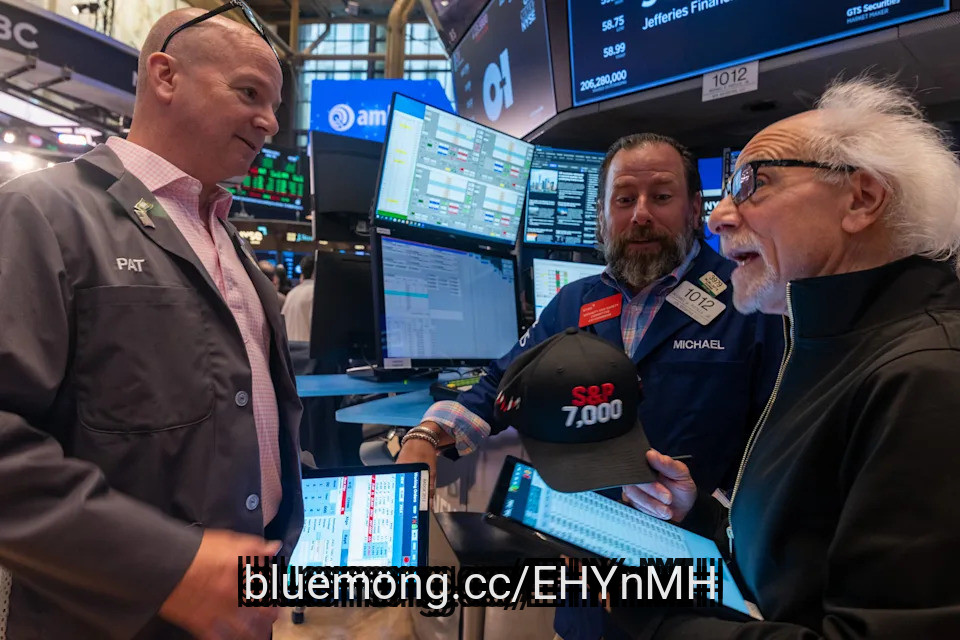

1 day ago
DELL specializes in information technology infrastructure, workforce transformation, and technology connectivity solutions, with AI servers under heavy demand currently. In its first-quarter fiscal 2027 earnings report, Dell showed a record $43.8 billion in revenue (an 88% year-over-year gain), $16.1 billion in AI server revenue, non-GAAP per-share earnings of $4.86 (a 214% gain), and $2.1 billion returned to shareholders through repurchases and dividends. The company reports again on Sept. 3.
It's no wonder DELL shares are up 281% so far this year – and they could rise more. MoneyFlows data shows how Big Money investors are again betting heavily on the stock.
Institutional volumes reveal plenty. In the last year, DELL has enjoyed strong investor demand, which we believe to be institutional support.
Each green bar signals unusually large volumes in DELL shares. They reflect our proprietary inflow signal, pushing the stock higher:
DELL has experienced almost nothing but inflows from institutions, boosting shares over 245% in the last year. Source: www.moneyflows.com
#billion #shares #moneyflows
It's no wonder DELL shares are up 281% so far this year – and they could rise more. MoneyFlows data shows how Big Money investors are again betting heavily on the stock.
Institutional volumes reveal plenty. In the last year, DELL has enjoyed strong investor demand, which we believe to be institutional support.
Each green bar signals unusually large volumes in DELL shares. They reflect our proprietary inflow signal, pushing the stock higher:
DELL has experienced almost nothing but inflows from institutions, boosting shares over 245% in the last year. Source: www.moneyflows.com
#billion #shares #moneyflows



2 days ago
On August 6, Cable One (NYSE:CABO) walked investors through a quarter that reads like two different companies. Residential broadband customers kept leaving, yet management pointed to improving connect trends, rising average revenue per user, and an aggressive debt paydown as signs the business is stabilizing underneath the subscriber losses. The result is a report that gives both the bulls and the bears real ammunition.
Cable One's acquisition numbers moved in the right direction in the second quarter. Connect activity improved sequentially from the first quarter and grew in each month of Q2, and door-to-door sales have more than doubled as a share of quarterly connects over the past year. Residential broadband ARPU also rose sequentially, lifted by promotional roll-offs, changes to the AutoPay Plus program, and customers adding higher-value products. Essentially all of Cable One's network can already deliver gigabit speeds, and the company expects most customers on multi-gig infrastructure by year-end, upgrades it credits to disciplined investment rather than new capital spending.
Business services found firmer ground too, with enterprise, wholesale, and carrier offerings benefiting from long-term contracts and recurring revenue, and Cable One rounded out that lineup with a new unified communications product called UCaaS. Underneath all of it, the company cut its debt balances by $63 million in the quarter, close to $60 million of that through voluntary repurchases at a discount, pushing year-to-date debt reduction to nearly $130 million with $700 million still undrawn on its revolver.
The subscriber numbers remain the core problem. Cable One lost 17,000 residential broadband customers in the second quarter as elevated churn persisted, and residential data revenue fell 7.3% year-over-year on a 6.6% drop in subscribers even as ARPU held roughly flat. Total revenue slid to $348.9 million from $381.1 million a year earlier, and the SMB broadband business stayed under pressure while business data revenue fell 6.6% year over year, partly reflecting tower ****** ets the company sold earlier in the year.
Profitability moved the wrong way as well. Adjusted EBITDA fell to $173.5 million, or 49.7% of revenue, down from 53.3% of revenue a year earlier, while capital expenditures climbed to $74 million, up $5.6 million year-over-year. That combination pushed adjusted EBITDA less capex down to $99.5 million from $134.8 million a year ago. Cable One also booked non-cash impairment charges tied to its franchise agreements, goodwill, and its MBI investment, and net leverage stood at 4.2 times against a gross debt load of $3.06 billion, as management flagged continued competitive intensity in fiber overbuild markets.
#million
Cable One's acquisition numbers moved in the right direction in the second quarter. Connect activity improved sequentially from the first quarter and grew in each month of Q2, and door-to-door sales have more than doubled as a share of quarterly connects over the past year. Residential broadband ARPU also rose sequentially, lifted by promotional roll-offs, changes to the AutoPay Plus program, and customers adding higher-value products. Essentially all of Cable One's network can already deliver gigabit speeds, and the company expects most customers on multi-gig infrastructure by year-end, upgrades it credits to disciplined investment rather than new capital spending.
Business services found firmer ground too, with enterprise, wholesale, and carrier offerings benefiting from long-term contracts and recurring revenue, and Cable One rounded out that lineup with a new unified communications product called UCaaS. Underneath all of it, the company cut its debt balances by $63 million in the quarter, close to $60 million of that through voluntary repurchases at a discount, pushing year-to-date debt reduction to nearly $130 million with $700 million still undrawn on its revolver.
The subscriber numbers remain the core problem. Cable One lost 17,000 residential broadband customers in the second quarter as elevated churn persisted, and residential data revenue fell 7.3% year-over-year on a 6.6% drop in subscribers even as ARPU held roughly flat. Total revenue slid to $348.9 million from $381.1 million a year earlier, and the SMB broadband business stayed under pressure while business data revenue fell 6.6% year over year, partly reflecting tower ****** ets the company sold earlier in the year.
Profitability moved the wrong way as well. Adjusted EBITDA fell to $173.5 million, or 49.7% of revenue, down from 53.3% of revenue a year earlier, while capital expenditures climbed to $74 million, up $5.6 million year-over-year. That combination pushed adjusted EBITDA less capex down to $99.5 million from $134.8 million a year ago. Cable One also booked non-cash impairment charges tied to its franchise agreements, goodwill, and its MBI investment, and net leverage stood at 4.2 times against a gross debt load of $3.06 billion, as management flagged continued competitive intensity in fiber overbuild markets.
#million

4 days ago
On August 6, Cable One (NYSE:CABO) walked investors through a quarter that reads like two different companies. Residential broadband customers kept leaving, yet management pointed to improving connect trends, rising average revenue per user, and an aggressive debt paydown as signs the business is stabilizing underneath the subscriber losses. The result is a report that gives both the bulls and the bears real ammunition.
Cable One's acquisition numbers moved in the right direction in the second quarter. Connect activity improved sequentially from the first quarter and grew in each month of Q2, and door-to-door sales have more than doubled as a share of quarterly connects over the past year. Residential broadband ARPU also rose sequentially, lifted by promotional roll-offs, changes to the AutoPay Plus program, and customers adding higher-value products. Essentially all of Cable One's network can already deliver gigabit speeds, and the company expects most customers on multi-gig infrastructure by year-end, upgrades it credits to disciplined investment rather than new capital spending.
Business services found firmer ground too, with enterprise, wholesale, and carrier offerings benefiting from long-term contracts and recurring revenue, and Cable One rounded out that lineup with a new unified communications product called UCaaS. Underneath all of it, the company cut its debt balances by $63 million in the quarter, close to $60 million of that through voluntary repurchases at a discount, pushing year-to-date debt reduction to nearly $130 million with $700 million still undrawn on its revolver.
The subscriber numbers remain the core problem. Cable One lost 17,000 residential broadband customers in the second quarter as elevated churn persisted, and residential data revenue fell 7.3% year-over-year on a 6.6% drop in subscribers even as ARPU held roughly flat. Total revenue slid to $348.9 million from $381.1 million a year earlier, and the SMB broadband business stayed under pressure while business data revenue fell 6.6% year over year, partly reflecting tower ****** ets the company sold earlier in the year.
Profitability moved the wrong way as well. Adjusted EBITDA fell to $173.5 million, or 49.7% of revenue, down from 53.3% of revenue a year earlier, while capital expenditures climbed to $74 million, up $5.6 million year-over-year. That combination pushed adjusted EBITDA less capex down to $99.5 million from $134.8 million a year ago. Cable One also booked non-cash impairment charges tied to its franchise agreements, goodwill, and its MBI investment, and net leverage stood at 4.2 times against a gross debt load of $3.06 billion, as management flagged continued competitive intensity in fiber overbuild markets.
#residential
Cable One's acquisition numbers moved in the right direction in the second quarter. Connect activity improved sequentially from the first quarter and grew in each month of Q2, and door-to-door sales have more than doubled as a share of quarterly connects over the past year. Residential broadband ARPU also rose sequentially, lifted by promotional roll-offs, changes to the AutoPay Plus program, and customers adding higher-value products. Essentially all of Cable One's network can already deliver gigabit speeds, and the company expects most customers on multi-gig infrastructure by year-end, upgrades it credits to disciplined investment rather than new capital spending.
Business services found firmer ground too, with enterprise, wholesale, and carrier offerings benefiting from long-term contracts and recurring revenue, and Cable One rounded out that lineup with a new unified communications product called UCaaS. Underneath all of it, the company cut its debt balances by $63 million in the quarter, close to $60 million of that through voluntary repurchases at a discount, pushing year-to-date debt reduction to nearly $130 million with $700 million still undrawn on its revolver.
The subscriber numbers remain the core problem. Cable One lost 17,000 residential broadband customers in the second quarter as elevated churn persisted, and residential data revenue fell 7.3% year-over-year on a 6.6% drop in subscribers even as ARPU held roughly flat. Total revenue slid to $348.9 million from $381.1 million a year earlier, and the SMB broadband business stayed under pressure while business data revenue fell 6.6% year over year, partly reflecting tower ****** ets the company sold earlier in the year.
Profitability moved the wrong way as well. Adjusted EBITDA fell to $173.5 million, or 49.7% of revenue, down from 53.3% of revenue a year earlier, while capital expenditures climbed to $74 million, up $5.6 million year-over-year. That combination pushed adjusted EBITDA less capex down to $99.5 million from $134.8 million a year ago. Cable One also booked non-cash impairment charges tied to its franchise agreements, goodwill, and its MBI investment, and net leverage stood at 4.2 times against a gross debt load of $3.06 billion, as management flagged continued competitive intensity in fiber overbuild markets.
#residential


6 days ago
Nutrien (NYSE:NTR) held its second-quarter 2026 earnings call on August 6. The headline numbers show a company leaning on its potash strength to offset a ****** pier nitrogen and phosphate picture, while still finding room to raise guidance in one segment and cut spending in another.
Nutrien posted record potash sales volumes in the first half of 2026 and raised the bottom end of its full-year potash sales guidance to a range of 14.2 million to 14.8 million tonnes. Potash generated $658 million in adjusted EBITDA during the quarter, and the company kept controllable cash costs flat year over year while targeting below $60 per tonne for the full year. Automation now covers 53% of ore tonnes mined in the first half, already past the target management set at its 2024 Investor Day. Canpotex is fully committed to third-quarter volumes, and management pointed to a favorable response to its domestic summer fill program.
Beyond the mine, Nutrien trimmed its 2026 capital expenditure guidance by $50 million to a range of $1.95 billion to $2.05 billion, and lifted first-half share repurchases 26% over the prior year, stepping up the pace to roughly $75 million a month in the third quarter. Retail adjusted EBITDA climbed 4% in the first half to $1.24 billion, driven by a 10% jump in proprietary crop nutrients gross margin and sales volumes for certain nutritional products that nearly tenfolded from a year earlier. The company has also generated about $1 billion in gross divestiture proceeds since the fourth quarter of 2024, including roughly $90 million in new agreements since June 2026, and said it received numerous nonbinding bids as it reviews strategic alternatives for its phosphate business.
Nitrogen sales volumes fell from the prior year, with no production from Trinidad or New Madrid, planned maintenance at Carseland, and deferred customer purchases late in the quarter as market volatility picked up. Only about 35% of total nitrogen segment volumes were sold ahead of the onset of the Middle East conflict, leaving more of the book exposed to a choppier pricing environment. Global urea prices dropped in the back half of the second quarter during a seasonal demand lull that geopolitical developments made worse, even as management says trade flow disruptions, production outages, and elevated energy prices firmed up fundamentals again in the third quarter.
Phosphate adjusted EBITDA declined in the quarter because of elevated sulfur costs that Nutrien described as placing unsustainable pressure on producer margins across the industry. Nitrogen segment adjusted EBITDA came in at $635 million for the quarter, and the company still has turnarounds planned at its Lima and Redwater facilities in the third quarter, adding to the operational moving parts already at play from the Carseland work completed earlier in the year.
#year
Nutrien posted record potash sales volumes in the first half of 2026 and raised the bottom end of its full-year potash sales guidance to a range of 14.2 million to 14.8 million tonnes. Potash generated $658 million in adjusted EBITDA during the quarter, and the company kept controllable cash costs flat year over year while targeting below $60 per tonne for the full year. Automation now covers 53% of ore tonnes mined in the first half, already past the target management set at its 2024 Investor Day. Canpotex is fully committed to third-quarter volumes, and management pointed to a favorable response to its domestic summer fill program.
Beyond the mine, Nutrien trimmed its 2026 capital expenditure guidance by $50 million to a range of $1.95 billion to $2.05 billion, and lifted first-half share repurchases 26% over the prior year, stepping up the pace to roughly $75 million a month in the third quarter. Retail adjusted EBITDA climbed 4% in the first half to $1.24 billion, driven by a 10% jump in proprietary crop nutrients gross margin and sales volumes for certain nutritional products that nearly tenfolded from a year earlier. The company has also generated about $1 billion in gross divestiture proceeds since the fourth quarter of 2024, including roughly $90 million in new agreements since June 2026, and said it received numerous nonbinding bids as it reviews strategic alternatives for its phosphate business.
Nitrogen sales volumes fell from the prior year, with no production from Trinidad or New Madrid, planned maintenance at Carseland, and deferred customer purchases late in the quarter as market volatility picked up. Only about 35% of total nitrogen segment volumes were sold ahead of the onset of the Middle East conflict, leaving more of the book exposed to a choppier pricing environment. Global urea prices dropped in the back half of the second quarter during a seasonal demand lull that geopolitical developments made worse, even as management says trade flow disruptions, production outages, and elevated energy prices firmed up fundamentals again in the third quarter.
Phosphate adjusted EBITDA declined in the quarter because of elevated sulfur costs that Nutrien described as placing unsustainable pressure on producer margins across the industry. Nitrogen segment adjusted EBITDA came in at $635 million for the quarter, and the company still has turnarounds planned at its Lima and Redwater facilities in the third quarter, adding to the operational moving parts already at play from the Carseland work completed earlier in the year.
#year


9 days ago
During the August 6 episode of Mad Money, Jim Cramer focused on the shifting trajectory of Akamai Technologies, Inc. (NASDAQ:AKAM), as he said:
Look at this incredible move in the stock of Akamai Technologies. Over the past few years, this company's evolved from a simple content delivery network- I used to call it the fast lane on the internet superhighway- into more of a cybersecurity and cloud infrastructure business, fast growing. Going into the close, Akamai was already up more than 35% for the year. Then they reported basically in-line revenue, slightly better-than-expected earnings, mixed outlook, current quarter trimmed, full-year forecast down just a tad. Initially, the stock got slammed, but then it caught fire, I think, because Akamai reported a big cloud infrastructure win in the robotic ***** e.
Akamai Technologies, Inc. (NASDAQ:AKAM) reported second-quarter revenue of $1.1 billion, marking a 5% year-over-year increase. Non-GAAP diluted earnings per share reached $1.59, beating consensus estimates, while GAAP diluted earnings per share landed at $0.52 due to rising investment expenses. Segment results showed security revenue climbing 10% to $604 million and cloud infrastructure services surging 39% to $99 million. Meanwhile, legacy delivery revenue contracted 6% to $396 million.
Investor attention quickly shifted to a multi-year customer commitment valued over $600 million for cloud infrastructure powering robotic workloads. During the earnings call, Chief Executive Officer Tom Leighton noted that graphics processing unit capacity remains entirely sold out, while Chief Financial Officer Ed McGowan highlighted that total multi-year cloud commitments signed year-to-date have surpassed $2.8 billion. Management guided full-year revenue between $4.445 billion and $4.530 billion, with capital expenditures remaining elevated at roughly 40% of revenue to support infrastructure scaling.
Despite artificial intelligence growth tailwinds, professional ***** ysts flagged heavy capital intensity and margin compression risks. Highlighting these structural cost pressures, on August 10, HSBC downgraded the stock to a Hold rating and cut its price target to $123, pointing to compressed operating margins and temporary pauses in share repurchases.
#technologies #billion
Look at this incredible move in the stock of Akamai Technologies. Over the past few years, this company's evolved from a simple content delivery network- I used to call it the fast lane on the internet superhighway- into more of a cybersecurity and cloud infrastructure business, fast growing. Going into the close, Akamai was already up more than 35% for the year. Then they reported basically in-line revenue, slightly better-than-expected earnings, mixed outlook, current quarter trimmed, full-year forecast down just a tad. Initially, the stock got slammed, but then it caught fire, I think, because Akamai reported a big cloud infrastructure win in the robotic ***** e.
Akamai Technologies, Inc. (NASDAQ:AKAM) reported second-quarter revenue of $1.1 billion, marking a 5% year-over-year increase. Non-GAAP diluted earnings per share reached $1.59, beating consensus estimates, while GAAP diluted earnings per share landed at $0.52 due to rising investment expenses. Segment results showed security revenue climbing 10% to $604 million and cloud infrastructure services surging 39% to $99 million. Meanwhile, legacy delivery revenue contracted 6% to $396 million.
Investor attention quickly shifted to a multi-year customer commitment valued over $600 million for cloud infrastructure powering robotic workloads. During the earnings call, Chief Executive Officer Tom Leighton noted that graphics processing unit capacity remains entirely sold out, while Chief Financial Officer Ed McGowan highlighted that total multi-year cloud commitments signed year-to-date have surpassed $2.8 billion. Management guided full-year revenue between $4.445 billion and $4.530 billion, with capital expenditures remaining elevated at roughly 40% of revenue to support infrastructure scaling.
Despite artificial intelligence growth tailwinds, professional ***** ysts flagged heavy capital intensity and margin compression risks. Highlighting these structural cost pressures, on August 10, HSBC downgraded the stock to a Hold rating and cut its price target to $123, pointing to compressed operating margins and temporary pauses in share repurchases.
#technologies #billion


11 days ago
Interested in Teleflex Incorporated? Here are five stocks we like better.
Teleflex exceeded Q2 expectations, with revenue of $570.3 million, adjusted EPS of $1.76 and strong growth in its Vascular and Surgical segments. Interventional revenue declined 1% as acquisition integration disrupted systems, distributors and sales-force operations.
The company lowered its 2026 revenue-growth outlook to 3.5%–4.5% but raised adjusted EPS guidance to $6.90–$7.20, helped by share repurchases and lower interest expense. Management expects Interventional integration to be completed by year-end and described 2026 as a transition year.
Teleflex is using divestiture proceeds to reduce debt and return capital, including $250 million of Q2 share repurchases and another planned $250 million accelerated buyback. The company also highlighted FDA approval for EZPLAZ plasma and continued progress on its Freesolve scaffold program.
Teleflex (NYSE:TFX) reported second-quarter revenue and adjusted earnings above its expectations, supported by strong growth in its Vascular and Surgical businesses, while slower-than-anticipated integration of its acquired Vascular Intervention business weighed on Interventional results.
#surgical
Teleflex exceeded Q2 expectations, with revenue of $570.3 million, adjusted EPS of $1.76 and strong growth in its Vascular and Surgical segments. Interventional revenue declined 1% as acquisition integration disrupted systems, distributors and sales-force operations.
The company lowered its 2026 revenue-growth outlook to 3.5%–4.5% but raised adjusted EPS guidance to $6.90–$7.20, helped by share repurchases and lower interest expense. Management expects Interventional integration to be completed by year-end and described 2026 as a transition year.
Teleflex is using divestiture proceeds to reduce debt and return capital, including $250 million of Q2 share repurchases and another planned $250 million accelerated buyback. The company also highlighted FDA approval for EZPLAZ plasma and continued progress on its Freesolve scaffold program.
Teleflex (NYSE:TFX) reported second-quarter revenue and adjusted earnings above its expectations, supported by strong growth in its Vascular and Surgical businesses, while slower-than-anticipated integration of its acquired Vascular Intervention business weighed on Interventional results.
#surgical

11 days ago
Interested in Element Fleet Management Corp.? Here are five stocks we like better.
Element Fleet Management delivered solid Q2 growth: Adjusted net revenue rose 10% year over year to $318 million, adjusted EPS increased 12%, and adjusted ROE reached 19.6%. Vehicles under management grew 3% to 1.56 million, while first-half revenue, EPS and free cash flow per share rose 13%, 18% and 11%, respectively.
The company is expanding its capital-light and digital strategies: Its inaugural equity residual transaction transferred about $700 million of receivables off balance sheet, while automation and workflow initiatives are expected to produce roughly $20 million in annualized savings in 2027.
Waymo partnership could support future services growth: Element will initially support Waymo's autonomous-vehicle operations in San Diego, with revenue contributions expected from 2027 and potentially adding a few points to services-revenue growth. Management also returned $163 million to shareholders in Q2, including $120 million in share repurchases.
Element Fleet Management (TSE:EFN) reported second-quarter results that included double-digit growth in adjusted net revenue and adjusted earnings per share, while management highlighted progress in its capital-light funding strategy, digital transformation efforts and expansion into autonomous-vehicle fleet services.
#element
Element Fleet Management delivered solid Q2 growth: Adjusted net revenue rose 10% year over year to $318 million, adjusted EPS increased 12%, and adjusted ROE reached 19.6%. Vehicles under management grew 3% to 1.56 million, while first-half revenue, EPS and free cash flow per share rose 13%, 18% and 11%, respectively.
The company is expanding its capital-light and digital strategies: Its inaugural equity residual transaction transferred about $700 million of receivables off balance sheet, while automation and workflow initiatives are expected to produce roughly $20 million in annualized savings in 2027.
Waymo partnership could support future services growth: Element will initially support Waymo's autonomous-vehicle operations in San Diego, with revenue contributions expected from 2027 and potentially adding a few points to services-revenue growth. Management also returned $163 million to shareholders in Q2, including $120 million in share repurchases.
Element Fleet Management (TSE:EFN) reported second-quarter results that included double-digit growth in adjusted net revenue and adjusted earnings per share, while management highlighted progress in its capital-light funding strategy, digital transformation efforts and expansion into autonomous-vehicle fleet services.
#element


11 days ago
Procter & Gamble (NYSE:PG) is buying its way into wellness. On August 4, L Catterton announced it had signed a definitive agreement to sell Thorne, a science-backed health and wellness brand, to Procter & Gamble for $3.8 billion in cash. The deal lands a day after an August 3 ****** ysis flagged a fiscal 2027 earnings guide that came in below expectations, weighed down by roughly $1 billion in new cost headwinds. Investors now have two stories to weigh at once: fresh expansion and a tougher near-term cost picture.
The Thorne acquisition gives Procter & Gamble entry into a category built on clinical credibility rather than shelf ****** e. Thorne has spent 40 years building relationships with healthcare practitioners, and L Catterton's announcement noted the company developed a proprietary AI wellness advisor to help consumers navigate its supplement lineup, a tool practitioners can point their patients to directly.
The transaction is expected to close in the fourth quarter of 2026, an all-cash deal with no debt or equity swapped into the mix. Procter & Gamble isn't skimping on shareholders while it shops, either. The company returned $10.2 billion in dividends and $5.0 billion in share repurchases during fiscal 2026, and it plans roughly the same combination, about $10 billion in dividends and $5 billion in buybacks, for fiscal 2027. There's a case buried inside the company's own guidance, too. Strip out the roughly $1 billion in commodity, energy, and transportation costs management expects to absorb next year, and core EPS would be growing at about 10% instead of the 0% to 3% baked into the outlook.
The numbers behind the fiscal 2027 outlook explain the caution. Management guided core EPS to $6.89 to $7.11, implying growth of just 0% to 3%, and pointed to roughly $1 billion in after-tax commodity, energy, and transportation costs as the main culprit. Add higher net interest expense, lower non-operating income, and unfavorable currency, and the total drag reaches $0.56 per share, wiping out about 8 percentage points of core earnings growth before the year even starts.
The trend already shows up in recent results. In the fiscal fourth quarter, net sales rose 2% year-over-year to $21.2 billion while organic sales were flat, and core EPS fell 3% to $1.43. For the full fiscal year, net sales grew 3% to $87.0 billion, but organic sales rose only 1%, and every bit of that growth came from higher prices rather than more units sold. Volume and mix didn't move. Shares trade near $144, about 5% above their 52-week low of $137.62, or roughly 21 times fiscal 2026 core earnings of $6.89. That's not an expensive multiple, but it isn't cheap for a business guiding to low-single-digit growth.
#gamble #thorne
The Thorne acquisition gives Procter & Gamble entry into a category built on clinical credibility rather than shelf ****** e. Thorne has spent 40 years building relationships with healthcare practitioners, and L Catterton's announcement noted the company developed a proprietary AI wellness advisor to help consumers navigate its supplement lineup, a tool practitioners can point their patients to directly.
The transaction is expected to close in the fourth quarter of 2026, an all-cash deal with no debt or equity swapped into the mix. Procter & Gamble isn't skimping on shareholders while it shops, either. The company returned $10.2 billion in dividends and $5.0 billion in share repurchases during fiscal 2026, and it plans roughly the same combination, about $10 billion in dividends and $5 billion in buybacks, for fiscal 2027. There's a case buried inside the company's own guidance, too. Strip out the roughly $1 billion in commodity, energy, and transportation costs management expects to absorb next year, and core EPS would be growing at about 10% instead of the 0% to 3% baked into the outlook.
The numbers behind the fiscal 2027 outlook explain the caution. Management guided core EPS to $6.89 to $7.11, implying growth of just 0% to 3%, and pointed to roughly $1 billion in after-tax commodity, energy, and transportation costs as the main culprit. Add higher net interest expense, lower non-operating income, and unfavorable currency, and the total drag reaches $0.56 per share, wiping out about 8 percentage points of core earnings growth before the year even starts.
The trend already shows up in recent results. In the fiscal fourth quarter, net sales rose 2% year-over-year to $21.2 billion while organic sales were flat, and core EPS fell 3% to $1.43. For the full fiscal year, net sales grew 3% to $87.0 billion, but organic sales rose only 1%, and every bit of that growth came from higher prices rather than more units sold. Volume and mix didn't move. Shares trade near $144, about 5% above their 52-week low of $137.62, or roughly 21 times fiscal 2026 core earnings of $6.89. That's not an expensive multiple, but it isn't cheap for a business guiding to low-single-digit growth.
#gamble #thorne


12 days ago
The digital payments giant sent a fortune back to its owners, yet the stock fell far behind the market. Here is the accounting of what that cash really bought.
PayPal (PYPL) operates the digital wallet and payment network millions use for everything from online shopping to splitting a dinner bill. But while its service is familiar, its stock, trading around $59.78, has been a source of frustration, sitting about 34% below its two-year high. Against that backdrop, the company has executed one of the largest capital returns in the market. Over the last five years, it handed back nearly $26 billion to shareholders, a figure equal to 51% of its entire current value. The company paid owners a fortune while the stock lagged; was holding worth it, and is it now?
A $26 Billion Payout Fueled Almost Entirely by Buybacks
The cash return machine is powered by the fees PayPal collects on its large payment volume, generating a free cash flow yield of 12.6%. The company then directs that cash back to its owners. The method, however, has been overwhelmingly one-sided. Of the total returned over five years, a huge $26 billion came from share repurchases, with just $252 million paid out as dividends.
This buyback-heavy strategy is designed to shrink the share count and boost earnings per share. It is a vote of confidence from management, using company cash to buy its own stock. But for the individual investor, the real measure is total return, which accounts for both price movement and dividends.
#back #fortune
PayPal (PYPL) operates the digital wallet and payment network millions use for everything from online shopping to splitting a dinner bill. But while its service is familiar, its stock, trading around $59.78, has been a source of frustration, sitting about 34% below its two-year high. Against that backdrop, the company has executed one of the largest capital returns in the market. Over the last five years, it handed back nearly $26 billion to shareholders, a figure equal to 51% of its entire current value. The company paid owners a fortune while the stock lagged; was holding worth it, and is it now?
A $26 Billion Payout Fueled Almost Entirely by Buybacks
The cash return machine is powered by the fees PayPal collects on its large payment volume, generating a free cash flow yield of 12.6%. The company then directs that cash back to its owners. The method, however, has been overwhelmingly one-sided. Of the total returned over five years, a huge $26 billion came from share repurchases, with just $252 million paid out as dividends.
This buyback-heavy strategy is designed to shrink the share count and boost earnings per share. It is a vote of confidence from management, using company cash to buy its own stock. But for the individual investor, the real measure is total return, which accounts for both price movement and dividends.
#back #fortune


12 days ago
Interested in The Wendy's Company? Here are five stocks we like better.
Wendy's reported weak second-quarter results: Global systemwide sales fell 6.5%, U.S. same-restaurant sales declined 7% as traffic dropped 12.5%, adjusted EBITDA decreased to $124.1 million, and adjusted EPS was $0.18.
New CEO Bob Wright said the brand's quality, value proposition, operations and marketing have deteriorated. Wendy's is developing a turnaround plan focused on menu quality and pricing, branding, restaurant execution, digital capabilities and franchisee economics.
The company withdrew its 2026 financial outlook and expects continued pressure on margins, EBITDA and earnings amid weak sales, 5%–6% commodity inflation and higher turnaround-related expenses. Leverage is expected to remain elevated, and Wendy's does not anticipate share repurchases in 2026.
2 Short Squeezes for Summer Speculation: What the Bears Are Getting Wrong
#sales #restaurant #interested #here
Wendy's reported weak second-quarter results: Global systemwide sales fell 6.5%, U.S. same-restaurant sales declined 7% as traffic dropped 12.5%, adjusted EBITDA decreased to $124.1 million, and adjusted EPS was $0.18.
New CEO Bob Wright said the brand's quality, value proposition, operations and marketing have deteriorated. Wendy's is developing a turnaround plan focused on menu quality and pricing, branding, restaurant execution, digital capabilities and franchisee economics.
The company withdrew its 2026 financial outlook and expects continued pressure on margins, EBITDA and earnings amid weak sales, 5%–6% commodity inflation and higher turnaround-related expenses. Leverage is expected to remain elevated, and Wendy's does not anticipate share repurchases in 2026.
2 Short Squeezes for Summer Speculation: What the Bears Are Getting Wrong
#sales #restaurant #interested #here


15 days ago
Our ***** ysts just identified a stock with the potential to be the next Nvidia. Tell us how you invest and we'll show you why it's our #1 pick. Tap here.
Management emphasized the validation of their fair value marks through the sale of over $64 million in portfolio ***** ets at approximately 99% of par to independent third parties.
Net investment income increased to $0.29 per share, driven by a stable core first lien book and the successful avoidance of minimum utilization penalties on credit facilities.
The company is pivoting its capital allocation strategy to prioritize share repurchases over new deal originations, citing a significant undervaluation of the stock relative to NAV.
Credit quality improved as non-accruals declined on both a fair value and amortized cost basis, with no new names added to non-accrual status during the quarter.
#Stock #value #Share #management
Management emphasized the validation of their fair value marks through the sale of over $64 million in portfolio ***** ets at approximately 99% of par to independent third parties.
Net investment income increased to $0.29 per share, driven by a stable core first lien book and the successful avoidance of minimum utilization penalties on credit facilities.
The company is pivoting its capital allocation strategy to prioritize share repurchases over new deal originations, citing a significant undervaluation of the stock relative to NAV.
Credit quality improved as non-accruals declined on both a fair value and amortized cost basis, with no new names added to non-accrual status during the quarter.
#Stock #value #Share #management


15 days ago
Interested in Albertsons Companies, Inc.? Here are five stocks we like better.
Albertsons approved its ACI Edge restructuring, consolidating 11 divisions into four regions and centralizing center-store merchandising to streamline decisions while preserving local store execution.
The company raised its fiscal 2026 dividend rate by 13% to $0.68 per share after returning about $1.8 billion to shareholders in fiscal 2025 through dividends and share repurchases.
Albertsons expects a softer fiscal 2026, forecasting identical-sales growth of negative 0.5% to negative 1.5%, adjusted EBITDA of $3.55 billion to $3.625 billion and adjusted EPS of $1.75 to $1.85. CFO and President Sharon McCollam also plans to retire once a successor is appointed.
MAMA Says a Fresh High Could Come Before Mid-Year
#fiscal #store
Albertsons approved its ACI Edge restructuring, consolidating 11 divisions into four regions and centralizing center-store merchandising to streamline decisions while preserving local store execution.
The company raised its fiscal 2026 dividend rate by 13% to $0.68 per share after returning about $1.8 billion to shareholders in fiscal 2025 through dividends and share repurchases.
Albertsons expects a softer fiscal 2026, forecasting identical-sales growth of negative 0.5% to negative 1.5%, adjusted EBITDA of $3.55 billion to $3.625 billion and adjusted EPS of $1.75 to $1.85. CFO and President Sharon McCollam also plans to retire once a successor is appointed.
MAMA Says a Fresh High Could Come Before Mid-Year
#fiscal #store

15 days ago
In the latest Bitcoin news, Strategy (MSTR) sold 1,638 BTC for approximately $105 million last week, disclosed via an SEC filing dated August 3, 2026, marking the firm's third discrete Bitcoin disposal of 2026 and its sixth consecutive week without a purchase.
The proceeds, combined with $290.6 million raised through common stock issuance, funded $81.2 million in STRC preferred stock repurchases and added $250 million to Strategy's USD reserve, pushing that figure to $4 billion.
The average sale price for the latest tranche was roughly $64,000 per BTC, meaningfully below Strategy's overall average acquisition cost of $75,419.
With 842,138 BTC on the books at a total cost of $63.51 billion, the company is sitting on a paper loss of approximately $10.9 billion at current prices, according to Arkham Research.
MSTR slipped 1.9% in pre-market trading following the disclosure, with Bitcoin near $63,500.
#mstr
The proceeds, combined with $290.6 million raised through common stock issuance, funded $81.2 million in STRC preferred stock repurchases and added $250 million to Strategy's USD reserve, pushing that figure to $4 billion.
The average sale price for the latest tranche was roughly $64,000 per BTC, meaningfully below Strategy's overall average acquisition cost of $75,419.
With 842,138 BTC on the books at a total cost of $63.51 billion, the company is sitting on a paper loss of approximately $10.9 billion at current prices, according to Arkham Research.
MSTR slipped 1.9% in pre-market trading following the disclosure, with Bitcoin near $63,500.
#mstr

16 days ago
In the lastest Bitcoin news today, Strategy (Nasdaq: MSTR), Michael Saylor's bitcoin treasury company, disclosed the sale of 1,638 BTC for approximately $105 million in an 8-K filing with the SEC.
Proceeds are expected to fund dividend payments on Strategy's preferred stock classes – including STRC, STRK, STRD, STRF, and STRE – and to pay for repurchases of STRC preferred shares.
This is not simply a Bitcoin sale. It is a capital structure management exercise, with Strategy running a parallel set of levers – BTC monetization and reserve allocation – to service a preferred-stock stack that carries rising cash obligations.
DISCOVER: Best Meme Coins to Buy in 2026
Strategy liquidated the 1,638 BTC at an average of roughly $64,000 per coin, a price that sits materially below the firm's all-in average acquisition cost of $75,419. Despite offloading a portion of its reserves and now sitting on a $10.9 billion paper loss, Strategy remains one of the largest corporate holders of Bitcoin globally, and the $105 million sale represents a small fraction of its total portfolio.
#sale #million #average
Proceeds are expected to fund dividend payments on Strategy's preferred stock classes – including STRC, STRK, STRD, STRF, and STRE – and to pay for repurchases of STRC preferred shares.
This is not simply a Bitcoin sale. It is a capital structure management exercise, with Strategy running a parallel set of levers – BTC monetization and reserve allocation – to service a preferred-stock stack that carries rising cash obligations.
DISCOVER: Best Meme Coins to Buy in 2026
Strategy liquidated the 1,638 BTC at an average of roughly $64,000 per coin, a price that sits materially below the firm's all-in average acquisition cost of $75,419. Despite offloading a portion of its reserves and now sitting on a $10.9 billion paper loss, Strategy remains one of the largest corporate holders of Bitcoin globally, and the $105 million sale represents a small fraction of its total portfolio.
#sale #million #average


16 days ago
The pharmaceutical giant sent shareholders a fortune in cash, yet the stock itself fell far behind the market. Here is the honest accounting of what owners actually got.
For an income investor holding Pfizer (PFE) stock, which trades around $25 a share, the last five years have posed a sharp question. The company returned an extraordinary $49 billion to shareholders through dividends and buybacks. That figure, equal to 34% of its current market value, is a gusher of cash by any standard. But over that same period, the stock's total return was -21%, while the S&P 500 delivered an +81% gain. The paradox is the whole story: the company showered owners with cash while the stock lagged. Was holding worth it, and is it now?
The machine behind the payout is a large pharmaceuticals business with $63.31 billion in revenue over the last twelve months. Its operating margin of 25% runs well ahead of the 18.4% median for the S&P 500, generating the substantial free cash flow needed to fund shareholder returns. Of the $49 billion returned over five years, the vast majority, $47 billion, came from dividends, with a smaller $2.0 billion spent on share repurchases.
This dividend focus is a core part of the company's stated strategy. Management recently affirmed its commitment, stating on its latest earnings call, "We intend to maintain and over time, grow our dividend as we continue to de-lever and build long-term value." For shareholders, this has meant a steady stream of checks from a business built for scale.
While the checks were generous, the total return figure tells a sobering story. The -21% return already includes reinvested dividends; the stock's price performance was significantly worse. The market has been pricing the stock not on its past cash generation, but on its future challenges. The honest catch is the looming patent cliff, what the industry calls loss of exclusivity (LOE). Management recently sized this headwind at "$14 billion to $15 billion" in annual revenue at risk.
#billion #cash #behind
For an income investor holding Pfizer (PFE) stock, which trades around $25 a share, the last five years have posed a sharp question. The company returned an extraordinary $49 billion to shareholders through dividends and buybacks. That figure, equal to 34% of its current market value, is a gusher of cash by any standard. But over that same period, the stock's total return was -21%, while the S&P 500 delivered an +81% gain. The paradox is the whole story: the company showered owners with cash while the stock lagged. Was holding worth it, and is it now?
The machine behind the payout is a large pharmaceuticals business with $63.31 billion in revenue over the last twelve months. Its operating margin of 25% runs well ahead of the 18.4% median for the S&P 500, generating the substantial free cash flow needed to fund shareholder returns. Of the $49 billion returned over five years, the vast majority, $47 billion, came from dividends, with a smaller $2.0 billion spent on share repurchases.
This dividend focus is a core part of the company's stated strategy. Management recently affirmed its commitment, stating on its latest earnings call, "We intend to maintain and over time, grow our dividend as we continue to de-lever and build long-term value." For shareholders, this has meant a steady stream of checks from a business built for scale.
While the checks were generous, the total return figure tells a sobering story. The -21% return already includes reinvested dividends; the stock's price performance was significantly worse. The market has been pricing the stock not on its past cash generation, but on its future challenges. The honest catch is the looming patent cliff, what the industry calls loss of exclusivity (LOE). Management recently sized this headwind at "$14 billion to $15 billion" in annual revenue at risk.
#billion #cash #behind


18 days ago
Ariel Investments, an investment management company, released its "Small Cap Value Fund" Q2 2026 investor letter. A copy of the letter can be downloaded here. Ariel Investments said its Small Cap Value Tax-Exempt Composite gained 17.19% gross and 17.04% net in the second quarter of 2026, matching the Russell 2000 Value Index but trailing the Russell 2000's 21.49% return. The rebound was supported by easing geopolitical tensions, lower oil prices, resilient earnings, and renewed strength in technology and AI-related stocks, with strong stock selection also aiding performance. The fund enters the second half with a measured outlook, citing uneven global growth, geopolitical risks, persistent inflation, and elevated borrowing costs as potential sources of volatility. The firm remains focused on long-term value creation through disciplined, bottom-up research and investments in durable businesses with strong balance sheets, capable management, and sustainable competitive advantages. In addition, please check the Fund's top five holdings to know its best picks in 2026.
In its second-quarter 2026 investor letter, Ariel Small Cap Value Fund highlighted stocks like Knowles Corporation (NYSE:KN). Knowles Corporation (NYSE:KN) is an electronic components company providing advanced audio, communications, and connectivity solutions for consumer and industrial applications. The one-month return of Knowles Corporation (NYSE:KN) was -0.49% while its shares traded between $19.29 and $42.93 over the last 52 weeks. On July 31, 2026, Knowles Corporation (NYSE:KN) stock closed at approximately $36.08 per share, with a market capitalization of about $3.125 billion.
Ariel Small Cap Value Fund stated the following regarding Knowles Corporation (NYSE:KN) in its Q2 2026 investor letter:
Leading provider of audio components and precision electronic devices, Knowles Corporation (NYSE:KN) also advanced following a strong earnings report that exceeded revenue and profit expectations. Performance was propelled by solid execution across segments, with Precision Devices benefiting from robust demand across diverse applications and its positioning for accelerated growth. MedTech & Specialty Audio also delivered steady results with attractive margins, underscoring the resilience and quality of the business. Meanwhile, KN continued to return capital to shareholders through share repurchases. We believe the company remains well positioned due to its focus on high-value, niche markets where it holds leading positions, supported by favorable end-market dynamics and improving operational execution that provide a compelling path for sustained growth.
#fund
In its second-quarter 2026 investor letter, Ariel Small Cap Value Fund highlighted stocks like Knowles Corporation (NYSE:KN). Knowles Corporation (NYSE:KN) is an electronic components company providing advanced audio, communications, and connectivity solutions for consumer and industrial applications. The one-month return of Knowles Corporation (NYSE:KN) was -0.49% while its shares traded between $19.29 and $42.93 over the last 52 weeks. On July 31, 2026, Knowles Corporation (NYSE:KN) stock closed at approximately $36.08 per share, with a market capitalization of about $3.125 billion.
Ariel Small Cap Value Fund stated the following regarding Knowles Corporation (NYSE:KN) in its Q2 2026 investor letter:
Leading provider of audio components and precision electronic devices, Knowles Corporation (NYSE:KN) also advanced following a strong earnings report that exceeded revenue and profit expectations. Performance was propelled by solid execution across segments, with Precision Devices benefiting from robust demand across diverse applications and its positioning for accelerated growth. MedTech & Specialty Audio also delivered steady results with attractive margins, underscoring the resilience and quality of the business. Meanwhile, KN continued to return capital to shareholders through share repurchases. We believe the company remains well positioned due to its focus on high-value, niche markets where it holds leading positions, supported by favorable end-market dynamics and improving operational execution that provide a compelling path for sustained growth.
#fund

19 days ago
Earlier this year, CEO Greg Abel announced that Berkshire Hathaway (NYSE: BRKA) (NYSE: BRKB) resumed its share repurchase program in March. But much to investors' disappointment, the company's first-quarter earnings report revealed just $235 million in total share repurchases that month. That's practically unnoticeable for a company with a market cap of more than $1 trillion.
It looks like Abel stepped up the repurchase activity in the second quarter. A Barron's **** ysis of Warren Buffett's SEC filings in July indicates Berkshire Hathaway's Class A share count declined by around 11,000 between April 14 and July 14. Due to rounding and estimating the average share price of repurchases, the actual amount spent buying back shares won't be known until Berkshire releases its Q2 earnings results. However, Barron's suggests the amount could be as high as $11 billion.
Missed Nvidia in 2009? This Rare Signal Is Flashing Again. In 2009, a "Double Down" signal flashed for a little-known chipmaker called Nvidia. For the first time in years, that same "Total Conviction" signal is flashing for a company 1/100th the size of Nvidia. Continue »
That's a bullish sign for shareholders.
When Berkshire Hathaway buys back its own shares, it's usually a good sign that management believes its shares are undervalued. Chairman Warren Buffett has decried companies that repurchase shares without regard for their stock's price or value. Conversely, Berkshire's share repurchase authorization permits repurchases only when "Berkshire's Chief Executive Officer, after consultation with the Chairman of the Board, believes that the repurchase price is below Berkshire's intrinsic value, conservatively determined."
#berkshire
It looks like Abel stepped up the repurchase activity in the second quarter. A Barron's **** ysis of Warren Buffett's SEC filings in July indicates Berkshire Hathaway's Class A share count declined by around 11,000 between April 14 and July 14. Due to rounding and estimating the average share price of repurchases, the actual amount spent buying back shares won't be known until Berkshire releases its Q2 earnings results. However, Barron's suggests the amount could be as high as $11 billion.
Missed Nvidia in 2009? This Rare Signal Is Flashing Again. In 2009, a "Double Down" signal flashed for a little-known chipmaker called Nvidia. For the first time in years, that same "Total Conviction" signal is flashing for a company 1/100th the size of Nvidia. Continue »
That's a bullish sign for shareholders.
When Berkshire Hathaway buys back its own shares, it's usually a good sign that management believes its shares are undervalued. Chairman Warren Buffett has decried companies that repurchase shares without regard for their stock's price or value. Conversely, Berkshire's share repurchase authorization permits repurchases only when "Berkshire's Chief Executive Officer, after consultation with the Chairman of the Board, believes that the repurchase price is below Berkshire's intrinsic value, conservatively determined."
#berkshire

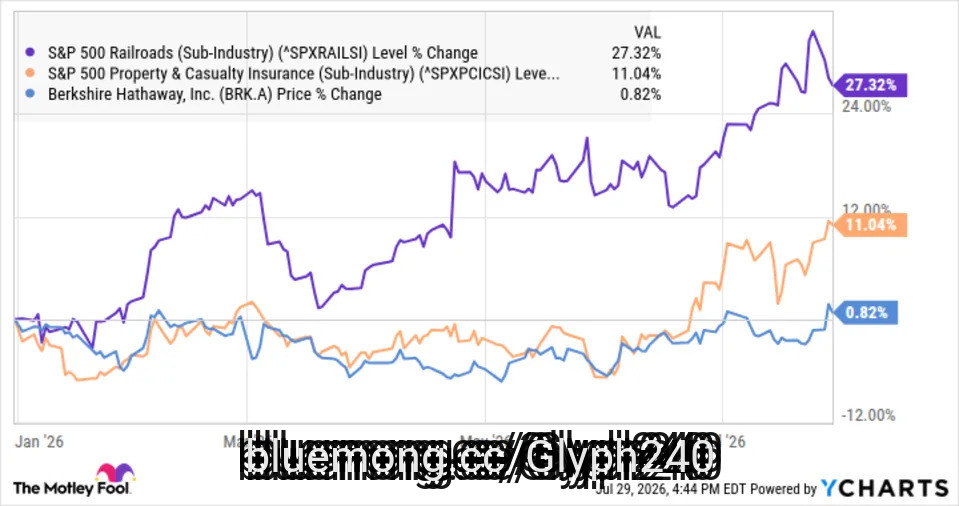
19 days ago
Interested in Loblaw Companies Limited? Here are five stocks we like better.
Loblaw delivered solid Q2 growth: Revenue rose 4.1% to C$15.3 billion, adjusted EBITDA increased 5.1% to C$1.9 billion, and adjusted diluted EPS climbed 11.9% to C$0.66.
Discount grocery, pharmacy and e-commerce led momentum. Hard-discount comparable sales grew nearly 4%, drug retail sales increased 6.1%, and online sales rose 19.3%; management also sees significant longer-term growth potential from generic GLP-1 medications.
Management maintained an upbeat outlook and boosted shareholder returns. Loblaw reaffirmed high-single-digit adjusted EPS growth for 2026, raised expected share repurchases to C$2.1 billion, and expects store expansion and distribution-center costs to ease in the second half.
Lithium Overdose: Can These 2 Lithium Stocks Recover in 2024?
#adjusted #sales
Loblaw delivered solid Q2 growth: Revenue rose 4.1% to C$15.3 billion, adjusted EBITDA increased 5.1% to C$1.9 billion, and adjusted diluted EPS climbed 11.9% to C$0.66.
Discount grocery, pharmacy and e-commerce led momentum. Hard-discount comparable sales grew nearly 4%, drug retail sales increased 6.1%, and online sales rose 19.3%; management also sees significant longer-term growth potential from generic GLP-1 medications.
Management maintained an upbeat outlook and boosted shareholder returns. Loblaw reaffirmed high-single-digit adjusted EPS growth for 2026, raised expected share repurchases to C$2.1 billion, and expects store expansion and distribution-center costs to ease in the second half.
Lithium Overdose: Can These 2 Lithium Stocks Recover in 2024?
#adjusted #sales


20 days ago
Our ****** ysts just identified a stock with the potential to be the next Nvidia. Tell us how you invest and we'll show you why it's our #1 pick. Tap here.
Performance attribution is increasingly driven by the monetization of environmental attributes, specifically methane stream credits from the Buchanan mine.
Operational execution remains focused on long-term value per share, with management maintaining a countercyclical approach to capital allocation and share repurchases.
The company is seeing significant efficiency gains in Utica drilling, with 24-hour drilling records contributing to a stable well cost profile of approximately $1.7 thousand per foot.
Strategic positioning in Appalachia is supported by a bullish long-term outlook for natural gas, despite anticipated near-term macro softness in 2026 and 2027.
#long #Share #NVIDIA #operational
Performance attribution is increasingly driven by the monetization of environmental attributes, specifically methane stream credits from the Buchanan mine.
Operational execution remains focused on long-term value per share, with management maintaining a countercyclical approach to capital allocation and share repurchases.
The company is seeing significant efficiency gains in Utica drilling, with 24-hour drilling records contributing to a stable well cost profile of approximately $1.7 thousand per foot.
Strategic positioning in Appalachia is supported by a bullish long-term outlook for natural gas, despite anticipated near-term macro softness in 2026 and 2027.
#long #Share #NVIDIA #operational