
11 days ago
PARIS (AP) — Chanel's artistic director Matthieu Blazy sent the fashion house's suits stretching towards sportswear and evening dresses drifting through clouds, with Nicole Kidman, Dua Lipa and Pedro Pascal in the audience as he unveiled his spring-summer 2027 collection.
The Monday night show underscored that a year into his creative revival, Blazy has made the house feel newly unpredictable.
The former Bottega Veneta designer succeeded Virginie Viard, who took over after Karl Lagerfeld 's death in 2019. Viard's tenure brought record sales but Blazy's contribution has been to restore a sense that Chanel's familiar ingredients can produce something unexpected.
That renewal is visible in his treatment of the house's symbols: tweed can stretch; formal jackets sit against bare skin; quilted bags turn slouchy.
The appeal lies in giving established clients something recognizable, and newer ones something to reinterpret.
#kidman
The Monday night show underscored that a year into his creative revival, Blazy has made the house feel newly unpredictable.
The former Bottega Veneta designer succeeded Virginie Viard, who took over after Karl Lagerfeld 's death in 2019. Viard's tenure brought record sales but Blazy's contribution has been to restore a sense that Chanel's familiar ingredients can produce something unexpected.
That renewal is visible in his treatment of the house's symbols: tweed can stretch; formal jackets sit against bare skin; quilted bags turn slouchy.
The appeal lies in giving established clients something recognizable, and newer ones something to reinterpret.
#kidman




27 days ago
On September 15, Digital Realty (NYSE:DLR) made ServiceFabric MCP available, a software layer that lets AI agents design, monitor and troubleshoot network connections across more than 800 data centers, including third-party sites. That nudges a real estate company toward becoming a control panel for enterprise AI. It arrives after second quarter results reported on July 23, when Core FFO per share, the company's preferred earnings yardstick, excluding net promote rose to $2.13 from $1.87 a year earlier. Here is what the launch does, and what it has yet to prove.
The pitch is that enterprise AI needs more than servers. It needs power, cooling, and sovereign placement that software can control. ServiceFabric MCP handles four jobs: designing and provisioning connections, spotting capacity and watching live network health, managing access through OAuth 2, and handing troubleshooting to agents with links into chat and monitoring tools. It is also open by design. Customers do not have to live only in Digital Realty buildings or commit to a single AI model. An IDC research VP argues that public cloud interfaces alone cannot give enterprises enough control over data movement and policy, which favors providers that pair global reach with programmable interconnection. Digital Realty runs the system on its own AI workloads, and See All AI, a medical imaging developer, leans on the Boston campus and ServiceFabric to move large datasets quickly and securely.
The financial engine underneath is running hot. Renewal leases in the second quarter were signed at rates 25.4% higher on a cash basis, which shows customers will pay more to stay put. Signed leases waiting to start added up to a $1.9 billion backlog of annualized base rent at 100% share, so future revenue is already lined up. Management responded by lifting its 2026 Core FFO per share outlook, excluding net promote, to $8.15 to $8.20.
Start with what the launch has not shown yet. Digital Realty itself calls MCP an emerging standard, and ServiceFabric MCP is still being validated across internal, enterprise, and partner deployments. The announcement puts no dollar figure on what it could add to revenue, and the company describes it only as the first programmable surface of a larger architecture that may later stretch into ***** e, power and inventory. Until customers pay for this layer, it is a promising idea more than a line item.
Then there is the bill for the physical side. Digital Realty carried about $18.6 billion of debt at June 30, 2026, and its 2026 development spending outlook, net of partner contributions, now sits at $4.25 billion to $4.75 billion. The outlook also ***** umes new long-term debt priced at 4.5% to 5.5%, up from the earlier 4.0% to 4.5%. To help pay for growth, the company has sold roughly 13.5 million shares this year for about $2.5 billion, which spreads future earnings across more owners. And the quarter's headline flattered a bit: Core FFO per share of $2.65 included a $18
The pitch is that enterprise AI needs more than servers. It needs power, cooling, and sovereign placement that software can control. ServiceFabric MCP handles four jobs: designing and provisioning connections, spotting capacity and watching live network health, managing access through OAuth 2, and handing troubleshooting to agents with links into chat and monitoring tools. It is also open by design. Customers do not have to live only in Digital Realty buildings or commit to a single AI model. An IDC research VP argues that public cloud interfaces alone cannot give enterprises enough control over data movement and policy, which favors providers that pair global reach with programmable interconnection. Digital Realty runs the system on its own AI workloads, and See All AI, a medical imaging developer, leans on the Boston campus and ServiceFabric to move large datasets quickly and securely.
The financial engine underneath is running hot. Renewal leases in the second quarter were signed at rates 25.4% higher on a cash basis, which shows customers will pay more to stay put. Signed leases waiting to start added up to a $1.9 billion backlog of annualized base rent at 100% share, so future revenue is already lined up. Management responded by lifting its 2026 Core FFO per share outlook, excluding net promote, to $8.15 to $8.20.
Start with what the launch has not shown yet. Digital Realty itself calls MCP an emerging standard, and ServiceFabric MCP is still being validated across internal, enterprise, and partner deployments. The announcement puts no dollar figure on what it could add to revenue, and the company describes it only as the first programmable surface of a larger architecture that may later stretch into ***** e, power and inventory. Until customers pay for this layer, it is a promising idea more than a line item.
Then there is the bill for the physical side. Digital Realty carried about $18.6 billion of debt at June 30, 2026, and its 2026 development spending outlook, net of partner contributions, now sits at $4.25 billion to $4.75 billion. The outlook also ***** umes new long-term debt priced at 4.5% to 5.5%, up from the earlier 4.0% to 4.5%. To help pay for growth, the company has sold roughly 13.5 million shares this year for about $2.5 billion, which spreads future earnings across more owners. And the quarter's headline flattered a bit: Core FFO per share of $2.65 included a $18


29 days ago
Cognyte Software Ltd. (NASDAQ:CGNT) reported on September 9 that revenue for the fiscal second quarter ended July 31, 2026, increased 12.0% to $109.2 million. Total software revenue, comprising software and software services, rose 20.9% to $100.8 million.
Company-defined non-GAAP adjusted EBITDA increased 35.7% to $14.9 million. The measure adds depreciation, amortization, stock-based compensation, restructuring costs, and other specified adjustments to GAAP operating income. Yet quarterly billings fell to $76.3 million from $93.0 million. The central question is whether a more profitable revenue mix can produce stronger cash generation while sustaining future growth.
The portfolio transition is visible in the revenue base. Total software revenue represented more than 92% of sales. Recurring revenue, primarily support contracts and subscription offerings, reached $56.2 million, or 51.4% of total revenue.
For Cognyte Software Ltd. (NASDAQ:CGNT), a larger recurring base could make revenue more predictable and support continued product investment. Renewals also create opportunities to expand customer relationships without rebuilding the sales pipeline from scratch. The benefit depends on retention and expansion within those accounts.
Profitability improved under both accounting measures. GAAP operating margin increased to 4.3% from 2.8%, while adjusted EBITDA margin expanded to 13.6% from 11.3%. That combination strengthens the case that the transition is improving operating economics, even after recognizing expenses excluded from adjusted results.
#gaap #NASDAQ
Company-defined non-GAAP adjusted EBITDA increased 35.7% to $14.9 million. The measure adds depreciation, amortization, stock-based compensation, restructuring costs, and other specified adjustments to GAAP operating income. Yet quarterly billings fell to $76.3 million from $93.0 million. The central question is whether a more profitable revenue mix can produce stronger cash generation while sustaining future growth.
The portfolio transition is visible in the revenue base. Total software revenue represented more than 92% of sales. Recurring revenue, primarily support contracts and subscription offerings, reached $56.2 million, or 51.4% of total revenue.
For Cognyte Software Ltd. (NASDAQ:CGNT), a larger recurring base could make revenue more predictable and support continued product investment. Renewals also create opportunities to expand customer relationships without rebuilding the sales pipeline from scratch. The benefit depends on retention and expansion within those accounts.
Profitability improved under both accounting measures. GAAP operating margin increased to 4.3% from 2.8%, while adjusted EBITDA margin expanded to 13.6% from 11.3%. That combination strengthens the case that the transition is improving operating economics, even after recognizing expenses excluded from adjusted results.
#gaap #NASDAQ


30 days ago
York Water holds the longest dividend streak in US public markets at 27 consecutive years, while WTW's $1.775B operating cash flow dwarfs its $358M dividend obligation.
Amdocs and Ituran both run near-recession-proof revenue models, with DOX posting near-100% managed services renewal rates and ITRN carrying zero debt alongside $103.7M in net cash.
All five stocks fund dividends from contracted or recurring revenue streams such as regulated rates, fee income, or subscriptions, insulating payouts from economic cycles.
Read More: Learn 7 secret wealth tips high net worth investors use that most investors miss (sponsor)
Income investors heading into the fourth quarter want payouts that don't wobble with the business cycle. The five names below share one thing: dividends funded by recurring, contracted, or fee-based revenue streams that keep flowing whether or not the macro cooperates. Each has raised its payout recently, and each trades on Nasdaq. As a grounding data point, Willis Towers Watson (NASDAQ:WTW) alone generated $360 million of first-half free cash flow, roughly double the prior-year period, giving the broker ample room to keep funding both dividends and buybacks.
#revenue #NASDAQ #Dividend
Amdocs and Ituran both run near-recession-proof revenue models, with DOX posting near-100% managed services renewal rates and ITRN carrying zero debt alongside $103.7M in net cash.
All five stocks fund dividends from contracted or recurring revenue streams such as regulated rates, fee income, or subscriptions, insulating payouts from economic cycles.
Read More: Learn 7 secret wealth tips high net worth investors use that most investors miss (sponsor)
Income investors heading into the fourth quarter want payouts that don't wobble with the business cycle. The five names below share one thing: dividends funded by recurring, contracted, or fee-based revenue streams that keep flowing whether or not the macro cooperates. Each has raised its payout recently, and each trades on Nasdaq. As a grounding data point, Willis Towers Watson (NASDAQ:WTW) alone generated $360 million of first-half free cash flow, roughly double the prior-year period, giving the broker ample room to keep funding both dividends and buybacks.
#revenue #NASDAQ #Dividend


1 month ago
Broyhill ***** et Management, a Charlotte-based firm, issued its second-quarter 2026 investor letter, which is available for download here. The Broyhill Equity Composite gained 8.8% in Q2, trailing the MSCI All Country World Index's 15.1% and the MSCI ACWI Value Index's 10.8%. For the first half, the Composite returned 2.3%, versus 11.5% for the Index. The letter highlights that a significant portion of the shortfall occurred in April due to market dynamics and geopolitical events, with tech, particularly semiconductors, driving recent gains. Broyhill notes its lack of direct semiconductor exposure but acknowledges potential interest in the sector if opportunities arise, maintaining its investment philosophy focused on capital protection in fragile market conditions. Also, check the fund's top five holdings to see its best picks in 2026.
In its second-quarter 2026 investor letter, Broyhill ***** et Management highlighted ServiceNow, Inc. (NYSE:NOW). ServiceNow, Inc. (NYSE:NOW) is a cloud-based software company that provides a platform for automating and managing digital workflows. On September 14, 2026, ServiceNow, Inc. (NYSE:NOW) closed at $142.35 per share. Over the past month, ServiceNow, Inc. (NYSE:NOW) returned 18.32%, but its shares are down 24.15% over the past year. ServiceNow, Inc. (NYSE:NOW) has a market capitalization of $147.19 billion, and its stock has traded within a 52-week range of $81.24 to $194.73.
Broyhill ***** et Management stated the following regarding ServiceNow, Inc. (NYSE:NOW) in its Q2 2026 investor letter:
"ServiceNow, Inc. (NYSE:NOW), added in May, fell 21%. The general argument against software fits it poorly. The Now ***** ist annual contract value target was raised by 50% to $1.5 billion, customers spending more than $1 million on it grew 130% year over year, more than half of new business is now priced on consumption rather than seats, and the gross renewal rate is 97%. That is not the profile of an obvious AI victim. While we exited other related exposure where we could not frame the range of outcomes with enough confidence to hold the position (HubSpot and Intuit), we added to ServiceNow."
ServiceNow, Inc. (NYSE:NOW) is not on our list of the 40 Most Popular Stocks Among Hedge Funds. According to our database, 115 hedge fund portfolios held ServiceNow, Inc. (NYSE:NOW) at the end of the second quarter, compared to 108 in the previous quarter. While we acknowledge the potential of ServiceNow, Inc. (NYSE:NOW) as an investment, we believe certain AI stocks offer greater upside potential and carry less downside risk. If you're looking for an extremely undervalued AI stock that also stands to benefit significantly from Trump-era tariffs and the onshoring trend, see our free report on the best short-term AI stock.
#servicenow #management #quarter #investor
In its second-quarter 2026 investor letter, Broyhill ***** et Management highlighted ServiceNow, Inc. (NYSE:NOW). ServiceNow, Inc. (NYSE:NOW) is a cloud-based software company that provides a platform for automating and managing digital workflows. On September 14, 2026, ServiceNow, Inc. (NYSE:NOW) closed at $142.35 per share. Over the past month, ServiceNow, Inc. (NYSE:NOW) returned 18.32%, but its shares are down 24.15% over the past year. ServiceNow, Inc. (NYSE:NOW) has a market capitalization of $147.19 billion, and its stock has traded within a 52-week range of $81.24 to $194.73.
Broyhill ***** et Management stated the following regarding ServiceNow, Inc. (NYSE:NOW) in its Q2 2026 investor letter:
"ServiceNow, Inc. (NYSE:NOW), added in May, fell 21%. The general argument against software fits it poorly. The Now ***** ist annual contract value target was raised by 50% to $1.5 billion, customers spending more than $1 million on it grew 130% year over year, more than half of new business is now priced on consumption rather than seats, and the gross renewal rate is 97%. That is not the profile of an obvious AI victim. While we exited other related exposure where we could not frame the range of outcomes with enough confidence to hold the position (HubSpot and Intuit), we added to ServiceNow."
ServiceNow, Inc. (NYSE:NOW) is not on our list of the 40 Most Popular Stocks Among Hedge Funds. According to our database, 115 hedge fund portfolios held ServiceNow, Inc. (NYSE:NOW) at the end of the second quarter, compared to 108 in the previous quarter. While we acknowledge the potential of ServiceNow, Inc. (NYSE:NOW) as an investment, we believe certain AI stocks offer greater upside potential and carry less downside risk. If you're looking for an extremely undervalued AI stock that also stands to benefit significantly from Trump-era tariffs and the onshoring trend, see our free report on the best short-term AI stock.
#servicenow #management #quarter #investor


1 month ago
WASHINGTON (AP) — The Trump administration is stripping tens of millions of dollars in U.S. military ******* istance from countries in Europe and the Middle East to support conservative-leaning governments in Central and South America.
The State Department on Tuesday notified Congress that it will reprogram $52 million in foreign military financing from Slovakia, North Macedonia, Tunisia and Iraq to Panama, Peru, Ecuador and Colombia.
Secretary of State Marco Rubio visited Colombia, Ecuador and Peru last week and pledged to them additional support as the Trump administration has prioritized the Western Hemisphere in its foreign policy with an emphasis on combating drug trafficking and illegal immigration.
It is just the latest in a series of moves that have reduced either money or troop deployments to Europe in response to President Donald Trump's complaints about NATO allies not spending enough on their defense budgets and other matters. Both North Macedonia and Slovakia are NATO members.
But it also comes as the administration has put particular attention on the Western Hemisphere, aligning deeply with right-wing governments as Trump celebrates a renewal of the 19th century Monroe Doctrine establishing Washington's dominance in the Americas.
#Trump #Europe #slovakia
The State Department on Tuesday notified Congress that it will reprogram $52 million in foreign military financing from Slovakia, North Macedonia, Tunisia and Iraq to Panama, Peru, Ecuador and Colombia.
Secretary of State Marco Rubio visited Colombia, Ecuador and Peru last week and pledged to them additional support as the Trump administration has prioritized the Western Hemisphere in its foreign policy with an emphasis on combating drug trafficking and illegal immigration.
It is just the latest in a series of moves that have reduced either money or troop deployments to Europe in response to President Donald Trump's complaints about NATO allies not spending enough on their defense budgets and other matters. Both North Macedonia and Slovakia are NATO members.
But it also comes as the administration has put particular attention on the Western Hemisphere, aligning deeply with right-wing governments as Trump celebrates a renewal of the 19th century Monroe Doctrine establishing Washington's dominance in the Americas.
#Trump #Europe #slovakia


1 month ago
On September 10, Tsakos Energy Navigation (NYSE:TEN) reported a first half of 2026 that reads like a fantasy year for a decades-old tanker operator. Net income hit $228 million, more than triple what the company earned over the same six months a year earlier, while diluted EPS climbed to $7.12 from $1.70. Behind those numbers sits a rare combination: a fleet locked into billions in forward earnings, war-driven cargo detours pushing rates higher, and a newbuilding bet that has already paid off before half the ships have even hit the water.
The earnings power came from two directions at once. The average time charter equivalent rate rose 41% to $43,503 a day in the first half, and profit-sharing contracts on nine large vessels brought in $71 million, up from just $10 million a year earlier. Even with six vessels pulled from service for scheduled dry docks, the fleet still ran at 96.5% utilization. Second-quarter results followed the same pattern, with net income of $139.3 million, which included a $38 million gain on ******* et sales, and earnings per share of $4.40 against $0.67 in last year's second quarter.
Tsakos is also sitting on a fleet renewal bet that already worked out. Since the start of 2023, the company has sold 20 tankers averaging 17.3 years old and replaced them with 35 vessels averaging just half a year old. Its 26-ship newbuilding program, contracted for about $3.1 billion, is now valued roughly 30% above that cost, and CEO Nikolas Tsakos said the VLCCs in that order book have nearly doubled in price since they were placed. With $466 million in cash and forward committed earnings of roughly $3.5 billion, management has room to raise its dividend, which already paid out $1.60 per share this year, and is weighing whether to redeem $120 million of 9.25% preferred shares, a move it estimates could add $0.30 to $0.40 to EPS.
That performance came against a backdrop the company would rather not have. President George Saroglou said vessels have been attacked, and seafarers hurt or killed trying to keep global trade moving through the Strait of Hormuz, where a ceasefire unraveled roughly halfway through its planned 60-day run and a US naval presence now tries to manage safe passage. Tsakos has chosen to route around the strait entirely rather than put crews through the toll those attacks take.
The cost side is climbing too. Bunker prices jumped about 25%, pushing first-half voyage expenses to $82 million from $68 million, and operating expenses rose to $111 million from $102 million on higher dry-docking costs and inflation. Total debt reached $2.1 billion at the end of June, up from $1.8 billion a year earlier, as the company finances its newbuilding program. And while profit-sharing revenue jumped, the operating days tied to those market-related contracts actually fell 22%, meaning a smaller slice of the fleet is left exposed to capture further spot-rate gains if the tanker market keeps running hot.
#billion
The earnings power came from two directions at once. The average time charter equivalent rate rose 41% to $43,503 a day in the first half, and profit-sharing contracts on nine large vessels brought in $71 million, up from just $10 million a year earlier. Even with six vessels pulled from service for scheduled dry docks, the fleet still ran at 96.5% utilization. Second-quarter results followed the same pattern, with net income of $139.3 million, which included a $38 million gain on ******* et sales, and earnings per share of $4.40 against $0.67 in last year's second quarter.
Tsakos is also sitting on a fleet renewal bet that already worked out. Since the start of 2023, the company has sold 20 tankers averaging 17.3 years old and replaced them with 35 vessels averaging just half a year old. Its 26-ship newbuilding program, contracted for about $3.1 billion, is now valued roughly 30% above that cost, and CEO Nikolas Tsakos said the VLCCs in that order book have nearly doubled in price since they were placed. With $466 million in cash and forward committed earnings of roughly $3.5 billion, management has room to raise its dividend, which already paid out $1.60 per share this year, and is weighing whether to redeem $120 million of 9.25% preferred shares, a move it estimates could add $0.30 to $0.40 to EPS.
That performance came against a backdrop the company would rather not have. President George Saroglou said vessels have been attacked, and seafarers hurt or killed trying to keep global trade moving through the Strait of Hormuz, where a ceasefire unraveled roughly halfway through its planned 60-day run and a US naval presence now tries to manage safe passage. Tsakos has chosen to route around the strait entirely rather than put crews through the toll those attacks take.
The cost side is climbing too. Bunker prices jumped about 25%, pushing first-half voyage expenses to $82 million from $68 million, and operating expenses rose to $111 million from $102 million on higher dry-docking costs and inflation. Total debt reached $2.1 billion at the end of June, up from $1.8 billion a year earlier, as the company finances its newbuilding program. And while profit-sharing revenue jumped, the operating days tied to those market-related contracts actually fell 22%, meaning a smaller slice of the fleet is left exposed to capture further spot-rate gains if the tanker market keeps running hot.
#billion


1 month ago
On September 8, a caller inquired if Trinity Industries, Inc. (NYSE:TRN) is worth looking at after its recent pullback. Mad Money host Jim Cramer replied:
Yes, Railcar, shouldn't be down this much. I like your thinking. You waited for the big hit. Now, it's in a good place. I would pull the trigger.
Trinity Industries, Inc. (NYSE:TRN) has faced a sharp correction, pulling back significantly from its 52-week high of $38.31. Despite this downward pressure, the company's fundamental **** et base remains exceptionally stable. In its second-quarter earnings report, the company posted total revenues of $485 million and diluted earnings per share from continuing operations of $1.25, with earnings benefiting from a $132 million non-cash pre-tax gain tied to the Napier Park railcar partnership transaction.
The leasing and services segment continues to support the business, posting a robust fleet utilization rate of 97.3% and an improved lease renewal success rate of 75%. In addition, the Future Lease Rate Differential improved to +3.5%, showing healthy pricing power on expiring contracts. Management reaffirmed its full-year EPS guidance of $2.20 to $2.40, supported by a solid railcar backlog standing at $1.6 billion.
The primary catalyst for Trinity Industries, Inc.'s (NYSE:TRN) recent sell-off stems from margin compression within the Rail Products manufacturing division. Operating margins in manufacturing faced pressure from an unplanned production interruption at the Longview manufacturing facility and temporary realignment expenses tied to the company's Mexican footprint. These localized execution issues overshadowed a strong quarterly performance in leasing, causing the stock to drift below both its 50-day and 200-day moving average.
#trinity
Yes, Railcar, shouldn't be down this much. I like your thinking. You waited for the big hit. Now, it's in a good place. I would pull the trigger.
Trinity Industries, Inc. (NYSE:TRN) has faced a sharp correction, pulling back significantly from its 52-week high of $38.31. Despite this downward pressure, the company's fundamental **** et base remains exceptionally stable. In its second-quarter earnings report, the company posted total revenues of $485 million and diluted earnings per share from continuing operations of $1.25, with earnings benefiting from a $132 million non-cash pre-tax gain tied to the Napier Park railcar partnership transaction.
The leasing and services segment continues to support the business, posting a robust fleet utilization rate of 97.3% and an improved lease renewal success rate of 75%. In addition, the Future Lease Rate Differential improved to +3.5%, showing healthy pricing power on expiring contracts. Management reaffirmed its full-year EPS guidance of $2.20 to $2.40, supported by a solid railcar backlog standing at $1.6 billion.
The primary catalyst for Trinity Industries, Inc.'s (NYSE:TRN) recent sell-off stems from margin compression within the Rail Products manufacturing division. Operating margins in manufacturing faced pressure from an unplanned production interruption at the Longview manufacturing facility and temporary realignment expenses tied to the company's Mexican footprint. These localized execution issues overshadowed a strong quarterly performance in leasing, causing the stock to drift below both its 50-day and 200-day moving average.
#trinity


1 month ago
Our ****** ysts just identified a stock with the potential to be the next Nvidia. Tell us how you invest and we'll show you why it's our #1 pick. Tap here.
Management attributed record-breaking results to a 'stellar' market environment where geopolitical tensions, specifically the closure of the Strait of Hormuz, have significantly increased ton-mile dislocation.
The company is executing a massive $3.1 billion fleet renewal program involving 26 newbuildings, with management noting that these ****** ets have already appreciated by approximately 30% since contracting.
Strategic positioning focuses on a 'balanced' model, using fixed-rate charters to cover all-in break-even costs while utilizing spot and profit-sharing contracts to capture market upside.
Management highlighted an unprecedented appetite from major oil companies, who are now seeking long-term charters of up to 7 years for vessels aged 10 years or younger.
#management #years #hormuz
Management attributed record-breaking results to a 'stellar' market environment where geopolitical tensions, specifically the closure of the Strait of Hormuz, have significantly increased ton-mile dislocation.
The company is executing a massive $3.1 billion fleet renewal program involving 26 newbuildings, with management noting that these ****** ets have already appreciated by approximately 30% since contracting.
Strategic positioning focuses on a 'balanced' model, using fixed-rate charters to cover all-in break-even costs while utilizing spot and profit-sharing contracts to capture market upside.
Management highlighted an unprecedented appetite from major oil companies, who are now seeking long-term charters of up to 7 years for vessels aged 10 years or younger.
#management #years #hormuz


1 month ago
Braze Inc. (NASDAQ:BRZE) turned in a strong second quarter. The reputed customer engagement platform showcased continued momentum across both its product strategy and financial performance. The company generated topline figure of $227.2 million, an impressive 26.2% increase compared to the same period last year. This revenue growth was fueled by upselling gains, customer additions and renewals. The company posted $24.2 million in cash flow from operating activities, a monumental growth relative to $7 million in the same period a year ago. This was paired with $21.7 million in free cash flow, against $3.5 million during Q2 FY26.
Jirsak/Shutterstock.com
The quarter brought several meaningful strategic moves. Braze broadened its BrazeAI Operator tool, which allows users to build new Canvas steps straight from conversational prompts. The company also signed a three-year Strategic Collaboration Agreement with AWS to support collaborative co-selling and go-to-market initiatives. The arrangement will incentivize AWS sellers for integrating Braze within their accounts.
For the latest quarter, subscription revenue jumped to $207.7 million from $171.8 million a year prior, while professional services and other revenue more than doubled, reaching $19.6 million. Dollar-based net retention among larger accounts, defined as those with annual recurring revenue of $500,000 or more, edged up to 112% in comparison to 111% a year earlier. Profitability metrics improved considerably as well, with adjusted operating income jumping to $22 million from $6 million, and adjusted diluted EPS increasing from $0.15 to $0.19.
Management cited growing demand for measurable return on investment as the primary force behind faster uptake of Braze's AI product lineup, which includes BrazeAI Operator, BrazeAI Agent Console, and BrazeAI Decisioning Studio.
#revenue
Jirsak/Shutterstock.com
The quarter brought several meaningful strategic moves. Braze broadened its BrazeAI Operator tool, which allows users to build new Canvas steps straight from conversational prompts. The company also signed a three-year Strategic Collaboration Agreement with AWS to support collaborative co-selling and go-to-market initiatives. The arrangement will incentivize AWS sellers for integrating Braze within their accounts.
For the latest quarter, subscription revenue jumped to $207.7 million from $171.8 million a year prior, while professional services and other revenue more than doubled, reaching $19.6 million. Dollar-based net retention among larger accounts, defined as those with annual recurring revenue of $500,000 or more, edged up to 112% in comparison to 111% a year earlier. Profitability metrics improved considerably as well, with adjusted operating income jumping to $22 million from $6 million, and adjusted diluted EPS increasing from $0.15 to $0.19.
Management cited growing demand for measurable return on investment as the primary force behind faster uptake of Braze's AI product lineup, which includes BrazeAI Operator, BrazeAI Agent Console, and BrazeAI Decisioning Studio.
#revenue


1 month ago
Braze, Inc. (NASDAQ:BRZE) reported strong Q2 results on September 8, but investors appeared more focused on the company's outlook. Despite the solid performance, the company's shares had fallen sharply following the earnings report, declining nearly 20% in the September 9 session.
In its second quarter of fiscal 2027, the company generated $227.2 million in revenue, up 26.2% year-over-year. Braze, Inc. (NASDAQ:BRZE) said growth was mainly driven by new customers, along with upsells and renewals from existing customers. Subscription revenue increased 21% to reach $207.7 million.
Non-GAAP net income also improved 26% to more than $21.23 million, or $0.19 per share. Revenue and adjusted earnings were ahead of Wall Street expectations. **** ysts were expecting Braze, Inc. (NASDAQ:BRZE) to report revenue of slightly more than $220 million and adjusted earnings of $0.15 per share.
The company also showed improvement in its cash generation as it reported record second-quarter cash flow from operations of $24 million and free cash flow of $22 million.
Guidance Becomes the Main Concern
#september
In its second quarter of fiscal 2027, the company generated $227.2 million in revenue, up 26.2% year-over-year. Braze, Inc. (NASDAQ:BRZE) said growth was mainly driven by new customers, along with upsells and renewals from existing customers. Subscription revenue increased 21% to reach $207.7 million.
Non-GAAP net income also improved 26% to more than $21.23 million, or $0.19 per share. Revenue and adjusted earnings were ahead of Wall Street expectations. **** ysts were expecting Braze, Inc. (NASDAQ:BRZE) to report revenue of slightly more than $220 million and adjusted earnings of $0.15 per share.
The company also showed improvement in its cash generation as it reported record second-quarter cash flow from operations of $24 million and free cash flow of $22 million.
Guidance Becomes the Main Concern
#september


1 month ago
Real Madrid had a very active summer transfer window, bringing in as many as seven players and also bringing back Jose Mourinho as manager.
Now, with the transfer window firmly shut, Los Blancos have shifted their focus to renewals for players in the first-team squad.
It was revealed earlier that the club were planning renewal talks with Thibaut Courtois, with the veteran shot-stopper in the final year of his contract.
Now, according to Fabrizio Romano, the Belgium international is closing in on a new contract with Real Madrid, with an agreement between the goalkeeper and the club now almost complete.
The Belgian's current contractual situation made this an urgent matter for Madrid to address, but it looks like talks have progressed smoothly.
#madrid #jose
Now, with the transfer window firmly shut, Los Blancos have shifted their focus to renewals for players in the first-team squad.
It was revealed earlier that the club were planning renewal talks with Thibaut Courtois, with the veteran shot-stopper in the final year of his contract.
Now, according to Fabrizio Romano, the Belgium international is closing in on a new contract with Real Madrid, with an agreement between the goalkeeper and the club now almost complete.
The Belgian's current contractual situation made this an urgent matter for Madrid to address, but it looks like talks have progressed smoothly.
#madrid #jose




1 month ago
The last few days have been very productive for Real Madrid, both on and off the pitch. Jose Mourinho's side defeated Inter Milan 2-1 in their opening match of the 2026-27 Champions League, while there have also been major breakthroughs regarding new contracts for multiple key players.
In the last 24 hours, it was revealed that Arda Guler has committed to a new contract, with the Türkiye international set to extend his stay at the Bernabeu until 2032. Fellow midfielder Jude Bellingham is also in the process of agreeing a renewal, as Real Madrid bosses seek to tie down two players that are seen as the present and future of the first team.
Now, there is further good news for Real Madrid fans, with Fabrizio Romano reporting that Thibaut Courtois has agreed to extend his stay at the Bernabeu. The veteran goalkeeper's current deal is due to expire at the end of the 2026-27 season, although he has committed to remaining at the club for at least one more year.
Courtois has been a fantastic servant for Real Madrid over the last eight years. Having joined from Chelsea in the summer of 2018, the Belgian has already racked up 338 appearances across all competitions, and he should significantly add to this number by the time he leaves the club, whenever that may be.
Courtois has already spoken of his desire to retire at Real Madrid, and if he continues to perform at a very high level, there is a good chance that his wish is granted – especially given that the club has yet to secure a long-term replacement. The decision on this matter will come when the time is right, but for now, all that matters is the Belgian shot-stopper will remain at the Bernabeu until the summer of 2028 at the very least.
#bernabeu #club
In the last 24 hours, it was revealed that Arda Guler has committed to a new contract, with the Türkiye international set to extend his stay at the Bernabeu until 2032. Fellow midfielder Jude Bellingham is also in the process of agreeing a renewal, as Real Madrid bosses seek to tie down two players that are seen as the present and future of the first team.
Now, there is further good news for Real Madrid fans, with Fabrizio Romano reporting that Thibaut Courtois has agreed to extend his stay at the Bernabeu. The veteran goalkeeper's current deal is due to expire at the end of the 2026-27 season, although he has committed to remaining at the club for at least one more year.
Courtois has been a fantastic servant for Real Madrid over the last eight years. Having joined from Chelsea in the summer of 2018, the Belgian has already racked up 338 appearances across all competitions, and he should significantly add to this number by the time he leaves the club, whenever that may be.
Courtois has already spoken of his desire to retire at Real Madrid, and if he continues to perform at a very high level, there is a good chance that his wish is granted – especially given that the club has yet to secure a long-term replacement. The decision on this matter will come when the time is right, but for now, all that matters is the Belgian shot-stopper will remain at the Bernabeu until the summer of 2028 at the very least.
#bernabeu #club


1 month ago
GitLab Inc. (NASDAQ:GTLB) reported fiscal second-quarter revenue of $286.3 million, up 21% year over year, as gross bookings reached a company record. Annual recurring revenue, or ARR, is the annualized run rate of subscription revenue at period end and excludes professional services. GitLab Inc. (NASDAQ:GTLB) defines Net ARR as the change in ARR between periods on a bookings basis, measured by opportunity close date. Quarterly Net ARR grew more than 40%, which does not mean total ending ARR grew at that rate.
Dollar-based net retention was 117%, the same rounded figure as the first quarter. GitLab Inc. (NASDAQ:GTLB) said the underlying rate accelerated sequentially, although it declined from 121% one year earlier. Customers generating more than $100,000 of ARR increased 17% to 1,571. Current remaining performance obligations, or contracted revenue expected to be recognized within 12 months, rose 20% to $744.7 million. Total remaining performance obligations increased 16% to $1.2 billion.
Record bookings and management-reported sequential improvement in dollar-based net retention create a credible path to future subscription revenue. First orders more than doubled, while first-order Net ARR grew nearly 40%. Deals worth at least $500,000 increased more than 150%, and the Ultimate tier reached 59% of ARR after growing approximately 35%.
AI and consumption products are gaining early traction. Duo Agent Platform paid consumption run rate grew roughly 50% sequentially. GitLab Inc. (NASDAQ:GTLB) defines paid consumption run rate as a point-in-time annualized measure of credit and Flex commitments plus paid on-demand consumption, excluding trials and promotional credits. It exceeded $40 million, up from $15 million entering the quarter, but is not revenue or ARR. The increase included Flex, where existing subscription dollars can enter the commitment pool, so it was not necessarily incremental consumption demand.
GitLab Flex attracted more than 130 customers and over $20 million of commitments during its first six weeks, with most occurring at renewal. Flex lets customers allocate one commitment across seats, credits, and eligible consumption products, potentially reducing procurement friction as AI-driven activity grows.
#revenue #consumption #gtlb #first
Dollar-based net retention was 117%, the same rounded figure as the first quarter. GitLab Inc. (NASDAQ:GTLB) said the underlying rate accelerated sequentially, although it declined from 121% one year earlier. Customers generating more than $100,000 of ARR increased 17% to 1,571. Current remaining performance obligations, or contracted revenue expected to be recognized within 12 months, rose 20% to $744.7 million. Total remaining performance obligations increased 16% to $1.2 billion.
Record bookings and management-reported sequential improvement in dollar-based net retention create a credible path to future subscription revenue. First orders more than doubled, while first-order Net ARR grew nearly 40%. Deals worth at least $500,000 increased more than 150%, and the Ultimate tier reached 59% of ARR after growing approximately 35%.
AI and consumption products are gaining early traction. Duo Agent Platform paid consumption run rate grew roughly 50% sequentially. GitLab Inc. (NASDAQ:GTLB) defines paid consumption run rate as a point-in-time annualized measure of credit and Flex commitments plus paid on-demand consumption, excluding trials and promotional credits. It exceeded $40 million, up from $15 million entering the quarter, but is not revenue or ARR. The increase included Flex, where existing subscription dollars can enter the commitment pool, so it was not necessarily incremental consumption demand.
GitLab Flex attracted more than 130 customers and over $20 million of commitments during its first six weeks, with most occurring at renewal. Flex lets customers allocate one commitment across seats, credits, and eligible consumption products, potentially reducing procurement friction as AI-driven activity grows.
#revenue #consumption #gtlb #first

0.00$ raised of 0.00$ goal
0 donations
0.00$
to go

1 month ago
Alexis Mac Allister has revealed that Liverpool told him the club were not in a position to renew his contract and that he had options to leave in the summer.
Mac Allister's current contract at Liverpool is set to expire in 2028 and discussions over a renewal have failed to reach an agreement.
The failed talks leave the Argentine in an uncertain situation, after teammates Dominik Szoboszlai and Ryan Gravenberch signed new long-term deals.
Mac Allister has revealed that Liverpool told his agents that the club were 'not in a position to renew' and has expressed his disappointment at the outcome of the talks.
Speaking to the media ahead of Liverpool'sChampions League clash with Atletico Madrid, Mac Allister said it was 'sad' that renewal talks did not lead to fresh terms.
#allister
Mac Allister's current contract at Liverpool is set to expire in 2028 and discussions over a renewal have failed to reach an agreement.
The failed talks leave the Argentine in an uncertain situation, after teammates Dominik Szoboszlai and Ryan Gravenberch signed new long-term deals.
Mac Allister has revealed that Liverpool told his agents that the club were 'not in a position to renew' and has expressed his disappointment at the outcome of the talks.
Speaking to the media ahead of Liverpool'sChampions League clash with Atletico Madrid, Mac Allister said it was 'sad' that renewal talks did not lead to fresh terms.
#allister

1 month ago
2
Manchester United's priority during the final days of the summer transfer window was to bring in a left-back.
Their primary target was Lewis Hall of Newcastle United, but the Magpies refused to consider his sale and are now close to reaching an agreement with him over a contract renewal, making it difficult for United to revisit their interest.
However, United's recruitment team have reportedly started to explore other options before the next window opens.
According to Fussballdaten, Borussia Dortmund left-back Daniel Svensson is starting to attract the interest of Europe's biggest clubs.
#interest #hall
Manchester United's priority during the final days of the summer transfer window was to bring in a left-back.
Their primary target was Lewis Hall of Newcastle United, but the Magpies refused to consider his sale and are now close to reaching an agreement with him over a contract renewal, making it difficult for United to revisit their interest.
However, United's recruitment team have reportedly started to explore other options before the next window opens.
According to Fussballdaten, Borussia Dortmund left-back Daniel Svensson is starting to attract the interest of Europe's biggest clubs.
#interest #hall


1 month ago
On August 3, Alexandria Real Estate Equities (NYSE:ARE) reported a Q2 2026 net loss of $0.43 per diluted share, narrower than the $0.64 loss posted a year earlier, while first-half net income swung to $1.68 per share from a loss of $0.71 in H1 2025. Funds from operations, the metric real estate investors watch most closely, moved the other way. Second-quarter FFO per share, as adjusted, fell to $1.73 from $2.33, and first-half FFO per share dropped to $3.46 from $4.63.
Leasing activity picked up meaningfully in the second quarter. Alexandria signed 1,038,917 rentable square feet of leases in Q2 2026, a 60% jump from the first quarter and roughly 87,000 square feet above its trailing quarterly average. Three-quarters of that leasing activity over the trailing twelve months came from existing tenants, and once executed leases with future occupancy are counted, total occupancy climbs to 90.9% from the reported 86.9%. Tenant quality remains a selling point too: 80% of annual rental revenue comes from the company's Megacampus platform, and 57% comes from investment-grade or publicly traded large-cap tenants, with 99.9% of second-quarter rents and receivables collected as of August 3.
The balance sheet backs that stability up. Alexandria holds $3.60 billion in liquidity and just extended its $5.0 billion unsecured line of credit to 2032 at a lower borrowing rate of SOFR plus 0.725%, down from SOFR plus 0.835%. Only 6% of total debt matures through 2028, and the company's 9.7-year weighted-average remaining debt term is the longest among S&P 500 REITs. General and administrative expenses fell 17.4% from Q2 2024, even after a year-over-year uptick, and the company maintained its $0.72 per share quarterly dividend, a 5.4% yield as of June 30.
The numbers behind the improved per-share figures are less reassuring on closer look. Same-property net operating income fell 10.6% in the second quarter and 11.5% for the first half, driven largely by occupancy declines tied to lease expirations. Operating occupancy slipped from 87.7% at the end of March to 86.9% at the end of June, and the current-period average occupancy of 87.1% compares with 92.6% a year earlier. Lease renewals aren't helping much either: rental rate changes on renewed and re-leased ******* e fell 0.7% in the second quarter and 15.0% in the first quarter, with cash-basis declines of 4.3% and 15.8%, respectively.
Leverage remains elevated in the near term. Net debt and preferred stock to Adjusted EBITDA stood at 7.0x on a Q2 2026 annualized basis, well above the company's 5.6x to 6.2x target for the fourth quarter, which depends on completing $2.9 billion in planned dispositions and other capital sources. General and administrative expenses rose 26.5% from Q2 2025 to $36.9 million. The company also recorded $222.5 million of real estate impairment charges in the quarter and continues to evaluate the business and financial strategy for five development and redevelopment projects totaling 1.4 m
Leasing activity picked up meaningfully in the second quarter. Alexandria signed 1,038,917 rentable square feet of leases in Q2 2026, a 60% jump from the first quarter and roughly 87,000 square feet above its trailing quarterly average. Three-quarters of that leasing activity over the trailing twelve months came from existing tenants, and once executed leases with future occupancy are counted, total occupancy climbs to 90.9% from the reported 86.9%. Tenant quality remains a selling point too: 80% of annual rental revenue comes from the company's Megacampus platform, and 57% comes from investment-grade or publicly traded large-cap tenants, with 99.9% of second-quarter rents and receivables collected as of August 3.
The balance sheet backs that stability up. Alexandria holds $3.60 billion in liquidity and just extended its $5.0 billion unsecured line of credit to 2032 at a lower borrowing rate of SOFR plus 0.725%, down from SOFR plus 0.835%. Only 6% of total debt matures through 2028, and the company's 9.7-year weighted-average remaining debt term is the longest among S&P 500 REITs. General and administrative expenses fell 17.4% from Q2 2024, even after a year-over-year uptick, and the company maintained its $0.72 per share quarterly dividend, a 5.4% yield as of June 30.
The numbers behind the improved per-share figures are less reassuring on closer look. Same-property net operating income fell 10.6% in the second quarter and 11.5% for the first half, driven largely by occupancy declines tied to lease expirations. Operating occupancy slipped from 87.7% at the end of March to 86.9% at the end of June, and the current-period average occupancy of 87.1% compares with 92.6% a year earlier. Lease renewals aren't helping much either: rental rate changes on renewed and re-leased ******* e fell 0.7% in the second quarter and 15.0% in the first quarter, with cash-basis declines of 4.3% and 15.8%, respectively.
Leverage remains elevated in the near term. Net debt and preferred stock to Adjusted EBITDA stood at 7.0x on a Q2 2026 annualized basis, well above the company's 5.6x to 6.2x target for the fourth quarter, which depends on completing $2.9 billion in planned dispositions and other capital sources. General and administrative expenses rose 26.5% from Q2 2025 to $36.9 million. The company also recorded $222.5 million of real estate impairment charges in the quarter and continues to evaluate the business and financial strategy for five development and redevelopment projects totaling 1.4 m

1 month ago
On August 13, enCore Energy (NASDAQ:EU) reported financial and operating results for the six months ended June 30, and the numbers pull in two directions at once. The uranium miner delivered more pounds at higher prices than a year earlier, yet its net loss per share widened to $0.19 from $0.16. Underneath that headline sits a company racing to bring new wellfields online just as its current ones cost more to run than the uranium they produce is worth.
enCore delivered 485,000 pounds of U3O8 into contracts during the first half of 2026, up from 350,000 pounds a year earlier, at an average sales price of $70.10 per pound versus $62.58 in 2025. Both volume and price moved in the right direction, a sign that demand from utilities has not slowed even as the company's own production has. The bigger story sits in the ground. On June 22, enCore announced that its Dewey Burdock project in South Dakota received a 20-year renewal of its Source Materials License, extending the permit to June 2046, after the Bureau of Land Management cleared the company to begin infrastructure construction.
That milestone means Dewey Burdock now holds every federal permit it needs, leaving only a state review that began June 15. Closer to production, enCore expects final permits at its Alta Mesa Wellfield 3 Extension and at the Upper Spring Creek wellfield in the fourth quarter of 2026, both already built and waiting on paperwork rather than construction. Drilling at Alta Mesa East continued with three to five rigs through the quarter, and management says results have met or exceeded expectations. Add a July 2026 workforce reduction meant to lower costs starting in the third quarter, and the pieces for a stronger second half are at least on the table.
The production side tells a different story. enCore extracted just 131,274 pounds of U3O8 in the first half of 2026, down from 317,613 pounds a year earlier, a drop of more than half. Extraction costs rose to $57.36 per pound from $42.92, and once purchased pounds are folded in, the weighted average cost of delivered U3O8 climbed to $75.54 per pound, above the $70.10 per pound the company actually collected. That gap between what enCore pays to deliver uranium and what it earns selling it is at the center of the widened loss, which the company attributed to lower extraction and a fair value adjustment on its Verdera Energy Corp shares.
Alta Mesa's Wellfield 7 is also set to stop production in the third quarter of 2026 as it reaches natural depletion, removing supply before the newer wellfields are permitted to replace it. The near-term fixes aren't guaranteed on the timeline enCore has laid out either. Wellfield 8 permits are not expected until the end of the first quarter of 2027, and Dewey Burdock's state permitting process, still under review by South Dakota's Department of Agriculture & Natural Resources, has the company targeting development only in 2028.
#encore #pounds #quarter
enCore delivered 485,000 pounds of U3O8 into contracts during the first half of 2026, up from 350,000 pounds a year earlier, at an average sales price of $70.10 per pound versus $62.58 in 2025. Both volume and price moved in the right direction, a sign that demand from utilities has not slowed even as the company's own production has. The bigger story sits in the ground. On June 22, enCore announced that its Dewey Burdock project in South Dakota received a 20-year renewal of its Source Materials License, extending the permit to June 2046, after the Bureau of Land Management cleared the company to begin infrastructure construction.
That milestone means Dewey Burdock now holds every federal permit it needs, leaving only a state review that began June 15. Closer to production, enCore expects final permits at its Alta Mesa Wellfield 3 Extension and at the Upper Spring Creek wellfield in the fourth quarter of 2026, both already built and waiting on paperwork rather than construction. Drilling at Alta Mesa East continued with three to five rigs through the quarter, and management says results have met or exceeded expectations. Add a July 2026 workforce reduction meant to lower costs starting in the third quarter, and the pieces for a stronger second half are at least on the table.
The production side tells a different story. enCore extracted just 131,274 pounds of U3O8 in the first half of 2026, down from 317,613 pounds a year earlier, a drop of more than half. Extraction costs rose to $57.36 per pound from $42.92, and once purchased pounds are folded in, the weighted average cost of delivered U3O8 climbed to $75.54 per pound, above the $70.10 per pound the company actually collected. That gap between what enCore pays to deliver uranium and what it earns selling it is at the center of the widened loss, which the company attributed to lower extraction and a fair value adjustment on its Verdera Energy Corp shares.
Alta Mesa's Wellfield 7 is also set to stop production in the third quarter of 2026 as it reaches natural depletion, removing supply before the newer wellfields are permitted to replace it. The near-term fixes aren't guaranteed on the timeline enCore has laid out either. Wellfield 8 permits are not expected until the end of the first quarter of 2027, and Dewey Burdock's state permitting process, still under review by South Dakota's Department of Agriculture & Natural Resources, has the company targeting development only in 2028.
#encore #pounds #quarter


1 month ago
On August 3, Alexandria Real Estate Equities (NYSE:ARE) reported a Q2 2026 net loss of $0.43 per diluted share, narrower than the $0.64 loss posted a year earlier, while first-half net income swung to $1.68 per share from a loss of $0.71 in H1 2025. Funds from operations, the metric real estate investors watch most closely, moved the other way. Second-quarter FFO per share, as adjusted, fell to $1.73 from $2.33, and first-half FFO per share dropped to $3.46 from $4.63.
Leasing activity picked up meaningfully in the second quarter. Alexandria signed 1,038,917 rentable square feet of leases in Q2 2026, a 60% jump from the first quarter and roughly 87,000 square feet above its trailing quarterly average. Three-quarters of that leasing activity over the trailing twelve months came from existing tenants, and once executed leases with future occupancy are counted, total occupancy climbs to 90.9% from the reported 86.9%. Tenant quality remains a selling point too: 80% of annual rental revenue comes from the company's Megacampus platform, and 57% comes from investment-grade or publicly traded large-cap tenants, with 99.9% of second-quarter rents and receivables collected as of August 3.
The balance sheet backs that stability up. Alexandria holds $3.60 billion in liquidity and just extended its $5.0 billion unsecured line of credit to 2032 at a lower borrowing rate of SOFR plus 0.725%, down from SOFR plus 0.835%. Only 6% of total debt matures through 2028, and the company's 9.7-year weighted-average remaining debt term is the longest among S&P 500 REITs. General and administrative expenses fell 17.4% from Q2 2024, even after a year-over-year uptick, and the company maintained its $0.72 per share quarterly dividend, a 5.4% yield as of June 30.
The numbers behind the improved per-share figures are less reassuring on closer look. Same-property net operating income fell 10.6% in the second quarter and 11.5% for the first half, driven largely by occupancy declines tied to lease expirations. Operating occupancy slipped from 87.7% at the end of March to 86.9% at the end of June, and the current-period average occupancy of 87.1% compares with 92.6% a year earlier. Lease renewals aren't helping much either: rental rate changes on renewed and re-leased **** e fell 0.7% in the second quarter and 15.0% in the first quarter, with cash-basis declines of 4.3% and 15.8%, respectively.
Leverage remains elevated in the near term. Net debt and preferred stock to Adjusted EBITDA stood at 7.0x on a Q2 2026 annualized basis, well above the company's 5.6x to 6.2x target for the fourth quarter, which depends on completing $2.9 billion in planned dispositions and other capital sources. General and administrative expenses rose 26.5% from Q2 2025 to $36.9 million. The company also recorded $222.5 million of real estate impairment charges in the quarter and continues to evaluate the business and financial strategy for five development and redevelopment projects totaling 1.4 mill
Leasing activity picked up meaningfully in the second quarter. Alexandria signed 1,038,917 rentable square feet of leases in Q2 2026, a 60% jump from the first quarter and roughly 87,000 square feet above its trailing quarterly average. Three-quarters of that leasing activity over the trailing twelve months came from existing tenants, and once executed leases with future occupancy are counted, total occupancy climbs to 90.9% from the reported 86.9%. Tenant quality remains a selling point too: 80% of annual rental revenue comes from the company's Megacampus platform, and 57% comes from investment-grade or publicly traded large-cap tenants, with 99.9% of second-quarter rents and receivables collected as of August 3.
The balance sheet backs that stability up. Alexandria holds $3.60 billion in liquidity and just extended its $5.0 billion unsecured line of credit to 2032 at a lower borrowing rate of SOFR plus 0.725%, down from SOFR plus 0.835%. Only 6% of total debt matures through 2028, and the company's 9.7-year weighted-average remaining debt term is the longest among S&P 500 REITs. General and administrative expenses fell 17.4% from Q2 2024, even after a year-over-year uptick, and the company maintained its $0.72 per share quarterly dividend, a 5.4% yield as of June 30.
The numbers behind the improved per-share figures are less reassuring on closer look. Same-property net operating income fell 10.6% in the second quarter and 11.5% for the first half, driven largely by occupancy declines tied to lease expirations. Operating occupancy slipped from 87.7% at the end of March to 86.9% at the end of June, and the current-period average occupancy of 87.1% compares with 92.6% a year earlier. Lease renewals aren't helping much either: rental rate changes on renewed and re-leased **** e fell 0.7% in the second quarter and 15.0% in the first quarter, with cash-basis declines of 4.3% and 15.8%, respectively.
Leverage remains elevated in the near term. Net debt and preferred stock to Adjusted EBITDA stood at 7.0x on a Q2 2026 annualized basis, well above the company's 5.6x to 6.2x target for the fourth quarter, which depends on completing $2.9 billion in planned dispositions and other capital sources. General and administrative expenses rose 26.5% from Q2 2025 to $36.9 million. The company also recorded $222.5 million of real estate impairment charges in the quarter and continues to evaluate the business and financial strategy for five development and redevelopment projects totaling 1.4 mill


1 month ago
Humana (HUM) confirmed 600,000 affected members and UNH projects 1.1 million fewer enrollees as carriers cut lower-rated 2027 Medicare Advantage plans.
A plan termination triggers a rare guaranteed-issue Medigap window, but only for members who are returning to Original Medicare. Those switching to another Advantage plan do not qualify.
Nonrenewal notices arrive October 2, leaving only 66 days before Open Enrollment closes December 7. Members should save the letter and price both coverage paths immediately.
Read More: Learn 7 ways to generate income with a $1,000,000+ portfolio (sponsor)
Somewhere inside the Centers for Medicare & Medicaid Services (CMS) sits the list of Medicare Advantage plans that will stop existing on December 31, 2026. Insurers submitted their 2027 bids in June. Wall Street **** ysts have dissected the implications on earnings calls all summer. The people enrolled in those plans will find out by mail.
#plans #plan #only #medigap
A plan termination triggers a rare guaranteed-issue Medigap window, but only for members who are returning to Original Medicare. Those switching to another Advantage plan do not qualify.
Nonrenewal notices arrive October 2, leaving only 66 days before Open Enrollment closes December 7. Members should save the letter and price both coverage paths immediately.
Read More: Learn 7 ways to generate income with a $1,000,000+ portfolio (sponsor)
Somewhere inside the Centers for Medicare & Medicaid Services (CMS) sits the list of Medicare Advantage plans that will stop existing on December 31, 2026. Insurers submitted their 2027 bids in June. Wall Street **** ysts have dissected the implications on earnings calls all summer. The people enrolled in those plans will find out by mail.
#plans #plan #only #medigap


1 month ago
On August 6, Frontdoor (NASDAQ:FTDR) reported second-quarter results that outpaced its own recent history. Revenue rose 5% to $645 million, but profit grew faster: net income jumped 13% to $125 million, and earnings per share climbed 19% to $1.76. Adjusted EBITDA rose 10% to $220 million. Management liked what it saw enough to raise full-year revenue and Adjusted EBITDA guidance, a signal it expects the momentum to carry through the rest of 2026 rather than fade as a one-quarter ******* p.
Frontdoor's growth mix should please shareholders. About three percentage points of the 5% revenue increase came from higher realized price through its dynamic pricing model, with roughly one point from volume. That pricing lever flowed straight through to margins, as gross profit margin rose to 59% for the quarter. The renewal channel, the largest and stickiest part of the business, grew revenue 4% to $479 million, while total home warranty membership climbed 1% to 2.11 million.
The company's own earnings bridge shows why profit outran revenue: contract claims costs fell $7 million year over year, helped by $5 million in favorable weather, even after absorbing low-single-digit cost inflation across its contractor network and replacement parts. Frontdoor also leaned harder into buybacks, repurchasing $181 million of stock through July, up more than 21% from the same stretch a year earlier. For 2026, management now guides to revenue of $2.19 billion to $2.21 billion and Adjusted EBITDA of $585 million to $600 million, both raised, with first-year home warranty membership expected to grow roughly 5% for the full year.
The same release shows cracks alongside the strength. Direct-to-consumer revenue fell 2% to $55 million, as Frontdoor leaned on promotional pricing to win new members, a trade-off between growth and realized price that shows up directly in that line. Cash generation cooled too: operating cash flow for the first six months of 2026 came in at $245 million, down from $251 million a year earlier, and the period's total cash increase slowed to $62 million from $141 million, partly because investing activities swung to a $14 million outflow from a $42 million inflow the year before.
Financing activities used $169 million, more than the $153 million spent in the same period last year, largely reflecting the faster buyback pace plus $14 million in scheduled debt payments. For the full year, Frontdoor is guiding gross profit margin down to roughly 55%, well below the 59% posted this quarter, and it still expects direct-to-consumer revenue to decline at a low-single-digit rate. SG&A is projected at $685 million to $695 million, with low-single-digit cost inflation across contractors, parts, and equipment that could bite harder if weather turns less favorable than it was this quarter.
#revenue #adjusted #cash
Frontdoor's growth mix should please shareholders. About three percentage points of the 5% revenue increase came from higher realized price through its dynamic pricing model, with roughly one point from volume. That pricing lever flowed straight through to margins, as gross profit margin rose to 59% for the quarter. The renewal channel, the largest and stickiest part of the business, grew revenue 4% to $479 million, while total home warranty membership climbed 1% to 2.11 million.
The company's own earnings bridge shows why profit outran revenue: contract claims costs fell $7 million year over year, helped by $5 million in favorable weather, even after absorbing low-single-digit cost inflation across its contractor network and replacement parts. Frontdoor also leaned harder into buybacks, repurchasing $181 million of stock through July, up more than 21% from the same stretch a year earlier. For 2026, management now guides to revenue of $2.19 billion to $2.21 billion and Adjusted EBITDA of $585 million to $600 million, both raised, with first-year home warranty membership expected to grow roughly 5% for the full year.
The same release shows cracks alongside the strength. Direct-to-consumer revenue fell 2% to $55 million, as Frontdoor leaned on promotional pricing to win new members, a trade-off between growth and realized price that shows up directly in that line. Cash generation cooled too: operating cash flow for the first six months of 2026 came in at $245 million, down from $251 million a year earlier, and the period's total cash increase slowed to $62 million from $141 million, partly because investing activities swung to a $14 million outflow from a $42 million inflow the year before.
Financing activities used $169 million, more than the $153 million spent in the same period last year, largely reflecting the faster buyback pace plus $14 million in scheduled debt payments. For the full year, Frontdoor is guiding gross profit margin down to roughly 55%, well below the 59% posted this quarter, and it still expects direct-to-consumer revenue to decline at a low-single-digit rate. SG&A is projected at $685 million to $695 million, with low-single-digit cost inflation across contractors, parts, and equipment that could bite harder if weather turns less favorable than it was this quarter.
#revenue #adjusted #cash


1 month ago
On August 6, Versant Media Group (NASDAQ:VSNT) reported second-quarter 2026 results that capture a company in transition. Revenue slipped 3.8% year over year to $1.64 billion, and net income attributable to Versant tumbled 30.1% to $211 million. Yet the same report included a raised full-year outlook, a third straight quarterly dividend, and a second $100 million stock buyback. For a company barely eight months removed from its separation from Comcast on January 2, the numbers tell two stories at once.
Versant's headline Adjusted EBITDA fell 8.9% to $624 million, but measured against the prior year's Standalone Adjusted EBITDA, the more relevant apples-to-apples baseline, EBITDA actually grew 3.0%. That gap matters because it shows the company trimming programming and overhead costs faster than legacy revenue is shrinking. Management leaned into that momentum by raising full-year revenue guidance to $6.2 billion to $6.45 billion and Adjusted EBITDA guidance to $1.9 billion to $2.05 billion, while holding free cash flow guidance at $1.0 billion to $1.2 billion.
The growth story lives outside the traditional cable bundle. Platforms revenue, excluding the divested SportsEngine business, climbed 9.3% on the strength of Fandango and GolfNow, and Versant used the quarter to lock in two multi-year distribution renewals with major partners in the US and Canada. Sports rights remain the anchor: PGA TOUR coverage delivered its best second quarter since 2020, USA Network's WNBA broadcasts drew three of the quarter's most watched games across cable and streaming, and a new five-year Bundesliga deal adds more than 300 live matches a year, with at least 30 landing on USA Network. MS NOW backed that up digitally, posting audience growth for a seventh straight month through June and racking up close to 3 billion YouTube and TikTok views so far this year. Layer in the Full Swing acquisition completed after quarter-end, and Versant is placing real bets beyond linear television.
The pressure driving those buybacks and that raised guidance is real. Total revenue fell 3.8% to $1.64 billion, or 2.8% excluding SportsEngine, and linear distribution revenue, still the largest piece of the business, dropped 6.3% as subscribers kept leaving traditional pay TV. Rate increases only partly offset that erosion, and advertising revenue slipped another 0.6% even with better ratings and a boost from a recent acquisition.
The bottom line felt it more than the top line. Net income attributable to Versant fell $91 million to $211 million, and the company pointed to higher costs of running as a standalone public company, new interest expense tied to debt taken on after leaving Comcast, and a bigger tax bill linked to the SportsEngine sale. Those are the direct costs of standing alone rather than sitting inside a larger conglomerate. Versant's prior year financial statements were also built from Comcast's carve out accounting rather than results as a true independent company, so s
Versant's headline Adjusted EBITDA fell 8.9% to $624 million, but measured against the prior year's Standalone Adjusted EBITDA, the more relevant apples-to-apples baseline, EBITDA actually grew 3.0%. That gap matters because it shows the company trimming programming and overhead costs faster than legacy revenue is shrinking. Management leaned into that momentum by raising full-year revenue guidance to $6.2 billion to $6.45 billion and Adjusted EBITDA guidance to $1.9 billion to $2.05 billion, while holding free cash flow guidance at $1.0 billion to $1.2 billion.
The growth story lives outside the traditional cable bundle. Platforms revenue, excluding the divested SportsEngine business, climbed 9.3% on the strength of Fandango and GolfNow, and Versant used the quarter to lock in two multi-year distribution renewals with major partners in the US and Canada. Sports rights remain the anchor: PGA TOUR coverage delivered its best second quarter since 2020, USA Network's WNBA broadcasts drew three of the quarter's most watched games across cable and streaming, and a new five-year Bundesliga deal adds more than 300 live matches a year, with at least 30 landing on USA Network. MS NOW backed that up digitally, posting audience growth for a seventh straight month through June and racking up close to 3 billion YouTube and TikTok views so far this year. Layer in the Full Swing acquisition completed after quarter-end, and Versant is placing real bets beyond linear television.
The pressure driving those buybacks and that raised guidance is real. Total revenue fell 3.8% to $1.64 billion, or 2.8% excluding SportsEngine, and linear distribution revenue, still the largest piece of the business, dropped 6.3% as subscribers kept leaving traditional pay TV. Rate increases only partly offset that erosion, and advertising revenue slipped another 0.6% even with better ratings and a boost from a recent acquisition.
The bottom line felt it more than the top line. Net income attributable to Versant fell $91 million to $211 million, and the company pointed to higher costs of running as a standalone public company, new interest expense tied to debt taken on after leaving Comcast, and a bigger tax bill linked to the SportsEngine sale. Those are the direct costs of standing alone rather than sitting inside a larger conglomerate. Versant's prior year financial statements were also built from Comcast's carve out accounting rather than results as a true independent company, so s


1 month ago
Less-than-truckload carrier Saia saw tonnage growth accelerate on a year-over-year comparison in August, but it faced an easier prior-year comp during the month than it did in July.
Johns Creek, Georgia-based Saia (NASDAQ: SAIA) reported Thursday an 8.7% y/y tonnage increase in August as daily shipments stepped 1.1% higher and weight per shipment jumped 7.5%. The metrics improved slightly from July's y/y growth rates due to easier prior-year comps.
On a two-year-stacked comparison, Saia's tonnage increases slowed for a second straight month (+6.5% in August and +8.7% in July). That said, the carrier implemented a 7.1% general rate increase on July 6, which it noted can create some near-term volatility. Further, the carrier faces easier prior-year comps (excluding November) the rest of the year.
Saia does not provide revenue-based metrics in its intraquarter updates.
However, the company previously noted that revenue per shipment increased 4% from the beginning to the end of the second quarter. The recent GRI was 120 basis points higher and three months earlier than last year's rate ***** p—another positive sign. And, contractual rate renewals averaged 10.7% in the second quarter (+15.8% on a two-year-stacked comp).
#carrier #tonnage
Johns Creek, Georgia-based Saia (NASDAQ: SAIA) reported Thursday an 8.7% y/y tonnage increase in August as daily shipments stepped 1.1% higher and weight per shipment jumped 7.5%. The metrics improved slightly from July's y/y growth rates due to easier prior-year comps.
On a two-year-stacked comparison, Saia's tonnage increases slowed for a second straight month (+6.5% in August and +8.7% in July). That said, the carrier implemented a 7.1% general rate increase on July 6, which it noted can create some near-term volatility. Further, the carrier faces easier prior-year comps (excluding November) the rest of the year.
Saia does not provide revenue-based metrics in its intraquarter updates.
However, the company previously noted that revenue per shipment increased 4% from the beginning to the end of the second quarter. The recent GRI was 120 basis points higher and three months earlier than last year's rate ***** p—another positive sign. And, contractual rate renewals averaged 10.7% in the second quarter (+15.8% on a two-year-stacked comp).
#carrier #tonnage


1 month ago
Our ******* ysts just identified a stock with the potential to be the next Nvidia. Tell us how you invest and we'll show you why it's our #1 pick. Tap here.
Management characterizes the current period as the midpoint of a multi-quarter transformation, moving from a 'technical debt' cleanup phase toward a projected 'acceleration phase' in fiscal year 2028.
Performance was driven by a 'Bear Hug' strategy focused on enterprise retention, resulting in renewal rates improving and completed sales transactions increasing 30% year-over-year.
The company is seeing a strategic shift among large enterprises away from point solutions toward unified AI-native platforms to reduce complexity and lower costs.
Professional services underperformed due to partner cost overruns and execution challenges in one specific region following the completion of a massive implementation project.
#phase #NVIDIA #bear #analysts
Management characterizes the current period as the midpoint of a multi-quarter transformation, moving from a 'technical debt' cleanup phase toward a projected 'acceleration phase' in fiscal year 2028.
Performance was driven by a 'Bear Hug' strategy focused on enterprise retention, resulting in renewal rates improving and completed sales transactions increasing 30% year-over-year.
The company is seeing a strategic shift among large enterprises away from point solutions toward unified AI-native platforms to reduce complexity and lower costs.
Professional services underperformed due to partner cost overruns and execution challenges in one specific region following the completion of a massive implementation project.
#phase #NVIDIA #bear #analysts

1 month ago
Friday, September 4 brings a football-packed day full of major headlines. From the eagerly awaited clash between Real Betis and Real Madrid at La Cartuja to key managerial moves, strategic renewals at FC Barcelona, and an emotional farewell in the Spanish national team, we round up the five main stories setting today's news agenda.
The standout match of the day pits the Verdiblancos against Los Blancos tonight at 21:00 at La Cartuja stadium. Betis are looking to make a statement after their latest stumble, while Madrid want to maintain their perfect run of victories before their European opener.
Carlo Ancelotti visited the Valdebebas facilities to reunite with his former players and watch the team at work. The Italian coach used the visit to wish the new coaching staff good luck in a season that is already approaching the start of Europe's top club competition.
In Barcelona, the absolute priority is securing Hamza Abdelkarim's future. FC Barcelona are working intensively to raise his release clause from €15 million to €150 million, thereby protecting their great attacking gem from the advances of Europe's biggest clubs.
Surprise around the Spanish national team. Marcos Llorente has made public his decision to step away from the national side, a stance he says he had been considering since before the last World Cup. The Atlético de Madrid player bids farewell with 27 caps, two World Cups, and one European Championship behind him.
#real #betis #cartuja #spanish
The standout match of the day pits the Verdiblancos against Los Blancos tonight at 21:00 at La Cartuja stadium. Betis are looking to make a statement after their latest stumble, while Madrid want to maintain their perfect run of victories before their European opener.
Carlo Ancelotti visited the Valdebebas facilities to reunite with his former players and watch the team at work. The Italian coach used the visit to wish the new coaching staff good luck in a season that is already approaching the start of Europe's top club competition.
In Barcelona, the absolute priority is securing Hamza Abdelkarim's future. FC Barcelona are working intensively to raise his release clause from €15 million to €150 million, thereby protecting their great attacking gem from the advances of Europe's biggest clubs.
Surprise around the Spanish national team. Marcos Llorente has made public his decision to step away from the national side, a stance he says he had been considering since before the last World Cup. The Atlético de Madrid player bids farewell with 27 caps, two World Cups, and one European Championship behind him.
#real #betis #cartuja #spanish


1 month ago
Some offers on this page are from advertisers who pay us, which may affect which products we write about, but not our recommendations. See our Advertiser Disclosure.
Enrollment is required for select benefits.
Read our full Amex Gold Card review
$219 CLEAR+ credit: Get up to $219 back per calendar year on your CLEAR+ membership (subject to auto-renewal) when you use your card.
Enrollment is required for select benefits.
#card #advertiser #disclosure #Gold
Enrollment is required for select benefits.
Read our full Amex Gold Card review
$219 CLEAR+ credit: Get up to $219 back per calendar year on your CLEAR+ membership (subject to auto-renewal) when you use your card.
Enrollment is required for select benefits.
#card #advertiser #disclosure #Gold




1 month ago
Some offers on this page are from advertisers who pay us, which may affect which products we write about, but not our recommendations. See our Advertiser Disclosure.
Why we like it: The Capital One Savor Cash Rewards Credit Card is our overall pick for entertainment because of its flexibility. It earns a solid 3% cash back on entertainment purchases with no limit to the rewards you can earn, and features a far-reaching entertainment category. That includes everything from sporting events, concerts, and live theater to movie theaters, tourist attractions, and more. In addition to rewards on entertainment when you go out, you'll earn the same unlimited 3% on popular streaming services, like Netflix, Hulu, Disney+, and more.
You can also use Capital One Entertainment and earn a boosted 8% cash back on purchases through the portal. Capital One Entertainment can help you gain access to exclusive events, VIP packages, seats just for cardholders, presales, on-site perks at eligible venues, and more.
Read our full review of the Capital One Savor Cash Rewards Credit Card.
Why we like it: If you prefer nights in over going out, the Blue Cash Preferred from American Express may be your top choice for saving on entertainment. It offers an unlimited 6% cash back on select streaming services. Eligible services include Apple TV+, Apple Music, Disney+, ESPN+, HBO Max, Hulu, Netflix, MLB.TV, Paramount+, Peacock, SiriusXM, Spotify, YouTube Premium, YouTube TV, and more. Plus, you'll save even more on Disney streaming with up to $120 in annual statement credits ($10 per month; subject to auto-renewal) toward a subscription or bundle on DisneyPlus.com, Hulu.com, or Stream.ESPN.com.
#capital #disney #like #Streaming
Why we like it: The Capital One Savor Cash Rewards Credit Card is our overall pick for entertainment because of its flexibility. It earns a solid 3% cash back on entertainment purchases with no limit to the rewards you can earn, and features a far-reaching entertainment category. That includes everything from sporting events, concerts, and live theater to movie theaters, tourist attractions, and more. In addition to rewards on entertainment when you go out, you'll earn the same unlimited 3% on popular streaming services, like Netflix, Hulu, Disney+, and more.
You can also use Capital One Entertainment and earn a boosted 8% cash back on purchases through the portal. Capital One Entertainment can help you gain access to exclusive events, VIP packages, seats just for cardholders, presales, on-site perks at eligible venues, and more.
Read our full review of the Capital One Savor Cash Rewards Credit Card.
Why we like it: If you prefer nights in over going out, the Blue Cash Preferred from American Express may be your top choice for saving on entertainment. It offers an unlimited 6% cash back on select streaming services. Eligible services include Apple TV+, Apple Music, Disney+, ESPN+, HBO Max, Hulu, Netflix, MLB.TV, Paramount+, Peacock, SiriusXM, Spotify, YouTube Premium, YouTube TV, and more. Plus, you'll save even more on Disney streaming with up to $120 in annual statement credits ($10 per month; subject to auto-renewal) toward a subscription or bundle on DisneyPlus.com, Hulu.com, or Stream.ESPN.com.
#capital #disney #like #Streaming


1 month ago
Some offers on this page are from advertisers who pay us, which may affect which products we write about, but not our recommendations. See our Advertiser Disclosure.
Enrollment is required for select benefits.
Read our full Amex Gold Card review
$219 CLEAR+ credit: Get up to $219 back per calendar year on your CLEAR+ membership (subject to auto-renewal) when you use your card.
Enrollment is required for select benefits.
#amex
Enrollment is required for select benefits.
Read our full Amex Gold Card review
$219 CLEAR+ credit: Get up to $219 back per calendar year on your CLEAR+ membership (subject to auto-renewal) when you use your card.
Enrollment is required for select benefits.
#amex


2 months ago
After going public in July following a direct listing, QumulusAI (QMLS) has gained attention on Wall Street as an artificial intelligence (AI) name and cloud partner of Nvidia (NVDA). QumulusAI buys and deploys Nvidia GPUs to run AI training and inference workloads for customers.
Recently, the neocloud provider scored a huge data center win. In an amendment to its surface lease at its Oklahoma data center, the company extended its potential tenure at the site through Jan. 31, 2044. This replaces the original lease's single five-year renewal option with three consecutive five-year renewal options.
Dear Sandisk Stock Fans, Mark Your Calendars for August 31
Wu-Tang Clan Member Raekwon Is a Palantir 'OG,' Visiting Headquarters 16 Years After Receiving His Custom PLTR Jacket
Dear Palantir Stock Fans, Here's What Maven's Billion-Dollar ARR Means for PLTR
#NVIDIA #fans
Recently, the neocloud provider scored a huge data center win. In an amendment to its surface lease at its Oklahoma data center, the company extended its potential tenure at the site through Jan. 31, 2044. This replaces the original lease's single five-year renewal option with three consecutive five-year renewal options.
Dear Sandisk Stock Fans, Mark Your Calendars for August 31
Wu-Tang Clan Member Raekwon Is a Palantir 'OG,' Visiting Headquarters 16 Years After Receiving His Custom PLTR Jacket
Dear Palantir Stock Fans, Here's What Maven's Billion-Dollar ARR Means for PLTR
#NVIDIA #fans
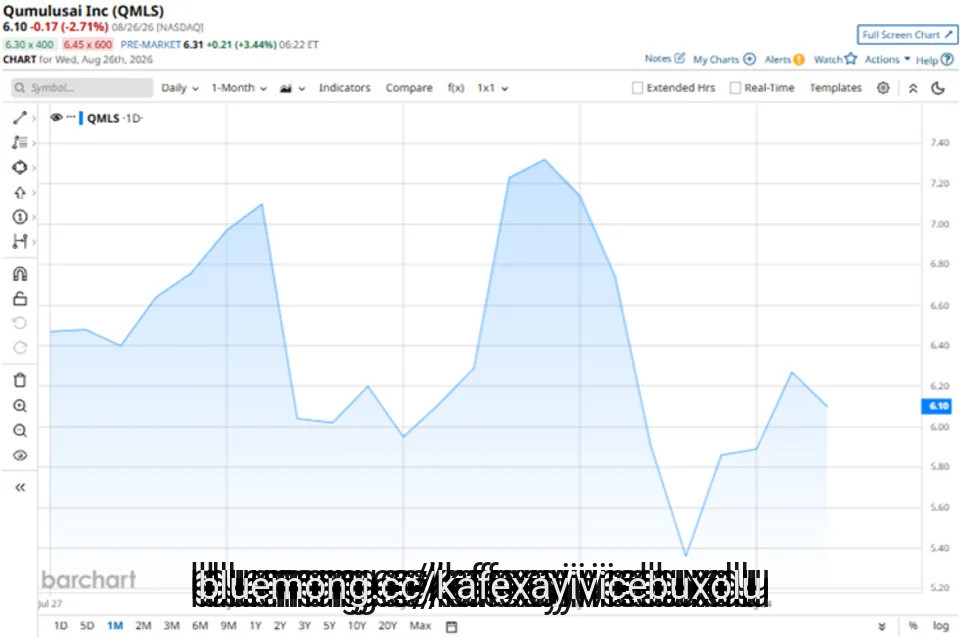

2 months ago
Some offers on this page are from advertisers who pay us, which may affect which products we write about, but not our recommendations. See our Advertiser Disclosure.
Why we like it: The Capital One Savor Cash Rewards Credit Card is our overall pick for entertainment because of its flexibility. It earns a solid 3% cash back on entertainment purchases with no limit to the rewards you can earn, and features a far-reaching entertainment category. That includes everything from sporting events, concerts, and live theater to movie theaters, tourist attractions, and more. In addition to rewards on entertainment when you go out, you'll earn the same unlimited 3% on popular streaming services, like Netflix, Hulu, Disney+, and more.
You can also use Capital One Entertainment and earn a boosted 8% cash back on purchases through the portal. Capital One Entertainment can help you gain access to exclusive events, VIP packages, seats just for cardholders, presales, on-site perks at eligible venues, and more.
Read our full review of the Capital One Savor Cash Rewards Credit Card.
Why we like it: If you prefer nights in over going out, the Blue Cash Preferred from American Express may be your top choice for saving on entertainment. It offers an unlimited 6% cash back on select streaming services. Eligible services include Apple TV+, Apple Music, Disney+, ESPN+, HBO Max, Hulu, Netflix, MLB.TV, Paramount+, Peacock, SiriusXM, Spotify, YouTube Premium, YouTube TV, and more. Plus, you'll save even more on Disney streaming with up to $120 in annual statement credits ($10 per month; subject to auto-renewal) toward a subscription or bundle on DisneyPlus.com, Hulu.com, or Stream.ESPN.com.
#cash #disney #like
Why we like it: The Capital One Savor Cash Rewards Credit Card is our overall pick for entertainment because of its flexibility. It earns a solid 3% cash back on entertainment purchases with no limit to the rewards you can earn, and features a far-reaching entertainment category. That includes everything from sporting events, concerts, and live theater to movie theaters, tourist attractions, and more. In addition to rewards on entertainment when you go out, you'll earn the same unlimited 3% on popular streaming services, like Netflix, Hulu, Disney+, and more.
You can also use Capital One Entertainment and earn a boosted 8% cash back on purchases through the portal. Capital One Entertainment can help you gain access to exclusive events, VIP packages, seats just for cardholders, presales, on-site perks at eligible venues, and more.
Read our full review of the Capital One Savor Cash Rewards Credit Card.
Why we like it: If you prefer nights in over going out, the Blue Cash Preferred from American Express may be your top choice for saving on entertainment. It offers an unlimited 6% cash back on select streaming services. Eligible services include Apple TV+, Apple Music, Disney+, ESPN+, HBO Max, Hulu, Netflix, MLB.TV, Paramount+, Peacock, SiriusXM, Spotify, YouTube Premium, YouTube TV, and more. Plus, you'll save even more on Disney streaming with up to $120 in annual statement credits ($10 per month; subject to auto-renewal) toward a subscription or bundle on DisneyPlus.com, Hulu.com, or Stream.ESPN.com.
#cash #disney #like