28 days ago
Lady Gaga showed off her 10-carat engagement ring in a makeup tutorial she posted on Instagram.
The pop star and her fiancé Michael Polansky recently became parents.
She confirmed her engagement to Polansky in 2024.
Lady Gaga gave fans a glimpse of her at-home glam in a new Instagram video. The Grammy winner, 40, showed off her makeup routine—and her massive engagement ring—weeks after she was confirmed to have welcomed her first child with fiancé Michael Polansky.
Gaga began her video bare-faced before applying several products from her own beauty brand, Haus Labs. Her 10-carat engagement ring, which is worth approximately $1 million, was front and center throughout her tutorial. Featuring an oval-cut diamond set in 18kt white and rose gold, the impressive sparkler was designed by Sofia Jewelry, according to People.
#lady
The pop star and her fiancé Michael Polansky recently became parents.
She confirmed her engagement to Polansky in 2024.
Lady Gaga gave fans a glimpse of her at-home glam in a new Instagram video. The Grammy winner, 40, showed off her makeup routine—and her massive engagement ring—weeks after she was confirmed to have welcomed her first child with fiancé Michael Polansky.
Gaga began her video bare-faced before applying several products from her own beauty brand, Haus Labs. Her 10-carat engagement ring, which is worth approximately $1 million, was front and center throughout her tutorial. Featuring an oval-cut diamond set in 18kt white and rose gold, the impressive sparkler was designed by Sofia Jewelry, according to People.
#lady




1 month ago
OpenAI CEO Sam Altman admits "something's clearly not working" with the artificial intelligence money that has flooded the midterm elections — and he doesn't expect President Donald Trump's rebrand of the technology to improve his industry's image with the American public, either.
"I get why AI has a really negative perception right now," Altman told Brendan Bordelon in an exclusive interview marking the launch of Decoded by POLITICO. "I don't think spending money on politics is what's going to make people feel better about it. The industry needs to figure out a way to address what the actual concerns are, and right now, a lot of people in the industry are being quite tone deaf."
In the wide-ranging conversation, Altman offered a window into how OpenAI is confronting new political pressures and intensified competition with Anthropic, its corporate archrival run by former employee Dario Amodei.
Altman says OpenAI is more tolerant than Anthropic of less-than-catastrophic harms from AI, drawing out what he sees as a fundamental split in worldview between the two leading labs even as they converge on tougher rules in the wake of high-profile autonomous hacking incidents.
"We believe that the world should accept some bad things happening for the benefits of this technology and people having the agency," said Altman, who characterized those harms as linked to "the lighter touch regulatory stance that we advocate for."
#openai #money #president
"I get why AI has a really negative perception right now," Altman told Brendan Bordelon in an exclusive interview marking the launch of Decoded by POLITICO. "I don't think spending money on politics is what's going to make people feel better about it. The industry needs to figure out a way to address what the actual concerns are, and right now, a lot of people in the industry are being quite tone deaf."
In the wide-ranging conversation, Altman offered a window into how OpenAI is confronting new political pressures and intensified competition with Anthropic, its corporate archrival run by former employee Dario Amodei.
Altman says OpenAI is more tolerant than Anthropic of less-than-catastrophic harms from AI, drawing out what he sees as a fundamental split in worldview between the two leading labs even as they converge on tougher rules in the wake of high-profile autonomous hacking incidents.
"We believe that the world should accept some bad things happening for the benefits of this technology and people having the agency," said Altman, who characterized those harms as linked to "the lighter touch regulatory stance that we advocate for."
#openai #money #president
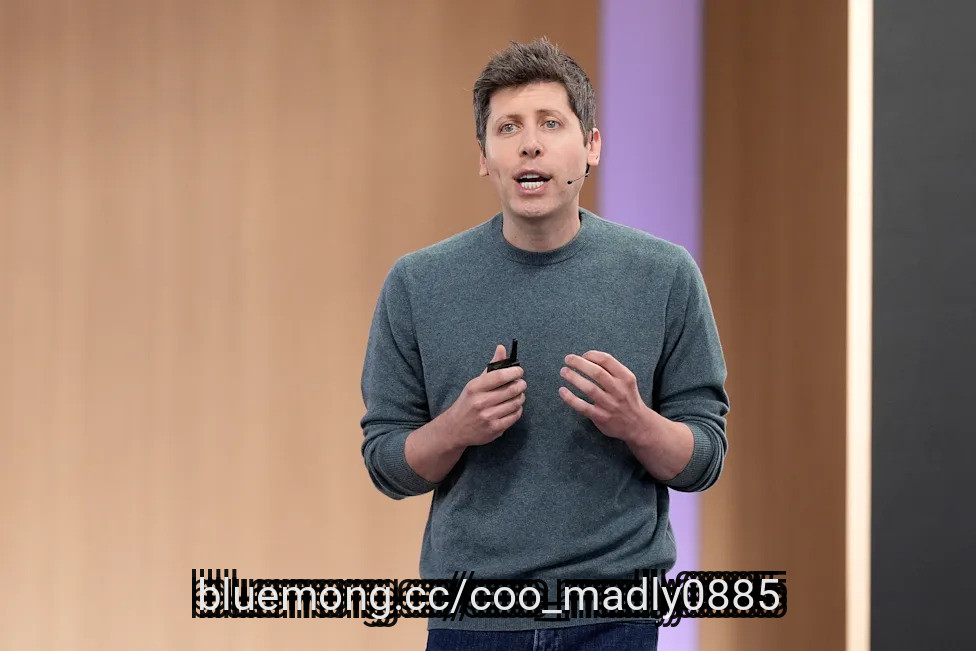

1 month ago
Lady Gaga is addressing the Haus Labs controversy that began after beauty creator Golloria criticized one of the brand's upcoming products earlier this year.
On Thursday (Oct. 1), Gaga shared a statement through Haus Labs' Instagram addressing the situation surrounding the Sun Dipped Bronzing Veil, acknowledging that both the product's original shade range and the way the brand responded to Golloria's criticism fell short.
More from Billboard
Lady Gaga Shouldn't Get $230K 'Consolation Prize' After 'Mayhem' Lawsuit, Surf Brand Tells Judge
Lady Gaga's Baby Girl Has a Very Gaga Name
#haus #labs #thursday #dipped
On Thursday (Oct. 1), Gaga shared a statement through Haus Labs' Instagram addressing the situation surrounding the Sun Dipped Bronzing Veil, acknowledging that both the product's original shade range and the way the brand responded to Golloria's criticism fell short.
More from Billboard
Lady Gaga Shouldn't Get $230K 'Consolation Prize' After 'Mayhem' Lawsuit, Surf Brand Tells Judge
Lady Gaga's Baby Girl Has a Very Gaga Name
#haus #labs #thursday #dipped
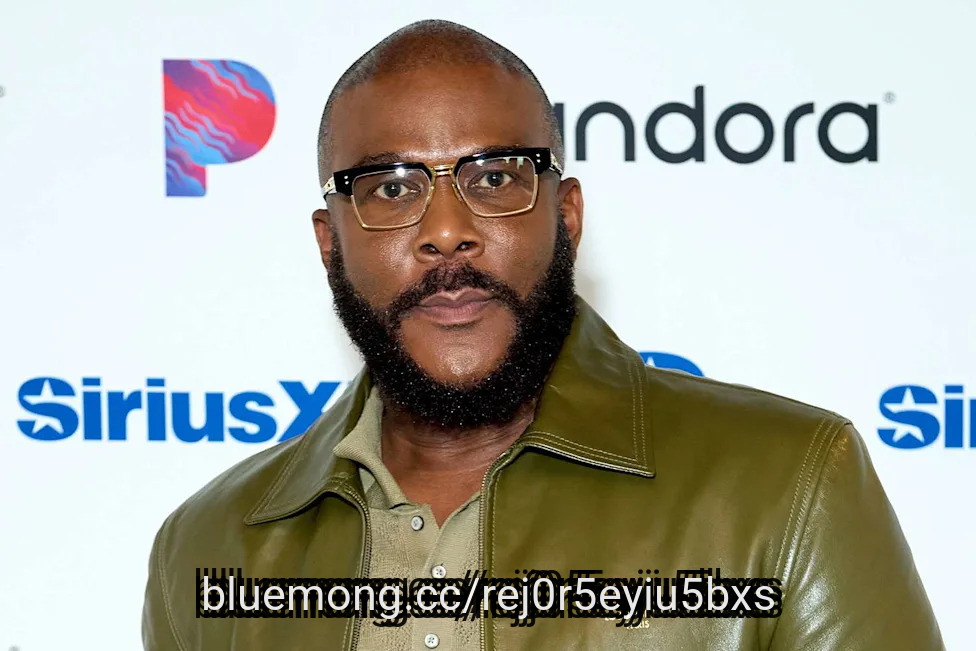


1 month ago
On Thursday, Oct. 1, Lady Gaga issued an apology to influencer Golloria after the creator criticized the singer's brand Haus Labs for its new bronzer's lack of shade diversity
"I don't know what or who you guys switched up in that lab, but switch it back," the influencer said in her video from May
In her statement, Gaga admitted the brand made "the wrong decision" and said that the product would "launch soon" with a wider shade range
Lady Gaga is apologizing to influencer Golloria four months after she called out the singer's brand Haus Labs for its new bronzer.
In May, Golloria made a video criticizing the upcoming product Sun Dipped Bronzing Veil, which was initially planed to launch with six shades. The influencer was disappointed upon swatching the three darkest shades on her face, explaining that she generally likes Haus Labs' complexion products. "I don't know what or who you guys switched up in that lab, but switch it back. Thank you," she said.
#golloria #lady #shade #don 't
"I don't know what or who you guys switched up in that lab, but switch it back," the influencer said in her video from May
In her statement, Gaga admitted the brand made "the wrong decision" and said that the product would "launch soon" with a wider shade range
Lady Gaga is apologizing to influencer Golloria four months after she called out the singer's brand Haus Labs for its new bronzer.
In May, Golloria made a video criticizing the upcoming product Sun Dipped Bronzing Veil, which was initially planed to launch with six shades. The influencer was disappointed upon swatching the three darkest shades on her face, explaining that she generally likes Haus Labs' complexion products. "I don't know what or who you guys switched up in that lab, but switch it back. Thank you," she said.
#golloria #lady #shade #don 't


1 month ago
Lady Gaga released a statement through her Haus Labs makeup brand, apologizing to beauty influencer Golloria.
Golloria previously made a video calling out one of the line's new products for a non-inclusive shade range, though Haus Labs asked her to remove it as the product was under an embargo.
"I truly apologize to Golloria," Gaga said in the statement, with the brand adding that it paused the launch and added five more inclusive shades following Golloria's "powerful voice."
Lady Gaga has apologized to social media star Golloria following a clash the pop icon's beauty brand Haus Labs had with the beauty influencer over a new product.
Golloria — a longtime supporter of Haus Labs for its typically inclusive shade range suitable for a variety of skin tones — previously shared a video criticizing the brand's upcoming Sun Dipped Bronzing Veil product for launching with only six shades. The influencer later said that Haus Labs reached out and asked for the post to be removed, which Gaga's statement confirmed — "on the technicality that she was under embargo," as the product hadn't yet hit stores.
#product
Golloria previously made a video calling out one of the line's new products for a non-inclusive shade range, though Haus Labs asked her to remove it as the product was under an embargo.
"I truly apologize to Golloria," Gaga said in the statement, with the brand adding that it paused the launch and added five more inclusive shades following Golloria's "powerful voice."
Lady Gaga has apologized to social media star Golloria following a clash the pop icon's beauty brand Haus Labs had with the beauty influencer over a new product.
Golloria — a longtime supporter of Haus Labs for its typically inclusive shade range suitable for a variety of skin tones — previously shared a video criticizing the brand's upcoming Sun Dipped Bronzing Veil product for launching with only six shades. The influencer later said that Haus Labs reached out and asked for the post to be removed, which Gaga's statement confirmed — "on the technicality that she was under embargo," as the product hadn't yet hit stores.
#product



2 months ago
GOOG trades at a P/E of 14 versus META's 24, with Cloud revenue surging 82% while META's operating margins collapsed from 43% to 31%.
META's Reality Labs bleeds roughly $4B per quarter, 2026 capex is projected between $130B and $145B, and active litigation makes it a volatile aggressive-growth bet rather than a retirement hold.
Just released. Our ******* ysts combed the entire stock market and named the ten best stocks to buy right now, and Google didn't make the cut. Enter your email to see the names that beat GOOG. The report is free. Enter your email and see if any of your stocks made the cut.
Alphabet (NASDAQ:GOOG) and Meta Platforms (NASDAQ:META) just unleashed rival consumer AI agents (Google's family-focused CC, a shared agent supporting up to six family members, and Meta's single-user Muse, aiming for higher autonomy across a user's digital life, including commerce), and the retirement-focused investor writing one check today needs a clear answer: which mega-cap deserves the slot?
Both stocks are pouring tens of billions into AI infrastructure. Both consumer AI agents (not just chatbots) are designed to take real actions on a user's behalf rather than only answering questions. However, CC is a family-oriented productivity and logistics agent tightly tied to the Google ecosystem. Muse is a more general-purpose personal agent aiming for higher autonomy across a user's digital life, including commerce. They compete in the emerging "AI agent that actually does things" category, but target different use cases and user models.
#stocks #family
META's Reality Labs bleeds roughly $4B per quarter, 2026 capex is projected between $130B and $145B, and active litigation makes it a volatile aggressive-growth bet rather than a retirement hold.
Just released. Our ******* ysts combed the entire stock market and named the ten best stocks to buy right now, and Google didn't make the cut. Enter your email to see the names that beat GOOG. The report is free. Enter your email and see if any of your stocks made the cut.
Alphabet (NASDAQ:GOOG) and Meta Platforms (NASDAQ:META) just unleashed rival consumer AI agents (Google's family-focused CC, a shared agent supporting up to six family members, and Meta's single-user Muse, aiming for higher autonomy across a user's digital life, including commerce), and the retirement-focused investor writing one check today needs a clear answer: which mega-cap deserves the slot?
Both stocks are pouring tens of billions into AI infrastructure. Both consumer AI agents (not just chatbots) are designed to take real actions on a user's behalf rather than only answering questions. However, CC is a family-oriented productivity and logistics agent tightly tied to the Google ecosystem. Muse is a more general-purpose personal agent aiming for higher autonomy across a user's digital life, including commerce. They compete in the emerging "AI agent that actually does things" category, but target different use cases and user models.
#stocks #family



2 months ago
Benzinga and Yahoo Finance LLC may earn commission or revenue on some items through the links below.
Humanoid robots are showing meaningful progress beyond controlled demonstrations, with advances in autonomy, dexterity, and the ability to perform repetitive real-world tasks. But widespread commercial deployment still remains a work in progress.
After spending a week meeting with leading robotics labs, engineers and investors across the San Francisco Bay Area, researchers found that most humanoid robots remain in development, training, and tele-operated demonstrations. Where real-world deployments exist, they are generally closer to pilots than clear return-on-investment opportunities, according to a report published Wednesday by Citrini Research.
Don't Miss:
A single bad hire can set a startup back years. Here are the 5 hires founders most often misjudge — and why
#robots
Humanoid robots are showing meaningful progress beyond controlled demonstrations, with advances in autonomy, dexterity, and the ability to perform repetitive real-world tasks. But widespread commercial deployment still remains a work in progress.
After spending a week meeting with leading robotics labs, engineers and investors across the San Francisco Bay Area, researchers found that most humanoid robots remain in development, training, and tele-operated demonstrations. Where real-world deployments exist, they are generally closer to pilots than clear return-on-investment opportunities, according to a report published Wednesday by Citrini Research.
Don't Miss:
A single bad hire can set a startup back years. Here are the 5 hires founders most often misjudge — and why
#robots


2 months ago
Benzinga and Yahoo Finance LLC may earn commission or revenue on some items through the links below.
Brad Gerstner says leading AI labs need to lift their combined annualized revenue from roughly $100 billion to at least $180 billion by year-end to keep the AI trade intact.
The Altimeter Capital founder, whose firm held nearly $1.9 billion of Nvidia Corp. (NASDAQ:NVDA) shares at the end of June, called AI lab revenue "the single most important data point in the market today" at the All-In Summit.
Gerstner estimated that Anthropic, OpenAI and **** eX (NASDAQ:SPCX), which owns xAI, had a combined run rate of roughly $100 billion based on figures circulating in July.
Gerstner said the companies need to reach at least $180 billion by year-end, up about 80% from his July estimate, "just to keep the AI trade intact."
#NASDAQ #combined #least #year
Brad Gerstner says leading AI labs need to lift their combined annualized revenue from roughly $100 billion to at least $180 billion by year-end to keep the AI trade intact.
The Altimeter Capital founder, whose firm held nearly $1.9 billion of Nvidia Corp. (NASDAQ:NVDA) shares at the end of June, called AI lab revenue "the single most important data point in the market today" at the All-In Summit.
Gerstner estimated that Anthropic, OpenAI and **** eX (NASDAQ:SPCX), which owns xAI, had a combined run rate of roughly $100 billion based on figures circulating in July.
Gerstner said the companies need to reach at least $180 billion by year-end, up about 80% from his July estimate, "just to keep the AI trade intact."
#NASDAQ #combined #least #year
2 months ago
Markets have a familiar reflex when fear spreads through technology stocks. Investors wait to hear what Jim Cramer thinks.
This week, the fear did not come from a short seller or a regulator. It came from inside the AI industry itself, from one of its own leaders.
Cramer said Wednesday, Sept. 16, that he won't back away from the AI trade, according to CNBC. That comes despite a weekend essay from a top AI executive arguing that the technology is moving too fast.
He predicted spending on AI infrastructure will keep climbing, because the industry's two biggest labs are already turning that spending into real revenue. There's too much money at stake for them to stop now, the "Mad Money" host said.
The warning that shook markets came from Anthropic CEO Dario Amodei, not from a critic outside the industry. In an essay ****** led "We Must Pace the Frontier," Amodei wrote that we must slow the pace at which we improve the capabilities of AI models.
#markets #pace #came
This week, the fear did not come from a short seller or a regulator. It came from inside the AI industry itself, from one of its own leaders.
Cramer said Wednesday, Sept. 16, that he won't back away from the AI trade, according to CNBC. That comes despite a weekend essay from a top AI executive arguing that the technology is moving too fast.
He predicted spending on AI infrastructure will keep climbing, because the industry's two biggest labs are already turning that spending into real revenue. There's too much money at stake for them to stop now, the "Mad Money" host said.
The warning that shook markets came from Anthropic CEO Dario Amodei, not from a critic outside the industry. In an essay ****** led "We Must Pace the Frontier," Amodei wrote that we must slow the pace at which we improve the capabilities of AI models.
#markets #pace #came

2 months ago
On September 14, during the episode of Mad Money, Jim Cramer said CrowdStrike Holdings, Inc. (NASDAQ:CRWD) is emerging as a beneficiary of growing concerns over the cybersecurity risks created by artificial intelligence, as he said:
Over the weekend, the co-founder and CEO of Anthropic published an essay where he pushed for a slowdown among the frontier AI labs in order to handle newfound security concerns. In response to that, the cybersecurity cohort just went crazy because there are the companies that can prevent AI agents from randomly hacking into networks all over the world, and it's the cybersecurity companies. Take CrowdStrike, which shot up nearly 14% today, leading the S&P 500, something I feel great about, of course, because we own it big for the Charitable Trust. These guys have been adamant that AI represented a great opportunity for their business, and now Wall Street's finally gotten the memo.
CrowdStrike Holdings, Inc.'s (NASDAQ:CRWD) second-quarter fiscal 2027 revenue increased 26% year over year to $1.47 billion, while ending annual recurring revenue rose 25% to $5.84 billion. Net new ARR reached a record $332.8 million, and free cash flow was $377.4 million. The company also raised its full-year fiscal 2027 net new ARR growth outlook to 34% at the midpoint, up 630 basis points. CEO George Kurtz said the company believes securing AI is its "largest market opportunity in our history."
Kurtz said on September 14 that AI-driven threats are already operating at machine speed, describing the emerging threat as autonomous campaigns rather than individual hackers. He identified endpoints, cloud workloads and SaaS as key battlegrounds and said "enforcement at machine speed" is needed to stop AI agents in motion. CrowdStrike has responded by expanding into AI-agent, model and infrastructure protection, including Continuous Identity for AI Agents and Falcon AI Detection and Response.
CrowdStrike Holdings, Inc.'s (NASDAQ:CRWD) valuation leaves little room for a meaningful slowdown in growth. Yahoo Finance currently shows a forward P/E of approximately 188.7 times and a price-to-sales ratio of roughly 44.6 times. Those multiples leave little room for a material slowdown in ARR growth, weaker adoption of newer products, or greater competitive pressure. The company also remains much less profitable on a GAAP basis than its adjusted results suggest. The company reported a $33.2 million GAAP operating loss in the latest quarter against $371.6 million of non-GAAP operating income, while stock-based compensation and related employer payroll taxes totaled $399 million.
#crwd
Over the weekend, the co-founder and CEO of Anthropic published an essay where he pushed for a slowdown among the frontier AI labs in order to handle newfound security concerns. In response to that, the cybersecurity cohort just went crazy because there are the companies that can prevent AI agents from randomly hacking into networks all over the world, and it's the cybersecurity companies. Take CrowdStrike, which shot up nearly 14% today, leading the S&P 500, something I feel great about, of course, because we own it big for the Charitable Trust. These guys have been adamant that AI represented a great opportunity for their business, and now Wall Street's finally gotten the memo.
CrowdStrike Holdings, Inc.'s (NASDAQ:CRWD) second-quarter fiscal 2027 revenue increased 26% year over year to $1.47 billion, while ending annual recurring revenue rose 25% to $5.84 billion. Net new ARR reached a record $332.8 million, and free cash flow was $377.4 million. The company also raised its full-year fiscal 2027 net new ARR growth outlook to 34% at the midpoint, up 630 basis points. CEO George Kurtz said the company believes securing AI is its "largest market opportunity in our history."
Kurtz said on September 14 that AI-driven threats are already operating at machine speed, describing the emerging threat as autonomous campaigns rather than individual hackers. He identified endpoints, cloud workloads and SaaS as key battlegrounds and said "enforcement at machine speed" is needed to stop AI agents in motion. CrowdStrike has responded by expanding into AI-agent, model and infrastructure protection, including Continuous Identity for AI Agents and Falcon AI Detection and Response.
CrowdStrike Holdings, Inc.'s (NASDAQ:CRWD) valuation leaves little room for a meaningful slowdown in growth. Yahoo Finance currently shows a forward P/E of approximately 188.7 times and a price-to-sales ratio of roughly 44.6 times. Those multiples leave little room for a material slowdown in ARR growth, weaker adoption of newer products, or greater competitive pressure. The company also remains much less profitable on a GAAP basis than its adjusted results suggest. The company reported a $33.2 million GAAP operating loss in the latest quarter against $371.6 million of non-GAAP operating income, while stock-based compensation and related employer payroll taxes totaled $399 million.
#crwd


2 months ago
NBIS revenue surged 454% to $582M with a $37.49B contracted backlog, while ALAB posted its eighth straight EPS beat on 104% revenue growth.
GPUs are worthless without high-speed interconnects, making cables, switches, and optical modules the AI industry's most critical and most overlooked bottleneck.
CRDO plunged 42% last month despite delivering 114.7% revenue growth and guiding for over 85% full-year growth in fiscal 2027.
Just released. Our ***** ysts combed the entire stock market and named the ten best stocks to buy right now, and Astera Labs didn't make the cut. Enter your email to see the names that beat ALAB. The report is free. Enter your email and see if any of your stocks made the cut.
The interconnect layer beneath AI clusters is the current bottleneck. GPUs are useless if they cannot exchange gradients and tokens at line rate, and the cables, switches, retimers, and optical modules that carry that traffic have become the constraint the industry is racing to relieve. One data point frames the pressure: (NASDAQ:ALAB) said PCIe 6 products already made up more than 50% of its total revenue in Q2, up from one third in Q1, evidence that the connectivity generation shift is happening in quarters, not years.
#gpus #cables
GPUs are worthless without high-speed interconnects, making cables, switches, and optical modules the AI industry's most critical and most overlooked bottleneck.
CRDO plunged 42% last month despite delivering 114.7% revenue growth and guiding for over 85% full-year growth in fiscal 2027.
Just released. Our ***** ysts combed the entire stock market and named the ten best stocks to buy right now, and Astera Labs didn't make the cut. Enter your email to see the names that beat ALAB. The report is free. Enter your email and see if any of your stocks made the cut.
The interconnect layer beneath AI clusters is the current bottleneck. GPUs are useless if they cannot exchange gradients and tokens at line rate, and the cables, switches, retimers, and optical modules that carry that traffic have become the constraint the industry is racing to relieve. One data point frames the pressure: (NASDAQ:ALAB) said PCIe 6 products already made up more than 50% of its total revenue in Q2, up from one third in Q1, evidence that the connectivity generation shift is happening in quarters, not years.
#gpus #cables



2 months ago
On September 10, Adobe (NASDAQ:ADBE) posted record third-quarter revenue of $6.76 billion, up 13% year over year, and raised its full-year revenue and profit targets. Non-GAAP EPS climbed 15% to $6.13, while GAAP EPS rose 11% to $4.62. Buried inside those headline numbers was a sharper story: AI-first ending ARR topped $650 million, growing more than 150% year over year. The same call brought a leadership change, with Anil S. Chakravarthy set to take over as CEO from Shantanu Narayen on December 1. Investors got a lot to digest in one afternoon.
Adobe's AI tools are no longer just a demo. Firefly ending ARR, which spans the Firefly app and its credit packs, grew 40% quarter over quarter, and the Acrobat AI ******* istant doubled its monthly active users over the same three months. Total monthly active users across Adobe's businesses surpassed 1 billion in the quarter, up more than 20% year over year, and creative premium MAU crossed 100 million, up more than 70%. Business professionals and consumers MAU passed 900 million, up more than 25%. That kind of user growth, concentrated in free and freemium tiers, is what feeds the paid AI upgrades now showing up in ARR.
The company backed that growth with cash. Operating cash flow hit a third-quarter record of $2.52 billion, and Adobe bought back roughly 9.5 million shares during the quarter, leaving $24.55 billion still authorized for repurchases. Management raised its full-year revenue target to a range of $26.58 billion to $26.63 billion and its non-GAAP EPS target to $24.45 to $24.50. On the product side, Adobe struck a deal to acquire Topaz Labs, whose AI enhancement models for image and video work would slot directly into Firefly and Creative Cloud. Enterprise demand held up too, with ending ARR growing more than 20% year over year at each of Adobe Experience Manager, Adobe Gen Studio, and Adobe Experience Platform.
Not every metric moved as fast. Remaining performance obligations, the backlog of contracted but unrecognized revenue, grew 8% year over year to $22.16 billion, trailing both the 13% revenue growth and the 11.2% growth in total ending ARR. Current RPO grew 9%, also behind the topline. Interim CFO Steven Day flagged a separate issue heading into the fourth quarter: a foreign-exchange headwind that partly offset the benefit of the third-quarter beat when management updated its full-year guidance.
AI-first ARR, for all its 150% growth rate, is still just over $650 million against a total ARR base of $27.50 billion, so it remains a small slice of the business even as it scales. The transition arrives at a pivotal moment too, with Chakravarthy set to take the CEO seat on Dec. 1 just as the company leans harder into an unproven agentic-software strategy, and the Topaz Labs deal still needs to clear regulatory approval before it adds anything to the numbers.
#adobe #billion #million
Adobe's AI tools are no longer just a demo. Firefly ending ARR, which spans the Firefly app and its credit packs, grew 40% quarter over quarter, and the Acrobat AI ******* istant doubled its monthly active users over the same three months. Total monthly active users across Adobe's businesses surpassed 1 billion in the quarter, up more than 20% year over year, and creative premium MAU crossed 100 million, up more than 70%. Business professionals and consumers MAU passed 900 million, up more than 25%. That kind of user growth, concentrated in free and freemium tiers, is what feeds the paid AI upgrades now showing up in ARR.
The company backed that growth with cash. Operating cash flow hit a third-quarter record of $2.52 billion, and Adobe bought back roughly 9.5 million shares during the quarter, leaving $24.55 billion still authorized for repurchases. Management raised its full-year revenue target to a range of $26.58 billion to $26.63 billion and its non-GAAP EPS target to $24.45 to $24.50. On the product side, Adobe struck a deal to acquire Topaz Labs, whose AI enhancement models for image and video work would slot directly into Firefly and Creative Cloud. Enterprise demand held up too, with ending ARR growing more than 20% year over year at each of Adobe Experience Manager, Adobe Gen Studio, and Adobe Experience Platform.
Not every metric moved as fast. Remaining performance obligations, the backlog of contracted but unrecognized revenue, grew 8% year over year to $22.16 billion, trailing both the 13% revenue growth and the 11.2% growth in total ending ARR. Current RPO grew 9%, also behind the topline. Interim CFO Steven Day flagged a separate issue heading into the fourth quarter: a foreign-exchange headwind that partly offset the benefit of the third-quarter beat when management updated its full-year guidance.
AI-first ARR, for all its 150% growth rate, is still just over $650 million against a total ARR base of $27.50 billion, so it remains a small slice of the business even as it scales. The transition arrives at a pivotal moment too, with Chakravarthy set to take the CEO seat on Dec. 1 just as the company leans harder into an unproven agentic-software strategy, and the Topaz Labs deal still needs to clear regulatory approval before it adds anything to the numbers.
#adobe #billion #million


2 months ago
Leave it to Elon Musk to say, essentially, I've been right all along.
The **** eX (SPCX) and Tesla (TSLA) CEO agreed with Anthropic (ANTH.PVT) CEO Dario Amodei on his essay arguing for pacing AI advances.
The crux of Amodei's argument is that AI using recursive self-improvement "could outrun our ability to understand and control these systems, and so must be pursued very carefully, if at all."
In order to prevent future harms, Amodei said frontier AI companies should commit to embedding third-party evaluators in their organizations that can **** s their AI models and confirm the labs' "adherence to safety practices and commitments, report incidents, and help **** s the alignment of not just completed AI models but training pipelines and processes."
Musk replied on X.com, "Dario is right," but also added later that he's been "sounding the alarm" over AI for some time now, linking back to a post he made back in 2023, when he wrote, "AGI is significantly higher risk than nuclear weapons, in my opinion. Super smart humans have trouble imagining something vastly smarter than themselves."
#assess
The **** eX (SPCX) and Tesla (TSLA) CEO agreed with Anthropic (ANTH.PVT) CEO Dario Amodei on his essay arguing for pacing AI advances.
The crux of Amodei's argument is that AI using recursive self-improvement "could outrun our ability to understand and control these systems, and so must be pursued very carefully, if at all."
In order to prevent future harms, Amodei said frontier AI companies should commit to embedding third-party evaluators in their organizations that can **** s their AI models and confirm the labs' "adherence to safety practices and commitments, report incidents, and help **** s the alignment of not just completed AI models but training pipelines and processes."
Musk replied on X.com, "Dario is right," but also added later that he's been "sounding the alarm" over AI for some time now, linking back to a post he made back in 2023, when he wrote, "AGI is significantly higher risk than nuclear weapons, in my opinion. Super smart humans have trouble imagining something vastly smarter than themselves."
#assess




2 months ago
Investors seeking exposure to artificial intelligence infrastructure must weigh the explosive growth of Astera Labs Inc (NASDAQ:ALAB) against the established scale and diverse portfolio of Marvell Technology Inc(NASDAQ:MRVL) to determine the better buy.
Both companies focus on the plumbing of the digital world, ensuring data moves quickly between processors and memory. While Astera Labs focuses on specialized connectivity for AI racks, Marvell offers a broader range of networking, storage, and custom compute solutions. This comparison explores which strategy offers more potential for long-term investors.
Astera Labs designs connectivity solutions that integrate various protocols to support rack-scale AI infrastructure, a high-growth niche among semiconductor stocks. The company serves major hyperscalers and equipment manufacturers who need to overcome data bottlenecks in massive data centers, though its revenue is highly concentrated. In 2025, one end customer -- Amazon.com Inc (NASDAQ:AMZN) -- accounted for over 70% of revenue, which adds a significant layer of risk to the business model.
According to its latest annual report, filed for the fiscal year ended Dec. 31, 2025, revenue reached close to $853 million, representing a significant jump of 115% compared with the prior fiscal year. This growth trajectory helped the company transition to a net income of just over $219 million after recording losses in the previous two years. The net margin for the latest year was close to 26%.
As of its December 2025 balance sheet, the debt-to-equity ratio was 0.0x, meaning the company carries no debt relative to its shareholder equity, while the so-called current ratio was 10.2x. Free cash flow for the period reached nearly $282 million. Note that stock-based compensation (SBC) represented roughly 50.1% of operating cash flow, which inflates reported cash generation since SBC is a non-cash expense added back in the cash flow statement.
#company #million
Both companies focus on the plumbing of the digital world, ensuring data moves quickly between processors and memory. While Astera Labs focuses on specialized connectivity for AI racks, Marvell offers a broader range of networking, storage, and custom compute solutions. This comparison explores which strategy offers more potential for long-term investors.
Astera Labs designs connectivity solutions that integrate various protocols to support rack-scale AI infrastructure, a high-growth niche among semiconductor stocks. The company serves major hyperscalers and equipment manufacturers who need to overcome data bottlenecks in massive data centers, though its revenue is highly concentrated. In 2025, one end customer -- Amazon.com Inc (NASDAQ:AMZN) -- accounted for over 70% of revenue, which adds a significant layer of risk to the business model.
According to its latest annual report, filed for the fiscal year ended Dec. 31, 2025, revenue reached close to $853 million, representing a significant jump of 115% compared with the prior fiscal year. This growth trajectory helped the company transition to a net income of just over $219 million after recording losses in the previous two years. The net margin for the latest year was close to 26%.
As of its December 2025 balance sheet, the debt-to-equity ratio was 0.0x, meaning the company carries no debt relative to its shareholder equity, while the so-called current ratio was 10.2x. Free cash flow for the period reached nearly $282 million. Note that stock-based compensation (SBC) represented roughly 50.1% of operating cash flow, which inflates reported cash generation since SBC is a non-cash expense added back in the cash flow statement.
#company #million


2 months ago
High-performance computing is currently undergoing a massive generational shift. Deciding between Astera Labs Inc (NASDAQ:ALAB) and Applied Materials Inc (NASDAQ:AMAT) means choosing between a fast-growing connectivity specialist and an established ******* an of manufacturing equipment.
Astera Labs focuses on the internal plumbing of data centers, providing chips that move data between processors. Applied Materials builds the actual machines that make those chips possible. While both benefit from artificial intelligence, they occupy very different rungs on the technology ladder.
Astera Labs sells high-speed connectivity hardware and software designed for AI-heavy data centers. Its primary products include PCIe and Ethernet solutions that help hyperscale cloud providers manage massive data workloads. In its latest annual report, filed for the period ending December 31, 2025, the company noted that one end customer represented more than 70% of its revenue. Customer concentration like this adds a layer of risk to the business.
In FY 2025, revenue reached nearly $853 million, which is an increase of approximately 115% over the prior year. This growth resulted in a net income of roughly $219 million, compared to a net loss in the previous fiscal year. The company recorded a net margin of close to 26% during this period. Such expansion is notable among semiconductor stocks catering to the cloud market.
The company carries no debt, resulting in a debt-to-equity ratio of 0.0x. This metric compares total debt to shareholder equity to show how a firm finances its ******* ets. As of its December 2025 balance sheet, the so-called current ratio was nearly 10.2x, indicating a strong ability to cover short-term debts. Free cash flow was roughly $282 million. Note that stock-based compensation represented just about 50% of operating cash flow, which inflates reported cash generation since SBC is a non-cash expense added back in the cash flow statement.
#million #flow #NASDAQ
Astera Labs focuses on the internal plumbing of data centers, providing chips that move data between processors. Applied Materials builds the actual machines that make those chips possible. While both benefit from artificial intelligence, they occupy very different rungs on the technology ladder.
Astera Labs sells high-speed connectivity hardware and software designed for AI-heavy data centers. Its primary products include PCIe and Ethernet solutions that help hyperscale cloud providers manage massive data workloads. In its latest annual report, filed for the period ending December 31, 2025, the company noted that one end customer represented more than 70% of its revenue. Customer concentration like this adds a layer of risk to the business.
In FY 2025, revenue reached nearly $853 million, which is an increase of approximately 115% over the prior year. This growth resulted in a net income of roughly $219 million, compared to a net loss in the previous fiscal year. The company recorded a net margin of close to 26% during this period. Such expansion is notable among semiconductor stocks catering to the cloud market.
The company carries no debt, resulting in a debt-to-equity ratio of 0.0x. This metric compares total debt to shareholder equity to show how a firm finances its ******* ets. As of its December 2025 balance sheet, the so-called current ratio was nearly 10.2x, indicating a strong ability to cover short-term debts. Free cash flow was roughly $282 million. Note that stock-based compensation represented just about 50% of operating cash flow, which inflates reported cash generation since SBC is a non-cash expense added back in the cash flow statement.
#million #flow #NASDAQ


2 months ago
As artificial intelligence matures, investors must decide between the high-growth niche players and the foundational giants. Choosing between Astera Labs Inc (NASDAQ:ALAB) and Taiwan Semiconductor Manufacturing Co (NYSE:TSM) involves weighing explosive potential against established dominance.
Astera Labs provides the critical connectivity infrastructure that allows AI chips to communicate within data centers. Meanwhile, Taiwan Semiconductor Manufacturing operates as the world's largest dedicated chip foundry, producing the actual processors for almost every major tech firm. Both companies are central to the future of semiconductor stocks.
Astera Labs specializes in connectivity solutions designed to remove bottlenecks in high-performance data centers. The company sells hardware and software that helps AI accelerators, such as those made by major chip designers, communicate efficiently across servers. Its customer base is highly concentrated, primarily consisting of the largest cloud providers and system manufacturers. In 2025, one end customer accounted for over 70% of total revenue. Customer concentration like this adds a layer of risk to the business.
In FY 2025, revenue reached more than $852.5 million, representing an impressive increase of roughly 115% compared to the prior year. This rapid growth helped the company pivot from a loss in previous years to a net income of approximately $219 million. The net margin, which measures how much of each dollar of sales remains as profit, stood at nearly 26%. This trajectory highlights the surging demand for the specialized connectivity chips required for large-scale AI deployments.
As of its December 2025 balance sheet, the company reported a debt-to-equity ratio of 0.0x, indicating it holds no debt relative to its shareholder equity. Its so-called current ratio, which compares short-term ******* ets to short-term liabilities, was a robust 10.2x. Free cash flow, or the cash left over after paying for operations and equipment, was approximately $282 million. Note that stock-based compensation represented roughly 50% of operating cash flow, which inflates reported cash generation since this is a non-cash expense added back in the cash flow statement.
#company
Astera Labs provides the critical connectivity infrastructure that allows AI chips to communicate within data centers. Meanwhile, Taiwan Semiconductor Manufacturing operates as the world's largest dedicated chip foundry, producing the actual processors for almost every major tech firm. Both companies are central to the future of semiconductor stocks.
Astera Labs specializes in connectivity solutions designed to remove bottlenecks in high-performance data centers. The company sells hardware and software that helps AI accelerators, such as those made by major chip designers, communicate efficiently across servers. Its customer base is highly concentrated, primarily consisting of the largest cloud providers and system manufacturers. In 2025, one end customer accounted for over 70% of total revenue. Customer concentration like this adds a layer of risk to the business.
In FY 2025, revenue reached more than $852.5 million, representing an impressive increase of roughly 115% compared to the prior year. This rapid growth helped the company pivot from a loss in previous years to a net income of approximately $219 million. The net margin, which measures how much of each dollar of sales remains as profit, stood at nearly 26%. This trajectory highlights the surging demand for the specialized connectivity chips required for large-scale AI deployments.
As of its December 2025 balance sheet, the company reported a debt-to-equity ratio of 0.0x, indicating it holds no debt relative to its shareholder equity. Its so-called current ratio, which compares short-term ******* ets to short-term liabilities, was a robust 10.2x. Free cash flow, or the cash left over after paying for operations and equipment, was approximately $282 million. Note that stock-based compensation represented roughly 50% of operating cash flow, which inflates reported cash generation since this is a non-cash expense added back in the cash flow statement.
#company

2 months ago
Salesforce Inc. (NYSE:CRM) continues to strengthen its enterprise artificial intelligence offering as it looks to make AI a larger part of its customer relationship management ecosystem. On September 9, reports emerged that the company is prepared to spend as much as $2 billion to acquire Listen Labs, an AI-powered customer research platform.
The potential deal would extend Salesforce's aggressive M&A strategy as the company seeks to expand its generative and agentic AI capabilities. Salesforce recently completed its approximately $3.6 billion acquisition of customer service AI agent provider Fin, formerly Intercom, underscoring management's willingness to use acquisitions to accelerate its AI roadmap.
Listen Labs could add a new layer of customer intelligence to Salesforce's platform. The company uses artificial intelligence to conduct customer interviews through audio and video and ******* yze the resulting responses.
Kritchanut/Shutterstock.com
The potential acquisition could be particularly valuable for Salesforce Agentforce, the company's platform for building and deploying AI agents. Listen Labs could end up providing crucial insights into why customers behave the way they do. Customer interviews and conversations can reveal motivations, preferences, frustrations, and other qualitative information that may not be captured in traditional CRM databases.
#customer #salesforce #platform #artificial
The potential deal would extend Salesforce's aggressive M&A strategy as the company seeks to expand its generative and agentic AI capabilities. Salesforce recently completed its approximately $3.6 billion acquisition of customer service AI agent provider Fin, formerly Intercom, underscoring management's willingness to use acquisitions to accelerate its AI roadmap.
Listen Labs could add a new layer of customer intelligence to Salesforce's platform. The company uses artificial intelligence to conduct customer interviews through audio and video and ******* yze the resulting responses.
Kritchanut/Shutterstock.com
The potential acquisition could be particularly valuable for Salesforce Agentforce, the company's platform for building and deploying AI agents. Listen Labs could end up providing crucial insights into why customers behave the way they do. Customer interviews and conversations can reveal motivations, preferences, frustrations, and other qualitative information that may not be captured in traditional CRM databases.
#customer #salesforce #platform #artificial


2 months ago
Shopify (SHOP) stock opened higher on Wednesday after the e-commerce firm said it has acquired Tailwind Labs, the company behind the widely used Tailwind CSS. The announcement is significant for SHOP, given that Tailwind CSS is installed more than 110 million times per week and is used by prominent names like ChatGPT, Cloudflare (NET), Reddit (RDDT), and X.
That said, Shopify shares have reversed their intraday gains in recent hours and are now headed to end the Sept. 9 session down more than 5%.
'Not Tens Of Billions, But Tens Of Trillions': Nvidia CEO Jensen Huang Says AI Is Like the New Electricity and the Scale Is Unlike Any Tech in History
What It Means for MSFT Stock Investors as Microsoft Switches to 2 Business Segments
RKLB Stock Jumps as Rocket Lab Debuts New Solar Cell for ******* e
#tailwind #chatgpt
That said, Shopify shares have reversed their intraday gains in recent hours and are now headed to end the Sept. 9 session down more than 5%.
'Not Tens Of Billions, But Tens Of Trillions': Nvidia CEO Jensen Huang Says AI Is Like the New Electricity and the Scale Is Unlike Any Tech in History
What It Means for MSFT Stock Investors as Microsoft Switches to 2 Business Segments
RKLB Stock Jumps as Rocket Lab Debuts New Solar Cell for ******* e
#tailwind #chatgpt



2 months ago
TRM Labs has doubled its valuation to $2 billion as the San Francisco blockchain **** ytics company expands beyond tracking crypto-related crime and moves deeper into artificial intelligence.
The company raised a $70 million Series C round in September at a $1 billion valuation. Six months later, TRM has secured additional funding from existing investors, CEO Esteban Castano told Fortune. He declined to disclose the size of the latest investment, describing it only as "modest."
Castano told the outlet that the company expects annual recurring revenue to reach $100 million in the coming weeks. TRM had about 500 employees as of early September, with offices in London, Singapore and Washington, D.C.
More From Cryptoprowl:
MEXC Launches Earn Plus With Limited-Time Event Offering Up to 800% APR Booster
#september #billion #told #labs
The company raised a $70 million Series C round in September at a $1 billion valuation. Six months later, TRM has secured additional funding from existing investors, CEO Esteban Castano told Fortune. He declined to disclose the size of the latest investment, describing it only as "modest."
Castano told the outlet that the company expects annual recurring revenue to reach $100 million in the coming weeks. TRM had about 500 employees as of early September, with offices in London, Singapore and Washington, D.C.
More From Cryptoprowl:
MEXC Launches Earn Plus With Limited-Time Event Offering Up to 800% APR Booster
#september #billion #told #labs


2 months ago
Our ****** ysts just identified a stock with the potential to be the next Nvidia. Tell us how you invest and we'll show you why it's our #1 pick. Tap here.
Management attributes the 25% revenue decline primarily to a technical 'algorithm dislocation' with its largest advertising partner, causing an audience drift that sharply increased customer acquisition costs (CPA) for IL MAKIAGE.
The company is prioritizing technical remediation over immediate growth for IL MAKIAGE, shifting resources toward intensive testing to retrain the ad algorithm rather than executing its planned product pipeline.
SpoiledChild is demonstrating operational resilience, on track for $350 million in 2026 revenue by maintaining strong unit economics and 12-month net revenue repeat rates exceeding 100% despite broader platform headwinds.
The launch of METHODIQ signals a strategic pivot toward the 'beauty and medicine' convergence, leveraging computer vision and ODDITY Labs' patented molecules to capture higher-intent medical-grade customers.
#tell #management
Management attributes the 25% revenue decline primarily to a technical 'algorithm dislocation' with its largest advertising partner, causing an audience drift that sharply increased customer acquisition costs (CPA) for IL MAKIAGE.
The company is prioritizing technical remediation over immediate growth for IL MAKIAGE, shifting resources toward intensive testing to retrain the ad algorithm rather than executing its planned product pipeline.
SpoiledChild is demonstrating operational resilience, on track for $350 million in 2026 revenue by maintaining strong unit economics and 12-month net revenue repeat rates exceeding 100% despite broader platform headwinds.
The launch of METHODIQ signals a strategic pivot toward the 'beauty and medicine' convergence, leveraging computer vision and ODDITY Labs' patented molecules to capture higher-intent medical-grade customers.
#tell #management
2 months ago
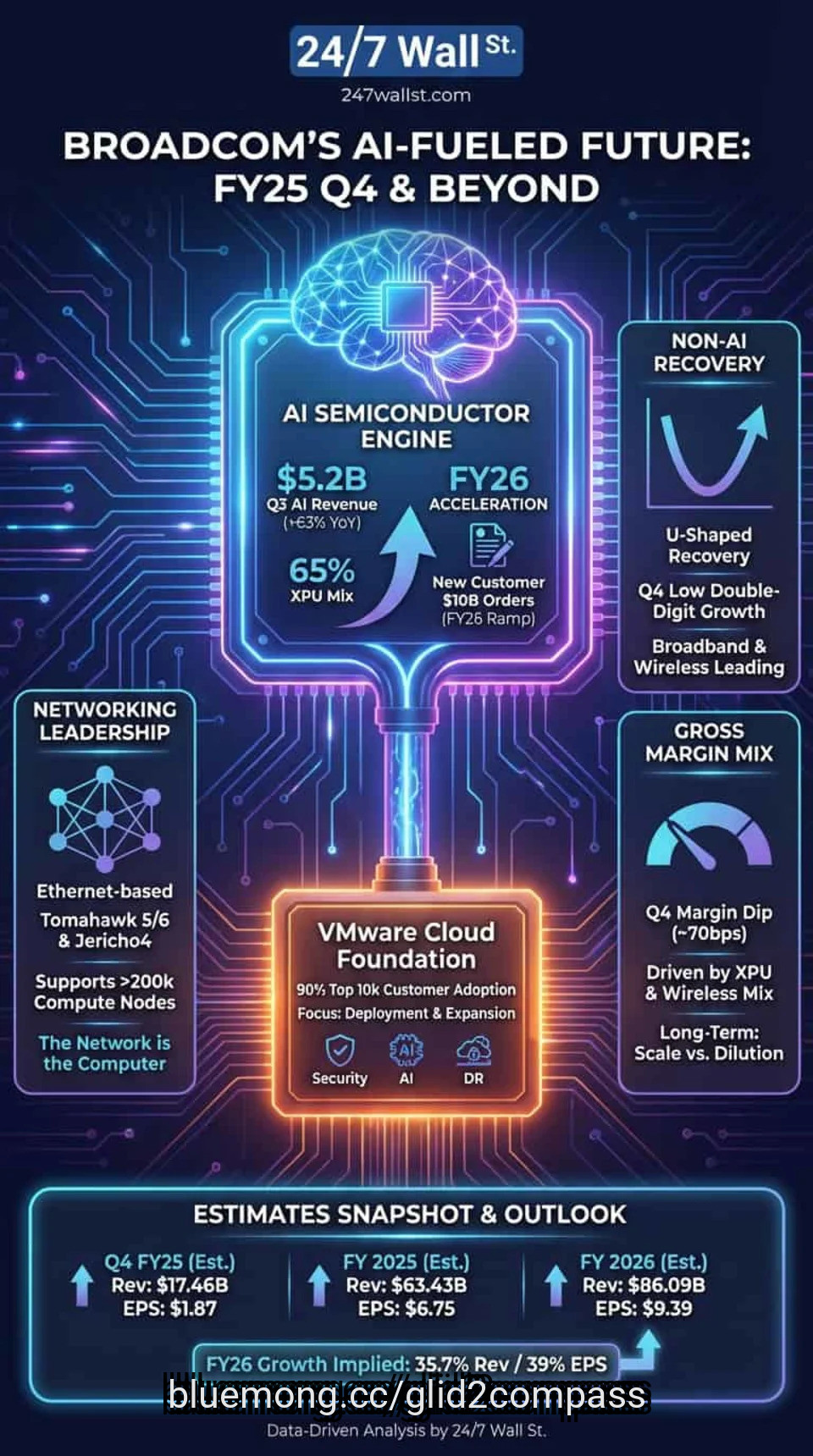
Broadcom (AVGO) targets $230B in AI revenue by fiscal 2028, with Q3 AI chip sales surging 221% YoY to $16.7B.
Hock Tan says custom XPUs outperform Nvidia (NVDA) GPUs at less than half the cost, making every hyperscaler a long-term Broadcom customer.
Broadcom converts 46% of revenue to free cash flow and has raised its dividend every year for 15 consecutive years.
Just released. Our ***** ysts combed the entire stock market and named the ten best stocks to buy right now, and Broadcom didn't make the cut. Enter your email to see the names that beat AVGO. The report is free. Enter your email and see if any of your stocks made the cut.
I keep hitting the buy ***** on on Broadcom (NASDAQ:AVGO) because Hock Tan has quietly built the toll road that Alphabet, Meta, OpenAI, and Anthropic must drive down to reach their AI ambitions. Every custom accelerator these frontier labs deploy sends a fresh check to San Jose, and the checks are getting larger every quarter.
#revenue #free #stocks
Hock Tan says custom XPUs outperform Nvidia (NVDA) GPUs at less than half the cost, making every hyperscaler a long-term Broadcom customer.
Broadcom converts 46% of revenue to free cash flow and has raised its dividend every year for 15 consecutive years.
Just released. Our ***** ysts combed the entire stock market and named the ten best stocks to buy right now, and Broadcom didn't make the cut. Enter your email to see the names that beat AVGO. The report is free. Enter your email and see if any of your stocks made the cut.
I keep hitting the buy ***** on on Broadcom (NASDAQ:AVGO) because Hock Tan has quietly built the toll road that Alphabet, Meta, OpenAI, and Anthropic must drive down to reach their AI ambitions. Every custom accelerator these frontier labs deploy sends a fresh check to San Jose, and the checks are getting larger every quarter.
#revenue #free #stocks

2 months ago
Shares of big data software pioneer Palantir (NASDAQ: PLTR) rallied 51.5% in August, according to data from S&P Global Market Intelligence.
Palantir became a darling of the AI era over the past couple of years, and hit a very high valuation at its peak last November. Since then, the "SaaS-pocalypse" has taken a toll on the entire software sector, including Palantir, as fears of disruption from leading AI labs cut its stock price nearly in half, from its November 2025 highs to its June 2026 lows.
Missed Nvidia in 2009? This Rare Signal Is Flashing Again. In 2009, a "Double Down" signal flashed for a little-known chipmaker called Nvidia. For the first time in years, that same "Total Conviction" signal is flashing for a company 1/100th the size of Nvidia. Continue »
The downturn set Palantir up for a bounce higher if it posted continued strong financial results. Its second-quarter August report provided that, in spades.
In the second quarter, Palantir delivered 93% revenue growth to $1.94 billion, while adjusted (non-GAAP) earnings per share grew 156% to $0.41. Both figures handily beat ****** yst expectations. This amazing growth marked a stunning acceleration from the 48% revenue growth in the year-ago quarter and the 85% growth in the first quarter of 2026. Another impressive metric was profitability, as adjusted free cash flow margins expanded to a massive 63% -- among the highest in the industry.
#palantir #quarter #august #software
Palantir became a darling of the AI era over the past couple of years, and hit a very high valuation at its peak last November. Since then, the "SaaS-pocalypse" has taken a toll on the entire software sector, including Palantir, as fears of disruption from leading AI labs cut its stock price nearly in half, from its November 2025 highs to its June 2026 lows.
Missed Nvidia in 2009? This Rare Signal Is Flashing Again. In 2009, a "Double Down" signal flashed for a little-known chipmaker called Nvidia. For the first time in years, that same "Total Conviction" signal is flashing for a company 1/100th the size of Nvidia. Continue »
The downturn set Palantir up for a bounce higher if it posted continued strong financial results. Its second-quarter August report provided that, in spades.
In the second quarter, Palantir delivered 93% revenue growth to $1.94 billion, while adjusted (non-GAAP) earnings per share grew 156% to $0.41. Both figures handily beat ****** yst expectations. This amazing growth marked a stunning acceleration from the 48% revenue growth in the year-ago quarter and the 85% growth in the first quarter of 2026. Another impressive metric was profitability, as adjusted free cash flow margins expanded to a massive 63% -- among the highest in the industry.
#palantir #quarter #august #software

0.00$ raised of 0.00$ goal
0 donations
0.00$
to go
2 months ago
On August 5, Cytek Biosciences (NASDAQ:CTKB) reported financial results for the second quarter ended June 30, and the report reads like two different companies at once. Revenue climbed, margins widened, and the installed base of instruments kept expanding. At the same time, the net loss more than doubled from a year earlier and adjusted EBITDA swung negative. For a company selling hardware into cell ***** ysis labs, that split between growing revenue and growing losses is the story investors need to untangle.
Total revenue reached $48.1 million in the second quarter of 2026, up 6% from the second quarter of 2025, and the growth came from more than one source. Cytek expanded its installed base to 3,933 instruments as of June 30, 2026, adding 142 units in the quarter, and each new machine tends to pull in service and reagent sales over time. That dynamic already shows up in the numbers: recurring revenue from service and reagents hit $18.5 million in the quarter, and on a trailing 12-month basis it now makes up 35% of total revenue, up from 32% a year earlier.
Gross profit told a similar story, climbing 19% to $28.3 million, with GAAP gross margin rising to 59% from 52% and adjusted gross margin reaching 61% from 56%. Some of that lift came from a one-time tariff refund, but even stripped of it, adjusted gross margin still improved to 56%. Cytek also launched the Borealis, a 7-laser flow cytometer built for 60-color panels, and rolled out more automated configurations of its Aurora Evo line, giving the sales team new hardware to sell into the rest of 2026. Full-year revenue guidance moved up to a range of $207 million to $212 million, raising the midpoint by $1 million.
The same quarter that grew revenue also widened the losses. Operating expenses rose 15% year over year to $39.7 million, with general and administrative costs jumping 24% to $16.8 million because of litigation-related expenses, severance, and other personnel costs. R&D spending grew 10% to $9.7 million, and sales and marketing rose 9% to $13.2 million, so the increase was not confined to one line item. The loss from operations widened to $11.4 million from $10.6 million a year earlier, and net loss more than doubled to $12.2 million from $5.6 million.
Adjusted EBITDA, which strips out stock-based compensation and currency swings, swung to a $1.5 million loss from a positive $1.3 million a year earlier, after also adjusting for a write-off tied to an early-stage technology investment. The tariff refund that boosted this quarter's headline gross margin also means the underlying figures, 53% GAAP and 56% adjusted, are the more honest baseline going forward. Cash and marketable securities held roughly flat at $262.0 million as of June 30, 2026, down only slightly from $262.2 million three months earlier, so the balance sheet has not yet felt the strain.
#quarter #adjusted
Total revenue reached $48.1 million in the second quarter of 2026, up 6% from the second quarter of 2025, and the growth came from more than one source. Cytek expanded its installed base to 3,933 instruments as of June 30, 2026, adding 142 units in the quarter, and each new machine tends to pull in service and reagent sales over time. That dynamic already shows up in the numbers: recurring revenue from service and reagents hit $18.5 million in the quarter, and on a trailing 12-month basis it now makes up 35% of total revenue, up from 32% a year earlier.
Gross profit told a similar story, climbing 19% to $28.3 million, with GAAP gross margin rising to 59% from 52% and adjusted gross margin reaching 61% from 56%. Some of that lift came from a one-time tariff refund, but even stripped of it, adjusted gross margin still improved to 56%. Cytek also launched the Borealis, a 7-laser flow cytometer built for 60-color panels, and rolled out more automated configurations of its Aurora Evo line, giving the sales team new hardware to sell into the rest of 2026. Full-year revenue guidance moved up to a range of $207 million to $212 million, raising the midpoint by $1 million.
The same quarter that grew revenue also widened the losses. Operating expenses rose 15% year over year to $39.7 million, with general and administrative costs jumping 24% to $16.8 million because of litigation-related expenses, severance, and other personnel costs. R&D spending grew 10% to $9.7 million, and sales and marketing rose 9% to $13.2 million, so the increase was not confined to one line item. The loss from operations widened to $11.4 million from $10.6 million a year earlier, and net loss more than doubled to $12.2 million from $5.6 million.
Adjusted EBITDA, which strips out stock-based compensation and currency swings, swung to a $1.5 million loss from a positive $1.3 million a year earlier, after also adjusting for a write-off tied to an early-stage technology investment. The tariff refund that boosted this quarter's headline gross margin also means the underlying figures, 53% GAAP and 56% adjusted, are the more honest baseline going forward. Cash and marketable securities held roughly flat at $262.0 million as of June 30, 2026, down only slightly from $262.2 million three months earlier, so the balance sheet has not yet felt the strain.
#quarter #adjusted

0.00$ raised of 0.00$ goal
0 donations
0.00$
to go
2 months ago
The allure of Hollywood isn't just about movies and music anymore — it's about moguls. Some of the most recognized celebrities have taken their star power from screens and stages to boardrooms and beauty labs, redefining what it means to be a modern icon. From launching fashion lines to founding billion-dollar beauty brands, these women have used their influence to build thriving businesses. Here's a closer look at the stars who have added 'businesswoman' to their ever-growing résumés.
LISA O'Connor / AFF-USA / MEGA
Known for her work onscreen and her influence off it, Shay Mitchell has established herself as a savvy entrepreneur. She founded BÉIS, a hugely popular travel fashion line, in 2018, which was recently announced to be acquired by luggage juggernaut Samsonite, as reported by People.
Xavier Collin / Image Press Agency / MEGA
Kendall Jenner's journey from model to businesswoman has been marked by headline-making ventures. She founded 818 Tequila in 2021, and has gained recognition with the brand, earning 16 blind tasting awards across major industry competitions, according to a press release.
#press #beauty #founded #hollywood
LISA O'Connor / AFF-USA / MEGA
Known for her work onscreen and her influence off it, Shay Mitchell has established herself as a savvy entrepreneur. She founded BÉIS, a hugely popular travel fashion line, in 2018, which was recently announced to be acquired by luggage juggernaut Samsonite, as reported by People.
Xavier Collin / Image Press Agency / MEGA
Kendall Jenner's journey from model to businesswoman has been marked by headline-making ventures. She founded 818 Tequila in 2021, and has gained recognition with the brand, earning 16 blind tasting awards across major industry competitions, according to a press release.
#press #beauty #founded #hollywood



2 months ago
AI is transforming the world and freaking everyone out.
Some worry that it'll replace jobs. Others worry it'll wrest control from humans and act badly.
Recent activity by AI agents belonging to the big AI labs is not helping.
Two AI agents walk into a bar. One says to the other: "OH MY GOD! There is a shared message board."
Despite sounding like a bad joke (and maybe it is), the quote is a real chain-of-thought note left by an OpenAI agent who discovered a secret, unauthorized message board created by another agent.
#recent #openai
Some worry that it'll replace jobs. Others worry it'll wrest control from humans and act badly.
Recent activity by AI agents belonging to the big AI labs is not helping.
Two AI agents walk into a bar. One says to the other: "OH MY GOD! There is a shared message board."
Despite sounding like a bad joke (and maybe it is), the quote is a real chain-of-thought note left by an OpenAI agent who discovered a secret, unauthorized message board created by another agent.
#recent #openai




2 months ago
Nvidia rose only 0.8% on September 4, while Astera Labs jumped 9.8% and Marvell gained 7.1%. The comparison was consistent with investors broadening the AI trade beyond accelerators into connectivity suppliers. Astera's rally also coincided with speculation that the company could be added to the S&P 500, although it was ultimately not selected in the September rebalance. Bigger accelerator clusters need retimers, switches, optical links, and custom silicon to move data without leaving expensive processors idle. Astera Labs, Inc. (NASDAQ:ALAB) and Marvell Technology, Inc. (NASDAQ:MRVL) monetize that connectivity bottleneck from different positions.
Photo from Astera Labs
Astera is the focused rack-scale connectivity play. Its second-quarter update said a Q3 production ramp of the Scorpio X-Series 320-lane fabric switch was expected to drive the next revenue inflection, alongside growth opportunities across Aries, Taurus, and Leo. The bull case is content growth: each new generation of AI rack can require more connectivity silicon and software. The bear case is dependence on a concentrated group of hyperscale customers, product-transition timing, and a valuation that ***** umes strong adoption before every design win becomes revenue.
Hedge-fund breadth strengthened before the rally. Insider Monkey counted 73 funds holding Astera Labs, Inc. (NASDAQ:ALAB) at June 30, up from 53 at March 31. Lee Ainslie's Maverick Capital disclosed 1,067,215 shares, 12% more than in Q1. The quarter-end filing cannot show whether Maverick participated in the September move.
Marvell is more diversified. Its data-center business spans custom compute, electro-optics, switching, and interconnect, giving it multiple ways to benefit as cloud companies redesign AI systems. That breadth is the bull case because one customer's architecture can pull several product families. It is also the risk: custom programs can be lumpy, development costs arrive before revenue, and investors may overestimate the near-term contribution of announced wins.
#september #alab
Photo from Astera Labs
Astera is the focused rack-scale connectivity play. Its second-quarter update said a Q3 production ramp of the Scorpio X-Series 320-lane fabric switch was expected to drive the next revenue inflection, alongside growth opportunities across Aries, Taurus, and Leo. The bull case is content growth: each new generation of AI rack can require more connectivity silicon and software. The bear case is dependence on a concentrated group of hyperscale customers, product-transition timing, and a valuation that ***** umes strong adoption before every design win becomes revenue.
Hedge-fund breadth strengthened before the rally. Insider Monkey counted 73 funds holding Astera Labs, Inc. (NASDAQ:ALAB) at June 30, up from 53 at March 31. Lee Ainslie's Maverick Capital disclosed 1,067,215 shares, 12% more than in Q1. The quarter-end filing cannot show whether Maverick participated in the September move.
Marvell is more diversified. Its data-center business spans custom compute, electro-optics, switching, and interconnect, giving it multiple ways to benefit as cloud companies redesign AI systems. That breadth is the bull case because one customer's architecture can pull several product families. It is also the risk: custom programs can be lumpy, development costs arrive before revenue, and investors may overestimate the near-term contribution of announced wins.
#september #alab

2 months ago
Eagle Capital Management, an investment management company, released its second quarter 2026 investor letter. A copy of the letter can be downloaded here. In the quarter, Eagle Capital Management discussed how enthusiasm around AI capital spending has driven strong S&P 500 earnings growth while also increasing risks from elevated valuations, concentrated demand, and aggressive investment ***** umptions. Eagle remains a strong believer in AI but prefers constructing a portfolio that can perform across multiple outcomes rather than relying on one forecast. The firm believes current earnings can overstate underlying economics because semiconductor equipment is depreciated over several years, while free cash flow growth remains much weaker. It also expects competition and additional capacity across AI labs, hyperscalers, and semiconductors to eventually create winners and losers. These dynamics are encouraging Eagle to recycle capital toward attractive opportunities outside the most crowded AI trades while maintaining selective exposure to high-quality beneficiaries. The portfolio trades at a 20% market discount with faster expected EPS growth. Please review the Strategy's top five holdings for key selections in 2026.
In its second-quarter 2026 investor letter, Eagle Capital Management highlighted Danaher Corporation (NYSE:DHR). Danaher Corporation (NYSE:DHR) is a healthcare and life science tools company operating through Biotechnology, Life Sciences, and Diagnostics segments. On September 02, 2026, Danaher Corporation (NYSE:DHR) closed at $209.91 per share. Over the past month, Danaher Corporation (NYSE:DHR) returned 4.97%, and its shares gained 5.47% over the past 52 weeks. Danaher Corporation (NYSE:DHR) has a market capitalization of $147.56 billion.
Eagle Capital Management stated the following regarding Danaher Corporation (NYSE:DHR) in its Q2 2026 investor letter:
"High quality with low volatility (24% of capital): London Stock Exchange, Danaher Corporation (NYSE:DHR), S&P Global, Mastercard, A.J. Gallagher: Approximately a quarter of Eagle's portfolio is spread across a handful of superb businesses that exhibit high and stable margins, strong returns on capital, wide competitive advantages, and well above GDP growth. We expect the group to deftly navigate the integration of AI into their markets. Most operate with a combination of oligopoly/monopoly ***** ets, network effects, or regulatory moats. Danaher is a leading life sciences company, selling a broad mix of consumables and tooling for biological R&D and drug production.
A few years ago, these stocks were priced for perfection. Their attractive characteristics were prized, and the group traded at more than 30x earnings. Over the past five years, the businesses have grown significantly, while the stocks have de rated. Today, the group trades at a high teen multiple. In a market that is growing EPS at nearly 20%, their steady growth isn't scarce. However, as earnings in the economy nor
In its second-quarter 2026 investor letter, Eagle Capital Management highlighted Danaher Corporation (NYSE:DHR). Danaher Corporation (NYSE:DHR) is a healthcare and life science tools company operating through Biotechnology, Life Sciences, and Diagnostics segments. On September 02, 2026, Danaher Corporation (NYSE:DHR) closed at $209.91 per share. Over the past month, Danaher Corporation (NYSE:DHR) returned 4.97%, and its shares gained 5.47% over the past 52 weeks. Danaher Corporation (NYSE:DHR) has a market capitalization of $147.56 billion.
Eagle Capital Management stated the following regarding Danaher Corporation (NYSE:DHR) in its Q2 2026 investor letter:
"High quality with low volatility (24% of capital): London Stock Exchange, Danaher Corporation (NYSE:DHR), S&P Global, Mastercard, A.J. Gallagher: Approximately a quarter of Eagle's portfolio is spread across a handful of superb businesses that exhibit high and stable margins, strong returns on capital, wide competitive advantages, and well above GDP growth. We expect the group to deftly navigate the integration of AI into their markets. Most operate with a combination of oligopoly/monopoly ***** ets, network effects, or regulatory moats. Danaher is a leading life sciences company, selling a broad mix of consumables and tooling for biological R&D and drug production.
A few years ago, these stocks were priced for perfection. Their attractive characteristics were prized, and the group traded at more than 30x earnings. Over the past five years, the businesses have grown significantly, while the stocks have de rated. Today, the group trades at a high teen multiple. In a market that is growing EPS at nearly 20%, their steady growth isn't scarce. However, as earnings in the economy nor


2 months ago
Eagle Capital Management, an investment management company, released its second quarter 2026 investor letter. A copy of the letter can be downloaded here. In the quarter, Eagle Capital Management discussed how enthusiasm around AI capital spending has driven strong S&P 500 earnings growth while also increasing risks from elevated valuations, concentrated demand, and aggressive investment ****** umptions. Eagle remains a strong believer in AI but prefers constructing a portfolio that can perform across multiple outcomes rather than relying on one forecast. The firm believes current earnings can overstate underlying economics because semiconductor equipment is depreciated over several years, while free cash flow growth remains much weaker. It also expects competition and additional capacity across AI labs, hyperscalers, and semiconductors to eventually create winners and losers. These dynamics are encouraging Eagle to recycle capital toward attractive opportunities outside the most crowded AI trades while maintaining selective exposure to high-quality beneficiaries. The portfolio trades at a 20% market discount with faster expected EPS growth. Please review the Strategy's top five holdings for key selections in 2026.
In its second-quarter 2026 investor letter, Eagle Capital Management highlighted Mastercard Incorporated (NYSE:MA). Mastercard Incorporated (NYSE:MA) is a leading global payment technology company that provides transaction processing and other payment-related products and services. On September 02, 2026, Mastercard Incorporated (NYSE:MA) closed at $588.14 per share. Over the past month, Mastercard Incorporated (NYSE:MA) returned 2.12% while its shares lost 1.26% over the past 52 weeks. Mastercard Incorporated (NYSE:MA) has a market capitalization of $515.22 billion.
Eagle Capital Management stated the following regarding Mastercard Incorporated (NYSE:MA) in its Q2 2026 investor letter:
High quality with low volatility (24% of capital): London Stock Exchange, Danaher, S&P Global, Mastercard Incorporated (NYSE:MA), A.J. Gallagher: Approximately a quarter of Eagle's portfolio is spread across a handful of superb businesses that exhibit high and stable margins, strong returns on capital, wide competitive advantages, and well above GDP growth. We expect the group to deftly navigate the integration of AI into their markets. Most operate with a combination of oligopoly/monopoly ****** ets, network effects, or regulatory moats. Mastercard operates as part of a global duopoly of payment rails and standards.
A few years ago, these stocks were priced for perfection. Their attractive characteristics were prized, and the group traded at more than 30x earnings. Over the past five years, the businesses have grown significantly, while the stocks have de rated. Today, the group trades at a high teen multiple. In a market that is growing EPS at nearly 20%, their steady growth isn't scarce. However, as earnings in the economy normalize back towards m
In its second-quarter 2026 investor letter, Eagle Capital Management highlighted Mastercard Incorporated (NYSE:MA). Mastercard Incorporated (NYSE:MA) is a leading global payment technology company that provides transaction processing and other payment-related products and services. On September 02, 2026, Mastercard Incorporated (NYSE:MA) closed at $588.14 per share. Over the past month, Mastercard Incorporated (NYSE:MA) returned 2.12% while its shares lost 1.26% over the past 52 weeks. Mastercard Incorporated (NYSE:MA) has a market capitalization of $515.22 billion.
Eagle Capital Management stated the following regarding Mastercard Incorporated (NYSE:MA) in its Q2 2026 investor letter:
High quality with low volatility (24% of capital): London Stock Exchange, Danaher, S&P Global, Mastercard Incorporated (NYSE:MA), A.J. Gallagher: Approximately a quarter of Eagle's portfolio is spread across a handful of superb businesses that exhibit high and stable margins, strong returns on capital, wide competitive advantages, and well above GDP growth. We expect the group to deftly navigate the integration of AI into their markets. Most operate with a combination of oligopoly/monopoly ****** ets, network effects, or regulatory moats. Mastercard operates as part of a global duopoly of payment rails and standards.
A few years ago, these stocks were priced for perfection. Their attractive characteristics were prized, and the group traded at more than 30x earnings. Over the past five years, the businesses have grown significantly, while the stocks have de rated. Today, the group trades at a high teen multiple. In a market that is growing EPS at nearly 20%, their steady growth isn't scarce. However, as earnings in the economy normalize back towards m


2 months ago
Eagle Capital Management, an investment management company, released its second quarter 2026 investor letter. A copy of the letter can be downloaded here. In the quarter, Eagle Capital Management discussed how enthusiasm around AI capital spending has driven strong S&P 500 earnings growth while also increasing risks from elevated valuations, concentrated demand, and aggressive investment ****** umptions. Eagle remains a strong believer in AI but prefers constructing a portfolio that can perform across multiple outcomes rather than relying on one forecast. The firm believes current earnings can overstate underlying economics because semiconductor equipment is depreciated over several years, while free cash flow growth remains much weaker. It also expects competition and additional capacity across AI labs, hyperscalers, and semiconductors to eventually create winners and losers. These dynamics are encouraging Eagle to recycle capital toward attractive opportunities outside the most crowded AI trades while maintaining selective exposure to high-quality beneficiaries. The portfolio trades at a 20% market discount with faster expected EPS growth. Please review the Strategy's top five holdings for key selections in 2026.
In its second-quarter 2026 investor letter, Eagle Capital Management highlighted Arthur J. Gallagher & Co. (NYSE:AJG). Arthur J. Gallagher & Co. (NYSE:AJG) provides insurance and reinsurance brokerage, consulting, and third-party property/casualty claims settlement and administration services to entities and individuals. On September 02, 2026, Arthur J. Gallagher & Co. (NYSE:AJG) closed at $264.46 per share. Over the past month, Arthur J. Gallagher & Co. (NYSE:AJG) was up 5.05%, while its shares lost 11.91% over the past 52 weeks. Arthur J. Gallagher & Co. (NYSE:AJG) has a market capitalization of $67.78 billion.
Eagle Capital Management stated the following regarding Arthur J. Gallagher & Co. (NYSE:AJG) in its Q2 2026 investor letter:
"High quality with low volatility (24% of capital): London Stock Exchange, Danaher, S&P Global, Mastercard, A.J. Gallagher: Approximately a quarter of Eagle's portfolio is spread across a handful of superb businesses that exhibit high and stable margins, strong returns on capital, wide competitive advantages, and well above GDP growth. We expect the group to deftly navigate the integration of AI into their markets. Most operate with a combination of oligopoly/monopoly ****** ets, network effects, or regulatory moats. A.J. Gallagher is a commercial insurance broker that continues to gain share in a consolidating industry.
A few years ago, these stocks were priced for perfection. Their attractive characteristics were prized, and the group traded at more than 30x earnings. Over the past five years, the businesses have grown significantly, while the stocks have de rated. Today, the group trades at a high teen multiple. In a market that is growing EPS at nearly 20%, their steady growth isn't scarce. Howev
In its second-quarter 2026 investor letter, Eagle Capital Management highlighted Arthur J. Gallagher & Co. (NYSE:AJG). Arthur J. Gallagher & Co. (NYSE:AJG) provides insurance and reinsurance brokerage, consulting, and third-party property/casualty claims settlement and administration services to entities and individuals. On September 02, 2026, Arthur J. Gallagher & Co. (NYSE:AJG) closed at $264.46 per share. Over the past month, Arthur J. Gallagher & Co. (NYSE:AJG) was up 5.05%, while its shares lost 11.91% over the past 52 weeks. Arthur J. Gallagher & Co. (NYSE:AJG) has a market capitalization of $67.78 billion.
Eagle Capital Management stated the following regarding Arthur J. Gallagher & Co. (NYSE:AJG) in its Q2 2026 investor letter:
"High quality with low volatility (24% of capital): London Stock Exchange, Danaher, S&P Global, Mastercard, A.J. Gallagher: Approximately a quarter of Eagle's portfolio is spread across a handful of superb businesses that exhibit high and stable margins, strong returns on capital, wide competitive advantages, and well above GDP growth. We expect the group to deftly navigate the integration of AI into their markets. Most operate with a combination of oligopoly/monopoly ****** ets, network effects, or regulatory moats. A.J. Gallagher is a commercial insurance broker that continues to gain share in a consolidating industry.
A few years ago, these stocks were priced for perfection. Their attractive characteristics were prized, and the group traded at more than 30x earnings. Over the past five years, the businesses have grown significantly, while the stocks have de rated. Today, the group trades at a high teen multiple. In a market that is growing EPS at nearly 20%, their steady growth isn't scarce. Howev