
47 mins. ago
Our ****** ysts just identified a stock with the potential to be the next Nvidia. Tell us how you invest and we'll show you why it's our #1 pick. Tap here.
Record quarterly revenue of $87.1 million was driven by vigorous fleet expansion and strong market rates across both tanker and dry bulk segments.
Net income for the first half of 2026 reached $62.8 million, already exceeding the total profitability for the full year of 2025.
Operational utilization decreased to 73.5% due to a strategic decision to manage a concentrated schedule of six dry dockings to ensure future efficiency.
Suezmax rates surged in excess of $200 thousand a day following the end of the ceasefire period and Houthi-led trade disruptions in the Red Sea.
#houthi #analysts
Record quarterly revenue of $87.1 million was driven by vigorous fleet expansion and strong market rates across both tanker and dry bulk segments.
Net income for the first half of 2026 reached $62.8 million, already exceeding the total profitability for the full year of 2025.
Operational utilization decreased to 73.5% due to a strategic decision to manage a concentrated schedule of six dry dockings to ensure future efficiency.
Suezmax rates surged in excess of $200 thousand a day following the end of the ceasefire period and Houthi-led trade disruptions in the Red Sea.
#houthi #analysts

0.00$ raised of 0.00$ goal
0 donations
0.00$
to go

2 days ago
The Dow Jones Industrial Average and the other major stock indexes fell Tuesday, with oil prices rising following an attack on Saudi Arabia by Iran-backed Houthis. Energy stocks jumped while software lagged. Meanwhile, memory-chip leader SK Hynix (SKHY) rallied on the stock market today, breaking out past a new buy point.
Stocks were under pressure in the first day of the shortened trading week, with the Dow industrials diving nearly 700 points. This equates to a 1.3% drop. Oil major Chevron (CVX) stood out with a 2% pop, putting shares back in a buy zone.
But Amgen (AMGN) plunged 9% and dropped to its 50-day moving average. It comes after a disappointing trial results for an experimental Novartis (NVS) cardiovascular treatment were seen as a negative indicator for the former firm's own fledgling heart treatment olpasiran. Novartis, not a blue chip stock, plummeted more than 13%.
The S&P 500 also felt the heat, dropping 0.4%. A majority of sectors were lower, with communication services and healthcare being hit the hardest. Energy and utilities were posting the best gains.
The tech-heavy Nasdaq composite was also being punished, falling 0.5%. Booking (BKNG) and Shopify (SHOP) lagged due to drops of more than 5% and around 8%, respectively. CoreWeave (CRWV) showed strength by rising more than 8%.
#major #rising #lagged
Stocks were under pressure in the first day of the shortened trading week, with the Dow industrials diving nearly 700 points. This equates to a 1.3% drop. Oil major Chevron (CVX) stood out with a 2% pop, putting shares back in a buy zone.
But Amgen (AMGN) plunged 9% and dropped to its 50-day moving average. It comes after a disappointing trial results for an experimental Novartis (NVS) cardiovascular treatment were seen as a negative indicator for the former firm's own fledgling heart treatment olpasiran. Novartis, not a blue chip stock, plummeted more than 13%.
The S&P 500 also felt the heat, dropping 0.4%. A majority of sectors were lower, with communication services and healthcare being hit the hardest. Energy and utilities were posting the best gains.
The tech-heavy Nasdaq composite was also being punished, falling 0.5%. Booking (BKNG) and Shopify (SHOP) lagged due to drops of more than 5% and around 8%, respectively. CoreWeave (CRWV) showed strength by rising more than 8%.
#major #rising #lagged


2 days ago
By Enas Alashray, Nayera Abdallah and Jana Choukeir
CAIRO/DUBAI, Sept 8 (Reuters) - Yemen's Tehran-backed Houthis attacked four cities in the south of U.S. ally Saudi Arabia on Tuesday, wounding more than 70 people and setting oil installations ablaze in what appeared to be a major expansion of the six-month-old Middle East war.
The Houthis, who control most of Yemen's populated areas including the capital, said they had launched a broad operation deep into Saudi territory. They used drones and missiles to strike a Saudi airbase in the southern city of Khamis Mushair, and targets belonging to Saudi Arabia's state oil company in nearby Abha, Najran on the Yemeni border and Jazan, a major Red Sea port.
Saudi authorities described blazes at the sites and said women and children were among the 73 people hurt. The reports of such large numbers of wounded suggested the attacks were among the biggest carried out against Saudi Arabia since the United States and Israel launched their war against Iran in February.
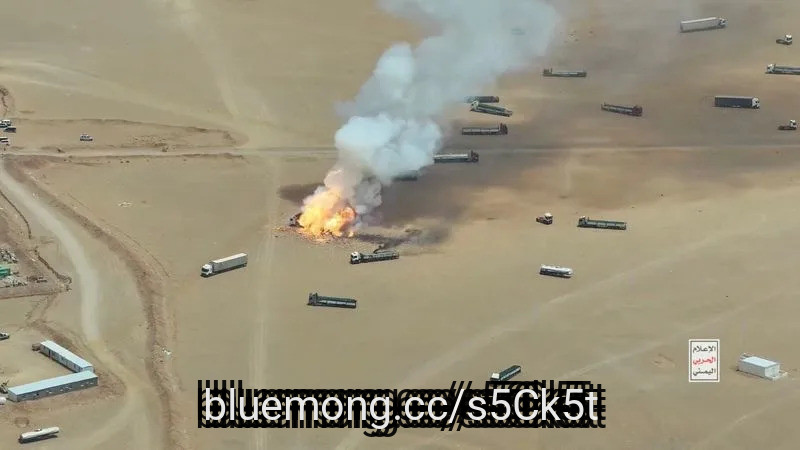
Confirmed images of the aftermath of the attacks in the Saudi cities were not immediately available. The Houthis released pictures of an explosion of what they said were trucks from Saudi Arabia they had struck at the border in another area.
#saudi #major #enas
CAIRO/DUBAI, Sept 8 (Reuters) - Yemen's Tehran-backed Houthis attacked four cities in the south of U.S. ally Saudi Arabia on Tuesday, wounding more than 70 people and setting oil installations ablaze in what appeared to be a major expansion of the six-month-old Middle East war.
The Houthis, who control most of Yemen's populated areas including the capital, said they had launched a broad operation deep into Saudi territory. They used drones and missiles to strike a Saudi airbase in the southern city of Khamis Mushair, and targets belonging to Saudi Arabia's state oil company in nearby Abha, Najran on the Yemeni border and Jazan, a major Red Sea port.
Saudi authorities described blazes at the sites and said women and children were among the 73 people hurt. The reports of such large numbers of wounded suggested the attacks were among the biggest carried out against Saudi Arabia since the United States and Israel launched their war against Iran in February.
Confirmed images of the aftermath of the attacks in the Saudi cities were not immediately available. The Houthis released pictures of an explosion of what they said were trucks from Saudi Arabia they had struck at the border in another area.
#saudi #major #enas


8 days ago
The severe disruption of oil and gas flows out of the Persian Gulf resulting from the war between the U.S. and Israel and Iran, has saddled energy-importing nations with soaring bills, supply uncertainty, and a murky outlook. However, there has been a silver lining: a rush to build alternative conduits for bringing oil and gas out of the Middle East.
The global total energy import bill swelled by $330 billion over the six months between March and August, Finnish climate outlet Centre for Energy Research and Clean Air reported earlier this month. This would not have been the case had the Strait of Hormuz remained open, the outlet noted in its report, highlighting the world's reliance on an energy export corridor vulnerable to adverse geopolitical events and their fallout.
Because of the closure of Hormuz, Persian Gulf oil producers had to idle wells and find ways to slip their stored oil out of the Gulf on tankers with their transponders switched off. Yet they also started working on alternative routes that bypassed the Strait of Hormuz altogether.
Saudi Arabia demonstrated foresight with its East-West pipeline that it used to reroute its export flows from the Persian Gulf to the Red Sea in the first weeks of the war, ramping up to some 7 million barrels of crude daily along the pipe that had previously handled much lower volumes. The only major constraint in that rerouting was the capacity of the loading facilities at Yanbu Port.
Later, of course, Saudi Arabia had to discover that the Red Sea is not safe because of the presence of the Yemeni Houthis in the Bab el-Mandeb strait and their affiliation with Iran. So, the Saudis had to reroute again, this time to the Suez Canal, which has an even more constrained tanker passage capacity. In other words, alternative routes are not perfect, but it is a good thing to have them.
#persian #hormuz
The global total energy import bill swelled by $330 billion over the six months between March and August, Finnish climate outlet Centre for Energy Research and Clean Air reported earlier this month. This would not have been the case had the Strait of Hormuz remained open, the outlet noted in its report, highlighting the world's reliance on an energy export corridor vulnerable to adverse geopolitical events and their fallout.
Because of the closure of Hormuz, Persian Gulf oil producers had to idle wells and find ways to slip their stored oil out of the Gulf on tankers with their transponders switched off. Yet they also started working on alternative routes that bypassed the Strait of Hormuz altogether.
Saudi Arabia demonstrated foresight with its East-West pipeline that it used to reroute its export flows from the Persian Gulf to the Red Sea in the first weeks of the war, ramping up to some 7 million barrels of crude daily along the pipe that had previously handled much lower volumes. The only major constraint in that rerouting was the capacity of the loading facilities at Yanbu Port.
Later, of course, Saudi Arabia had to discover that the Red Sea is not safe because of the presence of the Yemeni Houthis in the Bab el-Mandeb strait and their affiliation with Iran. So, the Saudis had to reroute again, this time to the Suez Canal, which has an even more constrained tanker passage capacity. In other words, alternative routes are not perfect, but it is a good thing to have them.
#persian #hormuz


9 days ago
Our ***** ysts just identified a stock with the potential to be the next Nvidia. Tell us how you invest and we'll show you why it's our #1 pick. Tap here.
The Iran war and the resulting oil supply shock have the Kingdom of Saudi Arabia asking banks for more loans. Saudi Arabia's National Debt Management Center initiated talks with international banks for a syndicated loan of at least $6-8 billion, and asked to keep the tab open.
Separately, the state-owned oil company Aramco is looking to raise its own funds, suggesting that Riyadh is running short on the cheap options.
Saudi Arabia's National Debt Management Center asked international banks to submit proposals for a five-year, U.S.-dollar syndicated loan in the $6-8 billion range, structured so the facility can grow beyond that ceiling if needed.
Tehran's strikes on Saudi energy infrastructure and continued Houthi threats to Red Sea shipping have also complicated Riyadh's plans to route oil exports bypassing the Strait of Hormuz. War-related economic damage, which is lost revenue plus added costs, already costed Riyadh $10 billion in April.
#debt #management #center #international
The Iran war and the resulting oil supply shock have the Kingdom of Saudi Arabia asking banks for more loans. Saudi Arabia's National Debt Management Center initiated talks with international banks for a syndicated loan of at least $6-8 billion, and asked to keep the tab open.
Separately, the state-owned oil company Aramco is looking to raise its own funds, suggesting that Riyadh is running short on the cheap options.
Saudi Arabia's National Debt Management Center asked international banks to submit proposals for a five-year, U.S.-dollar syndicated loan in the $6-8 billion range, structured so the facility can grow beyond that ceiling if needed.
Tehran's strikes on Saudi energy infrastructure and continued Houthi threats to Red Sea shipping have also complicated Riyadh's plans to route oil exports bypassing the Strait of Hormuz. War-related economic damage, which is lost revenue plus added costs, already costed Riyadh $10 billion in April.
#debt #management #center #international


24 days ago
Oil prices have soared in recent months as a result of the almost complete closure of the Strait of Hormuz, a key trade corridor connecting Asia and Europe. High fossil fuel prices have helped to drive up the profits of oil and gas companies around the globe, particularly in the United States and Europe. As a few companies boost production to fill the gap, some oil majors have seen record earnings in the first half of the year, a trend that is expected to continue for as long as Hormuz trade remains restricted.
Eight of the largest oil firms achieved combined profits of over $90 billion in the three months from April to June, following the U.S.-Israeli attack on Iran and the subsequent war. Iran's decision to close the Strait of Hormuz, the waterway between Oman and Iran that connects the Persian Gulf with the Gulf of Oman and the Arabian Sea, has led to the biggest disruption of fossil fuel supplies in the market's history. As a few oil majors from the United States, Europe, and the Middle East step in to fill the gap and oil prices are pushed higher, a few companies have come out on top.
The phenomenon has also demonstrated that the world remains overly dependent on fossil fuels, with countries willing to pay a premium to secure their oil and gas supplies in the face of major global shortages. Environmentalists are concerned about what this reliance means for climate change, as greenhouse emissions remain high. The lack of energy diversification and the heavy dependence on fossil fuels also poses a threat to energy security for many countries.
The eight companies ***** sed – Aramco, BP, Shell, Equinor, TotalEnergies, Eni, Chevron, and ExxonMobil – have almost doubled their combined profits, from just below $50 billion in the second quarter of 2025. The increase in oil prices has driven up consumer energy bills worldwide, while oil companies continue to profit. This has reignited the discussion around windfall tax, as governments call for oil companies to pay higher levies to subsidise energy bills and environmentalists believe extra taxes could help pay to address the environmental damage caused by oil operations.
The Brent Benchmark put oil prices at around $68 a barrel at the end of February, rising to highs of nearly $100 a barrel in May. Saudi Arabia's Aramco benefited the most from the price increase over the spring, reporting a 34 per cent rise in its quarterly net income, at over $33 billion. Aramco saw high profits even following damage to its infrastructure by drone and missile strikes from Iranian and Houthi forces. The company's record oil sales meant that it was responsible for more carbon emissions than any company in history, according to the database Carbon Majors.
#Companies #prices #hormuz #Europe
Eight of the largest oil firms achieved combined profits of over $90 billion in the three months from April to June, following the U.S.-Israeli attack on Iran and the subsequent war. Iran's decision to close the Strait of Hormuz, the waterway between Oman and Iran that connects the Persian Gulf with the Gulf of Oman and the Arabian Sea, has led to the biggest disruption of fossil fuel supplies in the market's history. As a few oil majors from the United States, Europe, and the Middle East step in to fill the gap and oil prices are pushed higher, a few companies have come out on top.
The phenomenon has also demonstrated that the world remains overly dependent on fossil fuels, with countries willing to pay a premium to secure their oil and gas supplies in the face of major global shortages. Environmentalists are concerned about what this reliance means for climate change, as greenhouse emissions remain high. The lack of energy diversification and the heavy dependence on fossil fuels also poses a threat to energy security for many countries.
The eight companies ***** sed – Aramco, BP, Shell, Equinor, TotalEnergies, Eni, Chevron, and ExxonMobil – have almost doubled their combined profits, from just below $50 billion in the second quarter of 2025. The increase in oil prices has driven up consumer energy bills worldwide, while oil companies continue to profit. This has reignited the discussion around windfall tax, as governments call for oil companies to pay higher levies to subsidise energy bills and environmentalists believe extra taxes could help pay to address the environmental damage caused by oil operations.
The Brent Benchmark put oil prices at around $68 a barrel at the end of February, rising to highs of nearly $100 a barrel in May. Saudi Arabia's Aramco benefited the most from the price increase over the spring, reporting a 34 per cent rise in its quarterly net income, at over $33 billion. Aramco saw high profits even following damage to its infrastructure by drone and missile strikes from Iranian and Houthi forces. The company's record oil sales meant that it was responsible for more carbon emissions than any company in history, according to the database Carbon Majors.
#Companies #prices #hormuz #Europe


30 days ago
September WTI crude oil (CLU26) is up +2.76 (+3.53%) on Friday, and September RBOB gasoline (RBU26) is up +0.1203 (+4.03%).
Crude oil and gasoline prices are sharply higher today, with gasoline climbing to a 1-week high. The lack of an agreement between Iran and Oman to reopen the Strait of Hormuz is limiting crude supplies from the Middle East and is boosting oil prices. Also, an attack on a Saudi oil refinery by Houthi militants is further straining global fuel supplies and is pushing energy prices higher.
What Was Driving Markets Early Monday Morning?
Vistra Corp (VST) Stock's Underperformance Could Open Up a Contrarian Options Trade
The Biggest AI Power Opportunity May Be Hiding in Constellation Energy
#crude #higher #rbob
Crude oil and gasoline prices are sharply higher today, with gasoline climbing to a 1-week high. The lack of an agreement between Iran and Oman to reopen the Strait of Hormuz is limiting crude supplies from the Middle East and is boosting oil prices. Also, an attack on a Saudi oil refinery by Houthi militants is further straining global fuel supplies and is pushing energy prices higher.
What Was Driving Markets Early Monday Morning?
Vistra Corp (VST) Stock's Underperformance Could Open Up a Contrarian Options Trade
The Biggest AI Power Opportunity May Be Hiding in Constellation Energy
#crude #higher #rbob


1 month ago
Aug 10 (Reuters) - A look at the day ahead in European and global markets from Wayne Cole.
Asian stocks are mostly firmer, following Friday's Wall Street rally, though European share futures are off as oil rises amid much confusion over the Strait of Hormuz.
Treasury Secretary Scott Bessent over the weekend claimed the strait would become "irrelevant" as oil would eventually be redirected through pipelines, giving **** ysts the impression the White House was trying to wash its hands of the whole affair.
Iran said on Sunday that a deal with Oman defining new shipping lanes in the Strait was in its final stages but reiterated that the waterway would only reopen once the United States met other conditions, which seems unlikely.
Meanwhile the Houthis say they have resumed attacks on the Red Sea port city of Mocha, which will be making shippers through the Bab el-Mandeb strait nervous.
#european #asian
Asian stocks are mostly firmer, following Friday's Wall Street rally, though European share futures are off as oil rises amid much confusion over the Strait of Hormuz.
Treasury Secretary Scott Bessent over the weekend claimed the strait would become "irrelevant" as oil would eventually be redirected through pipelines, giving **** ysts the impression the White House was trying to wash its hands of the whole affair.
Iran said on Sunday that a deal with Oman defining new shipping lanes in the Strait was in its final stages but reiterated that the waterway would only reopen once the United States met other conditions, which seems unlikely.
Meanwhile the Houthis say they have resumed attacks on the Red Sea port city of Mocha, which will be making shippers through the Bab el-Mandeb strait nervous.
#european #asian


1 month ago
CAIRO (AP) — A volley of fire between the Iranian-backed Houthis and Saudi Arabia has threatened to upend a 2022 truce in Yemen and open another front in the already expanding war in the Middle East after the collapse of the ceasefire deal between the U.S. and Iran.
"Yemen today faces a greater risk of renewed large-scale conflict than at any point since the U.N.-brokered truce of April 2022, " U.N. envoy Hans Grundberg warned.
The escalation, he said, risks "jeopardizing the gains of the 2022 truce ... while also drawing the country into a broader regional confrontation, with devastating consequences for its people."
Grundberg said he has engaged in intensive talks with Yemeni parties and regional governments to avert further escalation.
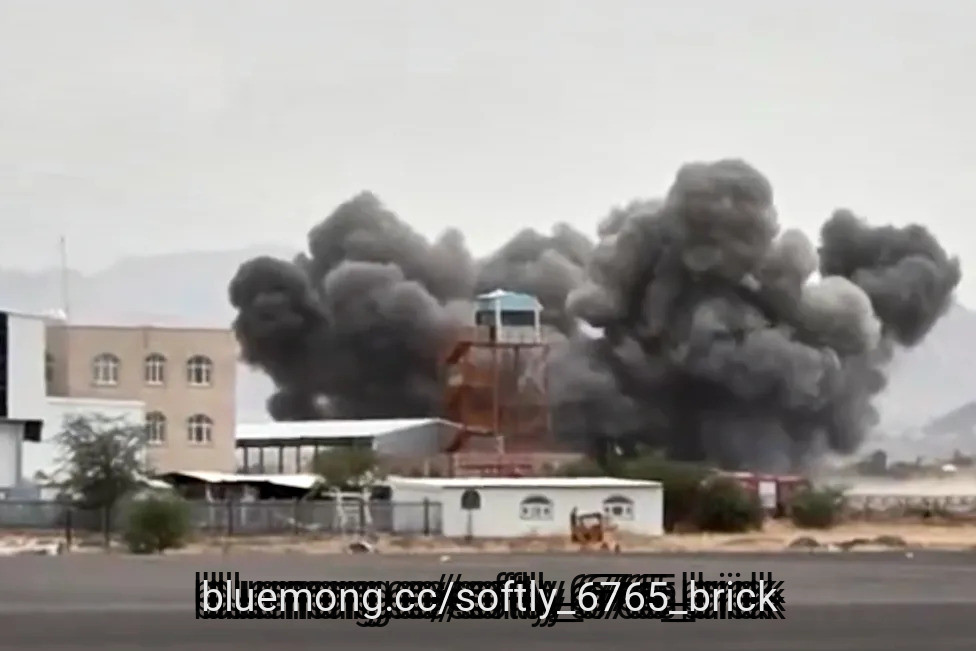
The ***** -for-tat attacks started July 13 with a Saudi airstrike that hit the runway of the airport in Yemen's capital, Sanaa, preventing the landing of an Iranian flight carrying a high-ranking Houthi delegation.
#saudi
"Yemen today faces a greater risk of renewed large-scale conflict than at any point since the U.N.-brokered truce of April 2022, " U.N. envoy Hans Grundberg warned.
The escalation, he said, risks "jeopardizing the gains of the 2022 truce ... while also drawing the country into a broader regional confrontation, with devastating consequences for its people."
Grundberg said he has engaged in intensive talks with Yemeni parties and regional governments to avert further escalation.
The ***** -for-tat attacks started July 13 with a Saudi airstrike that hit the runway of the airport in Yemen's capital, Sanaa, preventing the landing of an Iranian flight carrying a high-ranking Houthi delegation.
#saudi
1 month ago
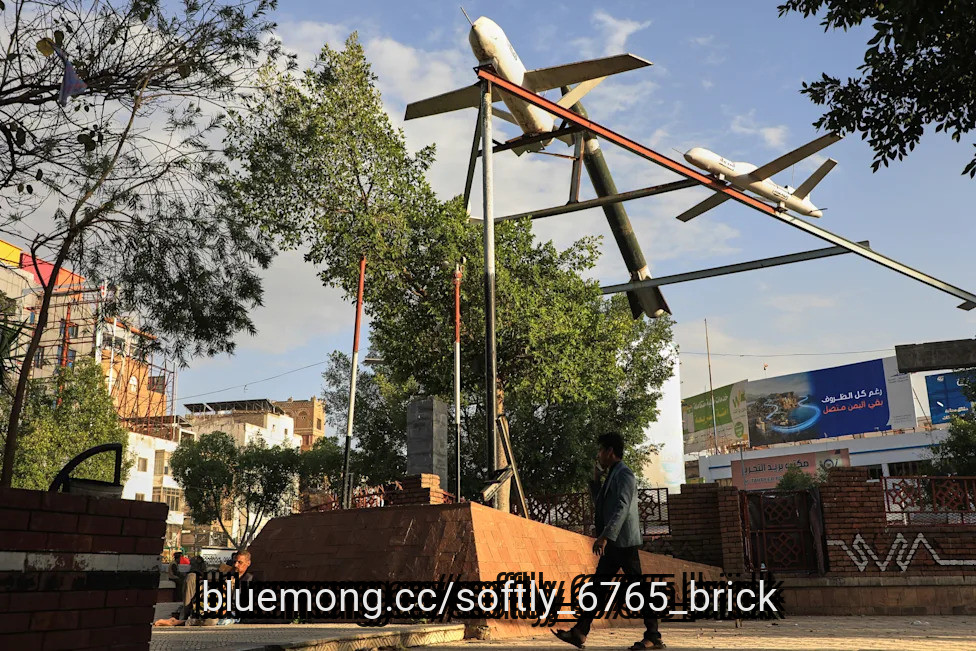
Aug 9 (Reuters) - Yemen's Iran-aligned Houthis have attacked Saudi Aramco's Jazan refinery, they said on Sunday, two days after the kingdom signed a defence pact with Turkey and Pakistan in response to growing regional instability from the U.S.-Israeli war on Iran.
The alliance with Sunni Muslim U.S. allies, Turkey and Pakistan, is intended to strengthen collective deterrence against any act of aggression and stipulates that an armed attack against any of the three would be regarded as an attack on all.
It was not clear whether or how either Pakistan or Turkey would join in any Saudi response to the latest attacks.
The Houthis declared a naval blockade against Saudi Arabia in the Red Sea last month, citing what they said was a Saudi siege on them, an allegation Riyadh denies.
The Saudi energy ministry said a fire had broken out at the refinery but was later extinguished with no injuries and authorities were dealing with the incident, without giving a cause.
#Iran #refinery
The alliance with Sunni Muslim U.S. allies, Turkey and Pakistan, is intended to strengthen collective deterrence against any act of aggression and stipulates that an armed attack against any of the three would be regarded as an attack on all.
It was not clear whether or how either Pakistan or Turkey would join in any Saudi response to the latest attacks.
The Houthis declared a naval blockade against Saudi Arabia in the Red Sea last month, citing what they said was a Saudi siege on them, an allegation Riyadh denies.
The Saudi energy ministry said a fire had broken out at the refinery but was later extinguished with no injuries and authorities were dealing with the incident, without giving a cause.
#Iran #refinery

1 month ago
The Strait of Hormuz is, by some accounts, named for a Zoroastrian deity destined to emerge victorious after a 9,000-year standoff with an adversary.
Iran's leaders feel their own victory is at hand and won't require the same epic patience.
They are betting that military pressure will ultimately force the United States to accept their control over the crucial waterway for global energy — and that time is on their side.
They know about the diminishing stockpiles of key U.S. weapons such as advanced missile interceptors. They know the war is deeply unpopular with Americans. They know that as long as the strait is largely closed, the price of gas and other goods will stay high ahead of U.S. congressional elections in November. They know that trying to open it by force would be costly and may require American ground troops. They know their Houthi allies in Yemen could widen the war and disrupt another major trade route.
By that logic, U.S. President Donald Trump has no choice but to capitulate.
#united #americans
Iran's leaders feel their own victory is at hand and won't require the same epic patience.
They are betting that military pressure will ultimately force the United States to accept their control over the crucial waterway for global energy — and that time is on their side.
They know about the diminishing stockpiles of key U.S. weapons such as advanced missile interceptors. They know the war is deeply unpopular with Americans. They know that as long as the strait is largely closed, the price of gas and other goods will stay high ahead of U.S. congressional elections in November. They know that trying to open it by force would be costly and may require American ground troops. They know their Houthi allies in Yemen could widen the war and disrupt another major trade route.
By that logic, U.S. President Donald Trump has no choice but to capitulate.
#united #americans


1 month ago
Oil prices surged more than 7% on Wednesday as renewed U.S.-Iran hostilities and fresh threats to shipping through the Bab el-Mandeb pushed WTI above $84 and Brent toward $90, confronting the Federal Reserve with another inflation shock just hours before one of its most uncertain interest-rate decisions in years.
The rally accelerated after President Donald Trump vaguely told Fox News that the United States would "hit Iran hard" following an attack on a U.S. base in Jordan, while Iran-backed Houthis weighed imposing fees on commercial shipping through the Bab el-Mandeb Strait and U.S.-Saudi forces launched fresh strikes against Houthi positions in Yemen.
Brent crude was up 7.06% at 9:29a.m. ET Wednesday, reaching $90.03, while WTI was trading up 6.95%, at $84.77.
The renewed geopolitical premium comes just hours before the Federal Reserve announces its latest interest-rate decision, with markets divided over whether policymakers will leave rates unchanged or deliver the first rate increase since 2023. Investors are also looking for clues from Chairman Kevin Warsh after the Fed abandoned the forward guidance that had shaped market expectations for more than two decades.
June's inflation report eased pressure on the Federal Reserve after lower oil prices helped cool headline inflation during the brief lull in the Iran war, but that relief appears to have been short-lived. With crude prices once again flirting with $90 as fighting resumes, investors are divided over whether policymakers will leave interest rates unchanged or respond to renewed inflation risks.
#Iran #reserve #prices
The rally accelerated after President Donald Trump vaguely told Fox News that the United States would "hit Iran hard" following an attack on a U.S. base in Jordan, while Iran-backed Houthis weighed imposing fees on commercial shipping through the Bab el-Mandeb Strait and U.S.-Saudi forces launched fresh strikes against Houthi positions in Yemen.
Brent crude was up 7.06% at 9:29a.m. ET Wednesday, reaching $90.03, while WTI was trading up 6.95%, at $84.77.
The renewed geopolitical premium comes just hours before the Federal Reserve announces its latest interest-rate decision, with markets divided over whether policymakers will leave rates unchanged or deliver the first rate increase since 2023. Investors are also looking for clues from Chairman Kevin Warsh after the Fed abandoned the forward guidance that had shaped market expectations for more than two decades.
June's inflation report eased pressure on the Federal Reserve after lower oil prices helped cool headline inflation during the brief lull in the Iran war, but that relief appears to have been short-lived. With crude prices once again flirting with $90 as fighting resumes, investors are divided over whether policymakers will leave interest rates unchanged or respond to renewed inflation risks.
#Iran #reserve #prices


1 month ago
By Jonathan Saul, Parisa Hafezi, Timour Azhari and Chen Aizhu
LONDON/DUBAI, July 28 (Reuters) - China has held direct talks with Yemen's Houthi movement to enable its tankers to sail through the southern Red Sea without being attacked after the Iran-aligned militia pledged to prevent access to Saudi ports, six sources with knowledge of the matter have said.
The Houthis declared their blockade on July 20, opening a new front against the U.S. and its allies in the Iran war and expanding attacks on tankers carrying energy and other supplies to markets beyond the Middle East.
Beijing has asked the Houthis directly to promise safe passage for its tankers, according to the sources, who included a senior Iranian official.
China was among the first countries to contact the Houthis directly about transits through Bab el-Mandeb, the strait at the southern end of the Red Sea with Yemen on its eastern bank, said the sources, who declined to be identified due to the sensitivity of the matter.
#tankers
LONDON/DUBAI, July 28 (Reuters) - China has held direct talks with Yemen's Houthi movement to enable its tankers to sail through the southern Red Sea without being attacked after the Iran-aligned militia pledged to prevent access to Saudi ports, six sources with knowledge of the matter have said.
The Houthis declared their blockade on July 20, opening a new front against the U.S. and its allies in the Iran war and expanding attacks on tankers carrying energy and other supplies to markets beyond the Middle East.
Beijing has asked the Houthis directly to promise safe passage for its tankers, according to the sources, who included a senior Iranian official.
China was among the first countries to contact the Houthis directly about transits through Bab el-Mandeb, the strait at the southern end of the Red Sea with Yemen on its eastern bank, said the sources, who declined to be identified due to the sensitivity of the matter.
#tankers



1 month ago
U.S. Ambassador to the United Nations Mike Waltz on Sunday blamed former President Biden for the Pentagon being low on munitions but denied that the depletion is negatively impacting the war with Iran.
"We have to take a step back here in that a lot of stockpiles were depleted not only from what we gave Ukraine over the last … four or five years," Waltz told host Kristen Welker on NBC News's "Meet the Press."
Waltz also said Defense Secretary Pete Hegseth "inherited a depleted situation" from the Biden administration due to U.S. strikes on the Houthis — which the Trump administration carried out for nearly two months last year due to the Yemeni terrorist group targeting commercial ships in the Red Sea.
NBC News reported Friday that U.S. military commanders have been selectively choosing which Iranian missiles and explosive-packed drones to intercept amid an effort to preserve the Pentagon's diminishing supply of weapons that block projectiles from reaching their targets.
Military ***** ysts also ***** s it could take the U.S. four years or more to restock its weapons inventory. But that is only if Congress provides the administration with additional funding for the war.
#four
"We have to take a step back here in that a lot of stockpiles were depleted not only from what we gave Ukraine over the last … four or five years," Waltz told host Kristen Welker on NBC News's "Meet the Press."
Waltz also said Defense Secretary Pete Hegseth "inherited a depleted situation" from the Biden administration due to U.S. strikes on the Houthis — which the Trump administration carried out for nearly two months last year due to the Yemeni terrorist group targeting commercial ships in the Red Sea.
NBC News reported Friday that U.S. military commanders have been selectively choosing which Iranian missiles and explosive-packed drones to intercept amid an effort to preserve the Pentagon's diminishing supply of weapons that block projectiles from reaching their targets.
Military ***** ysts also ***** s it could take the U.S. four years or more to restock its weapons inventory. But that is only if Congress provides the administration with additional funding for the war.
#four



1 month ago
Global equities ended last week little changed in local currency and up 0.6% in sterling terms. This continued the choppy pattern of recent weeks with markets currently down 1.5-2% from their peak in early June. The US underperformed with a gain of 0.3% in sterling terms while the UK and emerging markets were both up around 1.3%.
Meanwhile, government bonds in the US and UK both lost 0.5% with yields re-testing their highs in early May. 10-year UK gilt yields tested 5.1% while US yields reached 4.7%, before retreating a bit.
The war with Iran was centre stage with renewed attacks by both sides and Trump once again upping his threats. The new ingredient this time was that concerns were not limited to the Strait of Hormuz but extended to the Bab El Mandeb Strait with the Houthis exchanging blows with Saudi Arabia and threatening to close the waterway.
The importance of this new chokepoint is two-fold. First, it threatens Saudi's ability to divert via its pipeline a good part of its oil production to the Red Sea rather than the Strait of Hormuz. Second, it poses a threat to container traffic more generally which use the Suez Canal to avoid a long and costly diversion around the African coast.
Oil duly moved back up to $100 per barrel mid-week from a low of close to $70pb all of three weeks ago. But it is back down to $88pb this morning as negotiations between the US and Iran started up once again over the weekend, easing fears of a major escalation. However, this morning, Iran said it is not seeking new peace talks, so the confusion continues.
Even so, the fact remains that Trump appears to have chickened out yet again – be it because the hike in oil prices has pushed US gasoline prices back above $4 per gallon, the rise in US Treasury yields has caused concerns or because, as has been reported, the US lacks the necessary munitions.
#strait #back #sterling
Meanwhile, government bonds in the US and UK both lost 0.5% with yields re-testing their highs in early May. 10-year UK gilt yields tested 5.1% while US yields reached 4.7%, before retreating a bit.
The war with Iran was centre stage with renewed attacks by both sides and Trump once again upping his threats. The new ingredient this time was that concerns were not limited to the Strait of Hormuz but extended to the Bab El Mandeb Strait with the Houthis exchanging blows with Saudi Arabia and threatening to close the waterway.
The importance of this new chokepoint is two-fold. First, it threatens Saudi's ability to divert via its pipeline a good part of its oil production to the Red Sea rather than the Strait of Hormuz. Second, it poses a threat to container traffic more generally which use the Suez Canal to avoid a long and costly diversion around the African coast.
Oil duly moved back up to $100 per barrel mid-week from a low of close to $70pb all of three weeks ago. But it is back down to $88pb this morning as negotiations between the US and Iran started up once again over the weekend, easing fears of a major escalation. However, this morning, Iran said it is not seeking new peace talks, so the confusion continues.
Even so, the fact remains that Trump appears to have chickened out yet again – be it because the hike in oil prices has pushed US gasoline prices back above $4 per gallon, the rise in US Treasury yields has caused concerns or because, as has been reported, the US lacks the necessary munitions.
#strait #back #sterling


1 month ago
Fighting across the oil-producing world is catching up with energy markets, which could soon be choked off by multiple choke points and shortages.
Over the weekend, the U.S. and Iran have paused their attacks on each other in the Persian Gulf while they engage in diplomacy. Iran and Oman are also in separate talks to reopen the Strait of Hormuz.
But the U.S. and Iran's neighbors are unlikely to accept any deal that recognizes Tehran's control over the narrow waterway. Meanwhile, Iran-backed Houthi rebels are threatening ships in the Bab el-Mandeb Strait, which Saudi Arabia has relied on to export its oil and bypass the Strait of Hormuz.
Ships can get around the Bab el-Mandeb Strait by using the Suez Canal to enter or exit the Red Sea, but the canal can't accommodate the largest oil tankers. There's also a risk that Iran could try to strike the Suez Canal, too.
"So we are starting to talk about the kind of 'no way out' scenarios because of this new Red Sea unrest," Helima Croft, head of global commodity strategy at RBC Capital Markets, told CNBC on Thursday.
#ships
Over the weekend, the U.S. and Iran have paused their attacks on each other in the Persian Gulf while they engage in diplomacy. Iran and Oman are also in separate talks to reopen the Strait of Hormuz.
But the U.S. and Iran's neighbors are unlikely to accept any deal that recognizes Tehran's control over the narrow waterway. Meanwhile, Iran-backed Houthi rebels are threatening ships in the Bab el-Mandeb Strait, which Saudi Arabia has relied on to export its oil and bypass the Strait of Hormuz.
Ships can get around the Bab el-Mandeb Strait by using the Suez Canal to enter or exit the Red Sea, but the canal can't accommodate the largest oil tankers. There's also a risk that Iran could try to strike the Suez Canal, too.
"So we are starting to talk about the kind of 'no way out' scenarios because of this new Red Sea unrest," Helima Croft, head of global commodity strategy at RBC Capital Markets, told CNBC on Thursday.
#ships


1 month ago
Oil prices gave up earlier gains on Friday after reports that Pakistan is trying to broker a return to U.S.-Iran nuclear negotiations. China is strongly backing the effort as the conflict and the closure of the Strait of Hormuz continue to threaten its energy security and weigh on its economy.
Brent crude for September delivery fell 4.4% to trade at $96.36 per barrel at 1.35 pm ET while WTI crude for September delivery was down 3.6% to change hands at $88.86/bbl.
However, Standard Chartered says the latest pullback may prove temporary as Middle East oil market risk has expanded from one strategic chokepoint to two.
On Monday, Yemen's Houthi militant group imposed a targeted maritime blockade against Saudi Arabia, threatening to enforce it by blocking Saudi-linked vessels from transiting the vital Bab el-Mandeb Strait. The group claimed the blockade was a direct retaliation for a decade-long Saudi containment of Yemen as well as a recent Saudi-backed airstrike targeting Sanaa International Airport.
The threat immediately rattled oil markets, prompting multiple Saudi-linked very large crude carriers (VLCCs) to abandon planned transits through the Bab el-Mandeb Strait and instead reroute around Africa's Cape of Good Hope, adding up to two weeks to each voyage. Two days later, the Houthis followed through. The group launched ballistic missiles and drones at two Saudi oil tankers on Thursday, damaging both vessels and igniting fires onboard. Brent crude surged nearly $20 per barrel, briefly climbing above $100.
#brent #september
Brent crude for September delivery fell 4.4% to trade at $96.36 per barrel at 1.35 pm ET while WTI crude for September delivery was down 3.6% to change hands at $88.86/bbl.
However, Standard Chartered says the latest pullback may prove temporary as Middle East oil market risk has expanded from one strategic chokepoint to two.
On Monday, Yemen's Houthi militant group imposed a targeted maritime blockade against Saudi Arabia, threatening to enforce it by blocking Saudi-linked vessels from transiting the vital Bab el-Mandeb Strait. The group claimed the blockade was a direct retaliation for a decade-long Saudi containment of Yemen as well as a recent Saudi-backed airstrike targeting Sanaa International Airport.
The threat immediately rattled oil markets, prompting multiple Saudi-linked very large crude carriers (VLCCs) to abandon planned transits through the Bab el-Mandeb Strait and instead reroute around Africa's Cape of Good Hope, adding up to two weeks to each voyage. Two days later, the Houthis followed through. The group launched ballistic missiles and drones at two Saudi oil tankers on Thursday, damaging both vessels and igniting fires onboard. Brent crude surged nearly $20 per barrel, briefly climbing above $100.
#brent #september


1 month ago
Less than a month ago, **** ysts were warning of a looming glut of crude oil as tanker traffic via the Strait of Hormuz began to recover amid a U.S.-Iran ceasefire. Within days of these warnings, the ceasefire was a painful memory, missiles were flying again, and now Yemen's Houthis are striking tankers in the Red Sea, which makes two blocked oil chokepoints and a very real danger of a global recession.
Brent crude this week topped $100 per barrel on reports that the Houthis had struck two Saudi tankers in the Bab el-Mandeb Strait, which Saudi Arabia is currently using as the primary outlet for its crude amid the Iranian blockade of the Strait of Hormuz. Soon enough it emerged that tankers that were heading to the Red Sea waterway were making U-turns and heading to alternative routes—which take longer and cost more.
Meanwhile, Ukrainian drone strikes on the Caspian Pipeline System's terminus on the Black Sea have forced Kazakhstan to suspend most of its oil exports. The target of the drone attacks was the Novorossiysk port on Russia's Black Sea coast, which also happens to be the point of departure of the bulk of Kazakh oil exports to world markets. Bloomberg reported this week that tanker operators were getting nervous about sending their vessels to the port of Novorossiysk because Ukrainian drones were also striking ships at the port.
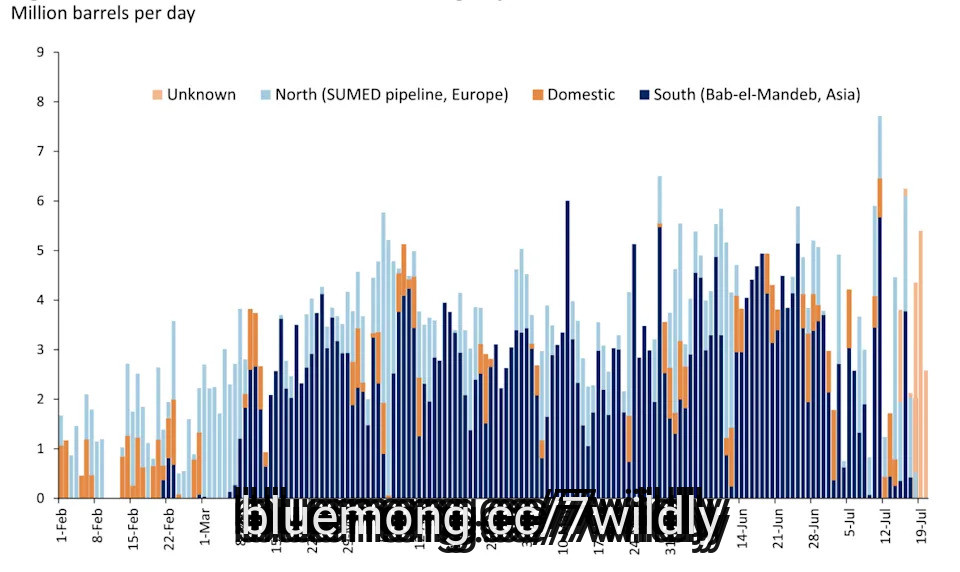
The Strait of Hormuz used to see average daily oil volumes of some 20 million barrels daily. This has now slowed to a trickle. The Red Sea chokepoint of Bab el-Mandeb has been handling between 4 and 5 million barrels daily of Saudi oil in recent weeks, according to different estimates. Now, this too appears to be almost completely blocked. Add to this the loss of 1.7 million barrels daily in Kazakh flows to Novorossiysk, and the global oil supply picture takes on a rather grim tint. Additionally, the Ukrainian forces continue to target Russian refineries, which has already led to a temporary ban on diesel exports at a time when global fuel inventories are getting strained by the first-wave effects of the Middle East war.
In fact, the situation with refined petroleum products is a major crisis in its own right. "Unlike crude oil, refined products face far fewer mitigation options. Several Middle Eastern refineries remain affected by the ongoing conflict while Russia's diesel export restrictions continue to constrain global availability," Ole Hansen, Saxo Bank's head of commodity strategy, said in an **** ysis earlier this month. "Refining capacity globally also remains relatively limited, preventing crude supply increases from quickly translating into additional diesel and gasoline production," he added.
#daily #exports
Brent crude this week topped $100 per barrel on reports that the Houthis had struck two Saudi tankers in the Bab el-Mandeb Strait, which Saudi Arabia is currently using as the primary outlet for its crude amid the Iranian blockade of the Strait of Hormuz. Soon enough it emerged that tankers that were heading to the Red Sea waterway were making U-turns and heading to alternative routes—which take longer and cost more.
Meanwhile, Ukrainian drone strikes on the Caspian Pipeline System's terminus on the Black Sea have forced Kazakhstan to suspend most of its oil exports. The target of the drone attacks was the Novorossiysk port on Russia's Black Sea coast, which also happens to be the point of departure of the bulk of Kazakh oil exports to world markets. Bloomberg reported this week that tanker operators were getting nervous about sending their vessels to the port of Novorossiysk because Ukrainian drones were also striking ships at the port.
The Strait of Hormuz used to see average daily oil volumes of some 20 million barrels daily. This has now slowed to a trickle. The Red Sea chokepoint of Bab el-Mandeb has been handling between 4 and 5 million barrels daily of Saudi oil in recent weeks, according to different estimates. Now, this too appears to be almost completely blocked. Add to this the loss of 1.7 million barrels daily in Kazakh flows to Novorossiysk, and the global oil supply picture takes on a rather grim tint. Additionally, the Ukrainian forces continue to target Russian refineries, which has already led to a temporary ban on diesel exports at a time when global fuel inventories are getting strained by the first-wave effects of the Middle East war.
In fact, the situation with refined petroleum products is a major crisis in its own right. "Unlike crude oil, refined products face far fewer mitigation options. Several Middle Eastern refineries remain affected by the ongoing conflict while Russia's diesel export restrictions continue to constrain global availability," Ole Hansen, Saxo Bank's head of commodity strategy, said in an **** ysis earlier this month. "Refining capacity globally also remains relatively limited, preventing crude supply increases from quickly translating into additional diesel and gasoline production," he added.
#daily #exports


1 month ago
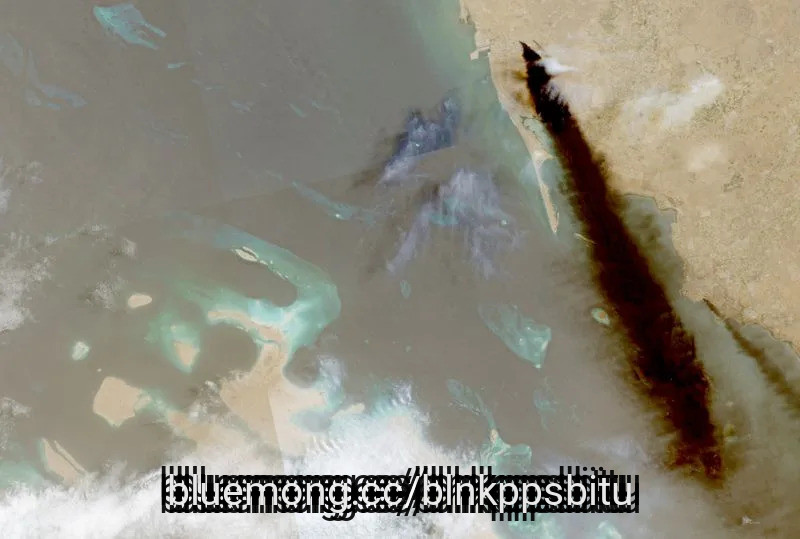
The Red Sea heated up as the rising front in the U.S.-Iran war as Houthi rebels on Sunday attacked two refinery and export sites on Saudi Arabia's west coast. U.S. supplied Patriot missiles reportedly intercepted two ballistic missiles targeting oil installations in Yanbu. Damage to the Saudi refinery in Jizan was unconfirmed, but Al Jazeera reported a large column of smoke following the attack.
In Iran, as of Sunday morning, no new air attacks by U.S. or Israeli forces were reported since Friday.
But the Houthi-Saudi escalation appears set to make the Red Sea's choke-point effect on oil prices, supplies and tanker day rates central to the coming week's market action. Another focal point will be the Federal Reserve and its stance on rate hikes.
But the most prominent discussions will probably involve the balance sheets and artificial intelligence-related spending levels of Magnificent 7 names Apple (AAPL), Amazon (AMZN), Microsoft (MSFT) and Meta Platforms (META), all of which report during the week.
Shares of Alphabet (GOOGL) dived nearly 8% and broke critical technical support last week as spending levels and guidance disappointed investors. That played a large role in dragging the Nasdaq below its early June lows, setting the stage for the index to dive to a test of support at its 200-day moving average.
#reported #large
In Iran, as of Sunday morning, no new air attacks by U.S. or Israeli forces were reported since Friday.
But the Houthi-Saudi escalation appears set to make the Red Sea's choke-point effect on oil prices, supplies and tanker day rates central to the coming week's market action. Another focal point will be the Federal Reserve and its stance on rate hikes.
But the most prominent discussions will probably involve the balance sheets and artificial intelligence-related spending levels of Magnificent 7 names Apple (AAPL), Amazon (AMZN), Microsoft (MSFT) and Meta Platforms (META), all of which report during the week.
Shares of Alphabet (GOOGL) dived nearly 8% and broke critical technical support last week as spending levels and guidance disappointed investors. That played a large role in dragging the Nasdaq below its early June lows, setting the stage for the index to dive to a test of support at its 200-day moving average.
#reported #large


2 months ago
The second wave of the US-Iran conflict shows no signs of letting up. Attacks by the Houthi militia have threatened to curtail shipping through the Red Sea. Russia's refineries are buckling under the weight of bombardment by the Ukrainian military.
For global oil markets, already in a precarious situation, critical logistical nodes just keep getting thwarted. Things keep going wrong. Oil prices have started rebounding in return, reaching levels not seen since the first weeks of June before the signing of the US-Iran memorandum of understanding as Brent futures (BZ=F) crossed $100 per barrel on Thursday.
"If a ceasefire does not materialize," Rystad Energy head of geopolitical ***** ysis Jorge León said, "the risk of a significant rebound in oil prices would be substantial."
As the war between the US and Iran initially began in late February, attention swung toward the Strait of Hormuz, a critical waterway responsible for roughly a fifth of the world's oil trade. Threats of violence and, eventually, direct attacks on vessels by Iranian military wings sent traffic through the strait collapsing, kicking off the largest energy supply crisis on record.
Six months down the road, as the conflict has reignited, the danger for the global oil market has diversified, no longer concentrated in a single waterway or oil-producing country. Instead, disruptions are accumulating across the infrastructure that carries crude from the Middle East, processes Russian oil into 11% of the world's diesel, and supplies fuel to consumers from Europe to Asia — and at a time when the market is already squeezed after half a year's worth of supply disruptions.
#energy
For global oil markets, already in a precarious situation, critical logistical nodes just keep getting thwarted. Things keep going wrong. Oil prices have started rebounding in return, reaching levels not seen since the first weeks of June before the signing of the US-Iran memorandum of understanding as Brent futures (BZ=F) crossed $100 per barrel on Thursday.
"If a ceasefire does not materialize," Rystad Energy head of geopolitical ***** ysis Jorge León said, "the risk of a significant rebound in oil prices would be substantial."
As the war between the US and Iran initially began in late February, attention swung toward the Strait of Hormuz, a critical waterway responsible for roughly a fifth of the world's oil trade. Threats of violence and, eventually, direct attacks on vessels by Iranian military wings sent traffic through the strait collapsing, kicking off the largest energy supply crisis on record.
Six months down the road, as the conflict has reignited, the danger for the global oil market has diversified, no longer concentrated in a single waterway or oil-producing country. Instead, disruptions are accumulating across the infrastructure that carries crude from the Middle East, processes Russian oil into 11% of the world's diesel, and supplies fuel to consumers from Europe to Asia — and at a time when the market is already squeezed after half a year's worth of supply disruptions.
#energy

2 months ago
Rising tensions between the U.S. and Iran are driving up oil prices and bond yields, increasing borrowing costs for consumers and businesses.
Higher bond yields are raising mortgage rates, with the 30-year fixed mortgage rate reaching its highest level since last August.
The rekindling of the Iran war has the bond market worried about inflation again, driving up borrowing costs for homebuyers and businesses alike.
The average 30-year fixed mortgage rate hit 6.58% this week, its highest level since last August, according to Freddie Mac. The yield on the 10-year U.S. Treasury yield—a key input into mortgage rates and business borrowing costs—also soared to its highest level this year and breached 4.7% in mid-afternoon trading.
The sharp rise in yields follows hostilities in the Middle East, with the resumption of U.S.-Iran attacks and the Iran-backed Houthis in Yemen also striking Saudi Arabian oil tankers.
#Iran #bond #yields #august
Higher bond yields are raising mortgage rates, with the 30-year fixed mortgage rate reaching its highest level since last August.
The rekindling of the Iran war has the bond market worried about inflation again, driving up borrowing costs for homebuyers and businesses alike.
The average 30-year fixed mortgage rate hit 6.58% this week, its highest level since last August, according to Freddie Mac. The yield on the 10-year U.S. Treasury yield—a key input into mortgage rates and business borrowing costs—also soared to its highest level this year and breached 4.7% in mid-afternoon trading.
The sharp rise in yields follows hostilities in the Middle East, with the resumption of U.S.-Iran attacks and the Iran-backed Houthis in Yemen also striking Saudi Arabian oil tankers.
#Iran #bond #yields #august

2 months ago
OPEC+ is expected to approve another production target increase when eight key producers meet on August 2, extending a months-long campaign to unwind voluntary supply cuts that have existed largely on paper since the Iran war upended Gulf exports.
Reuters reported Thursday that Saudi Arabia, Russia, Iraq, Kuwait, Algeria, Kazakhstan, and Oman are expected to raise their combined September production target by another 188,000 barrels per day, matching the increases announced for June, July, and August.
The problem is that quotas have been rising while actual production has been moving in the opposite direction.
According to OPEC's own data, the group produced 36.28 million bpd in June, down from nearly 43 million bpd before the war began in February. Repeated disruptions to shipping through the Strait of Hormuz, followed by renewed attacks on vessels in the Red Sea, have prevented several Gulf producers from restoring exports despite higher official targets.
Brent crude topped $100 a barrel Thursday after Houthi attacks on Saudi-linked tankers raised fresh concerns about traffic through the Bab el-Mandeb Strait. Saudi Arabia shifted much of its crude exports to the Red Sea after Hormuz became unreliable. That alternative route is now coming under pressure as well.
#august #strait #hormuz
Reuters reported Thursday that Saudi Arabia, Russia, Iraq, Kuwait, Algeria, Kazakhstan, and Oman are expected to raise their combined September production target by another 188,000 barrels per day, matching the increases announced for June, July, and August.
The problem is that quotas have been rising while actual production has been moving in the opposite direction.
According to OPEC's own data, the group produced 36.28 million bpd in June, down from nearly 43 million bpd before the war began in February. Repeated disruptions to shipping through the Strait of Hormuz, followed by renewed attacks on vessels in the Red Sea, have prevented several Gulf producers from restoring exports despite higher official targets.
Brent crude topped $100 a barrel Thursday after Houthi attacks on Saudi-linked tankers raised fresh concerns about traffic through the Bab el-Mandeb Strait. Saudi Arabia shifted much of its crude exports to the Red Sea after Hormuz became unreliable. That alternative route is now coming under pressure as well.
#august #strait #hormuz


2 months ago
Slipping 2.15% to 25,138, the Nasdaq Composite (NASDAQINDEX:^IXIC) dropped sharply today, driven by a broad retreat in technology stocks following earnings reports. The S&P 500 (SNPINDEX:^GSPC) lost 1.21% to 7,408 and the Dow Jones Industrial Average (DJINDICES:^DJI) fell 0.97% to 51,712.
Gold prices fell 2.36% to $4,048.76 as of U.S. market close, and the 10-Year Treasury yield rose 0.04% to 4.67%, a 52-week high. Communication services and consumer cyclicals were the biggest losers today, while industrials and healthcare stocks showed strength.
Alphabet fell by 7%, and Tesla shares tumbled almost 15% following yesterday's earnings. In contrast, Intel rose in after-hours trading following its Q2 results, which beat expectations. EquipmentShare.com rose 8%, extending gains after increasing its revenue guidance earlier this month.
The risk that the huge outlays on artificial intelligence (AI) infrastructure might not pay off pressured technology stocks today. Rising oil prices and high Treasury yields compounded the risk-off mood. WTI crude oil gained 5.8% to $91.84 a barrel on reports that Houthi militia had attacked tankers in the Red Sea, threatening an alternative supply route to the Strait of Hormuz, which remains largely closed.
Mounting concern over heavy AI capital expenditures hit both Alphabet and Tesla shares. Increased spending from both firms — without a clear indication of when investors will see returns — weighed on shares. Investors are shifting their stances on AI spending sprees, which could justify a more cautious stance on big tech firms.
#stocks #rose #tesla
Gold prices fell 2.36% to $4,048.76 as of U.S. market close, and the 10-Year Treasury yield rose 0.04% to 4.67%, a 52-week high. Communication services and consumer cyclicals were the biggest losers today, while industrials and healthcare stocks showed strength.
Alphabet fell by 7%, and Tesla shares tumbled almost 15% following yesterday's earnings. In contrast, Intel rose in after-hours trading following its Q2 results, which beat expectations. EquipmentShare.com rose 8%, extending gains after increasing its revenue guidance earlier this month.
The risk that the huge outlays on artificial intelligence (AI) infrastructure might not pay off pressured technology stocks today. Rising oil prices and high Treasury yields compounded the risk-off mood. WTI crude oil gained 5.8% to $91.84 a barrel on reports that Houthi militia had attacked tankers in the Red Sea, threatening an alternative supply route to the Strait of Hormuz, which remains largely closed.
Mounting concern over heavy AI capital expenditures hit both Alphabet and Tesla shares. Increased spending from both firms — without a clear indication of when investors will see returns — weighed on shares. Investors are shifting their stances on AI spending sprees, which could justify a more cautious stance on big tech firms.
#stocks #rose #tesla


2 months ago
By Lawrence Delevingne and Marc Jones
July 23 (Reuters) - Oil prices spiked to $100 a barrel on Thursday for the first time since May, while major tech giants knocked U.S. stocks lower and Europe's borrowing costs surged to long-term highs in an unsettling day across markets.
Brent crude settled up 7% at $100.69 a barrel, following attacks on tankers in the Red Sea that choked off a second crucial Middle East artery for global oil supplies, alongside Iran's near-closure of the Strait of Hormuz.
Yemen's Iran-aligned Houthis struck two Saudi oil tankers as part of a naval blockade on Saudi Arabia, sending prices higher as the brief cessation of hostilities between Iran and the U.S. receded into the rear-view mirror.
The U.S. military carried out a new round of strikes on Iran, marking a 12th successive night of American attacks, and prompting further Iranian retaliation. The White House has threatened additional attacks on Iranian infrastructure and key locations of its nuclear facilities.
#marc
July 23 (Reuters) - Oil prices spiked to $100 a barrel on Thursday for the first time since May, while major tech giants knocked U.S. stocks lower and Europe's borrowing costs surged to long-term highs in an unsettling day across markets.
Brent crude settled up 7% at $100.69 a barrel, following attacks on tankers in the Red Sea that choked off a second crucial Middle East artery for global oil supplies, alongside Iran's near-closure of the Strait of Hormuz.
Yemen's Iran-aligned Houthis struck two Saudi oil tankers as part of a naval blockade on Saudi Arabia, sending prices higher as the brief cessation of hostilities between Iran and the U.S. receded into the rear-view mirror.
The U.S. military carried out a new round of strikes on Iran, marking a 12th successive night of American attacks, and prompting further Iranian retaliation. The White House has threatened additional attacks on Iranian infrastructure and key locations of its nuclear facilities.
#marc

2 months ago
Some offers on this page are from advertisers who pay us, which may affect which products we write about, but not our recommendations. See our Advertiser Disclosure.
Gold (GC=F) August futures opened at $4,074.60 per troy ounce on Thursday, July 23, 2026, down 1.9% from Wednesday's closing price. The price of gold moved up this morning, trading at $4,086.60 as of 8:08 a.m. ET.
The gold price closed above $4,100 Wednesday and opened lower on Thursday. Two opposing forces are keeping the gold price in a tight range. Investors are weighing the potential for higher interest rates against the likelihood of broader geopolitical and economic instability prompted by the Iran war.
On Wednesday, the U.S. House of Representatives approved up to $95 billion in funding for the war, aid to farmers, and parts of the SAVE America Act. The plan still needs Senate approval, but the move signals support for ongoing activity in the Middle East — where the war may be at an inflection point. Yemen's Houthi rebels are now targeting Saudi Arabian oil tankers in the Bab el-Mandeb Strait, threatening to disrupt another critical shipping lane.
The potential for higher interest rates tends to encourage lower gold prices, while global unrest can stimulate safe-haven demand for the precious metal.
#interest
Gold (GC=F) August futures opened at $4,074.60 per troy ounce on Thursday, July 23, 2026, down 1.9% from Wednesday's closing price. The price of gold moved up this morning, trading at $4,086.60 as of 8:08 a.m. ET.
The gold price closed above $4,100 Wednesday and opened lower on Thursday. Two opposing forces are keeping the gold price in a tight range. Investors are weighing the potential for higher interest rates against the likelihood of broader geopolitical and economic instability prompted by the Iran war.
On Wednesday, the U.S. House of Representatives approved up to $95 billion in funding for the war, aid to farmers, and parts of the SAVE America Act. The plan still needs Senate approval, but the move signals support for ongoing activity in the Middle East — where the war may be at an inflection point. Yemen's Houthi rebels are now targeting Saudi Arabian oil tankers in the Bab el-Mandeb Strait, threatening to disrupt another critical shipping lane.
The potential for higher interest rates tends to encourage lower gold prices, while global unrest can stimulate safe-haven demand for the precious metal.
#interest



2 months ago
By Maggie Michael and Parisa Hafezi
July 23 (Reuters) - Iran flew Islamic Revolutionary Guard Corps (IRGC) commanders, military advisers and missile- and drone-related equipment into Yemen this month, according to four sources, in a move that suggests Tehran is seeking to strengthen the ability of its Houthi allies to threaten Red Sea shipping.
Four sources familiar with the matter, including two Iranian sources, Yemen's information minister and a regional security ****** yst, said Iran transferred the IRGC personnel and military-related equipment on a flight from Tehran to Yemen on July 13, a development that has not been previously reported.
The two Iranian sources told Reuters that between 10 and 21 IRGC personnel, including senior commanders, were on the Mahan Air flight.
The plane was originally bound for the Houthi-controlled capital Sanaa, but diverted to the Red Sea port city of Hodeidah after the airport came under attack by the Saudi-backed Yemeni government.
#sources #yemen
July 23 (Reuters) - Iran flew Islamic Revolutionary Guard Corps (IRGC) commanders, military advisers and missile- and drone-related equipment into Yemen this month, according to four sources, in a move that suggests Tehran is seeking to strengthen the ability of its Houthi allies to threaten Red Sea shipping.
Four sources familiar with the matter, including two Iranian sources, Yemen's information minister and a regional security ****** yst, said Iran transferred the IRGC personnel and military-related equipment on a flight from Tehran to Yemen on July 13, a development that has not been previously reported.
The two Iranian sources told Reuters that between 10 and 21 IRGC personnel, including senior commanders, were on the Mahan Air flight.
The plane was originally bound for the Houthi-controlled capital Sanaa, but diverted to the Red Sea port city of Hodeidah after the airport came under attack by the Saudi-backed Yemeni government.
#sources #yemen


2 months ago
The dollar index (DXY00) is up +0.37%. The dollar is finding support from strong US interest rate differentials, as the 10-year T-note yield rose by +5 bp and posted a new 1.5-year high amid today's surge in oil prices of more than +5%. The dollar is also seeing support from today's US unemployment claims report, which showed a slightly stronger US labor market than market expectations.
The dollar is also seeing safe-haven demand after the Iran-backed Houthis launched a missile and drone attack on two Saudi Arabian oil tankers in the Red Sea, expanding the oil disruptions beyond the Strait of Hormuz and threatening oil shipments in the Red Sea. The Houthis have vowed to blockade shipping linked to Saudi Arabia and warned shipowners against calling at the nation's ports. The move threatens Saudi oil exports from Yanbu, a Red Sea hub that the Saudi's are using to ship crude since the war brought shipping through the Strait of Hormuz to a near halt. President Trump said Tuesday that if there is a blockade in the Red Sea, the US "will take care of it." Meanwhile, the US and Iran exchanged attacks for the 12th straight day, and the US maintained its blockade of Iranian oil shipments in the Persian Gulf.
Dollar Eases on Euro and Yen Strength
Dollar Slightly Lower as the Yen Recovers
Why is the Dollar Index a Mirage?
#Iran
The dollar is also seeing safe-haven demand after the Iran-backed Houthis launched a missile and drone attack on two Saudi Arabian oil tankers in the Red Sea, expanding the oil disruptions beyond the Strait of Hormuz and threatening oil shipments in the Red Sea. The Houthis have vowed to blockade shipping linked to Saudi Arabia and warned shipowners against calling at the nation's ports. The move threatens Saudi oil exports from Yanbu, a Red Sea hub that the Saudi's are using to ship crude since the war brought shipping through the Strait of Hormuz to a near halt. President Trump said Tuesday that if there is a blockade in the Red Sea, the US "will take care of it." Meanwhile, the US and Iran exchanged attacks for the 12th straight day, and the US maintained its blockade of Iranian oil shipments in the Persian Gulf.
Dollar Eases on Euro and Yen Strength
Dollar Slightly Lower as the Yen Recovers
Why is the Dollar Index a Mirage?
#Iran


2 months ago
July 23 (Reuters) - U.S. energy shares rose in premarket trading on Thursday as Brent crude briefly touched $100 a barrel, extending a five-day rally after attacks on two Saudi oil tankers intensified Middle East tensions and heightened concerns over global oil supply disruptions.
Houthi forces in Yemen have widened the conflict by targeting vessels carrying Saudi oil in the Bab el-Mandeb strait, after declaring a naval blockade on Saudi shipments.
The attacks have heightened fears that disruptions to Middle East oil exports could spread beyond the Strait of Hormuz, tightening global crude supplies and supporting higher energy prices.
Here are more details:
• Brent crude futures rose as much as 6.3% to $100 per barrel by 1302 GMT for the first time since May 26. U.S. West Texas Intermediate crude was up 5.2% at $91.30 per barrel.
#east #strait #attacks
Houthi forces in Yemen have widened the conflict by targeting vessels carrying Saudi oil in the Bab el-Mandeb strait, after declaring a naval blockade on Saudi shipments.
The attacks have heightened fears that disruptions to Middle East oil exports could spread beyond the Strait of Hormuz, tightening global crude supplies and supporting higher energy prices.
Here are more details:
• Brent crude futures rose as much as 6.3% to $100 per barrel by 1302 GMT for the first time since May 26. U.S. West Texas Intermediate crude was up 5.2% at $91.30 per barrel.
#east #strait #attacks


2 months ago
September WTI crude oil (CLU26) on Wednesday closed up +2.49 (+2.95%), and September RBOB gasoline (RBU26) closed up +0.0186 (+0.58%).
Crude oil and gasoline prices settled sharply higher on Wednesday, with crude posting a 6-week high and gasoline climbing to a 2-month high. Threats to global oil supplies are boosting crude oil prices as escalation of the US-Iran war has curbed oil tanker traffic through the Strait of Hormuz and threats by Houthi militants to blockade Saudi Arabia have reduced oil tanker traffic through the Red Sea. Crude prices fell from their high on Wednesday after weekly EIA crude and gasoline inventories unexpectedly increased.
Nat-Gas Prices Fluctuate on Tropical Storm Risk
Crude Oil Prices Rally on Global Supply Risks
Costco Officially Launched Standalone Gas Stations. Don't Count on This Fueling Another Leg Higher in COST Stock.
#prices #september
Crude oil and gasoline prices settled sharply higher on Wednesday, with crude posting a 6-week high and gasoline climbing to a 2-month high. Threats to global oil supplies are boosting crude oil prices as escalation of the US-Iran war has curbed oil tanker traffic through the Strait of Hormuz and threats by Houthi militants to blockade Saudi Arabia have reduced oil tanker traffic through the Red Sea. Crude prices fell from their high on Wednesday after weekly EIA crude and gasoline inventories unexpectedly increased.
Nat-Gas Prices Fluctuate on Tropical Storm Risk
Crude Oil Prices Rally on Global Supply Risks
Costco Officially Launched Standalone Gas Stations. Don't Count on This Fueling Another Leg Higher in COST Stock.
#prices #september

2 months ago
September WTI crude oil (CLU26) today is up +2.37 (+2.81%), and September RBOB gasoline (RBU26) is up +0.0171 (+0.53%).
Crude oil and gasoline prices are sharply higher today, with crude posting a 6-week high and gasoline posting a 2-month high. Threats to global oil supplies are boosting crude oil prices as escalation of the US-Iran war has curbed oil tanker traffic through the Strait of Hormuz and threats by Houthi militants to blockade Saudi Arabia have reduced oil tanker traffic through the Red Sea. Crude prices fell from their high today after weekly EIA crude and gasoline inventories unexpectedly increased.
Nat-Gas Prices Fluctuate on Tropical Storm Risk
Crude Oil Prices Rally on Global Supply Risks
Fervo Energy Just Scored a New 'Buy' Rating. Here's Why.
#crude #prices #high #september
Crude oil and gasoline prices are sharply higher today, with crude posting a 6-week high and gasoline posting a 2-month high. Threats to global oil supplies are boosting crude oil prices as escalation of the US-Iran war has curbed oil tanker traffic through the Strait of Hormuz and threats by Houthi militants to blockade Saudi Arabia have reduced oil tanker traffic through the Red Sea. Crude prices fell from their high today after weekly EIA crude and gasoline inventories unexpectedly increased.
Nat-Gas Prices Fluctuate on Tropical Storm Risk
Crude Oil Prices Rally on Global Supply Risks
Fervo Energy Just Scored a New 'Buy' Rating. Here's Why.
#crude #prices #high #september