
3 days ago
The shipping industry group continues to show why it's one of the best in the current stock market, with boatloads of stocks making new highs. Among them, Scorpio Tankers (STNG) and Matson (MATX) remain in buy zones.
Shares of Monaco-based Scorpio climbed above the 87.39 buy point from an 18-week pattern. The buy zone goes to 91.76. It had already climbed above resistance around 81, a level that could have been treated as an early entry.
After slumping for much of 2024 and 2025, earnings growth surged 157%, 193% and 232% the past three quarters. Sales growth accelerated 26%, 48% and 76%. Scorpio, Tuesday's IBD Stock of the Day, has a 98 IBD Composite Rating.
Matson made new highs the past week but has settled back near its 230.74 buy point from a seven-week base. The buy range goes to 242.28. The company, which mainly serves the Hawaiian islands, has a 98 Composite Rating.
Genco Shipping & Trading (GNK) is at the top of a buy range in choppy trading following a breakout past a 26.80 handle buy point. Genco is the largest U.S.-based shipper of dry-bulk commodities. Iron ore is one of its principal shipments. It made a 52-week high Thursday.
#scorpio #genco
Shares of Monaco-based Scorpio climbed above the 87.39 buy point from an 18-week pattern. The buy zone goes to 91.76. It had already climbed above resistance around 81, a level that could have been treated as an early entry.
After slumping for much of 2024 and 2025, earnings growth surged 157%, 193% and 232% the past three quarters. Sales growth accelerated 26%, 48% and 76%. Scorpio, Tuesday's IBD Stock of the Day, has a 98 IBD Composite Rating.
Matson made new highs the past week but has settled back near its 230.74 buy point from a seven-week base. The buy range goes to 242.28. The company, which mainly serves the Hawaiian islands, has a 98 Composite Rating.
Genco Shipping & Trading (GNK) is at the top of a buy range in choppy trading following a breakout past a 26.80 handle buy point. Genco is the largest U.S.-based shipper of dry-bulk commodities. Iron ore is one of its principal shipments. It made a 52-week high Thursday.
#scorpio #genco


4 days ago
The biggest return in the U.S. market this year came from the cost of moving oil across the ocean.
The Breakwave Tanker Shipping ETF (BWET) has climbed about 3,600% since the start of the year. That makes it the top-performing non-leveraged fund in the country, ahead of every AI and energy trade that grabbed headlines.
BWET now trades near $726 a share, up from under $20 in January. The huge increase traces back to one event that reshaped global shipping, and it carries a warning for anyone tempted to buy in now.
BWET tracks the price of moving oil by sea. It does that by holding short-dated freight futures, which are contracts that lock in the future cost of renting an oil tanker.
About 90% of the fund follows shipping agreements with the biggest tankers on the route from the Middle East to China. Those agreements lift BWET whenever hiring rates increase.
#cost #agreements
The Breakwave Tanker Shipping ETF (BWET) has climbed about 3,600% since the start of the year. That makes it the top-performing non-leveraged fund in the country, ahead of every AI and energy trade that grabbed headlines.
BWET now trades near $726 a share, up from under $20 in January. The huge increase traces back to one event that reshaped global shipping, and it carries a warning for anyone tempted to buy in now.
BWET tracks the price of moving oil by sea. It does that by holding short-dated freight futures, which are contracts that lock in the future cost of renting an oil tanker.
About 90% of the fund follows shipping agreements with the biggest tankers on the route from the Middle East to China. Those agreements lift BWET whenever hiring rates increase.
#cost #agreements


6 days ago
Oil prices spiked on Tuesday, climbing back toward recent highs as headlines from the Middle East — in particular, Saudi Arabia — intensified growing pressure on the physical market.
Futures on Brent crude (BZ=F), the international benchmark, picked up more than $2.80 to cross back over $108.50 a barrel and approach the $109 mark seen on Monday. Meanwhile, those on US benchmark WTI crude (CL=F) jumped by roughly $3.50 to trade above $104.50.
Worries about oil exports from the Persian Gulf continued to grow on Tuesday, with Saudi Arabia in focus as market watchers attempt to ****** s damage to the kingdom's oil infrastructure, critical to moving oil out of the Persian Gulf while the Strait of Hormuz remains wracked by the US-Iran conflict.
Saudi Arabia has faced a series of attacks on critical energy infrastructure from the Yemeni Houthi militia group and other Iran-backed proxy forces operating in Iraq, the most pressing of those being strikes that over the weekend forced Saudi authorities to shutter the kingdom's East-West pipeline.
The East-West line carries oil to the port of Yanbu on the Red Sea, where it is loaded onto tankers that can take oil south through the Bab el-Mandeb Strait, which runs along Yemen, or north to the Suez Canal and the adjacent SUMED pipeline to the Mediterranean Sea.
#gulf
Futures on Brent crude (BZ=F), the international benchmark, picked up more than $2.80 to cross back over $108.50 a barrel and approach the $109 mark seen on Monday. Meanwhile, those on US benchmark WTI crude (CL=F) jumped by roughly $3.50 to trade above $104.50.
Worries about oil exports from the Persian Gulf continued to grow on Tuesday, with Saudi Arabia in focus as market watchers attempt to ****** s damage to the kingdom's oil infrastructure, critical to moving oil out of the Persian Gulf while the Strait of Hormuz remains wracked by the US-Iran conflict.
Saudi Arabia has faced a series of attacks on critical energy infrastructure from the Yemeni Houthi militia group and other Iran-backed proxy forces operating in Iraq, the most pressing of those being strikes that over the weekend forced Saudi authorities to shutter the kingdom's East-West pipeline.
The East-West line carries oil to the port of Yanbu on the Red Sea, where it is loaded onto tankers that can take oil south through the Bab el-Mandeb Strait, which runs along Yemen, or north to the Suez Canal and the adjacent SUMED pipeline to the Mediterranean Sea.
#gulf


6 days ago
On September 10, Imperial Petroleum Inc. (NASDAQ:IMPP), a company involved in seaborne transportation of crude oil, dry bulk, and petroleum products, released its second quarter results. With a topline figure of $87.1 million, the company delivered record quarterly revenue, which also resulted in 139.9% year-over-year growth. Imperial's adjusted EBITDA for the second quarter stood at $41.7 million, while the Q2 adjusted net income of $35.3 million exhibited around 163% growth in comparison with Q2 FY25.
Ralf Gosch/Shutterstock.com
Several factors contributed to the second quarter topline growth. A 6.9 vessel rise in the company's average fleet size was the primary growth enabler. Other factors include encouraging dynamics across the drybulk segment, and higher rates for both drybulk and tankers amid the geopolitical uncertainties. Operating income for the quarter jumped to a near-record level of $33.4 million, which translates into a 307.3% growth relative to Q2 FY25. Imperial posted an adjusted EPS of $0.76 for the reported quarter, which almost doubled compared to the same quarter a year prior.
At the back of efficient fleet management, management remained focus on strengthening its financial position. The company ended the quarter with no debt, and its liquidity position also remained resilient. Cash and cash equivalents, including time deposits, increased from $179.1 million at the end of 2025 to $245.2 million as of June 30, 2026. The company added that its cash base had increased further to approximately $260 million as of the September 10 results release.
Certain areas of weakness warrant a closer examination. During the reported quarter, fleet operational utilization went down from 83.1% in prior year's second quarter to 73.5%. There was a substantial increase in some of the underlying operating expenses. For instance, the vessel operating expense stood at $14.4 million compared to $8.4 million during Q2 FY25. This $6 million rise can be attributed to Imperial's larger fleet size. Similarly, the voyage expenses also jumped from $10.7 million in last year's Q2 to $22.1 million for Q2 FY26. The incremental voyage expenses stemmed from higher bunkers' rates, as well as a 58.4% jump in spot days.
#fleet
Ralf Gosch/Shutterstock.com
Several factors contributed to the second quarter topline growth. A 6.9 vessel rise in the company's average fleet size was the primary growth enabler. Other factors include encouraging dynamics across the drybulk segment, and higher rates for both drybulk and tankers amid the geopolitical uncertainties. Operating income for the quarter jumped to a near-record level of $33.4 million, which translates into a 307.3% growth relative to Q2 FY25. Imperial posted an adjusted EPS of $0.76 for the reported quarter, which almost doubled compared to the same quarter a year prior.
At the back of efficient fleet management, management remained focus on strengthening its financial position. The company ended the quarter with no debt, and its liquidity position also remained resilient. Cash and cash equivalents, including time deposits, increased from $179.1 million at the end of 2025 to $245.2 million as of June 30, 2026. The company added that its cash base had increased further to approximately $260 million as of the September 10 results release.
Certain areas of weakness warrant a closer examination. During the reported quarter, fleet operational utilization went down from 83.1% in prior year's second quarter to 73.5%. There was a substantial increase in some of the underlying operating expenses. For instance, the vessel operating expense stood at $14.4 million compared to $8.4 million during Q2 FY25. This $6 million rise can be attributed to Imperial's larger fleet size. Similarly, the voyage expenses also jumped from $10.7 million in last year's Q2 to $22.1 million for Q2 FY26. The incremental voyage expenses stemmed from higher bunkers' rates, as well as a 58.4% jump in spot days.
#fleet
8 days ago
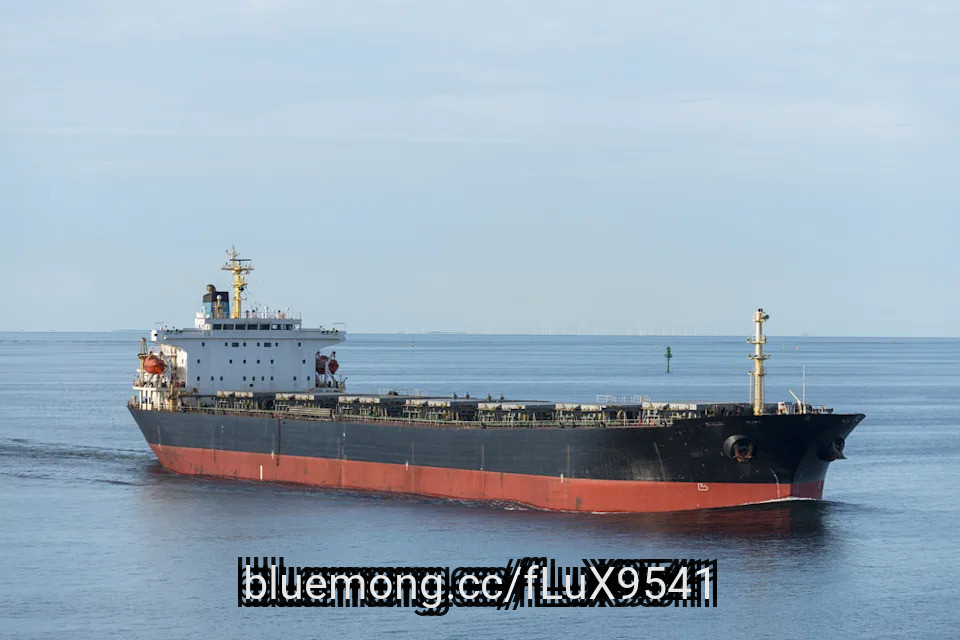
On September 10, Tsakos Energy Navigation (NYSE:TEN) reported a first half of 2026 that reads like a fantasy year for a decades-old tanker operator. Net income hit $228 million, more than triple what the company earned over the same six months a year earlier, while diluted EPS climbed to $7.12 from $1.70. Behind those numbers sits a rare combination: a fleet locked into billions in forward earnings, war-driven cargo detours pushing rates higher, and a newbuilding bet that has already paid off before half the ships have even hit the water.
The earnings power came from two directions at once. The average time charter equivalent rate rose 41% to $43,503 a day in the first half, and profit-sharing contracts on nine large vessels brought in $71 million, up from just $10 million a year earlier. Even with six vessels pulled from service for scheduled dry docks, the fleet still ran at 96.5% utilization. Second-quarter results followed the same pattern, with net income of $139.3 million, which included a $38 million gain on ******* et sales, and earnings per share of $4.40 against $0.67 in last year's second quarter.
Tsakos is also sitting on a fleet renewal bet that already worked out. Since the start of 2023, the company has sold 20 tankers averaging 17.3 years old and replaced them with 35 vessels averaging just half a year old. Its 26-ship newbuilding program, contracted for about $3.1 billion, is now valued roughly 30% above that cost, and CEO Nikolas Tsakos said the VLCCs in that order book have nearly doubled in price since they were placed. With $466 million in cash and forward committed earnings of roughly $3.5 billion, management has room to raise its dividend, which already paid out $1.60 per share this year, and is weighing whether to redeem $120 million of 9.25% preferred shares, a move it estimates could add $0.30 to $0.40 to EPS.
That performance came against a backdrop the company would rather not have. President George Saroglou said vessels have been attacked, and seafarers hurt or killed trying to keep global trade moving through the Strait of Hormuz, where a ceasefire unraveled roughly halfway through its planned 60-day run and a US naval presence now tries to manage safe passage. Tsakos has chosen to route around the strait entirely rather than put crews through the toll those attacks take.
The cost side is climbing too. Bunker prices jumped about 25%, pushing first-half voyage expenses to $82 million from $68 million, and operating expenses rose to $111 million from $102 million on higher dry-docking costs and inflation. Total debt reached $2.1 billion at the end of June, up from $1.8 billion a year earlier, as the company finances its newbuilding program. And while profit-sharing revenue jumped, the operating days tied to those market-related contracts actually fell 22%, meaning a smaller slice of the fleet is left exposed to capture further spot-rate gains if the tanker market keeps running hot.
#billion
The earnings power came from two directions at once. The average time charter equivalent rate rose 41% to $43,503 a day in the first half, and profit-sharing contracts on nine large vessels brought in $71 million, up from just $10 million a year earlier. Even with six vessels pulled from service for scheduled dry docks, the fleet still ran at 96.5% utilization. Second-quarter results followed the same pattern, with net income of $139.3 million, which included a $38 million gain on ******* et sales, and earnings per share of $4.40 against $0.67 in last year's second quarter.
Tsakos is also sitting on a fleet renewal bet that already worked out. Since the start of 2023, the company has sold 20 tankers averaging 17.3 years old and replaced them with 35 vessels averaging just half a year old. Its 26-ship newbuilding program, contracted for about $3.1 billion, is now valued roughly 30% above that cost, and CEO Nikolas Tsakos said the VLCCs in that order book have nearly doubled in price since they were placed. With $466 million in cash and forward committed earnings of roughly $3.5 billion, management has room to raise its dividend, which already paid out $1.60 per share this year, and is weighing whether to redeem $120 million of 9.25% preferred shares, a move it estimates could add $0.30 to $0.40 to EPS.
That performance came against a backdrop the company would rather not have. President George Saroglou said vessels have been attacked, and seafarers hurt or killed trying to keep global trade moving through the Strait of Hormuz, where a ceasefire unraveled roughly halfway through its planned 60-day run and a US naval presence now tries to manage safe passage. Tsakos has chosen to route around the strait entirely rather than put crews through the toll those attacks take.
The cost side is climbing too. Bunker prices jumped about 25%, pushing first-half voyage expenses to $82 million from $68 million, and operating expenses rose to $111 million from $102 million on higher dry-docking costs and inflation. Total debt reached $2.1 billion at the end of June, up from $1.8 billion a year earlier, as the company finances its newbuilding program. And while profit-sharing revenue jumped, the operating days tied to those market-related contracts actually fell 22%, meaning a smaller slice of the fleet is left exposed to capture further spot-rate gains if the tanker market keeps running hot.
#billion


11 days ago
By Mike Dolan
Sept 10 (Reuters) - Energy and bond markets are on edge once again after U.S. President Donald Trump said the Iran war would not end until after November's midterm elections. That came amid the most intense attacks on Gulf shipping in the conflict so far.
Meanwhile, markets await a likely European Central Bank interest rate rise and the first of the week's U.S. inflation updates on Thursday, as Treasury Secretary Scott Bessent's bond buyback salvo appeared to flop after details of the operation disappointed.
Crude oil closed at its highest level since late May above $100 per barrel on Wednesday, and 10-year Treasury yields hit their highest in three years, fast homing in on the 5% milestone.
That came after a wave of ***** -for-tat attacks on oil tankers in the Gulf, the biggest since the Iran war started six months ago. Meantime, a planned $6 billion buyback of longer-dated bonds on Thursday disappointed some investors who had wanted more.
#thursday #attacks #buyback
Sept 10 (Reuters) - Energy and bond markets are on edge once again after U.S. President Donald Trump said the Iran war would not end until after November's midterm elections. That came amid the most intense attacks on Gulf shipping in the conflict so far.
Meanwhile, markets await a likely European Central Bank interest rate rise and the first of the week's U.S. inflation updates on Thursday, as Treasury Secretary Scott Bessent's bond buyback salvo appeared to flop after details of the operation disappointed.
Crude oil closed at its highest level since late May above $100 per barrel on Wednesday, and 10-year Treasury yields hit their highest in three years, fast homing in on the 5% milestone.
That came after a wave of ***** -for-tat attacks on oil tankers in the Gulf, the biggest since the Iran war started six months ago. Meantime, a planned $6 billion buyback of longer-dated bonds on Thursday disappointed some investors who had wanted more.
#thursday #attacks #buyback


11 days ago
US stocks fell for a third day in a row on Wednesday as oil prices continued to rise and Treasury yields jumped after Treasury Secretary Scott Bessent revealed new bond buyback plans.
The Dow Jones Industrial Average (^DJI) lost nearly 0.8%, and the Nasdaq Composite (^IXIC) fell 0.6%, extending losses after a downbeat session on Tuesday. The S&P 500 (^GSPC) fell by roughly 0.5%.
The 10-year yield (^TNX) rose 3 basis points to 4.83%, its highest level since October 2023, as the market reacted negatively to Bessent's announcement that the Treasury Department intends to triple its next bond buyback program in an effort to curb rising borrowing costs.
Oil prices reached triple digits for the first time in over a month after fighting between the US and Iran escalated and the US struck five Iranian oil tankers. Brent crude oil futures (BZ=F), the global benchmark, traded at $101 per barrel, while US benchmark WTI crude (CL=F) climbed to $96 per barrel.
Concerns that energy supply disruptions stemming from the war in the Strait of Hormuz will persist fed into bets that the Federal Reserve will raise interest rates next week. Traders now see a 60% chance of a 25 basis point hike this month, according to CME Group, up slightly from the odds a day ago.
#bond #triple
The Dow Jones Industrial Average (^DJI) lost nearly 0.8%, and the Nasdaq Composite (^IXIC) fell 0.6%, extending losses after a downbeat session on Tuesday. The S&P 500 (^GSPC) fell by roughly 0.5%.
The 10-year yield (^TNX) rose 3 basis points to 4.83%, its highest level since October 2023, as the market reacted negatively to Bessent's announcement that the Treasury Department intends to triple its next bond buyback program in an effort to curb rising borrowing costs.
Oil prices reached triple digits for the first time in over a month after fighting between the US and Iran escalated and the US struck five Iranian oil tankers. Brent crude oil futures (BZ=F), the global benchmark, traded at $101 per barrel, while US benchmark WTI crude (CL=F) climbed to $96 per barrel.
Concerns that energy supply disruptions stemming from the war in the Strait of Hormuz will persist fed into bets that the Federal Reserve will raise interest rates next week. Traders now see a 60% chance of a 25 basis point hike this month, according to CME Group, up slightly from the odds a day ago.
#bond #triple

12 days ago
Brent crude traded close to $100 a barrel on Wednesday, reaching levels last seen in July as markets ****** sed further military activity in the Middle East and its potential impact on regional oil supplies.
At 0614 GMT, Brent crude futures were up 1.3% at $99.22 a barrel, while U.S. West Texas Intermediate crude gained 1.2% to $94.13 a barrel.
Brent has risen approximately 25% since early August as fighting in the six-month conflict resumed and expectations for a permanent resolution diminished.
The conflict escalated on Tuesday as Iranian-backed Houthi forces in Yemen carried out strikes against several Saudi Arabian cities.
U.S. forces also struck multiple Iranian oil tankers, while Iran targeted a U.S. base in Jordan and attacked vessels.
#iranian #forces #east
At 0614 GMT, Brent crude futures were up 1.3% at $99.22 a barrel, while U.S. West Texas Intermediate crude gained 1.2% to $94.13 a barrel.
Brent has risen approximately 25% since early August as fighting in the six-month conflict resumed and expectations for a permanent resolution diminished.
The conflict escalated on Tuesday as Iranian-backed Houthi forces in Yemen carried out strikes against several Saudi Arabian cities.
U.S. forces also struck multiple Iranian oil tankers, while Iran targeted a U.S. base in Jordan and attacked vessels.
#iranian #forces #east

0.00$ raised of 0.00$ goal
0 donations
0.00$
to go

12 days ago
September S&P 500 E-Mini futures (ESU26) are down -0.27% this morning as escalating hostilities in the Middle East pushed oil prices higher, fueling inflation concerns and sapping risk appetite.
Oil prices climbed on Wednesday as fighting between the U.S. and Iran intensified, with no clear path toward de-escalation in sight. Brent crude rose above $100 a barrel for the first time since July, while WTI crude climbed above $95 a barrel. The U.S. military destroyed five Iranian tankers on Tuesday in retaliation for attempts to strike a U.S. Navy warship with ballistic missiles, according to Central Command. Iran responded by launching ballistic missiles at Jordan and issuing a warning to ships in the Persian Gulf.
Dear Nvidia Stock Fans, Mark Your Calendars for September 10
Rocket Lab Keeps Landing Defense Deals. Here's Why ****** ysts Aren't Getting More Bullish.
Why Stifel Just Revamped Its Price Target for Microsoft Stock
#Iran #Stock #prices
Oil prices climbed on Wednesday as fighting between the U.S. and Iran intensified, with no clear path toward de-escalation in sight. Brent crude rose above $100 a barrel for the first time since July, while WTI crude climbed above $95 a barrel. The U.S. military destroyed five Iranian tankers on Tuesday in retaliation for attempts to strike a U.S. Navy warship with ballistic missiles, according to Central Command. Iran responded by launching ballistic missiles at Jordan and issuing a warning to ships in the Persian Gulf.
Dear Nvidia Stock Fans, Mark Your Calendars for September 10
Rocket Lab Keeps Landing Defense Deals. Here's Why ****** ysts Aren't Getting More Bullish.
Why Stifel Just Revamped Its Price Target for Microsoft Stock
#Iran #Stock #prices

0.00$ raised of 0.00$ goal
0 donations
0.00$
to go

12 days ago
Some offers on this page are from advertisers who pay us, which may affect which products we write about, but not our recommendations. See our Advertiser Disclosure.
Gold (GC=F) December futures opened at $4,399 per troy ounce on Wednesday, September 9, 2026, down 0.9% from Tuesday's closing price. Gold moved back higher in early trading this morning to $4,438.20 per troy ounce as of 6:34 a.m. ET.
Exactly one week ago, our headline here was "Gold slips further as military actions escalate in Iran." And that's exactly the headline news yet again.
Oil prices (BZ=F) are currently over $100 a barrel, as gold opens at its lowest value in a week, following reports that the U.S. military destroyed five more Iranian oil tankers in response to Iranian attacks on U.S. warships:
U.S. Central Command (Centcom) announced late on Tuesday that American forces had destroyed five Iranian crude oil carriers, once again claiming that it was in response to the IRGC targeting a U.S. Navy warship with ballistic missiles. Four of the carriers, M/T Kaviz, M/T Charminar, M/T Horizon 1, and M/T Riesco, were destroyed in the Gulf of Oman. One of the carriers, M/T Derya, was struck near Kharg Island.
#Gold #military
Gold (GC=F) December futures opened at $4,399 per troy ounce on Wednesday, September 9, 2026, down 0.9% from Tuesday's closing price. Gold moved back higher in early trading this morning to $4,438.20 per troy ounce as of 6:34 a.m. ET.
Exactly one week ago, our headline here was "Gold slips further as military actions escalate in Iran." And that's exactly the headline news yet again.
Oil prices (BZ=F) are currently over $100 a barrel, as gold opens at its lowest value in a week, following reports that the U.S. military destroyed five more Iranian oil tankers in response to Iranian attacks on U.S. warships:
U.S. Central Command (Centcom) announced late on Tuesday that American forces had destroyed five Iranian crude oil carriers, once again claiming that it was in response to the IRGC targeting a U.S. Navy warship with ballistic missiles. Four of the carriers, M/T Kaviz, M/T Charminar, M/T Horizon 1, and M/T Riesco, were destroyed in the Gulf of Oman. One of the carriers, M/T Derya, was struck near Kharg Island.
#Gold #military



0.00$ raised of 0.00$ goal
0 donations
0.00$
to go

14 days ago
WASHINGTON (AP) — Iran state media on Monday said a ballistic missile with improved capabilities was demonstrating a new doctrine: Tehran "will take action against any threat, even before it is carried out."
The report by Iran's state news agency repeatedly cited comments aired on state TV the day before by the head of Iran's Supreme National Security Council, Mohsen Rezaei, who boasted of new missile capability and claimed it had been "tested" against a U.S. warship. But it was not clear whether what was tested was the missile the new report described, the solid-fueled Qassem Basir.
The U.S. on Saturday said ballistic missiles were launched at U.S. warships and it struck three Iranian oil tankers in response. Experts called the launch a dangerous escalation, noting that until then Iran's attacks at sea had targeted commercial shipping during six months of war. The U.S. said the warships evaded the attacks.
Iran's messaging in recent days has become more ***** ertive, and Monday's report said the Qassem Basir marks "a turning point in Iran's defense strategy." It described the missile as having greater range and accuracy and a half-ton warhead. The missile was unveiled last year, when it was described as having at least a 1,200-kilometer (745-mile) range.
Concerns about Iran's ballistic missile program were one of the stated reasons the U.S. and Israel attacked Iran early this year, sparking the war.
#missile #described #Iran #tested
The report by Iran's state news agency repeatedly cited comments aired on state TV the day before by the head of Iran's Supreme National Security Council, Mohsen Rezaei, who boasted of new missile capability and claimed it had been "tested" against a U.S. warship. But it was not clear whether what was tested was the missile the new report described, the solid-fueled Qassem Basir.
The U.S. on Saturday said ballistic missiles were launched at U.S. warships and it struck three Iranian oil tankers in response. Experts called the launch a dangerous escalation, noting that until then Iran's attacks at sea had targeted commercial shipping during six months of war. The U.S. said the warships evaded the attacks.
Iran's messaging in recent days has become more ***** ertive, and Monday's report said the Qassem Basir marks "a turning point in Iran's defense strategy." It described the missile as having greater range and accuracy and a half-ton warhead. The missile was unveiled last year, when it was described as having at least a 1,200-kilometer (745-mile) range.
Concerns about Iran's ballistic missile program were one of the stated reasons the U.S. and Israel attacked Iran early this year, sparking the war.
#missile #described #Iran #tested


14 days ago
DUBAI, Sept 7 (Reuters) - The United Arab Emirates is building alternative routes for its energy exports and trade to ensure they are not "held hostage" by the ongoing war between the U.S. and Iran, UAE presidential adviser Anwar Gargash said on Monday.
The conflict has had a significant impact on Gulf Arab states, including the UAE, after Tehran fired missiles at the country and attacked its oil tankers in the Strait of Hormuz.
"Our energy exports will not be held hostage, nor will our trade and economic activity," Gargash told the Hili Forum in Abu Dhabi.
The UAE has been expanding port capacity along its eastern coast, as well as developing pipelines, railways and trade routes for alternative corridors, he said.
While acknowledging that relations with Iran could eventually recover, Gargash warned that rebuilding trust after the attacks could take decades.
#gargash #arab #energy #hostage
The conflict has had a significant impact on Gulf Arab states, including the UAE, after Tehran fired missiles at the country and attacked its oil tankers in the Strait of Hormuz.
"Our energy exports will not be held hostage, nor will our trade and economic activity," Gargash told the Hili Forum in Abu Dhabi.
The UAE has been expanding port capacity along its eastern coast, as well as developing pipelines, railways and trade routes for alternative corridors, he said.
While acknowledging that relations with Iran could eventually recover, Gargash warned that rebuilding trust after the attacks could take decades.
#gargash #arab #energy #hostage


15 days ago
CAIRO (AP) — The new head of Iran's Supreme National Security Council on Sunday said Tehran plans to announce an "exclusion zone" outside the Strait of Hormuz aimed at vessels it believes are attempting to transit the waterway.
Mohsen Rezaei's comments to Iran's state broadcaster came with few details, a day after the U.S. struck three Iranian oil tankers in response to Tehran launching ballistic missiles at U.S. warships. Experts called the launches a dangerous escalation after Iran's previous attacks at sea targeted commercial shipping.
The new zone should be announced in the coming days and weeks and "will begin from the line of the U.S. naval blockade, extend toward the Strait of Hormuz, and from this side continue into the Persian Gulf," Rezaei said. "Any ship that enters this area with the intention of passing through the Strait of Hormuz and is identified will be placed on our sanctions list."
It is not clear where Iran defines the location of the weekslong U.S. blockade, which is aimed at Iranian ports and keeping Tehran from shipping out its oil. The U.S. military has said over 20 warships are supporting the blockade, which as of Sunday had redirected 92 commercial ships and disabled three.
The U.S. has been introducing new measures to increase the economic pain on Iran after negotiations collapsed and no end to the intermittent fighting appears in sight. Meanwhile, Iran continues to attack some ships trying to transit the strait, which has become an important source of leverage for Tehran in the war that began Feb. 28 with U.S. and Israeli strikes.
#strait
Mohsen Rezaei's comments to Iran's state broadcaster came with few details, a day after the U.S. struck three Iranian oil tankers in response to Tehran launching ballistic missiles at U.S. warships. Experts called the launches a dangerous escalation after Iran's previous attacks at sea targeted commercial shipping.
The new zone should be announced in the coming days and weeks and "will begin from the line of the U.S. naval blockade, extend toward the Strait of Hormuz, and from this side continue into the Persian Gulf," Rezaei said. "Any ship that enters this area with the intention of passing through the Strait of Hormuz and is identified will be placed on our sanctions list."
It is not clear where Iran defines the location of the weekslong U.S. blockade, which is aimed at Iranian ports and keeping Tehran from shipping out its oil. The U.S. military has said over 20 warships are supporting the blockade, which as of Sunday had redirected 92 commercial ships and disabled three.
The U.S. has been introducing new measures to increase the economic pain on Iran after negotiations collapsed and no end to the intermittent fighting appears in sight. Meanwhile, Iran continues to attack some ships trying to transit the strait, which has become an important source of leverage for Tehran in the war that began Feb. 28 with U.S. and Israeli strikes.
#strait



16 days ago
DUBAI, Sept 6 (Reuters) - Iran said it will step up efforts to tackle problems created by the U.S. sanctions that are crippling its economy, while a senior Iranian official warned of a "painful response" if it comes under further attack.
Six months after U.S.-Israeli strikes against Iran, the war appears to be at a stalemate. A preliminary ceasefire accord reached in June has unravelled and little progress has been made in diplomatic efforts to get the peace process back on track.
After a pause in military action for much of August, ******* -for-tat strikes have resumed with U.S. Central Command saying it hit three Iranian tankers on Saturday after Iran's Islamic Revolutionary Guard Corps launched ballistic missiles at two U.S. Navy ships.
Following the attacks, Iran's Parliament Speaker Mohammad Baqer Qalibaf said on Sunday that the U.S. should understand that the rules of the game in the war against Iran have changed "before it is too late".
"From now on, any attack against Iran's interests and security will receive a faster, heavier and more painful response," he said in a speech published on his Telegram channel.
#Iran #painful
Six months after U.S.-Israeli strikes against Iran, the war appears to be at a stalemate. A preliminary ceasefire accord reached in June has unravelled and little progress has been made in diplomatic efforts to get the peace process back on track.
After a pause in military action for much of August, ******* -for-tat strikes have resumed with U.S. Central Command saying it hit three Iranian tankers on Saturday after Iran's Islamic Revolutionary Guard Corps launched ballistic missiles at two U.S. Navy ships.
Following the attacks, Iran's Parliament Speaker Mohammad Baqer Qalibaf said on Sunday that the U.S. should understand that the rules of the game in the war against Iran have changed "before it is too late".
"From now on, any attack against Iran's interests and security will receive a faster, heavier and more painful response," he said in a speech published on his Telegram channel.
#Iran #painful



17 days ago
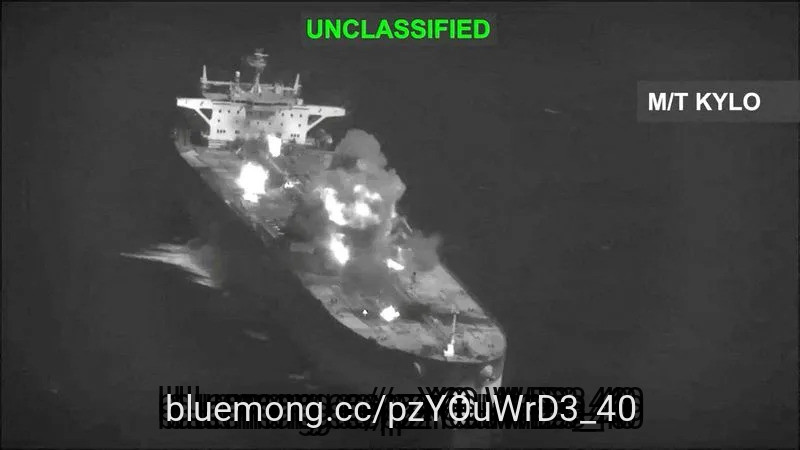
DUBAI, Sept 5 (Reuters) - U.S. and Iranian forces fired at vessels in waters around Iran on Saturday, including three Iranian oil carriers struck by the Americans and three tankers that Iran said it targeted while on unauthorized routes in the Strait of Hormuz.
U.S. Central Command said it struck the three Iranian vessels, including one off the coast of Kharg Island, near Iran's oil export hub, after Iran's Islamic Revolutionary Guard Corps launched ballistic missiles at two U.S. Navy ships.
"Let the message to the IRGC be clear: If you shoot at two of our ships, we will impose an even higher economic cost — taking out three of yours," said Admiral Brad Cooper, head of U.S. Central Command, which oversees the U.S. military in the Middle East.
The IRGC responded by threatening intensified strikes against U.S. military vessels in the region, and said later it targeted the three tankers as well as three U.S.-linked vessels in other areas.
"Do not be deceived by the 'terrorist' U.S. military and refrain from any suspicious movement aimed at passing through unauthorized waterways," the IRGC Navy said in a statement carried on Iranian state TV. "Otherwise, you will be targeted."
#central
U.S. Central Command said it struck the three Iranian vessels, including one off the coast of Kharg Island, near Iran's oil export hub, after Iran's Islamic Revolutionary Guard Corps launched ballistic missiles at two U.S. Navy ships.
"Let the message to the IRGC be clear: If you shoot at two of our ships, we will impose an even higher economic cost — taking out three of yours," said Admiral Brad Cooper, head of U.S. Central Command, which oversees the U.S. military in the Middle East.
The IRGC responded by threatening intensified strikes against U.S. military vessels in the region, and said later it targeted the three tankers as well as three U.S.-linked vessels in other areas.
"Do not be deceived by the 'terrorist' U.S. military and refrain from any suspicious movement aimed at passing through unauthorized waterways," the IRGC Navy said in a statement carried on Iranian state TV. "Otherwise, you will be targeted."
#central


17 days ago
CAIRO (AP) — The U.S. military on Saturday said it struck three Iranian oil tankers after Navy warships were targeted with missiles, warning that it would "if necessary, destroy Iran's limited and exposed oil fleet."
The strikes — a day after President Donald Trump sought to minimize the conflict as "small potatoes" — keep up a new tilt back toward fighting after six months of on-again, off-again war that began with U.S. and Israeli attacks on Feb. 28. Both sides have sought to inflict both military and economic pain, and negotiations have collapsed.
The military's statement said a U.S. aircraft carrier and a destroyer evaded "multiple unprovoked Iranian attacks" while patrolling in the region and no U.S. personnel were hurt. It said two Iranian oil carriers were "permanently disabled" and the third, unladen one, was destroyed.
The U.S. statement said the tankers were part of a shadow network helping to fund Iran's powerful Revolutionary Guard and its armed proxies in the region.
Earlier, Iranian state TV had said four U.S. missiles struck a tanker about six miles (10 kilometers) from Kharg Island, home to a terminal through which the country exports most of its oil. Kharg Island been repeatedly targeted during the war, including U.S. strikes on military sites there in March.
#kharg #struck #missiles
The strikes — a day after President Donald Trump sought to minimize the conflict as "small potatoes" — keep up a new tilt back toward fighting after six months of on-again, off-again war that began with U.S. and Israeli attacks on Feb. 28. Both sides have sought to inflict both military and economic pain, and negotiations have collapsed.
The military's statement said a U.S. aircraft carrier and a destroyer evaded "multiple unprovoked Iranian attacks" while patrolling in the region and no U.S. personnel were hurt. It said two Iranian oil carriers were "permanently disabled" and the third, unladen one, was destroyed.
The U.S. statement said the tankers were part of a shadow network helping to fund Iran's powerful Revolutionary Guard and its armed proxies in the region.
Earlier, Iranian state TV had said four U.S. missiles struck a tanker about six miles (10 kilometers) from Kharg Island, home to a terminal through which the country exports most of its oil. Kharg Island been repeatedly targeted during the war, including U.S. strikes on military sites there in March.
#kharg #struck #missiles




19 days ago
OPEC+ is likely to leave its oil production policy unchanged for October when seven of its core members meet on Sunday, Reuters reported Wednesday, citing three sources close to the matter.
Saudi Arabia, Russia, Iraq, Kuwait, Algeria, Kazakhstan and Oman are due to meet online at 11:00 GMT Sunday. The seven producers have spent much of 2026 raising their monthly production quotas, with the September increase completing the phased rollback of 1.65 million barrels per day of supply cuts first agreed in 2023.
Much of that additional supply has failed to reach the market. Actual production has lagged the higher quotas as the Iran war disrupted Gulf exports through the Strait of Hormuz, while the war in Ukraine has hit exports from Russia and Kazakhstan. OPEC production rose by 1.17 million bpd in July, but output remained well below the group's quotas.
The Iran war has also weakened OPEC+'s ability to influence the market. With Gulf exports constrained by the disruption in Hormuz, Reuters said the group's production decisions now have less impact on prices and market share than they did before the war.
Brent crude was trading near $94 per barrel Wednesday as renewed U.S.-Iran fighting and attacks on tankers kept attention on physical supply from the Gulf rather than OPEC+ production targets.
#production #Iran #supply #exports
Saudi Arabia, Russia, Iraq, Kuwait, Algeria, Kazakhstan and Oman are due to meet online at 11:00 GMT Sunday. The seven producers have spent much of 2026 raising their monthly production quotas, with the September increase completing the phased rollback of 1.65 million barrels per day of supply cuts first agreed in 2023.
Much of that additional supply has failed to reach the market. Actual production has lagged the higher quotas as the Iran war disrupted Gulf exports through the Strait of Hormuz, while the war in Ukraine has hit exports from Russia and Kazakhstan. OPEC production rose by 1.17 million bpd in July, but output remained well below the group's quotas.
The Iran war has also weakened OPEC+'s ability to influence the market. With Gulf exports constrained by the disruption in Hormuz, Reuters said the group's production decisions now have less impact on prices and market share than they did before the war.
Brent crude was trading near $94 per barrel Wednesday as renewed U.S.-Iran fighting and attacks on tankers kept attention on physical supply from the Gulf rather than OPEC+ production targets.
#production #Iran #supply #exports

19 days ago
US stocks lost steam on Tuesday as a fresh round of US airstrikes on Iran sent oil prices higher, while a bond market sell-off and speculation about the Fed's next interest rate move kept buyers on the sidelines.
The Dow Jones Industrial Average (^DJI) slid nearly 0.8%, while the S&P 500 (^GSPC) also lost roughly 0.7%. The tech-heavy Nasdaq Composite (^IXIC) was down more than 1% after stocks closed August with solid gains.
Stocks entered September with double-digit year-to-date returns and earnings expectations that continue to rise. However, volatile oil prices and the potential return of Fed rate hikes have given investors reason to worry heading into the historically weakest month for stocks.
Crude oil prices (CL=F) accelerated gains in afternoon trading after the US Central Command said it launched new attacks against Iranian targets, signaling a reescalation in the hot war in the Middle East. The barrage came after two oil tankers were struck while attempting to exit the Strait of Hormuz, sending Brent futures (BZ=F), the global benchmark, trading above $95 per barrel.
US bond yields continued their march higher on Tuesday, with the 10-year yield (^TNX) rising to 4.79%, its highest intraday level since January 2025. The 30-year (^TYX) climbed to 5.27%, hovering near multi-decade highs.
#tuesday #lost #higher #gains
The Dow Jones Industrial Average (^DJI) slid nearly 0.8%, while the S&P 500 (^GSPC) also lost roughly 0.7%. The tech-heavy Nasdaq Composite (^IXIC) was down more than 1% after stocks closed August with solid gains.
Stocks entered September with double-digit year-to-date returns and earnings expectations that continue to rise. However, volatile oil prices and the potential return of Fed rate hikes have given investors reason to worry heading into the historically weakest month for stocks.
Crude oil prices (CL=F) accelerated gains in afternoon trading after the US Central Command said it launched new attacks against Iranian targets, signaling a reescalation in the hot war in the Middle East. The barrage came after two oil tankers were struck while attempting to exit the Strait of Hormuz, sending Brent futures (BZ=F), the global benchmark, trading above $95 per barrel.
US bond yields continued their march higher on Tuesday, with the 10-year yield (^TNX) rising to 4.79%, its highest intraday level since January 2025. The 30-year (^TYX) climbed to 5.27%, hovering near multi-decade highs.
#tuesday #lost #higher #gains


20 days ago
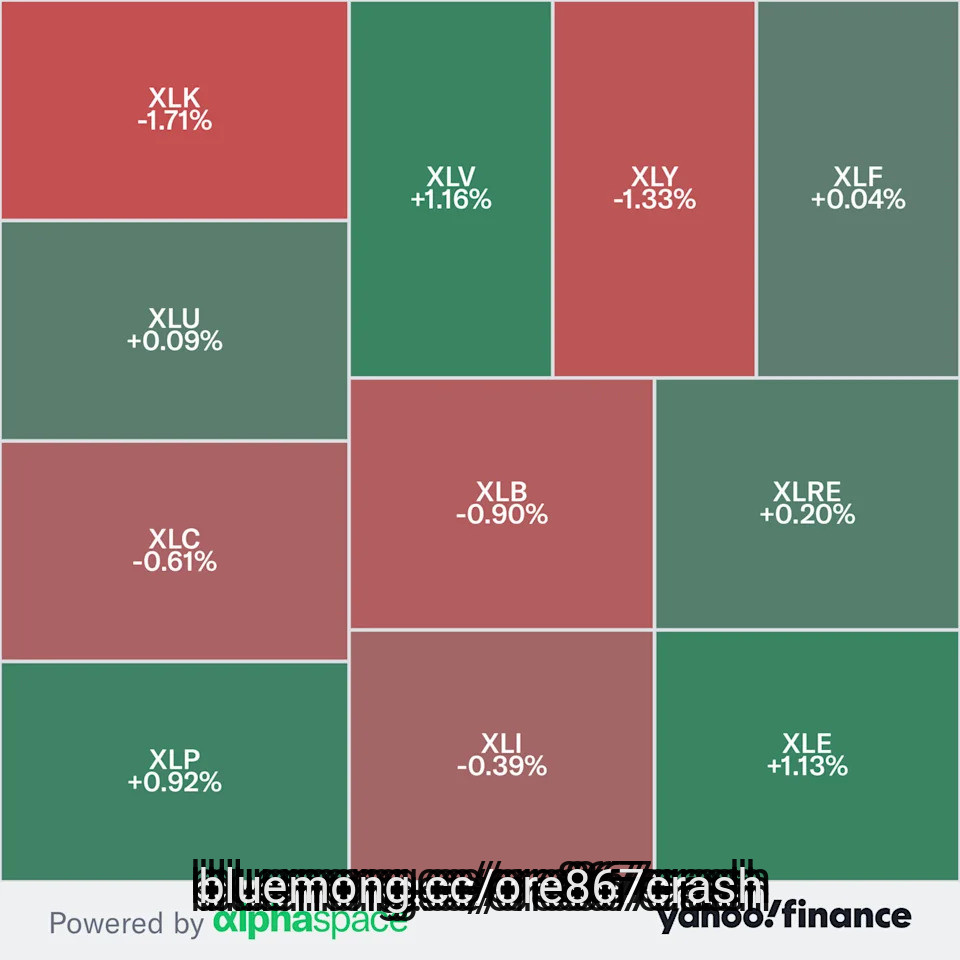
Oil prices surged Tuesday following U.S. military action against Iranian targets in the Strait of Hormuz, a retaliatory move after Tehran launched overnight attacks on vessels passing through the waterway.
The November Brent crude contract jumped 3.8% to $94.36 a barrel, a level not seen in nearly two weeks. West Texas Intermediate, the U.S. benchmark, gained 4.3% to $89.46 a barrel for the October delivery contract, a move that would mark its best close in more than a month.
The afternoon rally built on momentum that had already been building since the morning session, with settlement data for both benchmarks sourced from Dow Jones Market Data.
The strikes mark a renewed escalation in the Strait of Hormuz, which has been the site of ongoing conflict. The U.S. and Iran had signed a memorandum of understanding on June 17, but that agreement collapsed almost immediately. Since then, Iran has demanded sanctions relief and an end to the U.S. naval blockade before the waterway can reopen, while Washington has maintained the blockade rather than conducting additional airstrikes — until Tuesday.
The Hormuz disruptions have taken a significant toll on global oil supply. The International Energy Agency cut its 2026 global oil supply forecast to 102 million barrels per day in August, a decline of 4.3 million barrels per day on the year, citing the breakdown of the ceasefire and a renewed closure of the strait. Middle East oil loadings had briefly touched 20 million barrels per day in early July before retreating to roughly 12 million barrels per day as attacks on tankers and energy infrastructure resumed. The IEA projected the global oil market would show a deficit of 1.8 million barrels per day in the third quarter of 2026.
#million #strait #global #market
The November Brent crude contract jumped 3.8% to $94.36 a barrel, a level not seen in nearly two weeks. West Texas Intermediate, the U.S. benchmark, gained 4.3% to $89.46 a barrel for the October delivery contract, a move that would mark its best close in more than a month.
The afternoon rally built on momentum that had already been building since the morning session, with settlement data for both benchmarks sourced from Dow Jones Market Data.
The strikes mark a renewed escalation in the Strait of Hormuz, which has been the site of ongoing conflict. The U.S. and Iran had signed a memorandum of understanding on June 17, but that agreement collapsed almost immediately. Since then, Iran has demanded sanctions relief and an end to the U.S. naval blockade before the waterway can reopen, while Washington has maintained the blockade rather than conducting additional airstrikes — until Tuesday.
The Hormuz disruptions have taken a significant toll on global oil supply. The International Energy Agency cut its 2026 global oil supply forecast to 102 million barrels per day in August, a decline of 4.3 million barrels per day on the year, citing the breakdown of the ceasefire and a renewed closure of the strait. Middle East oil loadings had briefly touched 20 million barrels per day in early July before retreating to roughly 12 million barrels per day as attacks on tankers and energy infrastructure resumed. The IEA projected the global oil market would show a deficit of 1.8 million barrels per day in the third quarter of 2026.
#million #strait #global #market

20 days ago
The severe disruption of oil and gas flows out of the Persian Gulf resulting from the war between the U.S. and Israel and Iran, has saddled energy-importing nations with soaring bills, supply uncertainty, and a murky outlook. However, there has been a silver lining: a rush to build alternative conduits for bringing oil and gas out of the Middle East.
The global total energy import bill swelled by $330 billion over the six months between March and August, Finnish climate outlet Centre for Energy Research and Clean Air reported earlier this month. This would not have been the case had the Strait of Hormuz remained open, the outlet noted in its report, highlighting the world's reliance on an energy export corridor vulnerable to adverse geopolitical events and their fallout.
Because of the closure of Hormuz, Persian Gulf oil producers had to idle wells and find ways to slip their stored oil out of the Gulf on tankers with their transponders switched off. Yet they also started working on alternative routes that bypassed the Strait of Hormuz altogether.
Saudi Arabia demonstrated foresight with its East-West pipeline that it used to reroute its export flows from the Persian Gulf to the Red Sea in the first weeks of the war, ramping up to some 7 million barrels of crude daily along the pipe that had previously handled much lower volumes. The only major constraint in that rerouting was the capacity of the loading facilities at Yanbu Port.
Later, of course, Saudi Arabia had to discover that the Red Sea is not safe because of the presence of the Yemeni Houthis in the Bab el-Mandeb strait and their affiliation with Iran. So, the Saudis had to reroute again, this time to the Suez Canal, which has an even more constrained tanker passage capacity. In other words, alternative routes are not perfect, but it is a good thing to have them.
#persian #hormuz
The global total energy import bill swelled by $330 billion over the six months between March and August, Finnish climate outlet Centre for Energy Research and Clean Air reported earlier this month. This would not have been the case had the Strait of Hormuz remained open, the outlet noted in its report, highlighting the world's reliance on an energy export corridor vulnerable to adverse geopolitical events and their fallout.
Because of the closure of Hormuz, Persian Gulf oil producers had to idle wells and find ways to slip their stored oil out of the Gulf on tankers with their transponders switched off. Yet they also started working on alternative routes that bypassed the Strait of Hormuz altogether.
Saudi Arabia demonstrated foresight with its East-West pipeline that it used to reroute its export flows from the Persian Gulf to the Red Sea in the first weeks of the war, ramping up to some 7 million barrels of crude daily along the pipe that had previously handled much lower volumes. The only major constraint in that rerouting was the capacity of the loading facilities at Yanbu Port.
Later, of course, Saudi Arabia had to discover that the Red Sea is not safe because of the presence of the Yemeni Houthis in the Bab el-Mandeb strait and their affiliation with Iran. So, the Saudis had to reroute again, this time to the Suez Canal, which has an even more constrained tanker passage capacity. In other words, alternative routes are not perfect, but it is a good thing to have them.
#persian #hormuz

21 days ago
By Ahmad Ghaddar, Enes Tunagur and Robert Harvey
LONDON, Sept 1 (Reuters) - For the first time on record, Iran has gone about seven weeks without shipping meaningful crude exports through the Strait of Hormuz, as a U.S. naval blockade succeeds where years of sanctions failed by cutting off one of Tehran's main sources of foreign-currency earnings.
Unlike previous sanctions campaigns, when Iranian crude continued reaching buyers despite restrictions, the current blockade has stopped fresh crude cargoes reaching China, Tehran's only major remaining oil customer, increasing pressure on government finances and foreign-currency reserves.
Since the U.S. reinstated its blockade on Iran on July 14 as part of their six-month conflict, no Iranian crude cargoes have successfully transited the Strait of Hormuz to China, according to Kpler, Vortexa and TankerTrackers.com.
As a result, Iran can only sell crude to China from floating storage in Asia, which it cannot replenish as crude accumulates aboard tankers inside the strait.
#crude #Iran #strait #sanctions
LONDON, Sept 1 (Reuters) - For the first time on record, Iran has gone about seven weeks without shipping meaningful crude exports through the Strait of Hormuz, as a U.S. naval blockade succeeds where years of sanctions failed by cutting off one of Tehran's main sources of foreign-currency earnings.
Unlike previous sanctions campaigns, when Iranian crude continued reaching buyers despite restrictions, the current blockade has stopped fresh crude cargoes reaching China, Tehran's only major remaining oil customer, increasing pressure on government finances and foreign-currency reserves.
Since the U.S. reinstated its blockade on Iran on July 14 as part of their six-month conflict, no Iranian crude cargoes have successfully transited the Strait of Hormuz to China, according to Kpler, Vortexa and TankerTrackers.com.
As a result, Iran can only sell crude to China from floating storage in Asia, which it cannot replenish as crude accumulates aboard tankers inside the strait.
#crude #Iran #strait #sanctions


21 days ago
US stocks moderated their slide on Tuesday morning as uncertainty around the war in Iran, a bond market sell-off, and speculation about the Fed's next interest rate move kept buyers on the sidelines.
The Dow Jones Industrial Average (^DJI) recovered to a loss of roughly 0.1% after initially falling by 0.7%, while the S&P 500 (^GSPC) lost 0.3%. The tech-heavy Nasdaq Composite (^IXIC) was down by roughly 0.7% after initially dropping 1.3% after stocks closed August with solid gains.
Stocks entered September with double-digit year-to-date returns and earnings expectations that continue to rise. However, volatile oil prices and the potential return of Fed rate hikes have given investors reason to worry heading into the historically weakest month for stocks.
US bond yields continued their march higher on Tuesday, with the 10-year yield (^TNX) rising to 4.75%, its highest intraday level since January 2025, before ticking down to 4.76%. The 30-year (^TYX) climbed to 5.27%, hovering near multi-decade highs, before also pulling back to 5.24%.
Crude oil prices also remained elevated after the US and Iran returned to a hot war, with Brent futures (BZ=F), the global benchmark, trading above $92 per barrel. According to Bloomberg, two oil tankers were struck while attempting to exit the Strait of Hormuz in the latest sign that the conflict could reescalate.
#year #bond #roughly #down
The Dow Jones Industrial Average (^DJI) recovered to a loss of roughly 0.1% after initially falling by 0.7%, while the S&P 500 (^GSPC) lost 0.3%. The tech-heavy Nasdaq Composite (^IXIC) was down by roughly 0.7% after initially dropping 1.3% after stocks closed August with solid gains.
Stocks entered September with double-digit year-to-date returns and earnings expectations that continue to rise. However, volatile oil prices and the potential return of Fed rate hikes have given investors reason to worry heading into the historically weakest month for stocks.
US bond yields continued their march higher on Tuesday, with the 10-year yield (^TNX) rising to 4.75%, its highest intraday level since January 2025, before ticking down to 4.76%. The 30-year (^TYX) climbed to 5.27%, hovering near multi-decade highs, before also pulling back to 5.24%.
Crude oil prices also remained elevated after the US and Iran returned to a hot war, with Brent futures (BZ=F), the global benchmark, trading above $92 per barrel. According to Bloomberg, two oil tankers were struck while attempting to exit the Strait of Hormuz in the latest sign that the conflict could reescalate.
#year #bond #roughly #down


23 days ago
WASHINGTON (AP) — The U.S. Treasury Department is preventing certain journalists from covering a finance meeting among the world's most powerful countries, the latest example of how President Donald Trump's administration has restricted media access.
Individual reporters from The New York Times, The Wall Street Journal and Bloomberg News were not granted credentials to the Group of 20 finance ministers' meeting in Asheville, North Carolina, the Times reported.
The Treasury has not explained the decision. Treasury Secretary Scott Bessent told The ****** ociated Press in an interview Sunday that "it has nothing to do with point of view."
The reporters who've been denied access include the Times' Alan Rappeport, who has been covering such meetings and the Treasury Department since 2017. However, another reporter for the Times, Berlin bureau chief Jim Tankersley, is allowed to attend.
The Times said in a statement that denying American journalists access to an event in the U.S. is "not just another disturbing effort by the administration to undermine independent journalism, but a blatant attempt to evade public scrutiny."
#access #journalists #reporters
Individual reporters from The New York Times, The Wall Street Journal and Bloomberg News were not granted credentials to the Group of 20 finance ministers' meeting in Asheville, North Carolina, the Times reported.
The Treasury has not explained the decision. Treasury Secretary Scott Bessent told The ****** ociated Press in an interview Sunday that "it has nothing to do with point of view."
The reporters who've been denied access include the Times' Alan Rappeport, who has been covering such meetings and the Treasury Department since 2017. However, another reporter for the Times, Berlin bureau chief Jim Tankersley, is allowed to attend.
The Times said in a statement that denying American journalists access to an event in the U.S. is "not just another disturbing effort by the administration to undermine independent journalism, but a blatant attempt to evade public scrutiny."
#access #journalists #reporters

23 days ago
On August 28, Frontline (NYSE:FRO) posted the best quarter in company history, with net income of $659 million and adjusted profit of $580 million for the second quarter of 2026, up $235 million from the prior quarter. The gains came from tanker rates that climbed across every vessel class Frontline operates, from its largest crude carriers to its smaller product tankers. CEO Lars Barstad described a market with no playbook, one where geopolitical disruption is reshaping how oil moves around the world. The bigger question left hanging on the call is how much of that strength holds once the disruptions ease.
VLCC rates hit $153,000 per day in the second quarter of 2026, while Suezmax and LR2/Aframax vessels earned $111,000 and $92,400 per day. That strength has carried into the third quarter, where Frontline has already booked 86% of VLCC days at $157,000 per day, 79% of Suezmax days at $117,000 per day, and 70% of LR2 days at $81,000 per day, evidence that rates are holding rather than sliding back. The fleet backing those numbers is young and efficient, averaging 6.6 years old, fully eco-designed, and 69% scrubber-fitted, which keeps cash breakeven costs between $22,200 and $25,700 per day, well under what the ships are currently earning.
That spread between cost and rate is throwing off real cash. Management estimated annual cash generation potential at $2.3 billion, or $10.35 per share, based on rates as of August 28, a 24% yield against the current share price. The balance sheet has room to match it: $1.2 billion in liquidity, no debt maturities until 2030, and a refinancing that cut the average interest rate margin by 52 basis points to 1.26%. Frontline also collected $270 million selling two VLCCs at about $135 million apiece, with Barstad noting some buyers are paying premiums for older tankers just to control their own logistics chains.
Much of the current rate strength traces back to friction rather than growth in oil demand. Crude exports from inside the Strait of Hormuz are down 82% amid recent disruptions, and China's crude imports have fallen 35%, cushioned by inventory drawdowns rather than fresh buying. Barstad pointed to a 23% increase in VLCC idling days, driven by ship-to-ship transfers off Fujairah and Malaysia that can triple the distance a cargo travels before reaching its final buyer. That inefficiency is tightening effective fleet supply even as actual volumes shrink, which is a different story than genuine demand growth.
#million #vlcc #strength #rather
VLCC rates hit $153,000 per day in the second quarter of 2026, while Suezmax and LR2/Aframax vessels earned $111,000 and $92,400 per day. That strength has carried into the third quarter, where Frontline has already booked 86% of VLCC days at $157,000 per day, 79% of Suezmax days at $117,000 per day, and 70% of LR2 days at $81,000 per day, evidence that rates are holding rather than sliding back. The fleet backing those numbers is young and efficient, averaging 6.6 years old, fully eco-designed, and 69% scrubber-fitted, which keeps cash breakeven costs between $22,200 and $25,700 per day, well under what the ships are currently earning.
That spread between cost and rate is throwing off real cash. Management estimated annual cash generation potential at $2.3 billion, or $10.35 per share, based on rates as of August 28, a 24% yield against the current share price. The balance sheet has room to match it: $1.2 billion in liquidity, no debt maturities until 2030, and a refinancing that cut the average interest rate margin by 52 basis points to 1.26%. Frontline also collected $270 million selling two VLCCs at about $135 million apiece, with Barstad noting some buyers are paying premiums for older tankers just to control their own logistics chains.
Much of the current rate strength traces back to friction rather than growth in oil demand. Crude exports from inside the Strait of Hormuz are down 82% amid recent disruptions, and China's crude imports have fallen 35%, cushioned by inventory drawdowns rather than fresh buying. Barstad pointed to a 23% increase in VLCC idling days, driven by ship-to-ship transfers off Fujairah and Malaysia that can triple the distance a cargo travels before reaching its final buyer. That inefficiency is tightening effective fleet supply even as actual volumes shrink, which is a different story than genuine demand growth.
#million #vlcc #strength #rather

25 days ago
Our **** ysts just identified a stock with the potential to be the next Nvidia. Tell us how you invest and we'll show you why it's our #1 pick. Tap here.
Achieved a 20% quarter-over-quarter increase in EBITDA equivalent cash flow, primarily driven by two Suezmax tankers operating in a high-rate spot market environment.
Capitalized on a 'booming' tanker market where Suezmax spot rates reached $133,000 per day, significantly exceeding the previous long-term charter rate of $30,000 per day.
Expanded the car carrier portfolio through the order of four dual-fuel newbuildings and new three-year charters for older vessels, adding $233 million to the firm backlog.
Maintained high fleet utilization across shipping segments, with container, car carrier, and tanker segments all operating at 99.3% or higher.
#operating #market #tanker
Achieved a 20% quarter-over-quarter increase in EBITDA equivalent cash flow, primarily driven by two Suezmax tankers operating in a high-rate spot market environment.
Capitalized on a 'booming' tanker market where Suezmax spot rates reached $133,000 per day, significantly exceeding the previous long-term charter rate of $30,000 per day.
Expanded the car carrier portfolio through the order of four dual-fuel newbuildings and new three-year charters for older vessels, adding $233 million to the firm backlog.
Maintained high fleet utilization across shipping segments, with container, car carrier, and tanker segments all operating at 99.3% or higher.
#operating #market #tanker


26 days ago
By Marwa Rashad and Nora Buli
LONDON/OSLO, Aug 26 (Reuters) - Six months into the U.S.-Iran war, Qatar is among the conflict's biggest economic casualties, with its liquefied natural gas exports slashed by 96%, data shows.
Saudi Arabia, the UAE, Iraq and Kuwait have seen their oil exports hit, but by nowhere near as much.
Qatar has lost $24 billion in gas sales, which is about five months' worth of income for the country based on 2025 data, Reuters calculations show.
While neighbouring Gulf exporters have managed to sneak oil secretly out of the Strait of Hormuz, Qatar has exported just 18 LNG cargoes, down from 509 in the same period last year, according to data intelligence firm ICIS. Two Qatari tankers have been attacked.
#data
LONDON/OSLO, Aug 26 (Reuters) - Six months into the U.S.-Iran war, Qatar is among the conflict's biggest economic casualties, with its liquefied natural gas exports slashed by 96%, data shows.
Saudi Arabia, the UAE, Iraq and Kuwait have seen their oil exports hit, but by nowhere near as much.
Qatar has lost $24 billion in gas sales, which is about five months' worth of income for the country based on 2025 data, Reuters calculations show.
While neighbouring Gulf exporters have managed to sneak oil secretly out of the Strait of Hormuz, Qatar has exported just 18 LNG cargoes, down from 509 in the same period last year, according to data intelligence firm ICIS. Two Qatari tankers have been attacked.
#data


27 days ago
Trump's "economic D-Day" against Iran is built around one of Washington's most powerful weapons: access to the U.S. financial system. The problem is that the deeper Washington pushes into Iran's remaining trade, the bigger the targets become.
China buys more than 80% of Iran's seaborne crude. Iraq relies on Iranian gas for as much as 40% of its electricity generation. Turkey imported 4.5 bcm of Iranian gas in the first half of this year, while India still maintains a heavily one-sided trade relationship with Tehran. The UAE, once one of Iran's most important commercial and financial conduits, has already suspended dealings with Tehran.
The U.S. Treasury can sanction tankers, traders and small Chinese refiners without creating much collateral damage outside the Iranian trade. Going after the major banks financing that commerce is different, however. The same is true of forcing Baghdad to choose between complying with Washington and keeping Iranian gas flowing to Iraqi power stations.
The Trump administration took a cautious approach on Monday. Its first round targeted nearly 60 individuals, companies and vessels and expanded sanctions across shipping, aviation, technology, gold and digital ***** ets, but left China's major banks untouched.
That leaves the most powerful part of Trump's threat still hanging over Iran's trading partners. If the first round fails to cut Iranian commerce sufficiently, Washington can move from sanctioning the networks built to evade U.S. restrictions to targeting the banks and companies that still have substantial business to lose in the United States.
#still #tehran #built #financial
China buys more than 80% of Iran's seaborne crude. Iraq relies on Iranian gas for as much as 40% of its electricity generation. Turkey imported 4.5 bcm of Iranian gas in the first half of this year, while India still maintains a heavily one-sided trade relationship with Tehran. The UAE, once one of Iran's most important commercial and financial conduits, has already suspended dealings with Tehran.
The U.S. Treasury can sanction tankers, traders and small Chinese refiners without creating much collateral damage outside the Iranian trade. Going after the major banks financing that commerce is different, however. The same is true of forcing Baghdad to choose between complying with Washington and keeping Iranian gas flowing to Iraqi power stations.
The Trump administration took a cautious approach on Monday. Its first round targeted nearly 60 individuals, companies and vessels and expanded sanctions across shipping, aviation, technology, gold and digital ***** ets, but left China's major banks untouched.
That leaves the most powerful part of Trump's threat still hanging over Iran's trading partners. If the first round fails to cut Iranian commerce sufficiently, Washington can move from sanctioning the networks built to evade U.S. restrictions to targeting the banks and companies that still have substantial business to lose in the United States.
#still #tehran #built #financial


29 days ago
By Nidhi Verma and Florence Tan
Aug 24 (Reuters) - Iran said it had blacklisted 45 tankers that had broken its rules for crossing the Strait of Hormuz, and would take action against any vessels transferring loads with them, escalating its threats over the key waterway six months into the war.
The named vessels could be fined, detained and have their cargoes confiscated, according to an X post late on Sunday from the Persian Gulf Strait Authority, a new body set up by Iran to manage the strait.
The warning was issued within days of the U.S. threatening Iran with "the toughest sanctions in history", and Iran saying its response to any new U.S. threats would be "devastating".
The restricted list includes very large crude carriers, liquefied natural gas and liquefied petroleum gas tankers, and clean product vessels, among others.
#vessels #reuters
Aug 24 (Reuters) - Iran said it had blacklisted 45 tankers that had broken its rules for crossing the Strait of Hormuz, and would take action against any vessels transferring loads with them, escalating its threats over the key waterway six months into the war.
The named vessels could be fined, detained and have their cargoes confiscated, according to an X post late on Sunday from the Persian Gulf Strait Authority, a new body set up by Iran to manage the strait.
The warning was issued within days of the U.S. threatening Iran with "the toughest sanctions in history", and Iran saying its response to any new U.S. threats would be "devastating".
The restricted list includes very large crude carriers, liquefied natural gas and liquefied petroleum gas tankers, and clean product vessels, among others.
#vessels #reuters
1 month ago
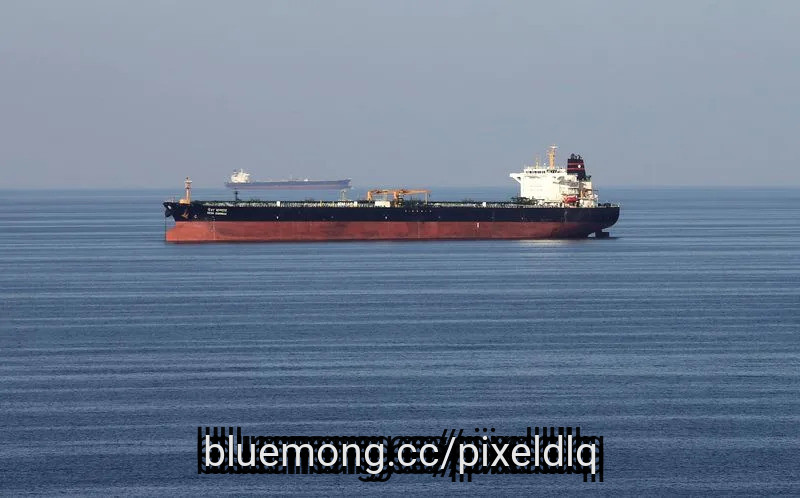
Aug 22 (Reuters) - Iran has granted permission for a number of Iraqi oil tankers to pass through the Strait of Hormuz following repeated requests from Baghdad through various channels, Iran's state news agency IRNA reported on Saturday.
IRNA said obtaining special permission for Iraqi tankers was one of Baghdad's main requests during Iranian parliament speaker Mohammad Baqer Qalibaf's visit to Iraq.
Iraqi President Nizar Amedi said on Saturday that Iran had facilitated the passage of vessels carrying Iraqi oil through the Strait in recent days and Baghdad had discussed the export of Iraqi oil through Hormuz with Iranian officials.
The issue remained complicated, he added, speaking at the Baghdad Dialogue policy conference.
Iraq has been among the countries most affected by Iran's effective closure of the Strait of Hormuz. Traffic in the strait remains significantly below pre-war levels and ships continue to face attacks in the area.
#saturday
IRNA said obtaining special permission for Iraqi tankers was one of Baghdad's main requests during Iranian parliament speaker Mohammad Baqer Qalibaf's visit to Iraq.
Iraqi President Nizar Amedi said on Saturday that Iran had facilitated the passage of vessels carrying Iraqi oil through the Strait in recent days and Baghdad had discussed the export of Iraqi oil through Hormuz with Iranian officials.
The issue remained complicated, he added, speaking at the Baghdad Dialogue policy conference.
Iraq has been among the countries most affected by Iran's effective closure of the Strait of Hormuz. Traffic in the strait remains significantly below pre-war levels and ships continue to face attacks in the area.
#saturday

1 month ago
By Siyi Liu and Chen Aizhu
SINGAPORE, Aug 21 (Reuters) - Offers of Iranian crude to Chinese buyers have declined and prices have jumped this week as the U.S. blockade has cut Tehran's shipments, according to trade sources, with the threat of more sanctions from Washington looming.
The U.S. re-imposed its blockade of Iran's shipping and ports on July 13 as a deal to halt the war between them broke down in an attempt to cut off oil sales — Tehran's primary source of hard currency — compounding earlier losses from wartime strikes on its energy infrastructure.
The number of offers for Iranian oil cargoes to China for September and October delivery has declined from July and August cargoes, four trade sources familiar with the matter said. The offers have declined as barrels already in ships on the water have been sold, they said.
Iran's oil exports have fallen since mid-July, with no visible crossings of the Strait of Hormuz by supertankers carrying Iranian crude since then, according to data from ship-tracking company Kpler, although many vessels turn off their location transponders, making them difficult to track.
#iranian #blockade #according #trade
SINGAPORE, Aug 21 (Reuters) - Offers of Iranian crude to Chinese buyers have declined and prices have jumped this week as the U.S. blockade has cut Tehran's shipments, according to trade sources, with the threat of more sanctions from Washington looming.
The U.S. re-imposed its blockade of Iran's shipping and ports on July 13 as a deal to halt the war between them broke down in an attempt to cut off oil sales — Tehran's primary source of hard currency — compounding earlier losses from wartime strikes on its energy infrastructure.
The number of offers for Iranian oil cargoes to China for September and October delivery has declined from July and August cargoes, four trade sources familiar with the matter said. The offers have declined as barrels already in ships on the water have been sold, they said.
Iran's oil exports have fallen since mid-July, with no visible crossings of the Strait of Hormuz by supertankers carrying Iranian crude since then, according to data from ship-tracking company Kpler, although many vessels turn off their location transponders, making them difficult to track.
#iranian #blockade #according #trade