
30 days ago
Six months into a conflict that has proven complex, costly, and highly unpopular, there remains no end in sight to the war in Iran. That's left the energy market — and the ****** ysts and strategists who study it — with a deep lack of clarity.
"For the first time since the start of the Iran conflict, we don't have a baseline view," commodities strategists at JPMorgan, led by Natasha Kaneva, wrote to clients on Thursday. "We simply don't know how to model the endgame."
As the war enters its seventh month, the conflict has broadened to multiple fronts.
In the mouth of the Persian Gulf, the Strait of Hormuz — the world's most critical chokepoint for global energy flows — remains essentially closed to through traffic as Tehran's Revolutionary Guard Corps continues to threaten vessels in the region. Daily crossings of the waterway have remained in the low double digits, far below the average of more than 120 daily transits before the outbreak of war.
Read more: How oil price shocks ripple through your wallet, from gas to groceries
#Iran
"For the first time since the start of the Iran conflict, we don't have a baseline view," commodities strategists at JPMorgan, led by Natasha Kaneva, wrote to clients on Thursday. "We simply don't know how to model the endgame."
As the war enters its seventh month, the conflict has broadened to multiple fronts.
In the mouth of the Persian Gulf, the Strait of Hormuz — the world's most critical chokepoint for global energy flows — remains essentially closed to through traffic as Tehran's Revolutionary Guard Corps continues to threaten vessels in the region. Daily crossings of the waterway have remained in the low double digits, far below the average of more than 120 daily transits before the outbreak of war.
Read more: How oil price shocks ripple through your wallet, from gas to groceries
#Iran


1 month ago
Some refiners in ******* an this week rushed to buy Oman's crude for earlier loadings after Saudi Arabia shut down its key pipeline bypassing the Strait of Hormuz, traders with knowledge of the purchases told Bloomberg on Wednesday.
Late last week, Saudi Arabia was forced to temporarily shut down the East-West oil pipeline following drone attacks launched from the territory of Iraq close to the Iranian border on Thursday. The shutdown of the pipeline is a precautionary measure, after the attacks resulted in a number of injuries, the world's top crude oil exporter said.
The 750-mile-long East-West pipeline became Saudi Arabia's vital oil route to bypass the Strait of Hormuz after the Middle East conflict started and Hormuz was closed to shipping traffic. Thanks to the East-West pipeline, the Kingdom has managed to re-route most of its crude loadings from the western ports in the Persian Gulf to the Red Sea port of Yanbu.
Apart from announcing the shutdown of the pipeline and condemning the attacks, Saudi Arabia has not officially updated the market either on the extent of the damage or the timelines for repairs.
The repairs could take three to five weeks, two regional officials briefed on the matter told The ******* ociated Press.
#hormuz #strait
Late last week, Saudi Arabia was forced to temporarily shut down the East-West oil pipeline following drone attacks launched from the territory of Iraq close to the Iranian border on Thursday. The shutdown of the pipeline is a precautionary measure, after the attacks resulted in a number of injuries, the world's top crude oil exporter said.
The 750-mile-long East-West pipeline became Saudi Arabia's vital oil route to bypass the Strait of Hormuz after the Middle East conflict started and Hormuz was closed to shipping traffic. Thanks to the East-West pipeline, the Kingdom has managed to re-route most of its crude loadings from the western ports in the Persian Gulf to the Red Sea port of Yanbu.
Apart from announcing the shutdown of the pipeline and condemning the attacks, Saudi Arabia has not officially updated the market either on the extent of the damage or the timelines for repairs.
The repairs could take three to five weeks, two regional officials briefed on the matter told The ******* ociated Press.
#hormuz #strait


1 month ago
Oil prices spiked on Tuesday, climbing back toward recent highs as headlines from the Middle East — in particular, Saudi Arabia — intensified growing pressure on the physical market.
Futures on Brent crude (BZ=F), the international benchmark, picked up more than $2.80 to cross back over $108.50 a barrel and approach the $109 mark seen on Monday. Meanwhile, those on US benchmark WTI crude (CL=F) jumped by roughly $3.50 to trade above $104.50.
Worries about oil exports from the Persian Gulf continued to grow on Tuesday, with Saudi Arabia in focus as market watchers attempt to ****** s damage to the kingdom's oil infrastructure, critical to moving oil out of the Persian Gulf while the Strait of Hormuz remains wracked by the US-Iran conflict.
Saudi Arabia has faced a series of attacks on critical energy infrastructure from the Yemeni Houthi militia group and other Iran-backed proxy forces operating in Iraq, the most pressing of those being strikes that over the weekend forced Saudi authorities to shutter the kingdom's East-West pipeline.
The East-West line carries oil to the port of Yanbu on the Red Sea, where it is loaded onto tankers that can take oil south through the Bab el-Mandeb Strait, which runs along Yemen, or north to the Suez Canal and the adjacent SUMED pipeline to the Mediterranean Sea.
#gulf
Futures on Brent crude (BZ=F), the international benchmark, picked up more than $2.80 to cross back over $108.50 a barrel and approach the $109 mark seen on Monday. Meanwhile, those on US benchmark WTI crude (CL=F) jumped by roughly $3.50 to trade above $104.50.
Worries about oil exports from the Persian Gulf continued to grow on Tuesday, with Saudi Arabia in focus as market watchers attempt to ****** s damage to the kingdom's oil infrastructure, critical to moving oil out of the Persian Gulf while the Strait of Hormuz remains wracked by the US-Iran conflict.
Saudi Arabia has faced a series of attacks on critical energy infrastructure from the Yemeni Houthi militia group and other Iran-backed proxy forces operating in Iraq, the most pressing of those being strikes that over the weekend forced Saudi authorities to shutter the kingdom's East-West pipeline.
The East-West line carries oil to the port of Yanbu on the Red Sea, where it is loaded onto tankers that can take oil south through the Bab el-Mandeb Strait, which runs along Yemen, or north to the Suez Canal and the adjacent SUMED pipeline to the Mediterranean Sea.
#gulf


1 month ago
Brent crude climbed above $108 a barrel on Tuesday as traders grew increasingly uncertain about when Saudi Arabia's East-West Pipeline would reopen, with fresh Houthi attacks on the kingdom and suspended oil loadings at its Red Sea export terminal adding to supply fears.
By 1:00 p.m. ET, Brent futures had climbed 3% to $108.88 per barrel, with U.S. West Texas Intermediate up 4.7% at $106.12. A close at those levels would mark the highest settlement for either contract in close to four months, according to Reuters. Prices have risen around 20% this month as fighting in the Persian Gulf has escalated.
According to shipping industry sources who spoke with Reuters, crude loadings at the Yanbu terminal on Saudi Arabia's Red Sea coast had been halted as of Tuesday. Separately, sources told Reuters that Saudi officials had notified European buyers that certain crude shipments scheduled for late September would not proceed.
Saudi Arabia shut down the East-West Pipeline after drone attacks originating from Iraq struck it last week, forcing the kingdom to halt the export route it had been using to bypass the Strait of Hormuz during the U.S.-Iran war. The pipeline can move up to 7 million barrels per day. Saudi officials have described the closure as a precautionary measure but have not provided a damage ******* sment or a timeline for resuming operations. U.K. authorities fear the pipeline may remain mostly shut for six weeks, according to Bloomberg.
Iran-backed Houthi militants in Yemen carried out additional strikes on Saudi Arabia on Monday. According to a spokesperson for the Saudi-led military coalition in Yemen, the group fired drones and ballistic missiles targeting the cities of Khamis Mushait, Abha, and Taif. According to Reuters, the Houthis claimed to have struck a military air base in Khamis Mushait, with their stated targets including hangars, radar installations, runway infrastructure, and stores of ammunition.
#west #east
By 1:00 p.m. ET, Brent futures had climbed 3% to $108.88 per barrel, with U.S. West Texas Intermediate up 4.7% at $106.12. A close at those levels would mark the highest settlement for either contract in close to four months, according to Reuters. Prices have risen around 20% this month as fighting in the Persian Gulf has escalated.
According to shipping industry sources who spoke with Reuters, crude loadings at the Yanbu terminal on Saudi Arabia's Red Sea coast had been halted as of Tuesday. Separately, sources told Reuters that Saudi officials had notified European buyers that certain crude shipments scheduled for late September would not proceed.
Saudi Arabia shut down the East-West Pipeline after drone attacks originating from Iraq struck it last week, forcing the kingdom to halt the export route it had been using to bypass the Strait of Hormuz during the U.S.-Iran war. The pipeline can move up to 7 million barrels per day. Saudi officials have described the closure as a precautionary measure but have not provided a damage ******* sment or a timeline for resuming operations. U.K. authorities fear the pipeline may remain mostly shut for six weeks, according to Bloomberg.
Iran-backed Houthi militants in Yemen carried out additional strikes on Saudi Arabia on Monday. According to a spokesperson for the Saudi-led military coalition in Yemen, the group fired drones and ballistic missiles targeting the cities of Khamis Mushait, Abha, and Taif. According to Reuters, the Houthis claimed to have struck a military air base in Khamis Mushait, with their stated targets including hangars, radar installations, runway infrastructure, and stores of ammunition.
#west #east


1 month ago
Iran is deliberately targeting U.S. naval drones in the Strait of Hormuz to gather intelligence on American surveillance capabilities and learn how to evade U.S. defenses, drone experts warned Tuesday.
Tehran's strategy is coordinated, they said, and involves exposing critical insights into U.S. Navy theater operations in the world's most vulnerable maritime choke point even when classified data is uncompromised.
The warning came as tensions escalated in the Gulf region Sept. 14 after the U.S. military destroyed two Iranian small boats amid an attempted seizure by the Islamic Revolutionary Guard Corps (IRGC) of an American unmanned surface vessel (USV) patrolling the area, according to reports.
Us Military Attacks Iran In 'Self-defense Strikes' Over Weekend
A cargo ship sails in the Persian Gulf toward the Strait of Hormuz, Wednesday, April 22, 2026.
#Iran #sept
Tehran's strategy is coordinated, they said, and involves exposing critical insights into U.S. Navy theater operations in the world's most vulnerable maritime choke point even when classified data is uncompromised.
The warning came as tensions escalated in the Gulf region Sept. 14 after the U.S. military destroyed two Iranian small boats amid an attempted seizure by the Islamic Revolutionary Guard Corps (IRGC) of an American unmanned surface vessel (USV) patrolling the area, according to reports.
Us Military Attacks Iran In 'Self-defense Strikes' Over Weekend
A cargo ship sails in the Persian Gulf toward the Strait of Hormuz, Wednesday, April 22, 2026.
#Iran #sept




1 month ago
Last Updated: Sept. 11, 2026 at 7:38pm ET
2026년. 9월 11일 오후 3:22 New York 시간
By
WSJ Staff
Saudi Arabia’s Energy Ministry said the East-West pipeline was hit several times Thursday in attacks that caused a number of injuries and led the kingdom to shut it down. The crucial pipeline carries crude from Saudi Arabia’s producing heartland on the Persian Gulf to Yanbu on the Red Sea, bypassing the blockage in Hormuz.
#arabia #updated #sept #staff
2026년. 9월 11일 오후 3:22 New York 시간
By
WSJ Staff
Saudi Arabia’s Energy Ministry said the East-West pipeline was hit several times Thursday in attacks that caused a number of injuries and led the kingdom to shut it down. The crucial pipeline carries crude from Saudi Arabia’s producing heartland on the Persian Gulf to Yanbu on the Red Sea, bypassing the blockage in Hormuz.
#arabia #updated #sept #staff


1 month ago
Listen
(3 min)
1525 ET – Oil futures settle at their highest level since May 22 as strikes between the U.S. and Iran escalate and Houthis step up attacks on Saudi oil facilities. The escalation is cause for concern as inventories are low and drawing down and it doesn’t look like the U.S. is making any progress with the conflict, says John Deal, managing director of capital markets at Post Oak Group. “I frankly think we’re in really risky territory right now,” he says, with significant risk of damage to infrastructure in Saudi Arabia. “I wouldn’t be surprised, if this conflict doesn’t wrap up soon, I think we could be looking at prices over $100 maybe as high as $120.” Brent settles up 3.4% at $101.21 a barrel, and WTI rises 3.2% to $96.05. (anthony.harrupwsj.com)
1233 ET – Renewed fighting between the U.S. and Iran is dimming prospects for an agreement to settle the conflict, creating scope for sustained upside in crude, says Nikos Tzabouras of Tradu. But crude oil continues to find a way out of the Persian Gulf and the U.S. still prefers to pressure Tehran and its enablers through economic measures, he adds. “President Trump may also be incentivized to seek an off-ramp as the conflict increasingly clashes with his domestic agenda, with the midterms getting closer.” WTI is up 3.5% at $96.25 a barrel and Brent gains 3.2% to $101.08.(anthony.harrupwsj.com)
#saudi #anthony
(3 min)
1525 ET – Oil futures settle at their highest level since May 22 as strikes between the U.S. and Iran escalate and Houthis step up attacks on Saudi oil facilities. The escalation is cause for concern as inventories are low and drawing down and it doesn’t look like the U.S. is making any progress with the conflict, says John Deal, managing director of capital markets at Post Oak Group. “I frankly think we’re in really risky territory right now,” he says, with significant risk of damage to infrastructure in Saudi Arabia. “I wouldn’t be surprised, if this conflict doesn’t wrap up soon, I think we could be looking at prices over $100 maybe as high as $120.” Brent settles up 3.4% at $101.21 a barrel, and WTI rises 3.2% to $96.05. (anthony.harrupwsj.com)
1233 ET – Renewed fighting between the U.S. and Iran is dimming prospects for an agreement to settle the conflict, creating scope for sustained upside in crude, says Nikos Tzabouras of Tradu. But crude oil continues to find a way out of the Persian Gulf and the U.S. still prefers to pressure Tehran and its enablers through economic measures, he adds. “President Trump may also be incentivized to seek an off-ramp as the conflict increasingly clashes with his domestic agenda, with the midterms getting closer.” WTI is up 3.5% at $96.25 a barrel and Brent gains 3.2% to $101.08.(anthony.harrupwsj.com)
#saudi #anthony




1 month ago
September S&P 500 E-Mini futures (ESU26) are down -0.27% this morning as escalating hostilities in the Middle East pushed oil prices higher, fueling inflation concerns and sapping risk appetite.
Oil prices climbed on Wednesday as fighting between the U.S. and Iran intensified, with no clear path toward de-escalation in sight. Brent crude rose above $100 a barrel for the first time since July, while WTI crude climbed above $95 a barrel. The U.S. military destroyed five Iranian tankers on Tuesday in retaliation for attempts to strike a U.S. Navy warship with ballistic missiles, according to Central Command. Iran responded by launching ballistic missiles at Jordan and issuing a warning to ships in the Persian Gulf.
Dear Nvidia Stock Fans, Mark Your Calendars for September 10
Rocket Lab Keeps Landing Defense Deals. Here's Why ****** ysts Aren't Getting More Bullish.
Why Stifel Just Revamped Its Price Target for Microsoft Stock
#Iran #Stock #prices
Oil prices climbed on Wednesday as fighting between the U.S. and Iran intensified, with no clear path toward de-escalation in sight. Brent crude rose above $100 a barrel for the first time since July, while WTI crude climbed above $95 a barrel. The U.S. military destroyed five Iranian tankers on Tuesday in retaliation for attempts to strike a U.S. Navy warship with ballistic missiles, according to Central Command. Iran responded by launching ballistic missiles at Jordan and issuing a warning to ships in the Persian Gulf.
Dear Nvidia Stock Fans, Mark Your Calendars for September 10
Rocket Lab Keeps Landing Defense Deals. Here's Why ****** ysts Aren't Getting More Bullish.
Why Stifel Just Revamped Its Price Target for Microsoft Stock
#Iran #Stock #prices

0.00$ raised of 0.00$ goal
0 donations
0.00$
to go

1 month ago
Selena Gomez wanted her wedding to Benny Blanco to feel personal rather than overly fancy. The couple married in a private ceremony in Santa Barbara, California, in September 2025. Nearly a year later, Blanco has shared more details about the day. He explained how Gomez's childhood dream shaped their wedding plans.
Blanco discussed the wedding during the Sept. 8 episode of his Friends Keep Secrets podcast. He surprised guest Gwyneth Paltrow when he revealed that he and Gomez were married. The couple rented out a palm tree farm and turned it into their wedding venue, according to Blanco. He said they wanted to create something "unconventional" for the celebration.
Blanco explained that Gomez had dreamed about her wedding since she was a child. She also knew how she wanted her walk down the aisle to look. "She's like, 'I want to walk down the aisle, and I want the aisle to be, like, Persian rugs off centered. I don't want normal flowers. I don't want it to feel bougie." The couple worked hard on the celebration, Blanco said.
Blanco said the result felt special without becoming too formal. "So it was, like, incredible and you could tell we put so much effort into it, but also didn't feel, like, stuffy," he said. Paltrow responded to the story by saying, "I love that. That's so cool." The ceremony reflected Gomez's preference for an unusual and intimate celebration.
The wedding was officiated by Lil **** y, who also co-hosts Friends Keep Secrets. Blanco shared the wedding details while speaking with Paltrow. His comments highlighted how much thought Gomez put into making the day her own. The celebration gave her the unconventional wedding she had imagined since childhood.
#paltrow #like
Blanco discussed the wedding during the Sept. 8 episode of his Friends Keep Secrets podcast. He surprised guest Gwyneth Paltrow when he revealed that he and Gomez were married. The couple rented out a palm tree farm and turned it into their wedding venue, according to Blanco. He said they wanted to create something "unconventional" for the celebration.
Blanco explained that Gomez had dreamed about her wedding since she was a child. She also knew how she wanted her walk down the aisle to look. "She's like, 'I want to walk down the aisle, and I want the aisle to be, like, Persian rugs off centered. I don't want normal flowers. I don't want it to feel bougie." The couple worked hard on the celebration, Blanco said.
Blanco said the result felt special without becoming too formal. "So it was, like, incredible and you could tell we put so much effort into it, but also didn't feel, like, stuffy," he said. Paltrow responded to the story by saying, "I love that. That's so cool." The ceremony reflected Gomez's preference for an unusual and intimate celebration.
The wedding was officiated by Lil **** y, who also co-hosts Friends Keep Secrets. Blanco shared the wedding details while speaking with Paltrow. His comments highlighted how much thought Gomez put into making the day her own. The celebration gave her the unconventional wedding she had imagined since childhood.
#paltrow #like

0.00$ raised of 0.00$ goal
0 donations
0.00$
to go

1 month ago
CAIRO (AP) — The new head of Iran's Supreme National Security Council on Sunday said Tehran plans to announce an "exclusion zone" outside the Strait of Hormuz aimed at vessels it believes are attempting to transit the waterway.
Mohsen Rezaei's comments to Iran's state broadcaster came with few details, a day after the U.S. struck three Iranian oil tankers in response to Tehran launching ballistic missiles at U.S. warships. Experts called the launches a dangerous escalation after Iran's previous attacks at sea targeted commercial shipping.
The new zone should be announced in the coming days and weeks and "will begin from the line of the U.S. naval blockade, extend toward the Strait of Hormuz, and from this side continue into the Persian Gulf," Rezaei said. "Any ship that enters this area with the intention of passing through the Strait of Hormuz and is identified will be placed on our sanctions list."
It is not clear where Iran defines the location of the weekslong U.S. blockade, which is aimed at Iranian ports and keeping Tehran from shipping out its oil. The U.S. military has said over 20 warships are supporting the blockade, which as of Sunday had redirected 92 commercial ships and disabled three.
The U.S. has been introducing new measures to increase the economic pain on Iran after negotiations collapsed and no end to the intermittent fighting appears in sight. Meanwhile, Iran continues to attack some ships trying to transit the strait, which has become an important source of leverage for Tehran in the war that began Feb. 28 with U.S. and Israeli strikes.
#strait
Mohsen Rezaei's comments to Iran's state broadcaster came with few details, a day after the U.S. struck three Iranian oil tankers in response to Tehran launching ballistic missiles at U.S. warships. Experts called the launches a dangerous escalation after Iran's previous attacks at sea targeted commercial shipping.
The new zone should be announced in the coming days and weeks and "will begin from the line of the U.S. naval blockade, extend toward the Strait of Hormuz, and from this side continue into the Persian Gulf," Rezaei said. "Any ship that enters this area with the intention of passing through the Strait of Hormuz and is identified will be placed on our sanctions list."
It is not clear where Iran defines the location of the weekslong U.S. blockade, which is aimed at Iranian ports and keeping Tehran from shipping out its oil. The U.S. military has said over 20 warships are supporting the blockade, which as of Sunday had redirected 92 commercial ships and disabled three.
The U.S. has been introducing new measures to increase the economic pain on Iran after negotiations collapsed and no end to the intermittent fighting appears in sight. Meanwhile, Iran continues to attack some ships trying to transit the strait, which has become an important source of leverage for Tehran in the war that began Feb. 28 with U.S. and Israeli strikes.
#strait



1 month ago
US diesel hit a record $5.848 a gallon as two simultaneous wars choked global supply, pushing grocery and freight costs higher.
Brent crude dropped $42 from its April peak, yet diesel hit a record as refineries shifted to jet fuel, draining distillate stockpiles.
Goldman Sachs warns meaningful diesel relief requires recovery in Persian Gulf or Russian fuel flows, both largely beyond Washington's near-term control.
Just released. Our ****** ysts combed the entire stock market and named the ten best stocks to buy right now. The report is free. Enter your email and see if any of your stocks made the cut.
Energy ****** yst Jaime Brito put it plainly this week: "Diesel is the blood of the economy. It's the engine in which you move goods, food, agricultural goods from the farm to the supermarket". That line landed with unusual weight because US retail diesel just set an all-time high. Reuters reported on September 3 that US diesel prices hit a record as overlapping conflicts intensified a global supply crunch. The full-day national average reached $5.848 a gallon, eclipsing the previous peak.
#brent
Brent crude dropped $42 from its April peak, yet diesel hit a record as refineries shifted to jet fuel, draining distillate stockpiles.
Goldman Sachs warns meaningful diesel relief requires recovery in Persian Gulf or Russian fuel flows, both largely beyond Washington's near-term control.
Just released. Our ****** ysts combed the entire stock market and named the ten best stocks to buy right now. The report is free. Enter your email and see if any of your stocks made the cut.
Energy ****** yst Jaime Brito put it plainly this week: "Diesel is the blood of the economy. It's the engine in which you move goods, food, agricultural goods from the farm to the supermarket". That line landed with unusual weight because US retail diesel just set an all-time high. Reuters reported on September 3 that US diesel prices hit a record as overlapping conflicts intensified a global supply crunch. The full-day national average reached $5.848 a gallon, eclipsing the previous peak.
#brent


1 month ago
Listen
(3 min)
1523 ET – Oil futures rise for a third straight session as strikes between the U.S. and Iran raise concerns about further escalation and oil flows out of the Persian Gulf. The EIA reported a bigger-than-expected 4.5 million barrel draw in U.S. commercial crude oil stocks for last week, while the Department of Energy released another 3.1 million barrels from the Strategic Petroleum Reserve. The withdrawal “keeps attention on the increasingly tight market dynamics,” says David Russell of TradeStation. Diesel stocks are at the lowest on record for the time of year as farmers and truckers enter their high-demand season, he adds. “Supply and demand fundamentals are taking over as government intervention loses effect and the SPR reaches critical levels.” WTI settles up 0.9% at $91.01 a barrel and Brent rises 1% to $95.63. (anthony.harrupwsj.com)
1611 GMT – Oil prices rise in volatile trade, with Brent crude above $95 a barrel after U.S. crude stockpiles saw a larger-than-expected drop last week. Brent is up 0.9% to $95.50 a barrel, while WTI futures rise 0.5% to $90.67 a barrel. Renewed military strikes between the U.S. and Iran are dimming hopes for a near-term resolution of the conflict and reopening of the Strait of Hormuz, keeping the geopolitical risk premium high. Meanwhile, according to the EIA, commercial crude oil stocks excluding the Strategic Petroleum Reserve were down by 4.5 million barrels in the week ended Aug. 28, compared with expectations of a 300,000-barrel fall. “Oil is now more than 30% higher since the conflict began in February, with refined-product markets facing even greater tightness,” says Soojin Kim from MUFG. (giulia.petroniwsj.com)
#crude #week #Iran
(3 min)
1523 ET – Oil futures rise for a third straight session as strikes between the U.S. and Iran raise concerns about further escalation and oil flows out of the Persian Gulf. The EIA reported a bigger-than-expected 4.5 million barrel draw in U.S. commercial crude oil stocks for last week, while the Department of Energy released another 3.1 million barrels from the Strategic Petroleum Reserve. The withdrawal “keeps attention on the increasingly tight market dynamics,” says David Russell of TradeStation. Diesel stocks are at the lowest on record for the time of year as farmers and truckers enter their high-demand season, he adds. “Supply and demand fundamentals are taking over as government intervention loses effect and the SPR reaches critical levels.” WTI settles up 0.9% at $91.01 a barrel and Brent rises 1% to $95.63. (anthony.harrupwsj.com)
1611 GMT – Oil prices rise in volatile trade, with Brent crude above $95 a barrel after U.S. crude stockpiles saw a larger-than-expected drop last week. Brent is up 0.9% to $95.50 a barrel, while WTI futures rise 0.5% to $90.67 a barrel. Renewed military strikes between the U.S. and Iran are dimming hopes for a near-term resolution of the conflict and reopening of the Strait of Hormuz, keeping the geopolitical risk premium high. Meanwhile, according to the EIA, commercial crude oil stocks excluding the Strategic Petroleum Reserve were down by 4.5 million barrels in the week ended Aug. 28, compared with expectations of a 300,000-barrel fall. “Oil is now more than 30% higher since the conflict began in February, with refined-product markets facing even greater tightness,” says Soojin Kim from MUFG. (giulia.petroniwsj.com)
#crude #week #Iran




2 months ago
The severe disruption of oil and gas flows out of the Persian Gulf resulting from the war between the U.S. and Israel and Iran, has saddled energy-importing nations with soaring bills, supply uncertainty, and a murky outlook. However, there has been a silver lining: a rush to build alternative conduits for bringing oil and gas out of the Middle East.
The global total energy import bill swelled by $330 billion over the six months between March and August, Finnish climate outlet Centre for Energy Research and Clean Air reported earlier this month. This would not have been the case had the Strait of Hormuz remained open, the outlet noted in its report, highlighting the world's reliance on an energy export corridor vulnerable to adverse geopolitical events and their fallout.
Because of the closure of Hormuz, Persian Gulf oil producers had to idle wells and find ways to slip their stored oil out of the Gulf on tankers with their transponders switched off. Yet they also started working on alternative routes that bypassed the Strait of Hormuz altogether.
Saudi Arabia demonstrated foresight with its East-West pipeline that it used to reroute its export flows from the Persian Gulf to the Red Sea in the first weeks of the war, ramping up to some 7 million barrels of crude daily along the pipe that had previously handled much lower volumes. The only major constraint in that rerouting was the capacity of the loading facilities at Yanbu Port.
Later, of course, Saudi Arabia had to discover that the Red Sea is not safe because of the presence of the Yemeni Houthis in the Bab el-Mandeb strait and their affiliation with Iran. So, the Saudis had to reroute again, this time to the Suez Canal, which has an even more constrained tanker passage capacity. In other words, alternative routes are not perfect, but it is a good thing to have them.
#persian #hormuz
The global total energy import bill swelled by $330 billion over the six months between March and August, Finnish climate outlet Centre for Energy Research and Clean Air reported earlier this month. This would not have been the case had the Strait of Hormuz remained open, the outlet noted in its report, highlighting the world's reliance on an energy export corridor vulnerable to adverse geopolitical events and their fallout.
Because of the closure of Hormuz, Persian Gulf oil producers had to idle wells and find ways to slip their stored oil out of the Gulf on tankers with their transponders switched off. Yet they also started working on alternative routes that bypassed the Strait of Hormuz altogether.
Saudi Arabia demonstrated foresight with its East-West pipeline that it used to reroute its export flows from the Persian Gulf to the Red Sea in the first weeks of the war, ramping up to some 7 million barrels of crude daily along the pipe that had previously handled much lower volumes. The only major constraint in that rerouting was the capacity of the loading facilities at Yanbu Port.
Later, of course, Saudi Arabia had to discover that the Red Sea is not safe because of the presence of the Yemeni Houthis in the Bab el-Mandeb strait and their affiliation with Iran. So, the Saudis had to reroute again, this time to the Suez Canal, which has an even more constrained tanker passage capacity. In other words, alternative routes are not perfect, but it is a good thing to have them.
#persian #hormuz

2 months ago
Oil prices surged above $120 a barrel in April as the Iran conflict choked the Strait of Hormuz and traders feared the worst.
Since then, something unexpected has happened. Prices have been falling. Not because the conflict ended, but because the market found a way around it.
Goldman Sachs ***** ysts Daan Struyven and Yulia Zhestkova Grigsby published a note this week laying out why the energy market's recovery matters, what it means for different parts of the energy sector, and why crude oil faces less upside risk than many investors might expect, Bloomberg reported.
The Strait of Hormuz is the single most important oil chokepoint in the world. About a third of the globe's seaborne oil passes through it on the way from Persian Gulf exporters to global buyers.
When the Iran conflict escalated earlier this year, flows collapsed. Goldman estimates total crude and oil-product exports through the Strait fell to roughly 5 to 6 million barrels per day in March, down from about 22 to 24 million barrels per day before the conflict, Bloomberg reported.
#Iran #goldman #crude
Since then, something unexpected has happened. Prices have been falling. Not because the conflict ended, but because the market found a way around it.
Goldman Sachs ***** ysts Daan Struyven and Yulia Zhestkova Grigsby published a note this week laying out why the energy market's recovery matters, what it means for different parts of the energy sector, and why crude oil faces less upside risk than many investors might expect, Bloomberg reported.
The Strait of Hormuz is the single most important oil chokepoint in the world. About a third of the globe's seaborne oil passes through it on the way from Persian Gulf exporters to global buyers.
When the Iran conflict escalated earlier this year, flows collapsed. Goldman estimates total crude and oil-product exports through the Strait fell to roughly 5 to 6 million barrels per day in March, down from about 22 to 24 million barrels per day before the conflict, Bloomberg reported.
#Iran #goldman #crude

2 months ago
LONDON, Aug 24 - U.S. threats to impose "the toughest sanctions in history" to force Iran to buckle to its demands after nearly six months of war have raised the prospect of a new round of escalation in the Gulf.
How could Iran respond to the economic pressure?
CAN IRAN STOP MORE OIL GETTING OUT OF THE MIDDLE EAST?
Mohsen Rezaei, the former Revolutionary Guards chief and secretary of Iran's Supreme National Security Council, has already threatened to shut down oil exports — one of Tehran's main strategic approaches since the war began on February 28.
"If the economic war continues, not a single drop of oil will be exported, neither through the Strait of Hormuz nor from anywhere in the Persian Gulf," he said.
#london
How could Iran respond to the economic pressure?
CAN IRAN STOP MORE OIL GETTING OUT OF THE MIDDLE EAST?
Mohsen Rezaei, the former Revolutionary Guards chief and secretary of Iran's Supreme National Security Council, has already threatened to shut down oil exports — one of Tehran's main strategic approaches since the war began on February 28.
"If the economic war continues, not a single drop of oil will be exported, neither through the Strait of Hormuz nor from anywhere in the Persian Gulf," he said.
#london


2 months ago
By Nidhi Verma and Florence Tan
Aug 24 (Reuters) - Iran said it had blacklisted 45 tankers that had broken its rules for crossing the Strait of Hormuz, and would take action against any vessels transferring loads with them, escalating its threats over the key waterway six months into the war.
The named vessels could be fined, detained and have their cargoes confiscated, according to an X post late on Sunday from the Persian Gulf Strait Authority, a new body set up by Iran to manage the strait.
The warning was issued within days of the U.S. threatening Iran with "the toughest sanctions in history", and Iran saying its response to any new U.S. threats would be "devastating".
The restricted list includes very large crude carriers, liquefied natural gas and liquefied petroleum gas tankers, and clean product vessels, among others.
#vessels #reuters
Aug 24 (Reuters) - Iran said it had blacklisted 45 tankers that had broken its rules for crossing the Strait of Hormuz, and would take action against any vessels transferring loads with them, escalating its threats over the key waterway six months into the war.
The named vessels could be fined, detained and have their cargoes confiscated, according to an X post late on Sunday from the Persian Gulf Strait Authority, a new body set up by Iran to manage the strait.
The warning was issued within days of the U.S. threatening Iran with "the toughest sanctions in history", and Iran saying its response to any new U.S. threats would be "devastating".
The restricted list includes very large crude carriers, liquefied natural gas and liquefied petroleum gas tankers, and clean product vessels, among others.
#vessels #reuters

2 months ago
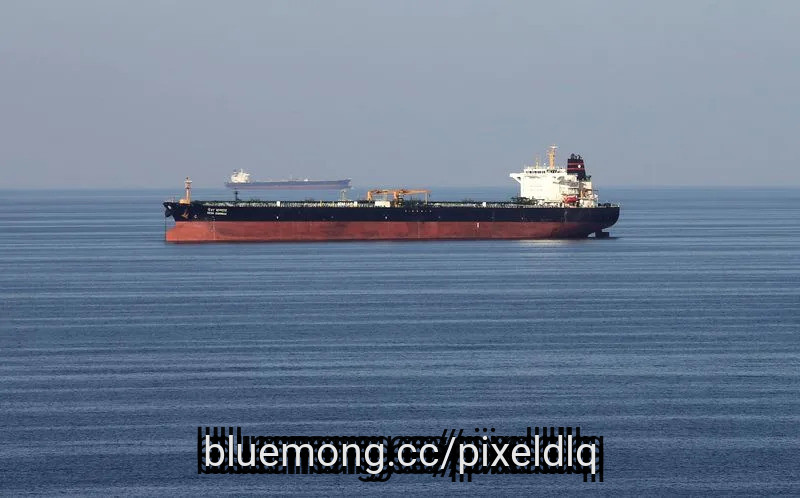
DUBAI, United Arab Emirates (AP) — Iran's currency hit a record low Monday as Washington prepared to announce new sanctions it said would be an "economic D-Day" and would add further pressure on an economy already battered by previous sanctions and a U.S. naval blockade.
The rial dropped to 2.02 million to the U.S. dollar as trading opened on informal currency markets. Iran's official Central Bank rate stood at around 1.5 million rial to the dollar, but the informal rate is what most Iranians pay.
The currency had already been under pressure before the U.S. and Israel attacked Iran on Feb. 28, with double-digit inflation and negative growth, but has been hitting new record lows as nearly six months of war have taken an even greater toll.
Still, U.S. President Donald Trump has been unable to win concessions from Iran, which continues to keep a firm grip on shipping through the Strait of Hormuz, the key waterway through which a fifth of the world's traded oil transited freely before the war began. Iranian attacks and threats have severely hampered that traffic during the war.
Iran and Oman, which is on the opposite side of the strait, are reportedly in the final stages of agreeing upon a plan for joint management of the waterway, which regional officials have said would include having ships to enter the Persian Gulf through an Iranian-controlled route and exit through a route controlled by Oman.
#Oman #strait #sanctions
The rial dropped to 2.02 million to the U.S. dollar as trading opened on informal currency markets. Iran's official Central Bank rate stood at around 1.5 million rial to the dollar, but the informal rate is what most Iranians pay.
The currency had already been under pressure before the U.S. and Israel attacked Iran on Feb. 28, with double-digit inflation and negative growth, but has been hitting new record lows as nearly six months of war have taken an even greater toll.
Still, U.S. President Donald Trump has been unable to win concessions from Iran, which continues to keep a firm grip on shipping through the Strait of Hormuz, the key waterway through which a fifth of the world's traded oil transited freely before the war began. Iranian attacks and threats have severely hampered that traffic during the war.
Iran and Oman, which is on the opposite side of the strait, are reportedly in the final stages of agreeing upon a plan for joint management of the waterway, which regional officials have said would include having ships to enter the Persian Gulf through an Iranian-controlled route and exit through a route controlled by Oman.
#Oman #strait #sanctions

2 months ago
Updated Aug. 21, 2026 3:39 pm ET
Listen
(3 min)
1533 ET – Oil futures end the week higher with no progress made toward resolving the U.S.-Iran conflict, and the U.S. planning to tighten the economic squeeze on Iran rather than renew major military action. While geopolitics remain the main driver of oil prices, “the continuation of tensions alone is no longer creating the same price shock as before,” Linh Tran of XS.com says in a note. “The market may now need a more significant escalation to materially change expectations for Middle East supply.” WTI settles up 0.3% at $87.06for a 6.9% weekly gain. Brent rises 0.7% to $94.39 a barrel, up 6.6% on the week. (anthony.harrupwsj.com)
0920 ET – Crude oil futures are little changed in early U.S. trading and on track for weekly gains amid market expectations of an extended standoff in the Persian Gulf between the U.S. and Iran. Yesterday’s stronger-than-expected WTI September expiration “now provides an easy upside target to the October contract,” Ritterbusch & ****** ociates says in a note. The continued virtual closure of the Strait of Hormuz and stalled diplomatic efforts to reopen it support the bullish view, the firm says. “Iran remains dug in while the U.S. has shifted strategy from a bombing campaign to economic isolation that may or may not spur concessions from Iran.” WTI is off 0.1% at $86.76 a barrel and Brent is 0.1% higher at $93.87. (anthony.harrupwsj.com)
#Iran #economic #expectations #weekly
Listen
(3 min)
1533 ET – Oil futures end the week higher with no progress made toward resolving the U.S.-Iran conflict, and the U.S. planning to tighten the economic squeeze on Iran rather than renew major military action. While geopolitics remain the main driver of oil prices, “the continuation of tensions alone is no longer creating the same price shock as before,” Linh Tran of XS.com says in a note. “The market may now need a more significant escalation to materially change expectations for Middle East supply.” WTI settles up 0.3% at $87.06for a 6.9% weekly gain. Brent rises 0.7% to $94.39 a barrel, up 6.6% on the week. (anthony.harrupwsj.com)
0920 ET – Crude oil futures are little changed in early U.S. trading and on track for weekly gains amid market expectations of an extended standoff in the Persian Gulf between the U.S. and Iran. Yesterday’s stronger-than-expected WTI September expiration “now provides an easy upside target to the October contract,” Ritterbusch & ****** ociates says in a note. The continued virtual closure of the Strait of Hormuz and stalled diplomatic efforts to reopen it support the bullish view, the firm says. “Iran remains dug in while the U.S. has shifted strategy from a bombing campaign to economic isolation that may or may not spur concessions from Iran.” WTI is off 0.1% at $86.76 a barrel and Brent is 0.1% higher at $93.87. (anthony.harrupwsj.com)
#Iran #economic #expectations #weekly



2 months ago
The oil majors are soaring. ExxonMobil Holdings (NYSE: XOM) posted net income of $14.5 billion for the second quarter, more than double the $7.1 billion profit it had a year ago. Chevron's (NYSE: CVX) net income of $12 billion for the quarter was almost 400% higher than the year-ago quarter.
Chevron beat Wall Street's earnings estimates by $0.50 a share, at $6.06. Exxon, meanwhile, fell $0.08 short of estimates, posting adjusted earnings of $3.52 a share. The company said difficulties in its refining business were to blame.
Missed Nvidia in 2009? This Rare Signal Is Flashing Again. In 2009, a "Double Down" signal flashed for a little-known chipmaker called Nvidia. For the first time in years, that same "Total Conviction" signal is flashing for a company 1/100th the size of Nvidia. Continue »
Still, the increase in net income at the two oil behemoths is stunning. And both companies handily beat ****** ysts' revenue estimates. Of course, higher oil prices resulting from the war in the Persian Gulf and the closure of the Strait of Hormuz, through which about one-fifth of the world's oil flows, are a huge part of that.
And both companies seem to be firing on all cylinders. So, the question is, which one is the better investment right now? I like Chevron. Here's why.
#signal #income #billion #double
Chevron beat Wall Street's earnings estimates by $0.50 a share, at $6.06. Exxon, meanwhile, fell $0.08 short of estimates, posting adjusted earnings of $3.52 a share. The company said difficulties in its refining business were to blame.
Missed Nvidia in 2009? This Rare Signal Is Flashing Again. In 2009, a "Double Down" signal flashed for a little-known chipmaker called Nvidia. For the first time in years, that same "Total Conviction" signal is flashing for a company 1/100th the size of Nvidia. Continue »
Still, the increase in net income at the two oil behemoths is stunning. And both companies handily beat ****** ysts' revenue estimates. Of course, higher oil prices resulting from the war in the Persian Gulf and the closure of the Strait of Hormuz, through which about one-fifth of the world's oil flows, are a huge part of that.
And both companies seem to be firing on all cylinders. So, the question is, which one is the better investment right now? I like Chevron. Here's why.
#signal #income #billion #double
2 months ago
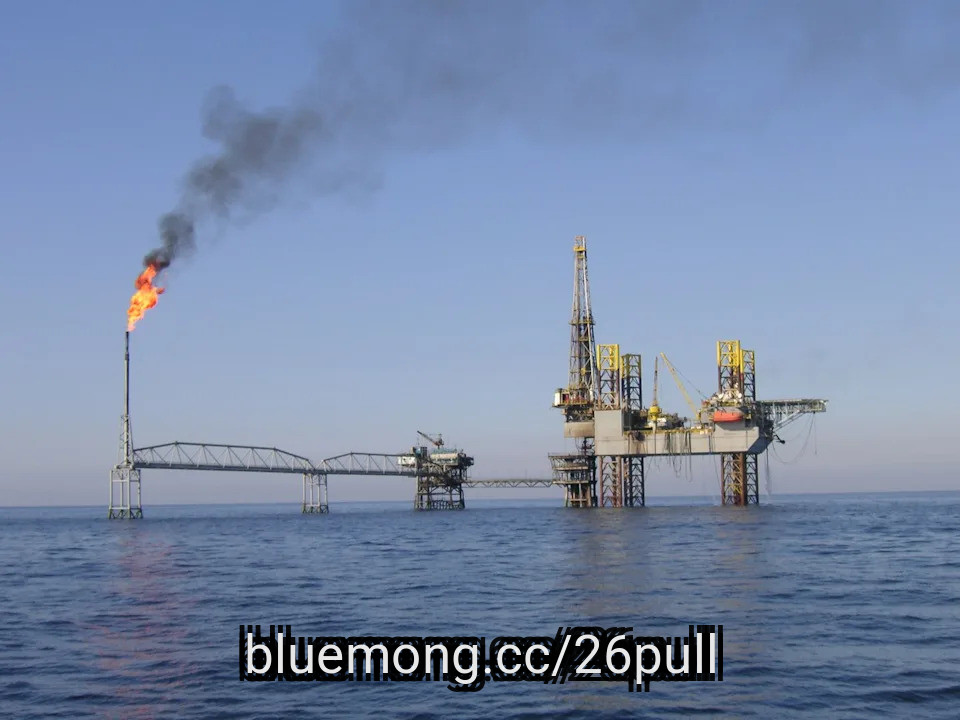
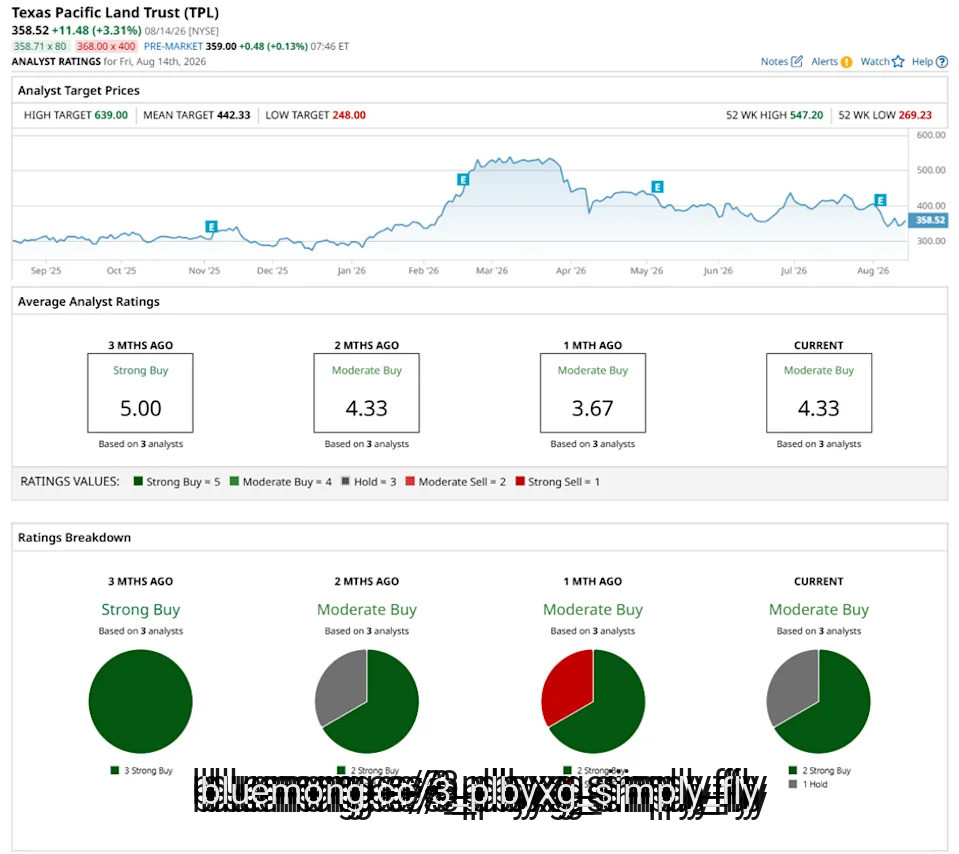
Texas Pacific Land Corporation (TPL), headquartered in Dallas, Texas, owns and manages tracts of land and resource, and water services and operations businesses in Texas. Valued at $24.7 billion by market cap, the company's income is derived from land sales, oil and gas royalties, grazing leases, and interest.
Shares of this leading owner of oil and gas surface acreage and subsurface mineral interests have outperformed the broader market over the past year. TPL has gained 22.1% over this time frame, while the broader S&P 500 Index ($SPX) has rallied nearly 20.4%. In 2026, TPL stock is up 25%, surpassing the SPX's 13.7% rise on a YTD basis.
Wall Street Thinks Monolithic Power Is a Buy. Here's Why It Might Be Right.
Crude Prices Slightly Lower as Oil Supplies Transit Through the Persian Gulf
Crude Prices Jump as US-Iran War at a Standstill
#pacific #dallas
Shares of this leading owner of oil and gas surface acreage and subsurface mineral interests have outperformed the broader market over the past year. TPL has gained 22.1% over this time frame, while the broader S&P 500 Index ($SPX) has rallied nearly 20.4%. In 2026, TPL stock is up 25%, surpassing the SPX's 13.7% rise on a YTD basis.
Wall Street Thinks Monolithic Power Is a Buy. Here's Why It Might Be Right.
Crude Prices Slightly Lower as Oil Supplies Transit Through the Persian Gulf
Crude Prices Jump as US-Iran War at a Standstill
#pacific #dallas



2 months ago
Entergy Corporation (ETR), headquartered in New Orleans, Louisiana, produces and retails distribution of electricity. Valued at $50.3 billion by market cap, the company delivers electricity to utility customers in Arkansas, Louisiana, Mississippi, and Texas. Entergy also owns and operates nuclear plants in the northern U.S.
Shares of this leading integrated energy company have underperformed the broader market over the past year. ETR has gained 19.4% over this time frame, while the broader S&P 500 Index ($SPX) has rallied nearly 20.4%. However, in 2026, ETR stock is up 16.7%, surpassing the SPX's 13.7% rise on a YTD basis.
Wall Street Thinks Monolithic Power Is a Buy. Here's Why It Might Be Right.
Crude Prices Slightly Lower as Oil Supplies Transit Through the Persian Gulf
Crude Prices Jump as US-Iran War at a Standstill
#electricity
Shares of this leading integrated energy company have underperformed the broader market over the past year. ETR has gained 19.4% over this time frame, while the broader S&P 500 Index ($SPX) has rallied nearly 20.4%. However, in 2026, ETR stock is up 16.7%, surpassing the SPX's 13.7% rise on a YTD basis.
Wall Street Thinks Monolithic Power Is a Buy. Here's Why It Might Be Right.
Crude Prices Slightly Lower as Oil Supplies Transit Through the Persian Gulf
Crude Prices Jump as US-Iran War at a Standstill
#electricity



2 months ago
September WTI crude oil (CLU26) today is down -0.03 (-0.03%), and September RBOB gasoline (RBU26) is up +0.0219 (+0.69%).
Crude oil and gasoline prices are mixed today. Crude prices gave up an early advance today and turned slightly lower on signs that larger-than-expected volumes of crude oil are moving out of the Persian Gulf despite hostilities between the US and Iran. Crude prices also came under pressure on signs that Iran and Oman are close to signing a deal to reopen the Strait of Hormuz.
Wall Street Thinks Monolithic Power Is a Buy. Here's Why It Might Be Right.
Crude Prices Jump as US-Iran War at a Standstill
Cooler US Weather Forecasts Weigh on Nat-Gas Prices
#Iran #today #september #rbob
Crude oil and gasoline prices are mixed today. Crude prices gave up an early advance today and turned slightly lower on signs that larger-than-expected volumes of crude oil are moving out of the Persian Gulf despite hostilities between the US and Iran. Crude prices also came under pressure on signs that Iran and Oman are close to signing a deal to reopen the Strait of Hormuz.
Wall Street Thinks Monolithic Power Is a Buy. Here's Why It Might Be Right.
Crude Prices Jump as US-Iran War at a Standstill
Cooler US Weather Forecasts Weigh on Nat-Gas Prices
#Iran #today #september #rbob


2 months ago
Oil prices have soared in recent months as a result of the almost complete closure of the Strait of Hormuz, a key trade corridor connecting Asia and Europe. High fossil fuel prices have helped to drive up the profits of oil and gas companies around the globe, particularly in the United States and Europe. As a few companies boost production to fill the gap, some oil majors have seen record earnings in the first half of the year, a trend that is expected to continue for as long as Hormuz trade remains restricted.
Eight of the largest oil firms achieved combined profits of over $90 billion in the three months from April to June, following the U.S.-Israeli attack on Iran and the subsequent war. Iran's decision to close the Strait of Hormuz, the waterway between Oman and Iran that connects the Persian Gulf with the Gulf of Oman and the Arabian Sea, has led to the biggest disruption of fossil fuel supplies in the market's history. As a few oil majors from the United States, Europe, and the Middle East step in to fill the gap and oil prices are pushed higher, a few companies have come out on top.
The phenomenon has also demonstrated that the world remains overly dependent on fossil fuels, with countries willing to pay a premium to secure their oil and gas supplies in the face of major global shortages. Environmentalists are concerned about what this reliance means for climate change, as greenhouse emissions remain high. The lack of energy diversification and the heavy dependence on fossil fuels also poses a threat to energy security for many countries.
The eight companies ***** sed – Aramco, BP, Shell, Equinor, TotalEnergies, Eni, Chevron, and ExxonMobil – have almost doubled their combined profits, from just below $50 billion in the second quarter of 2025. The increase in oil prices has driven up consumer energy bills worldwide, while oil companies continue to profit. This has reignited the discussion around windfall tax, as governments call for oil companies to pay higher levies to subsidise energy bills and environmentalists believe extra taxes could help pay to address the environmental damage caused by oil operations.
The Brent Benchmark put oil prices at around $68 a barrel at the end of February, rising to highs of nearly $100 a barrel in May. Saudi Arabia's Aramco benefited the most from the price increase over the spring, reporting a 34 per cent rise in its quarterly net income, at over $33 billion. Aramco saw high profits even following damage to its infrastructure by drone and missile strikes from Iranian and Houthi forces. The company's record oil sales meant that it was responsible for more carbon emissions than any company in history, according to the database Carbon Majors.
#Companies #prices #hormuz #Europe
Eight of the largest oil firms achieved combined profits of over $90 billion in the three months from April to June, following the U.S.-Israeli attack on Iran and the subsequent war. Iran's decision to close the Strait of Hormuz, the waterway between Oman and Iran that connects the Persian Gulf with the Gulf of Oman and the Arabian Sea, has led to the biggest disruption of fossil fuel supplies in the market's history. As a few oil majors from the United States, Europe, and the Middle East step in to fill the gap and oil prices are pushed higher, a few companies have come out on top.
The phenomenon has also demonstrated that the world remains overly dependent on fossil fuels, with countries willing to pay a premium to secure their oil and gas supplies in the face of major global shortages. Environmentalists are concerned about what this reliance means for climate change, as greenhouse emissions remain high. The lack of energy diversification and the heavy dependence on fossil fuels also poses a threat to energy security for many countries.
The eight companies ***** sed – Aramco, BP, Shell, Equinor, TotalEnergies, Eni, Chevron, and ExxonMobil – have almost doubled their combined profits, from just below $50 billion in the second quarter of 2025. The increase in oil prices has driven up consumer energy bills worldwide, while oil companies continue to profit. This has reignited the discussion around windfall tax, as governments call for oil companies to pay higher levies to subsidise energy bills and environmentalists believe extra taxes could help pay to address the environmental damage caused by oil operations.
The Brent Benchmark put oil prices at around $68 a barrel at the end of February, rising to highs of nearly $100 a barrel in May. Saudi Arabia's Aramco benefited the most from the price increase over the spring, reporting a 34 per cent rise in its quarterly net income, at over $33 billion. Aramco saw high profits even following damage to its infrastructure by drone and missile strikes from Iranian and Houthi forces. The company's record oil sales meant that it was responsible for more carbon emissions than any company in history, according to the database Carbon Majors.
#Companies #prices #hormuz #Europe


2 months ago
NEW YORK (AP) — The U.S. stock market edged back from its all-time high Friday following the latest report on the economy to come in surprisingly weak, this time about how much shoppers are spending at retailers. Such data could keep interest rates low, which is something Wall Street loves, but it also raises the risk of a slowing economy when inflation is still high.
The S&P 500 slipped 0.2% from its record set the day before. The Dow Jones Industrial Average dipped 107 points, or 0.2%, and the Nasdaq composite sank 0.3%.
Stocks gave up modest gains from early in the morning after oil prices swung higher. The price for a barrel of Brent crude rose 1.7% to $88.52 as uncertainty continues about when the war with Iran will allow oil tankers to freely exit the Persian Gulf again.
Also raising uncertainty was a report showing shoppers spent less at U.S. retailers last month than the month before. That surprised economists, who were forecasting another month of growth.
On the bright side for financial markets, such a pullback in spending could take pressure off inflation. Inflation remains much higher than anyone would like, but reports earlier this week suggested the pace of increases in prices is decelerating.
#time #high #spending
The S&P 500 slipped 0.2% from its record set the day before. The Dow Jones Industrial Average dipped 107 points, or 0.2%, and the Nasdaq composite sank 0.3%.
Stocks gave up modest gains from early in the morning after oil prices swung higher. The price for a barrel of Brent crude rose 1.7% to $88.52 as uncertainty continues about when the war with Iran will allow oil tankers to freely exit the Persian Gulf again.
Also raising uncertainty was a report showing shoppers spent less at U.S. retailers last month than the month before. That surprised economists, who were forecasting another month of growth.
On the bright side for financial markets, such a pullback in spending could take pressure off inflation. Inflation remains much higher than anyone would like, but reports earlier this week suggested the pace of increases in prices is decelerating.
#time #high #spending



2 months ago
The S&P 500 Index ($SPX) (SPY) on Thursday rose +0.65%, the Dow Jones Industrial Average ($DOWI) (DIA) rose +0.13%, and the Nasdaq 100 Index ($IUXX) (QQQ) rose +1.15%. September E-mini S&P futures (ESU26) rose +0.68%, and September E-mini Nasdaq futures (NQU26) rose +1.18%.
Stocks rallied on the favorable PPI report, which prompted a -4 bp decline in the 10-year T-note yield and a drop in expectations for a Fed rate hike in September to 35% from 40% on Wednesday. Stocks also saw support from a drop of more than -2% in crude oil prices, amid a lack of any new US or Iranian military attacks in the Persian Gulf.
Mark Cuban Says If You Win The Lottery, Don't Take The Lump Sum — And Tell People Who Ask for Money No, But 'Be Nice. No One Likes a Mean Billionaire'
JPMorgan Just Upgraded Salesforce Stock. Here's Why.
Why Wall Street Isn't Buying Super Micro's $60 Billion Backlog Quite Yet
#september #mini #thursday
Stocks rallied on the favorable PPI report, which prompted a -4 bp decline in the 10-year T-note yield and a drop in expectations for a Fed rate hike in September to 35% from 40% on Wednesday. Stocks also saw support from a drop of more than -2% in crude oil prices, amid a lack of any new US or Iranian military attacks in the Persian Gulf.
Mark Cuban Says If You Win The Lottery, Don't Take The Lump Sum — And Tell People Who Ask for Money No, But 'Be Nice. No One Likes a Mean Billionaire'
JPMorgan Just Upgraded Salesforce Stock. Here's Why.
Why Wall Street Isn't Buying Super Micro's $60 Billion Backlog Quite Yet
#september #mini #thursday


2 months ago
The dollar index (DXY00) on Thursday ended the day little changed despite downward pressure from the dovish US PPI report, which lowered the odds of a Fed rate hike in September to 35% from 40% on Wednesday. In addition, the 10-year T-note yield fell -5 bp, undercutting the dollar's interest rate differentials.
The dollar was also undercut by reduced safe-haven demand as there were no overnight reports of new military attacks by the US or Iran in the Persian Gulf. Market concerns about the Middle East were also reduced slightly by news reports saying that the Trump administration is pivoting to using the naval blockade to apply economic pressure on Iran rather than new military attacks. There is no sign of any progress between the US and Iran on an agreement to reopen the Strait of Hormuz, although some ships are still getting through by turning off their transponders and hoping for the best.
Will Silver Hold Above Its Critical Support Level?
Dollar is Undercut by Dovish US PPI Report
Stop Missing Market Moves: Get the FREE Barchart Brief – your midday dose of stock movers, trending sectors, and actionable trade ideas, delivered right to your inbox. Sign Up Now!
#Iran #dollar #report #undercut
The dollar was also undercut by reduced safe-haven demand as there were no overnight reports of new military attacks by the US or Iran in the Persian Gulf. Market concerns about the Middle East were also reduced slightly by news reports saying that the Trump administration is pivoting to using the naval blockade to apply economic pressure on Iran rather than new military attacks. There is no sign of any progress between the US and Iran on an agreement to reopen the Strait of Hormuz, although some ships are still getting through by turning off their transponders and hoping for the best.
Will Silver Hold Above Its Critical Support Level?
Dollar is Undercut by Dovish US PPI Report
Stop Missing Market Moves: Get the FREE Barchart Brief – your midday dose of stock movers, trending sectors, and actionable trade ideas, delivered right to your inbox. Sign Up Now!
#Iran #dollar #report #undercut


2 months ago
September WTI crude oil (CLU26) on Thursday closed down -2.02 (-2.43%), and September RBOB gasoline (RBU26) closed down -0.0257 (-0.81%).
Crude oil and gasoline prices fell on Thursday, with no overnight reports of new military attacks by the US or Iran in the Persian Gulf. Market concerns about the Middle East were also reduced slightly by news reports saying that the Trump administration is pivoting to using the naval blockade to apply economic pressure on Iran rather than new military attacks.
Plug Power Beat Estimates and Lifted Its 2026 Outlook. Here's What Comes Next for PLUG Stock.
How 'Phantom' Data Center Projects Are Making It Impossible to Forecast AI Power Demand — 'Grid Operators Don't Know Which Ones Are Real'
Nat-Gas Prices Close Higher on Warm Forecasts
#september #crude #prices #closed
Crude oil and gasoline prices fell on Thursday, with no overnight reports of new military attacks by the US or Iran in the Persian Gulf. Market concerns about the Middle East were also reduced slightly by news reports saying that the Trump administration is pivoting to using the naval blockade to apply economic pressure on Iran rather than new military attacks.
Plug Power Beat Estimates and Lifted Its 2026 Outlook. Here's What Comes Next for PLUG Stock.
How 'Phantom' Data Center Projects Are Making It Impossible to Forecast AI Power Demand — 'Grid Operators Don't Know Which Ones Are Real'
Nat-Gas Prices Close Higher on Warm Forecasts
#september #crude #prices #closed

2 months ago
ADNOC Gas, the gas business of the Emirati energy major, will spend more than $8 billion on its Rich Gas Development project, the company said today, as it eyes 60% growth in its earnings before interest, tax, depreciation, and amortization by 2030.
The Rich Gas Development project covers several gas production facilities, including the Habshah gas project, which is the UAE's largest gas processing facility, and the Ruwais LNG project, also in the UAE.
Of the total investment, $3.9 billion would go towards building a new gas processing train at the Habshah facility, to be built by Wison Engineering, and $4.3 billion would be invested in a new natural gas liquids fractionation unit at Ruwais LNG. The new investment follows a $5-billion commitment to the Rich Gas Development project made earlier.
The Ruwais project is set to be one of the largest liquefied natural gas facilities in the Middle East. Slated to enter operation in late 2028, it will more than double ADNOC Gas's existing LNG capacity to roughly 15 million tons per year. The plant's two 4.8-mtpa liquefaction trains will leverage artificial intelligence and advanced technologies to improve safety, efficiency, and emissions performance, ADNOC said earlier.
The Emirati company has been actively expanding in natural gas amid strong global demand projections, despite the current supply disruption in the Persian Gulf. "This is a defining moment for ADNOC Gas. With the final investment decision and contract awards for the Rich Gas Development Project, we are not only accelerating one of the world's largest gas-processing growth programs – we are raising our ambition, targeting 60% EBITDA growth by 2030," the company's chief executive, Fatema Al Nuaimi said.
#project #development
The Rich Gas Development project covers several gas production facilities, including the Habshah gas project, which is the UAE's largest gas processing facility, and the Ruwais LNG project, also in the UAE.
Of the total investment, $3.9 billion would go towards building a new gas processing train at the Habshah facility, to be built by Wison Engineering, and $4.3 billion would be invested in a new natural gas liquids fractionation unit at Ruwais LNG. The new investment follows a $5-billion commitment to the Rich Gas Development project made earlier.
The Ruwais project is set to be one of the largest liquefied natural gas facilities in the Middle East. Slated to enter operation in late 2028, it will more than double ADNOC Gas's existing LNG capacity to roughly 15 million tons per year. The plant's two 4.8-mtpa liquefaction trains will leverage artificial intelligence and advanced technologies to improve safety, efficiency, and emissions performance, ADNOC said earlier.
The Emirati company has been actively expanding in natural gas amid strong global demand projections, despite the current supply disruption in the Persian Gulf. "This is a defining moment for ADNOC Gas. With the final investment decision and contract awards for the Rich Gas Development Project, we are not only accelerating one of the world's largest gas-processing growth programs – we are raising our ambition, targeting 60% EBITDA growth by 2030," the company's chief executive, Fatema Al Nuaimi said.
#project #development

2 months ago
The months-long closure of the Strait of Hormuz has led to severe fuel shortages around the globe, as companies battle to continue operations. Airlines have been hit hard as they struggle to obtain enough jet fuel to maintain their regular flight schedules.
The U.S.-Israeli war on Iran led to the closure of the Strait of Hormuz – a key trade corridor connecting the Persian Gulf with the Gulf of Oman and the Arabian Sea, via which roughly 20 per cent of the world's oil is transported when fully operational. Several months of closures have resulted in significant restrictions to energy trade, with many countries now facing severe fuel shortages.
In July, several European airlines announced that they were at risk of running out of jet fuel. Europe has turned to the United States and Asia for alternative fuel imports in recent months but continues to feel the strain of the shortages. The United Kingdom, France, and Germany are extremely vulnerable due to their heavy reliance on the Middle East for their fuel supplies.
In recent decades, several countries have reduced their refining activities in favour of a green transition, leaving them more susceptible to supply chain disruptions. Before the war, Europe relied on the Middle East for roughly half of its jet fuel imports. Iran has allowed limited fuel supplies through the Strait of Hormuz, but it is uncertain when normal trade will resume due to the ongoing conflict.
On 18th June, the consultancy Energy Aspects forecast a jet fuel supply deficit across Europe of almost 600,000 bpd in the third quarter of the year, compared to surpluses of around 116,000 bpd in the United States and 425,000 bpd in Asia-Pacific. Europe's inventories totalled around 38 million barrels at the beginning of June, equivalent to roughly 30 days of its fuel demand. The International Energy Agency (IEA) made a similar estimate.
#fuel #hormuz #several #around
The U.S.-Israeli war on Iran led to the closure of the Strait of Hormuz – a key trade corridor connecting the Persian Gulf with the Gulf of Oman and the Arabian Sea, via which roughly 20 per cent of the world's oil is transported when fully operational. Several months of closures have resulted in significant restrictions to energy trade, with many countries now facing severe fuel shortages.
In July, several European airlines announced that they were at risk of running out of jet fuel. Europe has turned to the United States and Asia for alternative fuel imports in recent months but continues to feel the strain of the shortages. The United Kingdom, France, and Germany are extremely vulnerable due to their heavy reliance on the Middle East for their fuel supplies.
In recent decades, several countries have reduced their refining activities in favour of a green transition, leaving them more susceptible to supply chain disruptions. Before the war, Europe relied on the Middle East for roughly half of its jet fuel imports. Iran has allowed limited fuel supplies through the Strait of Hormuz, but it is uncertain when normal trade will resume due to the ongoing conflict.
On 18th June, the consultancy Energy Aspects forecast a jet fuel supply deficit across Europe of almost 600,000 bpd in the third quarter of the year, compared to surpluses of around 116,000 bpd in the United States and 425,000 bpd in Asia-Pacific. Europe's inventories totalled around 38 million barrels at the beginning of June, equivalent to roughly 30 days of its fuel demand. The International Energy Agency (IEA) made a similar estimate.
#fuel #hormuz #several #around


3 months ago
CAIRO (AP) — With escalating attacks against U.S. bases and its allies over the past week, Iran's leaders are showing considerable unity over their war strategy: hanging tough, determined to show Iran can endure more than America and its allies can.
But within the leadership, there are sharp differences over what the endgame should be.
On one side, the ultra-hardliners who oppose any negotiations with the United States are pressing for total victory in the war. Known as the "Paydari" movement – Persian for "stability" – they are hard-core ideologues who want to enforce the Islamic Republic's control over society.
On the other, those who support President Masoud Pezeshkian and powerful parliament speaker Mohammad Bagher Qalibaf — who doubles as Iran's chief negotiator — see military pressure as a way to win a negotiated deal with the United States. This camp is also spurred by concern over the economic toll Iran is suffering from the war and the need to adapt to social change in the country.
"Negotiation is a political tool and a complement to military action to force the enemy to a point of compulsion and extract real concessions," an adviser to Qalibaf, Mahdi Mohammadi, wrote on his Telegram channel Thursday.
#Iran #united #military #America
But within the leadership, there are sharp differences over what the endgame should be.
On one side, the ultra-hardliners who oppose any negotiations with the United States are pressing for total victory in the war. Known as the "Paydari" movement – Persian for "stability" – they are hard-core ideologues who want to enforce the Islamic Republic's control over society.
On the other, those who support President Masoud Pezeshkian and powerful parliament speaker Mohammad Bagher Qalibaf — who doubles as Iran's chief negotiator — see military pressure as a way to win a negotiated deal with the United States. This camp is also spurred by concern over the economic toll Iran is suffering from the war and the need to adapt to social change in the country.
"Negotiation is a political tool and a complement to military action to force the enemy to a point of compulsion and extract real concessions," an adviser to Qalibaf, Mahdi Mohammadi, wrote on his Telegram channel Thursday.
#Iran #united #military #America