55 mins. ago
September's debate over Chinese and American AI spending puts Alibaba Group Holding Limited (NYSE:BABA) and Amazon.com, Inc. (NASDAQ:AMZN) on opposite sides of the same investment question. Both report strong demand for computing services. Shareholders still need that demand to justify the infrastructure bill.
September 7 coverage of Jefferies' ***** ysis highlighted differences in spending intensity. The companies' own results suggest a more useful test than choosing a winner from headline capital expenditures: distinguish operating progress from cash committed ahead of future growth.
Alibaba's August 20 report showed June-quarter AI Cloud and Compute Services revenue increasing 45% to RMB48.44 billion. Segment adjusted EBITA reached RMB5.63 billion. The reporting group now combines its former Cloud Intelligence Group with T-Head, so investors should use the company's recast comparisons.
That operating improvement supports the case that computing demand can generate returns. It does not mean the spending cycle has already paid for itself. Group capital expenditures reached RMB67.68 billion, while free cash flow, a non-GAAP liquidity measure, was negative RMB44.67 billion for the quarter.
The opportunity is to keep expanding customer demand and utilization as new infrastructure becomes available. The risk is that cash outlays remain elevated while weaker returns elsewhere in the group reduce the room for error. Cloud growth alone cannot settle the value of the entire business.
#spending #cash #Services
September 7 coverage of Jefferies' ***** ysis highlighted differences in spending intensity. The companies' own results suggest a more useful test than choosing a winner from headline capital expenditures: distinguish operating progress from cash committed ahead of future growth.
Alibaba's August 20 report showed June-quarter AI Cloud and Compute Services revenue increasing 45% to RMB48.44 billion. Segment adjusted EBITA reached RMB5.63 billion. The reporting group now combines its former Cloud Intelligence Group with T-Head, so investors should use the company's recast comparisons.
That operating improvement supports the case that computing demand can generate returns. It does not mean the spending cycle has already paid for itself. Group capital expenditures reached RMB67.68 billion, while free cash flow, a non-GAAP liquidity measure, was negative RMB44.67 billion for the quarter.
The opportunity is to keep expanding customer demand and utilization as new infrastructure becomes available. The risk is that cash outlays remain elevated while weaker returns elsewhere in the group reduce the room for error. Cloud growth alone cannot settle the value of the entire business.
#spending #cash #Services


1 hr. ago
On August 6, The RealReal (NASDAQ:REAL) reported second quarter results that beat its own outlook and pushed the resale luxury marketplace to raise its full year guidance. Gross merchandise value hit an all time high of $617 million, up 22% from a year earlier, and management pointed to four straight quarters of GMV growth above 20%. But a wider net loss sitting next to those record numbers complicates the story for anyone weighing the stock today.
The headline number is GMV of $617 million for the quarter ended June 30, up 22% year over year, with total revenue climbing 17% to $193 million. Consignment revenue grew 15% while Direct Revenue, the company's owned inventory channel, grew 26%, showing both sides of the business contributing to the acceleration. Profitability moved in the same direction. Gross margin reached 74.4%, up 10 basis points from a year ago, and Adjusted EBITDA margin jumped to 7%, a 290 basis point improvement that management called nearly 300 basis points of expansion.
The buyer base backs up the growth story rather than just the pricing. Trailing twelve-month active buyers rose 11% to 1,107,000, and average order value climbed 13% to $659, meaning existing shoppers are spending meaningfully more per transaction, not just showing up more often. That combination gave management enough confidence to raise full-year guidance to $2.54 billion to $2.57 billion in GMV and $788 million to $797 million in total revenue, alongside third-quarter Adjusted EBITDA guidance of $13.5 million to $14.5 million.
Despite the operating improvements, GAAP losses widened. Net loss came in at $27 million, or 14.1% of total revenue, compared to $11 million, or 6.9% of total revenue, a year earlier. GAAP basic net loss per share was $0.23 versus $0.10 in the prior year period, and diluted net loss per share was $0.23 versus $0.13. Much of that swing traces to a $(18.6) million non-cash adjustment tied to the change in fair value of warrant liability, a factor unrelated to how the underlying business performed. On a non-GAAP basis, basic and diluted net loss per share actually narrowed to $0.01 from $0.06, underscoring how much of the GAAP gap is accounting rather than operations.
There is also a transparency wrinkle in the guidance itself. The RealReal said it has not reconciled its forward-looking Adjusted EBITDA figures to GAAP net income or loss, citing components like payroll tax expense on employee stock transactions that it cannot predict with reasonable certainty. That leaves investors trusting a non-GAAP target without the usual bridge back to the bottom line.
#adjusted
The headline number is GMV of $617 million for the quarter ended June 30, up 22% year over year, with total revenue climbing 17% to $193 million. Consignment revenue grew 15% while Direct Revenue, the company's owned inventory channel, grew 26%, showing both sides of the business contributing to the acceleration. Profitability moved in the same direction. Gross margin reached 74.4%, up 10 basis points from a year ago, and Adjusted EBITDA margin jumped to 7%, a 290 basis point improvement that management called nearly 300 basis points of expansion.
The buyer base backs up the growth story rather than just the pricing. Trailing twelve-month active buyers rose 11% to 1,107,000, and average order value climbed 13% to $659, meaning existing shoppers are spending meaningfully more per transaction, not just showing up more often. That combination gave management enough confidence to raise full-year guidance to $2.54 billion to $2.57 billion in GMV and $788 million to $797 million in total revenue, alongside third-quarter Adjusted EBITDA guidance of $13.5 million to $14.5 million.
Despite the operating improvements, GAAP losses widened. Net loss came in at $27 million, or 14.1% of total revenue, compared to $11 million, or 6.9% of total revenue, a year earlier. GAAP basic net loss per share was $0.23 versus $0.10 in the prior year period, and diluted net loss per share was $0.23 versus $0.13. Much of that swing traces to a $(18.6) million non-cash adjustment tied to the change in fair value of warrant liability, a factor unrelated to how the underlying business performed. On a non-GAAP basis, basic and diluted net loss per share actually narrowed to $0.01 from $0.06, underscoring how much of the GAAP gap is accounting rather than operations.
There is also a transparency wrinkle in the guidance itself. The RealReal said it has not reconciled its forward-looking Adjusted EBITDA figures to GAAP net income or loss, citing components like payroll tax expense on employee stock transactions that it cannot predict with reasonable certainty. That leaves investors trusting a non-GAAP target without the usual bridge back to the bottom line.
#adjusted


2 hours ago
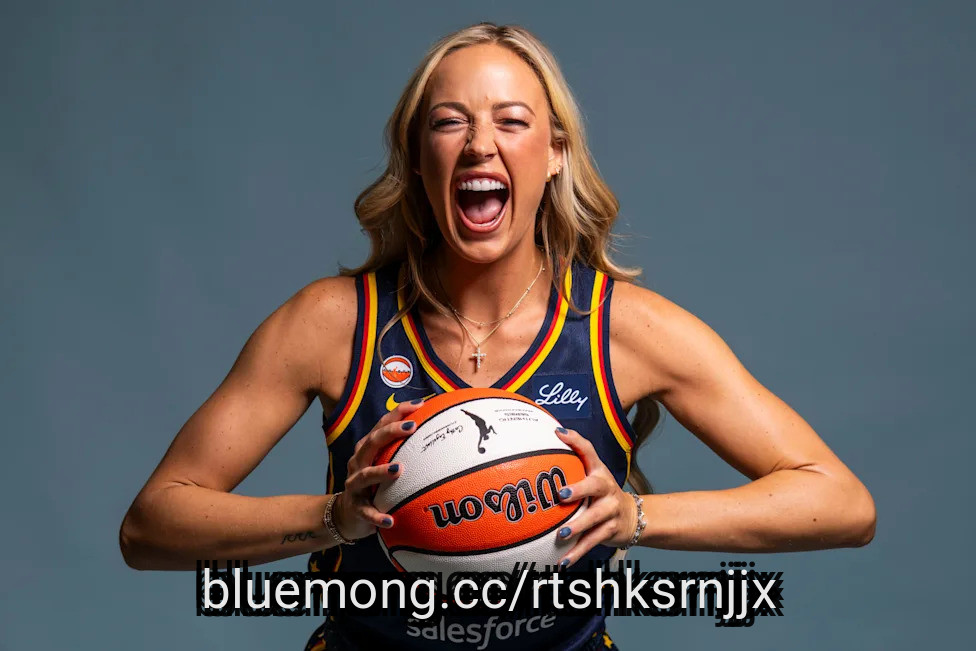
INDIANAPOLIS — Indiana Fever wing Sophie Cunningham has thoughts on what a new WNBA commissioner should bring to the table. And she's already had conversations with NBA Commissioner Adam Silver, who is leading the search for the new WNBA commissioner, about it.
Silver reached out to Cunningham, she said on Monday, as her agents are close with him.
"I have talked to Adam Silver a couple times, and I think he's a great guy who's very knowledgeable and full of wisdom," Cunningham said. "Just getting to talk to him and hear his perspective of his approach to the NBA is huge. Who he's kind of looking for, I think if you want to know the real answers, go to him, but I think he's going to put someone in place who really wants to take our league to another level than it's already at. Our league is booming, so why would we not want someone who is going to try to make it even more booming?"
Cathy Engelbert, who has been the WNBA's commissioner since 2019, announced on Sept. 4 that she would retire at the end of the year. Engelbert ushered in a lot of growth to the league, including six new teams across the U.S. and Canada, but garnered a lot of criticism for her lack of relationship with players.
Buy Indiana Fever tickets!
#silver #league #WNBA #engelbert
Silver reached out to Cunningham, she said on Monday, as her agents are close with him.
"I have talked to Adam Silver a couple times, and I think he's a great guy who's very knowledgeable and full of wisdom," Cunningham said. "Just getting to talk to him and hear his perspective of his approach to the NBA is huge. Who he's kind of looking for, I think if you want to know the real answers, go to him, but I think he's going to put someone in place who really wants to take our league to another level than it's already at. Our league is booming, so why would we not want someone who is going to try to make it even more booming?"
Cathy Engelbert, who has been the WNBA's commissioner since 2019, announced on Sept. 4 that she would retire at the end of the year. Engelbert ushered in a lot of growth to the league, including six new teams across the U.S. and Canada, but garnered a lot of criticism for her lack of relationship with players.
Buy Indiana Fever tickets!
#silver #league #WNBA #engelbert




2 hours ago
On September 10, Shoe Station Group (NASDAQ:SHOE) held its first earnings call under its new name, and the numbers told a story of a company still finding its footing. Second quarter net sales fell 7.2% to $284.3 million from $306.4 million a year earlier, with comparable sales down 7.1%. But buried in the report was a sharper signal: August comparable sales improved to a 2.7% decline, a real jump from the second quarter's pace, and management is pointing to store-by-store product changes as the reason why.
Shoe Station's turnaround argument rests on giving up the idea that every store should look the same. Interim CEO Clifton Sifford said the company had been running nearly identical ***** ortments across its stores even though its two banners serve very different customers, and that approach stopped working. The shift already shows up in the numbers. Once the company localized its athletic ***** ortments ahead of back-to-school, adult athletic sales moved from a low single-digit decline in the second quarter to a low single-digit increase in August.
Running shoes comped positive in both men's and women's categories, and men's work boots, a replenishment category with loyal repeat buyers, grew 2%. Management believes this fall's boot lineup is the best it has fielded in years, heading into what Sifford expects to be a bigger nonathletic fashion cycle. E-commerce sales grew 18.8% even as store traffic fell, and in-store conversion actually improved, evidence that customers who show up are buying; they just are not showing up in the same numbers yet. The company also ended the quarter debt-free with $131.6 million in cash, up $39.7 million from a year ago, giving it room to fund the localized rollout without straining the balance sheet.
The flip side is that the entire second quarter was ugly across the board. Shoe Carnival branded stores, still 63% of revenue, saw sales fall 6.5%, while the newly converted Shoe Station banner dropped 8.4%. Gross profit margin fell 690 basis points to 31.9%, a mix of a promotional footwear market and management's decision to accelerate liquidation of aged inventory, trading margin for cash. That combination cut net income to $6.3 million, or $0.23 per diluted share, down from $19.2 million and $0.70 a year earlier.
Management is not projecting relief anytime soon. Sifford said plainly, "We are not ***** uming the environment improves," and CFO Kerry Jackson noted that gross margins in fiscal August were still running below last year's levels at a pace comparable to the second quarter. Full-year gross margin guidance of 32.5% to 32.7% implies 390 to 410 basis points of compression for the year. Store impairment charges reached $6.7 million on 11 stores year to date, and management has already conceded that the core problem is not price, since conversion rates rose while total customer visits kept falling. That points to a marketing and trust problem rather than a demand problem, and fixing it will take more tha
Shoe Station's turnaround argument rests on giving up the idea that every store should look the same. Interim CEO Clifton Sifford said the company had been running nearly identical ***** ortments across its stores even though its two banners serve very different customers, and that approach stopped working. The shift already shows up in the numbers. Once the company localized its athletic ***** ortments ahead of back-to-school, adult athletic sales moved from a low single-digit decline in the second quarter to a low single-digit increase in August.
Running shoes comped positive in both men's and women's categories, and men's work boots, a replenishment category with loyal repeat buyers, grew 2%. Management believes this fall's boot lineup is the best it has fielded in years, heading into what Sifford expects to be a bigger nonathletic fashion cycle. E-commerce sales grew 18.8% even as store traffic fell, and in-store conversion actually improved, evidence that customers who show up are buying; they just are not showing up in the same numbers yet. The company also ended the quarter debt-free with $131.6 million in cash, up $39.7 million from a year ago, giving it room to fund the localized rollout without straining the balance sheet.
The flip side is that the entire second quarter was ugly across the board. Shoe Carnival branded stores, still 63% of revenue, saw sales fall 6.5%, while the newly converted Shoe Station banner dropped 8.4%. Gross profit margin fell 690 basis points to 31.9%, a mix of a promotional footwear market and management's decision to accelerate liquidation of aged inventory, trading margin for cash. That combination cut net income to $6.3 million, or $0.23 per diluted share, down from $19.2 million and $0.70 a year earlier.
Management is not projecting relief anytime soon. Sifford said plainly, "We are not ***** uming the environment improves," and CFO Kerry Jackson noted that gross margins in fiscal August were still running below last year's levels at a pace comparable to the second quarter. Full-year gross margin guidance of 32.5% to 32.7% implies 390 to 410 basis points of compression for the year. Store impairment charges reached $6.7 million on 11 stores year to date, and management has already conceded that the core problem is not price, since conversion rates rose while total customer visits kept falling. That points to a marketing and trust problem rather than a demand problem, and fixing it will take more tha


2 hours ago
On September 10, IBEX Limited (NASDAQ:IBEX) held its fourth-quarter and full fiscal year 2026 earnings call, and the numbers backed up a message management has been building toward for months. The company posted record full-year revenue, adjusted EBITDA, and free cash flow, all while pitching itself as a business that has flipped the AI narrative in its favor rather than becoming its next casualty. For a sector that has spent the last two years bracing for automation to gut it, that is a notable claim to back with actual client wins.
Full-year revenue hit $644.1 million, up 15.4% organically, and fourth-quarter revenue reached $164.3 million, up 11.6% from a year earlier. That marked the sixth straight quarter of double-digit growth, a streak that suggests the momentum is not a one-off. HealthTech led the charge, climbing 38.5% to $114 million for the year and blowing past the $100 million target management had set for the segment, driven largely by demand from large insurance payers. Technology grew 27.4% in the quarter, while travel and logistics added 17.8%, helped by a new AI agent partnership with Philippine Airlines.
That Philippine Airlines deal is the clearest evidence that IBEX's Sierra AI partnership, formalized in January and announced publicly in May, is more than a slide in an investor deck. During the proof of concept, the AI agent handled interactions in English, Tagalog, and Taglish, hit resolution rates above 20%, and scored a 4.7 out of 5.0 on customer satisfaction, on par with human agents. A separate deployment for BJ's Wholesale pushed resolution rates above 40% and matched that same satisfaction score, beating the marks the client's prior BPO vendor had put up with human agents alone. The company added 17 new trophy logo clients across the year, and its top five clients now make up 33% of revenue, down from 36%, a sign the business is not leaning on a shrinking handful of accounts to carry it.
Not every line moved in the right direction. Fourth quarter GAAP net income slipped to $8.7 million from $9.6 million a year earlier, and diluted EPS fell to $0.59 from $0.66. Management pointed to training costs tied to all those new client wins, a temporary hit from shifting work out of nearshore centers into offshore ones, and higher fuel prices hitting utility and transportation costs, particularly offshore. Adjusted EBITDA margin for the quarter slipped to 12.3% from 13.9%, the same set of pressures showing up in the profitability line rather than just net income.
#revenue #fourth
Full-year revenue hit $644.1 million, up 15.4% organically, and fourth-quarter revenue reached $164.3 million, up 11.6% from a year earlier. That marked the sixth straight quarter of double-digit growth, a streak that suggests the momentum is not a one-off. HealthTech led the charge, climbing 38.5% to $114 million for the year and blowing past the $100 million target management had set for the segment, driven largely by demand from large insurance payers. Technology grew 27.4% in the quarter, while travel and logistics added 17.8%, helped by a new AI agent partnership with Philippine Airlines.
That Philippine Airlines deal is the clearest evidence that IBEX's Sierra AI partnership, formalized in January and announced publicly in May, is more than a slide in an investor deck. During the proof of concept, the AI agent handled interactions in English, Tagalog, and Taglish, hit resolution rates above 20%, and scored a 4.7 out of 5.0 on customer satisfaction, on par with human agents. A separate deployment for BJ's Wholesale pushed resolution rates above 40% and matched that same satisfaction score, beating the marks the client's prior BPO vendor had put up with human agents alone. The company added 17 new trophy logo clients across the year, and its top five clients now make up 33% of revenue, down from 36%, a sign the business is not leaning on a shrinking handful of accounts to carry it.
Not every line moved in the right direction. Fourth quarter GAAP net income slipped to $8.7 million from $9.6 million a year earlier, and diluted EPS fell to $0.59 from $0.66. Management pointed to training costs tied to all those new client wins, a temporary hit from shifting work out of nearshore centers into offshore ones, and higher fuel prices hitting utility and transportation costs, particularly offshore. Adjusted EBITDA margin for the quarter slipped to 12.3% from 13.9%, the same set of pressures showing up in the profitability line rather than just net income.
#revenue #fourth


2 hours ago
On September 10, Designer Brands (NYSE:DBI) reported second-quarter results that pushed full-year earnings guidance sharply higher, even as net sales slipped 1% year over year to $730.6 million. Adjusted operating income reached $39.4 million for the quarter, and management raised its adjusted diluted earnings per share outlook to a range of $0.47 to $0.52, up from $0.28 to $0.38. That kind of upward revision usually calms skeptics. Here, more than a third of the float is still sold short.
The clearest story in this report is a company reorganizing itself around its own brands rather than its stores. Brand portfolio sales climbed 18% in the quarter to $86.3 million, and the growth showed up on the bottom line too, with year-to-date adjusted operating income of $58.8 million, more than doubling what Designer Brands produced over the same stretch last year. Topo grew revenue more than 24% during the quarter, and management now expects the brand to clear $100 million in 2027. Jessica Simpson sales rose about 24% as well, with growth across every major account, and intercompany sales between the brand and retail segments rose by double digits, a sign the two sides of the business are reinforcing each other rather than splitting the same customer dollar.
Profitability improved even where the headlines are less flashy. Gross margin expanded 430 basis points to 47.9%, and while $20.2 million in tariff refunds accounted for much of that, the company still added 150 basis points of margin from better ***** ortment and inventory management alone. Merchandise margin in retail widened 140 basis points, with 100 of those points coming from less markdown activity, meaning more inventory is selling at full price. Debt fell by $93 million to $423.1 million compared with a year earlier, and total liquidity stood at roughly $198 million, funding room for projects like the Topo sourcing integration and the new Edit at DSW store-within-a-store pilot without leaning further on the balance sheet.
The retail side of the business is still the drag. CEO Doug Howe said sandals, the company's largest seasonal category, "were pressured by early weather-related headwinds and never fully rebounded," and that alone accounted for roughly 200 basis points of the retail segment's 2% sales decline. Comparable sales fell 2.6% in retail and 2.4% companywide, and the segment battled a sequential traffic headwind even as average unit retail and average dollars per sale held firm. Strip out the brand portfolio's 18% growth, and the underlying store business is still shrinking.
#million #brands
The clearest story in this report is a company reorganizing itself around its own brands rather than its stores. Brand portfolio sales climbed 18% in the quarter to $86.3 million, and the growth showed up on the bottom line too, with year-to-date adjusted operating income of $58.8 million, more than doubling what Designer Brands produced over the same stretch last year. Topo grew revenue more than 24% during the quarter, and management now expects the brand to clear $100 million in 2027. Jessica Simpson sales rose about 24% as well, with growth across every major account, and intercompany sales between the brand and retail segments rose by double digits, a sign the two sides of the business are reinforcing each other rather than splitting the same customer dollar.
Profitability improved even where the headlines are less flashy. Gross margin expanded 430 basis points to 47.9%, and while $20.2 million in tariff refunds accounted for much of that, the company still added 150 basis points of margin from better ***** ortment and inventory management alone. Merchandise margin in retail widened 140 basis points, with 100 of those points coming from less markdown activity, meaning more inventory is selling at full price. Debt fell by $93 million to $423.1 million compared with a year earlier, and total liquidity stood at roughly $198 million, funding room for projects like the Topo sourcing integration and the new Edit at DSW store-within-a-store pilot without leaning further on the balance sheet.
The retail side of the business is still the drag. CEO Doug Howe said sandals, the company's largest seasonal category, "were pressured by early weather-related headwinds and never fully rebounded," and that alone accounted for roughly 200 basis points of the retail segment's 2% sales decline. Comparable sales fell 2.6% in retail and 2.4% companywide, and the segment battled a sequential traffic headwind even as average unit retail and average dollars per sale held firm. Strip out the brand portfolio's 18% growth, and the underlying store business is still shrinking.
#million #brands


2 hours ago
On September 10, 1-800-Flowers.com Inc. (NASDAQ:FLWS) reported fiscal 2026 results that read like a company still finding its footing after a hard year. Full year revenue fell 10.8% to $1.5 billion, and the fourth quarter alone dropped 12.9% to $293.1 million, as consumers stayed selective with discretionary spending on gifts and gourmet food. Buried under those declines, though, is a different story: inventory shrank, free cash flow improved by $55 million, and the company hit a two-year cost savings target a full year early. The question now is whether that discipline can outrun the sales slide.
1-800-Flowers spent fiscal 2026 tearing down the walls between its brands. Instead of separate teams running each brand in silos, the company shifted to functional teams built around marketing, merchandising, and the digital shopping experience, with one team now acting as store manager for every website. That shift already shows up in products: the floral business combined its florist-fulfilled and direct-ship merchandising teams, so the same popular arrangements are available either way, instead of competing against itself on one landing page. Harry & David rolled out a redesigned, mobile-first website with AI-powered search that is currently in A/B testing, and several low-traffic standalone sites were folded into harryanddavid.com to concentrate traffic rather than split it.
The financial discipline behind that reorganization is real. The company reached its $50 million cost savings run rate a full year ahead of schedule and has already lined up another $15 million to $20 million in savings for fiscal 2027, with the full benefit landing in fiscal 2028. That, combined with tighter working capital management, pushed free cash flow up $55 million year over year and cut inventory to $153 million from $177 million. Average order value rose 5.5%, third-party marketplace sales through Amazon, Walmart, and DoorDash are growing at double-to-triple-digit rates and are already contribution margin positive, and BloomNet grew 1.9% on the back of local delivery partnerships with apps like DoorDash and Instacart.
The rest of the story is bleaker. Total transactions fell 17.6% for the year, and the fourth quarter's decline was broad-based: consumer floral and gifts dropped 13.4% to $182.8 million as the company pulled back on promotional discounting, and gourmet foods and gift baskets fell 15.4% to $85.8 million, a decline made worse by the timing of Easter. Adjusted EBITDA for the year collapsed to $2.9 million from $29.2 million, and adjusted gross margin slipped 110 basis points to 38%. Even the fourth quarter's 34.7% gross margin leaned on a one-time $7 million tariff refund.
#fiscal
1-800-Flowers spent fiscal 2026 tearing down the walls between its brands. Instead of separate teams running each brand in silos, the company shifted to functional teams built around marketing, merchandising, and the digital shopping experience, with one team now acting as store manager for every website. That shift already shows up in products: the floral business combined its florist-fulfilled and direct-ship merchandising teams, so the same popular arrangements are available either way, instead of competing against itself on one landing page. Harry & David rolled out a redesigned, mobile-first website with AI-powered search that is currently in A/B testing, and several low-traffic standalone sites were folded into harryanddavid.com to concentrate traffic rather than split it.
The financial discipline behind that reorganization is real. The company reached its $50 million cost savings run rate a full year ahead of schedule and has already lined up another $15 million to $20 million in savings for fiscal 2027, with the full benefit landing in fiscal 2028. That, combined with tighter working capital management, pushed free cash flow up $55 million year over year and cut inventory to $153 million from $177 million. Average order value rose 5.5%, third-party marketplace sales through Amazon, Walmart, and DoorDash are growing at double-to-triple-digit rates and are already contribution margin positive, and BloomNet grew 1.9% on the back of local delivery partnerships with apps like DoorDash and Instacart.
The rest of the story is bleaker. Total transactions fell 17.6% for the year, and the fourth quarter's decline was broad-based: consumer floral and gifts dropped 13.4% to $182.8 million as the company pulled back on promotional discounting, and gourmet foods and gift baskets fell 15.4% to $85.8 million, a decline made worse by the timing of Easter. Adjusted EBITDA for the year collapsed to $2.9 million from $29.2 million, and adjusted gross margin slipped 110 basis points to 38%. Even the fourth quarter's 34.7% gross margin leaned on a one-time $7 million tariff refund.
#fiscal


2 hours ago
On September 10, MasterCraft Boat Holdings (NASDAQ:MCFT) reported a fiscal fourth quarter that looked nothing like the one a year earlier. Adjusted EBITDA more than doubled, margins expanded across the legacy business, and the company closed out a year defined by its May 15 acquisition of Marine Products Corporation. But buried inside those same results was a $10.1 million writedown that tells a very different story about one corner of the business.
MasterCraft's core boat business is the reason the quarter worked at all. Legacy net sales, meaning the business before the acquisition, climbed 21.5% year over year to $96.6 million in the fourth quarter, powered by the next generation X Series lineup and less discounting at the dealer level. That combination of volume and pricing pushed legacy adjusted EBITDA margin up 730 basis points to 19.3%, up from 12% a year earlier. Once the newly acquired Chaparral and Robalo brands are added in, which contributed for only six weeks after the deal closed on May 15, consolidated fourth quarter net sales reached $129.9 million, up 63.4%, and adjusted EBITDA hit $20.5 million, up 114.9%.
The company also cleaned up its channel. Dealer field inventory for the legacy business fell 30% year over year, with turnover now running ahead of pre-pandemic levels, a sign dealers are selling boats rather than sitting on them. Full-year adjusted net income reached $30.2 million, or $1.76 per diluted share, up from $15.1 million, or $0.92 per share, in fiscal 2025. The company generated $22.3 million in free cash flow for the year and, as of June 30, held $43.9 million in cash, zero debt, and a fully available $75 million credit line. MasterCraft's own retail sales grew low single digits for the year even as the broader powerboat industry fell mid to high single digits, and the newer Robalo brand posted high single-digit retail growth in the fishing boat category.
The picture gets murkier once you look past the flagship brand. The Leisure segment, home to the Crest and Balise pontoon boats, saw fourth-quarter sales fall 11.2% year over year to $12.1 million, and the company booked a $10.1 million non-cash impairment against Crest brand ******* ets tied to what management called current category conditions. On a GAAP basis, that charge combined with acquisition costs and purchase accounting adjustments turned the quarter into a net loss of $7 million, or $0.35 per diluted share, compared to net income of $5.5 million a year earlier. Operating expenses rose $23.1 million in the quarter, including $5.9 million in transaction costs tied to the acquisition.
#million #legacy
MasterCraft's core boat business is the reason the quarter worked at all. Legacy net sales, meaning the business before the acquisition, climbed 21.5% year over year to $96.6 million in the fourth quarter, powered by the next generation X Series lineup and less discounting at the dealer level. That combination of volume and pricing pushed legacy adjusted EBITDA margin up 730 basis points to 19.3%, up from 12% a year earlier. Once the newly acquired Chaparral and Robalo brands are added in, which contributed for only six weeks after the deal closed on May 15, consolidated fourth quarter net sales reached $129.9 million, up 63.4%, and adjusted EBITDA hit $20.5 million, up 114.9%.
The company also cleaned up its channel. Dealer field inventory for the legacy business fell 30% year over year, with turnover now running ahead of pre-pandemic levels, a sign dealers are selling boats rather than sitting on them. Full-year adjusted net income reached $30.2 million, or $1.76 per diluted share, up from $15.1 million, or $0.92 per share, in fiscal 2025. The company generated $22.3 million in free cash flow for the year and, as of June 30, held $43.9 million in cash, zero debt, and a fully available $75 million credit line. MasterCraft's own retail sales grew low single digits for the year even as the broader powerboat industry fell mid to high single digits, and the newer Robalo brand posted high single-digit retail growth in the fishing boat category.
The picture gets murkier once you look past the flagship brand. The Leisure segment, home to the Crest and Balise pontoon boats, saw fourth-quarter sales fall 11.2% year over year to $12.1 million, and the company booked a $10.1 million non-cash impairment against Crest brand ******* ets tied to what management called current category conditions. On a GAAP basis, that charge combined with acquisition costs and purchase accounting adjustments turned the quarter into a net loss of $7 million, or $0.35 per diluted share, compared to net income of $5.5 million a year earlier. Operating expenses rose $23.1 million in the quarter, including $5.9 million in transaction costs tied to the acquisition.
#million #legacy


2 hours ago
On September 10, Tsakos Energy Navigation (NYSE:TEN) reported a first half of 2026 that reads like a fantasy year for a decades-old tanker operator. Net income hit $228 million, more than triple what the company earned over the same six months a year earlier, while diluted EPS climbed to $7.12 from $1.70. Behind those numbers sits a rare combination: a fleet locked into billions in forward earnings, war-driven cargo detours pushing rates higher, and a newbuilding bet that has already paid off before half the ships have even hit the water.
The earnings power came from two directions at once. The average time charter equivalent rate rose 41% to $43,503 a day in the first half, and profit-sharing contracts on nine large vessels brought in $71 million, up from just $10 million a year earlier. Even with six vessels pulled from service for scheduled dry docks, the fleet still ran at 96.5% utilization. Second-quarter results followed the same pattern, with net income of $139.3 million, which included a $38 million gain on ******* et sales, and earnings per share of $4.40 against $0.67 in last year's second quarter.
Tsakos is also sitting on a fleet renewal bet that already worked out. Since the start of 2023, the company has sold 20 tankers averaging 17.3 years old and replaced them with 35 vessels averaging just half a year old. Its 26-ship newbuilding program, contracted for about $3.1 billion, is now valued roughly 30% above that cost, and CEO Nikolas Tsakos said the VLCCs in that order book have nearly doubled in price since they were placed. With $466 million in cash and forward committed earnings of roughly $3.5 billion, management has room to raise its dividend, which already paid out $1.60 per share this year, and is weighing whether to redeem $120 million of 9.25% preferred shares, a move it estimates could add $0.30 to $0.40 to EPS.
That performance came against a backdrop the company would rather not have. President George Saroglou said vessels have been attacked, and seafarers hurt or killed trying to keep global trade moving through the Strait of Hormuz, where a ceasefire unraveled roughly halfway through its planned 60-day run and a US naval presence now tries to manage safe passage. Tsakos has chosen to route around the strait entirely rather than put crews through the toll those attacks take.
The cost side is climbing too. Bunker prices jumped about 25%, pushing first-half voyage expenses to $82 million from $68 million, and operating expenses rose to $111 million from $102 million on higher dry-docking costs and inflation. Total debt reached $2.1 billion at the end of June, up from $1.8 billion a year earlier, as the company finances its newbuilding program. And while profit-sharing revenue jumped, the operating days tied to those market-related contracts actually fell 22%, meaning a smaller slice of the fleet is left exposed to capture further spot-rate gains if the tanker market keeps running hot.
#billion
The earnings power came from two directions at once. The average time charter equivalent rate rose 41% to $43,503 a day in the first half, and profit-sharing contracts on nine large vessels brought in $71 million, up from just $10 million a year earlier. Even with six vessels pulled from service for scheduled dry docks, the fleet still ran at 96.5% utilization. Second-quarter results followed the same pattern, with net income of $139.3 million, which included a $38 million gain on ******* et sales, and earnings per share of $4.40 against $0.67 in last year's second quarter.
Tsakos is also sitting on a fleet renewal bet that already worked out. Since the start of 2023, the company has sold 20 tankers averaging 17.3 years old and replaced them with 35 vessels averaging just half a year old. Its 26-ship newbuilding program, contracted for about $3.1 billion, is now valued roughly 30% above that cost, and CEO Nikolas Tsakos said the VLCCs in that order book have nearly doubled in price since they were placed. With $466 million in cash and forward committed earnings of roughly $3.5 billion, management has room to raise its dividend, which already paid out $1.60 per share this year, and is weighing whether to redeem $120 million of 9.25% preferred shares, a move it estimates could add $0.30 to $0.40 to EPS.
That performance came against a backdrop the company would rather not have. President George Saroglou said vessels have been attacked, and seafarers hurt or killed trying to keep global trade moving through the Strait of Hormuz, where a ceasefire unraveled roughly halfway through its planned 60-day run and a US naval presence now tries to manage safe passage. Tsakos has chosen to route around the strait entirely rather than put crews through the toll those attacks take.
The cost side is climbing too. Bunker prices jumped about 25%, pushing first-half voyage expenses to $82 million from $68 million, and operating expenses rose to $111 million from $102 million on higher dry-docking costs and inflation. Total debt reached $2.1 billion at the end of June, up from $1.8 billion a year earlier, as the company finances its newbuilding program. And while profit-sharing revenue jumped, the operating days tied to those market-related contracts actually fell 22%, meaning a smaller slice of the fleet is left exposed to capture further spot-rate gains if the tanker market keeps running hot.
#billion


2 hours ago
Even though the Missions began Sunday on a seven-game losing streak, the team found a way to close out the 2026 season on a high note.
The Missions defeated the Amarillo Sod Poodles, 11-10, in their final game of the 2026 season.
"It was a nice win to wrap up the season," Missions manager Chris Tremie said.
Kerrington Cross recorded his first Double-A home run to put the Missions up 2-0 in the first inning. Justin DeCriscio also hit his first home run at the Double-A level to give San Antonio a 11-5 lead in the eighth inning. Missions reliever Carlos Medina allowed two runs in the ninth inning, but a line out to third base sealed the win for San Antonio.
The Missions finished the second half of the season with a 28-41 record. Overall, San Antonio went 59-79 in the entire 2026 season. The Missions last reached the postseason in 2023.
#missions #inning #even
The Missions defeated the Amarillo Sod Poodles, 11-10, in their final game of the 2026 season.
"It was a nice win to wrap up the season," Missions manager Chris Tremie said.
Kerrington Cross recorded his first Double-A home run to put the Missions up 2-0 in the first inning. Justin DeCriscio also hit his first home run at the Double-A level to give San Antonio a 11-5 lead in the eighth inning. Missions reliever Carlos Medina allowed two runs in the ninth inning, but a line out to third base sealed the win for San Antonio.
The Missions finished the second half of the season with a 28-41 record. Overall, San Antonio went 59-79 in the entire 2026 season. The Missions last reached the postseason in 2023.
#missions #inning #even


3 hours ago
For over a season and a half, New Iberia football hadn't won a game. On Sept. 11, all of that changed as the Yellowjackets bulldozed Vill Platte for the sweetest 60-6 victory they've ever tasted.
"It means a lot; it's great seeing the smile on all of the kid's faces," NISH football coach Zi'yon Hill-Green said. "I remember back in the summer, I preached about competing and showing up every day, and that's what they have been doing. We needed that confidence boost."
REQUIRED READING: Vote now for the Daily Advertiser Athlete of the Week (Sept. 7- 13)
The win also marked the first win of the Hill-Green era, snapping NISH's 18-game losing streak.
All offseason long, the goal for new head coach Hill-Green and his staff was to revive the hive by way of rebuilding the program's foundation.
#game #coach
"It means a lot; it's great seeing the smile on all of the kid's faces," NISH football coach Zi'yon Hill-Green said. "I remember back in the summer, I preached about competing and showing up every day, and that's what they have been doing. We needed that confidence boost."
REQUIRED READING: Vote now for the Daily Advertiser Athlete of the Week (Sept. 7- 13)
The win also marked the first win of the Hill-Green era, snapping NISH's 18-game losing streak.
All offseason long, the goal for new head coach Hill-Green and his staff was to revive the hive by way of rebuilding the program's foundation.
#game #coach

5 hours ago
ARAPAHOE, Wyo. (AP) — Every Sunday morning on the Wind River Reservation, congregants gather at Foundations for Nations Church to pray while protesters outside do the same.
The two rituals have unfolded in parallel since the Christian church's pastor, Sarah Lucas, preached a sermon condemning Arapaho ceremonial ways.
The Northern Arapaho and Eastern Shoshone Tribes that share the reservation have made clear that Lucas is no longer welcome. Lucas, who is not Native American but owns the land under her church, says she isn't going anywhere. The standoff tests the boundaries of religious freedom and the right of a tribal nation to govern according to its own values and protocols.
The conflict stems from a video that circulated in July as Arapaho people surfaced from their weeklong sundance ceremony. In it, Lucas called that cornerstone of Arapaho spiritual life "idol worship."
"Jesus is the chain breaker. He is the only God that we should be praying to," Lucas said.
#arapaho #church
The two rituals have unfolded in parallel since the Christian church's pastor, Sarah Lucas, preached a sermon condemning Arapaho ceremonial ways.
The Northern Arapaho and Eastern Shoshone Tribes that share the reservation have made clear that Lucas is no longer welcome. Lucas, who is not Native American but owns the land under her church, says she isn't going anywhere. The standoff tests the boundaries of religious freedom and the right of a tribal nation to govern according to its own values and protocols.
The conflict stems from a video that circulated in July as Arapaho people surfaced from their weeklong sundance ceremony. In it, Lucas called that cornerstone of Arapaho spiritual life "idol worship."
"Jesus is the chain breaker. He is the only God that we should be praying to," Lucas said.
#arapaho #church

6 hours ago
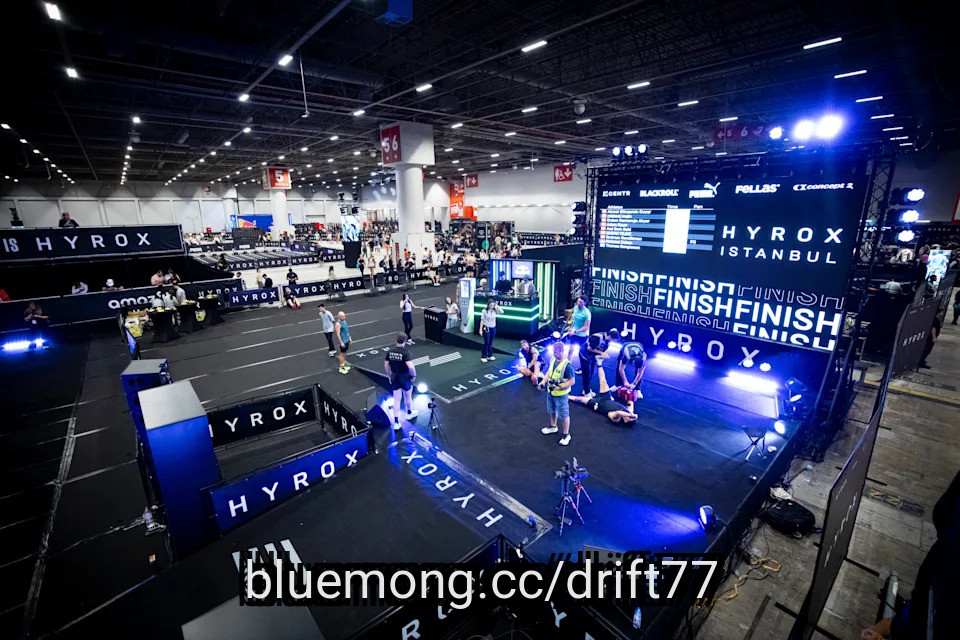
Hyrox, the global endurance fitness race, is revising its protocols after a top athlete soiled herself and was allowed to continue during a competition in Beijing on Sept. 12.
Photos from the indoor competition show Australian Joanna Wietrzyk, the 22-year-old Hyrox world champion, with fecal matter running down her legs during the age 16-24 elite race. Wietzryk won the race with a time of 1:01:23, besting second-place finisher Alyssa McElheny of the United States by 45 seconds.
The incident sparked online outrage over potential health risks, prompting Hyrox co-founder Moritz Furste to release a statement on Monday, Sept. 14 admitting that race organizers failed by not removing Wietryzk from the competition.
"HYROX made a mistake by not reacting immediately during the race," Furste wrote in an Instagram post. "In the end it is my job to foresee these potential incidents – and I did not. Of course, we started improving event processes, plus making rulebook changes immediately. As of this moment, there are new rules and procedures in place to prevent situations like this from happening again."
USA TODAY Sports reached out to Hyrox, Wietrzyk and her coach for comment on Monday morning and did not immediately hear back.
#immediately
Photos from the indoor competition show Australian Joanna Wietrzyk, the 22-year-old Hyrox world champion, with fecal matter running down her legs during the age 16-24 elite race. Wietzryk won the race with a time of 1:01:23, besting second-place finisher Alyssa McElheny of the United States by 45 seconds.
The incident sparked online outrage over potential health risks, prompting Hyrox co-founder Moritz Furste to release a statement on Monday, Sept. 14 admitting that race organizers failed by not removing Wietryzk from the competition.
"HYROX made a mistake by not reacting immediately during the race," Furste wrote in an Instagram post. "In the end it is my job to foresee these potential incidents – and I did not. Of course, we started improving event processes, plus making rulebook changes immediately. As of this moment, there are new rules and procedures in place to prevent situations like this from happening again."
USA TODAY Sports reached out to Hyrox, Wietrzyk and her coach for comment on Monday morning and did not immediately hear back.
#immediately

6 hours ago
India will look to seal the three-match T20I series against Afghanistan when the two teams meet in the second match at the Arun Jaitley Stadium on Tuesday.
India lead the series 1-0 after a convincing seven-wicket win in the first T20I. Afghanistan will need a much better performance to keep the series alive.
Afghanistan were in trouble early in the first T20I after losing five wickets for 43 runs inside the Power-play. Azmatullah Omarzai and Mohammad Nabi then put the innings back on track with an 83-run partnership.
Omarzai remained unbeaten on 64 off 44 **** as Afghanistan finished with 156/8. However, the total was not enough against India's strong batting line-up.
Arshdeep Singh was India's best bowler, taking 3/9. Jasprit **** rah also made an impact on his return to international cricket by picking up an early wicket. Axar Patel and Varun Chakaravarthy also took wickets as Afghanistan struggled to build momentum.
India made the chase look easy thanks to an explosive innings from Abhishek Sharma.
The left-handed opener smashed 82 off just 32 **** , hitting seven fours and seven sixes. Ishan Kishan also made a useful contribution with 42.
India reached 157/3 in only 13.4 overs to take a 1-0 lead in the series.
Afghanistan's biggest concern will be their top order.
Rahmanullah Gurbaz was dismissed for a duck in the first over of the opening T20I. Afghanistan will need their top-order batters to give the team a stronger start and provide a platform for players such as Omarzai, Nabi and Rashid Khan.
The visitors have several match-winners in their squad, including Rashid Khan, Noor Ahmad, Mujeeb Ur Rahman and Naveen-ul-Haq.
Captain Ibrahim Zadran, who is leading Afghanistan in his first series as full-time T20I captain, will hope his team can turn its individual talent into a more disciplined performance.
India also have some selection decisions to make despite their comfortable win in the first T20I.
Abhishek's 82 has strengthened his position at the top of the order, while Sanju Samson scored only 10 runs.
Ishan Kishan also scored 42, giving India another option in the batting line-up. Teenage batter Vaibhav Sooryavanshi could also be in contention after missing the first T20I.
India will also be without Harshit Rana, who has been ruled out after suffering a rectus femoris strain. Yash Thakur has joined the squad as his replacement.
A win on Tuesday will give India an unassailable 2-0 lead in the three-match series. Afghanistan, meanwhile, need a victory to take the series into a decider.
#first #lead #seven #need
India lead the series 1-0 after a convincing seven-wicket win in the first T20I. Afghanistan will need a much better performance to keep the series alive.
Afghanistan were in trouble early in the first T20I after losing five wickets for 43 runs inside the Power-play. Azmatullah Omarzai and Mohammad Nabi then put the innings back on track with an 83-run partnership.
Omarzai remained unbeaten on 64 off 44 **** as Afghanistan finished with 156/8. However, the total was not enough against India's strong batting line-up.
Arshdeep Singh was India's best bowler, taking 3/9. Jasprit **** rah also made an impact on his return to international cricket by picking up an early wicket. Axar Patel and Varun Chakaravarthy also took wickets as Afghanistan struggled to build momentum.
India made the chase look easy thanks to an explosive innings from Abhishek Sharma.
The left-handed opener smashed 82 off just 32 **** , hitting seven fours and seven sixes. Ishan Kishan also made a useful contribution with 42.
India reached 157/3 in only 13.4 overs to take a 1-0 lead in the series.
Afghanistan's biggest concern will be their top order.
Rahmanullah Gurbaz was dismissed for a duck in the first over of the opening T20I. Afghanistan will need their top-order batters to give the team a stronger start and provide a platform for players such as Omarzai, Nabi and Rashid Khan.
The visitors have several match-winners in their squad, including Rashid Khan, Noor Ahmad, Mujeeb Ur Rahman and Naveen-ul-Haq.
Captain Ibrahim Zadran, who is leading Afghanistan in his first series as full-time T20I captain, will hope his team can turn its individual talent into a more disciplined performance.
India also have some selection decisions to make despite their comfortable win in the first T20I.
Abhishek's 82 has strengthened his position at the top of the order, while Sanju Samson scored only 10 runs.
Ishan Kishan also scored 42, giving India another option in the batting line-up. Teenage batter Vaibhav Sooryavanshi could also be in contention after missing the first T20I.
India will also be without Harshit Rana, who has been ruled out after suffering a rectus femoris strain. Yash Thakur has joined the squad as his replacement.
A win on Tuesday will give India an unassailable 2-0 lead in the three-match series. Afghanistan, meanwhile, need a victory to take the series into a decider.
#first #lead #seven #need


6 hours ago
NEW DELHI: India pacer Kranti Gaud has been fined 10 per cent of her match fee for breaching the ICC Code of Conduct during the Women's Asia Cup final against Sri Lanka in Dubai on Sunday.
Gaud was found guilty of a Level 1 breach of the ICC Code of Conduct for Players and Player Support Personnel.
Gaud breached Article 2.5 of the ICC Code of Conduct, which relates to "using language, actions or gestures which disparage, or which could provoke an aggressive reaction from a batter upon his/her dismissal during an International Match."
The incident took place in the first over of Sri Lanka's innings. After dismissing opener Imesha Dulani, Gaud gestured in the direction of the pavilion.
Gaud admitted the offence and accepted the sanction proposed by Supriya Rani Das of the Emirates ICC International Panel of Match Referees. As a result, there was no need for a formal hearing.
On-field umpires Saleema Imtiaz and Shathira Jakir Jesy, third umpire Rokeya Sultana and fourth umpire Humaira Farah levelled the charge.
Along with the 10 per cent fine, one demerit point has been added to Gaud's disciplinary record.
It was her first offence in a 24-month period.
Level 1 breaches carry a minimum penalty of an official reprimand and a maximum penalty of 50 per cent of a player's match fee. They can also result in one or two demerit points.
Pakistan have been fined five per cent of their match fee for maintaining a slow over-rate during their Women's Asia Cup semifinal against Sri Lanka on Friday.
G.S. Lakshmi of the Emirates ICC International Panel of Match Referees imposed the sanction after Pakistan were found to be one over short of the target after time allowances were taken into consideration.
Under Article 2.22 of the ICC Code of Conduct for Players and Player Support Personnel, which deals with minimum over-rate offences, players are fined five per cent of their match fee for every over their team fails to bowl in the allotted time.
Pakistan captain Fatima Sana pleaded guilty to the offence and accepted the proposed sanction. Therefore, there was no need for a formal hearing.
On-field umpires Vrinda Rathi and Shathira Jakir Jesy, third umpire Rokeya Sultana and fourth umpire Rabab Ahsan levelled the charge.
#code #conduct #cent #umpire
Gaud was found guilty of a Level 1 breach of the ICC Code of Conduct for Players and Player Support Personnel.
Gaud breached Article 2.5 of the ICC Code of Conduct, which relates to "using language, actions or gestures which disparage, or which could provoke an aggressive reaction from a batter upon his/her dismissal during an International Match."
The incident took place in the first over of Sri Lanka's innings. After dismissing opener Imesha Dulani, Gaud gestured in the direction of the pavilion.
Gaud admitted the offence and accepted the sanction proposed by Supriya Rani Das of the Emirates ICC International Panel of Match Referees. As a result, there was no need for a formal hearing.
On-field umpires Saleema Imtiaz and Shathira Jakir Jesy, third umpire Rokeya Sultana and fourth umpire Humaira Farah levelled the charge.
Along with the 10 per cent fine, one demerit point has been added to Gaud's disciplinary record.
It was her first offence in a 24-month period.
Level 1 breaches carry a minimum penalty of an official reprimand and a maximum penalty of 50 per cent of a player's match fee. They can also result in one or two demerit points.
Pakistan have been fined five per cent of their match fee for maintaining a slow over-rate during their Women's Asia Cup semifinal against Sri Lanka on Friday.
G.S. Lakshmi of the Emirates ICC International Panel of Match Referees imposed the sanction after Pakistan were found to be one over short of the target after time allowances were taken into consideration.
Under Article 2.22 of the ICC Code of Conduct for Players and Player Support Personnel, which deals with minimum over-rate offences, players are fined five per cent of their match fee for every over their team fails to bowl in the allotted time.
Pakistan captain Fatima Sana pleaded guilty to the offence and accepted the proposed sanction. Therefore, there was no need for a formal hearing.
On-field umpires Vrinda Rathi and Shathira Jakir Jesy, third umpire Rokeya Sultana and fourth umpire Rabab Ahsan levelled the charge.
#code #conduct #cent #umpire


6 hours ago
Glentoran manager Declan Devine is set to leave the club amid the east Belfast outfit's poor start to the Irish Premiership season.
An agreement over his departure was reached on Monday with the Glens winless in their past three league games and sat eighth in the table with seven points from their opening six fixtures.
Devine's last game in charge was a frustrating 1-1 draw with Bangor at the Oval on Saturday and the full-time whistle was met by a chorus of boos from the home faithful.
Former Glens goalkeeper Devine took over at the 23-time league champions initially as interim boss in March 2024 after Warren Feeney was sacked.
He was given the role as permanent boss the following month and guided Glentoran to the County Antrim Shield in the 2024-25 season, their first trophy in five years.
#glentoran #declan
An agreement over his departure was reached on Monday with the Glens winless in their past three league games and sat eighth in the table with seven points from their opening six fixtures.
Devine's last game in charge was a frustrating 1-1 draw with Bangor at the Oval on Saturday and the full-time whistle was met by a chorus of boos from the home faithful.
Former Glens goalkeeper Devine took over at the 23-time league champions initially as interim boss in March 2024 after Warren Feeney was sacked.
He was given the role as permanent boss the following month and guided Glentoran to the County Antrim Shield in the 2024-25 season, their first trophy in five years.
#glentoran #declan


7 hours ago
Southern Company (SO) and Vistra (VST) both profited from AI power demand, yet VST shares are down 30% over the past year.
U.S. electricity prices climbed 4% over the past year, outpacing headline inflation and directly contradicting Musk's claim that AI data centers lower consumer bills.
The $180 annual savings Musk cited applies to one Georgia utility's contract; new AI-driven generation will land in rate bases all ratepayers fund.
Just released. Our ***** ysts combed the entire stock market and named the ten best stocks to buy right now, and Southern Company didn't make the cut. Enter your email to see the names that beat SO. The report is free. Enter your email and see if any of your stocks made the cut.
At 10:18 a.m. ET on Monday, Elon Musk told his audience that "AI data centers resulting in lower electricity prices for consumers" and pointed to a post claiming Georgia Power's new large-load contracts, overwhelmingly data centers, will save customers nearly a billion dollars, erasing about $180 per year from their bills. The post reached more than 503,000 impressions. Twelve days earlier, West Virginia Governor Patrick Morrisey made the same argument on CNBC, saying net electricity prices will be lower when data centers come in. It is becoming an industry talking point. It is also colliding with the price data Americans actually pay.
#data #centers #company #musk
U.S. electricity prices climbed 4% over the past year, outpacing headline inflation and directly contradicting Musk's claim that AI data centers lower consumer bills.
The $180 annual savings Musk cited applies to one Georgia utility's contract; new AI-driven generation will land in rate bases all ratepayers fund.
Just released. Our ***** ysts combed the entire stock market and named the ten best stocks to buy right now, and Southern Company didn't make the cut. Enter your email to see the names that beat SO. The report is free. Enter your email and see if any of your stocks made the cut.
At 10:18 a.m. ET on Monday, Elon Musk told his audience that "AI data centers resulting in lower electricity prices for consumers" and pointed to a post claiming Georgia Power's new large-load contracts, overwhelmingly data centers, will save customers nearly a billion dollars, erasing about $180 per year from their bills. The post reached more than 503,000 impressions. Twelve days earlier, West Virginia Governor Patrick Morrisey made the same argument on CNBC, saying net electricity prices will be lower when data centers come in. It is becoming an industry talking point. It is also colliding with the price data Americans actually pay.
#data #centers #company #musk




8 hours ago
The high school sports season has reached the midpoint of September.
This story provides a look ahead at the week of Sept. 14 – Sept. 19 with games and meets to watch across boys and girls volleyball and cross country for Oshkosh, Fond du Lac schools.
As the season progresses, this story will also provide a look at notable accomplishments, how conference races are shaking out and anything newsworthy that happens across the non-football fall sports.
To make sure your game, accomplishment or accolade is included, please reach out to sports reporter Ben Schultz via email at BSchultzusatodayco.com with the information you think is noteworthy.
More: Top high school performers in Oshkosh, Fond du Lac from Aug. 31 - Sept. 6
#sept #sports #story
This story provides a look ahead at the week of Sept. 14 – Sept. 19 with games and meets to watch across boys and girls volleyball and cross country for Oshkosh, Fond du Lac schools.
As the season progresses, this story will also provide a look at notable accomplishments, how conference races are shaking out and anything newsworthy that happens across the non-football fall sports.
To make sure your game, accomplishment or accolade is included, please reach out to sports reporter Ben Schultz via email at BSchultzusatodayco.com with the information you think is noteworthy.
More: Top high school performers in Oshkosh, Fond du Lac from Aug. 31 - Sept. 6
#sept #sports #story


8 hours ago
Vale S.A. (NYSE:VALE) is considering making its debut in China's domestic bond market as soon as this year, with CFO Marcelo Bacci saying the company is preparing for a potential Panda bond issuance. The move would be strategically significant because China accounts for roughly half of Vale's revenue, making renminbi financing a natural extension of its relationship with its largest market. Bloomberg reported that Vale is still ****** sing the market, including whether it can obtain a maturity longer than the typical two-, three-, or five-year terms available to international issuers.
The timing is also favorable for Vale because China's Panda bond market is expanding rapidly. Reuters reported that foreign issuers have increasingly turned to Asian bond markets to diversify funding sources, while Chinese yuan bond issuance has reached record levels in 2026. For Vale S.A. (NYSE:VALE), the potential transaction therefore looks less like a necessity for raising capital and more like an effort to diversify its investor base, potentially lower funding costs, and build a longer-term financing relationship with Chinese investors.
The strongest bullish argument is that Vale S.A. (NYSE:VALE) could potentially lower and diversify its cost of capital by accessing a large pool of Chinese investors at a time when renminbi funding remains relatively inexpensive. Reuters noted that Chinese onshore and offshore yuan bond markets have experienced record issuance this year, with foreign borrowers increasingly using these markets to diversify away from traditional funding currencies. If Vale can achieve competitive pricing, a Panda bond could provide an additional funding channel alongside its established dollar financing, reducing its dependence on a single market.
The move could also create a better natural match between Vale's revenues and its financing currency. Because China represents approximately half of Vale's revenue, raising at least some debt in renminbi could provide a degree of currency alignment with its Chinese business exposure. More importantly, establishing itself as a repeat issuer could strengthen Vale's relationships with Chinese banks and institutional investors, potentially giving it access to another source of capital when global dollar markets become less attractive.
There is also a broader strategic benefit. China is actively expanding the Panda bond market and encouraging international companies to use it. Official Chinese data showed that more than 160 billion yuan of Panda bonds were issued during the first half of 2026, up 69% year over year, demonstrating that the market is becoming more established and liquid. Vale entering this market could therefore position the company early in a growing financing ecosystem rather than waiting until it becomes more crowded.
#chinese #bond #panda #China
The timing is also favorable for Vale because China's Panda bond market is expanding rapidly. Reuters reported that foreign issuers have increasingly turned to Asian bond markets to diversify funding sources, while Chinese yuan bond issuance has reached record levels in 2026. For Vale S.A. (NYSE:VALE), the potential transaction therefore looks less like a necessity for raising capital and more like an effort to diversify its investor base, potentially lower funding costs, and build a longer-term financing relationship with Chinese investors.
The strongest bullish argument is that Vale S.A. (NYSE:VALE) could potentially lower and diversify its cost of capital by accessing a large pool of Chinese investors at a time when renminbi funding remains relatively inexpensive. Reuters noted that Chinese onshore and offshore yuan bond markets have experienced record issuance this year, with foreign borrowers increasingly using these markets to diversify away from traditional funding currencies. If Vale can achieve competitive pricing, a Panda bond could provide an additional funding channel alongside its established dollar financing, reducing its dependence on a single market.
The move could also create a better natural match between Vale's revenues and its financing currency. Because China represents approximately half of Vale's revenue, raising at least some debt in renminbi could provide a degree of currency alignment with its Chinese business exposure. More importantly, establishing itself as a repeat issuer could strengthen Vale's relationships with Chinese banks and institutional investors, potentially giving it access to another source of capital when global dollar markets become less attractive.
There is also a broader strategic benefit. China is actively expanding the Panda bond market and encouraging international companies to use it. Official Chinese data showed that more than 160 billion yuan of Panda bonds were issued during the first half of 2026, up 69% year over year, demonstrating that the market is becoming more established and liquid. Vale entering this market could therefore position the company early in a growing financing ecosystem rather than waiting until it becomes more crowded.
#chinese #bond #panda #China


9 hours ago
The family of Celeste Rivas Hernandez, who would have turned 16 this week, has named D4vd in a wrongful death lawsuit.
The Withered artist was ordered to stand trial in Celeste's murder back in July, with prosecutors accusing him of "brutally killing [the 14-year-old] because he feared their illicit ***** ual relationship would ruin his aspiring career." In addition to the murder, D4vd, born David Burke, is charged with continuous ***** ual abuse of a child and unlawful mutilation of human remains.
Separately, per this report from Los Angeles Times, Celeste's parents, Mercedes Martinez and Jesus Rivas, have now hit D4vd with a wrongful death lawsuit. The suit finds the family seeking damages from the singer, who has pleaded not guilty in the criminal case. Also named are managers, his mother, and others close to him.
Complex has reached out to a rep for Celeste's family for comment on the lawsuit. This story may be updated.
COMPLEX SHOP: Shop the brands you love, anytime and anywhere. Uncover what's next. Buy. Collect. Obsess.
#d4vd #wrongful #death #murder
The Withered artist was ordered to stand trial in Celeste's murder back in July, with prosecutors accusing him of "brutally killing [the 14-year-old] because he feared their illicit ***** ual relationship would ruin his aspiring career." In addition to the murder, D4vd, born David Burke, is charged with continuous ***** ual abuse of a child and unlawful mutilation of human remains.
Separately, per this report from Los Angeles Times, Celeste's parents, Mercedes Martinez and Jesus Rivas, have now hit D4vd with a wrongful death lawsuit. The suit finds the family seeking damages from the singer, who has pleaded not guilty in the criminal case. Also named are managers, his mother, and others close to him.
Complex has reached out to a rep for Celeste's family for comment on the lawsuit. This story may be updated.
COMPLEX SHOP: Shop the brands you love, anytime and anywhere. Uncover what's next. Buy. Collect. Obsess.
#d4vd #wrongful #death #murder




9 hours ago
NEW YORK — Forget the Honey Deuces and the celebrities-in-the-audience shots. The finest element of the U.S. Open — the Grand Slam held in the largest tennis stadium in the world — will always be the tennis itself. The trick, in 2026 and beyond, is how to get audiences to actually care about, you know, that tennis.
Ben Shelton and Alexander Zverev did their very best on Sunday, bringing both narrative and firepower to the four-set men's final. Yes, the influencers were posing at every aisle on every changeover, and more than a few fans appeared unclear on the basic concept of "sit your ******* down while the point is going on." But when Shelton and Zverev locked in, unleashing serves that nearly hit 150 mph or lashing shots that skipped a fingernail's width in bounds, the crowd was right there with them, rising and falling, a living thing that pulsed with energy unlike any other stadium in tennis.
Less than 24 hours earlier on the same court, Elena Rybakina finished off Aryna Sabalenka in a three-set triumph of resolve and willpower over emotion and firepower. Sabalenka, who had won the previous two Opens, entered as the crowd favorite. But the fans in the stands at Arthur Ashe love hard-fought on-court battles as much as they love the endless scroll of celebrity cameos on the video boards. So after a couple dozen Hollywood and music stars took their turns to varying volumes of applause, the crowd focused in on the match. Sabalenka drew motivational cheers, and then, once the result was clear, Rybakina inspired celebratory ones.
The two matches ended this year's U.S. Open on a triumphant note. At last, the tennis tournament centered on actual tennis, not ticket prices or runway-style entrances to Arthur Ashe Stadium or hundred-dollar chicken nuggets. (Yes, I admit it, I was part of the problem with that last one.)
The influencers' presence dominated the early coverage of the U.S. Open, in large part because they did their job of drawing attention to themselves. But by the time the tournament reached its final crescendo, the influencers had moved on. Two hours before the men's final, the cheapest tickets to get in the stadium could be had for less than $400, suggesting that tennis for tennis' sake isn't the primary motivator for many attending the U.S. Open.
#crowd #shelton
Ben Shelton and Alexander Zverev did their very best on Sunday, bringing both narrative and firepower to the four-set men's final. Yes, the influencers were posing at every aisle on every changeover, and more than a few fans appeared unclear on the basic concept of "sit your ******* down while the point is going on." But when Shelton and Zverev locked in, unleashing serves that nearly hit 150 mph or lashing shots that skipped a fingernail's width in bounds, the crowd was right there with them, rising and falling, a living thing that pulsed with energy unlike any other stadium in tennis.
Less than 24 hours earlier on the same court, Elena Rybakina finished off Aryna Sabalenka in a three-set triumph of resolve and willpower over emotion and firepower. Sabalenka, who had won the previous two Opens, entered as the crowd favorite. But the fans in the stands at Arthur Ashe love hard-fought on-court battles as much as they love the endless scroll of celebrity cameos on the video boards. So after a couple dozen Hollywood and music stars took their turns to varying volumes of applause, the crowd focused in on the match. Sabalenka drew motivational cheers, and then, once the result was clear, Rybakina inspired celebratory ones.
The two matches ended this year's U.S. Open on a triumphant note. At last, the tennis tournament centered on actual tennis, not ticket prices or runway-style entrances to Arthur Ashe Stadium or hundred-dollar chicken nuggets. (Yes, I admit it, I was part of the problem with that last one.)
The influencers' presence dominated the early coverage of the U.S. Open, in large part because they did their job of drawing attention to themselves. But by the time the tournament reached its final crescendo, the influencers had moved on. Two hours before the men's final, the cheapest tickets to get in the stadium could be had for less than $400, suggesting that tennis for tennis' sake isn't the primary motivator for many attending the U.S. Open.
#crowd #shelton



9 hours ago
Costco has raised the price of its Kirkland Signature full-synthetic motor oil and begun limiting how much any one member can purchase, as a global lubricant shortage tied to the ongoing Middle East conflict pushes crude oil toward $100 a barrel.
That 10-quart case — two 5-quart bottles, enough for a typical V6 or V8 oil change — has jumped to $57.99, compared with the roughly $30 price members had grown accustomed to paying, according to The Drive. Stores are capping purchases at two units per customer per week. The retailer has also imposed a five-per-member limit on Mobil 1, with six quarts of that brand running $44.
The rationing reflects pressure from multiple directions. The connection to fuel prices runs through the refinery: base oil shares its crude-oil origins with gasoline and diesel, so when margins on finished fuel are strong, refiners have a financial reason to favor fuel production over lubricant stock, according to The Auto Wire. EIA data showed the gasoline crack spread sitting roughly a dollar per gallon higher than where it stood at the same point in 2025, a gap that has squeezed base oil availability and pushed its price upward.
Regulatory and licensing costs add a separate layer of expense. The Kirkland 5W-30 displays the dexos1 Gen 3 certification, GM's proprietary specification, and earning that mark is not free — manufacturers must put their formulation through GM's independent testing protocol and obtain a license from the automaker, paying separately for each product and each unit sold, according to The Auto Wire. Layered on top of that is an industry-wide burden: when the API SP category took effect around 2020, it introduced seven additional laboratory tests with no equivalent in the previous standard, among them a procedure targeting low-speed pre-ignition, the knock-like detonation problem **** ociated with modern turbocharged, direct-injection engines.
The supply squeeze is unfolding against a backdrop of a worsening global oil deficit. The International Energy Agency cut its 2026 global oil supply forecast to 102 million barrels per day in August, projecting a deficit of 1.8 million barrels per day in the third quarter — more than double its prior estimate. **** ulative global inventory draws since the start of the U.S.-Iran conflict have reached more than 500 million barrels, and Chevron CEO Mike Wirth said last week that the cushions that had softened earlier price increases have been exhausted. U.S. diesel prices crossed $6 per gallon for the first time, sitting at $6.06 as of Monday, an 8-cent increase from Sunday and 21 cents above week-earlier levels, according to AAA.
#barrels #wire
That 10-quart case — two 5-quart bottles, enough for a typical V6 or V8 oil change — has jumped to $57.99, compared with the roughly $30 price members had grown accustomed to paying, according to The Drive. Stores are capping purchases at two units per customer per week. The retailer has also imposed a five-per-member limit on Mobil 1, with six quarts of that brand running $44.
The rationing reflects pressure from multiple directions. The connection to fuel prices runs through the refinery: base oil shares its crude-oil origins with gasoline and diesel, so when margins on finished fuel are strong, refiners have a financial reason to favor fuel production over lubricant stock, according to The Auto Wire. EIA data showed the gasoline crack spread sitting roughly a dollar per gallon higher than where it stood at the same point in 2025, a gap that has squeezed base oil availability and pushed its price upward.
Regulatory and licensing costs add a separate layer of expense. The Kirkland 5W-30 displays the dexos1 Gen 3 certification, GM's proprietary specification, and earning that mark is not free — manufacturers must put their formulation through GM's independent testing protocol and obtain a license from the automaker, paying separately for each product and each unit sold, according to The Auto Wire. Layered on top of that is an industry-wide burden: when the API SP category took effect around 2020, it introduced seven additional laboratory tests with no equivalent in the previous standard, among them a procedure targeting low-speed pre-ignition, the knock-like detonation problem **** ociated with modern turbocharged, direct-injection engines.
The supply squeeze is unfolding against a backdrop of a worsening global oil deficit. The International Energy Agency cut its 2026 global oil supply forecast to 102 million barrels per day in August, projecting a deficit of 1.8 million barrels per day in the third quarter — more than double its prior estimate. **** ulative global inventory draws since the start of the U.S.-Iran conflict have reached more than 500 million barrels, and Chevron CEO Mike Wirth said last week that the cushions that had softened earlier price increases have been exhausted. U.S. diesel prices crossed $6 per gallon for the first time, sitting at $6.06 as of Monday, an 8-cent increase from Sunday and 21 cents above week-earlier levels, according to AAA.
#barrels #wire

2 days ago
The moment Vernell Brown III reached the end zone; a bolt of energy returned to Ben Hill Griffin Stadium.
It was energy that sat dormant for four years during Billy Napier's four years as Florida football coach. Jon Sumrall relit the flame with 66 points last week vs. Florida Atlantic, but that fire fizzled out in a sluggish first quarter vs. FCS foe Campbell.
Until Brown III caught a punt early in the second quarter.
64 yards later, he landed in the end zone. Three minutes later, Brown III once again reigned in a punt and scored another touchdown.
The two scores entered Brown into an elusive category, joining Jacquez Green as the only two Gators to return two punts for TDs in a single game.
#brown #zone #punt
It was energy that sat dormant for four years during Billy Napier's four years as Florida football coach. Jon Sumrall relit the flame with 66 points last week vs. Florida Atlantic, but that fire fizzled out in a sluggish first quarter vs. FCS foe Campbell.
Until Brown III caught a punt early in the second quarter.
64 yards later, he landed in the end zone. Three minutes later, Brown III once again reigned in a punt and scored another touchdown.
The two scores entered Brown into an elusive category, joining Jacquez Green as the only two Gators to return two punts for TDs in a single game.
#brown #zone #punt





2 days ago
Jim Cramer sees Enterprise Products Partners L.P. (NYSE:EPD) as a major beneficiary of the disruption surrounding the Strait of Hormuz, as he said during the September 8 episode of Mad Money:
When I wrote How to Make Money in Any Market… I didn't know that Enterprise Products Partners was going to be the, maybe the single biggest pipeline winner in this country thanks to the war. I didn't see that war coming. The CEO of Enterprise, Jim Teague, has raised awareness for the company's profit opportunity because of the Hormuz closing. The margins of some of its liquids, like ethane to ethylene, ethylene to polyethylene, have soared. As Teague says, the Houston Ship Channel is now just as important as the Strait of Hormuz. Now, there's an endorsement. Stock yields 5.8%.
Enterprise Products Partners L.P. (NYSE:EPD) reported record second-quarter adjusted EBITDA of $2.8 billion, up 17% year over year, while operational distributable cash flow reached a record $2.3 billion, up 21%. Moreover, pipeline volumes reached a record 14.7 million barrels of oil equivalent per day, up 8%, while marine-terminal volumes increased 33% to 2.8 million barrels per day. Co-Chief Executive Officer James Teague said:
Volumes at our marine terminals have returned to normal levels in June and July after the initial rush to backfill volumes affected by hostilities in the Middle East in April and May.
In July, Enterprise Products Partners L.P. (NYSE:EPD) declared a quarterly distribution of $0.56 per unit, or $2.24 annualized, a 2.8% increase from a year earlier. At EPD's September 8 closing price of $38.83, that equates to a yield of approximately 5.8%. The company has increased its distribution for 27 consecutive years. The company's latest investor materials show $6.5 billion of major capital projects under construction. It expects 2026 organic growth capital spending, net of ***** et-sale proceeds, of $2.9 billion to $3.4 billion. The company retained $1.1 billion of DCF for internally funded growth capital expenditures and buybacks.
#partners #hormuz
When I wrote How to Make Money in Any Market… I didn't know that Enterprise Products Partners was going to be the, maybe the single biggest pipeline winner in this country thanks to the war. I didn't see that war coming. The CEO of Enterprise, Jim Teague, has raised awareness for the company's profit opportunity because of the Hormuz closing. The margins of some of its liquids, like ethane to ethylene, ethylene to polyethylene, have soared. As Teague says, the Houston Ship Channel is now just as important as the Strait of Hormuz. Now, there's an endorsement. Stock yields 5.8%.
Enterprise Products Partners L.P. (NYSE:EPD) reported record second-quarter adjusted EBITDA of $2.8 billion, up 17% year over year, while operational distributable cash flow reached a record $2.3 billion, up 21%. Moreover, pipeline volumes reached a record 14.7 million barrels of oil equivalent per day, up 8%, while marine-terminal volumes increased 33% to 2.8 million barrels per day. Co-Chief Executive Officer James Teague said:
Volumes at our marine terminals have returned to normal levels in June and July after the initial rush to backfill volumes affected by hostilities in the Middle East in April and May.
In July, Enterprise Products Partners L.P. (NYSE:EPD) declared a quarterly distribution of $0.56 per unit, or $2.24 annualized, a 2.8% increase from a year earlier. At EPD's September 8 closing price of $38.83, that equates to a yield of approximately 5.8%. The company has increased its distribution for 27 consecutive years. The company's latest investor materials show $6.5 billion of major capital projects under construction. It expects 2026 organic growth capital spending, net of ***** et-sale proceeds, of $2.9 billion to $3.4 billion. The company retained $1.1 billion of DCF for internally funded growth capital expenditures and buybacks.
#partners #hormuz


2 days ago
ST. PETERSBURG, Fla. - A second straight game without Yordan Alvarez reinforced a reality. The Houston Astros need more consistent sources of offense, with time running short for them to emerge.
A lineup missing its leading threat mustered five hits in a 3-2 loss to the Tampa Bay Rays on Saturday, undermining a determined start by right-hander Peter Lambert and ensuring a series loss to the American League's first playoff entrant at Tropicana Field.
The Astros, who entered with the fifth-fewest runs in the majors since the Aug. 3 trade deadline, scored three or fewer for the 21st time in 35 games in that stretch. The offensive downturn might be presenting a direr threat to their playoff hopes if not for an inept division. The loss left Houston with a 2 ½-game AL West lead over the Rangers, who entered the day four games under .500, pending Texas' result.
The Astros are 75-74 with 13 games remaining on their schedule. Yainer Diaz had three of their five hits Saturday, including a run-scoring single in the sixth inning. Isaac Paredes' solo home run in the first against Rays starter Ian Seymour, who worked six strong frames, provided their only other run. Houston hitters were 2-for-6 with runners in scoring position and stranded six men on base.
The first was Seymour's rockiest inning, as three straight batters reached. Daulton Varsho and Christian Walker struck out to defuse the threat. Richie Palacios' two-run single wrought the first blemish against Lambert in his six-plus innings. Nick Madrigal broke a 2-2 tie for the Rays with a pinch-hit sacrifice fly in the bottom of the seventh.
#houston #astros #rays #lambert
A lineup missing its leading threat mustered five hits in a 3-2 loss to the Tampa Bay Rays on Saturday, undermining a determined start by right-hander Peter Lambert and ensuring a series loss to the American League's first playoff entrant at Tropicana Field.
The Astros, who entered with the fifth-fewest runs in the majors since the Aug. 3 trade deadline, scored three or fewer for the 21st time in 35 games in that stretch. The offensive downturn might be presenting a direr threat to their playoff hopes if not for an inept division. The loss left Houston with a 2 ½-game AL West lead over the Rangers, who entered the day four games under .500, pending Texas' result.
The Astros are 75-74 with 13 games remaining on their schedule. Yainer Diaz had three of their five hits Saturday, including a run-scoring single in the sixth inning. Isaac Paredes' solo home run in the first against Rays starter Ian Seymour, who worked six strong frames, provided their only other run. Houston hitters were 2-for-6 with runners in scoring position and stranded six men on base.
The first was Seymour's rockiest inning, as three straight batters reached. Daulton Varsho and Christian Walker struck out to defuse the threat. Richie Palacios' two-run single wrought the first blemish against Lambert in his six-plus innings. Nick Madrigal broke a 2-2 tie for the Rays with a pinch-hit sacrifice fly in the bottom of the seventh.
#houston #astros #rays #lambert


2 days ago
Toward the end of the lightning round on September 8, when a caller inquired about AstraZeneca PLC (NYSE:AZN), Mad Money host Jim Cramer commented:
Alright, now, AstraZeneca reminds me of a company, it's not unlike Novartis. I'm a little nervous about it. It's been missing some of its trials. I don't think COPD is enough to change my mind… I am not going to put my money on AstraZeneca.
AstraZeneca PLC (NYSE:AZN) maintains a solid financial foundation supported by steady top-line growth and disciplined cost management. In its second-quarter report, the company generated total revenue of $15.38 billion, marking a 6.4% increase compared to the same period last year. Adjusted earnings per share reached $2.63, outperforming ****** yst consensus estimates.
The profitability was driven by strong global demand for core oncology and rare disease treatments, which successfully offset revenue headwinds from generic competition affecting older blockbusters like Farxiga and Brilinta. With a net margin hovering around 17.02% and management reiterating its full-year guidance for mid-to-high single-digit revenue growth along with low double-digit core EPS expansion, the core business continues to demonstrate commercial resilience.
The primary driver behind the skepticism could be based on tangible execution risks and regulatory hurdles that threaten AstraZeneca PLC's (NYSE:AZN) long-term top line. A significant blow to the rare disease division came when anselamimab failed to achieve statistical significance for the primary endpoint in the overall AL amyloidosis population in the Phase III CARES program, although AstraZeneca reported encouraging results in a prespecified subgroup of patients with kappa light-chain amyloidosis.
#management
Alright, now, AstraZeneca reminds me of a company, it's not unlike Novartis. I'm a little nervous about it. It's been missing some of its trials. I don't think COPD is enough to change my mind… I am not going to put my money on AstraZeneca.
AstraZeneca PLC (NYSE:AZN) maintains a solid financial foundation supported by steady top-line growth and disciplined cost management. In its second-quarter report, the company generated total revenue of $15.38 billion, marking a 6.4% increase compared to the same period last year. Adjusted earnings per share reached $2.63, outperforming ****** yst consensus estimates.
The profitability was driven by strong global demand for core oncology and rare disease treatments, which successfully offset revenue headwinds from generic competition affecting older blockbusters like Farxiga and Brilinta. With a net margin hovering around 17.02% and management reiterating its full-year guidance for mid-to-high single-digit revenue growth along with low double-digit core EPS expansion, the core business continues to demonstrate commercial resilience.
The primary driver behind the skepticism could be based on tangible execution risks and regulatory hurdles that threaten AstraZeneca PLC's (NYSE:AZN) long-term top line. A significant blow to the rare disease division came when anselamimab failed to achieve statistical significance for the primary endpoint in the overall AL amyloidosis population in the Phase III CARES program, although AstraZeneca reported encouraging results in a prespecified subgroup of patients with kappa light-chain amyloidosis.
#management


2 days ago
Investors seeking exposure to artificial intelligence infrastructure must weigh the explosive growth of Astera Labs Inc (NASDAQ:ALAB) against the established scale and diverse portfolio of Marvell Technology Inc(NASDAQ:MRVL) to determine the better buy.
Both companies focus on the plumbing of the digital world, ensuring data moves quickly between processors and memory. While Astera Labs focuses on specialized connectivity for AI racks, Marvell offers a broader range of networking, storage, and custom compute solutions. This comparison explores which strategy offers more potential for long-term investors.
Astera Labs designs connectivity solutions that integrate various protocols to support rack-scale AI infrastructure, a high-growth niche among semiconductor stocks. The company serves major hyperscalers and equipment manufacturers who need to overcome data bottlenecks in massive data centers, though its revenue is highly concentrated. In 2025, one end customer -- Amazon.com Inc (NASDAQ:AMZN) -- accounted for over 70% of revenue, which adds a significant layer of risk to the business model.
According to its latest annual report, filed for the fiscal year ended Dec. 31, 2025, revenue reached close to $853 million, representing a significant jump of 115% compared with the prior fiscal year. This growth trajectory helped the company transition to a net income of just over $219 million after recording losses in the previous two years. The net margin for the latest year was close to 26%.
As of its December 2025 balance sheet, the debt-to-equity ratio was 0.0x, meaning the company carries no debt relative to its shareholder equity, while the so-called current ratio was 10.2x. Free cash flow for the period reached nearly $282 million. Note that stock-based compensation (SBC) represented roughly 50.1% of operating cash flow, which inflates reported cash generation since SBC is a non-cash expense added back in the cash flow statement.
#company #million
Both companies focus on the plumbing of the digital world, ensuring data moves quickly between processors and memory. While Astera Labs focuses on specialized connectivity for AI racks, Marvell offers a broader range of networking, storage, and custom compute solutions. This comparison explores which strategy offers more potential for long-term investors.
Astera Labs designs connectivity solutions that integrate various protocols to support rack-scale AI infrastructure, a high-growth niche among semiconductor stocks. The company serves major hyperscalers and equipment manufacturers who need to overcome data bottlenecks in massive data centers, though its revenue is highly concentrated. In 2025, one end customer -- Amazon.com Inc (NASDAQ:AMZN) -- accounted for over 70% of revenue, which adds a significant layer of risk to the business model.
According to its latest annual report, filed for the fiscal year ended Dec. 31, 2025, revenue reached close to $853 million, representing a significant jump of 115% compared with the prior fiscal year. This growth trajectory helped the company transition to a net income of just over $219 million after recording losses in the previous two years. The net margin for the latest year was close to 26%.
As of its December 2025 balance sheet, the debt-to-equity ratio was 0.0x, meaning the company carries no debt relative to its shareholder equity, while the so-called current ratio was 10.2x. Free cash flow for the period reached nearly $282 million. Note that stock-based compensation (SBC) represented roughly 50.1% of operating cash flow, which inflates reported cash generation since SBC is a non-cash expense added back in the cash flow statement.
#company #million

2 days ago
High-performance computing is currently undergoing a massive generational shift. Deciding between Astera Labs Inc (NASDAQ:ALAB) and Applied Materials Inc (NASDAQ:AMAT) means choosing between a fast-growing connectivity specialist and an established ******* an of manufacturing equipment.
Astera Labs focuses on the internal plumbing of data centers, providing chips that move data between processors. Applied Materials builds the actual machines that make those chips possible. While both benefit from artificial intelligence, they occupy very different rungs on the technology ladder.
Astera Labs sells high-speed connectivity hardware and software designed for AI-heavy data centers. Its primary products include PCIe and Ethernet solutions that help hyperscale cloud providers manage massive data workloads. In its latest annual report, filed for the period ending December 31, 2025, the company noted that one end customer represented more than 70% of its revenue. Customer concentration like this adds a layer of risk to the business.
In FY 2025, revenue reached nearly $853 million, which is an increase of approximately 115% over the prior year. This growth resulted in a net income of roughly $219 million, compared to a net loss in the previous fiscal year. The company recorded a net margin of close to 26% during this period. Such expansion is notable among semiconductor stocks catering to the cloud market.
The company carries no debt, resulting in a debt-to-equity ratio of 0.0x. This metric compares total debt to shareholder equity to show how a firm finances its ******* ets. As of its December 2025 balance sheet, the so-called current ratio was nearly 10.2x, indicating a strong ability to cover short-term debts. Free cash flow was roughly $282 million. Note that stock-based compensation represented just about 50% of operating cash flow, which inflates reported cash generation since SBC is a non-cash expense added back in the cash flow statement.
#million #flow #NASDAQ
Astera Labs focuses on the internal plumbing of data centers, providing chips that move data between processors. Applied Materials builds the actual machines that make those chips possible. While both benefit from artificial intelligence, they occupy very different rungs on the technology ladder.
Astera Labs sells high-speed connectivity hardware and software designed for AI-heavy data centers. Its primary products include PCIe and Ethernet solutions that help hyperscale cloud providers manage massive data workloads. In its latest annual report, filed for the period ending December 31, 2025, the company noted that one end customer represented more than 70% of its revenue. Customer concentration like this adds a layer of risk to the business.
In FY 2025, revenue reached nearly $853 million, which is an increase of approximately 115% over the prior year. This growth resulted in a net income of roughly $219 million, compared to a net loss in the previous fiscal year. The company recorded a net margin of close to 26% during this period. Such expansion is notable among semiconductor stocks catering to the cloud market.
The company carries no debt, resulting in a debt-to-equity ratio of 0.0x. This metric compares total debt to shareholder equity to show how a firm finances its ******* ets. As of its December 2025 balance sheet, the so-called current ratio was nearly 10.2x, indicating a strong ability to cover short-term debts. Free cash flow was roughly $282 million. Note that stock-based compensation represented just about 50% of operating cash flow, which inflates reported cash generation since SBC is a non-cash expense added back in the cash flow statement.
#million #flow #NASDAQ


2 days ago
Navan Inc. (NASDAQ:NAVN), a global AI-enabled business travel and expense management solutions provider, announced its second quarter results on September 9. The company registered a 45% growth in its gross booking volume (GBV), which reached more than $3 billion. Such growth was fueled by cohort expansion, customer additions and increase in its existing install base. Total revenue for the quarter was $233 million, representing a 35% year-over-year jump. The company's adjusted operating income more than doubled compared to Q2 FY26, and the quarter also saw positive cash flow generation.
Copyright: kentoh / 123RF Stock Photo
Navan delivered robust performance during the recently concluded quarter, driven by a 35% increase in usage revenue which clocked in at $211 million. Subscription revenue was also up 39%, reaching $21 million. Apart from the 45% GBV expansion, a 34% growth was witnessed in Q2 Payment Volume which stood at $1.3 billion. One of the highlights of this quarter was a turnaround in adjusted net income, which jumped from an $8 million loss in Q2 FY26 to a $14 million profit for the reported period.
Enterprise market momentum remained persistent during the period, as the company established partnerships with leading names such as Evotec, Enbridge, ****** mins, and Ingersoll Rand. Significant progress was made around the Navan's proprietary AI agent, Ava, which managed roughly 60% of the total customer interactions. More than 50% of AI calls are now being managed through the company's in-house AI models, compared to 30% for the previous quarter.
Additionally, the company finalized its acquisition of a leading travel management business, Smartrips. This will enable Navan to expand its presence within the swiftly expanding Latin American market. Navan also acquired an AI-led meetings and events management platform, BoomPop.
#volume
Copyright: kentoh / 123RF Stock Photo
Navan delivered robust performance during the recently concluded quarter, driven by a 35% increase in usage revenue which clocked in at $211 million. Subscription revenue was also up 39%, reaching $21 million. Apart from the 45% GBV expansion, a 34% growth was witnessed in Q2 Payment Volume which stood at $1.3 billion. One of the highlights of this quarter was a turnaround in adjusted net income, which jumped from an $8 million loss in Q2 FY26 to a $14 million profit for the reported period.
Enterprise market momentum remained persistent during the period, as the company established partnerships with leading names such as Evotec, Enbridge, ****** mins, and Ingersoll Rand. Significant progress was made around the Navan's proprietary AI agent, Ava, which managed roughly 60% of the total customer interactions. More than 50% of AI calls are now being managed through the company's in-house AI models, compared to 30% for the previous quarter.
Additionally, the company finalized its acquisition of a leading travel management business, Smartrips. This will enable Navan to expand its presence within the swiftly expanding Latin American market. Navan also acquired an AI-led meetings and events management platform, BoomPop.
#volume


2 days ago
As artificial intelligence matures, investors must decide between the high-growth niche players and the foundational giants. Choosing between Astera Labs Inc (NASDAQ:ALAB) and Taiwan Semiconductor Manufacturing Co (NYSE:TSM) involves weighing explosive potential against established dominance.
Astera Labs provides the critical connectivity infrastructure that allows AI chips to communicate within data centers. Meanwhile, Taiwan Semiconductor Manufacturing operates as the world's largest dedicated chip foundry, producing the actual processors for almost every major tech firm. Both companies are central to the future of semiconductor stocks.
Astera Labs specializes in connectivity solutions designed to remove bottlenecks in high-performance data centers. The company sells hardware and software that helps AI accelerators, such as those made by major chip designers, communicate efficiently across servers. Its customer base is highly concentrated, primarily consisting of the largest cloud providers and system manufacturers. In 2025, one end customer accounted for over 70% of total revenue. Customer concentration like this adds a layer of risk to the business.
In FY 2025, revenue reached more than $852.5 million, representing an impressive increase of roughly 115% compared to the prior year. This rapid growth helped the company pivot from a loss in previous years to a net income of approximately $219 million. The net margin, which measures how much of each dollar of sales remains as profit, stood at nearly 26%. This trajectory highlights the surging demand for the specialized connectivity chips required for large-scale AI deployments.
As of its December 2025 balance sheet, the company reported a debt-to-equity ratio of 0.0x, indicating it holds no debt relative to its shareholder equity. Its so-called current ratio, which compares short-term ******* ets to short-term liabilities, was a robust 10.2x. Free cash flow, or the cash left over after paying for operations and equipment, was approximately $282 million. Note that stock-based compensation represented roughly 50% of operating cash flow, which inflates reported cash generation since this is a non-cash expense added back in the cash flow statement.
#company
Astera Labs provides the critical connectivity infrastructure that allows AI chips to communicate within data centers. Meanwhile, Taiwan Semiconductor Manufacturing operates as the world's largest dedicated chip foundry, producing the actual processors for almost every major tech firm. Both companies are central to the future of semiconductor stocks.
Astera Labs specializes in connectivity solutions designed to remove bottlenecks in high-performance data centers. The company sells hardware and software that helps AI accelerators, such as those made by major chip designers, communicate efficiently across servers. Its customer base is highly concentrated, primarily consisting of the largest cloud providers and system manufacturers. In 2025, one end customer accounted for over 70% of total revenue. Customer concentration like this adds a layer of risk to the business.
In FY 2025, revenue reached more than $852.5 million, representing an impressive increase of roughly 115% compared to the prior year. This rapid growth helped the company pivot from a loss in previous years to a net income of approximately $219 million. The net margin, which measures how much of each dollar of sales remains as profit, stood at nearly 26%. This trajectory highlights the surging demand for the specialized connectivity chips required for large-scale AI deployments.
As of its December 2025 balance sheet, the company reported a debt-to-equity ratio of 0.0x, indicating it holds no debt relative to its shareholder equity. Its so-called current ratio, which compares short-term ******* ets to short-term liabilities, was a robust 10.2x. Free cash flow, or the cash left over after paying for operations and equipment, was approximately $282 million. Note that stock-based compensation represented roughly 50% of operating cash flow, which inflates reported cash generation since this is a non-cash expense added back in the cash flow statement.
#company