3 hours ago
Marathon Petroleum Corporation (NYSE:MPC) has substantially outperformed the wider market this year, supported by an unusually sharp surge in global refining margins as the prolonged Iran crisis has significantly tightened global refining capacity and reduced supplies of gasoline, diesel, and jet fuel.
With Marathon up by over 150% since the beginning of 2026, there are now concerns that the stock may have topped out. However, the ****** ysts over at Morgan Stanley are convinced that the rally still has further room to run. On September 14, Morgan Stanley ****** yst Joe Laetsch significantly raised the firm's price target on MPC from $265 to $453, while reaffirming an 'Overweight' rating on the shares.
The target boost reflects an upside of over 9% from the current price level and even exceeds the stock's record high of just under $411 per share achieved earlier this month. The Morgan Stanley update comes amid broader Wall Street optimism surrounding the American refining giant, with ****** ysts from Raymon James, UBS, and several others also improving their respective outlooks on MPC.
Morgan Stanley's vote of confidence suggests that Wall Street expects the ongoing refining upcycle to last longer than previously expected, especially given the fresh wave of attacks between Washington and Tehran. Even if the conflict in the Middle East subsides, the region's refined fuel output is expected to remain relatively tight, since the damaged or idled refineries in the Middle East are likely to take some time to return to full operations.
As the largest refiner by volume in the United States, Marathon has significant operating leverage to capitalize on the current high-margin environment. The company already demonstrated its ability to translate the high crack spreads into material earnings when it delivered an almost fourfold increase in profits in the second quarter.
#morgan #marathon #stanley #middle
With Marathon up by over 150% since the beginning of 2026, there are now concerns that the stock may have topped out. However, the ****** ysts over at Morgan Stanley are convinced that the rally still has further room to run. On September 14, Morgan Stanley ****** yst Joe Laetsch significantly raised the firm's price target on MPC from $265 to $453, while reaffirming an 'Overweight' rating on the shares.
The target boost reflects an upside of over 9% from the current price level and even exceeds the stock's record high of just under $411 per share achieved earlier this month. The Morgan Stanley update comes amid broader Wall Street optimism surrounding the American refining giant, with ****** ysts from Raymon James, UBS, and several others also improving their respective outlooks on MPC.
Morgan Stanley's vote of confidence suggests that Wall Street expects the ongoing refining upcycle to last longer than previously expected, especially given the fresh wave of attacks between Washington and Tehran. Even if the conflict in the Middle East subsides, the region's refined fuel output is expected to remain relatively tight, since the damaged or idled refineries in the Middle East are likely to take some time to return to full operations.
As the largest refiner by volume in the United States, Marathon has significant operating leverage to capitalize on the current high-margin environment. The company already demonstrated its ability to translate the high crack spreads into material earnings when it delivered an almost fourfold increase in profits in the second quarter.
#morgan #marathon #stanley #middle

1 day ago
On September 16, Evolution Petroleum Corporation (NYSEAMERICAN:EPM) held its fiscal fourth-quarter and full-year 2026 earnings call, and the numbers told a story of a company climbing out of a rough patch. Revenue jumped 20% sequentially to $24.2 million as oil prices realized before hedge settlements shot up 49% year over year to $90.74 a barrel. Adjusted EBITDA more than doubled to $6.5 million. After a bruising third quarter, the fourth quarter finally looked like the recovery management had promised investors back in May.
The fourth-quarter turnaround wasn't just about crude. NGL prices realized $32.49 a barrel, up 27% year over year, and because Evolution leaves its NGL production entirely unhedged, every dollar of that gain flowed straight through. That combination of higher liquids pricing, growing production, and the roll-off of a prior-period transportation adjustment at the Delhi Field pushed operating cash flow to $6.8 million in the quarter, nearly double the $3.5 million generated in the third quarter.
Behind the quarterly numbers sits a longer-term shift in how Evolution makes money. The company closed a roughly $16 million acquisition of mineral and royalty acreage in the Permian's Midland Basin after the fiscal year ended, adding about 3,420 net royalty acres and more than 200 barrels of oil equivalent per day of current production, all without Evolution spending a dime on development. That mirrors what's already happening in the SCOOP/STACK play, where fourth-quarter production climbed 14% year over year to 1,275 BOE per day while unit operating costs fell to $10.33 a barrel. Evolution also replaced more than 100% of the 2.6 million barrels of oil equivalent it produced during the year, ending fiscal 2026 with 27.2 million barrels of proved reserves, an outcome that matters directly to a dividend now in its 52nd consecutive quarter.
Not every part of the business bounced back. Average daily production fell 4% year over year to 6,901 barrels of oil equivalent per day, largely because the flush production from new Chaveroo wells that boosted last year's fourth quarter has since tapered off. Natural gas pricing remained the softest spot in the portfolio, especially at the Jonah Field, where CEO Kelly Loyd said "regional differentials have weighed on realizations" even as broader demand for gas keeps growing. CFO Ryan Stash noted that stronger oil and NGL results helped offset "continued weakness in natural gas realizations, particularly at Jonah."
#barrel
The fourth-quarter turnaround wasn't just about crude. NGL prices realized $32.49 a barrel, up 27% year over year, and because Evolution leaves its NGL production entirely unhedged, every dollar of that gain flowed straight through. That combination of higher liquids pricing, growing production, and the roll-off of a prior-period transportation adjustment at the Delhi Field pushed operating cash flow to $6.8 million in the quarter, nearly double the $3.5 million generated in the third quarter.
Behind the quarterly numbers sits a longer-term shift in how Evolution makes money. The company closed a roughly $16 million acquisition of mineral and royalty acreage in the Permian's Midland Basin after the fiscal year ended, adding about 3,420 net royalty acres and more than 200 barrels of oil equivalent per day of current production, all without Evolution spending a dime on development. That mirrors what's already happening in the SCOOP/STACK play, where fourth-quarter production climbed 14% year over year to 1,275 BOE per day while unit operating costs fell to $10.33 a barrel. Evolution also replaced more than 100% of the 2.6 million barrels of oil equivalent it produced during the year, ending fiscal 2026 with 27.2 million barrels of proved reserves, an outcome that matters directly to a dividend now in its 52nd consecutive quarter.
Not every part of the business bounced back. Average daily production fell 4% year over year to 6,901 barrels of oil equivalent per day, largely because the flush production from new Chaveroo wells that boosted last year's fourth quarter has since tapered off. Natural gas pricing remained the softest spot in the portfolio, especially at the Jonah Field, where CEO Kelly Loyd said "regional differentials have weighed on realizations" even as broader demand for gas keeps growing. CFO Ryan Stash noted that stronger oil and NGL results helped offset "continued weakness in natural gas realizations, particularly at Jonah."
#barrel


2 days ago
Argentina's controversial right-wing president, Javier Milei, slashed inflation with a brutal dose of economic austerity, but this came at a steep social cost. The cost of living is spiraling higher, fueling household debt, loan delinquencies, and economic hardship. Industrial output, since Milei took office, has declined sharply, with local companies closing at an alarming rate. While parts of the economy are falling into chaos, Argentina's oil and gas sector is experiencing a generational boom driven by the Vaca Muerta shale.
Argentina's vital hydrocarbon sector continues to surge, with oil production hitting yet another record in July 2026. Output reached 902,920 barrels per day, almost 1% above June and 12% higher than a year earlier, marking the country's highest oil production on record. Natural gas production has also expanded strongly, although output slipped 0.5% month over month and 1.6% year over year in July to average 5.6 billion cubic feet per day. That modest setback barely dents the bigger picture: economically crucial gas production has surged 21% over the past five years.
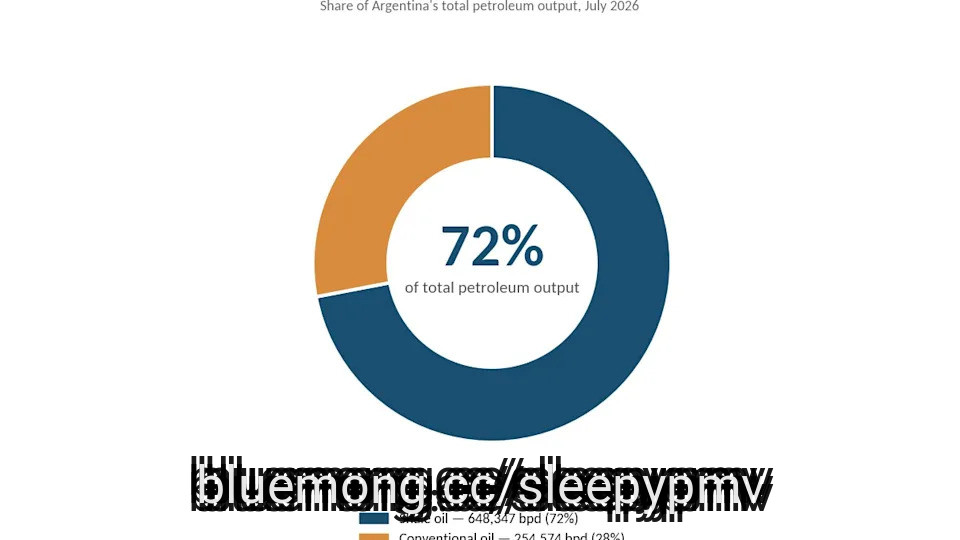
It is the ongoing and growing exploitation of the Vaca Muerta shale, situated in northern Patagonia in Neuquén Province which is responsible for Argentina's booming oil and natural gas complex. For July 2026, shale oil production rose by 1.2% month over month and a whopping 26% year over year to an all-time high of 648,347 barrels per day. As a result, shale oil now comprises a record 72% of Argentina's total petroleum output. This is also responsible for bolstering energy security in the Americas.
Shale gas production is also expanding at a healthy clip. For July 2026, Argentina lifted an average of 3.9 billion cubic feet per day of the fossil, which, despite being nearly 1% less than a month prior, was almost 4% higher year over year. That is the second-highest monthly shale gas production ever recorded. It was only eclipsed by June 2026 output, which hit 3.94 billion cubic feet per day. Shale gas now makes up 70% of Argentina's natural gas output, which is the highest level ever recorded.
Shale oil and gas production will keep growing at a solid pace, with Argentina on track to become a pure unconventional producer. You see, conventional oil output is in decline and has been for over a decade. Argentina's conventional fields are well past their prime, in many cases having hit peak production a decade ago with output now truly in decline. Government data shows July 2026 conventional oil production of 254,574 barrels per day, which is 2% lower than a month prior and 13% less year over year, indicating conventional oil output is 50% lower than a decade ago.
#shale #july #higher #record
Argentina's vital hydrocarbon sector continues to surge, with oil production hitting yet another record in July 2026. Output reached 902,920 barrels per day, almost 1% above June and 12% higher than a year earlier, marking the country's highest oil production on record. Natural gas production has also expanded strongly, although output slipped 0.5% month over month and 1.6% year over year in July to average 5.6 billion cubic feet per day. That modest setback barely dents the bigger picture: economically crucial gas production has surged 21% over the past five years.
It is the ongoing and growing exploitation of the Vaca Muerta shale, situated in northern Patagonia in Neuquén Province which is responsible for Argentina's booming oil and natural gas complex. For July 2026, shale oil production rose by 1.2% month over month and a whopping 26% year over year to an all-time high of 648,347 barrels per day. As a result, shale oil now comprises a record 72% of Argentina's total petroleum output. This is also responsible for bolstering energy security in the Americas.
Shale gas production is also expanding at a healthy clip. For July 2026, Argentina lifted an average of 3.9 billion cubic feet per day of the fossil, which, despite being nearly 1% less than a month prior, was almost 4% higher year over year. That is the second-highest monthly shale gas production ever recorded. It was only eclipsed by June 2026 output, which hit 3.94 billion cubic feet per day. Shale gas now makes up 70% of Argentina's natural gas output, which is the highest level ever recorded.
Shale oil and gas production will keep growing at a solid pace, with Argentina on track to become a pure unconventional producer. You see, conventional oil output is in decline and has been for over a decade. Argentina's conventional fields are well past their prime, in many cases having hit peak production a decade ago with output now truly in decline. Government data shows July 2026 conventional oil production of 254,574 barrels per day, which is 2% lower than a month prior and 13% less year over year, indicating conventional oil output is 50% lower than a decade ago.
#shale #july #higher #record

2 days ago
Union Pacific Corp (NYSE:UNP, XETRA:UNP) received a UBS upgrade to Buy from Neutral as the broker forecast stronger 2027 growth, excluding potential NSC merger benefits from its base case.
UBS raised its price target from $310 to $339, applying an unchanged multiple of 21 times its 2028 earnings forecast of $16.15 per share.
The bank expects intermodal volumes to grow 6% to 7% in 2027, citing current volume momentum and the relationship between intermodal performance and truckload pricing cycles.
Alongside industrial growth and a roughly neutral contribution from coal and grain, those intermodal gains underpin UBS's forecast for 3.5% total volume growth in 2027.
Low inventories should support steel shipments, while elevated energy prices should sustain petroleum and products volumes, the broker said.
#volume #union #pacific #corp
UBS raised its price target from $310 to $339, applying an unchanged multiple of 21 times its 2028 earnings forecast of $16.15 per share.
The bank expects intermodal volumes to grow 6% to 7% in 2027, citing current volume momentum and the relationship between intermodal performance and truckload pricing cycles.
Alongside industrial growth and a roughly neutral contribution from coal and grain, those intermodal gains underpin UBS's forecast for 3.5% total volume growth in 2027.
Low inventories should support steel shipments, while elevated energy prices should sustain petroleum and products volumes, the broker said.
#volume #union #pacific #corp


2 days ago
Bunker fuel prices for ships remain at historically elevated levels, keeping pressure on vessel operating costs even as the marine-fuel supply squeeze that followed disruption around the Strait of Hormuz has eased at major fueling hubs.
In Singapore, the world's largest bunkering center, very-low-sulphur fuel oil, or VLSFO, was ******* sed at about $908 per metric ton this week, while marine gasoil (MGO) stood at $1,448 per ton and high-sulphur fuel oil at roughly $770 per ton, according to ******* yst Ship & Bunker.
At Rotterdam, Europe's busiest port, VLSFO was about $731 per ton, compared with $804 per ton in Houston and $1,005 per ton in Fujairah, United Arab Emirates.
The premium at Fujairah, the Middle East's principal bunker hub, shows the continuing impact of constrained traffic and supply-chain disruption in and around the Strait of Hormuz. Bunkering activity at Fujairah has recovered to about 40% of its prewar level, according to industry comments reported from the Asia Pacific Petroleum Conference, but remains well below normal.
Costs still far above January
#fuel #strait #hormuz #supply
In Singapore, the world's largest bunkering center, very-low-sulphur fuel oil, or VLSFO, was ******* sed at about $908 per metric ton this week, while marine gasoil (MGO) stood at $1,448 per ton and high-sulphur fuel oil at roughly $770 per ton, according to ******* yst Ship & Bunker.
At Rotterdam, Europe's busiest port, VLSFO was about $731 per ton, compared with $804 per ton in Houston and $1,005 per ton in Fujairah, United Arab Emirates.
The premium at Fujairah, the Middle East's principal bunker hub, shows the continuing impact of constrained traffic and supply-chain disruption in and around the Strait of Hormuz. Bunkering activity at Fujairah has recovered to about 40% of its prewar level, according to industry comments reported from the Asia Pacific Petroleum Conference, but remains well below normal.
Costs still far above January
#fuel #strait #hormuz #supply


3 days ago
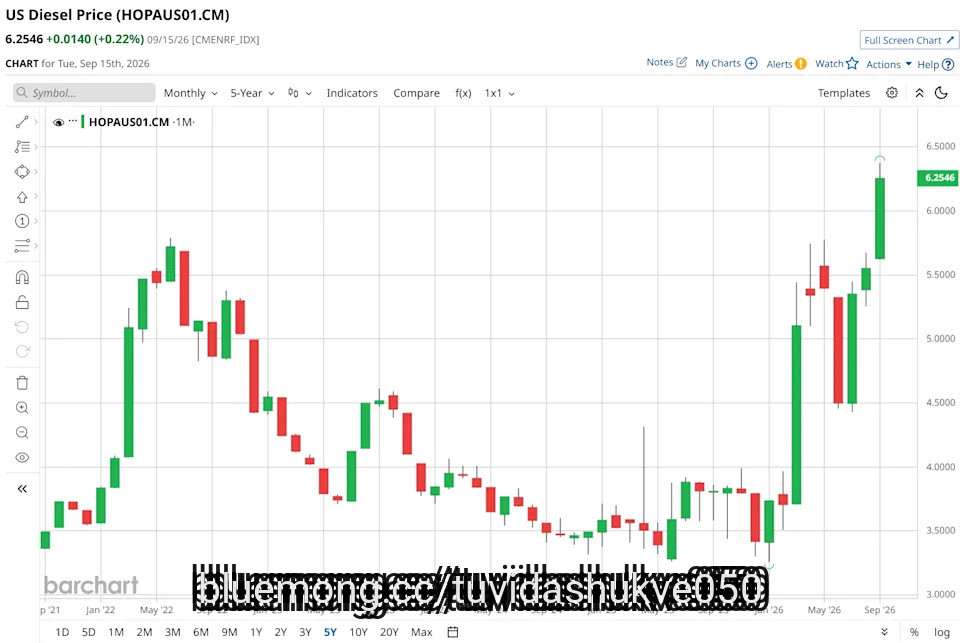
U.S. diesel prices have moved into record territory. The national average price of diesel climbed to a record $6.23 per gallon on Sept. 14, after first breaking above the $6 threshold last week. And diesel is hitting new highs again today at around $6.31. According to AAA data, the national average diesel price reached about $6.05 per gallon on Sept. 11, 2026, surpassing the previous record established in June 2022. The latest price is roughly 68% higher than the level of about $3.71 per gallon a year ago, highlighting the extraordinary speed of the rally.
The surge is being driven by a global shortage of refined petroleum products rather than crude oil alone. Disruptions to Middle Eastern energy infrastructure, sharply reduced traffic through the Strait of Hormuz, and attacks on Russian refineries have reduced the availability of diesel and other middle distillates. The situation has become serious enough that diesel prices are now adding to broader inflation concerns while simultaneously creating a potentially attractive environment for U.S. refiners.
Crude Oil Prices Sharply Lower as Middle East Disruptions Ease
Crude Oil Prices Retreat as Supply Fears Ease
Why UBS Just Turned Bearish on NuScale Power Stock
#Diesel
The surge is being driven by a global shortage of refined petroleum products rather than crude oil alone. Disruptions to Middle Eastern energy infrastructure, sharply reduced traffic through the Strait of Hormuz, and attacks on Russian refineries have reduced the availability of diesel and other middle distillates. The situation has become serious enough that diesel prices are now adding to broader inflation concerns while simultaneously creating a potentially attractive environment for U.S. refiners.
Crude Oil Prices Sharply Lower as Middle East Disruptions Ease
Crude Oil Prices Retreat as Supply Fears Ease
Why UBS Just Turned Bearish on NuScale Power Stock
#Diesel

3 days ago
Shares of Occidental Petroleum Corp (NYSE:OXY) are trading lower Wednesday as energy equities experience broad profit-taking alongside a pullback in crude oil prices.
The weakness in benchmark energy commodities comes as fresh market data indicates a weekly drawdown in U.S. crude inventories, dampening immediate commodity momentum alongside sector-wide risk mitigation ahead of the Federal Reserve's afternoon interest rate decision.
Occidental Petroleum stock is taking a hit today. Why are OXY shares down?
A major catalyst cooling OXY's momentum today is the latest U.S. crude oil inventory report. The Energy Information Administration reported that crude stockpiles fell by just 640,000 barrels for the week ending Sept. 11, missing market expectations for a significantly larger drawdown.
Because a smaller-than-expected inventory draw signals softer overall energy demand, crude prices faced renewed downward pressure, pulling upstream producers like Occidental lower in tandem.
#lower #taking #alongside #market
The weakness in benchmark energy commodities comes as fresh market data indicates a weekly drawdown in U.S. crude inventories, dampening immediate commodity momentum alongside sector-wide risk mitigation ahead of the Federal Reserve's afternoon interest rate decision.
Occidental Petroleum stock is taking a hit today. Why are OXY shares down?
A major catalyst cooling OXY's momentum today is the latest U.S. crude oil inventory report. The Energy Information Administration reported that crude stockpiles fell by just 640,000 barrels for the week ending Sept. 11, missing market expectations for a significantly larger drawdown.
Because a smaller-than-expected inventory draw signals softer overall energy demand, crude prices faced renewed downward pressure, pulling upstream producers like Occidental lower in tandem.
#lower #taking #alongside #market


3 days ago
US stock index futures pointed to a higher opening on Wednesday as crude oil prices declined and investors awaited the Federal Reserve's interest rate decision later in the day.
The indicated rebound followed two consecutive sessions of losses that pushed the S&P 500 to its lowest closing level in more than a month.
US crude oil futures fell nearly 2% after gaining almost 6% over the previous two days. The decline followed an American Petroleum Institute report showing an unexpected increase of 7.1 million barrels in US crude oil inventories last week.
Trading activity could remain limited ahead of the Federal Reserve's monetary policy announcement.
According to CME Group's FedWatch Tool, market pricing indicated a 92.7% probability of a 25-basis-point interest rate increase. The figure reflects market-implied expectations rather than a confirmed policy decision.
#increase
The indicated rebound followed two consecutive sessions of losses that pushed the S&P 500 to its lowest closing level in more than a month.
US crude oil futures fell nearly 2% after gaining almost 6% over the previous two days. The decline followed an American Petroleum Institute report showing an unexpected increase of 7.1 million barrels in US crude oil inventories last week.
Trading activity could remain limited ahead of the Federal Reserve's monetary policy announcement.
According to CME Group's FedWatch Tool, market pricing indicated a 92.7% probability of a 25-basis-point interest rate increase. The figure reflects market-implied expectations rather than a confirmed policy decision.
#increase


4 days ago
On September 10, Imperial Petroleum Inc. (NASDAQ:IMPP), a company involved in seaborne transportation of crude oil, dry bulk, and petroleum products, released its second quarter results. With a topline figure of $87.1 million, the company delivered record quarterly revenue, which also resulted in 139.9% year-over-year growth. Imperial's adjusted EBITDA for the second quarter stood at $41.7 million, while the Q2 adjusted net income of $35.3 million exhibited around 163% growth in comparison with Q2 FY25.
Ralf Gosch/Shutterstock.com
Several factors contributed to the second quarter topline growth. A 6.9 vessel rise in the company's average fleet size was the primary growth enabler. Other factors include encouraging dynamics across the drybulk segment, and higher rates for both drybulk and tankers amid the geopolitical uncertainties. Operating income for the quarter jumped to a near-record level of $33.4 million, which translates into a 307.3% growth relative to Q2 FY25. Imperial posted an adjusted EPS of $0.76 for the reported quarter, which almost doubled compared to the same quarter a year prior.
At the back of efficient fleet management, management remained focus on strengthening its financial position. The company ended the quarter with no debt, and its liquidity position also remained resilient. Cash and cash equivalents, including time deposits, increased from $179.1 million at the end of 2025 to $245.2 million as of June 30, 2026. The company added that its cash base had increased further to approximately $260 million as of the September 10 results release.
Certain areas of weakness warrant a closer examination. During the reported quarter, fleet operational utilization went down from 83.1% in prior year's second quarter to 73.5%. There was a substantial increase in some of the underlying operating expenses. For instance, the vessel operating expense stood at $14.4 million compared to $8.4 million during Q2 FY25. This $6 million rise can be attributed to Imperial's larger fleet size. Similarly, the voyage expenses also jumped from $10.7 million in last year's Q2 to $22.1 million for Q2 FY26. The incremental voyage expenses stemmed from higher bunkers' rates, as well as a 58.4% jump in spot days.
#fleet
Ralf Gosch/Shutterstock.com
Several factors contributed to the second quarter topline growth. A 6.9 vessel rise in the company's average fleet size was the primary growth enabler. Other factors include encouraging dynamics across the drybulk segment, and higher rates for both drybulk and tankers amid the geopolitical uncertainties. Operating income for the quarter jumped to a near-record level of $33.4 million, which translates into a 307.3% growth relative to Q2 FY25. Imperial posted an adjusted EPS of $0.76 for the reported quarter, which almost doubled compared to the same quarter a year prior.
At the back of efficient fleet management, management remained focus on strengthening its financial position. The company ended the quarter with no debt, and its liquidity position also remained resilient. Cash and cash equivalents, including time deposits, increased from $179.1 million at the end of 2025 to $245.2 million as of June 30, 2026. The company added that its cash base had increased further to approximately $260 million as of the September 10 results release.
Certain areas of weakness warrant a closer examination. During the reported quarter, fleet operational utilization went down from 83.1% in prior year's second quarter to 73.5%. There was a substantial increase in some of the underlying operating expenses. For instance, the vessel operating expense stood at $14.4 million compared to $8.4 million during Q2 FY25. This $6 million rise can be attributed to Imperial's larger fleet size. Similarly, the voyage expenses also jumped from $10.7 million in last year's Q2 to $22.1 million for Q2 FY26. The incremental voyage expenses stemmed from higher bunkers' rates, as well as a 58.4% jump in spot days.
#fleet


4 days ago
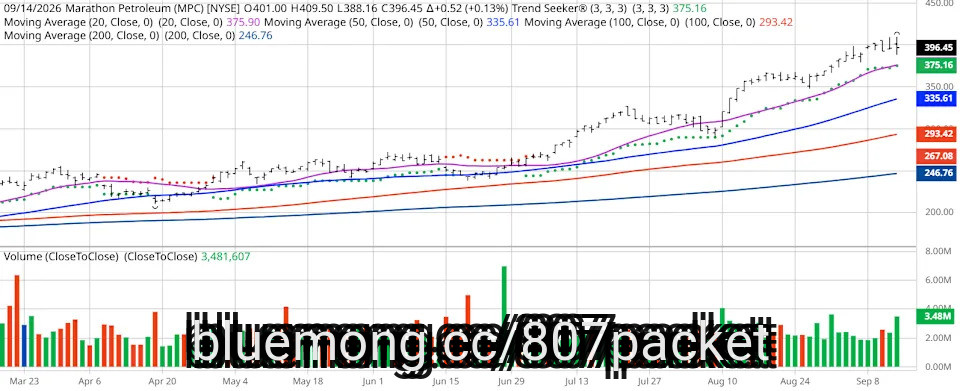
Marathon Petroleum (MPC) exhibits strong technical momentum, recently hitting a new all-time high.
Shares are up more than 120% over the past year.
MPC maintains a 100% "Buy" technical opinion from Barchart.
Future performance is highly sensitive to refining margins and oil prices, with downside risk if oil drops to $75 per barrel.
Valued at $116 billion, Marathon Petroleum (MPC) is a leading independent refiner, transporter, and marketer of petroleum products. The company came into existence following the spinoff from Marathon Oil Corporation's refining and sales business into a separate, independent and publicly traded entity. Marathon Oil completed the acquisition of its rival Andeavor. Marathon Petroleum operates in two segments: refining and marketing and pipeline transportation.
#independent #shares
Shares are up more than 120% over the past year.
MPC maintains a 100% "Buy" technical opinion from Barchart.
Future performance is highly sensitive to refining margins and oil prices, with downside risk if oil drops to $75 per barrel.
Valued at $116 billion, Marathon Petroleum (MPC) is a leading independent refiner, transporter, and marketer of petroleum products. The company came into existence following the spinoff from Marathon Oil Corporation's refining and sales business into a separate, independent and publicly traded entity. Marathon Oil completed the acquisition of its rival Andeavor. Marathon Petroleum operates in two segments: refining and marketing and pipeline transportation.
#independent #shares


4 days ago
Marathon Petroleum (MPC) exhibits strong technical momentum, recently hitting a new all-time high.
Shares are up more than 120% over the past year.
MPC maintains a 100% "Buy" technical opinion from Barchart.
Future performance is highly sensitive to refining margins and oil prices, with downside risk if oil drops to $75 per barrel.
Valued at $116 billion, Marathon Petroleum (MPC) is a leading independent refiner, transporter, and marketer of petroleum products. The company came into existence following the spinoff from Marathon Oil Corporation's refining and sales business into a separate, independent and publicly traded entity. Marathon Oil completed the acquisition of its rival Andeavor. Marathon Petroleum operates in two segments: refining and marketing and pipeline transportation.
#marathon #future
Shares are up more than 120% over the past year.
MPC maintains a 100% "Buy" technical opinion from Barchart.
Future performance is highly sensitive to refining margins and oil prices, with downside risk if oil drops to $75 per barrel.
Valued at $116 billion, Marathon Petroleum (MPC) is a leading independent refiner, transporter, and marketer of petroleum products. The company came into existence following the spinoff from Marathon Oil Corporation's refining and sales business into a separate, independent and publicly traded entity. Marathon Oil completed the acquisition of its rival Andeavor. Marathon Petroleum operates in two segments: refining and marketing and pipeline transportation.
#marathon #future

9 days ago
Some offers on this page are from advertisers who pay us, which may affect which products we write about, but not our recommendations. See our Advertiser Disclosure.
The national average price of gasoline hit a record high over Labor Day weekend as new escalations in the war between the U.S. and Iran triggered a spike in oil prices, with Brent crude futures hitting $100 per barrel for the first time since July.
"Average gasoline prices rose in nearly three out of five states over the last week, while diesel surged in every state — with some climbing nearly 50 cents per gallon in just seven days," said Patrick De Haan, head of petroleum **** ysis at GasBuddy, in his weekly newsletter. "The milestone many hoped to avoid has arrived: the national average price of gasoline on Labor Day set a new record for the holiday, eclipsing the previous mark of $3.83 per gallon set in 2012."
As of Sept. 9, regular gas was $4 per gallon, with diesel sitting at over $5 per gallon, according to AAA. Crude oil prices were trading above $90 per barrel, and Brent crude was above $100 per barrel.
However, despite elevated fuel prices, as a new season approaches, there may be hope for drivers who are feeling the pinch.
#price
The national average price of gasoline hit a record high over Labor Day weekend as new escalations in the war between the U.S. and Iran triggered a spike in oil prices, with Brent crude futures hitting $100 per barrel for the first time since July.
"Average gasoline prices rose in nearly three out of five states over the last week, while diesel surged in every state — with some climbing nearly 50 cents per gallon in just seven days," said Patrick De Haan, head of petroleum **** ysis at GasBuddy, in his weekly newsletter. "The milestone many hoped to avoid has arrived: the national average price of gasoline on Labor Day set a new record for the holiday, eclipsing the previous mark of $3.83 per gallon set in 2012."
As of Sept. 9, regular gas was $4 per gallon, with diesel sitting at over $5 per gallon, according to AAA. Crude oil prices were trading above $90 per barrel, and Brent crude was above $100 per barrel.
However, despite elevated fuel prices, as a new season approaches, there may be hope for drivers who are feeling the pinch.
#price



10 days ago
The conflict between Iran and the United States has significantly affected global energy markets, disrupting petroleum shipments and raising fuel prices. After almost six months, the fighting has stopped most shipping via the Strait of Hormuz, a vital waterway that used to handle a fifth of the world's oil and natural gas.
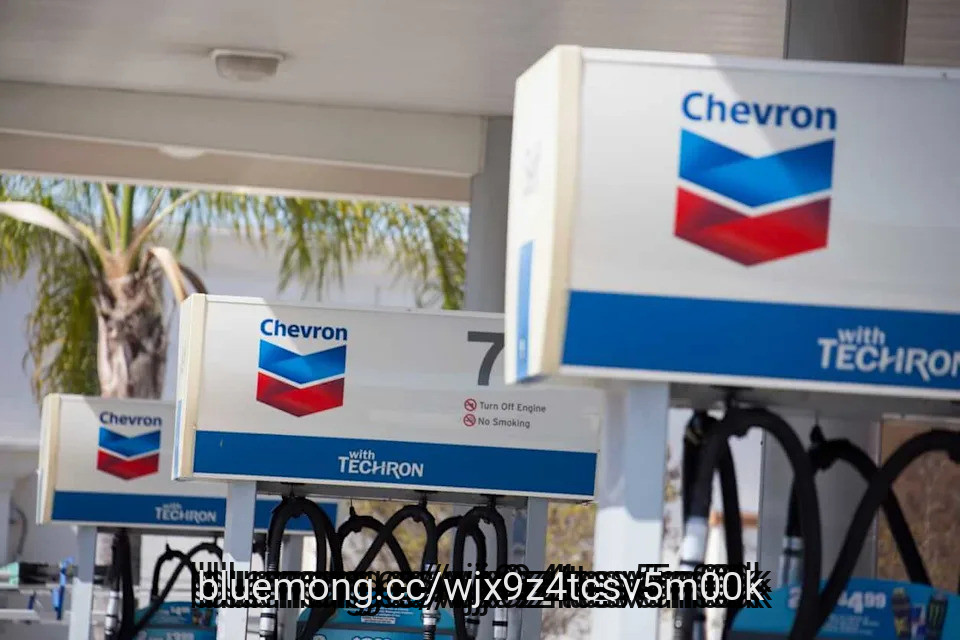
This disruption has left consumers facing higher fuel costs and shortages, while creating a favorable environment for major oil producers. Chevron (CVX) , based in Houston, Texas, nearly quadrupled its profits in Q2 FY2026 as stronger energy prices supported its results.
Dear Nvidia Stock Fans, Mark Your Calendars for September 10
Rocket Lab Keeps Landing Defense Deals. Here's Why **** ysts Aren't Getting More Bullish.
Why Stifel Just Revamped Its Price Target for Microsoft Stock
#Iran #hormuz
This disruption has left consumers facing higher fuel costs and shortages, while creating a favorable environment for major oil producers. Chevron (CVX) , based in Houston, Texas, nearly quadrupled its profits in Q2 FY2026 as stronger energy prices supported its results.
Dear Nvidia Stock Fans, Mark Your Calendars for September 10
Rocket Lab Keeps Landing Defense Deals. Here's Why **** ysts Aren't Getting More Bullish.
Why Stifel Just Revamped Its Price Target for Microsoft Stock
#Iran #hormuz


0.00$ raised of 0.00$ goal
0 donations
0.00$
to go

10 days ago
India's refineries have been running at 105% to 108% capacity utilization in the past six months as demand for diesel soars and international fuel markets tighten amid the ongoing Middle East crisis.
Refinery capacity utilization in the world's third-largest crude oil importer has been between 105% and 108% since the war began, a senior executive at Mangalore Refinery and Petrochemicals Limited (MRPL) said at the APPEC petroleum conference in Singapore on Wednesday.
"Most of our refiners are complex, can take a wide variety of crude from an API range of something like 16 to 45 or 48," Nandakumar Pillai, a company director at MRPL, said at the event, as carried by Reuters.
MRPL operates a refinery with the capacity to process 300,000 barrels per day (bpd) on the coast of India's southern state of Karnataka. The refinery has a versatile design with complex secondary processing units and high flexibility to process crudes of various API, delivering a variety of quality products, the refiner says.
MRPL will continue to run its refinery at above 100% until March 2027, Pillai told Reuters on the sidelines of the conference.
#mrpl #utilization #crude
Refinery capacity utilization in the world's third-largest crude oil importer has been between 105% and 108% since the war began, a senior executive at Mangalore Refinery and Petrochemicals Limited (MRPL) said at the APPEC petroleum conference in Singapore on Wednesday.
"Most of our refiners are complex, can take a wide variety of crude from an API range of something like 16 to 45 or 48," Nandakumar Pillai, a company director at MRPL, said at the event, as carried by Reuters.
MRPL operates a refinery with the capacity to process 300,000 barrels per day (bpd) on the coast of India's southern state of Karnataka. The refinery has a versatile design with complex secondary processing units and high flexibility to process crudes of various API, delivering a variety of quality products, the refiner says.
MRPL will continue to run its refinery at above 100% until March 2027, Pillai told Reuters on the sidelines of the conference.
#mrpl #utilization #crude

0.00$ raised of 0.00$ goal
0 donations
0.00$
to go

10 days ago
Some offers on this page are from advertisers who pay us, which may affect which products we write about, but not our recommendations. See our Advertiser Disclosure.
The national average price of gasoline hit a record high over Labor Day weekend as new escalations in the war between the U.S. and Iran triggered a spike in oil prices, with Brent crude futures hitting $100 per barrel for the first time since July.
"Average gasoline prices rose in nearly three out of five states over the last week, while diesel surged in every state — with some climbing nearly 50 cents per gallon in just seven days," said Patrick De Haan, head of petroleum ****** ysis at GasBuddy, in his weekly newsletter. "The milestone many hoped to avoid has arrived: the national average price of gasoline on Labor Day set a new record for the holiday, eclipsing the previous mark of $3.83 per gallon set in 2012."
As of Sept. 9, regular gas was $4 per gallon, with diesel sitting at over $5 per gallon, according to AAA. Crude oil prices were trading above $90 per barrel, and Brent crude was above $100 per barrel.
However, despite elevated fuel prices, as a new season approaches, there may be hope for drivers who are feeling the pinch.
#prices #barrel #labor #brent
The national average price of gasoline hit a record high over Labor Day weekend as new escalations in the war between the U.S. and Iran triggered a spike in oil prices, with Brent crude futures hitting $100 per barrel for the first time since July.
"Average gasoline prices rose in nearly three out of five states over the last week, while diesel surged in every state — with some climbing nearly 50 cents per gallon in just seven days," said Patrick De Haan, head of petroleum ****** ysis at GasBuddy, in his weekly newsletter. "The milestone many hoped to avoid has arrived: the national average price of gasoline on Labor Day set a new record for the holiday, eclipsing the previous mark of $3.83 per gallon set in 2012."
As of Sept. 9, regular gas was $4 per gallon, with diesel sitting at over $5 per gallon, according to AAA. Crude oil prices were trading above $90 per barrel, and Brent crude was above $100 per barrel.
However, despite elevated fuel prices, as a new season approaches, there may be hope for drivers who are feeling the pinch.
#prices #barrel #labor #brent


0.00$ raised of 0.00$ goal
0 donations
0.00$
to go

12 days ago
Marathon Petroleum Corporation (MPC) is a leading U.S. downstream and midstream energy company headquartered in Findlay, Ohio. Valued at a market cap of $113.5 billion, its business centers on refining crude oil into fuels, distributing petroleum products, and operating the infrastructure that moves and stores energy.
Companies valued at $10 billion or more are typically classified as "large-cap stocks," and MPC fits the label perfectly, with its market cap exceeding this threshold, underscoring its size, influence, and dominance within the oil & gas refining & marketing industry. Its market leadership stems from its large, integrated refining system, strategic midstream ***** ets, and disciplined capital allocation. Its refineries are connected through pipelines, terminals, and marine transportation, allowing the company to optimize crude sourcing, product flows, and regional demand.
How to Play SNPS Stock as Layoffs Hit Synopsys
Micron Stock More Than Tripled in 2026. Now Taiwan Strike Threat Could Shake the AI Boom.
Dear Adobe Stock Fans, Mark Your Calendars for September 10
#petroleum #midstream #billion
Companies valued at $10 billion or more are typically classified as "large-cap stocks," and MPC fits the label perfectly, with its market cap exceeding this threshold, underscoring its size, influence, and dominance within the oil & gas refining & marketing industry. Its market leadership stems from its large, integrated refining system, strategic midstream ***** ets, and disciplined capital allocation. Its refineries are connected through pipelines, terminals, and marine transportation, allowing the company to optimize crude sourcing, product flows, and regional demand.
How to Play SNPS Stock as Layoffs Hit Synopsys
Micron Stock More Than Tripled in 2026. Now Taiwan Strike Threat Could Shake the AI Boom.
Dear Adobe Stock Fans, Mark Your Calendars for September 10
#petroleum #midstream #billion



13 days ago
India's average crude import price soared to above $100 per barrel at the end of last week and is set to further rise this week as international crude prices rallied amid intensified hostilities in the Middle East.
The so-called Crude Oil FOB Price, or the Indian Basket of average sweet and sour grades, surged to $101.07 per barrel on Friday, topping the $ 100-a-barrel threshold for the first time since May, data by the Indian Oil Ministry's Petroleum Planning and ******* ysis Cell (PPAC) showed.
The Indian basket of crude oil is the average of a derived basket comprising a sweet-grade benchmark, Dated Brent, and the sour-grade benchmark of the Oman and Dubai average imported by Indian refineries during each month.
As of Monday, the average Indian Basket of crude oil so far in September was $99.38 per barrel, up from $83 in June, $82 in July, and $90 in August.
The average hit $100 in early September, as international crude oil prices rallied amid the re-escalation in the Middle East, as the United States and Iran continue to exchange strikes and fire for more than a week now.
#Indian #east #price
The so-called Crude Oil FOB Price, or the Indian Basket of average sweet and sour grades, surged to $101.07 per barrel on Friday, topping the $ 100-a-barrel threshold for the first time since May, data by the Indian Oil Ministry's Petroleum Planning and ******* ysis Cell (PPAC) showed.
The Indian basket of crude oil is the average of a derived basket comprising a sweet-grade benchmark, Dated Brent, and the sour-grade benchmark of the Oman and Dubai average imported by Indian refineries during each month.
As of Monday, the average Indian Basket of crude oil so far in September was $99.38 per barrel, up from $83 in June, $82 in July, and $90 in August.
The average hit $100 in early September, as international crude oil prices rallied amid the re-escalation in the Middle East, as the United States and Iran continue to exchange strikes and fire for more than a week now.
#Indian #east #price


13 days ago
Dorian LPG has agreed an order with South Korean shipbuilder Hanwha Ocean for the construction of three 90,000m³ dual-fuel Panamax very large gas carriers (VLGCs) for a total price of around $345m (Won463.5bn).
The three ships are scheduled for delivery in June, September and December 2030.
Each VLGC will be fitted with dual-fuel engines capable of burning liquefied petroleum gas (LPG) or conventional low-sulphur fuels. They will also feature a shaft generator system that allows power to be produced on board during sea passages.
Hull forms and main engines have been designed to take larger-diameter propellers and energy-saving devices around the propellers, which the company said improves overall energy efficiency.
Dorian LPG said the Panamax dimensions give its charterers commercial flexibility to transit the old Panama Canal locks.
#three #fuel #south
The three ships are scheduled for delivery in June, September and December 2030.
Each VLGC will be fitted with dual-fuel engines capable of burning liquefied petroleum gas (LPG) or conventional low-sulphur fuels. They will also feature a shaft generator system that allows power to be produced on board during sea passages.
Hull forms and main engines have been designed to take larger-diameter propellers and energy-saving devices around the propellers, which the company said improves overall energy efficiency.
Dorian LPG said the Panamax dimensions give its charterers commercial flexibility to transit the old Panama Canal locks.
#three #fuel #south


16 days ago
U.S. President Donald Trump told oil producers and refiners that he wants lower gasoline prices, immediately, at a meeting at the White House this week.
As gasoline prices remain above $4 per gallon on average across the United States and drivers are heading for the most expensive Labor Day weekend gas prices on record, President Trump urged executives from Chevron, Marathon Petroleum, Valero Energy, and PBF Energy, among others, to raise refining capacity to increase fuel availability.
The problem for the U.S. Administration two months ahead of the mid-term elections is that American refiners cannot raise output in the short term. They have been running at full capacity for the entire summer, as the U.S.-Iran war has crippled crude and fuel supply out of the Middle East and depleted global inventories after many governments, including the U.S., tapped strategic resources to ease the worst supply disruption in the history of oil markets.
Refiners do not have an immediate solution to the high prices at the pump—except, of course, a major de-escalation and a lasting deal with Iran. But none of the significant levers to lower U.S. fuel prices are in the hands of the U.S. refiners.
No Easy Fix
#energy
As gasoline prices remain above $4 per gallon on average across the United States and drivers are heading for the most expensive Labor Day weekend gas prices on record, President Trump urged executives from Chevron, Marathon Petroleum, Valero Energy, and PBF Energy, among others, to raise refining capacity to increase fuel availability.
The problem for the U.S. Administration two months ahead of the mid-term elections is that American refiners cannot raise output in the short term. They have been running at full capacity for the entire summer, as the U.S.-Iran war has crippled crude and fuel supply out of the Middle East and depleted global inventories after many governments, including the U.S., tapped strategic resources to ease the worst supply disruption in the history of oil markets.
Refiners do not have an immediate solution to the high prices at the pump—except, of course, a major de-escalation and a lasting deal with Iran. But none of the significant levers to lower U.S. fuel prices are in the hands of the U.S. refiners.
No Easy Fix
#energy

16 days ago
Listen
(3 min)
1523 ET – Oil futures rise for a third straight session as strikes between the U.S. and Iran raise concerns about further escalation and oil flows out of the Persian Gulf. The EIA reported a bigger-than-expected 4.5 million barrel draw in U.S. commercial crude oil stocks for last week, while the Department of Energy released another 3.1 million barrels from the Strategic Petroleum Reserve. The withdrawal “keeps attention on the increasingly tight market dynamics,” says David Russell of TradeStation. Diesel stocks are at the lowest on record for the time of year as farmers and truckers enter their high-demand season, he adds. “Supply and demand fundamentals are taking over as government intervention loses effect and the SPR reaches critical levels.” WTI settles up 0.9% at $91.01 a barrel and Brent rises 1% to $95.63. (anthony.harrupwsj.com)
1611 GMT – Oil prices rise in volatile trade, with Brent crude above $95 a barrel after U.S. crude stockpiles saw a larger-than-expected drop last week. Brent is up 0.9% to $95.50 a barrel, while WTI futures rise 0.5% to $90.67 a barrel. Renewed military strikes between the U.S. and Iran are dimming hopes for a near-term resolution of the conflict and reopening of the Strait of Hormuz, keeping the geopolitical risk premium high. Meanwhile, according to the EIA, commercial crude oil stocks excluding the Strategic Petroleum Reserve were down by 4.5 million barrels in the week ended Aug. 28, compared with expectations of a 300,000-barrel fall. “Oil is now more than 30% higher since the conflict began in February, with refined-product markets facing even greater tightness,” says Soojin Kim from MUFG. (giulia.petroniwsj.com)
#crude #week #Iran
(3 min)
1523 ET – Oil futures rise for a third straight session as strikes between the U.S. and Iran raise concerns about further escalation and oil flows out of the Persian Gulf. The EIA reported a bigger-than-expected 4.5 million barrel draw in U.S. commercial crude oil stocks for last week, while the Department of Energy released another 3.1 million barrels from the Strategic Petroleum Reserve. The withdrawal “keeps attention on the increasingly tight market dynamics,” says David Russell of TradeStation. Diesel stocks are at the lowest on record for the time of year as farmers and truckers enter their high-demand season, he adds. “Supply and demand fundamentals are taking over as government intervention loses effect and the SPR reaches critical levels.” WTI settles up 0.9% at $91.01 a barrel and Brent rises 1% to $95.63. (anthony.harrupwsj.com)
1611 GMT – Oil prices rise in volatile trade, with Brent crude above $95 a barrel after U.S. crude stockpiles saw a larger-than-expected drop last week. Brent is up 0.9% to $95.50 a barrel, while WTI futures rise 0.5% to $90.67 a barrel. Renewed military strikes between the U.S. and Iran are dimming hopes for a near-term resolution of the conflict and reopening of the Strait of Hormuz, keeping the geopolitical risk premium high. Meanwhile, according to the EIA, commercial crude oil stocks excluding the Strategic Petroleum Reserve were down by 4.5 million barrels in the week ended Aug. 28, compared with expectations of a 300,000-barrel fall. “Oil is now more than 30% higher since the conflict began in February, with refined-product markets facing even greater tightness,” says Soojin Kim from MUFG. (giulia.petroniwsj.com)
#crude #week #Iran




17 days ago
Ryanair, the biggest low-fare airline in Europe, on Wednesday lowered its winter traffic target to reduce exposure to high unhedged oil prices, and warned the some of its less well-hedged competitors could struggle to survive this winter amid high fuel costs.
Since the Iran war slashed deliveries of crude oil and petroleum products from the Middle East, rising jet fuel prices have eaten into the profitability of all airlines globally.
Ryanair is one of the most hedged airlines, with about 80% of fuel costs hedged at $67 per barrel. However, the remaining unhedged 20% is highly exposed to the jet fuel prices currently trading at about $140 per barrel, Ryanair said in its August 2026 traffic stats.
In light of the high unhedged oil prices, "it is sensible to strategically reduce the Group's exposure to unhedged jet fuel during the unprofitable winter schedule (from Nov. to Mar.)," the budget airline said.
Ryanair cut its winter traffic target to 214 million from 216 million passengers, expecting traffic to be broadly flat year-over-year.
#airline
Since the Iran war slashed deliveries of crude oil and petroleum products from the Middle East, rising jet fuel prices have eaten into the profitability of all airlines globally.
Ryanair is one of the most hedged airlines, with about 80% of fuel costs hedged at $67 per barrel. However, the remaining unhedged 20% is highly exposed to the jet fuel prices currently trading at about $140 per barrel, Ryanair said in its August 2026 traffic stats.
In light of the high unhedged oil prices, "it is sensible to strategically reduce the Group's exposure to unhedged jet fuel during the unprofitable winter schedule (from Nov. to Mar.)," the budget airline said.
Ryanair cut its winter traffic target to 214 million from 216 million passengers, expecting traffic to be broadly flat year-over-year.
#airline


17 days ago
Shell has agreed to take full control of U.S. convenience store operator and fuel distributor Tri Star Energy, in a transaction that will more than double the energy major's company-owned convenience retail footprint in the United States.
Equilon Enterprises, which operates as Shell Oil Products US, will increase its ownership of Nashville-based Tri Star from 33% to 100%. The acquisition includes 320 fuel and convenience retail sites in Tennessee and surrounding states, along with fuel-supply agreements covering another 552 dealer-owned locations. Financial terms were not disclosed.
Shell is acquiring the remaining interest from The Parman Corporation, Kimbro Oil Company and their subsidiaries. The deal is expected to close by the end of 2026, subject to regulatory approval and customary closing conditions.
The transaction represents a substantial expansion of Shell's directly controlled retail operations. While Shell already has around 12,000 branded fuel and convenience sites across 49 U.S. states, the vast majority are operated by wholesalers or dealers rather than owned directly by the company. Shell says its U.S. network serves more than 7 million customers per day.
Following completion, Tri Star will be operated by Texas Petroleum Group, a wholly owned unit of Shell Mobility & Convenience US. Shell expects the combined business to have nearly 550 company-owned convenience retail locations and supply agreements with around 650 dealer-owned sites across the southern United States.
Tri Star, founded in 2000, operates convenience-store brands including Twice Daily, Sudden Service and Little General and also owns the White Bison Coffee brand. Its wholesale fuel operation reaches multiple states, giving Shell additional exposure to both fuel distribution and higher-margin convenience and food-and-beverage sales.
#shell #convenience #retail
Equilon Enterprises, which operates as Shell Oil Products US, will increase its ownership of Nashville-based Tri Star from 33% to 100%. The acquisition includes 320 fuel and convenience retail sites in Tennessee and surrounding states, along with fuel-supply agreements covering another 552 dealer-owned locations. Financial terms were not disclosed.
Shell is acquiring the remaining interest from The Parman Corporation, Kimbro Oil Company and their subsidiaries. The deal is expected to close by the end of 2026, subject to regulatory approval and customary closing conditions.
The transaction represents a substantial expansion of Shell's directly controlled retail operations. While Shell already has around 12,000 branded fuel and convenience sites across 49 U.S. states, the vast majority are operated by wholesalers or dealers rather than owned directly by the company. Shell says its U.S. network serves more than 7 million customers per day.
Following completion, Tri Star will be operated by Texas Petroleum Group, a wholly owned unit of Shell Mobility & Convenience US. Shell expects the combined business to have nearly 550 company-owned convenience retail locations and supply agreements with around 650 dealer-owned sites across the southern United States.
Tri Star, founded in 2000, operates convenience-store brands including Twice Daily, Sudden Service and Little General and also owns the White Bison Coffee brand. Its wholesale fuel operation reaches multiple states, giving Shell additional exposure to both fuel distribution and higher-margin convenience and food-and-beverage sales.
#shell #convenience #retail
17 days ago
Saudi Arabia's power stations, desalination plants, factories and farms consume more than 1 million barrels per day of liquid fuel that the kingdom aims to displace by 2030. Natural gas and renewables will provide most of the replacement energy. Nuclear power could reduce domestic oil consumption further after 2030 as electricity demand continues to grow.
On July 22, the United States and Saudi Arabia signed a 30-year civil nuclear cooperation agreement, clearing the way for U.S. companies to potentially supply the kingdom with reactors, nuclear materials and technical services. Similar agreements with Turkey and the UAE entered into force in June 2008 and December 2009, respectively.
The commercial opportunity is in Saudi Arabia's search for additional generating capacity. The IEA estimates that the kingdom's electricity demand grew by 3.8% in 2025 and forecasts average annual growth of 3.1% through 2030.
Related: U.S. Shale Producers Lose Bid to Kill Oil Price-Fixing Case
Saudi consumption of crude oil and fuel oil for power generation rises sharply during the summer, when air-conditioning demand peaks. Combined burn reached 1.42 million b/d in June 2024, according to the EIA. It fell to an average of 678,000 b/d in January and February 2025 (the lowest level for that period since 2016) with February alone registering an 11-year monthly low of 589,000 b/d. Reducing domestic oil-fired generation can leave more petroleum available for export or other uses.
#demand #february #million #fuel
On July 22, the United States and Saudi Arabia signed a 30-year civil nuclear cooperation agreement, clearing the way for U.S. companies to potentially supply the kingdom with reactors, nuclear materials and technical services. Similar agreements with Turkey and the UAE entered into force in June 2008 and December 2009, respectively.
The commercial opportunity is in Saudi Arabia's search for additional generating capacity. The IEA estimates that the kingdom's electricity demand grew by 3.8% in 2025 and forecasts average annual growth of 3.1% through 2030.
Related: U.S. Shale Producers Lose Bid to Kill Oil Price-Fixing Case
Saudi consumption of crude oil and fuel oil for power generation rises sharply during the summer, when air-conditioning demand peaks. Combined burn reached 1.42 million b/d in June 2024, according to the EIA. It fell to an average of 678,000 b/d in January and February 2025 (the lowest level for that period since 2016) with February alone registering an 11-year monthly low of 589,000 b/d. Reducing domestic oil-fired generation can leave more petroleum available for export or other uses.
#demand #february #million #fuel


18 days ago
Venezuela has the largest proven oil reserves in the world, and its heavy crude is particularly well suited to the sophisticated refineries lining the U.S. Gulf Coast. More Venezuelan oil should help U.S. refiners, but that doesn't translate directly into lower prices at the pump.
Trump announced Friday that the U.S. had secured majority control over Venezuelan fields containing more than 65 billion barrels of oil, saying the agreement would greatly increase U.S. supply and substantially lower gasoline prices "long into the future." On Sunday, he added another destination for Venezuelan crude, saying Washington would soon start using it to refill the Strategic Petroleum Reserve.
The deal gives the U.S. access to an enormous oil resource, but the effect on gasoline prices will depend on how much additional Venezuelan crude can actually be produced and where those barrels go.
Venezuela is currently producing roughly 1.25 million bpd, while the new projects are targeting production above 1.5 million bpd. Getting substantially beyond that will require more drilling, extensive workovers, improved infrastructure, reliableF access to diluents and significantly more drilling rigs, according to Rystad.
Venezuelan crude's role in American refining is already substantial. U.S. imports from Venezuela averaged 637,000 bpd over the four weeks through Aug. 21, according to the EIA, reaching 662,000 bpd in the latest week. Venezuela was the second-largest U.S. crude supplier behind Canada during that period. Those barrels have become more useful as the U.S.-Iran war has disrupted crude and heavy fuel oil flows from the Middle East.
#venezuelan
Trump announced Friday that the U.S. had secured majority control over Venezuelan fields containing more than 65 billion barrels of oil, saying the agreement would greatly increase U.S. supply and substantially lower gasoline prices "long into the future." On Sunday, he added another destination for Venezuelan crude, saying Washington would soon start using it to refill the Strategic Petroleum Reserve.
The deal gives the U.S. access to an enormous oil resource, but the effect on gasoline prices will depend on how much additional Venezuelan crude can actually be produced and where those barrels go.
Venezuela is currently producing roughly 1.25 million bpd, while the new projects are targeting production above 1.5 million bpd. Getting substantially beyond that will require more drilling, extensive workovers, improved infrastructure, reliableF access to diluents and significantly more drilling rigs, according to Rystad.
Venezuelan crude's role in American refining is already substantial. U.S. imports from Venezuela averaged 637,000 bpd over the four weeks through Aug. 21, according to the EIA, reaching 662,000 bpd in the latest week. Venezuela was the second-largest U.S. crude supplier behind Canada during that period. Those barrels have become more useful as the U.S.-Iran war has disrupted crude and heavy fuel oil flows from the Middle East.
#venezuelan


19 days ago
On August 4, Archer-Daniels-Midland (NYSE:ADM) executives told investors on an earnings call that the company would expand capacity at four US oilseed-crushing plants, a roughly $100 million push into a business that just posted its strongest quarter in years. The plants sit in Frankfort, Indiana; Deerfield, Missouri; Lincoln, Nebraska; and Spiritwood, North Dakota, the last a joint venture with Marathon Petroleum. Together, the upgrades are expected to add about 700,000 metric tons of crush capacity by 2028 or 2029, and six more sites have already been flagged for possible future growth.
CEO Juan Luciano framed the projects as a cheap way to add output, estimating the cost at roughly a quarter of what a brand-new facility would require. That math matters because ADM just reported second-quarter adjusted earnings per share of $1.84, well above the $1.44 ***** ysts expected, and raised its full-year 2026 adjusted EPS guidance to a range of $5.15 to $5.60 from a prior $4.15 to $4.70. Operating profit in the ag services and oilseeds segment, ADM's largest, jumped 129% year over year to $867 million, with the crushing subsegment alone up $330 million as oilseed volumes climbed about 5%.
The company has now identified 10 US soy processing plants for potential expansion in total, and Luciano said top buyer China appears on track to meet its commitment to purchase 25 million metric tons of US soybeans this year. Nutrition, long a laggard, also grew 51% to $172 million on strength in flavors. Even so, Luciano described the crushing expansion as a "phased approach to allow for offramps," language that suggests management wants room to pull back if the current environment does not hold. The projects are expected to fit inside ADM's existing 2026 capital expenditure range of $1.3 billion to $1.5 billion, following expansions at two Brazilian plants last year and an extension completed this year in Uberlandia.
The strength behind these numbers leans heavily on conditions ADM does not control. Finalized 2026 and 2027 renewable volume obligations under the US Renewable Fuel Standard, locked in only this past March, are doing much of the work behind crushing margins, alongside energy prices that climbed after the Iran war. Roughly $100 million of the ag services and oilseeds profit came from net positive mark-to-market and timing impacts, gains tied to commodity pricing swings rather than the underlying business.
Not every part of the portfolio moved in the same direction. The refined products and other subsegment posted a 3% profit decline on negative mark-to-market impacts and supply and demand imbalances in South America, and equity earnings from ADM's stake in Wilmar fell 22%. Those soft spots, paired with a crush expansion built with explicit offramps, hint that management sees more uncertainty in the setup than the headline guidance raise suggests.
#luciano #quarter #expected
CEO Juan Luciano framed the projects as a cheap way to add output, estimating the cost at roughly a quarter of what a brand-new facility would require. That math matters because ADM just reported second-quarter adjusted earnings per share of $1.84, well above the $1.44 ***** ysts expected, and raised its full-year 2026 adjusted EPS guidance to a range of $5.15 to $5.60 from a prior $4.15 to $4.70. Operating profit in the ag services and oilseeds segment, ADM's largest, jumped 129% year over year to $867 million, with the crushing subsegment alone up $330 million as oilseed volumes climbed about 5%.
The company has now identified 10 US soy processing plants for potential expansion in total, and Luciano said top buyer China appears on track to meet its commitment to purchase 25 million metric tons of US soybeans this year. Nutrition, long a laggard, also grew 51% to $172 million on strength in flavors. Even so, Luciano described the crushing expansion as a "phased approach to allow for offramps," language that suggests management wants room to pull back if the current environment does not hold. The projects are expected to fit inside ADM's existing 2026 capital expenditure range of $1.3 billion to $1.5 billion, following expansions at two Brazilian plants last year and an extension completed this year in Uberlandia.
The strength behind these numbers leans heavily on conditions ADM does not control. Finalized 2026 and 2027 renewable volume obligations under the US Renewable Fuel Standard, locked in only this past March, are doing much of the work behind crushing margins, alongside energy prices that climbed after the Iran war. Roughly $100 million of the ag services and oilseeds profit came from net positive mark-to-market and timing impacts, gains tied to commodity pricing swings rather than the underlying business.
Not every part of the portfolio moved in the same direction. The refined products and other subsegment posted a 3% profit decline on negative mark-to-market impacts and supply and demand imbalances in South America, and equity earnings from ADM's stake in Wilmar fell 22%. Those soft spots, paired with a crush expansion built with explicit offramps, hint that management sees more uncertainty in the setup than the headline guidance raise suggests.
#luciano #quarter #expected


21 days ago
Trump's Venezuela deal grants U.S. companies majority control of 65 billion barrels, pushing total U.S.-accessible proven reserves to 7.1% of global supply.
Venezuela's extra-heavy crude demands specialized refining and major infrastructure repairs, meaning production gains will take years rather than months to reach consumers.
Chevron's existing Venezuelan joint ventures and strong free cash flow position it as the clearest near-term beneficiary of the new hydrocarbons framework.
Act now: the ******* yst who called NVIDIA in 2010 just named his top 10 AI stocks — and Chevron didn't make the cut. Grab the names FREE today.
Oil markets have spent 2026 wrestling with supply disruptions, Strategic Petroleum Reserve drawdowns to multi-decade lows, and stubborn pump prices that refuse to cooperate with political calendars.
#NVIDIA #chevron #strategic #petroleum
Venezuela's extra-heavy crude demands specialized refining and major infrastructure repairs, meaning production gains will take years rather than months to reach consumers.
Chevron's existing Venezuelan joint ventures and strong free cash flow position it as the clearest near-term beneficiary of the new hydrocarbons framework.
Act now: the ******* yst who called NVIDIA in 2010 just named his top 10 AI stocks — and Chevron didn't make the cut. Grab the names FREE today.
Oil markets have spent 2026 wrestling with supply disruptions, Strategic Petroleum Reserve drawdowns to multi-decade lows, and stubborn pump prices that refuse to cooperate with political calendars.
#NVIDIA #chevron #strategic #petroleum

25 days ago
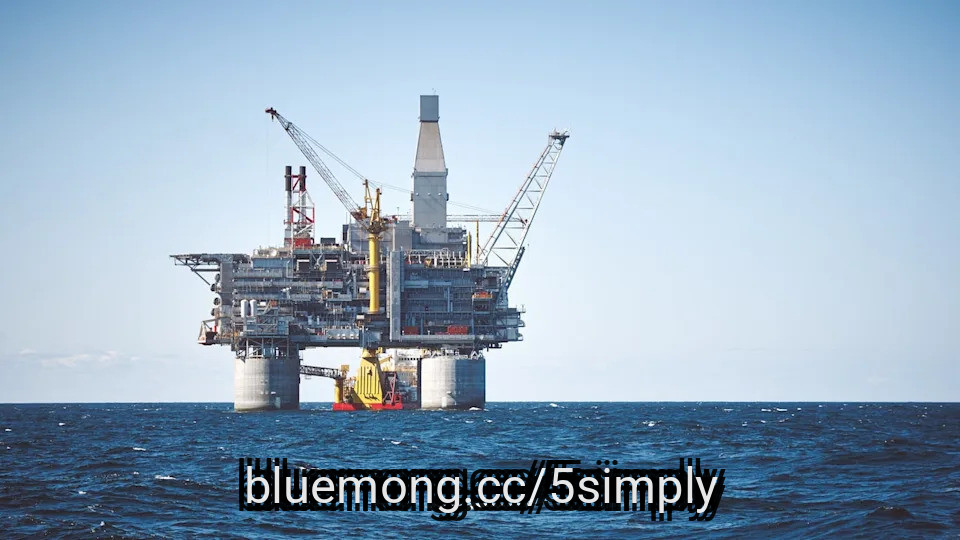
Norway's energy major Equinor hopes to make a "pretty big" oil discovery offshore Namibia, the global exploration hotspot it has just entered, a senior company official said on Tuesday.
Equinor hopes that the Petroleum Exploration License 90 (PEL 90) offshore Namibia could hold a big discovery similar to those TotalEnergies and Galp have made in recent years in the same Orange basin, Philippe Mathieu, Executive Vice President, Exploration & Production International, at Equinor, told reporters on the sidelines of an energy conference in Norway's city of Stavanger.
A week ago, the Norwegian oil and gas major entered the Namibian exploration rush by signing an agreement with Harmattan Energy Limited, a Chevron subsidiary in Namibia, to buy a 17.4% participating interest in Petroleum Exploration License 90 (PEL 90) in the Orange Basin offshore Namibia.
The deal with the U.S. supermajor marks Equinor's entry into Namibia, and the license provides access to a drill-ready prospect scheduled for testing in 2026, the Norwegian company said last week.
"This transaction aligns with our strategy to strengthen and replenish our international portfolio through focused and disciplined growth," Mathieu said last week.
#namibia #exploration #energy
Equinor hopes that the Petroleum Exploration License 90 (PEL 90) offshore Namibia could hold a big discovery similar to those TotalEnergies and Galp have made in recent years in the same Orange basin, Philippe Mathieu, Executive Vice President, Exploration & Production International, at Equinor, told reporters on the sidelines of an energy conference in Norway's city of Stavanger.
A week ago, the Norwegian oil and gas major entered the Namibian exploration rush by signing an agreement with Harmattan Energy Limited, a Chevron subsidiary in Namibia, to buy a 17.4% participating interest in Petroleum Exploration License 90 (PEL 90) in the Orange Basin offshore Namibia.
The deal with the U.S. supermajor marks Equinor's entry into Namibia, and the license provides access to a drill-ready prospect scheduled for testing in 2026, the Norwegian company said last week.
"This transaction aligns with our strategy to strengthen and replenish our international portfolio through focused and disciplined growth," Mathieu said last week.
#namibia #exploration #energy

25 days ago
In ancient legend, 300 Spartan warriors held the narrow pass at Thermopylae against a vast, overwhelming force, relying on a critical bottleneck to offset impossible odds. Today, America's energy security is facing its own fateful "300" moment, fought thousands of feet beneath the Gulf Coast.
As crude inventories in the Strategic Petroleum Reserve drain toward their operational limits, America is left, armed with just 300 million barrels. This dwindling buffer forces the nation into a high-stakes standoff against the uncompromising laws of fluid dynamics, immense geological forces, strict federal statutes, and relentless geopolitical pressure.
The SPR is a subsurface engineering marvel. Spanning 60 massive underground salt caverns across four storage sites in Texas and Louisiana, the system holds a combined authorized capacity of 714 million barrels. These solution-mined cavities are gigantic, often 300 feet wide and 2,000 feet tall, large enough to stack the Empire State Building inside.
Because these caverns operate entirely on a liquid displacement system, they can never be left empty. If the fluids were removed without replacement, the immense geological weight of the overlying earth would cause the salt domes to collapse inward like a crushed shield. Consequently, the total volume of fluid inside the reserve must be permanently maintained at 714 million barrels. However, the actual crude oil inventory tells a sobering story. The crude oil volume currently stands at approximately 293 million barrels. The remainder is entirely heavy salt brine used to push the oil out. Operating below this 300-million-barrel threshold pushes the aging infrastructure into uncharted and hazardous territory.
According to the Department of Energy, the absolute physical minimum crude oil inventory is approximately 70 million barrels. This cushion is required at the very top of the caverns to keep the extraction pipes safely submerged in oil rather than the underlying water. But while 70 million barrels is the structural floor where the salt rock might physically hold together, the practical operational floor is much higher, around 250 million barrels.
#energy
As crude inventories in the Strategic Petroleum Reserve drain toward their operational limits, America is left, armed with just 300 million barrels. This dwindling buffer forces the nation into a high-stakes standoff against the uncompromising laws of fluid dynamics, immense geological forces, strict federal statutes, and relentless geopolitical pressure.
The SPR is a subsurface engineering marvel. Spanning 60 massive underground salt caverns across four storage sites in Texas and Louisiana, the system holds a combined authorized capacity of 714 million barrels. These solution-mined cavities are gigantic, often 300 feet wide and 2,000 feet tall, large enough to stack the Empire State Building inside.
Because these caverns operate entirely on a liquid displacement system, they can never be left empty. If the fluids were removed without replacement, the immense geological weight of the overlying earth would cause the salt domes to collapse inward like a crushed shield. Consequently, the total volume of fluid inside the reserve must be permanently maintained at 714 million barrels. However, the actual crude oil inventory tells a sobering story. The crude oil volume currently stands at approximately 293 million barrels. The remainder is entirely heavy salt brine used to push the oil out. Operating below this 300-million-barrel threshold pushes the aging infrastructure into uncharted and hazardous territory.
According to the Department of Energy, the absolute physical minimum crude oil inventory is approximately 70 million barrels. This cushion is required at the very top of the caverns to keep the extraction pipes safely submerged in oil rather than the underlying water. But while 70 million barrels is the structural floor where the salt rock might physically hold together, the practical operational floor is much higher, around 250 million barrels.
#energy

26 days ago
ADNOC has awarded McDermott a contract worth more than $1 billion for a major offshore pressure-boosting facility at Abu Dhabi's Umm Shaif field, as the UAE accelerates investment in natural gas production.
The engineering, procurement, construction and installation contract covers Package 4 of ADNOC's Umm Shaif Integrated Gas Cap and Surface Pressure Boosting Project. McDermott and its Qingdao McDermott Wuchuan consortium will construct and install a new jacket and topside while modifying existing offshore infrastructure.
McDermott did not disclose the exact contract value but classified it as a "mega" award, which the company defines as exceeding $1 billion. The company said the completed topside will be among the heaviest offshore modules ever installed in the Middle East.
The contract follows ADNOC's $6.2-billion final investment decision in July to develop the Umm Shaif Gas Cap alongside TotalEnergies, Eni and China National Petroleum Corporation. The wider project includes three EPC contracts worth a combined $5.1 billion and a 14-well drilling program.
ADNOC expects the development to unlock more than 600 million standard cubic feet per day of natural gas and ***** ociated liquids, equivalent to roughly 10% of current UAE domestic gas consumption. First production is targeted for 2030.
#mcdermott
The engineering, procurement, construction and installation contract covers Package 4 of ADNOC's Umm Shaif Integrated Gas Cap and Surface Pressure Boosting Project. McDermott and its Qingdao McDermott Wuchuan consortium will construct and install a new jacket and topside while modifying existing offshore infrastructure.
McDermott did not disclose the exact contract value but classified it as a "mega" award, which the company defines as exceeding $1 billion. The company said the completed topside will be among the heaviest offshore modules ever installed in the Middle East.
The contract follows ADNOC's $6.2-billion final investment decision in July to develop the Umm Shaif Gas Cap alongside TotalEnergies, Eni and China National Petroleum Corporation. The wider project includes three EPC contracts worth a combined $5.1 billion and a 14-well drilling program.
ADNOC expects the development to unlock more than 600 million standard cubic feet per day of natural gas and ***** ociated liquids, equivalent to roughly 10% of current UAE domestic gas consumption. First production is targeted for 2030.
#mcdermott

27 days ago
By Nidhi Verma and Florence Tan
Aug 24 (Reuters) - Iran said it had blacklisted 45 tankers that had broken its rules for crossing the Strait of Hormuz, and would take action against any vessels transferring loads with them, escalating its threats over the key waterway six months into the war.
The named vessels could be fined, detained and have their cargoes confiscated, according to an X post late on Sunday from the Persian Gulf Strait Authority, a new body set up by Iran to manage the strait.
The warning was issued within days of the U.S. threatening Iran with "the toughest sanctions in history", and Iran saying its response to any new U.S. threats would be "devastating".
The restricted list includes very large crude carriers, liquefied natural gas and liquefied petroleum gas tankers, and clean product vessels, among others.
#vessels #reuters
Aug 24 (Reuters) - Iran said it had blacklisted 45 tankers that had broken its rules for crossing the Strait of Hormuz, and would take action against any vessels transferring loads with them, escalating its threats over the key waterway six months into the war.
The named vessels could be fined, detained and have their cargoes confiscated, according to an X post late on Sunday from the Persian Gulf Strait Authority, a new body set up by Iran to manage the strait.
The warning was issued within days of the U.S. threatening Iran with "the toughest sanctions in history", and Iran saying its response to any new U.S. threats would be "devastating".
The restricted list includes very large crude carriers, liquefied natural gas and liquefied petroleum gas tankers, and clean product vessels, among others.
#vessels #reuters