

7 hours ago
Varex Imaging Corporation (NASDAQ:VREX) surged 48.5% to $18.42 on August 10 after Teledyne Technologies Incorporated (NYSE:TDY) agreed to acquire the X-ray technology company for $18.90 per share in cash. The offer represents a 52% premium to Varex's unaffected closing price and values the transaction at approximately $1.1 billion, including equity awards and net debt.
Teledyne shares slipped just 0.15%, suggesting investors did not view the premium as an immediate threat to shareholder value. Varex closed about 2.5% below the offer, representing approximately 2.6% upside to the deal price. The narrow spread shifts the debate from whether Varex Imaging Corporation (NASDAQ:VREX) was undervalued to whether Teledyne Technologies Incorporated (NYSE:TDY) can earn an adequate return.
The strategic fit is visible. Varex Imaging Corporation (NASDAQ:VREX) fills specific gaps in Teledyne's imaging portfolio. Teledyne Technologies Incorporated (NYSE:TDY) has cited anticipated synergies but has not quantified them or disclosed expected EPS accretion or return targets.
Teledyne Technologies Incorporated (NYSE:TDY) is not paying primarily for Varex's current growth rate. It is acquiring technologies and customer relationships that could deepen its position across medical, security, and industrial imaging.
Varex produces X-ray tubes, flat-panel detectors, photon-counting detectors, high-voltage interconnects, and imaging software used by equipment manufacturers. These components support medical diagnostic systems, oncology equipment, cargo inspection, vehicle scanning, and industrial quality control.
#teledyne #NYSE #corporation
Teledyne shares slipped just 0.15%, suggesting investors did not view the premium as an immediate threat to shareholder value. Varex closed about 2.5% below the offer, representing approximately 2.6% upside to the deal price. The narrow spread shifts the debate from whether Varex Imaging Corporation (NASDAQ:VREX) was undervalued to whether Teledyne Technologies Incorporated (NYSE:TDY) can earn an adequate return.
The strategic fit is visible. Varex Imaging Corporation (NASDAQ:VREX) fills specific gaps in Teledyne's imaging portfolio. Teledyne Technologies Incorporated (NYSE:TDY) has cited anticipated synergies but has not quantified them or disclosed expected EPS accretion or return targets.
Teledyne Technologies Incorporated (NYSE:TDY) is not paying primarily for Varex's current growth rate. It is acquiring technologies and customer relationships that could deepen its position across medical, security, and industrial imaging.
Varex produces X-ray tubes, flat-panel detectors, photon-counting detectors, high-voltage interconnects, and imaging software used by equipment manufacturers. These components support medical diagnostic systems, oncology equipment, cargo inspection, vehicle scanning, and industrial quality control.
#teledyne #NYSE #corporation


1 day ago
On July 28, GSK plc (NYSE:GSK) reported its second-quarter financial results, delivering strong core operational performance and showcasing steady commercial momentum. The firm's total Q2 turnover reached £8.4 billion, marking a 5% increase year-over-year at constant exchange rates (CER), while Core operating profit climbed 7% CER to £2.80 billion and Core EPS rose 9% CER to 50.5p. Growth was primarily fueled by double-digit gains in Specialty Medicines (+14% CER to £3.8 billion) and robust momentum in Vaccines (+8% CER to £2.3 billion). However, Total operating profit dropped 75% CER to £481 million, hit by a £1.3 billion non-cash impairment charge following the decision to discontinue camlipixant after CALM-1/2 Phase III trial results.
Alongside earnings, GSK outlined major strategic plans to accelerate its R&D roadmap. Management announced it expects 20+ Phase III trial starts in 2026, up from its previous projection of 10, focusing on 7 key **** et accelerations across 18 indications in oncology, respiratory, hepatology, and vaccines.
To support this pipeline expansion and fund late-stage development, GSK initiated its new 'Accelerate Growth' restructuring program. The three-year initiative aims to generate £1.9 billion in annual cost savings by 2029 for total costs of £2.4 billion, with savings earmarked for pipeline reinvestment and supporting operating margins through the dolutegravir loss-of-exclusivity period (2028–2030). Additionally, ViiV Healthcare, GSK's majority-owned HIV business, presented positive Phase IIIb VOGUE study data, reinforcing the efficacy and real-world utility of its long-acting HIV regimen portfolio.
This brings up a key question: Is GSK plc (NYSE:GSK)'s pipeline acceleration and core business growth enough to offset upcoming patent expiries, or does statutory margin volatility signal deeper pipeline execution risks ahead?
Bullish **** ysts highlight that GSK plc's core business model continues to show high execution efficiency, supported by key product launches and pipeline catalysts over the next 12 months that build confidence in reaching its £40 billion sales target by 2031. A critical driver is GSK plc's active business development strategy, illustrated by the acquisition of efimosfermin, which expands its hepatology portfolio, provides optionality for related liver diseases, and seamlessly aligns with corporate M&A goals.
#phase #business #operating
Alongside earnings, GSK outlined major strategic plans to accelerate its R&D roadmap. Management announced it expects 20+ Phase III trial starts in 2026, up from its previous projection of 10, focusing on 7 key **** et accelerations across 18 indications in oncology, respiratory, hepatology, and vaccines.
To support this pipeline expansion and fund late-stage development, GSK initiated its new 'Accelerate Growth' restructuring program. The three-year initiative aims to generate £1.9 billion in annual cost savings by 2029 for total costs of £2.4 billion, with savings earmarked for pipeline reinvestment and supporting operating margins through the dolutegravir loss-of-exclusivity period (2028–2030). Additionally, ViiV Healthcare, GSK's majority-owned HIV business, presented positive Phase IIIb VOGUE study data, reinforcing the efficacy and real-world utility of its long-acting HIV regimen portfolio.
This brings up a key question: Is GSK plc (NYSE:GSK)'s pipeline acceleration and core business growth enough to offset upcoming patent expiries, or does statutory margin volatility signal deeper pipeline execution risks ahead?
Bullish **** ysts highlight that GSK plc's core business model continues to show high execution efficiency, supported by key product launches and pipeline catalysts over the next 12 months that build confidence in reaching its £40 billion sales target by 2031. A critical driver is GSK plc's active business development strategy, illustrated by the acquisition of efimosfermin, which expands its hepatology portfolio, provides optionality for related liver diseases, and seamlessly aligns with corporate M&A goals.
#phase #business #operating


1 day ago
Two biopharma giants, Merck & Co., Inc. (NYSE:MRK) and Gilead Sciences, Inc. (NASDAQ:GILD), are proving that in modern drug development, the biggest catalyst isn't always competing head-to-head; it is knowing when to join forces. While both companies reported their first-quarter 2026 earnings earlier this year, their recent double dose of clinical and regulatory breakthroughs across oncology and virology shows how strategic alliances can reshape two massive therapeutic markets at once.
Merck & Co., Inc. delivered $16.3 billion in total sales for the first quarter of 2026, up 5% year-over-year (3% excluding foreign exchange). Top-line growth continued to be anchored by its flagship oncology therapy, Keytruda, which, alongside its sub-formulations, brought in $8.0 billion in sales, representing an 8% ex-exchange increase. Pulmonary arterial hypertension treatment Winrevair also contributed strongly with $525 million in quarterly revenue, up 87% ex-exchange. GAAP and non-GAAP bottom-line metrics reflected net losses per share of $1.72 and $1.28, respectively, largely driven by upfront charges tied to the strategic acquisition of Cidara Therapeutics. Despite those acquisition-related charges, Merck narrowed and raised the midpoint of its full-year worldwide sales guidance to between $65.8 billion and $67.0 billion.
Merck's growth story remains heavily reliant on expanding Keytruda's reach into earlier-stage treatments and novel combination regimens. With key patent expirations approaching toward the end of the decade, management has aggressively pursued business development and combination therapies to diversify its revenue base and maintain its dominance in immuno-oncology.
Gilead Sciences, Inc. reported $7.0 billion in total revenue for the first quarter of 2026, posting 5% year-over-year product sales growth. Gilead's base business, excluding COVID-19 treatment Veklury, rose 8% year-over-year to $6.8 billion, powered by its market-leading HIV franchise, which generated $5.0 billion in sales (up 10% year-over-year). Biktarvy remained the primary growth driver, while newly launched therapies like Yeztugo (lenacapavir) for HIV pre-exposure prophylaxis provided fresh momentum. The corporation's adjusted diluted earnings per share reached $2.03.
Backed by strong demand across its core virology portfolio, Gilead Sciences, Inc. raised its full-year 2026 total product sales guidance range by $400 million, targeting $30.0 billion to $30.4 billion.
#billion #merck #sciences #oncology
Merck & Co., Inc. delivered $16.3 billion in total sales for the first quarter of 2026, up 5% year-over-year (3% excluding foreign exchange). Top-line growth continued to be anchored by its flagship oncology therapy, Keytruda, which, alongside its sub-formulations, brought in $8.0 billion in sales, representing an 8% ex-exchange increase. Pulmonary arterial hypertension treatment Winrevair also contributed strongly with $525 million in quarterly revenue, up 87% ex-exchange. GAAP and non-GAAP bottom-line metrics reflected net losses per share of $1.72 and $1.28, respectively, largely driven by upfront charges tied to the strategic acquisition of Cidara Therapeutics. Despite those acquisition-related charges, Merck narrowed and raised the midpoint of its full-year worldwide sales guidance to between $65.8 billion and $67.0 billion.
Merck's growth story remains heavily reliant on expanding Keytruda's reach into earlier-stage treatments and novel combination regimens. With key patent expirations approaching toward the end of the decade, management has aggressively pursued business development and combination therapies to diversify its revenue base and maintain its dominance in immuno-oncology.
Gilead Sciences, Inc. reported $7.0 billion in total revenue for the first quarter of 2026, posting 5% year-over-year product sales growth. Gilead's base business, excluding COVID-19 treatment Veklury, rose 8% year-over-year to $6.8 billion, powered by its market-leading HIV franchise, which generated $5.0 billion in sales (up 10% year-over-year). Biktarvy remained the primary growth driver, while newly launched therapies like Yeztugo (lenacapavir) for HIV pre-exposure prophylaxis provided fresh momentum. The corporation's adjusted diluted earnings per share reached $2.03.
Backed by strong demand across its core virology portfolio, Gilead Sciences, Inc. raised its full-year 2026 total product sales guidance range by $400 million, targeting $30.0 billion to $30.4 billion.
#billion #merck #sciences #oncology


1 day ago
Our ***** ysts just identified a stock with the potential to be the next Nvidia. Tell us how you invest and we'll show you why it's our #1 pick. Tap here.
Management is intentionally pivoting the company from a legacy equipment leasing model to a diversified radiation oncology platform focused on direct patient services.
Revenue growth of 19% was primarily driven by higher patient volumes in Rhode Island and improved international performance following technology upgrades.
The international strategy is yielding results in Peru, where the ESPRIT Gamma Knife upgrade has significantly improved patient throughput and utilization.
Proton beam radiation therapy in Orlando remains a key growth driver, benefiting from a combination of increased treatment volumes and favorable reimbursement trends.
#improved #NVIDIA
Management is intentionally pivoting the company from a legacy equipment leasing model to a diversified radiation oncology platform focused on direct patient services.
Revenue growth of 19% was primarily driven by higher patient volumes in Rhode Island and improved international performance following technology upgrades.
The international strategy is yielding results in Peru, where the ESPRIT Gamma Knife upgrade has significantly improved patient throughput and utilization.
Proton beam radiation therapy in Orlando remains a key growth driver, benefiting from a combination of increased treatment volumes and favorable reimbursement trends.
#improved #NVIDIA


4 days ago
It was reported on July 27 that AstraZeneca PLC (NASDAQ:AZN) shares outperformed in European trading after the company reported second-quarter earnings that beat Wall Street expectations and reiterated its full-year 2026 guidance. Core earnings per share (EPS) jumped 18% on a constant exchange rate (FXN) basis year-over-year to $2.63, comfortably ahead of the $2.48 ***** yst consensus. Total revenue reached $15.38 billion, up 5% at constant exchange rates, driven primarily by sustained momentum in its Oncology and Rare Disease units. Management reconfirmed its full-year 2026 outlook of mid-to-high single-digit revenue growth and low double-digit Core EPS growth, expressing confidence in reaching its $80 billion total revenue target by 2030 despite near-term headwind shocks.
The quarter demonstrated strong commercial execution in core growth engines. Oncology revenue rose 16% to $7.33 billion, supported by strong demand for Tagrisso ($1.94 billion), Imfinzi ($1.85 billion), and Enhertu (+31%). Rare Disease contributed $4.9 billion, led by Ultomiris. These gains successfully offset severe pressures in the Cardiovascular, Renal & Metabolism (CVRM) segment, which declined 15% due to the loss of exclusivity (LOE) for Farxiga in the U.S. and ongoing Volume-Based Procurement (VBP) price cuts in China.
Meanwhile, pipeline updates presented a mixed picture. On July 27, AZN disclosed that a Phase 3 study evaluating Ultomiris in hematopoietic stem cell transplant-associated thrombotic microangiopathy (HSCT-TMA) failed to hit its primary endpoint of event-free survival at week 26 versus placebo. Following the readout, H.C. Wainwright noted that the trial miss represents a "clear positive" for competitor Omeros (OMER), removing a major near-term competitive overhang on its drug Yartemlea and driving Omeros shares up 11% in morning trading.
AstraZeneca PLC (NASDAQ:AZN)'s core profitability remains elite, with core operating margins expanding to 34% in Q2 despite top-line headwinds from generic entry. High gross and net margins signal durable pricing power across its branded specialty portfolio. This strong profitability generates predictable cash flow to fund heavy R&D investments, commercial rollouts, and growing shareholder returns, including a 3-cent increase in the interim dividend to $1.06 per share, while buffering the company against pricing pressure.
The company's expansive late-stage pipeline and high volume of regulatory approvals underpin a multi-year growth trajectory. With 30 major regional approvals since late 2025 and more than 20 high-value trial readouts scheduled over the next 18 months, AZN possesses broad commercial optionality. Continued expansions in oncology (e.g., Enhertu and Imfinzi) and respiratory therapies (such as Breztri and Tezspire) provide direct revenue replacement for legacy products facing patent expiration.
#high #july
The quarter demonstrated strong commercial execution in core growth engines. Oncology revenue rose 16% to $7.33 billion, supported by strong demand for Tagrisso ($1.94 billion), Imfinzi ($1.85 billion), and Enhertu (+31%). Rare Disease contributed $4.9 billion, led by Ultomiris. These gains successfully offset severe pressures in the Cardiovascular, Renal & Metabolism (CVRM) segment, which declined 15% due to the loss of exclusivity (LOE) for Farxiga in the U.S. and ongoing Volume-Based Procurement (VBP) price cuts in China.
Meanwhile, pipeline updates presented a mixed picture. On July 27, AZN disclosed that a Phase 3 study evaluating Ultomiris in hematopoietic stem cell transplant-associated thrombotic microangiopathy (HSCT-TMA) failed to hit its primary endpoint of event-free survival at week 26 versus placebo. Following the readout, H.C. Wainwright noted that the trial miss represents a "clear positive" for competitor Omeros (OMER), removing a major near-term competitive overhang on its drug Yartemlea and driving Omeros shares up 11% in morning trading.
AstraZeneca PLC (NASDAQ:AZN)'s core profitability remains elite, with core operating margins expanding to 34% in Q2 despite top-line headwinds from generic entry. High gross and net margins signal durable pricing power across its branded specialty portfolio. This strong profitability generates predictable cash flow to fund heavy R&D investments, commercial rollouts, and growing shareholder returns, including a 3-cent increase in the interim dividend to $1.06 per share, while buffering the company against pricing pressure.
The company's expansive late-stage pipeline and high volume of regulatory approvals underpin a multi-year growth trajectory. With 30 major regional approvals since late 2025 and more than 20 high-value trial readouts scheduled over the next 18 months, AZN possesses broad commercial optionality. Continued expansions in oncology (e.g., Enhertu and Imfinzi) and respiratory therapies (such as Breztri and Tezspire) provide direct revenue replacement for legacy products facing patent expiration.
#high #july


4 days ago
AbbVie (NYSE:ABBV) just moved a step closer to expanding one of its most recognizable brands. On August 4, the FDA accepted for review a supplemental Biologics License Application for Botox Cosmetic to treat masseter muscle prominence, the jaw-muscle bulge that can give a face a wider, squarer look. If cleared, Botox Cosmetic would become the first and only neurotoxin approved for that use in the US and the fifth aesthetic indication for a drug that already anchors AbbVie's fastest-growing units.
The filing rests on two Phase 3 studies, M21-416 and M21-417, both of which hit their main goal and showed statistically significant improvement in masseter prominence against a placebo, with p-values of 0.0046 and 0.0014. Twice as many treated patients called themselves satisfied compared with the placebo group, and the safety data lined up with Botox's long track record, with no new red flags. That is the AbbVie playbook in miniature: squeeze another approved use out of a drug it already owns rather than starting from zero.
The broader business backs that pattern up. In the quarter ended June 30, net revenue came in just under $17 billion, up more than 10% year over year, with immunology sales climbing 15% on Skyrizi and Rinvoq and neuroscience revenue jumping more than 20%. Management raised its full-year outlook for the second time this year, and the Humira patent-cliff drag that weighed on results for two years now looks largely behind the company.
Most of AbbVie's US product sales still flow through just three wholesale distributors, McKesson, Cardinal Health, and Cencora, a concentration that leaves the company exposed if any one relationship sours. The balance sheet carries real leverage too: a debt-to-equity ratio of roughly -21.1x as of its December 2025 filing means liabilities outweigh shareholder equity outright, and a current ratio near 0.7x offers less short-term cushion than many healthcare peers hold.
Patent protection for Skyrizi and Rinvoq remains a multi-year risk, and the Inflation Reduction Act already allows government price negotiation on products including Imbruvica and, notably, Botox itself. The pending $10.9 billion Apogee Therapeutics acquisition adds fresh debt and integration risk on top of that. Oncology revenue slipped almost 2% in the latest quarter, and the stock's 8% gain this year has trailed the S&P 500's 13%, with a trailing P/E near 70 that mostly reflects acquisition-related charges rather than the underlying business.
#revenue
The filing rests on two Phase 3 studies, M21-416 and M21-417, both of which hit their main goal and showed statistically significant improvement in masseter prominence against a placebo, with p-values of 0.0046 and 0.0014. Twice as many treated patients called themselves satisfied compared with the placebo group, and the safety data lined up with Botox's long track record, with no new red flags. That is the AbbVie playbook in miniature: squeeze another approved use out of a drug it already owns rather than starting from zero.
The broader business backs that pattern up. In the quarter ended June 30, net revenue came in just under $17 billion, up more than 10% year over year, with immunology sales climbing 15% on Skyrizi and Rinvoq and neuroscience revenue jumping more than 20%. Management raised its full-year outlook for the second time this year, and the Humira patent-cliff drag that weighed on results for two years now looks largely behind the company.
Most of AbbVie's US product sales still flow through just three wholesale distributors, McKesson, Cardinal Health, and Cencora, a concentration that leaves the company exposed if any one relationship sours. The balance sheet carries real leverage too: a debt-to-equity ratio of roughly -21.1x as of its December 2025 filing means liabilities outweigh shareholder equity outright, and a current ratio near 0.7x offers less short-term cushion than many healthcare peers hold.
Patent protection for Skyrizi and Rinvoq remains a multi-year risk, and the Inflation Reduction Act already allows government price negotiation on products including Imbruvica and, notably, Botox itself. The pending $10.9 billion Apogee Therapeutics acquisition adds fresh debt and integration risk on top of that. Oncology revenue slipped almost 2% in the latest quarter, and the stock's 8% gain this year has trailed the S&P 500's 13%, with a trailing P/E near 70 that mostly reflects acquisition-related charges rather than the underlying business.
#revenue

5 days ago
Our **** ysts just identified a stock with the potential to be the next Nvidia. Tell us how you invest and we'll show you why it's our #1 pick. Tap here.
Management is executing a planned leadership transition, elevating Ryan Cohlhepp to CEO to leverage his commercial oncology experience as the company nears potential launch.
The company's strategic focus remains on the pivotal Phase III FORTIFI-HN01 study for HPV-negative head and neck cancer, which is on track for substantial enrollment by year-end.
Three-year follow-up data presented at ASCO 2026 demonstrated that TGF-beta inhibition nearly doubled overall survival versus standard of care pembrolizumab in the pivotal dose cohort.
Management attributes clinical success to the mechanistic foundation of TGF-beta inhibition, which drives deeper tumor penetration and immune cell infiltration compared to standard EGFR-directed therapies.
#management #year
Management is executing a planned leadership transition, elevating Ryan Cohlhepp to CEO to leverage his commercial oncology experience as the company nears potential launch.
The company's strategic focus remains on the pivotal Phase III FORTIFI-HN01 study for HPV-negative head and neck cancer, which is on track for substantial enrollment by year-end.
Three-year follow-up data presented at ASCO 2026 demonstrated that TGF-beta inhibition nearly doubled overall survival versus standard of care pembrolizumab in the pivotal dose cohort.
Management attributes clinical success to the mechanistic foundation of TGF-beta inhibition, which drives deeper tumor penetration and immune cell infiltration compared to standard EGFR-directed therapies.
#management #year


6 days ago
Eli Lilly (NYSE:LLY) delivered a quarter that forced Wall Street to catch up to its own numbers. On August 5, the company reported second-quarter revenue of $23.0 billion, up 48% from a year earlier, and used the momentum to raise its full-year sales and profit targets. Shares moved higher the same day as investors focused on how fast the obesity franchise is still expanding.
The headline number came from Mounjaro and Zepbound. Mounjaro revenue jumped 91% to $9.9 billion, while Zepbound climbed 46% to $4.9 billion, and together they anchored a quarter where US sales rose 33% to $14.4 billion, and international sales rose 80% to $8.6 billion. Growth was not confined to the diabetes and obesity lineup either. Lilly's immunology, oncology, and neuroscience products grew a combined 121%, showing the newer parts of the portfolio are starting to contribute in a real way.
Management responded by lifting full-year revenue guidance to a range of $85 billion to $87 billion, up from $82 billion to $85 billion previously. Lilly is also plowing the cash back into its pipeline, closing acquisitions of Orna Therapeutics, Ajax Therapeutics, Centessa Pharmaceuticals, and Kelonia Therapeutics during the quarter, agreeing to buy AtaiBeckley afterward, and committing another $4.5 billion to expand manufacturing in Indiana. On the drug development side, three more Phase 3 trials of the experimental triple agonist retatrutide read out positively, giving Lilly a complete data package to support a planned obesity application submission in the first quarter of 2027.
The same quarter that produced 48% revenue growth also showed what that growth is costing. Realized prices fell 13% company-wide, with international pricing down 36% largely tied to Mounjaro's addition to China's national reimbursement drug list, a trade-off Lilly is making for volume and market access. The acquisition spree carried a real accounting price tag too. Acquired R&D charges hit $2.8 billion in the quarter, versus just $154 million a year earlier, which is why reported EPS grew only 26% even as the non-GAAP figure grew 33%.
Asset impairment and restructuring charges of $703 million, largely tied to the Kelonia and Centessa deals, added further drag, and the effective tax rate climbed to 23.3% from 16.5% because of the non-deductible nature of those charges. R&D spending rose 14% to $3.8 billion, and marketing and administrative costs rose 25% to $3.4 billion, a reminder that funding a pipeline this active and prepping for a wave of new launches is not cheap. None of this changes the underlying growth story, but it does mean the path from strong sales to clean reported profit is getting ****** pier as the deal-making continues.
#billion #lilly #therapeutics #reported
The headline number came from Mounjaro and Zepbound. Mounjaro revenue jumped 91% to $9.9 billion, while Zepbound climbed 46% to $4.9 billion, and together they anchored a quarter where US sales rose 33% to $14.4 billion, and international sales rose 80% to $8.6 billion. Growth was not confined to the diabetes and obesity lineup either. Lilly's immunology, oncology, and neuroscience products grew a combined 121%, showing the newer parts of the portfolio are starting to contribute in a real way.
Management responded by lifting full-year revenue guidance to a range of $85 billion to $87 billion, up from $82 billion to $85 billion previously. Lilly is also plowing the cash back into its pipeline, closing acquisitions of Orna Therapeutics, Ajax Therapeutics, Centessa Pharmaceuticals, and Kelonia Therapeutics during the quarter, agreeing to buy AtaiBeckley afterward, and committing another $4.5 billion to expand manufacturing in Indiana. On the drug development side, three more Phase 3 trials of the experimental triple agonist retatrutide read out positively, giving Lilly a complete data package to support a planned obesity application submission in the first quarter of 2027.
The same quarter that produced 48% revenue growth also showed what that growth is costing. Realized prices fell 13% company-wide, with international pricing down 36% largely tied to Mounjaro's addition to China's national reimbursement drug list, a trade-off Lilly is making for volume and market access. The acquisition spree carried a real accounting price tag too. Acquired R&D charges hit $2.8 billion in the quarter, versus just $154 million a year earlier, which is why reported EPS grew only 26% even as the non-GAAP figure grew 33%.
Asset impairment and restructuring charges of $703 million, largely tied to the Kelonia and Centessa deals, added further drag, and the effective tax rate climbed to 23.3% from 16.5% because of the non-deductible nature of those charges. R&D spending rose 14% to $3.8 billion, and marketing and administrative costs rose 25% to $3.4 billion, a reminder that funding a pipeline this active and prepping for a wave of new launches is not cheap. None of this changes the underlying growth story, but it does mean the path from strong sales to clean reported profit is getting ****** pier as the deal-making continues.
#billion #lilly #therapeutics #reported


10 days ago
Pfizer (PFE) yields nearly 7% as COVID drugs crater, while Merck (MRK) compounds at 66% one-year gains with a leaner 3% payout.
Pfizer runs 20 pivotal trials in 2026 targeting obesity and oncology, with a Vyndamax patent extension to 2031 protecting dividend coverage.
It sounds nuts, but SoFi1 is giving new Active Invest users up to $3,000 in stock for a limited time, and all it takes is a $50 deposit to get started.2 See for yourself (Sponsor)
Pfizer (NYSE:PFE) and Merck (NYSE:MRK) refreshed the dividend debate with their latest quarterly reports.
Pfizer defends one of Big Pharma's fattest yields while its COVID franchise fades. Merck absorbs multi-billion dollar deal charges to reload a pipeline behind Keytruda. Two payouts, two very different risk profiles for income investors.
#NYSE #yields #Dividend
Pfizer runs 20 pivotal trials in 2026 targeting obesity and oncology, with a Vyndamax patent extension to 2031 protecting dividend coverage.
It sounds nuts, but SoFi1 is giving new Active Invest users up to $3,000 in stock for a limited time, and all it takes is a $50 deposit to get started.2 See for yourself (Sponsor)
Pfizer (NYSE:PFE) and Merck (NYSE:MRK) refreshed the dividend debate with their latest quarterly reports.
Pfizer defends one of Big Pharma's fattest yields while its COVID franchise fades. Merck absorbs multi-billion dollar deal charges to reload a pipeline behind Keytruda. Two payouts, two very different risk profiles for income investors.
#NYSE #yields #Dividend




10 days ago
Baron Capital, an investment management company, released its Q2 2026 investor letter for the "Baron Health Care Fund". A copy of the letter is available to download here. The Fund gained 11.99% during the quarter, compared with the 10.48% gain for the Russell 3000 Health Care Index and the 15.44% gain for the Russell 3000 Index. Since inception, the Fund appreciated 10.61% on an annualized basis, compared with 10.02% for the Benchmark and 14.83% for the Index. Strong stock selection in pharmaceuticals, biotechnology, health care equipment, and life sciences tools and services supported the Fund's outperformance, although limited exposure to managed care stocks reduced relative returns. The Fund remains positive on health care due to improving biotechnology funding, strong acquisition activity, recovering managed care margins, and growth from an aging population, chronic disease, medical innovation, and higher health care spending. In addition, please check the Fund's top five holdings to know the best picks in 2026.
In its second-quarter 2026 investor letter, Baron Health Care Fund highlighted BillionToOne, Inc. (NASDAQ:BLLN). BillionToOne, Inc. (NASDAQ:BLLN), a precision diagnostics company leveraging its technology to quantify biology to create molecular diagnostics, delivered strong performance during the quarter. On August 03, 2026, BillionToOne, Inc. (NASDAQ:BLLN) closed at $137.32 per share. The one-month return of BillionToOne, Inc. (NASDAQ:BLLN) was 16.33%, and YTD its shares gained 67.79% over the past 52 weeks. BillionToOne, Inc. (NASDAQ:BLLN) has a market capitalization of $6.32 billion.
Baron Health Care Fund stated the following regarding BillionToOne, Inc. (NASDAQ:BLLN) in its Q2 2026 investor letter:
"BillionToOne, Inc. (NASDAQ:BLLN) is a diagnostics company that is disrupting the market with more accurate prenatal and oncology genetic tests. Today, the vast majority of the company's revenue is generated by UNITY, a unique prenatal test that can screen for recessive single gene disorders from a maternal blood draw and identify fetal antigen status across both red blood cell and platelet antigens. Shares rose in the second quarter after the company reported robust first-quarter results (revenue up 84% year over year with 22% operating margins) and announced a meaningful expansion of commercial insurance coverage for its UNITY test and new UNITY Confirm product, which can replace amniocentesis or chorionic villus sampling to confirm a genetic diagnosis following a high-risk UNITY screening result. We continue to believe that BillionToOne's differentiated "quantitative counting template" technology enables more sensitive genetic testing. The company is making early headway in oncology with its SELECT therapy selection and RESPONSE therapy monitoring tests, which we think will be important future growth drivers."
#NASDAQ #baron
In its second-quarter 2026 investor letter, Baron Health Care Fund highlighted BillionToOne, Inc. (NASDAQ:BLLN). BillionToOne, Inc. (NASDAQ:BLLN), a precision diagnostics company leveraging its technology to quantify biology to create molecular diagnostics, delivered strong performance during the quarter. On August 03, 2026, BillionToOne, Inc. (NASDAQ:BLLN) closed at $137.32 per share. The one-month return of BillionToOne, Inc. (NASDAQ:BLLN) was 16.33%, and YTD its shares gained 67.79% over the past 52 weeks. BillionToOne, Inc. (NASDAQ:BLLN) has a market capitalization of $6.32 billion.
Baron Health Care Fund stated the following regarding BillionToOne, Inc. (NASDAQ:BLLN) in its Q2 2026 investor letter:
"BillionToOne, Inc. (NASDAQ:BLLN) is a diagnostics company that is disrupting the market with more accurate prenatal and oncology genetic tests. Today, the vast majority of the company's revenue is generated by UNITY, a unique prenatal test that can screen for recessive single gene disorders from a maternal blood draw and identify fetal antigen status across both red blood cell and platelet antigens. Shares rose in the second quarter after the company reported robust first-quarter results (revenue up 84% year over year with 22% operating margins) and announced a meaningful expansion of commercial insurance coverage for its UNITY test and new UNITY Confirm product, which can replace amniocentesis or chorionic villus sampling to confirm a genetic diagnosis following a high-risk UNITY screening result. We continue to believe that BillionToOne's differentiated "quantitative counting template" technology enables more sensitive genetic testing. The company is making early headway in oncology with its SELECT therapy selection and RESPONSE therapy monitoring tests, which we think will be important future growth drivers."
#NASDAQ #baron


10 days ago
Baron Capital, an investment management company, released its Q2 2026 investor letter for the "Baron Health Care Fund". A copy of the letter is available to download here. The Fund gained 11.99% during the quarter, compared with the 10.48% gain for the Russell 3000 Health Care Index and the 15.44% gain for the Russell 3000 Index. Since inception, the Fund appreciated 10.61% on an annualized basis, compared with 10.02% for the Benchmark and 14.83% for the Index. Strong stock selection in pharmaceuticals, biotechnology, health care equipment, and life sciences tools and services supported the Fund's outperformance, although limited exposure to managed care stocks reduced relative returns. The Fund remains positive on health care due to improving biotechnology funding, strong acquisition activity, recovering managed care margins, and growth from an aging population, chronic disease, medical innovation, and higher health care spending. In addition, please check the Fund's top five holdings to know best picks in 2026.
In its second-quarter 2026 investor letter, Baron Health Care Fund highlighted Revolution Medicines, Inc. (NASDAQ:RVMD) as a new addition. Revolution Medicines, Inc. (NASDAQ:RVMD) is a clinical-stage precision oncology company that develops novel targeted therapies for RAS-addicted cancers. On August 3, 2026, Revolution Medicines, Inc. (NASDAQ:RVMD) closed at $182.45 per share. The one-month return of Revolution Medicines, Inc. (NASDAQ:RVMD) was -4.21% and its shares gained 375.25% over the past 52 weeks. Revolution Medicines, Inc. (NASDAQ:RVMD) has a market capitalization of $38.79 billion.
Baron Health Care Fund stated the following regarding Revolution Medicines, Inc. (NASDAQ:RVMD) in its Q2 2026 investor letter:
"We added to our position in Revolution Medicines, Inc., a biotechnology company developing medicines to treat cancers driven by rat sarcoma (RAS) mutations. The company estimates there are 190,000 new cancer diagnoses each year in the U.S. that are driven by RAS mutations, including approximately 60,000 patients with non-small cell lung cancer, 75,000 patients with colorectal cancer, and 56,000 patients with pancreatic cancer. In April, the company released topline results from its RASolute 302 trial in which patients with advanced pancreatic cancer who received the company's medicine Daraxonrasib in the second line had a median overall survival of 13.2 months compared to 6.7 months for the patients who received chemotherapy. Subsequently at the annual meeting of the American Society of Clinical Oncology (ASCO), the clinical trial investigators presented the full data which confirmed the groundbreaking results. In this patient population, Daraxonrasib reduced the risk of death by 60% compared with chemotherapy. The presentation at ASCO received a standing ovation, which is rare in oncology and even rarer in pancreatic cancer. Daraxonrasib represents the first major advance in pancreatic cancer in over 30 years. Also, duri
In its second-quarter 2026 investor letter, Baron Health Care Fund highlighted Revolution Medicines, Inc. (NASDAQ:RVMD) as a new addition. Revolution Medicines, Inc. (NASDAQ:RVMD) is a clinical-stage precision oncology company that develops novel targeted therapies for RAS-addicted cancers. On August 3, 2026, Revolution Medicines, Inc. (NASDAQ:RVMD) closed at $182.45 per share. The one-month return of Revolution Medicines, Inc. (NASDAQ:RVMD) was -4.21% and its shares gained 375.25% over the past 52 weeks. Revolution Medicines, Inc. (NASDAQ:RVMD) has a market capitalization of $38.79 billion.
Baron Health Care Fund stated the following regarding Revolution Medicines, Inc. (NASDAQ:RVMD) in its Q2 2026 investor letter:
"We added to our position in Revolution Medicines, Inc., a biotechnology company developing medicines to treat cancers driven by rat sarcoma (RAS) mutations. The company estimates there are 190,000 new cancer diagnoses each year in the U.S. that are driven by RAS mutations, including approximately 60,000 patients with non-small cell lung cancer, 75,000 patients with colorectal cancer, and 56,000 patients with pancreatic cancer. In April, the company released topline results from its RASolute 302 trial in which patients with advanced pancreatic cancer who received the company's medicine Daraxonrasib in the second line had a median overall survival of 13.2 months compared to 6.7 months for the patients who received chemotherapy. Subsequently at the annual meeting of the American Society of Clinical Oncology (ASCO), the clinical trial investigators presented the full data which confirmed the groundbreaking results. In this patient population, Daraxonrasib reduced the risk of death by 60% compared with chemotherapy. The presentation at ASCO received a standing ovation, which is rare in oncology and even rarer in pancreatic cancer. Daraxonrasib represents the first major advance in pancreatic cancer in over 30 years. Also, duri


11 days ago
SKYRIZI supplies close to a third of guided company revenue, which puts an unusual amount of AbbVie's future behind one patent estate.
AbbVie (ABBV) has guided total 2026 revenue to roughly $67.6 billion. About $21.7 billion of that, close to one-third, is expected to come from a single medicine, SKYRIZI. That share is the number a holder should sit with before anything else in this story.
The quarterly picture has the same shape. SKYRIZI sold $5.5 billion in the second quarter of 2026, up 24% operationally, against total net revenues of nearly $17 billion, and the next largest product AbbVie broke out, RINVOQ, sold more than $2.5 billion. Immunology as a whole brought in nearly $8.8 billion, more than half the company, on 14.6% operational growth. What makes that concentration matter is what sits beside it: oncology revenue of more than $1.6 billion fell 2.4% operationally in the same three months, and aesthetics, at nearly $1.3 billion, slipped 0.9%. Neuroscience did grow, at more than $3.2 billion and roughly 20%. So the growth you are paying for sits in immunology and neuroscience, and inside the bigger of the two it leans mostly on one molecule.
AbbVie does not have to imagine what biosimilar entry does to a large immunology franchise, because it is happening on its own income statement right now. HUMIRA sold $756 million in the second quarter of 2026, down 36% operationally, which the company puts down to biosimilar competition. A franchise shedding better than a third of its sales year over year is the shape of the risk, not its timing, because the two products sit on very different clocks.
SKYRIZI's clock is public and much further out. The company says the US composition-of-matter patent expires in 2033, that later-expiring patents embodying the product are granted or in process and run into the mid twenty-thirties and later, that regulatory data protection does not lapse until 2031, and that it does not expect biosimilar applications before the end of the decade. That is a long runway by any standard. It is also why the question keeps coming back, because close to a third of today's guided revenue eventually sits behind that later intellectual property rather than behind the original patent.
#billion #skyrizi #abbvie #behind
AbbVie (ABBV) has guided total 2026 revenue to roughly $67.6 billion. About $21.7 billion of that, close to one-third, is expected to come from a single medicine, SKYRIZI. That share is the number a holder should sit with before anything else in this story.
The quarterly picture has the same shape. SKYRIZI sold $5.5 billion in the second quarter of 2026, up 24% operationally, against total net revenues of nearly $17 billion, and the next largest product AbbVie broke out, RINVOQ, sold more than $2.5 billion. Immunology as a whole brought in nearly $8.8 billion, more than half the company, on 14.6% operational growth. What makes that concentration matter is what sits beside it: oncology revenue of more than $1.6 billion fell 2.4% operationally in the same three months, and aesthetics, at nearly $1.3 billion, slipped 0.9%. Neuroscience did grow, at more than $3.2 billion and roughly 20%. So the growth you are paying for sits in immunology and neuroscience, and inside the bigger of the two it leans mostly on one molecule.
AbbVie does not have to imagine what biosimilar entry does to a large immunology franchise, because it is happening on its own income statement right now. HUMIRA sold $756 million in the second quarter of 2026, down 36% operationally, which the company puts down to biosimilar competition. A franchise shedding better than a third of its sales year over year is the shape of the risk, not its timing, because the two products sit on very different clocks.
SKYRIZI's clock is public and much further out. The company says the US composition-of-matter patent expires in 2033, that later-expiring patents embodying the product are granted or in process and run into the mid twenty-thirties and later, that regulatory data protection does not lapse until 2031, and that it does not expect biosimilar applications before the end of the decade. That is a long runway by any standard. It is also why the question keeps coming back, because close to a third of today's guided revenue eventually sits behind that later intellectual property rather than behind the original patent.
#billion #skyrizi #abbvie #behind


11 days ago
Agilent Technologies Inc. (NYSE:A) just extended its diagnostics franchise into one of oncology's toughest corners. On July 23, the company said European regulators had certified its PD-L1 IHC 22C3 pharmDx test, Code SK006, as a companion diagnostic for epithelial ovarian, fallopian tube, and primary peritoneal carcinoma. That lets pathologists flag patients who might benefit from Merck's Keytruda. It is a narrow, technical-sounding approval, but it adds up to something bigger: Agilent's diagnostics business keeps racking up new indications while competitors scramble to keep pace.
Bull Case: A Diagnostics Machine That Keeps Adding Indications
This is now the eighth CE-marked indication for the 22C3 pharmDx ****** ay in the EU, following FDA approval of a related PD-L1 test (28-8 pharmDx) for esophageal and gastric cancers just nine days earlier. Each new label doesn't require Agilent to build a new product; it just extends the reach of an ****** ay already running in labs worldwide, which is a high-margin way to grow. Agilent has also been adding inorganically, closing its acquisition of Biocare Medical in June to deepen its clinical pathology reach, the same market where this new ovarian cancer approval lives. Together, the pipeline of regulatory wins and the acquisition strategy point to a company compounding its diagnostics footprint one label at a time rather than swinging for one blockbuster product.
Bear Case: A Crowded Diagnostics Field With A Scarier Neighbor
Companion diagnostics is not Agilent's alone to win. Danaher Corporation (NYSE:DHR), through its Leica Biosystems unit, competes directly for the same pathology lab budgets and just agreed on July 14 to acquire StatLab Medical Products to strengthen its own histology and AI-pathology pipeline. Danaher's own stock cratered 14% on July 21 after it trimmed its core revenue growth outlook, even though it beat on earnings and raised its profit forecast.
#pharmdx #pathology
Bull Case: A Diagnostics Machine That Keeps Adding Indications
This is now the eighth CE-marked indication for the 22C3 pharmDx ****** ay in the EU, following FDA approval of a related PD-L1 test (28-8 pharmDx) for esophageal and gastric cancers just nine days earlier. Each new label doesn't require Agilent to build a new product; it just extends the reach of an ****** ay already running in labs worldwide, which is a high-margin way to grow. Agilent has also been adding inorganically, closing its acquisition of Biocare Medical in June to deepen its clinical pathology reach, the same market where this new ovarian cancer approval lives. Together, the pipeline of regulatory wins and the acquisition strategy point to a company compounding its diagnostics footprint one label at a time rather than swinging for one blockbuster product.
Bear Case: A Crowded Diagnostics Field With A Scarier Neighbor
Companion diagnostics is not Agilent's alone to win. Danaher Corporation (NYSE:DHR), through its Leica Biosystems unit, competes directly for the same pathology lab budgets and just agreed on July 14 to acquire StatLab Medical Products to strengthen its own histology and AI-pathology pipeline. Danaher's own stock cratered 14% on July 21 after it trimmed its core revenue growth outlook, even though it beat on earnings and raised its profit forecast.
#pharmdx #pathology


11 days ago
AstraZeneca (AZN) stock took a nosedive Monday amid reports it's mulling a megamerger with Bristol Myers Squibb (BMY).
The combined company would be worth roughly $400 billion, "making it one of the biggest pharmaceutical mergers in history," RBC Capital Markets ******* yst Trung Huynh said in a report. The Financial Times first reported the early merger talks. AstraZeneca declined to comment to Investor's Business Daily. Bristol Myers didn't immediately respond.
The deal would merge two oncology powerhouses, and likely trigger an antitrust review. Bristol Myers fills portfolio gaps in blood cancer, immunology, cardiovascular diseases and central nervous system conditions where AstraZeneca lacks scale today, Huynh said.
AstraZeneca stock tumbled 6.9% to 157.97. Shares are already trading below their 21-day, 50-day and 200-day moving averages. Bristol Myers Squibb stock, on the other hand, inched a fraction higher to 65.47. The stock ended the regular session in a buy zone that runs up to 66.03.
Given the size of the two companies, the deal would likely be mostly stock-based, resulting in Bristol Myers shareholders owning roughly a third of the combined company, William Blair ******* yst Matt Phipps said in a client note. He says $160 billion makes sense as a price tag for Bristol Myers Squibb.
#astrazeneca #huynh #combined
The combined company would be worth roughly $400 billion, "making it one of the biggest pharmaceutical mergers in history," RBC Capital Markets ******* yst Trung Huynh said in a report. The Financial Times first reported the early merger talks. AstraZeneca declined to comment to Investor's Business Daily. Bristol Myers didn't immediately respond.
The deal would merge two oncology powerhouses, and likely trigger an antitrust review. Bristol Myers fills portfolio gaps in blood cancer, immunology, cardiovascular diseases and central nervous system conditions where AstraZeneca lacks scale today, Huynh said.
AstraZeneca stock tumbled 6.9% to 157.97. Shares are already trading below their 21-day, 50-day and 200-day moving averages. Bristol Myers Squibb stock, on the other hand, inched a fraction higher to 65.47. The stock ended the regular session in a buy zone that runs up to 66.03.
Given the size of the two companies, the deal would likely be mostly stock-based, resulting in Bristol Myers shareholders owning roughly a third of the combined company, William Blair ******* yst Matt Phipps said in a client note. He says $160 billion makes sense as a price tag for Bristol Myers Squibb.
#astrazeneca #huynh #combined


13 days ago
Grail (NASDAQ: GRAL), which was spun off from Illumina (NASDAQ: ILMN) in 2024, reached a record high of $116.06 on Jan. 22. But today, the cancer test developer's stock trades at just under $70. Is it a buy, sell, or hold at these levels?
Missed Nvidia in 2009? This Rare Signal Is Flashing Again. In 2009, a "Double Down" signal flashed for a little-known chipmaker called Nvidia. For the first time in years, that same "Total Conviction" signal is flashing for a company 1/100th the size of Nvidia. Continue »
Grail's Galleri blood test aims to detect signals from dozens of cancers before any symptoms appear. That seems like a game changer for the oncology market, but its stock plunged in February after its largest NHS England trial failed to meet its primary endpoint. That trial was considered a crucial stepping stone toward an FDA approval in the U.S. -- which would clear the way for private insurance and Medicare plans to cover its tests.
However, Grail already sells Galleri on a cash-only basis (for $749 to $949) to independent customers, select employers, hospital pilots, and telehealth programs. Its NHS England trial also wasn't a complete failure: Galleri's users in the trial still had fewer Stage IV cancers detected, and it achieved earlier (Stage I and II) detection of the deadliest cancers.
Even without a near-term FDA approval, ******* ysts expect Grail's revenue to grow from $147 million in 2025 to $281 million in 2028. It won't generate a profit anytime soon, and its stock isn't cheap at 17 times this year's sales, but an FDA approval could help it crush those estimates. Therefore, I think it's smarter to buy and hold Grail at under $70 than to hastily sell it.
#grail #cancers #galleri
Missed Nvidia in 2009? This Rare Signal Is Flashing Again. In 2009, a "Double Down" signal flashed for a little-known chipmaker called Nvidia. For the first time in years, that same "Total Conviction" signal is flashing for a company 1/100th the size of Nvidia. Continue »
Grail's Galleri blood test aims to detect signals from dozens of cancers before any symptoms appear. That seems like a game changer for the oncology market, but its stock plunged in February after its largest NHS England trial failed to meet its primary endpoint. That trial was considered a crucial stepping stone toward an FDA approval in the U.S. -- which would clear the way for private insurance and Medicare plans to cover its tests.
However, Grail already sells Galleri on a cash-only basis (for $749 to $949) to independent customers, select employers, hospital pilots, and telehealth programs. Its NHS England trial also wasn't a complete failure: Galleri's users in the trial still had fewer Stage IV cancers detected, and it achieved earlier (Stage I and II) detection of the deadliest cancers.
Even without a near-term FDA approval, ******* ysts expect Grail's revenue to grow from $147 million in 2025 to $281 million in 2028. It won't generate a profit anytime soon, and its stock isn't cheap at 17 times this year's sales, but an FDA approval could help it crush those estimates. Therefore, I think it's smarter to buy and hold Grail at under $70 than to hastily sell it.
#grail #cancers #galleri


16 days ago
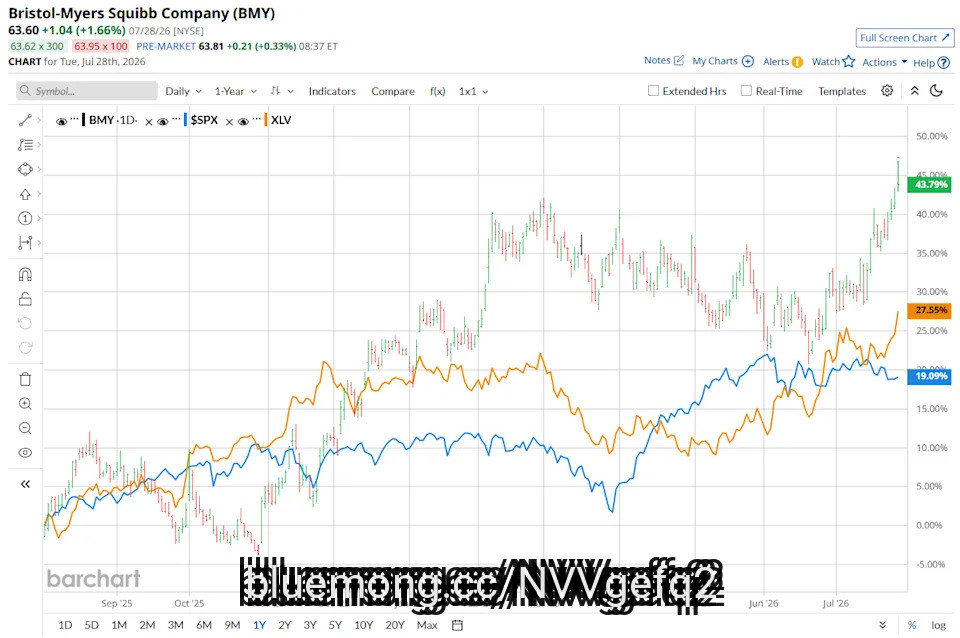
Princeton, New Jersey-based Bristol-Myers Squibb Company (BMY) discovers, develops, licenses, manufactures, markets, distributes, and sells biopharmaceutical products worldwide. With a market cap of $129.9 billion, the company offers products for oncology, hematology, immunology, cardiovascular, neuroscience, and other areas.
Shares of BMY have rallied the broader market over the past year, surging 33.9% compared to the S&P 500 Index's ($SPX) 16.3% surge. Moreover, in 2026, the stock has risen by nearly 17.9%, outpacing the SPX's 8.5% gain.
Dear Sandisk Stock Fans, Mark Your Calendars for August 5
Nasdaq Futures Plunge as Chip Selloff Rages On, FOMC Meeting and Earnings on Tap
Ahead of Microsoft Earnings, Here's What Barchart Data Says Comes Next for MSFT Stock
#products #bristol #squibb
Shares of BMY have rallied the broader market over the past year, surging 33.9% compared to the S&P 500 Index's ($SPX) 16.3% surge. Moreover, in 2026, the stock has risen by nearly 17.9%, outpacing the SPX's 8.5% gain.
Dear Sandisk Stock Fans, Mark Your Calendars for August 5
Nasdaq Futures Plunge as Chip Selloff Rages On, FOMC Meeting and Earnings on Tap
Ahead of Microsoft Earnings, Here's What Barchart Data Says Comes Next for MSFT Stock
#products #bristol #squibb

23 days ago
Finding a good dividend stock to buy at any given time usually isn't too tough. Finding one you can buy and hold forever, however, is a different story. The matter of longevity comes into play. You want to be sure the underlying company has the longevity required to not only continue paying its dividend, but to reliably raise its dividend payments at least in step with inflation. That's a taller order.
Nevertheless, these dividend names are out there. Here's a closer look at three of them.
Missed Nvidia in 2009? This Rare Signal Is Flashing Again. In 2009, a "Double Down" signal flashed for a little-known chipmaker called Nvidia. For the first time in years, that same "Total Conviction" signal is flashing for a company 1/100th the size of Nvidia. Continue »
Given the company's struggle since the easing of the COVID-19 pandemic undermined a fantastic but short-lived franchise, some investors might be surprised that drugmaker Pfizer (NYSE: PFE) earned a spot on this list. But it has, particularly since newcomers will be plugging into a healthy forward-looking dividend yield of 6.9%.
Although it'll be a while until investors can clearly see it, this pharmaceutical giant is developing multiple new profit centers. It acquired Seagen in 2023, for instance, largely for its oncology pipeline. This pipeline includes cancer-fighting Padcev, which was recently approved as a treatment for muscle-invasive bladder cancer when used in conjunction with Merck's Keytruda.
#Dividend #flashing
Nevertheless, these dividend names are out there. Here's a closer look at three of them.
Missed Nvidia in 2009? This Rare Signal Is Flashing Again. In 2009, a "Double Down" signal flashed for a little-known chipmaker called Nvidia. For the first time in years, that same "Total Conviction" signal is flashing for a company 1/100th the size of Nvidia. Continue »
Given the company's struggle since the easing of the COVID-19 pandemic undermined a fantastic but short-lived franchise, some investors might be surprised that drugmaker Pfizer (NYSE: PFE) earned a spot on this list. But it has, particularly since newcomers will be plugging into a healthy forward-looking dividend yield of 6.9%.
Although it'll be a while until investors can clearly see it, this pharmaceutical giant is developing multiple new profit centers. It acquired Seagen in 2023, for instance, largely for its oncology pipeline. This pipeline includes cancer-fighting Padcev, which was recently approved as a treatment for muscle-invasive bladder cancer when used in conjunction with Merck's Keytruda.
#Dividend #flashing


23 days ago
Indianapolis, Indiana-based Eli Lilly and Company (LLY) is a leading pharmaceutical company that sells Trulicity, Verzenio and Taltz drugs. The company discovers, develops, and markets human pharmaceuticals. With a market cap of $1.1 trillion, LLY's products include neuroscience, endocrine, anti-infectives, cardiovascular agents, oncology, and animal health products. The pharmaceutical giant is expected to announce its fiscal second-quarter earnings for 2026 before the market opens on Wednesday, Aug. 5.
Ahead of the event, ****** ysts expect LLY to report a profit of $7.47 per share on a diluted basis, up 18.4% from $6.31 per share in the year-ago quarter. The company has consistently surpassed Wall Street's EPS estimates in its last four quarterly reports.
PayPal Says a $53 Billion Takeover Offer from Stripe Undervalues It. How to Play PYPL Stock Here.
Billionaire Jeff Bezos Called Amazon's Customer Service to Prove a Point But Waited in Silence for More Than 10 Minutes — 'It Was Really Long'
Micron Stock Is Near Bear-Market Territory. Here's Why ASML's Guidance Says Buy the Dip.
#indiana
Ahead of the event, ****** ysts expect LLY to report a profit of $7.47 per share on a diluted basis, up 18.4% from $6.31 per share in the year-ago quarter. The company has consistently surpassed Wall Street's EPS estimates in its last four quarterly reports.
PayPal Says a $53 Billion Takeover Offer from Stripe Undervalues It. How to Play PYPL Stock Here.
Billionaire Jeff Bezos Called Amazon's Customer Service to Prove a Point But Waited in Silence for More Than 10 Minutes — 'It Was Really Long'
Micron Stock Is Near Bear-Market Territory. Here's Why ASML's Guidance Says Buy the Dip.
#indiana


24 days ago
Fred Alger Management, an investment management company, released its "Alger Small Cap Focus Fund" second-quarter 2026 investor letter. A copy of the letter can be downloaded here. U.S. equities experienced a strong recovery in Q2 2026, with the S&P 500 Index gaining 15.2%, marking its best quarter since 2020. A ceasefire between the United States and Iran and accelerated investment in artificial intelligence (AI) fueled market optimism in the quarter, driving the Information Technology and Industrials sectors forward while Energy and Utilities lagged due to falling oil and gas prices. In June, the Federal Reserve maintained steady interest rates, but the meeting had a hawkish tone. As AI transitions into its agentic phase, opportunities are identified within sectors adopting the technology. The Alger Small Cap Focus Fund's Class A shares outperformed the Russell 2000 Growth Index in the quarter, driven by strong performances in the Industrials and Health Care sectors, while Financials and Consumer Discretionary detracted from the performance. In addition, please check the Fund's top five holdings to know its best picks in 2026.
In its Q2 2026 investor letter, Alger Small Cap Focus Fund highlighted Guardant Health, Inc. (NASDAQ:GH). Guardant Health, Inc. (NASDAQ:GH) is a precision oncology company that specializes in a liquid biopsy test to detect cancer from blood samples. On July 20, 2026, Guardant Health, Inc. (NASDAQ:GH) closed at $148.07 per share. One-month return of Guardant Health, Inc. (NASDAQ:GH) was 13.18%, and its shares gained 220.15% over the past 52 weeks. Guardant Health, Inc. (NASDAQ:GH) has a market capitalization of $19.63 billion.
Alger Small Cap Focus Fund stated the following regarding Guardant Health, Inc. (NASDAQ:GH) in its Q2 2026 investor update:
"Guardant Health, Inc. (NASDAQ:GH) is a precision oncology company that develops blood-based liquid biopsy tests spanning therapy selection, recurrence monitoring, and early cancer detection, anchored by its Guardant360, Reveal, and Shield platforms. We continue to view the company as one of the more strategically positioned names in molecular diagnostics, with leadership in liquid biopsy supported by a deep clinical evidence base, an expanding set of companion diagnostic labels, and a credible runway toward free cash flow breakeven. Shares contributed positively to performance during the quarter, advancing on first-quarter results that prompted management to raise full-year 2026 revenue guidance, the inclusion of the Shield blood test in updated colorectal cancer screening guidelines, and regulatory approval of Guardant360 CDx as a companion diagnostic for Boehringer Ingelheim's Hernexeos."
#guardant #small #focus #company
In its Q2 2026 investor letter, Alger Small Cap Focus Fund highlighted Guardant Health, Inc. (NASDAQ:GH). Guardant Health, Inc. (NASDAQ:GH) is a precision oncology company that specializes in a liquid biopsy test to detect cancer from blood samples. On July 20, 2026, Guardant Health, Inc. (NASDAQ:GH) closed at $148.07 per share. One-month return of Guardant Health, Inc. (NASDAQ:GH) was 13.18%, and its shares gained 220.15% over the past 52 weeks. Guardant Health, Inc. (NASDAQ:GH) has a market capitalization of $19.63 billion.
Alger Small Cap Focus Fund stated the following regarding Guardant Health, Inc. (NASDAQ:GH) in its Q2 2026 investor update:
"Guardant Health, Inc. (NASDAQ:GH) is a precision oncology company that develops blood-based liquid biopsy tests spanning therapy selection, recurrence monitoring, and early cancer detection, anchored by its Guardant360, Reveal, and Shield platforms. We continue to view the company as one of the more strategically positioned names in molecular diagnostics, with leadership in liquid biopsy supported by a deep clinical evidence base, an expanding set of companion diagnostic labels, and a credible runway toward free cash flow breakeven. Shares contributed positively to performance during the quarter, advancing on first-quarter results that prompted management to raise full-year 2026 revenue guidance, the inclusion of the Shield blood test in updated colorectal cancer screening guidelines, and regulatory approval of Guardant360 CDx as a companion diagnostic for Boehringer Ingelheim's Hernexeos."
#guardant #small #focus #company

25 days ago
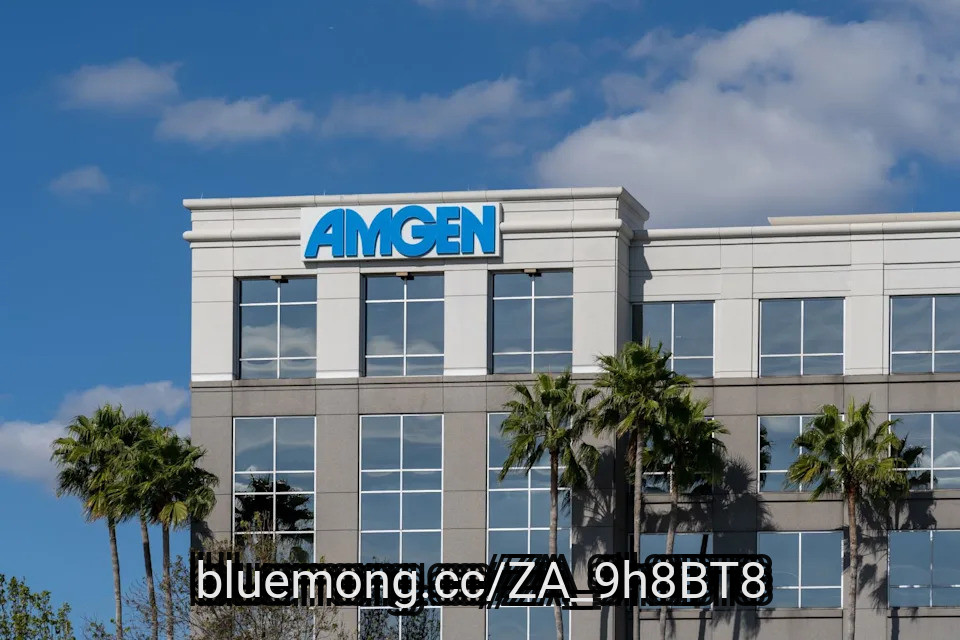
Thousand Oaks, California-based Amgen Inc. (AMGN) is a leading independent biotechnology company that discovers, develops, manufactures, and delivers innovative biologic medicines for serious diseases. With a market capitalization of approximately $197.7 billion, the company focuses on oncology, inflammation, general medicine, and rare diseases, leveraging advanced human genetics and biologics manufacturing to improve patient outcomes globally.
AMGN is set to report its Q2 earnings on Wednesday, August 5, 2026, after the market closes. Ahead of the release, ***** ysts expect the company to report a diluted EPS of $5.57, down 7.5% from $6.02 in the year-ago quarter. AMGN has exceeded Wall Street's EPS estimates in each of the past four trailing quarters, which is impressive.
Alibaba Stock Just Got Apple's Biggest AI Endorsement. This Could Be a Game Changer for BABA.
Elon Musk Says If ***** eX Accomplishes Its Goals, 'It Will Be Worth More Than The Rest of Earth' — Though He's Also Said 'Money Will Stop Being Relevant'
AI Bubble Fears, Earnings and Other Can't Miss Items this Week
#company
AMGN is set to report its Q2 earnings on Wednesday, August 5, 2026, after the market closes. Ahead of the release, ***** ysts expect the company to report a diluted EPS of $5.57, down 7.5% from $6.02 in the year-ago quarter. AMGN has exceeded Wall Street's EPS estimates in each of the past four trailing quarters, which is impressive.
Alibaba Stock Just Got Apple's Biggest AI Endorsement. This Could Be a Game Changer for BABA.
Elon Musk Says If ***** eX Accomplishes Its Goals, 'It Will Be Worth More Than The Rest of Earth' — Though He's Also Said 'Money Will Stop Being Relevant'
AI Bubble Fears, Earnings and Other Can't Miss Items this Week
#company



1 month ago
Pfizer Inc. (NYSE:PFE) is one of the 8 Worst Blue Chip Stocks to Buy Now.
On July 10, 2026, Pfizer Inc. (NYSE:PFE) and Astellas Pharma (ALPMY) announced that the U.S. Food and Drug Administration approved PADCEV, a Nectin-4 directed antibody-drug conjugate, plus the PD-1 inhibitor Keytruda or Keytruda QLEX as neoadjuvant and adjuvant treatment for adult patients with muscle-invasive bladder cancer, regardless of cisplatin eligibility. Pfizer said this marks the first platinum-free regimen approved for adult patients with MIBC, regardless of cisplatin eligibility.
The approval was based on results from the pivotal Phase 3 EV-304 clinical trial, which were presented at the 2026 American Society of Clinical Oncology Genitourinary Cancers Symposium. The expanded indication builds on the November 2025 U.S. FDA approval of the combination for use as neoadjuvant and adjuvant treatment in cisplatin-ineligible adult patients with MIBC, based on results from the EV-303 Phase 3 clinical trial published in the New England Journal of Medicine.
Also on July 10, BofA lowered the firm's price target on Pfizer to $26 from $27 and kept a Neutral rating on the shares. On July 6, HSBC downgraded Pfizer to Hold from Buy with a price target of $28, down from $32. HSBC lowered its view of the probability to market of sigvotatug vedotin to 40% following the Phase 3 setback in NSCLC and said it is now "less convinced" regarding short-term re-rating potential due to recent executive management changes and "a paucity of short-term re-rating catalysts."
Pfizer Inc. (NYSE:PFE) discovers, develops, manufactures, markets, distributes, and sells biopharmaceutical products in the United States and internationally.
On July 10, 2026, Pfizer Inc. (NYSE:PFE) and Astellas Pharma (ALPMY) announced that the U.S. Food and Drug Administration approved PADCEV, a Nectin-4 directed antibody-drug conjugate, plus the PD-1 inhibitor Keytruda or Keytruda QLEX as neoadjuvant and adjuvant treatment for adult patients with muscle-invasive bladder cancer, regardless of cisplatin eligibility. Pfizer said this marks the first platinum-free regimen approved for adult patients with MIBC, regardless of cisplatin eligibility.
The approval was based on results from the pivotal Phase 3 EV-304 clinical trial, which were presented at the 2026 American Society of Clinical Oncology Genitourinary Cancers Symposium. The expanded indication builds on the November 2025 U.S. FDA approval of the combination for use as neoadjuvant and adjuvant treatment in cisplatin-ineligible adult patients with MIBC, based on results from the EV-303 Phase 3 clinical trial published in the New England Journal of Medicine.
Also on July 10, BofA lowered the firm's price target on Pfizer to $26 from $27 and kept a Neutral rating on the shares. On July 6, HSBC downgraded Pfizer to Hold from Buy with a price target of $28, down from $32. HSBC lowered its view of the probability to market of sigvotatug vedotin to 40% following the Phase 3 setback in NSCLC and said it is now "less convinced" regarding short-term re-rating potential due to recent executive management changes and "a paucity of short-term re-rating catalysts."
Pfizer Inc. (NYSE:PFE) discovers, develops, manufactures, markets, distributes, and sells biopharmaceutical products in the United States and internationally.


1 month ago
JNJ's 23x forward P/E for double-digit oncology growth undercuts KO's 26x multiple, making JNJ the stronger risk-reward defensive anchor right now.
KO's 12% revenue surge masks thin fundamentals, given that only 3% volume growth means most gains came from pricing that could reverse.
Polymarket traders price a 92% chance JNJ beats its next earnings, fueled by DARZALEX and TREMFYA absorbing STELARA's biosimilar erosion.
This lithium producer surpassed a $1B private valuation, joining some of America's most powerful startups. Now you can invest in EnergyX alongside global giants like General Motors, but only through July 16. (sponsor)
Johnson & Johnson (NYSE:JNJ) and Coca-Cola (NYSE:KO) both delivered Q1 2026 beats and both are being crowded into by capital rotating out of tech. JNJ has broken out past $259, while KO just tagged an all-time high near $84.14. That backdrop makes this a real premium-defensive showdown.
KO's 12% revenue surge masks thin fundamentals, given that only 3% volume growth means most gains came from pricing that could reverse.
Polymarket traders price a 92% chance JNJ beats its next earnings, fueled by DARZALEX and TREMFYA absorbing STELARA's biosimilar erosion.
This lithium producer surpassed a $1B private valuation, joining some of America's most powerful startups. Now you can invest in EnergyX alongside global giants like General Motors, but only through July 16. (sponsor)
Johnson & Johnson (NYSE:JNJ) and Coca-Cola (NYSE:KO) both delivered Q1 2026 beats and both are being crowded into by capital rotating out of tech. JNJ has broken out past $259, while KO just tagged an all-time high near $84.14. That backdrop makes this a real premium-defensive showdown.

1 month ago
We recently compiled a list of the 10 Best Innovative Healthcare Stocks to Buy Now. Genmab A/S (NASDAQ:GMAB) is one of the best healthcare stocks on our list.
TheFly reported on July 2 that H.C. Wainwright **** yst Raghuram Selvaraju increased the price target on GMAB to $40 from $38 while reaffirming a Buy rating on the shares. The revision followed the company's announcement that the EPCORE DLBCL-4 trial achieved its primary endpoint. Based on the trial outcome, the firm raised its estimated likelihood of regulatory approval for Epkinly to 70% in the first-line setting and 95% in the second-line setting.
In a major secondary development on July 6, Genmab A/S (NASDAQ:GMAB) announced that the European Commission approved marketing authorization for TEPKINLY in combination with lenalidomide and rituximab for adults with relapsed or refractory follicular lymphoma. The approval was supported by findings from the Phase 3 EPCORE FL-1 trial, which evaluated a fixed-duration TEPKINLY plus R2 regimen against the standard R2 treatment. GMAB highlighted that the results demonstrated the therapy's potential to deliver durable responses through a chemotherapy-free approach for patients with limited treatment options. Epcoritamab is being jointly developed with AbbVie (ABBV) through their oncology partnership, with both companies sharing commercial responsibilities in the U.S. and **** an, while AbbVie manages additional global commercialization.
Genmab A/S (NASDAQ:GMAB) is a global biotechnology company headquartered in Copenhagen, Denmark, focused on developing innovative antibody-based therapies for cancer and other serious diseases. The company uses advanced AI, computational science, and proprietary platforms to create next-generation medicines, including DuoBody bispecific antibodies, HexaBody immune-enhancing technology, and ADC platforms expanded through its acquisition of ProfoundBio.
While we acknowledge the potential of GMAB as an investment, we believe certain AI stocks offer greater upside potential and carry less downside risk. If you're looking for an extremely undervalued AI stock that also stands to benefit significantly from Trump-era tariffs and the onshoring trend, see our free report on the best short-term AI stock.
TheFly reported on July 2 that H.C. Wainwright **** yst Raghuram Selvaraju increased the price target on GMAB to $40 from $38 while reaffirming a Buy rating on the shares. The revision followed the company's announcement that the EPCORE DLBCL-4 trial achieved its primary endpoint. Based on the trial outcome, the firm raised its estimated likelihood of regulatory approval for Epkinly to 70% in the first-line setting and 95% in the second-line setting.
In a major secondary development on July 6, Genmab A/S (NASDAQ:GMAB) announced that the European Commission approved marketing authorization for TEPKINLY in combination with lenalidomide and rituximab for adults with relapsed or refractory follicular lymphoma. The approval was supported by findings from the Phase 3 EPCORE FL-1 trial, which evaluated a fixed-duration TEPKINLY plus R2 regimen against the standard R2 treatment. GMAB highlighted that the results demonstrated the therapy's potential to deliver durable responses through a chemotherapy-free approach for patients with limited treatment options. Epcoritamab is being jointly developed with AbbVie (ABBV) through their oncology partnership, with both companies sharing commercial responsibilities in the U.S. and **** an, while AbbVie manages additional global commercialization.
Genmab A/S (NASDAQ:GMAB) is a global biotechnology company headquartered in Copenhagen, Denmark, focused on developing innovative antibody-based therapies for cancer and other serious diseases. The company uses advanced AI, computational science, and proprietary platforms to create next-generation medicines, including DuoBody bispecific antibodies, HexaBody immune-enhancing technology, and ADC platforms expanded through its acquisition of ProfoundBio.
While we acknowledge the potential of GMAB as an investment, we believe certain AI stocks offer greater upside potential and carry less downside risk. If you're looking for an extremely undervalued AI stock that also stands to benefit significantly from Trump-era tariffs and the onshoring trend, see our free report on the best short-term AI stock.

1 month ago
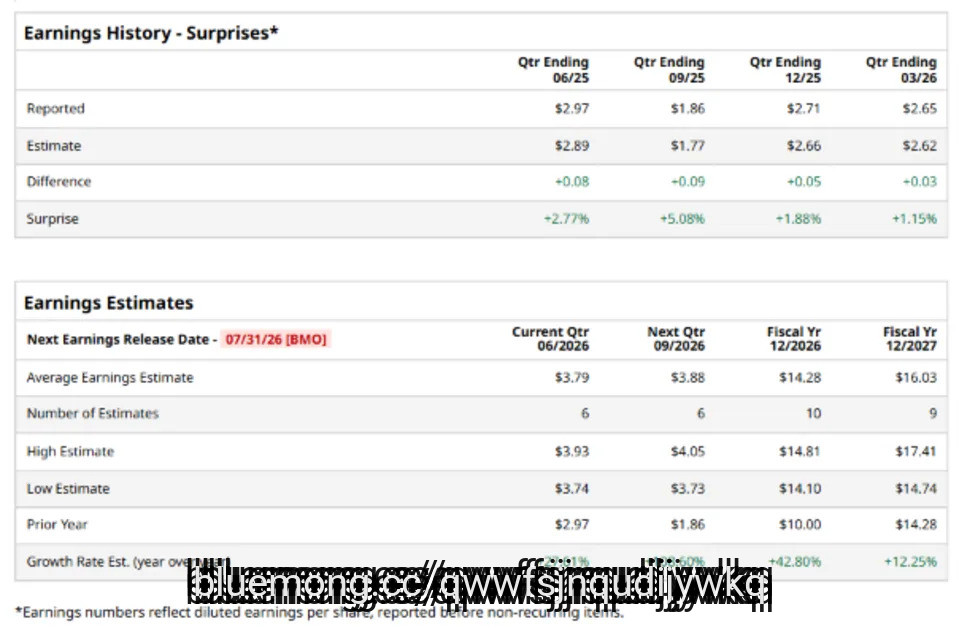
North Chicago, Illinois-based AbbVie Inc. (ABBV) discovers, develops, manufactures, and sells pharmaceuticals worldwide. With a market cap of $450.1 billion, the company discovers and develops medicines and therapies that solve health issues across immunology, oncology, aesthetics, neuroscience, and eye care. The drug giant is expected to announce its fiscal second-quarter earnings for 2026 before the market opens on Friday, Jul. 31.
Ahead of the event, **** ysts expect ABBV to report a profit of $3.79 per share on a diluted basis, up 27.6% from $2.97 per share in the year-ago quarter. The company has consistently surpassed Wall Street's EPS estimates in its last four quarterly reports.
Nasdaq Futures Plunge as Samsung Sparks Chip Selloff
AbbVie vs Eli Lilly: 1 Is Clearly the Better Dividend Stock to Buy and Hold for the Next 10 Years
The Nasdaq-100 Could Be Forming a Textbook Diamond Top. Here's What to Watch on the QQQ Chart Now.
Ahead of the event, **** ysts expect ABBV to report a profit of $3.79 per share on a diluted basis, up 27.6% from $2.97 per share in the year-ago quarter. The company has consistently surpassed Wall Street's EPS estimates in its last four quarterly reports.
Nasdaq Futures Plunge as Samsung Sparks Chip Selloff
AbbVie vs Eli Lilly: 1 Is Clearly the Better Dividend Stock to Buy and Hold for the Next 10 Years
The Nasdaq-100 Could Be Forming a Textbook Diamond Top. Here's What to Watch on the QQQ Chart Now.


1 month ago
Maximizing dividend income isn't all about chasing high yields. A company must have a healthy, growing business to generate the profits needed to pay dividends and raise them over time. A high dividend yield can even be a red flag, a trap that ultimately costs investors more than they bargained for.
Fortunately, there are some fantastic high-yield dividend stocks out there. That's especially true in healthcare. It's an evergreen industry, and an enormous one; in the United States, healthcare spending in 2025 reached $5.7 trillion.
Missed Nvidia in 2009? This Rare Signal Is Flashing Again. In 2009, a "Double Down" signal flashed for a little-known chipmaker called Nvidia. For the first time in years, that same "Total Conviction" signal is flashing for a company 1/100th the size of Nvidia. Continue »
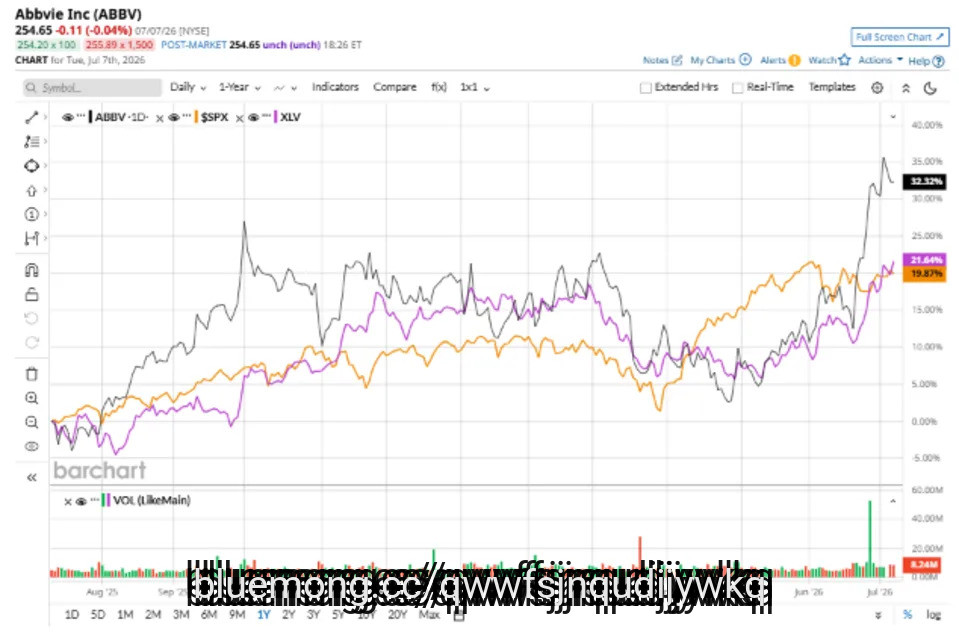
These three healthcare stocks will pay you generously to hold them, and have the stability and growth to own them for the long haul. While AbbVie (NYSE: ABBV) tops this list, you don't want to miss the other two.
The pharmaceutical industry is a major driver of the broader healthcare sector, and AbbVie is one of its top players. The company boasts an impressive portfolio spanning immunology, oncology, neuroscience, eye care, and aesthetics. AbbVie has increased its dividend for at least 50 consecutive years, dating back to its years as part of Abbott Laboratories. This impressive feat makes the stock a Dividend King.
Fortunately, there are some fantastic high-yield dividend stocks out there. That's especially true in healthcare. It's an evergreen industry, and an enormous one; in the United States, healthcare spending in 2025 reached $5.7 trillion.
Missed Nvidia in 2009? This Rare Signal Is Flashing Again. In 2009, a "Double Down" signal flashed for a little-known chipmaker called Nvidia. For the first time in years, that same "Total Conviction" signal is flashing for a company 1/100th the size of Nvidia. Continue »
These three healthcare stocks will pay you generously to hold them, and have the stability and growth to own them for the long haul. While AbbVie (NYSE: ABBV) tops this list, you don't want to miss the other two.
The pharmaceutical industry is a major driver of the broader healthcare sector, and AbbVie is one of its top players. The company boasts an impressive portfolio spanning immunology, oncology, neuroscience, eye care, and aesthetics. AbbVie has increased its dividend for at least 50 consecutive years, dating back to its years as part of Abbott Laboratories. This impressive feat makes the stock a Dividend King.

1 month ago
The Oncology Institute, Inc. (NASDAQ:TOI) is one of the best medical care facilities stocks to buy according to ***** ysts. It ranks first by average ***** yst upside in this screen, with ***** ysts seeing roughly 46.8% upside. The latest stronger investor-relevant development came on June 17, when Needham raised its price target on the stock to $7 from $5 while maintaining a Buy rating. That followed another positive ***** yst move on June 8, when BTIG raised its price target to $8 from $7 and also kept a Buy rating.
The updates are relevant because The Oncology Institute's investment case depends on whether its community-based oncology platform can keep scaling value-based cancer care while narrowing losses and improving cash generation. The company remains smaller and riskier than large hospital operators, but the recent ***** yst target increases suggest confidence in the platform's growth outlook. For a medical care facilities list ranked by ***** yst upside, that is a cleaner hook than routine investor conference participation.
The Oncology Institute, Inc. (NASDAQ:TOI) provides community-based oncology care through clinics and affiliated locations across several U.S. states.
While we acknowledge the potential of TOI as an investment, we believe certain AI stocks offer greater upside potential and carry less downside risk. If you're looking for an extremely undervalued AI stock that also stands to benefit significantly from Trump-era tariffs and the onshoring trend, see our free report on the best short-term AI stock.
READ NEXT: 33 Stocks That Should Double in 3 Years and 15 Stocks That Will Make You Rich in 10 Years.
The updates are relevant because The Oncology Institute's investment case depends on whether its community-based oncology platform can keep scaling value-based cancer care while narrowing losses and improving cash generation. The company remains smaller and riskier than large hospital operators, but the recent ***** yst target increases suggest confidence in the platform's growth outlook. For a medical care facilities list ranked by ***** yst upside, that is a cleaner hook than routine investor conference participation.
The Oncology Institute, Inc. (NASDAQ:TOI) provides community-based oncology care through clinics and affiliated locations across several U.S. states.
While we acknowledge the potential of TOI as an investment, we believe certain AI stocks offer greater upside potential and carry less downside risk. If you're looking for an extremely undervalued AI stock that also stands to benefit significantly from Trump-era tariffs and the onshoring trend, see our free report on the best short-term AI stock.
READ NEXT: 33 Stocks That Should Double in 3 Years and 15 Stocks That Will Make You Rich in 10 Years.

1 month ago
Johnson & Johnson (NYSE:JNJ) is one of billionaire Cliff Asness' top 10 healthcare stock picks. On June 25, Johnson & Johnson (NYSE:JNJ) announced the commercial launch of the Dual Energy THERMOCOOL SMARTTOUCH SF (DE STSF) Platform in Europe. That means the platform is now commercially available to electrophysiologists across the EMEA region for the treatment of cardiac arrhythmias, including atrial fibrillation.
Copyright: moovstock / 123RF Stock Photo
The company said that the platform is the first of its kind to combine two distinct energy sources in a single catheter-based solution. It combines radiofrequency (RF) and pulsed field (PF) energy to allow physicians to switch between the two during the same procedure without having to change equipment. This is clinically significant because RF and PF ablation each have different tissue effects and safety profiles, said Nicolas Derval, M.D., a consultant for Johnson & Johnson based in Bordeaux, France. Derval added that the ability to use both gives doctors more flexibility to tailor treatment to individual patient anatomy and disease patterns.
Johnson & Johnson explained that the platform consists of the DE STSF Catheter, which is an irrigated, contact-force sensing catheter that physically delivers energy to heart tissue. The other half consists of the TRUPULSE Generator, which controls and powers the delivery of both RF and PF energy. The company said the system is fully integrated with its CARTO 3 System, which is an electro-anatomical mapping platform. This combination enables real-time 3D visualization, contact-force feedback, and index-guided ablation during live procedures.
Johnson & Johnson (NYSE:JNJ) is a healthcare conglomerate. It operates through two segments: Innovative Medicine, which develops and markets prescription drugs in oncology, immunology, neuroscience, and infectious disease, and MedTech, which manufactures medical devices for surgery, orthopedics, and interventional solutions.
Copyright: moovstock / 123RF Stock Photo
The company said that the platform is the first of its kind to combine two distinct energy sources in a single catheter-based solution. It combines radiofrequency (RF) and pulsed field (PF) energy to allow physicians to switch between the two during the same procedure without having to change equipment. This is clinically significant because RF and PF ablation each have different tissue effects and safety profiles, said Nicolas Derval, M.D., a consultant for Johnson & Johnson based in Bordeaux, France. Derval added that the ability to use both gives doctors more flexibility to tailor treatment to individual patient anatomy and disease patterns.
Johnson & Johnson explained that the platform consists of the DE STSF Catheter, which is an irrigated, contact-force sensing catheter that physically delivers energy to heart tissue. The other half consists of the TRUPULSE Generator, which controls and powers the delivery of both RF and PF energy. The company said the system is fully integrated with its CARTO 3 System, which is an electro-anatomical mapping platform. This combination enables real-time 3D visualization, contact-force feedback, and index-guided ablation during live procedures.
Johnson & Johnson (NYSE:JNJ) is a healthcare conglomerate. It operates through two segments: Innovative Medicine, which develops and markets prescription drugs in oncology, immunology, neuroscience, and infectious disease, and MedTech, which manufactures medical devices for surgery, orthopedics, and interventional solutions.


1 month ago
AbCellera Biologics Inc. (NASDAQ:ABCL) is one of the Top 10 Hot Stocks with the Highest Upside Potential. On June 5, AbCellera Biologics Inc. (NASDAQ:ABCL) reported that it has appointed Dr. Victor Sandor, M.D.C.M, to its Board of Directors as an independent director.
Dr. Sandor is a medical oncologist with extensive experience in developing companies and helping bring new medicines to patients. He previously served as Chief Medical Officer at Array BioPharma, where he played a key role in securing approval for Braftovi (encorafenib) and Mektovi (binimetinib).
Earlier, on May 21, Truist Securities increased its price target on AbCellera Biologics Inc. (NASDAQ:ABCL) from $10 to $12 while keeping its Buy rating on the stock. The firm pointed to positive Phase 1 results for ABCL-635, which showed target engagement and a clean safety profile. This could lead to a better safety profile than competitors.
The research firm said that it is now looking ahead to Phase 2 data expected in the third quarter of 2026. It expects the data to match or exceed the effectiveness seen with Veozah and Lynkuet. Truist believes AbCellera Biologics Inc. (NASDAQ:ABCL) offers an attractive risk-reward opportunity before those results are released.
AbCellera Biologics Inc. (NASDAQ:ABCL) is a clinical-stage biotechnology company focused on discovering and developing antibody-based medicines for endocrinology, women's health, immunology, and oncology.
Dr. Sandor is a medical oncologist with extensive experience in developing companies and helping bring new medicines to patients. He previously served as Chief Medical Officer at Array BioPharma, where he played a key role in securing approval for Braftovi (encorafenib) and Mektovi (binimetinib).
Earlier, on May 21, Truist Securities increased its price target on AbCellera Biologics Inc. (NASDAQ:ABCL) from $10 to $12 while keeping its Buy rating on the stock. The firm pointed to positive Phase 1 results for ABCL-635, which showed target engagement and a clean safety profile. This could lead to a better safety profile than competitors.
The research firm said that it is now looking ahead to Phase 2 data expected in the third quarter of 2026. It expects the data to match or exceed the effectiveness seen with Veozah and Lynkuet. Truist believes AbCellera Biologics Inc. (NASDAQ:ABCL) offers an attractive risk-reward opportunity before those results are released.
AbCellera Biologics Inc. (NASDAQ:ABCL) is a clinical-stage biotechnology company focused on discovering and developing antibody-based medicines for endocrinology, women's health, immunology, and oncology.


1 month ago
Choosing between Bristol Myers Squibb (NYSE:BMY) and Johnson & Johnson (NYSE:JNJ) means deciding whether you prefer a pure-play pharmaceutical company trading at a deep discount or a diversified giant with higher growth.
While both operate within the same broader sector, their business models differ significantly. Bristol Myers focuses heavily on drug development for serious diseases, while Johnson & Johnson splits its attention between medicine and medical devices. Let's compare them and weigh their specific risks and financial health.
Bristol Myers operates as a major player in the pharmaceutical stocks **** e, focusing on oncology, hematology, and immunology. The company sells its innovative medicines primarily to wholesalers and specialty pharmacies, relying on established distribution channels for top products like Opdivo and Eliquis. Key commercial alliances with Merck (NYSE:MRK) and BioNTech (NASDAQ:BNTX) help Bristol Myers expand its reach in specialized therapeutic areas.
In fiscal 2025, revenue reached nearly $48.2 billion, reflecting a slight decrease of approximately 0.2% compared to the previous year. The company reported net income of roughly $7.1 billion during this period, resulting in a net margin of approximately 14.6%. This was a significant recovery from the prior fiscal year, when Bristol Myers recorded a substantial net loss following specific business shifts.
As of its December 2025 balance sheet, the debt-to-equity ratio is roughly 2.6. This figure, which compares total debt to the value of shareholder equity, suggests a higher reliance on borrowed funds. The current ratio, which measures the company's ability to cover short-term debts with current **** ets, is approximately 1.3, while free cash flow reached nearly $12.8 billion.
While both operate within the same broader sector, their business models differ significantly. Bristol Myers focuses heavily on drug development for serious diseases, while Johnson & Johnson splits its attention between medicine and medical devices. Let's compare them and weigh their specific risks and financial health.
Bristol Myers operates as a major player in the pharmaceutical stocks **** e, focusing on oncology, hematology, and immunology. The company sells its innovative medicines primarily to wholesalers and specialty pharmacies, relying on established distribution channels for top products like Opdivo and Eliquis. Key commercial alliances with Merck (NYSE:MRK) and BioNTech (NASDAQ:BNTX) help Bristol Myers expand its reach in specialized therapeutic areas.
In fiscal 2025, revenue reached nearly $48.2 billion, reflecting a slight decrease of approximately 0.2% compared to the previous year. The company reported net income of roughly $7.1 billion during this period, resulting in a net margin of approximately 14.6%. This was a significant recovery from the prior fiscal year, when Bristol Myers recorded a substantial net loss following specific business shifts.
As of its December 2025 balance sheet, the debt-to-equity ratio is roughly 2.6. This figure, which compares total debt to the value of shareholder equity, suggests a higher reliance on borrowed funds. The current ratio, which measures the company's ability to cover short-term debts with current **** ets, is approximately 1.3, while free cash flow reached nearly $12.8 billion.


2 months ago
Ipsen agreed to acquire Kartos Therapeutics, a Redwood City, California-based clinical-stage biopharmaceutical company developing a treatment for myelofibrosis, a rare blood cancer, for $450 million upfront and up to $1.3 billion in additional milestone payments, bringing the total potential deal value to $1.75 billion.
According to Reuters, the acquisition centers on navtemadlin, an oral MDM2 inhibitor being evaluated as an add-on therapy to ruxolitinib, the current standard of care for myelofibrosis, in patients who have a suboptimal response to that treatment. The drug is currently in a Phase III trial called POIESIS, which is enrolling more than 600 patients across more than 250 sites globally. Top-line data from that trial are expected in 2027, the company said.
Ipsen CEO David Loew said in a statement that the deal "further strengthens our late-stage oncology pipeline" and that navtemadlin has the potential to become a new treatment option as early as 2028.
Myelofibrosis is a rare blood cancer in which the bone marrow becomes scarred, forcing blood production to shift to the spleen and causing significant symptoms including fatigue, night sweats, and progressive splenomegaly. Approximately 50% to 75% of patients on ruxolitinib discontinue treatment within three years, and median overall survival after discontinuation is roughly one to two years, the company said.
The milestone payments to Kartos shareholders include a significant regulatory approval payment and sales-based milestones, Ipsen said. The deal is expected to close by the end of the third quarter, subject to antitrust clearance under the Hart-Scott-Rodino Antitrust Improvements Act.
According to Reuters, the acquisition centers on navtemadlin, an oral MDM2 inhibitor being evaluated as an add-on therapy to ruxolitinib, the current standard of care for myelofibrosis, in patients who have a suboptimal response to that treatment. The drug is currently in a Phase III trial called POIESIS, which is enrolling more than 600 patients across more than 250 sites globally. Top-line data from that trial are expected in 2027, the company said.
Ipsen CEO David Loew said in a statement that the deal "further strengthens our late-stage oncology pipeline" and that navtemadlin has the potential to become a new treatment option as early as 2028.
Myelofibrosis is a rare blood cancer in which the bone marrow becomes scarred, forcing blood production to shift to the spleen and causing significant symptoms including fatigue, night sweats, and progressive splenomegaly. Approximately 50% to 75% of patients on ruxolitinib discontinue treatment within three years, and median overall survival after discontinuation is roughly one to two years, the company said.
The milestone payments to Kartos shareholders include a significant regulatory approval payment and sales-based milestones, Ipsen said. The deal is expected to close by the end of the third quarter, subject to antitrust clearance under the Hart-Scott-Rodino Antitrust Improvements Act.