
2 days ago
Nearly one in three veterans who relies on the government for health care could benefit from taking psychedelic drugs like magic mushrooms or MDMA.
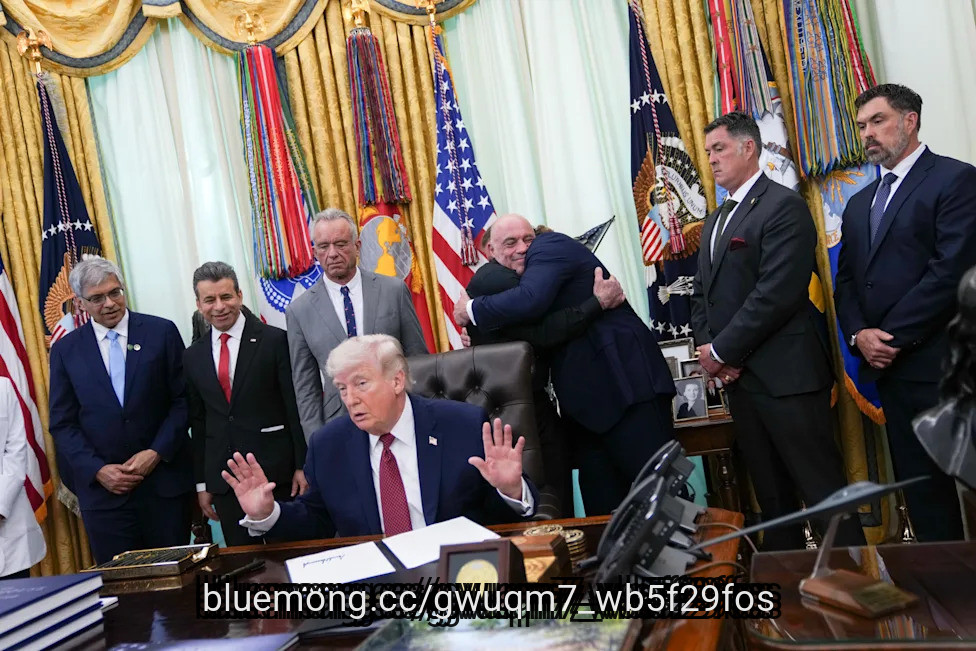
That's not the ******* sment of some hippie or fading 1960s rock star. It came from Andrew Gradison, a senior adviser at President Donald Trump's Veterans Health Administration. Gradison told a conference for psychedelics enthusiasts this month that he is eager to ramp up the VA's capacity to give the drugs to as many as 2.1 million veterans with mental illnesses like post-traumatic stress disorder or depression. Gradison said 6.4 million veterans regularly rely on the VA for care.
No government regulator has deemed psychedelics safe or effective for mental illness. Under former President Joe Biden, the Food and Drug Administration in 2024 resoundingly rejected a proposal to authorize MDMA — also known as ecstasy — combined with talk therapy, to treat people with PTSD.
But psychedelics are getting a second chance in the Trump administration. Trump in April issued an executive order to accelerate research, clinical trials and patient access to the drugs. Republicans in Congress are among psychedelics' biggest backers. And the constituency they are seeking to please, veterans, are disproportionately Republicans.
Veterans, frustrated with high suicide rates among their fellow ex-service members, are lobbying aggressively to see Trump follow through.
#Veterans #psychedelics #drugs #mdma

9 days ago
Real Madrid rediscovered their sparkle with an emphatic rout of Sevilla in a match that saw Arda Güler take charge, while Madrid fans celebrated Kylian Mbappé's clinical finishing and Yan Diomandé's emergence. However, the victory was not without controversy, as Sevilla were left furious with the officiating.
Rounding out the football action are a domestic transfer market stirred by Getafe's interest in Sergio Ramos, a struggling ***** nal's resilience in the Premier League, and Nico Paz's unstoppable form under Cesc Fàbregas in Italy.
Real Madrid delivered a commanding performance with a 4-1 victory over Sevilla at the Santiago Bernabéu, inspired by a stellar display from Arda Güler. José Mourinho's side showed a dramatic improvement in their fluidity to set up a comfortable win, sealed by a brilliant Kylian Mbappé brace and another standout goal from youngster Yan Diomandé, establishing the Turkish midfielder as a cornerstone of Madrid's midfield for the immediate future.
The defeat left the Sevilla camp deeply aggrieved, with outrage spreading from the dressing room to the press room and the club's official channels as they left Madrid's ground. Coach Luis García Plaza and players including Kike Salas and Juan Iglesias openly argued that Güler should have been sent off for a heavy challenge on Peque, directing their criticism squarely at the handling of VAR.
On the transfer front, Getafe once again grabbed the headlines after president Ángel Torres surprisingly confirmed in public that Sergio Ramos is among the club's potential signings. Having already secured Dani Carvajal—who is ready to make his debut immediately—the Coliseum club's board is seeking another historic, headline-grabbing coup in Spanish football by bolstering its defence with the veteran former Real Madrid centre-back.
#kylian


9 days ago
Real Madrid rediscovered their sparkle with an emphatic thrashing of Sevilla in a clash where Arda Güler took charge, as Madrid fans celebrated Kylian Mbappé's clinical finishing and Yan Diomandé's emergence. However, the victory was not without controversy, with Sevilla furious over the officiating.
The football roundup also features a domestic transfer market stirred by Getafe's ambitions to sign Sergio Ramos, a struggling ******* nal's resilience in the Premier League, and Nico Paz's unstoppable form under Cesc Fàbregas in Italy.
Real Madrid delivered an impressive performance with a 4-1 victory over Sevilla at the Santiago Bernabéu, inspired by a stellar display from Arda Güler. José Mourinho's side showed dramatically improved fluidity to secure a comfortable win, sealed by a brilliant Kylian Mbappé brace and another eye-catching goal from youngster Yan Diomandé, with the Turkish midfielder staking his claim as a cornerstone of Madrid's midfield in the immediate future.
The defeat left the Sevilla camp deeply frustrated as they departed Madrid's home ground, with outrage spreading from the dressing room to the press room and the club's official channels. Coach Luis García Plaza and players including Kike Salas and Juan Iglesias openly argued that Güler should have been sent off for a heavy challenge on Peque, directing their criticism squarely at the handling of VAR.
In transfer news, Getafe once again grabbed the headlines following a surprise admission from president Ángel Torres, who publicly confirmed that Sergio Ramos is on the club's list of potential signings. Having already secured Dani Carvajal—who is ready to make his debut immediately—the Coliseum club's board is seeking another historic, headline-grabbing coup in Spanish football by strengthening its defence with the veteran former Real Madrid centre-back.
#sevilla #arda


20 days ago
Prince Harry is opening up like never before about grief and what losing his mother, Princess Diana, at age 12 has meant for nearly every chapter of his life since.
In Redefining Grief: Building Resilience Through Loss, a new MasterClass available Oct. 8, the Duke of Sussex, 42, sits down with neuroscientist and grief expert Dr. Mary-Frances O'Connor for an intimate and at times deeply emotional conversation about loss, trauma and the ways grief can affect both the brain and body.
Rather than a traditional interview, the class — timed ahead of World Mental Health Day on Oct. 10 — unfolds as a candid exchange between Harry and O'Connor, a professor of clinical psychology and psychiatry at the University of Arizona whose research focuses on the psychological and physiological effects of bereavement. Together, they explore the science of grief and resilience while Harry draws extensively on his own life — from losing Diana and serving in Afghanistan to therapy, panic attacks, his marriage to Meghan Markle and life as a father.
"I didn't cry when I was told my mom died, only at her burial, and then not again for nearly two decades," he says near the start of the class. "I was convinced that was strength, but it wasn't. It was a 12-year-old boy with no permission to fall apart and no roadmap for how to heal."
"You would think I had the best help in the world. I'm a prince for God's sake, but I was still grieving and didn't have any place to put those feelings," he continues.
#harry #diana #loss #World


21 days ago
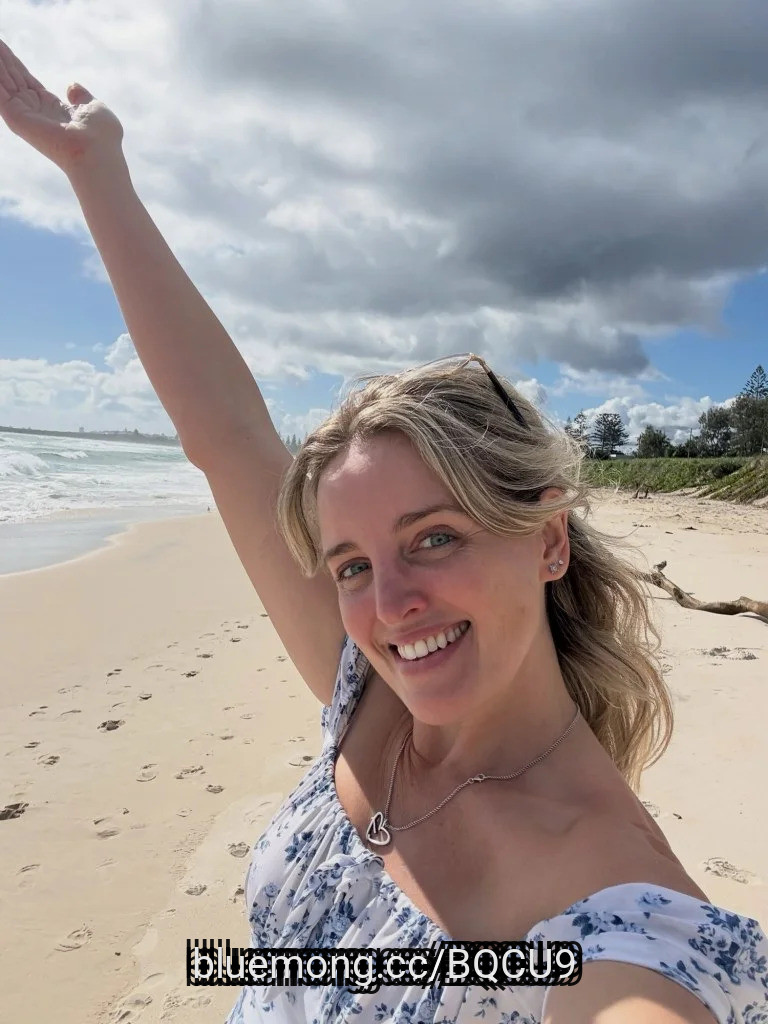
Australian veterinarian Charlie Forde worked for four years as an emergency vet in her home country before moving to Los Angeles and becoming a content creator. Now, she combines her veterinary experience with fundraising for animal organizations.
Every month, Forde picks one animal organization, raises funds and awareness for it, and then volunteers with it, she told Where Is The Buzz in a personal interview. Currently, her target is The Happy Herd, an animal sanctuary for rescued farm animals in Canada. Forde seeks to raise $15,000 to provide the necessary feed. She is also planning her next trip to Ukraine, where she will volunteer in collaboration with Global Animal Rescue and Response.
"I never stopped considering myself a vet," Forde noted.
Forde claims that quitting her clinical practice has created a bigger gap than she expected.
"I left full-time clinical practice in February 2023 when I moved to Los Angeles from four years of emergency medicine practice in Australia, and I missed it more than I anticipated," she said. "I missed the animals, the problem-solving, and the feeling that what I'm doing matters."
#animals




22 days ago
Next Generation Collective has teamed with The Kids Mental Health Foundation on an initiative to help young people in entertainment, music and the creator economy navigate growing up in the public eye. The initiative was launched Tuesday at Hollywood & Mind's inaugural summit at iHeartMedia in New York City.
Designed for young people, families and the professionals who support them, Next Generation Collective brings together clinical mental health expertise, entertainment industry leadership and lived experience to provide practical, expert-informed guidance on mental health, boundaries, pressure and the realities of working on set, performing, creating content and building a public profile at a young age. It will also serve as an additional resource for studios, productions, agencies, managers and platforms supporting young talent.
More from Deadline
David Brindley Set To Be Named Channel 4 Content Chief
George Fenton Dies: 'Gandhi', 'Cry Freedom' & 'The Blue Planet' Composer Was 76
#mental


22 days ago
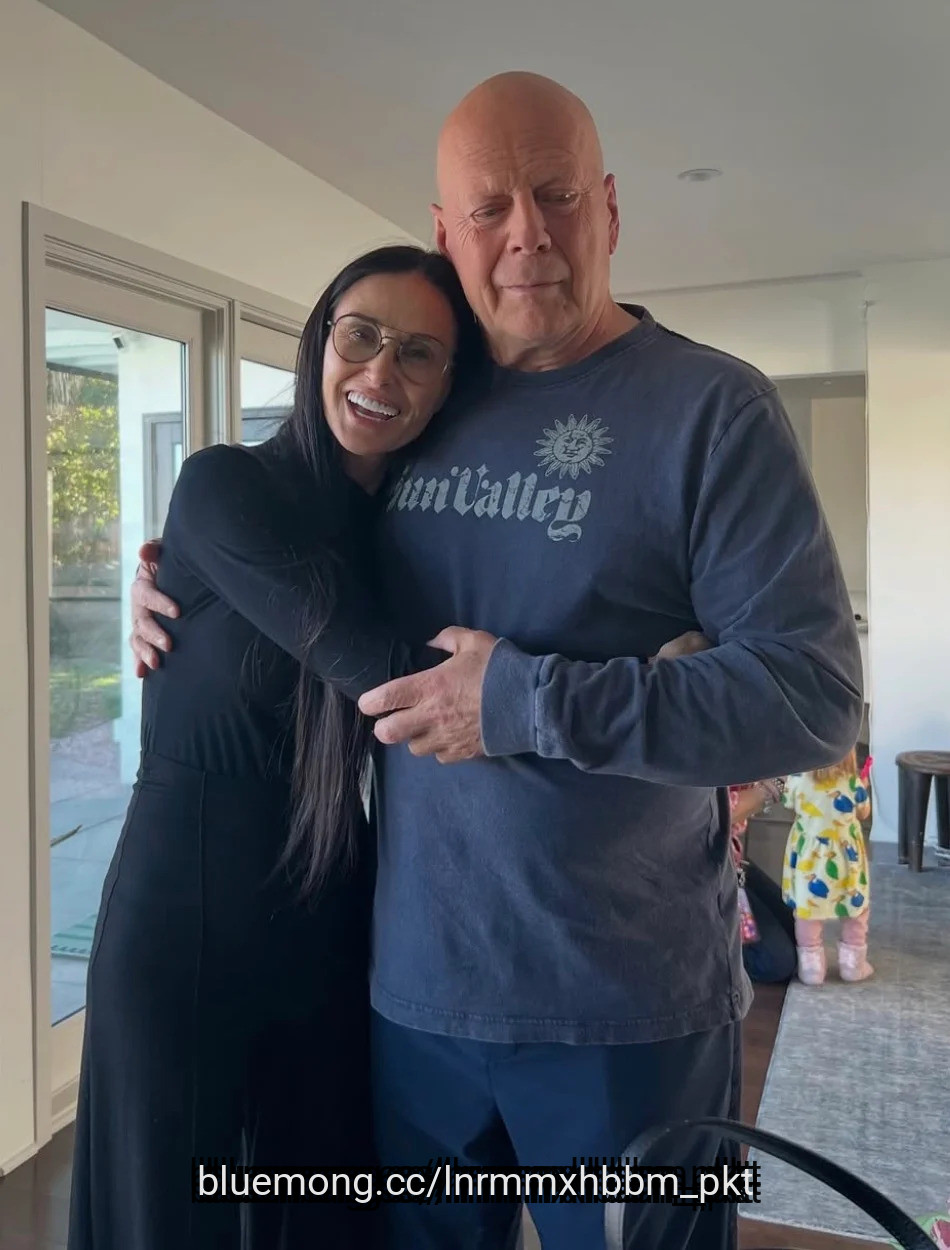
Bruce Willis' beloved blended family is cautiously optimistic that some of the new treatments for dementia may help his situation, a source tells Examiner.
"They're all looking into everything and they are open-minded even about risky drugs and surgeries that are still in the clinical trials phase," reveals the source. "Anything Bruce might be remotely eligible for, they're inquiring about."
Wife Emma Heming Willis has become a fierce advocate for frontotemporal dementia awareness after Bruce, 71, received his devastating diagnosis in 2023, even launching the Emma & Bruce Willis Fund for Dementia Research and Caregiver support in March.
The Die Hard star shares daughters Mabel, 14, and Evelyn, 12, with the former model, 50, and daughters Rumer, 38, Scout, 35, and Tallulah, 32, with ex-wife Demi Moore.
"They're all still Bruce's biggest advocates and cheerleaders," says the source. "And they point to the idea that the Bruce they have always known is still in there somewhere, because they can see it in his eyes."
#wife




1 month ago
LifeMD, Inc. (NASDAQ:LFMD) announced an exclusive healthcare collaboration on September 15 that initially makes virtual-health membership benefits available to approximately 29 million eligible AT&T wireless and fiber customers across 11 states. Customers must be 18 or older, and some services have additional eligibility and state restrictions. A nationwide expansion planned for January 2027 would extend eligibility beyond 100 million customers.
The $19 monthly membership fee is waived, but customers must enroll. Visits, prescriptions, and other services remain separately payable. For LifeMD, Inc. (NASDAQ:LFMD), the opportunity is converting access to a large audience into recurring demand for paid care.
The partnership gives LifeMD, Inc. (NASDAQ:LFMD) a distribution channel through the website, mobile app and customer-benefits program of AT&T Inc. (NYSE:T). Reaching customers through an established relationship could reduce reliance on advertising and lower acquisition costs per paying patient.
Removing the membership charge also reduces the financial commitment required to try the service. Announced visit prices start at $29 for message-based care, $49 for urgent and primary care video visits, and $79 for specialty care. Customers may use insurance, Medicare, or discounted cash-pay rates for visits and prescriptions.
LifeMD, Inc. (NASDAQ:LFMD) could benefit from repeat consultations and prescription fulfillment when clinically appropriate. Primary care, chronic-condition management and other services create opportunities for continuing patient relationships. If satisfied patients return, the revenue earned over those relationships could exceed the cost of acquiring and serving them.
#Services


1 month ago
Definium Therapeutics, Inc. (NASDAQ:DFTX) has now delivered a third consecutive positive Phase 3 readout for its LSD-based medication, the second in generalized anxiety disorder. The result puts the company on a viable route toward a potential FDA approval of an LSD-based treatment for generalized anxiety disorder, and considering how closely psychedelic stocks have historically traded on each other's data, the reading carries far more weight than Definium's own ticker.
On September 14, Definium Therapeutics, Inc. (NASDAQ:DFTX) announced that its drug DT120, an orally disintegrating tablet formulation of LSD, was successful in Panorama, the company's second late-stage anxiety trial. Over 12 weeks, patients who received a 100-microgram dose experienced a 9.8-point decline on the Hamilton Anxiety Rating Scale, a typical clinical measure, compared to a 4.7-point drop with placebo.
The resulting 5.1-point placebo-adjusted improvement is similar to what the company's first pivotal anxiety trial, Voyage, showed back in August: an 11.6-point improvement versus 6.2 for placebo, a 5.4-point separation that Jefferies called one of the strongest placebo-adjusted efficacy results ever seen in generalized anxiety disorder, and that Stifel simply described as "a clean win."
Psychedelic equities have a history of trading as a group rather than as individual names, and this tendency applies both ways. In February 2026, when Compass Pathways, the sector's other clinical leader developing a psilocybin-based drug for treatment-resistant depression, reported positive late-stage data, shares of Definium Therapeutics, Inc. (NASDAQ:DFTX), Atai Beckley, GH Research, and Helus Pharma all rose, some by double digits.
That correlation is significant here because Definium's win is an independent validation of the broader therapeutic argument on which Compass and others are betting: a single dose of a classic psychedelic, administered in a controlled clinical setting, can produce lasting improvements in serious mental health conditions via pathways different from existing SSRIs and other standard-of-care drugs.
#definium #placebo


1 month ago
Interested in Axsome Therapeutics, Inc.? Here are five stocks we like better.
Auvelity remains Axsome's main growth driver: It generated more than $180 million of the company's $218.4 million in second-quarter revenue, while its new Alzheimer's disease agitation indication is supported by an expanded sales force of more than 600 representatives.
The commercial portfolio is expanding: Sunosi continues to grow, and SYMBRAVO revenue increased 30% sequentially in the second quarter as Axsome expanded its migraine sales team.
Pipeline and finances are strengthening: Axsome has several late-stage programs and upcoming clinical milestones, ended the quarter with $320 million in cash, and said it is approaching cash-flow positivity.
Biotech Is Heating Up—These 2 Red-Hot Stocks Stand Out
#second


1 month ago
Xenon Pharmaceuticals (XENE) shares crashed on Friday after the biopharmaceutical firm said it has paused new patient enrollment in its clinical trials evaluating azetukalner. As investors responded to the setback involving XENE's lead drug candidate for major depressive disorder, its relative strength index (RSI) slipped into the early teens, indicating extremely oversold conditions.
Following today's decline, Xenon Pharmaceuticals stock is trading nearly 40% below its year-to-date high.
Bank of America Just Declared a 'Generational Entry Point' in U.S. Bonds. Why Investors Should Be Backing Up the Truck on Treasuries Here.
Mark Cuban Says He Was Dizzy for Months, So He Built a VR Fix That Does at Home 'Much Of What A 180k Machine' Does
JPMorgan Gives Up Forecasting Iran War Endgame as Trump Tells Reporters 'Anything Could Happen With Me'
#xene #following #America



1 month ago
On September 16, IDEXX Laboratories (NASDAQ:IDXX) announced it had bought CoVetAI, a fast-growing veterinary software company whose tool listens during appointments and organizes what gets said and done. It sounds like a productivity gadget. But IDEXX is pitching it as a way to put the right patient details in front of a vet at the moment they decide what to test. The price was not disclosed, so the strategy is the story.
Start with the customer base IDEXX already has. More than 10,000 clinics worldwide run on its cloud practice software, and CoVet will plug into that system, including a link to IDEXX VetConnect PLUS. That hands a new product a ready audience. CoVet also works with practice systems IDEXX does not make, and IDEXX plans to keep supporting rival scribes, so the tool can reach clinics and regions the company does not serve today.
Then there is the engine this could feed. On August 4, IDEXX reported second-quarter revenue growth of 10%, and its recurring diagnostics business grew 11%, powered by higher volumes. That says vets are already running more tests, which is the behavior a smarter workflow tool is meant to encourage. The company also placed more than 1,600 inVue Dx ****** yzers in the quarter, lifting the installed base past 9,000, and it counts that instrument among its AI-driven products. Software and hardware are pointing in the same direction.
The biggest problem is what we can't see. Without deal terms, there is no way to judge what IDEXX paid or how much CoVet matters to earnings. And the company describes the payoff in future tense, saying these capabilities can raise diagnostic use over time. That is a hope, not a result yet. CoVet's openness to other systems cuts both ways too. It widens reach, but it also means a clinic can use CoVet without going deeper into IDEXX's ecosystem.
The second quarter also needs a careful read. Earnings per share rose 18%, but that included tax benefits from stock-based pay and a currency boost, and growth on a comparable basis was 15%. Some of the gain, in other words, did not come from selling more to vets. IDEXX also says it is spending more on commercial and innovation priorities, so its higher full-year earnings outlook comes with added costs attached.
#company #software #earnings #already


1 month ago
On September 15, Jazz Pharmaceuticals plc (NASDAQ:JAZZ) completed its acquisition of privately held Actio Biosciences for $820 million upfront, adding a clinical-stage epilepsy drug called ABS-1230 to its rare disease pipeline. The deal lands weeks after Jazz posted its highest quarterly revenue ever on August 3, and raised its full-year guidance, so a fresh acquisition now sits on top of a business that was already accelerating. The question for investors is whether that combination adds up to durable growth or just a bigger bill.
ABS-1230 targets KCNT1-related epilepsy, a rare and hard-to-treat form of the disease. In an early clinical proof-of-concept trial, children who received the drug experienced meaningful seizure reductions, and preclinical testing showed it inhibited KCNT1 across every pathogenic mutation researchers evaluated, hinting it could work across the whole patient population rather than a narrow subset. The FDA has already granted ABS-1230 Orphan Drug, Rare Pediatric Disease and Fast Track designations, and accepted it into the agency's Rare Disease Evidence Principles process, a set of regulatory advantages that can speed a drug toward approval.
The acquisition also arrives while Jazz's existing business is firing on multiple cylinders. Second-quarter revenue climbed 16% year over year to $1.2 billion, the company's highest quarterly total on record, and management raised full-year 2026 revenue guidance to a range of $4.6 billion to $4.75 billion. Growth was not confined to one product. Xywav sales rose 13% to $471 million on 525 net new patients, Epidiolex grew 16% to $292 million, and Zepzelca jumped 42% to $106 million. Zanidatamab, sold as Ziihera in biliary tract cancer, also received Breakthrough Therapy designation from the FDA for a form of colorectal cancer, adding another avenue for the oncology franchise Jazz has been building beyond its epilepsy and sleep businesses.
None of that came free. The $820 million upfront payment for Actio lands on top of $4.4 billion in long-term debt that Jazz already carried as of June 30, even after the company used part of its cash to repay $1.0 billion of exchangeable notes that matured this year. Cash, equivalents and investments stood at $2.2 billion at that point, meaning the Actio payment alone accounts for a meaningful share of the company's liquid resources.
Jazz's recent history also shows how acquisitions can distort the bottom line before they pay off. A $905.4 million in-process research and development charge tied to the 2025 Chimerix acquisition pushed second-quarter 2025 GAAP earnings to a loss of $11.74 per share, and a smaller $77 million IPR&D charge from the AbCellera and Werewolf deals still dented second-quarter 2026 results. ABS-1230 itself remains early, with only proof-of-concept data in hand and no late-stage trial results yet. The portfolio is not without setbacks, either. Jazz is moving to voluntarily drop the second-line indication for Zepzelca in meta


1 month ago
On September 8, 2026, CNBC reported that Novartis AG (NYSE:NVS) shares fell about 10% after the company said its experimental drug del-desiran failed to meet its primary goal in a late-stage trial for myotonic dystrophy type 1.
It marked the company's third clinical setback in a week following the earlier failure of cardiovascular drug pelacarsen and a separate pause of eight trials of cell therapy rap-cel after three patient deaths. The decline erased roughly 24 billion Swiss francs, or about $29.6 billion, in market value and put Novartis on pace for one of its worst trading days in company history.
Remibrutinib provides a major remaining pipeline catalyst since Novartis AG (NYSE:NVS) reported successful late-stage results for remibrutinib in multiple sclerosis. It gives investors a credible growth driver after the failures of pelacarsen and del-desiran. The business expects more remibrutinib data later this year, making the drug an important test of whether its remaining pipeline can help long-term growth.
Novartis still expects 5% to 6% annual sales growth through 2030. Management reaffirmed its full-year financial guidance and maintained its target for 5% to 6% compound annual sales growth from 2025 through 2030. That guidance shows the company still expects its overall portfolio and remaining pipeline ******* ets to offset pressure from aging drugs.
The company retains a diversified commercial portfolio. The del-desiran failure removes a potentially important future revenue contributor, but Novartis still makes substantial revenue from its existing medicines. It also retains other pipeline ******* ets. That diversification gives the firm financial capacity to absorb individual clinical failures while it rebuilds investor confidence in its growth pipeline.
#company #remibrutinib


1 month ago
Ascendis Pharma A/S (NASDAQ:ASND) announced on September 14 that it will regain exclusive rights to develop, manufacture, and commercialize TransCon products in metabolic and cardiovascular diseases following the termination of its collaboration with Novo Nordisk A/S (NYSE:NVO).
The rights include once-monthly TransCon Semaglutide, an investigational long-acting prodrug of semaglutide intended for obesity and type 2 diabetes. Neither party will have continuing financial obligations to the other. Once termination becomes effective and the rights revert, management plans to initiate multiple programs across rare and large indications.
The investment question is whether greater control over future products can justify the resources needed to develop them.
Ascendis Pharma A/S (NASDAQ:ASND) would regain flexibility over which indications to pursue, how quickly to advance candidates, and whether to seek another partner. Successful independent development could retain more of a product's commercial economics, while a new collaboration could provide another way to share costs and risk.
Monthly dosing offers a clear development objective. If clinical studies demonstrate effective treatment with acceptable tolerability, fewer injections could make long-term therapy more convenient. That potential benefit would matter most if it helps patients stay on treatment without sacrificing outcomes.
#ascendis #pharma #asnd #regain



1 month ago
Evommune, Inc. (NYSE:EVMN) announced on September 8 that EVO756 missed its primary endpoint in a randomized, double-blind, placebo-controlled Phase 2b trial involving 121 adults with moderate-to-severe atopic dermatitis. The primary measure was the percentage change from baseline in Eczema Area and Severity Index, or EASI, at week 12. No tested dose met the primary or secondary endpoints, and development in that indication will stop.
Evommune, Inc. (NYSE:EVMN) had already discontinued EVO756 for chronic spontaneous urticaria following a June trial failure. Development continues in migraine prevention. The setbacks place greater weight on EVO301, which has positive Phase 2a eczema data and a Phase 2b study planned for mid-2027.
Evommune, Inc. (NYSE:EVMN) has clinical evidence supporting its next eczema program. In February, the company reported that EVO301 met the primary endpoint in a randomized, double-blind, placebo-controlled Phase 2a trial involving 70 adults. Participants received two intravenous doses or placebo over a 12-week study.
Evommune, Inc. (NYSE:EVMN) reported a 55% EASI reduction with EVO301 versus 22% with placebo at week 12, a difference of 33 percentage points. The study met its prespecified Bayesian success criterion, and a separate conventional ****** ysis showed statistical significance at p

1 month ago
Parnassus Investments, an investment management company, released the "Parnassus Growth Equity Fund" second-quarter 2026 investor letter. The letter can be downloaded here. During the quarter, the Fund (Investor Shares) returned 17.49% (net of fees), outperforming the Russell 1000 Growth Index's 16.74%. Holdings in Information Technology and Consumer Discretionary sectors boosted relative returns, while Communication Services and Financials holdings detracted. For the year-to-date period, the Fund returned 6.17% (net of fees), outperforming the Russell 1000 Growth's 5.33%. The firm remains constructively bullish on U.S. equities and continues to be selective, valuation-sensitive, and focused on disruptive growth opportunities through active stock selection. Growth stocks advanced during the second quarter, as the Russell 1000 Growth Index generated strong double-digit returns driven by increased confidence in the durability of the ongoing artificial intelligence (AI) infrastructure build-out. Additionally, reviewing the Fund's top five holdings could help identify its best picks for 2026.
In its second-quarter 2026 investor letter, Parnassus Growth Equity Fund highlighted Insmed Incorporated (NASDAQ:INSM). The Fund exited its position in Insmed Incorporated (NASDAQ:INSM), a clinical-stage biotechnology company that develops and commercializes therapies for patients with serious and rare diseases, during the quarter. On September 15, 2026, Insmed Incorporated (NASDAQ:INSM) closed at $119.92 per share. Over the past month, Insmed Incorporated (NASDAQ:INSM) declined 7.49%, but its shares are down 16.51% over the past year. Insmed Incorporated (NASDAQ:INSM) has a market capitalization of $26.19 billion, and its stock has traded within a 52-week range of $90.39 and $212.75.
Parnassus Growth Equity Fund stated the following regarding Insmed Incorporated (NASDAQ:INSM) in its Q2 2026 investor letter:
"Insmed Incorporated (NASDAQ:INSM)shares fell after sales of the biopharmaceutical company's new lung drug Brinsupri fell short of ****** ysts' expectations. We exited the position during the quarter. Insmed's thesis had largely played out following positive TPIP data and upward revisions to Brinsupri sales. We redeployed capital to Twist Bioscience, which offers a longer runway for growth."
Insmed Incorporated (NASDAQ:INSM) is not on our list of the 40 Most Popular Stocks Among Hedge Funds. According to our database, 88 hedge fund portfolios held Insmed Incorporated (NASDAQ:INSM) at the end of the second quarter, compared to 67 in the previous quarter. While we acknowledge the potential of Insmed Incorporated (NASDAQ:INSM) as an investment, we believe certain AI stocks offer greater upside potential and carry less downside risk. If you're looking for an extremely undervalued AI stock that also stands to benefit significantly from Trump-era tariffs and the onshoring trend, see our free report on the best short-term AI stock.
#Growth #parnassus


1 month ago
Wolfe Research upgraded two prominent pharmaceutical companies to Outperform on August 13. The firm upgraded both Biogen Inc. (NASDAQ:BIIB) and AbbVie Inc. (NYSE:ABBV)'s ratings from Peer Perform, with Wolfe ***** igning them similar $300 price targets. The firm's logic in each case was based on a comparable set of factors: pipelines that the market appears to undervalue, and valuations that Wolfe believes are too low given each company's growth track.
Wolfe's thesis for Biogen Inc. (NASDAQ:BIIB) is mainly based on late-stage clinical programs, which it believes the stock has yet to reflect. The firm focused on two experimental therapies in particular, both of which have key late-stage clinical readouts expected over the coming year: litifilimab, which Wolfe believes could be the first biologic approved for cutaneous lupus erythematosus, and felzartamab, which the firm claims represents a bigger commercial opportunity in antibody-mediated transplant rejection than Wall Street currently thinks.
Wolfe also cited Biogen's acquisition of Apellis Pharmaceuticals as strengthening its near-term revenue base through the FDA-approved drugs Empaveli and Syfovre. That move is part of an overall pattern of Biogen Inc. (NASDAQ:BIIB) diversifying beyond its core neurology brand, with the company completing its acquisition of RayThera on August 6, adding another early-stage immunology platform to its pipeline.
Wolfe's Biogen Inc. (NASDAQ:BIIB) thesis is incomplete without valuation. The firm believes the stock is trading at a discount to the broader market, despite the company's development on Leqembi, its Alzheimer's medication, and what Wolfe described as solid commercial execution overall.
AbbVie's upgrade is based on a slightly different premise: patent strength and cash generation rather than simple clinical events. Wolfe stated that AbbVie's 2027 earnings multiple of 14.6x seemed too low for a company that forecasts high-single-digit revenue growth for the rest of the decade. AbbVie's patent position, according to Wolfe, sets the company apart from its competitors in a way that the market has yet to completely price in.
#wolfe #firm #market #clinical


1 month ago
Pfizer Inc. (NYSE:PFE) and Valneva SE (NASDAQ:VALN) reported on August 14 that the European Medicines Agency has validated the Marketing Authorization Application for PF-07307405, the companies' experimental Lyme disease vaccine candidate, and will now begin the official review.
For a vaccine candidate first proposed in a 2020 collaboration deal between Pfizer Inc. (NYSE:PFE) and French biotech Valneva SE (NASDAQ:VALN), this represents the formal transition from years of clinical development into European regulatory review.
The application is based on the Phase 3 VALOR trial, a placebo-controlled, randomized study of 9,437 participants aged five and older from high-incidence Lyme disease locations in US, Canada, and Europe. Participants got four doses on a phased schedule: one at months 0, 2, and 5-9, followed by a fourth dosage around a year later, shortly before the start of the next Lyme season. Topline data released in March 2026 demonstrated efficacy of over 70% in reducing confirmed Lyme disease cases, with the vaccine generally tolerated and no safety issues detected. However, the statistical picture was less clean than the headline efficacy suggests. The first prespecified **** ysis, which served as the primary endpoint, showed 73.2% efficacy but failed the trial's predefined statistical criterion because the lower bound of the 95% confidence interval was 15.8%, below the required 20%. A second prespecified **** ysis showed 74.8% efficacy and did meet that threshold.
Valneva SE (NASDAQ:VALN), the smallest of the two partners, views the vaccine as a clean competitive setup. According to the company, PF-07307405 is the most advanced Lyme disease vaccine candidate currently in clinical development, a rare spot in the vaccine industry where new entrants often face competition from existing treatments. Under the terms of the 2020 partnership and license agreement, Pfizer Inc. (NYSE:PFE) will have exclusive rights to produce and commercialize the vaccine if it is approved, while Valneva SE (NASDAQ:VALN) will benefit as a development partner.
The institutional stance is very different between the two companies, reflecting their very different sizes. Pfizer Inc. (NYSE:PFE) is still a strong name in the institutional **** e, with hedge fund ownership stable at 83 funds in the second quarter of 2026, the same as the first quarter, reflecting its position as a large, diversified pharmaceutical holding, rather than a name driven by a specific pipeline event. Valneva SE (NASDAQ:VALN), however, has little hedge fund exposure, with only 4 funds holding a position in the second quarter, up from 1 in the first quarter, reflecting the continued lack of visibility of the smaller partner among institutional investors.
#vaccine #pfizer #NYSE


1 month ago
Auxier ******* et Management, an investment advisory firm, released its second-quarter 2026 investor letter. The letter can be downloaded here. Following a strong rebound from the first-quarter decline, the S&P 500 gained 15.2% as accelerating capital spending toward artificial intelligence infrastructure drove significant gains across technology hardware companies. Semiconductor and data-center-related businesses benefited from supply constraints and strong demand, while enterprise software remained under pressure as investors reassessed AI disruption risks and compressed valuations. In the quarter, Auxier Focus Fund's Investor Class gained 8.82% and 10.70% for the six months ended June 30, 2026. Despite strong earnings growth across the broader market, Auxier highlighted concerns around rising margin debt, increased leverage, and elevated capital flows into high-growth technology areas that could amplify future volatility. The firm continues to focus on identifying enduring businesses with strong competitive advantages, resilient cash flows, and sustainable long-term growth potential. Also, check the fund's top five holdings to see its best picks in 2026.
In its second-quarter 2026 investor letter, Auxier ******* et Management highlighted UnitedHealth Group Incorporated (NYSE:UNH) as a material contributor. UnitedHealth Group Incorporated (NYSE:UNH) is a multinational health benefits company based in Eden Prairie, Minnesota. On September 14, 2026, UnitedHealth Group Incorporated (NYSE:UNH) closed at $383.55 per share. Over the past month, UnitedHealth Group Incorporated (NYSE:UNH) declined 4.38%, while its shares gained 10.86% over the past 52 weeks. UnitedHealth Group Incorporated (NYSE:UNH) has a market capitalization of $344.27 billion with a 52-week trading range between $255.97 and $461.62.
Auxier ******* et Management stated the following regarding UnitedHealth Group Incorporated (NYSE:UNH) in its Q2 2026 investor letter:
"UnitedHealth Group Incorporated (NYSE:UNH) Leads the Way in Reshaping the Insurance Industry with AI UnitedHealth Group is among the companies that have successfully integrated AI into various parts of their operations. One of the most significant benefits has been in administrative functions, where AI has helped save tens of thousands of hours through increased automation and efficiency. As an example, automated transcription of patient encounters has contributed to lower levels of clinician burnout. Management reports that they are generating about $2 of value for every $1 spent on AI due to reductions in manual labor. We like this measured approach to implementing AI where it can provide clear operational benefits and attractive returns, which has been a key strategy of current CEO Stephen Hemsley. UnitedHealth's success in AI use highlights the technology's potential on the user side where companies can benefit without the high upfront cost of building the infrastructure. Cigna Group is projecting $200 million in


1 month ago
Jim Cramer raised concerns about The TJX Companies, Inc. (NYSE:TJX) during the September 10 episode of Mad Money, as he said:
We had our CNBC Investing Club meeting today… I review each of the Charitable Trust positions on the call. This time, it was pretty clinical until I got to TJX, the off-price retailer. Candidly, I lost it on TJX. I've owned the stock for the Trust for as long as I can remember, and I've never felt so worried about this franchise. They have a bunch of divisions, but the biggest one, Marmaxx, consisting of TJ Maxx and Marshalls, really blew it. Management told us that they had figured out what had gone wrong and they've already fixed it, but because of competitive reasons or whatever, they wouldn't tell us what went wrong and they wouldn't tell us how they fixed it. I found that infuriating…
I came close to saying, forget it, Jim, it's retail. Sometimes retail is seductive. I love my local TJ Maxx, and I think Home Goods is a fun place to shop. The company's almost always about the best in the industry, crushing Burlington and Ross Stores. But this time, shockingly, Ross Stores upside surprised. It crushed TJX, much better than expected... So why bother sticking your neck out for something in this group? Simple. Because some of the greatest stories of all time have come from retail. Costco's been an incredible long-term performer. Walmart's been terrific. And TJX, it's been a wonder, one of the best stocks ever.
Could they really suddenly have lost it? Did they go all LULU? I don't think so. What happens, though, is you have to be conscious that TJX is right now being buffeted by its group, which is trading down because of the decline in discretionary income from the tax that is higher gasoline. We can't tell how much of its underperformance comes from that alone or maybe the mistakes that management made and says they've corrected. In other words, these retail stocks are very hard to own, even as they seem so easy to grasp.
TJX Companies, Inc. (NYSE:TJX) reported second-quarter fiscal 2027 sales of $15.18 billion, up 5% year over year, while consolidated comparable sales increased 4%. Adjusted diluted EPS rose 11% to $1.22, and the company raised its full-year diluted EPS outlook to $5.31-$5.36, or $5.15-$5.20 excluding an expected $0.16 net benefit from tariff refunds. The weakness was concentrated in Marmaxx, which includes TJ Maxx, Marshalls and Sierra. Comparable sales increased just 1%, down from 6% in the first quarter, while HomeGoods, TJX Canada and TJX International each posted comparable-sales growth of 6% or more.
#year


1 month ago
BioNTech SE (NASDAQ:BNTX) reported that its investigational lung-cancer drug gotistobart produced a clinically meaningful overall-survival benefit in the Phase 3 PRESERVE-003 trial in patients with metastatic squamous non-small cell lung cancer whose disease had progressed after prior immunotherapy and chemotherapy. Reuters said gotistobart nearly doubled survival compared with standard-of-care chemotherapy, strengthening the case for the drug as a potential chemotherapy-free treatment in a population with significant unmet need.
The result builds on earlier Stage 1 data, where gotistobart reduced the risk of death by 54% versus docetaxel, with a hazard ratio of 0.46. Median overall survival was not yet reached for gotistobart versus 9.95 months for docetaxel, while the 12-month progression-free survival rate was 25.2% versus 0%. BioNTech is now awaiting the pivotal Stage 2 readout, making the latest result important not only for the drug's approval prospects but also for the credibility of BioNTech's broader transition from a COVID-vaccine company toward a multi-product oncology business.
The strongest bullish argument is that gotistobart now has repeated evidence of a meaningful survival advantage in a difficult-to-treat lung-cancer population. The earlier Stage 1 dataset showed 55.6% of patients alive in the gotistobart arm versus 23.8% with docetaxel, alongside a 54% reduction in the risk of death. The latest Phase 3 update reinforces that signal rather than introducing an entirely new hypothesis. If the pivotal Stage 2 data confirm the benefit, BioNTech SE (NASDAQ:BNTX) could have a differentiated therapy capable of competing on survival rather than simply response rates, potentially supporting meaningful pricing power and a commercially attractive oncology franchise.
The result also strengthens BioNTech's broader oncology strategy because gotistobart is one piece of a much larger pipeline rather than a standalone bet. BioNTech says it has 14 ongoing pivotal trials and more than 10 novel combination programs, while its lung-cancer strategy spans more than 16 ongoing clinical trials and five Phase 3 programs. Gotistobart's success therefore provides validation for the company's immuno-oncology capabilities, while other ****** ets such as pumitamig and antibody-drug conjugates advance toward additional indications. BioNTech has identified 17+ late-stage or pivotal readouts through 2030+, creating the possibility that a successful gotistobart launch becomes the first major commercial proof point in its planned transition to a multi-product oncology company.
#stage #survival

1 month ago
Eli Lilly and Company (NYSE:LLY) says its newly launched oral obesity drug Foundayo has captured more than 30% of new U.S. patients starting oral weight-loss medicines, a notable early gain against Novo Nordisk's Wegovy pill. Reuters reports that Wegovy initially held roughly 90% of the oral market, making Lilly's rapid share capture an important sign that the oral GLP-1 market is becoming a two-player competition rather than a Novo-dominated segment. The broader U.S. obesity-drug market is expected to exceed $100 billion annually by 2030, with oral treatments potentially accounting for more than one-third of GLP-1 use.
The timing is strategically important for Lilly because Foundayo was only launched in the U.S. in April 2026. The drug starts at $149 per month for self-pay patients and can cost as little as $25 for eligible commercially insured patients, while Medicare beneficiaries can access it through the GLP-1 Bridge program at $50 per month. Lilly's SEC filing says Mounjaro and Zepbound already represented 65% of its revenue in the first six months of 2026, highlighting both the importance of the incretin franchise and the opportunity for Foundayo to broaden Lilly's cardiometabolic revenue base.
The strongest bullish implication is that Foundayo appears to be overcoming the biggest behavioral barrier in obesity treatment: patients' preference for an oral medicine over an injection. Capturing more than 30% of new oral patients only months after launch suggests Eli Lilly and Company (NYSE:LLY) is establishing meaningful competitive positioning before the oral GLP-1 market fully scales. Foundayo's formulation also has a practical advantage because it can be taken at any time of day without food or water restrictions, while Lilly's clinical data showed an average 27.3-pound, or 12.4%, weight reduction at the highest dose among patients who remained on treatment in ATTAIN-1.
The commercial opportunity could become considerably larger if Foundayo gains indications beyond obesity. Lilly reported that in the ACHIEVE-3 trial, Foundayo produced a 57.1% greater relative reduction in A1C and a 73.6% greater relative reduction in body weight compared with oral semaglutide 14 mg. Lilly submitted Foundayo for type 2 diabetes in the U.S., EU, and **** an, potentially expanding the addressable market beyond weight management.
The early oral-market traction also complements Eli Lilly and Company (NYSE:LLY)'s existing injectable franchise rather than simply cannibalizing it. A Lilly trial found that patients switching from maximum-tolerated Wegovy to Foundayo maintained all but 0.9 kg of their previous weight loss after one year, while patients switching from maximum-dose Zepbound to Foundayo maintained all but 5.0 kg. That suggests Foundayo could serve as a maintenance or lower-burden treatment within Lilly's broader obesity portfolio, increasing lifetime value per patient rather than limiting the opportunity to new prescriptions.
#patients #weight #c


1 month ago
Novo Nordisk A/S (NYSE:NVO)'s decision to rebrand its day-to-day identity as "Novo" and launch a cultural reset is primarily a strategic response to the company's loss of momentum in the obesity-drug market, rather than a financial restructuring in itself. Reuters reports that the company is trying to regain competitiveness as pressure from Eli Lilly intensifies. The move comes as Novo prepares to unveil new strategic ambitions at its September 21 Capital Markets Day, making the cultural reset potentially important if it leads to faster decision-making, stronger commercial execution and a more aggressive R&D approach.
The underlying business still has substantial scale to protect. Novo generated DKK 309.1 billion of 2025 sales and DKK 127.7 billion of operating profit, while obesity-care sales rose 31% at constant exchange rates to DKK 82.3 billion. However, the company also spent around DKK 8 billion on its transformation in 2025, and its diabetes value-market share fell 3.6 percentage points to 30.1%. The reset therefore comes at a critical point: Novo remains the global obesity-market leader, with a 59.6% branded-volume share in 2025, but Lilly is rapidly narrowing the competitive gap.
A successful cultural reset could improve Novo Nordisk A/S (NYSE:NVO)'s execution at a time when the company needs to convert its scientific and commercial ******* ets into faster growth. Reuters reported that CEO Mike Doustdar is already seeking to accelerate R&D and streamline decision-making following investor concerns about the pipeline and competition from Lilly. If the reorganization reduces internal bureaucracy and improves the speed of clinical, regulatory and commercial decisions, it could help Novo extract more value from its existing obesity portfolio while advancing next-generation treatments before the semaglutide patent cliff expected early next decade.
The company also has ******* ets that give a cultural and operational reset something concrete to build around. Wegovy was available in 52 countries by the end of 2025, while the company's higher-dose Wegovy achieved 20.7% weight loss in Phase 3 studies and its oral Wegovy achieved 16.6% weight loss. More recently, Wegovy received approval in China for MASH, expanding its potential beyond weight management and cardiovascular benefits into another large metabolic-disease market. If Novo Nordisk A/S (NYSE:NVO) can combine these products with better execution, the reset could support higher patient volumes and extend the commercial life of its GLP-1 franchise, helping defend revenue and cash flow despite pricing pressure.
#nordisk #lilly

1 month ago
Broyhill **** et Management, a Charlotte-based firm, issued its second-quarter 2026 investor letter, which is available for download here. The Broyhill Equity Composite gained 8.8% in Q2, trailing the MSCI All Country World Index's 15.1% and the MSCI ACWI Value Index's 10.8%. For the first half, the Composite returned 2.3%, versus 11.5% for the Index. The letter highlights that a significant portion of the shortfall occurred in April due to market dynamics and geopolitical events, with tech, particularly semiconductors, driving recent gains. Broyhill notes its lack of direct semiconductor exposure but acknowledges potential interest in the sector if opportunities arise, maintaining its investment philosophy focused on capital protection in fragile market conditions. Also, check the fund's top five holdings to see its best picks in 2026.
In its second-quarter 2026 investor letter, Broyhill **** et Management highlighted IQVIA Holdings Inc. (NYSE:IQV). IQVIA Holdings Inc. (NYSE:IQV) is a US-based provider of clinical research services, commercial insights, and healthcare intelligence to the life sciences and healthcare industries. On September 14, 2026, IQVIA Holdings Inc. (NYSE:IQV) closed at $265.67 per share. Over the past month, IQVIA Holdings Inc. (NYSE:IQV) returned 10.68%, and its shares are up 42.21% over the past year. IQVIA Holdings Inc. (NYSE:IQV) has a market capitalization of $43.73 billion, and its stock has traded within a 52-week range of $154.50 to $271.80.
Broyhill **** et Management stated the following regarding IQVIA Holdings Inc. (NYSE:IQV) in its Q2 2026 investor letter:
"IQVIA Holdings Inc. (NYSE:IQV) gained 14% after being our largest detractor in the first quarter. We set out our full case last quarter and will not repeat it here. The second quarter added evidence: results came in ahead, and request-for-proposal flow and award timing both improved. We trimmed the position in June and rolled the proceeds into Thermo Fisher, an exercise in portfolio management rather than a statement about our conviction."
IQVIA Holdings Inc. (NYSE:IQV) is not on our list of the 40 Most Popular Stocks Among Hedge Funds. According to our database, 58 hedge fund portfolios held IQVIA Holdings Inc. (NYSE:IQV) at the end of the second quarter, down from 64 in the previous quarter. While we acknowledge the potential of IQVIA Holdings Inc. (NYSE:IQV) as an investment, we believe certain AI stocks offer greater upside potential and carry less downside risk. If you're looking for an extremely undervalued AI stock that also stands to benefit significantly from Trump-era tariffs and the onshoring trend, see our free report on the best short-term AI stock.
#iqvia

1 month ago
Pfizer Inc. (NYSE:PFE) and Valneva SE (NASDAQ:VALN) reported on August 14 that the European Medicines Agency has validated the Marketing Authorization Application for PF-07307405, the companies' experimental Lyme disease vaccine candidate, and will now begin the official review.
For a vaccine candidate first proposed in a 2020 collaboration deal between Pfizer Inc. (NYSE:PFE) and French biotech Valneva SE (NASDAQ:VALN), this represents the formal transition from years of clinical development into European regulatory review.
The application is based on the Phase 3 VALOR trial, a placebo-controlled, randomized study of 9,437 participants aged five and older from high-incidence Lyme disease locations in US, Canada, and Europe. Participants got four doses on a phased schedule: one at months 0, 2, and 5-9, followed by a fourth dosage around a year later, shortly before the start of the next Lyme season. Topline data released in March 2026 demonstrated efficacy of over 70% in reducing confirmed Lyme disease cases, with the vaccine generally tolerated and no safety issues detected. However, the statistical picture was less clean than the headline efficacy suggests. The first prespecified **** ysis, which served as the primary endpoint, showed 73.2% efficacy but failed the trial's predefined statistical criterion because the lower bound of the 95% confidence interval was 15.8%, below the required 20%. A second prespecified **** ysis showed 74.8% efficacy and did meet that threshold.
Valneva SE (NASDAQ:VALN), the smallest of the two partners, views the vaccine as a clean competitive setup. According to the company, PF-07307405 is the most advanced Lyme disease vaccine candidate currently in clinical development, a rare spot in the vaccine industry where new entrants often face competition from existing treatments. Under the terms of the 2020 partnership and license agreement, Pfizer Inc. (NYSE:PFE) will have exclusive rights to produce and commercialize the vaccine if it is approved, while Valneva SE (NASDAQ:VALN) will benefit as a development partner.
The institutional stance is very different between the two companies, reflecting their very different sizes. Pfizer Inc. (NYSE:PFE) is still a strong name in the institutional **** e, with hedge fund ownership stable at 83 funds in the second quarter of 2026, the same as the first quarter, reflecting its position as a large, diversified pharmaceutical holding, rather than a name driven by a specific pipeline event. Valneva SE (NASDAQ:VALN), however, has little hedge fund exposure, with only 4 funds holding a position in the second quarter, up from 1 in the first quarter, reflecting the continued lack of visibility of the smaller partner among institutional investors.
#disease

1 month ago
Auxier ****** et Management, an investment advisory firm, released its second-quarter 2026 investor letter. The letter can be downloaded here. Following a strong rebound from the first-quarter decline, the S&P 500 gained 15.2% as accelerating capital spending toward artificial intelligence infrastructure drove significant gains across technology hardware companies. Semiconductor and data-center-related businesses benefited from supply constraints and strong demand, while enterprise software remained under pressure as investors reassessed AI disruption risks and compressed valuations. In the quarter, Auxier Focus Fund's Investor Class gained 8.82% and 10.70% for the six months ended June 30, 2026. Despite strong earnings growth across the broader market, Auxier highlighted concerns around rising margin debt, increased leverage, and elevated capital flows into high-growth technology areas that could amplify future volatility. The firm continues to focus on identifying enduring businesses with strong competitive advantages, resilient cash flows, and sustainable long-term growth potential. Also, check the fund's top five holdings to see its best picks in 2026.
In its second-quarter 2026 investor letter, Auxier ****** et Management highlighted UnitedHealth Group Incorporated (NYSE:UNH) as a material contributor. UnitedHealth Group Incorporated (NYSE:UNH) is a multinational health benefits company based in Eden Prairie, Minnesota. On September 14, 2026, UnitedHealth Group Incorporated (NYSE:UNH) closed at $383.55 per share. Over the past month, UnitedHealth Group Incorporated (NYSE:UNH) declined 4.38%, while its shares gained 10.86% over the past 52 weeks. UnitedHealth Group Incorporated (NYSE:UNH) has a market capitalization of $344.27 billion with a 52-week trading range between $255.97 and $461.62.
Auxier ****** et Management stated the following regarding UnitedHealth Group Incorporated (NYSE:UNH) in its Q2 2026 investor letter:
"UnitedHealth Group Incorporated (NYSE:UNH) Leads the Way in Reshaping the Insurance Industry with AI UnitedHealth Group is among the companies that have successfully integrated AI into various parts of their operations. One of the most significant benefits has been in administrative functions, where AI has helped save tens of thousands of hours through increased automation and efficiency. As an example, automated transcription of patient encounters has contributed to lower levels of clinician burnout. Management reports that they are generating about $2 of value for every $1 spent on AI due to reductions in manual labor. We like this measured approach to implementing AI where it can provide clear operational benefits and attractive returns, which has been a key strategy of current CEO Stephen Hemsley. UnitedHealth's success in AI use highlights the technology's potential on the user side where companies can benefit without the high upfront cost of building the infrastructure. Cigna Group is projecting $200 million in me


1 month ago
Jim Cramer raised concerns about The TJX Companies, Inc. (NYSE:TJX) during the September 10 episode of Mad Money, as he said:
We had our CNBC Investing Club meeting today… I review each of the Charitable Trust positions on the call. This time, it was pretty clinical until I got to TJX, the off-price retailer. Candidly, I lost it on TJX. I've owned the stock for the Trust for as long as I can remember, and I've never felt so worried about this franchise. They have a bunch of divisions, but the biggest one, Marmaxx, consisting of TJ Maxx and Marshalls, really blew it. Management told us that they had figured out what had gone wrong and they've already fixed it, but because of competitive reasons or whatever, they wouldn't tell us what went wrong and they wouldn't tell us how they fixed it. I found that infuriating…
I came close to saying, forget it, Jim, it's retail. Sometimes retail is seductive. I love my local TJ Maxx, and I think Home Goods is a fun place to shop. The company's almost always about the best in the industry, crushing Burlington and Ross Stores. But this time, shockingly, Ross Stores upside surprised. It crushed TJX, much better than expected... So why bother sticking your neck out for something in this group? Simple. Because some of the greatest stories of all time have come from retail. Costco's been an incredible long-term performer. Walmart's been terrific. And TJX, it's been a wonder, one of the best stocks ever.
Could they really suddenly have lost it? Did they go all LULU? I don't think so. What happens, though, is you have to be conscious that TJX is right now being buffeted by its group, which is trading down because of the decline in discretionary income from the tax that is higher gasoline. We can't tell how much of its underperformance comes from that alone or maybe the mistakes that management made and says they've corrected. In other words, these retail stocks are very hard to own, even as they seem so easy to grasp.
TJX Companies, Inc. (NYSE:TJX) reported second-quarter fiscal 2027 sales of $15.18 billion, up 5% year over year, while consolidated comparable sales increased 4%. Adjusted diluted EPS rose 11% to $1.22, and the company raised its full-year diluted EPS outlook to $5.31-$5.36, or $5.15-$5.20 excluding an expected $0.16 net benefit from tariff refunds. The weakness was concentrated in Marmaxx, which includes TJ Maxx, Marshalls and Sierra. Comparable sales increased just 1%, down from 6% in the first quarter, while HomeGoods, TJX Canada and TJX International each posted comparable-sales growth of 6% or more.
#sales #time #NYSE


1 month ago
White House chief of staff Susie Wiles is "cancer free," she announced on X on Sept. 16, 2026. "Some personal news I'm grateful to share. After a medical appointment at the Mayo Clinic this week, my pathology results came back clear," she explained.
Wiles was diagnosed with early-stage breast cancer in March and told the New York Times that her prognosis was "strong." Wiles did not disclose at the time what treatment she would undergo, but said it would last several weeks — during which time she planned to continue working. Noting that one in eight American women develops breast cancer at some point in their lives, Wiles posted on X at the time: "Every day, these women continue to raise their families, go to work and serve their communities with strength and determination. I now join their ranks."
A breast cancer diagnosis is life-altering, but Wiles's comments highlighted the progress that's been made in recent years. Breast cancer is now detected at Stage 0 or 1 — before it has spread — in the majority of cases. Survival rates have risen dramatically, but "the treatments we use to treat early-stage breast cancer have become more tailored" and less disruptive to women's lives, Dr. Lynn Dengel, a University of Virginia surgical oncologist, told Yahoo in March.
"Because [Wiles] was taking care of her health [and getting screened], not only will her prognosis be better, but it will probably minimize what treatment she has to go through and will benefit her work-life and overall balance," Dengel said. She added that most of her patients are diagnosed early and can continue to work while undergoing breast cancer treatment, reducing the financial burden and overall disruption to their lives.
Wiles was diagnosed at age 68 — slightly older than the median age (62) when most women learn they have breast cancer. More than 380,000 American women are diagnosed with some form of breast cancer each year, according to the American Cancer Society (ACS).
Breast cancer remains the most common form of cancer among women in the U.S., except for skin cancers. And rates are rising. But there's good news: More women are surviving the disease. Treatments have also improved, becoming tolerable enough that many women still work, as Wiles intends to do. Here's what to know about the disease, why rates are rising and how women can reduce their risks.
#breast #diagnosed



1 month ago
BioNTech SE (NASDAQ:BNTX) reported that its investigational lung-cancer drug gotistobart produced a clinically meaningful overall-survival benefit in the Phase 3 PRESERVE-003 trial in patients with metastatic squamous non-small cell lung cancer whose disease had progressed after prior immunotherapy and chemotherapy. Reuters said gotistobart nearly doubled survival compared with standard-of-care chemotherapy, strengthening the case for the drug as a potential chemotherapy-free treatment in a population with significant unmet need.
The result builds on earlier Stage 1 data, where gotistobart reduced the risk of death by 54% versus docetaxel, with a hazard ratio of 0.46. Median overall survival was not yet reached for gotistobart versus 9.95 months for docetaxel, while the 12-month progression-free survival rate was 25.2% versus 0%. BioNTech is now awaiting the pivotal Stage 2 readout, making the latest result important not only for the drug's approval prospects but also for the credibility of BioNTech's broader transition from a COVID-vaccine company toward a multi-product oncology business.
The strongest bullish argument is that gotistobart now has repeated evidence of a meaningful survival advantage in a difficult-to-treat lung-cancer population. The earlier Stage 1 dataset showed 55.6% of patients alive in the gotistobart arm versus 23.8% with docetaxel, alongside a 54% reduction in the risk of death. The latest Phase 3 update reinforces that signal rather than introducing an entirely new hypothesis. If the pivotal Stage 2 data confirm the benefit, BioNTech SE (NASDAQ:BNTX) could have a differentiated therapy capable of competing on survival rather than simply response rates, potentially supporting meaningful pricing power and a commercially attractive oncology franchise.
The result also strengthens BioNTech's broader oncology strategy because gotistobart is one piece of a much larger pipeline rather than a standalone bet. BioNTech says it has 14 ongoing pivotal trials and more than 10 novel combination programs, while its lung-cancer strategy spans more than 16 ongoing clinical trials and five Phase 3 programs. Gotistobart's success therefore provides validation for the company's immuno-oncology capabilities, while other ***** ets such as pumitamig and antibody-drug conjugates advance toward additional indications. BioNTech has identified 17+ late-stage or pivotal readouts through 2030+, creating the possibility that a successful gotistobart launch becomes the first major commercial proof point in its planned transition to a multi-product oncology company.
#biontech #survival