

3 days ago
Pfizer Inc. (NYSE:PFE) and Valneva SE (NASDAQ:VALN) reported on August 14 that the European Medicines Agency has validated the Marketing Authorization Application for PF-07307405, the companies' experimental Lyme disease vaccine candidate, and will now begin the official review.
For a vaccine candidate first proposed in a 2020 collaboration deal between Pfizer Inc. (NYSE:PFE) and French biotech Valneva SE (NASDAQ:VALN), this represents the formal transition from years of clinical development into European regulatory review.
The application is based on the Phase 3 VALOR trial, a placebo-controlled, randomized study of 9,437 participants aged five and older from high-incidence Lyme disease locations in US, Canada, and Europe. Participants got four doses on a phased schedule: one at months 0, 2, and 5-9, followed by a fourth dosage around a year later, shortly before the start of the next Lyme season. Topline data released in March 2026 demonstrated efficacy of over 70% in reducing confirmed Lyme disease cases, with the vaccine generally tolerated and no safety issues detected. However, the statistical picture was less clean than the headline efficacy suggests. The first prespecified **** ysis, which served as the primary endpoint, showed 73.2% efficacy but failed the trial's predefined statistical criterion because the lower bound of the 95% confidence interval was 15.8%, below the required 20%. A second prespecified **** ysis showed 74.8% efficacy and did meet that threshold.
Valneva SE (NASDAQ:VALN), the smallest of the two partners, views the vaccine as a clean competitive setup. According to the company, PF-07307405 is the most advanced Lyme disease vaccine candidate currently in clinical development, a rare spot in the vaccine industry where new entrants often face competition from existing treatments. Under the terms of the 2020 partnership and license agreement, Pfizer Inc. (NYSE:PFE) will have exclusive rights to produce and commercialize the vaccine if it is approved, while Valneva SE (NASDAQ:VALN) will benefit as a development partner.
The institutional stance is very different between the two companies, reflecting their very different sizes. Pfizer Inc. (NYSE:PFE) is still a strong name in the institutional **** e, with hedge fund ownership stable at 83 funds in the second quarter of 2026, the same as the first quarter, reflecting its position as a large, diversified pharmaceutical holding, rather than a name driven by a specific pipeline event. Valneva SE (NASDAQ:VALN), however, has little hedge fund exposure, with only 4 funds holding a position in the second quarter, up from 1 in the first quarter, reflecting the continued lack of visibility of the smaller partner among institutional investors.
#vaccine #pfizer #NYSE
For a vaccine candidate first proposed in a 2020 collaboration deal between Pfizer Inc. (NYSE:PFE) and French biotech Valneva SE (NASDAQ:VALN), this represents the formal transition from years of clinical development into European regulatory review.
The application is based on the Phase 3 VALOR trial, a placebo-controlled, randomized study of 9,437 participants aged five and older from high-incidence Lyme disease locations in US, Canada, and Europe. Participants got four doses on a phased schedule: one at months 0, 2, and 5-9, followed by a fourth dosage around a year later, shortly before the start of the next Lyme season. Topline data released in March 2026 demonstrated efficacy of over 70% in reducing confirmed Lyme disease cases, with the vaccine generally tolerated and no safety issues detected. However, the statistical picture was less clean than the headline efficacy suggests. The first prespecified **** ysis, which served as the primary endpoint, showed 73.2% efficacy but failed the trial's predefined statistical criterion because the lower bound of the 95% confidence interval was 15.8%, below the required 20%. A second prespecified **** ysis showed 74.8% efficacy and did meet that threshold.
Valneva SE (NASDAQ:VALN), the smallest of the two partners, views the vaccine as a clean competitive setup. According to the company, PF-07307405 is the most advanced Lyme disease vaccine candidate currently in clinical development, a rare spot in the vaccine industry where new entrants often face competition from existing treatments. Under the terms of the 2020 partnership and license agreement, Pfizer Inc. (NYSE:PFE) will have exclusive rights to produce and commercialize the vaccine if it is approved, while Valneva SE (NASDAQ:VALN) will benefit as a development partner.
The institutional stance is very different between the two companies, reflecting their very different sizes. Pfizer Inc. (NYSE:PFE) is still a strong name in the institutional **** e, with hedge fund ownership stable at 83 funds in the second quarter of 2026, the same as the first quarter, reflecting its position as a large, diversified pharmaceutical holding, rather than a name driven by a specific pipeline event. Valneva SE (NASDAQ:VALN), however, has little hedge fund exposure, with only 4 funds holding a position in the second quarter, up from 1 in the first quarter, reflecting the continued lack of visibility of the smaller partner among institutional investors.
#vaccine #pfizer #NYSE


3 days ago
BioNTech SE (NASDAQ:BNTX) reported that its investigational lung-cancer drug gotistobart produced a clinically meaningful overall-survival benefit in the Phase 3 PRESERVE-003 trial in patients with metastatic squamous non-small cell lung cancer whose disease had progressed after prior immunotherapy and chemotherapy. Reuters said gotistobart nearly doubled survival compared with standard-of-care chemotherapy, strengthening the case for the drug as a potential chemotherapy-free treatment in a population with significant unmet need.
The result builds on earlier Stage 1 data, where gotistobart reduced the risk of death by 54% versus docetaxel, with a hazard ratio of 0.46. Median overall survival was not yet reached for gotistobart versus 9.95 months for docetaxel, while the 12-month progression-free survival rate was 25.2% versus 0%. BioNTech is now awaiting the pivotal Stage 2 readout, making the latest result important not only for the drug's approval prospects but also for the credibility of BioNTech's broader transition from a COVID-vaccine company toward a multi-product oncology business.
The strongest bullish argument is that gotistobart now has repeated evidence of a meaningful survival advantage in a difficult-to-treat lung-cancer population. The earlier Stage 1 dataset showed 55.6% of patients alive in the gotistobart arm versus 23.8% with docetaxel, alongside a 54% reduction in the risk of death. The latest Phase 3 update reinforces that signal rather than introducing an entirely new hypothesis. If the pivotal Stage 2 data confirm the benefit, BioNTech SE (NASDAQ:BNTX) could have a differentiated therapy capable of competing on survival rather than simply response rates, potentially supporting meaningful pricing power and a commercially attractive oncology franchise.
The result also strengthens BioNTech's broader oncology strategy because gotistobart is one piece of a much larger pipeline rather than a standalone bet. BioNTech says it has 14 ongoing pivotal trials and more than 10 novel combination programs, while its lung-cancer strategy spans more than 16 ongoing clinical trials and five Phase 3 programs. Gotistobart's success therefore provides validation for the company's immuno-oncology capabilities, while other ****** ets such as pumitamig and antibody-drug conjugates advance toward additional indications. BioNTech has identified 17+ late-stage or pivotal readouts through 2030+, creating the possibility that a successful gotistobart launch becomes the first major commercial proof point in its planned transition to a multi-product oncology company.
#stage #survival
The result builds on earlier Stage 1 data, where gotistobart reduced the risk of death by 54% versus docetaxel, with a hazard ratio of 0.46. Median overall survival was not yet reached for gotistobart versus 9.95 months for docetaxel, while the 12-month progression-free survival rate was 25.2% versus 0%. BioNTech is now awaiting the pivotal Stage 2 readout, making the latest result important not only for the drug's approval prospects but also for the credibility of BioNTech's broader transition from a COVID-vaccine company toward a multi-product oncology business.
The strongest bullish argument is that gotistobart now has repeated evidence of a meaningful survival advantage in a difficult-to-treat lung-cancer population. The earlier Stage 1 dataset showed 55.6% of patients alive in the gotistobart arm versus 23.8% with docetaxel, alongside a 54% reduction in the risk of death. The latest Phase 3 update reinforces that signal rather than introducing an entirely new hypothesis. If the pivotal Stage 2 data confirm the benefit, BioNTech SE (NASDAQ:BNTX) could have a differentiated therapy capable of competing on survival rather than simply response rates, potentially supporting meaningful pricing power and a commercially attractive oncology franchise.
The result also strengthens BioNTech's broader oncology strategy because gotistobart is one piece of a much larger pipeline rather than a standalone bet. BioNTech says it has 14 ongoing pivotal trials and more than 10 novel combination programs, while its lung-cancer strategy spans more than 16 ongoing clinical trials and five Phase 3 programs. Gotistobart's success therefore provides validation for the company's immuno-oncology capabilities, while other ****** ets such as pumitamig and antibody-drug conjugates advance toward additional indications. BioNTech has identified 17+ late-stage or pivotal readouts through 2030+, creating the possibility that a successful gotistobart launch becomes the first major commercial proof point in its planned transition to a multi-product oncology company.
#stage #survival


3 days ago
GSK plc (NYSE:GSK) plans to close its vaccine manufacturing facility in Dresden, Germany, by summer 2027, putting 641 jobs at risk. The decision reflects declining demand for traditional egg-based flu vaccines, which has left GSK with more manufacturing capacity than it needs. GSK reviewed its Dresden and Ste-Foy, Canada, flu vaccine sites and chose to consolidate production in Canada, which it says can meet anticipated demand more sustainably and competitively.
The closure comes as GSK plc (NYSE:GSK) is shifting its influenza strategy toward newer technology: the company is advancing an mRNA-based seasonal flu vaccine into Phase III after Phase II results showed stronger immune responses than standard-dose vaccines in younger adults and high-dose vaccines in older adults. The broader vaccine environment has also weakened, with Reuters reporting declining sales across flu, RSV, and other vaccines amid lower demand and policy-related pressures, increasing the importance of manufacturing discipline and portfolio selection.
Copyright: kadmy / 123RF Stock Photo
The closure could ultimately strengthen GSK plc (NYSE:GSK)'s margins and cash generation by removing excess capacity from a declining part of the influenza market rather than continuing to carry the fixed costs of an underutilized facility. GSK explicitly said demand for traditional egg-based flu vaccines is falling and that it has more capacity than required, while the Canadian facility can meet anticipated future demand competitively.
This is particularly important because GSK's vaccine business remains a significant earnings contributor but is increasingly being driven by products with better growth prospects: second-quarter 2026 vaccine sales rose 8% to £2.3 billion, with meningitis vaccines up 21% and Arexvy sales increasing by more than 100%, while Shingrix generated £0.9 billion. The Dresden decision therefore looks less like a retreat from vaccines overall and more like a reallocation of manufacturing capacity away from mature egg-based products toward higher-value technologies.
#demand #Manufacturing
The closure comes as GSK plc (NYSE:GSK) is shifting its influenza strategy toward newer technology: the company is advancing an mRNA-based seasonal flu vaccine into Phase III after Phase II results showed stronger immune responses than standard-dose vaccines in younger adults and high-dose vaccines in older adults. The broader vaccine environment has also weakened, with Reuters reporting declining sales across flu, RSV, and other vaccines amid lower demand and policy-related pressures, increasing the importance of manufacturing discipline and portfolio selection.
Copyright: kadmy / 123RF Stock Photo
The closure could ultimately strengthen GSK plc (NYSE:GSK)'s margins and cash generation by removing excess capacity from a declining part of the influenza market rather than continuing to carry the fixed costs of an underutilized facility. GSK explicitly said demand for traditional egg-based flu vaccines is falling and that it has more capacity than required, while the Canadian facility can meet anticipated future demand competitively.
This is particularly important because GSK's vaccine business remains a significant earnings contributor but is increasingly being driven by products with better growth prospects: second-quarter 2026 vaccine sales rose 8% to £2.3 billion, with meningitis vaccines up 21% and Arexvy sales increasing by more than 100%, while Shingrix generated £0.9 billion. The Dresden decision therefore looks less like a retreat from vaccines overall and more like a reallocation of manufacturing capacity away from mature egg-based products toward higher-value technologies.
#demand #Manufacturing


3 days ago
Pfizer Inc. (NYSE:PFE) and Valneva SE (NASDAQ:VALN) reported on August 14 that the European Medicines Agency has validated the Marketing Authorization Application for PF-07307405, the companies' experimental Lyme disease vaccine candidate, and will now begin the official review.
For a vaccine candidate first proposed in a 2020 collaboration deal between Pfizer Inc. (NYSE:PFE) and French biotech Valneva SE (NASDAQ:VALN), this represents the formal transition from years of clinical development into European regulatory review.
The application is based on the Phase 3 VALOR trial, a placebo-controlled, randomized study of 9,437 participants aged five and older from high-incidence Lyme disease locations in US, Canada, and Europe. Participants got four doses on a phased schedule: one at months 0, 2, and 5-9, followed by a fourth dosage around a year later, shortly before the start of the next Lyme season. Topline data released in March 2026 demonstrated efficacy of over 70% in reducing confirmed Lyme disease cases, with the vaccine generally tolerated and no safety issues detected. However, the statistical picture was less clean than the headline efficacy suggests. The first prespecified **** ysis, which served as the primary endpoint, showed 73.2% efficacy but failed the trial's predefined statistical criterion because the lower bound of the 95% confidence interval was 15.8%, below the required 20%. A second prespecified **** ysis showed 74.8% efficacy and did meet that threshold.
Valneva SE (NASDAQ:VALN), the smallest of the two partners, views the vaccine as a clean competitive setup. According to the company, PF-07307405 is the most advanced Lyme disease vaccine candidate currently in clinical development, a rare spot in the vaccine industry where new entrants often face competition from existing treatments. Under the terms of the 2020 partnership and license agreement, Pfizer Inc. (NYSE:PFE) will have exclusive rights to produce and commercialize the vaccine if it is approved, while Valneva SE (NASDAQ:VALN) will benefit as a development partner.
The institutional stance is very different between the two companies, reflecting their very different sizes. Pfizer Inc. (NYSE:PFE) is still a strong name in the institutional **** e, with hedge fund ownership stable at 83 funds in the second quarter of 2026, the same as the first quarter, reflecting its position as a large, diversified pharmaceutical holding, rather than a name driven by a specific pipeline event. Valneva SE (NASDAQ:VALN), however, has little hedge fund exposure, with only 4 funds holding a position in the second quarter, up from 1 in the first quarter, reflecting the continued lack of visibility of the smaller partner among institutional investors.
#disease
For a vaccine candidate first proposed in a 2020 collaboration deal between Pfizer Inc. (NYSE:PFE) and French biotech Valneva SE (NASDAQ:VALN), this represents the formal transition from years of clinical development into European regulatory review.
The application is based on the Phase 3 VALOR trial, a placebo-controlled, randomized study of 9,437 participants aged five and older from high-incidence Lyme disease locations in US, Canada, and Europe. Participants got four doses on a phased schedule: one at months 0, 2, and 5-9, followed by a fourth dosage around a year later, shortly before the start of the next Lyme season. Topline data released in March 2026 demonstrated efficacy of over 70% in reducing confirmed Lyme disease cases, with the vaccine generally tolerated and no safety issues detected. However, the statistical picture was less clean than the headline efficacy suggests. The first prespecified **** ysis, which served as the primary endpoint, showed 73.2% efficacy but failed the trial's predefined statistical criterion because the lower bound of the 95% confidence interval was 15.8%, below the required 20%. A second prespecified **** ysis showed 74.8% efficacy and did meet that threshold.
Valneva SE (NASDAQ:VALN), the smallest of the two partners, views the vaccine as a clean competitive setup. According to the company, PF-07307405 is the most advanced Lyme disease vaccine candidate currently in clinical development, a rare spot in the vaccine industry where new entrants often face competition from existing treatments. Under the terms of the 2020 partnership and license agreement, Pfizer Inc. (NYSE:PFE) will have exclusive rights to produce and commercialize the vaccine if it is approved, while Valneva SE (NASDAQ:VALN) will benefit as a development partner.
The institutional stance is very different between the two companies, reflecting their very different sizes. Pfizer Inc. (NYSE:PFE) is still a strong name in the institutional **** e, with hedge fund ownership stable at 83 funds in the second quarter of 2026, the same as the first quarter, reflecting its position as a large, diversified pharmaceutical holding, rather than a name driven by a specific pipeline event. Valneva SE (NASDAQ:VALN), however, has little hedge fund exposure, with only 4 funds holding a position in the second quarter, up from 1 in the first quarter, reflecting the continued lack of visibility of the smaller partner among institutional investors.
#disease


3 days ago
BioNTech SE (NASDAQ:BNTX) reported that its investigational lung-cancer drug gotistobart produced a clinically meaningful overall-survival benefit in the Phase 3 PRESERVE-003 trial in patients with metastatic squamous non-small cell lung cancer whose disease had progressed after prior immunotherapy and chemotherapy. Reuters said gotistobart nearly doubled survival compared with standard-of-care chemotherapy, strengthening the case for the drug as a potential chemotherapy-free treatment in a population with significant unmet need.
The result builds on earlier Stage 1 data, where gotistobart reduced the risk of death by 54% versus docetaxel, with a hazard ratio of 0.46. Median overall survival was not yet reached for gotistobart versus 9.95 months for docetaxel, while the 12-month progression-free survival rate was 25.2% versus 0%. BioNTech is now awaiting the pivotal Stage 2 readout, making the latest result important not only for the drug's approval prospects but also for the credibility of BioNTech's broader transition from a COVID-vaccine company toward a multi-product oncology business.
The strongest bullish argument is that gotistobart now has repeated evidence of a meaningful survival advantage in a difficult-to-treat lung-cancer population. The earlier Stage 1 dataset showed 55.6% of patients alive in the gotistobart arm versus 23.8% with docetaxel, alongside a 54% reduction in the risk of death. The latest Phase 3 update reinforces that signal rather than introducing an entirely new hypothesis. If the pivotal Stage 2 data confirm the benefit, BioNTech SE (NASDAQ:BNTX) could have a differentiated therapy capable of competing on survival rather than simply response rates, potentially supporting meaningful pricing power and a commercially attractive oncology franchise.
The result also strengthens BioNTech's broader oncology strategy because gotistobart is one piece of a much larger pipeline rather than a standalone bet. BioNTech says it has 14 ongoing pivotal trials and more than 10 novel combination programs, while its lung-cancer strategy spans more than 16 ongoing clinical trials and five Phase 3 programs. Gotistobart's success therefore provides validation for the company's immuno-oncology capabilities, while other ***** ets such as pumitamig and antibody-drug conjugates advance toward additional indications. BioNTech has identified 17+ late-stage or pivotal readouts through 2030+, creating the possibility that a successful gotistobart launch becomes the first major commercial proof point in its planned transition to a multi-product oncology company.
#biontech #survival
The result builds on earlier Stage 1 data, where gotistobart reduced the risk of death by 54% versus docetaxel, with a hazard ratio of 0.46. Median overall survival was not yet reached for gotistobart versus 9.95 months for docetaxel, while the 12-month progression-free survival rate was 25.2% versus 0%. BioNTech is now awaiting the pivotal Stage 2 readout, making the latest result important not only for the drug's approval prospects but also for the credibility of BioNTech's broader transition from a COVID-vaccine company toward a multi-product oncology business.
The strongest bullish argument is that gotistobart now has repeated evidence of a meaningful survival advantage in a difficult-to-treat lung-cancer population. The earlier Stage 1 dataset showed 55.6% of patients alive in the gotistobart arm versus 23.8% with docetaxel, alongside a 54% reduction in the risk of death. The latest Phase 3 update reinforces that signal rather than introducing an entirely new hypothesis. If the pivotal Stage 2 data confirm the benefit, BioNTech SE (NASDAQ:BNTX) could have a differentiated therapy capable of competing on survival rather than simply response rates, potentially supporting meaningful pricing power and a commercially attractive oncology franchise.
The result also strengthens BioNTech's broader oncology strategy because gotistobart is one piece of a much larger pipeline rather than a standalone bet. BioNTech says it has 14 ongoing pivotal trials and more than 10 novel combination programs, while its lung-cancer strategy spans more than 16 ongoing clinical trials and five Phase 3 programs. Gotistobart's success therefore provides validation for the company's immuno-oncology capabilities, while other ***** ets such as pumitamig and antibody-drug conjugates advance toward additional indications. BioNTech has identified 17+ late-stage or pivotal readouts through 2030+, creating the possibility that a successful gotistobart launch becomes the first major commercial proof point in its planned transition to a multi-product oncology company.
#biontech #survival


3 days ago
GSK plc (NYSE:GSK) plans to close its vaccine manufacturing facility in Dresden, Germany, by summer 2027, putting 641 jobs at risk. The decision reflects declining demand for traditional egg-based flu vaccines, which has left GSK with more manufacturing capacity than it needs. GSK reviewed its Dresden and Ste-Foy, Canada, flu vaccine sites and chose to consolidate production in Canada, which it says can meet anticipated demand more sustainably and competitively.
The closure comes as GSK plc (NYSE:GSK) is shifting its influenza strategy toward newer technology: the company is advancing an mRNA-based seasonal flu vaccine into Phase III after Phase II results showed stronger immune responses than standard-dose vaccines in younger adults and high-dose vaccines in older adults. The broader vaccine environment has also weakened, with Reuters reporting declining sales across flu, RSV, and other vaccines amid lower demand and policy-related pressures, increasing the importance of manufacturing discipline and portfolio selection.
Copyright: kadmy / 123RF Stock Photo
The closure could ultimately strengthen GSK plc (NYSE:GSK)'s margins and cash generation by removing excess capacity from a declining part of the influenza market rather than continuing to carry the fixed costs of an underutilized facility. GSK explicitly said demand for traditional egg-based flu vaccines is falling and that it has more capacity than required, while the Canadian facility can meet anticipated future demand competitively.
This is particularly important because GSK's vaccine business remains a significant earnings contributor but is increasingly being driven by products with better growth prospects: second-quarter 2026 vaccine sales rose 8% to £2.3 billion, with meningitis vaccines up 21% and Arexvy sales increasing by more than 100%, while Shingrix generated £0.9 billion. The Dresden decision therefore looks less like a retreat from vaccines overall and more like a reallocation of manufacturing capacity away from mature egg-based products toward higher-value technologies.
#vaccine
The closure comes as GSK plc (NYSE:GSK) is shifting its influenza strategy toward newer technology: the company is advancing an mRNA-based seasonal flu vaccine into Phase III after Phase II results showed stronger immune responses than standard-dose vaccines in younger adults and high-dose vaccines in older adults. The broader vaccine environment has also weakened, with Reuters reporting declining sales across flu, RSV, and other vaccines amid lower demand and policy-related pressures, increasing the importance of manufacturing discipline and portfolio selection.
Copyright: kadmy / 123RF Stock Photo
The closure could ultimately strengthen GSK plc (NYSE:GSK)'s margins and cash generation by removing excess capacity from a declining part of the influenza market rather than continuing to carry the fixed costs of an underutilized facility. GSK explicitly said demand for traditional egg-based flu vaccines is falling and that it has more capacity than required, while the Canadian facility can meet anticipated future demand competitively.
This is particularly important because GSK's vaccine business remains a significant earnings contributor but is increasingly being driven by products with better growth prospects: second-quarter 2026 vaccine sales rose 8% to £2.3 billion, with meningitis vaccines up 21% and Arexvy sales increasing by more than 100%, while Shingrix generated £0.9 billion. The Dresden decision therefore looks less like a retreat from vaccines overall and more like a reallocation of manufacturing capacity away from mature egg-based products toward higher-value technologies.
#vaccine


8 days ago
Amy Sussman / Getty Images, Icon Sportswire / Getty Images
Michael Buckner / Getty Images
Related: "23 Celebs Who Have Admitted To Using Ozempic Or Other Weight Loss Medication"
Shailene hasn't commented much on the relationship or the breakup, previously noting that talking about it "always" made her cry.
Meanwhile, Aaron publicly thanked Shailene for their time together in the wake of the split, while later apologizing to her for the backlash she faced over his divisive comments about the COVID-19 vaccine.
#getty #michael
Michael Buckner / Getty Images
Related: "23 Celebs Who Have Admitted To Using Ozempic Or Other Weight Loss Medication"
Shailene hasn't commented much on the relationship or the breakup, previously noting that talking about it "always" made her cry.
Meanwhile, Aaron publicly thanked Shailene for their time together in the wake of the split, while later apologizing to her for the backlash she faced over his divisive comments about the COVID-19 vaccine.
#getty #michael



11 days ago
Impax ***** et Management, based in London and specializing in sustainable investing, released its Q2 2026 investor letter for the "Impax US Sustainable Economy Fund". The letter can be downloaded here. The US Sustainable Economy portfolio outperformed the Russell 1000 in Q2 2026, with Institutional Class at 17.96%, Investor Class at 17.95%, and Class A at 17.92%, versus the index's 15.14%. Sector allocation and stock selection drove performance. The sustainability tools, including the Impax Sustainability Lens and Corporate Resilience framework, contributed positively. Equity markets rallied, with both the S&P 500 and Nasdaq reaching new highs before retreating. A key trend was rotation into AI and tech stocks, supported by mega-cap earnings and data center investments (US$750bn to US$1tn). In the second half of 2026, markets may remain volatile amid debates on AI adoption pace and economic momentum. However, growth tied to energy security and efficiency remains compelling, with demand for power, grid, and resource-efficient solutions supporting companies that benefit. The team focuses on businesses with strong growth, sound management, and attractive valuations, adjusting holdings as needed. This approach aims to build well-diversified, differentiated portfolios. Also, please check the fund's top five holdings for its best picks in 2026.
In its second-quarter 2026 investor letter, Impax US Sustainable Economy Fund highlighted Zoetis Inc. (NYSE:ZTS). Zoetis Inc. (NYSE:ZTS), an animal health company focused on animal health medications, vaccines, and diagnostic products, detracted from the Fund's performance during the quarter. On September 04, 2026, Zoetis Inc. (NYSE:ZTS) closed at $75.81 per share. Over the past month, Zoetis Inc. (NYSE:ZTS) returned 1.31%, but its shares are down 50.04% over the past year. Zoetis Inc. (NYSE:ZTS) has a market capitalization of $31.33 billion.
Impax US Sustainable Economy Fund stated the following regarding Zoetis Inc. (NYSE:ZTS) in its Q2 2026 investor letter:
"Zoetis Inc. (NYSE:ZTS) (Pharmaceuticals, Health Care) is owned for its attractive sustainability opportunity profile in areas including Wellbeing and Evolving Health Care Challenge, as well as its strong governance profile. The stock declined sharply in the quarter following a downward revision to near-term earnings guidance. Sales of Librela, the company's key canine arthritis pain management product, continued to face headwinds from safety perception concerns among some veterinarians, and management indicated that the ramp-up of next-generation product launches would extend into the following year."
#economy #Health
In its second-quarter 2026 investor letter, Impax US Sustainable Economy Fund highlighted Zoetis Inc. (NYSE:ZTS). Zoetis Inc. (NYSE:ZTS), an animal health company focused on animal health medications, vaccines, and diagnostic products, detracted from the Fund's performance during the quarter. On September 04, 2026, Zoetis Inc. (NYSE:ZTS) closed at $75.81 per share. Over the past month, Zoetis Inc. (NYSE:ZTS) returned 1.31%, but its shares are down 50.04% over the past year. Zoetis Inc. (NYSE:ZTS) has a market capitalization of $31.33 billion.
Impax US Sustainable Economy Fund stated the following regarding Zoetis Inc. (NYSE:ZTS) in its Q2 2026 investor letter:
"Zoetis Inc. (NYSE:ZTS) (Pharmaceuticals, Health Care) is owned for its attractive sustainability opportunity profile in areas including Wellbeing and Evolving Health Care Challenge, as well as its strong governance profile. The stock declined sharply in the quarter following a downward revision to near-term earnings guidance. Sales of Librela, the company's key canine arthritis pain management product, continued to face headwinds from safety perception concerns among some veterinarians, and management indicated that the ramp-up of next-generation product launches would extend into the following year."
#economy #Health


12 days ago
On August 5, Vaxcyte (NASDAQ:PCVX) reported second-quarter results that read less like a snapshot of today and more like a countdown to a verdict. The clinical-stage vaccine maker has no product on the market yet, but its three late-stage trials for its lead pneumococcal candidate are now fully enrolled, with the first major readout due before year-end. Add a net loss that nearly doubled and a boardroom that just brought in two vaccine-industry veterans, and you have a company betting its near-term story on data still to come.
Vaxcyte's three Phase 3 studies of VAX-31, its next-generation pneumococcal conjugate vaccine, have dosed 6,191 adults combined, with roughly 3,500 of them receiving the actual candidate. The largest, OPUS-1, put 4,049 participants through head-to-head comparisons against Prevnar 20 and Capvaxive, the two shots VAX-31 needs to beat to earn a spot in the standard vaccination schedule. Data on safety, tolerability, and immune response from that trial are due in the fourth quarter of 2026, with results from OPUS-2 and OPUS-3 following in the first half of 2027.
A separate Phase 2 study testing VAX-31 in infants, covering both the primary immunization series and a booster dose, is on a similar timeline. In June, Vaxcyte also dosed the first participants in a Phase 1 study of VAX-A1, aimed at preventing disease from Group A Streptococcus, with topline data expected in the second half of 2027. As of June 30, cash and investments stood at $2.5 billion, up from $2.44 billion at the end of 2025, and the board added Dr. Moncef Slaoui, previously chief scientific advisor to Operation Warp Speed and a three-decade GSK veteran, alongside Dr. John Markels, the former president of Merck's global vaccines business.
None of that pipeline progress comes cheap. Vaxcyte's net loss for the quarter ended June 30 was $284.3 million, up from $166.6 million in the same period a year earlier, and the increase shows up on both sides of the ledger. R&D spending rose to $267.9 million from $194.2 million, driven by manufacturing work to prepare for a possible launch and by the cost of running three simultaneous Phase 3 trials at once. G&A expenses climbed too, to $34.9 million from $32 million, largely from adding headcount.
Because Vaxcyte has no approved product generating sales, every one of those dollars comes straight off the balance sheet. The calendar adds pressure of its own: even a clean OPUS-1 readout in the fourth quarter of 2026 still leaves the OPUS-2 and OPUS-3 results, plus a required manufacturing consistency study, sitting in the first half of 2027, pushing any license application and launch well beyond that. The newer VAX-A1 program is earlier still, with its second stage contingent on a safety board signing off on the first.
#phase
Vaxcyte's three Phase 3 studies of VAX-31, its next-generation pneumococcal conjugate vaccine, have dosed 6,191 adults combined, with roughly 3,500 of them receiving the actual candidate. The largest, OPUS-1, put 4,049 participants through head-to-head comparisons against Prevnar 20 and Capvaxive, the two shots VAX-31 needs to beat to earn a spot in the standard vaccination schedule. Data on safety, tolerability, and immune response from that trial are due in the fourth quarter of 2026, with results from OPUS-2 and OPUS-3 following in the first half of 2027.
A separate Phase 2 study testing VAX-31 in infants, covering both the primary immunization series and a booster dose, is on a similar timeline. In June, Vaxcyte also dosed the first participants in a Phase 1 study of VAX-A1, aimed at preventing disease from Group A Streptococcus, with topline data expected in the second half of 2027. As of June 30, cash and investments stood at $2.5 billion, up from $2.44 billion at the end of 2025, and the board added Dr. Moncef Slaoui, previously chief scientific advisor to Operation Warp Speed and a three-decade GSK veteran, alongside Dr. John Markels, the former president of Merck's global vaccines business.
None of that pipeline progress comes cheap. Vaxcyte's net loss for the quarter ended June 30 was $284.3 million, up from $166.6 million in the same period a year earlier, and the increase shows up on both sides of the ledger. R&D spending rose to $267.9 million from $194.2 million, driven by manufacturing work to prepare for a possible launch and by the cost of running three simultaneous Phase 3 trials at once. G&A expenses climbed too, to $34.9 million from $32 million, largely from adding headcount.
Because Vaxcyte has no approved product generating sales, every one of those dollars comes straight off the balance sheet. The calendar adds pressure of its own: even a clean OPUS-1 readout in the fourth quarter of 2026 still leaves the OPUS-2 and OPUS-3 results, plus a required manufacturing consistency study, sitting in the first half of 2027, pushing any license application and launch well beyond that. The newer VAX-A1 program is earlier still, with its second stage contingent on a safety board signing off on the first.
#phase


13 days ago
On August 5, Vaxcyte (NASDAQ:PCVX) reported second-quarter results that read less like a snapshot of today and more like a countdown to a verdict. The clinical-stage vaccine maker has no product on the market yet, but its three late-stage trials for its lead pneumococcal candidate are now fully enrolled, with the first major readout due before year-end. Add a net loss that nearly doubled and a boardroom that just brought in two vaccine-industry veterans, and you have a company betting its near-term story on data still to come.
Vaxcyte's three Phase 3 studies of VAX-31, its next-generation pneumococcal conjugate vaccine, have dosed 6,191 adults combined, with roughly 3,500 of them receiving the actual candidate. The largest, OPUS-1, put 4,049 participants through head-to-head comparisons against Prevnar 20 and Capvaxive, the two shots VAX-31 needs to beat to earn a spot in the standard vaccination schedule. Data on safety, tolerability, and immune response from that trial are due in the fourth quarter of 2026, with results from OPUS-2 and OPUS-3 following in the first half of 2027.
A separate Phase 2 study testing VAX-31 in infants, covering both the primary immunization series and a booster dose, is on a similar timeline. In June, Vaxcyte also dosed the first participants in a Phase 1 study of VAX-A1, aimed at preventing disease from Group A Streptococcus, with topline data expected in the second half of 2027. As of June 30, cash and investments stood at $2.5 billion, up from $2.44 billion at the end of 2025, and the board added Dr. Moncef Slaoui, previously chief scientific advisor to Operation Warp Speed and a three-decade GSK veteran, alongside Dr. John Markels, the former president of Merck's global vaccines business.
None of that pipeline progress comes cheap. Vaxcyte's net loss for the quarter ended June 30 was $284.3 million, up from $166.6 million in the same period a year earlier, and the increase shows up on both sides of the ledger. R&D spending rose to $267.9 million from $194.2 million, driven by manufacturing work to prepare for a possible launch and by the cost of running three simultaneous Phase 3 trials at once. G&A expenses climbed too, to $34.9 million from $32 million, largely from adding headcount.
Because Vaxcyte has no approved product generating sales, every one of those dollars comes straight off the balance sheet. The calendar adds pressure of its own: even a clean OPUS-1 readout in the fourth quarter of 2026 still leaves the OPUS-2 and OPUS-3 results, plus a required manufacturing consistency study, sitting in the first half of 2027, pushing any license application and launch well beyond that. The newer VAX-A1 program is earlier still, with its second stage contingent on a safety board signing off on the first.
#opus #data
Vaxcyte's three Phase 3 studies of VAX-31, its next-generation pneumococcal conjugate vaccine, have dosed 6,191 adults combined, with roughly 3,500 of them receiving the actual candidate. The largest, OPUS-1, put 4,049 participants through head-to-head comparisons against Prevnar 20 and Capvaxive, the two shots VAX-31 needs to beat to earn a spot in the standard vaccination schedule. Data on safety, tolerability, and immune response from that trial are due in the fourth quarter of 2026, with results from OPUS-2 and OPUS-3 following in the first half of 2027.
A separate Phase 2 study testing VAX-31 in infants, covering both the primary immunization series and a booster dose, is on a similar timeline. In June, Vaxcyte also dosed the first participants in a Phase 1 study of VAX-A1, aimed at preventing disease from Group A Streptococcus, with topline data expected in the second half of 2027. As of June 30, cash and investments stood at $2.5 billion, up from $2.44 billion at the end of 2025, and the board added Dr. Moncef Slaoui, previously chief scientific advisor to Operation Warp Speed and a three-decade GSK veteran, alongside Dr. John Markels, the former president of Merck's global vaccines business.
None of that pipeline progress comes cheap. Vaxcyte's net loss for the quarter ended June 30 was $284.3 million, up from $166.6 million in the same period a year earlier, and the increase shows up on both sides of the ledger. R&D spending rose to $267.9 million from $194.2 million, driven by manufacturing work to prepare for a possible launch and by the cost of running three simultaneous Phase 3 trials at once. G&A expenses climbed too, to $34.9 million from $32 million, largely from adding headcount.
Because Vaxcyte has no approved product generating sales, every one of those dollars comes straight off the balance sheet. The calendar adds pressure of its own: even a clean OPUS-1 readout in the fourth quarter of 2026 still leaves the OPUS-2 and OPUS-3 results, plus a required manufacturing consistency study, sitting in the first half of 2027, pushing any license application and launch well beyond that. The newer VAX-A1 program is earlier still, with its second stage contingent on a safety board signing off on the first.
#opus #data


15 days ago
By Yasmeen Abutaleb and Dan Levine
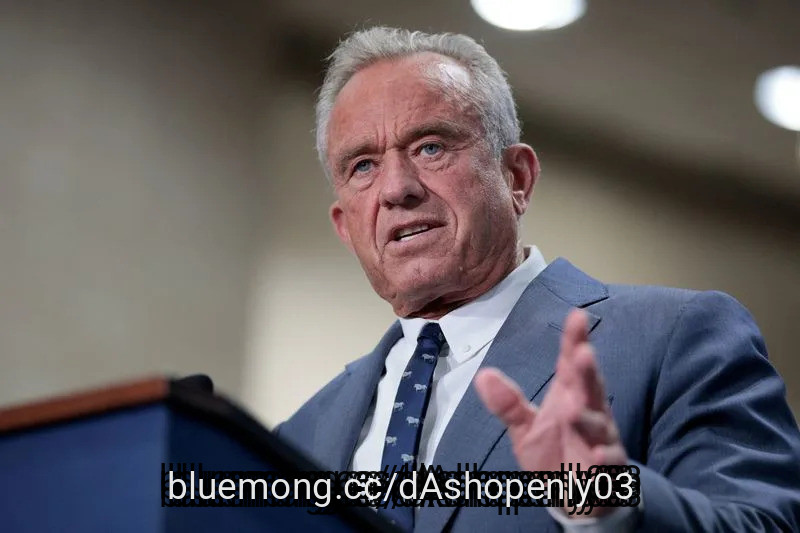
WASHINGTON, Sept 3 (Reuters) - U.S. Health Secretary Robert F. Kennedy Jr. asked his new CDC director to remove a reference to two Pennsylvania deaths from the agency's online measles tally after he questioned whether the disease contributed to the fatalities, three sources familiar with the situation said.
Kennedy's request came after CDC staffers had already accepted the state's characterization of the deaths as linked to measles, a Pennsylvania official said.
Despite that, Erica Schwartz, the recently appointed director of the U.S. Centers for Disease Control and Prevention, agreed with Kennedy's directive and implemented it without objection, said the three sources familiar with the matter, who spoke on condition of anonymity.
The move followed a heated exchange on social media between Kennedy, a long-time anti-vaccine activist appointed by President Donald Trump, and Pennsylvania Governor Josh Shapiro, a Democrat. The two officials accused each other of politicizing the outbreak in Pennsylvania, the latest state to grapple with a resurgence of measles since the Trump administration took office.
#pennsylvania #measles #three #familiar
WASHINGTON, Sept 3 (Reuters) - U.S. Health Secretary Robert F. Kennedy Jr. asked his new CDC director to remove a reference to two Pennsylvania deaths from the agency's online measles tally after he questioned whether the disease contributed to the fatalities, three sources familiar with the situation said.
Kennedy's request came after CDC staffers had already accepted the state's characterization of the deaths as linked to measles, a Pennsylvania official said.
Despite that, Erica Schwartz, the recently appointed director of the U.S. Centers for Disease Control and Prevention, agreed with Kennedy's directive and implemented it without objection, said the three sources familiar with the matter, who spoke on condition of anonymity.
The move followed a heated exchange on social media between Kennedy, a long-time anti-vaccine activist appointed by President Donald Trump, and Pennsylvania Governor Josh Shapiro, a Democrat. The two officials accused each other of politicizing the outbreak in Pennsylvania, the latest state to grapple with a resurgence of measles since the Trump administration took office.
#pennsylvania #measles #three #familiar
16 days ago
During the August 31 episode of Mad Money, Jim Cramer addressed shifting market dynamics, highlighting how the fallout from heavily crowded hedge fund positions was finally unwinding. Turning his attention to a heavily shorted stock on Wall Street, Cramer pointed to Moderna, Inc. (NASDAQ:MRNA) and explained why skeptics were forced to rethink their thesis. He stated:
Now, I don't want to say that Situational Awareness, again that's the hedge fund, has disappeared. The fund still has some ******* ets. Still, the fallout from its collapse does finally seem to be unwinding. Still, when you look at the 10 best and worst performers for the month, they're stark in their themes that include the unwind of the Situational positions. Let's go over the winners first. First, let's start with a heavily shorted stock known as Moderna. Yes, there was a huge bet being made against these guys. Skeptics believed that its technology would never produce the breakthroughs that the bulls expected and were initially promised when the company came public. But this month, that's exactly what we got. See, working with Merck, Moderna's developed a vaccine for those who have beaten melanoma once. Now, this, my friends, is miraculous. So, it got a miraculous welcome. Do you know what? I think this could still have a huge potential to go higher.
The basis of Moderna, Inc.'s (NASDAQ:MRNA) recent transition is its co-development partnership with Merck. Together, the companies advanced an mRNA-based personalized cancer vaccine designed to prevent melanoma recurrence in patients who have already beaten the disease once.
Beyond oncology, Moderna has worked to diversify its commercial footprint. Management has navigated a sharp post-pandemic revenue drop by tightening operational controls, tightening operating costs, and maintaining a solid cash cushion of $6.9 billion.
Despite the enthusiasm surrounding its cancer pipeline, Moderna, Inc. (NASDAQ:MRNA) remains a high-risk bet. The company continues to post substantial net losses, reporting a quarterly net loss of nearly $0.8 billion, along with heavy research expenditures needed to push its pipeline forward.
#NASDAQ #heavily #fund
Now, I don't want to say that Situational Awareness, again that's the hedge fund, has disappeared. The fund still has some ******* ets. Still, the fallout from its collapse does finally seem to be unwinding. Still, when you look at the 10 best and worst performers for the month, they're stark in their themes that include the unwind of the Situational positions. Let's go over the winners first. First, let's start with a heavily shorted stock known as Moderna. Yes, there was a huge bet being made against these guys. Skeptics believed that its technology would never produce the breakthroughs that the bulls expected and were initially promised when the company came public. But this month, that's exactly what we got. See, working with Merck, Moderna's developed a vaccine for those who have beaten melanoma once. Now, this, my friends, is miraculous. So, it got a miraculous welcome. Do you know what? I think this could still have a huge potential to go higher.
The basis of Moderna, Inc.'s (NASDAQ:MRNA) recent transition is its co-development partnership with Merck. Together, the companies advanced an mRNA-based personalized cancer vaccine designed to prevent melanoma recurrence in patients who have already beaten the disease once.
Beyond oncology, Moderna has worked to diversify its commercial footprint. Management has navigated a sharp post-pandemic revenue drop by tightening operational controls, tightening operating costs, and maintaining a solid cash cushion of $6.9 billion.
Despite the enthusiasm surrounding its cancer pipeline, Moderna, Inc. (NASDAQ:MRNA) remains a high-risk bet. The company continues to post substantial net losses, reporting a quarterly net loss of nearly $0.8 billion, along with heavy research expenditures needed to push its pipeline forward.
#NASDAQ #heavily #fund


17 days ago
Leading U.S. medical groups are urging people to get updated flu and COVID-19 vaccinations this fall, banding together Wednesday to issue shot guidelines — and highlight the science behind them — saying they hope to ease confusion caused by the Trump administration's changing advice.
Flu vaccinations are beginning and COVID-19 shots are starting to arrive after the Food and Drug Administration approved this year's updated versions last week. Winter also brings another vaccine-preventable risk called RSV. Exactly who should get one or all of these vaccines, and when?
That advice usually comes from the Centers for Disease Control and Prevention, with help from its independent advisers. But despite no new scientific evidence, Trump health officials last year began pulling back on some longstanding recommendations for fall virus protection and routine children's vaccinations. And that advisory panel, which influences state and insurance vaccine policies, is caught in a court battle. The CDC didn't respond to questions about any new fall guidance but suggested on its website that doctors follow last year's flu recommendations.
Doctors' groups are filling the gap: the American Academy of Pediatrics, American Academy of Family Physicians, American College of Obstetricians and Gynecologists, and the Infectious Diseases Society of America each released vaccination guidelines for their patient populations.
"There's been a lot of confusion and chaos regarding vaccine recommendations," said Dr. Sandra Fryhofer, of the American Medical **** ociation.
#vaccinations #medical
Flu vaccinations are beginning and COVID-19 shots are starting to arrive after the Food and Drug Administration approved this year's updated versions last week. Winter also brings another vaccine-preventable risk called RSV. Exactly who should get one or all of these vaccines, and when?
That advice usually comes from the Centers for Disease Control and Prevention, with help from its independent advisers. But despite no new scientific evidence, Trump health officials last year began pulling back on some longstanding recommendations for fall virus protection and routine children's vaccinations. And that advisory panel, which influences state and insurance vaccine policies, is caught in a court battle. The CDC didn't respond to questions about any new fall guidance but suggested on its website that doctors follow last year's flu recommendations.
Doctors' groups are filling the gap: the American Academy of Pediatrics, American Academy of Family Physicians, American College of Obstetricians and Gynecologists, and the Infectious Diseases Society of America each released vaccination guidelines for their patient populations.
"There's been a lot of confusion and chaos regarding vaccine recommendations," said Dr. Sandra Fryhofer, of the American Medical **** ociation.
#vaccinations #medical

18 days ago
August turned out to be a pretty good month for S&P 500 investors. And some stocks wound up having a great month.
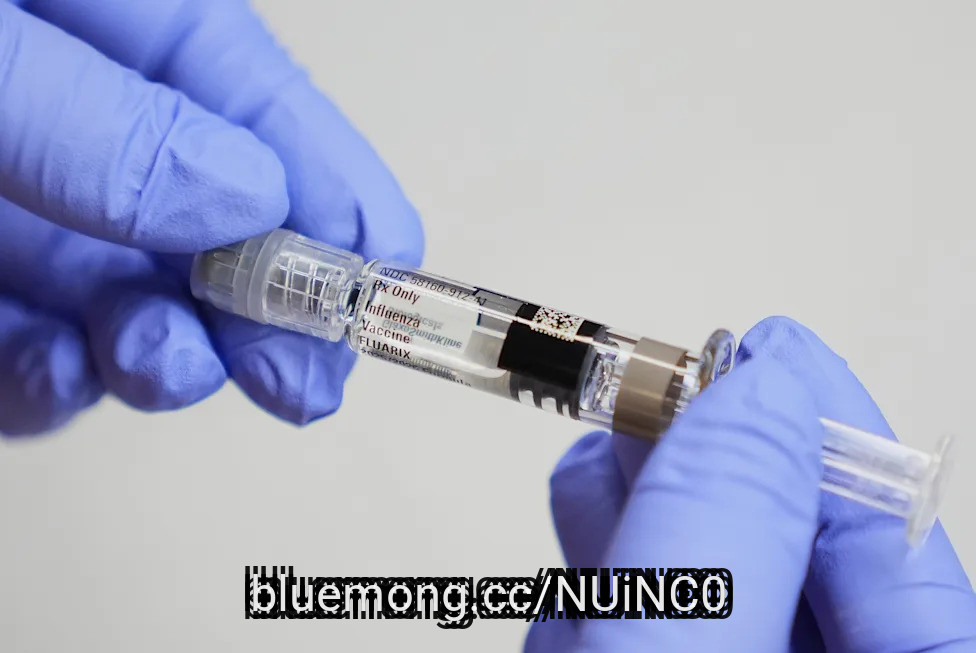
If you invested $100,000 in January in the top-performing stock in the S&P 500 at the time and reinvested that in each month's top performer, including vaccine maker Moderna (MRNA) in August, you'd have $12.7 million now, says an Investor's Business Daily **** ysis of data from S&P Global Market Intelligence and MarketSurge.
That's an impressive eight-month gain of 12,600%. It's quite a feat given the S&P 500 itself is up just 12.7% so far this year. And the same $100,000 invested in the S&P 500 would be worth just $112,700 now. The S&P 500 rose 3% in August, making it the third-best month this year.
Hindsight is 20-20. And, clearly, few if any investors could have picked the top stock in each of the past eight months, as it's not a repeatable strategy. But the staggering numbers this year remind investors that amazing gains can be scooped up by diligent investors who keep buy lists handy for big leaders when the S&P 500 starts to hit highs.
In fact, the S&P 500 offered many ways to make money in August. More than 278 stocks in the index rose during August. And of those, nine stocks jumped more than 30% in just one month.
#stocks #invested
If you invested $100,000 in January in the top-performing stock in the S&P 500 at the time and reinvested that in each month's top performer, including vaccine maker Moderna (MRNA) in August, you'd have $12.7 million now, says an Investor's Business Daily **** ysis of data from S&P Global Market Intelligence and MarketSurge.
That's an impressive eight-month gain of 12,600%. It's quite a feat given the S&P 500 itself is up just 12.7% so far this year. And the same $100,000 invested in the S&P 500 would be worth just $112,700 now. The S&P 500 rose 3% in August, making it the third-best month this year.
Hindsight is 20-20. And, clearly, few if any investors could have picked the top stock in each of the past eight months, as it's not a repeatable strategy. But the staggering numbers this year remind investors that amazing gains can be scooped up by diligent investors who keep buy lists handy for big leaders when the S&P 500 starts to hit highs.
In fact, the S&P 500 offered many ways to make money in August. More than 278 stocks in the index rose during August. And of those, nine stocks jumped more than 30% in just one month.
#stocks #invested


18 days ago
Moderna led the S&P 500 in August after reporting promising results from a late-stage trial of a personalized mRNA cancer vaccine it co-developed with Merck, according to CNBC. The data challenged years of skepticism about whether the company's mRNA technology could produce another major breakthrough following the decline of its Covid-19 vaccine business. "This is miraculous, so it got a miraculous welcome," CNBC's Jim Cramer said Monday.
Enterprise software stocks accounted for many of the index's other top performers. Palantir, Veeva Systems, Salesforce, and ServiceNow had each come under sustained selling pressure as investors grew skeptical that traditional software models could remain competitive against the backdrop of accelerating AI development, according to the outlet. Those declines were compounded by large short positions held by Situational Awareness, a leveraged hedge fund that had bet against software companies based on that thesis. When the fund was forced to unwind its trades in late July, those shorts became a tailwind for the stocks it had targeted. "As August comes to a grinding end, it's hard to believe that the reverberations of a hedge fund implosion could color so much of the month's action," Cramer said.
Situational Awareness, which was run by Leopold Aschenbrenner and peaked at $45 billion in **** ets at the start of July, lost roughly $35 billion after margin calls from prime brokers Bank of America, Goldman Sachs, and JPMorgan Chase forced a distressed sale of its publicly traded holdings to Ken Griffin's Citadel. The fund had used as much as 400% leverage and held large short positions in software names including Adobe alongside bullish bets on AI infrastructure stocks.
Among individual software stocks, Salesforce bounced back after better-than-expected quarterly results quieted fears of what Cramer called a "SaaSpocalypse," while ServiceNow gained ground after showing investors that AI could be folded into its platform without disrupting existing operations. Veeva Systems climbed in tandem with the wider software sector after the anticipated AI threat to its life sciences niche failed to materialize in any meaningful way. Gartner also joined the recovery, as worries that large AI models would erode the market for its research and advisory services turned out not to be borne out by the company's actual results.
Outside software, Newmont benefited from a recovery in gold prices, while Coinbase climbed as cryptocurrencies rebounded amid concerns about U.S. debt and government spending. Super Micro Computer and Sandisk also surged on strong demand for memory used in AI data centers.
#cramer
Enterprise software stocks accounted for many of the index's other top performers. Palantir, Veeva Systems, Salesforce, and ServiceNow had each come under sustained selling pressure as investors grew skeptical that traditional software models could remain competitive against the backdrop of accelerating AI development, according to the outlet. Those declines were compounded by large short positions held by Situational Awareness, a leveraged hedge fund that had bet against software companies based on that thesis. When the fund was forced to unwind its trades in late July, those shorts became a tailwind for the stocks it had targeted. "As August comes to a grinding end, it's hard to believe that the reverberations of a hedge fund implosion could color so much of the month's action," Cramer said.
Situational Awareness, which was run by Leopold Aschenbrenner and peaked at $45 billion in **** ets at the start of July, lost roughly $35 billion after margin calls from prime brokers Bank of America, Goldman Sachs, and JPMorgan Chase forced a distressed sale of its publicly traded holdings to Ken Griffin's Citadel. The fund had used as much as 400% leverage and held large short positions in software names including Adobe alongside bullish bets on AI infrastructure stocks.
Among individual software stocks, Salesforce bounced back after better-than-expected quarterly results quieted fears of what Cramer called a "SaaSpocalypse," while ServiceNow gained ground after showing investors that AI could be folded into its platform without disrupting existing operations. Veeva Systems climbed in tandem with the wider software sector after the anticipated AI threat to its life sciences niche failed to materialize in any meaningful way. Gartner also joined the recovery, as worries that large AI models would erode the market for its research and advisory services turned out not to be borne out by the company's actual results.
Outside software, Newmont benefited from a recovery in gold prices, while Coinbase climbed as cryptocurrencies rebounded amid concerns about U.S. debt and government spending. Super Micro Computer and Sandisk also surged on strong demand for memory used in AI data centers.
#cramer


19 days ago
Rahway, New Jersey-based Merck & Co., Inc. (MRK) is a global research-driven biopharmaceutical company focused on developing medicines, vaccines, and animal-health products. Known as MSD outside the U.S. and Canada, Merck operates through two main businesses: Pharmaceuticals and Animal Health. Valued at a market cap of $297 billion, its pharmaceutical portfolio spans oncology, vaccines, cardiometabolic disease, infectious diseases, and other therapeutic areas.
Companies with a market cap of $200 billion or more are typically referred to as "mega-cap stocks." It fits right into that category, with its market cap exceeding this threshold, reflecting its substantial size and influence in the general drug manufacturers industry. Merck combines a dominant oncology franchise, a broad vaccine portfolio, an expanding pipeline of newer medicines, and a large animal-health business. Its key investment consideration is balancing the continued strength of Keytruda and newer products against pressure on mature franchises such as Gardasil and the eventual impact of Keytruda's patent expiry.
Wu-Tang Clan Member Raekwon Is a Palantir 'OG,' Visiting Headquarters 16 Years After Receiving His Custom PLTR Jacket
Tesla Just Killed Its Solar Roof After Years of Struggling to Scale. What It Means for TSLA Stock.
Tesla Stock Could Benefit as Trump Locks Down the U.S. Power Grid
#animal #medicines #products
Companies with a market cap of $200 billion or more are typically referred to as "mega-cap stocks." It fits right into that category, with its market cap exceeding this threshold, reflecting its substantial size and influence in the general drug manufacturers industry. Merck combines a dominant oncology franchise, a broad vaccine portfolio, an expanding pipeline of newer medicines, and a large animal-health business. Its key investment consideration is balancing the continued strength of Keytruda and newer products against pressure on mature franchises such as Gardasil and the eventual impact of Keytruda's patent expiry.
Wu-Tang Clan Member Raekwon Is a Palantir 'OG,' Visiting Headquarters 16 Years After Receiving His Custom PLTR Jacket
Tesla Just Killed Its Solar Roof After Years of Struggling to Scale. What It Means for TSLA Stock.
Tesla Stock Could Benefit as Trump Locks Down the U.S. Power Grid
#animal #medicines #products


21 days ago
On the August 26 episode of Mad Money, a caller mentioned that they had purchased 1,000 shares of Moderna, Inc. (NASDAQ:MRNA) at $54 a couple of weeks prior, watched the price go up to $150, and asked what they should do. Jim Cramer replied:
Here's what I would do: I think that you have to take a little bit off. But I have also, because of my daughter who had melanoma and fortunately beat it, done a huge amount of work on the vaccine, and I got to tell you, I would hold on to this stock because I think the vaccine is very for real.
Moderna shares surged 177% on August 19 after the company and Merck & Co. announced that their personalized mRNA cancer vaccine, intismeran autogene, met the primary and key secondary endpoints in a Phase 3 melanoma trial involving 1,137 patients. The result gives Moderna its strongest late-stage evidence yet that its mRNA platform can work as a therapeutic cancer treatment. However, the detailed Phase 3 data have not been released, and investors should not confuse the new results with the 49% reduction in recurrence or death and 59% reduction in distant metastasis or death reported in the earlier Phase 2b study.
The clinical breakthrough arrived well before Moderna, Inc.'s (NASDAQ:MRNA) financial turnaround. The company generated $145 million of second-quarter 2026 revenue and reported a $782 million GAAP net loss, while continuing to target cash breakeven in 2028. It ended June with $6.9 billion of cash, cash equivalents, and investments, although it subsequently paid $950 million related to a litigation settlement.
The bear argument is that Moderna, Inc.'s (NASDAQ:MRNA) stock has repriced faster than the fundamental business has been proven. Its market value increased by tens of billions of dollars following the announcement of a trial whose detailed Phase 3 data remain outstanding. Regulatory approval is still required, while personalized cancer vaccines must overcome significant manufacturing and logistical challenges. Success in melanoma also does not guarantee comparable results in lung, bladder, kidney, or other cancers.
#mrna
Here's what I would do: I think that you have to take a little bit off. But I have also, because of my daughter who had melanoma and fortunately beat it, done a huge amount of work on the vaccine, and I got to tell you, I would hold on to this stock because I think the vaccine is very for real.
Moderna shares surged 177% on August 19 after the company and Merck & Co. announced that their personalized mRNA cancer vaccine, intismeran autogene, met the primary and key secondary endpoints in a Phase 3 melanoma trial involving 1,137 patients. The result gives Moderna its strongest late-stage evidence yet that its mRNA platform can work as a therapeutic cancer treatment. However, the detailed Phase 3 data have not been released, and investors should not confuse the new results with the 49% reduction in recurrence or death and 59% reduction in distant metastasis or death reported in the earlier Phase 2b study.
The clinical breakthrough arrived well before Moderna, Inc.'s (NASDAQ:MRNA) financial turnaround. The company generated $145 million of second-quarter 2026 revenue and reported a $782 million GAAP net loss, while continuing to target cash breakeven in 2028. It ended June with $6.9 billion of cash, cash equivalents, and investments, although it subsequently paid $950 million related to a litigation settlement.
The bear argument is that Moderna, Inc.'s (NASDAQ:MRNA) stock has repriced faster than the fundamental business has been proven. Its market value increased by tens of billions of dollars following the announcement of a trial whose detailed Phase 3 data remain outstanding. Regulatory approval is still required, while personalized cancer vaccines must overcome significant manufacturing and logistical challenges. Success in melanoma also does not guarantee comparable results in lung, bladder, kidney, or other cancers.
#mrna


22 days ago
Tempus AI, Inc. (NASDAQ:TEM) rallied following a melanoma breakthrough reported by Moderna and Merck. The companies said their Phase 3 INTerpath-001 trial met its recurrence-free survival endpoint for the personalized cancer therapy intismeran autogene, also known as V940, combined with Keytruda. Detailed trial data remain pending. The read-through came from Personalis, which has supported the V940 clinical-development program since its inception. Tempus agreed in July to a pending acquisition of Personalis at a $1.5 billion enterprise value, net of Tempus's existing stake. The question for Tempus AI, Inc. (NASDAQ:TEM) is whether the result validates the acquisition or merely confirms that one Personalis platform is strategically relevant to personalized cancer therapy.
Personalis uses ImmunoID NeXT to sequence tumor information for personalized vaccine development. That technology is distinct from NeXT Personal, the company's tumor-informed molecular residual disease test and the central strategic target of the acquisition. For Tempus AI, Inc. (NASDAQ:TEM), the clinical result validates Personalis's sequencing capabilities without establishing the economics of either product.
Tempus AI, Inc. (NASDAQ:TEM) is acquiring a company that has supported the V940 program from its beginning. A successful Phase 3 endpoint could strengthen Personalis's credibility with biopharma customers and create additional sequencing opportunities as drugmakers pursue individualized therapies across more tumor types.
The acquisition also reaches beyond vaccine sequencing. Tempus AI, Inc. (NASDAQ:TEM) has commercialized NeXT Personal since 2023. The MRD test searches for small traces of circulating tumor DNA after treatment, helping clinicians monitor response and identify possible recurrence before it becomes visible through conventional imaging.
Tempus AI, Inc. (NASDAQ:TEM) reported 9,000 total MRD tests in the second quarter, up from 6,500 sequentially. Personalis generated finalized quarterly revenue of $22.357 million and delivered 10,384 clinical tests, with volume rising 33% sequentially. NeXT Personal also has Medicare coverage in three indications, giving the pending transaction a commercial foundation independent of V940.
#v940 #acquisition #tumor
Personalis uses ImmunoID NeXT to sequence tumor information for personalized vaccine development. That technology is distinct from NeXT Personal, the company's tumor-informed molecular residual disease test and the central strategic target of the acquisition. For Tempus AI, Inc. (NASDAQ:TEM), the clinical result validates Personalis's sequencing capabilities without establishing the economics of either product.
Tempus AI, Inc. (NASDAQ:TEM) is acquiring a company that has supported the V940 program from its beginning. A successful Phase 3 endpoint could strengthen Personalis's credibility with biopharma customers and create additional sequencing opportunities as drugmakers pursue individualized therapies across more tumor types.
The acquisition also reaches beyond vaccine sequencing. Tempus AI, Inc. (NASDAQ:TEM) has commercialized NeXT Personal since 2023. The MRD test searches for small traces of circulating tumor DNA after treatment, helping clinicians monitor response and identify possible recurrence before it becomes visible through conventional imaging.
Tempus AI, Inc. (NASDAQ:TEM) reported 9,000 total MRD tests in the second quarter, up from 6,500 sequentially. Personalis generated finalized quarterly revenue of $22.357 million and delivered 10,384 clinical tests, with volume rising 33% sequentially. NeXT Personal also has Medicare coverage in three indications, giving the pending transaction a commercial foundation independent of V940.
#v940 #acquisition #tumor

22 days ago
Aug 28 (Reuters) - BioNTech SE said on Friday it has decided to terminate the mid-stage trial of its experimental mRNA-based cancer vaccine for patients with a type of colorectal cancer, sending the German firm's U.S.-listed shares down nearly 9%.
An independent data safety monitoring board, responsible for overseeing the safety and integrity of the trial, recommended discontinuing treatment of patients and terminating the study.
The immunotherapy, autogene cevumeran, is being jointly developed by BioNTech and Roche's Genentech. The trial was evaluating it as an adjuvant monotherapy in patients with high-risk stage II or stage III colorectal cancer whose tumors had been surgically removed but who remained ctDNA-positive.
In its most recent review of the available data of this trial, the board identified a numerical imbalance in overall survival between treatment arms in this specific patient population and noted that further trial continuation was unlikely to change the efficacy outcome.
(Reporting by Sriparna Roy in Bengaluru; Editing by Shilpi Majumdar)
#patients #colorectal
An independent data safety monitoring board, responsible for overseeing the safety and integrity of the trial, recommended discontinuing treatment of patients and terminating the study.
The immunotherapy, autogene cevumeran, is being jointly developed by BioNTech and Roche's Genentech. The trial was evaluating it as an adjuvant monotherapy in patients with high-risk stage II or stage III colorectal cancer whose tumors had been surgically removed but who remained ctDNA-positive.
In its most recent review of the available data of this trial, the board identified a numerical imbalance in overall survival between treatment arms in this specific patient population and noted that further trial continuation was unlikely to change the efficacy outcome.
(Reporting by Sriparna Roy in Bengaluru; Editing by Shilpi Majumdar)
#patients #colorectal


22 days ago
On August 19, 2026, Moderna, Inc. (NASDAQ:MRNA) and Merck & Co., Inc. (NYSE:MRK) said that their personalized mRNA cancer vaccine, combined with Merck's Keytruda, met its main goals in a first-ever Phase 3 trial for melanoma. The news sent Moderna shares up as much as 177%, adding $44 billion to its market value, while Merck shares rose more than 12% to an all-time high.
This is the first personalized cancer vaccine to succeed at the late-stage trial level, a milestone Moderna has pursued for years after its Covid-19 vaccine business faded. The stock became the most shorted in the S&P 500.
Does this trial genuinely validate personalized cancer vaccines as a new class of medicine, or is the market's reaction running ahead of data the companies haven't even fully released yet?
Breakthrough Results vs. Unreleased Data: The Moderna Debate
The combination, involving Moderna, Inc. (NASDAQ:MRNA)'s vaccine intismeran autogene and Merck & Co., Inc. (NYSE:MRK)'s Keytruda, extended the time patients lived without their melanoma returning. It reduced the risk of cancer spreading, building on earlier data showing a 49% reduction in recurrence or death risk and a 59% reduction in distant metastasis risk compared with Keytruda alone. Moderna CEO Stéphane Bancel called it validation of "an entirely new class of medicine." TD Cowen ******* ysts called it "a landmark moment" and expect regulatory approval as soon as next year. Even after the surge, Moderna trades at less than a third of its 2021 peak. Rezilient Health's Dr. Danish Nagda argued the platform remains undervalued given the potential to extend the approach to other cancers.
#vaccine #personalized #trial
This is the first personalized cancer vaccine to succeed at the late-stage trial level, a milestone Moderna has pursued for years after its Covid-19 vaccine business faded. The stock became the most shorted in the S&P 500.
Does this trial genuinely validate personalized cancer vaccines as a new class of medicine, or is the market's reaction running ahead of data the companies haven't even fully released yet?
Breakthrough Results vs. Unreleased Data: The Moderna Debate
The combination, involving Moderna, Inc. (NASDAQ:MRNA)'s vaccine intismeran autogene and Merck & Co., Inc. (NYSE:MRK)'s Keytruda, extended the time patients lived without their melanoma returning. It reduced the risk of cancer spreading, building on earlier data showing a 49% reduction in recurrence or death risk and a 59% reduction in distant metastasis risk compared with Keytruda alone. Moderna CEO Stéphane Bancel called it validation of "an entirely new class of medicine." TD Cowen ******* ysts called it "a landmark moment" and expect regulatory approval as soon as next year. Even after the surge, Moderna trades at less than a third of its 2021 peak. Rezilient Health's Dr. Danish Nagda argued the platform remains undervalued given the potential to extend the approach to other cancers.
#vaccine #personalized #trial

22 days ago
On August 19, 2026, Moderna, Inc. (NASDAQ:MRNA) and Merck & Co., Inc. (NYSE:MRK) said their personalized melanoma vaccine, intismeran, combined with Merck's Keytruda, met its goals in a Phase 3 trial of 1,137 patients. It reduced the risk of cancer recurrence and spread compared with Keytruda alone, Reuters reported.
It is the first positive late-stage trial result for an mRNA cancer vaccine. Merck's Jane Healy called the result a "clinically meaningful improvement," and said it was well tolerated, CNBC reported.
Both companies' shares rose on the news. Full data will be presented at an upcoming medical meeting alongside regulatory filing discussions. The companies are already running additional trials of the same vaccine-Keytruda combination in lung, bladder, kidney, pancreatic, and stomach cancers.
For Moderna, Inc. (NASDAQ:MRNA), this is proof that its mRNA platform works beyond vaccines for infectious disease. A positive Phase 3 readout validates years of personalized cancer vaccine development. It gives Moderna a genuine second growth pillar alongside its COVID business, one built on technology the company already knows how to manufacture and scale.
For Merck & Co., Inc. (NYSE:MRK), the result extends Keytruda's competitive life at a critical moment. Pairing Keytruda with a personalized vaccine gives Merck a differentiated, harder-to-copy combination therapy just as Keytruda itself approaches patent expiration later this decade. Hence, it protects franchise revenue through a next-generation product rather than the drug alone.
#result #NYSE
It is the first positive late-stage trial result for an mRNA cancer vaccine. Merck's Jane Healy called the result a "clinically meaningful improvement," and said it was well tolerated, CNBC reported.
Both companies' shares rose on the news. Full data will be presented at an upcoming medical meeting alongside regulatory filing discussions. The companies are already running additional trials of the same vaccine-Keytruda combination in lung, bladder, kidney, pancreatic, and stomach cancers.
For Moderna, Inc. (NASDAQ:MRNA), this is proof that its mRNA platform works beyond vaccines for infectious disease. A positive Phase 3 readout validates years of personalized cancer vaccine development. It gives Moderna a genuine second growth pillar alongside its COVID business, one built on technology the company already knows how to manufacture and scale.
For Merck & Co., Inc. (NYSE:MRK), the result extends Keytruda's competitive life at a critical moment. Pairing Keytruda with a personalized vaccine gives Merck a differentiated, harder-to-copy combination therapy just as Keytruda itself approaches patent expiration later this decade. Hence, it protects franchise revenue through a next-generation product rather than the drug alone.
#result #NYSE


23 days ago
Eyes slapped shut as the sun rises beyond him, a meditating Novak Djokovic steadfastly smacks his chest, his arms and his legs. Then, cutting to the customary docuseries interview chair-of-doom, the Serb says: "I cannot say I feel content with what I have and who I am. I am always looking to be more: better, faster, stronger."
If you had to envisage how a 92-minute documentary about one of world sport's most successful stars begins, these snippets would not follow the status quo. Yet 24-time major winner Djokovic doesn't do status quo: he is an athlete, an enigma, known as much for his greatness on court as his nonconformity off it. Think Melbourne tree-hugging; think magic potions; think no Covid vaccine.
For Djokovic's The Wolf in Winter fly-on-the-wall movie released last week, as "Prime Video Sports Presents" and "A Film By Jason Hehir" entrance frames are enveloped by clips of Djokovic literally howling into the distance, it all feels rather appropriate. Much like Rafael Nadal's Netflix series earlier this year, it is a genuinely insightful and engaging look at one of tennis' all-time greats. If you haven't watched it yet, consider this a gentle nudge of encouragement.
The timing is conspicuous, too, ahead of the final Grand Slam of the season in New York, starting on Sunday. The US Open marks three years since Djokovic's last major triumph, in a 2023 campaign where he won three of the big four and only missed out on a historic calendar Grand Slam in a final-set defeat to Carlos Alcaraz at Wimbledon.
At that point, a record-breaking 25th singles Grand Slam – which would put him ahead of Margaret Court at the top of the all-time standings, male or female – seemed a simple inevitability. Yet now, this is Djokovic's 12th Grand Slam, chasing that elusive No 25. But it might just be his best shot.
#djokovic #think #court #major
If you had to envisage how a 92-minute documentary about one of world sport's most successful stars begins, these snippets would not follow the status quo. Yet 24-time major winner Djokovic doesn't do status quo: he is an athlete, an enigma, known as much for his greatness on court as his nonconformity off it. Think Melbourne tree-hugging; think magic potions; think no Covid vaccine.
For Djokovic's The Wolf in Winter fly-on-the-wall movie released last week, as "Prime Video Sports Presents" and "A Film By Jason Hehir" entrance frames are enveloped by clips of Djokovic literally howling into the distance, it all feels rather appropriate. Much like Rafael Nadal's Netflix series earlier this year, it is a genuinely insightful and engaging look at one of tennis' all-time greats. If you haven't watched it yet, consider this a gentle nudge of encouragement.
The timing is conspicuous, too, ahead of the final Grand Slam of the season in New York, starting on Sunday. The US Open marks three years since Djokovic's last major triumph, in a 2023 campaign where he won three of the big four and only missed out on a historic calendar Grand Slam in a final-set defeat to Carlos Alcaraz at Wimbledon.
At that point, a record-breaking 25th singles Grand Slam – which would put him ahead of Margaret Court at the top of the all-time standings, male or female – seemed a simple inevitability. Yet now, this is Djokovic's 12th Grand Slam, chasing that elusive No 25. But it might just be his best shot.
#djokovic #think #court #major


23 days ago
Drug stock Novavax Inc (NASDAQ:NVAX) is trading 2.8% lower at $9.18 this afternoon, pulling back from yesterday's surge to six-week highs. Today's drop has put the equity in a deficit for the quarter, though NVAX shares remain 36% higher year-to-date. The stock recently enjoyed a lift after trial results for its skin cancer vaccine with Moderna (MRNA) showed positive results.
Options traders are betting on the downfall of NVAX however, with 29,000 puts across the tape so far. This is 32 times the average daily rate, with the most active contracts being the weekly January 21, 2028 10-strike put and January 15, 2027 10-strike put.
In the near term, options traders are taking a different stance. This is per NVAX's Shaeffer's put/call open interest ratio (SOIR) of 0.13, which sits in the 10th percentile of its annual range. Should this bullish sentiment begin to unwind, it could trigger more headwinds for the shares.
Short interest has been on the rise, up 4.2% over the most recent reporting period, now accounting for 29% of the stock's available float. At the stock's average pace of trading, it would take short sellers over two weeks to buy back their bearish bets.
Plus, options are looking affordable, per NVAX's Schaeffer's Volatility Index (SVI) of 80%, which ranks in the 27th percentile of its annual range.
#short
Options traders are betting on the downfall of NVAX however, with 29,000 puts across the tape so far. This is 32 times the average daily rate, with the most active contracts being the weekly January 21, 2028 10-strike put and January 15, 2027 10-strike put.
In the near term, options traders are taking a different stance. This is per NVAX's Shaeffer's put/call open interest ratio (SOIR) of 0.13, which sits in the 10th percentile of its annual range. Should this bullish sentiment begin to unwind, it could trigger more headwinds for the shares.
Short interest has been on the rise, up 4.2% over the most recent reporting period, now accounting for 29% of the stock's available float. At the stock's average pace of trading, it would take short sellers over two weeks to buy back their bearish bets.
Plus, options are looking affordable, per NVAX's Schaeffer's Volatility Index (SVI) of 80%, which ranks in the 27th percentile of its annual range.
#short


23 days ago
Eyes slapped shut as the sun rises beyond him, a meditating Novak Djokovic steadfastly smacks his chest, his arms and his legs. Then, cutting to the customary docu-series interview chair-of-doom, the Serb says: "I cannot say I feel content with what I have and who I am. I am always looking to be more: better, faster, stronger."
If you had to envisage how a 92-minute documentary about one of world sport's most successful stars begins, these snippets would not follow the status quo. Yet 24-time major winner Djokovic doesn't do status quo: he is an athlete, an enigma, known as much for his greatness on court as his nonconformity off it. Think Melbourne tree-hugging; think magic potions; think no Covid vaccine.
For Djokovic's The Wolf in Winter fly-on-the-wall movie released last week, as "Prime Video Sports Presents" and "A Film By Jason Hehir" entrance frames are enveloped by clips of Djokovic literally howling into the distance, it all feels rather appropriate. Much like Rafael Nadal's Netflix series earlier this year, it is a genuinely insightful and engaging look at one of tennis' all-time greats. If you haven't watched it yet, consider this a gentle nudge of encouragement.
The timing is conspicuous, too, ahead of the final Grand Slam of the season in New York, starting on Sunday. The US Open marks three years since Djokovic's last major triumph, in a 2023 campaign where he won three of the big four and only missed out on a historic calendar Grand Slam in a final-set defeat to Carlos Alcaraz at Wimbledon.
At that point, a record-breaking 25th singles Grand Slam – which would put him ahead of Margaret Court at the top of the all-time standings, male or female – seemed a simple inevitability. Yet now, this is Djokovic's 12th Grand Slam chasing that elusive No 25. But it might just be his best shot.
#slam #series #status
If you had to envisage how a 92-minute documentary about one of world sport's most successful stars begins, these snippets would not follow the status quo. Yet 24-time major winner Djokovic doesn't do status quo: he is an athlete, an enigma, known as much for his greatness on court as his nonconformity off it. Think Melbourne tree-hugging; think magic potions; think no Covid vaccine.
For Djokovic's The Wolf in Winter fly-on-the-wall movie released last week, as "Prime Video Sports Presents" and "A Film By Jason Hehir" entrance frames are enveloped by clips of Djokovic literally howling into the distance, it all feels rather appropriate. Much like Rafael Nadal's Netflix series earlier this year, it is a genuinely insightful and engaging look at one of tennis' all-time greats. If you haven't watched it yet, consider this a gentle nudge of encouragement.
The timing is conspicuous, too, ahead of the final Grand Slam of the season in New York, starting on Sunday. The US Open marks three years since Djokovic's last major triumph, in a 2023 campaign where he won three of the big four and only missed out on a historic calendar Grand Slam in a final-set defeat to Carlos Alcaraz at Wimbledon.
At that point, a record-breaking 25th singles Grand Slam – which would put him ahead of Margaret Court at the top of the all-time standings, male or female – seemed a simple inevitability. Yet now, this is Djokovic's 12th Grand Slam chasing that elusive No 25. But it might just be his best shot.
#slam #series #status


23 days ago
Ricky Schroder is facing criticism after using his tribute to Dolly Parton to highlight their differences over transgender rights and COVID-19 vaccines. The actor shared a photograph taken with the country music legend while remembering the two television movies they made together. However, his decision to bring politics into the tribute quickly overshadowed his message about Parton, with critics accusing him of using her death to promote his personal views.
AFF-USA.com / MEGA
Schroder shared his tribute on Instagram, posting a photograph taken with Parton years before her death. Rather than focusing exclusively on his memories of working with the singer, the actor emphasized that they did not agree on certain social and political issues.
"I didnt agree with her advocating for Transgender & Covid Vaccine support…but Loved her anyway. Thank you for choosing me, Dolly, to be your Movie Daddy," Schroder wrote.
The post immediately generated criticism in the comments section. Many social media users questioned why Schroder felt it was necessary to mention their differences while paying tribute to Parton following her death at age 80.
#death #transgender
AFF-USA.com / MEGA
Schroder shared his tribute on Instagram, posting a photograph taken with Parton years before her death. Rather than focusing exclusively on his memories of working with the singer, the actor emphasized that they did not agree on certain social and political issues.
"I didnt agree with her advocating for Transgender & Covid Vaccine support…but Loved her anyway. Thank you for choosing me, Dolly, to be your Movie Daddy," Schroder wrote.
The post immediately generated criticism in the comments section. Many social media users questioned why Schroder felt it was necessary to mention their differences while paying tribute to Parton following her death at age 80.
#death #transgender




23 days ago
Amid all the celebrity tributes pouring in for the late Dolly Parton, one of them is getting backlash for being "disrespectful" and "foul" to the country music icon.
Parton's former co-star Ricky Schroder played Parton's father in two NBC biopic movies based in the singer's childhood (2015's Dolly Parton's Coat of Many Colors and 2016's Dolly Parton's Christmas of Many Colors: Circle of Love), both of which were narrated and executive produced by Parton. In the wake of Parton's death on Tuesday, Schroder took to social media to post, "I didn't agree with her advocating for Transgender & Covid Vaccine support … but Loved her anyway. Thank you for choosing me Dolly to be your Movie Daddy."
More from The Hollywood Reporter
Harry Styles Pays Tribute to Dolly Parton at Madison Square Garden Residency Opening Night: "We Love You"
Dolly Parton's Spotify Streams Spiked Over 1,200 Percent Following Icon's Death
#schroder #colors
Parton's former co-star Ricky Schroder played Parton's father in two NBC biopic movies based in the singer's childhood (2015's Dolly Parton's Coat of Many Colors and 2016's Dolly Parton's Christmas of Many Colors: Circle of Love), both of which were narrated and executive produced by Parton. In the wake of Parton's death on Tuesday, Schroder took to social media to post, "I didn't agree with her advocating for Transgender & Covid Vaccine support … but Loved her anyway. Thank you for choosing me Dolly to be your Movie Daddy."
More from The Hollywood Reporter
Harry Styles Pays Tribute to Dolly Parton at Madison Square Garden Residency Opening Night: "We Love You"
Dolly Parton's Spotify Streams Spiked Over 1,200 Percent Following Icon's Death
#schroder #colors

24 days ago
Ricky Schroder got slammed online following his transphobic and anti-vaccine laced tribute to Dolly Parton.
Remembrance after remembrance flooded the internet Tuesday after news that the country music legend had died. Schroder – who played Parton's father in two TV movies, "Dolly Parton's Coat of Many Colors" and "Dolly Parton's Christmas of Many Colors: Circle of Love" – joined his voice to the many. But he still couldn't help but point out their political differences in his tribute.
"I didnt [sic] agree with her advocating for Transgender & Covid Vaccine support…but Loved her anyway," Schroder wrote on Instagram alongside a picture of him and Parton. "Thank you for choosing me Dolly to be your Movie Daddy."
This led to a number of celebrities calling the "NYPD Blue" star out for feeling the need to mention those things while honoring Parton. Katie Couric, Boy George, and many others heaped on their disgust for the way Schroder chose to honor Parton's memory.
"Ick," Couric wrote on Threads.
#schroder
Remembrance after remembrance flooded the internet Tuesday after news that the country music legend had died. Schroder – who played Parton's father in two TV movies, "Dolly Parton's Coat of Many Colors" and "Dolly Parton's Christmas of Many Colors: Circle of Love" – joined his voice to the many. But he still couldn't help but point out their political differences in his tribute.
"I didnt [sic] agree with her advocating for Transgender & Covid Vaccine support…but Loved her anyway," Schroder wrote on Instagram alongside a picture of him and Parton. "Thank you for choosing me Dolly to be your Movie Daddy."
This led to a number of celebrities calling the "NYPD Blue" star out for feeling the need to mention those things while honoring Parton. Katie Couric, Boy George, and many others heaped on their disgust for the way Schroder chose to honor Parton's memory.
"Ick," Couric wrote on Threads.
#schroder


24 days ago
Ricky Schroder is giving people the "ick" with his tribute to late co-star Dolly Parton.
The NYPD Blue alum, 56, and legendary country singer appeared in Dolly Parton's Coat of Many Colors in 2025, as well as its 2026 sequel, Dolly Parton's Christmas of Many Colors: Circle of Love. He played a version of her father in both TV movies.
Taking to social media on Tuesday, August 25 — following Parton's death at the age of 80 — Schroder shared a post honoring the icon. Alongside a photo of them together, he wrote, "I didnt agree with her advocating for Transgender & Covid Vaccine support…but Loved her anyway. Thank you for choosing me Dolly to be your Movie Daddy."
Parton was a vocal supporter of the LGBTQIA+ community, speaking out against North Carolina's anti-trans bathroom bill in 2016 by telling CNN, "I think everybody should be treated with respect. I hope that everybody gets a chance to be who and what they are."
The singer also donated $1 million to vaccine research amid the Covid pandemic. After helping to fund the Moderna vaccine, she filmed herself receiving it as well, sharing the footage to social media.
#vaccine #many #colors #Social
The NYPD Blue alum, 56, and legendary country singer appeared in Dolly Parton's Coat of Many Colors in 2025, as well as its 2026 sequel, Dolly Parton's Christmas of Many Colors: Circle of Love. He played a version of her father in both TV movies.
Taking to social media on Tuesday, August 25 — following Parton's death at the age of 80 — Schroder shared a post honoring the icon. Alongside a photo of them together, he wrote, "I didnt agree with her advocating for Transgender & Covid Vaccine support…but Loved her anyway. Thank you for choosing me Dolly to be your Movie Daddy."
Parton was a vocal supporter of the LGBTQIA+ community, speaking out against North Carolina's anti-trans bathroom bill in 2016 by telling CNN, "I think everybody should be treated with respect. I hope that everybody gets a chance to be who and what they are."
The singer also donated $1 million to vaccine research amid the Covid pandemic. After helping to fund the Moderna vaccine, she filmed herself receiving it as well, sharing the footage to social media.
#vaccine #many #colors #Social




24 days ago
When the world needed her, Dolly Parton was known to appear — even in the middle of a once-in-a-lifetime global pandemic.
The queen of country left millions mourning after her death on Aug. 25 at the age of 80. Beyond the big hair and chart-topping hits, Parton was known as a prolific philanthropist who poured millions into causes ranging from childhood literacy and leukemia to disaster relief and the preservation of bald eagles.
One of Parton's most notable contributions to medicine was her funding and staunch support of the COVID-19 vaccine, which she publicly pledged to help fund as early as April 2020.
While the scientific and medical communities raced to develop technology to fight the novel virus that was killing thousands, Parton was loud and proud, encouraging the public to trust the process — even during a time when political messaging, misinformation and uncertainty left many unsure where to turn and who to trust.
The mRNA vaccine technology she helped fund has since shown promise in treating and preventing diseases beyond COVID-19, including cancer.
#parton
The queen of country left millions mourning after her death on Aug. 25 at the age of 80. Beyond the big hair and chart-topping hits, Parton was known as a prolific philanthropist who poured millions into causes ranging from childhood literacy and leukemia to disaster relief and the preservation of bald eagles.
One of Parton's most notable contributions to medicine was her funding and staunch support of the COVID-19 vaccine, which she publicly pledged to help fund as early as April 2020.
While the scientific and medical communities raced to develop technology to fight the novel virus that was killing thousands, Parton was loud and proud, encouraging the public to trust the process — even during a time when political messaging, misinformation and uncertainty left many unsure where to turn and who to trust.
The mRNA vaccine technology she helped fund has since shown promise in treating and preventing diseases beyond COVID-19, including cancer.
#parton




25 days ago
Biotech stocks had already been gaining ground before this week's news. In June, the iShares Nasdaq Biotechnology ETF (IBB) traded just 1.47% below its 52-week high after moving sideways since November.
Then, Moderna (MRNA) surged more than 176%, while Merck (MRK) gained over 12%, after their personalized mRNA cancer vaccine reduced melanoma recurrence in a late-stage trial. The INTerpath-001 study included 1,137 high-risk melanoma patients and delivered the first successful Phase 3 result for an individualized mRNA neoantigen therapy.
Soros Fund Management Opened a New Position in Nebius During Q2. What This Means for NBIS Stock.
Nvidia Earnings, Jackson Hole and Other Key Things to Watch this Week
Ahead of Nvidia Earnings, Here's What Barchart Data Says Comes Next for NVDA Stock
#week #Biotech #june #NASDAQ
Then, Moderna (MRNA) surged more than 176%, while Merck (MRK) gained over 12%, after their personalized mRNA cancer vaccine reduced melanoma recurrence in a late-stage trial. The INTerpath-001 study included 1,137 high-risk melanoma patients and delivered the first successful Phase 3 result for an individualized mRNA neoantigen therapy.
Soros Fund Management Opened a New Position in Nebius During Q2. What This Means for NBIS Stock.
Nvidia Earnings, Jackson Hole and Other Key Things to Watch this Week
Ahead of Nvidia Earnings, Here's What Barchart Data Says Comes Next for NVDA Stock
#week #Biotech #june #NASDAQ