
4 days ago
WASHINGTON (AP) — Most Federal Reserve officials expect that another interest rate increase will likely be needed this year to combat inflation, according to minutes released Wednesday from the central bank's most recent meeting.
The officials unanimously agreed that inflation was still elevated and had not made much progress toward their 2% target in recent months, the minutes said. The Fed increased its key interest rate at the Sept. 15-16 meeting by a quarter-point to about 3.9%, its first increase in three years.
The increase defied President Donald Trump's repeated calls for the Fed to cut rates and prompted the president to criticize the Fed's rate-setting committee, though he still expressed support for Chairman Kevin Warsh, whom he appointed earlier this year. The rate increase comes as Americans are already struggling with high costs for groceries, gas and housing, and as affordability has taken on a leading role in the upcoming midterm elections, just seven weeks away.
Longer-term interest rates for mortgages and other borrowing have also jumped in the past few months for a range of reasons, including rising government debt, heavy borrowing by tech firms to finance data center construction, climbing oil and gas prices, and signs that growth and inflation remain elevated. The Fed's rate hike has likely played only a limited role in the increase.
Still, key policymakers have said since the meeting that the Fed can take some time to monitor the economy and the impact of last month's rate hike before making another move. Wall Street investors now forecast the Fed will keep its rate unchanged at its next meeting Oct. 28-29, according to futures pricing, and raise it when they meet in December.
#officials
The officials unanimously agreed that inflation was still elevated and had not made much progress toward their 2% target in recent months, the minutes said. The Fed increased its key interest rate at the Sept. 15-16 meeting by a quarter-point to about 3.9%, its first increase in three years.
The increase defied President Donald Trump's repeated calls for the Fed to cut rates and prompted the president to criticize the Fed's rate-setting committee, though he still expressed support for Chairman Kevin Warsh, whom he appointed earlier this year. The rate increase comes as Americans are already struggling with high costs for groceries, gas and housing, and as affordability has taken on a leading role in the upcoming midterm elections, just seven weeks away.
Longer-term interest rates for mortgages and other borrowing have also jumped in the past few months for a range of reasons, including rising government debt, heavy borrowing by tech firms to finance data center construction, climbing oil and gas prices, and signs that growth and inflation remain elevated. The Fed's rate hike has likely played only a limited role in the increase.
Still, key policymakers have said since the meeting that the Fed can take some time to monitor the economy and the impact of last month's rate hike before making another move. Wall Street investors now forecast the Fed will keep its rate unchanged at its next meeting Oct. 28-29, according to futures pricing, and raise it when they meet in December.
#officials




5 days ago
AGNC's Q2 spread income of 40 cents per share covered its 36-cent dividend, but the payout has been cut three times since 2015.
Annaly raised its quarterly dividend from $0.70 to $0.75, while Dynex rebounded to 6.4% economic return after both posted Q1 losses.
If Q3 spread income falls below 36 cents or book value drops below $8.38, shareholders' own capital funds the dividend and a cut becomes likely.
Read More: Learn 7 ways to generate income with a $1,000,000+ portfolio (sponsor)
AGNC Investment (NASDAQ:AGNC) is a mortgage REIT that borrows short-term money in the repo market, buys agency mortgage-backed securities, and keeps the spread between bond yields and borrowing costs. Leverage of 7.4 times tangible equity magnifies both gains and losses.
#times
Annaly raised its quarterly dividend from $0.70 to $0.75, while Dynex rebounded to 6.4% economic return after both posted Q1 losses.
If Q3 spread income falls below 36 cents or book value drops below $8.38, shareholders' own capital funds the dividend and a cut becomes likely.
Read More: Learn 7 ways to generate income with a $1,000,000+ portfolio (sponsor)
AGNC Investment (NASDAQ:AGNC) is a mortgage REIT that borrows short-term money in the repo market, buys agency mortgage-backed securities, and keeps the spread between bond yields and borrowing costs. Leverage of 7.4 times tangible equity magnifies both gains and losses.
#times


5 days ago
The 10-year Treasury yield recently touched its highest level in roughly two decades, north of 5.3%, per CNBC.
When the 10-year Treasury yield rises, stocks can become less attractive because investors can earn higher yields on safer bonds, and higher borrowing costs can weigh on companies and their growth. At the same time, older bonds with lower interest rates lose market value compared with newer, higher-yielding bonds.
Missed Nvidia in 2009? This Rare Signal Is Flashing Again. In 2009, a "Double Down" signal flashed for a little-known chipmaker called Nvidia. For the first time in years, that same "Total Conviction" signal is flashing for a company 1/100th the size of Nvidia. Continue »
In short, this yield is the interest rate the U.S. government pays to borrow for 10 years and is a key benchmark for global borrowing costs and economic outlook.
Here's a difference that matters. A Treasury note pays you the same coupon in year 10 that it pays you in year one. A growing dividend you can find in a stock doesn't sit still. It compounds. Buy the right business today, and the income it hands you a decade from now can be meaningfully larger than what it pays this year, on top of whatever the stock itself is worth by then.
#treasury
When the 10-year Treasury yield rises, stocks can become less attractive because investors can earn higher yields on safer bonds, and higher borrowing costs can weigh on companies and their growth. At the same time, older bonds with lower interest rates lose market value compared with newer, higher-yielding bonds.
Missed Nvidia in 2009? This Rare Signal Is Flashing Again. In 2009, a "Double Down" signal flashed for a little-known chipmaker called Nvidia. For the first time in years, that same "Total Conviction" signal is flashing for a company 1/100th the size of Nvidia. Continue »
In short, this yield is the interest rate the U.S. government pays to borrow for 10 years and is a key benchmark for global borrowing costs and economic outlook.
Here's a difference that matters. A Treasury note pays you the same coupon in year 10 that it pays you in year one. A growing dividend you can find in a stock doesn't sit still. It compounds. Buy the right business today, and the income it hands you a decade from now can be meaningfully larger than what it pays this year, on top of whatever the stock itself is worth by then.
#treasury

6 days ago
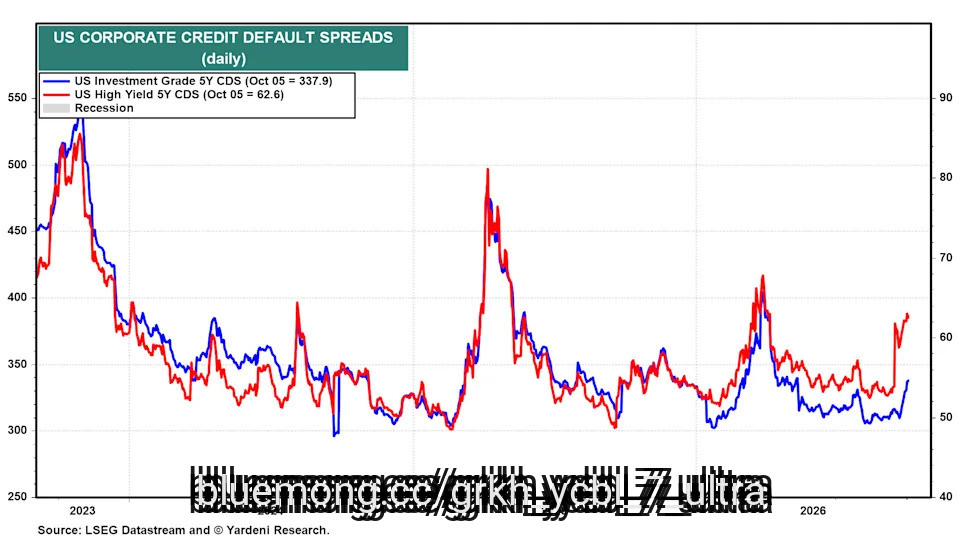
JPMorgan Chase (JPM) CEO Jamie Dimon sharpened his warning about the risks of a global bond sell-off on Tuesday, saying the world's massive competition for capital could begin squeezing corporate borrowers.
Dimon warned that the combination of rising government borrowing costs and spending on the AI boom could spill into corporate credit markets, pushing up the costs for companies to refinance or raise new debt.
"There will be a point where the market will ask for more and more and more, and yeah, at one point that'll feed into corporate debt, corporate credit spreads, and things like that, which is how it normally happens," Dimon said in a Bloomberg interview on the sidelines of a JPMorgan event in London.
"The best thing to do with any of these things is deal with it before it becomes a crisis. If it becomes a crisis, we will deal with it. It just will be in a much less pleasant way," he added.
The warning comes as a global rout in bonds has pushed longer-term borrowing costs sharply higher in recent weeks, with the benchmark US 10-year Treasury yield recently surpassing heights not seen since 2002.
#credit
Dimon warned that the combination of rising government borrowing costs and spending on the AI boom could spill into corporate credit markets, pushing up the costs for companies to refinance or raise new debt.
"There will be a point where the market will ask for more and more and more, and yeah, at one point that'll feed into corporate debt, corporate credit spreads, and things like that, which is how it normally happens," Dimon said in a Bloomberg interview on the sidelines of a JPMorgan event in London.
"The best thing to do with any of these things is deal with it before it becomes a crisis. If it becomes a crisis, we will deal with it. It just will be in a much less pleasant way," he added.
The warning comes as a global rout in bonds has pushed longer-term borrowing costs sharply higher in recent weeks, with the benchmark US 10-year Treasury yield recently surpassing heights not seen since 2002.
#credit


6 days ago
The bond-market rout of 2026 may be jolting markets, but it's also gaining a important following among savers and the risk-averse.
Wall Street has been gripped by the volatile moves in bond yields over the past few weeks. The all-important 10-year Treasury yield BX:TMUBMUSD10Y was up another 3.4 basis points on Monday to 5.35%, it highest level since April 2002, according to Dow Jones Market Data.
My wife never went back to work after raising our kids. Do I have to share my retirement savings 50/50?
Go ahead and get that poetry degree. Republican law won't prevent people with humanities majors from getting student loans.
That's raised the costs of new mortgages, corporate borrowing and financing the $40 trillion national debt. It also has many bond portfolios sitting in a sea of red ink for 2026, with the bond market's equivalent of the S&P 500 SPX — the Bloomberg U.S. Aggregate Index's — total return having turned negative. Bond yields and prices move in the opposite direction.
#bond #treasury #tmubmusd10y
Wall Street has been gripped by the volatile moves in bond yields over the past few weeks. The all-important 10-year Treasury yield BX:TMUBMUSD10Y was up another 3.4 basis points on Monday to 5.35%, it highest level since April 2002, according to Dow Jones Market Data.
My wife never went back to work after raising our kids. Do I have to share my retirement savings 50/50?
Go ahead and get that poetry degree. Republican law won't prevent people with humanities majors from getting student loans.
That's raised the costs of new mortgages, corporate borrowing and financing the $40 trillion national debt. It also has many bond portfolios sitting in a sea of red ink for 2026, with the bond market's equivalent of the S&P 500 SPX — the Bloomberg U.S. Aggregate Index's — total return having turned negative. Bond yields and prices move in the opposite direction.
#bond #treasury #tmubmusd10y



6 days ago
Benzinga and Yahoo Finance LLC may earn commission or revenue on some items through the links below.
The top 1% of Americans now control one-third of all U.S. net worth as inflation erodes purchasing power and the Federal Reserve's first rate hike since 2023 pushes borrowing costs higher.
The top 1% of U.S. households hold $60.3 trillion, a record 32.5% share of net worth, according to The Kobeissi Letter, citing Federal Reserve data.
Meanwhile, the bottom 50% hold $4.3 trillion, with the richest holding 14 times as much.
Don't Miss:
#federal #americans #reserve
The top 1% of Americans now control one-third of all U.S. net worth as inflation erodes purchasing power and the Federal Reserve's first rate hike since 2023 pushes borrowing costs higher.
The top 1% of U.S. households hold $60.3 trillion, a record 32.5% share of net worth, according to The Kobeissi Letter, citing Federal Reserve data.
Meanwhile, the bottom 50% hold $4.3 trillion, with the richest holding 14 times as much.
Don't Miss:
#federal #americans #reserve


10 days ago
Jessica Alba looked better than ever as she showcased her washboard abs in a Y2K-inspired outfit ahead of Paris Hilton's end-of-summer party, with the movie star borrowing clothes from her teenage daughter for the star-studded event.
The 45-year-old donned a beige tank top with gray stars dotted across it and a brown miniskirt that sat low on her hips, à la Y2K. She paired the look with stacked necklaces, a chunky gold bangle, eye-catching earrings and brown knee-high boots, and wore her brown-blonde hair in a half-up, half-down style.
Jessica looked incredible in the miniskirt and tank top (@ Instagram)
"Haven said hold please…When your 15-year-old daughter pulls from her closet to dress you for a Y2K party…thank you Haven," she wrote on Instagram, after revealing the outfit she had originally planned to wear before the teen intervened.
In the Instagram carousel, Jessica included a selfie of her at the party with actress Keke Palmer and co-CEO of Baby2Baby Kelly Sawyer. "A parishilton y2k end of summer party w my girls keke kellysawyer… that's hot," she captioned the photos.
#Instagram #keke #summer
The 45-year-old donned a beige tank top with gray stars dotted across it and a brown miniskirt that sat low on her hips, à la Y2K. She paired the look with stacked necklaces, a chunky gold bangle, eye-catching earrings and brown knee-high boots, and wore her brown-blonde hair in a half-up, half-down style.
Jessica looked incredible in the miniskirt and tank top (@ Instagram)
"Haven said hold please…When your 15-year-old daughter pulls from her closet to dress you for a Y2K party…thank you Haven," she wrote on Instagram, after revealing the outfit she had originally planned to wear before the teen intervened.
In the Instagram carousel, Jessica included a selfie of her at the party with actress Keke Palmer and co-CEO of Baby2Baby Kelly Sawyer. "A parishilton y2k end of summer party w my girls keke kellysawyer… that's hot," she captioned the photos.
#Instagram #keke #summer



21 days ago
On September 9, 2026, Reuters reported that Amazon.com, Inc. (NASDAQ:AMZN) raised £4.25 billion, or about $5.76 billion, in its first-ever sterling bond sale, slightly more than initially expected, as part of a four-tranche deal spanning 3 to 19 years. Final investor demand came in at more than £10.65 billion, roughly 2.5 times the amount raised, but that was notably lower than the demand Alphabet saw for its own sterling debut in February, a sign ******* ysts said shows hyperscaler borrowing may be starting to test the limits of investor appetite.
Amazon.com, Inc. (NASDAQ:AMZN)'s first sterling bond sale shows that investors still have a strong appetite for its debt. The firm raised $5.8 billion through the offering, and demand reached roughly 2.5 times the amount available. The sterling market also has relatively limited supply of large technology-company debt. It could back up demand for future Amazon issuance in the currency. Strong demand gives Amazon another funding channel as it finances its large-scale AI and cloud infrastructure investments.
Amazon can put the proceeds toward AWS, its fastest-growing major business. AWS revenue increased 36.7% year over year in the second quarter. It marks its fastest growth rate in 18 quarters as demand for AI infrastructure accelerated. Funding more data centers, computing capacity and related infrastructure could allow Amazon to capture more of that demand. If AWS sustains its growth while making strong operating profits, the additional debt could support investments in one of Amazon's most important long-term earnings drivers.
The sterling offering diversifies Amazon's funding base as its capital requirements grow. Amazon issued four tranches with maturities ranging from three to 19 years. It gives the business access to UK investors while adding sterling financing alongside its existing dollar, euro, Swiss franc and yen debt. This overall investor base gives Amazon greater flexibility to raise capital across different markets and currencies. So diversification could become more valuable as Amazon funds an unprecedented AI infrastructure buildout without relying entirely on one debt market.
Amazon.com, Inc. (NASDAQ:AMZN)'s weaker reception compared with Alphabet signals that investors may demand higher borrowing costs from hyperscalers. Amazon's sterling offering attracted about 2.5 times coverage, below Alphabet's roughly 3.5 times coverage for its recent euro bond sale. The difference shows that demand for hyperscaler debt is not unlimited. If investor appetite continues to weaken, Amazon could face higher yields on future borrowing, increasing the cost of financing its AI infrastructure expansion.
#sterling #infrastructure #NASDAQ #amzn
Amazon.com, Inc. (NASDAQ:AMZN)'s first sterling bond sale shows that investors still have a strong appetite for its debt. The firm raised $5.8 billion through the offering, and demand reached roughly 2.5 times the amount available. The sterling market also has relatively limited supply of large technology-company debt. It could back up demand for future Amazon issuance in the currency. Strong demand gives Amazon another funding channel as it finances its large-scale AI and cloud infrastructure investments.
Amazon can put the proceeds toward AWS, its fastest-growing major business. AWS revenue increased 36.7% year over year in the second quarter. It marks its fastest growth rate in 18 quarters as demand for AI infrastructure accelerated. Funding more data centers, computing capacity and related infrastructure could allow Amazon to capture more of that demand. If AWS sustains its growth while making strong operating profits, the additional debt could support investments in one of Amazon's most important long-term earnings drivers.
The sterling offering diversifies Amazon's funding base as its capital requirements grow. Amazon issued four tranches with maturities ranging from three to 19 years. It gives the business access to UK investors while adding sterling financing alongside its existing dollar, euro, Swiss franc and yen debt. This overall investor base gives Amazon greater flexibility to raise capital across different markets and currencies. So diversification could become more valuable as Amazon funds an unprecedented AI infrastructure buildout without relying entirely on one debt market.
Amazon.com, Inc. (NASDAQ:AMZN)'s weaker reception compared with Alphabet signals that investors may demand higher borrowing costs from hyperscalers. Amazon's sterling offering attracted about 2.5 times coverage, below Alphabet's roughly 3.5 times coverage for its recent euro bond sale. The difference shows that demand for hyperscaler debt is not unlimited. If investor appetite continues to weaken, Amazon could face higher yields on future borrowing, increasing the cost of financing its AI infrastructure expansion.
#sterling #infrastructure #NASDAQ #amzn

21 days ago
On September 3, 2026, lululemon athletica inc. (NASDAQ:LULU) reported second-quarter fiscal 2026 results for the period ended August 2, 2026. Net revenue fell 4% to $2.4 billion, missing the $2.46 billion ****** ysts expected, and comparable sales dropped 10% on a constant dollar basis. Management cut full-year revenue guidance to a decline of 5% to 7%, down from a prior forecast of flat to down 1%, and lowered full-year earnings per share guidance to $9.48 to $9.73 from its prior forecast of $10.95 to $11.15, compared with $13.26 earned in fiscal 2025. Shares fell about 18% in extended trading. Incoming CEO Heidi O'Neill was set to start the following week.
Photo by Ian Deng Quddu on Unsplash
Citi's cut to $117 from $130 came with a Neutral rating and the observation that the stock's risk-reward is "slightly more favorable" after the selloff, even though the firm called fiscal 2027 visibility "very unclear." The operational bright spots are real.
lululemon athletica inc. (NASDAQ:LULU) increased its chase volume, the supply chain capability that lets it reorder fast-moving styles quickly, by about 20% this year, and away-from-body styles including the Groove Wide-Leg, Align Foldover Jogger, Breezily, and an updated Dance Studio Pant are trending well as shoppers shift from tight-fitting leggings. The brand's community pull held up too.
The SeaWheeze Half Marathon and Festival returned in August for the first time since 2019, drawing nearly 10,000 runners from 24 countries and roughly 14,000 festival attendees, while more than 85,000 people from 120 countries joined the companion Strava challenge, strong enough that Lululemon already committed to bringing the event back next summer. Rest of World revenue, spanning EMEA and APAC, grew 5% on a reported basis, and the company ended the quarter with $1.4 billion in cash and no outstanding borrowings.
#revenue #billion #NASDAQ
Photo by Ian Deng Quddu on Unsplash
Citi's cut to $117 from $130 came with a Neutral rating and the observation that the stock's risk-reward is "slightly more favorable" after the selloff, even though the firm called fiscal 2027 visibility "very unclear." The operational bright spots are real.
lululemon athletica inc. (NASDAQ:LULU) increased its chase volume, the supply chain capability that lets it reorder fast-moving styles quickly, by about 20% this year, and away-from-body styles including the Groove Wide-Leg, Align Foldover Jogger, Breezily, and an updated Dance Studio Pant are trending well as shoppers shift from tight-fitting leggings. The brand's community pull held up too.
The SeaWheeze Half Marathon and Festival returned in August for the first time since 2019, drawing nearly 10,000 runners from 24 countries and roughly 14,000 festival attendees, while more than 85,000 people from 120 countries joined the companion Strava challenge, strong enough that Lululemon already committed to bringing the event back next summer. Rest of World revenue, spanning EMEA and APAC, grew 5% on a reported basis, and the company ended the quarter with $1.4 billion in cash and no outstanding borrowings.
#revenue #billion #NASDAQ


22 days ago
On August 6, Targa Resources Corp. (NYSE:TRGP) reported a record second quarter. Adjusted EBITDA reached $1.60 billion, a 38% jump from the same period a year earlier, and management now expects full-year results near the top of its guidance range. Targa moves and processes natural gas and natural gas liquids out of the Permian Basin, and these numbers suggest that system is running fuller than ever.
The strength came from volume, not just price. Adjusted EBITDA also climbed 14% from the first quarter, helped by Permian gas volumes that added over 450 million cubic feet of daily throughput. Some producers held back output because Waha gas prices went negative, and Targa still set a volume record. Volumes for NGL pipelines, fractionation, and LPG exports also hit records, helped by Train 11, a new fractionator in Mont Belvieu, Texas, that started up early in the quarter.
Construction is also landing on time. East Driver, a new processing plant serving the Midland side of the Permian, started up late in the quarter and ahead of schedule, and the other gathering and logistics projects are tracking their plans. Shareholders get a cut too. On July 16, Targa declared a $1.25 per share quarterly dividend, 25% above the payout for the second quarter of 2025, payable August 14 to holders of record on July 31. It also spent $80 million buying back shares during the quarter.
Growth at this pace costs real money. Targa plans about $4.5 billion in net growth spending this year, and its consolidated debt stood at $19,578 million on June 30. About $3.2 billion of liquidity gives it a cushion. In July, it also extended its receivables securitization facility to July 30, 2027 and raised the size to as much as $800 million. More borrowing capacity helps, but it is still borrowing.
Not every dollar of the profit surge is as steady as a pipeline volume. Management tied the higher outlook partly to strong marketing margin and optimization work in the first two quarters, and the quarter's jump in marketing margin came from greater optimization opportunities. That kind of income can be lumpy. Meanwhile, lower natural gas prices trimmed margins in the gathering business, and the Waha curtailments showed that producers can pull back when local prices turn ugly.
#record
The strength came from volume, not just price. Adjusted EBITDA also climbed 14% from the first quarter, helped by Permian gas volumes that added over 450 million cubic feet of daily throughput. Some producers held back output because Waha gas prices went negative, and Targa still set a volume record. Volumes for NGL pipelines, fractionation, and LPG exports also hit records, helped by Train 11, a new fractionator in Mont Belvieu, Texas, that started up early in the quarter.
Construction is also landing on time. East Driver, a new processing plant serving the Midland side of the Permian, started up late in the quarter and ahead of schedule, and the other gathering and logistics projects are tracking their plans. Shareholders get a cut too. On July 16, Targa declared a $1.25 per share quarterly dividend, 25% above the payout for the second quarter of 2025, payable August 14 to holders of record on July 31. It also spent $80 million buying back shares during the quarter.
Growth at this pace costs real money. Targa plans about $4.5 billion in net growth spending this year, and its consolidated debt stood at $19,578 million on June 30. About $3.2 billion of liquidity gives it a cushion. In July, it also extended its receivables securitization facility to July 30, 2027 and raised the size to as much as $800 million. More borrowing capacity helps, but it is still borrowing.
Not every dollar of the profit surge is as steady as a pipeline volume. Management tied the higher outlook partly to strong marketing margin and optimization work in the first two quarters, and the quarter's jump in marketing margin came from greater optimization opportunities. That kind of income can be lumpy. Meanwhile, lower natural gas prices trimmed margins in the gathering business, and the Waha curtailments showed that producers can pull back when local prices turn ugly.
#record


22 days ago
On August 20, Royal Caribbean Group (NYSE:RCL) said it had completed a sale of $1.25 billion of notes that carry a 5.55% coupon and come due on January 20, 2034. The money is earmarked first for floating-rate term loans, with anything left over used to repay or refinance other debt, and the offering rode on a shelf registration filed on February 29, 2024. That sounds like routine upkeep. But next to an earnings beat and a flat third-quarter pricing outlook, the deal gives you a handy lens on where the company stands.
Start with the debt itself. Swapping floating-rate borrowings for notes with a stated 5.550% coupon takes some interest-rate guesswork out of the picture, and the notes don't mature until January 20, 2034. That matters because $2.7 billion comes due in 2027 and $3.4 billion in 2028. Against those bills, the company held $6.9 billion of liquidity as of June 30, and it added $250 million to its revolving credit line in July.
The business generating the cash is running well. On July 28, Royal Caribbean reported second-quarter adjusted earnings of $4.21 per share, ahead of its own guidance on stronger last-minute demand, lower costs, and better results from joint ventures. Management then raised full-year adjusted EPS guidance to a range of $17.73 to $17.87, which implies 14% growth. It also kept returning cash to shareholders in the second quarter, through $404 million of dividends and $199 million of buybacks. Booking volumes are running above last year, and 2027 bookings are tracking ahead of past years, even on routes that geopolitical events hit in 2026.
Beat or not, that $4.21 is still below the $4.38 from the same quarter in 2025. Costs excluding fuel per passenger cruise day rose 4.4%, and the cost beat came largely from the timing of expenses. Then there is pricing, where the story gets less rosy. Third-quarter net yields are guided to roughly flat against 2025 while capacity grows 8.5%, so the expected 8% revenue growth comes from more capacity, not from better yields. Management also says prolonged geopolitical activity has dented bookings on select itineraries. It calls the hit modest, but it is now built into guidance.
The refinancing also doesn't shrink the debt pile. New notes pay off old borrowings, so the total owed stays roughly where it was, and the company still expects net interest of $980 million to $990 million this year. Add roughly $4.7 billion of capital spending in 2026, mostly for new ships and destination projects, and it is clear this business needs a steady supply of capital. The April ship orders, Icon VI and Icon VII, extend that appetite, though their financing is already committed.
#billion #quarter #company #year
Start with the debt itself. Swapping floating-rate borrowings for notes with a stated 5.550% coupon takes some interest-rate guesswork out of the picture, and the notes don't mature until January 20, 2034. That matters because $2.7 billion comes due in 2027 and $3.4 billion in 2028. Against those bills, the company held $6.9 billion of liquidity as of June 30, and it added $250 million to its revolving credit line in July.
The business generating the cash is running well. On July 28, Royal Caribbean reported second-quarter adjusted earnings of $4.21 per share, ahead of its own guidance on stronger last-minute demand, lower costs, and better results from joint ventures. Management then raised full-year adjusted EPS guidance to a range of $17.73 to $17.87, which implies 14% growth. It also kept returning cash to shareholders in the second quarter, through $404 million of dividends and $199 million of buybacks. Booking volumes are running above last year, and 2027 bookings are tracking ahead of past years, even on routes that geopolitical events hit in 2026.
Beat or not, that $4.21 is still below the $4.38 from the same quarter in 2025. Costs excluding fuel per passenger cruise day rose 4.4%, and the cost beat came largely from the timing of expenses. Then there is pricing, where the story gets less rosy. Third-quarter net yields are guided to roughly flat against 2025 while capacity grows 8.5%, so the expected 8% revenue growth comes from more capacity, not from better yields. Management also says prolonged geopolitical activity has dented bookings on select itineraries. It calls the hit modest, but it is now built into guidance.
The refinancing also doesn't shrink the debt pile. New notes pay off old borrowings, so the total owed stays roughly where it was, and the company still expects net interest of $980 million to $990 million this year. Add roughly $4.7 billion of capital spending in 2026, mostly for new ships and destination projects, and it is clear this business needs a steady supply of capital. The April ship orders, Icon VI and Icon VII, extend that appetite, though their financing is already committed.
#billion #quarter #company #year


22 days ago
Updated Sept. 18, 2026 4:59 pm ET
Listen
(3 min)
The latest Market Talks covering Financial Services. Exclusively on Dow Jones Newswires at 4:20 ET, 12:20 ET and 16:50 ET.
1357 ET – Hyperliquid’s HYPE token rises 6.7% to $90.83 after the exchange announced that it would enable direct borrowing on its platform. HYPE hit a record $92.43 earlier in the session. Hyperliquid says that it will let users supply HYPE or BTC as collateral for loans, offering 65% and 50% loan-to-value, respectively, according to a statement on its website. The HYPE token has gained 30% in the past two months alone.(kirk.maltaiswsj.com)
#market
Listen
(3 min)
The latest Market Talks covering Financial Services. Exclusively on Dow Jones Newswires at 4:20 ET, 12:20 ET and 16:50 ET.
1357 ET – Hyperliquid’s HYPE token rises 6.7% to $90.83 after the exchange announced that it would enable direct borrowing on its platform. HYPE hit a record $92.43 earlier in the session. Hyperliquid says that it will let users supply HYPE or BTC as collateral for loans, offering 65% and 50% loan-to-value, respectively, according to a statement on its website. The HYPE token has gained 30% in the past two months alone.(kirk.maltaiswsj.com)
#market

23 days ago
Margin debt hit $1.45 trillion in August, up 140% since 2022 and outpacing the S&P 500's 98% gain, which leaves the market carrying far more forced-selling risk.
At roughly 4.5% of GDP, margin debt now exceeds the dot-com bubble's peak, meaning a routine correction could cascade into broker-forced liquidations across the market.
The real danger isn't high leverage itself but the simultaneous forced selling that erupts when overleveraged investors all need cash at once.
Just released. Our ***** ysts combed the entire stock market and named the ten best stocks to buy right now. The report is free. Enter your email and see if any of your stocks made the cut.
The longer-term comparison is even more striking. Since the end of 2022 -- and the start of the current AI-dominated era -- investor borrowing has increased by $847 billion, or 140%, versus a 98% gain for the S&P 500 over the same period. That means leverage has grown faster than the market value investors have accumulated, presumably as they took on debt to buy into the AI boom.
#market #leverage #investors
At roughly 4.5% of GDP, margin debt now exceeds the dot-com bubble's peak, meaning a routine correction could cascade into broker-forced liquidations across the market.
The real danger isn't high leverage itself but the simultaneous forced selling that erupts when overleveraged investors all need cash at once.
Just released. Our ***** ysts combed the entire stock market and named the ten best stocks to buy right now. The report is free. Enter your email and see if any of your stocks made the cut.
The longer-term comparison is even more striking. Since the end of 2022 -- and the start of the current AI-dominated era -- investor borrowing has increased by $847 billion, or 140%, versus a 98% gain for the S&P 500 over the same period. That means leverage has grown faster than the market value investors have accumulated, presumably as they took on debt to buy into the AI boom.
#market #leverage #investors


23 days ago
CleanSpark just announced a Mag 7 tenant for its first AI site, in a bullish disclosure for the former bitcoin miner as it seeks $2B in financing for its first AI site at a time when capital could get more expensive following the Fed's rate hike yesterday.
CleanSpark announced its first-ever AI lease on July 14 – a 20-year, $6.6B deal for 175 critical IT MWs at its Sandersville, Georgia, facility. But at the time, CleanSpark didn't disclose the tenant.
An SEC filing from today reveals that tenant is Meta, the social-media stalwart turned digital marketing giant and burgeoning AI lab, by way of its wholly owned subsidiary, Anviran. But that's not even the most interesting part – this ******* ociation also means that Meta holds an LOI for 885 MW from CleanSpark's Sealy and Brazoria, Texas, sites, since CleanSpark in July said the Sandersville counterparty also signed an exclusivity agreement for those sites.
The filing says that Meta will serve as "guarantor of rent and operating expenses," with the parent company backstopping Anviran.
And this backstop is more important now than ever. As we covered on the show yesterday, the Fed's 25-basis-point rate hike could lead to not just higher borrowing costs but also tightened credit access for non-investment-grade companies.
#tenant
CleanSpark announced its first-ever AI lease on July 14 – a 20-year, $6.6B deal for 175 critical IT MWs at its Sandersville, Georgia, facility. But at the time, CleanSpark didn't disclose the tenant.
An SEC filing from today reveals that tenant is Meta, the social-media stalwart turned digital marketing giant and burgeoning AI lab, by way of its wholly owned subsidiary, Anviran. But that's not even the most interesting part – this ******* ociation also means that Meta holds an LOI for 885 MW from CleanSpark's Sealy and Brazoria, Texas, sites, since CleanSpark in July said the Sandersville counterparty also signed an exclusivity agreement for those sites.
The filing says that Meta will serve as "guarantor of rent and operating expenses," with the parent company backstopping Anviran.
And this backstop is more important now than ever. As we covered on the show yesterday, the Fed's 25-basis-point rate hike could lead to not just higher borrowing costs but also tightened credit access for non-investment-grade companies.
#tenant


23 days ago
The Hain Celestial Group, Inc. (NASDAQ:HAIN) announced on September 14 that it agreed to sell most international operations to AURELIUS for estimated cash consideration of $323 million. Expected net proceeds of $305 million to $310 million would repay debt and leave a business concentrated in North America.
The immediate hurdle is financing. The agreement, signed September 12, requires a credit-agreement amendment by October 12 extending the December 22, 2026 maturity by at least nine months. AURELIUS can terminate if that amendment is not secured by the deadline.
The Hain Celestial Group, Inc. (NASDAQ:HAIN) expects closing in its fiscal second quarter ending December 31, subject to lender agreement and regulatory approvals. The dollar consideration estimates also depend on exchange rates because the purchase price is denominated in sterling.
The transaction could materially reduce the debt burden. The Hain Celestial Group, Inc. (NASDAQ:HAIN) reported $558 million of total debt as of June 30. Subtracting the estimated net proceeds implies approximately $248 million to $253 million remaining, a calculation using rounded figures before subsequent borrowings, repayments, or other changes.
That reduction could lower interest expense and give management more room to stabilize the retained brands. The remaining portfolio includes Celestial Seasonings tea, The Greek Gods yogurt and Earth's Best baby and kids foods.
#december
The immediate hurdle is financing. The agreement, signed September 12, requires a credit-agreement amendment by October 12 extending the December 22, 2026 maturity by at least nine months. AURELIUS can terminate if that amendment is not secured by the deadline.
The Hain Celestial Group, Inc. (NASDAQ:HAIN) expects closing in its fiscal second quarter ending December 31, subject to lender agreement and regulatory approvals. The dollar consideration estimates also depend on exchange rates because the purchase price is denominated in sterling.
The transaction could materially reduce the debt burden. The Hain Celestial Group, Inc. (NASDAQ:HAIN) reported $558 million of total debt as of June 30. Subtracting the estimated net proceeds implies approximately $248 million to $253 million remaining, a calculation using rounded figures before subsequent borrowings, repayments, or other changes.
That reduction could lower interest expense and give management more room to stabilize the retained brands. The remaining portfolio includes Celestial Seasonings tea, The Greek Gods yogurt and Earth's Best baby and kids foods.
#december


23 days ago
Federal student loans are, for many students, the best option for covering postsecondary education and related expenses.
With fixed interest rates, clear grace periods and forbearance options, federal loans offer predictable repayment schedules.
Some borrowers may even qualify for loan forgiveness under Public Service Loan Forgiveness, income-driven repayment plans or the Teacher Loan Forgiveness program.
Though federal student loans have benefits compared to private loans, consider any borrowing carefully before committing to a debt.
If you don't have cash on hand to completely cover the cost of attendance for college — around $38,000 per year on average, according to the Education Data Initiative — you're not alone. More than 42 million borrowers have federal student loan debt.
#loan #debt
With fixed interest rates, clear grace periods and forbearance options, federal loans offer predictable repayment schedules.
Some borrowers may even qualify for loan forgiveness under Public Service Loan Forgiveness, income-driven repayment plans or the Teacher Loan Forgiveness program.
Though federal student loans have benefits compared to private loans, consider any borrowing carefully before committing to a debt.
If you don't have cash on hand to completely cover the cost of attendance for college — around $38,000 per year on average, according to the Education Data Initiative — you're not alone. More than 42 million borrowers have federal student loan debt.
#loan #debt

24 days ago
American Tower Corporation (NYSE:AMT) priced $1.6 billion of senior notes on September 9: $500 million at 5.300% due 2031, $500 million at 5.560% due 2033, and $600 million at 5.750% due 2036. Once issued, the three tranches would carry combined annual coupons of $88.8 million, equivalent to a weighted average coupon of 5.55%.
American Tower Corporation (NYSE:AMT) expects approximately $1.580 billion in net proceeds. It intends to use $600 million to repay 1.450% notes due in 2026, with additional proceeds designated for revolving-credit debt and general corporate purposes. The financing exchanges a near-term repayment requirement and some revolving debt for longer fixed-rate obligations.
The investment question is whether greater funding certainty compensates for the higher cash-interest commitment.
American Tower Corporation (NYSE:AMT) would remove a $600 million maturity falling due this year once the planned repayment occurs. That reduces exposure to having to refinance the obligation closer to its deadline, when borrowing conditions could be less favorable.
The new maturities also distribute principal repayments across 2031, 2033 and 2036. For American Tower Corporation (NYSE:AMT), a spread of repayment dates can support financial planning across its communications-site and data-center portfolio. Fixed coupons make the cost of this funding predictable.
#tower
American Tower Corporation (NYSE:AMT) expects approximately $1.580 billion in net proceeds. It intends to use $600 million to repay 1.450% notes due in 2026, with additional proceeds designated for revolving-credit debt and general corporate purposes. The financing exchanges a near-term repayment requirement and some revolving debt for longer fixed-rate obligations.
The investment question is whether greater funding certainty compensates for the higher cash-interest commitment.
American Tower Corporation (NYSE:AMT) would remove a $600 million maturity falling due this year once the planned repayment occurs. That reduces exposure to having to refinance the obligation closer to its deadline, when borrowing conditions could be less favorable.
The new maturities also distribute principal repayments across 2031, 2033 and 2036. For American Tower Corporation (NYSE:AMT), a spread of repayment dates can support financial planning across its communications-site and data-center portfolio. Fixed coupons make the cost of this funding predictable.
#tower

24 days ago
Private equity dealmakers in the US are poised for higher borrowing costs as the Federal Reserve on Wednesday raised interest rates for the first time since 2023.
The rate-setting committee unanimously agreed to raise the benchmark interest rate by a quarter of a percentage point, and officials largely agreed that, at the current trend, one more hike would be needed in 2026.
The decision lifted the federal funds rate to a target range of 3.75% to 4%, in line with market expectations heading into the September meeting.
Kyle Walters, a PE ******* yst at PitchBook, described the rate hike as "directionally negative for PE exit activity," though it is unlikely to cause significant damage on its own.
"The larger question is whether this rate hike is a one-off or if more are to follow. If it's the latter, that would have a more negative impact on monetization efforts, as most LBO debt is floating rate, which results in higher interest expense on these companies, and can damage the financial statements prospective buyers look at."
#interest #damage #reserve
The rate-setting committee unanimously agreed to raise the benchmark interest rate by a quarter of a percentage point, and officials largely agreed that, at the current trend, one more hike would be needed in 2026.
The decision lifted the federal funds rate to a target range of 3.75% to 4%, in line with market expectations heading into the September meeting.
Kyle Walters, a PE ******* yst at PitchBook, described the rate hike as "directionally negative for PE exit activity," though it is unlikely to cause significant damage on its own.
"The larger question is whether this rate hike is a one-off or if more are to follow. If it's the latter, that would have a more negative impact on monetization efforts, as most LBO debt is floating rate, which results in higher interest expense on these companies, and can damage the financial statements prospective buyers look at."
#interest #damage #reserve



24 days ago
Some offers on this page are from advertisers who pay us, which may affect which products we write about, but not our recommendations. See our Advertiser Disclosure.
The Federal Reserve raised interest rates on Wednesday, marking its first hike in more than three years, in a move that will likely make borrowing more expensive while giving savers a modest boost.
Fed Chairman Kevin Warsh and the Federal Open Market Committee announced a widely expected quarter-point rate increase and indicated another to come.
The stock market's reaction to the Fed's announcement is likely to draw the most headlines, and John Shugar, a partner at Goldman Sachs, leans toward an optimistic scenario.
"You basically have a market where all of the heavy lifting has actually been done on the earnings side," Shugar said in an **** ysis. He points to "terrific opportunities" in various AI consumer sectors, though "over the next few weeks, we may have a lot more speed **** ps."
#shugar #reserve #kevin
The Federal Reserve raised interest rates on Wednesday, marking its first hike in more than three years, in a move that will likely make borrowing more expensive while giving savers a modest boost.
Fed Chairman Kevin Warsh and the Federal Open Market Committee announced a widely expected quarter-point rate increase and indicated another to come.
The stock market's reaction to the Fed's announcement is likely to draw the most headlines, and John Shugar, a partner at Goldman Sachs, leans toward an optimistic scenario.
"You basically have a market where all of the heavy lifting has actually been done on the earnings side," Shugar said in an **** ysis. He points to "terrific opportunities" in various AI consumer sectors, though "over the next few weeks, we may have a lot more speed **** ps."
#shugar #reserve #kevin


24 days ago
Some offers on this page are from advertisers who pay us, which may affect which products we write about, but not our recommendations. See our Advertiser Disclosure.
The Federal Reserve doesn't set student loan rates directly, but its federal funds rate influences the 10-year Treasury yield (which determines federal loan rates) and the prime rate (which determines private loan rates).
But exactly how the Fed affects your cost of borrowing depends on the type of student loans and interest rate you have.
After the Federal Reserve's September 2026 meeting, it raised interest rates by 25 basis points. See how that might impact the cost of your student loans.
One of the Federal Reserve's main goals is to keep inflation under control. It does this partly by adjusting the federal funds rate — the rate banks charge one another for short-term loans.
#funds
The Federal Reserve doesn't set student loan rates directly, but its federal funds rate influences the 10-year Treasury yield (which determines federal loan rates) and the prime rate (which determines private loan rates).
But exactly how the Fed affects your cost of borrowing depends on the type of student loans and interest rate you have.
After the Federal Reserve's September 2026 meeting, it raised interest rates by 25 basis points. See how that might impact the cost of your student loans.
One of the Federal Reserve's main goals is to keep inflation under control. It does this partly by adjusting the federal funds rate — the rate banks charge one another for short-term loans.
#funds



24 days ago
Some offers on this page are from advertisers who pay us, which may affect which products we write about, but not our recommendations. See our Advertiser Disclosure.
Today, the Federal Reserve increased its target interest rate by 25 basis points — its first rate hike in more than three years.
When the Fed changes interest rates, the impact reaches far beyond Wall Street. Higher rates can help savers earn more on their cash, while lower rates can make mortgages, car loans, and credit cards more affordable. But because every rate move creates both winners and losers, there's no simple answer to whether high or low rates are best.
Understanding why the Fed raises and lowers rates — and how those decisions affect your money — can help you make smarter choices about saving and borrowing.
The Federal Reserve is mandated by Congress to promote stable prices and maximum employment within the U.S. economy. One of the tools it has at its disposal to achieve these goals is the federal funds rate.
#federal #reserve #interest #make
Today, the Federal Reserve increased its target interest rate by 25 basis points — its first rate hike in more than three years.
When the Fed changes interest rates, the impact reaches far beyond Wall Street. Higher rates can help savers earn more on their cash, while lower rates can make mortgages, car loans, and credit cards more affordable. But because every rate move creates both winners and losers, there's no simple answer to whether high or low rates are best.
Understanding why the Fed raises and lowers rates — and how those decisions affect your money — can help you make smarter choices about saving and borrowing.
The Federal Reserve is mandated by Congress to promote stable prices and maximum employment within the U.S. economy. One of the tools it has at its disposal to achieve these goals is the federal funds rate.
#federal #reserve #interest #make


24 days ago
Some offers on this page are from advertisers who pay us, which may affect which products we write about, but not our recommendations. See our Advertiser Disclosure.
The Federal Reserve influences consumer loan rates by setting the federal funds rate, which affects how much banks charge each other for overnight lending. That cost typically gets passed on to borrowers through higher or lower rates on personal, auto, and student loans.
By tracking the Fed's moves, you can get a better sense of whether taking out a loan will be more expensive or more affordable. It may even help you time your borrowing decisions so you can secure the best possible rate.
The Fed recently raised its rate by 25 basis points during its September 2026 meeting. See what impact that could have on your borrowing costs.
The Federal Reserve sets a target range for the federal funds rate, a benchmark rate that determines how much lenders charge one another for overnight lending. When the Fed increases this rate, lenders generally pass along the higher costs to consumers by raising interest rates on consumer loans and credit cards. When the Fed decreases this rate, lenders may lower the interest rates on their loans as well.
#federal #rates #loans
The Federal Reserve influences consumer loan rates by setting the federal funds rate, which affects how much banks charge each other for overnight lending. That cost typically gets passed on to borrowers through higher or lower rates on personal, auto, and student loans.
By tracking the Fed's moves, you can get a better sense of whether taking out a loan will be more expensive or more affordable. It may even help you time your borrowing decisions so you can secure the best possible rate.
The Fed recently raised its rate by 25 basis points during its September 2026 meeting. See what impact that could have on your borrowing costs.
The Federal Reserve sets a target range for the federal funds rate, a benchmark rate that determines how much lenders charge one another for overnight lending. When the Fed increases this rate, lenders generally pass along the higher costs to consumers by raising interest rates on consumer loans and credit cards. When the Fed decreases this rate, lenders may lower the interest rates on their loans as well.
#federal #rates #loans


24 days ago
Sept 16 (Reuters) - Top U.S. banks raised their prime lending rate on Wednesday after the Federal Reserve lifted its benchmark interest rate, a move that would increase borrowing costs for consumers and businesses with loans.
Following the Fed's first rate hike since 2023, the prime rate of JPMorgan , Bank of America, Citigroup, Wells Fargo, KeyCorp, Huntington Bancshares, Fifth Third Bancorp and Truist Financial from Thursday will rise to 7% from 6.75%.
The Fed raised rates by a quarter of a percentage point on Wednesday and flagged further increases in borrowing costs in the coming months as policymakers focus on addressing persistent inflation.
Shares of big banks ended lower amid broader weakness in U.S. stocks. BofA closed down 2.7%, Citi 2.4%, Wells Fargo 3%, and JPMorgan 1%. Morgan Stanley slipped 1.9% and Goldman Sachs fell 4%.
The prime rate, which follows the federal funds rate, is used by U.S. banks as a reference for setting rates on many financial products such as credit cards and personal loans.
#prime #jpmorgan #raised
Following the Fed's first rate hike since 2023, the prime rate of JPMorgan , Bank of America, Citigroup, Wells Fargo, KeyCorp, Huntington Bancshares, Fifth Third Bancorp and Truist Financial from Thursday will rise to 7% from 6.75%.
The Fed raised rates by a quarter of a percentage point on Wednesday and flagged further increases in borrowing costs in the coming months as policymakers focus on addressing persistent inflation.
Shares of big banks ended lower amid broader weakness in U.S. stocks. BofA closed down 2.7%, Citi 2.4%, Wells Fargo 3%, and JPMorgan 1%. Morgan Stanley slipped 1.9% and Goldman Sachs fell 4%.
The prime rate, which follows the federal funds rate, is used by U.S. banks as a reference for setting rates on many financial products such as credit cards and personal loans.
#prime #jpmorgan #raised


24 days ago
MercadoLibre, Inc. (NASDAQ:MELI) priced $1 billion of senior unsecured notes on September 9, 2026, with settlement scheduled for September 14 and maturity on September 14, 2036. As of September 10, the transaction had not settled.
The notes carry a 5.85% coupon, with proceeds intended for general corporate purposes. Once settled, they would require $58.5 million in annual coupon payments on the full principal outstanding, alongside repayment of $1 billion at maturity.
Management retains discretion over deployment. Logistics, payments, credit and commerce represent potential uses within the business, rather than disclosed allocations of this particular offering.
Ten-year funding can better match investments whose benefits emerge over several years. Logistics facilities need time to attract shipment volume, while financial-services products require investment in technology, customer acquisition and risk management before reaching scale.
For MercadoLibre, Inc. (NASDAQ:MELI), that longer horizon could reduce dependence on repeated short-term refinancing. A fixed coupon also makes contractual dollar interest payments more predictable if market borrowing rates rise.
#payments
The notes carry a 5.85% coupon, with proceeds intended for general corporate purposes. Once settled, they would require $58.5 million in annual coupon payments on the full principal outstanding, alongside repayment of $1 billion at maturity.
Management retains discretion over deployment. Logistics, payments, credit and commerce represent potential uses within the business, rather than disclosed allocations of this particular offering.
Ten-year funding can better match investments whose benefits emerge over several years. Logistics facilities need time to attract shipment volume, while financial-services products require investment in technology, customer acquisition and risk management before reaching scale.
For MercadoLibre, Inc. (NASDAQ:MELI), that longer horizon could reduce dependence on repeated short-term refinancing. A fixed coupon also makes contractual dollar interest payments more predictable if market borrowing rates rise.
#payments


24 days ago
NEW YORK, Sept 16 (Reuters) - The Federal Reserve raised interest rates on Wednesday and flagged further increases in borrowing costs in coming months, with new US central bank chief Kevin Warsh joining a unanimous decision that effectively acknowledges the Trump administration's inability so far to control inflation.
Speaking in Washington after the decision's release, Warsh echoed the official statement in promising the Fed's policy committee would "deliver price stability." Stocks and bonds sold off late Wednesday afternoon, reflecting expectations that rates may continue to rise for some time.
New policy projections showed 16 of 18 policymakers anticipate at least one more quarter-percentage-point hike by the end of this year, with only two of them seeing rates remaining stable from here. Warsh apparently again did not submit a rate projection.
It's the first policy shift under the new Fed chief, who took office in late May after being selected by Trump with an expectation that he would cut rates.
The Fed's new policy statement and economic projections, to the contrary, show a central bank opening the door on tighter monetary policy through next year, with the policy rate rising to the 4.00%-4.25% range by the end of this year and ending 2027 at the same level.
#rates #warsh #year #chief
Speaking in Washington after the decision's release, Warsh echoed the official statement in promising the Fed's policy committee would "deliver price stability." Stocks and bonds sold off late Wednesday afternoon, reflecting expectations that rates may continue to rise for some time.
New policy projections showed 16 of 18 policymakers anticipate at least one more quarter-percentage-point hike by the end of this year, with only two of them seeing rates remaining stable from here. Warsh apparently again did not submit a rate projection.
It's the first policy shift under the new Fed chief, who took office in late May after being selected by Trump with an expectation that he would cut rates.
The Fed's new policy statement and economic projections, to the contrary, show a central bank opening the door on tighter monetary policy through next year, with the policy rate rising to the 4.00%-4.25% range by the end of this year and ending 2027 at the same level.
#rates #warsh #year #chief

24 days ago
While the average personal loan interest rate is 12.44%, borrowers with excellent credit may have access to rates as low as 5.96%.
Credit unions tend to offer the lowest overall borrowing costs, with a national average of 10.64% and a legal rate cap of 18% at federal institutions.
Online fintech lenders advertise competitive rates starting just below 6%, though maximum rates can climb up to 36% or higher.
Commercial banks remain competitive, with an average rate of 12%, but they demand a high credit score and solid work history for approval.
Tracking average personal loan rates can help you benchmark your borrowing costs for major goals like consolidating credit cards, financing home renovations or covering emergencies. Because personal loans offer fixed monthly payments, they are a solid tool for eliminating credit card debt, provided your credit profile qualifies you for the lowest market pricing.
#average #rates #lowest #borrowing
Credit unions tend to offer the lowest overall borrowing costs, with a national average of 10.64% and a legal rate cap of 18% at federal institutions.
Online fintech lenders advertise competitive rates starting just below 6%, though maximum rates can climb up to 36% or higher.
Commercial banks remain competitive, with an average rate of 12%, but they demand a high credit score and solid work history for approval.
Tracking average personal loan rates can help you benchmark your borrowing costs for major goals like consolidating credit cards, financing home renovations or covering emergencies. Because personal loans offer fixed monthly payments, they are a solid tool for eliminating credit card debt, provided your credit profile qualifies you for the lowest market pricing.
#average #rates #lowest #borrowing


24 days ago
By Lucia Mutikani
WASHINGTON, Sept 16 (Reuters) - U.S. retail sales rebounded sharply in August as households boosted purchases of a range of goods while also spending more at restaurants and bars, reinforcing the economy's resilience even as consumers grow more anxious about high inflation.
The stronger-than-expected report from the Commerce Department on Wednesday prompted economists to upgrade their gross domestic product growth estimates for the third quarter. Inflation jitters were underscored by news of a surge in import prices last month amid strong increases in the costs of capital and consumer goods.
The reports followed data this month showing producer and consumer prices accelerated in August, while the labor market regained its poise after wobbling through much of summer.
The Federal Reserve on Wednesday raised its benchmark overnight interest rate by a quarter of a percentage point to the 3.75%-4.00% range and flagged further increases in borrowing costs in the months ahead.
#inflation #quarter
WASHINGTON, Sept 16 (Reuters) - U.S. retail sales rebounded sharply in August as households boosted purchases of a range of goods while also spending more at restaurants and bars, reinforcing the economy's resilience even as consumers grow more anxious about high inflation.
The stronger-than-expected report from the Commerce Department on Wednesday prompted economists to upgrade their gross domestic product growth estimates for the third quarter. Inflation jitters were underscored by news of a surge in import prices last month amid strong increases in the costs of capital and consumer goods.
The reports followed data this month showing producer and consumer prices accelerated in August, while the labor market regained its poise after wobbling through much of summer.
The Federal Reserve on Wednesday raised its benchmark overnight interest rate by a quarter of a percentage point to the 3.75%-4.00% range and flagged further increases in borrowing costs in the months ahead.
#inflation #quarter

24 days ago
Some offers on this page are from advertisers who pay us, which may affect which products we write about, but not our recommendations. See our Advertiser Disclosure.
Today, the Federal Reserve increased its target interest rate by 25 basis points — its first rate hike in more than three years.
When the Fed changes interest rates, the impact reaches far beyond Wall Street. Higher rates can help savers earn more on their cash, while lower rates can make mortgages, car loans, and credit cards more affordable. But because every rate move creates both winners and losers, there's no simple answer to whether high or low rates are best.
Understanding why the Fed raises and lowers rates — and how those decisions affect your money — can help you make smarter choices about saving and borrowing.
The Federal Reserve is mandated by Congress to promote stable prices and maximum employment within the U.S. economy. One of the tools it has at its disposal to achieve these goals is the federal funds rate.
#federal #interest #disclosure
Today, the Federal Reserve increased its target interest rate by 25 basis points — its first rate hike in more than three years.
When the Fed changes interest rates, the impact reaches far beyond Wall Street. Higher rates can help savers earn more on their cash, while lower rates can make mortgages, car loans, and credit cards more affordable. But because every rate move creates both winners and losers, there's no simple answer to whether high or low rates are best.
Understanding why the Fed raises and lowers rates — and how those decisions affect your money — can help you make smarter choices about saving and borrowing.
The Federal Reserve is mandated by Congress to promote stable prices and maximum employment within the U.S. economy. One of the tools it has at its disposal to achieve these goals is the federal funds rate.
#federal #interest #disclosure



24 days ago
Some offers on this page are from advertisers who pay us, which may affect which products we write about, but not our recommendations. See our Advertiser Disclosure.
The Federal Reserve influences consumer loan rates by setting the federal funds rate, which affects how much banks charge each other for overnight lending. That cost typically gets passed on to borrowers through higher or lower rates on personal, auto, and student loans.
By tracking the Fed's moves, you can get a better sense of whether taking out a loan will be more expensive or more affordable. It may even help you time your borrowing decisions so you can secure the best possible rate.
The Fed recently raised its rate by 25 basis points during its September 2026 meeting. See what impact that could have on your borrowing costs.
The Federal Reserve sets a target range for the federal funds rate, a benchmark rate that determines how much lenders charge one another for overnight lending. When the Fed increases this rate, lenders generally pass along the higher costs to consumers by raising interest rates on consumer loans and credit cards. When the Fed decreases this rate, lenders may lower the interest rates on their loans as well.
#Consumer
The Federal Reserve influences consumer loan rates by setting the federal funds rate, which affects how much banks charge each other for overnight lending. That cost typically gets passed on to borrowers through higher or lower rates on personal, auto, and student loans.
By tracking the Fed's moves, you can get a better sense of whether taking out a loan will be more expensive or more affordable. It may even help you time your borrowing decisions so you can secure the best possible rate.
The Fed recently raised its rate by 25 basis points during its September 2026 meeting. See what impact that could have on your borrowing costs.
The Federal Reserve sets a target range for the federal funds rate, a benchmark rate that determines how much lenders charge one another for overnight lending. When the Fed increases this rate, lenders generally pass along the higher costs to consumers by raising interest rates on consumer loans and credit cards. When the Fed decreases this rate, lenders may lower the interest rates on their loans as well.
#Consumer


24 days ago
Brace for minor market tremors now that the Fed has hiked interest rates by 0.25%.
Although if history holds up, any losses could prove short-lived.
The S&P 500 (^GSPC) has declined by an average of 4.0% over the six weeks following the first Fed rate hike of a cycle across seven such episodes since 1988, per new ****** ysis from strategists at The Kobeissi Letter.
Stocks recovered all of those losses over the next five to six weeks on average.
In the six months following the first interest rate hike, the S&P 500 returned 4% on average. After 12 months, the S&P 500's average gain tallied 9%. Positive returns have occurred in every episode except 2022 over the 12 months.
"Fed rate hikes have historically been great buying opportunities," the strategists added.
Read more: Follow live coverage of the Fed meeting
The decision by the Fed to lift rates comes as sticky inflation readings — from the CPI to PPI — and rising energy costs force central bankers back into tightening mode. The rate hike marks the central bank's first interest rate increase since July 2023.
Investors are also focused on the updated economic projections and the Fed's "dot plot" to gauge future moves on rates — said dot plot didn't rule out one more hike this year. A hawkish dot plot as was received and follow up commentary from Fed Chairman Kevin Warsh could further elevate borrowing costs and pressure stocks initially around the world.
#rate #hike #first #plot
Although if history holds up, any losses could prove short-lived.
The S&P 500 (^GSPC) has declined by an average of 4.0% over the six weeks following the first Fed rate hike of a cycle across seven such episodes since 1988, per new ****** ysis from strategists at The Kobeissi Letter.
Stocks recovered all of those losses over the next five to six weeks on average.
In the six months following the first interest rate hike, the S&P 500 returned 4% on average. After 12 months, the S&P 500's average gain tallied 9%. Positive returns have occurred in every episode except 2022 over the 12 months.
"Fed rate hikes have historically been great buying opportunities," the strategists added.
Read more: Follow live coverage of the Fed meeting
The decision by the Fed to lift rates comes as sticky inflation readings — from the CPI to PPI — and rising energy costs force central bankers back into tightening mode. The rate hike marks the central bank's first interest rate increase since July 2023.
Investors are also focused on the updated economic projections and the Fed's "dot plot" to gauge future moves on rates — said dot plot didn't rule out one more hike this year. A hawkish dot plot as was received and follow up commentary from Fed Chairman Kevin Warsh could further elevate borrowing costs and pressure stocks initially around the world.
#rate #hike #first #plot