

2 days ago
On August 6, Aflac (NYSE:AFL) reported second-quarter numbers that point in opposite directions. Net earnings climbed to $825 million, helped along by investment losses that shrank to $153 million from $421 million a year ago. Adjusted earnings, though, fell 7.7% to $883 million. Both numbers are real, but they answer different questions. Which measure you trust changes the story, so here is what sits underneath.
Start with the yen, because it is muddying the picture. The average rate was 159.45 to the dollar, 9.3% weaker than a year earlier, and that cost adjusted earnings $0.05 a share. Take the currency out of the first half and adjusted earnings per share rose 4.1% to $3.57. ******* an is also running more profitably. Its pretax adjusted margin widened to 34.3% from 32.0% as claims took a smaller bite out of premiums, and yen-based pretax adjusted earnings rose 3.4%. So part of the decline in ******* an's dollar-reported profit is currency, not operations.
The US business is still growing at the top line. Net earned premiums rose 2.3% to $1.5 billion, and sales climbed 2.6% to $349 million, led by group voluntary benefits along with dental and vision plans. In ******* an, the refreshed Tsumitasu life policy and the new Anshin Palette medical product grew strongly in the quarter, and first-half sales rose 7.0% to ¥37.3 billion. Then there is the cash. Aflac returned $1.3 billion to shareholders in the quarter, $983 million of it through buybacks, and declared a $0.61 third-quarter dividend, payable September 1 to holders of record on August 19, 2026. Management notes 43 straight years of dividend increases through 2025 and says the board is on a path to extend that in 2026.
The catch is that ******* an's profit gains came from lower claims, not a bigger business. Net earned premiums in yen fell 3.7%, mainly because of a new external reinsurance deal and older limited-pay policies reaching paid-up status. Premium persistency, the share of policies customers keep, slipped to 92.7% from 93.7%. ******* an's pretax adjusted earnings still fell 2.1% once currency is stripped out, and new sales dipped 5.6% in the quarter against a tough comparison for the Miraito cancer product, which launched in March 2025.
The US segment has its own soft spot. Pretax adjusted earnings fell 4.6% to $370 million, and the margin narrowed to 20.9% from 22.5% as claims and benefits took a bigger share of premiums. Corporate and Other swung to a $10 million pretax adjusted loss from a $20 million gain a year earlier, with interest expense up 21.6% to $62 million. And adjusted book value per share, excluding foreign currency remeasurement, slid to $41.22 at June 30 from $42.97 a year earlier.
#earnings #fell
Start with the yen, because it is muddying the picture. The average rate was 159.45 to the dollar, 9.3% weaker than a year earlier, and that cost adjusted earnings $0.05 a share. Take the currency out of the first half and adjusted earnings per share rose 4.1% to $3.57. ******* an is also running more profitably. Its pretax adjusted margin widened to 34.3% from 32.0% as claims took a smaller bite out of premiums, and yen-based pretax adjusted earnings rose 3.4%. So part of the decline in ******* an's dollar-reported profit is currency, not operations.
The US business is still growing at the top line. Net earned premiums rose 2.3% to $1.5 billion, and sales climbed 2.6% to $349 million, led by group voluntary benefits along with dental and vision plans. In ******* an, the refreshed Tsumitasu life policy and the new Anshin Palette medical product grew strongly in the quarter, and first-half sales rose 7.0% to ¥37.3 billion. Then there is the cash. Aflac returned $1.3 billion to shareholders in the quarter, $983 million of it through buybacks, and declared a $0.61 third-quarter dividend, payable September 1 to holders of record on August 19, 2026. Management notes 43 straight years of dividend increases through 2025 and says the board is on a path to extend that in 2026.
The catch is that ******* an's profit gains came from lower claims, not a bigger business. Net earned premiums in yen fell 3.7%, mainly because of a new external reinsurance deal and older limited-pay policies reaching paid-up status. Premium persistency, the share of policies customers keep, slipped to 92.7% from 93.7%. ******* an's pretax adjusted earnings still fell 2.1% once currency is stripped out, and new sales dipped 5.6% in the quarter against a tough comparison for the Miraito cancer product, which launched in March 2025.
The US segment has its own soft spot. Pretax adjusted earnings fell 4.6% to $370 million, and the margin narrowed to 20.9% from 22.5% as claims and benefits took a bigger share of premiums. Corporate and Other swung to a $10 million pretax adjusted loss from a $20 million gain a year earlier, with interest expense up 21.6% to $62 million. And adjusted book value per share, excluding foreign currency remeasurement, slid to $41.22 at June 30 from $42.97 a year earlier.
#earnings #fell


2 days ago
On September 9, 2026, Chewy, Inc. (NYSE:CHWY) reported fiscal second-quarter net sales of $3.33 billion, up 7.3% year over year, and adjusted earnings per share of $0.36, nearly double the roughly $0.18 ******* ysts had expected, prompting the company to raise its full-year revenue and profitability outlook. CEO Sumit Singh said the broader pet market did not meaningfully recover during the quarter but also did not deteriorate further, with Chewy continuing to outperform the category by two to three times through share gains across its established and newer businesses.
Chewy, Inc. (NYSE:CHWY)'s recurring revenue base is solid. It gives the company greater visibility into future sales. Autoship sales jumped by 9.3% year over year to $2.82 billion and represented 84.6% of total net sales. The growing contribution from subscription-based purchases gives Chewy a more predictable revenue stream and reduces its exposure to fluctuations in discretionary pet spending.
Chewy is also building growth engines beyond its core retail business. Chewy Health, which includes veterinary care and pharmacy services, delivered triple-digit revenue growth. Specialty categories such as equine and exotics recorded a seventh consecutive quarter of mid-double-digit growth. These businesses give Chewy additional opportunities to increase customer spending and diversify its sources of revenue as the overall pet market matures.
Chewy is combining customer growth with stronger profitability and shareholder returns. The firm added 208,000 net active customers during the quarter. It takes its customer base to 21.7 million while returning $200 million to shareholders through share repurchases. Management also noted structural SG&A leverage, automation, and AI-driven cost reductions as contributors to margin expansion. It shows that Chewy can improve earnings while investing in customer acquisition and growth.
Part of Chewy, Inc. (NYSE:CHWY)'s profitability improvement came from benefits that may not recur. CFO Chris Deppe said the quarter's profitability upside included about $10 million from timing benefits and more than $5 million from discrete benefits. Those items boosted the latest results but do not provide a recurring earnings contribution. It means investors may need to lower their expectations for the pace of margin expansion in future quarters.
#customer
Chewy, Inc. (NYSE:CHWY)'s recurring revenue base is solid. It gives the company greater visibility into future sales. Autoship sales jumped by 9.3% year over year to $2.82 billion and represented 84.6% of total net sales. The growing contribution from subscription-based purchases gives Chewy a more predictable revenue stream and reduces its exposure to fluctuations in discretionary pet spending.
Chewy is also building growth engines beyond its core retail business. Chewy Health, which includes veterinary care and pharmacy services, delivered triple-digit revenue growth. Specialty categories such as equine and exotics recorded a seventh consecutive quarter of mid-double-digit growth. These businesses give Chewy additional opportunities to increase customer spending and diversify its sources of revenue as the overall pet market matures.
Chewy is combining customer growth with stronger profitability and shareholder returns. The firm added 208,000 net active customers during the quarter. It takes its customer base to 21.7 million while returning $200 million to shareholders through share repurchases. Management also noted structural SG&A leverage, automation, and AI-driven cost reductions as contributors to margin expansion. It shows that Chewy can improve earnings while investing in customer acquisition and growth.
Part of Chewy, Inc. (NYSE:CHWY)'s profitability improvement came from benefits that may not recur. CFO Chris Deppe said the quarter's profitability upside included about $10 million from timing benefits and more than $5 million from discrete benefits. Those items boosted the latest results but do not provide a recurring earnings contribution. It means investors may need to lower their expectations for the pace of margin expansion in future quarters.
#customer


3 days ago
On August 6, Aflac (NYSE:AFL) reported second-quarter numbers that point in opposite directions. Net earnings climbed to $825 million, helped along by investment losses that shrank to $153 million from $421 million a year ago. Adjusted earnings, though, fell 7.7% to $883 million. Both numbers are real, but they answer different questions. Which measure you trust changes the story, so here is what sits underneath.
Start with the yen, because it is muddying the picture. The average rate was 159.45 to the dollar, 9.3% weaker than a year earlier, and that cost adjusted earnings $0.05 a share. Take the currency out of the first half and adjusted earnings per share rose 4.1% to $3.57. **** an is also running more profitably. Its pretax adjusted margin widened to 34.3% from 32.0% as claims took a smaller bite out of premiums, and yen-based pretax adjusted earnings rose 3.4%. So part of the decline in **** an's dollar-reported profit is currency, not operations.
The US business is still growing at the top line. Net earned premiums rose 2.3% to $1.5 billion, and sales climbed 2.6% to $349 million, led by group voluntary benefits along with dental and vision plans. In **** an, the refreshed Tsumitasu life policy and the new Anshin Palette medical product grew strongly in the quarter, and first-half sales rose 7.0% to ¥37.3 billion. Then there is the cash. Aflac returned $1.3 billion to shareholders in the quarter, $983 million of it through buybacks, and declared a $0.61 third-quarter dividend, payable September 1 to holders of record on August 19, 2026. Management notes 43 straight years of dividend increases through 2025 and says the board is on a path to extend that in 2026.
The catch is that **** an's profit gains came from lower claims, not a bigger business. Net earned premiums in yen fell 3.7%, mainly because of a new external reinsurance deal and older limited-pay policies reaching paid-up status. Premium persistency, the share of policies customers keep, slipped to 92.7% from 93.7%. **** an's pretax adjusted earnings still fell 2.1% once currency is stripped out, and new sales dipped 5.6% in the quarter against a tough comparison for the Miraito cancer product, which launched in March 2025.
The US segment has its own soft spot. Pretax adjusted earnings fell 4.6% to $370 million, and the margin narrowed to 20.9% from 22.5% as claims and benefits took a bigger share of premiums. Corporate and Other swung to a $10 million pretax adjusted loss from a $20 million gain a year earlier, with interest expense up 21.6% to $62 million. And adjusted book value per share, excluding foreign currency remeasurement, slid to $41.22 at June 30 from $42.97 a year earlier.
#adjusted #pretax
Start with the yen, because it is muddying the picture. The average rate was 159.45 to the dollar, 9.3% weaker than a year earlier, and that cost adjusted earnings $0.05 a share. Take the currency out of the first half and adjusted earnings per share rose 4.1% to $3.57. **** an is also running more profitably. Its pretax adjusted margin widened to 34.3% from 32.0% as claims took a smaller bite out of premiums, and yen-based pretax adjusted earnings rose 3.4%. So part of the decline in **** an's dollar-reported profit is currency, not operations.
The US business is still growing at the top line. Net earned premiums rose 2.3% to $1.5 billion, and sales climbed 2.6% to $349 million, led by group voluntary benefits along with dental and vision plans. In **** an, the refreshed Tsumitasu life policy and the new Anshin Palette medical product grew strongly in the quarter, and first-half sales rose 7.0% to ¥37.3 billion. Then there is the cash. Aflac returned $1.3 billion to shareholders in the quarter, $983 million of it through buybacks, and declared a $0.61 third-quarter dividend, payable September 1 to holders of record on August 19, 2026. Management notes 43 straight years of dividend increases through 2025 and says the board is on a path to extend that in 2026.
The catch is that **** an's profit gains came from lower claims, not a bigger business. Net earned premiums in yen fell 3.7%, mainly because of a new external reinsurance deal and older limited-pay policies reaching paid-up status. Premium persistency, the share of policies customers keep, slipped to 92.7% from 93.7%. **** an's pretax adjusted earnings still fell 2.1% once currency is stripped out, and new sales dipped 5.6% in the quarter against a tough comparison for the Miraito cancer product, which launched in March 2025.
The US segment has its own soft spot. Pretax adjusted earnings fell 4.6% to $370 million, and the margin narrowed to 20.9% from 22.5% as claims and benefits took a bigger share of premiums. Corporate and Other swung to a $10 million pretax adjusted loss from a $20 million gain a year earlier, with interest expense up 21.6% to $62 million. And adjusted book value per share, excluding foreign currency remeasurement, slid to $41.22 at June 30 from $42.97 a year earlier.
#adjusted #pretax


11 days ago
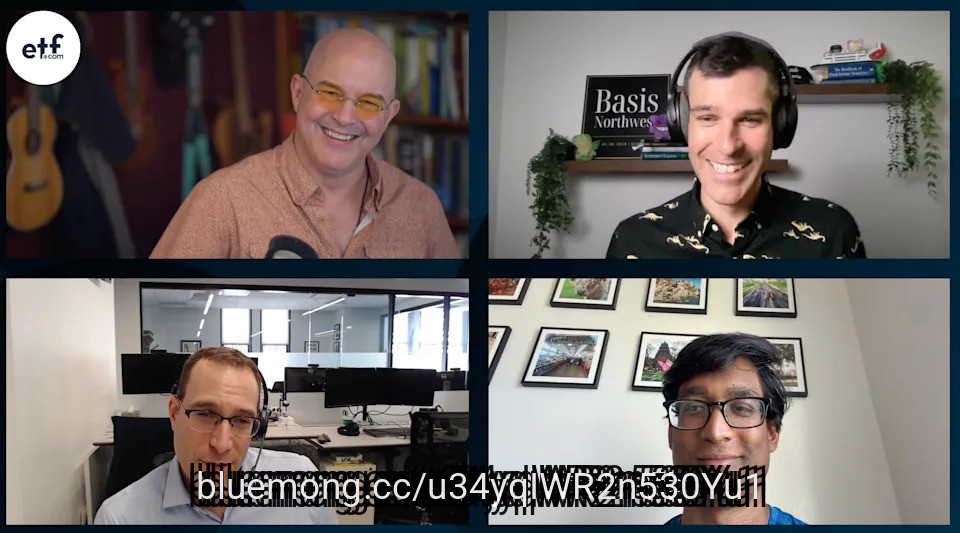
This week's ETF Zoo crew takes a lay of the land as summer comes to a close and some new and interesting developments crop up. ETF.com hosts Dave Nadig, President & Director of Research, and Sumit Roy, Senior ETF ****** yst, are joined in this episode by Cinthia Murphy, Director of Research at TMX VettaFi, and James Seyffart, CFA, CAIA, Senior Research ****** yst at Bloomberg Intelligence. Together the group talks about some of the big M&A announcements lately, dig into the AI chokepoint perspective, and more.
You can view this episode here or on our YouTube channel or listen on Spotify or Apple Podcasts.
M&A land grab in full swing. Billions in ETF acquisitions, including Victory Capital/First Eagle, Vanguard/Altruist, and more, signal that scale instead of organic growth now drives the industry. The Zoo crew debated whether firms are buying hit products, talent, or distribution, and what could be ahead for the industry.
Leverage and gambling push into new territory. Defiance's hourly-reset leveraged ETFs barely differ from daily resets despite pulling in huge fees, while Korea and ****** an crack down on single-stock leverage entirely. New NHL-linked sports-betting ETFs raised bigger concerns about routing gambling risk through the same rails as retirement savings.
AI concentration is everywhere, even where you don't expect it. Thematic and datacenter ETFs quietly hold the same chokepoint stocks like Micron and Nvidia, sparking debate over whether that's a feature or a vulnerability. However, real revenue growth at companies like Anthropic and OpenAI kept the Zoo Crew from sounding the alarm just yet.
#land #chokepoint
You can view this episode here or on our YouTube channel or listen on Spotify or Apple Podcasts.
M&A land grab in full swing. Billions in ETF acquisitions, including Victory Capital/First Eagle, Vanguard/Altruist, and more, signal that scale instead of organic growth now drives the industry. The Zoo crew debated whether firms are buying hit products, talent, or distribution, and what could be ahead for the industry.
Leverage and gambling push into new territory. Defiance's hourly-reset leveraged ETFs barely differ from daily resets despite pulling in huge fees, while Korea and ****** an crack down on single-stock leverage entirely. New NHL-linked sports-betting ETFs raised bigger concerns about routing gambling risk through the same rails as retirement savings.
AI concentration is everywhere, even where you don't expect it. Thematic and datacenter ETFs quietly hold the same chokepoint stocks like Micron and Nvidia, sparking debate over whether that's a feature or a vulnerability. However, real revenue growth at companies like Anthropic and OpenAI kept the Zoo Crew from sounding the alarm just yet.
#land #chokepoint


17 days ago
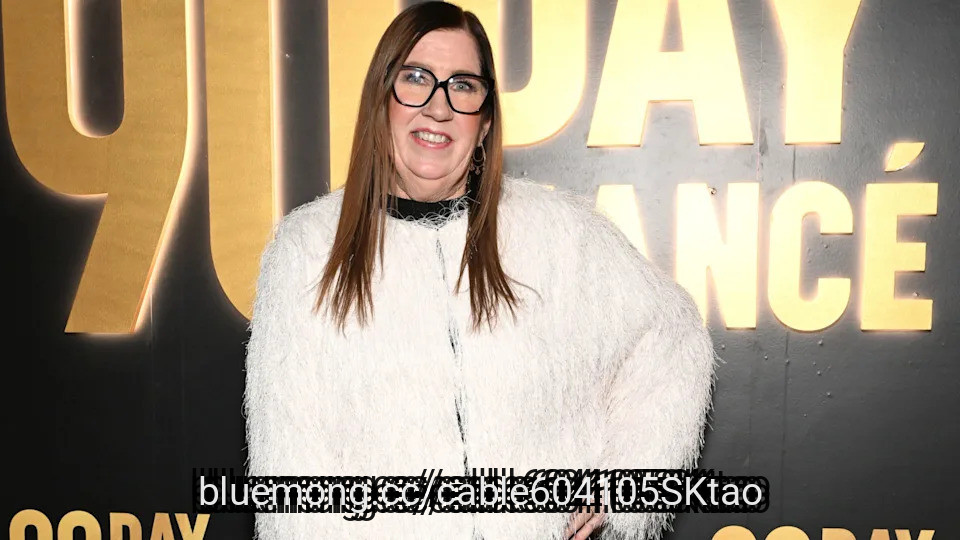
Jenny Slatten's battle with ALS has taken a difficult turn, with the 90 Day Fiancé star now struggling to speak as the disease continues to affect her mobility and strength.
In a new Instagram video, husband Sumit Singh asked Slatten if she had anything to say to fans. Her answer was brief and heartbreaking.
"No, I can't talk," Slatten said slowly.
COMPLEX SHOP: Shop the brands you love, anytime and anywhere. Uncover what's next. Buy. Collect. Obsess.
According to The New York Post, Singh then explained that her condition has noticeably worsened since the couple's last public update.
#shop
In a new Instagram video, husband Sumit Singh asked Slatten if she had anything to say to fans. Her answer was brief and heartbreaking.
"No, I can't talk," Slatten said slowly.
COMPLEX SHOP: Shop the brands you love, anytime and anywhere. Uncover what's next. Buy. Collect. Obsess.
According to The New York Post, Singh then explained that her condition has noticeably worsened since the couple's last public update.
#shop



22 days ago
ONE Championship has finalized the ONE SAMURAI 3 card with three exciting additions that bring the complete lineup into shape for a spectacular night of martial arts.
The blockbuster card will feature Seiichiro Ito meeting Kazusa Kurobe in strawweight MMA action, Asahi Shinagawa facing Tuakiao in a strawweight Muay Thai clash, and Aiji squaring off against Yuki Tanaka in a featherweight kickboxing contest.
The event takes place on Saturday, September 12, live from Yokohama Buntai in Yokohama, ***** an.
The strawweight MMA contest between Ito and Kurobe adds a fascinating storyline to the card as the former Pancrase Flyweight Champion looks to claim his first ONE victory.
The 32-year-old Reversal Gym Yokohama Groundslam product carries an 18-5 career record into his sophomore promotional appearance, having made his ONE debut at the inaugural ONE SAMURAI 1 in April against the experienced Tatsumitsu "The Sweeper" Wada, a veteran who has shared the ring with MMA GOAT Demetrious "Mighty Mouse" Johnson.
#strawweight #samurai
The blockbuster card will feature Seiichiro Ito meeting Kazusa Kurobe in strawweight MMA action, Asahi Shinagawa facing Tuakiao in a strawweight Muay Thai clash, and Aiji squaring off against Yuki Tanaka in a featherweight kickboxing contest.
The event takes place on Saturday, September 12, live from Yokohama Buntai in Yokohama, ***** an.
The strawweight MMA contest between Ito and Kurobe adds a fascinating storyline to the card as the former Pancrase Flyweight Champion looks to claim his first ONE victory.
The 32-year-old Reversal Gym Yokohama Groundslam product carries an 18-5 career record into his sophomore promotional appearance, having made his ONE debut at the inaugural ONE SAMURAI 1 in April against the experienced Tatsumitsu "The Sweeper" Wada, a veteran who has shared the ring with MMA GOAT Demetrious "Mighty Mouse" Johnson.
#strawweight #samurai


25 days ago
There are times when I cannot sigh hard enough, and the recent raft of NHL-based ETF filings is giving me lung-spasms.
The current state of affairs is this:
August 14, Volatility Shares files for ETFs tracking the September-trading CME futures on the CME FSPI NHL Indexes. Sumit covered it here.
August 21, Roundhill files for, essentially, the same suite of products.
August 25 (last night), LeagueShares files for vanilla and daily-reset 2X levered versions.
#august #indexes #sumit #roundhill
The current state of affairs is this:
August 14, Volatility Shares files for ETFs tracking the September-trading CME futures on the CME FSPI NHL Indexes. Sumit covered it here.
August 21, Roundhill files for, essentially, the same suite of products.
August 25 (last night), LeagueShares files for vanilla and daily-reset 2X levered versions.
#august #indexes #sumit #roundhill


1 month ago
The tax man is coming for ETFs… eventually. This week's ETF Zoo digs into the recent action from the Treasury looking into newer ETF structures that include box spreads and 351 exchanges, what Goldman Sach's acquisition of NEOS says about the broader options income category, and why the struggling consumer matters less and less to markets. ETF.com hosts Dave Nadig, President and Director of Research, and Sumit Roy, Senior ETF ***** yst, are joined this week by Brent Sullivan, Editor of Tax Alpha Insider and Todd Sohn, Chief ETF Strategist at Baird Strategas.
You can also find this episode on our YouTube channel, as well as Spotify and Apple Podcasts.
Goldman Sachs just dropped $2.3 billion on NEOS, its second major ETF acquisition after Innovator, vaulting the bank into the top ten issuers with roughly $130 billion on platform. The Zoo crew believes it's a straight-up bet on retiring boomers hungry for income and downside protection. But the real intrigue is under the hood, where NEOS's covered-call funds lean heavily on return-of-capital distributions (untaxed, tax-efficient income) via 1256 contracts, a structure that's genuinely different from rivals like JEPI/JEPQ. While they're great products, tune in to find out what concerns the crew had.
From there the conversation zooms out to the bigger income-obsession story eating the market. Options income ETFs are going parabolic even as the S&P grinds higher and 30-year Treasury yields sit near multi-decade highs. Todd Sohn's theory: these products are quietly stealing market share from boring old dividend ETFs, especially with younger investors looking to add something more dynamic to their portfolios. Meanwhile, there's something strange happening in the market. Consumer stocks have practically vanished from index influence, with tech (and AI subscriptions) soaking up the wallet share that used to go to staples and discretionary names. Equal-weight and small-/mid-cap stocks are having a surprise moment, potentially riding the AI wave's downstream productivity gains rather than getting crushed by it.
The back half got spicier on taxes: Brent Sullivan previewed a coming reckoning as Treasury scrutinizes aggressive structures, including 351 exchanges, box spreads, dividend-avoidance ETFs. When the cards are on the table, we'll find out who's been bluffing. He expects enforcement to start with the most public, most obviously aggressive cases, though a timeline is anyone's guess. The group also piled on a Bloomberg feature that used Cliff Asness as the poster child for tax-aware long/short strategies, finding a strange scapegoat in Asness and the criticism unnecessarily pointed. Things then close on a cautionary tale of a Market Wizards-famous manager's ETF that's down a brutal 96-97% year-to-date after leaning into short-dated QQQ options. Investors would do well to remember that in this corner of the ETF world, someone's always selling you something.
#etfs #market #neos #brent
You can also find this episode on our YouTube channel, as well as Spotify and Apple Podcasts.
Goldman Sachs just dropped $2.3 billion on NEOS, its second major ETF acquisition after Innovator, vaulting the bank into the top ten issuers with roughly $130 billion on platform. The Zoo crew believes it's a straight-up bet on retiring boomers hungry for income and downside protection. But the real intrigue is under the hood, where NEOS's covered-call funds lean heavily on return-of-capital distributions (untaxed, tax-efficient income) via 1256 contracts, a structure that's genuinely different from rivals like JEPI/JEPQ. While they're great products, tune in to find out what concerns the crew had.
From there the conversation zooms out to the bigger income-obsession story eating the market. Options income ETFs are going parabolic even as the S&P grinds higher and 30-year Treasury yields sit near multi-decade highs. Todd Sohn's theory: these products are quietly stealing market share from boring old dividend ETFs, especially with younger investors looking to add something more dynamic to their portfolios. Meanwhile, there's something strange happening in the market. Consumer stocks have practically vanished from index influence, with tech (and AI subscriptions) soaking up the wallet share that used to go to staples and discretionary names. Equal-weight and small-/mid-cap stocks are having a surprise moment, potentially riding the AI wave's downstream productivity gains rather than getting crushed by it.
The back half got spicier on taxes: Brent Sullivan previewed a coming reckoning as Treasury scrutinizes aggressive structures, including 351 exchanges, box spreads, dividend-avoidance ETFs. When the cards are on the table, we'll find out who's been bluffing. He expects enforcement to start with the most public, most obviously aggressive cases, though a timeline is anyone's guess. The group also piled on a Bloomberg feature that used Cliff Asness as the poster child for tax-aware long/short strategies, finding a strange scapegoat in Asness and the criticism unnecessarily pointed. Things then close on a cautionary tale of a Market Wizards-famous manager's ETF that's down a brutal 96-97% year-to-date after leaning into short-dated QQQ options. Investors would do well to remember that in this corner of the ETF world, someone's always selling you something.
#etfs #market #neos #brent


2 months ago
Sumit Rai said he received a phone call no parent wants to receive after his 10-year-old son was swept into the ocean at California's Seabright State Beach.
"My son [called and] told me, 'Dad, I drowned. I went unconscious.' I'm listening to him, and he thinks he is going to die," Rai shared on Fox News Live.
Nathaniel was standing on the wet sand near the shoreline when a wave knocked him down and pulled him roughly 15 yards into deep water.
Trump Says Heroic Teen Lifeguard Who Saved Boy From Towering Waves Deserves White House Honor
Seabright State Beach was under a high surf advisory at the time. According to California State Parks, swell conditions generated 4- to 6-foot waves, with sets occasionally reaching 10 feet.
#waves #nathaniel
"My son [called and] told me, 'Dad, I drowned. I went unconscious.' I'm listening to him, and he thinks he is going to die," Rai shared on Fox News Live.
Nathaniel was standing on the wet sand near the shoreline when a wave knocked him down and pulled him roughly 15 yards into deep water.
Trump Says Heroic Teen Lifeguard Who Saved Boy From Towering Waves Deserves White House Honor
Seabright State Beach was under a high surf advisory at the time. According to California State Parks, swell conditions generated 4- to 6-foot waves, with sets occasionally reaching 10 feet.
#waves #nathaniel


2 months ago
The father of a 10-year-old rescued from pounding surf off the California coast in a dramatic scene captured on video says he is beyond grateful to the teenage lifeguard who saved his son.
"He ran into that water despite those conditions that are deadly. You have 10 foot waves; you have riptides and currents coming in," Sumit Rai told The ****** ociated Press on Wednesday. "It is not safe for him to go into that water. So he's risking his own safety."
Rai's son Nathaniel was standing in shallow water when he lost his footing and was pulled into the ocean Saturday by powerful swells that suddenly came ashore at Seabright Beach in Santa Cruz, about 60 miles (about 100 kilometers) down the coast from San Francisco. Rai, who was in his home city of Dallas, said he heard about what happened when he spoke to his kids on the phone that evening.
"My son told me that he drowned and my son told me that he went unconscious," he said. "He was very subdued, still in a state of shock."
By the next morning, Rai had watched the video of the rescue that has since caught the attention of President Donald Trump.
#wednesday #nathaniel
"He ran into that water despite those conditions that are deadly. You have 10 foot waves; you have riptides and currents coming in," Sumit Rai told The ****** ociated Press on Wednesday. "It is not safe for him to go into that water. So he's risking his own safety."
Rai's son Nathaniel was standing in shallow water when he lost his footing and was pulled into the ocean Saturday by powerful swells that suddenly came ashore at Seabright Beach in Santa Cruz, about 60 miles (about 100 kilometers) down the coast from San Francisco. Rai, who was in his home city of Dallas, said he heard about what happened when he spoke to his kids on the phone that evening.
"My son told me that he drowned and my son told me that he went unconscious," he said. "He was very subdued, still in a state of shock."
By the next morning, Rai had watched the video of the rescue that has since caught the attention of President Donald Trump.
#wednesday #nathaniel


2 months ago
90 Day Fiancé couple Jenny Slatten and Sumit Singh are pushing back on claims that her amyotrophic lateral sclerosis (ALS) diagnosis has worsened to the point where she has become dependent on her husband.
Slatten, 68, and Singh, 38, recently addressed the rumors in a video shared to Instagram on Monday, July 27.
"She is still able to do walking, talking, and everything, and she is not depending completely on anyone or even not on me," Singh began. "What you're seeing on some pages – people are posting that she is on a hospital bed and unable to do anything, which is a lie."
Slatten, who was sitting beside her husband in the clip, shook her head in agreement.
He added that she didn't "like" the rumors about her mobility, adding that they were "still hoping and praying that there will be a solution, that there will be a treatment" for Slatten's diagnosis.
#singh #diagnosis #sumit
Slatten, 68, and Singh, 38, recently addressed the rumors in a video shared to Instagram on Monday, July 27.
"She is still able to do walking, talking, and everything, and she is not depending completely on anyone or even not on me," Singh began. "What you're seeing on some pages – people are posting that she is on a hospital bed and unable to do anything, which is a lie."
Slatten, who was sitting beside her husband in the clip, shook her head in agreement.
He added that she didn't "like" the rumors about her mobility, adding that they were "still hoping and praying that there will be a solution, that there will be a treatment" for Slatten's diagnosis.
#singh #diagnosis #sumit


2 months ago
Renewable energy developer Avantus said its Aratina 1 solar-plus-storage project has entered commercial operation in California. The 200-MW/500-MWh installation in Kern County has long-term power purchase agreements (PPAs) with Central Coast Community Energy (3CE) and Silicon Valley Clean Energy (SVCE), a pair of community choice aggregators.Avantus on July 20 said the company will have a controlling stake in Aratina 1 and will operate the facility. The company said the project is among several **** ets it will oversee as it expands from a clean energy developer to an independent power producer (IPP)."Aratina 1 coming online marks a major milestone for Avantus as an independent power producer, providing reliable clean power to California communities for decades to come," said Cliff Graham, CEO of Avantus. "I'm incredibly proud of what Team Avantus built here. Their expertise across development, construction, financing and operations, and the trust our financing and CCA partners have placed in us, are the foundation we're building our long-term IPP model on.""The Aratina project is a powerful example of how community choice energy turns climate goals into real projects on the ground," said Robert Shaw, CEO of 3CE. "Our long-term commitment to 120 MW from this facility will deliver clean, affordable power to our customers while supporting California's transition away from fossil fuels. We're grateful to partner with Avantus on a project that strengthens grid reliability and invests in the Central Coast's clean energy future."
Avantus said a consortium of lenders, including Sumitomo Mitsui Banking Corp., Truist Securities, ING Capital, and Mizuho, provided financing of more than $500 million for Aratina 1. The project also secured a $300-million tax equity commitment from Truist Bank. Officials said the project created about 500 jobs at peak construction."The clean power generated from the Aratina project gets us one step closer to our climate goals. New projects like this are critical in increasing statewide clean capacity and reliability as we reduce our dependence on fossil fuels and move towards an all-electric future," said Monica Padilla, CEO of SVCE.Avantus on Monday said that Aratina 2, the second phase of the Aratina Solar Center, located adjacent to Aratina 1, is currently under construction. Aratina 2 recently closed more than $525 million in financing and is targeting commercial operation before year-end. The Aratina Solar Center when complete will represent a combined 350 MW of solar and 952 MWh of energy storage.Avantus develops, owns, and operates utility-scale clean energy projects across California and the Desert Southwest. The company is backed by strategic investment from KKR and EIG. The company earlier this year closed a financing package of more than $300 million for a project in Arizona.Avantus and Clean Power Alliance, another community choice aggregator, earlier in July announced a 20-year PPA for the Rexford 2 solar-plus-s
Avantus said a consortium of lenders, including Sumitomo Mitsui Banking Corp., Truist Securities, ING Capital, and Mizuho, provided financing of more than $500 million for Aratina 1. The project also secured a $300-million tax equity commitment from Truist Bank. Officials said the project created about 500 jobs at peak construction."The clean power generated from the Aratina project gets us one step closer to our climate goals. New projects like this are critical in increasing statewide clean capacity and reliability as we reduce our dependence on fossil fuels and move towards an all-electric future," said Monica Padilla, CEO of SVCE.Avantus on Monday said that Aratina 2, the second phase of the Aratina Solar Center, located adjacent to Aratina 1, is currently under construction. Aratina 2 recently closed more than $525 million in financing and is targeting commercial operation before year-end. The Aratina Solar Center when complete will represent a combined 350 MW of solar and 952 MWh of energy storage.Avantus develops, owns, and operates utility-scale clean energy projects across California and the Desert Southwest. The company is backed by strategic investment from KKR and EIG. The company earlier this year closed a financing package of more than $300 million for a project in Arizona.Avantus and Clean Power Alliance, another community choice aggregator, earlier in July announced a 20-year PPA for the Rexford 2 solar-plus-s


2 months ago
Heartland Advisors, an investment management company, released its second-quarter 2026 investor letter for the "Heartland Value Plus Fund". A copy of the letter can be downloaded here. Small-cap stocks rose in the second quarter, with the Russell 2000® Index increasing 21.49%, outpacing the 15.20% gain for the S&P 500 Index. The artificial intelligence trade continues to be a key theme in the market. Small-cap value is benefiting from a strengthening economic environment. The Value Plus Fund rose 19.25% in the second quarter, compared with the 17.19% return for the Russell 2000 Value Index, driven by strong gains from Materials, Energy, and Real Estate holdings. In addition, you can check the Fund's top 5 holdings to determine its best picks for 2026.
In its Q2 2026 investor letter, Heartland Value Plus Fund highlighted Century Communities, Inc. (NYSE:CCS). Headquartered in Greenwood Village, Colorado, Century Communities, Inc. (NYSE:CCS) is a single-family attached and detached home builder. On July 14, 2026, Century Communities, Inc. (NYSE:CCS) closed at $65.28 per share, reflecting a market capitalization of $1.88 billion. Century Communities, Inc. (NYSE:CCS) posted a one-month return of 9.00%, while its shares gained 9.99% over the past 52 weeks.
Heartland Value Plus Fund stated the following regarding Century Communities, Inc. (NYSE:CCS) in its Q2 2026 investor update:
"Another non-AI holding is Century Communities, Inc. (NYSE:CCS), a Denver-based builder of single-family homes predominantly in the West, Southwest, Mountain states, and Southeast. High mortgage rates and concerns about home affordability have kept demand for new houses tempered. As a result of the poor sentiment, CCS shares are trading at less than 1X book value— 0.81X to be exact.
We do not know when demand for housing will pick up or what will happen with interest rates. What we do know is that these historically low valuation levels are attracting patient, long-term capital, resulting in multiple take-outs in the ***** e in the past six months. Berkshire Hathaway, for instance, recently acquired public homebuilder Taylor Morrison at 1.1X book value, and the ***** anese conglomerate Sumitomo acquired Tri Pointe Homes for 1.2X book value.
In its Q2 2026 investor letter, Heartland Value Plus Fund highlighted Century Communities, Inc. (NYSE:CCS). Headquartered in Greenwood Village, Colorado, Century Communities, Inc. (NYSE:CCS) is a single-family attached and detached home builder. On July 14, 2026, Century Communities, Inc. (NYSE:CCS) closed at $65.28 per share, reflecting a market capitalization of $1.88 billion. Century Communities, Inc. (NYSE:CCS) posted a one-month return of 9.00%, while its shares gained 9.99% over the past 52 weeks.
Heartland Value Plus Fund stated the following regarding Century Communities, Inc. (NYSE:CCS) in its Q2 2026 investor update:
"Another non-AI holding is Century Communities, Inc. (NYSE:CCS), a Denver-based builder of single-family homes predominantly in the West, Southwest, Mountain states, and Southeast. High mortgage rates and concerns about home affordability have kept demand for new houses tempered. As a result of the poor sentiment, CCS shares are trading at less than 1X book value— 0.81X to be exact.
We do not know when demand for housing will pick up or what will happen with interest rates. What we do know is that these historically low valuation levels are attracting patient, long-term capital, resulting in multiple take-outs in the ***** e in the past six months. Berkshire Hathaway, for instance, recently acquired public homebuilder Taylor Morrison at 1.1X book value, and the ***** anese conglomerate Sumitomo acquired Tri Pointe Homes for 1.2X book value.


2 months ago
TOKYO, July 10 (Reuters) - SoftBank Corp and mobile payments operator PayPay are in talks to invest in retail giant Seven & i Holdings, Bloomberg News reported on Friday.
Bloomberg said the investment will likely total several hundred billion yen and Sumitomo Mitsui Card may also take a stake, while the Nikkei business daily reported later that total investment is expected to reach up to 300 billion yen ($1.85 billion).
Sumitomo Mitsui Card is a unit of Sumitomo Mitsui Financial Group.
Reuters could not immediately verify the reports. SoftBank, Seven & i, PayPay and SMFG declined to comment.
Seven & i operates 7-Eleven stores worldwide, with ***** an and the U.S. its largest markets.
Bloomberg said the investment will likely total several hundred billion yen and Sumitomo Mitsui Card may also take a stake, while the Nikkei business daily reported later that total investment is expected to reach up to 300 billion yen ($1.85 billion).
Sumitomo Mitsui Card is a unit of Sumitomo Mitsui Financial Group.
Reuters could not immediately verify the reports. SoftBank, Seven & i, PayPay and SMFG declined to comment.
Seven & i operates 7-Eleven stores worldwide, with ***** an and the U.S. its largest markets.



2 months ago
It's Thursday, 2 p.m., and do you know where the Nasdaq is?
It's up a respectable 1.2% -- but the Direxion Daily Semiconductor Bull 3X Shares ETF (NYSEMKT: SOXL) is up much, much more, surging past 14.1% on some billion-dollar-plus news items in semiconductors today.
Missed Nvidia in 2009? This Rare Signal Is Flashing Again. In 2009, a "Double Down" signal flashed for a little-known chipmaker called Nvidia. For the first time in years, that same "Total Conviction" signal is flashing for a company 1/100th the size of Nvidia. Continue »
The first news comes from Micron (NASDAQ: MU) stock, which is surging nearly 8% after announcing it's investing up to $3 billion "to strengthen the U.S. semiconductor supply chain ecosystem," including by loaning GlobalWafers Co., Ltd. $500 million to help build its 300mm raw silicon wafer manufacturing facility in Sherman, Tex., and its signing a 10-year deal to buy the wafers GlobalWafers churns out.
In related news, Reuters is reporting that Meta Platforms (NASDAQ: META) has signed a multi-year supply agreement to source NAND flash memory for its data centers from Sandisk (NASDAQ: SNDK), and is also buying DRAM from Samsung, and fiber optic cables from Sumitomo Electric, and Iris artificial intelligence chips from Taiwan Semiconductor Manufacturing (NYSE: TSM) -- with Broadcom (NASDAQ: AVGO) doing the chip design work.
It's up a respectable 1.2% -- but the Direxion Daily Semiconductor Bull 3X Shares ETF (NYSEMKT: SOXL) is up much, much more, surging past 14.1% on some billion-dollar-plus news items in semiconductors today.
Missed Nvidia in 2009? This Rare Signal Is Flashing Again. In 2009, a "Double Down" signal flashed for a little-known chipmaker called Nvidia. For the first time in years, that same "Total Conviction" signal is flashing for a company 1/100th the size of Nvidia. Continue »
The first news comes from Micron (NASDAQ: MU) stock, which is surging nearly 8% after announcing it's investing up to $3 billion "to strengthen the U.S. semiconductor supply chain ecosystem," including by loaning GlobalWafers Co., Ltd. $500 million to help build its 300mm raw silicon wafer manufacturing facility in Sherman, Tex., and its signing a 10-year deal to buy the wafers GlobalWafers churns out.
In related news, Reuters is reporting that Meta Platforms (NASDAQ: META) has signed a multi-year supply agreement to source NAND flash memory for its data centers from Sandisk (NASDAQ: SNDK), and is also buying DRAM from Samsung, and fiber optic cables from Sumitomo Electric, and Iris artificial intelligence chips from Taiwan Semiconductor Manufacturing (NYSE: TSM) -- with Broadcom (NASDAQ: AVGO) doing the chip design work.


3 months ago
AIsa has raised $6.5 million in total funding to build transaction infrastructure for AI agents, with Alibaba (NYSE: $BABA) and Tribe Capital co-leading its latest seed round.
Draper **** ociates, Sumitomo Corporation and Saison Capital also joined the financing. The company said the capital will be used to expand its engineering team, scale payment infrastructure, add more models, data and API providers, and accelerate stablecoin settlement for agents and businesses.
AIsa is building a transaction layer for software that increasingly needs to buy digital resources without relying on accounts, subscriptions or checkout flows designed for people. Its platform lets AI agents and developers discover, access and pay for models, APIs, real-time data, SaaS tools and compute through a single programmable interface.
More From Cryptoprowl:
Ripple, The Company Behind XRP, Is Valued At $50 Billion
Draper **** ociates, Sumitomo Corporation and Saison Capital also joined the financing. The company said the capital will be used to expand its engineering team, scale payment infrastructure, add more models, data and API providers, and accelerate stablecoin settlement for agents and businesses.
AIsa is building a transaction layer for software that increasingly needs to buy digital resources without relying on accounts, subscriptions or checkout flows designed for people. Its platform lets AI agents and developers discover, access and pay for models, APIs, real-time data, SaaS tools and compute through a single programmable interface.
More From Cryptoprowl:
Ripple, The Company Behind XRP, Is Valued At $50 Billion

3 months ago
Chewy Inc. (NYSE:CHWY) is one of the top mid-cap stocks to own for decades, according to hedge funds. On June 30, BofA Securities reiterated a Buy rating on Chewy Inc. (NYSE:CHWY) and a $31 price target. Earlier on June 23, TD Cowen touted Chewy as the best mid cap idea for 2026 while reiterating a Buy rating and a $34 price target. The price target represent significant upside potential as the stock is trading at about $20 a share.
The bullish stance comes on the heels of the company delivering solid first-quarter 2026 results, characterized by revenue and earnings growth, on June 10. The company continued to outperform the pet category while expanding profitability and free cash flow in the first quarter.
Net sales in the quarter were up 7.7% year over year to $3.36 billion, affirming strength in execution. Adjusted net income was up by $31 million to $179.9 million as adjusted diluted earnings per share increased by $0.08 to $0.43 a share.
Chewy Inc. achieved record profitability in the first quarter on the back of 200,000 net customer additions. According to Sumit Singh, Chief Executive Officer, the company is well positioned to gain market share and deliver profitable growth throughout the year. The focus is also on creating long term shareholder value.
Chewy Inc. (NYSE:CHWY) operates as a major e-commerce retailer that sells pet food, supplies, and healthcare products, primarily in the United States. The company combines the personalized service of a local pet store with the convenience of fast home delivery.
The bullish stance comes on the heels of the company delivering solid first-quarter 2026 results, characterized by revenue and earnings growth, on June 10. The company continued to outperform the pet category while expanding profitability and free cash flow in the first quarter.
Net sales in the quarter were up 7.7% year over year to $3.36 billion, affirming strength in execution. Adjusted net income was up by $31 million to $179.9 million as adjusted diluted earnings per share increased by $0.08 to $0.43 a share.
Chewy Inc. achieved record profitability in the first quarter on the back of 200,000 net customer additions. According to Sumit Singh, Chief Executive Officer, the company is well positioned to gain market share and deliver profitable growth throughout the year. The focus is also on creating long term shareholder value.
Chewy Inc. (NYSE:CHWY) operates as a major e-commerce retailer that sells pet food, supplies, and healthcare products, primarily in the United States. The company combines the personalized service of a local pet store with the convenience of fast home delivery.


3 months ago
Dave Nadig, President & Director of Research at ETF.com and Sumit Roy, Senior ETF ******* yst at ETF.com, are joined this week by Cinthia Murphy, Director of Research at TMX VettaFi; Jeffrey Ptak, Managing Director at Morningstar; and Todd Sohn, Senior ETF & Technical Strategist at Baird Strategas. Together the group digs into mid-year flows, the impending Nasdaq-100 buy-in of ******* eX, and more.
Halfway through 2026, and the ETF industry is having an absolutely wild year, with over a trillion dollars flowing into ETFs already, putting the industry on pace to potentially crack two trillion by year's end. But the real story isn't just the mega-funds like VOO and SPY hoovering up cash; it's how deep the enthusiasm runs, according to Sumit Roy. Dozens of ETFs are pulling in billions each, spanning everything from leveraged single-stock bets to total market funds. Meanwhile, Morningstar's Jeff Ptak brought some Washington color to the conversation, fresh off testifying before the House Capital Markets Subcommittee. His message to lawmakers: low-cost, transparent products are winning, and that's great for investors but as the industry pushes into murkier territory like private ******* ets, the same disclosure standards need to follow.
Performance-wise, it's an AI world and everyone's just trading in it. The S&P 500 is up a very respectable 10% at the midpoint, but that barely registers next to leveraged Micron ETFs up near 1,000%, or the parade of semiconductor and AI-adjacent funds dominating the leaderboard. And then there's ******* eX, the topic the panel apparently can't escape. With the company's IPO shares about to unlock for trading in the Nasdaq 100 complex, Ptak walked through his tracker of the four vehicles that have offered ******* eX exposure and how they held up post-IPO. Cinthia Murphy summed it up as less a performance story and more about getting as close to direct exposure as possible but the second real single-stock access became available, people bailed on the proxy.
Murphy also flagged a fascinating quirk in factor investing: Micron, despite rocketing roughly 800% in a year, is technically cheap enough on forward earnings to qualify as a value stock. That means it's become a massive holding in value-labeled ETFs like iShares' MSCI Value fund, essentially because the index methodology forces flat sector weighting. The group also tackled the leveraged and inverse ETF boom, now a hefty 17% of all ETF trading volume, or roughly $500 billion in notional exposure once multipliers are counted. The discussion covered everything from counterparty risks to the new issuer in town that's shaking up the leveraged ******* e with low-cost fees.
Permalink | © Copyright 2026 etf.com. All rights reserved
Halfway through 2026, and the ETF industry is having an absolutely wild year, with over a trillion dollars flowing into ETFs already, putting the industry on pace to potentially crack two trillion by year's end. But the real story isn't just the mega-funds like VOO and SPY hoovering up cash; it's how deep the enthusiasm runs, according to Sumit Roy. Dozens of ETFs are pulling in billions each, spanning everything from leveraged single-stock bets to total market funds. Meanwhile, Morningstar's Jeff Ptak brought some Washington color to the conversation, fresh off testifying before the House Capital Markets Subcommittee. His message to lawmakers: low-cost, transparent products are winning, and that's great for investors but as the industry pushes into murkier territory like private ******* ets, the same disclosure standards need to follow.
Performance-wise, it's an AI world and everyone's just trading in it. The S&P 500 is up a very respectable 10% at the midpoint, but that barely registers next to leveraged Micron ETFs up near 1,000%, or the parade of semiconductor and AI-adjacent funds dominating the leaderboard. And then there's ******* eX, the topic the panel apparently can't escape. With the company's IPO shares about to unlock for trading in the Nasdaq 100 complex, Ptak walked through his tracker of the four vehicles that have offered ******* eX exposure and how they held up post-IPO. Cinthia Murphy summed it up as less a performance story and more about getting as close to direct exposure as possible but the second real single-stock access became available, people bailed on the proxy.
Murphy also flagged a fascinating quirk in factor investing: Micron, despite rocketing roughly 800% in a year, is technically cheap enough on forward earnings to qualify as a value stock. That means it's become a massive holding in value-labeled ETFs like iShares' MSCI Value fund, essentially because the index methodology forces flat sector weighting. The group also tackled the leveraged and inverse ETF boom, now a hefty 17% of all ETF trading volume, or roughly $500 billion in notional exposure once multipliers are counted. The discussion covered everything from counterparty risks to the new issuer in town that's shaking up the leveraged ******* e with low-cost fees.
Permalink | © Copyright 2026 etf.com. All rights reserved

3 months ago
In this episode of the ETF Zoo, Dave Nadig, President & Director of Research at ETF.com and Sumit Roy, Senior ETF ******* yst at ETF.com, chat with Cinthia Murphy, Director of Research at TMX VettaFi, and Todd Sohn, Senior ETF & Technical Strategist, Strategas Securities. The crew this week discusses the shine wearing off bitcoin, the massive swell of tech investment and implications looking ahead, ******* eX IPO valuations, and more.
Prefer to watch this episode? You can find that here or on our YouTube channel. You can also find this conversation on and Apple Podcasts.
• Tech is dominating ETF flows in a way that's hard to ignore. Since the March 30 low, tech ETFs have pulled in $27 billion as of recording, while every other sector combined has seen net outflows. What’s more, semiconductors are now larger than the entire defensive sector, with tech making up nearly 40% of the S&P 500.
• Vanguard's VOO has officially crossed $1 trillion to overtake SPY as the largest S&P 500 ETF. The Zoo crew discussed the milestone, crediting structural advantages like dividend reinvestment and lower costs, for VOO’s consistent gains. It’s a clear signal that despite active innovation and investor interest, passive, low-cost investing will always win the day.
• Bitcoin is losing the attention war to AI, but it's not a traditional crypto winter. Without a major crisis like FTX to blame, the group largely agreed that AI is simply sucking the oxygen out of the room, leaving Bitcoin and Ethereum looking boring by comparison while niche tokens like Hyperliquid hit new highs.
Prefer to watch this episode? You can find that here or on our YouTube channel. You can also find this conversation on and Apple Podcasts.
• Tech is dominating ETF flows in a way that's hard to ignore. Since the March 30 low, tech ETFs have pulled in $27 billion as of recording, while every other sector combined has seen net outflows. What’s more, semiconductors are now larger than the entire defensive sector, with tech making up nearly 40% of the S&P 500.
• Vanguard's VOO has officially crossed $1 trillion to overtake SPY as the largest S&P 500 ETF. The Zoo crew discussed the milestone, crediting structural advantages like dividend reinvestment and lower costs, for VOO’s consistent gains. It’s a clear signal that despite active innovation and investor interest, passive, low-cost investing will always win the day.
• Bitcoin is losing the attention war to AI, but it's not a traditional crypto winter. Without a major crisis like FTX to blame, the group largely agreed that AI is simply sucking the oxygen out of the room, leaving Bitcoin and Ethereum looking boring by comparison while niche tokens like Hyperliquid hit new highs.