

12 hours ago


12 hours ago
(Table below reflects daily flows on September 10, 2026 and **** et totals as of that date.)
ETF Brand League Table
Welcome to the etf.com league table. On this page, you'll find the U.S. ETF market through different lenses: brand and issuer. What's the difference? The brand is what the ETF says on the tin. For example, "iShares" is the brand of issuer "BlackRock's" ETFs. Because many issuers license their ETF infrastructure to third parties, we present the data in both ways. The identification of the correct brand and legal issuer is done by our key data provider, FactSet.
Brand
AUM ($, mm)
#september
ETF Brand League Table
Welcome to the etf.com league table. On this page, you'll find the U.S. ETF market through different lenses: brand and issuer. What's the difference? The brand is what the ETF says on the tin. For example, "iShares" is the brand of issuer "BlackRock's" ETFs. Because many issuers license their ETF infrastructure to third parties, we present the data in both ways. The identification of the correct brand and legal issuer is done by our key data provider, FactSet.
Brand
AUM ($, mm)
#september


14 hours ago
All eyes are on the Fed with another higher than expected reading for core inflation. Jeff Klingelhofer, CFA, Managing Director, Portfolio Manager & Senior Research **** yst, Securitized **** ets at Aristotle Pacific, talks with host Brad Roth on this episode of Behind the Ticker about why the new Fed Chair stepping into an environment of high inflation matters for investors and bonds, and what that means for how the firm is positioning their strategies that include three new ETFs, the Aristotle Core Plus Income ETF (ARCP), the Aristotle Multi-Sector Income ETF (ARMS), and the Aristotle Short Term Income ETF (SDUR).
You can also watch this conversation here or on our YouTube, as well as find it on any of your preferred podcast streaming platforms.
A non-traditional path to fixed income: Jeff Klingelhofer started at PIMCO, moved through Tokyo and London, then took an unexpected detour into a five-person hedge fund during his Chicago MBA. That experience shaped his career trajectory, from building Thornburg's taxable fixed income desk from scratch to joining Aristotle Pacific in 2024.
The relative value philosophy: Instead of chasing yield by taking more risk within a single **** et class, Klingelhofer compares opportunities across all of fixed income, including corporates, ABS, CLOs, bank loans, and more. His go-to example: in 2020, an American Airlines corporate bond and its aircraft-backed EETC priced identically, but a month later one traded at 27 cents on the dollar while the other held at 65 cent, proof that siloed desks miss cross-market mispricing.
Three ETFs, one philosophy: Aristotle Pacific's new suite of SDUR (short-term income), ARCP (core plus), and ARMS (multi-sector income) applies this relative value lens across the risk spectrum, each targeting a different level of duration and credit exposure. All three aim to outperform passive benchmarks through active security selection rather than added risk.
#jeff #etfs
You can also watch this conversation here or on our YouTube, as well as find it on any of your preferred podcast streaming platforms.
A non-traditional path to fixed income: Jeff Klingelhofer started at PIMCO, moved through Tokyo and London, then took an unexpected detour into a five-person hedge fund during his Chicago MBA. That experience shaped his career trajectory, from building Thornburg's taxable fixed income desk from scratch to joining Aristotle Pacific in 2024.
The relative value philosophy: Instead of chasing yield by taking more risk within a single **** et class, Klingelhofer compares opportunities across all of fixed income, including corporates, ABS, CLOs, bank loans, and more. His go-to example: in 2020, an American Airlines corporate bond and its aircraft-backed EETC priced identically, but a month later one traded at 27 cents on the dollar while the other held at 65 cent, proof that siloed desks miss cross-market mispricing.
Three ETFs, one philosophy: Aristotle Pacific's new suite of SDUR (short-term income), ARCP (core plus), and ARMS (multi-sector income) applies this relative value lens across the risk spectrum, each targeting a different level of duration and credit exposure. All three aim to outperform passive benchmarks through active security selection rather than added risk.
#jeff #etfs

16 hours ago
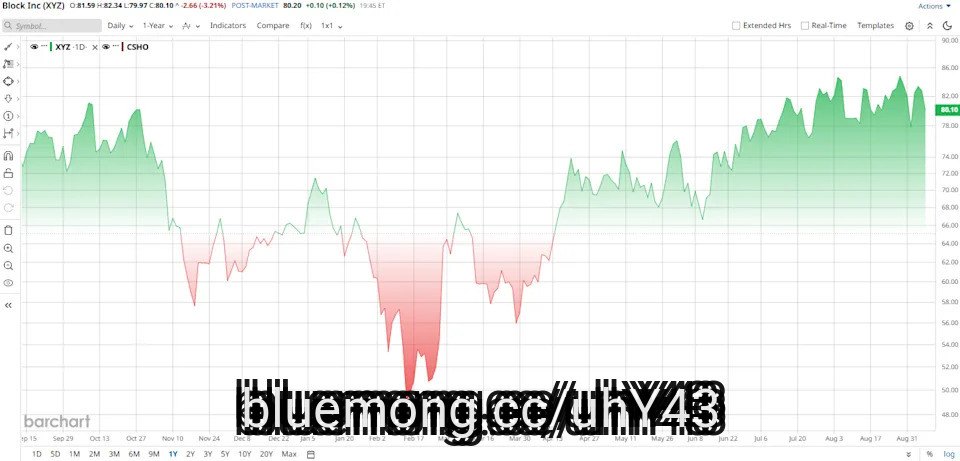
Cathie Wood just sent a fresh signal on Block (XYZ), and the timing is hard to miss.
Ark Invest bought 456,059 shares of Block across three exchange-traded funds (ETFs) last week, worth about $37.4 million. The purchase came after Block dipped nearly 2% that day. But the bigger story is what came before it. In February 2026, CEO Jack Dorsey cut more than 4,000 jobs, or roughly 40% of the workforce, as he pushed Block toward a leaner, more artificial intelligence (AI) driven model. XYZ stock jumped about 22% on the news.
Why It's Time to Load Up on Intel Stock
Google Plans to Build Mammoth Solar Farm on an Abandoned Coal Mine. This Penny Stock Just Won the Deal.
NVDA Stock Alert: What to Know as Nvidia Faces DOJ Probe
#Stock #came #cathie #Invest
Ark Invest bought 456,059 shares of Block across three exchange-traded funds (ETFs) last week, worth about $37.4 million. The purchase came after Block dipped nearly 2% that day. But the bigger story is what came before it. In February 2026, CEO Jack Dorsey cut more than 4,000 jobs, or roughly 40% of the workforce, as he pushed Block toward a leaner, more artificial intelligence (AI) driven model. XYZ stock jumped about 22% on the news.
Why It's Time to Load Up on Intel Stock
Google Plans to Build Mammoth Solar Farm on an Abandoned Coal Mine. This Penny Stock Just Won the Deal.
NVDA Stock Alert: What to Know as Nvidia Faces DOJ Probe
#Stock #came #cathie #Invest
2 days ago


2 days ago
(Table below reflects daily flows on September 9, 2026 and ******* et totals as of that date.)
ETF Brand League Table
Welcome to the etf.com league table. On this page, you'll find the U.S. ETF market through different lenses: brand and issuer. What's the difference? The brand is what the ETF says on the tin. For example, "iShares" is the brand of issuer "BlackRock's" ETFs. Because many issuers license their ETF infrastructure to third parties, we present the data in both ways. The identification of the correct brand and legal issuer is done by our key data provider, FactSet.
Brand
AUM ($, mm)
#table #welcome #etfs
ETF Brand League Table
Welcome to the etf.com league table. On this page, you'll find the U.S. ETF market through different lenses: brand and issuer. What's the difference? The brand is what the ETF says on the tin. For example, "iShares" is the brand of issuer "BlackRock's" ETFs. Because many issuers license their ETF infrastructure to third parties, we present the data in both ways. The identification of the correct brand and legal issuer is done by our key data provider, FactSet.
Brand
AUM ($, mm)
#table #welcome #etfs

2 days ago
This week's ETF Zoo crew takes a lay of the land as summer comes to a close and some new and interesting developments crop up. ETF.com hosts Dave Nadig, President & Director of Research, and Sumit Roy, Senior ETF ****** yst, are joined in this episode by Cinthia Murphy, Director of Research at TMX VettaFi, and James Seyffart, CFA, CAIA, Senior Research ****** yst at Bloomberg Intelligence. Together the group talks about some of the big M&A announcements lately, dig into the AI chokepoint perspective, and more.
You can view this episode here or on our YouTube channel or listen on Spotify or Apple Podcasts.
M&A land grab in full swing. Billions in ETF acquisitions, including Victory Capital/First Eagle, Vanguard/Altruist, and more, signal that scale instead of organic growth now drives the industry. The Zoo crew debated whether firms are buying hit products, talent, or distribution, and what could be ahead for the industry.
Leverage and gambling push into new territory. Defiance's hourly-reset leveraged ETFs barely differ from daily resets despite pulling in huge fees, while Korea and ****** an crack down on single-stock leverage entirely. New NHL-linked sports-betting ETFs raised bigger concerns about routing gambling risk through the same rails as retirement savings.
AI concentration is everywhere, even where you don't expect it. Thematic and datacenter ETFs quietly hold the same chokepoint stocks like Micron and Nvidia, sparking debate over whether that's a feature or a vulnerability. However, real revenue growth at companies like Anthropic and OpenAI kept the Zoo Crew from sounding the alarm just yet.
#land #chokepoint
You can view this episode here or on our YouTube channel or listen on Spotify or Apple Podcasts.
M&A land grab in full swing. Billions in ETF acquisitions, including Victory Capital/First Eagle, Vanguard/Altruist, and more, signal that scale instead of organic growth now drives the industry. The Zoo crew debated whether firms are buying hit products, talent, or distribution, and what could be ahead for the industry.
Leverage and gambling push into new territory. Defiance's hourly-reset leveraged ETFs barely differ from daily resets despite pulling in huge fees, while Korea and ****** an crack down on single-stock leverage entirely. New NHL-linked sports-betting ETFs raised bigger concerns about routing gambling risk through the same rails as retirement savings.
AI concentration is everywhere, even where you don't expect it. Thematic and datacenter ETFs quietly hold the same chokepoint stocks like Micron and Nvidia, sparking debate over whether that's a feature or a vulnerability. However, real revenue growth at companies like Anthropic and OpenAI kept the Zoo Crew from sounding the alarm just yet.
#land #chokepoint


2 days ago


2 days ago
(Table below reflects daily flows on September 8, 2026 and ******* et totals as of that date.)
ETF Brand League Table
Welcome to the etf.com league table. On this page, you'll find the U.S. ETF market through different lenses: brand and issuer. What's the difference? The brand is what the ETF says on the tin. For example, "iShares" is the brand of issuer "BlackRock's" ETFs. Because many issuers license their ETF infrastructure to third parties, we present the data in both ways. The identification of the correct brand and legal issuer is done by our key data provider, FactSet.
Brand
AUM ($, mm)
#table
ETF Brand League Table
Welcome to the etf.com league table. On this page, you'll find the U.S. ETF market through different lenses: brand and issuer. What's the difference? The brand is what the ETF says on the tin. For example, "iShares" is the brand of issuer "BlackRock's" ETFs. Because many issuers license their ETF infrastructure to third parties, we present the data in both ways. The identification of the correct brand and legal issuer is done by our key data provider, FactSet.
Brand
AUM ($, mm)
#table


2 days ago
On this episode of CoinDesk's Public Keys from the New York Stock Exchange, host Jennifer Sanasie is joined by special guest co-host Ophelia Snyder, Co-Founder of 21Shares. Payward Chief Commercial Officer Mark Greenberg breaks down Kraken parent Payward's new partnerships with SoFi and the London Stock Exchange, and how xStocks is bringing tokenized equities and 24/7 markets to investors around the world. Bullish Exchange President Chris Tyrer unpacks Bullish's $4.2 billion acquisition of transfer agent Equiniti, its first tokenized-share trades on a GFSC-regulated venue, and the competing models shaping the future of tokenized stocks. Plus, Sanasie and Snyder break down another billion-dollar week for Bitcoin and Ethereum ETFs and what shifting macro conditions could mean for crypto.-Learn more at bullish.com.-Register now for CoinDesk's Policy and Regulation event on September 22, 2026: policy-regulation.coindesk.com.-To get market-moving news delivered daily, download CoinDesk's mobile app: linktr.ee/coindeskapp.
#sanasie
#sanasie

2 days ago
Apple is skipping the base iPhone 18 this fall in favor of three premium devices: the iPhone 18 Pro, the iPhone 18 Pro Max, and its first foldable — rumored to be called the iPhone Ultra, Duo, or Fold. The foldable is the headline. It's expected to feature a 7.8-inch internal display, a 5.3-inch external screen, an A20 Pro chip, and a thickness of just 4.5mm unfolded, with pricing estimated between $1,999 and $2,399 and limited initial supply. It marks Apple's entry into the foldable category years after rivals — a potentially major new product cycle for one of the world's most valuable companies.
Here's the pattern every ETF investor should understand before today's close. Nearly two decades of data show that Apple tends to "sell the news" on launch day itself. AAPL averages a roughly 0.3% decline on iPhone launch days, with a median drop of about 0.6% — the classic case of anticipation being priced in before the reveal.
But the weakness rarely lasts. Apple has averaged a 0.5% gain the very next session (positive in 15 of 24 releases), and the longer-term picture is decisively bullish: AAPL has gained in the 60 days following an iPhone reveal 17 times since the original 2007 launch. The biggest such move was a 20% gain in the 60 days after the iPhone 11 reveal in 2019. In other words, launch-day dips have historically been buying opportunities, not warning signs. **** ysts have also downplayed fears about the ~$2,000 foldable price tag, arguing a premium halo product is unlikely to dent Apple's overall economics.
Apple is not just a stock — it's one of the largest weights in the entire ETF universe. As one of the biggest companies in the world, it sits near the top of the S&P 500, the Nasdaq-100, and virtually every technology index. That means a move in AAPL ripples through hundreds of funds, and millions of investors have significant Apple exposure without realizing it. When Apple moves on event day, these are the ETFs that move with it.
A handful of funds carry outsized Apple weights and will feel today's move most acutely. GXPT (Global X PureCap MSCI Information Technology ETF) holds roughly 19.2% in Apple — the highest of any diversified fund. FTEC (Fidelity MSCI Information Technology Index ETF) holds about 16.3%, VGT (Vanguard Information Technology ETF) about 16.2%, TRUT (VanEck Technology TruSector ETF) roughly 15.1%, and TOPT (iShares Top 20 U.S. Stocks ETF) around 14.5%. For these funds, Apple is a dominant driver of daily returns.
#iphone #foldable #launch #aapl
Here's the pattern every ETF investor should understand before today's close. Nearly two decades of data show that Apple tends to "sell the news" on launch day itself. AAPL averages a roughly 0.3% decline on iPhone launch days, with a median drop of about 0.6% — the classic case of anticipation being priced in before the reveal.
But the weakness rarely lasts. Apple has averaged a 0.5% gain the very next session (positive in 15 of 24 releases), and the longer-term picture is decisively bullish: AAPL has gained in the 60 days following an iPhone reveal 17 times since the original 2007 launch. The biggest such move was a 20% gain in the 60 days after the iPhone 11 reveal in 2019. In other words, launch-day dips have historically been buying opportunities, not warning signs. **** ysts have also downplayed fears about the ~$2,000 foldable price tag, arguing a premium halo product is unlikely to dent Apple's overall economics.
Apple is not just a stock — it's one of the largest weights in the entire ETF universe. As one of the biggest companies in the world, it sits near the top of the S&P 500, the Nasdaq-100, and virtually every technology index. That means a move in AAPL ripples through hundreds of funds, and millions of investors have significant Apple exposure without realizing it. When Apple moves on event day, these are the ETFs that move with it.
A handful of funds carry outsized Apple weights and will feel today's move most acutely. GXPT (Global X PureCap MSCI Information Technology ETF) holds roughly 19.2% in Apple — the highest of any diversified fund. FTEC (Fidelity MSCI Information Technology Index ETF) holds about 16.3%, VGT (Vanguard Information Technology ETF) about 16.2%, TRUT (VanEck Technology TruSector ETF) roughly 15.1%, and TOPT (iShares Top 20 U.S. Stocks ETF) around 14.5%. For these funds, Apple is a dominant driver of daily returns.
#iphone #foldable #launch #aapl


2 days ago
Every ETF.com fund page follows the same simple pattern: etf.com/[TICKER]. Want the Invesco QQQ Trust? Go to etf.com/QQQ. Want the Vanguard S&P 500 ETF? etf.com/VOO. Each page pulls together the fund's real-time market data, fundamentals, holdings, cost, and **** ysis into one place — so you don't have to hunt across a dozen websites to research a fund. Using QQQ as our example, here's what you'll find.
At the top of every fund page is the live quote — the fund's current price, daily change, and an intraday chart showing how it's moved through the trading day. Alongside it you get the essential trading data: previous close, opening price, volume, the day's range, the 52-week range, and real-time bid/ask prices and sizes. This is the information you need to actually place a trade intelligently — especially the bid/ask spread, which tells you how cheaply you can get in and out.
The Summary Data section gives you the fund's vital statistics in seconds: the issuer (who runs the fund), the inception date (how long it's existed), the expense ratio (what it costs you annually), the AUM (assets under management — a proxy for size and liquidity), the index tracked, the segment, and the fund's legal structure. For QQQ, this is where you'd instantly see it's an Invesco fund tracking the Nasdaq-100. These are the first things any investor should check before buying.
One of the most useful features is the Competing ETFs list. Rather than making you research alternatives on your own, the fund page shows you similar funds side by side — with their AUM and expense ratios — so you can immediately see whether a cheaper or larger competitor exists. On the QQQ page, for example, this is where you'd spot alternatives like QQQM. It turns a single-fund lookup into instant comparison shopping.
Right on the page, the built-in Compare ETFs tool lets you pit the fund against any other ticker — QQQ vs. VOO, QQQ vs. QQQM, whatever you choose — and see the differences in cost, holdings, and performance line by line. It's the fastest way to answer the question every ETF investor eventually asks: "Which of these two should I actually buy?"
#page #invesco #qqqm #real
At the top of every fund page is the live quote — the fund's current price, daily change, and an intraday chart showing how it's moved through the trading day. Alongside it you get the essential trading data: previous close, opening price, volume, the day's range, the 52-week range, and real-time bid/ask prices and sizes. This is the information you need to actually place a trade intelligently — especially the bid/ask spread, which tells you how cheaply you can get in and out.
The Summary Data section gives you the fund's vital statistics in seconds: the issuer (who runs the fund), the inception date (how long it's existed), the expense ratio (what it costs you annually), the AUM (assets under management — a proxy for size and liquidity), the index tracked, the segment, and the fund's legal structure. For QQQ, this is where you'd instantly see it's an Invesco fund tracking the Nasdaq-100. These are the first things any investor should check before buying.
One of the most useful features is the Competing ETFs list. Rather than making you research alternatives on your own, the fund page shows you similar funds side by side — with their AUM and expense ratios — so you can immediately see whether a cheaper or larger competitor exists. On the QQQ page, for example, this is where you'd spot alternatives like QQQM. It turns a single-fund lookup into instant comparison shopping.
Right on the page, the built-in Compare ETFs tool lets you pit the fund against any other ticker — QQQ vs. VOO, QQQ vs. QQQM, whatever you choose — and see the differences in cost, holdings, and performance line by line. It's the fastest way to answer the question every ETF investor eventually asks: "Which of these two should I actually buy?"
#page #invesco #qqqm #real

2 days ago
A cryptocurrency ETF is an exchange-traded fund that gives investors exposure to cryptocurrency through a regular brokerage account with no crypto wallet, exchange, or private keys required. The most important type is the spot ETF, which holds the actual cryptocurrency (Bitcoin, Ether, etc.) in secure custody, so the fund's price tracks the real-time price of the coin. When you buy a share, you're getting direct exposure to the underlying **** et, wrapped in the familiar, regulated ETF structure. One technical note: U.S. spot crypto funds are structured as exchange-traded products — grantor trusts registered under the Securities Act of 1933 — rather than as 1940 Act ETFs, so they trade just like ETFs but do not carry all of the same investor protections.
This is a big deal because it removes the biggest barriers to crypto investing: custody risk, exchange hacks, and technical complexity. It also brings crypto into tax-advantaged accounts and lets investors hold it alongside their stocks and bonds in one place.
Spot Bitcoin ETFs launched in the U.S. in January 2024 and have become the fastest-growing ETF category ever. In 2026 they dominate the crypto ETF landscape.
IBIT (iShares Bitcoin Trust) was one of the first to market and is the runaway leader, with roughly $71 billion in **** ets — well over half of the entire spot Bitcoin ETF market. BlackRock's fund has become the default vehicle for institutional and retail Bitcoin exposure alike, prized for its deep liquidity and low cost. FBTC (Fidelity Wise Origin Bitcoin Fund) is second with about $18 billion, and GBTC (Grayscale Bitcoin Trust), the converted legacy fund, holds around $15 billion despite its higher fee. For most investors seeking Bitcoin exposure, IBIT and FBTC are the go-to, low-cost choices.
Spot Ethereum ETFs followed in July 2024 and form the second pillar of the crypto ETF world. ETHA (iShares Ethereum Trust) leads with roughly $11 billion in **** ets, followed by FETH (Fidelity Ethereum Fund) at about $2.3 billion. Ethereum offers a different investment thesis than Bitcoin as it's the backbone of decentralized applications, smart contracts, and much of the tokenization trend. This means ether ETFs give investors exposure to a distinct part of the digital-asset ecosystem.
#Bitcoin
This is a big deal because it removes the biggest barriers to crypto investing: custody risk, exchange hacks, and technical complexity. It also brings crypto into tax-advantaged accounts and lets investors hold it alongside their stocks and bonds in one place.
Spot Bitcoin ETFs launched in the U.S. in January 2024 and have become the fastest-growing ETF category ever. In 2026 they dominate the crypto ETF landscape.
IBIT (iShares Bitcoin Trust) was one of the first to market and is the runaway leader, with roughly $71 billion in **** ets — well over half of the entire spot Bitcoin ETF market. BlackRock's fund has become the default vehicle for institutional and retail Bitcoin exposure alike, prized for its deep liquidity and low cost. FBTC (Fidelity Wise Origin Bitcoin Fund) is second with about $18 billion, and GBTC (Grayscale Bitcoin Trust), the converted legacy fund, holds around $15 billion despite its higher fee. For most investors seeking Bitcoin exposure, IBIT and FBTC are the go-to, low-cost choices.
Spot Ethereum ETFs followed in July 2024 and form the second pillar of the crypto ETF world. ETHA (iShares Ethereum Trust) leads with roughly $11 billion in **** ets, followed by FETH (Fidelity Ethereum Fund) at about $2.3 billion. Ethereum offers a different investment thesis than Bitcoin as it's the backbone of decentralized applications, smart contracts, and much of the tokenization trend. This means ether ETFs give investors exposure to a distinct part of the digital-asset ecosystem.
#Bitcoin


2 days ago
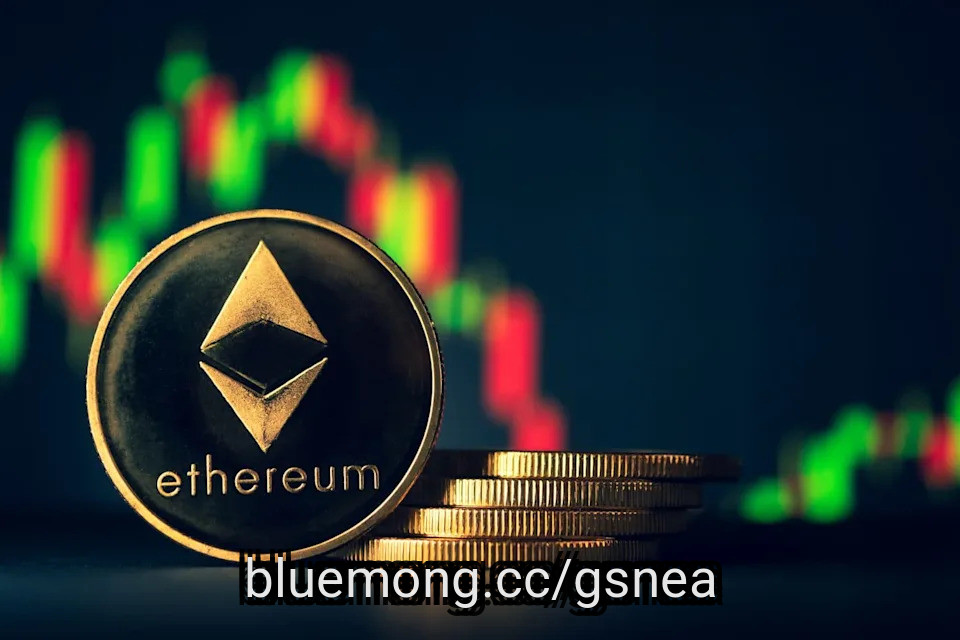
Ethereum ETFs posted $824.41 million in inflows during the week of August 24–28, their strongest five-day total on record, followed by another $218.40 million the subsequent week.
The $24.29 million outflow on September 8 was concentrated in Grayscale's funds, while Fidelity's FETH attracted $9.89 million and BlackRock's ETHA recorded no outflow.
The latest outflow looks more like a pause than a reversal, but sustained withdrawals from ETHA or FETH, combined with a deeper ETH price decline, would be a stronger warning sign.
Just released. Our ***** ysts combed the entire stock market and named the ten best stocks to buy right now. The report is free. Enter your email and see if any of your stocks made the cut.
Ethereum (CRYPTO:ETH) Exchange Traded Fundss recorded a $24.29 million net outflow on September 8, 2026, their second outflow day since a five-day run in late August that brought in $824.41 million, the funds' strongest week on record.
#week #strongest
The $24.29 million outflow on September 8 was concentrated in Grayscale's funds, while Fidelity's FETH attracted $9.89 million and BlackRock's ETHA recorded no outflow.
The latest outflow looks more like a pause than a reversal, but sustained withdrawals from ETHA or FETH, combined with a deeper ETH price decline, would be a stronger warning sign.
Just released. Our ***** ysts combed the entire stock market and named the ten best stocks to buy right now. The report is free. Enter your email and see if any of your stocks made the cut.
Ethereum (CRYPTO:ETH) Exchange Traded Fundss recorded a $24.29 million net outflow on September 8, 2026, their second outflow day since a five-day run in late August that brought in $824.41 million, the funds' strongest week on record.
#week #strongest


2 days ago
Our ***** ysts just identified a stock with the potential to be the next Nvidia. Tell us how you invest and we'll show you why it's our #1 pick. Tap here.
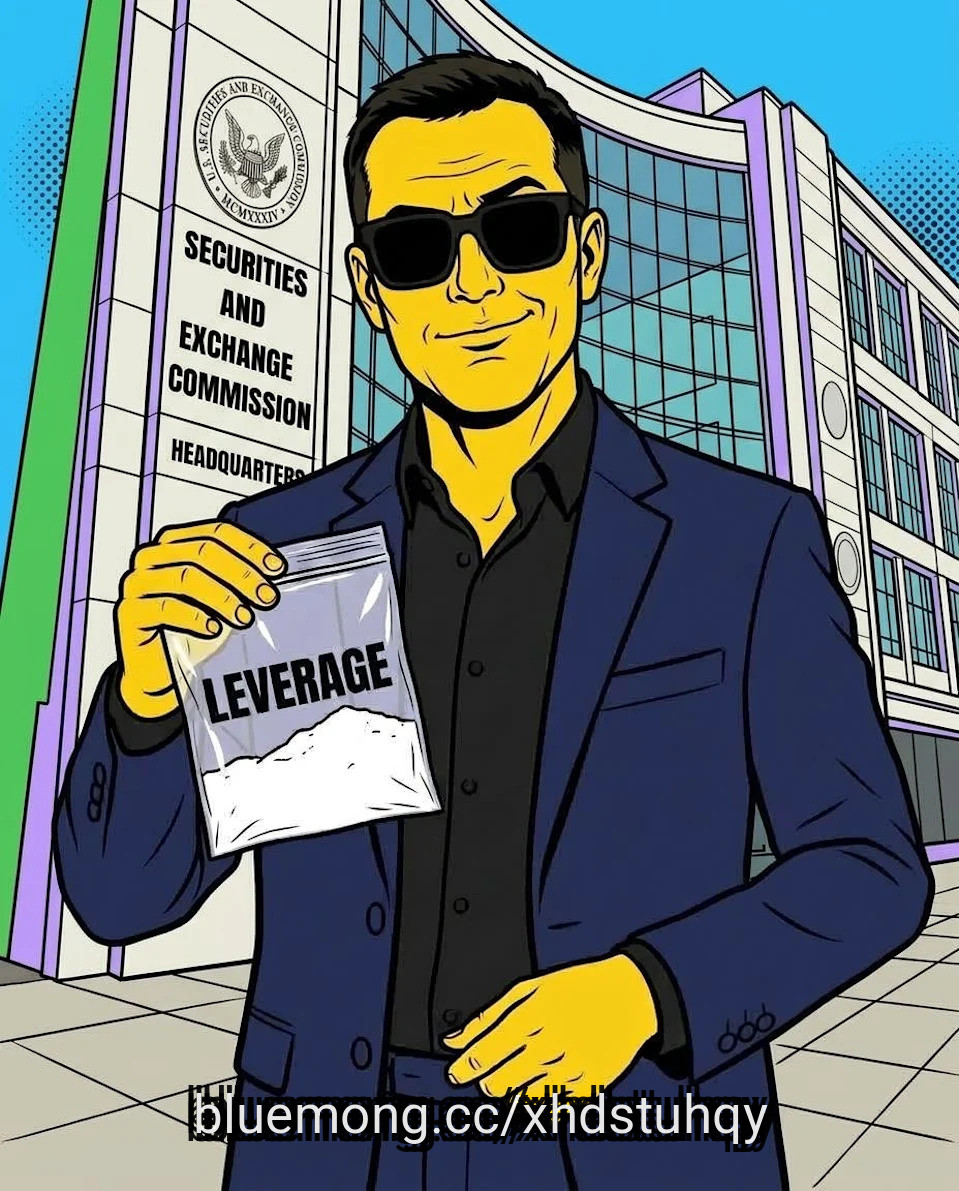
There is a moment in every wild party where somebody suggests a new thing that will make the night 10 times more fun for 45 minutes and excruciatingly worse for the days that will follow. Defiance ETFs has decided that we've reached that point in the ETF party and just filed its suggestion with the Securities and Exchange Commission… Sixteen times over.
Defiance wants to launch 16 new ETFs, all built on the same idea and all named for it: the Defiance 2X Hourly Reset ETF, one each for NVDA, TSLA, PLTR, GOOG, META, MSFT, AMD, MU, TSM, MRVL and six more. Paperwork went in through Tidal Trust V with the clock set to run 75 days, so they go live around November 4 unless somebody stops them.
Each fund promises double whatever the stock does, and then delivers on that promise six separate times a day. Every roughly hour-long window starts fresh, with the leverage reset to 2x from wherever the stock happens to be sitting. The filing says outright that the promise applies to nothing else. Not to a day, not to a month, not to a year. Six windows, and after each one closes, whatever happened in it is permanent.
Your losses don't get a fresh start when the leverage does. A stock that whipsaws its way to nowhere by 4 p.m. can leave the fund substantially poorer, and every additional reset is another chance for that to happen.
#somebody
There is a moment in every wild party where somebody suggests a new thing that will make the night 10 times more fun for 45 minutes and excruciatingly worse for the days that will follow. Defiance ETFs has decided that we've reached that point in the ETF party and just filed its suggestion with the Securities and Exchange Commission… Sixteen times over.
Defiance wants to launch 16 new ETFs, all built on the same idea and all named for it: the Defiance 2X Hourly Reset ETF, one each for NVDA, TSLA, PLTR, GOOG, META, MSFT, AMD, MU, TSM, MRVL and six more. Paperwork went in through Tidal Trust V with the clock set to run 75 days, so they go live around November 4 unless somebody stops them.
Each fund promises double whatever the stock does, and then delivers on that promise six separate times a day. Every roughly hour-long window starts fresh, with the leverage reset to 2x from wherever the stock happens to be sitting. The filing says outright that the promise applies to nothing else. Not to a day, not to a month, not to a year. Six windows, and after each one closes, whatever happened in it is permanent.
Your losses don't get a fresh start when the leverage does. A stock that whipsaws its way to nowhere by 4 p.m. can leave the fund substantially poorer, and every additional reset is another chance for that to happen.
#somebody
5 days ago
Jeff Klingelhofer, CFA, Managing Director, Portfolio Manager & Senior Research **** yst, Securitized **** ets at Aristotle Pacific didn't set out to be a bond guy but a launchpad at PIMCO, stops in Tokyo and London, and a Chicago MBA detour into a scrappy five-person hedge fund rewired how he thinks about fixed income. The internship stuck, with Klingelhofer building out Thornburg's taxable fixed income desk from employee #3 to Head of Investments, before joining Aristotle Pacific in 2024. The firm is a 15-year-old franchise (formerly Pacific **** et Management) now running roughly $16 billion and, as of July 30, three brand-new ETFs: the Aristotle Core Plus Income ETF (ARCP), the Aristotle Multi-Sector Income ETF (ARMS), and the Aristotle Short Term Income ETF (SDUR).
The pitch isn't about taking on more risk to boost returns but about capturing returns with minimal risk, and that means shopping across every fixed income silo instead of hunting inside one. Klingelhofer gives the example of February 2020, when American Airlines' corporate bond and its aircraft-backed EETC both priced at 3.75% with the same issuer, same tenor, same yield. A month later, COVID hit and the corporate bond cratered to 27 cents on the dollar while the EETC held at 65 cents. Same company, wildly different outcomes because Wall Street desks looked at each instrument in isolation instead of comparing across the capital stack. That's the whole Aristotle Pacific thesis, and it's why he sees the same mispricing setting up today in data center financing.
The three funds slot into that framework by risk level, with SDUR as a low-duration, active-credit alternative to cash, ARCP as a core-bond upgrade aiming to beat the Agg by 100-150bps, and ARMS as the full relative-value expression targeting 250bps over a cycle with real flexibility to shift credit quality. Macro-wise, Klingelhofer thinks the market is underestimating new Fed Chair Warsh, who, unlike his predecessor, inherits a purely high-inflation world with no disinflationary tailwind. It means the firm is positioning the funds slightly long duration as a hedge against credit risk elsewhere in the book. His closing advice to advisors was a cautionary and practical one, that they shouldn't expect Aristotle to work in every environment (no fund does), and to pair its bottom-up process with top-down managers like PIMCO so the two zig and zag differently throughout market cycles.
To learn more about Aristotle Pacific, go here, or you can learn more about their new ETFs here.
#pacific #same #fixed
The pitch isn't about taking on more risk to boost returns but about capturing returns with minimal risk, and that means shopping across every fixed income silo instead of hunting inside one. Klingelhofer gives the example of February 2020, when American Airlines' corporate bond and its aircraft-backed EETC both priced at 3.75% with the same issuer, same tenor, same yield. A month later, COVID hit and the corporate bond cratered to 27 cents on the dollar while the EETC held at 65 cents. Same company, wildly different outcomes because Wall Street desks looked at each instrument in isolation instead of comparing across the capital stack. That's the whole Aristotle Pacific thesis, and it's why he sees the same mispricing setting up today in data center financing.
The three funds slot into that framework by risk level, with SDUR as a low-duration, active-credit alternative to cash, ARCP as a core-bond upgrade aiming to beat the Agg by 100-150bps, and ARMS as the full relative-value expression targeting 250bps over a cycle with real flexibility to shift credit quality. Macro-wise, Klingelhofer thinks the market is underestimating new Fed Chair Warsh, who, unlike his predecessor, inherits a purely high-inflation world with no disinflationary tailwind. It means the firm is positioning the funds slightly long duration as a hedge against credit risk elsewhere in the book. His closing advice to advisors was a cautionary and practical one, that they shouldn't expect Aristotle to work in every environment (no fund does), and to pair its bottom-up process with top-down managers like PIMCO so the two zig and zag differently throughout market cycles.
To learn more about Aristotle Pacific, go here, or you can learn more about their new ETFs here.
#pacific #same #fixed

6 days ago
Some offers on this page are from advertisers who pay us, which may affect which products we write about, but not our recommendations. See our Advertiser Disclosure.
The stock market will be closed on Monday, Sept. 7, in observance of Labor Day. The market will reopen on Tuesday, Sept. 8.
In 2026, the stock market will observe 10 holidays, including two early closings. Many stock market holidays are also federal holidays and banking holidays.
The U.S. stock market's regular hours are 9:30 a.m. to 4 p.m. Eastern time, Monday through Friday. The two major U.S. stock exchanges, the New York Stock Exchange (NYSE) and the Nasdaq, each observe these trading hours. Both stock exchanges are closed on weekends.
You can still place orders to buy and sell stocks and exchange-traded funds (ETFs) during extended trading hours, but there is added risk. The trading volume is lighter after hours, so prices can be more volatile, and your orders may not execute fully.
#Stock #holidays
The stock market will be closed on Monday, Sept. 7, in observance of Labor Day. The market will reopen on Tuesday, Sept. 8.
In 2026, the stock market will observe 10 holidays, including two early closings. Many stock market holidays are also federal holidays and banking holidays.
The U.S. stock market's regular hours are 9:30 a.m. to 4 p.m. Eastern time, Monday through Friday. The two major U.S. stock exchanges, the New York Stock Exchange (NYSE) and the Nasdaq, each observe these trading hours. Both stock exchanges are closed on weekends.
You can still place orders to buy and sell stocks and exchange-traded funds (ETFs) during extended trading hours, but there is added risk. The trading volume is lighter after hours, so prices can be more volatile, and your orders may not execute fully.
#Stock #holidays




7 days ago
I spend a lot of time ***** yzing exchange-traded funds (ETFs) here. And while you might think that's because I've ***** yzed those securities individually for a long time (I have), the thing about ETF ***** ysis is this: if you do enough of it, for enough years, you start to see patterns of behavior. And while they don't always immediately say "buy this" or "sell this," they do something I think is at least as important to traders and investors.
ETFs can help us figure out when early risk has a shot of becoming big risk. Which often leads to big losses. And I'm all about minimizing that.
Why It's Time to Load Up on SoFi Stock
A $1.4 Billion Reason to Buy GameStop Stock Now
TIME Left Nvidia CEO Jensen Huang Off Its 100 Most Influential People in AI List — But Paris Hilton and Ben Affleck Made the Cut
#etfs #risk #load
ETFs can help us figure out when early risk has a shot of becoming big risk. Which often leads to big losses. And I'm all about minimizing that.
Why It's Time to Load Up on SoFi Stock
A $1.4 Billion Reason to Buy GameStop Stock Now
TIME Left Nvidia CEO Jensen Huang Off Its 100 Most Influential People in AI List — But Paris Hilton and Ben Affleck Made the Cut
#etfs #risk #load



8 days ago
Bitcoin (CRYPTO:BTC) rose 5.5% to $81,491.82, Ethereum (CRYPTO:ETH) rose 5.2% to $2,511.01, and Solana (CRYPTO:SOL) rose 5.9% to $105.30 as of early evening on Sept. 3. The total crypto market cap increased 4.7% to $2.82 trillion as crypto risk appetite returned.
Bitcoin retook the $81,000 mark for the first time since May as cryptocurrency markets benefited from concerns about rising bond yields and lower odds of a Federal Reserve rate hike. Fed Governor Christopher Waller said he would support leaving rates unchanged as long as there's not a dramatic shift in inflation figures.
Spot Bitcoin ETFs inflows improved, with around $101.1 million in net inflows yesterday, led by the iShares Bitcoin Trust ETF (IBIT). Ethereum ETFs broke a 12-day winning streak of inflows yesterday, but today's data may show institutional funds returning.
Bitcoin has gained almost 27% in the past month as confidence returns to the market -- the crypto fear and greed index, which measures investors' mood, has moved from extreme fear a month ago to greed today. The lead crypto isn't close to retaking its all-time high just yet, but the rapid recovery is a reminder to long-term investors that crypto winters do pass and that sentiment can quickly swing from gloom to optimism.
That said, cryptocurrency prices remain susceptible to macro factors in the near term. The recent rally was helped by bond market turmoil and concerns about the value of the U.S. dollar, but inflation, interest rates, and the tensions in the Middle East could all weigh on investor confidence. Particularly as economists still think there's a 50.5% chance of a rate hike and higher rates tend to pressure riskier ***** ets like crypto.
#ethereum
Bitcoin retook the $81,000 mark for the first time since May as cryptocurrency markets benefited from concerns about rising bond yields and lower odds of a Federal Reserve rate hike. Fed Governor Christopher Waller said he would support leaving rates unchanged as long as there's not a dramatic shift in inflation figures.
Spot Bitcoin ETFs inflows improved, with around $101.1 million in net inflows yesterday, led by the iShares Bitcoin Trust ETF (IBIT). Ethereum ETFs broke a 12-day winning streak of inflows yesterday, but today's data may show institutional funds returning.
Bitcoin has gained almost 27% in the past month as confidence returns to the market -- the crypto fear and greed index, which measures investors' mood, has moved from extreme fear a month ago to greed today. The lead crypto isn't close to retaking its all-time high just yet, but the rapid recovery is a reminder to long-term investors that crypto winters do pass and that sentiment can quickly swing from gloom to optimism.
That said, cryptocurrency prices remain susceptible to macro factors in the near term. The recent rally was helped by bond market turmoil and concerns about the value of the U.S. dollar, but inflation, interest rates, and the tensions in the Middle East could all weigh on investor confidence. Particularly as economists still think there's a 50.5% chance of a rate hike and higher rates tend to pressure riskier ***** ets like crypto.
#ethereum


9 days ago
99% of auto-enrollment plans default workers into target-date funds that often carry higher fees and unnecessary bond exposure for 25-year-olds.
VTI, DGRO, and BND together deliver total-market growth, a dividend-quality tilt, and controllable bond stability at costs most 401(k) menus cannot match.
The three-fund portfolio requires annual rebalancing, which means investors who will never log in again are actually better served by the default fund.
Read More: Learn 7 secret wealth tips high net worth investors use that most investors miss (sponsor)
You were auto-enrolled in your 401(k) at 25, checked a box, and moved on. Five years later, you still own whatever target-date fund the plan defaulted you into, and you have never once opened the prospectus. You are not alone. By year-end 2025, 61% of Vanguard defined contribution plans had adopted automatic enrollment, and 99% of automatic enrollment plans used a target-date or other balanced investment strategy as the default fund, with 98% choosing a target-date fund. That default is fine, but it is not optimized. If you want to graduate from "whatever they picked" to a portfolio a grown-up would actually build, three ETFs do the job: Vanguard Total Stock Market ETF (NYSEARCA:VTI), iShares Core Dividend Growth ETF (NYSEARCA:DGRO), and Vanguard Total Bond Market ETF (NASDAQ:BND).
#vanguard #total #market #plans
VTI, DGRO, and BND together deliver total-market growth, a dividend-quality tilt, and controllable bond stability at costs most 401(k) menus cannot match.
The three-fund portfolio requires annual rebalancing, which means investors who will never log in again are actually better served by the default fund.
Read More: Learn 7 secret wealth tips high net worth investors use that most investors miss (sponsor)
You were auto-enrolled in your 401(k) at 25, checked a box, and moved on. Five years later, you still own whatever target-date fund the plan defaulted you into, and you have never once opened the prospectus. You are not alone. By year-end 2025, 61% of Vanguard defined contribution plans had adopted automatic enrollment, and 99% of automatic enrollment plans used a target-date or other balanced investment strategy as the default fund, with 98% choosing a target-date fund. That default is fine, but it is not optimized. If you want to graduate from "whatever they picked" to a portfolio a grown-up would actually build, three ETFs do the job: Vanguard Total Stock Market ETF (NYSEARCA:VTI), iShares Core Dividend Growth ETF (NYSEARCA:DGRO), and Vanguard Total Bond Market ETF (NASDAQ:BND).
#vanguard #total #market #plans

9 days ago


9 days ago
(Table below reflects daily flows on September 2, 2026 and ******* et totals as of that date.)
ETF Brand League Table
Welcome to the etf.com league table. On this page, you'll find the U.S. ETF market through different lenses: brand and issuer. What's the difference? The brand is what the ETF says on the tin. For example, "iShares" is the brand of issuer "BlackRock's" ETFs. Because many issuers license their ETF infrastructure to third parties, we present the data in both ways. The identification of the correct brand and legal issuer is done by our key data provider, FactSet.
Brand
AUM ($, mm)
#brand #table #issuer
ETF Brand League Table
Welcome to the etf.com league table. On this page, you'll find the U.S. ETF market through different lenses: brand and issuer. What's the difference? The brand is what the ETF says on the tin. For example, "iShares" is the brand of issuer "BlackRock's" ETFs. Because many issuers license their ETF infrastructure to third parties, we present the data in both ways. The identification of the correct brand and legal issuer is done by our key data provider, FactSet.
Brand
AUM ($, mm)
#brand #table #issuer

9 days ago
Benzinga and Yahoo Finance LLC may earn commission or revenue on some items through the links below.
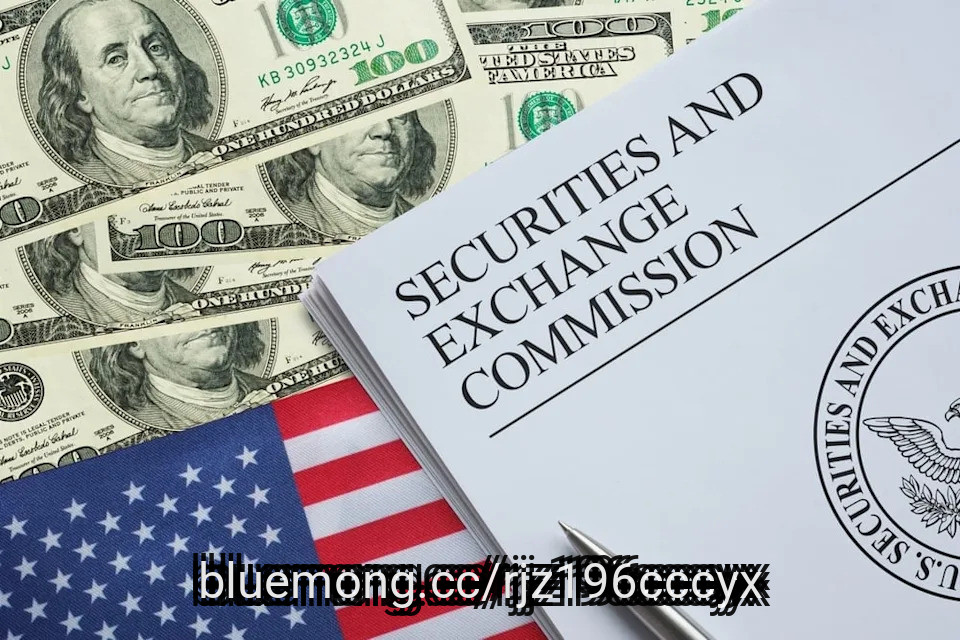
The U.S. ETF industry is pushing back against the Securities and Exchange Commission's (SEC) broad review of "novel ETFs."
ETF professionals argue an overly wide definition could slow product launches and undermine one of the market's biggest advantages, even as increasingly complex funds test the boundaries of the traditional ETF structure, per a Reuters report.
The SEC opened the review in June after delaying a wave of proposed prediction-market ETFs. Its request covers ETFs that invest in innovative ***** et classes or use unconventional strategies and asks whether existing rules adequately address investor protection, market integrity, and the registration process.
More than 20 industry participants submitted comments around the Aug. 31 deadline, with the docket showing submissions from Charles Schwab, Franklin Templeton, Jane Street, Cboe Global Markets, Grayscale Investments, 21Shares, Andreessen Horowitz and Kalshi.
#industry #finance #securities #june
The U.S. ETF industry is pushing back against the Securities and Exchange Commission's (SEC) broad review of "novel ETFs."
ETF professionals argue an overly wide definition could slow product launches and undermine one of the market's biggest advantages, even as increasingly complex funds test the boundaries of the traditional ETF structure, per a Reuters report.
The SEC opened the review in June after delaying a wave of proposed prediction-market ETFs. Its request covers ETFs that invest in innovative ***** et classes or use unconventional strategies and asks whether existing rules adequately address investor protection, market integrity, and the registration process.
More than 20 industry participants submitted comments around the Aug. 31 deadline, with the docket showing submissions from Charles Schwab, Franklin Templeton, Jane Street, Cboe Global Markets, Grayscale Investments, 21Shares, Andreessen Horowitz and Kalshi.
#industry #finance #securities #june

9 days ago
Binance co-founder and Canadian billionaire Changpeng Zhao (CZ) says that capital is starting to return to the cryptocurrency market.
CZ says that capital that had been directed towards artificial intelligence (A.I.) in recent months is beginning to return to the crypto sector, helping to boost prices.
In an interview, CZ said that the "hot money" that had been flowing into A.I. stocks is now being shifted to crypto such as Bitcoin (CRYPTO: $BTC) and related exchange-traded funds (ETFs).
More From Cryptoprowl:
MEXC Launches Earn Plus With Limited-Time Event Offering Up to 800% APR Booster
#Crypto #etfs #cryptoprowl
CZ says that capital that had been directed towards artificial intelligence (A.I.) in recent months is beginning to return to the crypto sector, helping to boost prices.
In an interview, CZ said that the "hot money" that had been flowing into A.I. stocks is now being shifted to crypto such as Bitcoin (CRYPTO: $BTC) and related exchange-traded funds (ETFs).
More From Cryptoprowl:
MEXC Launches Earn Plus With Limited-Time Event Offering Up to 800% APR Booster
#Crypto #etfs #cryptoprowl

9 days ago
In Bitcoin ETF news today, US spot ETFs posted approximately $236.46M in net outflows on September 1, wiping out the previous session's $216.70 million inflow in a single trading day. The reversal landed just as BTC price briefly dipped below $77,000, having traded above $80,000 as recently as late August.
At the time this data was reported, BTC traded near $77,900.00, up +1.3% on the day, a sign the drop wasn't a rout but rather a pause after a bullish month that saw Bitcoin move up +23%.
August was the strongest month of 2026 for Bitcoin ETFs by a wide margin, yet September opened with the largest daily outflow since July 31. One number doesn't cancel the other, but it does raise the question of whether institutional demand is cooling or just catching its breath.
August wasn't a fluke session – it was a month-long accumulation. According to SoSoValue data cited in the primary reporting, US spot Bitcoin ETFs pulled in roughly $3.52Bn in net inflows, dwarfing July's approximately $172M. Bitcoin itself gained about +25% over the same stretch, its best monthly performance since November 2024.
The funds posted inflows in 16 of August's 21 trading sessions, anchored by a nine-day streak from August 17 through August 27, as detailed in coverage of that inflow streak.
#month #spot #posted
At the time this data was reported, BTC traded near $77,900.00, up +1.3% on the day, a sign the drop wasn't a rout but rather a pause after a bullish month that saw Bitcoin move up +23%.
August was the strongest month of 2026 for Bitcoin ETFs by a wide margin, yet September opened with the largest daily outflow since July 31. One number doesn't cancel the other, but it does raise the question of whether institutional demand is cooling or just catching its breath.
August wasn't a fluke session – it was a month-long accumulation. According to SoSoValue data cited in the primary reporting, US spot Bitcoin ETFs pulled in roughly $3.52Bn in net inflows, dwarfing July's approximately $172M. Bitcoin itself gained about +25% over the same stretch, its best monthly performance since November 2024.
The funds posted inflows in 16 of August's 21 trading sessions, anchored by a nine-day streak from August 17 through August 27, as detailed in coverage of that inflow streak.
#month #spot #posted


9 days ago
There are a lot of great exchange-traded funds (ETFs) out there these days, tracking everything from major indexes to niches, including artificial intelligence ETFs.
But if I had $1,000 to put toward just one ETF right now, I wouldn't hesitate to put it toward the Vanguard S&P 500 ETF (NYSEMKT: VOO). The benefits of a low-cost fund, spreading my money across all market sectors, and experiencing the long-term gains generated by the S&P 500 are just too good to pass up.
Missed Nvidia in 2009? This Rare Signal Is Flashing Again. In 2009, a "Double Down" signal flashed for a little-known chipmaker called Nvidia. For the first time in years, that same "Total Conviction" signal is flashing for a company 1/100th the size of Nvidia. Continue »
This Vanguard ETF is my largest holding right now, and it's where I'd start if I had only $1,000 to invest. Here's why.
Index funds like the Vanguard S&P 500 spread your money across the largest 500 publicly traded companies in the U.S., giving your portfolio exposure to tech companies, consumer goods stocks, industrial and energy companies, and more.
#toward
But if I had $1,000 to put toward just one ETF right now, I wouldn't hesitate to put it toward the Vanguard S&P 500 ETF (NYSEMKT: VOO). The benefits of a low-cost fund, spreading my money across all market sectors, and experiencing the long-term gains generated by the S&P 500 are just too good to pass up.
Missed Nvidia in 2009? This Rare Signal Is Flashing Again. In 2009, a "Double Down" signal flashed for a little-known chipmaker called Nvidia. For the first time in years, that same "Total Conviction" signal is flashing for a company 1/100th the size of Nvidia. Continue »
This Vanguard ETF is my largest holding right now, and it's where I'd start if I had only $1,000 to invest. Here's why.
Index funds like the Vanguard S&P 500 spread your money across the largest 500 publicly traded companies in the U.S., giving your portfolio exposure to tech companies, consumer goods stocks, industrial and energy companies, and more.
#toward

9 days ago
(Table below reflects daily flows on September 1, 2026 and ******* et totals as of that date.)
ETF Brand League Table
Welcome to the etf.com league table. On this page, you'll find the U.S. ETF market through different lenses: brand and issuer. What's the difference? The brand is what the ETF says on the tin. For example, "iShares" is the brand of issuer "BlackRock's" ETFs. Because many issuers license their ETF infrastructure to third parties, we present the data in both ways. The identification of the correct brand and legal issuer is done by our key data provider, FactSet.
Brand
AUM ($, mm)
#below
ETF Brand League Table
Welcome to the etf.com league table. On this page, you'll find the U.S. ETF market through different lenses: brand and issuer. What's the difference? The brand is what the ETF says on the tin. For example, "iShares" is the brand of issuer "BlackRock's" ETFs. Because many issuers license their ETF infrastructure to third parties, we present the data in both ways. The identification of the correct brand and legal issuer is done by our key data provider, FactSet.
Brand
AUM ($, mm)
#below


9 days ago


10 days ago
U.S.-listed spot XRP (CRYPTO: XRP) exchange-traded funds (ETFs) have attracted $170 million U.S. of investor capital over 11 consecutive trading days.
The XRP ETFs have continued to see net inflows despite the cryptocurrency's price declining to begin September.
XRP is trading at $1.34 U.S. on Sept. 2, down from a peak of $1.45 U.S. on Aug. 27.
More From Cryptoprowl:
MEXC Launches Earn Plus With Limited-Time Event Offering Up to 800% APR Booster
#etfs #trading #earn #plus
The XRP ETFs have continued to see net inflows despite the cryptocurrency's price declining to begin September.
XRP is trading at $1.34 U.S. on Sept. 2, down from a peak of $1.45 U.S. on Aug. 27.
More From Cryptoprowl:
MEXC Launches Earn Plus With Limited-Time Event Offering Up to 800% APR Booster
#etfs #trading #earn #plus
10 days ago
Some offers on this page are from advertisers who pay us, which may affect which products we write about, but not our recommendations. See our Advertiser Disclosure.
The stock market will be closed on Monday, Sept. 7, in observance of Labor Day. The market will reopen on Tuesday, Sept. 8.
In 2026, the stock market will observe 10 holidays, including two early closings. Many stock market holidays are also federal holidays and banking holidays.
The U.S. stock market's regular hours are 9:30 a.m. to 4 p.m. Eastern time, Monday through Friday. The two major U.S. stock exchanges, the New York Stock Exchange (NYSE) and the Nasdaq, each observe these trading hours. Both stock exchanges are closed on weekends.
You can still place orders to buy and sell stocks and exchange-traded funds (ETFs) during extended trading hours, but there is added risk. The trading volume is lighter after hours, so prices can be more volatile, and your orders may not execute fully.
#Stock #market #sept #observe
The stock market will be closed on Monday, Sept. 7, in observance of Labor Day. The market will reopen on Tuesday, Sept. 8.
In 2026, the stock market will observe 10 holidays, including two early closings. Many stock market holidays are also federal holidays and banking holidays.
The U.S. stock market's regular hours are 9:30 a.m. to 4 p.m. Eastern time, Monday through Friday. The two major U.S. stock exchanges, the New York Stock Exchange (NYSE) and the Nasdaq, each observe these trading hours. Both stock exchanges are closed on weekends.
You can still place orders to buy and sell stocks and exchange-traded funds (ETFs) during extended trading hours, but there is added risk. The trading volume is lighter after hours, so prices can be more volatile, and your orders may not execute fully.
#Stock #market #sept #observe