
40 mins. ago
Good morning. Stocks fell on Monday as oil prices jumped ahead of a key Fed meeting this week.
(BZ=F) crude rose to $109 per barrel, stoking worries of persistent inflation as diesel prices remain above an all-time high of $6 per gallon.
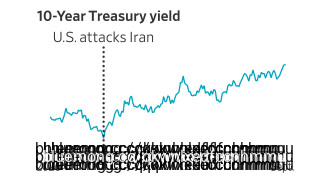
Bond yields remained elevated, with the 10-year Treasury (^TNX) just a few basis points away from the 5% threshold.
The 2-year yield to 4.64%, signaling that markets expect Fed policymakers to raise rates. Investor bets that the Federal Reserve will hike rates on Wednesday stood at 80% on Polymarket.
Here's a check of the markets in the first few minutes of trading, based on a heat map powered by Yahoo Finance AlphaSpace data.
#year #good
(BZ=F) crude rose to $109 per barrel, stoking worries of persistent inflation as diesel prices remain above an all-time high of $6 per gallon.
Bond yields remained elevated, with the 10-year Treasury (^TNX) just a few basis points away from the 5% threshold.
The 2-year yield to 4.64%, signaling that markets expect Fed policymakers to raise rates. Investor bets that the Federal Reserve will hike rates on Wednesday stood at 80% on Polymarket.
Here's a check of the markets in the first few minutes of trading, based on a heat map powered by Yahoo Finance AlphaSpace data.
#year #good


47 mins. ago
Costco has raised the price of its Kirkland Signature full-synthetic motor oil and begun limiting how much any one member can purchase, as a global lubricant shortage tied to the ongoing Middle East conflict pushes crude oil toward $100 a barrel.
That 10-quart case — two 5-quart bottles, enough for a typical V6 or V8 oil change — has jumped to $57.99, compared with the roughly $30 price members had grown accustomed to paying, according to The Drive. Stores are capping purchases at two units per customer per week. The retailer has also imposed a five-per-member limit on Mobil 1, with six quarts of that brand running $44.
The rationing reflects pressure from multiple directions. The connection to fuel prices runs through the refinery: base oil shares its crude-oil origins with gasoline and diesel, so when margins on finished fuel are strong, refiners have a financial reason to favor fuel production over lubricant stock, according to The Auto Wire. EIA data showed the gasoline crack spread sitting roughly a dollar per gallon higher than where it stood at the same point in 2025, a gap that has squeezed base oil availability and pushed its price upward.
Regulatory and licensing costs add a separate layer of expense. The Kirkland 5W-30 displays the dexos1 Gen 3 certification, GM's proprietary specification, and earning that mark is not free — manufacturers must put their formulation through GM's independent testing protocol and obtain a license from the automaker, paying separately for each product and each unit sold, according to The Auto Wire. Layered on top of that is an industry-wide burden: when the API SP category took effect around 2020, it introduced seven additional laboratory tests with no equivalent in the previous standard, among them a procedure targeting low-speed pre-ignition, the knock-like detonation problem **** ociated with modern turbocharged, direct-injection engines.
The supply squeeze is unfolding against a backdrop of a worsening global oil deficit. The International Energy Agency cut its 2026 global oil supply forecast to 102 million barrels per day in August, projecting a deficit of 1.8 million barrels per day in the third quarter — more than double its prior estimate. **** ulative global inventory draws since the start of the U.S.-Iran conflict have reached more than 500 million barrels, and Chevron CEO Mike Wirth said last week that the cushions that had softened earlier price increases have been exhausted. U.S. diesel prices crossed $6 per gallon for the first time, sitting at $6.06 as of Monday, an 8-cent increase from Sunday and 21 cents above week-earlier levels, according to AAA.
#barrels #wire
That 10-quart case — two 5-quart bottles, enough for a typical V6 or V8 oil change — has jumped to $57.99, compared with the roughly $30 price members had grown accustomed to paying, according to The Drive. Stores are capping purchases at two units per customer per week. The retailer has also imposed a five-per-member limit on Mobil 1, with six quarts of that brand running $44.
The rationing reflects pressure from multiple directions. The connection to fuel prices runs through the refinery: base oil shares its crude-oil origins with gasoline and diesel, so when margins on finished fuel are strong, refiners have a financial reason to favor fuel production over lubricant stock, according to The Auto Wire. EIA data showed the gasoline crack spread sitting roughly a dollar per gallon higher than where it stood at the same point in 2025, a gap that has squeezed base oil availability and pushed its price upward.
Regulatory and licensing costs add a separate layer of expense. The Kirkland 5W-30 displays the dexos1 Gen 3 certification, GM's proprietary specification, and earning that mark is not free — manufacturers must put their formulation through GM's independent testing protocol and obtain a license from the automaker, paying separately for each product and each unit sold, according to The Auto Wire. Layered on top of that is an industry-wide burden: when the API SP category took effect around 2020, it introduced seven additional laboratory tests with no equivalent in the previous standard, among them a procedure targeting low-speed pre-ignition, the knock-like detonation problem **** ociated with modern turbocharged, direct-injection engines.
The supply squeeze is unfolding against a backdrop of a worsening global oil deficit. The International Energy Agency cut its 2026 global oil supply forecast to 102 million barrels per day in August, projecting a deficit of 1.8 million barrels per day in the third quarter — more than double its prior estimate. **** ulative global inventory draws since the start of the U.S.-Iran conflict have reached more than 500 million barrels, and Chevron CEO Mike Wirth said last week that the cushions that had softened earlier price increases have been exhausted. U.S. diesel prices crossed $6 per gallon for the first time, sitting at $6.06 as of Monday, an 8-cent increase from Sunday and 21 cents above week-earlier levels, according to AAA.
#barrels #wire


2 hours ago
The national average for a gallon of gas is now at $4.32, with the price of diesel even high at a record-shattering $6.23. Meanwhile, the Federal Reserve is set to meet Wednesday and are expected to raise interest rates for the first time since 2023. NBC's Brian Cheung joins TODAY to break it all down.
#meanwhile #federal #wednesday #Gallon
#meanwhile #federal #wednesday #Gallon



3 days ago
Some offers on this page are from advertisers who pay us, which may affect which products we write about, but not our recommendations. See our Advertiser Disclosure.
The national average price of gasoline hit a record high over Labor Day weekend as new escalations in the war between the U.S. and Iran triggered a spike in oil prices, with Brent crude futures hitting $100 per barrel for the first time since July.
"Average gasoline prices rose in nearly three out of five states over the last week, while diesel surged in every state — with some climbing nearly 50 cents per gallon in just seven days," said Patrick De Haan, head of petroleum **** ysis at GasBuddy, in his weekly newsletter. "The milestone many hoped to avoid has arrived: the national average price of gasoline on Labor Day set a new record for the holiday, eclipsing the previous mark of $3.83 per gallon set in 2012."
As of Sept. 9, regular gas was $4 per gallon, with diesel sitting at over $5 per gallon, according to AAA. Crude oil prices were trading above $90 per barrel, and Brent crude was above $100 per barrel.
However, despite elevated fuel prices, as a new season approaches, there may be hope for drivers who are feeling the pinch.
#price
The national average price of gasoline hit a record high over Labor Day weekend as new escalations in the war between the U.S. and Iran triggered a spike in oil prices, with Brent crude futures hitting $100 per barrel for the first time since July.
"Average gasoline prices rose in nearly three out of five states over the last week, while diesel surged in every state — with some climbing nearly 50 cents per gallon in just seven days," said Patrick De Haan, head of petroleum **** ysis at GasBuddy, in his weekly newsletter. "The milestone many hoped to avoid has arrived: the national average price of gasoline on Labor Day set a new record for the holiday, eclipsing the previous mark of $3.83 per gallon set in 2012."
As of Sept. 9, regular gas was $4 per gallon, with diesel sitting at over $5 per gallon, according to AAA. Crude oil prices were trading above $90 per barrel, and Brent crude was above $100 per barrel.
However, despite elevated fuel prices, as a new season approaches, there may be hope for drivers who are feeling the pinch.
#price



3 days ago
President Donald Trump is making his mark on the U.S. economy. The Trump administration's tariff policies (including a trade war with Canada) and the war with Iran have driven up energy prices and contributed to accelerating inflation. This "Trumpflation" is driving up costs across the economy.
Research from the non-profit ****** ytics group Tax Foundation indicates that Trump-backed tariffs increased costs by about $1,000 per U.S. household in 2025 and $840 per household so far in 2026. Tariffs are import taxes levied on goods imported from other countries. Those costs are ultimately borne by U.S. businesses or are often passed on to American consumers.
Missed Nvidia in 2009? This Rare Signal Is Flashing Again. In 2009, a "Double Down" signal flashed for a little-known chipmaker called Nvidia. For the first time in years, that same "Total Conviction" signal is flashing for a company 1/100th the size of Nvidia. Continue »
Trump's war with Iran has caused major disruptions to global shipments of oil and natural gas from the strategically vital Strait of Hormuz. That has caused energy prices to go up in 2026. U.S. gasoline prices are back on the rise (but remain down somewhat from their March 2026 high), and diesel prices reached an all-time high national average of $5.897 per gallon as of Sept. 6, according to AAA research. Higher diesel costs are likely to lead to higher inflation for groceries and many consumer products on store shelves that rely on diesel-fueled trucks for distribution to retailers.
Trump seems unlikely to give up on his tariff policies anytime soon, and the Iran conflict might not truly "end" in 2026 or 2027. With an uncertain future of possibly higher inflation and higher energy prices, how should you invest?
#prices #higher #costs #NVIDIA
Research from the non-profit ****** ytics group Tax Foundation indicates that Trump-backed tariffs increased costs by about $1,000 per U.S. household in 2025 and $840 per household so far in 2026. Tariffs are import taxes levied on goods imported from other countries. Those costs are ultimately borne by U.S. businesses or are often passed on to American consumers.
Missed Nvidia in 2009? This Rare Signal Is Flashing Again. In 2009, a "Double Down" signal flashed for a little-known chipmaker called Nvidia. For the first time in years, that same "Total Conviction" signal is flashing for a company 1/100th the size of Nvidia. Continue »
Trump's war with Iran has caused major disruptions to global shipments of oil and natural gas from the strategically vital Strait of Hormuz. That has caused energy prices to go up in 2026. U.S. gasoline prices are back on the rise (but remain down somewhat from their March 2026 high), and diesel prices reached an all-time high national average of $5.897 per gallon as of Sept. 6, according to AAA research. Higher diesel costs are likely to lead to higher inflation for groceries and many consumer products on store shelves that rely on diesel-fueled trucks for distribution to retailers.
Trump seems unlikely to give up on his tariff policies anytime soon, and the Iran conflict might not truly "end" in 2026 or 2027. With an uncertain future of possibly higher inflation and higher energy prices, how should you invest?
#prices #higher #costs #NVIDIA


4 days ago
Some offers on this page are from advertisers who pay us, which may affect which products we write about, but not our recommendations. See our Advertiser Disclosure.
The national average price of gasoline hit a record high over Labor Day weekend as new escalations in the war between the U.S. and Iran triggered a spike in oil prices, with Brent crude futures hitting $100 per barrel for the first time since July.
"Average gasoline prices rose in nearly three out of five states over the last week, while diesel surged in every state — with some climbing nearly 50 cents per gallon in just seven days," said Patrick De Haan, head of petroleum ****** ysis at GasBuddy, in his weekly newsletter. "The milestone many hoped to avoid has arrived: the national average price of gasoline on Labor Day set a new record for the holiday, eclipsing the previous mark of $3.83 per gallon set in 2012."
As of Sept. 9, regular gas was $4 per gallon, with diesel sitting at over $5 per gallon, according to AAA. Crude oil prices were trading above $90 per barrel, and Brent crude was above $100 per barrel.
However, despite elevated fuel prices, as a new season approaches, there may be hope for drivers who are feeling the pinch.
#prices #barrel #labor #brent
The national average price of gasoline hit a record high over Labor Day weekend as new escalations in the war between the U.S. and Iran triggered a spike in oil prices, with Brent crude futures hitting $100 per barrel for the first time since July.
"Average gasoline prices rose in nearly three out of five states over the last week, while diesel surged in every state — with some climbing nearly 50 cents per gallon in just seven days," said Patrick De Haan, head of petroleum ****** ysis at GasBuddy, in his weekly newsletter. "The milestone many hoped to avoid has arrived: the national average price of gasoline on Labor Day set a new record for the holiday, eclipsing the previous mark of $3.83 per gallon set in 2012."
As of Sept. 9, regular gas was $4 per gallon, with diesel sitting at over $5 per gallon, according to AAA. Crude oil prices were trading above $90 per barrel, and Brent crude was above $100 per barrel.
However, despite elevated fuel prices, as a new season approaches, there may be hope for drivers who are feeling the pinch.
#prices #barrel #labor #brent


0.00$ raised of 0.00$ goal
0 donations
0.00$
to go

6 days ago
Moneywise and Yahoo Finance LLC may earn commission or revenue through links in the content below.
Diesel prices reached a new all-time record on Sept. 4, surpassing the previous record set in June 2022. AAA reported the national average price per gallon of diesel at $5.85, which is $0.04 above the previous $5.81 peak in June 2022 (1).
Geopolitical conflict was a primary driver of both the June 2022 and the September 2026 price surges, with Russia's invasion of Ukraine (2) driving prices higher in 2022 and the ongoing conflict with Iran playing a critical role in causing the most recent run-up (3).
Jeff Bezos backs a platform that lets anyone invest in rental homes for as little as $100 — 6 ways to build wealth like a landlord without actually being one
JPMorgan sees gold hitting $5,000/oz by Q4 — and savvy investors are protecting their wealth with a tax-advantaged Gold IRA. Get your free guide from Priority Gold
#Diesel
Diesel prices reached a new all-time record on Sept. 4, surpassing the previous record set in June 2022. AAA reported the national average price per gallon of diesel at $5.85, which is $0.04 above the previous $5.81 peak in June 2022 (1).
Geopolitical conflict was a primary driver of both the June 2022 and the September 2026 price surges, with Russia's invasion of Ukraine (2) driving prices higher in 2022 and the ongoing conflict with Iran playing a critical role in causing the most recent run-up (3).
Jeff Bezos backs a platform that lets anyone invest in rental homes for as little as $100 — 6 ways to build wealth like a landlord without actually being one
JPMorgan sees gold hitting $5,000/oz by Q4 — and savvy investors are protecting their wealth with a tax-advantaged Gold IRA. Get your free guide from Priority Gold
#Diesel


7 days ago
On August 5, Murphy USA (NYSE:MUSA) reported second-quarter results that make the case for its unglamorous business model. Net income came in at $209.1 million, or $11.27 per diluted share, up from $145.6 million and $7.36 per share in the same quarter of 2025. Adjusted EBITDA climbed to $377.3 million from $286.0 million. For a company that mostly sells gasoline and convenience store snacks, that is a striking jump, and it did not come from a single lucky quarter.
The engine behind the gain was fuel. Total fuel contribution reached 40.6 cents per gallon in the quarter, up from 32.0 cents a year earlier, while the retail fuel margin alone rose 20.2% to 35.1 cents per gallon. Volume grew at the same time, with total retail gallons up 3.9% and same-store sales volumes up 0.5%, so Murphy USA was not just pricing better; it was also moving more gas through its pumps. Merchandise held up its end too, with contribution dollars up 4.0% to $227.4 million on unit margins of 20.1%, as nicotine contribution rose 6.1% and non-nicotine contribution grew 2.9%.
The company kept returning cash to shareholders through it all, buying back 143.1 thousand shares for $76.8 million and raising its quarterly dividend 28.0% year over year to $0.64 per share. In May, it issued $500 million of notes due 2034 and used the proceeds to retire $300 million of 2027 notes, pushing out its debt maturities while continuing to open new stores, with 6 net additions in the quarter and 36 more under construction.
The quarter's growth came with a heavier expense load. Total store and other operating expenses rose to $308.7 million from $275.2 million, and the company said two-thirds of that increase came from payment processing fees, which climb automatically as retail fuel prices rise. SG&A costs increased to $60.5 million from $50.9 million on higher employee costs and incentive accruals, and the effective tax rate ticked up to 24.7% from 24.4%, with guidance now pointing to the higher end of the company's 23% to 25% full-year range.
Fuel supply contribution, excluding renewable credits, was negative $54.9 million, a wider loss than the negative $25.9 million posted a year earlier. Management's own full-year outlook **** umes some cooling ahead: its projection of roughly $636 million in net income and $1.25 billion in Adjusted EBITDA is built on second-half fuel margins averaging 35 cents per gallon, down from 37.9 cents in the first half. Capital expenditures are also being guided to the higher end of the $475 million to $525 million range, meaning the spending pace is not slowing even as margins are expected to.
#million #fuel #total #same
The engine behind the gain was fuel. Total fuel contribution reached 40.6 cents per gallon in the quarter, up from 32.0 cents a year earlier, while the retail fuel margin alone rose 20.2% to 35.1 cents per gallon. Volume grew at the same time, with total retail gallons up 3.9% and same-store sales volumes up 0.5%, so Murphy USA was not just pricing better; it was also moving more gas through its pumps. Merchandise held up its end too, with contribution dollars up 4.0% to $227.4 million on unit margins of 20.1%, as nicotine contribution rose 6.1% and non-nicotine contribution grew 2.9%.
The company kept returning cash to shareholders through it all, buying back 143.1 thousand shares for $76.8 million and raising its quarterly dividend 28.0% year over year to $0.64 per share. In May, it issued $500 million of notes due 2034 and used the proceeds to retire $300 million of 2027 notes, pushing out its debt maturities while continuing to open new stores, with 6 net additions in the quarter and 36 more under construction.
The quarter's growth came with a heavier expense load. Total store and other operating expenses rose to $308.7 million from $275.2 million, and the company said two-thirds of that increase came from payment processing fees, which climb automatically as retail fuel prices rise. SG&A costs increased to $60.5 million from $50.9 million on higher employee costs and incentive accruals, and the effective tax rate ticked up to 24.7% from 24.4%, with guidance now pointing to the higher end of the company's 23% to 25% full-year range.
Fuel supply contribution, excluding renewable credits, was negative $54.9 million, a wider loss than the negative $25.9 million posted a year earlier. Management's own full-year outlook **** umes some cooling ahead: its projection of roughly $636 million in net income and $1.25 billion in Adjusted EBITDA is built on second-half fuel margins averaging 35 cents per gallon, down from 37.9 cents in the first half. Capital expenditures are also being guided to the higher end of the $475 million to $525 million range, meaning the spending pace is not slowing even as margins are expected to.
#million #fuel #total #same


8 days ago
President Donald Trump appeared to have a different hairstyle on Sept. 4, the latest chapter in the long-running public interest in his hair.
Photos of Trump as he exited Air Force One in New Jersey en route to Trump National Golf Club Bedminster appeared to show his hair looking darker than usual. Trump has famously sported blonde hair, but it appeared brunette in photos taken at the Morristown Municipal Airport in Morristown, New Jersey.
The apparent change came days after he denied allegations that he wore a wig.
"I don't wear a wig," Trump said in a Sept. 2 speech describing a 2024 campaign rally. "That night, they found out I did not wear a wig because if you did, it was not going to be on your head very long."
Trump's Labor Day weekend trip comes as fighting between the United States and Iran intensified earlier this month. The war has sent gas prices to over $4 per gallon on average on the popular travel holiday, as diesel costs hit record highs.
#appeared
Photos of Trump as he exited Air Force One in New Jersey en route to Trump National Golf Club Bedminster appeared to show his hair looking darker than usual. Trump has famously sported blonde hair, but it appeared brunette in photos taken at the Morristown Municipal Airport in Morristown, New Jersey.
The apparent change came days after he denied allegations that he wore a wig.
"I don't wear a wig," Trump said in a Sept. 2 speech describing a 2024 campaign rally. "That night, they found out I did not wear a wig because if you did, it was not going to be on your head very long."
Trump's Labor Day weekend trip comes as fighting between the United States and Iran intensified earlier this month. The war has sent gas prices to over $4 per gallon on average on the popular travel holiday, as diesel costs hit record highs.
#appeared



8 days ago
The national average price for a gallon of gasoline hit $4.14 heading into Labor Day weekend, according to AAA, the highest ever recorded for the holiday and the first time the average has been above $4 on Labor Day. The price broke a record set 14 years ago, when the average was $3.82 on Sept. 3, 2012. A year ago, Americans were paying just $3.19.
On CNN's "State of the Union" on Sunday, host Dana Bash pointed out to Energy Secretary Chris Wright that he had said on the same show in April that gas prices had peaked and might not fall below $3 per gallon until 2027. She asked whether — with the war in Iran, the Russia-Ukraine war and dwindling U.S. reserves — prices could go higher.
"I don't want to have an opinion on that," Wright said.
He then pointed to the gasoline futures market, which he said was pricing the fuel about 30 cents a gallon lower two months out. He said the Trump administration had changed blending requirements to allow American refiners to produce more gasoline, and named several Democratic-led states that have declined to adopt the new standards.
"New York, Connecticut, California and several other Democrat-governed states have decided not to adopt those standards," Wright said. "They apparently want to keep driving up prices on their residents."
#wright #labor #pointed
On CNN's "State of the Union" on Sunday, host Dana Bash pointed out to Energy Secretary Chris Wright that he had said on the same show in April that gas prices had peaked and might not fall below $3 per gallon until 2027. She asked whether — with the war in Iran, the Russia-Ukraine war and dwindling U.S. reserves — prices could go higher.
"I don't want to have an opinion on that," Wright said.
He then pointed to the gasoline futures market, which he said was pricing the fuel about 30 cents a gallon lower two months out. He said the Trump administration had changed blending requirements to allow American refiners to produce more gasoline, and named several Democratic-led states that have declined to adopt the new standards.
"New York, Connecticut, California and several other Democrat-governed states have decided not to adopt those standards," Wright said. "They apparently want to keep driving up prices on their residents."
#wright #labor #pointed


8 days ago
On August 5, Murphy USA (NYSE:MUSA) reported second-quarter results that make the case for its unglamorous business model. Net income came in at $209.1 million, or $11.27 per diluted share, up from $145.6 million and $7.36 per share in the same quarter of 2025. Adjusted EBITDA climbed to $377.3 million from $286.0 million. For a company that mostly sells gasoline and convenience store snacks, that is a striking jump, and it did not come from a single lucky quarter.
The engine behind the gain was fuel. Total fuel contribution reached 40.6 cents per gallon in the quarter, up from 32.0 cents a year earlier, while the retail fuel margin alone rose 20.2% to 35.1 cents per gallon. Volume grew at the same time, with total retail gallons up 3.9% and same-store sales volumes up 0.5%, so Murphy USA was not just pricing better; it was also moving more gas through its pumps. Merchandise held up its end too, with contribution dollars up 4.0% to $227.4 million on unit margins of 20.1%, as nicotine contribution rose 6.1% and non-nicotine contribution grew 2.9%.
The company kept returning cash to shareholders through it all, buying back 143.1 thousand shares for $76.8 million and raising its quarterly dividend 28.0% year over year to $0.64 per share. In May, it issued $500 million of notes due 2034 and used the proceeds to retire $300 million of 2027 notes, pushing out its debt maturities while continuing to open new stores, with 6 net additions in the quarter and 36 more under construction.
The quarter's growth came with a heavier expense load. Total store and other operating expenses rose to $308.7 million from $275.2 million, and the company said two-thirds of that increase came from payment processing fees, which climb automatically as retail fuel prices rise. SG&A costs increased to $60.5 million from $50.9 million on higher employee costs and incentive accruals, and the effective tax rate ticked up to 24.7% from 24.4%, with guidance now pointing to the higher end of the company's 23% to 25% full-year range.
Fuel supply contribution, excluding renewable credits, was negative $54.9 million, a wider loss than the negative $25.9 million posted a year earlier. Management's own full-year outlook ***** umes some cooling ahead: its projection of roughly $636 million in net income and $1.25 billion in Adjusted EBITDA is built on second-half fuel margins averaging 35 cents per gallon, down from 37.9 cents in the first half. Capital expenditures are also being guided to the higher end of the $475 million to $525 million range, meaning the spending pace is not slowing even as margins are expected to.
#million #cents #total #Share
The engine behind the gain was fuel. Total fuel contribution reached 40.6 cents per gallon in the quarter, up from 32.0 cents a year earlier, while the retail fuel margin alone rose 20.2% to 35.1 cents per gallon. Volume grew at the same time, with total retail gallons up 3.9% and same-store sales volumes up 0.5%, so Murphy USA was not just pricing better; it was also moving more gas through its pumps. Merchandise held up its end too, with contribution dollars up 4.0% to $227.4 million on unit margins of 20.1%, as nicotine contribution rose 6.1% and non-nicotine contribution grew 2.9%.
The company kept returning cash to shareholders through it all, buying back 143.1 thousand shares for $76.8 million and raising its quarterly dividend 28.0% year over year to $0.64 per share. In May, it issued $500 million of notes due 2034 and used the proceeds to retire $300 million of 2027 notes, pushing out its debt maturities while continuing to open new stores, with 6 net additions in the quarter and 36 more under construction.
The quarter's growth came with a heavier expense load. Total store and other operating expenses rose to $308.7 million from $275.2 million, and the company said two-thirds of that increase came from payment processing fees, which climb automatically as retail fuel prices rise. SG&A costs increased to $60.5 million from $50.9 million on higher employee costs and incentive accruals, and the effective tax rate ticked up to 24.7% from 24.4%, with guidance now pointing to the higher end of the company's 23% to 25% full-year range.
Fuel supply contribution, excluding renewable credits, was negative $54.9 million, a wider loss than the negative $25.9 million posted a year earlier. Management's own full-year outlook ***** umes some cooling ahead: its projection of roughly $636 million in net income and $1.25 billion in Adjusted EBITDA is built on second-half fuel margins averaging 35 cents per gallon, down from 37.9 cents in the first half. Capital expenditures are also being guided to the higher end of the $475 million to $525 million range, meaning the spending pace is not slowing even as margins are expected to.
#million #cents #total #Share


9 days ago
By
Sept. 4, 2026 6:16 am ET
Listen
(1 min)
Good morning, I’m filling in for Spencer Jakab. Markets are little changed this morning as investors awaited the August jobs report. But in a reminder of the inflation pressure facing the Fed, diesel prices hit a new all-time high of $5.85 a gallon, surpassing their previous record from 2022.
#sept #markets #august #filling
Sept. 4, 2026 6:16 am ET
Listen
(1 min)
Good morning, I’m filling in for Spencer Jakab. Markets are little changed this morning as investors awaited the August jobs report. But in a reminder of the inflation pressure facing the Fed, diesel prices hit a new all-time high of $5.85 a gallon, surpassing their previous record from 2022.
#sept #markets #august #filling


9 days ago
U.S. President Donald Trump told oil producers and refiners that he wants lower gasoline prices, immediately, at a meeting at the White House this week.
As gasoline prices remain above $4 per gallon on average across the United States and drivers are heading for the most expensive Labor Day weekend gas prices on record, President Trump urged executives from Chevron, Marathon Petroleum, Valero Energy, and PBF Energy, among others, to raise refining capacity to increase fuel availability.
The problem for the U.S. Administration two months ahead of the mid-term elections is that American refiners cannot raise output in the short term. They have been running at full capacity for the entire summer, as the U.S.-Iran war has crippled crude and fuel supply out of the Middle East and depleted global inventories after many governments, including the U.S., tapped strategic resources to ease the worst supply disruption in the history of oil markets.
Refiners do not have an immediate solution to the high prices at the pump—except, of course, a major de-escalation and a lasting deal with Iran. But none of the significant levers to lower U.S. fuel prices are in the hands of the U.S. refiners.
No Easy Fix
#energy
As gasoline prices remain above $4 per gallon on average across the United States and drivers are heading for the most expensive Labor Day weekend gas prices on record, President Trump urged executives from Chevron, Marathon Petroleum, Valero Energy, and PBF Energy, among others, to raise refining capacity to increase fuel availability.
The problem for the U.S. Administration two months ahead of the mid-term elections is that American refiners cannot raise output in the short term. They have been running at full capacity for the entire summer, as the U.S.-Iran war has crippled crude and fuel supply out of the Middle East and depleted global inventories after many governments, including the U.S., tapped strategic resources to ease the worst supply disruption in the history of oil markets.
Refiners do not have an immediate solution to the high prices at the pump—except, of course, a major de-escalation and a lasting deal with Iran. But none of the significant levers to lower U.S. fuel prices are in the hands of the U.S. refiners.
No Easy Fix
#energy


10 days ago
US diesel hit a record $5.848 a gallon as two simultaneous wars choked global supply, pushing grocery and freight costs higher.
Brent crude dropped $42 from its April peak, yet diesel hit a record as refineries shifted to jet fuel, draining distillate stockpiles.
Goldman Sachs warns meaningful diesel relief requires recovery in Persian Gulf or Russian fuel flows, both largely beyond Washington's near-term control.
Just released. Our ****** ysts combed the entire stock market and named the ten best stocks to buy right now. The report is free. Enter your email and see if any of your stocks made the cut.
Energy ****** yst Jaime Brito put it plainly this week: "Diesel is the blood of the economy. It's the engine in which you move goods, food, agricultural goods from the farm to the supermarket". That line landed with unusual weight because US retail diesel just set an all-time high. Reuters reported on September 3 that US diesel prices hit a record as overlapping conflicts intensified a global supply crunch. The full-day national average reached $5.848 a gallon, eclipsing the previous peak.
#brent
Brent crude dropped $42 from its April peak, yet diesel hit a record as refineries shifted to jet fuel, draining distillate stockpiles.
Goldman Sachs warns meaningful diesel relief requires recovery in Persian Gulf or Russian fuel flows, both largely beyond Washington's near-term control.
Just released. Our ****** ysts combed the entire stock market and named the ten best stocks to buy right now. The report is free. Enter your email and see if any of your stocks made the cut.
Energy ****** yst Jaime Brito put it plainly this week: "Diesel is the blood of the economy. It's the engine in which you move goods, food, agricultural goods from the farm to the supermarket". That line landed with unusual weight because US retail diesel just set an all-time high. Reuters reported on September 3 that US diesel prices hit a record as overlapping conflicts intensified a global supply crunch. The full-day national average reached $5.848 a gallon, eclipsing the previous peak.
#brent

10 days ago
Download the Complete Report Here
Key Takeaways:
Record 2Q EPS of $1.06 versus $0.22 y/y, as stronger crush economics and 45Z drove gross profit to $53.3 million and gross margin to 31.6%, up ~2,260 bps.
45Z income increased to $18.4 million from $7.5 million sequentially, lifting first-half credits to $26.0 million and strengthening gross profit.
One Earth remains on track for year-end 2026 construction completion and a phased ramp toward 175 million gallons, with approximately 200 million gallons targeted around early to mid 2027.
#million
Key Takeaways:
Record 2Q EPS of $1.06 versus $0.22 y/y, as stronger crush economics and 45Z drove gross profit to $53.3 million and gross margin to 31.6%, up ~2,260 bps.
45Z income increased to $18.4 million from $7.5 million sequentially, lifting first-half credits to $26.0 million and strengthening gross profit.
One Earth remains on track for year-end 2026 construction completion and a phased ramp toward 175 million gallons, with approximately 200 million gallons targeted around early to mid 2027.
#million



13 days ago
A fuel supplier is suing a New Jersey distributor and its president, alleging they failed to pay for gasoline that was later sold through stations in the Trump-promoted Freedom Fuel Network.
Mansfield Oil Company filed the lawsuit against KRSM Inc. and its president, Syed Kazmi, on Aug. 19 in the U.S. District Court for the Eastern District of Pennsylvania. Mansfield alleges KRSM obtained approximately 150 loads of fuel from its account at the Twin Oaks terminal in Pennsylvania between May 21 and July 7, totaling roughly 1,124,594 gallons worth $3,998,868.46.
"KRSM sold a portion of such fuel to its stations that are part of the Freedom Fuel Network," Mansfield alleges in the complaint. The company further claims KRSM was able to sell some of the fuel at low prices because it had not paid Mansfield for it. Those allegations have not been adjudicated.
KRSM had been a Mansfield customer since 2022. A commercial credit application included with the complaint and signed by Kazmi states that if Mansfield extended credit and KRSM purchased fuel, KRSM would be responsible for paying for it. The agreement called for payment by electronic funds transfer within 10 days of receiving an invoice.
Venezuela Says Trump's Historic Oil Deal Targets 1.5M Barrels Per Day, Could Generate $200B
#mansfield
Mansfield Oil Company filed the lawsuit against KRSM Inc. and its president, Syed Kazmi, on Aug. 19 in the U.S. District Court for the Eastern District of Pennsylvania. Mansfield alleges KRSM obtained approximately 150 loads of fuel from its account at the Twin Oaks terminal in Pennsylvania between May 21 and July 7, totaling roughly 1,124,594 gallons worth $3,998,868.46.
"KRSM sold a portion of such fuel to its stations that are part of the Freedom Fuel Network," Mansfield alleges in the complaint. The company further claims KRSM was able to sell some of the fuel at low prices because it had not paid Mansfield for it. Those allegations have not been adjudicated.
KRSM had been a Mansfield customer since 2022. A commercial credit application included with the complaint and signed by Kazmi states that if Mansfield extended credit and KRSM purchased fuel, KRSM would be responsible for paying for it. The agreement called for payment by electronic funds transfer within 10 days of receiving an invoice.
Venezuela Says Trump's Historic Oil Deal Targets 1.5M Barrels Per Day, Could Generate $200B
#mansfield

13 days ago
On August 28, Affirm Holdings (NASDAQ:AFRM) gave investors two very different signals in the same breath. The buy now, pay later company posted a fiscal fourth quarter that blew past Wall Street's numbers, yet CEO Max Levchin used the moment to flag something less comfortable: gas prices are squeezing the very shoppers driving that growth. The stock barely moved on the news, leaving the market to sort out which story matters more.
The headline numbers were hard to argue with. Revenue rose 33% to $1.17 billion for the three months ended June 30, ahead of the $1.11 billion ****** ysts expected, while gross merchandise volume climbed 36% to $14.1 billion against a $13.39 billion estimate. Adjusted operating income reached $353 million, a 30% margin, and the GAAP operating margin expanded six percentage points to 12.6%. For the full fiscal year, GMV hit $50.2 billion, up from $36.7 billion, on $4.26 billion in revenue.
The user base kept expanding too. Active consumers grew 21% to 27.8 million, and transactions per active consumer rose 20% to 7.0, while the Affirm Card's active user count more than doubled to 5.2 million. Newly appointed president Michael Linford, who moved into the role Thursday, Aug. 27, after nearly two years as chief operating officer, called it the eleventh straight quarter of GMV growth above 30%. Credit quality held up alongside that growth, with the 30-day delinquency rate improving to 2.5% from the 2.7% to 2.8% range of the prior three quarters, something Compass Point's Giuliano Bologna called evidence of "resilient credit performance." Affirm also deepened its Shopify tie-up, extending Shop Pay Installments into Australia after last year's UK expansion, part of what Linford described as Shopify "pulling us into a new market" as both a partner and shareholder. Susquehanna's James Friedman raised his price target to $110 from $105, calling the guidance for fiscal 2027 "exceptionally strong."
Levchin's own commentary complicated the celebration. "The US consumer undoubtedly sees the higher gas prices, so can't, can't ignore that," he told CNBC, noting shoppers are increasingly turning to Affirm to manage costs across "all the various inflationary points." The national average gas price sat at $4.09 a gallon as of August 28, down from above $4.50 in May but still well above pre-Iran war levels, and it hasn't dipped below $3 since March 2. Levchin was direct about the risk: "I do think that sustained pressure on prices isn't great in the long term, and so can't ignore that either."
#prices #Growth #can 't
The headline numbers were hard to argue with. Revenue rose 33% to $1.17 billion for the three months ended June 30, ahead of the $1.11 billion ****** ysts expected, while gross merchandise volume climbed 36% to $14.1 billion against a $13.39 billion estimate. Adjusted operating income reached $353 million, a 30% margin, and the GAAP operating margin expanded six percentage points to 12.6%. For the full fiscal year, GMV hit $50.2 billion, up from $36.7 billion, on $4.26 billion in revenue.
The user base kept expanding too. Active consumers grew 21% to 27.8 million, and transactions per active consumer rose 20% to 7.0, while the Affirm Card's active user count more than doubled to 5.2 million. Newly appointed president Michael Linford, who moved into the role Thursday, Aug. 27, after nearly two years as chief operating officer, called it the eleventh straight quarter of GMV growth above 30%. Credit quality held up alongside that growth, with the 30-day delinquency rate improving to 2.5% from the 2.7% to 2.8% range of the prior three quarters, something Compass Point's Giuliano Bologna called evidence of "resilient credit performance." Affirm also deepened its Shopify tie-up, extending Shop Pay Installments into Australia after last year's UK expansion, part of what Linford described as Shopify "pulling us into a new market" as both a partner and shareholder. Susquehanna's James Friedman raised his price target to $110 from $105, calling the guidance for fiscal 2027 "exceptionally strong."
Levchin's own commentary complicated the celebration. "The US consumer undoubtedly sees the higher gas prices, so can't, can't ignore that," he told CNBC, noting shoppers are increasingly turning to Affirm to manage costs across "all the various inflationary points." The national average gas price sat at $4.09 a gallon as of August 28, down from above $4.50 in May but still well above pre-Iran war levels, and it hasn't dipped below $3 since March 2. Levchin was direct about the risk: "I do think that sustained pressure on prices isn't great in the long term, and so can't ignore that either."
#prices #Growth #can 't


23 days ago
Comedian Tim Dillon used Saturday's podcast to sarcastically celebrate the U.S. debt reaching $40 trillion, asking his audience, "Can we get a round of applause for that?"
"It's good because as it gets bigger and bigger, the chances of us paying it back really just completely collapse. Like, no one believes any of this is getting paid back," Dillon said. "So we need sort of a global war to reset the financial table, or a fake alien invasion, or something. Hopefully, you guys are getting to work on that. Certainly seems like they are. No one believes we're paying the $40 trillion back, we need a global war or a fake alien invasion, or potentially both."
Dillon linked his alien invasion solution to a quote from Walmart's Chief Financial Officer, who explained away the company's falling share prices as the result of a "psychological shift" in consumers' buying decisions due to high gas prices. When gas prices get over $4 a gallon, CFO John David Rainey said on Thursday's earnings call, "there's a psychological impact to that. That there are choices that consumers are making."
Dillon continued:
So, that's what the CFO of Walmart was getting to when he goes, "You know there's a psychological impact to the gas being nationally $4." You know what the next conversation is? There's a psychological impact to when we stage an alien invasion. That's gonna be the real psychological impact, because we're not paying this money back. The economy's fake, we're not paying the money back. So, if we're going to start talking about psychological impacts, wait 'til the psychological impact when we put fake alien ships in the sky, and land, and start killing a lot of people, because that's the only way out of this.
#back #getting
"It's good because as it gets bigger and bigger, the chances of us paying it back really just completely collapse. Like, no one believes any of this is getting paid back," Dillon said. "So we need sort of a global war to reset the financial table, or a fake alien invasion, or something. Hopefully, you guys are getting to work on that. Certainly seems like they are. No one believes we're paying the $40 trillion back, we need a global war or a fake alien invasion, or potentially both."
Dillon linked his alien invasion solution to a quote from Walmart's Chief Financial Officer, who explained away the company's falling share prices as the result of a "psychological shift" in consumers' buying decisions due to high gas prices. When gas prices get over $4 a gallon, CFO John David Rainey said on Thursday's earnings call, "there's a psychological impact to that. That there are choices that consumers are making."
Dillon continued:
So, that's what the CFO of Walmart was getting to when he goes, "You know there's a psychological impact to the gas being nationally $4." You know what the next conversation is? There's a psychological impact to when we stage an alien invasion. That's gonna be the real psychological impact, because we're not paying this money back. The economy's fake, we're not paying the money back. So, if we're going to start talking about psychological impacts, wait 'til the psychological impact when we put fake alien ships in the sky, and land, and start killing a lot of people, because that's the only way out of this.
#back #getting

26 days ago
Exxon and Chevron more than doubled year-ago profits, combining for $26.6 billion in Q2 as the Strait of Hormuz closure spiked crude prices.
Gas prices surged from under $3 to $4.06 a gallon since the Iran war began, and Trump threatening to bomb mediator Oman risks driving them higher.
Exxon and Chevron's integrated models capture profits from well to pump, but a Hormuz peace deal could collapse the windfall almost overnight.
Act now: the ****** yst who called NVIDIA in 2010 just named his top 10 AI stocks — and Exxon Mobil didn't make the cut. Grab the names FREE today.
Oil has become one of the clearest financial beneficiaries of the Iran war -- and one of the biggest headaches for American drivers. The Strait of Hormuz, a critical artery for global energy shipments, remains effectively closed, with little tanker traffic moving through the waterway.
#hormuz #prices #chevron
Gas prices surged from under $3 to $4.06 a gallon since the Iran war began, and Trump threatening to bomb mediator Oman risks driving them higher.
Exxon and Chevron's integrated models capture profits from well to pump, but a Hormuz peace deal could collapse the windfall almost overnight.
Act now: the ****** yst who called NVIDIA in 2010 just named his top 10 AI stocks — and Exxon Mobil didn't make the cut. Grab the names FREE today.
Oil has become one of the clearest financial beneficiaries of the Iran war -- and one of the biggest headaches for American drivers. The Strait of Hormuz, a critical artery for global energy shipments, remains effectively closed, with little tanker traffic moving through the waterway.
#hormuz #prices #chevron


30 days ago
When the Tennessee **** ans took the practice field on Aug. 15 just a shade before 2:30 p.m., the AccuWeather "RealFeel" was 110 degrees and the heat index was a much-milder 104 in Nashville. So let's start off **** ans observations by highlighting the real heroes of the day: the hydration squad.
By The Tennessean's count, the **** ans had at least a dozen water runners on the field at all times. After practice, one of the staffers estimated for The Tennessean that they went through the equivalent of 20-30 bags of ice to make everything work. This is part of an **** embly-line process wherein the water runners bring caddies of four-to-six squeeze-top water bottles over to a golf cart with three multi-gallon coolers filled with ice water and a big green ladle. Some of the squeeze bottles are marked off with tape or elastic wristbands to signify they're the ones to be spiked with electrolyte powders and packets from companies like LMNT (specifically the raspberry flavor) and DripDrop. The cart is also stocked with dozens of fresh towels and mini bottles of Gatorade on ice to be used as needed.
During the 10 minutes of the opening team period alone, staffers refilled 29 water bottles.
The all-hands-on-deck mentality was evident. One staffer joking asked media in the middle of practice to hop over the ropes and help "water the players." The **** ans even took a 10-minute halftime in practice so players could go into the cold room and cool off.
"You acclimate yourself to this weather," coach Robert Saleh said. "The first couple of weeks of September you don't know what the heck you're going to get. It could be 93 degrees with 90% humidity or it could be a cool fall day in the upper Midwest. You just don't know."
#took #degrees #staffers
By The Tennessean's count, the **** ans had at least a dozen water runners on the field at all times. After practice, one of the staffers estimated for The Tennessean that they went through the equivalent of 20-30 bags of ice to make everything work. This is part of an **** embly-line process wherein the water runners bring caddies of four-to-six squeeze-top water bottles over to a golf cart with three multi-gallon coolers filled with ice water and a big green ladle. Some of the squeeze bottles are marked off with tape or elastic wristbands to signify they're the ones to be spiked with electrolyte powders and packets from companies like LMNT (specifically the raspberry flavor) and DripDrop. The cart is also stocked with dozens of fresh towels and mini bottles of Gatorade on ice to be used as needed.
During the 10 minutes of the opening team period alone, staffers refilled 29 water bottles.
The all-hands-on-deck mentality was evident. One staffer joking asked media in the middle of practice to hop over the ropes and help "water the players." The **** ans even took a 10-minute halftime in practice so players could go into the cold room and cool off.
"You acclimate yourself to this weather," coach Robert Saleh said. "The first couple of weeks of September you don't know what the heck you're going to get. It could be 93 degrees with 90% humidity or it could be a cool fall day in the upper Midwest. You just don't know."
#took #degrees #staffers




30 days ago
When the Tennessee ******* ans took the practice field on Aug. 15 just a shade before 2:30 p.m., the AccuWeather "RealFeel" was 110 degrees and the heat index was a much-milder 104 in Nashville. So let's start off ******* ans observations by highlighting the real heroes of the day: the hydration squad.
By The Tennessean's count, the ******* ans had at least a dozen water runners on the field at all times. After practice, one of the staffers estimated for The Tennessean that they went through the equivalent of 20-30 bags of ice to make everything work. This is part of an ******* embly-line process wherein the water runners bring caddies of four-to-six squeeze-top water bottles over to a golf cart with three multi-gallon coolers filled with ice water and a big green ladle. Some of the squeeze bottles are marked off with tape or elastic wristbands to signify they're the ones to be spiked with electrolyte powders and packets from companies like LMNT (specifically the raspberry flavor) and DripDrop. The cart is also stocked with dozens of fresh towels and mini bottles of Gatorade on ice to be used as needed.
During the 10 minutes of the opening team period alone, staffers refilled 29 water bottles.
The all-hands-on-deck mentality was evident. One staffer joking asked media in the middle of practice to hop over the ropes and help "water the players." The ******* ans even took a 10-minute halftime in practice so players could go into the cold room and cool off.
"You acclimate yourself to this weather," coach Robert Saleh said. "The first couple of weeks of September you don't know what the heck you're going to get. It could be 93 degrees with 90% humidity or it could be a cool fall day in the upper Midwest. You just don't know."
#water #Titans
By The Tennessean's count, the ******* ans had at least a dozen water runners on the field at all times. After practice, one of the staffers estimated for The Tennessean that they went through the equivalent of 20-30 bags of ice to make everything work. This is part of an ******* embly-line process wherein the water runners bring caddies of four-to-six squeeze-top water bottles over to a golf cart with three multi-gallon coolers filled with ice water and a big green ladle. Some of the squeeze bottles are marked off with tape or elastic wristbands to signify they're the ones to be spiked with electrolyte powders and packets from companies like LMNT (specifically the raspberry flavor) and DripDrop. The cart is also stocked with dozens of fresh towels and mini bottles of Gatorade on ice to be used as needed.
During the 10 minutes of the opening team period alone, staffers refilled 29 water bottles.
The all-hands-on-deck mentality was evident. One staffer joking asked media in the middle of practice to hop over the ropes and help "water the players." The ******* ans even took a 10-minute halftime in practice so players could go into the cold room and cool off.
"You acclimate yourself to this weather," coach Robert Saleh said. "The first couple of weeks of September you don't know what the heck you're going to get. It could be 93 degrees with 90% humidity or it could be a cool fall day in the upper Midwest. You just don't know."
#water #Titans




1 month ago
Long Cast Advisers, an independent registered investment adviser, released its Q2 2026 investor letter. A copy can be downloaded here. The firm reported strong earnings in the second quarter, with results improving 20%, bringing year-to-date returns to +19%. While performance trailed the Russell 2000 and iShares US MicroCap ETF, it remained well ahead of the iShares SmallCap EAFE (ex-N. Am) ETF. Since inception in 2015, **** ulative returns stand at 343% (15% CAGR), reflecting the firm's strategy of concentrated, patient investments in small and micro‑cap companies. The firm remains cautious in this environment, emphasizing patience and endurance while avoiding margin and volatility. In addition, please check the firm's top five holdings to know its best picks in 2026.
In its Q2 2026 investor letter, Long Cast Advisers highlighted Perma-Fix Environmental Services, Inc. (NASDAQ:PESI). Headquartered in Atlanta, Georgia, Perma-Fix Environmental Services, Inc. (NASDAQ:PESI) is an environmental and technology know-how company. The one-month return of Perma-Fix Environmental Services, Inc. (NASDAQ:PESI) was 22.95%, and its shares gained 50.00% over the last 52 weeks. On August 07, 2026, Perma-Fix Environmental Services, Inc. (NASDAQ:PESI) stock closed at $18.08 per share, with a market capitalization of $383.36 million.
Long Cast Advisers stated the following regarding Perma-Fix Environmental Services, Inc. (NASDAQ:PESI) in its Q2 2026 investor letter:
"In 2Q26, PDEX, Perma-Fix Environmental Services, Inc. (NASDAQ:PESI) and MTRX were the largest contributors. Among our other large holdings, PESI recently preannounced 2Q26 earnings indicating continued weak profitability but strong backlog growth on expanding processing at Hanford. There is potential for significantly more waste volumes if a decision is made to grout (embed in concrete) up to 9M gallons of low-level tank waste by 2030. This recent GAO report illustrates how large that opportunity could be and how favorable the government is in pursuing it."
Perma-Fix Environmental Services, Inc. (NASDAQ:PESI) is not on our list of 40 Most Popular Stocks Among Hedge Funds Heading Into 2026. According to our database, 10 hedge fund portfolios held Perma-Fix Environmental Services, Inc. (NASDAQ:PESI) at the end of the first quarter, compared to 11 in the previous quarter. While we acknowledge the potential of Perma-Fix Environmental Services, Inc. (NASDAQ:PESI) as an investment, we believe certain AI stocks offer greater upside potential and carry less downside risk. If you're looking for an extremely undervalued AI stock that also stands to benefit significantly from Trump-era tariffs and the onshoring trend, see our free report on the best short-term AI stock.
#Services #letter
In its Q2 2026 investor letter, Long Cast Advisers highlighted Perma-Fix Environmental Services, Inc. (NASDAQ:PESI). Headquartered in Atlanta, Georgia, Perma-Fix Environmental Services, Inc. (NASDAQ:PESI) is an environmental and technology know-how company. The one-month return of Perma-Fix Environmental Services, Inc. (NASDAQ:PESI) was 22.95%, and its shares gained 50.00% over the last 52 weeks. On August 07, 2026, Perma-Fix Environmental Services, Inc. (NASDAQ:PESI) stock closed at $18.08 per share, with a market capitalization of $383.36 million.
Long Cast Advisers stated the following regarding Perma-Fix Environmental Services, Inc. (NASDAQ:PESI) in its Q2 2026 investor letter:
"In 2Q26, PDEX, Perma-Fix Environmental Services, Inc. (NASDAQ:PESI) and MTRX were the largest contributors. Among our other large holdings, PESI recently preannounced 2Q26 earnings indicating continued weak profitability but strong backlog growth on expanding processing at Hanford. There is potential for significantly more waste volumes if a decision is made to grout (embed in concrete) up to 9M gallons of low-level tank waste by 2030. This recent GAO report illustrates how large that opportunity could be and how favorable the government is in pursuing it."
Perma-Fix Environmental Services, Inc. (NASDAQ:PESI) is not on our list of 40 Most Popular Stocks Among Hedge Funds Heading Into 2026. According to our database, 10 hedge fund portfolios held Perma-Fix Environmental Services, Inc. (NASDAQ:PESI) at the end of the first quarter, compared to 11 in the previous quarter. While we acknowledge the potential of Perma-Fix Environmental Services, Inc. (NASDAQ:PESI) as an investment, we believe certain AI stocks offer greater upside potential and carry less downside risk. If you're looking for an extremely undervalued AI stock that also stands to benefit significantly from Trump-era tariffs and the onshoring trend, see our free report on the best short-term AI stock.
#Services #letter

1 month ago
By Laura Gottesdiener, Ayose Naranjo and Stefanie Eschenbacher
HAVANA, Aug 11 (Reuters) - Gasoline at $38 a gallon sold from cramped apartments. Diesel hawked on Instagram by a celebrity model to a reggaeton soundtrack. Six decades after Fidel Castro's revolution, all of a sudden, capitalist cracks are appearing in Cuba's communist energy sector.
Under Washington's crippling oil embargo against Cuba, an exception that allows U.S. firms to export fuel to private Cuban businesses has kickstarted a chaotic black market and pried the lid off an energy sector tightly controlled by the state ever since Dwight Eisenhower was in the White House.
Oil shipments from Cuba's traditional suppliers Venezuela and Mexico ended abruptly after the U.S. ousted Venezuelan President Nicolas Maduro in January. U.S. Coast Guard cutters patrol the waters off Cuba, while sanctions and threats have dissuaded tankers from even setting sail.
The embargo has hobbled essential state-run services like the healthcare system, public transport and schools. But under the Commerce Department exception, a trickle of gasoline and diesel is reaching private restaurants, retailers and taxis, the first significant landings of U.S. fuel on the Caribbean island since Castro nationalized refineries after the 1959 revolution.
#cuba #gasoline #energy
HAVANA, Aug 11 (Reuters) - Gasoline at $38 a gallon sold from cramped apartments. Diesel hawked on Instagram by a celebrity model to a reggaeton soundtrack. Six decades after Fidel Castro's revolution, all of a sudden, capitalist cracks are appearing in Cuba's communist energy sector.
Under Washington's crippling oil embargo against Cuba, an exception that allows U.S. firms to export fuel to private Cuban businesses has kickstarted a chaotic black market and pried the lid off an energy sector tightly controlled by the state ever since Dwight Eisenhower was in the White House.
Oil shipments from Cuba's traditional suppliers Venezuela and Mexico ended abruptly after the U.S. ousted Venezuelan President Nicolas Maduro in January. U.S. Coast Guard cutters patrol the waters off Cuba, while sanctions and threats have dissuaded tankers from even setting sail.
The embargo has hobbled essential state-run services like the healthcare system, public transport and schools. But under the Commerce Department exception, a trickle of gasoline and diesel is reaching private restaurants, retailers and taxis, the first significant landings of U.S. fuel on the Caribbean island since Castro nationalized refineries after the 1959 revolution.
#cuba #gasoline #energy



1 month ago
Moneywise and Yahoo Finance LLC may earn commission or revenue through links in the content below.
President Donald Trump has long portrayed himself as a champion of free markets, domestic energy production and corporate America.
But after some of the country's largest oil companies reported massive profits while drivers continued paying more than $4 a gallon for gas, Trump decided they had gone too far.
Jeff Bezos backs a platform that lets anyone invest in rental homes for as little as $100 — 6 ways to build wealth like a landlord without actually being one
JPMorgan still sees gold hitting $5,000/oz by Q4 — and savvy investors are protecting their wealth with a tax-advantaged Gold IRA. Learn more with a free guide from Priority Gold
#Gold #Trump #donald #jeff
President Donald Trump has long portrayed himself as a champion of free markets, domestic energy production and corporate America.
But after some of the country's largest oil companies reported massive profits while drivers continued paying more than $4 a gallon for gas, Trump decided they had gone too far.
Jeff Bezos backs a platform that lets anyone invest in rental homes for as little as $100 — 6 ways to build wealth like a landlord without actually being one
JPMorgan still sees gold hitting $5,000/oz by Q4 — and savvy investors are protecting their wealth with a tax-advantaged Gold IRA. Learn more with a free guide from Priority Gold
#Gold #Trump #donald #jeff


1 month ago
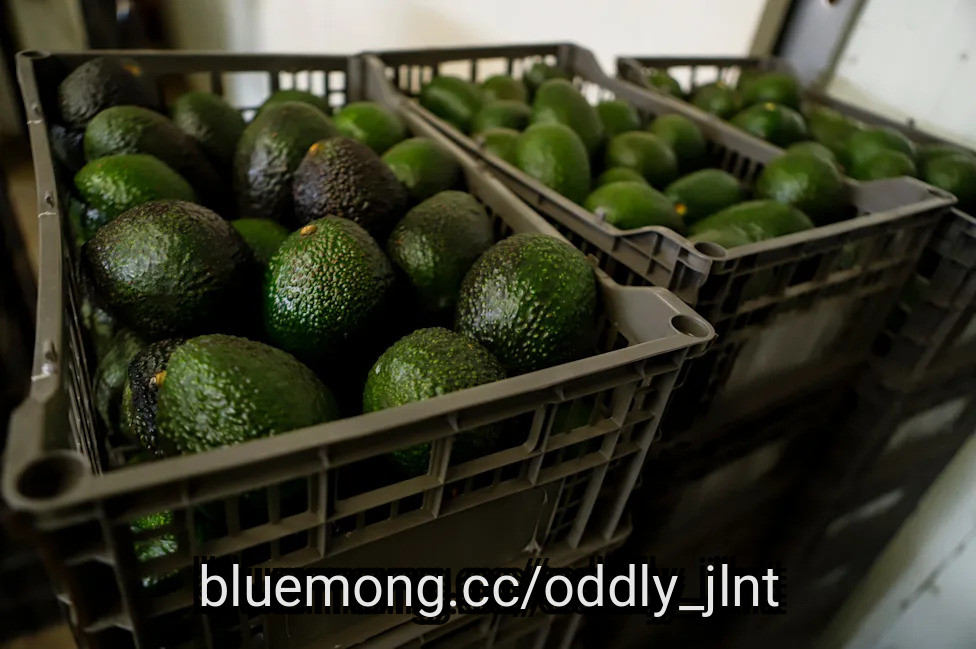
MEXICO CITY (AP) — The United States announced Wednesday that it had suspended all government operations in the Mexican state of Michoacan because of a "threat to U.S. interests," including a halt to the inspections of avocados required for their export.
While the U.S. Embassy did not specify the nature of the threat in its security alert, Michoacan Gov. Alfredo Ramírez Bedolla said on social media that the temporary halt to inspections was intended to safeguard workers following recent arrests linked to extortion. The inspections are necessary for avocados to be shipped to the United States and their suspension could disrupt exports.
The western state of Michoacan is the leading exporter of avocados to the U.S. and has a high level of organized crime activity with at least four cartels — designated as terrorist organizations by the Trump administration — operating in the region. Besides trafficking drugs, cartels also make money through extortion, including of the avocado industry.
Michoacan State Security Secretary Antonio Cruz told The **** ociated Press that one of the arrests mentioned by the governor was of "El Poncho," the alias of Alfonso Fernández Magallón, leader of a local cartel operating in the avocado-growing region around Los Reyes.
U.S. Ambassador to Mexico Ronald Johnson welcomed the arrest, which came over the weekend. The U.S. government had offered a $5 million reward for Fernández Magallón's arrest.
#united
While the U.S. Embassy did not specify the nature of the threat in its security alert, Michoacan Gov. Alfredo Ramírez Bedolla said on social media that the temporary halt to inspections was intended to safeguard workers following recent arrests linked to extortion. The inspections are necessary for avocados to be shipped to the United States and their suspension could disrupt exports.
The western state of Michoacan is the leading exporter of avocados to the U.S. and has a high level of organized crime activity with at least four cartels — designated as terrorist organizations by the Trump administration — operating in the region. Besides trafficking drugs, cartels also make money through extortion, including of the avocado industry.
Michoacan State Security Secretary Antonio Cruz told The **** ociated Press that one of the arrests mentioned by the governor was of "El Poncho," the alias of Alfonso Fernández Magallón, leader of a local cartel operating in the avocado-growing region around Los Reyes.
U.S. Ambassador to Mexico Ronald Johnson welcomed the arrest, which came over the weekend. The U.S. government had offered a $5 million reward for Fernández Magallón's arrest.
#united
1 month ago
Diesel consumers can be excused if they are exhausted from trying to project where the prices they pay at the pump will be going after the events of the past few days and weeks.
The weekly Department of Energy/Energy Information Administration average retail diesel price that is the basis for most fuel surcharges fell Monday, published Tuesday, to $5.348/gallon, up 3.5 cts/g. It's the fourth consecutive week the benchmark has increased, up 77 cts/g during that time.
The increase came as prices are rapidly falling in the futures market on the latest news that a deal to reopen the Strait of Hormuz is imminent. That decline came after a sharp slide in the prior three trading days on that same hope, as the market quickly embraces any prospect of an end to the closure of the strait.
Price movement in the ultra low sulfur diesel (ULSD) contract on the CME commodity exchange during those three days, and into Tuesday, have been some of the most volatile since the U.S. and Israel launched their attacks on Iran at the beginning of March.
With the market latching on to any talk of some sort of settlement that would reopen the Strait of Hormuz, the price of ULSD on CME fell, respectively, 3.68%, 2.09% and 5.93% in the three trading days ending Monday.
#strait #tuesday #hormuz
The weekly Department of Energy/Energy Information Administration average retail diesel price that is the basis for most fuel surcharges fell Monday, published Tuesday, to $5.348/gallon, up 3.5 cts/g. It's the fourth consecutive week the benchmark has increased, up 77 cts/g during that time.
The increase came as prices are rapidly falling in the futures market on the latest news that a deal to reopen the Strait of Hormuz is imminent. That decline came after a sharp slide in the prior three trading days on that same hope, as the market quickly embraces any prospect of an end to the closure of the strait.
Price movement in the ultra low sulfur diesel (ULSD) contract on the CME commodity exchange during those three days, and into Tuesday, have been some of the most volatile since the U.S. and Israel launched their attacks on Iran at the beginning of March.
With the market latching on to any talk of some sort of settlement that would reopen the Strait of Hormuz, the price of ULSD on CME fell, respectively, 3.68%, 2.09% and 5.93% in the three trading days ending Monday.
#strait #tuesday #hormuz

1 month ago
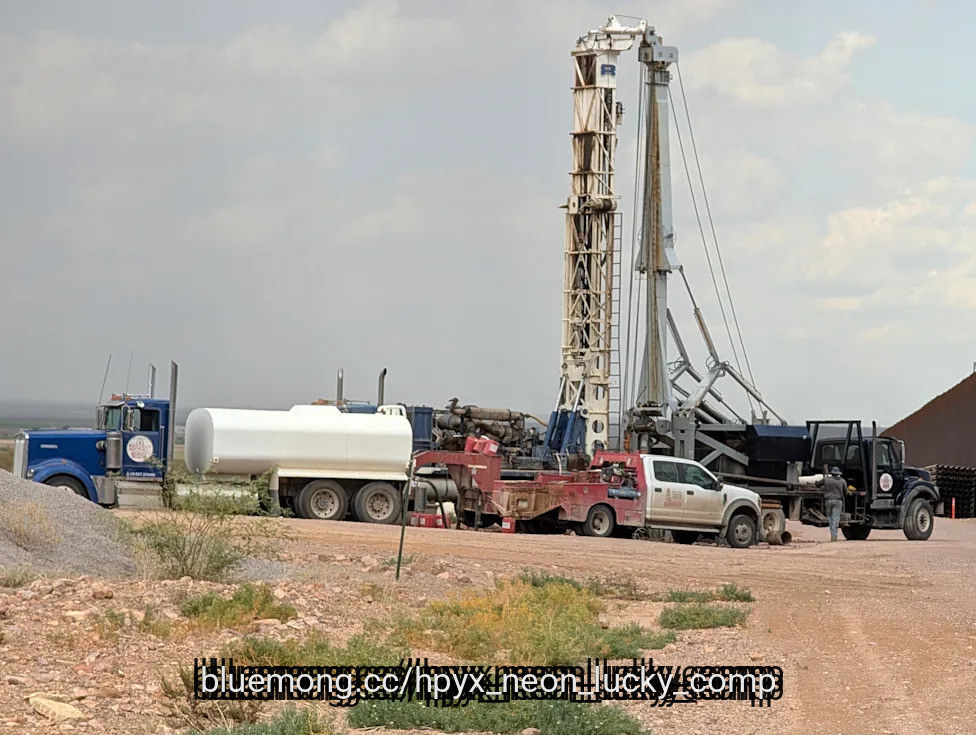
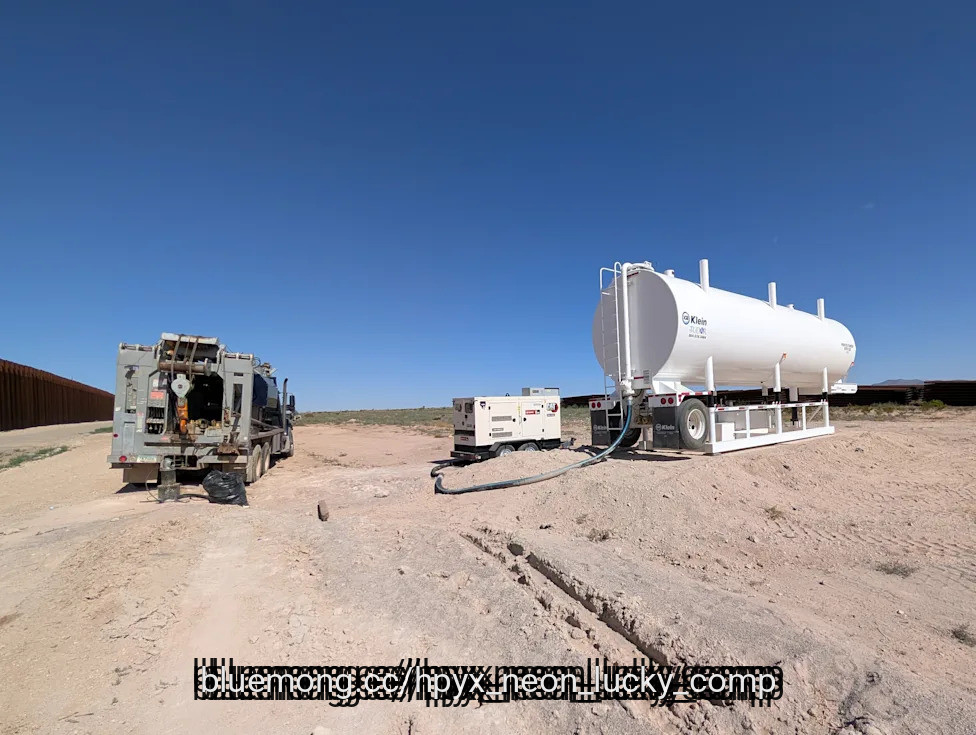
PHOENIX (AP) — The Trump administration has ordered construction crews on a border wall to stop drilling wells in drought-stricken New Mexico after ranchers said pumping groundwater needed to make concrete could threaten their livestock.
The order comes as crews across the southern border race to complete one of President Donald Trump's highest domestic priorities — barriers that span four states and received over $46 billion in federal funding. Controversies have sprouted up in Texas and California, with border-town residents and environmentalists reporting a wide variety of issues with construction.
U.S. Customs and Border Protection, which oversees border wall construction, has said water is needed to make concrete for roads, wall construction and dust suppression. Cattle ranchers in the area say the drought has already forced them to reduce their herd size.
"It would put us in an immediate catastrophe and having to do something with our livestock. I mean, it could potentially put some people out of business, us included," said Russell Johnson, a cattle rancher whose property runs along the border.
Johnson raised the issue at a public meeting in July after noticing an industrial well, which drilling crews told him would pump 300 gallons a minute, on land he leases for grazing. Johnson has roughly 12 wells across his ranch, which pump between three and seven gallons a minute.
#wall #cattle
The order comes as crews across the southern border race to complete one of President Donald Trump's highest domestic priorities — barriers that span four states and received over $46 billion in federal funding. Controversies have sprouted up in Texas and California, with border-town residents and environmentalists reporting a wide variety of issues with construction.
U.S. Customs and Border Protection, which oversees border wall construction, has said water is needed to make concrete for roads, wall construction and dust suppression. Cattle ranchers in the area say the drought has already forced them to reduce their herd size.
"It would put us in an immediate catastrophe and having to do something with our livestock. I mean, it could potentially put some people out of business, us included," said Russell Johnson, a cattle rancher whose property runs along the border.
Johnson raised the issue at a public meeting in July after noticing an industrial well, which drilling crews told him would pump 300 gallons a minute, on land he leases for grazing. Johnson has roughly 12 wells across his ranch, which pump between three and seven gallons a minute.
#wall #cattle

1 month ago
The world's shrinking spare capacity to produce gasoline and diesel is running up against the White House's desire to temper the rise in pump prices ahead of the midterms.
The chief executives of Exxon Mobil and Chevron warned Friday that refineries that produce gasoline and diesel are already running at full tilt and can't be turned up much more to make up for global shortages due to the war in Iran and other geopolitical hotspots. That could mean higher prices for consumers at the pump in the coming months, they said.
Exxon Mobil CEO Darren Woods said the company would "push as hard as we can" to increase fuel production given that higher energy prices have a "significant impact on consumers and people's pocketbooks."
"With all that supply out, we're well below available capacity, frankly, that I've ever seen," he said on the company's earnings call. "It's going to take a while for the industry to kind of climb its way out of that hole."
Their remarks come as the Trump administration is racing to blunt the impact of elevated gasoline prices with three months until Americans go to the polls. The American Automobile ***** ociation reported nationwide pump prices were averaging $4.10 per gallon — nearly a dollar more than the same period last year. Refineries in the United States, meanwhile, operated at roughly 97 percent of their operable capacity this month, the U.S. Energy Information Administration said this week, while Shell reported Friday that it was running its refineries at record rates actually above their official capacities during the second quarter.
#pump
The chief executives of Exxon Mobil and Chevron warned Friday that refineries that produce gasoline and diesel are already running at full tilt and can't be turned up much more to make up for global shortages due to the war in Iran and other geopolitical hotspots. That could mean higher prices for consumers at the pump in the coming months, they said.
Exxon Mobil CEO Darren Woods said the company would "push as hard as we can" to increase fuel production given that higher energy prices have a "significant impact on consumers and people's pocketbooks."
"With all that supply out, we're well below available capacity, frankly, that I've ever seen," he said on the company's earnings call. "It's going to take a while for the industry to kind of climb its way out of that hole."
Their remarks come as the Trump administration is racing to blunt the impact of elevated gasoline prices with three months until Americans go to the polls. The American Automobile ***** ociation reported nationwide pump prices were averaging $4.10 per gallon — nearly a dollar more than the same period last year. Refineries in the United States, meanwhile, operated at roughly 97 percent of their operable capacity this month, the U.S. Energy Information Administration said this week, while Shell reported Friday that it was running its refineries at record rates actually above their official capacities during the second quarter.
#pump


1 month ago
In their latest quarterly earnings reports, oil majors ExxonMobil (XOM) and Chevron (CVX) both reported staggering profit growth.
During Q2 of 2026, profits at Exxon more than doubled, while Chevron's profits more than quadrupled.
Stop Missing Market Moves: Get the FREE Barchart Brief – your midday dose of stock movers, trending sectors, and actionable trade ideas, delivered right to your inbox. Sign Up Now!
But while oil companies are raking in profits, ExxonMobil CEO Darren Woods warns that US consumers – who have been feeling the pinch of gas prices hovering around $4 per gallon – shouldn't anticipate relief at the pump anytime soon.
"I wouldn't hold my breath here in the short term for that," said Woods in a post-earnings conversation with CNBC.
#moves
During Q2 of 2026, profits at Exxon more than doubled, while Chevron's profits more than quadrupled.
Stop Missing Market Moves: Get the FREE Barchart Brief – your midday dose of stock movers, trending sectors, and actionable trade ideas, delivered right to your inbox. Sign Up Now!
But while oil companies are raking in profits, ExxonMobil CEO Darren Woods warns that US consumers – who have been feeling the pinch of gas prices hovering around $4 per gallon – shouldn't anticipate relief at the pump anytime soon.
"I wouldn't hold my breath here in the short term for that," said Woods in a post-earnings conversation with CNBC.
#moves

2 months ago
SummaryView Transcript
The freight market is seeing a major shift: capacity is tightening due to regulatory pressures and driver challenges, not just demand. Discover how these factors, alongside diverging spot rates and diesel prices, are impacting carriers and the overall supply chain. This deep dive into Q2 earnings from major players like Knight-Swift, Werner, and J.B. Hunt reveals a long-term trend.Learn more about the evolving dynamics of the trucking industry and what it means for the future of freight.
Truckload spot rates and diesel prices are moving in opposite directions, a divergence that supports the thesis that tight capacity — not fuel costs — is sustaining elevated freight rates. The Sonar NTI sat at $3.51 per mile as of the latest reading, climbing back from a mid-to-late June low near $4.90, while the diesel price at truck stops registered $3.48 per gallon, down from a July high near $3.80. The spread signals that carriers are holding rates even as fuel costs ease.
Tender rejections remain well above historical norms across all modes, according to Sonar data. The Sonar Truckload Rejection Index, or STRI, stands at 14.36%, above the six-month average of roughly 10.9%. Flatbed is the tightest mode at 23% rejections — down sharply from the 40% range seen in June and early July but still historically elevated. Reefer rejections sit at 19.46%, or nearly one in five loads, while van rejections are running nearly 50% above year-ago levels.
Recent carrier earnings are reinforcing the capacity-constraint narrative. Knight-Swift reported that its truckload segment operating income rose 69% year over year, with the carrier noting that strategic pricing recovery accelerated in June as recent bids took effect. The company described rapid tightening in supply-driven dynamics and tender rejections reaching levels not seen since 2021.
#capacity
The freight market is seeing a major shift: capacity is tightening due to regulatory pressures and driver challenges, not just demand. Discover how these factors, alongside diverging spot rates and diesel prices, are impacting carriers and the overall supply chain. This deep dive into Q2 earnings from major players like Knight-Swift, Werner, and J.B. Hunt reveals a long-term trend.Learn more about the evolving dynamics of the trucking industry and what it means for the future of freight.
Truckload spot rates and diesel prices are moving in opposite directions, a divergence that supports the thesis that tight capacity — not fuel costs — is sustaining elevated freight rates. The Sonar NTI sat at $3.51 per mile as of the latest reading, climbing back from a mid-to-late June low near $4.90, while the diesel price at truck stops registered $3.48 per gallon, down from a July high near $3.80. The spread signals that carriers are holding rates even as fuel costs ease.
Tender rejections remain well above historical norms across all modes, according to Sonar data. The Sonar Truckload Rejection Index, or STRI, stands at 14.36%, above the six-month average of roughly 10.9%. Flatbed is the tightest mode at 23% rejections — down sharply from the 40% range seen in June and early July but still historically elevated. Reefer rejections sit at 19.46%, or nearly one in five loads, while van rejections are running nearly 50% above year-ago levels.
Recent carrier earnings are reinforcing the capacity-constraint narrative. Knight-Swift reported that its truckload segment operating income rose 69% year over year, with the carrier noting that strategic pricing recovery accelerated in June as recent bids took effect. The company described rapid tightening in supply-driven dynamics and tender rejections reaching levels not seen since 2021.
#capacity