2 months ago
Pamela Anderson says a doctor told her she probably had only 10 years to live after she was diagnosed with hepatitis C, leaving her terrified about what would happen to her two young sons.
Anderson revisited the diagnosis while accepting amfAR's Award of Courage at the organization's Sept. 6 gala in Venice. She described hepatitis C as a "death sentence" at the time because the treatments then available had not given her the certainty that later antiviral drugs would provide.
She ultimately completed a 12-week antiviral treatment and announced in 2015 that she was free of the virus. During her Venice speech, however, Anderson said the years surrounding the diagnosis affected her decisions and left behind feelings of shame and guilt that did not disappear with the medical result.
The 59-year-old actress ended her remarks by rejecting the victim label attached to difficult periods in her life. "I'm not a victim, I'm a victor," she told the audience. "I'm not the damsel in distress, no matter how easy that role is to play."
Anderson publicly disclosed in 2002 that she had hepatitis C. Looking back on that period at the amfAR Gala Venezia, she said the prognosis she received was stark.
#gala #told #years


2 months ago
Pamela Anderson has recalled being given "a death sentence" when she was diagnosed with hepatitis C in the late '90s.
The Baywatch actress gave a powerful speech about her diagnosis and recovery from the virus as she was honoured with amfAR's Award of Courage during the Venice Film Festival on Sunday night.
"It was a death sentence. That's what my doctor told me - that I probably had around 10 years to live," the 59-year-old told the audience, according to Variety. "I'm sure that coloured and corrupted my decisions. It was not fear of death, but fear of what might happen to my young children. It turned my life inside out."
A cure for the viral infection was found in 2011, and Anderson became "hep C free" in 2015 after paying "everything I had in my bank" to receive treatment.
"But my experience of shame and guilt was also an unconscious journey. It stays with me; it haunts me," she continued. "And just like the ******* ual abuse that I endured as a child, it felt like it was carved into my forehead: Damaged goods. And I presented myself as such."
The Last Showgirl star admitted that she has "finally come to terms" with her health news and is using that to fuel her career renaissance.
#death #like #pamela

2 months ago
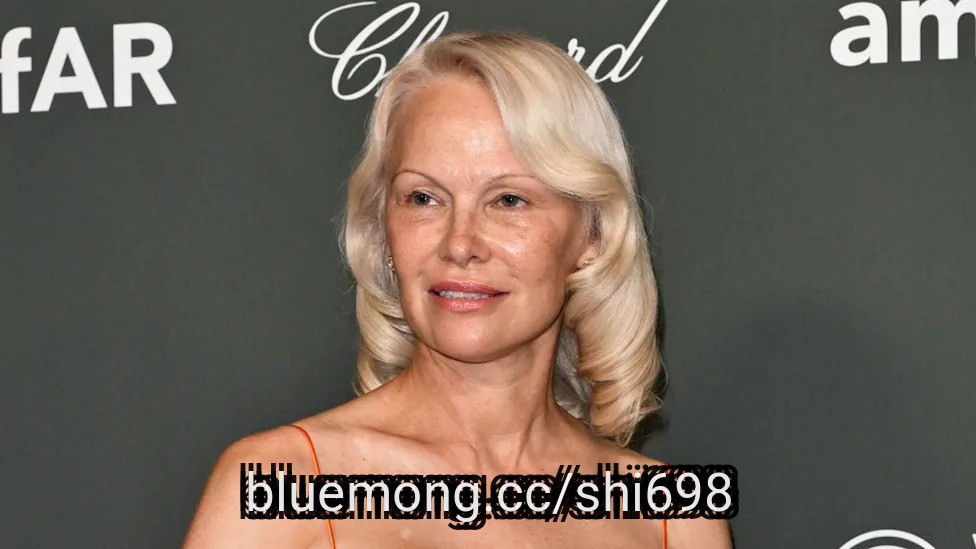
Pamela Anderson received the Award of Courage from amfAR at the non-profit's Gala Venezia on Sept. 6
In her acceptance speech, the Rosebush Pruning actress opened up about her 2002 hepatitis C diagnosis
Calling the viral infection "a death sentence" at the time, Anderson said, "I'm not a victim, I'm a victor"
Pamela Anderson is looking back at a harrowing medical diagnosis.
The actress took the stage at the amfAR Gala Venezia 2026 on Sunday, Sept. 6 and gave a powerful speech reflecting on contracting hepatitis C in 2002. The amfAR event, held at Hilton Molino Stucky in Venice, Italy during the Venice Film Festival, honored Anderson, 59, with the non-profit's Award of Courage.
#award


2 months ago
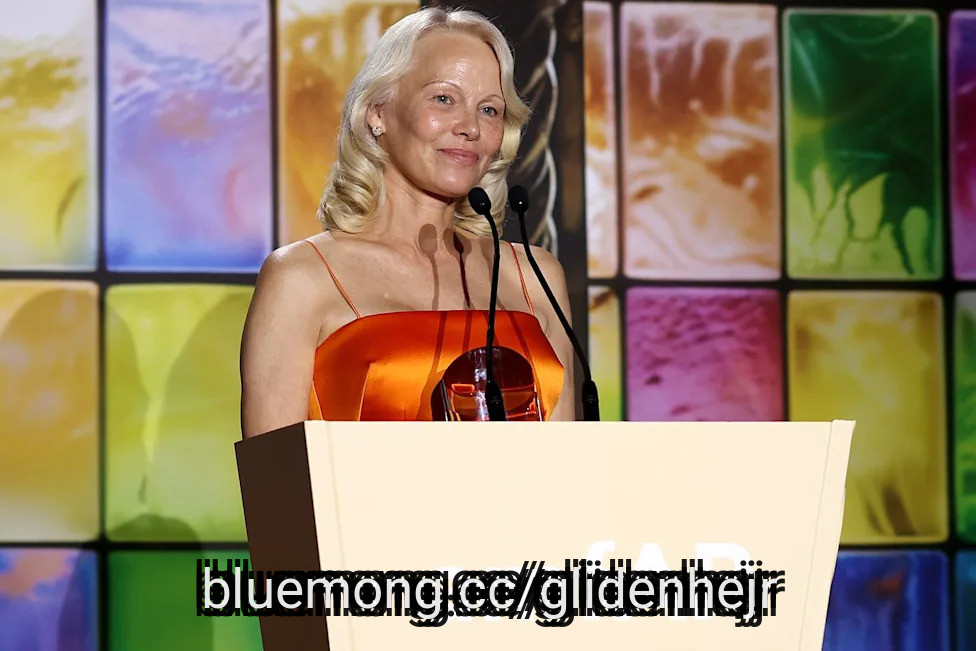
Pamela Anderson spent years living with the belief that her life could be cut dramatically short after receiving a hepatitis C diagnosis in the late 1990s.
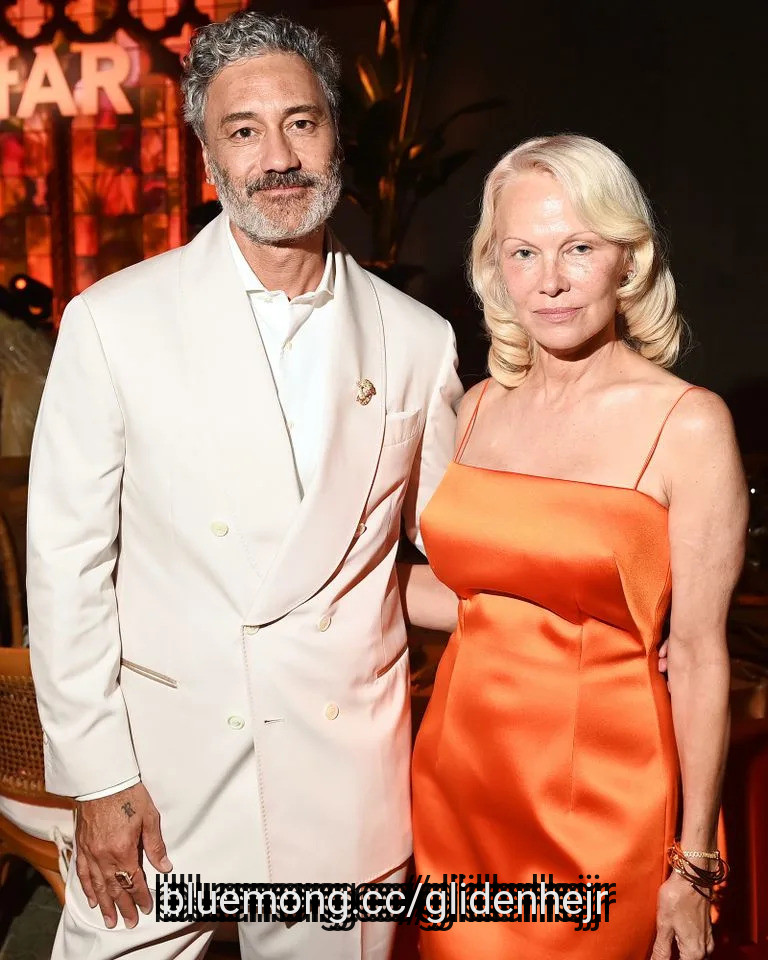
Variety reported on Monday, September 7, that Anderson, 59, revisited that frightening period while accepting amfAR's Award of Courage in Venice on September 6. The actress received the Award of Courage for her philanthropic work and longtime support in the fight against AIDS.
In a powerful speech, the Baywatch star revealed that the doctors gave her a grim outlook at a time when treatment options were far more limited.
"It was a death sentence. That's what my doctor told me — that I probably had around 10 years to live," she said. "I'm sure that colored and corrupted my decisions. It was not fear of death, but fear of what might happen to my young children. It turned my life inside out."
Chad Salvador/Image Press Agency / MEGA
#award #life #pamela #variety



2 months ago
Back when Pamela Anderson was diagnosed with hepatitis C in the '90s, her doctor said she had about 10 years to live. "The Last Showgirl" star opened up about her diagnosis Sept. 6, as she received an award at the amfAR Gala in Venice. "Back in the late '90s, when I was diagnosed with hepatitis C, there was no cure," Anderson said. "I'm sure that colored and corrupted my decisions. It was not fear of death but fear of what might happen to my young children. It turned my life inside out."
The "Baywatch" actress disclosed her diagnosis in 2002, and said she got hepatitis C by sharing a needle with ex-husband rock drummer Tommy Lee. Lee has denied this. Hepatitis C, a viral infection that primarily affects the liver, can exist quietly in the body and is easy to overlook. The infection is spread from blood-to-blood contact. Sharing needles or syringes is the most common cause of new infections, according to Dr. William Carey, a senior hepatologist at Cleveland Clinic in Ohio.
#hepatitis #diagnosis #infection #pamela


2 months ago
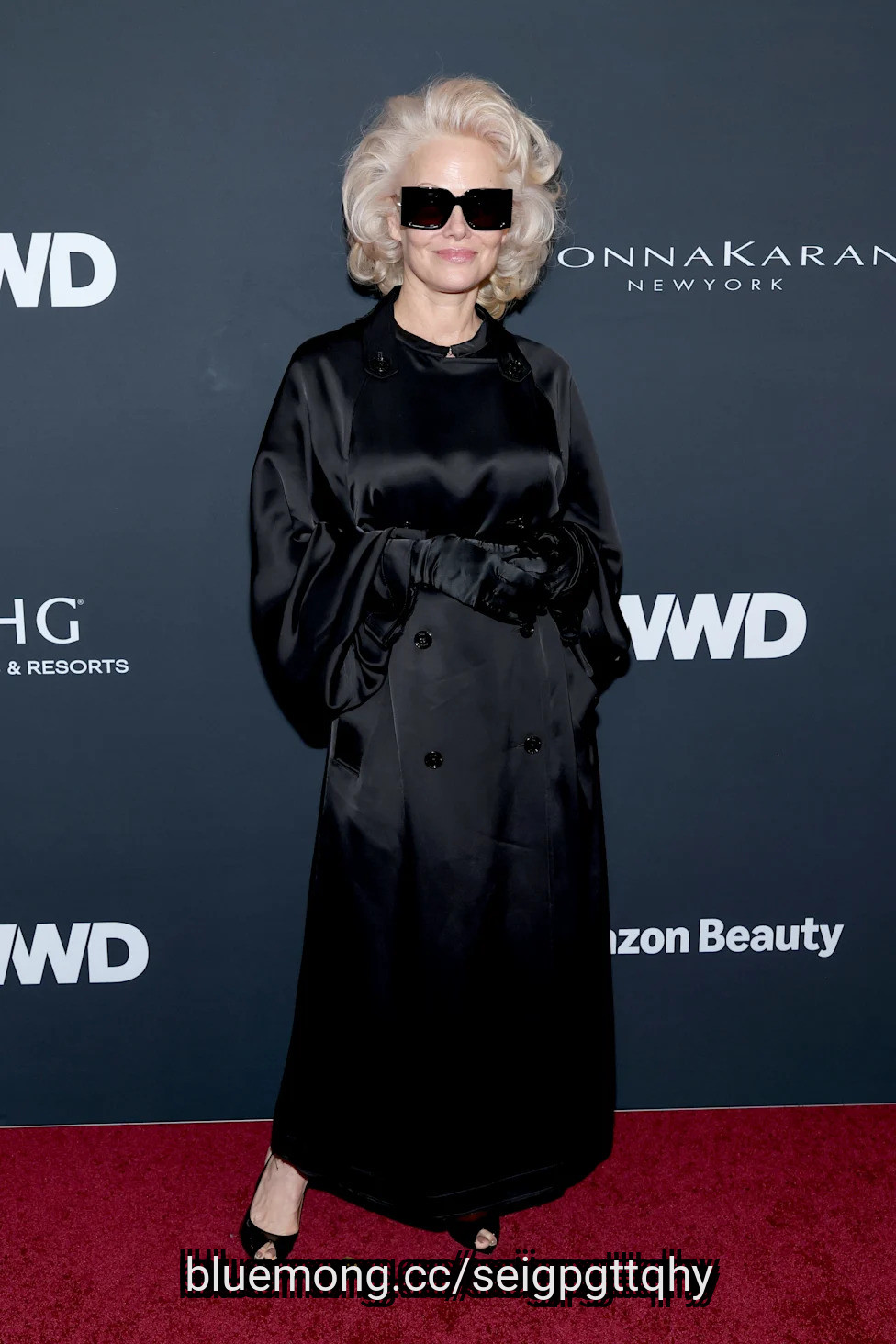
When Pamela Anderson was diagnosed with hepatitis C in the late '90s, there was no cure.
"It was a death sentence. That's what my doctor told me — that I probably had around 10 years to live," the "Baywatch" star recalled in a moving speech at the amfAR Gala in Venice. "I'm sure that colored and corrupted my decisions. It was not fear of death, but fear of what might happen to my young children. It turned my life inside out."
More from Variety
Pamela Anderson Shines in 'Rosebush Pruning,' the Year's Most Twisted Movie: 'I Like Stirring It Up'
Salma Hayek Pinault, Dakota Johnson, Pamela Anderson and Benicio Del Toro Among Kering Foundation's Caring for Women Dinner Co-Hosts
#gala


2 months ago
Gilead Sciences (NASDAQ: GILD) has no major concerns about its HIV franchise until the next decade. That hasn't kept the pharmaceutical company from preparing for the loss of exclusivity for its legacy HIV therapies. Gilead has spent heavily on its pipeline, and that's paying off.
The company has received three Food and Drug (FDA) approvals over the past four months, and not coincidentally, its shares are up more than 21% so far this year, nearly doubling the S&P 500 index's rise. The most recent approval was on Aug. 27 for Bixlenvo as a daily pill to treat virologically suppressed adults with HIV.
Missed Nvidia in 2009? This Rare Signal Is Flashing Again. In 2009, a "Double Down" signal flashed for a little-known chipmaker called Nvidia. For the first time in years, that same "Total Conviction" signal is flashing for a company 1/100th the size of Nvidia. Continue »
Prior to that, on June 24, Trodelvy received two new approvals to treat triple-negative breast cancer. On May 22, the FDA granted Hepcludex accelerated approval to treat chronic hepatitis delta virus (HDV) infection in adults without cirrhosis or with compensated cirrhosis.
Despite the stock's rise and all the good news on the pipeline front, Gilead may be underrated. There are three reasons why I feel that is the case.
#gilead #NVIDIA #three

2 months ago
By Mike Sheikh
Cocrystal Pharma (NASDAQ: COCP) may look like another undercapitalized, clinical-stage biotech searching for its niche, and in need of a rescue, but there is more to this story than what meets the eye. Investors glancing at the stock chart may miss the signs of a strategic reset orchestrated by biotech legends, and miss this unique opportunity.
COCP is not a company that lacks science or researchers. It has a drug discovery platform technology capable of delivering broad spectrum antivirals on demand for high value diseases that include norovirus, influenza, coronaviruses, and hepatitis C. If you had to point to something they were lacking then the missing "it factor" was a clear strategic vision. They needed an operator and a commercialization guru capable of aligning the board to his vision and raising the capital they needed on favorable terms to turn a platform technology into an enterprise.
The appointment of James Sapirstein was a transformative moment for the company.
Sapirstein is a high powered biotech exec with an impeccable pedigree. He's not an eager early-career operator looking to make a name for himself. Investors need to realize he joined after decades of experience in commercial pharmaceutical leadership, antiviral development, product launches, and business development. From his bio we learned that he has participated in or led 23 product launches and has driven numerous business-development transactions. His résumé includes founding CEO of Tobira Therapeutics, CEO of Contravir Pharmaceuticals (Hepion Pharmaceuticals, Inc. NASDAQ: HEPA), executive leadership at Serono Laboratories, senior commercial roles at Gilead Sciences (NASDAQ: GILD), and international marketing leadership in Bristol Myers Squibb's (NYSE:BMY) infectious-disease division.
#NASDAQ #Biotech



2 months ago
Shelley Fabares' family has confirmed the cause of her death last week. Relatives told People that that longtime TV and film actor died of pneumonia, after having been diagnosed with autoimmune hepatitis. She'd had a liver transplant 26 years ago.
Fabares died August 22 at 82.
More from Deadline
Craig T. Nelson Remembers 'Coach' Co-Star Shelley Fabares: "An Extraordinary Woman"
2026 Deaths Photo Gallery: Hollywood & Media Obituaries
#fabares #she 'd
Fabares died August 22 at 82.
More from Deadline
Craig T. Nelson Remembers 'Coach' Co-Star Shelley Fabares: "An Extraordinary Woman"
2026 Deaths Photo Gallery: Hollywood & Media Obituaries
#fabares #she 'd



2 months ago
Gilead Sciences, Inc. (NASDAQ:GILD) delivered its strongest commercial momentum in several years during fiscal Q2 2026, with growth extending across HIV, oncology, and liver disease. Total revenue increased 10% year over year to approximately $7.8 billion, while product sales rose 8% to $7.6 billion.
Yet, the income statement tells a considerably less flattering story. Gilead (NASDAQ:GILD) reported a substantial quarterly loss after recording more than $11 billion in acquired research and development expenses. Investors may look at the earnings as a strengthening commercial business, but not without an expensive attempt to build its next generation of growth.
Gilead's (NASDAQ:GILD) underlying business performed strongly during the quarter. Product sales excluding Veklury increased 10% to $7.6 billion, demonstrating that growth was driven by the company's core portfolio rather than its declining COVID-19 treatment. HIV remained the principal contributor, with sales rising 12% to $5.7 billion. Biktarvy revenue increased 7% to $3.8 billion, while Descovy sales climbed 48% to $967 million. Yeztugo, Gilead's (NASDAQ:GILD) twice-yearly injectable HIV-prevention medicine, generated $232 million as its launch continued to gain traction.
It is significant to note that growth in the quarter was not limited to HIV. Liver-disease sales increased 10% to $877 million, supported primarily by higher demand for Livdelzi and treatments for chronic hepatitis B and hepatitis delta. Livdelzi alone generated $167 million, more than doubling year over year.
Trodelvy also strengthened Gilead's (NASDAQ:GILD) oncology case. Driven by higher demand, sales of the breast-cancer treatment increased 26% to $457 million. Although oncology remains much smaller than HIV, Trodelvy's growth provides evidence that Gilead (NASDAQ:GILD) is developing another meaningful commercial franchise. Management responded to the quarter by raising the lower end of its 2026 product-sales guidance. The company now expects 30.1–30.4 billion, compared with 30.0–30.4 billion previously. It also increased its product-sales forecast excluding Veklury to 29.8–30.1 billion, up from 29.4–29.8 billion.
#gild #increased


2 months ago
Gilead Sciences, Inc. (NASDAQ:GILD) delivered its strongest commercial momentum in several years during fiscal Q2 2026, with growth extending across HIV, oncology, and liver disease. Total revenue increased 10% year over year to approximately $7.8 billion, while product sales rose 8% to $7.6 billion.
Yet, the income statement tells a considerably less flattering story. Gilead (NASDAQ:GILD) reported a substantial quarterly loss after recording more than $11 billion in acquired research and development expenses. Investors may look at the earnings as a strengthening commercial business, but not without an expensive attempt to build its next generation of growth.
Gilead's (NASDAQ:GILD) underlying business performed strongly during the quarter. Product sales excluding Veklury increased 10% to $7.6 billion, demonstrating that growth was driven by the company's core portfolio rather than its declining COVID-19 treatment. HIV remained the principal contributor, with sales rising 12% to $5.7 billion. Biktarvy revenue increased 7% to $3.8 billion, while Descovy sales climbed 48% to $967 million. Yeztugo, Gilead's (NASDAQ:GILD) twice-yearly injectable HIV-prevention medicine, generated $232 million as its launch continued to gain traction.
It is significant to note that growth in the quarter was not limited to HIV. Liver-disease sales increased 10% to $877 million, supported primarily by higher demand for Livdelzi and treatments for chronic hepatitis B and hepatitis delta. Livdelzi alone generated $167 million, more than doubling year over year.
Trodelvy also strengthened Gilead's (NASDAQ:GILD) oncology case. Driven by higher demand, sales of the breast-cancer treatment increased 26% to $457 million. Although oncology remains much smaller than HIV, Trodelvy's growth provides evidence that Gilead (NASDAQ:GILD) is developing another meaningful commercial franchise. Management responded to the quarter by raising the lower end of its 2026 product-sales guidance. The company now expects 30.1–30.4 billion, compared with 30.0–30.4 billion previously. It also increased its product-sales forecast excluding Veklury to 29.8–30.1 billion, up from 29.4–29.8 billion.
#product


3 months ago
This story was originally published on BioPharma Dive. To receive daily news and insights, subscribe to our free daily BioPharma Dive newsletter.
Sarepta Therapeutics has found the leader it hopes can engineer a desperately needed turnaround.
The company on Monday announced that Michael Severino, an executive with leadership experience at startups as well as large drugmakers, will become its next CEO effective July 28. He'll replace longtime leader Doug Ingram, who in February announced plans to retire after a tumultuous run.
Severino has been working in the biopharmaceutical industry for more than two decades, including stops at AbbVie and Amgen. At AbbVie, Severino helped bring to market multiple drugs for psoriasis, arthritis, cancer and hepatitis C. At Amgen, he oversaw research and development as the company's senior vice president of development and corporate chief medical officer.
In 2022, Severino left AbbVie to run Tessera Therapeutics, a buzzy "gene writing" startup backed by Flagship Pioneering. Tessera recently brought its first drug prospect, a gene editing treatment for alpha-1 antitrypsin deficiency, into clinical testing. Last week, Tessera announced that Severino had joined a "commercial stage" biotech company and that former Merck & Co. executive Joseph Romanelli would serve as its next leader.
#abbvie #tessera #biopharma #amgen


3 months ago
ARS Pharmaceuticals Inc. (NASDAQ:SPRY) is one of the 10 best stocks under $10 that could triple.
On July 8, ARS Pharmaceuticals Inc. (NASDAQ:SPRY) disclosed a CEO transition, and effective July 6, the company's Co-founder and Chief Executive Officer, Richard Lowenthal, will no longer be employed by the company. Donn Casale, the company's current President, has been appointed as the new CEO and Director, who will take charge from July 7 onwards.
anyaivanova/Shutterstock.com
The company shared that Casale has over 25 years of experience, covering the biopharma segment and commercial leadership roles. He has prior experience working as the Chief Commercial Officer with Dynavax Technologies, where he played a pivotal role in scaling up the annual revenues for hepatitis B cure, HEPLISAV-B(R), to more than $300 million. He helped the vaccine achieve more than 50% market share across the U.S. market prior to the acquisition of the company by Sanofi for $2.2 billion.
Back on June 24, ARS Pharmaceuticals Inc. (NASDAQ:SPRY) shared an update on the payer access for neffy, which is an epinephrine nasal spray. Based on the latest feedback, no new coverage decisions or commercial formulary inclusions have been released for neffy during the July 1 cycle.
4 months ago
By Nate Raymond
BOSTON, June 18 (Reuters) - The Trump administration is urging a U.S. appeals court to overturn a ruling that blocked Health Secretary Robert F. Kennedy Jr.'s appointees from serving on a key vaccine advisory panel, saying the committee is unable to make annual recommendations on flu shots after a judge wrongly disabled it.
The U.S. Department of Justice made that argument in a brief filed late on Wednesday before the 1st U.S. Circuit Court of Appeals in its appeal of Boston-based U.S. District Judge Brian Murphy's March 16 ruling, which also blocked the panel from reducing the number of routinely recommended childhood vaccinations.
The Justice Department said it was not challenging that aspect of Murphy's ruling, meaning that the U.S. Centers for Disease Control and Prevention's January 5 move to cut the number of routinely recommended childhood vaccinations will remain on hold.
Nor is the administration challenging Murphy's decision to set aside other votes the CDC's Advisory Committee on Immunization Practices had taken under Kennedy's watch, including to downgrade recommendations for hepatitis B vaccines for newborns and COVID-19 shots broadly.


4 months ago
Ionis Pharmaceuticals, Inc. (NASDAQ:IONS) is one of the 8 Best Genomics Stocks to Buy According to ***** ysts.
On May 28, Ionis Pharmaceuticals, Inc. (NASDAQ:IONS) said partner GSK reported pivotal Phase 3 data for bepirovirsen. The corporation disclosed a 19% functional cure rate as compared to 0% on standard care, while reaching 26% in patients with lower viral activity. The trials, B-Well 1 and B-Well 2, met primary endpoints. Ionis stated that 233 of 1,220 treated patients achieved a functional cure versus none in the placebo group.
The company also reported 49% of treated patients reached surface antigen levels ≤100 IU/mL one year post-treatment, while 23% achieved sustained viral suppression at week 72.
Ionis mentioned adverse events included injection site reactions and temporary liver enzyme hikes.
Chief Executive Officer Brett P. Monia called the data "an important advance," stating bepirovirsen could address chronic hepatitis B by reducing viral replication and suppressing surface antigen as well as stimulating an immune response.


5 months ago
Gilead Sciences, Inc. (NASDAQ:GILD) is one of the best inexpensive stocks to invest in right now. Gilead Sciences, Inc. (NASDAQ:GILD) announced on May 27 new results from a post hoc ***** ysis that showed that Livdelzi® was ***** ociated with high and sustained rates of normalization of a key liver marker in people living with primary biliary cholangitis. The company reported that participants with increased ALP levels in an ongoing Phase 3 study experienced reductions in ALP after treatment, and the data showcase the potential role of Livdelzi in people with PBC who continually have elevated ALP despite prior treatment with first-line therapy.
Gilead Sciences, Inc. (NASDAQ:GILD) stated that the findings are “highly relevant” for people living with PBC with inadequately controlled disease based on elevated ALP levels, as that is a population that is historically underrepresented in randomized clinical trials. The company would present the data at the European ***** ociation for the Study of the Liver (EASL) Congress 2026, held May 27–30 in Barcelona, Spain.
Gilead Sciences, Inc. (NASDAQ:GILD) is a biotech company that advances medicines to prevent and treat serious diseases such as cancer, immunodeficiency virus (HIV), viral hepatitis, and COVID-19. Its portfolio of drugs focuses on medical areas with unmet needs and includes AmBisome, Atripla, Biktarvy, Cayston, Complera, and others.
While we acknowledge the potential of GILD as an investment, we believe certain AI stocks offer greater upside potential and carry less downside risk. If you're looking for an extremely undervalued AI stock that also stands to benefit significantly from Trump-era tariffs and the onshoring trend, see our free report on the best short-term AI stock.
READ NEXT: 15 Stocks That Will Make You Rich in 10 Years AND 12 Best Stocks That Will Always Grow.


5 months ago
We recently compiled a list of the 11 Most Undervalued Pharma Stocks to Invest In. GSK plc (NYSE:GSK) is one of the most undervalued stocks in the pharma sector.
TheFly reported on May 7 that GSK launched a public health awareness initiative under its Ask2BSure campaign, introducing Julie Bowen and Ty Burrell as campaign advocates to promote education around meningococcal disease, also known as meningitis. The effort encourages parents to better understand infection risks and discuss vaccination with healthcare providers.
The campaign includes an educational video ****** led The Mening-Itinerary, which illustrates everyday teen environments such as dorms, gyms, and social gatherings where bacterial transmission may occur. The content also highlights survivor experiences and aims to address gaps in parental awareness about disease risk and prevention. The initiative is designed to strengthen public understanding of meningitis and support informed vaccination decisions through storytelling and outreach.
Expanding its global commercial footprint, on May 11, GSK plc (NYSE:GSK) entered into an exclusive strategic collaboration with Sino Biopharmaceutical’s subsidiary Chia Tai Tianqing Pharmaceutical Group to accelerate the launch and commercialization of bepirovirsen in mainland China. Bepirovirsen is an investigational first-in-class therapy for chronic hepatitis B and is currently under priority regulatory review in China. The partnership combines GSK’s research and development capabilities with CTTQ’s established liver disease franchise and extensive hospital access network across thousands of medical centers.
Under the agreement, CTTQ will manage importation, distribution, and promotional activities in China, while GSK retains global regulatory, safety, and medical oversight responsibilities. The collaboration also includes potential evaluation of select early-stage ****** ets for future partnership opportunities beyond China.


11 months ago
Trump directs RFK Jr. to review childhood vaccine plan after hepatitis B pivot
President Donald Trump is all in on Health Secretary Robert F. Kennedy Jr.’s plan to scrutinize the list of vaccines American children get.
Trump directed Kennedy on Friday to review the childhood vaccine schedule and potentially revise it to align with those of other developed countries, most of which recommend fewer shots.
The directive, in the form of an official presidential memo, was issued hours after federal vaccine advisers downgraded decades-old guidance urging newborn immunization against hepatitis B,


11 months ago
Tangram submits application to MHRA for TGM-312 Phase I/II clinical trial
Tangram Therapeutics has submitted a clinical trial application (CTA) to the Medicines and Healthcare products Regulatory Agency (MHRA) to begin a Phase I/II trial of TGM-312.
TGM-312 is an investigational GalOmic small interfering RNA (siRNA) that aims to silence a gene in hepatocytes as a treatment fir metabolic dysfunction-associated steatohepatitis (MASH).
The proposed Phase I/II study will ****** s TGM-312 in healthy adult individuals and MASH patients, focusing on the pharmacodynamics, tolerability, safety, an