2 days ago
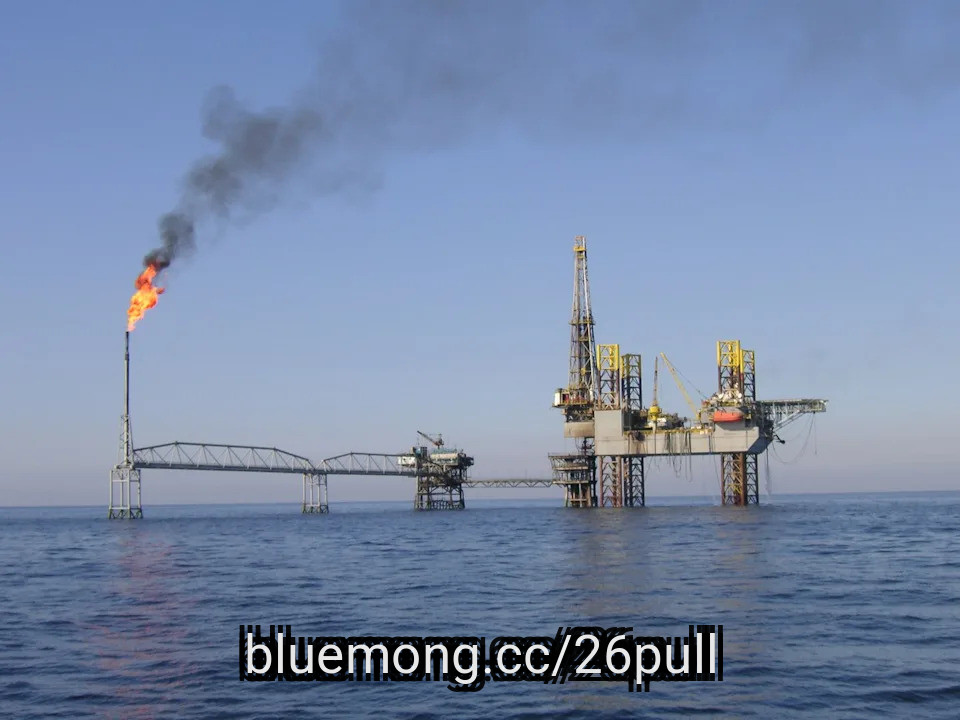
ExxonMobil Holdings Corporation (NYSE:XOM) agreed to increase its Papua LNG interest from 28.7% to 34.1% and ***** ume operatorship, as disclosed on September 7. The proposed ownership percentages reflect Papua New Guinea's state participation rights.
Papua LNG targets a fourth-quarter 2026 final investment decision, or FID. Santos Limited (ASX:STO) disclosed FID as a closing condition for its own stake acquisition; the operatorship announcement did not specify an equivalent condition.
TotalEnergies SE (NYSE:TTE) said redesign and contractor rebidding had reduced estimated development spending by nearly $4 billion since 2024 to approximately $14 billion. The project would produce 5.6 million tonnes of liquefied natural gas annually. The question is whether that smaller budget can support attractive returns through construction and an uncertain LNG market.
ExxonMobil Holdings Corporation (NYSE:XOM) already operates neighboring PNG LNG. Combining operatorship could improve coordination during construction and operations, including the redesigned handling of upstream condensate. That gives the proposed efficiency gains a practical basis in existing infrastructure and local experience.
The cost reduction is substantial. Mechanically, nearly $4 billion off an approximately $18 billion previous estimate represents about 22%. For ExxonMobil Holdings Corporation (NYSE:XOM), lower development spending would reduce the capital required to generate each future dollar of project cash flow, ***** uming production and operating economics hold.
#holdings #operatorship
Papua LNG targets a fourth-quarter 2026 final investment decision, or FID. Santos Limited (ASX:STO) disclosed FID as a closing condition for its own stake acquisition; the operatorship announcement did not specify an equivalent condition.
TotalEnergies SE (NYSE:TTE) said redesign and contractor rebidding had reduced estimated development spending by nearly $4 billion since 2024 to approximately $14 billion. The project would produce 5.6 million tonnes of liquefied natural gas annually. The question is whether that smaller budget can support attractive returns through construction and an uncertain LNG market.
ExxonMobil Holdings Corporation (NYSE:XOM) already operates neighboring PNG LNG. Combining operatorship could improve coordination during construction and operations, including the redesigned handling of upstream condensate. That gives the proposed efficiency gains a practical basis in existing infrastructure and local experience.
The cost reduction is substantial. Mechanically, nearly $4 billion off an approximately $18 billion previous estimate represents about 22%. For ExxonMobil Holdings Corporation (NYSE:XOM), lower development spending would reduce the capital required to generate each future dollar of project cash flow, ***** uming production and operating economics hold.
#holdings #operatorship

2 days ago
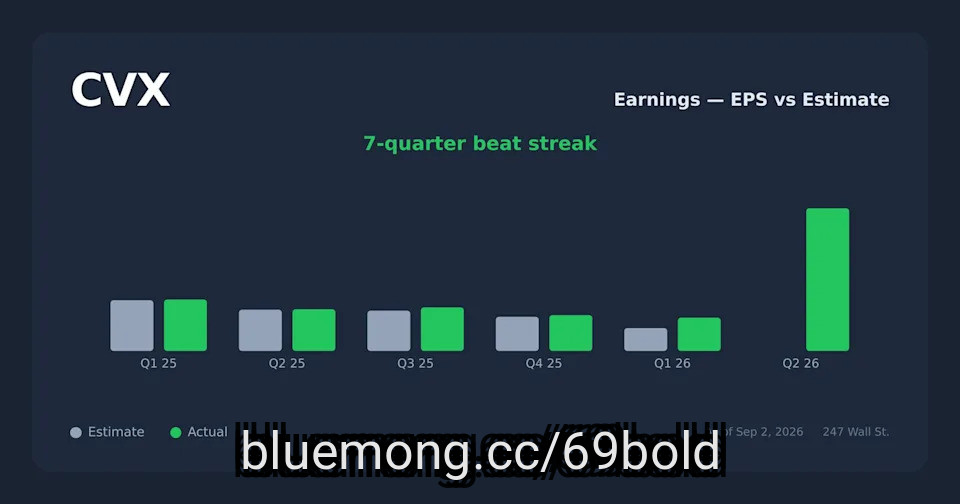
ExxonMobil (XOM) is up 40% in 2026 to $164.83, powered by Brent crude surging from the low $60s to $96, delivering $14.5B in Q2 earnings.
Chevron (CVX) and the XLE ETF outpaced XOM with gains of 44% and 48% respectively, leaving the biggest U.S. major trailing its own sector.
Reaching $200 is possible but depends on crude holding near $96, while the EIA projects Brent falling to $79 by 2027.
Just released. Our **** ysts combed the entire stock market and named the ten best stocks to buy right now, and Exxon Mobil didn't make the cut. Enter your email to see the names that beat XOM. The report is free. Enter your email and see if any of your stocks made the cut.
ExxonMobil (NYSE:XOM) stock is climbing Wednesday afternoon, extending a strong year for U.S. oil majors. ExxonMobil shares are up 3% in the current session to $164.83, carrying a 40% year-to-date gain. WTI crude oil has done much of the heavy lifting, and today it's up 3.29% over the past 24 hours to $96.09 per barrel.
#exxonmobil #crude
Chevron (CVX) and the XLE ETF outpaced XOM with gains of 44% and 48% respectively, leaving the biggest U.S. major trailing its own sector.
Reaching $200 is possible but depends on crude holding near $96, while the EIA projects Brent falling to $79 by 2027.
Just released. Our **** ysts combed the entire stock market and named the ten best stocks to buy right now, and Exxon Mobil didn't make the cut. Enter your email to see the names that beat XOM. The report is free. Enter your email and see if any of your stocks made the cut.
ExxonMobil (NYSE:XOM) stock is climbing Wednesday afternoon, extending a strong year for U.S. oil majors. ExxonMobil shares are up 3% in the current session to $164.83, carrying a 40% year-to-date gain. WTI crude oil has done much of the heavy lifting, and today it's up 3.29% over the past 24 hours to $96.09 per barrel.
#exxonmobil #crude


5 days ago
The biggest oil companies in the United States are playing hardball in unionized labor negotiations in a bid to get more concessions from workers' unions in the new contracts.
Over the past few years, some of the top U.S. refining companies have resorted to lockouts to ensure most of the company management's proposals in new labor contracts are accepted.
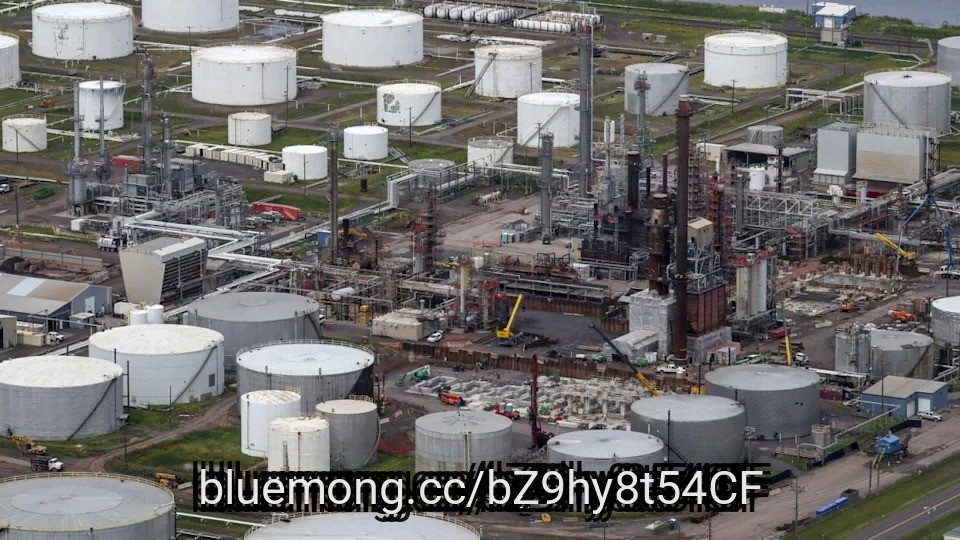
The trend began earlier this decade with Exxon locking out in 2021 as many as 650 workers out of the Beaumont refinery for 10 months. This was the longest labor dispute at a U.S. refinery in four decades.
Five years later, BP and Marathon are currently in a similar position, locking out workers at their Whiting, Indiana, and Martinez, California, refineries, respectively, amid labor disputes over union contracts.
The refineries continue to operate with contractors, supervisors, and replacement workers. The continued operations show that Big Oil is not as afraid as it used to be to use replacement staff while seeking concessions from the unions.
#contracts #unions #refinery
Over the past few years, some of the top U.S. refining companies have resorted to lockouts to ensure most of the company management's proposals in new labor contracts are accepted.
The trend began earlier this decade with Exxon locking out in 2021 as many as 650 workers out of the Beaumont refinery for 10 months. This was the longest labor dispute at a U.S. refinery in four decades.
Five years later, BP and Marathon are currently in a similar position, locking out workers at their Whiting, Indiana, and Martinez, California, refineries, respectively, amid labor disputes over union contracts.
The refineries continue to operate with contractors, supervisors, and replacement workers. The continued operations show that Big Oil is not as afraid as it used to be to use replacement staff while seeking concessions from the unions.
#contracts #unions #refinery

7 days ago
The biggest oil companies in the United States are playing hardball in unionized labor negotiations in a bid to get more concessions from workers' unions in the new contracts.
Over the past few years, some of the top U.S. refining companies have resorted to lockouts to ensure most of the company management's proposals in new labor contracts are accepted.
The trend began earlier this decade with Exxon locking out in 2021 as many as 650 workers out of the Beaumont refinery for 10 months. This was the longest labor dispute at a U.S. refinery in four decades.
Five years later, BP and Marathon are currently in a similar position, locking out workers at their Whiting, Indiana, and Martinez, California, refineries, respectively, amid labor disputes over union contracts.
The refineries continue to operate with contractors, supervisors, and replacement workers. The continued operations show that Big Oil is not as afraid as it used to be to use replacement staff while seeking concessions from the unions.
#contracts
Over the past few years, some of the top U.S. refining companies have resorted to lockouts to ensure most of the company management's proposals in new labor contracts are accepted.
The trend began earlier this decade with Exxon locking out in 2021 as many as 650 workers out of the Beaumont refinery for 10 months. This was the longest labor dispute at a U.S. refinery in four decades.
Five years later, BP and Marathon are currently in a similar position, locking out workers at their Whiting, Indiana, and Martinez, California, refineries, respectively, amid labor disputes over union contracts.
The refineries continue to operate with contractors, supervisors, and replacement workers. The continued operations show that Big Oil is not as afraid as it used to be to use replacement staff while seeking concessions from the unions.
#contracts

8 days ago
The global energy market has been upended by the geopolitical conflict in the Middle East, with reduced supply driving up oil and natural gas prices. However, companies like Chevron (NYSE: CVX), while benefiting from today's high energy prices, think in decades, not days, weeks, or months. In fact, volatility is the norm for the energy sector. Management's long-term approach is why Chevron is actively looking to invest in the conflict-torn Middle East. But what does this really mean for dividend investors?
There are many reasons to like Chevron as an investment. For example, it is large and geographically diverse, with exposure to the entire energy value chain. But one of the biggest is the company's consistency, which is highlighted by a 38-year streak of annual dividend increases. Add in a well-above market 3.5% yield, and the story gets even better for dividend lovers seeking to add some energy exposure to their portfolios.
Missed Nvidia in 2009? This Rare Signal Is Flashing Again. In 2009, a "Double Down" signal flashed for a little-known chipmaker called Nvidia. For the first time in years, that same "Total Conviction" signal is flashing for a company 1/100th the size of Nvidia. Continue »
Chevron's willingness to look beyond the conflict that is raging today is part of the story, too. In fact, it is planning to invest in Iraq and hopes to help build a pipeline that will allow energy companies to avoid traversing the Strait of Hormuz. Both could help the company maintain its impressive dividend growth streak, but they aren't the real dividend growth story investors need to be watching.
The real dividend growth story is Chevron's ability to think and act with a long-term mindset. The Iraq investment and pipeline are merely examples of decisions that allow the company to keep increasing its dividend. But what enables such decisions in the first place is the company's financial strength, as highlighted by its impressive balance sheet. At the end of the second quarter of 2026, its debt-to-equity ratio was 0.2x, second only to ExxonMobil (NYSE: XOM) in its peer group.
#NVIDIA #signal
There are many reasons to like Chevron as an investment. For example, it is large and geographically diverse, with exposure to the entire energy value chain. But one of the biggest is the company's consistency, which is highlighted by a 38-year streak of annual dividend increases. Add in a well-above market 3.5% yield, and the story gets even better for dividend lovers seeking to add some energy exposure to their portfolios.
Missed Nvidia in 2009? This Rare Signal Is Flashing Again. In 2009, a "Double Down" signal flashed for a little-known chipmaker called Nvidia. For the first time in years, that same "Total Conviction" signal is flashing for a company 1/100th the size of Nvidia. Continue »
Chevron's willingness to look beyond the conflict that is raging today is part of the story, too. In fact, it is planning to invest in Iraq and hopes to help build a pipeline that will allow energy companies to avoid traversing the Strait of Hormuz. Both could help the company maintain its impressive dividend growth streak, but they aren't the real dividend growth story investors need to be watching.
The real dividend growth story is Chevron's ability to think and act with a long-term mindset. The Iraq investment and pipeline are merely examples of decisions that allow the company to keep increasing its dividend. But what enables such decisions in the first place is the company's financial strength, as highlighted by its impressive balance sheet. At the end of the second quarter of 2026, its debt-to-equity ratio was 0.2x, second only to ExxonMobil (NYSE: XOM) in its peer group.
#NVIDIA #signal


9 days ago
Cramer called CVX a steal above $200 after Chevron's downstream earnings surged from $737 million to $4.87 billion year over year.
Chevron's P/E of 34 runs richer than Exxon's 23, while ConocoPhillips offers more crude upside, up 49% year to date.
A 20-year Microsoft power deal and Hess synergies running 50% above target give Chevron cash flows insulated from crude swings.
Just released. Our ***** ysts combed the entire stock market and named the ten best stocks to buy right now. The report is free. Enter your email and see if any of your stocks made the cut.
Jim Cramer opened Squawk on the Street on the first trading day of September with a market backdrop he described in blunt terms. Two ships had been fired on in the Strait of Hormuz, Treasury yields were pushing higher across the curve, and diesel prices were climbing amid a supply picture already strained by Ukrainian strikes on Russian refining capacity and U.S. refiners operating near full utilization. Cramer called the combination "unholy" and said the AI trade had gone nowhere for about a year. Then he offered a single actionable idea.
#above
Chevron's P/E of 34 runs richer than Exxon's 23, while ConocoPhillips offers more crude upside, up 49% year to date.
A 20-year Microsoft power deal and Hess synergies running 50% above target give Chevron cash flows insulated from crude swings.
Just released. Our ***** ysts combed the entire stock market and named the ten best stocks to buy right now. The report is free. Enter your email and see if any of your stocks made the cut.
Jim Cramer opened Squawk on the Street on the first trading day of September with a market backdrop he described in blunt terms. Two ships had been fired on in the Strait of Hormuz, Treasury yields were pushing higher across the curve, and diesel prices were climbing amid a supply picture already strained by Ukrainian strikes on Russian refining capacity and U.S. refiners operating near full utilization. Cramer called the combination "unholy" and said the AI trade had gone nowhere for about a year. Then he offered a single actionable idea.
#above

10 days ago
Amazon's e-commerce revenue will exceed $750 billion this year, surpassing both Exxon and Microsoft in total revenue.
AWS projects $180 billion in 2026 revenue at 40% growth, representing an estimated $2 trillion of Amazon's $3 trillion market cap.
Breaking Amazon into two public companies could let investors separately choose its stable e-commerce and high-growth AWS businesses.
Read More: Learn 7 ways to generate income with a $1,000,000+ portfolio (sponsor)
Investors often forget that Amazon (NASDAQ: AMZN) has $700 billion in e-commerce revenue based on its first-half revenue run rate. Since its fourth quarter is by far its largest, the number will probably exceed $750 billion. That will make the e-commerce division as large as Exxon's (NYSE: XOM) total and larger than Microsoft's (NASDAQ: MSFT). In fact, including AWS, Amazon was the No.1 company among the Fortune 500, having passed Walmart (NYSE: WMT) last year.
#total
AWS projects $180 billion in 2026 revenue at 40% growth, representing an estimated $2 trillion of Amazon's $3 trillion market cap.
Breaking Amazon into two public companies could let investors separately choose its stable e-commerce and high-growth AWS businesses.
Read More: Learn 7 ways to generate income with a $1,000,000+ portfolio (sponsor)
Investors often forget that Amazon (NASDAQ: AMZN) has $700 billion in e-commerce revenue based on its first-half revenue run rate. Since its fourth quarter is by far its largest, the number will probably exceed $750 billion. That will make the e-commerce division as large as Exxon's (NYSE: XOM) total and larger than Microsoft's (NASDAQ: MSFT). In fact, including AWS, Amazon was the No.1 company among the Fortune 500, having passed Walmart (NYSE: WMT) last year.
#total
11 days ago
First Eagle Investment Management, an investment management company, released its Q2 2026 investor update for "First Eagle Global Fund". The letter can be downloaded here. Easing tensions in the Middle East led to a strong rally in risk markets in Q2. The S&P 500 Index rose 15.2%, while the MSCI EAFE Index gained 10.8%. Growth stocks outperformed, with the MSCI World Growth Index significantly exceeding value returns. A notable shift in U.S. interest rate expectations followed Kevin Warsh's appointment as chair of the Federal Open Market Committee, pushing Treasury yields higher and strengthening the dollar. Despite the optimistic market environment, concerns about fiscal constraints and limited policy flexibility remain. Tighter credit spreads and elevated equity valuations reflect strong demand for financial ****** ets, with household wealth in equities at a post-WWII high. Earnings expectations are buoyant, driven by AI infrastructure developments. Against this backdrop, Global Fund A Shares returned 2.86% in Q2 2026, with emerging markets and developed Europe as the primary contributors. Developed Asia (excluding ****** an) was the only detractor, and ****** an lagged. Information technology and financials led among equity sectors, while materials and energy detracted. The fund underperformed relative to the MSCI World Index during this period. Also, check the fund's top five holdings to see its best picks in 2026.
In its second-quarter 2026 investor letter, First Eagle Global Fund highlighted HCA Healthcare, Inc. (NYSE:HCA). HCA Healthcare, Inc. (NYSE:HCA) owns and operates hospitals and related healthcare entities. On August 31, 2026, HCA Healthcare, Inc. (NYSE:HCA) closed at $414.45 per share. HCA Healthcare, Inc. (NYSE:HCA) returned 3.42% over the past month, and its shares are up 2.05% over the past year. HCA Healthcare, Inc. (NYSE:HCA) has a market capitalization of $89.72 billion.
First Eagle Global Fund stated the following regarding HCA Healthcare, Inc. (NYSE:HCA) in its Q2 2026 investor letter:
"The leading detractors in the quarter were gold bullion, Charter Communications, Inc. Class A, HCA Healthcare, Inc. (NYSE:HCA), Exxon Mobil Corporation and Salesforce.com, Inc. HCA Healthcare is the largest for-profit hospital operator in the US, with a difficult-to-replicate network of large urban hospitals. Although the company reported sales and profit growth for its most recent growth, HCA reported that patient volumes grew at the low end of guidance, driven partially by declines in respiratory-related emergency room visits, inpatient surgeries and outpatient surgeries. A decrease in enrollment in both Medicaid and Affordable Care Act exchanges was also a headwind. We continue to view HCA's management as an effective steward of both operations and the balance sheet as it continues to return capital to shareholders through share buybacks."
#fund #first
In its second-quarter 2026 investor letter, First Eagle Global Fund highlighted HCA Healthcare, Inc. (NYSE:HCA). HCA Healthcare, Inc. (NYSE:HCA) owns and operates hospitals and related healthcare entities. On August 31, 2026, HCA Healthcare, Inc. (NYSE:HCA) closed at $414.45 per share. HCA Healthcare, Inc. (NYSE:HCA) returned 3.42% over the past month, and its shares are up 2.05% over the past year. HCA Healthcare, Inc. (NYSE:HCA) has a market capitalization of $89.72 billion.
First Eagle Global Fund stated the following regarding HCA Healthcare, Inc. (NYSE:HCA) in its Q2 2026 investor letter:
"The leading detractors in the quarter were gold bullion, Charter Communications, Inc. Class A, HCA Healthcare, Inc. (NYSE:HCA), Exxon Mobil Corporation and Salesforce.com, Inc. HCA Healthcare is the largest for-profit hospital operator in the US, with a difficult-to-replicate network of large urban hospitals. Although the company reported sales and profit growth for its most recent growth, HCA reported that patient volumes grew at the low end of guidance, driven partially by declines in respiratory-related emergency room visits, inpatient surgeries and outpatient surgeries. A decrease in enrollment in both Medicaid and Affordable Care Act exchanges was also a headwind. We continue to view HCA's management as an effective steward of both operations and the balance sheet as it continues to return capital to shareholders through share buybacks."
#fund #first

11 days ago
First Eagle Investment Management, an investment management company, released its Q2 2026 investor update for "First Eagle Global Fund". The letter can be downloaded here. Easing tensions in the Middle East led to a strong rally in risk markets in Q2. The S&P 500 Index rose 15.2%, while the MSCI EAFE Index gained 10.8%. Growth stocks outperformed, with the MSCI World Growth Index significantly exceeding value returns. A notable shift in U.S. interest rate expectations followed Kevin Warsh's appointment as chair of the Federal Open Market Committee, pushing Treasury yields higher and strengthening the dollar. Despite the optimistic market environment, concerns about fiscal constraints and limited policy flexibility remain. Tighter credit spreads and elevated equity valuations reflect strong demand for financial ***** ets, with household wealth in equities at a post-WWII high. Earnings expectations are buoyant, driven by AI infrastructure developments. Against this backdrop, Global Fund A Shares returned 2.86% in Q2 2026, with emerging markets and developed Europe as the primary contributors. Developed Asia (excluding ***** an) was the only detractor, and ***** an lagged. Information technology and financials led among equity sectors, while materials and energy detracted. The fund underperformed relative to the MSCI World Index during this period. Also, check the fund's top five holdings to see its best picks in 2026.
In its second-quarter 2026 investor letter, First Eagle Global Fund highlighted ExxonMobil Holdings Corporation (NYSE:XOM). ExxonMobil Holdings Corporation (NYSE:XOM) is a leading US-based crude oil and natural gas exploration and production company. On August 31, 2026, ExxonMobil Holdings Corporation (NYSE:XOM) closed at $160.95 per share. Over the past month, ExxonMobil Holdings Corporation (NYSE:XOM) returned 5.74%, and its shares are up 41.95% over the past year. ExxonMobil Holdings Corporation (NYSE:XOM) has a market capitalization of $661.81 billion.
First Eagle Global Fund stated the following regarding ExxonMobil Holdings Corporation (NYSE:XOM) in its Q2 2026 investor letter:
"Shares of integrated oil and gas giant ExxonMobil Holdings Corporation (NYSE:XOM) traded down alongside easing crude oil prices. Although the company experienced disruptions in its Middle East operations, it reported better-than expected results for its most recent quarter because of improved production from ***** ets in Guyana and the Permian Basin. We continue to view Exxon as a high-quality operator with strong capital discipline, an attractive portfolio of durable ***** ets and a commitment to returning cash to shareholders."
#first
In its second-quarter 2026 investor letter, First Eagle Global Fund highlighted ExxonMobil Holdings Corporation (NYSE:XOM). ExxonMobil Holdings Corporation (NYSE:XOM) is a leading US-based crude oil and natural gas exploration and production company. On August 31, 2026, ExxonMobil Holdings Corporation (NYSE:XOM) closed at $160.95 per share. Over the past month, ExxonMobil Holdings Corporation (NYSE:XOM) returned 5.74%, and its shares are up 41.95% over the past year. ExxonMobil Holdings Corporation (NYSE:XOM) has a market capitalization of $661.81 billion.
First Eagle Global Fund stated the following regarding ExxonMobil Holdings Corporation (NYSE:XOM) in its Q2 2026 investor letter:
"Shares of integrated oil and gas giant ExxonMobil Holdings Corporation (NYSE:XOM) traded down alongside easing crude oil prices. Although the company experienced disruptions in its Middle East operations, it reported better-than expected results for its most recent quarter because of improved production from ***** ets in Guyana and the Permian Basin. We continue to view Exxon as a high-quality operator with strong capital discipline, an attractive portfolio of durable ***** ets and a commitment to returning cash to shareholders."
#first


11 days ago
First Eagle Investment Management, an investment management company, released its Q2 2026 investor update for "First Eagle Global Fund". The letter can be downloaded here. Easing tensions in the Middle East led to a strong rally in risk markets in Q2. The S&P 500 Index rose 15.2%, while the MSCI EAFE Index gained 10.8%. Growth stocks outperformed, with the MSCI World Growth Index significantly exceeding value returns. A notable shift in U.S. interest rate expectations followed Kevin Warsh's appointment as chair of the Federal Open Market Committee, pushing Treasury yields higher and strengthening the dollar. Despite the optimistic market environment, concerns about fiscal constraints and limited policy flexibility remain. Tighter credit spreads and elevated equity valuations reflect strong demand for financial ****** ets, with household wealth in equities at a post-WWII high. Earnings expectations are buoyant, driven by AI infrastructure developments. Against this backdrop, Global Fund A Shares returned 2.86% in Q2 2026, with emerging markets and developed Europe as the primary contributors. Developed Asia (excluding ****** an) was the only detractor, and ****** an lagged. Information technology and financials led among equity sectors, while materials and energy detracted. The fund underperformed relative to the MSCI World Index during this period. Also, check the fund's top five holdings to see its best picks in 2026.
In its second-quarter 2026 investor letter, First Eagle Global Fund highlighted Charter Communications, Inc. (NASDAQ:CHTR). Charter Communications, Inc. (NASDAQ:CHTR) is a US-based broadband connectivity company. On August 31, 2026, Charter Communications, Inc. (NASDAQ:CHTR) closed at $152.44 per share. The one-month return of Charter Communications, Inc. (NASDAQ:CHTR) was -4.10%, and its shares lost -44.49% over the past 52 weeks. Charter Communications, Inc. (NASDAQ:CHTR) has a market capitalization of $26.69 billion.
First Eagle Global Fund stated the following regarding Charter Communications, Inc. (NASDAQ:CHTR) in its Q2 2026 investor letter:
"The leading detractors in the quarter were gold bullion, Charter Communications, Inc. (NASDAQ:CHTR), HCA Healthcare Inc., Exxon Mobil Corporation and Salesforce.com, Inc. Charter Communications is the second-largest broadband commu nications service company in the US, providing cable broadcasting, internet, voice and mass-media services. Cable providers in general remain under competitive pressure from mobile operators, which are scaling up entry-level fixed wireless service. We continue to view Charter as a high-quality business with difficult-to-replicate ****** ets that generate steady cash flows and returns cash to shareholders."
#charter #global #msci
In its second-quarter 2026 investor letter, First Eagle Global Fund highlighted Charter Communications, Inc. (NASDAQ:CHTR). Charter Communications, Inc. (NASDAQ:CHTR) is a US-based broadband connectivity company. On August 31, 2026, Charter Communications, Inc. (NASDAQ:CHTR) closed at $152.44 per share. The one-month return of Charter Communications, Inc. (NASDAQ:CHTR) was -4.10%, and its shares lost -44.49% over the past 52 weeks. Charter Communications, Inc. (NASDAQ:CHTR) has a market capitalization of $26.69 billion.
First Eagle Global Fund stated the following regarding Charter Communications, Inc. (NASDAQ:CHTR) in its Q2 2026 investor letter:
"The leading detractors in the quarter were gold bullion, Charter Communications, Inc. (NASDAQ:CHTR), HCA Healthcare Inc., Exxon Mobil Corporation and Salesforce.com, Inc. Charter Communications is the second-largest broadband commu nications service company in the US, providing cable broadcasting, internet, voice and mass-media services. Cable providers in general remain under competitive pressure from mobile operators, which are scaling up entry-level fixed wireless service. We continue to view Charter as a high-quality business with difficult-to-replicate ****** ets that generate steady cash flows and returns cash to shareholders."
#charter #global #msci


11 days ago
ONEOK, Inc. (NYSE:OKE) has agreed to acquire Brazos Midstream's Permian Midland Basin natural-gas gathering and processing ***** ets for $4.425 billion in cash. The deal is being paired with a $9 billion nonvoting minority equity investment from Apollo, of which ONEOK plans to use about $5 billion to reduce existing debt. ONEOK expects the acquisition to be immediately accretive to earnings and free cash flow per share.
The transaction would more than double ONEOK, Inc. (NYSE:OKE)'s Midland Basin processing capacity to approximately 2.3 Bcf/d, including plants already under construction. The acquired platform includes roughly 700 miles of gathering infrastructure, 1.2 Bcf/d of processing capacity after the Cassidy II plant is completed, and approximately 600,000 dedicated acres backed by fixed-fee contracts with more than 12 years of weighted-average remaining term.
The biggest attraction is the quality and location of the ***** ets. The Permian remains one of the most economically important oil and gas-producing regions in the U.S., and the Brazos system gives ONEOK, Inc. (NYSE:OKE) additional exposure to ***** ociated natural-gas volumes generated by oil production. The acquired ***** ets are supported by 14 active drilling rigs operated by producers including ExxonMobil, Diamondback Energy, and Double Eagle. The long-term contracts provide ONEOK with considerable visibility into future volumes and cash flows. That makes this more than a simple capacity expansion. ONEOK is effectively adding infrastructure that can grow alongside production on the dedicated acreage.
The ***** ets fit closely with ONEOK's existing gathering, processing, NGL transportation and crude infrastructure. That creates an opportunity to extract more value from the same barrels and molecules as they move through ONEOK's network.
The company expects to connect the Brazos system with downstream ***** ets such as its West Texas NGL Pipeline and the Medford NGL fractionation facility. This broader integration could produce commercial and operational efficiencies that an independent owner of the ***** ets might not be able to capture. ONEOK estimates about $80 million of full-year synergies in its 2027 EBITDA calculation and expects additional commercial and capital efficiencies as the systems are integrated.
#cash #expects
The transaction would more than double ONEOK, Inc. (NYSE:OKE)'s Midland Basin processing capacity to approximately 2.3 Bcf/d, including plants already under construction. The acquired platform includes roughly 700 miles of gathering infrastructure, 1.2 Bcf/d of processing capacity after the Cassidy II plant is completed, and approximately 600,000 dedicated acres backed by fixed-fee contracts with more than 12 years of weighted-average remaining term.
The biggest attraction is the quality and location of the ***** ets. The Permian remains one of the most economically important oil and gas-producing regions in the U.S., and the Brazos system gives ONEOK, Inc. (NYSE:OKE) additional exposure to ***** ociated natural-gas volumes generated by oil production. The acquired ***** ets are supported by 14 active drilling rigs operated by producers including ExxonMobil, Diamondback Energy, and Double Eagle. The long-term contracts provide ONEOK with considerable visibility into future volumes and cash flows. That makes this more than a simple capacity expansion. ONEOK is effectively adding infrastructure that can grow alongside production on the dedicated acreage.
The ***** ets fit closely with ONEOK's existing gathering, processing, NGL transportation and crude infrastructure. That creates an opportunity to extract more value from the same barrels and molecules as they move through ONEOK's network.
The company expects to connect the Brazos system with downstream ***** ets such as its West Texas NGL Pipeline and the Medford NGL fractionation facility. This broader integration could produce commercial and operational efficiencies that an independent owner of the ***** ets might not be able to capture. ONEOK estimates about $80 million of full-year synergies in its 2027 EBITDA calculation and expects additional commercial and capital efficiencies as the systems are integrated.
#cash #expects

11 days ago
Sullivan named CVX and XOM among prospective participants in a 25-year Venezuelan lease deal, but warned real production is years away.
Venezuela's output collapsed from 3.2 to 1.2 million barrels per day since 1997, leaving 65 billion barrels stranded without capital or expertise.
Act now: the **** yst who called NVIDIA in 2010 just named his top 10 AI stocks — and Exxon Mobil didn't make the cut. Grab the names FREE today.
CNBC's Brian Sullivan walked viewers through the announced U.S.-Venezuela oil arrangement Monday, delivering a simple message for investors: the headline reserve number is enormous, and the timeline to real production might not be as long as some would expect.
"Venezuela, 65 billion barrels proven reserves on the part of this deal. Venezuela obviously has more. The U.S. under this would control 55% of that," Sullivan said, framing a reported 25-year lease structure valued at $100 billion-plus in investment by U.S. energy companies.
#billion #lease
Venezuela's output collapsed from 3.2 to 1.2 million barrels per day since 1997, leaving 65 billion barrels stranded without capital or expertise.
Act now: the **** yst who called NVIDIA in 2010 just named his top 10 AI stocks — and Exxon Mobil didn't make the cut. Grab the names FREE today.
CNBC's Brian Sullivan walked viewers through the announced U.S.-Venezuela oil arrangement Monday, delivering a simple message for investors: the headline reserve number is enormous, and the timeline to real production might not be as long as some would expect.
"Venezuela, 65 billion barrels proven reserves on the part of this deal. Venezuela obviously has more. The U.S. under this would control 55% of that," Sullivan said, framing a reported 25-year lease structure valued at $100 billion-plus in investment by U.S. energy companies.
#billion #lease


12 days ago
Good morning. Stocks slipped in early trading as investors saw an increased probability of a September rate hike and the US and Iran exchanged fire over the weekend, dampening sentiment near the end of an ebullient earnings season.
It's the final trading day of August, and the major indexes are on pace for solid monthly gains.
Here's a check of the markets in the first few minutes of trading, based on a heat map powered by Yahoo Finance AlphaSpace data.
Tech (XLK) stocks traded flat against a broadly down market on Monday, with software and semiconductor stocks edging higher. The Energy sector (XLE) was the real standout, however, as rising oil prices stemming from the rekindled Middle East conflict lifted shares of Chevron (CVX), Exxon (XOM), and other energy firms.
PG&E Corporation (PCG) stock dragged down Utilities (XLU) after new California legislation left a lot of uncertainty about utilities' exposure to wildfire liabilities.
#trading #september #august
It's the final trading day of August, and the major indexes are on pace for solid monthly gains.
Here's a check of the markets in the first few minutes of trading, based on a heat map powered by Yahoo Finance AlphaSpace data.
Tech (XLK) stocks traded flat against a broadly down market on Monday, with software and semiconductor stocks edging higher. The Energy sector (XLE) was the real standout, however, as rising oil prices stemming from the rekindled Middle East conflict lifted shares of Chevron (CVX), Exxon (XOM), and other energy firms.
PG&E Corporation (PCG) stock dragged down Utilities (XLU) after new California legislation left a lot of uncertainty about utilities' exposure to wildfire liabilities.
#trading #september #august

12 days ago
Resumed U.S.-Iran strikes sent oil up 3%, lifting CVX and XOM roughly 1.5% each at Monday's open as Middle East risk premiums returned.
OXY fully offset Middle East production losses via Permian volumes, while PCG collapsed 19% after California lawmakers blocked wildfire liability reform.
Trump's Venezuela deal covers 65 billion barrels, but degraded infrastructure means years of investment separate the reserves announcement from actual new supply.
Act now: the ***** yst who called NVIDIA in 2010 just named his top 10 AI stocks — and Exxon Mobil didn't make the cut. Grab the names FREE today.
Energy stocks led the market higher Monday morning as two major oil catalysts hit at once. CNBC's Dominic Chu framed the setup on the network's opening segment on Monday: "Oil prices did jump by about 3% on the resumption of those attacks, and that sent energy stocks higher."
#resumed
OXY fully offset Middle East production losses via Permian volumes, while PCG collapsed 19% after California lawmakers blocked wildfire liability reform.
Trump's Venezuela deal covers 65 billion barrels, but degraded infrastructure means years of investment separate the reserves announcement from actual new supply.
Act now: the ***** yst who called NVIDIA in 2010 just named his top 10 AI stocks — and Exxon Mobil didn't make the cut. Grab the names FREE today.
Energy stocks led the market higher Monday morning as two major oil catalysts hit at once. CNBC's Dominic Chu framed the setup on the network's opening segment on Monday: "Oil prices did jump by about 3% on the resumption of those attacks, and that sent energy stocks higher."
#resumed

12 days ago
First Eagle Investment Management, an investment management company, released its Q2 2026 investor update for "First Eagle Global Fund". The letter can be downloaded here. Easing tensions in the Middle East led to a strong rally in risk markets in Q2. The S&P 500 Index rose 15.2%, while the MSCI EAFE Index gained 10.8%. Growth stocks outperformed, with the MSCI World Growth Index significantly exceeding value returns. A notable shift in U.S. interest rate expectations followed Kevin Warsh's appointment as chair of the Federal Open Market Committee, pushing Treasury yields higher and strengthening the dollar. Despite the optimistic market environment, concerns about fiscal constraints and limited policy flexibility remain. Tighter credit spreads and elevated equity valuations reflect strong demand for financial ***** ets, with household wealth in equities at a post-WWII high. Earnings expectations are buoyant, driven by AI infrastructure developments. Against this backdrop, Global Fund A Shares returned 2.86% in Q2 2026, with emerging markets and developed Europe as the primary contributors. Developed Asia (excluding ***** an) was the only detractor, and ***** an lagged. Information technology and financials led among equity sectors, while materials and energy detracted. The fund underperformed relative to the MSCI World Index during this period. Also, check the fund's top five holdings to see its best picks in 2026.
In its second-quarter 2026 investor letter, First Eagle Global Fund highlighted ExxonMobil Holdings Corporation (NYSE:XOM). ExxonMobil Holdings Corporation (NYSE:XOM) is a leading US-based crude oil and natural gas exploration and production company. On August 31, 2026, ExxonMobil Holdings Corporation (NYSE:XOM) closed at $160.95 per share. Over the past month, ExxonMobil Holdings Corporation (NYSE:XOM) returned 5.74%, and its shares are up 41.95% over the past year. ExxonMobil Holdings Corporation (NYSE:XOM) has a market capitalization of $661.81 billion.
First Eagle Global Fund stated the following regarding ExxonMobil Holdings Corporation (NYSE:XOM) in its Q2 2026 investor letter:
"Shares of integrated oil and gas giant ExxonMobil Holdings Corporation (NYSE:XOM) traded down alongside easing crude oil prices. Although the company experienced disruptions in its Middle East operations, it reported better-than expected results for its most recent quarter because of improved production from ***** ets in Guyana and the Permian Basin. We continue to view Exxon as a high-quality operator with strong capital discipline, an attractive portfolio of durable ***** ets and a commitment to returning cash to shareholders."
#fund #msci
In its second-quarter 2026 investor letter, First Eagle Global Fund highlighted ExxonMobil Holdings Corporation (NYSE:XOM). ExxonMobil Holdings Corporation (NYSE:XOM) is a leading US-based crude oil and natural gas exploration and production company. On August 31, 2026, ExxonMobil Holdings Corporation (NYSE:XOM) closed at $160.95 per share. Over the past month, ExxonMobil Holdings Corporation (NYSE:XOM) returned 5.74%, and its shares are up 41.95% over the past year. ExxonMobil Holdings Corporation (NYSE:XOM) has a market capitalization of $661.81 billion.
First Eagle Global Fund stated the following regarding ExxonMobil Holdings Corporation (NYSE:XOM) in its Q2 2026 investor letter:
"Shares of integrated oil and gas giant ExxonMobil Holdings Corporation (NYSE:XOM) traded down alongside easing crude oil prices. Although the company experienced disruptions in its Middle East operations, it reported better-than expected results for its most recent quarter because of improved production from ***** ets in Guyana and the Permian Basin. We continue to view Exxon as a high-quality operator with strong capital discipline, an attractive portfolio of durable ***** ets and a commitment to returning cash to shareholders."
#fund #msci


12 days ago
First Eagle Investment Management, an investment management company, released its Q2 2026 investor update for "First Eagle Global Fund". The letter can be downloaded here. Easing tensions in the Middle East led to a strong rally in risk markets in Q2. The S&P 500 Index rose 15.2%, while the MSCI EAFE Index gained 10.8%. Growth stocks outperformed, with the MSCI World Growth Index significantly exceeding value returns. A notable shift in U.S. interest rate expectations followed Kevin Warsh's appointment as chair of the Federal Open Market Committee, pushing Treasury yields higher and strengthening the dollar. Despite the optimistic market environment, concerns about fiscal constraints and limited policy flexibility remain. Tighter credit spreads and elevated equity valuations reflect strong demand for financial ******* ets, with household wealth in equities at a post-WWII high. Earnings expectations are buoyant, driven by AI infrastructure developments. Against this backdrop, Global Fund A Shares returned 2.86% in Q2 2026, with emerging markets and developed Europe as the primary contributors. Developed Asia (excluding ******* an) was the only detractor, and ******* an lagged. Information technology and financials led among equity sectors, while materials and energy detracted. The fund underperformed relative to the MSCI World Index during this period. Also, check the fund's top five holdings to see its best picks in 2026.
In its second-quarter 2026 investor letter, First Eagle Global Fund highlighted Charter Communications, Inc. (NASDAQ:CHTR). Charter Communications, Inc. (NASDAQ:CHTR) is a US-based broadband connectivity company. On August 31, 2026, Charter Communications, Inc. (NASDAQ:CHTR) closed at $152.44 per share. The one-month return of Charter Communications, Inc. (NASDAQ:CHTR) was -4.10%, and its shares lost -44.49% over the past 52 weeks. Charter Communications, Inc. (NASDAQ:CHTR) has a market capitalization of $26.69 billion.
First Eagle Global Fund stated the following regarding Charter Communications, Inc. (NASDAQ:CHTR) in its Q2 2026 investor letter:
"The leading detractors in the quarter were gold bullion, Charter Communications, Inc. (NASDAQ:CHTR), HCA Healthcare Inc., Exxon Mobil Corporation and Salesforce.com, Inc. Charter Communications is the second-largest broadband commu nications service company in the US, providing cable broadcasting, internet, voice and mass-media services. Cable providers in general remain under competitive pressure from mobile operators, which are scaling up entry-level fixed wireless service. We continue to view Charter as a high-quality business with difficult-to-replicate ******* ets that generate steady cash flows and returns cash to shareholders."
#NASDAQ #global #index #msci
In its second-quarter 2026 investor letter, First Eagle Global Fund highlighted Charter Communications, Inc. (NASDAQ:CHTR). Charter Communications, Inc. (NASDAQ:CHTR) is a US-based broadband connectivity company. On August 31, 2026, Charter Communications, Inc. (NASDAQ:CHTR) closed at $152.44 per share. The one-month return of Charter Communications, Inc. (NASDAQ:CHTR) was -4.10%, and its shares lost -44.49% over the past 52 weeks. Charter Communications, Inc. (NASDAQ:CHTR) has a market capitalization of $26.69 billion.
First Eagle Global Fund stated the following regarding Charter Communications, Inc. (NASDAQ:CHTR) in its Q2 2026 investor letter:
"The leading detractors in the quarter were gold bullion, Charter Communications, Inc. (NASDAQ:CHTR), HCA Healthcare Inc., Exxon Mobil Corporation and Salesforce.com, Inc. Charter Communications is the second-largest broadband commu nications service company in the US, providing cable broadcasting, internet, voice and mass-media services. Cable providers in general remain under competitive pressure from mobile operators, which are scaling up entry-level fixed wireless service. We continue to view Charter as a high-quality business with difficult-to-replicate ******* ets that generate steady cash flows and returns cash to shareholders."
#NASDAQ #global #index #msci


12 days ago
First Eagle Investment Management, an investment management company, released its Q2 2026 investor update for "First Eagle Global Fund". The letter can be downloaded here. Easing tensions in the Middle East led to a strong rally in risk markets in Q2. The S&P 500 Index rose 15.2%, while the MSCI EAFE Index gained 10.8%. Growth stocks outperformed, with the MSCI World Growth Index significantly exceeding value returns. A notable shift in U.S. interest rate expectations followed Kevin Warsh's appointment as chair of the Federal Open Market Committee, pushing Treasury yields higher and strengthening the dollar. Despite the optimistic market environment, concerns about fiscal constraints and limited policy flexibility remain. Tighter credit spreads and elevated equity valuations reflect strong demand for financial ******* ets, with household wealth in equities at a post-WWII high. Earnings expectations are buoyant, driven by AI infrastructure developments. Against this backdrop, Global Fund A Shares returned 2.86% in Q2 2026, with emerging markets and developed Europe as the primary contributors. Developed Asia (excluding ******* an) was the only detractor, and ******* an lagged. Information technology and financials led among equity sectors, while materials and energy detracted. The fund underperformed relative to the MSCI World Index during this period. Also, check the fund's top five holdings to see its best picks in 2026.
In its second-quarter 2026 investor letter, First Eagle Global Fund highlighted HCA Healthcare, Inc. (NYSE:HCA). HCA Healthcare, Inc. (NYSE:HCA) owns and operates hospitals and related healthcare entities. On August 31, 2026, HCA Healthcare, Inc. (NYSE:HCA) closed at $414.45 per share. HCA Healthcare, Inc. (NYSE:HCA) returned 3.42% over the past month, and its shares are up 2.05% over the past year. HCA Healthcare, Inc. (NYSE:HCA) has a market capitalization of $89.72 billion.
First Eagle Global Fund stated the following regarding HCA Healthcare, Inc. (NYSE:HCA) in its Q2 2026 investor letter:
"The leading detractors in the quarter were gold bullion, Charter Communications, Inc. Class A, HCA Healthcare, Inc. (NYSE:HCA), Exxon Mobil Corporation and Salesforce.com, Inc. HCA Healthcare is the largest for-profit hospital operator in the US, with a difficult-to-replicate network of large urban hospitals. Although the company reported sales and profit growth for its most recent growth, HCA reported that patient volumes grew at the low end of guidance, driven partially by declines in respiratory-related emergency room visits, inpatient surgeries and outpatient surgeries. A decrease in enrollment in both Medicaid and Affordable Care Act exchanges was also a headwind. We continue to view HCA's management as an effective steward of both operations and the balance sheet as it continues to return capital to shareholders through share buybacks."
#healthcare #NYSE #index
In its second-quarter 2026 investor letter, First Eagle Global Fund highlighted HCA Healthcare, Inc. (NYSE:HCA). HCA Healthcare, Inc. (NYSE:HCA) owns and operates hospitals and related healthcare entities. On August 31, 2026, HCA Healthcare, Inc. (NYSE:HCA) closed at $414.45 per share. HCA Healthcare, Inc. (NYSE:HCA) returned 3.42% over the past month, and its shares are up 2.05% over the past year. HCA Healthcare, Inc. (NYSE:HCA) has a market capitalization of $89.72 billion.
First Eagle Global Fund stated the following regarding HCA Healthcare, Inc. (NYSE:HCA) in its Q2 2026 investor letter:
"The leading detractors in the quarter were gold bullion, Charter Communications, Inc. Class A, HCA Healthcare, Inc. (NYSE:HCA), Exxon Mobil Corporation and Salesforce.com, Inc. HCA Healthcare is the largest for-profit hospital operator in the US, with a difficult-to-replicate network of large urban hospitals. Although the company reported sales and profit growth for its most recent growth, HCA reported that patient volumes grew at the low end of guidance, driven partially by declines in respiratory-related emergency room visits, inpatient surgeries and outpatient surgeries. A decrease in enrollment in both Medicaid and Affordable Care Act exchanges was also a headwind. We continue to view HCA's management as an effective steward of both operations and the balance sheet as it continues to return capital to shareholders through share buybacks."
#healthcare #NYSE #index


12 days ago
ONEOK has agreed to acquire Brazos Midstream's natural gas gathering and processing ******* ets in the Permian Basin's Midland sub-basin for $4.425 billion in cash, expanding the midstream operator's footprint in one of the largest U.S. oil and gas producing regions.
The acquisition will be funded as part of a separate $9 billion nonvoting minority equity investment from funds and affiliates managed by Apollo Global Management. ONEOK plans to use roughly $5 billion of the Apollo proceeds to extinguish existing debt, while the remainder will fund the Brazos acquisition.
The structure allows ONEOK to finance the transaction without issuing common equity. The company said the combination of the Apollo investment and planned debt reduction is expected to bring its pro forma 2027 debt-to-EBITDA ratio to about 3.25 times.
Brazos' Midland Basin system is supported by roughly 600,000 dedicated acres under fixed-fee contracts with a weighted average remaining term exceeding 12 years, according to ONEOK. Producers operating on the acreage include ExxonMobil, Diamondback Energy and Double Eagle, with 14 active drilling rigs currently supporting the system.
After completion of the Cassidy II processing plant, which ONEOK expects in the third quarter of 2027, the acquired system is expected to comprise about 700 miles of gathering infrastructure and 1.2 billion cubic feet per day of gas processing capacity across seven Midland Basin counties.
#basin
The acquisition will be funded as part of a separate $9 billion nonvoting minority equity investment from funds and affiliates managed by Apollo Global Management. ONEOK plans to use roughly $5 billion of the Apollo proceeds to extinguish existing debt, while the remainder will fund the Brazos acquisition.
The structure allows ONEOK to finance the transaction without issuing common equity. The company said the combination of the Apollo investment and planned debt reduction is expected to bring its pro forma 2027 debt-to-EBITDA ratio to about 3.25 times.
Brazos' Midland Basin system is supported by roughly 600,000 dedicated acres under fixed-fee contracts with a weighted average remaining term exceeding 12 years, according to ONEOK. Producers operating on the acreage include ExxonMobil, Diamondback Energy and Double Eagle, with 14 active drilling rigs currently supporting the system.
After completion of the Cassidy II processing plant, which ONEOK expects in the third quarter of 2027, the acquired system is expected to comprise about 700 miles of gathering infrastructure and 1.2 billion cubic feet per day of gas processing capacity across seven Midland Basin counties.
#basin


14 days ago
For committed, patient long-term income investors, some of the best opportunities, in terms of both yield and payout growth, can be found in the energy patch.
The sector's status as a payout haven encompasses a broad range of names, from pipeline stocks to some of the world's largest oil companies. Many market participants opt for familiarity and reliability, which helps explain why ExxonMobil and Chevron are hits with dividend investors. The two largest U.S. domestic oil companies have dividend increase streaks of 43 and 39 years, respectively.
Missed Nvidia in 2009? This Rare Signal Is Flashing Again. In 2009, a "Double Down" signal flashed for a little-known chipmaker called Nvidia. For the first time in years, that same "Total Conviction" signal is flashing for a company 1/100th the size of Nvidia. Continue »
To be sure, those are impressive runs, but barring any surprises, those companies are likely to continue raising their payouts at low-single-digit percentages. Income-hungry investors seeking rapid dividend growth should look to the midstream segment, home to Sunoco LP (NYSE: SUN). Indeed, this pipeline company has sunny dividend potential.
First, a housekeeping item. Sunoco LP is not the same as SunocoCorp LLC (NYSE: SUNC). However, the latter "owns a direct limited partner interest in Sunoco LP." Interestingly, Sunoco LP's general partner is owned by Energy Transfer, one of the most beloved large-cap names in the midstream income ******* e.
#Dividend #Companies #energy
The sector's status as a payout haven encompasses a broad range of names, from pipeline stocks to some of the world's largest oil companies. Many market participants opt for familiarity and reliability, which helps explain why ExxonMobil and Chevron are hits with dividend investors. The two largest U.S. domestic oil companies have dividend increase streaks of 43 and 39 years, respectively.
Missed Nvidia in 2009? This Rare Signal Is Flashing Again. In 2009, a "Double Down" signal flashed for a little-known chipmaker called Nvidia. For the first time in years, that same "Total Conviction" signal is flashing for a company 1/100th the size of Nvidia. Continue »
To be sure, those are impressive runs, but barring any surprises, those companies are likely to continue raising their payouts at low-single-digit percentages. Income-hungry investors seeking rapid dividend growth should look to the midstream segment, home to Sunoco LP (NYSE: SUN). Indeed, this pipeline company has sunny dividend potential.
First, a housekeeping item. Sunoco LP is not the same as SunocoCorp LLC (NYSE: SUNC). However, the latter "owns a direct limited partner interest in Sunoco LP." Interestingly, Sunoco LP's general partner is owned by Energy Transfer, one of the most beloved large-cap names in the midstream income ******* e.
#Dividend #Companies #energy

15 days ago
Oil prices have been all over the place in 2026. Brent crude fell nearly 40% from its year-to-date (YTD) high of $118.35 on March 31 to $71.44 by July 1 after a U.S.-Iran peace deal reopened the Strait of Hormuz. Prices then rebounded more than 16% from that July low after the ceasefire broke down on July 8, helping make energy the best-performing S&P 500 sector ($SPX) during that period.
Shell (SHEL) has used the volatility to reshape its business. The company has sold ****** ets that no longer fit its focus on oil, gas, and LNG, including India's Sprng Energy for $1.8 billion, Gulf of Mexico stakes for $1.7 billion, and Jiffy Lube International and Premium Velocity Auto for $1.3 billion. It also sold its European onshore renewables portfolio to TotalEnergies SE (TTE) and agreed to acquire Canada's ARC Resources Ltd. (ARX) in a deal valued at about $13.6 billion.
Seagate vs. Western Digital: Which One is The Best AI Storage Play for Dividend Investors?
Tired of missing midday reversals? The FREE Barchart Brief newsletter keeps you in the know. Sign up now!
Next could be Shell's U.S. chemicals business. The company has reportedly drawn interest from potential buyers, including ExxonMobil Corporation (XOM) and LyondellBasell Industries N.V. (LYB), in a deal that could fetch up to $8 billion.
#prices
Shell (SHEL) has used the volatility to reshape its business. The company has sold ****** ets that no longer fit its focus on oil, gas, and LNG, including India's Sprng Energy for $1.8 billion, Gulf of Mexico stakes for $1.7 billion, and Jiffy Lube International and Premium Velocity Auto for $1.3 billion. It also sold its European onshore renewables portfolio to TotalEnergies SE (TTE) and agreed to acquire Canada's ARC Resources Ltd. (ARX) in a deal valued at about $13.6 billion.
Seagate vs. Western Digital: Which One is The Best AI Storage Play for Dividend Investors?
Tired of missing midday reversals? The FREE Barchart Brief newsletter keeps you in the know. Sign up now!
Next could be Shell's U.S. chemicals business. The company has reportedly drawn interest from potential buyers, including ExxonMobil Corporation (XOM) and LyondellBasell Industries N.V. (LYB), in a deal that could fetch up to $8 billion.
#prices

18 days ago
More than half a year after the U.S. captured and extracted Nicolas Maduro from Venezuela, the biggest American oil firms haven't returned to operating oilfields in the world's largest oil reserves holder.
Chevron, which has operated in Venezuela throughout Maduro's reign, is extracting and exporting oil to the U.S., but neither ExxonMobil nor ConocoPhillips have returned as negotiations led by Venezuela's state oil firm PDVSA are not progressing as fast as the U.S. Administration probably thought in January when it extracted Maduro and hailed the big U.S. return to Venezuela's oil industry.
There have been some deals signed in recent months, with service providers and smaller American oil companies, which seem more willing to take the risks of operating in the country, which has yet to see a stable political and fiscal environment for large-scale operations.
Earlier this month, Venezuela signed deals with oilfield service major SLB and Hunt Oil Co. as part of efforts to boost investment in its key energy industry, the country's oil minister, Paula Henao, said.
Related: The 60 Day Peace Window Closed, and Trump's Iran Strategy May Shift Dramatically
#operating #service
Chevron, which has operated in Venezuela throughout Maduro's reign, is extracting and exporting oil to the U.S., but neither ExxonMobil nor ConocoPhillips have returned as negotiations led by Venezuela's state oil firm PDVSA are not progressing as fast as the U.S. Administration probably thought in January when it extracted Maduro and hailed the big U.S. return to Venezuela's oil industry.
There have been some deals signed in recent months, with service providers and smaller American oil companies, which seem more willing to take the risks of operating in the country, which has yet to see a stable political and fiscal environment for large-scale operations.
Earlier this month, Venezuela signed deals with oilfield service major SLB and Hunt Oil Co. as part of efforts to boost investment in its key energy industry, the country's oil minister, Paula Henao, said.
Related: The 60 Day Peace Window Closed, and Trump's Iran Strategy May Shift Dramatically
#operating #service


19 days ago
Dividends are great, but what's even better for long-term investors is knowing that they're holding shares of a company that's a true dividend stock, not just a stock that pays a dividend.
Companies become true dividend names by showing unwavering commitment to steadily increasing their payouts. One of the world's largest oil companies, ExxonMobil (NYSE: XOM), is certainly in that camp. ExxonMobil is on a 43-year run of increasing its payout. Those are increases shareholders can set their clocks by, and for those wondering, pencil in the energy stock's next dividend lift. It's likely to arrive in October, as it has over the past several years.
Missed Nvidia in 2009? This Rare Signal Is Flashing Again. In 2009, a "Double Down" signal flashed for a little-known chipmaker called Nvidia. For the first time in years, that same "Total Conviction" signal is flashing for a company 1/100th the size of Nvidia. Continue »
Each of the company's 2023 through 2025 increases was $0.04 per share quarterly. That's not much, but those boosts add up over time. That consistency may have some on Wall Street banking on another increase of $0.03 to $0.04 a share, but ExxonMobil can deliver an "October surprise" -- and a positive one at that.
In addition to the 43-year payout increase streak, ExxonMobil is the second-largest dividend payer in the S&P 500. Fortunately, a yield of 2.5% and a payout ratio of 52.5% imply two pivotal factors. First, the energy company isn't burdened by its dividend obligations. Second, there's room for payout growth.
#exxonmobil
Companies become true dividend names by showing unwavering commitment to steadily increasing their payouts. One of the world's largest oil companies, ExxonMobil (NYSE: XOM), is certainly in that camp. ExxonMobil is on a 43-year run of increasing its payout. Those are increases shareholders can set their clocks by, and for those wondering, pencil in the energy stock's next dividend lift. It's likely to arrive in October, as it has over the past several years.
Missed Nvidia in 2009? This Rare Signal Is Flashing Again. In 2009, a "Double Down" signal flashed for a little-known chipmaker called Nvidia. For the first time in years, that same "Total Conviction" signal is flashing for a company 1/100th the size of Nvidia. Continue »
Each of the company's 2023 through 2025 increases was $0.04 per share quarterly. That's not much, but those boosts add up over time. That consistency may have some on Wall Street banking on another increase of $0.03 to $0.04 a share, but ExxonMobil can deliver an "October surprise" -- and a positive one at that.
In addition to the 43-year payout increase streak, ExxonMobil is the second-largest dividend payer in the S&P 500. Fortunately, a yield of 2.5% and a payout ratio of 52.5% imply two pivotal factors. First, the energy company isn't burdened by its dividend obligations. Second, there's room for payout growth.
#exxonmobil
20 days ago
ExxonMobil (NYSE: XOM) recently warned Kazakhstan that the Central Asian nation's largest oil field, Tengiz, will hit its production peak next year. Worse yet, output from the field will begin to decline. Exxon estimates it will fall nearly 40% by 2035 to around 500,000 barrels per day (bpd). That also has implications for Chevron, as it helped develop the field through its 50% interest in the Tengizchevroil (TCO) partnership.
However, while Tengiz is about to plateau and decline, that's not a crisis for ExxonMobil. Here's why.
Missed Nvidia in 2009? This Rare Signal Is Flashing Again. In 2009, a "Double Down" signal flashed for a little-known chipmaker called Nvidia. For the first time in years, that same "Total Conviction" signal is flashing for a company 1/100th the size of Nvidia. Continue »
Even though output at Tengiz is about to peak and start declining, Exxon has another opportunity in Kazakhstan: Kashagan. The giant offshore field in the Caspian Sea is operated by a partnership that includes Exxon, Shell, TotalEnergies, and others. Exxon sees the potential for an $80 billion joint investment to develop the western part of the field. This expansion could produce up to 600,000 bpd.
However, the field is part of a long-running dispute between Kazakhstan and the operating consortium. Kazakhstan levied a $5 billion environmental fine that the field's operator hasn't paid. Additionally, the government says the partners owe it $150 billion for lost revenue due to development delays, a claim currently before international arbitration. Exxon and its partners won't invest the capital needed to boost production in this field until they resolve the dispute with the government.
#billion
However, while Tengiz is about to plateau and decline, that's not a crisis for ExxonMobil. Here's why.
Missed Nvidia in 2009? This Rare Signal Is Flashing Again. In 2009, a "Double Down" signal flashed for a little-known chipmaker called Nvidia. For the first time in years, that same "Total Conviction" signal is flashing for a company 1/100th the size of Nvidia. Continue »
Even though output at Tengiz is about to peak and start declining, Exxon has another opportunity in Kazakhstan: Kashagan. The giant offshore field in the Caspian Sea is operated by a partnership that includes Exxon, Shell, TotalEnergies, and others. Exxon sees the potential for an $80 billion joint investment to develop the western part of the field. This expansion could produce up to 600,000 bpd.
However, the field is part of a long-running dispute between Kazakhstan and the operating consortium. Kazakhstan levied a $5 billion environmental fine that the field's operator hasn't paid. Additionally, the government says the partners owe it $150 billion for lost revenue due to development delays, a claim currently before international arbitration. Exxon and its partners won't invest the capital needed to boost production in this field until they resolve the dispute with the government.
#billion

20 days ago
Exxon is in the running for Shell's U.S. chemicals business that could fetch $8 billion, the Financial Times reported today, citing unnamed sources familiar with developments.
The U.S. supermajor is competing with LyondellBasell, Apollo Global Management, and the Kuwait Petroleum Corporation, the unnamed sources also told the publication. The potential buyers have submitted non-binding offers to Shell, with these ranging from offers to buy parts of the business to offers for the whole division.
Shell's chemicals business in the United States comprises four facilities in Louisiana, Texas, and Pennsylvania that make chemicals used in a range of industries, from plastics production to detergents.
Shell has made two **** et sales recently, one of its onshore wind and solar power business in Europe and the other of a stake in a gas project offshore Cyprus. The wind and solar power deal went to TotalEnergies and involved 500 megawatts of combined renewable generation capacity in operation and in development, as well as a pipeline of projects for future development across Italy, the Netherlands, Spain, and the UK.
The transaction is subject to regulatory approvals and is expected to complete by the end of 2026, Shell said earlier this month in the announcement of the deal with TotalEnergies.
#business #chemicals #unnamed #wind
The U.S. supermajor is competing with LyondellBasell, Apollo Global Management, and the Kuwait Petroleum Corporation, the unnamed sources also told the publication. The potential buyers have submitted non-binding offers to Shell, with these ranging from offers to buy parts of the business to offers for the whole division.
Shell's chemicals business in the United States comprises four facilities in Louisiana, Texas, and Pennsylvania that make chemicals used in a range of industries, from plastics production to detergents.
Shell has made two **** et sales recently, one of its onshore wind and solar power business in Europe and the other of a stake in a gas project offshore Cyprus. The wind and solar power deal went to TotalEnergies and involved 500 megawatts of combined renewable generation capacity in operation and in development, as well as a pipeline of projects for future development across Italy, the Netherlands, Spain, and the UK.
The transaction is subject to regulatory approvals and is expected to complete by the end of 2026, Shell said earlier this month in the announcement of the deal with TotalEnergies.
#business #chemicals #unnamed #wind

21 days ago
PepsiCo (PEP) and Johnson & Johnson (JNJ) anchor the conservative tier, with 54 and 64 consecutive dividend raises and a combined yield near 3.5%.
Dividend-growth compounding turns $465,000 into roughly $1 million in a decade, unlocking $3,350 monthly without the principal erosion of high-yield alternatives.
Are you ahead, or behind on retirement? SmartAsset's free tool can match you with a financial advisor in minutes to help you answer that today. Each advisor has been carefully vetted, and must act in your best interests. Don't waste another minute; learn more here.
At age 53, with $465,000 tucked away, the goal is to build a portfolio that can start cutting monthly checks a decade from now. The math is unforgiving, but that 10‑year runway to age 63 changes which levers actually move the needle. Starting yield is one piece of the equation. Dividend growth is the other, and over a full decade, growth tends to win out.
This piece walks through what $465,000 produces today at three different yield levels, then shows why a lower-yield, faster-growing portfolio can out-earn a higher static payout by age 63. All three names in the framing, PepsiCo (NASDAQ:PEP), Johnson & Johnson (NYSE:JNJ), and Exxon Mobil (NYSE:XOM), sit inside the conservative tier for a reason.
#yield #Dividend
Dividend-growth compounding turns $465,000 into roughly $1 million in a decade, unlocking $3,350 monthly without the principal erosion of high-yield alternatives.
Are you ahead, or behind on retirement? SmartAsset's free tool can match you with a financial advisor in minutes to help you answer that today. Each advisor has been carefully vetted, and must act in your best interests. Don't waste another minute; learn more here.
At age 53, with $465,000 tucked away, the goal is to build a portfolio that can start cutting monthly checks a decade from now. The math is unforgiving, but that 10‑year runway to age 63 changes which levers actually move the needle. Starting yield is one piece of the equation. Dividend growth is the other, and over a full decade, growth tends to win out.
This piece walks through what $465,000 produces today at three different yield levels, then shows why a lower-yield, faster-growing portfolio can out-earn a higher static payout by age 63. All three names in the framing, PepsiCo (NASDAQ:PEP), Johnson & Johnson (NYSE:JNJ), and Exxon Mobil (NYSE:XOM), sit inside the conservative tier for a reason.
#yield #Dividend

22 days ago
ConocoPhillips (NYSE:COP) picked a good week to hand over the keys. On August 6, the company said that CEO Ryan Lance will retire after 14 years, with CFO Andy O'Brien stepping in on September 1, right when ConocoPhillips had its best quarterly results since 2022. Adjusted profit came in at $3.24 a share, well ahead of the $2.88 Wall Street expected, and revenue jumped 32.4% to $19.5 billion.
ConocoPhillips (NYSE:COP) pulled off that strong quarter even as production slipped nearly 6% to 2.25 million barrels of oil equivalent per day, leaning instead on a 36% jump in realized prices to carry the results. O'Brien, a nearly 30-year company veteran, inherits a $7 billion free cash flow growth pledge through 2029 that depends heavily on finishing the pricey Willow oil project in Alaska. It is a project whose price tag has already climbed to $9 billion.
One of the company's rivals, Exxon Mobil Corporation (NYSE:XOM) told a different story the week before. On July 31, the firm posted its biggest quarterly profit in four years at $14.7 billion, up 67% from the first quarter. It still came up short of the $3.60-per-share estimate with adjusted earnings of $3.52. Its shares fell 1% on the news.
So why did ConocoPhillips's win move the stock while Exxon's four-year-high profit left investors cold?
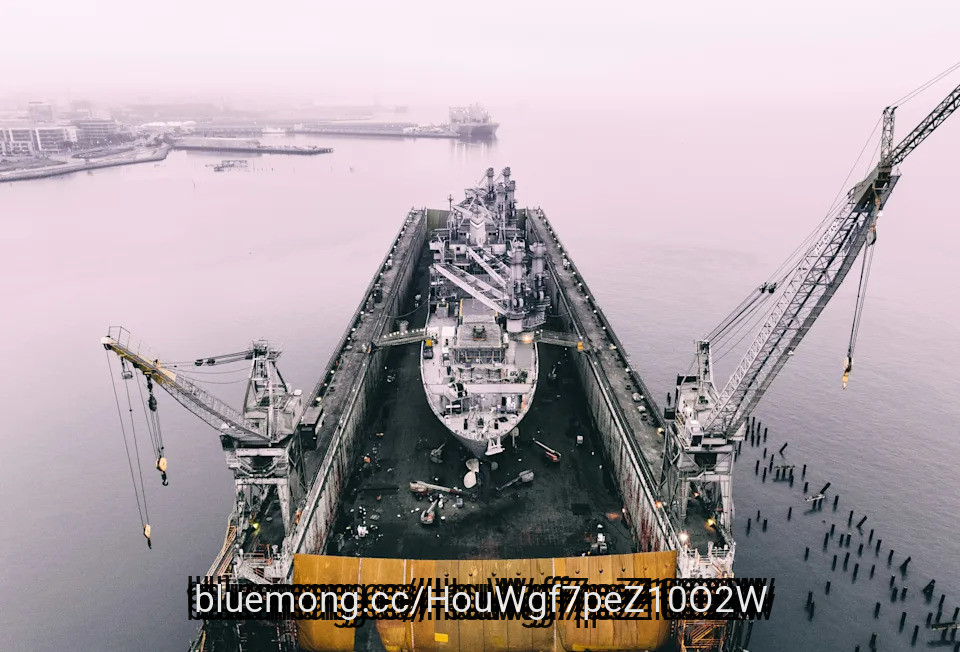
Oil platform
#quarterly
ConocoPhillips (NYSE:COP) pulled off that strong quarter even as production slipped nearly 6% to 2.25 million barrels of oil equivalent per day, leaning instead on a 36% jump in realized prices to carry the results. O'Brien, a nearly 30-year company veteran, inherits a $7 billion free cash flow growth pledge through 2029 that depends heavily on finishing the pricey Willow oil project in Alaska. It is a project whose price tag has already climbed to $9 billion.
One of the company's rivals, Exxon Mobil Corporation (NYSE:XOM) told a different story the week before. On July 31, the firm posted its biggest quarterly profit in four years at $14.7 billion, up 67% from the first quarter. It still came up short of the $3.60-per-share estimate with adjusted earnings of $3.52. Its shares fell 1% on the news.
So why did ConocoPhillips's win move the stock while Exxon's four-year-high profit left investors cold?
Oil platform
#quarterly
22 days ago
PepsiCo (PEP) and Johnson & Johnson (JNJ) anchor the conservative tier, with 54 and 64 consecutive dividend raises and a combined yield near 3.5%.
Dividend-growth compounding turns $465,000 into roughly $1 million in a decade, unlocking $3,350 monthly without the principal erosion of high-yield alternatives.
Are you ahead, or behind on retirement? SmartAsset's free tool can match you with a financial advisor in minutes to help you answer that today. Each advisor has been carefully vetted, and must act in your best interests. Don't waste another minute; learn more here.
At age 53, with $465,000 tucked away, the goal is to build a portfolio that can start cutting monthly checks a decade from now. The math is unforgiving, but that 10‑year runway to age 63 changes which levers actually move the needle. Starting yield is one piece of the equation. Dividend growth is the other, and over a full decade, growth tends to win out.
This piece walks through what $465,000 produces today at three different yield levels, then shows why a lower-yield, faster-growing portfolio can out-earn a higher static payout by age 63. All three names in the framing, PepsiCo (NASDAQ:PEP), Johnson & Johnson (NYSE:JNJ), and Exxon Mobil (NYSE:XOM), sit inside the conservative tier for a reason.
#Growth #pepsico
Dividend-growth compounding turns $465,000 into roughly $1 million in a decade, unlocking $3,350 monthly without the principal erosion of high-yield alternatives.
Are you ahead, or behind on retirement? SmartAsset's free tool can match you with a financial advisor in minutes to help you answer that today. Each advisor has been carefully vetted, and must act in your best interests. Don't waste another minute; learn more here.
At age 53, with $465,000 tucked away, the goal is to build a portfolio that can start cutting monthly checks a decade from now. The math is unforgiving, but that 10‑year runway to age 63 changes which levers actually move the needle. Starting yield is one piece of the equation. Dividend growth is the other, and over a full decade, growth tends to win out.
This piece walks through what $465,000 produces today at three different yield levels, then shows why a lower-yield, faster-growing portfolio can out-earn a higher static payout by age 63. All three names in the framing, PepsiCo (NASDAQ:PEP), Johnson & Johnson (NYSE:JNJ), and Exxon Mobil (NYSE:XOM), sit inside the conservative tier for a reason.
#Growth #pepsico


23 days ago
A five-year correlation this low is not a statistical curiosity; it is what an earnings stream built on barrels and product margins looks like beside the index.
ExxonMobil (XOM) has gained 4.3% over the last five trading days while the S&P 500 slipped 0.5%, and a stock rising while the tape sags is the kind that gets chased. But the question that decides your outcome is different: how much of this return is its own story rather than the index you already own, and what owning it does to your swings. On five years of evidence, most of that return is not the index.
Most Of What Moves This Stock Is Not What Moves The Index
Over the past five years ExxonMobil's correlation to the S&P 500 has been 0.26, on a scale where 1.0 would mean lockstep. Gold, the ***** et investors hold precisely because it does its own thing, correlates to this stock at 0.1 over the same five years. The index reading is higher, and still describes a stock that has largely moved independently of the broad market. That independence has not cost return, though it has cost calm: the stock annualized 30.2% over that window against 13.2% for the index, at 26.7% volatility versus 17.2%.
Barrels And Product Margins Are What Set This Return Stream
#years #moves
ExxonMobil (XOM) has gained 4.3% over the last five trading days while the S&P 500 slipped 0.5%, and a stock rising while the tape sags is the kind that gets chased. But the question that decides your outcome is different: how much of this return is its own story rather than the index you already own, and what owning it does to your swings. On five years of evidence, most of that return is not the index.
Most Of What Moves This Stock Is Not What Moves The Index
Over the past five years ExxonMobil's correlation to the S&P 500 has been 0.26, on a scale where 1.0 would mean lockstep. Gold, the ***** et investors hold precisely because it does its own thing, correlates to this stock at 0.1 over the same five years. The index reading is higher, and still describes a stock that has largely moved independently of the broad market. That independence has not cost return, though it has cost calm: the stock annualized 30.2% over that window against 13.2% for the index, at 26.7% volatility versus 17.2%.
Barrels And Product Margins Are What Set This Return Stream
#years #moves

25 days ago
If Targa wanted to lure in hyperscaler customers, it just secured some tremendous bait. The energy stock is rising on news of a 20-year deal with Exxon for three new natural gas processing plants and related services in the Permian Basin. Targa Resources (TRGP) spiked more than 7%, jumping above a flat base buy point at 280 and an alternate…
#trgp #lure #hyperscaler
#trgp #lure #hyperscaler

25 days ago
The oil majors are soaring. ExxonMobil Holdings (NYSE: XOM) posted net income of $14.5 billion for the second quarter, more than double the $7.1 billion profit it had a year ago. Chevron's (NYSE: CVX) net income of $12 billion for the quarter was almost 400% higher than the year-ago quarter.
Chevron beat Wall Street's earnings estimates by $0.50 a share, at $6.06. Exxon, meanwhile, fell $0.08 short of estimates, posting adjusted earnings of $3.52 a share. The company said difficulties in its refining business were to blame.
Missed Nvidia in 2009? This Rare Signal Is Flashing Again. In 2009, a "Double Down" signal flashed for a little-known chipmaker called Nvidia. For the first time in years, that same "Total Conviction" signal is flashing for a company 1/100th the size of Nvidia. Continue »
Still, the increase in net income at the two oil behemoths is stunning. And both companies handily beat ****** ysts' revenue estimates. Of course, higher oil prices resulting from the war in the Persian Gulf and the closure of the Strait of Hormuz, through which about one-fifth of the world's oil flows, are a huge part of that.
And both companies seem to be firing on all cylinders. So, the question is, which one is the better investment right now? I like Chevron. Here's why.
#signal #income #billion #double
Chevron beat Wall Street's earnings estimates by $0.50 a share, at $6.06. Exxon, meanwhile, fell $0.08 short of estimates, posting adjusted earnings of $3.52 a share. The company said difficulties in its refining business were to blame.
Missed Nvidia in 2009? This Rare Signal Is Flashing Again. In 2009, a "Double Down" signal flashed for a little-known chipmaker called Nvidia. For the first time in years, that same "Total Conviction" signal is flashing for a company 1/100th the size of Nvidia. Continue »
Still, the increase in net income at the two oil behemoths is stunning. And both companies handily beat ****** ysts' revenue estimates. Of course, higher oil prices resulting from the war in the Persian Gulf and the closure of the Strait of Hormuz, through which about one-fifth of the world's oil flows, are a huge part of that.
And both companies seem to be firing on all cylinders. So, the question is, which one is the better investment right now? I like Chevron. Here's why.
#signal #income #billion #double