
1 hr. ago
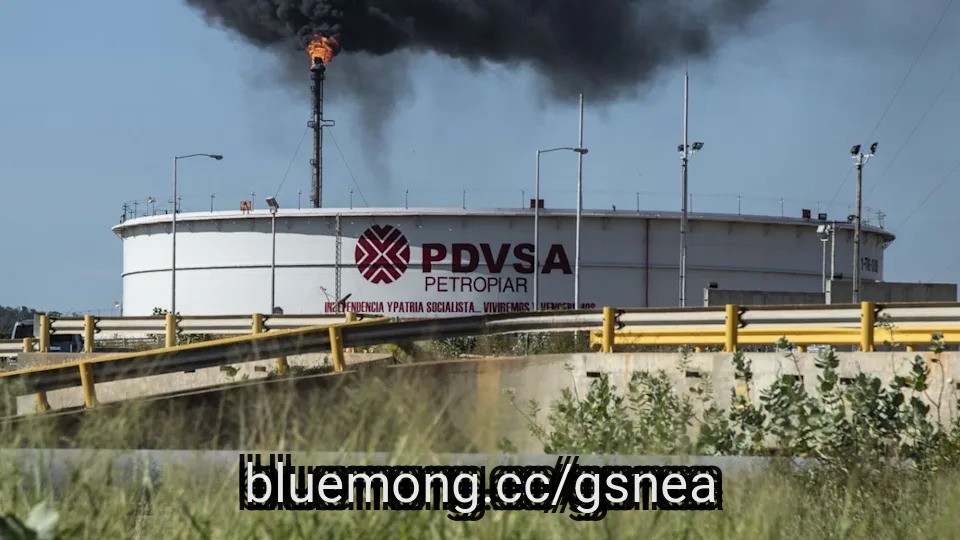
Italy's Eni has signed a 25-year contract with Venezuela's state oil company PDVSA that makes the Italian energy major the exclusive operator of the giant Junín-5 heavy-oil field in the Orinoco Belt.
The agreement gives Eni responsibility for the technical, financial and commercial management of Junín-5, which contains an estimated 35 billion barrels of certified oil in place but currently produces just 12,000 barrels per day.
The deal marks a significant change from the previous Petrojunín joint-venture structure, under which PDVSA held 60% and Eni 40%. Venezuela's recently reformed hydrocarbons law allows foreign and domestic companies greater autonomy to operate fields, market production and receive proceeds from oil sales.
The signing took place during U.S. Energy Secretary Chris Wright's visit to Caracas and comes amid a broader revival of foreign investment in Venezuela's oil industry. Chevron separately announced plans to invest $7 billion over five years and more than double its Venezuelan production to 600,000 bpd by 2031.
Eni has major ambitions for Junín-5. The company originally envisioned developing the field to 240,000 bpd, although that target—initially planned for 2018—was never achieved. The Financial Times reported Wednesday that Eni plans to invest around $1.5 billion annually as it ramps up the project.
#billion #pdvsa #field
The agreement gives Eni responsibility for the technical, financial and commercial management of Junín-5, which contains an estimated 35 billion barrels of certified oil in place but currently produces just 12,000 barrels per day.
The deal marks a significant change from the previous Petrojunín joint-venture structure, under which PDVSA held 60% and Eni 40%. Venezuela's recently reformed hydrocarbons law allows foreign and domestic companies greater autonomy to operate fields, market production and receive proceeds from oil sales.
The signing took place during U.S. Energy Secretary Chris Wright's visit to Caracas and comes amid a broader revival of foreign investment in Venezuela's oil industry. Chevron separately announced plans to invest $7 billion over five years and more than double its Venezuelan production to 600,000 bpd by 2031.
Eni has major ambitions for Junín-5. The company originally envisioned developing the field to 240,000 bpd, although that target—initially planned for 2018—was never achieved. The Financial Times reported Wednesday that Eni plans to invest around $1.5 billion annually as it ramps up the project.
#billion #pdvsa #field


2 days ago
Chevron Corporation (NYSE:CVX), GE Vernova Inc. (NYSE:GEV), India's ONGC, Italy's Eni and Colombia's GeoPark are reportedly close to signing final agreements for energy projects in Venezuela after months of negotiations. Most of the agreements would move existing oil contracts under Venezuela's amended hydrocarbons law, which gives foreign companies more flexibility to operate and expand fields, export crude and receive cash proceeds from sales. Some agreements would also cover new electricity and energy projects.
For Chevron Corporation (NYSE:CVX), the opportunity could be particularly significant. The company is seeking to add a block in Venezuela's Orinoco Belt, which could allow it to expand an existing joint venture with state-owned PDVSA. It is also pursuing an area in Monagas North that could provide diluents needed for its extra-heavy oil production. The Wall Street Journal previously reported that Chevron was close to securing rights to two additional heavy-oil fields.
The agreements would represent another step toward reopening Venezuela's energy sector to foreign investment, but the final list of companies and terms had not yet been finalized at the time of the Reuters report.
The biggest positive is greater access to Venezuela's enormous oil resources. The amended hydrocarbons framework could give foreign companies more control over their operations and improve their ability to monetize production. For Chevron Corporation (NYSE:CVX), additional acreage in the Orinoco Belt could provide a meaningful avenue to increase long-term Venezuelan production.
Chevron also has an advantage over companies entering Venezuela for the first time because it already operates joint ventures in the country. That existing infrastructure, relationships, and operational experience could allow it to capture opportunities more efficiently as the sector reopens. The Wall Street Journal has noted that Chevron is currently the only major U.S. oil company operating in Venezuela.
#agreements #Companies #energy
For Chevron Corporation (NYSE:CVX), the opportunity could be particularly significant. The company is seeking to add a block in Venezuela's Orinoco Belt, which could allow it to expand an existing joint venture with state-owned PDVSA. It is also pursuing an area in Monagas North that could provide diluents needed for its extra-heavy oil production. The Wall Street Journal previously reported that Chevron was close to securing rights to two additional heavy-oil fields.
The agreements would represent another step toward reopening Venezuela's energy sector to foreign investment, but the final list of companies and terms had not yet been finalized at the time of the Reuters report.
The biggest positive is greater access to Venezuela's enormous oil resources. The amended hydrocarbons framework could give foreign companies more control over their operations and improve their ability to monetize production. For Chevron Corporation (NYSE:CVX), additional acreage in the Orinoco Belt could provide a meaningful avenue to increase long-term Venezuelan production.
Chevron also has an advantage over companies entering Venezuela for the first time because it already operates joint ventures in the country. That existing infrastructure, relationships, and operational experience could allow it to capture opportunities more efficiently as the sector reopens. The Wall Street Journal has noted that Chevron is currently the only major U.S. oil company operating in Venezuela.
#agreements #Companies #energy


9 days ago
India's state-owned Oil and Natural Gas Corporation (ONGC) plans to invest about $200 million to revive production at the San Cristobal oilfield in Venezuela, which it shares with Venezuelan state oil firm PDVSA, Indian outlet Economic Times reported on Wednesday, citing sources with knowledge of the development.
ONGC's overseas unit ONGC Videsh Ltd (OVL) holds stakes in some Venezuelan oil projects, including a 40% interest in the San Cristobal oilfield, in which PDVSA owns the remaining 60%.
Earlier this month, ONGC secured a license from the U.S. Office of Foreign ******* ets Control (OFAC) to return to Venezuela.
India's largest oil and gas company has a 40% stake in the San Cristobal oil project and an 11% stake in the Carabobo project but has been forced to curb activity significantly amid a barrage of U.S. sanctions on the South American country in recent years.
Now that the license has been secured, ONGC plans to develop the oilfield. The $200-million budget for reviving production at San Cristobal in the Orinoco Belt would be given the green light once the Indian firm and PDVSA sign an agreement on an investment plan.
#venezuela #Indian #state
ONGC's overseas unit ONGC Videsh Ltd (OVL) holds stakes in some Venezuelan oil projects, including a 40% interest in the San Cristobal oilfield, in which PDVSA owns the remaining 60%.
Earlier this month, ONGC secured a license from the U.S. Office of Foreign ******* ets Control (OFAC) to return to Venezuela.
India's largest oil and gas company has a 40% stake in the San Cristobal oil project and an 11% stake in the Carabobo project but has been forced to curb activity significantly amid a barrage of U.S. sanctions on the South American country in recent years.
Now that the license has been secured, ONGC plans to develop the oilfield. The $200-million budget for reviving production at San Cristobal in the Orinoco Belt would be given the green light once the Indian firm and PDVSA sign an agreement on an investment plan.
#venezuela #Indian #state


9 days ago
More than half a year after the U.S. captured and extracted Nicolas Maduro from Venezuela, the biggest American oil firms haven't returned to operating oilfields in the world's largest oil reserves holder.
Chevron, which has operated in Venezuela throughout Maduro's reign, is extracting and exporting oil to the U.S., but neither ExxonMobil nor ConocoPhillips have returned as negotiations led by Venezuela's state oil firm PDVSA are not progressing as fast as the U.S. Administration probably thought in January when it extracted Maduro and hailed the big U.S. return to Venezuela's oil industry.
There have been some deals signed in recent months, with service providers and smaller American oil companies, which seem more willing to take the risks of operating in the country, which has yet to see a stable political and fiscal environment for large-scale operations.
Earlier this month, Venezuela signed deals with oilfield service major SLB and Hunt Oil Co. as part of efforts to boost investment in its key energy industry, the country's oil minister, Paula Henao, said.
Related: The 60 Day Peace Window Closed, and Trump's Iran Strategy May Shift Dramatically
#operating #service
Chevron, which has operated in Venezuela throughout Maduro's reign, is extracting and exporting oil to the U.S., but neither ExxonMobil nor ConocoPhillips have returned as negotiations led by Venezuela's state oil firm PDVSA are not progressing as fast as the U.S. Administration probably thought in January when it extracted Maduro and hailed the big U.S. return to Venezuela's oil industry.
There have been some deals signed in recent months, with service providers and smaller American oil companies, which seem more willing to take the risks of operating in the country, which has yet to see a stable political and fiscal environment for large-scale operations.
Earlier this month, Venezuela signed deals with oilfield service major SLB and Hunt Oil Co. as part of efforts to boost investment in its key energy industry, the country's oil minister, Paula Henao, said.
Related: The 60 Day Peace Window Closed, and Trump's Iran Strategy May Shift Dramatically
#operating #service


14 days ago
A Bloomberg report on August 18 revealed that BP plc (NYSE:BP) has become the latest foreign company to enter the Venezuelan oil trade, with the tanker Monte Lema loading 400,000 barrels of heavy fuel oil for the British energy giant. The oil is being supplied by the state-owned PDVSA. The strategic move places BP among a select group of companies, including trading giants Trafigura and Vitol, with direct access to Venezuelan oil.
The development comes a few days after it was announced that the London-based company would partner with two other firms to develop the second phase of the Loran gasfield, in one of the first large-scale foreign investments in the South American country since the ouster of Nicolás Maduro earlier this year. That said, while the consortium has secured the official exploration and production license, the project remains in the pre-FID phase.
The developments come after President Trump called for global oil companies to invest in Venezuela and help restore and modernize its dilapidated oil infrastructure. The South American nation is sitting on the largest proven crude oil reserves in the world, accounting for roughly 17% of the global total. However, the oil-rich country's government nationalized major heavy oil projects in 2007, forcing foreign operators into minority stakes or outright seizing their **** ets.
As a relatively early mover, BP plc (NYSE:BP) stands to gain a lot from a gradual revival of Venezuelan oil output. The company appears to be positioning itself across multiple areas of Venezuela's energy value chain – from exploration to production, to trading and international marketing. It means that the energy giant could benefit from the country in many ways as it reconnects with global energy markets.
Moreover, BP's entry into the Venezuelan oil trade could give it an opportunity to capture trading margins in addition to upstream earnings. This could be particularly beneficial for the company as it could potentially leverage its already existing refining, marketing, shipping, and trading infrastructure in the region. Although Trafigura and Vitol have an early foothold in Venezuela's oil trading business, BP's large integrated energy business gives it a significant competitive edge.
#energy #company #vitol
The development comes a few days after it was announced that the London-based company would partner with two other firms to develop the second phase of the Loran gasfield, in one of the first large-scale foreign investments in the South American country since the ouster of Nicolás Maduro earlier this year. That said, while the consortium has secured the official exploration and production license, the project remains in the pre-FID phase.
The developments come after President Trump called for global oil companies to invest in Venezuela and help restore and modernize its dilapidated oil infrastructure. The South American nation is sitting on the largest proven crude oil reserves in the world, accounting for roughly 17% of the global total. However, the oil-rich country's government nationalized major heavy oil projects in 2007, forcing foreign operators into minority stakes or outright seizing their **** ets.
As a relatively early mover, BP plc (NYSE:BP) stands to gain a lot from a gradual revival of Venezuelan oil output. The company appears to be positioning itself across multiple areas of Venezuela's energy value chain – from exploration to production, to trading and international marketing. It means that the energy giant could benefit from the country in many ways as it reconnects with global energy markets.
Moreover, BP's entry into the Venezuelan oil trade could give it an opportunity to capture trading margins in addition to upstream earnings. This could be particularly beneficial for the company as it could potentially leverage its already existing refining, marketing, shipping, and trading infrastructure in the region. Although Trafigura and Vitol have an early foothold in Venezuela's oil trading business, BP's large integrated energy business gives it a significant competitive edge.
#energy #company #vitol


14 days ago
Venezuela's new petroleum minister sees her South American home not as a dilapidated former oil giant, but as an emerging energy economy ripe for U.S. and foreign investments in new oil and gas exploration, both onshore and offshore.
Paula Henao, who took over as the hydrocarbons minister in March after the forced U.S. removal of former leader Nicolás Maduro, told an overflowing Houston energy audience on Wednesday that Venezuela is much more than just its famed heavy-grade crude oil. There are more than 916 exploration opportunities awaiting foreign investment, she said, including natural gas and other untapped oil basins. She cited an estimated 192 trillion cubic feet of natural gas reserves, as well as the country's world-leading proven oil reserves of more than 300 billion barrels.
"It's an entire world waiting to be discovered, just waiting for us to reach these agreements so we can develop these new areas," Henao said in Spanish to the crowd at the posh Post Oak Hotel in Houston.
Henao and leaders of the Venezuelan state oil company, PDVSA, were in Houston this week for meetings and a showcase event in advance of a bigger Venezuela Energy Week in February in Caracas.
"Go to Venezuela to invest, go to Venezuela to develop businesses there," said PDVSA Vice President Jovanny Martinez, also speaking in Spanish. "We are at the right place at this historical moment. We have the energy that the world requires."
#venezuela #henao
Paula Henao, who took over as the hydrocarbons minister in March after the forced U.S. removal of former leader Nicolás Maduro, told an overflowing Houston energy audience on Wednesday that Venezuela is much more than just its famed heavy-grade crude oil. There are more than 916 exploration opportunities awaiting foreign investment, she said, including natural gas and other untapped oil basins. She cited an estimated 192 trillion cubic feet of natural gas reserves, as well as the country's world-leading proven oil reserves of more than 300 billion barrels.
"It's an entire world waiting to be discovered, just waiting for us to reach these agreements so we can develop these new areas," Henao said in Spanish to the crowd at the posh Post Oak Hotel in Houston.
Henao and leaders of the Venezuelan state oil company, PDVSA, were in Houston this week for meetings and a showcase event in advance of a bigger Venezuela Energy Week in February in Caracas.
"Go to Venezuela to invest, go to Venezuela to develop businesses there," said PDVSA Vice President Jovanny Martinez, also speaking in Spanish. "We are at the right place at this historical moment. We have the energy that the world requires."
#venezuela #henao

16 days ago
Following the Washington-led removal of Venezuela's previous president, Nicolás Maduro, from office on 3 January this year, U.S. firms are pushing hard to keep increasing oil production from the hydrocarbons giant, in line with President Donald Trump's grand plans for the country within his new world order. The foundation for such output increases is extremely solid, as Venezuela still holds the world's largest proven crude reserves -- roughly 303 billion barrels, or about 17% of the global total. Most of this is extra-heavy crude oil from the Orinoco Belt that requires more technical expertise to handle than lighter grades but is cheaper to lift and often more profitable to process, with the challenge lying in transporting, upgrading, and refining it, not extracting it. Moreover, of its 14 supergiant oil fields, 11 retain more than half of their original reserves. Once up and running to something approaching full capacity, the country is to play a key role in the 'Americas' geographical sphere -- one of three such regions, as delineated recently in the U.S.'s '2025 National Security Strategy' -- so where are we now in this development arc following comments in the past week or so from U.S. oil and gas giant, Chevron?
According to chief financial officer Eimear Bonner, during a recent earnings call, the U.S. supermajor has increased its oil production in Venezuela from 40,000 barrels per day (bpd) to 250,000 bpd over the past few years. And, based solely on its three current joint ventures in the country, output has risen over just the past six months by 12% year on year to 280,000 bpd. This followed the mid-April announcement of an **** et-swap agreement with Petróleos de Venezuela, S.A. (PDVSA), under which Chevron received an additional 13.21% interest in the Petroindependencia joint venture, increasing its total stake to 49%. The U.S. firm's other two joint ventures include Petropiar (in which a Chevron subsidiary holds a 30% interest and has the rights to develop the adjacent Ayacucho 8 area in the Orinoco Oil Belt), and Petroindependiente (in which it has a 25.2% non-operated interest in the west of the country). Looking ahead, Bonner added that Chevron expects its production across Venezuela to rise by 50% between now and the end of 2028, which would bring the total up to 420,000 bpd. Across the country as a whole, July saw average crude oil production by Venezuelan state oil company PDVSA and its foreign partners increase by 20,000 bpd to 1.21 million bpd, according to Ministry of Hydrocarbons data. Nearly all of this is now exported, compared to an average of 847,000 bpd in 2025. That said, back in the early 2000s, Venezuela's crude production was running at over 3 million barrels per day.
#crude #past #joint
According to chief financial officer Eimear Bonner, during a recent earnings call, the U.S. supermajor has increased its oil production in Venezuela from 40,000 barrels per day (bpd) to 250,000 bpd over the past few years. And, based solely on its three current joint ventures in the country, output has risen over just the past six months by 12% year on year to 280,000 bpd. This followed the mid-April announcement of an **** et-swap agreement with Petróleos de Venezuela, S.A. (PDVSA), under which Chevron received an additional 13.21% interest in the Petroindependencia joint venture, increasing its total stake to 49%. The U.S. firm's other two joint ventures include Petropiar (in which a Chevron subsidiary holds a 30% interest and has the rights to develop the adjacent Ayacucho 8 area in the Orinoco Oil Belt), and Petroindependiente (in which it has a 25.2% non-operated interest in the west of the country). Looking ahead, Bonner added that Chevron expects its production across Venezuela to rise by 50% between now and the end of 2028, which would bring the total up to 420,000 bpd. Across the country as a whole, July saw average crude oil production by Venezuelan state oil company PDVSA and its foreign partners increase by 20,000 bpd to 1.21 million bpd, according to Ministry of Hydrocarbons data. Nearly all of this is now exported, compared to an average of 847,000 bpd in 2025. That said, back in the early 2000s, Venezuela's crude production was running at over 3 million barrels per day.
#crude #past #joint

1 month ago
Commodity traders are having the rug pulled out from under one of their biggest paydays yet as refiners start bypassing oil and traders and buying Venezuelan crude directly, according to Reuters. Refiners and major oil-producing firms are rapidly gaining market share in Venezuelan crude by locking in direct supply contracts with state-run Petróleos de Venezuela, S.A. (PDVSA), bypassing the global middlemen and commodity trading houses such as Trafigura and Vitol that previously dominated the ***** e.
Six months after traders reopened Venezuela's oil market, Phillips 66 (NYSE:PSX) and India's Reliance Industries have already signed direct supply agreements, with Valero (NYSE:VLO) and Thailand's Tipco expected to follow.
Previously, Vitol and Trafigura enjoyed first-mover advantage, managing to become dominant in Venezuelan crude marketing because of their exclusive U.S. government licenses, pre-existing logistical infrastructure and historical ties to PDVSA. Following major political shifts in Venezuela in January, the U.S. administration brokered a deal to manage and sell the country's oil. The U.S. Department of the Treasury issued special, long-term licenses specifically to Vitol and Trafigura until June 2027, effectively giving the traders a temporary monopoly. The pair collectively moved more than 100 million barrels of crude over a six-month period while other global firms remained legally locked out.
Their unmatched logistics also gave them a clear upper hand. After all, global trading houses have the fleet capacity and global reach to quickly deploy tankers and reroute large volumes of crude. They could absorb massive storage and shipping costs in a difficult market, using floating storage facilities in places like Malaysia to break up bulk shipments. When the ongoing war in Iran disrupted Middle Eastern supply chains, Vitol and Trafigura quickly diverted heavy Venezuelan grades like Merey 16 to major Asian refining hubs in India, South Korea, and Malaysia at narrower discounts.
Related: Equinor CEO: Europe May Miss Winter Gas Storage Goal
#venezuelan #crude #storage
Six months after traders reopened Venezuela's oil market, Phillips 66 (NYSE:PSX) and India's Reliance Industries have already signed direct supply agreements, with Valero (NYSE:VLO) and Thailand's Tipco expected to follow.
Previously, Vitol and Trafigura enjoyed first-mover advantage, managing to become dominant in Venezuelan crude marketing because of their exclusive U.S. government licenses, pre-existing logistical infrastructure and historical ties to PDVSA. Following major political shifts in Venezuela in January, the U.S. administration brokered a deal to manage and sell the country's oil. The U.S. Department of the Treasury issued special, long-term licenses specifically to Vitol and Trafigura until June 2027, effectively giving the traders a temporary monopoly. The pair collectively moved more than 100 million barrels of crude over a six-month period while other global firms remained legally locked out.
Their unmatched logistics also gave them a clear upper hand. After all, global trading houses have the fleet capacity and global reach to quickly deploy tankers and reroute large volumes of crude. They could absorb massive storage and shipping costs in a difficult market, using floating storage facilities in places like Malaysia to break up bulk shipments. When the ongoing war in Iran disrupted Middle Eastern supply chains, Vitol and Trafigura quickly diverted heavy Venezuelan grades like Merey 16 to major Asian refining hubs in India, South Korea, and Malaysia at narrower discounts.
Related: Equinor CEO: Europe May Miss Winter Gas Storage Goal
#venezuelan #crude #storage