
22 days ago
Ben Affleck says losing both of his parents within the same year has changed the way he looks back at the family and home that shaped him. His father, Timothy Affleck, died in April, followed by his mother, Chris Anne Affleck, in June.
The actor addressed the losses publicly during the September 30 episode of Kerry Washington's Street You Grew Up On podcast. Affleck called losing both parents "sort of a big thing" and said it had caused him to revisit his childhood in ways that felt different from before.
Much of that shift centers on his mother, who died June 2 at age 83 after being diagnosed with pancreatic cancer in December 2025. After her death, Affleck discovered letters she had written to her own parents as a young woman and began reading about ambitions, interests and experiences that existed decades before he knew her as his mother.
That discovery gave Affleck a fuller view of what she later devoted to raising him and his younger brother, Casey. It also fit a broader change in perspective he has described as an adult. Seeing his parents not simply through the roles they played in his childhood, but as people with their own histories, struggles and capacity for change.
The letters came from Chris Anne's younger years, including periods when she was living in California and deciding what kind of work she wanted to pursue. PEOPLE reported that Affleck found references to possible careers in teaching and social work, protests and time spent traveling to Mississippi.
#losing #childhood
The actor addressed the losses publicly during the September 30 episode of Kerry Washington's Street You Grew Up On podcast. Affleck called losing both parents "sort of a big thing" and said it had caused him to revisit his childhood in ways that felt different from before.
Much of that shift centers on his mother, who died June 2 at age 83 after being diagnosed with pancreatic cancer in December 2025. After her death, Affleck discovered letters she had written to her own parents as a young woman and began reading about ambitions, interests and experiences that existed decades before he knew her as his mother.
That discovery gave Affleck a fuller view of what she later devoted to raising him and his younger brother, Casey. It also fit a broader change in perspective he has described as an adult. Seeing his parents not simply through the roles they played in his childhood, but as people with their own histories, struggles and capacity for change.
The letters came from Chris Anne's younger years, including periods when she was living in California and deciding what kind of work she wanted to pursue. PEOPLE reported that Affleck found references to possible careers in teaching and social work, protests and time spent traveling to Mississippi.
#losing #childhood




1 month ago
Parnassus Investments, an investment management company, released the "Parnassus Growth Equity Fund" second-quarter 2026 investor letter. The letter can be downloaded here. During the quarter, the Fund (Investor Shares) returned 17.49% (net of fees), outperforming the Russell 1000 Growth Index's 16.74%. Holdings in Information Technology and Consumer Discretionary sectors boosted relative returns, while Communication Services and Financials holdings detracted. For the year-to-date period, the Fund returned 6.17% (net of fees), outperforming the Russell 1000 Growth's 5.33%. The firm remains constructively bullish on U.S. equities and continues to be selective, valuation-sensitive, and focused on disruptive growth opportunities through active stock selection. Growth stocks advanced during the second quarter, as the Russell 1000 Growth Index generated strong double-digit returns driven by increased confidence in the durability of the ongoing artificial intelligence (AI) infrastructure build-out. Additionally, reviewing the Fund's top five holdings could help identify its best picks for 2026.
In its second-quarter 2026 investor letter, Parnassus Growth Equity Fund highlighted Revolution Medicines, Inc. (NASDAQ:RVMD) as a new addition. Revolution Medicines, Inc. (NASDAQ:RVMD) is a clinical-stage precision oncology company that develops novel targeted therapies for RAS-addicted cancers. On September 15, 2026, Revolution Medicines, Inc. (NASDAQ:RVMD) closed at $204.86 per share. Over the past month, Revolution Medicines, Inc. (NASDAQ:RVMD) declined 6.53% and its shares gained 358.00% over the past 52 weeks. Revolution Medicines, Inc. (NASDAQ:RVMD) has a market capitalization of $43.91 billion.
Parnassus Growth Equity Fund stated the following regarding Revolution Medicines, Inc. (NASDAQ:RVMD) in its Q2 2026 investor letter:
"In the Health Care sector, we see compelling long-term idiosyncratic growth opportunities in drug discovery, diagnostics and medical innovation. During the quarter, we added Revolution Medicines, Inc. (NASDAQ:RVMD), developer of a promising new drug for pancreatic cancer. Revolution Medicines' lead drug candidate, daraxonrasib, has delivered strong late-stage clinical results in pancreatic cancer, with data suggesting it could become a new standard of care and support significant commercial potential, alongside additional opportunities in other cancers over time."
Revolution Medicines, Inc. (NASDAQ:RVMD) is not on our list of the 40 Most Popular Stocks Among Hedge Funds. According to our database, 105 hedge fund portfolios held Revolution Medicines, Inc. (NASDAQ:RVMD) at the end of the second quarter, compared to 106 in the previous quarter. While we acknowledge the potential of Revolution Medicines, Inc. (NASDAQ:RVMD) as an investment, we believe certain AI stocks offer greater upside potential and carry less downside risk. If you're looking for an extremely undervalued AI stock that also stands to benefit significantly from Tr
In its second-quarter 2026 investor letter, Parnassus Growth Equity Fund highlighted Revolution Medicines, Inc. (NASDAQ:RVMD) as a new addition. Revolution Medicines, Inc. (NASDAQ:RVMD) is a clinical-stage precision oncology company that develops novel targeted therapies for RAS-addicted cancers. On September 15, 2026, Revolution Medicines, Inc. (NASDAQ:RVMD) closed at $204.86 per share. Over the past month, Revolution Medicines, Inc. (NASDAQ:RVMD) declined 6.53% and its shares gained 358.00% over the past 52 weeks. Revolution Medicines, Inc. (NASDAQ:RVMD) has a market capitalization of $43.91 billion.
Parnassus Growth Equity Fund stated the following regarding Revolution Medicines, Inc. (NASDAQ:RVMD) in its Q2 2026 investor letter:
"In the Health Care sector, we see compelling long-term idiosyncratic growth opportunities in drug discovery, diagnostics and medical innovation. During the quarter, we added Revolution Medicines, Inc. (NASDAQ:RVMD), developer of a promising new drug for pancreatic cancer. Revolution Medicines' lead drug candidate, daraxonrasib, has delivered strong late-stage clinical results in pancreatic cancer, with data suggesting it could become a new standard of care and support significant commercial potential, alongside additional opportunities in other cancers over time."
Revolution Medicines, Inc. (NASDAQ:RVMD) is not on our list of the 40 Most Popular Stocks Among Hedge Funds. According to our database, 105 hedge fund portfolios held Revolution Medicines, Inc. (NASDAQ:RVMD) at the end of the second quarter, compared to 106 in the previous quarter. While we acknowledge the potential of Revolution Medicines, Inc. (NASDAQ:RVMD) as an investment, we believe certain AI stocks offer greater upside potential and carry less downside risk. If you're looking for an extremely undervalued AI stock that also stands to benefit significantly from Tr


2 months ago
Revolution Medicines, Inc. (NASDAQ:RVMD) received FDA approval for Rasonque, or daraxonrasib, following an expedited review. The once-daily oral RAS inhibitor is approved for adults with metastatic pancreatic adenocarcinoma who have received at least one prior systemic therapy or are not candidates for multiagent systemic therapy.
Revolution Medicines, Inc. (NASDAQ:RVMD) set a wholesale acquisition cost (WAC) of $39,800 for a 30-day supply. Twelve 30-day supplies would total $477,600 at WAC before discounts, rebates, or ******* istance. Rasonque is available in the United States, with (ON)Path offering insurance navigation and financial-assistance resources, including copay support for eligible commercially insured patients.
The approval was based on RASolute 302, a randomized Phase 3 trial involving 500 patients with previously treated metastatic pancreatic adenocarcinoma. In the overall population, median overall survival reached 13.2 months with Rasonque versus 6.7 months with chemotherapy. The hazard ratio of 0.40 represented a 60% lower hazard of death during trial follow-up. Median progression-free survival was 7.2 months versus 3.6 months, while objective response rates were 30% and 11%, respectively.
The survival benefit gives Rasonque a strong clinical argument for reimbursement. Pancreatic cancer is aggressive, treatment options after progression are limited, and Rasonque improved overall survival, progression-free survival, and response rates in a randomized comparison. Oral dosing may also reduce the burden of intravenous chemotherapy.
The approved population is broader than a single mutation-defined subgroup. Rasonque can be prescribed with or without an identified RAS tumor mutation and does not require a companion diagnostic. That reduces testing friction within the approved treatment setting.
#months #pancreatic #progression #medicines
Revolution Medicines, Inc. (NASDAQ:RVMD) set a wholesale acquisition cost (WAC) of $39,800 for a 30-day supply. Twelve 30-day supplies would total $477,600 at WAC before discounts, rebates, or ******* istance. Rasonque is available in the United States, with (ON)Path offering insurance navigation and financial-assistance resources, including copay support for eligible commercially insured patients.
The approval was based on RASolute 302, a randomized Phase 3 trial involving 500 patients with previously treated metastatic pancreatic adenocarcinoma. In the overall population, median overall survival reached 13.2 months with Rasonque versus 6.7 months with chemotherapy. The hazard ratio of 0.40 represented a 60% lower hazard of death during trial follow-up. Median progression-free survival was 7.2 months versus 3.6 months, while objective response rates were 30% and 11%, respectively.
The survival benefit gives Rasonque a strong clinical argument for reimbursement. Pancreatic cancer is aggressive, treatment options after progression are limited, and Rasonque improved overall survival, progression-free survival, and response rates in a randomized comparison. Oral dosing may also reduce the burden of intravenous chemotherapy.
The approved population is broader than a single mutation-defined subgroup. Rasonque can be prescribed with or without an identified RAS tumor mutation and does not require a companion diagnostic. That reduces testing friction within the approved treatment setting.
#months #pancreatic #progression #medicines


2 months ago
Revolution Medicines, Inc. (NASDAQ:RVMD) touched an all-time high above $224 on August 27, 2026, following FDA approval of Rasonque (daraxonrasib) – the first broad RAS-targeted therapy cleared for metastatic pancreatic cancer. Creating a milestone, the approval came roughly five weeks after filing under the agency's national priority voucher. The pivotal RASolute 302 trial nearly doubled median overall survival, to 13.2 months from 6.7 on chemotherapy. While the clinical benefit is substantial, a $47 billion valuation suggests the market had already priced in this success.
RVMD carries essentially no product revenue yet. Its price rests entirely on the future. Evercore ISI has raised the next-year sales estimate for Rasonque to ~$2.4 billion. Additionally, the $47 billion valuation discounts much of a long-term pancreatic opportunity which the Evercore **** yst estimates Rasonque could generate about $15.1 billion in pancreatic-cancer sales by 2034. However, a few details complicate this math. First, the approved label applies strictly to second-line or multiagent-ineligible patients. The front-line indication represents the larger market opportunity but remains pending, meaning a notable portion of the TAM is not yet accessible. Second, RVMD's current valuation also sits well above the $28 billion–$32 billion takeover valuation reportedly discussed with Merck earlier this year. Bulls argue lung and colorectal trials justify the $47 billion beyond pancreatic cancer, though that pipeline potential remains unproven.
That matters because Revolution Medicines must now execute its first commercial launch independently in one of oncology's most challenging indications characterized by short survival, high patient frailty, and a U.S. list price of $39,800 for a 30-day supply. Commercialization will require heavy spending. The second-quarter net loss widened to $644 million, and full-year operating expense guidance increased to between $2.1 and $2.2 billion. While a $3.9 billion cash balance and up to $1.5 billion in committed royalty financing fund the launch, operational execution remains the primary risk.
Insiders were net sellers of roughly $21.5 million over the past 90 days with zero buying. Hedge fund data on the stock is flat. As per the Insider Monkey database, 105 funds held RVMD in the second quarter of 2026, modestly down from 106 in the first, indicating strong conviction among institutional investors. Short interest sits near 6% of float, representing a modest level of bets against the stock.
#first
RVMD carries essentially no product revenue yet. Its price rests entirely on the future. Evercore ISI has raised the next-year sales estimate for Rasonque to ~$2.4 billion. Additionally, the $47 billion valuation discounts much of a long-term pancreatic opportunity which the Evercore **** yst estimates Rasonque could generate about $15.1 billion in pancreatic-cancer sales by 2034. However, a few details complicate this math. First, the approved label applies strictly to second-line or multiagent-ineligible patients. The front-line indication represents the larger market opportunity but remains pending, meaning a notable portion of the TAM is not yet accessible. Second, RVMD's current valuation also sits well above the $28 billion–$32 billion takeover valuation reportedly discussed with Merck earlier this year. Bulls argue lung and colorectal trials justify the $47 billion beyond pancreatic cancer, though that pipeline potential remains unproven.
That matters because Revolution Medicines must now execute its first commercial launch independently in one of oncology's most challenging indications characterized by short survival, high patient frailty, and a U.S. list price of $39,800 for a 30-day supply. Commercialization will require heavy spending. The second-quarter net loss widened to $644 million, and full-year operating expense guidance increased to between $2.1 and $2.2 billion. While a $3.9 billion cash balance and up to $1.5 billion in committed royalty financing fund the launch, operational execution remains the primary risk.
Insiders were net sellers of roughly $21.5 million over the past 90 days with zero buying. Hedge fund data on the stock is flat. As per the Insider Monkey database, 105 funds held RVMD in the second quarter of 2026, modestly down from 106 in the first, indicating strong conviction among institutional investors. Short interest sits near 6% of float, representing a modest level of bets against the stock.
#first


2 months ago
BioNTech SE (NASDAQ:BNTX) rallied following the first positive interim Phase 3 topline result for a personalized mRNA cancer therapy. Moderna and Merck said intismeran, combined with Keytruda, significantly improved recurrence-free and distant metastasis-free survival in patients with surgically removed high-risk melanoma. The result lifted other mRNA developers because it provided the strongest evidence yet that the technology can work against cancer in a large late-stage trial. For BioNTech SE (NASDAQ:BNTX), however, the rally raises a harder question: does validation of the therapeutic class meaningfully improve the odds for its own candidates, or has the market moved ahead of company-specific evidence?
The distinction matters. Moderna's intismeran is individually designed around mutations found in each patient's tumor. BioNTech SE (NASDAQ:BNTX) is awaiting an interim ******* ysis from the Phase 3 portion of AHEAD-MERIT, which tests BNT113 with pembrolizumab in first-line unresectable recurrent or metastatic HPV16-positive, PD-L1-positive head-and-neck squamous cell carcinoma. BNT113 is an off-the-shelf FixVac therapy encoding the HPV16 E6 and E7 oncoproteins. Different antigens, manufacturing approaches, cancer types and treatment settings prevent Moderna's result from functioning as a direct clinical read-through.
Still, BioNTech SE (NASDAQ:BNTX) has more than one attempt at building an oncology franchise. The company has 14 ongoing pivotal trials across mRNA immunotherapies, immunomodulators and antibody-drug conjugates. It expects three late-stage readouts during 2026, including the BNT113 interim ******* ysis, and ended June with €16.6 billion in cash, cash equivalents and security investments.
The bull case for BioNTech SE (NASDAQ:BNTX) is that Moderna and Merck have reduced skepticism around the broader platform. Their trial enrolled 1,137 patients and met its primary endpoint of recurrence-free survival and a secondary endpoint of distant metastasis-free survival, with no new safety concerns reported. The result shows that an mRNA therapy can add meaningful benefit to a checkpoint inhibitor in Phase 3.
BioNTech also has a personalized program that more closely resembles intismeran. Autogene cevumeran, partnered with Genentech, is being studied in randomized Phase 2 trials in pancreatic and colorectal cancer. Meanwhile, BNT113 has FDA Fast Track designation and could provide BioNTech's own pivotal mRNA evidence. The company's cash position gives it room to fund these programs and absorb failures elsewhere in the portfolio.
#biontech
The distinction matters. Moderna's intismeran is individually designed around mutations found in each patient's tumor. BioNTech SE (NASDAQ:BNTX) is awaiting an interim ******* ysis from the Phase 3 portion of AHEAD-MERIT, which tests BNT113 with pembrolizumab in first-line unresectable recurrent or metastatic HPV16-positive, PD-L1-positive head-and-neck squamous cell carcinoma. BNT113 is an off-the-shelf FixVac therapy encoding the HPV16 E6 and E7 oncoproteins. Different antigens, manufacturing approaches, cancer types and treatment settings prevent Moderna's result from functioning as a direct clinical read-through.
Still, BioNTech SE (NASDAQ:BNTX) has more than one attempt at building an oncology franchise. The company has 14 ongoing pivotal trials across mRNA immunotherapies, immunomodulators and antibody-drug conjugates. It expects three late-stage readouts during 2026, including the BNT113 interim ******* ysis, and ended June with €16.6 billion in cash, cash equivalents and security investments.
The bull case for BioNTech SE (NASDAQ:BNTX) is that Moderna and Merck have reduced skepticism around the broader platform. Their trial enrolled 1,137 patients and met its primary endpoint of recurrence-free survival and a secondary endpoint of distant metastasis-free survival, with no new safety concerns reported. The result shows that an mRNA therapy can add meaningful benefit to a checkpoint inhibitor in Phase 3.
BioNTech also has a personalized program that more closely resembles intismeran. Autogene cevumeran, partnered with Genentech, is being studied in randomized Phase 2 trials in pancreatic and colorectal cancer. Meanwhile, BNT113 has FDA Fast Track designation and could provide BioNTech's own pivotal mRNA evidence. The company's cash position gives it room to fund these programs and absorb failures elsewhere in the portfolio.
#biontech

2 months ago
On August 19, 2026, Moderna, Inc. (NASDAQ:MRNA) and Merck & Co., Inc. (NYSE:MRK) said their personalized melanoma vaccine, intismeran, combined with Merck's Keytruda, met its goals in a Phase 3 trial of 1,137 patients. It reduced the risk of cancer recurrence and spread compared with Keytruda alone, Reuters reported.
It is the first positive late-stage trial result for an mRNA cancer vaccine. Merck's Jane Healy called the result a "clinically meaningful improvement," and said it was well tolerated, CNBC reported.
Both companies' shares rose on the news. Full data will be presented at an upcoming medical meeting alongside regulatory filing discussions. The companies are already running additional trials of the same vaccine-Keytruda combination in lung, bladder, kidney, pancreatic, and stomach cancers.
For Moderna, Inc. (NASDAQ:MRNA), this is proof that its mRNA platform works beyond vaccines for infectious disease. A positive Phase 3 readout validates years of personalized cancer vaccine development. It gives Moderna a genuine second growth pillar alongside its COVID business, one built on technology the company already knows how to manufacture and scale.
For Merck & Co., Inc. (NYSE:MRK), the result extends Keytruda's competitive life at a critical moment. Pairing Keytruda with a personalized vaccine gives Merck a differentiated, harder-to-copy combination therapy just as Keytruda itself approaches patent expiration later this decade. Hence, it protects franchise revenue through a next-generation product rather than the drug alone.
#result #NYSE
It is the first positive late-stage trial result for an mRNA cancer vaccine. Merck's Jane Healy called the result a "clinically meaningful improvement," and said it was well tolerated, CNBC reported.
Both companies' shares rose on the news. Full data will be presented at an upcoming medical meeting alongside regulatory filing discussions. The companies are already running additional trials of the same vaccine-Keytruda combination in lung, bladder, kidney, pancreatic, and stomach cancers.
For Moderna, Inc. (NASDAQ:MRNA), this is proof that its mRNA platform works beyond vaccines for infectious disease. A positive Phase 3 readout validates years of personalized cancer vaccine development. It gives Moderna a genuine second growth pillar alongside its COVID business, one built on technology the company already knows how to manufacture and scale.
For Merck & Co., Inc. (NYSE:MRK), the result extends Keytruda's competitive life at a critical moment. Pairing Keytruda with a personalized vaccine gives Merck a differentiated, harder-to-copy combination therapy just as Keytruda itself approaches patent expiration later this decade. Hence, it protects franchise revenue through a next-generation product rather than the drug alone.
#result #NYSE


2 months ago
Over-the-counter anti-aging supplements taken by millions of Americans to boost energy and lessen the side effects of chemotherapy may actually impair cancer treatments, a new study suggests.
Researchers at the Case Western Reserve University School of Medicine found that popular vitamin B3 derivatives – including nicotinamide mononucleotide (NMN), nicotinamide riboside (NR) and nicotinamide (NAM) – could help cancer cells survive chemotherapy.
Those compounds are used by the body to produce NAD+, a molecule that helps cells generate energy and repair damage.
Iv Therapy And Supplements Under Scrutiny As Experts Warn Of Potential Side Effects
The study, published in the journal Cancer Letters, examined how these supplements interact with treatments for pancreatic cancer, a particularly deadly form of the disease with a 13% five-year survival rate, according to the American Cancer Society.
#nicotinamide #energy #chemotherapy
Researchers at the Case Western Reserve University School of Medicine found that popular vitamin B3 derivatives – including nicotinamide mononucleotide (NMN), nicotinamide riboside (NR) and nicotinamide (NAM) – could help cancer cells survive chemotherapy.
Those compounds are used by the body to produce NAD+, a molecule that helps cells generate energy and repair damage.
Iv Therapy And Supplements Under Scrutiny As Experts Warn Of Potential Side Effects
The study, published in the journal Cancer Letters, examined how these supplements interact with treatments for pancreatic cancer, a particularly deadly form of the disease with a 13% five-year survival rate, according to the American Cancer Society.
#nicotinamide #energy #chemotherapy



2 months ago
Ben Affleck spent another low-key evening with his children days after celebrating his birthday alongside their mother and his ex-wife Jennifer Garner. The actor stepped out in Los Angeles with Violet and Fin, keeping his family close as he continues navigating life after his split from Garner.
The 54-year-old Ben Affleck took 20-year-old Violet and 17-year-old Fin to Fia in Santa Monica on August 22. As per the Daily Mail, Affleck wore a **** on-down shirt and black pants, while Violet chose a lilac cardigan, red skirt, and sneakers. Fin kept things casual in baggy overalls, a striped shirt, and Vans.
The dinner came shortly after a larger family outing on August 15. Garner joined Affleck and their three children, including 14-year-old Samuel, at Farmshop in Los Angeles to mark his birthday. Their romance began on set before turning into marriage in 2005. After announcing their split in 2015, Affleck and Garner officially ended their marriage three years later. But divorce didn't erase their role as a family. The former couple has continued to show up for their children and share important moments together.
Affleck has spoken about his family over the years, while Garner has stayed closely involved in their children's lives. Despite going their separate ways as a couple, they have managed to keep things relatively friendly when it comes to family. In a sit-down with Entertainment Weekly, Garner called Affleck a "great partner."
Affleck has also been navigating a painful loss. His mother, Chris Affleck, died at 83 in June following a battle with pancreatic cancer. Her life stretched far beyond raising her family; she was a teacher, attended Harvard, and took part in the civil rights movement, including the Freedom Rides. Affleck and his brother, actor Casey Affleck, were raised in Boston.
#garner
The 54-year-old Ben Affleck took 20-year-old Violet and 17-year-old Fin to Fia in Santa Monica on August 22. As per the Daily Mail, Affleck wore a **** on-down shirt and black pants, while Violet chose a lilac cardigan, red skirt, and sneakers. Fin kept things casual in baggy overalls, a striped shirt, and Vans.
The dinner came shortly after a larger family outing on August 15. Garner joined Affleck and their three children, including 14-year-old Samuel, at Farmshop in Los Angeles to mark his birthday. Their romance began on set before turning into marriage in 2005. After announcing their split in 2015, Affleck and Garner officially ended their marriage three years later. But divorce didn't erase their role as a family. The former couple has continued to show up for their children and share important moments together.
Affleck has spoken about his family over the years, while Garner has stayed closely involved in their children's lives. Despite going their separate ways as a couple, they have managed to keep things relatively friendly when it comes to family. In a sit-down with Entertainment Weekly, Garner called Affleck a "great partner."
Affleck has also been navigating a painful loss. His mother, Chris Affleck, died at 83 in June following a battle with pancreatic cancer. Her life stretched far beyond raising her family; she was a teacher, attended Harvard, and took part in the civil rights movement, including the Freedom Rides. Affleck and his brother, actor Casey Affleck, were raised in Boston.
#garner


2 months ago
The man who managed the Houston Astros to their first World Series appearance officially joined their franchise Hall of Fame on Saturday. Phil Garner, the tough former infielder and manager, was inducted posthumously by the team with which he spent more than a decade of a long baseball career.
"Phil learned about this honor not long before he passed," said Garner's wife, Carol. "And he wasn't smiling much in those days. But for that, he did."
Garner and former catcher and broadcaster Alan Ashby entered the Astros' Hall of Fame prior to their game against the Mariners at Daikin Park. They joined the 22 other inductees who played for the club, while Ashby joins four others who were broadcasters.
Garner, who died in April at age 76 after a battle with pancreatic cancer, played seven seasons of a 16-year major-league career with Houston and later managed the Astros for parts of four seasons. But his ties to the franchise and city transcended both tenures.
"He'd been a big leaguer - playing, coaching or managing - for 33 years, he had a World Series ring from Pittsburgh. But this honor reached him differently," Carol Garner said in a press conference. "Because Houston was never just a stop for us. Yes, he played managed and coached in other places. But we made Houston our home and have been here a long time."
#astros #long
"Phil learned about this honor not long before he passed," said Garner's wife, Carol. "And he wasn't smiling much in those days. But for that, he did."
Garner and former catcher and broadcaster Alan Ashby entered the Astros' Hall of Fame prior to their game against the Mariners at Daikin Park. They joined the 22 other inductees who played for the club, while Ashby joins four others who were broadcasters.
Garner, who died in April at age 76 after a battle with pancreatic cancer, played seven seasons of a 16-year major-league career with Houston and later managed the Astros for parts of four seasons. But his ties to the franchise and city transcended both tenures.
"He'd been a big leaguer - playing, coaching or managing - for 33 years, he had a World Series ring from Pittsburgh. But this honor reached him differently," Carol Garner said in a press conference. "Because Houston was never just a stop for us. Yes, he played managed and coached in other places. But we made Houston our home and have been here a long time."
#astros #long



3 months ago
Baron Capital, an investment management company, released its Q2 2026 investor letter for the "Baron Health Care Fund". A copy of the letter is available to download here. The Fund gained 11.99% during the quarter, compared with the 10.48% gain for the Russell 3000 Health Care Index and the 15.44% gain for the Russell 3000 Index. Since inception, the Fund appreciated 10.61% on an annualized basis, compared with 10.02% for the Benchmark and 14.83% for the Index. Strong stock selection in pharmaceuticals, biotechnology, health care equipment, and life sciences tools and services supported the Fund's outperformance, although limited exposure to managed care stocks reduced relative returns. The Fund remains positive on health care due to improving biotechnology funding, strong acquisition activity, recovering managed care margins, and growth from an aging population, chronic disease, medical innovation, and higher health care spending. In addition, please check the Fund's top five holdings to know best picks in 2026.
In its second-quarter 2026 investor letter, Baron Health Care Fund highlighted Revolution Medicines, Inc. (NASDAQ:RVMD) as a new addition. Revolution Medicines, Inc. (NASDAQ:RVMD) is a clinical-stage precision oncology company that develops novel targeted therapies for RAS-addicted cancers. On August 3, 2026, Revolution Medicines, Inc. (NASDAQ:RVMD) closed at $182.45 per share. The one-month return of Revolution Medicines, Inc. (NASDAQ:RVMD) was -4.21% and its shares gained 375.25% over the past 52 weeks. Revolution Medicines, Inc. (NASDAQ:RVMD) has a market capitalization of $38.79 billion.
Baron Health Care Fund stated the following regarding Revolution Medicines, Inc. (NASDAQ:RVMD) in its Q2 2026 investor letter:
"We added to our position in Revolution Medicines, Inc., a biotechnology company developing medicines to treat cancers driven by rat sarcoma (RAS) mutations. The company estimates there are 190,000 new cancer diagnoses each year in the U.S. that are driven by RAS mutations, including approximately 60,000 patients with non-small cell lung cancer, 75,000 patients with colorectal cancer, and 56,000 patients with pancreatic cancer. In April, the company released topline results from its RASolute 302 trial in which patients with advanced pancreatic cancer who received the company's medicine Daraxonrasib in the second line had a median overall survival of 13.2 months compared to 6.7 months for the patients who received chemotherapy. Subsequently at the annual meeting of the American Society of Clinical Oncology (ASCO), the clinical trial investigators presented the full data which confirmed the groundbreaking results. In this patient population, Daraxonrasib reduced the risk of death by 60% compared with chemotherapy. The presentation at ASCO received a standing ovation, which is rare in oncology and even rarer in pancreatic cancer. Daraxonrasib represents the first major advance in pancreatic cancer in over 30 years. Also, duri
In its second-quarter 2026 investor letter, Baron Health Care Fund highlighted Revolution Medicines, Inc. (NASDAQ:RVMD) as a new addition. Revolution Medicines, Inc. (NASDAQ:RVMD) is a clinical-stage precision oncology company that develops novel targeted therapies for RAS-addicted cancers. On August 3, 2026, Revolution Medicines, Inc. (NASDAQ:RVMD) closed at $182.45 per share. The one-month return of Revolution Medicines, Inc. (NASDAQ:RVMD) was -4.21% and its shares gained 375.25% over the past 52 weeks. Revolution Medicines, Inc. (NASDAQ:RVMD) has a market capitalization of $38.79 billion.
Baron Health Care Fund stated the following regarding Revolution Medicines, Inc. (NASDAQ:RVMD) in its Q2 2026 investor letter:
"We added to our position in Revolution Medicines, Inc., a biotechnology company developing medicines to treat cancers driven by rat sarcoma (RAS) mutations. The company estimates there are 190,000 new cancer diagnoses each year in the U.S. that are driven by RAS mutations, including approximately 60,000 patients with non-small cell lung cancer, 75,000 patients with colorectal cancer, and 56,000 patients with pancreatic cancer. In April, the company released topline results from its RASolute 302 trial in which patients with advanced pancreatic cancer who received the company's medicine Daraxonrasib in the second line had a median overall survival of 13.2 months compared to 6.7 months for the patients who received chemotherapy. Subsequently at the annual meeting of the American Society of Clinical Oncology (ASCO), the clinical trial investigators presented the full data which confirmed the groundbreaking results. In this patient population, Daraxonrasib reduced the risk of death by 60% compared with chemotherapy. The presentation at ASCO received a standing ovation, which is rare in oncology and even rarer in pancreatic cancer. Daraxonrasib represents the first major advance in pancreatic cancer in over 30 years. Also, duri


3 months ago
Novocure delivered record quarterly revenue and active patient growth, raised its full-year financial guidance and expanded the commercial reach of Optune Pax with European approval.
Novocure (NASDAQ:NVCR) reported record second-quarter net revenue of $183.6 million, up 16% year over year.
Global active patients receiving TTFields therapy increased 18% to 5,128 across all indications.
The company raised its 2026 revenue guidance to $710 million-$725 million and improved its adjusted EBITDA outlook.
Optune Pax received CE Mark approval for locally advanced pancreatic cancer, with Germany becoming the first European launch market.
#year #million #record #raised
Novocure (NASDAQ:NVCR) reported record second-quarter net revenue of $183.6 million, up 16% year over year.
Global active patients receiving TTFields therapy increased 18% to 5,128 across all indications.
The company raised its 2026 revenue guidance to $710 million-$725 million and improved its adjusted EBITDA outlook.
Optune Pax received CE Mark approval for locally advanced pancreatic cancer, with Germany becoming the first European launch market.
#year #million #record #raised


4 months ago
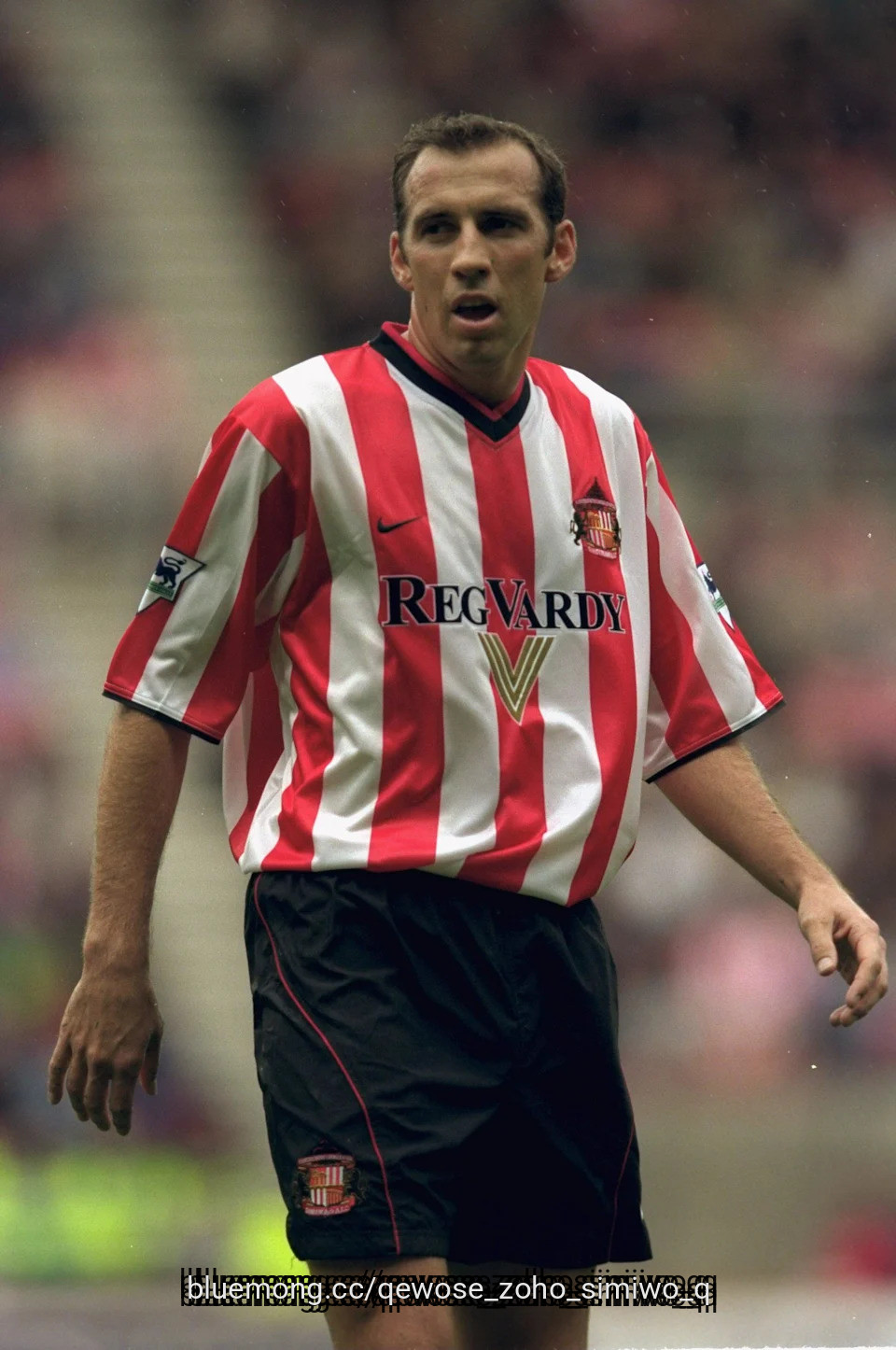
Roker Report is saddened to learn of the passing of former Sunderland midfielder Eric Roy following a battle with pancreatic cancer.
News of Roy’s death will be met with sadness by many Sunderland supporters who remember him as part of one of the club’s most successful sides of the modern era, a team that not only secured its place in the Premier League but did so with a swagger and confidence that remains fondly remembered on Wearside.
Signed by Peter Reid in the summer of 1999 from Olympique Marseille for a fee of £275,000, Roy arrived at the Stadium of Light ahead of Sunderland’s first season back in the top flight following promotion from the First Division. In a somewhat unusual introduction to English football, the Frenchman actually appeared for the club during Kevin Ball’s testimonial against Sampdoria before putting pen to paper, giving supporters an early glimpse of the tenacious midfielder who would soon become a familiar face in red and white.
The 1999-2000 campaign would go down as one of the finest seasons Sunderland fans have witnessed in recent decades. Defying expectations, Reid’s side stormed to a remarkable seventh-place finish in the Premier League, playing exciting, attacking football and earning admiration throughout the country. Roy was an important member of a fiercely competitive midfield unit that also featured the likes of Alex Rae, Stefan Schwarz and Gavin McCann, providing steel, discipline and work ethic whenever called upon.
Although he was never the most glamorous player in the squad, Roy embodied many of the qualities Sunderland supporters have always appreciated. Tough in the tackle, committed in the challenge and willing to do the dirty work for the benefit of the team, he quickly earned a reputation as a wholehearted competitor who never shirked responsibility.
News of Roy’s death will be met with sadness by many Sunderland supporters who remember him as part of one of the club’s most successful sides of the modern era, a team that not only secured its place in the Premier League but did so with a swagger and confidence that remains fondly remembered on Wearside.
Signed by Peter Reid in the summer of 1999 from Olympique Marseille for a fee of £275,000, Roy arrived at the Stadium of Light ahead of Sunderland’s first season back in the top flight following promotion from the First Division. In a somewhat unusual introduction to English football, the Frenchman actually appeared for the club during Kevin Ball’s testimonial against Sampdoria before putting pen to paper, giving supporters an early glimpse of the tenacious midfielder who would soon become a familiar face in red and white.
The 1999-2000 campaign would go down as one of the finest seasons Sunderland fans have witnessed in recent decades. Defying expectations, Reid’s side stormed to a remarkable seventh-place finish in the Premier League, playing exciting, attacking football and earning admiration throughout the country. Roy was an important member of a fiercely competitive midfield unit that also featured the likes of Alex Rae, Stefan Schwarz and Gavin McCann, providing steel, discipline and work ethic whenever called upon.
Although he was never the most glamorous player in the squad, Roy embodied many of the qualities Sunderland supporters have always appreciated. Tough in the tackle, committed in the challenge and willing to do the dirty work for the benefit of the team, he quickly earned a reputation as a wholehearted competitor who never shirked responsibility.
5 months ago
A new drug, decades in the making, is showing game-changing results for those battling pancreatic cancer. NBC’s medical contributor Dr. Natalie Azar joins TODAY with what you need to know about the breakthrough medication that doubled survival time and slowed tumor progression in patients during trials and how it could potentially help treat other cancers.



11 months ago
'Off-the-shelf' cancer therapy hunts and kills deadly tumors, new study finds
Scientists at UCLA have developed an "off-the-shelf" cell-based immunotherapy that was able to track down and kill pancreatic cancer cells even after they had spread to other organs.
In a mouse study, the treatment slowed cancer growth, extended survival and remained effective even within the harsh environment of solid tumors.
"Even when the cancer tries to evade one attack pathway by changing its molecular signature, our therapy is hitting it from multiple other angles at the same time. The tumor simply can’t a
Scientists at UCLA have developed an "off-the-shelf" cell-based immunotherapy that was able to track down and kill pancreatic cancer cells even after they had spread to other organs.
In a mouse study, the treatment slowed cancer growth, extended survival and remained effective even within the harsh environment of solid tumors.
"Even when the cancer tries to evade one attack pathway by changing its molecular signature, our therapy is hitting it from multiple other angles at the same time. The tumor simply can’t a