1 day ago
By Daniel Wiessner
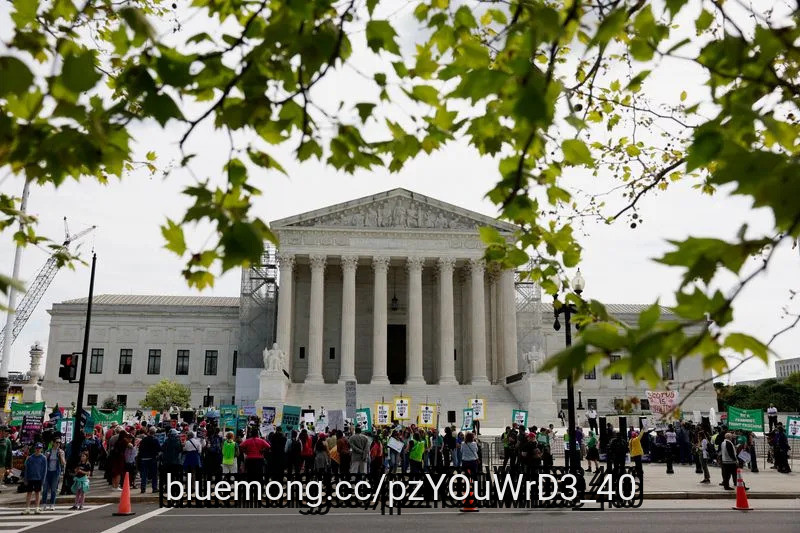
Aug 14 (Reuters) - A U.S. judge has ruled that Idaho's near-total abortion ban is unconstitutional because it provides exceptions when abortions are life-saving and not for broader risks to pregnant women's health.
U.S. District Judge Lynn Winmill in Boise said in an 81-page ruling issued late on Thursday that the right to a health-preserving abortion is protected by the 14th Amendment to the U.S. Constitution, which guarantees due process and equal protection under the law.
The ruling is the first by a federal judge to recognize a constitutional right to abortion in certain circumstances since the U.S. Supreme Court in 2022 overturned Roe v. Wade, the 1973 ruling that had legalized abortion nationwide, according to lawyers for the Idaho doctor who sued over the state laws.
LEGAL CHALLENGES TO STATE RESTRICTIONS
#judge #wiessner #district
Aug 14 (Reuters) - A U.S. judge has ruled that Idaho's near-total abortion ban is unconstitutional because it provides exceptions when abortions are life-saving and not for broader risks to pregnant women's health.
U.S. District Judge Lynn Winmill in Boise said in an 81-page ruling issued late on Thursday that the right to a health-preserving abortion is protected by the 14th Amendment to the U.S. Constitution, which guarantees due process and equal protection under the law.
The ruling is the first by a federal judge to recognize a constitutional right to abortion in certain circumstances since the U.S. Supreme Court in 2022 overturned Roe v. Wade, the 1973 ruling that had legalized abortion nationwide, according to lawyers for the Idaho doctor who sued over the state laws.
LEGAL CHALLENGES TO STATE RESTRICTIONS
#judge #wiessner #district

3 days ago
By Daniel Wiessner
Aug 13 (Reuters) - The U.S. agency that enforces laws banning workplace discrimination has dropped a lawsuit seeking to enforce a subpoena in an investigation of Nike's treatment of white employees, saying the company has handed over a trove of information.
U.S. District Judge Cristian Stevens in St. Louis, Missouri, granted the U.S. Equal Employment Opportunity Commission's motion on Thursday to dismiss the lawsuit it filed in February, after the agency in a filing late Wednesday said Nike had complied with its subpoena.
The commission had claimed the footwear and apparel company refused to comply with demands for information such as data on the racial and ethnic makeup of the company's workforce and a roster of employees chosen for mentoring and development programs.
The EEOC said it was investigating whether Nike intentionally discriminated against white employees and job applicants, including by disproportionately targeting them for layoffs, and that it needed the information to determine whether Nike violated the law.
#nike #white #company
Aug 13 (Reuters) - The U.S. agency that enforces laws banning workplace discrimination has dropped a lawsuit seeking to enforce a subpoena in an investigation of Nike's treatment of white employees, saying the company has handed over a trove of information.
U.S. District Judge Cristian Stevens in St. Louis, Missouri, granted the U.S. Equal Employment Opportunity Commission's motion on Thursday to dismiss the lawsuit it filed in February, after the agency in a filing late Wednesday said Nike had complied with its subpoena.
The commission had claimed the footwear and apparel company refused to comply with demands for information such as data on the racial and ethnic makeup of the company's workforce and a roster of employees chosen for mentoring and development programs.
The EEOC said it was investigating whether Nike intentionally discriminated against white employees and job applicants, including by disproportionately targeting them for layoffs, and that it needed the information to determine whether Nike violated the law.
#nike #white #company

25 days ago
By Daniel Wiessner
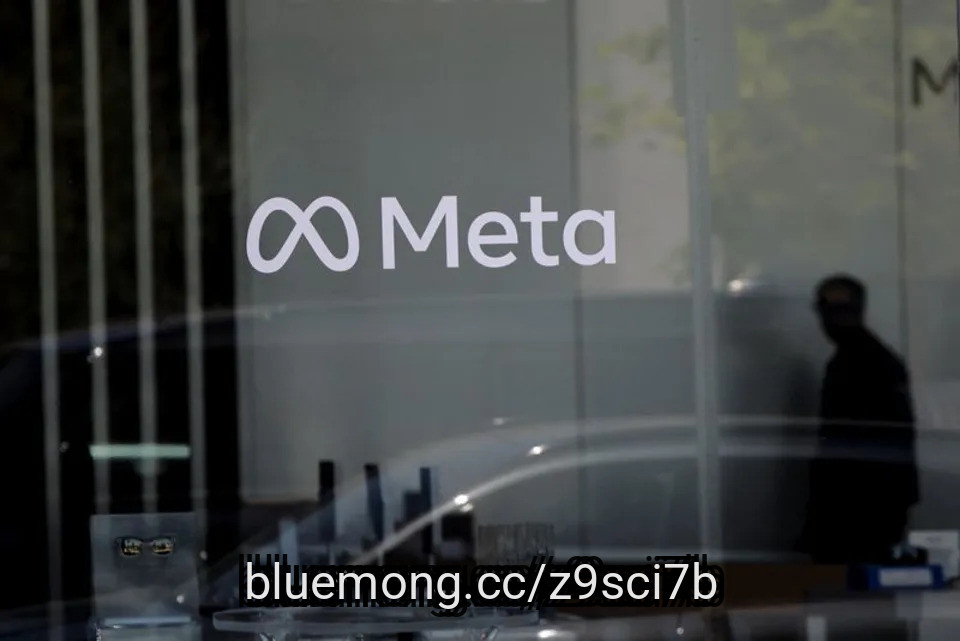
July 22 (Reuters) - A novel lawsuit claiming that Meta Platforms relied on discriminatory AI tools to select employees for layoffs highlights the problems workers face in suing employers over the new technology, including proving how it was actually used.
The case helps illustrate why a widely predicted wave of employment lawsuits over AI use has yet to arrive. Legal experts say workers often have little understanding of how AI systems are used in the workplace and many have also signed away their right to sue in court, agreeing instead to resolve workplace disputes through a private process called arbitration that can keep such claims from ever being tested publicly.
In a ruling last week declining to block Meta from finalizing the terminations of 26 people who sued, U.S. District Judge William Orrick identified a fundamental obstacle for plaintiffs who allege that AI discriminated against them: "they were not in the rooms where it happened."
That means workers like the Meta employees, who claim they were targeted for layoffs because they have disabilities or took medical or family leave, often cannot muster the evidence of wrongdoing necessary to quickly secure a win in court.
#meta #court
July 22 (Reuters) - A novel lawsuit claiming that Meta Platforms relied on discriminatory AI tools to select employees for layoffs highlights the problems workers face in suing employers over the new technology, including proving how it was actually used.
The case helps illustrate why a widely predicted wave of employment lawsuits over AI use has yet to arrive. Legal experts say workers often have little understanding of how AI systems are used in the workplace and many have also signed away their right to sue in court, agreeing instead to resolve workplace disputes through a private process called arbitration that can keep such claims from ever being tested publicly.
In a ruling last week declining to block Meta from finalizing the terminations of 26 people who sued, U.S. District Judge William Orrick identified a fundamental obstacle for plaintiffs who allege that AI discriminated against them: "they were not in the rooms where it happened."
That means workers like the Meta employees, who claim they were targeted for layoffs because they have disabilities or took medical or family leave, often cannot muster the evidence of wrongdoing necessary to quickly secure a win in court.
#meta #court


1 month ago
By Daniel Wiessner
July 17 (Reuters) - A U.S. judge on Friday rejected a bid by 26 employees of Meta Platforms to block the tech giant from laying them off while they pursue claims that they were targeted for job cuts by the company's AI-powered tools because they have disabilities or took medical leave.
U.S. District Judge William Orrick in Oakland, California, in a written order said he would not stop Meta from carrying out the layoffs beginning July 22 while the merits of the workers' novel legal claims are decided in private arbitration.
The judge said the workers could not show that losing their jobs amounted to the "irreparable harm" required for him to issue an emergency order blocking the layoffs.
Meta and lawyers for the plaintiffs did not immediately respond to requests for comment. The company has denied wrongdoing and said that decisions involving the layoffs were made by humans.
July 17 (Reuters) - A U.S. judge on Friday rejected a bid by 26 employees of Meta Platforms to block the tech giant from laying them off while they pursue claims that they were targeted for job cuts by the company's AI-powered tools because they have disabilities or took medical leave.
U.S. District Judge William Orrick in Oakland, California, in a written order said he would not stop Meta from carrying out the layoffs beginning July 22 while the merits of the workers' novel legal claims are decided in private arbitration.
The judge said the workers could not show that losing their jobs amounted to the "irreparable harm" required for him to issue an emergency order blocking the layoffs.
Meta and lawyers for the plaintiffs did not immediately respond to requests for comment. The company has denied wrongdoing and said that decisions involving the layoffs were made by humans.