7 hours ago
On August 17, Uber Technologies (NYSE:UBER) announced a partnership with drone delivery company Zipline to bring autonomous drone delivery to Uber Eats customers across the United States, alongside a strategic investment in the company. The deal is Uber's second major drone bet after last year's tie-up with Flytrex, and it lands as the ride-hailing giant tries to convince investors its business is stronger than its stock price suggests. Shares are down roughly 9% this year even as revenue, profit, and user growth have all moved in the right direction.
Uber's core business kept expanding through the second quarter. Monthly active platform consumers climbed 16% year over year to 208 million, and trips rose 18% over the same period. CEO Dara Khosrowshahi told shareholders that Uber added more first-time users over the past 12 months than in any period over the previous five years, a sign the platform is still finding new riders rather than just retaining old ones. Gross bookings, the total dollar value spent across rides, delivery, and freight, jumped 24% year over year to $58 billion in the second quarter, and management is guiding for at least $58.3 billion in the third.
Delivery is doing much of the heavy lifting. The segment's revenue grew 28% year over year in the second quarter, compared to just 1% growth in transportation, and delivery now accounts for more than a third of total sales. That momentum is why the Zipline partnership matters. The companies are targeting 1 million drone deliveries per day by the end of 2029, with the first flights beginning later this year in Zipline's existing US markets before expanding to dozens of additional cities. Zipline already operates on four continents, has completed 2 million deliveries, and was valued at $7.6 billion after raising $800 million earlier this year, a well-funded partner rather than an unproven startup.
Uber is chasing a similar playbook with autonomous vehicles. Self-driving cars are already active in seven cities on the platform, and Khosrowshahi said that could more than double to 15 by the end of 2026, backed by roughly $10 billion Uber plans to deploy to help its autonomous partners scale over the next few years.
None of this has translated into the stock price. Uber shares are down about 9% year to date, even as the fundamentals have moved in the opposite direction. When a company's results improve while its stock falls, it usually means investors are pricing in risks that have not shown up in the numbers yet.
#drone #zipline #billion #autonomous
Uber's core business kept expanding through the second quarter. Monthly active platform consumers climbed 16% year over year to 208 million, and trips rose 18% over the same period. CEO Dara Khosrowshahi told shareholders that Uber added more first-time users over the past 12 months than in any period over the previous five years, a sign the platform is still finding new riders rather than just retaining old ones. Gross bookings, the total dollar value spent across rides, delivery, and freight, jumped 24% year over year to $58 billion in the second quarter, and management is guiding for at least $58.3 billion in the third.
Delivery is doing much of the heavy lifting. The segment's revenue grew 28% year over year in the second quarter, compared to just 1% growth in transportation, and delivery now accounts for more than a third of total sales. That momentum is why the Zipline partnership matters. The companies are targeting 1 million drone deliveries per day by the end of 2029, with the first flights beginning later this year in Zipline's existing US markets before expanding to dozens of additional cities. Zipline already operates on four continents, has completed 2 million deliveries, and was valued at $7.6 billion after raising $800 million earlier this year, a well-funded partner rather than an unproven startup.
Uber is chasing a similar playbook with autonomous vehicles. Self-driving cars are already active in seven cities on the platform, and Khosrowshahi said that could more than double to 15 by the end of 2026, backed by roughly $10 billion Uber plans to deploy to help its autonomous partners scale over the next few years.
None of this has translated into the stock price. Uber shares are down about 9% year to date, even as the fundamentals have moved in the opposite direction. When a company's results improve while its stock falls, it usually means investors are pricing in risks that have not shown up in the numbers yet.
#drone #zipline #billion #autonomous


11 hours ago
On August 17, Uber Technologies (NYSE:UBER) announced a partnership with drone delivery company Zipline to bring autonomous drone delivery to Uber Eats customers across the United States, alongside a strategic investment in the company. The deal is Uber's second major drone bet after last year's tie-up with Flytrex, and it lands as the ride-hailing giant tries to convince investors its business is stronger than its stock price suggests. Shares are down roughly 9% this year even as revenue, profit, and user growth have all moved in the right direction.
Uber's core business kept expanding through the second quarter. Monthly active platform consumers climbed 16% year over year to 208 million, and trips rose 18% over the same period. CEO Dara Khosrowshahi told shareholders that Uber added more first-time users over the past 12 months than in any period over the previous five years, a sign the platform is still finding new riders rather than just retaining old ones. Gross bookings, the total dollar value spent across rides, delivery, and freight, jumped 24% year over year to $58 billion in the second quarter, and management is guiding for at least $58.3 billion in the third.
Delivery is doing much of the heavy lifting. The segment's revenue grew 28% year over year in the second quarter, compared to just 1% growth in transportation, and delivery now accounts for more than a third of total sales. That momentum is why the Zipline partnership matters. The companies are targeting 1 million drone deliveries per day by the end of 2029, with the first flights beginning later this year in Zipline's existing US markets before expanding to dozens of additional cities. Zipline already operates on four continents, has completed 2 million deliveries, and was valued at $7.6 billion after raising $800 million earlier this year, a well-funded partner rather than an unproven startup.
Uber is chasing a similar playbook with autonomous vehicles. Self-driving cars are already active in seven cities on the platform, and Khosrowshahi said that could more than double to 15 by the end of 2026, backed by roughly $10 billion Uber plans to deploy to help its autonomous partners scale over the next few years.
None of this has translated into the stock price. Uber shares are down about 9% year to date, even as the fundamentals have moved in the opposite direction. When a company's results improve while its stock falls, it usually means investors are pricing in risks that have not shown up in the numbers yet.
#year #delivery #autonomous #Stock
Uber's core business kept expanding through the second quarter. Monthly active platform consumers climbed 16% year over year to 208 million, and trips rose 18% over the same period. CEO Dara Khosrowshahi told shareholders that Uber added more first-time users over the past 12 months than in any period over the previous five years, a sign the platform is still finding new riders rather than just retaining old ones. Gross bookings, the total dollar value spent across rides, delivery, and freight, jumped 24% year over year to $58 billion in the second quarter, and management is guiding for at least $58.3 billion in the third.
Delivery is doing much of the heavy lifting. The segment's revenue grew 28% year over year in the second quarter, compared to just 1% growth in transportation, and delivery now accounts for more than a third of total sales. That momentum is why the Zipline partnership matters. The companies are targeting 1 million drone deliveries per day by the end of 2029, with the first flights beginning later this year in Zipline's existing US markets before expanding to dozens of additional cities. Zipline already operates on four continents, has completed 2 million deliveries, and was valued at $7.6 billion after raising $800 million earlier this year, a well-funded partner rather than an unproven startup.
Uber is chasing a similar playbook with autonomous vehicles. Self-driving cars are already active in seven cities on the platform, and Khosrowshahi said that could more than double to 15 by the end of 2026, backed by roughly $10 billion Uber plans to deploy to help its autonomous partners scale over the next few years.
None of this has translated into the stock price. Uber shares are down about 9% year to date, even as the fundamentals have moved in the opposite direction. When a company's results improve while its stock falls, it usually means investors are pricing in risks that have not shown up in the numbers yet.
#year #delivery #autonomous #Stock


3 days ago
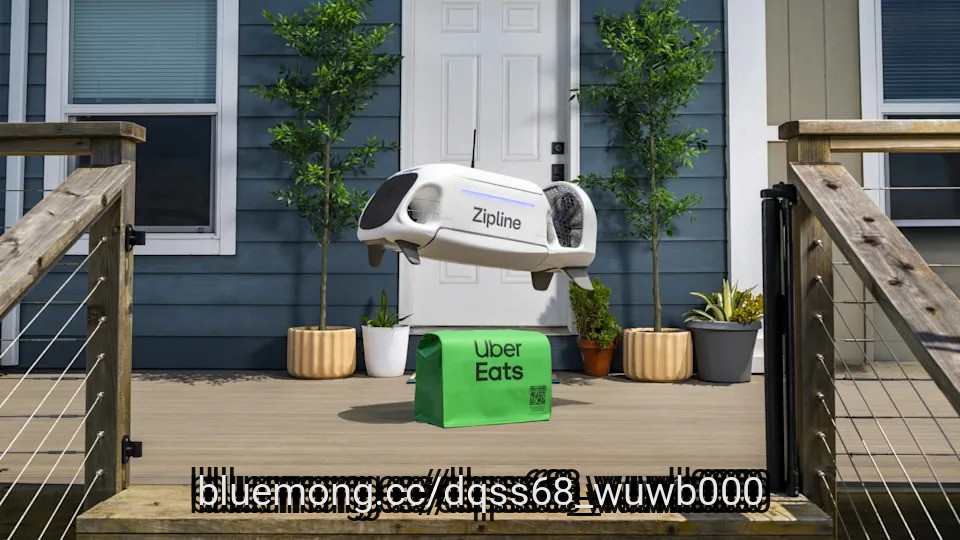
Uber Technologies has partnered with drone delivery company Zipline to offer autonomous drone deliveries to Uber Eats customers in the US, with the service due to begin before the end of the year.
As part of the agreement, Uber will make a "strategic" undisclosed investment in Zipline.
The deal will enable Uber Eats users in areas where Zipline already has operations to select drone delivery for their orders. The companies also intend to expand the service to dozens more cities across the US.
Over the longer term, Uber and Zipline are aiming for a joint capacity of one million drone deliveries a day by the end of 2029.
A statement by Uber said: "Together, Uber and Zipline will accelerate the adoption of drone delivery at scale, bringing fast and affordable autonomous deliveries to millions more consumers."
#uber
As part of the agreement, Uber will make a "strategic" undisclosed investment in Zipline.
The deal will enable Uber Eats users in areas where Zipline already has operations to select drone delivery for their orders. The companies also intend to expand the service to dozens more cities across the US.
Over the longer term, Uber and Zipline are aiming for a joint capacity of one million drone deliveries a day by the end of 2029.
A statement by Uber said: "Together, Uber and Zipline will accelerate the adoption of drone delivery at scale, bringing fast and affordable autonomous deliveries to millions more consumers."
#uber

2 months ago
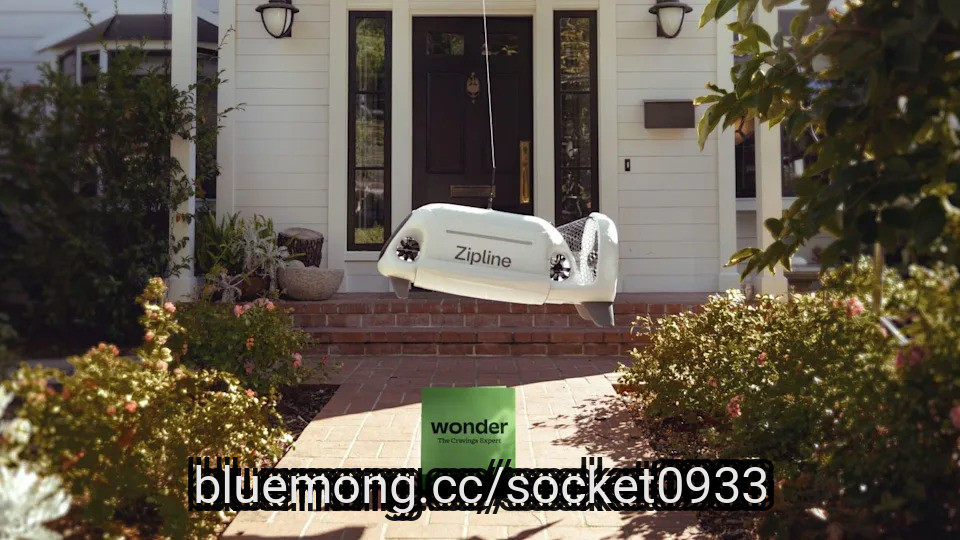
Wonder has joined forces with autonomous delivery company Zipline to roll out on-demand drone food deliveries in Texas, the US.
The service is scheduled to begin in January 2027.
The move comes ahead of Wonder's planned Texas expansion next year.
The company said it is building the infrastructure needed to support long-term growth in the state and create a drone delivery network that can scale.
That preparation includes new storefronts, kitchen fit-outs, logistics systems and ordering technology.
The service is scheduled to begin in January 2027.
The move comes ahead of Wonder's planned Texas expansion next year.
The company said it is building the infrastructure needed to support long-term growth in the state and create a drone delivery network that can scale.
That preparation includes new storefronts, kitchen fit-outs, logistics systems and ordering technology.