
2 days ago
A Lamborghini once owned by Rod Stewart is up for sale with Australian auction house Lloyds
Despite the opening price being less than $1, bids have already climbed above $215,000 USD
Stewart has collected Italian sports cars since the 1970s and calls them works of art
A vintage Lamborghini once owned by legendary rocker Rod Stewart is up for sale, with bids for the classic car starting at less than $1.
The item is being sold via Lloyds Auction House in Australia, and though the price began at just one Australian dollar, which is less than one U.S. dollar, it now stands at over $215,000 (USD) with bidding open through October.
#lloyds #owned
Despite the opening price being less than $1, bids have already climbed above $215,000 USD
Stewart has collected Italian sports cars since the 1970s and calls them works of art
A vintage Lamborghini once owned by legendary rocker Rod Stewart is up for sale, with bids for the classic car starting at less than $1.
The item is being sold via Lloyds Auction House in Australia, and though the price began at just one Australian dollar, which is less than one U.S. dollar, it now stands at over $215,000 (USD) with bidding open through October.
#lloyds #owned





1 month ago
An auction of the retail empire formerly owned by the Barclay family is set to be shelved after bidders failed to meet the £2bn asking price.
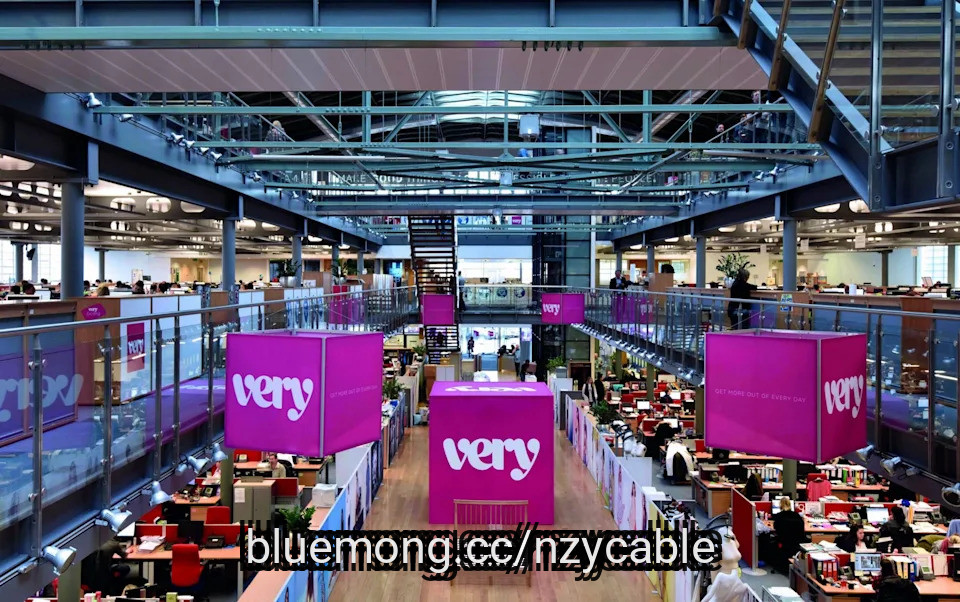
Very Group, the online retailer that also owns the Littlewoods brand, was bought by US private equity firm Carlyle for a nominal £1 sum last year and subsequently put up for sale.
But plans to sell the company now appear to be in jeopardy after none of the potential suitors, which included Chinese online giant JD.com, came up with offers large enough to meet Carlyle's demands, Sky News reported.
Carlyle, which had been Very's main creditor, seized control of Very in November following the collapse of the Barclay empire amid a dispute with Lloyds Banking Group about unpaid debts.
In addition to JD.com, possible bidders are said to have included investment firm Elliott, which owns Waterstones, and plus-size online retailer N Brown, which owns the Jacamo and Simply Be brands.
#owns #group #bidders #meet
Very Group, the online retailer that also owns the Littlewoods brand, was bought by US private equity firm Carlyle for a nominal £1 sum last year and subsequently put up for sale.
But plans to sell the company now appear to be in jeopardy after none of the potential suitors, which included Chinese online giant JD.com, came up with offers large enough to meet Carlyle's demands, Sky News reported.
Carlyle, which had been Very's main creditor, seized control of Very in November following the collapse of the Barclay empire amid a dispute with Lloyds Banking Group about unpaid debts.
In addition to JD.com, possible bidders are said to have included investment firm Elliott, which owns Waterstones, and plus-size online retailer N Brown, which owns the Jacamo and Simply Be brands.
#owns #group #bidders #meet

2 months ago
Environmental groups have been campaigning to encourage banks and other financial institutions to divest from fossil fuels for years, with efforts growing stronger since the Covid-19 pandemic and the global push to transition away from oil, gas, and coal to renewable alternatives.
In June, the Bank of England quietly announced that it would no longer be accepting bonds ****** ociated with coal operations for key loan arrangements. The ban will be enforced from October. It is the latest move to encourage a shift away from thermal coal for electricity production. The Bank of England said it would no longer be allowing commercial banks to use bonds linked to thermal coal as "collateral" when borrowing money from the financial institution.
The move suggests that any bonds linked to thermal coal are now considered too risky to appear on its balance sheet, as consumers and governments worldwide call for a shift away from "the dirtiest fossil fuel". The rapid global transition to renewable energy could lead certain types of fossil fuels to depreciate in value over the coming decades, making them more of a financial risk.
The Bank of England stated that thermal coal companies "can be exposed to potential financial risks connected to the adjustment of the economy towards net zero," in its policy statement. It said it would also discount the value of bonds in other relevant sectors "to protect the Bank against financial risks".
It is common for the Bank of England to provide loans to major banks operating in the United Kingdom, including Barclays, Lloyds, NatWest, and HSBC, to help them settle transactions and conduct operations efficiently. To gain access to these loans, commercial banks must provide collateral as a guarantee, typically in the form of bonds.
#banks #fossil #away #encourage
In June, the Bank of England quietly announced that it would no longer be accepting bonds ****** ociated with coal operations for key loan arrangements. The ban will be enforced from October. It is the latest move to encourage a shift away from thermal coal for electricity production. The Bank of England said it would no longer be allowing commercial banks to use bonds linked to thermal coal as "collateral" when borrowing money from the financial institution.
The move suggests that any bonds linked to thermal coal are now considered too risky to appear on its balance sheet, as consumers and governments worldwide call for a shift away from "the dirtiest fossil fuel". The rapid global transition to renewable energy could lead certain types of fossil fuels to depreciate in value over the coming decades, making them more of a financial risk.
The Bank of England stated that thermal coal companies "can be exposed to potential financial risks connected to the adjustment of the economy towards net zero," in its policy statement. It said it would also discount the value of bonds in other relevant sectors "to protect the Bank against financial risks".
It is common for the Bank of England to provide loans to major banks operating in the United Kingdom, including Barclays, Lloyds, NatWest, and HSBC, to help them settle transactions and conduct operations efficiently. To gain access to these loans, commercial banks must provide collateral as a guarantee, typically in the form of bonds.
#banks #fossil #away #encourage