


2 days ago
President Donald Trump reportedly is reconsidering the $1.8 billion "Anti-Weaponization Fund" described in his May 18 settlement agreement with the IRS, which was designed to compensate people who claim they were targeted by the Biden administration for "improper and unlawful political, personal, and/or ideological reasons." That brazenly corrupt scheme, which provoked vigorous objections from Republican legislators and ran into two judicial roadblocks last week, "has become a distraction," an unnamed administration official told Axios.
Although "the president believes government was weaponized against people," that official added, "this isn't the time and vehicle" for addressing those grievances. In other words, doling out taxpayer money to Trump's allies under the pretext of a lawsuit that pitted the president against agencies he oversees turned out to be unexpectedly controversial. It's a mystery why Acting Attorney General Todd Blanche ever thought that plan was a good idea.
Trump sued the IRS and the Treasury Department in January, preposterously alleging that an IRS contractor's illegal leaking of his tax returns had caused "at least" $10 billion in damages. In addition to offering an improbable estimate of the injury he had suffered, Trump missed the statutory deadline for filing such claims. And although he argued that the IRS had failed to properly oversee its contractors, it was not clear whether the agency could be held liable for the crimes of someone it did not employ. But the Justice Department, which was charged with representing the IRS in court, never bothered to mount a defense.
That failure underlined the blatant conflicts of interest created by the case, both sides of which were represented by lawyers who work for Trump. "I'm supposed to work out a settlement with myself," Trump acknowledged a few days after filing the lawsuit.
That bizarre situation prompted Kathleen Williams, the federal judge overseeing the case in the Southern District of Florida, to question whether it involved a genuine controversy between adverse parties, as required for the lawsuit to proceed. Williams ordered briefing on that issue by May 20. The Justice Department dodged that order by announcing the settlement, which Williams never had a chance to review, two days before the deadline.
Although "the president believes government was weaponized against people," that official added, "this isn't the time and vehicle" for addressing those grievances. In other words, doling out taxpayer money to Trump's allies under the pretext of a lawsuit that pitted the president against agencies he oversees turned out to be unexpectedly controversial. It's a mystery why Acting Attorney General Todd Blanche ever thought that plan was a good idea.
Trump sued the IRS and the Treasury Department in January, preposterously alleging that an IRS contractor's illegal leaking of his tax returns had caused "at least" $10 billion in damages. In addition to offering an improbable estimate of the injury he had suffered, Trump missed the statutory deadline for filing such claims. And although he argued that the IRS had failed to properly oversee its contractors, it was not clear whether the agency could be held liable for the crimes of someone it did not employ. But the Justice Department, which was charged with representing the IRS in court, never bothered to mount a defense.
That failure underlined the blatant conflicts of interest created by the case, both sides of which were represented by lawyers who work for Trump. "I'm supposed to work out a settlement with myself," Trump acknowledged a few days after filing the lawsuit.
That bizarre situation prompted Kathleen Williams, the federal judge overseeing the case in the Southern District of Florida, to question whether it involved a genuine controversy between adverse parties, as required for the lawsuit to proceed. Williams ordered briefing on that issue by May 20. The Justice Department dodged that order by announcing the settlement, which Williams never had a chance to review, two days before the deadline.

2 days ago
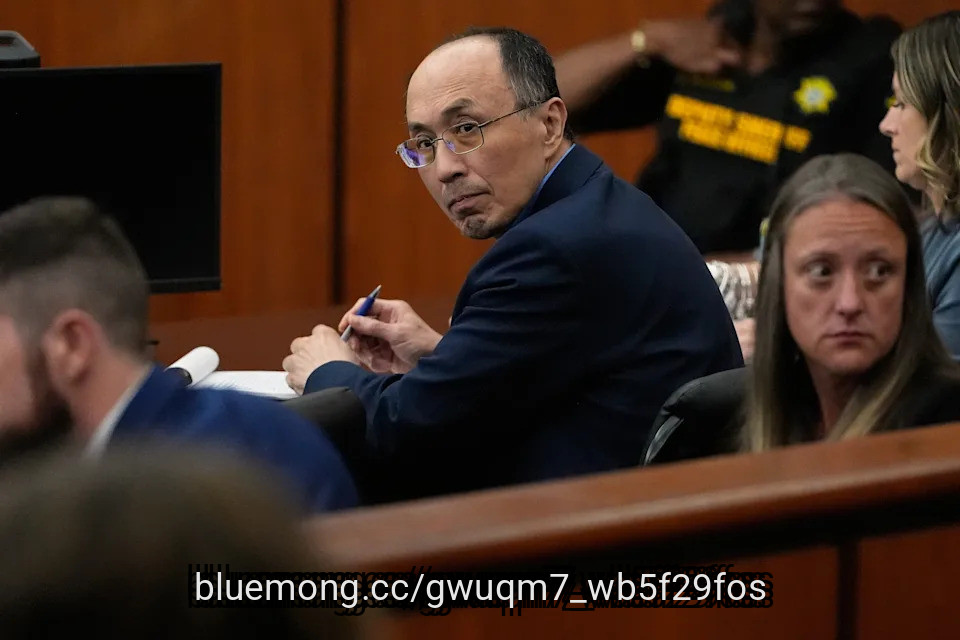
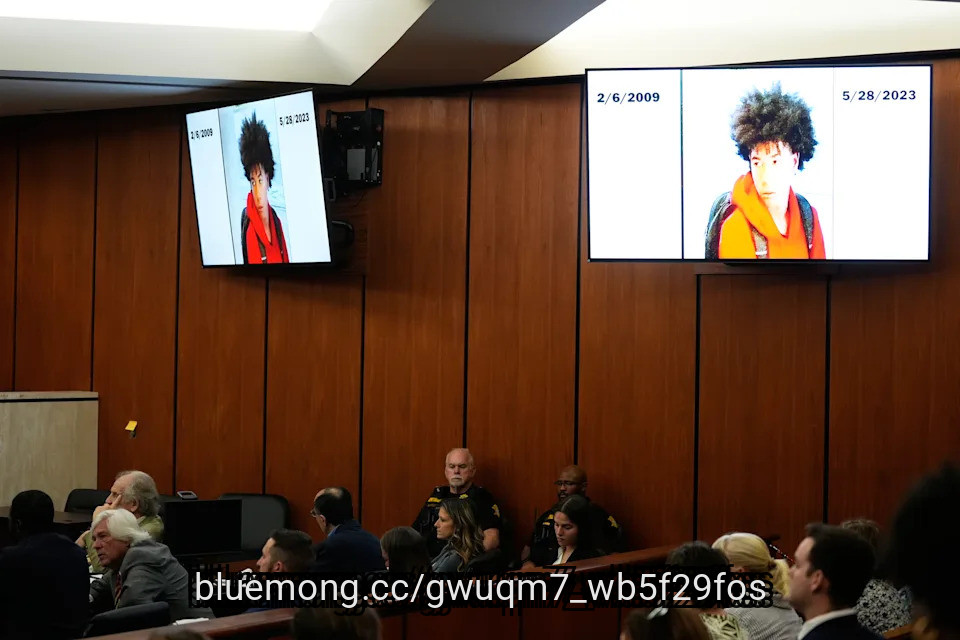
COLUMBIA, S.C (AP) — A South Carolina jury on Monday found a store owner not guilty of murder in the 2023 shooting of a Black 14-year-old.
The jury returned the verdict for Chikei Rick Chow. Chow, 61, who is Asian, shot Cyrus Carmack-Belton in the back after chasing him from his convenience store in Columbia. He maintained he acted to defend his son.
The killing sent waves of anguish and grief through the African American community in Richland County, where nearly half the population is Black.
After the verdict was read, sobs and cries of distress could be heard coming from Carmack-Belton’s family seated in the gallery. Chow sat silently frozen before slowly bowing his head onto his interlocked hands.
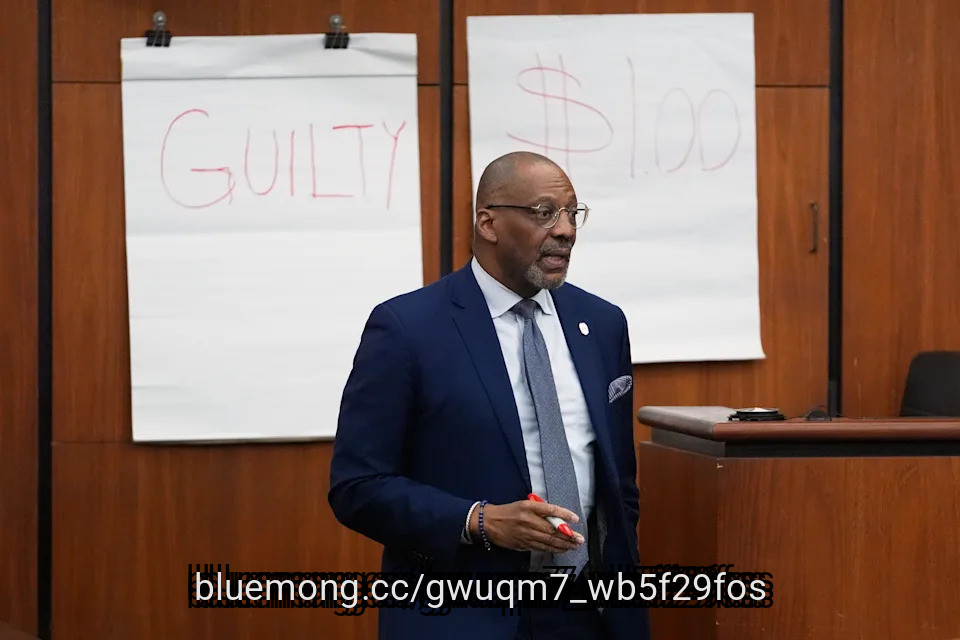
Defense lawyer Jack Swerling said they're very pleased with the verdict but also feel for Carmack-Belton's family.
The jury returned the verdict for Chikei Rick Chow. Chow, 61, who is Asian, shot Cyrus Carmack-Belton in the back after chasing him from his convenience store in Columbia. He maintained he acted to defend his son.
The killing sent waves of anguish and grief through the African American community in Richland County, where nearly half the population is Black.
After the verdict was read, sobs and cries of distress could be heard coming from Carmack-Belton’s family seated in the gallery. Chow sat silently frozen before slowly bowing his head onto his interlocked hands.
Defense lawyer Jack Swerling said they're very pleased with the verdict but also feel for Carmack-Belton's family.
3 days ago
President Trump reportedly took Israeli Prime Minister Benjamin Netanyahu to task during a Monday phone call over the latter’s military campaign in Lebanon.
Axios reported, citing two U.S. officials and a third source briefed on the call, that Trump called Netanyahu “crazy” and accused him of ingratitude.
At one point, Trump reportedly yelled at Netanyahu, “What the f— are you doing?”
The Hill has reached out to the White House for comment.
Earlier Monday, Netanyahu ordered the Israeli Defense Forces (IDF) to strike Hezbollah targets in the Dahiyeh district of Beirut. Israel and Hezbollah have engaged in fighting since October 2023, despite a ceasefire that began in November 2024.
Axios reported, citing two U.S. officials and a third source briefed on the call, that Trump called Netanyahu “crazy” and accused him of ingratitude.
At one point, Trump reportedly yelled at Netanyahu, “What the f— are you doing?”
The Hill has reached out to the White House for comment.
Earlier Monday, Netanyahu ordered the Israeli Defense Forces (IDF) to strike Hezbollah targets in the Dahiyeh district of Beirut. Israel and Hezbollah have engaged in fighting since October 2023, despite a ceasefire that began in November 2024.