
2 days ago
BUNIA, Congo (AP) — For patients in an Ebola outbreak with no approved medicine or vaccine, there is little comfort. But Arlette Basekawike, a volunteer for the U.N. food agency, is doing her best.
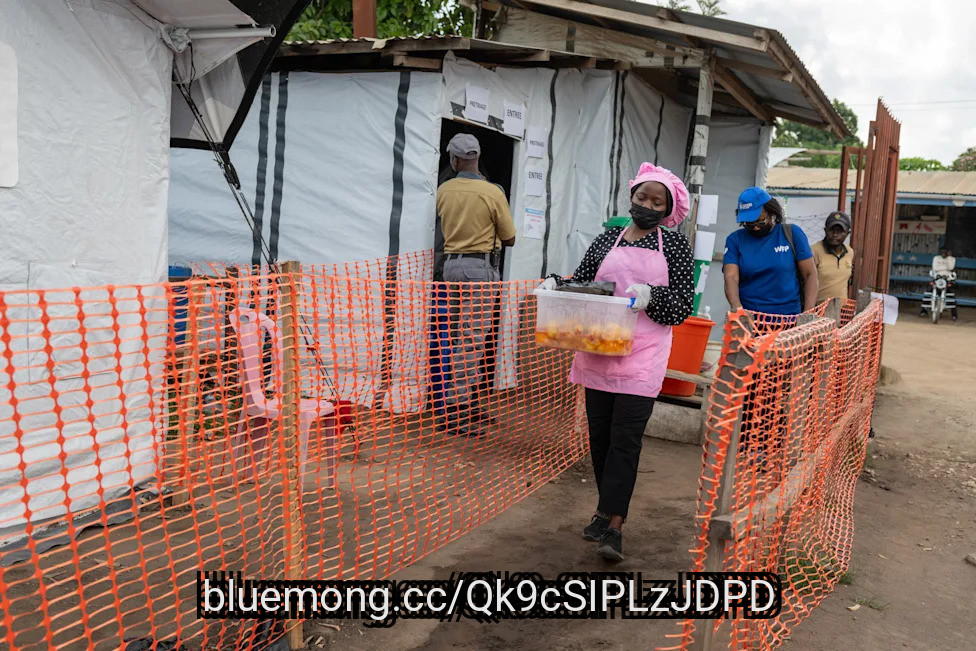
Her hair covered by a pink bonnet, Basekawike prepares porridge, omelets and bread for breakfast in a shed outside the Evangelical Medical Center in Bunia, the heart of the outbreak in eastern Congo. Lunch and dinner might include fresh fish with fufu, made of mashed plantains, finished off by fruit. She feeds both patients and health workers.
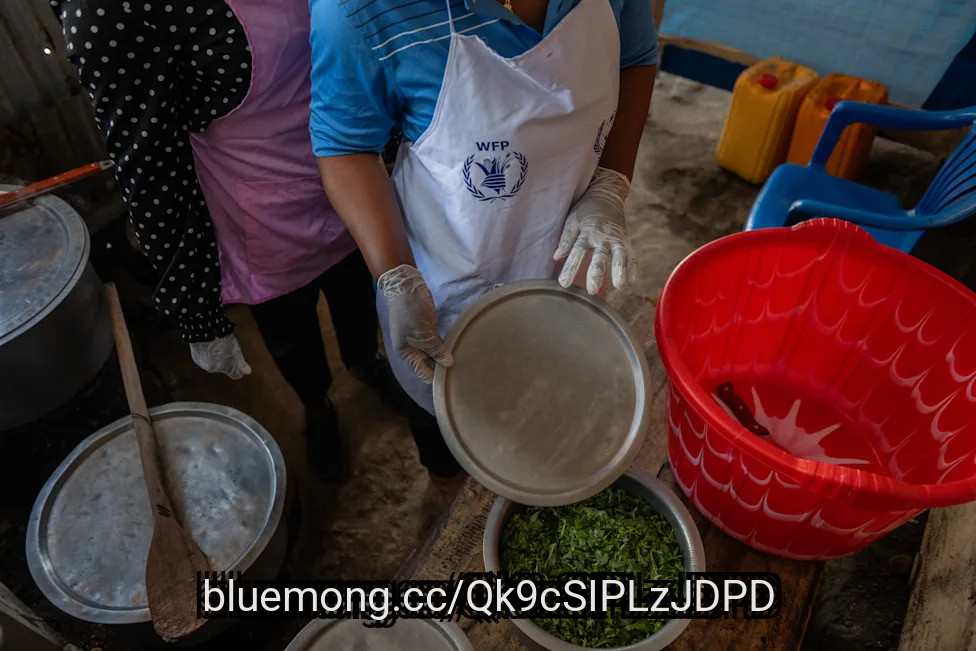
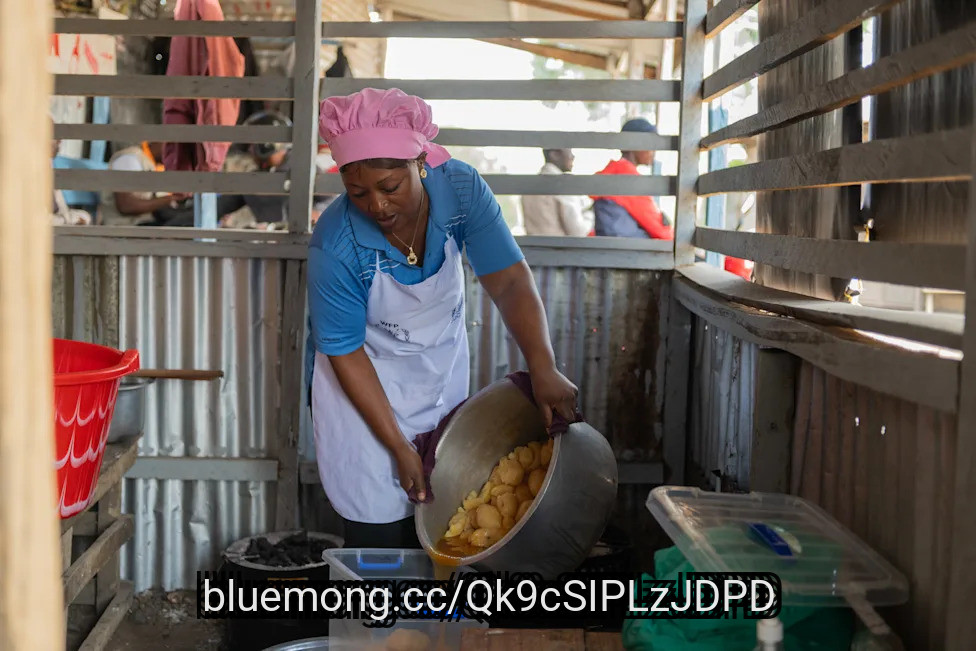
“Even though the patients have this disease, they still feel better when they eat, and the doctors have the energy to treat the sick and give them medication,” Basekawike told The ******* ociated Press as she prepared vegetables and potatoes with goat meat in a large pot. “I’m here for them like a parent, preparing food so they feel comfortable.”
Her contribution may appear like a simple task, but it has become a critical support for the remote region as it grapples with the rapidly spreading Bundibugyo virus, the rare species of Ebola confirmed in May.
As of Tuesday, 321 cases including 48 deaths had been confirmed in the Central African nation’s three eastern provinces of Ituri, North and South Kivu, according to the World Health Organization. WHO spokesman Christian Lindmeier said the number of suspected cases has dropped to 116 from 906 last weekend as many were ruled out after investigation.
Her hair covered by a pink bonnet, Basekawike prepares porridge, omelets and bread for breakfast in a shed outside the Evangelical Medical Center in Bunia, the heart of the outbreak in eastern Congo. Lunch and dinner might include fresh fish with fufu, made of mashed plantains, finished off by fruit. She feeds both patients and health workers.
“Even though the patients have this disease, they still feel better when they eat, and the doctors have the energy to treat the sick and give them medication,” Basekawike told The ******* ociated Press as she prepared vegetables and potatoes with goat meat in a large pot. “I’m here for them like a parent, preparing food so they feel comfortable.”
Her contribution may appear like a simple task, but it has become a critical support for the remote region as it grapples with the rapidly spreading Bundibugyo virus, the rare species of Ebola confirmed in May.
As of Tuesday, 321 cases including 48 deaths had been confirmed in the Central African nation’s three eastern provinces of Ituri, North and South Kivu, according to the World Health Organization. WHO spokesman Christian Lindmeier said the number of suspected cases has dropped to 116 from 906 last weekend as many were ruled out after investigation.