I'm a fan of David Samson. The former Marlins executive turned host at Meadowlark Media speaks candidly, and usually supports his positions with solid evidence. He's been gracious with his time to our writers over the years. His prior conversations with Pablo Torre and John Skipper on The Sporting Class always made me think. Whether Marlins and Expos fans like him or his opinions are right more than wrong doesn't change my position.
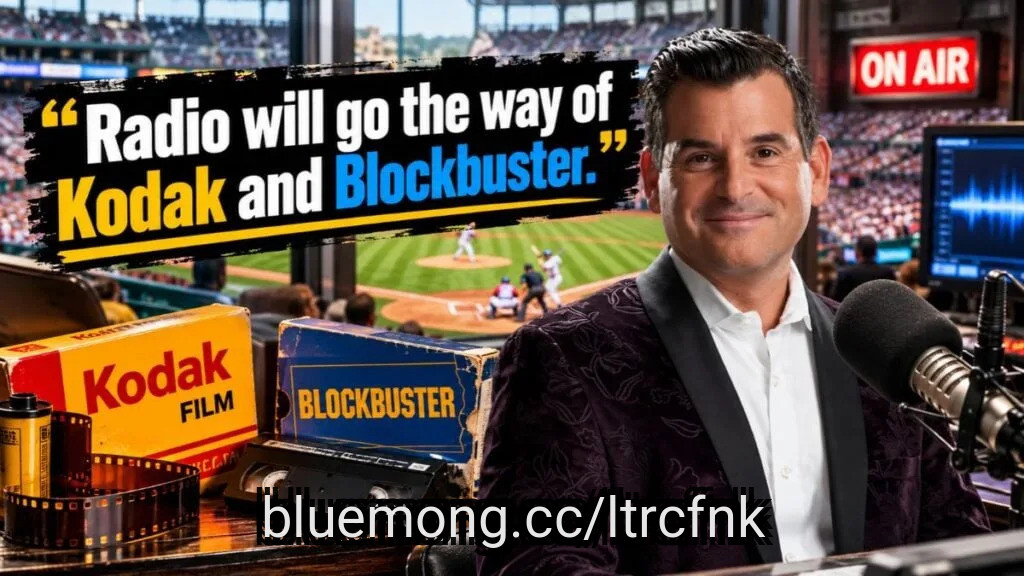
But earlier this week, David stepped on a landmine. He declared that we don't need baseball on the radio anymore. David said, "We all live by the clock that is kernels of sand through an hourglass. So, radio will go the way of Kodak and Blockbuster. It doesn't mean the voices will go away. The voices will find a different way to get into your brain because you have a different way of engaging with content."
In my opinion, David couldn't be more wrong. The response to those remarks has been huge across social media. Most feel similar to yours truly. I respect David's knowledge of the baseball business. He ran the Miami Marlins for 15 years. He spent a few years with the Expos too. He's been a part of media deals on the team's side pointing out that teams "buy a block of time, and then go out and sell ads." Some clubs do that. But most big brands don't. Let's examine the issue a little deeper.
Reach matters in today's media climate. Nielsen data shows AM/FM radio reaches 87% of U.S. adults every week. Those numbers aren't from 10-15 years ago. They are from the first quarter of 2026. That beat smartphones at 82%, TV-connected devices at 78% and live TV at 71%. Even among adults 18-34, radio reaches 81%.
Is radio's revenue down from its peak? Yes. The industry produced over 21 billion in 2006. BIA projects local radio will earn $12.2 billion in 2026. That's still a lot of money even if it's less than what existed 20 years ago. Still, Samson said there is no money in radio. Twelve billion Benjamin's suggests otherwise.
#still
2 days ago