

On Tuesday, the NCAA announced that the Division I Cabinet had unanimously voted to approve an age-based eligibility model. In this model, an athlete’s five-year eligibility clock would start upon full-time enrollment at a university or at the beginning of the academic year following their 19th birthday, whichever comes first.
Essentially, this means that redshirts will eventually be eliminated if the model fully passes, and waivers for additional eligibility, outside of unique circumstances, will no longer be granted under the new model.
According to the NCAA, "the change won't be applied to athletes who completed their fourth season of collegiate eligibility by the conclusion of the spring 2026 season. For student-athletes who are currently enrolled and have eligibility after this past academic year, there is flexibility for schools to either be able to apply the new eligibility model or continue with the old model, with the deciding factor being which model is better suited for the athlete. The same will hold for incoming freshmen this year. For recruiting classes that enroll starting in the fall of 2027 and later, the age-based model will only be applied to them."
Essentially, if a program chooses to use it right away, a player who is a "true senior", readying for his fourth season of playing in four years, could potentially come back for a fifth and final year the following season under this model, and so-on for younger players.
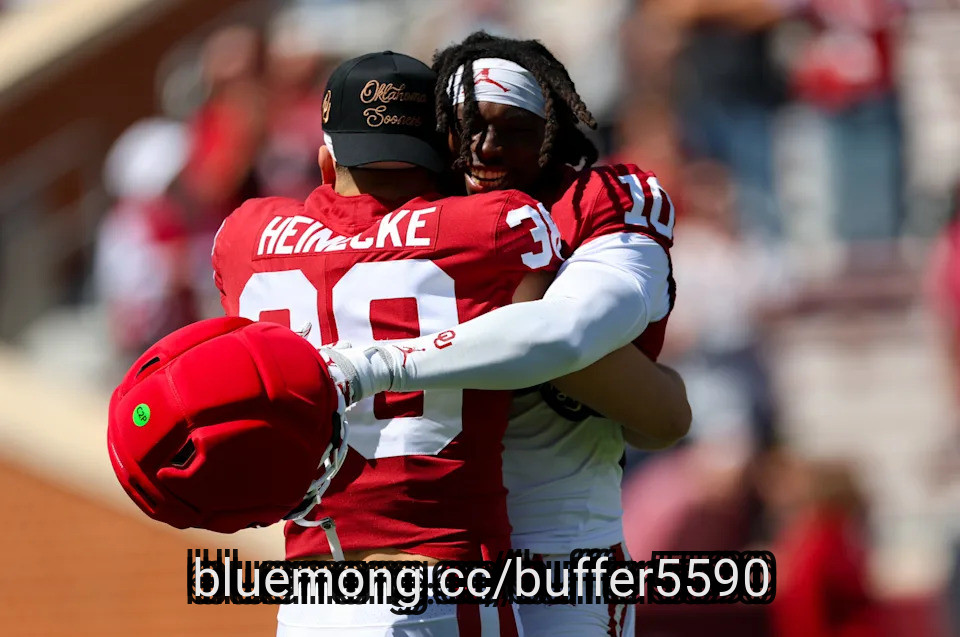
Under head coach Brent Venables, the Oklahoma Sooners have put a massive emphasis on retaining their players, convincing them to stay at OU for an extra year, instead of entering the NFL Draft early. It's something the Sooners have had success with, and if that success continues, this new model could benefit Oklahoma both in the short-and-long term.
Essentially, this means that redshirts will eventually be eliminated if the model fully passes, and waivers for additional eligibility, outside of unique circumstances, will no longer be granted under the new model.
According to the NCAA, "the change won't be applied to athletes who completed their fourth season of collegiate eligibility by the conclusion of the spring 2026 season. For student-athletes who are currently enrolled and have eligibility after this past academic year, there is flexibility for schools to either be able to apply the new eligibility model or continue with the old model, with the deciding factor being which model is better suited for the athlete. The same will hold for incoming freshmen this year. For recruiting classes that enroll starting in the fall of 2027 and later, the age-based model will only be applied to them."
Essentially, if a program chooses to use it right away, a player who is a "true senior", readying for his fourth season of playing in four years, could potentially come back for a fifth and final year the following season under this model, and so-on for younger players.
Under head coach Brent Venables, the Oklahoma Sooners have put a massive emphasis on retaining their players, convincing them to stay at OU for an extra year, instead of entering the NFL Draft early. It's something the Sooners have had success with, and if that success continues, this new model could benefit Oklahoma both in the short-and-long term.


3 hours ago