2 months ago
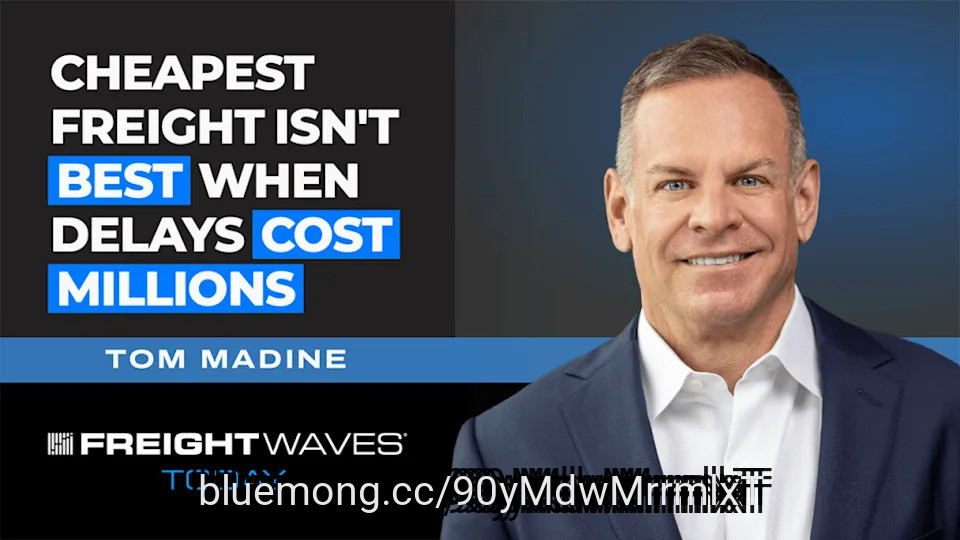
Cheapest freight isn't always best, especially when a late shipment can cost millions. ShipStation Global CEO Tom Madine breaks down why SMB shippers need parcel, LTL and truckload in one workflow, and why better freight decisions now matter more than just lower rates. From the merger that created ShipStation Global to adding more modes into the platform, this conversation gets into where shipping tech is heading, how data shapes carrier selection, and what smaller shippers actually need from logistics partners. #FreightTech #LTL #SupplyChain
ShipStation Global is formally launching its less-than-truckload product, marking the first tangible freight expansion since the merger of software provider Auctane, formerly the parent of the Stamps.com andShipStation,and WWEX Group, which previously housed freight brokerages like Worldwide Express. The company's CEO said the rollout represents the opening move in a broader strategy to let small and midsize shippers purchase and manage all transportation modes through a single platform.
"Today's the first day we've really launched the LTL product," said Tom Madine, CEO of ShipStation Global, noting the company plans to add truckload, final mile, and eventually ocean and forwarding capabilities after establishing its inland position.
The strategic rationale centers on eliminating the workflow gap that forced ShipStation users to leave the platform whenever they needed to move freight beyond parcel. Customer surveys repeatedly flagged the absence of additional modes as the top improvement request, he said. With LTL now integrated, shippers can manage inbound inventory movements alongside outbound parcel without switching systems.
"Cheapest is not always best…But at the same time, you don't want to overpay," Madine said, illustrating the point with a customer whose engine shipments carry multi-million-dollar consequences if delayed.
#madine #shippers #parcel #cheapest
ShipStation Global is formally launching its less-than-truckload product, marking the first tangible freight expansion since the merger of software provider Auctane, formerly the parent of the Stamps.com andShipStation,and WWEX Group, which previously housed freight brokerages like Worldwide Express. The company's CEO said the rollout represents the opening move in a broader strategy to let small and midsize shippers purchase and manage all transportation modes through a single platform.
"Today's the first day we've really launched the LTL product," said Tom Madine, CEO of ShipStation Global, noting the company plans to add truckload, final mile, and eventually ocean and forwarding capabilities after establishing its inland position.
The strategic rationale centers on eliminating the workflow gap that forced ShipStation users to leave the platform whenever they needed to move freight beyond parcel. Customer surveys repeatedly flagged the absence of additional modes as the top improvement request, he said. With LTL now integrated, shippers can manage inbound inventory movements alongside outbound parcel without switching systems.
"Cheapest is not always best…But at the same time, you don't want to overpay," Madine said, illustrating the point with a customer whose engine shipments carry multi-million-dollar consequences if delayed.
#madine #shippers #parcel #cheapest
2 months ago
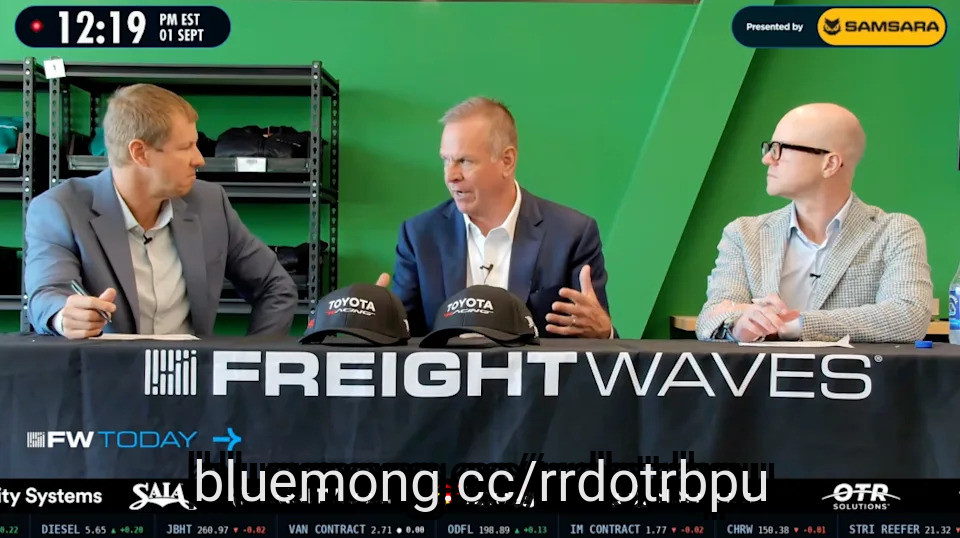
Small and midsize shippers are often forced to stitch together various tools for parcel labels, freight quotes, tracking, and much more. The fragmentation gets more expensive as a business grows past pure e-commerce, since the moment a merchant needs to move inventory between warehouses or ship a pallet instead of a box, they're forced out of whatever platform runs their day-to-day shipping and into unfamiliar territory.
ShipStation Global CEO Tom Madine has built the company's post-merger strategy around closing that gap, knowing that the same merchants who came to the platform for parcel labels are increasingly buying freight, too, and would rather not leave the software to do it.
The LTL rollout is the first major product integration since Thoma Bravo acquired WWEX Group (parent of Worldwide Express, GlobalTranz, Unishippers, JEAR Logistics and BLX Logistics) and merged it with Auctane, the parent company of ShipStation, this past June. The combination created ShipStation Global, a company now valued at roughly $12 billion. CEO Tom Madine described the logic of putting the two businesses together as less about scale for its own sake and more about closing a gap both companies kept running into with customers.
"If you think about an e-commerce merchant that's selling through multiple channels, using multiple carriers with inventory in multiple places, it makes that a much more seamless and stress-free process for them, and allows them to manage everything through a single pane of glass," Madine said of the legacy ShipStation product, before pointing to what it had been missing. "There's nothing else like it on the market."
According to Madine, that gap had shown up repeatedly in customer surveys. "One of the most common requests that ShipStation would get in the legacy Auctane world was, 'When are you going to add other modes to the platform?'" he said. "Prior to today, if you were a ShipStation user, you were managing your entire workflow in ShipStation, except when you needed to move freight." Merchants who needed to move inventory between warehouses had to leave the platform entirely, log into a separate freight system, and reconcile the two.
#freight #inventory #multiple #auctane
ShipStation Global CEO Tom Madine has built the company's post-merger strategy around closing that gap, knowing that the same merchants who came to the platform for parcel labels are increasingly buying freight, too, and would rather not leave the software to do it.
The LTL rollout is the first major product integration since Thoma Bravo acquired WWEX Group (parent of Worldwide Express, GlobalTranz, Unishippers, JEAR Logistics and BLX Logistics) and merged it with Auctane, the parent company of ShipStation, this past June. The combination created ShipStation Global, a company now valued at roughly $12 billion. CEO Tom Madine described the logic of putting the two businesses together as less about scale for its own sake and more about closing a gap both companies kept running into with customers.
"If you think about an e-commerce merchant that's selling through multiple channels, using multiple carriers with inventory in multiple places, it makes that a much more seamless and stress-free process for them, and allows them to manage everything through a single pane of glass," Madine said of the legacy ShipStation product, before pointing to what it had been missing. "There's nothing else like it on the market."
According to Madine, that gap had shown up repeatedly in customer surveys. "One of the most common requests that ShipStation would get in the legacy Auctane world was, 'When are you going to add other modes to the platform?'" he said. "Prior to today, if you were a ShipStation user, you were managing your entire workflow in ShipStation, except when you needed to move freight." Merchants who needed to move inventory between warehouses had to leave the platform entirely, log into a separate freight system, and reconcile the two.
#freight #inventory #multiple #auctane


8 months ago
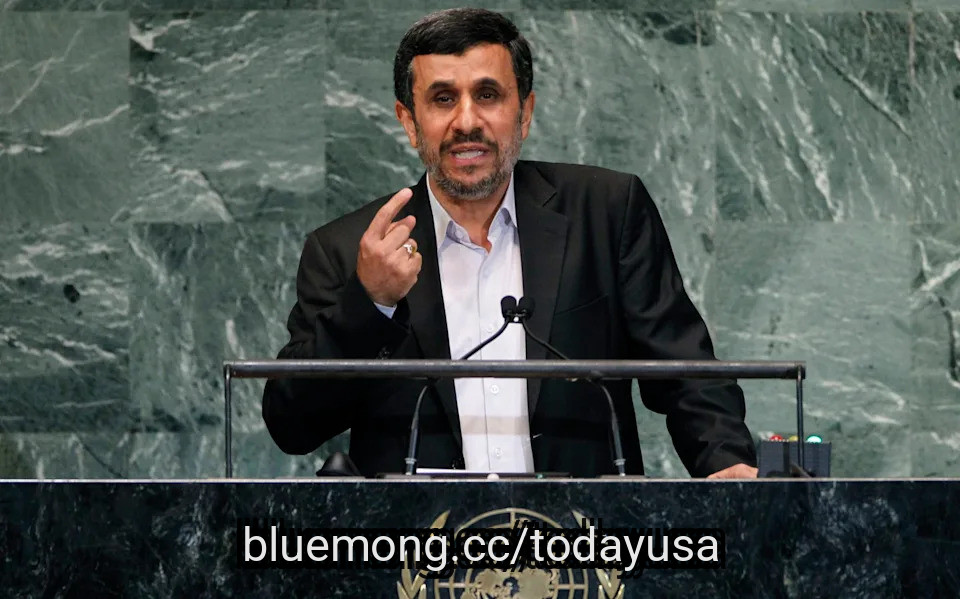
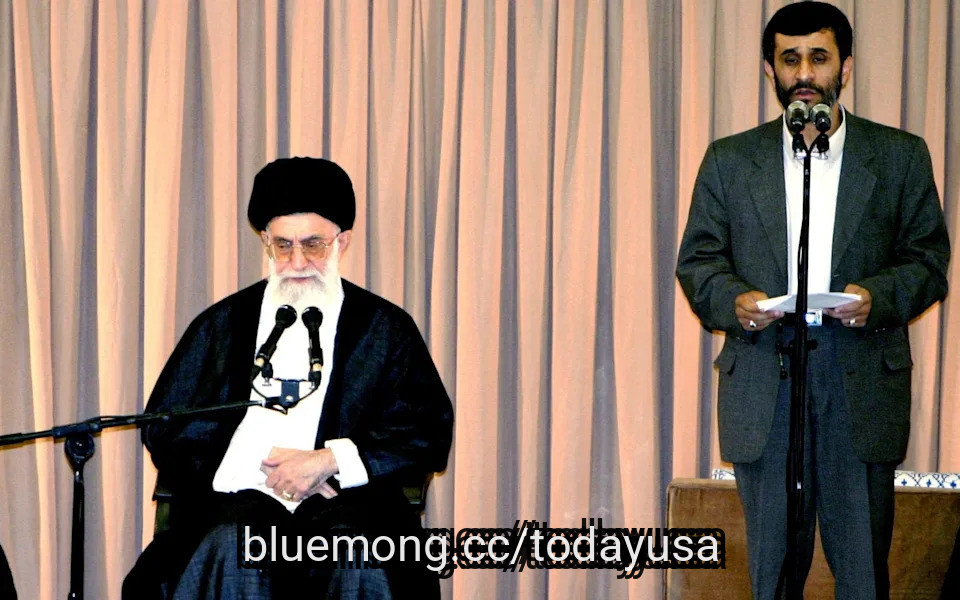
Mahmoud Ahmadinejad, former President of Iran who was a zealous hardliner with popular appeal
Mahmoud Ahmadinejad, the former President of Iran (2005-13), who has died aged 69, was an obscure figure when he was appointed mayor of Tehran in the spring of 2003, and not particularly well known when he won the second round run-off vote in the 2005 presidential election; yet over the next five years he established himself firmly as the West’s favourite bogeyman.
In 2005 the international community anticipated a win for the incumbent president Ali Akbar Hashemi Rafsanjani, so Ahm
Mahmoud Ahmadinejad, the former President of Iran (2005-13), who has died aged 69, was an obscure figure when he was appointed mayor of Tehran in the spring of 2003, and not particularly well known when he won the second round run-off vote in the 2005 presidential election; yet over the next five years he established himself firmly as the West’s favourite bogeyman.
In 2005 the international community anticipated a win for the incumbent president Ali Akbar Hashemi Rafsanjani, so Ahm