1 month ago
Iran's regime maintains an iron grip on power but still can't ignore the impact of U.S. economic warfare, which is getting even tougher.
That extends even to Supreme Leader Ayatollah Mojtaba Khamenei, who hasn't been seen in public since the U.S.-Israeli strike on Feb. 28 that killed his father.
In a written statement issued late last month, he banned Iranian officials from "committing anything that harms social cohesion" and urged them to avoid any "discouraging statements that weaken national and public motivation," according to Reuters.
That's as economic hardship and long lines at gas stations have already stirred some fresh protests, though not at the massive scale that was seen in January.
Still, a currency collapse last year and high inflation triggered widespread unrest, and the regime slaughtered thousands in a brutal crackdown. Since then, the rial has plunged to new lows and economic conditions have worsened due to the U.S. war and naval blockade.
#economic #supreme
That extends even to Supreme Leader Ayatollah Mojtaba Khamenei, who hasn't been seen in public since the U.S.-Israeli strike on Feb. 28 that killed his father.
In a written statement issued late last month, he banned Iranian officials from "committing anything that harms social cohesion" and urged them to avoid any "discouraging statements that weaken national and public motivation," according to Reuters.
That's as economic hardship and long lines at gas stations have already stirred some fresh protests, though not at the massive scale that was seen in January.
Still, a currency collapse last year and high inflation triggered widespread unrest, and the regime slaughtered thousands in a brutal crackdown. Since then, the rial has plunged to new lows and economic conditions have worsened due to the U.S. war and naval blockade.
#economic #supreme


2 months ago
Aug 30 (Reuters) - Iran's Supreme Leader Mojtaba Khamenei urged Muslim countries, particularly those in the Gulf, to unite against what he called their "real enemy" and said divisions among Muslims served the interests of their adversaries.
The message was published on Khamenei's Telegram account for Islamic Unity Week, which marks the birthday of the Prophet Muhammad.
It called for Muslim unity, cooperation in various fields and mutual defence, saying anyone who creates divisions among Muslims, "knowingly or unknowingly," helps Islam's enemies.
It asked whether Palestinians would have been left "so helpless" if Muslims had been united.
Khamenei has not been seen in public since being injured in U.S.-Israeli airstrikes six months ago that launched the Iran war, killing his father and previous supreme leader, Ayatollah Ali Khamenei.
#supreme
The message was published on Khamenei's Telegram account for Islamic Unity Week, which marks the birthday of the Prophet Muhammad.
It called for Muslim unity, cooperation in various fields and mutual defence, saying anyone who creates divisions among Muslims, "knowingly or unknowingly," helps Islam's enemies.
It asked whether Palestinians would have been left "so helpless" if Muslims had been united.
Khamenei has not been seen in public since being injured in U.S.-Israeli airstrikes six months ago that launched the Iran war, killing his father and previous supreme leader, Ayatollah Ali Khamenei.
#supreme

2 months ago
By Parisa Hafezi and Angus McDowall
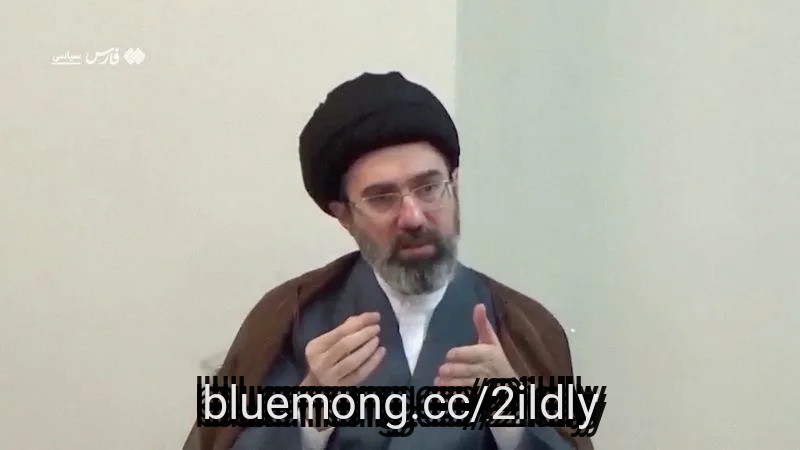
DUBAI, Aug 28 (Reuters) - Six months after the airstrikes that began the war and propelled a badly wounded Mojtaba Khamenei into the role of Iran's supreme leader, he remains entirely unseen and unheard by Iranians — a vacuum at the heart of his country's leadership.
Questions over his condition and role are growing increasingly fraught, with Iran facing critical decisions over a war that has set the Middle East aflame while trashing the country's already fragile economy.
Iranian officials and other senior sources in the country say Khamenei remains in control, ruling from the shadows for security reasons as he recovers from disfiguring wounds while delegating broad daily authority to a coterie of top figures.
But with no photograph, video or audio message released since his appointment a week into the war, Iranians are ever more sceptical about his position in an Islamic Republic in which the leader's voice is meant to be absolute.
#khamenei #hafezi #angus
DUBAI, Aug 28 (Reuters) - Six months after the airstrikes that began the war and propelled a badly wounded Mojtaba Khamenei into the role of Iran's supreme leader, he remains entirely unseen and unheard by Iranians — a vacuum at the heart of his country's leadership.
Questions over his condition and role are growing increasingly fraught, with Iran facing critical decisions over a war that has set the Middle East aflame while trashing the country's already fragile economy.
Iranian officials and other senior sources in the country say Khamenei remains in control, ruling from the shadows for security reasons as he recovers from disfiguring wounds while delegating broad daily authority to a coterie of top figures.
But with no photograph, video or audio message released since his appointment a week into the war, Iranians are ever more sceptical about his position in an Islamic Republic in which the leader's voice is meant to be absolute.
#khamenei #hafezi #angus



2 months ago
DUBAI, Aug 9 (Reuters) - Iranian President Masoud Pezeshkian met Supreme Leader Mojtaba Khamenei around the start of the president's third year in office in late July, state media said on Sunday, and a paramilitary leader promised footage of Khamenei in the future.
Pezeshkian has given differing accounts in recent weeks about his access to Khamenei, who has not been seen in public since he succeeded his father in the role in March.
On July 21, the president said interactions with the supreme leader were "increasing day by day", but in early August he said communicating with Khamenei was "very difficult".
The late July meeting covered military affairs and the economy, including securing resources, managing foreign exchange and energy use, as well as economic ties with foreign partners, according to state media.
In May, state media also reported that Pezeshkian had met Khamenei for several hours, in what was then the first publicly reported meeting between the two since Khamenei became supreme leader.
#since
Pezeshkian has given differing accounts in recent weeks about his access to Khamenei, who has not been seen in public since he succeeded his father in the role in March.
On July 21, the president said interactions with the supreme leader were "increasing day by day", but in early August he said communicating with Khamenei was "very difficult".
The late July meeting covered military affairs and the economy, including securing resources, managing foreign exchange and energy use, as well as economic ties with foreign partners, according to state media.
In May, state media also reported that Pezeshkian had met Khamenei for several hours, in what was then the first publicly reported meeting between the two since Khamenei became supreme leader.
#since



3 months ago
DUBAI, July 21 (Reuters) - The level of "interaction" with Iran's Supreme Leader is increasing day by day, Iranian President Masoud Pezeshkian said in a video clip published on state media on Tuesday.
His remarks follow months of speculation about the health of Supreme Leader Mojtaba Khamenei, who has not been seen in public since the airstrike that killed his father and predecessor, Ali Khamenei, at the start of the Iran war.
"The interaction level with our dear Supreme Leader is increasing day by day and should increase so that we can solve our problems with his guidance," Pezeshkian said in the clip.
Mojtaba Khamenei suffered severe facial and leg injuries in the February 28 attack, three people close to his inner circle told Reuters in April.
Khamenei has issued written statements since his appointment as Iran's third supreme leader by a clerical body on March 8, but no new image or voice recording has accompanied them.
#leader
His remarks follow months of speculation about the health of Supreme Leader Mojtaba Khamenei, who has not been seen in public since the airstrike that killed his father and predecessor, Ali Khamenei, at the start of the Iran war.
"The interaction level with our dear Supreme Leader is increasing day by day and should increase so that we can solve our problems with his guidance," Pezeshkian said in the clip.
Mojtaba Khamenei suffered severe facial and leg injuries in the February 28 attack, three people close to his inner circle told Reuters in April.
Khamenei has issued written statements since his appointment as Iran's third supreme leader by a clerical body on March 8, but no new image or voice recording has accompanied them.
#leader

3 months ago
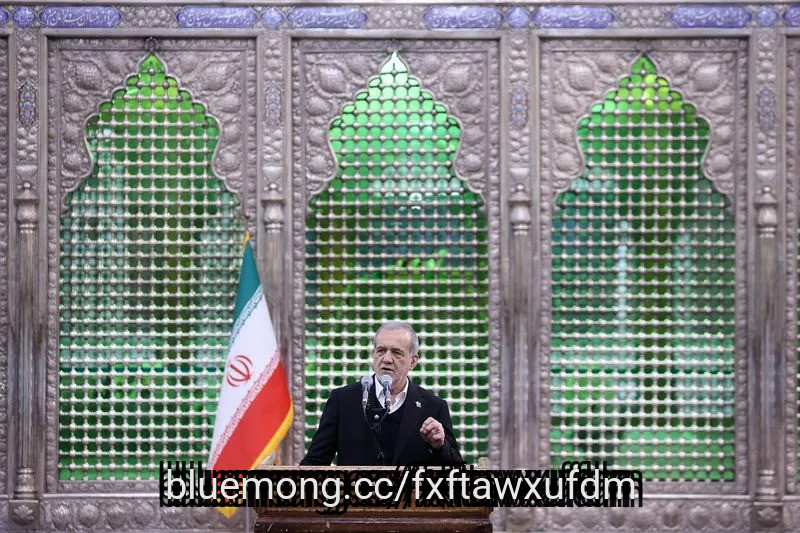
Iran's president and central bank chief told Supreme Leader Ayatollah Mojtaba Khamenei the economy was on the ropes due to the U.S. naval blockade, according to a report.
As the regime weighed whether to sign the memorandum of understanding to reopen the Strait of Hormuz and extend the ceasefire, officials were split among pragmatists favoring an agreement and hardliners who wanted to keep fighting. Meanwhile, the supreme leader was hesitating.
President Masoud Pezeshkian, who is among the pragmatists, approached Khamenei and told him economic conditions were dire, the U.S. naval blockade was crippling, and that he would resign if the deal wasn't approved, senior Iranian officials told the New York Times.
At the same time, the head of Iran's central bank sent a letter to Khamenei warning the country faced a severe budget crisis, was unable to sell oil via alternative trade routes at necessary volumes, and would run out of critical food and medical supplies by late August if the blockade wasn't lifted, the report added.
The bleak **** sments conveyed by the president and central bank helped convince Khamenei to give his blessing for the MOU, even though he said he opposed it "on principle," sources told the Times.
As the regime weighed whether to sign the memorandum of understanding to reopen the Strait of Hormuz and extend the ceasefire, officials were split among pragmatists favoring an agreement and hardliners who wanted to keep fighting. Meanwhile, the supreme leader was hesitating.
President Masoud Pezeshkian, who is among the pragmatists, approached Khamenei and told him economic conditions were dire, the U.S. naval blockade was crippling, and that he would resign if the deal wasn't approved, senior Iranian officials told the New York Times.
At the same time, the head of Iran's central bank sent a letter to Khamenei warning the country faced a severe budget crisis, was unable to sell oil via alternative trade routes at necessary volumes, and would run out of critical food and medical supplies by late August if the blockade wasn't lifted, the report added.
The bleak **** sments conveyed by the president and central bank helped convince Khamenei to give his blessing for the MOU, even though he said he opposed it "on principle," sources told the Times.


3 months ago
An Iranian official warned that the Islamic Republic will deliver a "hard slap" while another blatantly threatened the U.S. that "if you strike, you'll get hit," according to automatic translations from the two men's Persian-language posts on X.
Ebrahim Rezaei, whose profile on the social media platform indicates that he is a representative in Iran's Parliament and the spokesperson for the National Security and Foreign Policy Commission, wrote in a post on X, "The martyred Khamenei taught us not to fear America and showed that 'falsehood will perish.' Await the hard slap from the Iranians."
The speaker of Iran's Parliament, Mohammad Bagher Ghalibaf, warned, "America still hasn't learned that bullying and breaking promises are no longer cost-free. Let me put it plainly: if you strike, you'll get hit. Don't flail around pointlessly, or you'll sink even deeper: the Strait of Hormuz will only open with 'Iranian arrangements,' not American threats."
Both of the men issued their posts on Wednesday after U.S. Central Command (CENTCOM) announced more strikes against Iran.
"At the direction of the Commander in Chief, U.S. Central Command forces have started conducting additional strikes against Iran to further degrade their ability to threaten freedom of navigation in the Strait of Hormuz. The United States is holding Iran accountable for recent unjustified aggression against commercial shipping and civilian crews freely navigating a vital international waterway," CENTCOM had noted in a post on X.
Ebrahim Rezaei, whose profile on the social media platform indicates that he is a representative in Iran's Parliament and the spokesperson for the National Security and Foreign Policy Commission, wrote in a post on X, "The martyred Khamenei taught us not to fear America and showed that 'falsehood will perish.' Await the hard slap from the Iranians."
The speaker of Iran's Parliament, Mohammad Bagher Ghalibaf, warned, "America still hasn't learned that bullying and breaking promises are no longer cost-free. Let me put it plainly: if you strike, you'll get hit. Don't flail around pointlessly, or you'll sink even deeper: the Strait of Hormuz will only open with 'Iranian arrangements,' not American threats."
Both of the men issued their posts on Wednesday after U.S. Central Command (CENTCOM) announced more strikes against Iran.
"At the direction of the Commander in Chief, U.S. Central Command forces have started conducting additional strikes against Iran to further degrade their ability to threaten freedom of navigation in the Strait of Hormuz. The United States is holding Iran accountable for recent unjustified aggression against commercial shipping and civilian crews freely navigating a vital international waterway," CENTCOM had noted in a post on X.



3 months ago
DUBAI, United Arab Emirates (AP) — Mysterious, unclaimed airstrikes that hit Iran after the U.S. said it finished its attacks have again raised questions of who else may be targeting the Islamic Republic.
The strikes Thursday, just as Iran prepared to bury the late Supreme Leader Ayatollah Ali Khamenei, hit areas across southern Iran. The country's theocracy hasn't directly blamed anyone, though one lawmaker warned the United Arab Emirates about allegedly providing support to the U.S. campaign against Iran.
Gulf Arab states, which Iran has targeted repeatedly since the war began Feb. 28, did not immediately respond to requests for comment Friday about the strikes. The attacks come as those Gulf nations and the U.S. insist that the Strait of Hormuz, a vital waterway for world energy markets, must be open and free to ships to transit.
Iran says the strait must now be under its sole control and that vessels should begin to pay fees to Tehran — even though the world for decades has considered it an international waterway. About a fifth of all traded oil and natural gas passed through the strait before the war began.
Iran's grip on the strait during the conflict led to an global energy crisis, though oil prices have sharply dropped since wartime highs of $120 a barrel.
The strikes Thursday, just as Iran prepared to bury the late Supreme Leader Ayatollah Ali Khamenei, hit areas across southern Iran. The country's theocracy hasn't directly blamed anyone, though one lawmaker warned the United Arab Emirates about allegedly providing support to the U.S. campaign against Iran.
Gulf Arab states, which Iran has targeted repeatedly since the war began Feb. 28, did not immediately respond to requests for comment Friday about the strikes. The attacks come as those Gulf nations and the U.S. insist that the Strait of Hormuz, a vital waterway for world energy markets, must be open and free to ships to transit.
Iran says the strait must now be under its sole control and that vessels should begin to pay fees to Tehran — even though the world for decades has considered it an international waterway. About a fifth of all traded oil and natural gas passed through the strait before the war began.
Iran's grip on the strait during the conflict led to an global energy crisis, though oil prices have sharply dropped since wartime highs of $120 a barrel.


3 months ago
Iran's Parliament Speaker Mohammad Bagher Qalibaf has warned of an Iranian response if the U.S. and Israel breach the interim peace deal, as Tehran prepares to bury its former supreme leader, Ayatollah Ali Khamenei.
"We strongly demand full implementation of the agreements, and if the U.S. and the Zionist regime fail to fulfill their commitments, Iran will resume proportionate actions," Qalibaf said Friday, according to the semiofficial Iranian Students' News Agency (ISNA), during a meeting with Belarusian lawmaker Igor Sergeyenko.
Qalibaf and Iranian Foreign Minister Abbas Araghchi have been the lead Iranian negotiators in high-level talks with the U.S. to finalize an agreement that would permanently end hostilities in the region, fully reopen the critical Strait of Hormuz and resolve outstanding issues on Tehran's nuclear program, among other objectives.
The renewed tension comes after the U.S. and Iran exchanged fire in the Persian Gulf last week in the first flare-up of fighting since the 60-day memorandum of understanding (MOU) was signed.
President Trump threatened late last weekend to "militarily complete the job" following suspected Iranian drone attacks on vessels attempting to transit the oil corridor. The U.S. military responded with retaliatory strikes on Iranian missile and drone storage sites and coastal radar locations.
"We strongly demand full implementation of the agreements, and if the U.S. and the Zionist regime fail to fulfill their commitments, Iran will resume proportionate actions," Qalibaf said Friday, according to the semiofficial Iranian Students' News Agency (ISNA), during a meeting with Belarusian lawmaker Igor Sergeyenko.
Qalibaf and Iranian Foreign Minister Abbas Araghchi have been the lead Iranian negotiators in high-level talks with the U.S. to finalize an agreement that would permanently end hostilities in the region, fully reopen the critical Strait of Hormuz and resolve outstanding issues on Tehran's nuclear program, among other objectives.
The renewed tension comes after the U.S. and Iran exchanged fire in the Persian Gulf last week in the first flare-up of fighting since the 60-day memorandum of understanding (MOU) was signed.
President Trump threatened late last weekend to "militarily complete the job" following suspected Iranian drone attacks on vessels attempting to transit the oil corridor. The U.S. military responded with retaliatory strikes on Iranian missile and drone storage sites and coastal radar locations.


3 months ago
Four months after he was killed at the outset of the US-Israeli war on Iran, Supreme Leader Ali Khamenei is being memorialized in a weeklong funeral spectacle stretching across five cities in two countries, with millions of mourners expected to attend.
Despite a costly war against two of the world's strongest militaries and decades of crushing economic hardship, Tehran is sparing no expense to send off Khamenei in a grand ceremony shrouded in religious symbolism that overlaps with the 250th US Independence Day celebrations.
Authorities say they've launched one of the largest logistical efforts in the Islamic Republic's history, mobilizing government employees, universities, labor unions, firefighters, soldiers, aid workers and even religious "mourning groups" to organize the funeral and manage the millions of "pilgrims" expected to travel to cities and holy sites across Iran and Iraq to bid the ayatollah farewell. Authorities in neighboring Iraq, where Shiite Muslims are a majority, say millions of mourners are expected to pay respects.
For more than ten days, the overwhelming coverage across Iranian media has been building up to this moment, with tribute songs and documentaries on Khamenei's life overtaking news of talks with the US that had previously dominated headlines. The scale of the spectacle is designed to send a message to the world and to the Islamic Republic's enemies: The regime not only survived an existential war, but will stubbornly immortalize its slain leader as a symbol of its resilience.
unknown content item
Despite a costly war against two of the world's strongest militaries and decades of crushing economic hardship, Tehran is sparing no expense to send off Khamenei in a grand ceremony shrouded in religious symbolism that overlaps with the 250th US Independence Day celebrations.
Authorities say they've launched one of the largest logistical efforts in the Islamic Republic's history, mobilizing government employees, universities, labor unions, firefighters, soldiers, aid workers and even religious "mourning groups" to organize the funeral and manage the millions of "pilgrims" expected to travel to cities and holy sites across Iran and Iraq to bid the ayatollah farewell. Authorities in neighboring Iraq, where Shiite Muslims are a majority, say millions of mourners are expected to pay respects.
For more than ten days, the overwhelming coverage across Iranian media has been building up to this moment, with tribute songs and documentaries on Khamenei's life overtaking news of talks with the US that had previously dominated headlines. The scale of the spectacle is designed to send a message to the world and to the Islamic Republic's enemies: The regime not only survived an existential war, but will stubbornly immortalize its slain leader as a symbol of its resilience.
unknown content item



4 months ago
Tehran is preparing for the July 9 burial of Supreme Leader Ali Khamenei, more than four months after his death, as authorities mobilize the Basij militia and mount a massive security operation ahead of what is expected to be a "historic" turnout.
The lengthy delay to the funeral has raised questions about how Khamenei's remains have been preserved, as Islamic tradition, ****** ysts say, generally calls for prompt burial and discourages chemical embalming.
"The mechanism is almost certainly refrigerated cold storage, not embalming, as Islam bars chemical embalming," counterterrorism expert Dr. Omar Mohammed told Fox News Digital.
"Shia law allows delayed burial and preservation by cold in exceptional cases, and a clerical exemption for a Supreme Leader is easy to get," he added.
Mojtaba Khamenei Using 'Bin Laden Template' To Survive, Learned From Abbottabad: ****** yst
The lengthy delay to the funeral has raised questions about how Khamenei's remains have been preserved, as Islamic tradition, ****** ysts say, generally calls for prompt burial and discourages chemical embalming.
"The mechanism is almost certainly refrigerated cold storage, not embalming, as Islam bars chemical embalming," counterterrorism expert Dr. Omar Mohammed told Fox News Digital.
"Shia law allows delayed burial and preservation by cold in exceptional cases, and a clerical exemption for a Supreme Leader is easy to get," he added.
Mojtaba Khamenei Using 'Bin Laden Template' To Survive, Learned From Abbottabad: ****** yst


4 months ago
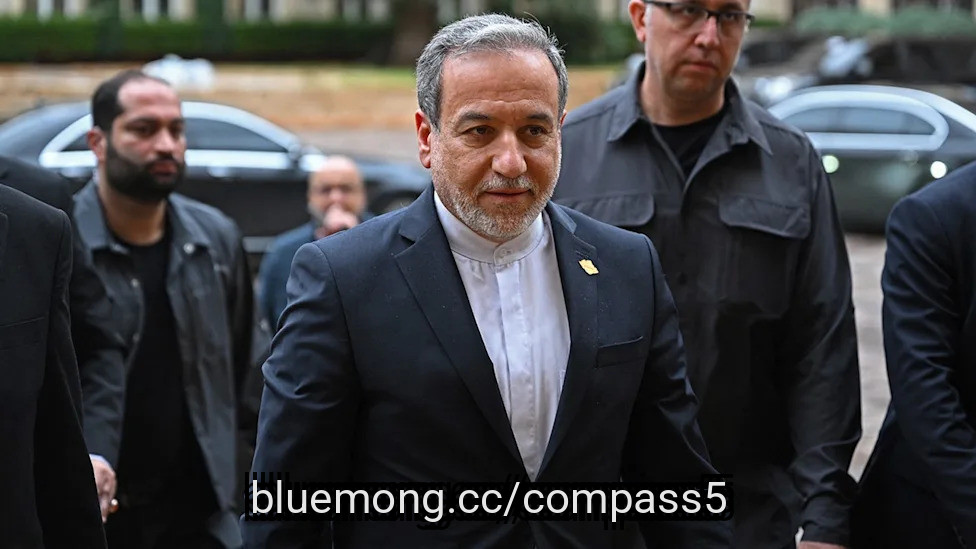
New details from Iran's top diplomat about the strike that killed Supreme Leader Ali Khamenei provide some of the clearest evidence yet of the precision and strategy behind the joint U.S.-Israeli operation that launched Operation Epic Fury, counterterrorism experts said Sunday.
The account, revealed by Iranian Foreign Minister Abbas Araghchi in a new television interview, also highlights what ****** ysts describe as a defining feature of President Donald Trump's national security doctrine: using a decapitation strike against a hostile regime while simultaneously creating an off-ramp to end the conflict.
"Well, the building we were sitting in was targeted, but the wing we were in remained intact while the other wing of the building was destroyed," Araghchi said in an interview that aired June 4 on the Lebanon-based, Hezbollah-backed Al Mayadeen television network.
While Araghchi survived the Feb. 28 strike because he was in a different wing of Khamenei's compound when the attack occurred, he went on to detail how Khamenei was in his office and how others survived.
Before-and-after Satellite Imagery Offers A Rare Look At Damage Inside Iran
The account, revealed by Iranian Foreign Minister Abbas Araghchi in a new television interview, also highlights what ****** ysts describe as a defining feature of President Donald Trump's national security doctrine: using a decapitation strike against a hostile regime while simultaneously creating an off-ramp to end the conflict.
"Well, the building we were sitting in was targeted, but the wing we were in remained intact while the other wing of the building was destroyed," Araghchi said in an interview that aired June 4 on the Lebanon-based, Hezbollah-backed Al Mayadeen television network.
While Araghchi survived the Feb. 28 strike because he was in a different wing of Khamenei's compound when the attack occurred, he went on to detail how Khamenei was in his office and how others survived.
Before-and-after Satellite Imagery Offers A Rare Look At Damage Inside Iran
4 months ago
A potential peace deal between the United States and Iran hinges on the Trump administration agreeing to release $24 billion in frozen Iranian ******* ets, a top Iranian official told CNN on Friday, warning that the US would "enter into a dark corridor" should it resume fighting.
"The negotiations are at a deadlock and (US President Donald) Trump must break this deadlock," Mohsen Rezaei, military adviser to Supreme Leader Ayatollah Mojtaba Khamenei, told CNN in an exclusive interview in Tehran. "The ball is in Trump's court."
Iran has reportedly demanded the release of $12 billion in frozen funds as soon as an interim agreement is signed with the US, and another $12 billion at a later stage.
US officials are concerned that any unfreezing of funds at this stage could remove a key leverage point over the regime. Trump has demanded that any agreement appear far stronger than the nuclear deal struck in 2015, and to avoid anything that could be construed as handing over "pallets of cash," a phrase he has invoked to criticize then-President Barack Obama's decision to give Tehran financial compensation.
In a rare interview with CNN, Rezaei shed light on the thinking inside Iran's strategic decision-making circles about the country's postwar vision, the fate of the Strait of Hormuz and how Iran may act if it is attacked again. His remarks carry weight because he remains closely connected to Iran's security establishment and is widely seen as being close to the current supreme leader, who has not been seen in public since he suffered injuries from an Israeli attack that killed his father on the first day of the war.
"The negotiations are at a deadlock and (US President Donald) Trump must break this deadlock," Mohsen Rezaei, military adviser to Supreme Leader Ayatollah Mojtaba Khamenei, told CNN in an exclusive interview in Tehran. "The ball is in Trump's court."
Iran has reportedly demanded the release of $12 billion in frozen funds as soon as an interim agreement is signed with the US, and another $12 billion at a later stage.
US officials are concerned that any unfreezing of funds at this stage could remove a key leverage point over the regime. Trump has demanded that any agreement appear far stronger than the nuclear deal struck in 2015, and to avoid anything that could be construed as handing over "pallets of cash," a phrase he has invoked to criticize then-President Barack Obama's decision to give Tehran financial compensation.
In a rare interview with CNN, Rezaei shed light on the thinking inside Iran's strategic decision-making circles about the country's postwar vision, the fate of the Strait of Hormuz and how Iran may act if it is attacked again. His remarks carry weight because he remains closely connected to Iran's security establishment and is widely seen as being close to the current supreme leader, who has not been seen in public since he suffered injuries from an Israeli attack that killed his father on the first day of the war.



10 months ago
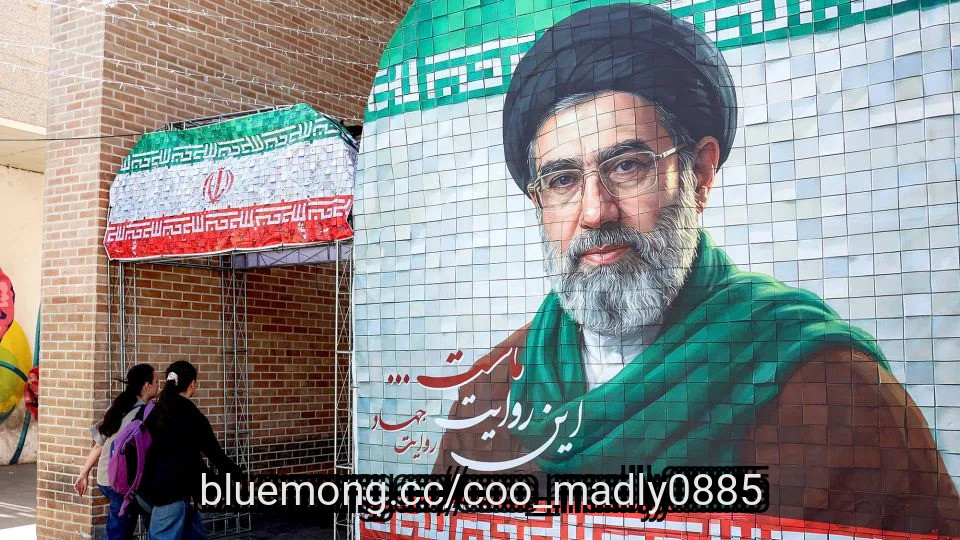
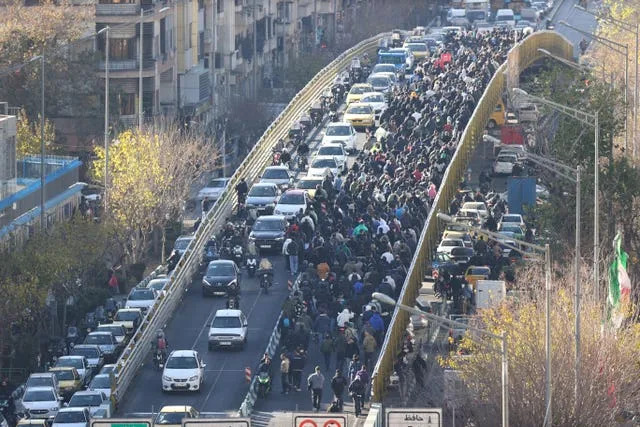
Iran’s supreme leader on Saturday addressed the protests rattling his nation, insisting that “rioters must be put in their place”.
The comments by Supreme Leader Ayatollah Ali Khamenei may be a green light to authorities to pursue a more aggressive approach to the demonstrations, which have been going on for a week.
The protests take their root in the country’s ailing economy as Iran’s rial currency now trades at around 1.4 million to the dollar.
“We talk to protesters, the officials must talk to them,” Ayatollah Khamenei told an audience in Tehran, Iran’s capital. “But there is no benefit
The comments by Supreme Leader Ayatollah Ali Khamenei may be a green light to authorities to pursue a more aggressive approach to the demonstrations, which have been going on for a week.
The protests take their root in the country’s ailing economy as Iran’s rial currency now trades at around 1.4 million to the dollar.
“We talk to protesters, the officials must talk to them,” Ayatollah Khamenei told an audience in Tehran, Iran’s capital. “But there is no benefit

10 months ago
Iran’s president says his country is in a full-scale war with the West
TEHRAN, Iran (AP) — Iranian President Masoud Pezeshkian said Saturday his country is in a full-scale war with the U.S., Israel and Europe ahead of Israeli Prime Minister Benjamin Netanyahu ’s meeting Monday with U.S. President Donald Trump.
Pezeshkian said in an interview published on the website of the country’s Supreme Leader Ayatollah Ali Khamenei on Saturday that the war is worse than Iran's deadly war with Iraq in the 1980s.
“We are in a full-scale war with the U.S., Israel and Europe; they don’t want our country
TEHRAN, Iran (AP) — Iranian President Masoud Pezeshkian said Saturday his country is in a full-scale war with the U.S., Israel and Europe ahead of Israeli Prime Minister Benjamin Netanyahu ’s meeting Monday with U.S. President Donald Trump.
Pezeshkian said in an interview published on the website of the country’s Supreme Leader Ayatollah Ali Khamenei on Saturday that the war is worse than Iran's deadly war with Iraq in the 1980s.
“We are in a full-scale war with the U.S., Israel and Europe; they don’t want our country