

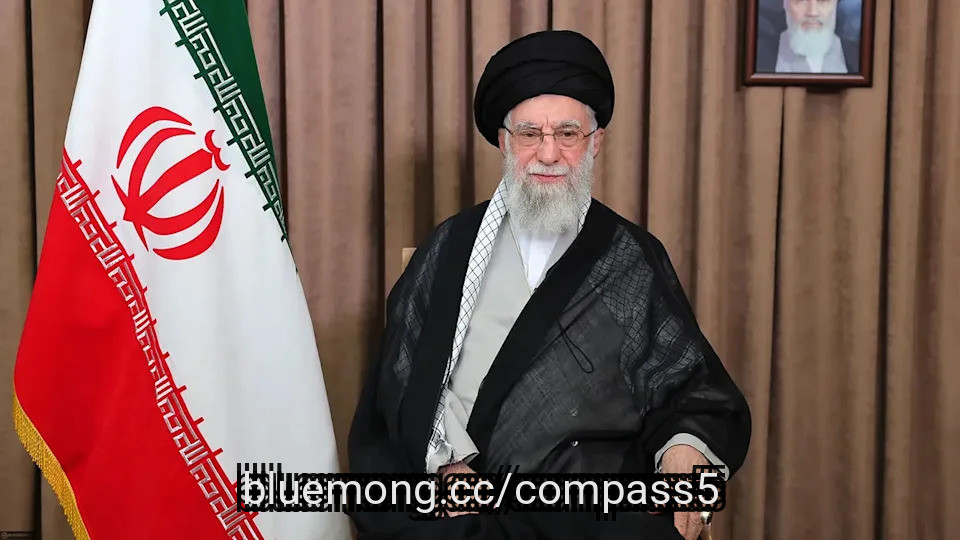
New details from Iran's top diplomat about the strike that killed Supreme Leader Ali Khamenei provide some of the clearest evidence yet of the precision and strategy behind the joint U.S.-Israeli operation that launched Operation Epic Fury, counterterrorism experts said Sunday.
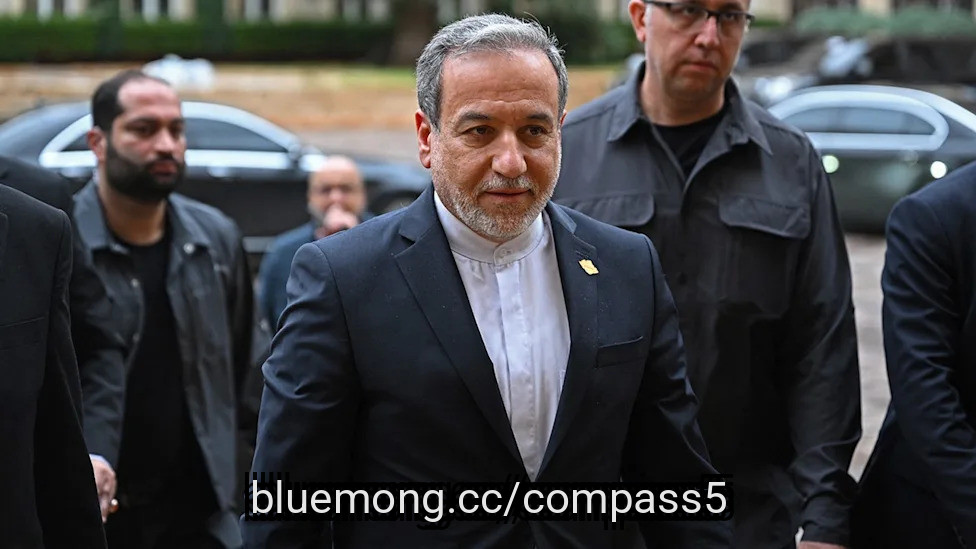
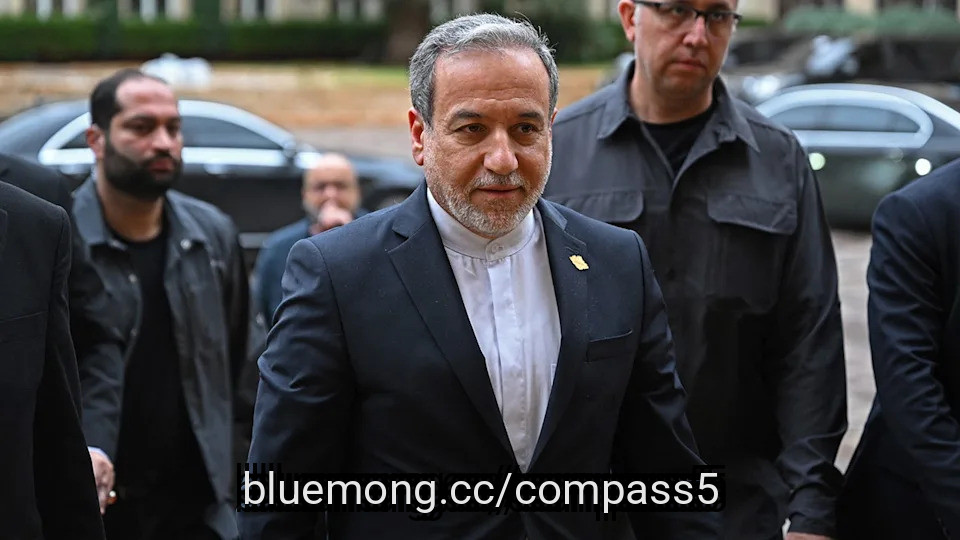
The account, revealed by Iranian Foreign Minister Abbas Araghchi in a new television interview, also highlights what ****** ysts describe as a defining feature of President Donald Trump's national security doctrine: using a decapitation strike against a hostile regime while simultaneously creating an off-ramp to end the conflict.
"Well, the building we were sitting in was targeted, but the wing we were in remained intact while the other wing of the building was destroyed," Araghchi said in an interview that aired June 4 on the Lebanon-based, Hezbollah-backed Al Mayadeen television network.
While Araghchi survived the Feb. 28 strike because he was in a different wing of Khamenei's compound when the attack occurred, he went on to detail how Khamenei was in his office and how others survived.
Before-and-after Satellite Imagery Offers A Rare Look At Damage Inside Iran
The account, revealed by Iranian Foreign Minister Abbas Araghchi in a new television interview, also highlights what ****** ysts describe as a defining feature of President Donald Trump's national security doctrine: using a decapitation strike against a hostile regime while simultaneously creating an off-ramp to end the conflict.
"Well, the building we were sitting in was targeted, but the wing we were in remained intact while the other wing of the building was destroyed," Araghchi said in an interview that aired June 4 on the Lebanon-based, Hezbollah-backed Al Mayadeen television network.
While Araghchi survived the Feb. 28 strike because he was in a different wing of Khamenei's compound when the attack occurred, he went on to detail how Khamenei was in his office and how others survived.
Before-and-after Satellite Imagery Offers A Rare Look At Damage Inside Iran
4 months ago