
52 mins. ago
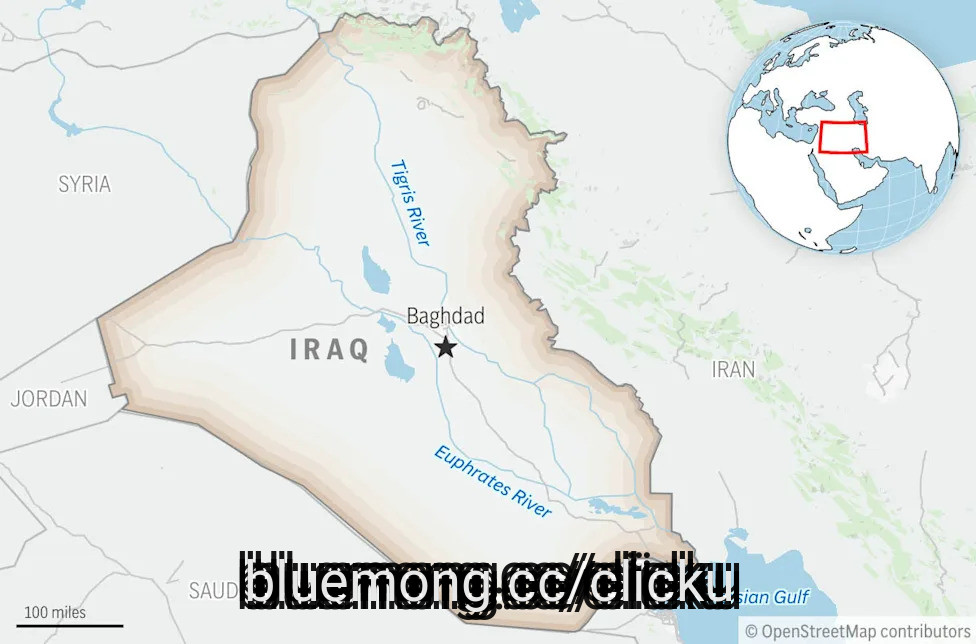
BAGHDAD (AP) — The U.S. military announced on Wednesday that it has completed the withdrawal of all American troops from Iraq, ending a 12-year mission to fight the Islamic State group. The last U.S. troops left an air base in northern Iraq under a deal between Baghdad and Washington.
The withdrawal, agreed on two years ago, comes against the backdrop of the ongoing war between the United States and Iran that has also sometimes spilled over into Iraq, with Iran-backed militias firing on U.S. troops and the U.S. striking the groups' strongholds.
Baghdad touted the end of the U.S. mission as a sign of the country's increasing strength and sovereignty.
The withdrawal was also celebrated by Iran-backed groups but raised concerns among some other Iraqis, particularly in the Kurdish region. Meanwhile, questions loom around the future of the Iraqi militias, which the Baghdad government has sought — with little success so far — to disarm.
Pentagon spokesperson Sean Parnell said in a statement that U.S. troops and equipment had completed an "orderly departure" from the air base in Irbil, in northern Iraq's semi-autonomous Kurdish region.
#baghdad #withdrawal #kurdish #northern
The withdrawal, agreed on two years ago, comes against the backdrop of the ongoing war between the United States and Iran that has also sometimes spilled over into Iraq, with Iran-backed militias firing on U.S. troops and the U.S. striking the groups' strongholds.
Baghdad touted the end of the U.S. mission as a sign of the country's increasing strength and sovereignty.
The withdrawal was also celebrated by Iran-backed groups but raised concerns among some other Iraqis, particularly in the Kurdish region. Meanwhile, questions loom around the future of the Iraqi militias, which the Baghdad government has sought — with little success so far — to disarm.
Pentagon spokesperson Sean Parnell said in a statement that U.S. troops and equipment had completed an "orderly departure" from the air base in Irbil, in northern Iraq's semi-autonomous Kurdish region.
#baghdad #withdrawal #kurdish #northern


14 days ago
BAGHDAD (AP) — Two deadlines are looming for Iraq at the end of the month: the end of a decades-long U.S. military presence and the disarmament of non-state armed groups.
The U.S. withdrawal is underway, and officials say the hundreds of troops remaining in northern Iraq will be out by the Sept. 30 deadline.
The Iraqi government has linked the U.S. withdrawal to an ultimatum for militias to lay down their weapons. But most have indicated they have no plans to do so.
That leaves major questions about what the day after will look like in Iraq.
Iranian-backed Iraqi militias have struck U.S.-linked targets both inside and outside of Iraq since the U.S. and Israel attacked Iran on Feb. 28. They also have coordinated with Yemen's Houthi rebels to attack Saudi Arabia.
#sept #iranian
The U.S. withdrawal is underway, and officials say the hundreds of troops remaining in northern Iraq will be out by the Sept. 30 deadline.
The Iraqi government has linked the U.S. withdrawal to an ultimatum for militias to lay down their weapons. But most have indicated they have no plans to do so.
That leaves major questions about what the day after will look like in Iraq.
Iranian-backed Iraqi militias have struck U.S.-linked targets both inside and outside of Iraq since the U.S. and Israel attacked Iran on Feb. 28. They also have coordinated with Yemen's Houthi rebels to attack Saudi Arabia.
#sept #iranian




18 days ago
BAGHDAD (AP) — Iraq's government raced Saturday to contain the fallout after local Iran-backed militias were accused of attacking and shuttering a key Saudi pipeline.
Though an umbrella group of Iran-backed militias in Iraq denied their involvement, Iraq's government confirmed the attacks had originated from its territory. The government pledged to investigate and dismissed two senior officials.
The country is under mounting pressure to prevent local militias from aiding other Iran proxy groups across the region. The Iraqi government has set a Sept. 30 deadline for nonstate groups to disarm, but several of the most powerful militias have said they will not comply.
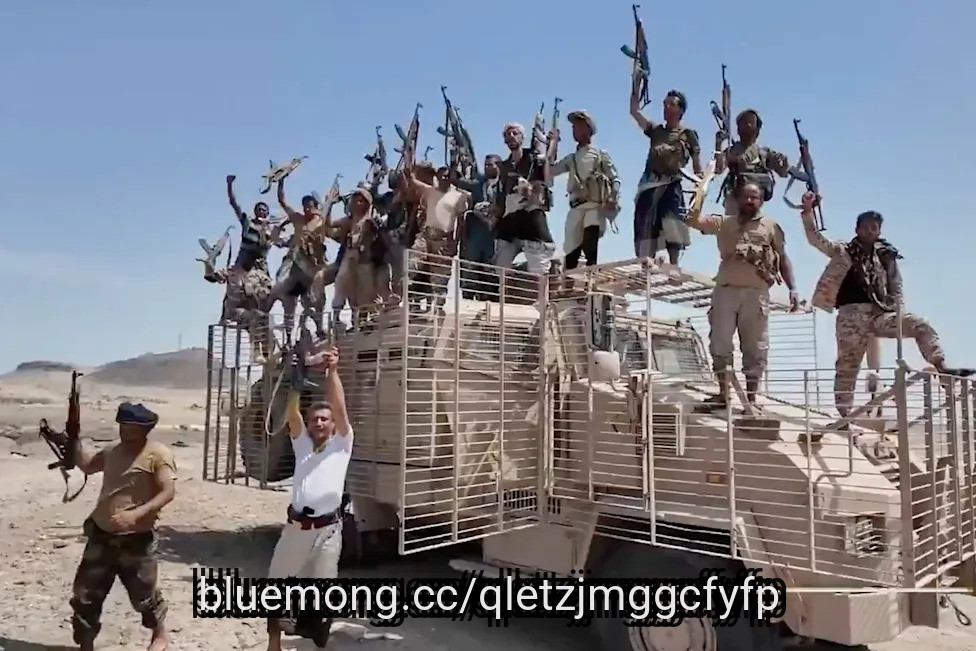
Pressure to disarm the militias is especially acute as the Iran-backed Houthi rebels make an advance across Yemen's west coast in a major setback to the Saudi-backed coalition that risks escalating the war in the region. The Houthis on Friday seized an island in the Bab el-Mandeb Strait, a key shipping lane through which around 12% of global trade passes.
Their virtual control of the strait could send global oil prices — already inflated by the six-month Iran-U.S. war — spiraling. The strait has become a vital commercial lane for Saudi oil ever since the Iran war disrupted shipping in the Strait of Hormuz.
#saudi #across
Though an umbrella group of Iran-backed militias in Iraq denied their involvement, Iraq's government confirmed the attacks had originated from its territory. The government pledged to investigate and dismissed two senior officials.
The country is under mounting pressure to prevent local militias from aiding other Iran proxy groups across the region. The Iraqi government has set a Sept. 30 deadline for nonstate groups to disarm, but several of the most powerful militias have said they will not comply.
Pressure to disarm the militias is especially acute as the Iran-backed Houthi rebels make an advance across Yemen's west coast in a major setback to the Saudi-backed coalition that risks escalating the war in the region. The Houthis on Friday seized an island in the Bab el-Mandeb Strait, a key shipping lane through which around 12% of global trade passes.
Their virtual control of the strait could send global oil prices — already inflated by the six-month Iran-U.S. war — spiraling. The strait has become a vital commercial lane for Saudi oil ever since the Iran war disrupted shipping in the Strait of Hormuz.
#saudi #across


1 month ago
Trump's "economic D-Day" against Iran is built around one of Washington's most powerful weapons: access to the U.S. financial system. The problem is that the deeper Washington pushes into Iran's remaining trade, the bigger the targets become.
China buys more than 80% of Iran's seaborne crude. Iraq relies on Iranian gas for as much as 40% of its electricity generation. Turkey imported 4.5 bcm of Iranian gas in the first half of this year, while India still maintains a heavily one-sided trade relationship with Tehran. The UAE, once one of Iran's most important commercial and financial conduits, has already suspended dealings with Tehran.
The U.S. Treasury can sanction tankers, traders and small Chinese refiners without creating much collateral damage outside the Iranian trade. Going after the major banks financing that commerce is different, however. The same is true of forcing Baghdad to choose between complying with Washington and keeping Iranian gas flowing to Iraqi power stations.
The Trump administration took a cautious approach on Monday. Its first round targeted nearly 60 individuals, companies and vessels and expanded sanctions across shipping, aviation, technology, gold and digital ***** ets, but left China's major banks untouched.
That leaves the most powerful part of Trump's threat still hanging over Iran's trading partners. If the first round fails to cut Iranian commerce sufficiently, Washington can move from sanctioning the networks built to evade U.S. restrictions to targeting the banks and companies that still have substantial business to lose in the United States.
#still #tehran #built #financial
China buys more than 80% of Iran's seaborne crude. Iraq relies on Iranian gas for as much as 40% of its electricity generation. Turkey imported 4.5 bcm of Iranian gas in the first half of this year, while India still maintains a heavily one-sided trade relationship with Tehran. The UAE, once one of Iran's most important commercial and financial conduits, has already suspended dealings with Tehran.
The U.S. Treasury can sanction tankers, traders and small Chinese refiners without creating much collateral damage outside the Iranian trade. Going after the major banks financing that commerce is different, however. The same is true of forcing Baghdad to choose between complying with Washington and keeping Iranian gas flowing to Iraqi power stations.
The Trump administration took a cautious approach on Monday. Its first round targeted nearly 60 individuals, companies and vessels and expanded sanctions across shipping, aviation, technology, gold and digital ***** ets, but left China's major banks untouched.
That leaves the most powerful part of Trump's threat still hanging over Iran's trading partners. If the first round fails to cut Iranian commerce sufficiently, Washington can move from sanctioning the networks built to evade U.S. restrictions to targeting the banks and companies that still have substantial business to lose in the United States.
#still #tehran #built #financial


1 month ago
Aug 22 (Reuters) - Iran has granted permission for a number of Iraqi oil tankers to pass through the Strait of Hormuz following repeated requests from Baghdad through various channels, Iran's state news agency IRNA reported on Saturday.
IRNA said obtaining special permission for Iraqi tankers was one of Baghdad's main requests during Iranian parliament speaker Mohammad Baqer Qalibaf's visit to Iraq.
Iraqi President Nizar Amedi said on Saturday that Iran had facilitated the passage of vessels carrying Iraqi oil through the Strait in recent days and Baghdad had discussed the export of Iraqi oil through Hormuz with Iranian officials.
The issue remained complicated, he added, speaking at the Baghdad Dialogue policy conference.
Iraq has been among the countries most affected by Iran's effective closure of the Strait of Hormuz. Traffic in the strait remains significantly below pre-war levels and ships continue to face attacks in the area.
#saturday
IRNA said obtaining special permission for Iraqi tankers was one of Baghdad's main requests during Iranian parliament speaker Mohammad Baqer Qalibaf's visit to Iraq.
Iraqi President Nizar Amedi said on Saturday that Iran had facilitated the passage of vessels carrying Iraqi oil through the Strait in recent days and Baghdad had discussed the export of Iraqi oil through Hormuz with Iranian officials.
The issue remained complicated, he added, speaking at the Baghdad Dialogue policy conference.
Iraq has been among the countries most affected by Iran's effective closure of the Strait of Hormuz. Traffic in the strait remains significantly below pre-war levels and ships continue to face attacks in the area.
#saturday


3 months ago
The clock that was ticking down to economic disaster for Iraq on 27 July has been paused, with Turkey agreeing to a one-year temporary arrangement that ensures the continuation of critical oil exports running via pipelines from northern Iraq into the Turkish port of Ceyhan. The new one-year protocol covers the entire Iraq-Turkey Pipeline (ITP) corridor – comprising two separate oil pipelines – treating it as a single, unified mechanism, in line with the original 1973 'Crude Oil Pipeline Agreement'. These routes were made even more vital to Iraq's ability to monetise its oil flows following the effective closure of the Strait of Hormuz on 28 February and ongoing disruptions since then. Before that, around 95% of Iraq's crude was shipped through that route to key export destinations in Asia, including China, with over 90% of Baghdad's annual budget historically coming from those oil exports. As a result of the Strait's blockade, Iraq's oil storage tanks filled quickly to capacity, and with highly limited options for transporting its crude elsewhere, it was forced to shut down production wells. That, in turn, dramatically increased the risk of permanent damage to Iraq's oil production through a loss of reservoir pressure, water infiltration, and corrosion, among other factors. But how secure is this new arrangement with Turkey and what are the chances that a permanent solution will be agreed?
Related: Iran Strikes 5 Gulf Countries as Regional Escalation Continues
As it stands, according to a statement by Khazal Hostani, director general of contracts at the Kurdistan Region of Iraq's (KRI) Ministry of Natural Resources, the temporary protocol will keep more than 200,000 barrels per day (bpd) flowing through the Ceyhan pipeline corridor, in line with the volumes going through it immediately prior to the onset of the Strait of Hormuz crisis. That said, these flows through northern Iraq into Turkey had been significantly reduced – and for two and a half years, from March 2023, halted completely – following an international arbitration ruling by the International Chamber of Commerce's (ICC) on 13 February that year. The ICC had judged that Turkey pay Baghdad US$1.5 billion in damages for breaching the 1973 'Crude Oil Pipeline Agreement' by allowing the Erbil-based semi-autonomous KRI northern Iraqi region's government (the KRG) to circumvent the Baghdad-based Federal Government of Iraq (FGI) and export oil independently. Turkey then halted the flow of oil through the northern Iraq pipeline route, which at the time regularly exported approximately 450,000 bpd of crude from the Kirkuk region to Ceyhan. The prohibition on the KRG selling oil independently from the FGI had been a core condition of the 2014 agreement between Baghdad and Erbil, as laid out in a simple trade?off: the KRG would funnel the crude produced in its territory – roughly 550,000 barrels a day at the time – to the federal authorities for marketing through the state-owned State Organiza
Related: Iran Strikes 5 Gulf Countries as Regional Escalation Continues
As it stands, according to a statement by Khazal Hostani, director general of contracts at the Kurdistan Region of Iraq's (KRI) Ministry of Natural Resources, the temporary protocol will keep more than 200,000 barrels per day (bpd) flowing through the Ceyhan pipeline corridor, in line with the volumes going through it immediately prior to the onset of the Strait of Hormuz crisis. That said, these flows through northern Iraq into Turkey had been significantly reduced – and for two and a half years, from March 2023, halted completely – following an international arbitration ruling by the International Chamber of Commerce's (ICC) on 13 February that year. The ICC had judged that Turkey pay Baghdad US$1.5 billion in damages for breaching the 1973 'Crude Oil Pipeline Agreement' by allowing the Erbil-based semi-autonomous KRI northern Iraqi region's government (the KRG) to circumvent the Baghdad-based Federal Government of Iraq (FGI) and export oil independently. Turkey then halted the flow of oil through the northern Iraq pipeline route, which at the time regularly exported approximately 450,000 bpd of crude from the Kirkuk region to Ceyhan. The prohibition on the KRG selling oil independently from the FGI had been a core condition of the 2014 agreement between Baghdad and Erbil, as laid out in a simple trade?off: the KRG would funnel the crude produced in its territory – roughly 550,000 barrels a day at the time – to the federal authorities for marketing through the state-owned State Organiza


3 months ago
By Ahmed Rasheed and Sarah El Safty
DUBAI, June 29 (Reuters) - An economic crisis caused by the Iran war and a fresh surge of investment by oil majors are driving Iraq's aggressive push for a higher OPEC production quota, potentially placing it on a collision course with the producer bloc.
The pressure from Baghdad adds to the challenges confronting the Organization of the Petroleum Exporting Countries, still reeling from the conflict's fallout and the shock departure of the United Arab Emirates after nearly 60 years as a member.
The war, which forced huge export cuts, has aggravated discord among the group's core Gulf members.
Iraq — among OPEC's five founding members and its second-biggest producer — took a major economic hit as the oil proceeds accounting for the bulk of state revenues dried up.
DUBAI, June 29 (Reuters) - An economic crisis caused by the Iran war and a fresh surge of investment by oil majors are driving Iraq's aggressive push for a higher OPEC production quota, potentially placing it on a collision course with the producer bloc.
The pressure from Baghdad adds to the challenges confronting the Organization of the Petroleum Exporting Countries, still reeling from the conflict's fallout and the shock departure of the United Arab Emirates after nearly 60 years as a member.
The war, which forced huge export cuts, has aggravated discord among the group's core Gulf members.
Iraq — among OPEC's five founding members and its second-biggest producer — took a major economic hit as the oil proceeds accounting for the bulk of state revenues dried up.


7 months ago
Israel says Iran war entering 'decisive phase'
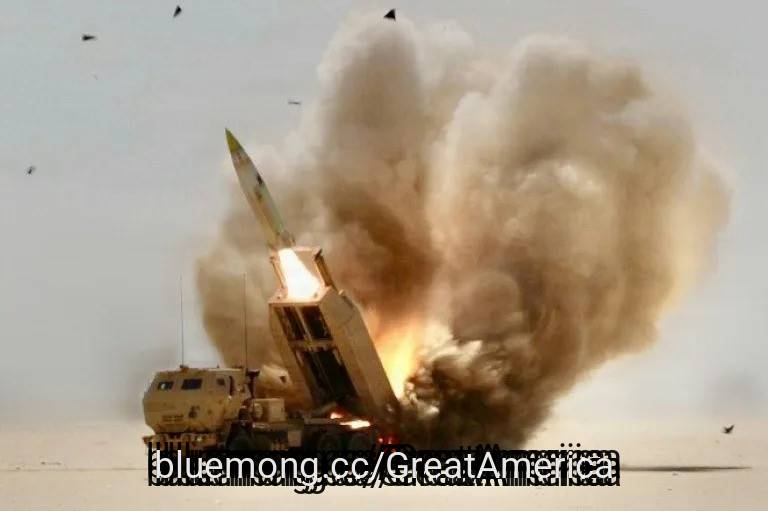
Israel said the war against Iran was entering its "decisive phase" on Saturday, as explosions rocked cities across the Middle East, with strikes on the US embassy in Baghdad and a major Emirati energy facility.
Washington's embassy in Iraq was hit by a drone, security sources told AFP, the second time it has been targeted since February 28, when the United States and Israel attacked Iran and plunged the Gulf into a conflict that has sent shockwaves through the global economy.
Millions have been displaced by waves of drone, missile and aerial
Israel said the war against Iran was entering its "decisive phase" on Saturday, as explosions rocked cities across the Middle East, with strikes on the US embassy in Baghdad and a major Emirati energy facility.
Washington's embassy in Iraq was hit by a drone, security sources told AFP, the second time it has been targeted since February 28, when the United States and Israel attacked Iran and plunged the Gulf into a conflict that has sent shockwaves through the global economy.
Millions have been displaced by waves of drone, missile and aerial

8 months ago
A 2,000 year old battery, or just a very interesting pot?
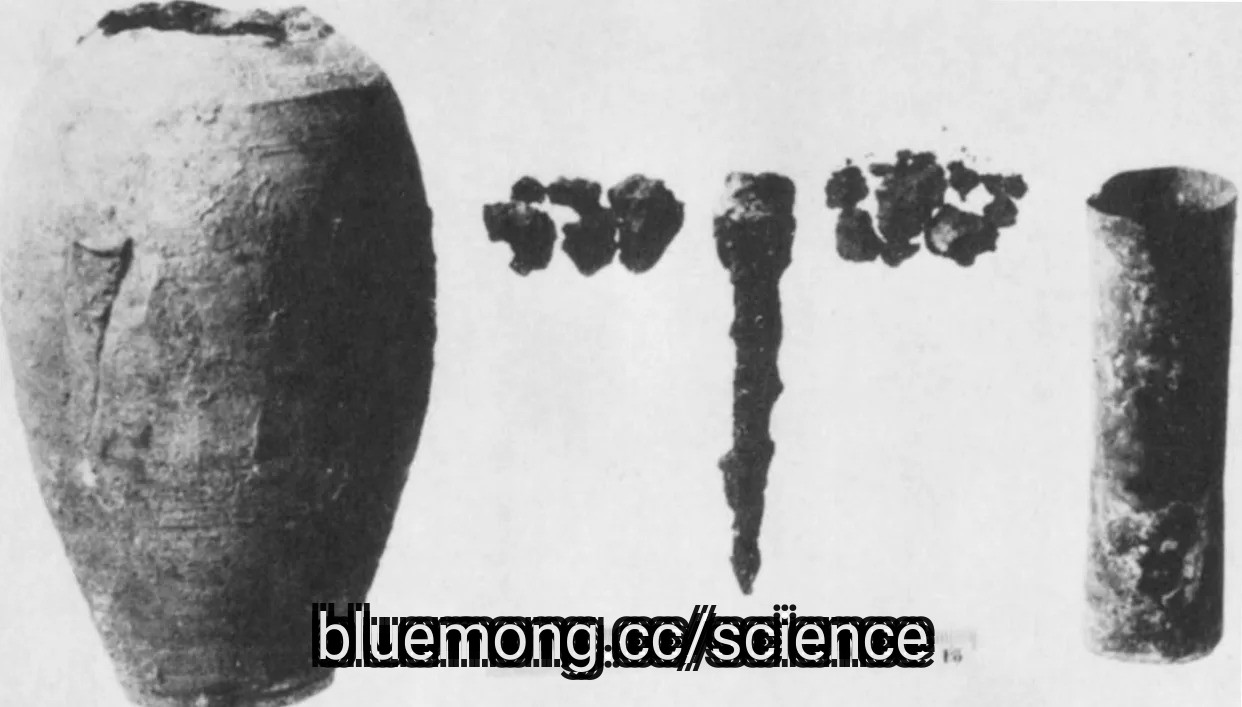
This is the debate that’s been swirling over the fragments of a puzzling artifact discovered in Iraq nearly a century ago. Dubbed the “Baghdad battery,” it’s believed to have originally been a clay jar housing a copper vessel, at the center of which was an iron rod. This arrangement, either by coincidence or design, could’ve allowed it to function as a primitive galvanic cell, some archaeologists argue — a primitive energy storage device pioneered in the Western world by Alessandro Volta, after whom the “volt” was named.
These are tou
This is the debate that’s been swirling over the fragments of a puzzling artifact discovered in Iraq nearly a century ago. Dubbed the “Baghdad battery,” it’s believed to have originally been a clay jar housing a copper vessel, at the center of which was an iron rod. This arrangement, either by coincidence or design, could’ve allowed it to function as a primitive galvanic cell, some archaeologists argue — a primitive energy storage device pioneered in the Western world by Alessandro Volta, after whom the “volt” was named.
These are tou



1 yr. ago
The US ordered some staff to leave its embassy in Baghdad as tensions rise ahead of nuclear talks: Here's your Evening Briefing Europe https://bloomberg.com/news...
business
https://bloomberg.com/news...
business
https://bloomberg.com/news...