

Curacao, the tiny Caribbean outpost with a population less than Middlesbrough, have found their way to football’s top table. Away from the greed, the cost and the wars, their anticipated debut has been one of the sparingly few pre-tournament stories that epitomise what the World Cup should represent.
It is a national miracle that they find themselves here but also a regional rarity; they are one of just five nations to ever represent the Caribbean on football’s biggest stage. That now looks to be changing.
The expansion of the World Cup to 48 teams has created new opportunity for international minnows to compete at a level that once looked impossible to reach. Those at the top may feel Fifa have made the tournament too big for their own good, diluting the quality. But there’s an argument for the opposite; with new doors now opened, smaller footballing nations are crucially now seeing a greater justification to invest in the development of the game from the ground up.
One of the confederations that benefited most from the expansion was Concacaf, the governing body for North America, Central America and the Caribbean. Like in Asia and Africa, Concacaf saw its World Cup qualifying berths effectively doubled - from three to six, plus another if one of their nations is successful in the play-offs. This is understood to have more than drawn the ire of Europe, with Uefa’s three extra spots (taking their allocation from 13 to 16) being the same given to Concacaf despite the overwhelming gulf in depth and standards between the confederations. Quality was clearly not the prevailing reason for change - instead, “inclusive” was the key word used by Fifa president Gianni Infantino when explaining the new allotments.
For better or worse of the World Cup on the whole, this has allowed the Caribbean to dream. Previously, pathways to the World Cup were gatekept by North and Central America. The United States and Mexico were near-guaranteed to qualify, leaving just one place to fight over; often Costa Rica or more recently Canada would ***** this. Opportunity was unbelievably limited for ambitious but poorly-resourced teams, but that is no longer the case. Both Curacao and Haiti are competing this year - the first time the Caribbean has ever had two countries representing at a World Cup - two decades on from Trinidad & Tobago’s generation-defining qualification in ‘06. And there will be others in years to come, with this writer delving into how one nation aims to emulate Curacao.
It is a national miracle that they find themselves here but also a regional rarity; they are one of just five nations to ever represent the Caribbean on football’s biggest stage. That now looks to be changing.
The expansion of the World Cup to 48 teams has created new opportunity for international minnows to compete at a level that once looked impossible to reach. Those at the top may feel Fifa have made the tournament too big for their own good, diluting the quality. But there’s an argument for the opposite; with new doors now opened, smaller footballing nations are crucially now seeing a greater justification to invest in the development of the game from the ground up.
One of the confederations that benefited most from the expansion was Concacaf, the governing body for North America, Central America and the Caribbean. Like in Asia and Africa, Concacaf saw its World Cup qualifying berths effectively doubled - from three to six, plus another if one of their nations is successful in the play-offs. This is understood to have more than drawn the ire of Europe, with Uefa’s three extra spots (taking their allocation from 13 to 16) being the same given to Concacaf despite the overwhelming gulf in depth and standards between the confederations. Quality was clearly not the prevailing reason for change - instead, “inclusive” was the key word used by Fifa president Gianni Infantino when explaining the new allotments.
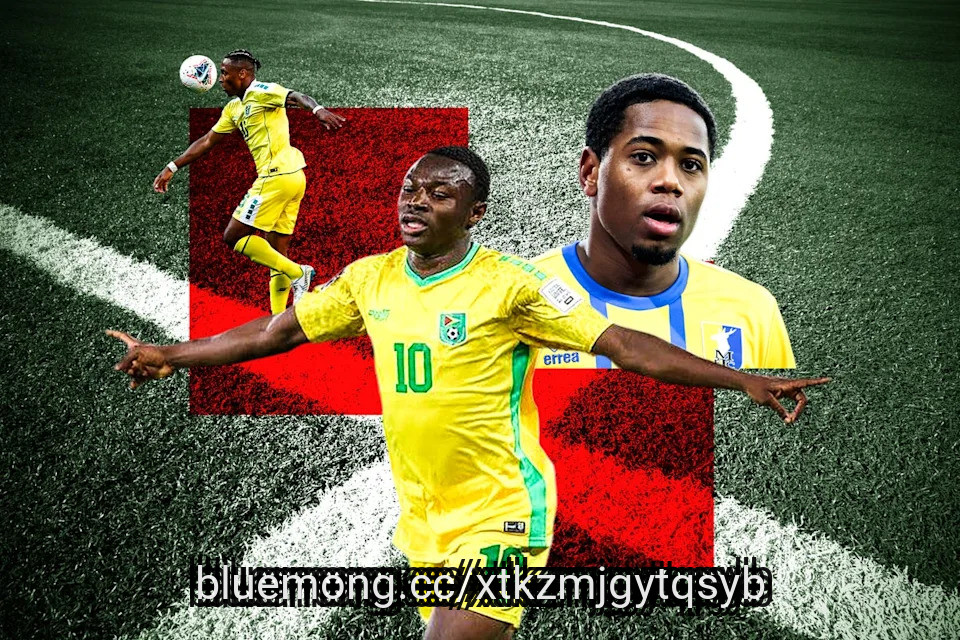
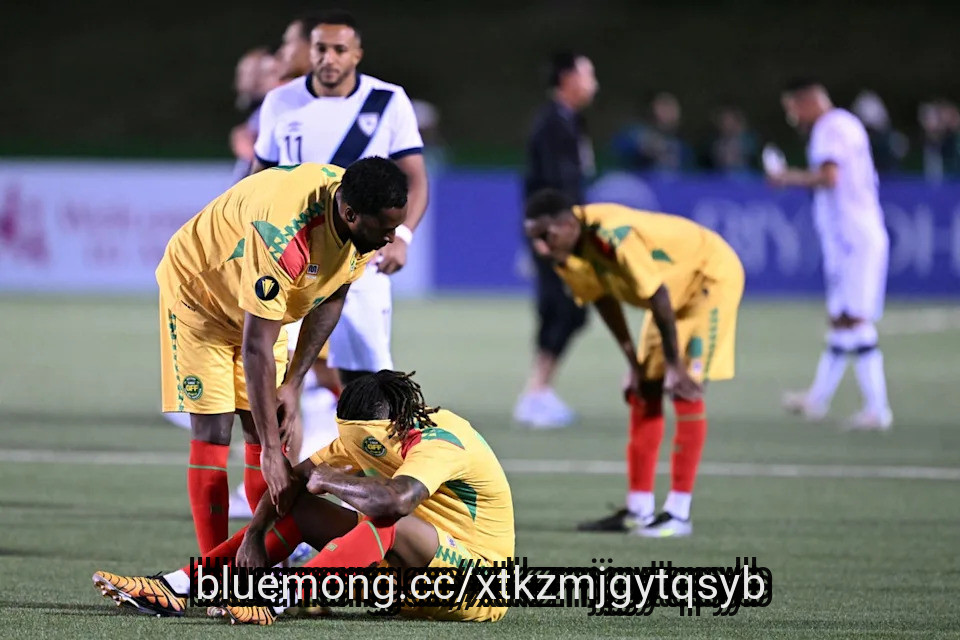
For better or worse of the World Cup on the whole, this has allowed the Caribbean to dream. Previously, pathways to the World Cup were gatekept by North and Central America. The United States and Mexico were near-guaranteed to qualify, leaving just one place to fight over; often Costa Rica or more recently Canada would ***** this. Opportunity was unbelievably limited for ambitious but poorly-resourced teams, but that is no longer the case. Both Curacao and Haiti are competing this year - the first time the Caribbean has ever had two countries representing at a World Cup - two decades on from Trinidad & Tobago’s generation-defining qualification in ‘06. And there will be others in years to come, with this writer delving into how one nation aims to emulate Curacao.

2 months ago