

The 2026 IPL season was batting excess at its absolute peak.
A record 27450 runs were scored across the season - the most in IPL history. Teams scored at a staggering run-rate of 9.88, another all-time high. There were 1426 sixes struck, eclipsing the previous record of 1294 set only a year earlier in 2025.
This was also the season of the 200-plus score. As many as 65 innings crossed the 200-run mark. Chasing became almost routine. Teams successfully hunted down 220-plus targets nine times this season alone; before 2026, that had happened just five times across the previous 18 editions combined.
In total, 18 scores of 200 or more were chased down this season - exactly double the number from 2025.
Going by those numbers, the final should have been a run-fest.
Instead, it was anything but.
Gujarat ****** ans huffed and puffed their way to 155/8. Royal Challengers Bengaluru chased it down comfortably to retain the IPL ****** le. There was drama because of the occasion, but not because of the scoring.
And it wasn't the first time.
Cast your mind back to 2024. That season was defined by Sunrisers Hyderabad's batting revolution. Records were broken almost every week as scores once considered impossible became commonplace. Yet when the final arrived, SRH were bowled out for 113 - the lowest total in IPL final history, and Kolkata Knight Riders raced to the target in just 10.3 overs.
Or take the 2022 final in Ahmedabad. Rajasthan Royals managed only 130/9 before Gujarat ****** ans cruised home with seven wickets in hand.
Which raises an interesting question.
Are IPL finals generally low-scoring? Do they fail to reflect the batting trends that define the league stage?
At first glance, the answer feels obvious.
For years, the accepted wisdom has been that the pressure of a ****** le decider suppresses scoring. Bigger nerves. Greater stakes. More cautious batting. Tired pitches at the end of a long tournament.
But is that actually true?
A TOI Data Desk ****** ysis of all 19 IPL finals between 2008 and 2026 suggests the answer is more complicated than conventional wisdom would have us believe.
In fact, the numbers are the exact opposite of what most fans would expect.
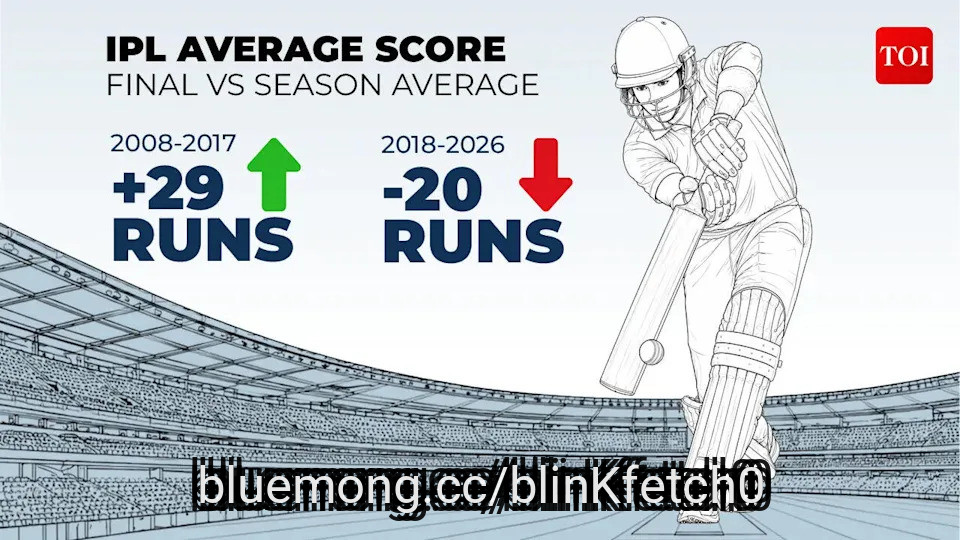
Across all 19 IPL finals, the average final has actually produced more runs than the average match in the corresponding season.
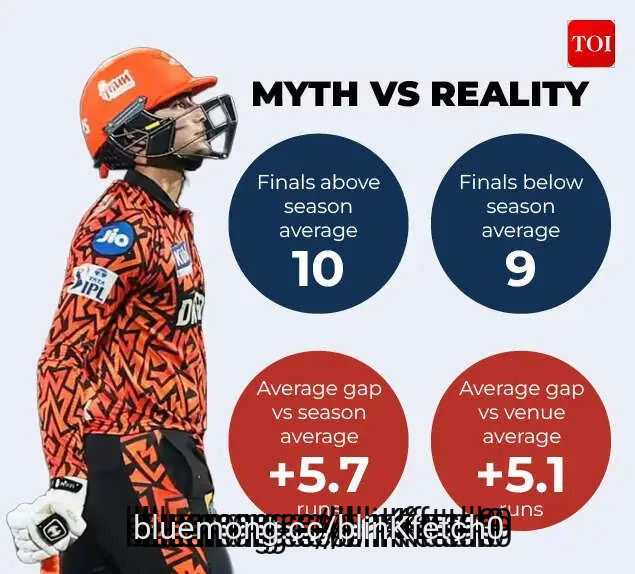
Here's the kicker: 10 finals have scored above their season average, while nine have finished below it.
On average, IPL finals have scored 5.7 runs more than the season average and 5.1 runs more than the historical scoring average at the venue where they were played.
In other words, the popular perception doesn't really hold up when viewed across the tournament's entire history. However, our memories are selective.
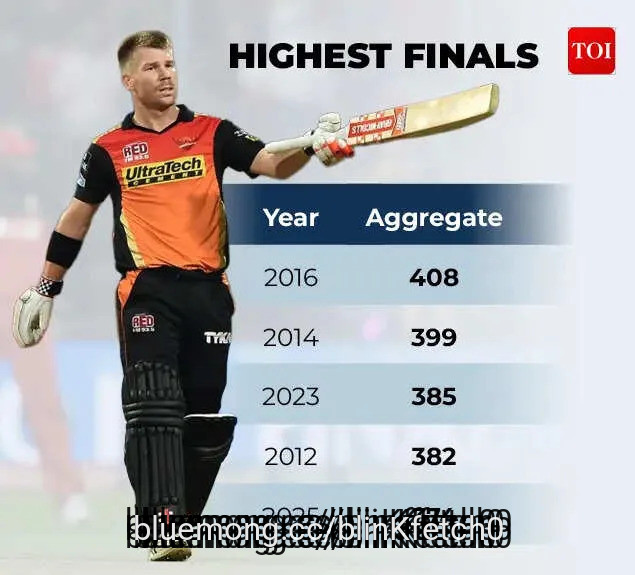
The low-scoring finals tend to stick. The 2024 final. The 2022 final. The 2026 final. These matches lead us to believe that finals are cagey affairs. But at the other end of the spectrum sit IP
A record 27450 runs were scored across the season - the most in IPL history. Teams scored at a staggering run-rate of 9.88, another all-time high. There were 1426 sixes struck, eclipsing the previous record of 1294 set only a year earlier in 2025.
This was also the season of the 200-plus score. As many as 65 innings crossed the 200-run mark. Chasing became almost routine. Teams successfully hunted down 220-plus targets nine times this season alone; before 2026, that had happened just five times across the previous 18 editions combined.
In total, 18 scores of 200 or more were chased down this season - exactly double the number from 2025.
Going by those numbers, the final should have been a run-fest.
Instead, it was anything but.
Gujarat ****** ans huffed and puffed their way to 155/8. Royal Challengers Bengaluru chased it down comfortably to retain the IPL ****** le. There was drama because of the occasion, but not because of the scoring.
And it wasn't the first time.
Cast your mind back to 2024. That season was defined by Sunrisers Hyderabad's batting revolution. Records were broken almost every week as scores once considered impossible became commonplace. Yet when the final arrived, SRH were bowled out for 113 - the lowest total in IPL final history, and Kolkata Knight Riders raced to the target in just 10.3 overs.
Or take the 2022 final in Ahmedabad. Rajasthan Royals managed only 130/9 before Gujarat ****** ans cruised home with seven wickets in hand.
Which raises an interesting question.
Are IPL finals generally low-scoring? Do they fail to reflect the batting trends that define the league stage?
At first glance, the answer feels obvious.
For years, the accepted wisdom has been that the pressure of a ****** le decider suppresses scoring. Bigger nerves. Greater stakes. More cautious batting. Tired pitches at the end of a long tournament.
But is that actually true?
A TOI Data Desk ****** ysis of all 19 IPL finals between 2008 and 2026 suggests the answer is more complicated than conventional wisdom would have us believe.
In fact, the numbers are the exact opposite of what most fans would expect.
Across all 19 IPL finals, the average final has actually produced more runs than the average match in the corresponding season.
Here's the kicker: 10 finals have scored above their season average, while nine have finished below it.
On average, IPL finals have scored 5.7 runs more than the season average and 5.1 runs more than the historical scoring average at the venue where they were played.
In other words, the popular perception doesn't really hold up when viewed across the tournament's entire history. However, our memories are selective.
The low-scoring finals tend to stick. The 2024 final. The 2022 final. The 2026 final. These matches lead us to believe that finals are cagey affairs. But at the other end of the spectrum sit IP
4 hours ago