
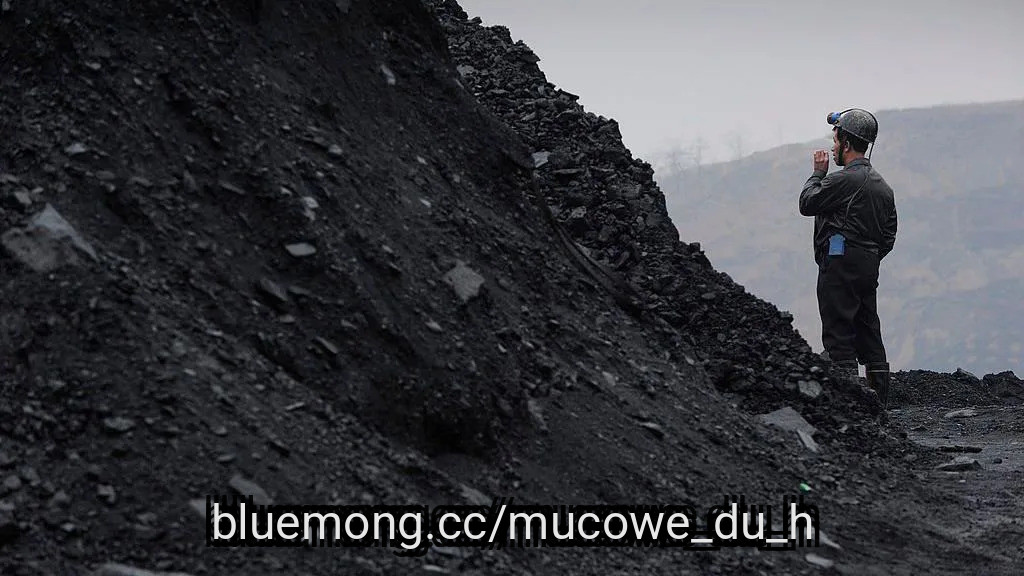
In Shanxi, the province that sits at the heart of China's coal-mining industry, there's long been a saying: "Only go down a coal pit when you have no other way out."
For decades, life in these pits was intertwined with tragedy.
It became so common that it gave rise to other sayings: about how miners were "exchanging their lives for money" or "staking their lives for tomorrow" when they ventured into underground tunnels where they died from gas explosions, flooding and shaft collapses.
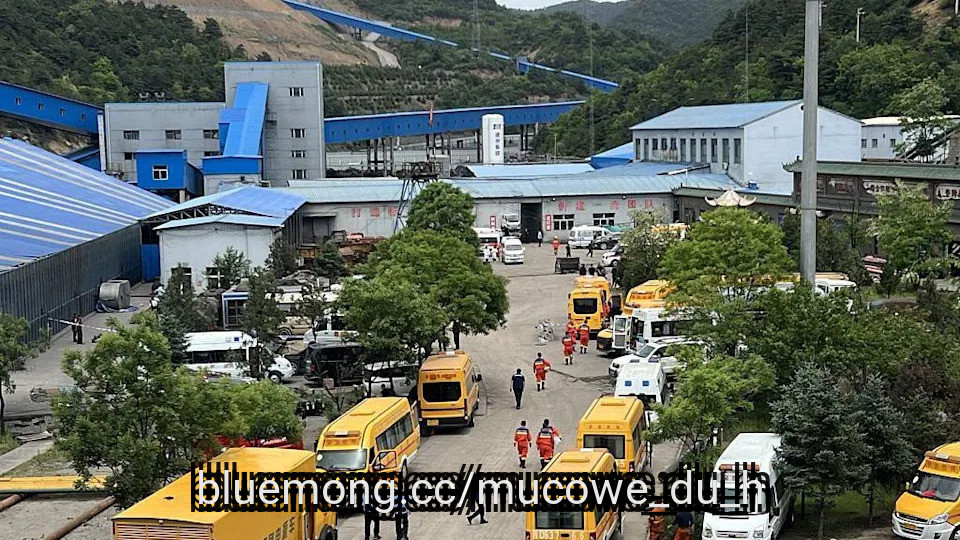
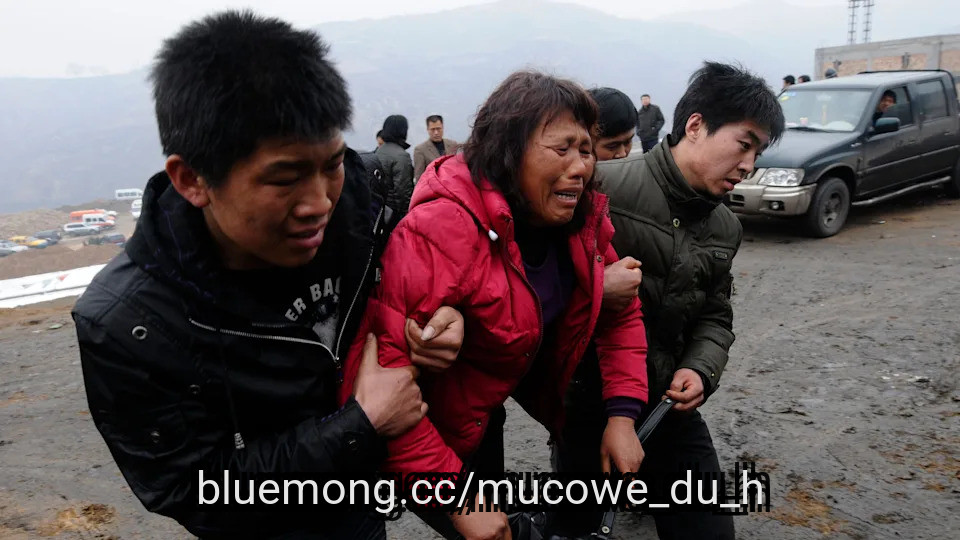
Over the past decade, safety reforms steadily erased the industry's deadly reputation, and those days were thought to be behind China - until 22 May, when a blast at the Liushenyu coal mine in Shanxi killed 82 people and injured more than 120 others.
China's worst coal mining disaster in more than 15 years happened as the country continues its ambitious pivot towards green energy - a reminder that it is still struggling to shake off its dependency on an industry that has proven dangerous so many times in the past.
For decades, life in these pits was intertwined with tragedy.
It became so common that it gave rise to other sayings: about how miners were "exchanging their lives for money" or "staking their lives for tomorrow" when they ventured into underground tunnels where they died from gas explosions, flooding and shaft collapses.
Over the past decade, safety reforms steadily erased the industry's deadly reputation, and those days were thought to be behind China - until 22 May, when a blast at the Liushenyu coal mine in Shanxi killed 82 people and injured more than 120 others.
China's worst coal mining disaster in more than 15 years happened as the country continues its ambitious pivot towards green energy - a reminder that it is still struggling to shake off its dependency on an industry that has proven dangerous so many times in the past.
4 days ago