

1 hr. ago
Our ******* ysts just identified a stock with the potential to be the next Nvidia. Tell us how you invest and we'll show you why it's our #1 pick. Tap here.
The wars in Iran and Ukraine are turning into a money-making opportunity for Indian and U.S. oil refiners as traditional global supply chains get jammed up. These refiners are running near capacity and subbing for Russian and Gulf oil in Asia, Europe and Latin America. In exchange, they're minting billions of dollars in export income.
Washington and New Delhi might have their own squabbles over oil, but that's not stopping either from sitting on an export windfall worth billions of dollars, mostly from selling heating oil and diesel.
U.S. refiners exported diesel and heating oil at a record 1.9 million barrels per day in the week ending August 7. Also, jet fuel exports of 443,000 bpd were just below May's record of 455,000 bpd.
Brazil, historically a top buyer of Russian diesel, imported 196,000 bpd of U.S. diesel last month, more than double June's volume, after Moscow extended its fuel-export ban to January 2027, according to Kpler vessel-tracking data.
#Diesel #refiners #export #russian
The wars in Iran and Ukraine are turning into a money-making opportunity for Indian and U.S. oil refiners as traditional global supply chains get jammed up. These refiners are running near capacity and subbing for Russian and Gulf oil in Asia, Europe and Latin America. In exchange, they're minting billions of dollars in export income.
Washington and New Delhi might have their own squabbles over oil, but that's not stopping either from sitting on an export windfall worth billions of dollars, mostly from selling heating oil and diesel.
U.S. refiners exported diesel and heating oil at a record 1.9 million barrels per day in the week ending August 7. Also, jet fuel exports of 443,000 bpd were just below May's record of 455,000 bpd.
Brazil, historically a top buyer of Russian diesel, imported 196,000 bpd of U.S. diesel last month, more than double June's volume, after Moscow extended its fuel-export ban to January 2027, according to Kpler vessel-tracking data.
#Diesel #refiners #export #russian


21 hours ago
A couple of weeks ago during "Market on Close," I fielded a question about refining stocks like Valero (VLO), Marathon (MPC), and Phillips 66 (PSX). I basically said the price action represented a pause, because the market had mispriced the risk in the refined product market.
It's a supply-and-demand story I've also detailed in this ***** e with regard to the VanEck Vectors Oil Refiners ETF (CRAK), which is now up about 10% since I made those comments on the livestream, and spiking to new highs today.
As 30-Year Yields Spike to 5.31%, Our Top Chart Strategist Warns There's a Risk to Stocks: 'In a Word, Yes'
Cooler US Weather Forecasts Weigh on Nat-Gas Prices
Did the Commodities Complex See Turnaround Activity Overnight?
#market #stocks #marathon
It's a supply-and-demand story I've also detailed in this ***** e with regard to the VanEck Vectors Oil Refiners ETF (CRAK), which is now up about 10% since I made those comments on the livestream, and spiking to new highs today.
As 30-Year Yields Spike to 5.31%, Our Top Chart Strategist Warns There's a Risk to Stocks: 'In a Word, Yes'
Cooler US Weather Forecasts Weigh on Nat-Gas Prices
Did the Commodities Complex See Turnaround Activity Overnight?
#market #stocks #marathon



3 days ago
China exported 6.7% more fuel last month than it did in June, although on an annual basis fuel exports dropped by 12.9%, Reuters reported today, citing Chinese customs data.
In absolute terms, Chinese refiners exported 4.65 million tons of refined products including gasoline, diesel, jet fuel, and bunkering fuel. Diesel exports totalled 810,000 tons last month, up by 88% amid a global squeeze on diesel stocks because of the wars in the Middle East and Ukraine. This puts them on par with July 2025 export levels and 50% higher than the average monthly so far this year.
Exports of other refined oil products, however, remain substantially lower than they were before the United States and Israel launched the February 28 strikes on Iran that started the war. Gasoline exports in July were 55.3% lower than a year earlier but up by a massive 320% from June as the Chinese government relaxed fuel export curbs imposed in March. Jet fuel exports were down 33% on an annual basis but up 42% on a monthly basis.
In early March, days after the conflict in the Middle East erupted and led to the closure of the Strait of Hormuz, the Chinese government moved to ban all fuel exports amid a worsening supply crunch, with the exception of some volumes shipping out to certain countries in Southeast Asia.
Beijing began to relax the curbs later, with the latest easing announced earlier this month, totalling 2.7 million tons of refined products, to be in effect until the end of August. However, refiners would be allowed to roll over some of those volumes to September if they cannot find buyers for the full amount. The easing of the curbs was prompted by abundant domestic stocks that, according to **** ysts, helped the world avoid a sharper oil price spike because of the Iran war.
#chinese #Diesel
In absolute terms, Chinese refiners exported 4.65 million tons of refined products including gasoline, diesel, jet fuel, and bunkering fuel. Diesel exports totalled 810,000 tons last month, up by 88% amid a global squeeze on diesel stocks because of the wars in the Middle East and Ukraine. This puts them on par with July 2025 export levels and 50% higher than the average monthly so far this year.
Exports of other refined oil products, however, remain substantially lower than they were before the United States and Israel launched the February 28 strikes on Iran that started the war. Gasoline exports in July were 55.3% lower than a year earlier but up by a massive 320% from June as the Chinese government relaxed fuel export curbs imposed in March. Jet fuel exports were down 33% on an annual basis but up 42% on a monthly basis.
In early March, days after the conflict in the Middle East erupted and led to the closure of the Strait of Hormuz, the Chinese government moved to ban all fuel exports amid a worsening supply crunch, with the exception of some volumes shipping out to certain countries in Southeast Asia.
Beijing began to relax the curbs later, with the latest easing announced earlier this month, totalling 2.7 million tons of refined products, to be in effect until the end of August. However, refiners would be allowed to roll over some of those volumes to September if they cannot find buyers for the full amount. The easing of the curbs was prompted by abundant domestic stocks that, according to **** ysts, helped the world avoid a sharper oil price spike because of the Iran war.
#chinese #Diesel


6 days ago
Crude oil imports from Russia accounted for over 50% of India's total import volumes last month. This was the highest share of Russian oil in India's import mix, Reuters noted in a report that cited unnamed trade sources.
Russia exported crude at a rate of some 2.47 million barrels daily to India last month, which was a 62.4% surge from a year ago and represented a 50.83% share of total oil imports into the world's third-largest oil buyer. However, July volumes were a decline on June's average, which stood at 2.6 million barrels daily and was the highest monthly average for Russian oil shipments to India.
Earlier, Kpler estimated that Russian oil flows to India in July averaged 2.45 million barrels daily, despite the expiration of a U.S. sanction waiver on these flows. Per the Kpler data, Russia remained India's largest oil supplier, followed by the United Arab Emirates and Saudi Arabia. Both, however, shipped much lower volumes, at 617,000 barrels daily for the UAE and 586,000 bpd for Saudi Arabia.
Russian oil has been flowing at all-time high rates to India since the start of the latter's new fiscal year on April 1. Volumes have averaged over 2 million barrels daily, making up over 42% of India's total oil imports in the period. This compares to a share of 37% for Russian oil volumes for India a year earlier.
This, however, may change after the latest U.S. sanctions, Reuters noted, recalling that those sanctions involve slapping 100% tariffs on imports from countries that buy Russian crude. The bill passed the Senate but is yet to be approved by the House of Representatives. Choking India's oil imports from Russia could be tricky because, with the war in the Middle East ongoing, there are limited alternative sources for the volumes that Indian refiners need, even accounting for record U.S. exports.
#russian #Russia #imports #crude
Russia exported crude at a rate of some 2.47 million barrels daily to India last month, which was a 62.4% surge from a year ago and represented a 50.83% share of total oil imports into the world's third-largest oil buyer. However, July volumes were a decline on June's average, which stood at 2.6 million barrels daily and was the highest monthly average for Russian oil shipments to India.
Earlier, Kpler estimated that Russian oil flows to India in July averaged 2.45 million barrels daily, despite the expiration of a U.S. sanction waiver on these flows. Per the Kpler data, Russia remained India's largest oil supplier, followed by the United Arab Emirates and Saudi Arabia. Both, however, shipped much lower volumes, at 617,000 barrels daily for the UAE and 586,000 bpd for Saudi Arabia.
Russian oil has been flowing at all-time high rates to India since the start of the latter's new fiscal year on April 1. Volumes have averaged over 2 million barrels daily, making up over 42% of India's total oil imports in the period. This compares to a share of 37% for Russian oil volumes for India a year earlier.
This, however, may change after the latest U.S. sanctions, Reuters noted, recalling that those sanctions involve slapping 100% tariffs on imports from countries that buy Russian crude. The bill passed the Senate but is yet to be approved by the House of Representatives. Choking India's oil imports from Russia could be tricky because, with the war in the Middle East ongoing, there are limited alternative sources for the volumes that Indian refiners need, even accounting for record U.S. exports.
#russian #Russia #imports #crude


14 days ago
Marathon Petroleum (MPC) posted $17.73 EPS against a $13.95 estimate as its refining margin nearly doubled to $36 per barrel.
Valero (VLO) warns margins could drop 28% by 2027, but structural limits keep today's crack spreads historically wide. No new U.S. refinery has been built since 1976.
Act now: the **** yst who called NVIDIA in 2010 just named his top 10 AI stocks — and Marathon Petroleum didn't make the cut. Grab the names FREE today.
Marathon Petroleum (NYSE:MPC) reported $17.73 in quarterly earnings per share against a $13.95 estimate, and its stock is up 90.47% year to date. If you have been grumbling at the pump about $4.08 gasoline, congratulations, you found the party. However, you were not invited unless you were invested here.
CNBC's Pippa Stevens laid out the setup on air Tuesday. "Fuel prices are high and crude has pulled back, creating a perfect situation for the refiners. EPS up 975% quarter over quarter and nearly 350% year over year." That is the whole thesis in two sentences. Marathon booked $5.14 billion in net income, up from $1.22 billion a year earlier, and returned over $2.80 billion to shareholders in a single quarter. Revenue landed at $51.99 billion. That cleared the $41.44 billion consensus.
#quarter #valero #NVIDIA
Valero (VLO) warns margins could drop 28% by 2027, but structural limits keep today's crack spreads historically wide. No new U.S. refinery has been built since 1976.
Act now: the **** yst who called NVIDIA in 2010 just named his top 10 AI stocks — and Marathon Petroleum didn't make the cut. Grab the names FREE today.
Marathon Petroleum (NYSE:MPC) reported $17.73 in quarterly earnings per share against a $13.95 estimate, and its stock is up 90.47% year to date. If you have been grumbling at the pump about $4.08 gasoline, congratulations, you found the party. However, you were not invited unless you were invested here.
CNBC's Pippa Stevens laid out the setup on air Tuesday. "Fuel prices are high and crude has pulled back, creating a perfect situation for the refiners. EPS up 975% quarter over quarter and nearly 350% year over year." That is the whole thesis in two sentences. Marathon booked $5.14 billion in net income, up from $1.22 billion a year earlier, and returned over $2.80 billion to shareholders in a single quarter. Revenue landed at $51.99 billion. That cleared the $41.44 billion consensus.
#quarter #valero #NVIDIA

15 days ago
For the second time this decade, a war has upended global oil markets and sent oil prices and refining margins to multi-year highs, benefitting the world's biggest oil companies and top refiners.
The war in Iran has tightened fuel supply as crude oil has struggled to move through the Strait of Hormuz, triggering reduced refining throughput in Asia and a temporary Chinese ban on exports. The fuel markets tightened even more than the crude market to send refining margins to record highs.
And the biggest refiners benefited from the new refining boom, with Big Oil reporting their highest second-quarter earnings since the previous outbreak of a war, the Russian invasion of Ukraine in 2022. The ******* per earnings were driven not only by the jump in oil prices between April and June—the contribution of the refining and trading divisions was also fundamental for fueling the high profits.
Record Refining Margins
Despite the slump in crude prices and the extreme volatility in the past five months, the refined product market continues to tighten with refining margins at record highs because the supply of petroleum products is much tighter than crude supply.
#margins #prices
The war in Iran has tightened fuel supply as crude oil has struggled to move through the Strait of Hormuz, triggering reduced refining throughput in Asia and a temporary Chinese ban on exports. The fuel markets tightened even more than the crude market to send refining margins to record highs.
And the biggest refiners benefited from the new refining boom, with Big Oil reporting their highest second-quarter earnings since the previous outbreak of a war, the Russian invasion of Ukraine in 2022. The ******* per earnings were driven not only by the jump in oil prices between April and June—the contribution of the refining and trading divisions was also fundamental for fueling the high profits.
Record Refining Margins
Despite the slump in crude prices and the extreme volatility in the past five months, the refined product market continues to tighten with refining margins at record highs because the supply of petroleum products is much tighter than crude supply.
#margins #prices


15 days ago
Brent crude fell back to around $80 per barrel after renewed optimism over a potential US-Iran draft agreement eased geopolitical fears, even as President Trump criticized US refiners for high fuel profits.
Trump Takes Aim at Big Oil's War Profits
- Runaway Q2 earnings of US oil majors have brought ***** per profits of energy companies back into the political limelight, with US President Trump ordering retailers to 'get retail prices down' as soon as possible.
- Donald Trump accused ExxonMobil and Chevron of making too much money and told them to 'give some of that money back to the public', also calling them out for not crediting his administration's efforts to help the oil industry.
- Whilst ExxonMobil's oil production was impacted by closures in the Middle East and Chevron continues to struggle with CPC closures in Kazakhstan, it was both companies' refining margins that have been stellar since the onset of the war in March.
#Trump #profits #chevron #money
Trump Takes Aim at Big Oil's War Profits
- Runaway Q2 earnings of US oil majors have brought ***** per profits of energy companies back into the political limelight, with US President Trump ordering retailers to 'get retail prices down' as soon as possible.
- Donald Trump accused ExxonMobil and Chevron of making too much money and told them to 'give some of that money back to the public', also calling them out for not crediting his administration's efforts to help the oil industry.
- Whilst ExxonMobil's oil production was impacted by closures in the Middle East and Chevron continues to struggle with CPC closures in Kazakhstan, it was both companies' refining margins that have been stellar since the onset of the war in March.
#Trump #profits #chevron #money



28 days ago
Commodity traders are having the rug pulled out from under one of their biggest paydays yet as refiners start bypassing oil and traders and buying Venezuelan crude directly, according to Reuters. Refiners and major oil-producing firms are rapidly gaining market share in Venezuelan crude by locking in direct supply contracts with state-run Petróleos de Venezuela, S.A. (PDVSA), bypassing the global middlemen and commodity trading houses such as Trafigura and Vitol that previously dominated the ***** e.
Six months after traders reopened Venezuela's oil market, Phillips 66 (NYSE:PSX) and India's Reliance Industries have already signed direct supply agreements, with Valero (NYSE:VLO) and Thailand's Tipco expected to follow.
Previously, Vitol and Trafigura enjoyed first-mover advantage, managing to become dominant in Venezuelan crude marketing because of their exclusive U.S. government licenses, pre-existing logistical infrastructure and historical ties to PDVSA. Following major political shifts in Venezuela in January, the U.S. administration brokered a deal to manage and sell the country's oil. The U.S. Department of the Treasury issued special, long-term licenses specifically to Vitol and Trafigura until June 2027, effectively giving the traders a temporary monopoly. The pair collectively moved more than 100 million barrels of crude over a six-month period while other global firms remained legally locked out.
Their unmatched logistics also gave them a clear upper hand. After all, global trading houses have the fleet capacity and global reach to quickly deploy tankers and reroute large volumes of crude. They could absorb massive storage and shipping costs in a difficult market, using floating storage facilities in places like Malaysia to break up bulk shipments. When the ongoing war in Iran disrupted Middle Eastern supply chains, Vitol and Trafigura quickly diverted heavy Venezuelan grades like Merey 16 to major Asian refining hubs in India, South Korea, and Malaysia at narrower discounts.
Related: Equinor CEO: Europe May Miss Winter Gas Storage Goal
#venezuelan #crude #storage
Six months after traders reopened Venezuela's oil market, Phillips 66 (NYSE:PSX) and India's Reliance Industries have already signed direct supply agreements, with Valero (NYSE:VLO) and Thailand's Tipco expected to follow.
Previously, Vitol and Trafigura enjoyed first-mover advantage, managing to become dominant in Venezuelan crude marketing because of their exclusive U.S. government licenses, pre-existing logistical infrastructure and historical ties to PDVSA. Following major political shifts in Venezuela in January, the U.S. administration brokered a deal to manage and sell the country's oil. The U.S. Department of the Treasury issued special, long-term licenses specifically to Vitol and Trafigura until June 2027, effectively giving the traders a temporary monopoly. The pair collectively moved more than 100 million barrels of crude over a six-month period while other global firms remained legally locked out.
Their unmatched logistics also gave them a clear upper hand. After all, global trading houses have the fleet capacity and global reach to quickly deploy tankers and reroute large volumes of crude. They could absorb massive storage and shipping costs in a difficult market, using floating storage facilities in places like Malaysia to break up bulk shipments. When the ongoing war in Iran disrupted Middle Eastern supply chains, Vitol and Trafigura quickly diverted heavy Venezuelan grades like Merey 16 to major Asian refining hubs in India, South Korea, and Malaysia at narrower discounts.
Related: Equinor CEO: Europe May Miss Winter Gas Storage Goal
#venezuelan #crude #storage


1 month ago
The oil market may soon run out of the supply and demand cushions that have kept prices from soaring to record highs during the huge loss of flows through the Strait of Hormuz.
The window provided by the U.S.-Iran memorandum of understanding, during which Middle Eastern producers rushed the crude amassed in the Gulf in the previous four months out of the region, abruptly shut down with the renewed hostilities and all-but-dead ceasefire.
Inventories of crude and fuels in key markets, including the United States, are running dangerously low with no buffers left, while most of the oil from the world's biggest-ever coordinated stocks release has already reached refiners.
Last but not least, China may soon end its absence from crude purchases and the decade-low crude oil import volumes from the past weeks, removing the single biggest demand buffer that capped oil price gains in March-June.
The Return of China?
The window provided by the U.S.-Iran memorandum of understanding, during which Middle Eastern producers rushed the crude amassed in the Gulf in the previous four months out of the region, abruptly shut down with the renewed hostilities and all-but-dead ceasefire.
Inventories of crude and fuels in key markets, including the United States, are running dangerously low with no buffers left, while most of the oil from the world's biggest-ever coordinated stocks release has already reached refiners.
Last but not least, China may soon end its absence from crude purchases and the decade-low crude oil import volumes from the past weeks, removing the single biggest demand buffer that capped oil price gains in March-June.
The Return of China?


1 month ago
Chinese refiners largely stopped competing for Middle Eastern crude during the Iran conflict, leaving more Gulf cargoes available to Europe, India, and the rest of Asia just as traders prepared for a supply shock.
The International Energy Agency (IEA) estimates China drew 41 million barrels from crude inventories during June, one of the largest monthly stock draws on record. Refiners met domestic demand from storage instead of replacing those barrels through imports, allowing Beijing to ride out the sharp jump in Middle Eastern crude prices caused by the conflict.
That inventory was accumulated well before the conflict. The U.S. Energy Information Administration estimates China spent much of 2025 buying roughly 900,000 barrels per day for strategic and commercial storage whenever prices softened.
Independent "teapot" refiners cut operating rates as weak refining margins, slowing fuel demand and higher crude prices squeezed profitability. Reuters reported that several refiners shifted purchases toward discounted Gulf grades and delayed Iranian cargoes, leaving millions of barrels floating offshore without immediate buyers.
Kpler estimated in late May that Chinese seaborne crude imports had fallen to 6.78 million barrels per day, the lowest level in nearly a decade, down from 8.5 million bpd in April and well below the 2025 average of 10.66 million bpd. Refinery intake, however, declined far less sharply, indicating that refiners were meeting the difference by drawing inventories.
The International Energy Agency (IEA) estimates China drew 41 million barrels from crude inventories during June, one of the largest monthly stock draws on record. Refiners met domestic demand from storage instead of replacing those barrels through imports, allowing Beijing to ride out the sharp jump in Middle Eastern crude prices caused by the conflict.
That inventory was accumulated well before the conflict. The U.S. Energy Information Administration estimates China spent much of 2025 buying roughly 900,000 barrels per day for strategic and commercial storage whenever prices softened.
Independent "teapot" refiners cut operating rates as weak refining margins, slowing fuel demand and higher crude prices squeezed profitability. Reuters reported that several refiners shifted purchases toward discounted Gulf grades and delayed Iranian cargoes, leaving millions of barrels floating offshore without immediate buyers.
Kpler estimated in late May that Chinese seaborne crude imports had fallen to 6.78 million barrels per day, the lowest level in nearly a decade, down from 8.5 million bpd in April and well below the 2025 average of 10.66 million bpd. Refinery intake, however, declined far less sharply, indicating that refiners were meeting the difference by drawing inventories.


1 month ago
China's crude oil imports crashed to a decade-low in June as the reduced flows through the Strait of Hormuz hiked oil prices and reduced refiners' appetite for costly crude.
Overall Chinese imports of crude oil plunged by 41.3% in June from a year earlier, to just 29.27 million tons, or 7.12 million barrels per day (bpd), according to official Chinese customs data released on Tuesday.
The June volumes hit a decade low as they were at their lowest level since October 2016, according to the data series.
Chinese crude oil imports extended the decline from May, falling by another 12% in June from the prior month.
Imports in May had crashed to an eight-year low, and further slid in June to a decade-low.
Overall Chinese imports of crude oil plunged by 41.3% in June from a year earlier, to just 29.27 million tons, or 7.12 million barrels per day (bpd), according to official Chinese customs data released on Tuesday.
The June volumes hit a decade low as they were at their lowest level since October 2016, according to the data series.
Chinese crude oil imports extended the decline from May, falling by another 12% in June from the prior month.
Imports in May had crashed to an eight-year low, and further slid in June to a decade-low.

2 months ago
Previously, we reported that Abu Dhabi's flagship crude, Murban crude, has rapidly risen to prominence, with Murban crude futures having rapidly evolved from a regional benchmark into a primary global pricing standard. Known for its high API gravity and low sulfur content, Murban serves as a globally recognized energy benchmark traded on the ICE Futures Abu Dhabi (IFAD) exchange. By offering continuous screen-trading, deep liquidity and the removal of destination restrictions, Murban has bypassed older, restricted benchmarks like Platts Dubai, introducing unprecedented transparency and price discovery to Middle Eastern crude.
However, the Middle East conflict has upended oil market dynamics, giving Asian refiners a distinctive advantage.
The Abu Dhabi National Oil Co. (ADNOC) is now transitioning the Official Selling Prices (OSPs) for its three offshore crude grades--Upper Zakum, Das, and Umm Lulu--from a differential against Murban futures to a differential against the Dubai benchmark. This change will apply to prompt cargoes loading two months ahead, while the flagship Murban crude remains tied to Murban futures.
ADNOC's decision to price its offshore crude grades against the Dubai benchmark instead of Murban corrects a structural economic distortion that has penalized buyers for years. Murban is a premium, light-sweet crude grade, whereas the offshore grades—Upper Zakum, Das, and Umm Lulu—are medium-sour barrels, yielding completely different product slates.
During the height of the U.S.-Iran conflict, extreme market backwardation and sudden premium demand for light ends caused front-month Murban futures on the IFAD exchange to surge. Because Upper Zakum and Das were priced as a differential pegged directly to Murban, these medium-sour barrels became artificially and prohibitively expensive for Asian refiners, completely detached from their actual physical market fundamentals. By shifting the offshore grades to a Dubai-linked formula—the undisputed global baseline for medium-sour crude—ADNOC is realigning these crudes with their true physical peers, such as Oman and Qatar's Al-Shaheen.
However, the Middle East conflict has upended oil market dynamics, giving Asian refiners a distinctive advantage.
The Abu Dhabi National Oil Co. (ADNOC) is now transitioning the Official Selling Prices (OSPs) for its three offshore crude grades--Upper Zakum, Das, and Umm Lulu--from a differential against Murban futures to a differential against the Dubai benchmark. This change will apply to prompt cargoes loading two months ahead, while the flagship Murban crude remains tied to Murban futures.
ADNOC's decision to price its offshore crude grades against the Dubai benchmark instead of Murban corrects a structural economic distortion that has penalized buyers for years. Murban is a premium, light-sweet crude grade, whereas the offshore grades—Upper Zakum, Das, and Umm Lulu—are medium-sour barrels, yielding completely different product slates.
During the height of the U.S.-Iran conflict, extreme market backwardation and sudden premium demand for light ends caused front-month Murban futures on the IFAD exchange to surge. Because Upper Zakum and Das were priced as a differential pegged directly to Murban, these medium-sour barrels became artificially and prohibitively expensive for Asian refiners, completely detached from their actual physical market fundamentals. By shifting the offshore grades to a Dubai-linked formula—the undisputed global baseline for medium-sour crude—ADNOC is realigning these crudes with their true physical peers, such as Oman and Qatar's Al-Shaheen.

2 months ago
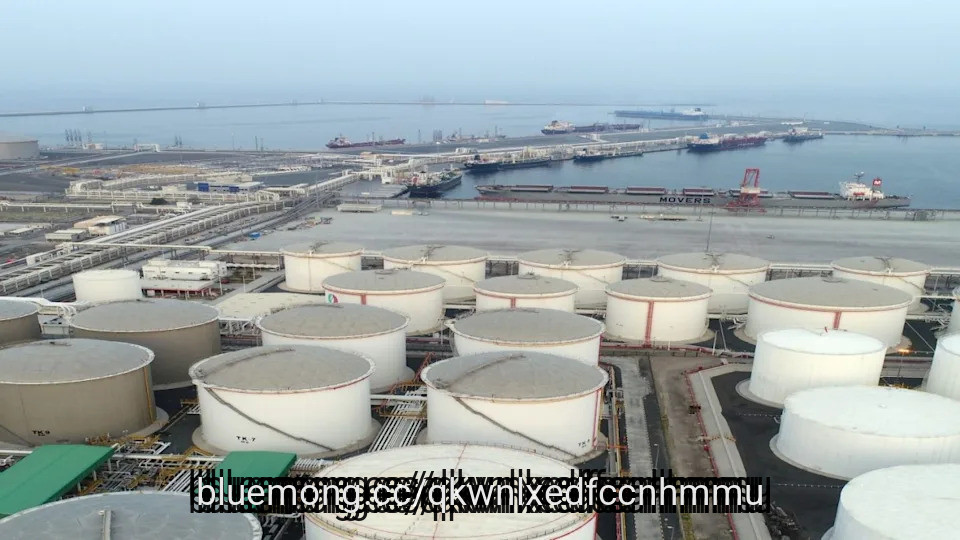
Crude oil prices are in freefall after the United States and Iran agreed on a ceasefire, set to last 60 days. Traders expect the ceasefire to unleash an avalanche of crude, and indeed, tankers are leaving the Persian Gulf in growing numbers. And yet Iran just struck a commercial ship in Hormuz.
Bloomberg reported earlier this week that the ceasefire prompted huge discounts in available crude cargoes, noting how Angolan crude was selling at a $10 discount to dated Brent—for the first time in a decade. Not only this, but Chinese refiners were offering crude oil cargoes for sale, the publication wrote, citing unnamed traders.
"You actually get a discount to buy a barrel now versus a barrel tomorrow because of the weakness in the Asian pull on Middle Eastern grades," Daan Struyven, co-head of global commodities at Goldman Sachs, told Bloomberg. "Reopening is going well and quickly."
This appears to be the general feeling in trading and ***** yst circles. Indeed, ***** ysts were somewhat baffled by the speed with which oil prices dropped amid the reports of more tankers exiting the Strait of Hormuz loaded.
"The market has rebalanced through a meaningfully different mix of demand losses and inventory withdrawals than we initially ***** umed," JP Morgan commodity ***** ysts said, as quoted by the Wall Street Journal.
Bloomberg reported earlier this week that the ceasefire prompted huge discounts in available crude cargoes, noting how Angolan crude was selling at a $10 discount to dated Brent—for the first time in a decade. Not only this, but Chinese refiners were offering crude oil cargoes for sale, the publication wrote, citing unnamed traders.
"You actually get a discount to buy a barrel now versus a barrel tomorrow because of the weakness in the Asian pull on Middle Eastern grades," Daan Struyven, co-head of global commodities at Goldman Sachs, told Bloomberg. "Reopening is going well and quickly."
This appears to be the general feeling in trading and ***** yst circles. Indeed, ***** ysts were somewhat baffled by the speed with which oil prices dropped amid the reports of more tankers exiting the Strait of Hormuz loaded.
"The market has rebalanced through a meaningfully different mix of demand losses and inventory withdrawals than we initially ***** umed," JP Morgan commodity ***** ysts said, as quoted by the Wall Street Journal.


2 months ago
By Nidhi Verma, Siyi Liu and Florence Tan
NEW DELHI/SINGAPORE, June 23 (Reuters) - A temporary U.S. sanctions waiver on Iranian oil sales is unlikely to draw orders from well-stocked Asian refiners, leaving independent Chinese refineries as the main buyer, trade sources and **** ysts said.
The U.S. authorised on Monday the sale of crude, petroleum products and petrochemicals of Iranian origin through August 21, easing decades-old sanctions as it pushes toward a final peace deal with Tehran.
Hit by supply disruptions due to the blockade of the Strait of Hormuz since March, Asian refiners have been aggressively buying oil from the U.S., Russia, Africa and Latin America.
But the U.S.-Iran interim peace deal is reopening the strait and allowing oil stranded for months to exit, weighing on global oil markets. Middle Eastern producers are also now pressuring buyers to lift contracted volumes under annual deals, sources said. [O/R]
NEW DELHI/SINGAPORE, June 23 (Reuters) - A temporary U.S. sanctions waiver on Iranian oil sales is unlikely to draw orders from well-stocked Asian refiners, leaving independent Chinese refineries as the main buyer, trade sources and **** ysts said.
The U.S. authorised on Monday the sale of crude, petroleum products and petrochemicals of Iranian origin through August 21, easing decades-old sanctions as it pushes toward a final peace deal with Tehran.
Hit by supply disruptions due to the blockade of the Strait of Hormuz since March, Asian refiners have been aggressively buying oil from the U.S., Russia, Africa and Latin America.
But the U.S.-Iran interim peace deal is reopening the strait and allowing oil stranded for months to exit, weighing on global oil markets. Middle Eastern producers are also now pressuring buyers to lift contracted volumes under annual deals, sources said. [O/R]


3 months ago
(By Oil & Gas 360) – May may ultimately be remembered as the month energy markets stopped treating geopolitical disruption as temporary and started pricing it as structural.
What began as rising tension around the Strait of Hormuz evolved into something broader: tighter inventories, shifting trade flows, renewed LNG urgency, and growing concern that the global energy system has far less flexibility than many ******* umed. By month’s end, the market was no longer simply reacting to headlines, it was reassessing the reliability of supply itself.
No single issue shaped May more than the Strait of Hormuz.
Concerns over shipping disruptions, naval activity, export slowdowns, and possible blockades repeatedly pushed oil prices higher throughout the month. Producers, refiners, traders, and governments were forced to reassess the reliability of the world’s most important energy corridor.
Yet by month-end, reports of a potential U.S.–Iran agreement triggered a sharp reversal in sentiment. Oil prices slipped as markets anticipated a reopening of Hormuz shipping routes, with Brent on track for its worst monthly performance since 2020.
What began as rising tension around the Strait of Hormuz evolved into something broader: tighter inventories, shifting trade flows, renewed LNG urgency, and growing concern that the global energy system has far less flexibility than many ******* umed. By month’s end, the market was no longer simply reacting to headlines, it was reassessing the reliability of supply itself.
No single issue shaped May more than the Strait of Hormuz.
Concerns over shipping disruptions, naval activity, export slowdowns, and possible blockades repeatedly pushed oil prices higher throughout the month. Producers, refiners, traders, and governments were forced to reassess the reliability of the world’s most important energy corridor.
Yet by month-end, reports of a potential U.S.–Iran agreement triggered a sharp reversal in sentiment. Oil prices slipped as markets anticipated a reopening of Hormuz shipping routes, with Brent on track for its worst monthly performance since 2020.