
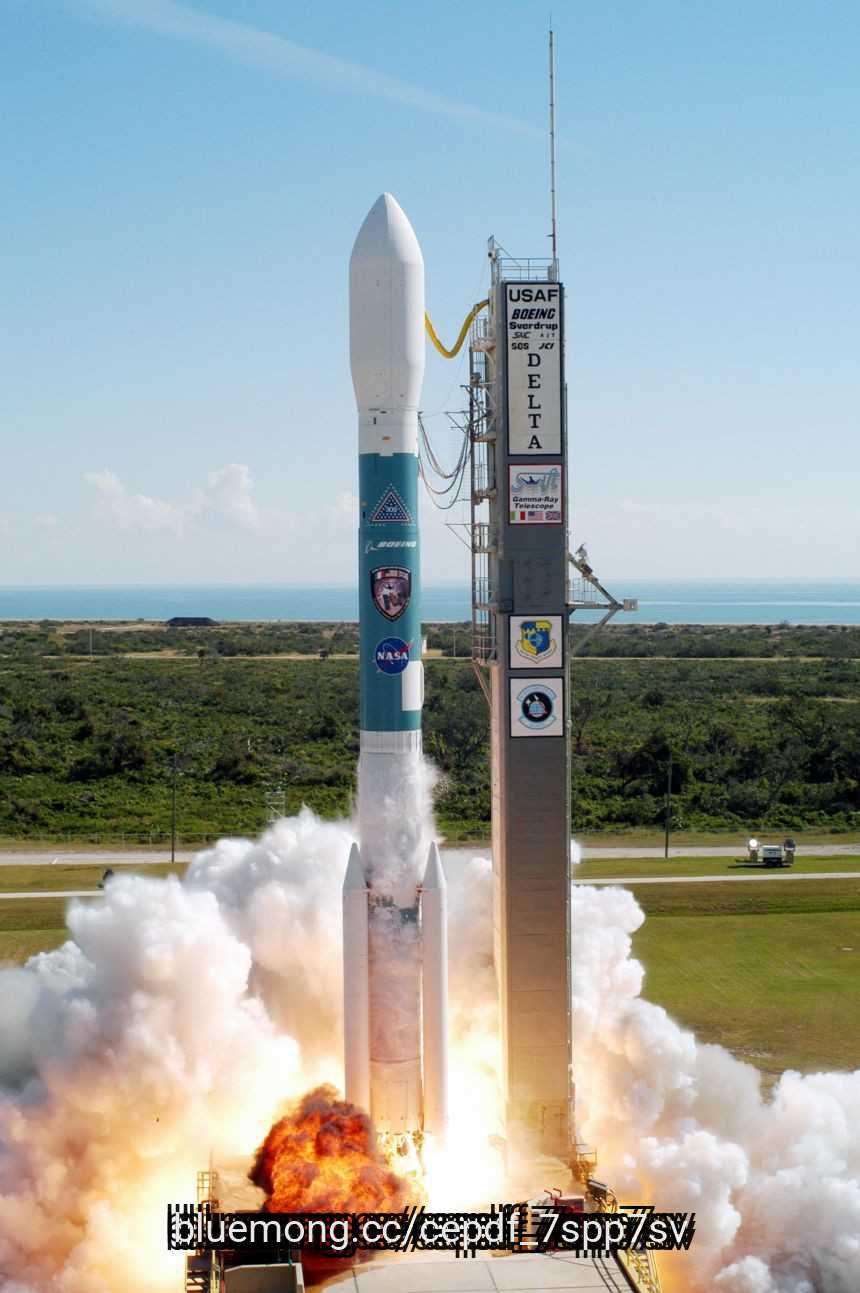
NASA’s Neil Gehrels Swift Observatory met a fiery end on Wednesday morning, nearly 22 years after it launched to study the most powerful explosions in the universe.
Data from the US ******* e Force estimates the 3,200-pound ******* ecraft plunged into Earth’s atmosphere over Indonesia around 7:39 a.m. ET.
While most of the observatory was expected to burn up as it blazed through the thick inner band of Earth’s atmosphere, NASA predicted some pieces of the vehicle would survive.
It was not immediately clear whether any surviving debris hit land. Previously, NASA had predicted that the “risk of harm coming to anyone on Earth is unlikely, approximately 1 in 2,100.”
If Swift were launched today, it would likely have to adhere to far stricter safety guidelines regarding end-of-life planning, according to The Aerospace Corporation, which is a federally funded research and development center.
#observatory


2 days ago