

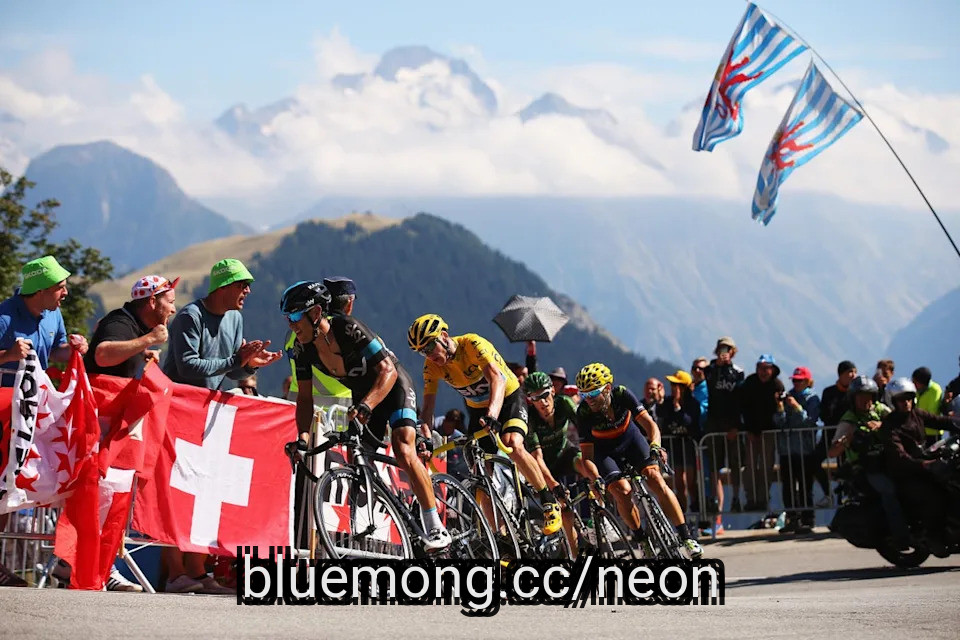
The 2026 Tour de France will meet the famous 21 hairpins of Alpe d’Huez on Friday, in the first of two back-to-back days scaling the famous peak. But it is the second journey, up the lesser travelled Col de Sarenne, which has provoked protest, a petition and criticism of race organisers.
The route for this year’s Tour was announced at a Paris ceremony last October. Saturday’s stage 20 immediately stood out, partly as a rare double ascent of Alpe d’Huez, perhaps the most famous mountain in Tour de France lore; and partly because the stage is brutal in its own right. It features 5,000m of elevation gain over four Tour behemoths: the Croix de Fer, the Col du Telegraphe, Col du Galibier, and finally the Col de Sarenne – the eastern back road up the Alpe – before an undulating final 14km to the finish, via the final four hairpins of the traditional route.
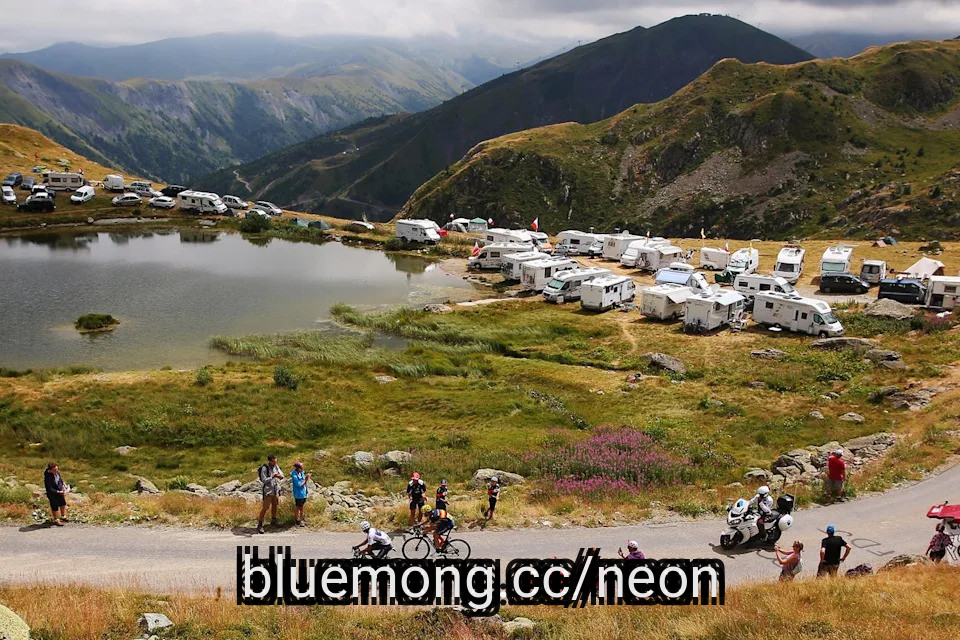
The Col de Sarenne is an unusual pass for the Tour to tackle. This is the first time it has been used as an ascent, after it was used once as a descent in 2013. The debate back then was about rider safety, with sheer drops either side of the narrow, uneven path near the top, and hay bales were hastily planted along the road’s edge to protect a disgruntled peloton.
Ahead of this year’s return to the Col de Sarenne, environmentalists have led protests against race organiser ASO and its decision to send the world’s biggest bike race over the Sarenne pass in the Ferrand Valley, part of Ecrins National Park and an ecologically sensitive area.
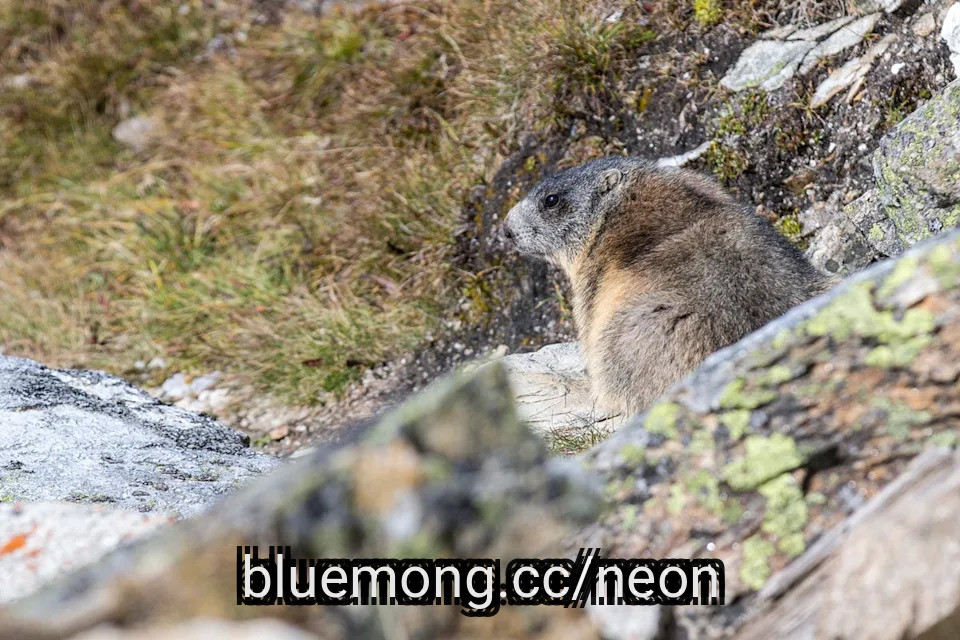
A petition which garnered more than 15,000 signatures called for the stage to be re-routed away from the “beautiful and wild” area, which the petition stresses is home to numerous animals including stoats, marmots, foxes, chamois, eagles, bearded vultures, ptarmigan, rock partridges and the rare black grouse, whose chicks hatch in July.
#france #huez
The route for this year’s Tour was announced at a Paris ceremony last October. Saturday’s stage 20 immediately stood out, partly as a rare double ascent of Alpe d’Huez, perhaps the most famous mountain in Tour de France lore; and partly because the stage is brutal in its own right. It features 5,000m of elevation gain over four Tour behemoths: the Croix de Fer, the Col du Telegraphe, Col du Galibier, and finally the Col de Sarenne – the eastern back road up the Alpe – before an undulating final 14km to the finish, via the final four hairpins of the traditional route.
The Col de Sarenne is an unusual pass for the Tour to tackle. This is the first time it has been used as an ascent, after it was used once as a descent in 2013. The debate back then was about rider safety, with sheer drops either side of the narrow, uneven path near the top, and hay bales were hastily planted along the road’s edge to protect a disgruntled peloton.
Ahead of this year’s return to the Col de Sarenne, environmentalists have led protests against race organiser ASO and its decision to send the world’s biggest bike race over the Sarenne pass in the Ferrand Valley, part of Ecrins National Park and an ecologically sensitive area.
A petition which garnered more than 15,000 signatures called for the stage to be re-routed away from the “beautiful and wild” area, which the petition stresses is home to numerous animals including stoats, marmots, foxes, chamois, eagles, bearded vultures, ptarmigan, rock partridges and the rare black grouse, whose chicks hatch in July.
#france #huez
2 months ago